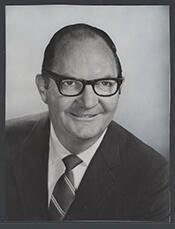
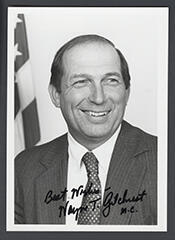
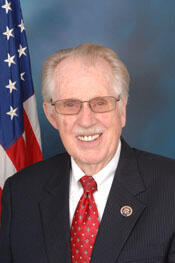
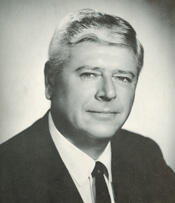
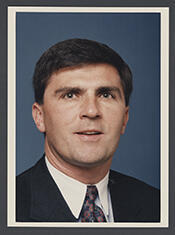
William Smith was a member of the Unknown Party who represented the state of Maryland in the United States Congress for one term. Serving during a significant period in American history, he participated in the federal legislative process and sought to represent the interests of his Maryland constituents in the national legislature. Although many individuals named William, Willie, Will, Bill, or Billy Smith have held public office or achieved distinction in a wide variety of fields, this William Smith is specifically noted for his single term of congressional service on behalf of Maryland.
Little is recorded about William Smith’s early life, including his exact date and place of birth, family background, or formative influences. Like many public figures of his era who later entered politics, it is likely that his early years in Maryland, or in another part of the United States before settling there, exposed him to the political and social issues that would shape his later public service. The broader historical context in which he came of age—marked by evolving debates over federal power, economic development, and the rights and responsibilities of the states—would have informed his understanding of public affairs and the role of a representative in Congress.
Details of Smith’s formal education are not preserved in the surviving record. Unlike some of his contemporaries who were educated at well-known institutions such as the early American colleges or British universities, there is no specific evidence tying this Maryland congressman to any of the many William Smiths who distinguished themselves in academic life, such as William Smith, the Scottish-born Episcopal priest and first provost of the University of Pennsylvania, or William Smith, the English geologist. Nonetheless, his eventual election to Congress suggests that he possessed sufficient education, legal or commercial experience, and familiarity with public questions to command the confidence of voters and colleagues.
Prior to his election to Congress, William Smith likely pursued a career that brought him into contact with civic and political affairs in Maryland, whether through local office, legal practice, business, or community leadership. In an era when political parties and local factions were often fluid and evolving, his affiliation is recorded simply as the Unknown Party, indicating that the specific party label under which he served has not been firmly identified in the historical record. Even so, his emergence as a candidate and subsequent election reflect a measure of prominence and trust within his community and among political leaders in his district.
William Smith’s congressional service consisted of a single term representing Maryland, during which he contributed to the legislative process in the House of Representatives. Serving at a time of important national developments, he participated in debates, committee work, and roll-call votes that shaped federal policy. As a member of Congress, he was responsible for balancing national considerations with the specific needs and concerns of his Maryland constituents, including matters related to the state’s economy, transportation, and its position within the Union. Although the surviving record does not detail particular bills he sponsored or speeches he delivered, his role as a voting member of the House placed him within the broader democratic process that defined the period.
After completing his one term in Congress, William Smith left the national legislature and returned to private life. Whether he continued in state or local public service, resumed a prior profession, or entered new pursuits is not documented, and the dates and circumstances of his later years and death remain unknown. His career nonetheless reflects the experience of many nineteenth-century American legislators who served briefly in the national government before returning to their communities, contributing to public life during a formative era in the nation’s history while leaving only a modest documentary trace beyond the record of their congressional term.
Congressional Record