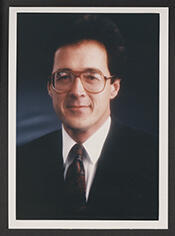
William H. “Bill” Orton (1948–2009) was a Democratic member of the United States House of Representatives from Utah who served three terms in Congress from 1991 to 1997. As a Representative, William Orton contributed to the legislative process during a significant period in American history, participating in the democratic process and representing the interests of his Utah constituents in the U.S. House of Representatives.
Born in 1948, Orton came of age during a time of social and political change in the United States, experiences that helped shape his later interest in public service and the law. Although detailed information about his early childhood and family background is limited in the available record, his subsequent professional achievements and electoral success indicate a strong academic foundation and early engagement with civic and community affairs.
Orton pursued higher education and legal training before entering national politics, preparing for a career that combined law, business, and public service. By the time he sought federal office, he had established himself as a capable professional whose expertise and experience positioned him to address complex policy issues in Congress. His background in legal and policy matters informed his approach to legislation and constituent service once he arrived in Washington, D.C.
In 1990, running as a member of the Democratic Party from a predominantly Republican state, Orton was elected to the U.S. House of Representatives from Utah and took office in January 1991. He served three consecutive terms, remaining in Congress until January 1997. During these years, he participated in debates and votes on major national issues that defined the early 1990s, including economic policy, federal budget matters, and questions of government reform. As a member of the House of Representatives, William Orton worked within the committee system, contributed to the drafting and consideration of legislation, and sought to balance the priorities of his party with the specific needs and views of his Utah district.
Orton’s congressional service coincided with a period of shifting political alignments both nationally and within Utah. As a Democrat representing a largely conservative constituency, he was often identified with a more moderate or centrist wing of his party, emphasizing fiscal responsibility and pragmatic solutions to policy challenges. Throughout his tenure, he focused on representing the interests of his constituents, engaging with local concerns while also participating in the broader national legislative agenda. His three terms in office reflected both his electoral appeal and his ability to navigate the complex political environment of the time.
After leaving Congress in 1997, Orton returned to private life and continued to draw on his experience in law, policy, and public affairs. He remained a figure of note in Utah and among those who had followed his congressional career, and his years in office continued to be cited as an example of bipartisan and service-oriented representation. Bill Orton died in 2009, closing a career that had included six years in the U.S. House of Representatives and a notable role in Utah’s modern political history.
Congressional Record