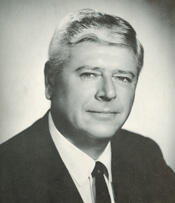
Samuel Sterett (1758 – July 12, 1833) was a United States Representative from the fourth congressional district of Maryland and a prominent public figure in Baltimore during the early national period. He was born in Carlisle, in the Province of Pennsylvania, in 1758, and in 1761 moved with his parents to Baltimore, then a growing port town in the Province of Maryland. Raised in this commercial and political center, he pursued preparatory studies that prepared him for advanced education and public life.
Sterett attended the University of Pennsylvania in Philadelphia, one of the leading institutions of higher learning in the colonies, and graduated after completing a classical and liberal education suited to the era’s professional and political class. Returning to Baltimore, he held several local offices, reflecting his early integration into civic affairs. During the American Revolutionary War, in 1777, he served as a member of the independent company of Baltimore merchants, a local military unit formed from the city’s commercial community. His abilities brought him to national attention when, in November 1782, he was appointed private secretary to the President of Congress under the Articles of Confederation, placing him in close proximity to the central governing body of the new nation.
After the Revolution, Sterett continued his political career in Maryland. In 1789 he was elected to the Maryland State Senate, participating in the formative years of the state’s post-Revolutionary government. That same year he was an unsuccessful candidate for election to the United States House of Representatives from Maryland’s 4th congressional district, an early indication of his ambition for federal office. His service in the State Senate helped establish his reputation as a capable legislator and advocate for his constituents in Baltimore and the surrounding region.
Following his tenure in the Maryland State Senate, Sterett was elected as a Representative to the Second Congress, serving from March 4, 1791, to March 3, 1793, from Maryland’s fourth congressional district. During his time in Congress he participated in the early legislative work of the federal government under the Constitution, representing a key commercial district in Maryland. In 1791, while serving in Congress, he also held the position of secretary of the Maryland Society for Promoting the Abolition of Slavery, aligning himself with organized efforts to limit and ultimately abolish slavery in the state. This role placed him among those early public figures who engaged with the emerging antislavery movement in the Upper South and border states.
Sterett remained active in public and civic affairs in Baltimore long after his congressional service ended. With the outbreak of the War of 1812, he became a member of the Baltimore committee of safety in 1812, a local body charged with overseeing the city’s defense and internal security during the conflict with Great Britain. He also returned to military service and, on September 12, 1814, served as captain of an independent company at the Battle of North Point, part of the larger defense of Baltimore that followed the British attack on Washington. His participation in this engagement linked him to one of the most significant military episodes in Maryland’s history and in the broader war.
In the later years of his life, Sterett continued to be associated with major civic developments in Baltimore. On July 4, 1828, he served as grand marshal at the laying of the foundation stone of the Baltimore and Ohio Railroad, one of the earliest major railroad projects in the United States and a symbol of the city’s growing importance in commerce and transportation. His role in this ceremony reflected his standing in the community and his connection to Baltimore’s economic progress.
Samuel Sterett died in Baltimore, Maryland, on July 12, 1833. He was interred in the burying ground of Westminster Church in Baltimore, a historic cemetery that holds the remains of many of the city’s leading figures from the eighteenth and early nineteenth centuries.
Congressional Record