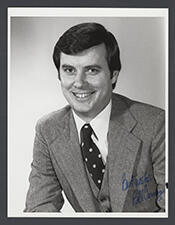
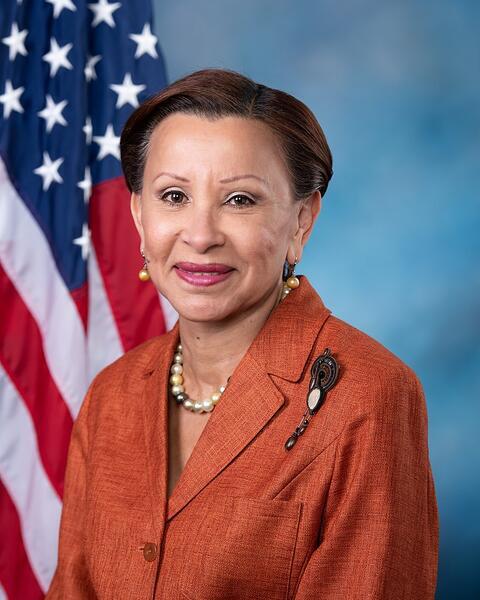
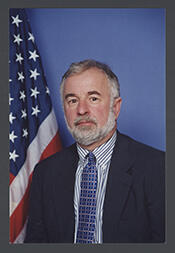
Samuel Sherwood was the name of several North American public officials active in the late eighteenth and nineteenth centuries, including an American Congressman from New York, a Canadian lawyer and legislator in Upper and Lower Canada, a United States Representative from Connecticut, and a high constable of Toronto. Although they shared the same name and a general orientation toward public service, these individuals pursued distinct careers in different jurisdictions and at different times, contributing in varied ways to the political and civic development of their respective regions.
The earliest of the figures commonly referred to as Samuel Sherwood in a North American political context emerged in the post-Revolutionary era of the United States. One Samuel Sherwood served as an American Congressman from New York, participating in the national legislative process as the new federal system took shape. As a member of Congress, this New York politician would have been involved in deliberations over the early framework of federal law, finance, and relations between the states and the national government, representing the interests of his New York constituency in the House of Representatives. His service placed him among the generation of lawmakers who translated the principles of the Constitution into working institutions and policies.
Another individual bearing the same name, Samuel B. Sherwood, served as a U.S. Representative from Connecticut. His career likewise unfolded within the federal legislative arena, but he represented a different New England state with its own economic base, political traditions, and local concerns. As a Connecticut representative, Samuel B. Sherwood would have participated in debates over issues such as commerce, infrastructure, and the evolving balance of power between the federal government and the states. His tenure in Congress added to Connecticut’s long record of engagement in national politics and reflected the state’s role in shaping early American public life.
In British North America, a separate Samuel Sherwood became known as a Canadian lawyer and member of the legislative assemblies of both Upper Canada and Lower Canada. Trained in the law, this Samuel Sherwood built a career that bridged legal practice and colonial politics at a time when the Canadian provinces were still under British rule and were developing their own representative institutions. His election to the legislative assemblies of Upper and Lower Canada placed him at the center of debates over land policy, trade, governance, and relations between English- and French-speaking communities. Serving in more than one assembly underscored his prominence and the trust placed in him by constituents in different parts of what would later become Ontario and Quebec.
A further public figure named Samuel Sherwood served as high constable, or chief constable, of Toronto. In this capacity, he held a senior law-enforcement position in one of Canada’s most important urban centers. As high constable, he would have been responsible for overseeing the maintenance of public order, supervising constables and other officers, and implementing municipal bylaws and criminal statutes in a period when modern urban policing was still taking shape. His role as chief constable of Toronto placed him at the intersection of civic administration, public safety, and the evolving legal framework of a growing city.
Taken together, the careers of these men named Samuel Sherwood illustrate the breadth of public service roles in North America during the eighteenth and nineteenth centuries, ranging from legislative work in the U.S. Congress and the colonial assemblies of Upper and Lower Canada to executive responsibility in municipal law enforcement as high constable of Toronto. Each, in his own jurisdiction and office, contributed to the development of representative government, the rule of law, and civic order in the formative years of the United States and Canada.
Congressional Record