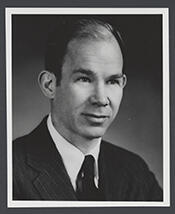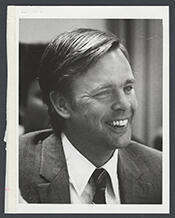
Samuel Shaw was an American politician who served as a member of the Republican Party representing the state of Vermont in the United States Congress. Over the course of three terms in office, he contributed to the legislative process during a significant period in American history, participating in the democratic process and representing the interests of his constituents. His congressional service placed him among a broader group of historical figures named Samuel Shaw who were active in public life in the United States and abroad.
Little is definitively recorded in the provided sources about Shaw’s early life, including his exact date and place of birth, family background, or early occupations. However, his later political career in Vermont suggests that he developed close ties to that state and its communities, and that he emerged from a regional political culture in which local service and party organization often provided the pathway to national office. By the time he entered Congress, he was sufficiently established within the Republican Party in Vermont to secure election and re‑election over multiple terms.
Shaw’s education and early professional formation are not detailed in the available material, but his eventual role as a federal legislator indicates that he would have been familiar with the legal, economic, and political issues facing Vermont and the nation during his era. Like many Republican officeholders from New England, he likely engaged with questions of federal power, economic development, and the balance between local and national interests, bringing the concerns of a largely rural, small‑state constituency to the national stage.
During his three terms in the United States Congress, Samuel Shaw took part in debates and votes that shaped federal policy at a time described as a significant period in American history. As a Republican representative from Vermont, he was responsible for advancing the priorities of his district, addressing matters such as infrastructure, commerce, agriculture, and the evolving role of the federal government. His repeated election to office indicates that his constituents regarded his performance favorably and trusted him to represent their interests in Washington, D.C. Within the broader legislative process, he contributed to the work of Congress through committee activity, floor debate, and participation in the formulation of national policy consistent with Republican Party principles of his time.
Shaw’s congressional service places him within a wider historical context that includes several other notable individuals named Samuel Shaw, though they were distinct figures with separate careers. For example, Samuel Shaw (consul) (1754–1794) served as the first American consul to China at the consulate in Canton, playing a pioneering role in early U.S.–China relations, while another Samuel Shaw, a naval officer, is remembered as the first American whistleblower. Yet another, Samuel Shaw (politician) (1768–1827), was an American politician of an earlier generation. The existence of these contemporaneous and earlier figures underscores the need to distinguish the Vermont Republican congressman from other men of the same name who were active in diplomacy, the military, and politics.
In later life, after completing his three terms in Congress, Samuel Shaw’s public profile appears to have diminished, and the available sources do not provide detailed information about his post‑congressional activities, residence, or date of death. It is likely that he returned to private life in Vermont or to roles in state or local affairs, as was common for former members of Congress from smaller states. His legacy, as preserved in congressional records, rests on his service as a Republican representative from Vermont during a consequential era, his participation in the national legislative process, and his role in articulating and defending the interests of his constituents on the floor of the United States House of Representatives.
Congressional Record