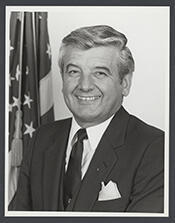
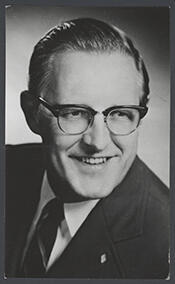
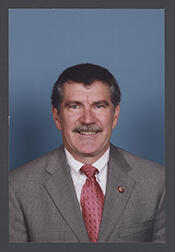
Samuel McLean is a name shared by multiple public officials active in the nineteenth century in the United States and, later, in Canada. The principal historical figures bearing this name include Samuel McLean (1797–1881), a United States consul; Samuel McLean (1826–1877), a congressman; and Samuel McLean, a politician in the Canadian province of Newfoundland and Labrador. Each of these individuals pursued a distinct public career in diplomacy, legislative service, or provincial politics, and they are treated separately in historical and governmental records to avoid confusion.
Samuel McLean (1797–1881), often identified in official documents as Samuel McLean (U.S. Consul), was an American diplomat whose career reflected the expanding consular network of the United States in the nineteenth century. Born in 1797, he came of age in the early years of the republic, a period when the federal government was gradually professionalizing its foreign service. Although detailed records of his early life and education are sparse, his later appointment as a United States consul indicates that he possessed the legal, commercial, or linguistic skills typically required for such posts. Consuls of his era were frequently drawn from the ranks of merchants, lawyers, or politically active citizens with strong local and national connections.
McLean’s consular service placed him at the intersection of American commercial interests and foreign jurisdictions. As a U.S. consul, he would have been responsible for assisting American seamen, certifying shipping documents, protecting U.S. trade, and reporting on political and economic conditions in his assigned port or district. His work contributed to the broader diplomatic and commercial objectives of the United States at a time when maritime trade and overseas markets were central to national growth. He continued in public life into his later years and died in 1881, closing a long career that spanned much of the nineteenth century.
Samuel McLean (1826–1877), distinguished in historical references as Samuel McLean (congressman), belonged to a younger generation and pursued a career in law and politics that led to service in the United States Congress. Born in 1826, he grew up in the antebellum period, when questions of territorial expansion, slavery, and sectional balance dominated national debate. While specific details of his early education are not fully documented in the brief references that survive, his eventual rise to congressional office indicates that he obtained the legal training and political experience typical of mid-nineteenth-century legislators, likely through study of the law and practice at the bar.
McLean’s career advanced through local and regional public roles before he entered national office. As a congressman, he served in the House of Representatives, participating in legislative deliberations during a time of intense political realignment and post–Civil War reconstruction. Members of his generation in Congress confronted issues such as the readmission of former Confederate states, the protection of civil rights, and the economic development of the expanding nation. McLean’s tenure placed him among those responsible for shaping federal policy in the years following the conflict. He remained active in public affairs until his death in 1877, a year that marked both the end of his life and the close of the formal Reconstruction era.
A later figure, Samuel McLean, served as a politician in the Canadian province of Newfoundland and Labrador. Unlike his nineteenth-century American namesakes, this Samuel McLean was active in the political life of what became a Canadian province in the twentieth century. Newfoundland and Labrador, which joined the Canadian Confederation in 1949, developed its own provincial political institutions, including a House of Assembly and an executive council. McLean’s role as a politician there placed him within this provincial framework, where he contributed to the governance and legislative development of Newfoundland and Labrador. His career illustrates the continued recurrence of the McLean name in public service across different countries and eras, extending the legacy of the earlier American consul and congressman into a distinct Canadian political context.
Congressional Record