H.J.Res.139 — Proposing an amendment to the Constitution of the United States requiring a balanced budget for the Federal Government.
House Roll Call
H.J.Res.139
| Bill | H.J.Res.139 — Proposing an amendment to the Constitution of the United States requiring a balanced budget for the Federal Government. |
|---|---|
| Vote question | On Motion to Suspend the Rules and Pass |
| Vote type | 2/3 Yea-And-Nay |
| Result | Failed |
| Totals | Yea 211 / Nay 207 / Present 0 / Not Voting 14 |
| Party | Yea | Nay | Present | Not Voting |
|---|---|---|---|---|
| R | 210 | 0 | 0 | 8 |
| D | 1 | 207 | 0 | 6 |
| I | 0 | 0 | 0 | 0 |
Research Brief
On Motion to Suspend the Rules and Pass
Bill Analysis
H.J. Res. 139 proposes a constitutional amendment to require the federal government to operate under a balanced budget, subject to limited exceptions and supermajority overrides.
The resolution would amend the Constitution to prohibit total federal outlays from exceeding total receipts for any fiscal year, unless three-fifths of the whole number of each House of Congress votes to authorize a specific excess. “Receipts” exclude borrowing; “outlays” cover all federal spending. The President would be required to submit a proposed budget in balance.
The amendment would also cap federal debt: Congress could not increase the public debt limit unless approved by three-fifths of the whole number of each House. In addition, any bill to increase revenue (e.g., tax increases) would require a three-fifths vote in each House, raising the threshold for tax hikes above a simple majority.
A limited emergency exception allows the balanced budget requirement and debt limit constraints to be waived during a declared war or military conflict posing an imminent and serious military threat to national security, if a majority of each House so determines by roll call vote.
The amendment does not create or modify statutory programs, agencies, or appropriations directly; instead, it imposes binding constitutional constraints on all future federal fiscal policy, affecting Congress, the President, and all federal agencies that depend on annual appropriations or mandatory spending authority. Beneficiaries and contractors of federal programs, as well as taxpayers and bondholders, would be indirectly affected through potential changes in spending levels, taxation, and borrowing practices.
Implementation timing: the amendment would take effect beginning with the fifth fiscal year after ratification by three-fourths of the states, providing a multi-year transition period for budgetary adjustment.
As a constitutional amendment, H.J. Res. 139 does not itself authorize or appropriate funds. It establishes procedural and substantive fiscal rules that would govern future federal budgeting, subject to the specified supermajority and emergency exceptions. The resolution failed to secure the required two-thirds vote in the House under suspension of the rules.
Yea (211)






















K
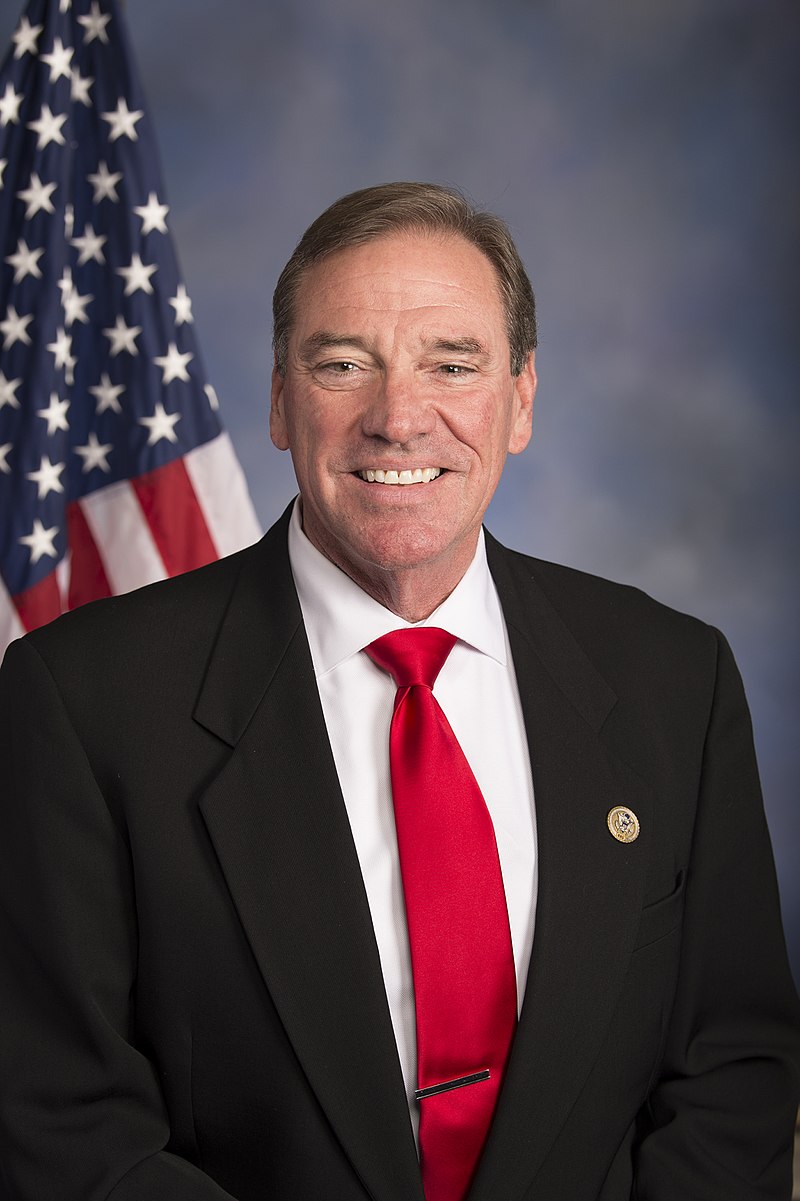
Ken Calvert




































S
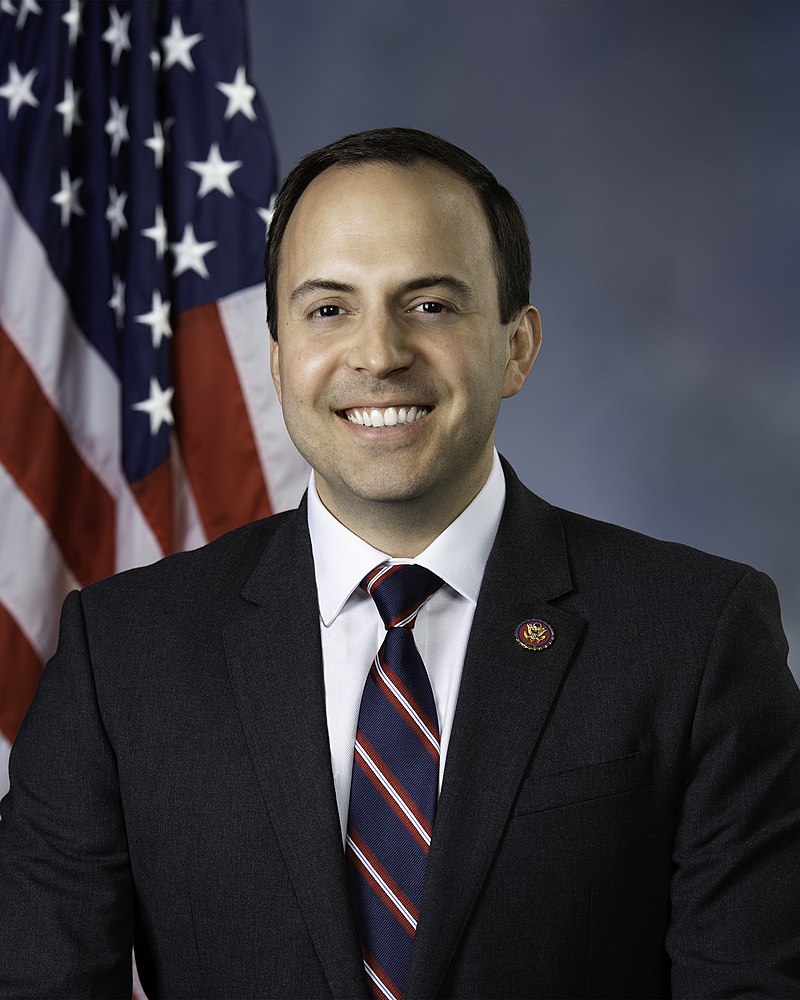
Scott Franklin





















































L
Lisa McClain

































J
John Rutherford



D
David Schweikert


P
Pete Sessions



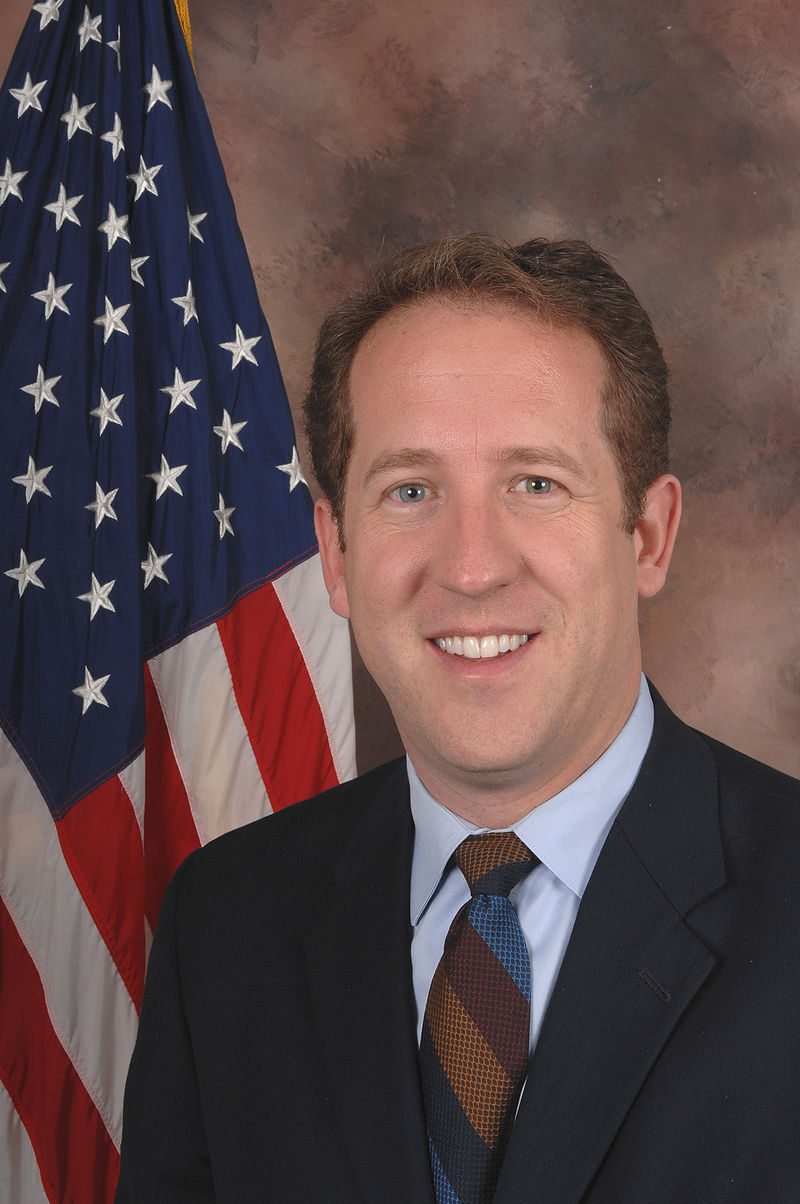
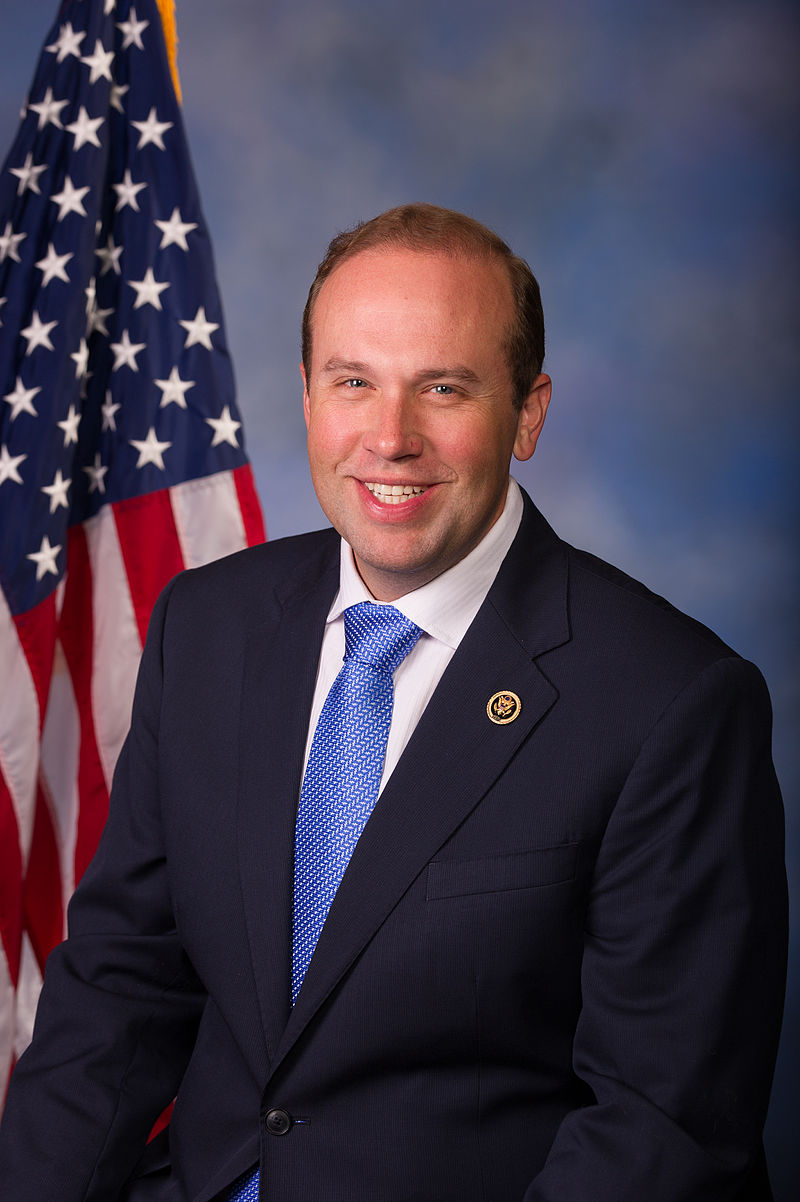
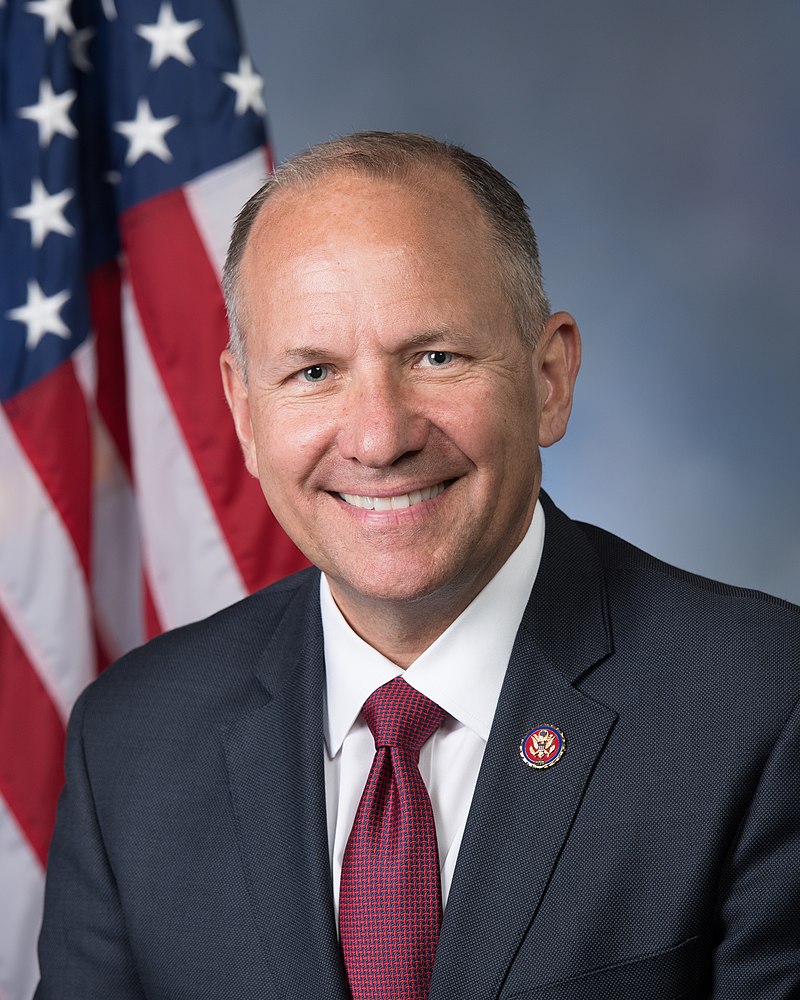
























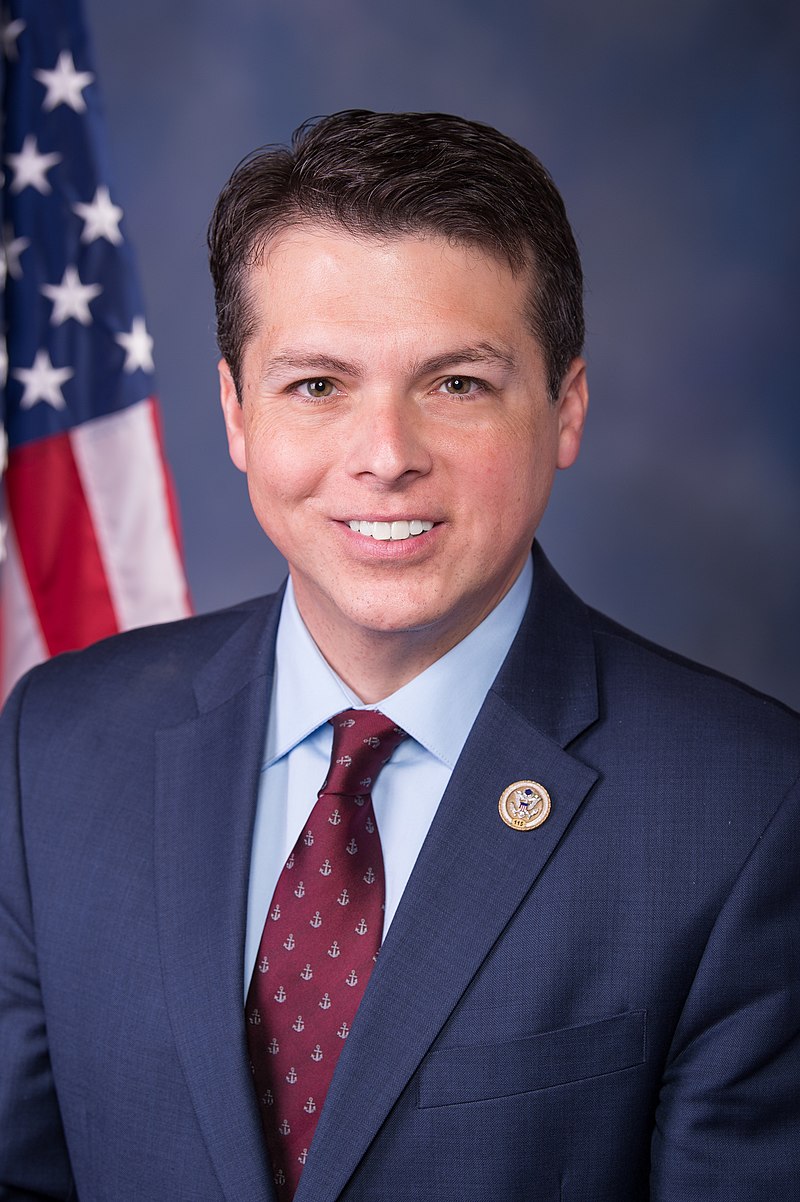
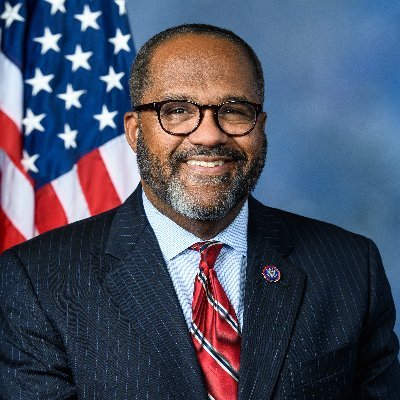
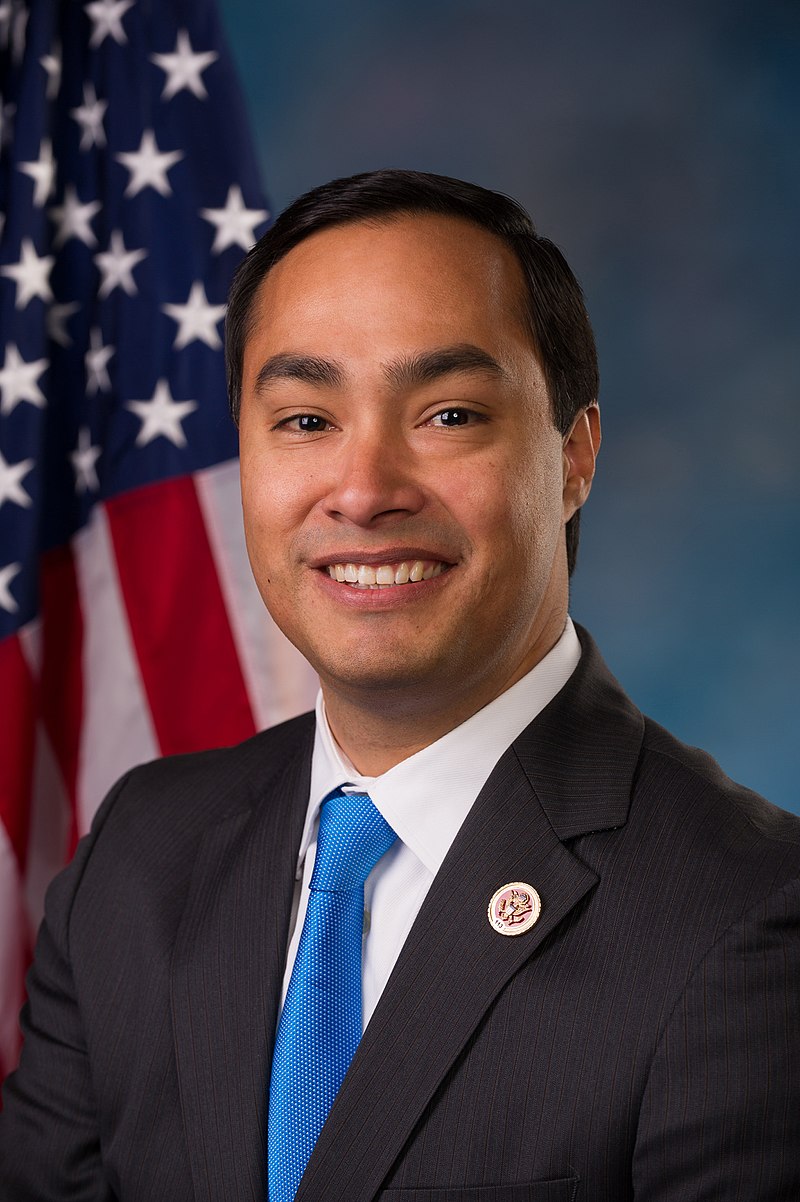
Nay (207)




















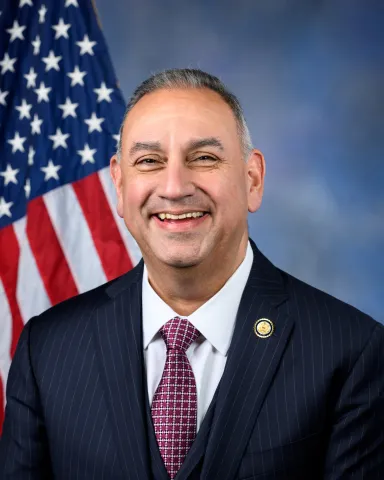






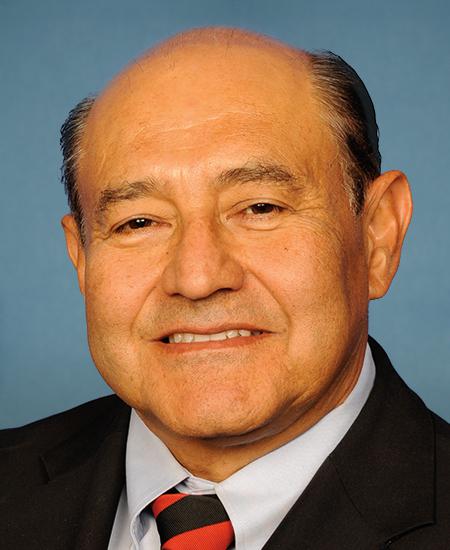
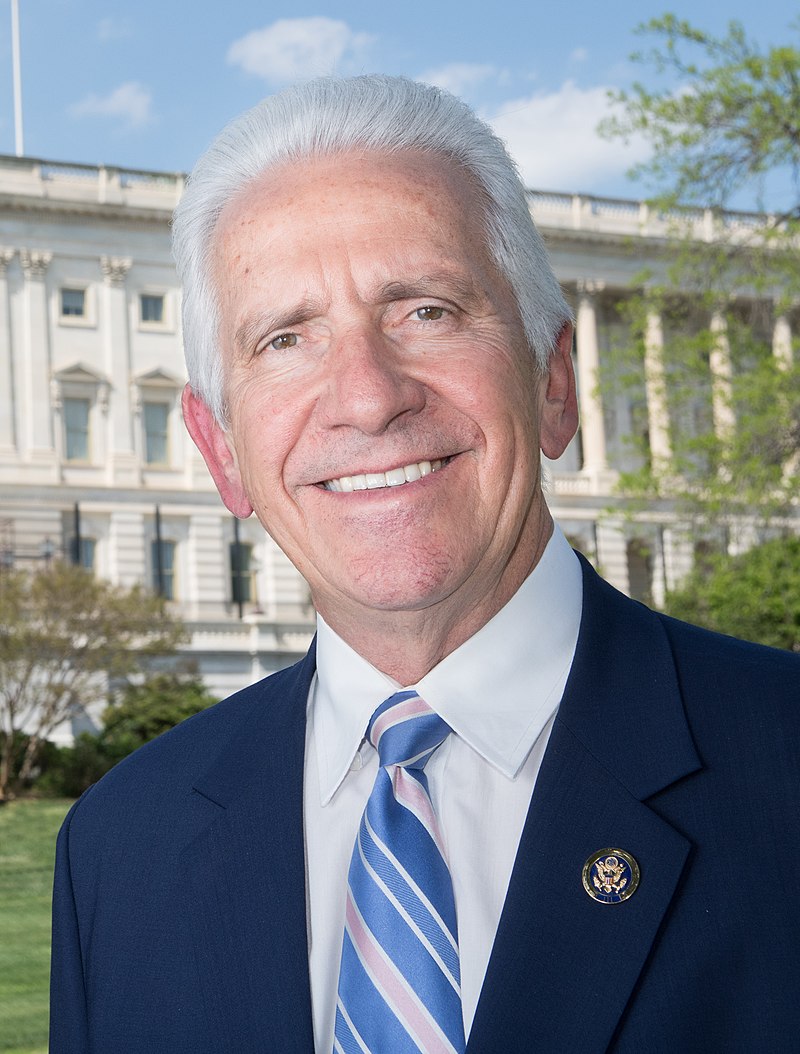



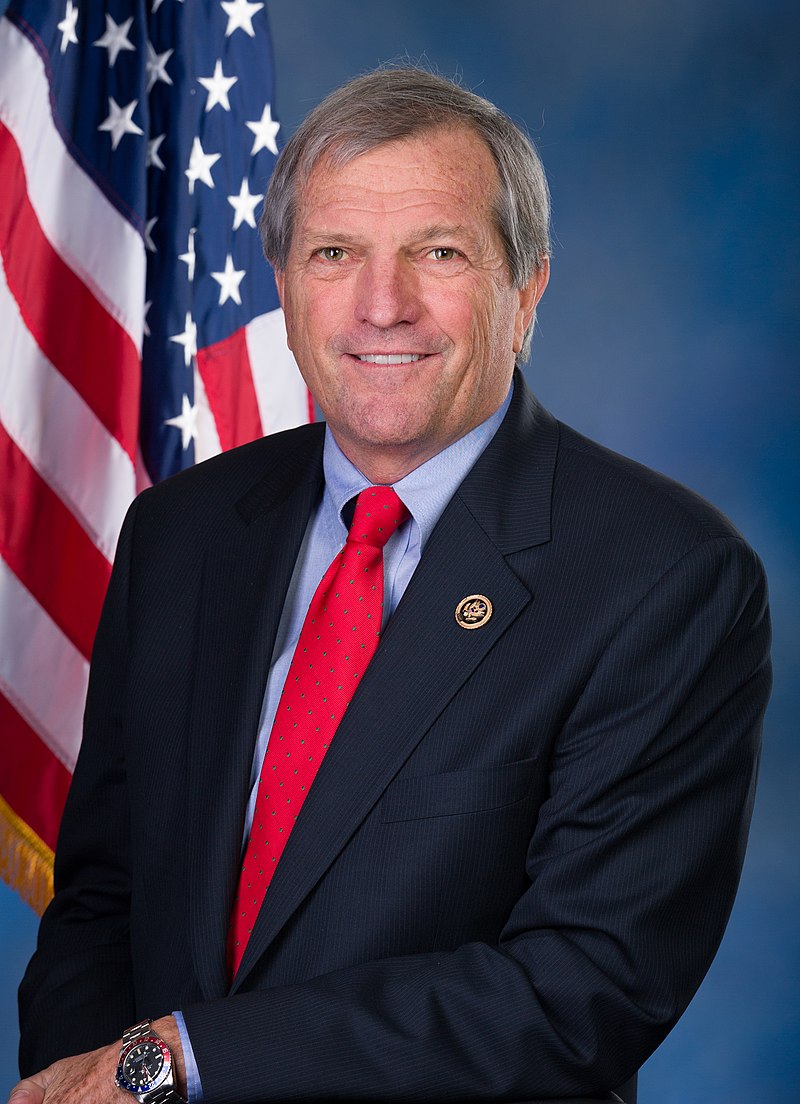
J
Jason Crow










L
Lloyd Doggett









J
John Garamendi




































J
John Mannion

L
Lucy McBath








C
Christian Menefee
















































R
Rashida Tlaib







N
Nydia Velázquez


D
Debbie Wasserman Schultz