H.R.1958 — Deporting Fraudsters Act of 2026
House Roll Call
H.R.1958
| Bill | H.R.1958 — Deporting Fraudsters Act of 2026 |
|---|---|
| Vote question | On Passage |
| Vote type | Yea-and-Nay |
| Result | Passed |
| Totals | Yea 231 / Nay 186 / Present 0 / Not Voting 15 |
| Party | Yea | Nay | Present | Not Voting |
|---|---|---|---|---|
| R | 211 | 0 | 0 | 7 |
| D | 20 | 186 | 0 | 8 |
| I | 0 | 0 | 0 | 0 |
Research Brief
On Passage
Bill Analysis
HR 1958 – Deporting Fraudsters Act of 2026 (119th Congress)
HR 1958 amends the Immigration and Nationality Act (INA) to make certain fraud-related offenses a clearer and more automatic basis for removal (deportation) and inadmissibility of noncitizens.
Core provisions
- Expands “aggravated felony” and/or deportable offense definitions to explicitly include specified fraud, deceit, and related financial crimes. This typically covers offenses such as mail, wire, bank, securities, health care, benefits, or identity fraud, and similar schemes.
- Lowers or clarifies monetary thresholds and sentencing requirements that trigger removability for fraud offenses (for example, total loss to victims exceeding a set dollar amount, or any term of imprisonment imposed).
- Makes noncitizens who commit covered fraud offenses inadmissible to the United States, affecting visa issuance, entry, and adjustment of status.
- Restricts or eliminates certain forms of discretionary relief (such as cancellation of removal, asylum, or voluntary departure) for noncitizens convicted of the newly specified fraud offenses, tightening the ability of immigration judges or DHS to waive removal in such cases.
Agencies and authorities
- U.S. Department of Homeland Security (primarily ICE and USCIS) gains clearer statutory authority and direction to initiate removal proceedings based on qualifying fraud convictions.
- The Department of Justice (Executive Office for Immigration Review) must apply the revised grounds in immigration court adjudications.
- No new standalone program is created; instead, the bill modifies existing statutory grounds and enforcement authorities under the INA. The text does not establish new appropriations, so implementation relies on existing agency funding unless otherwise specified in later appropriations acts.
Who is affected
- Noncitizens (including lawful permanent residents, visa holders, and undocumented individuals) convicted of covered fraud offenses face heightened risks of removal and permanent bars to reentry.
- Federal and state criminal convictions for fraud become more consequential for immigration status.
- Victims of fraud may indirectly benefit through stronger immigration consequences for perpetrators, though the bill does not create victim compensation mechanisms.
Timelines
- Provisions generally take effect on or after the date of enactment, typically applying to convictions and conduct as specified in the bill’s effective-date clauses (e.g., prospectively, or to convictions entered on or after enactment).
Yea (231)












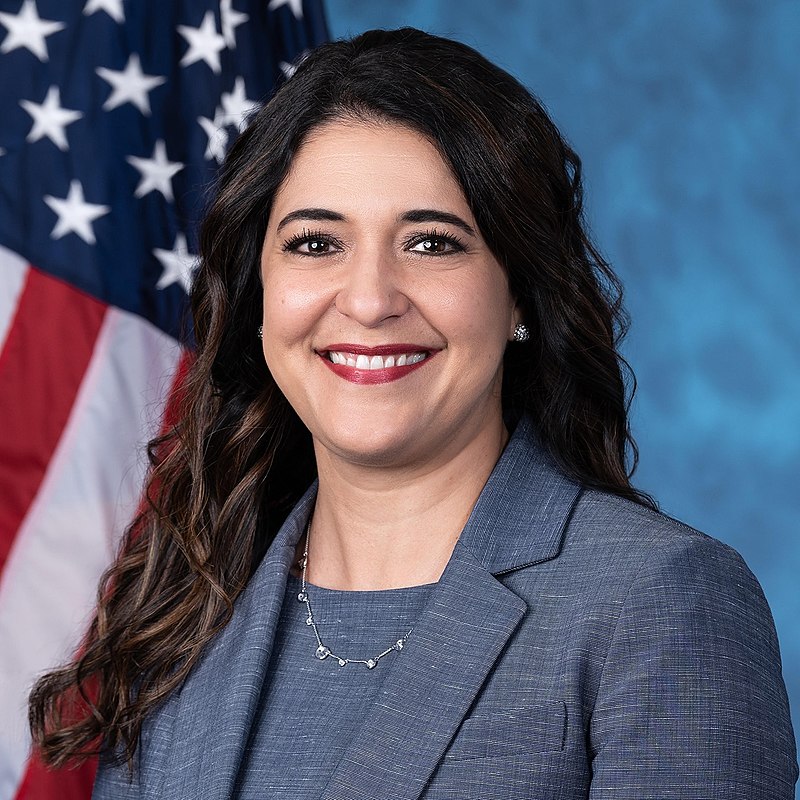
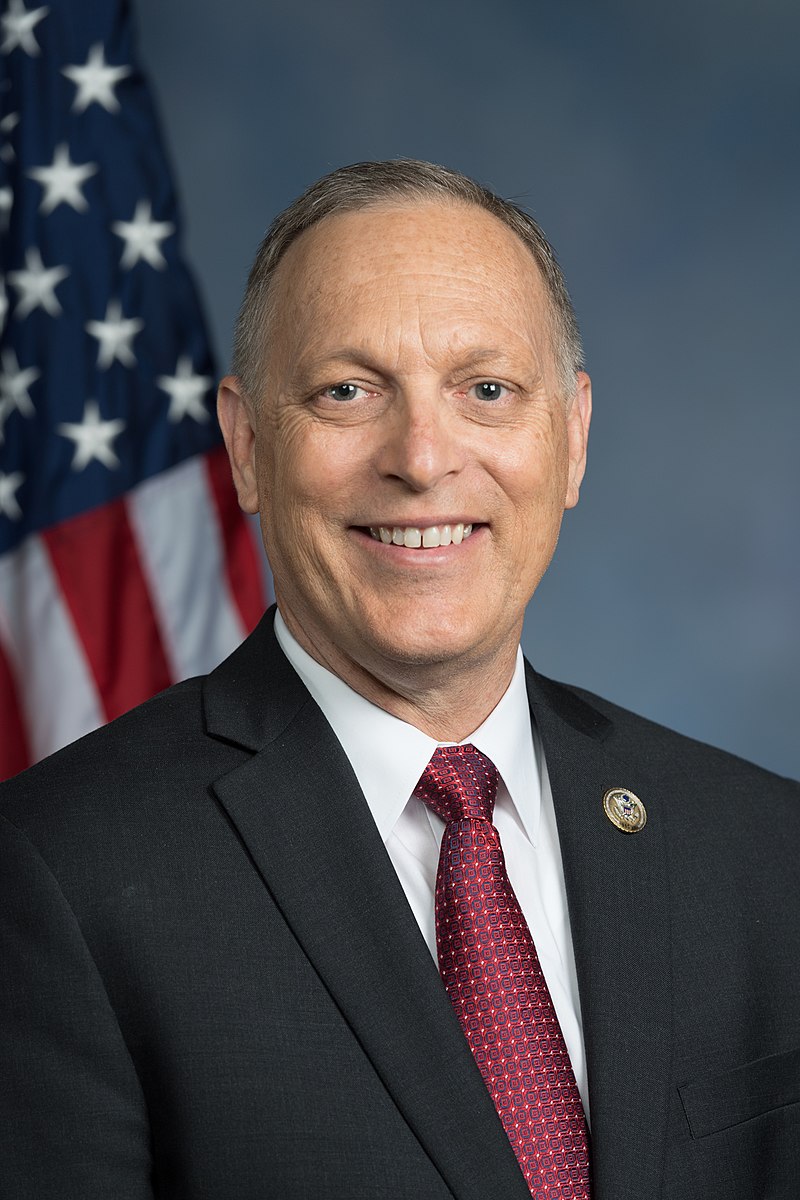


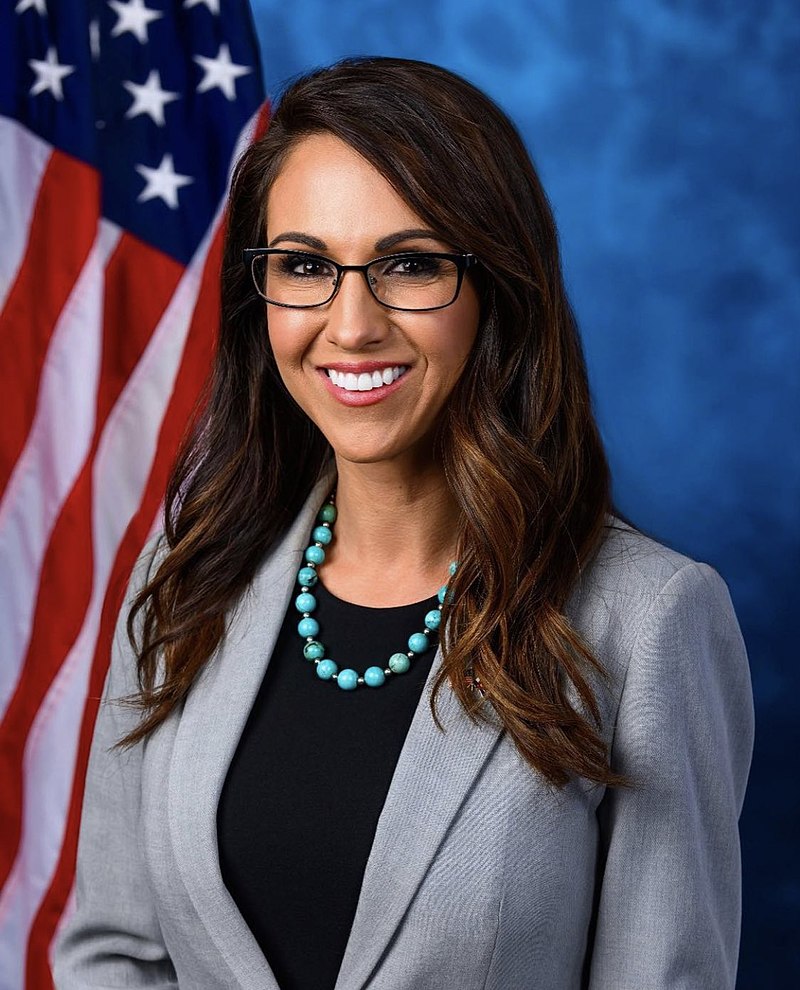






K
Ken Calvert





































S
Scott Franklin

















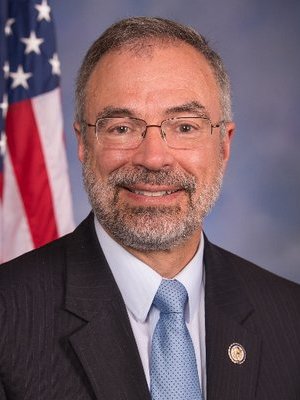



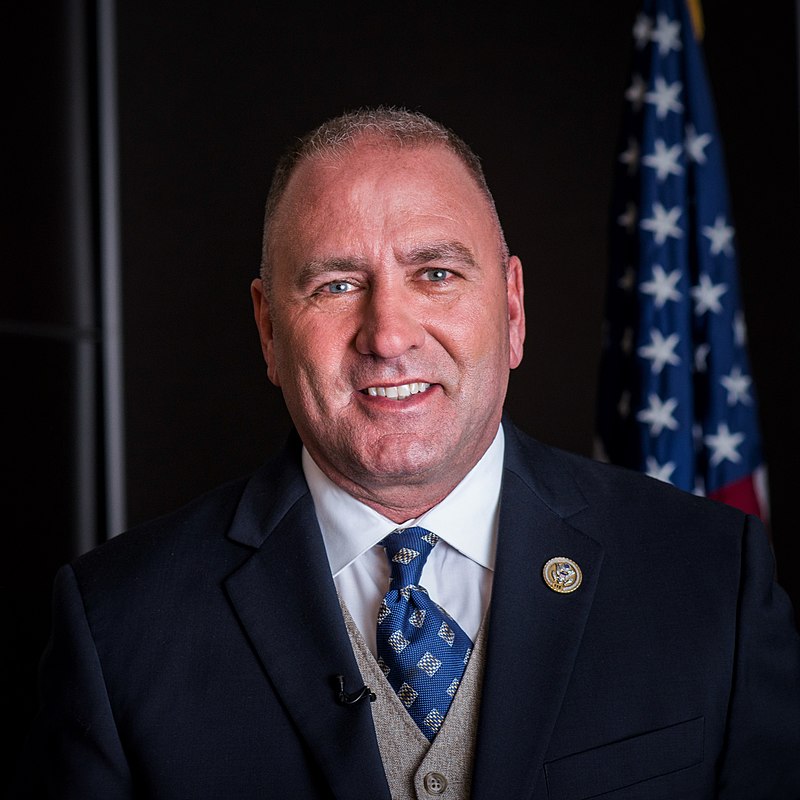








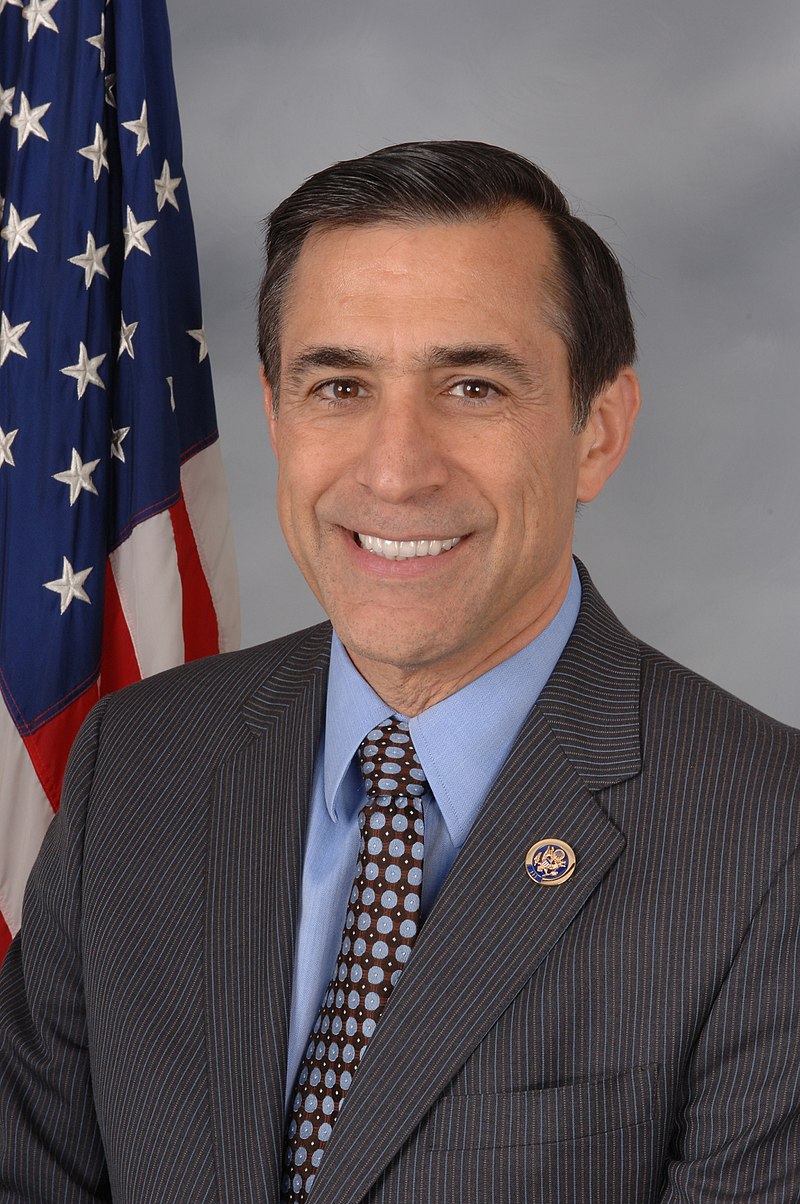

























L
Lisa McClain

































J
John Rutherford



D
David Schweikert

P
Pete Sessions








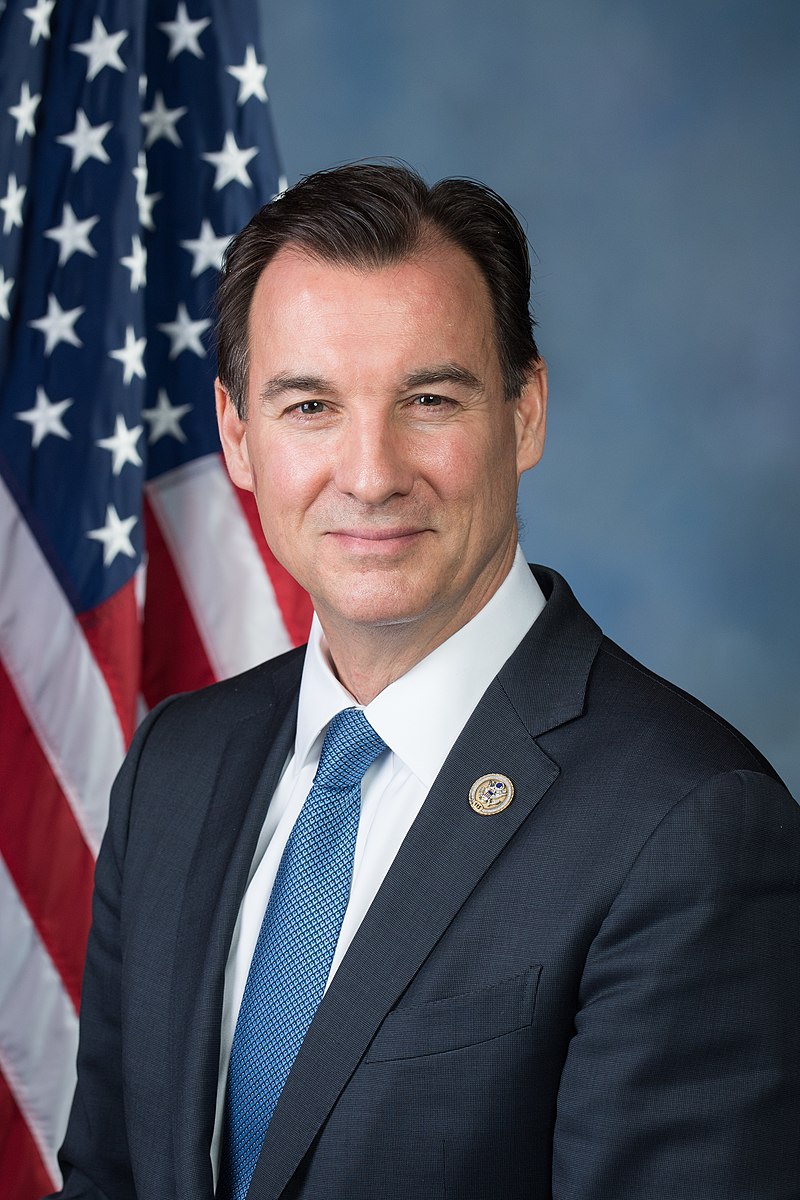
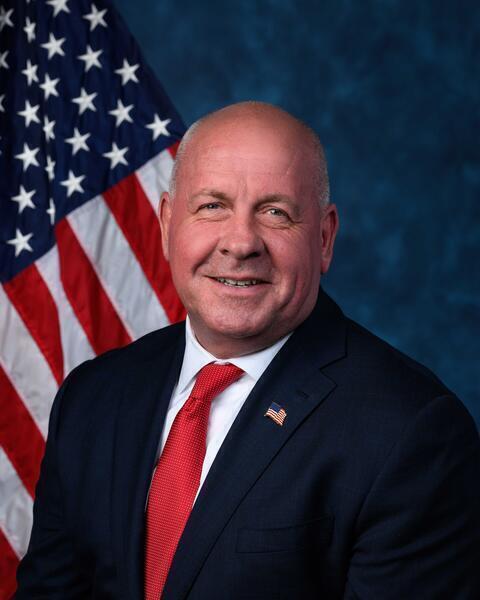

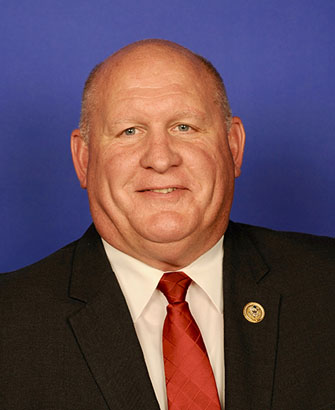



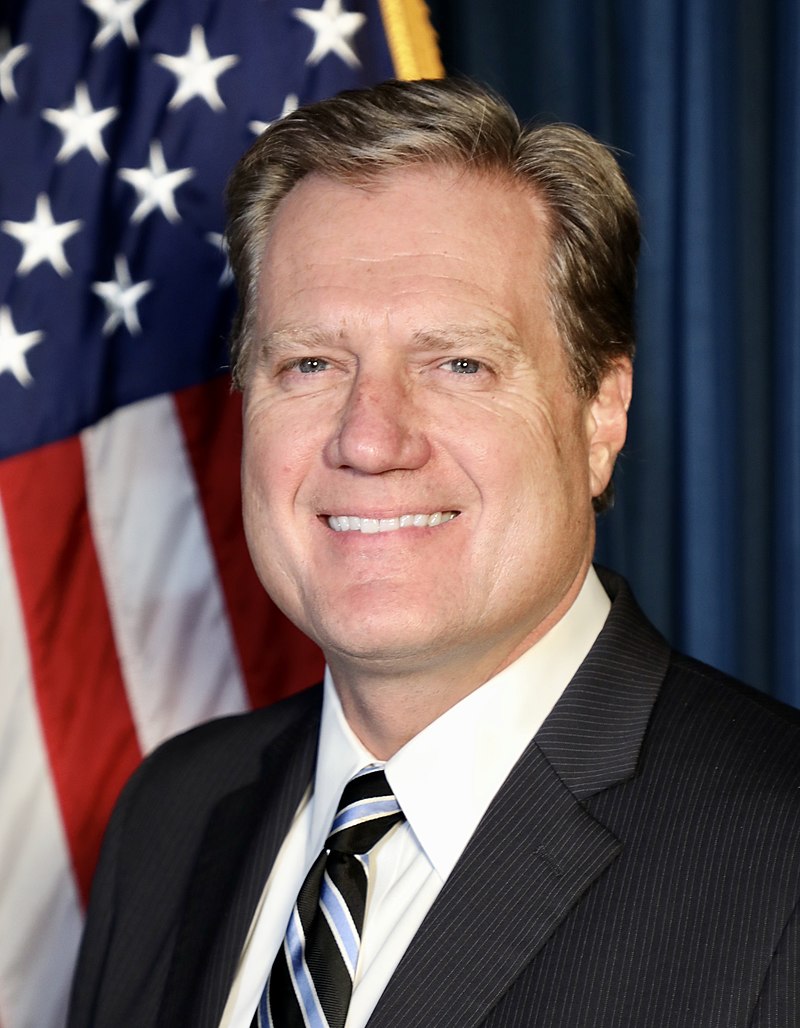

















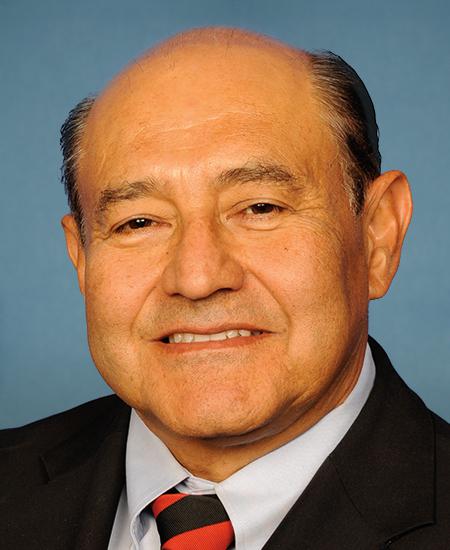
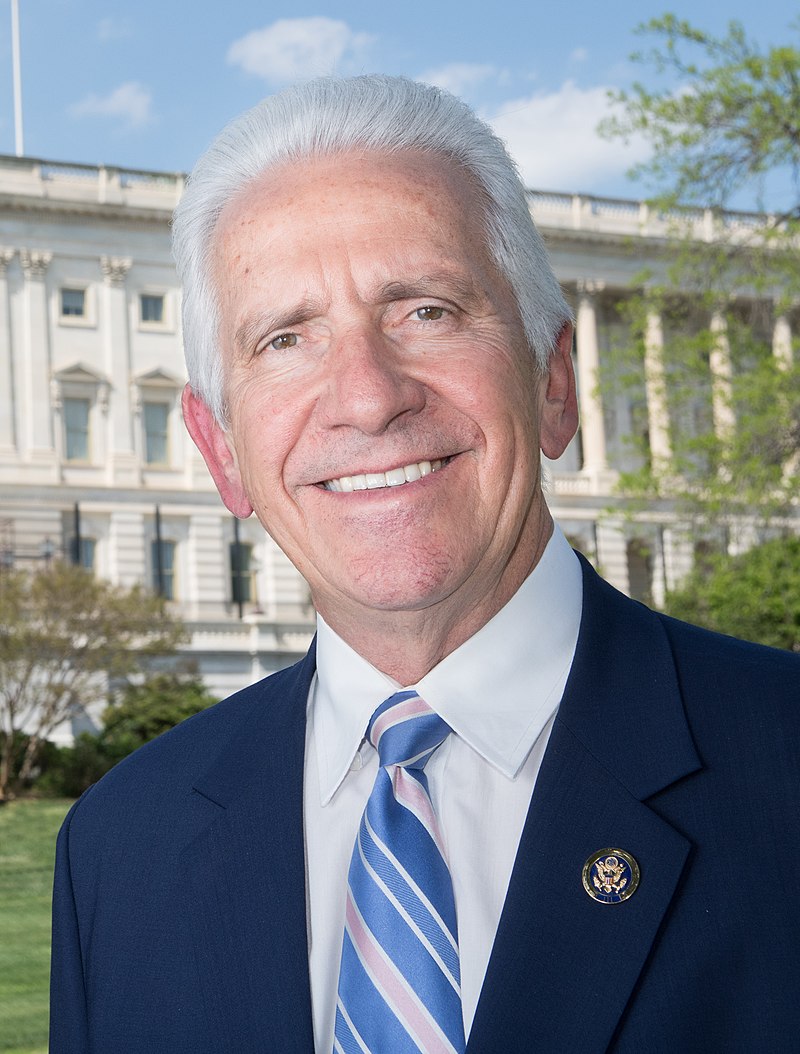
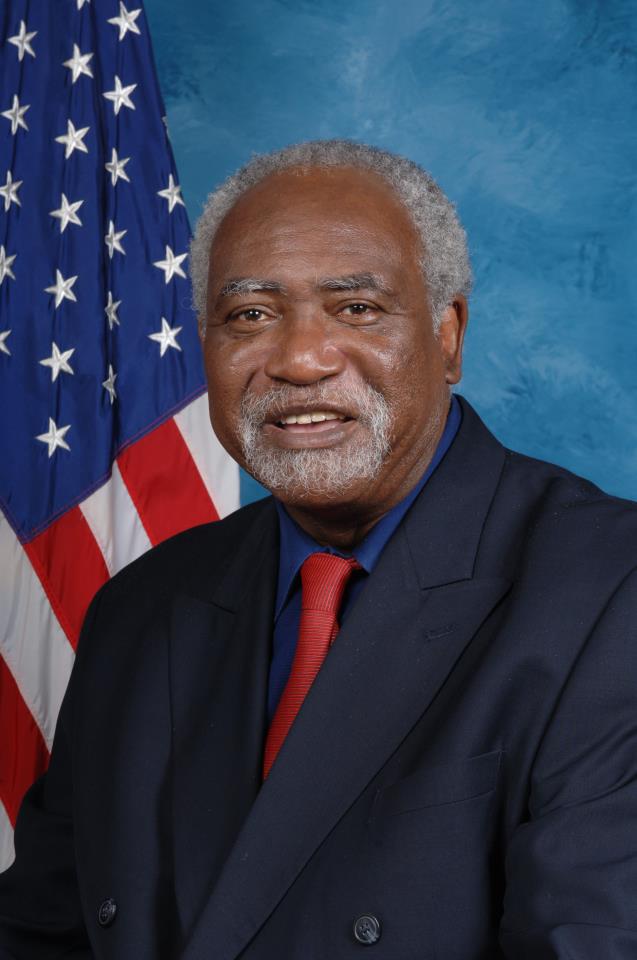
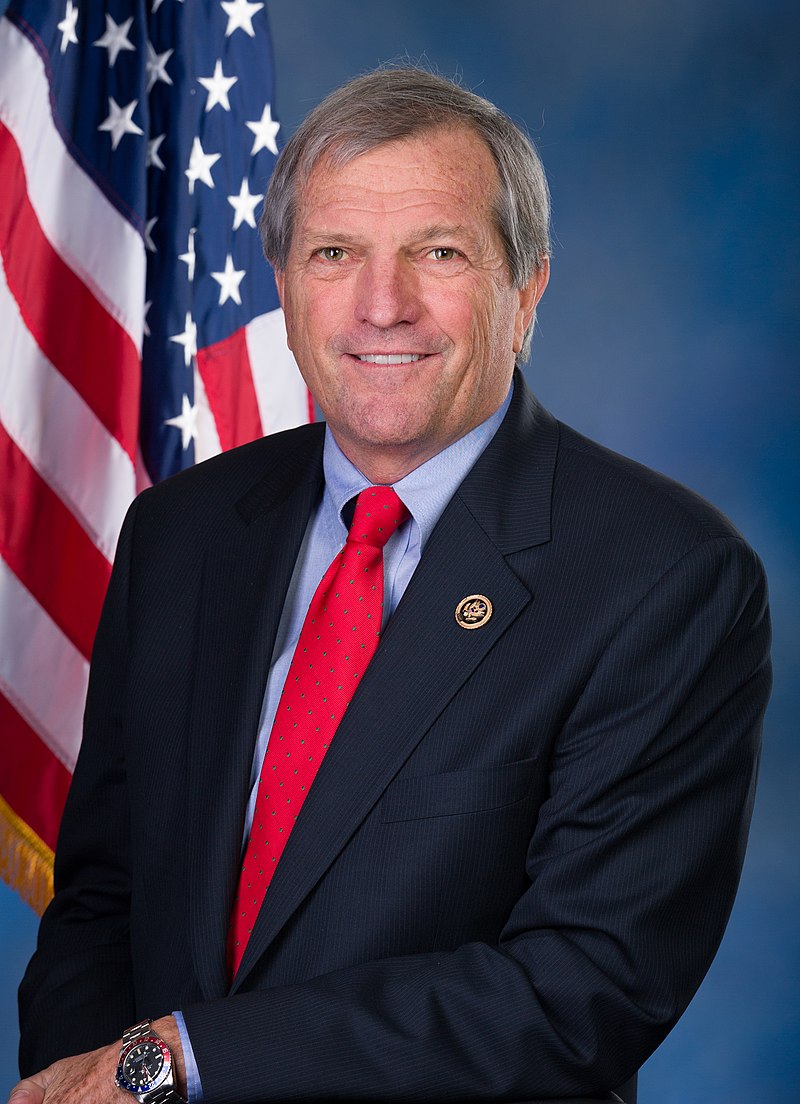
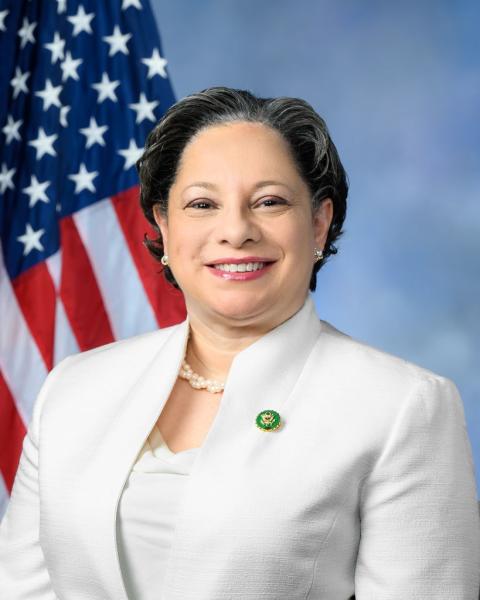
Nay (186)
















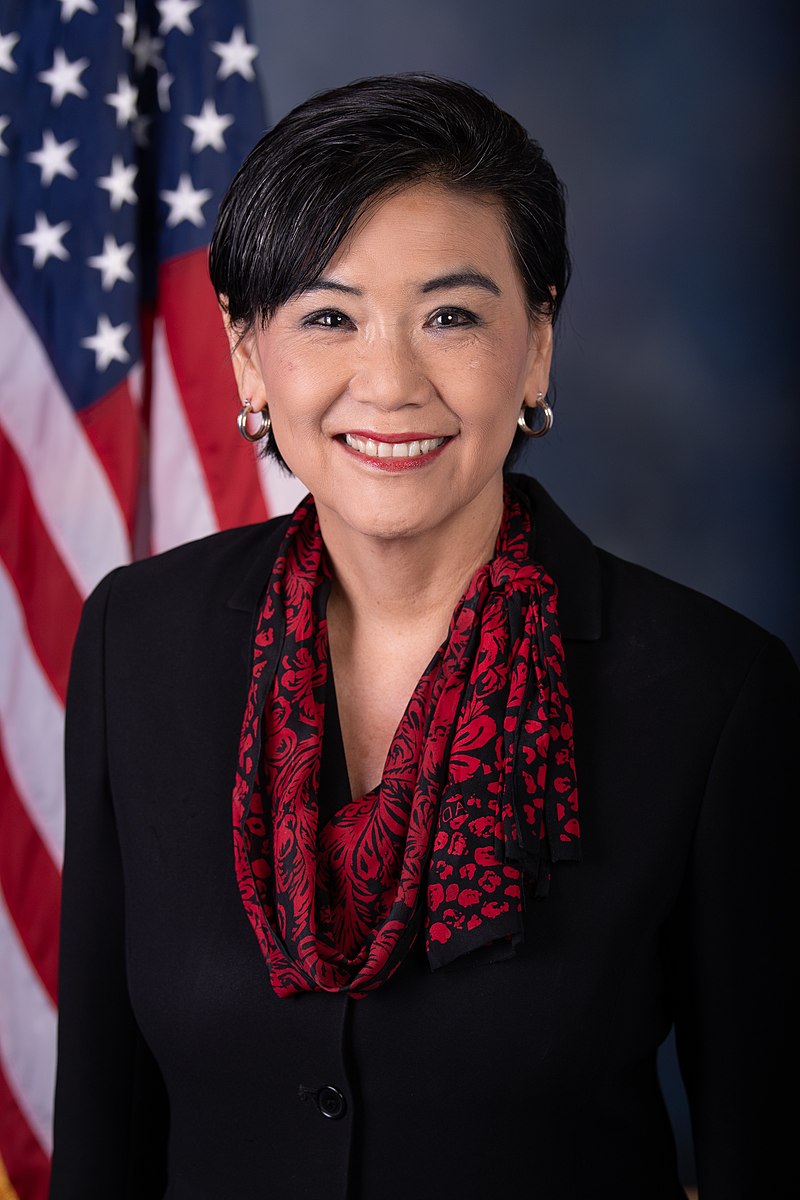
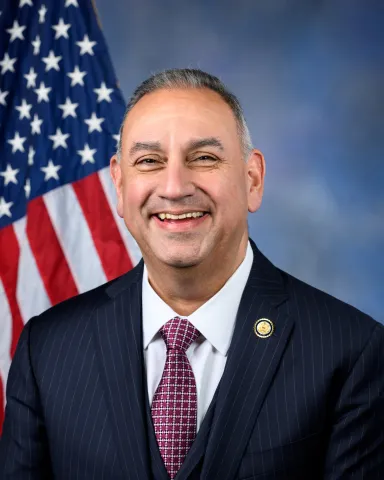


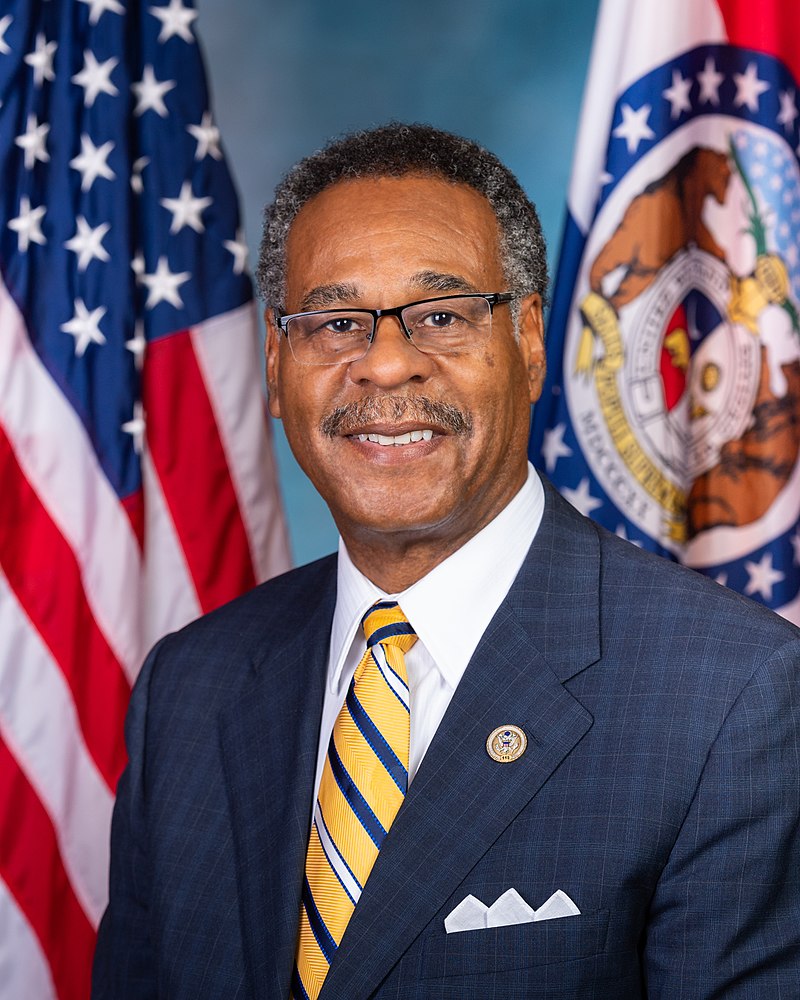


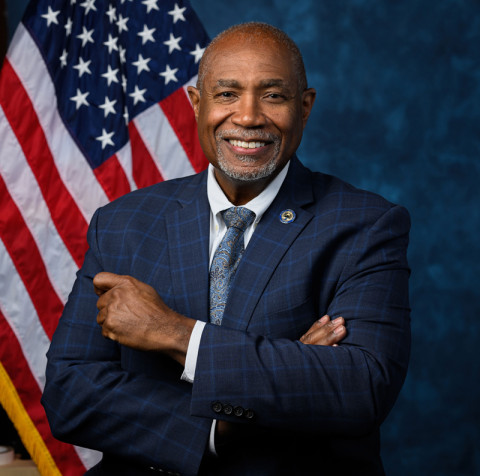



J
Jason Crow







L
Lloyd Doggett





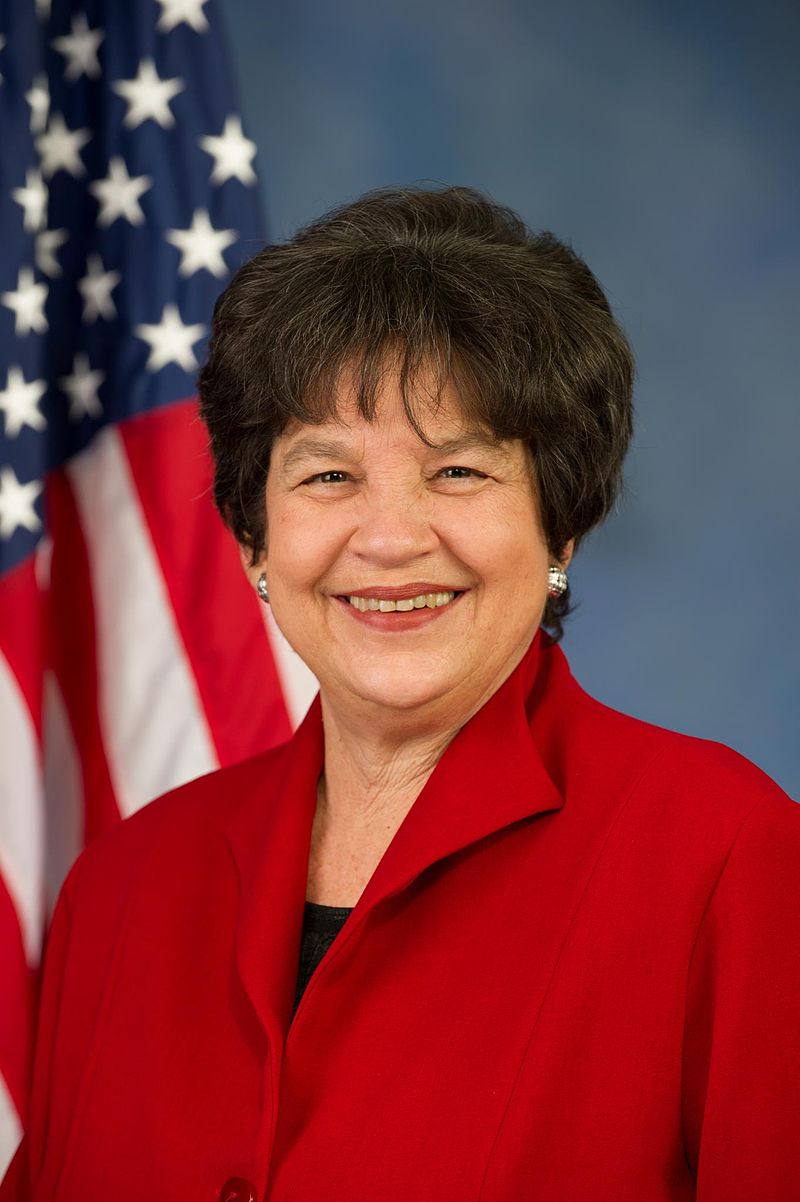


J
John Garamendi
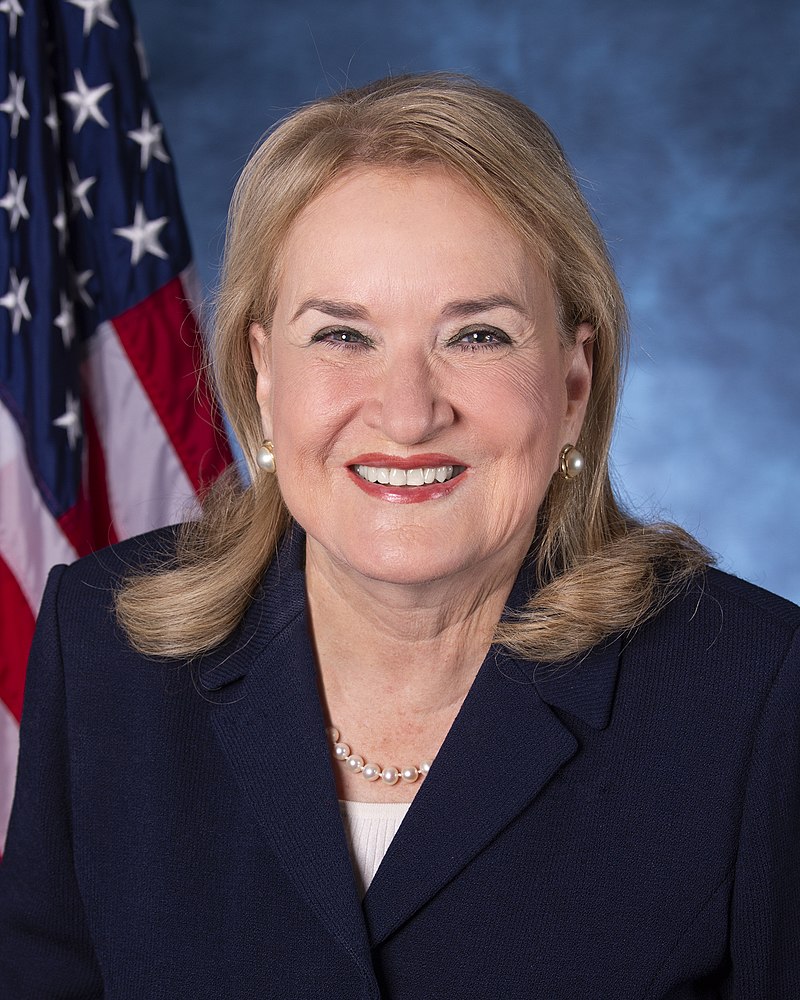

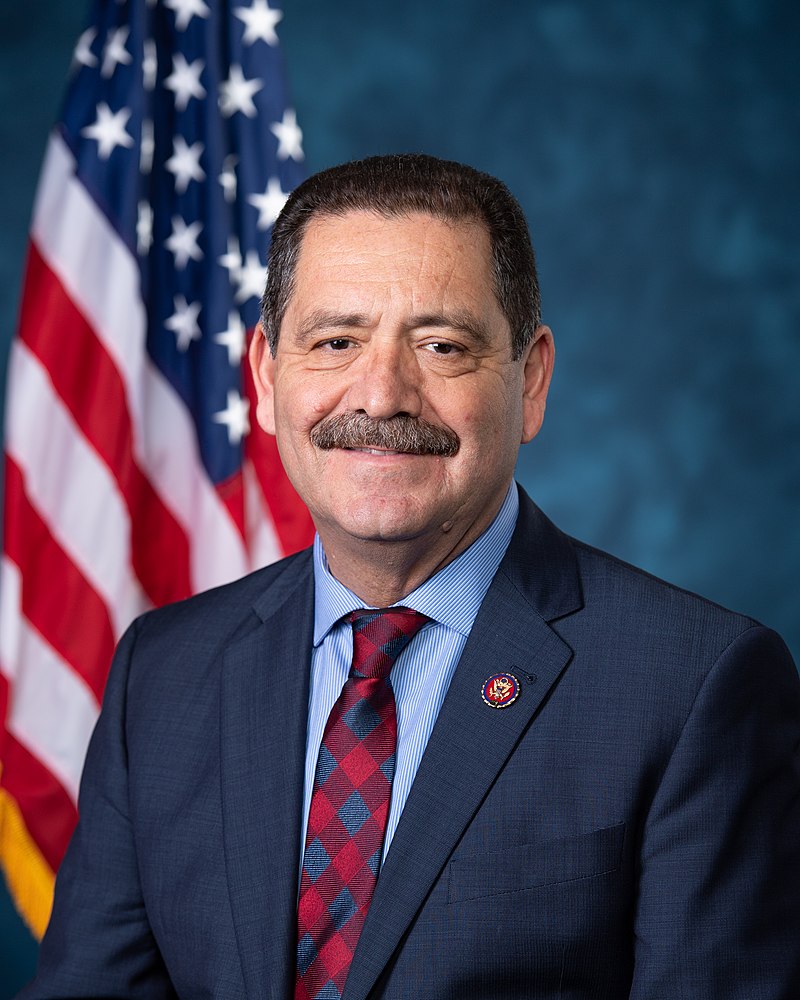


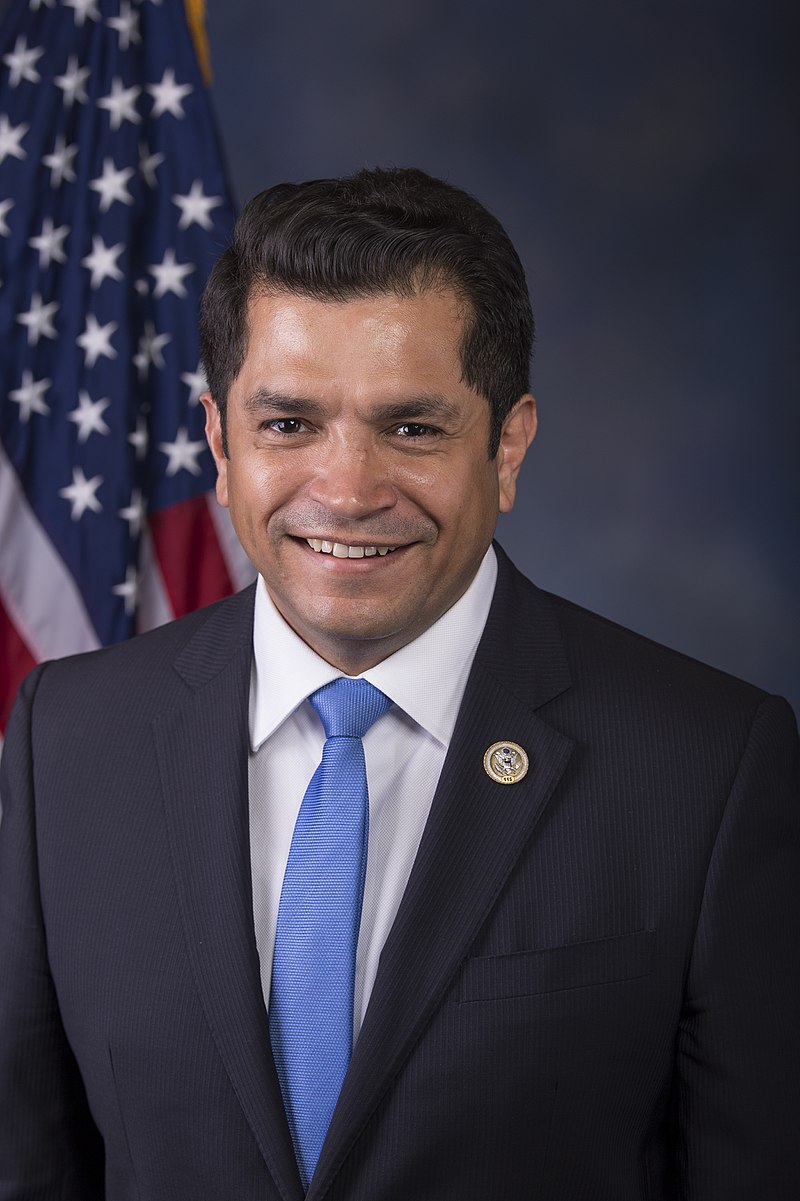
















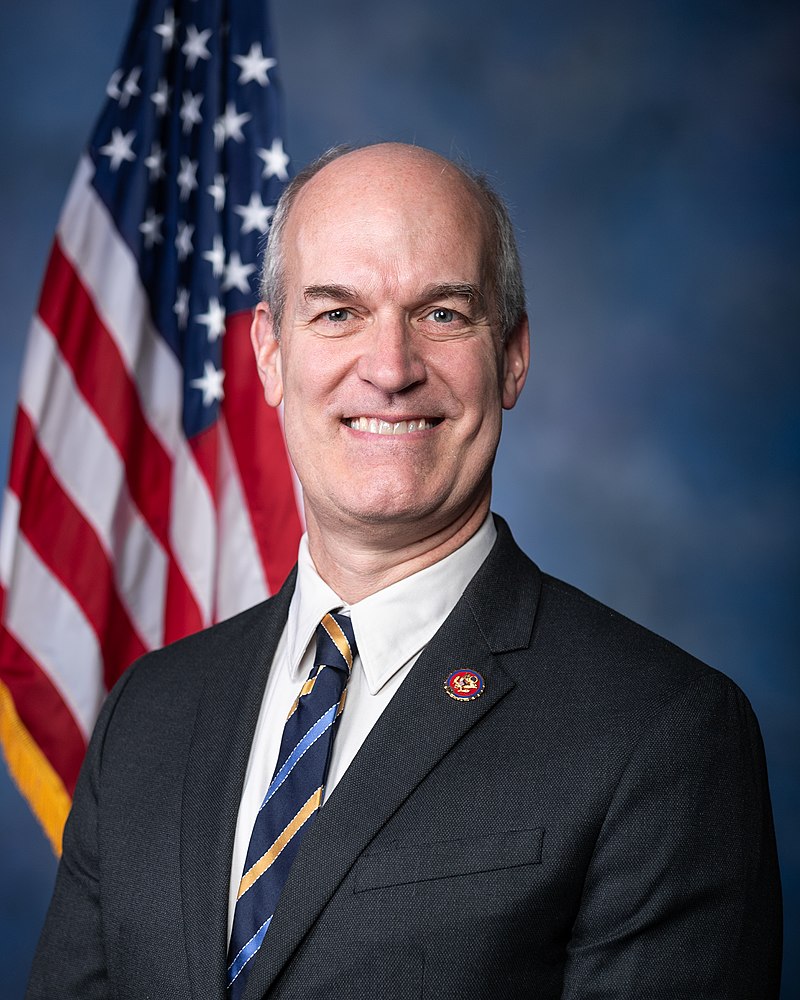



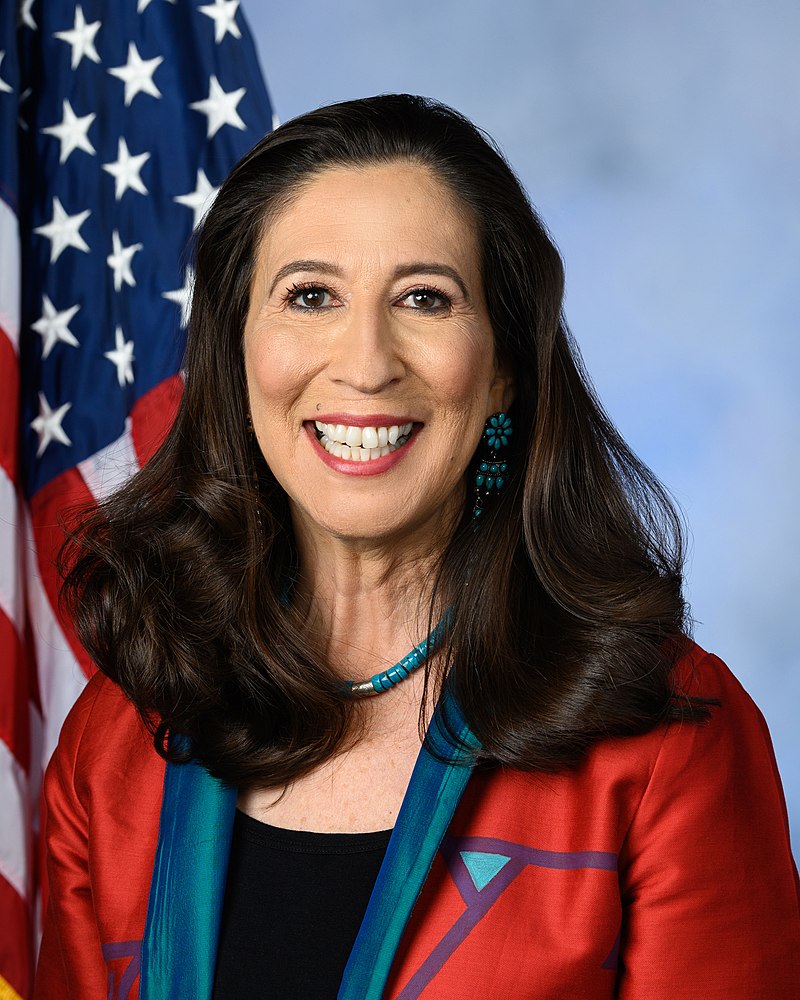

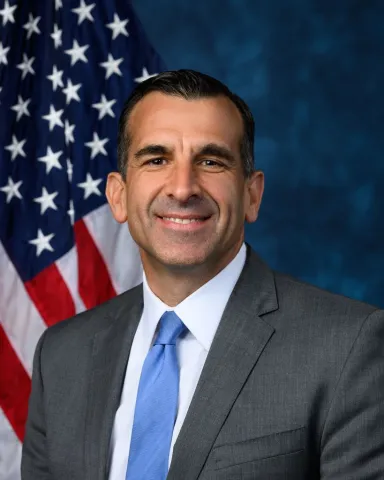



J
John Mannion

L
Lucy McBath







C
Christian Menefee











































R
Rashida Tlaib





N
Nydia Velázquez

D
Debbie Wasserman Schultz