H.R.4758 — Homeowner Energy Freedom Act
House Roll Call
H.R.4758
| Bill | H.R.4758 — Homeowner Energy Freedom Act |
|---|---|
| Vote question | On Passage |
| Vote type | Yea-and-Nay |
| Result | Passed |
| Totals | Yea 210 / Nay 199 / Present 1 / Not Voting 22 |
| Party | Yea | Nay | Present | Not Voting |
|---|---|---|---|---|
| R | 210 | 1 | 0 | 7 |
| D | 0 | 198 | 1 | 15 |
| I | 0 | 0 | 0 | 0 |
Research Brief
On Passage
Bill Analysis
HR 4758 – Homeowner Energy Freedom Act (119th Congress)
HR 4758 amends the Internal Revenue Code to expand and clarify federal tax incentives for residential clean energy, with the goal of lowering household energy costs and accelerating home decarbonization.
Core provisions:
- Extends and modifies the residential clean energy credit (Internal Revenue Code §25D) for homeowner-installed systems such as rooftop solar, small wind, geothermal heat pumps, battery storage, and certain other qualified technologies.
- Clarifies eligibility for energy storage systems installed in conjunction with, or independent of, on-site generation, ensuring standalone batteries can qualify if used primarily for residential energy needs.
- Broadens the definition of “qualified property” to include additional high-efficiency or electrification technologies (e.g., certain electric heat pumps, heat pump water heaters, or panel upgrades) when installed in owner-occupied residences, subject to efficiency standards.
- Adjusts credit rates and/or caps to increase the effective value of the incentive for middle‑income homeowners, while maintaining or phasing down support over a defined schedule. The bill preserves the nonrefundable nature of the credit but may improve carryforward rules so unused credits can offset future tax liability.
- Coordinates with existing home energy efficiency credits to prevent double counting for the same expenditure, while allowing homeowners to stack different incentives for distinct measures in the same property.
Funding and budget impact:
- Operates entirely through the tax code; no new discretionary appropriations or grant programs are created.
- Increases federal outlays in the form of reduced individual income tax receipts over the credit’s life; the Joint Committee on Taxation would score the revenue impact.
Agencies and implementation:
- Primary implementation by the Department of the Treasury and IRS through updated guidance, forms, and definitions of qualifying technologies and efficiency thresholds.
- Indirectly affects state and local programs that coordinate with federal tax incentives.
Beneficiaries and timelines:
- Direct beneficiaries: owner-occupant homeowners investing in eligible clean energy or electrification upgrades.
- Indirect beneficiaries: residential clean energy installers, equipment manufacturers, and local labor.
- The bill applies to property placed in service after specified dates (likely tax years beginning after enactment) with scheduled phase-down or sunset dates for the enhanced credit.
Yea (210)










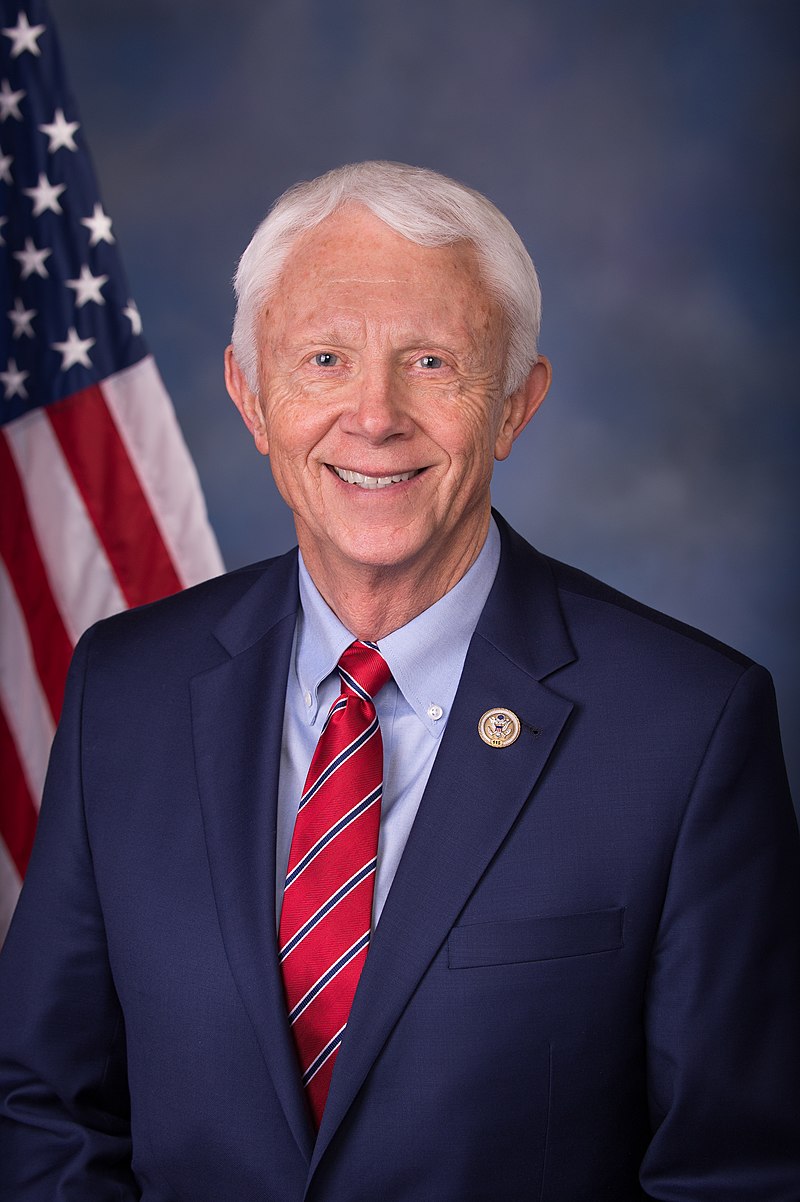

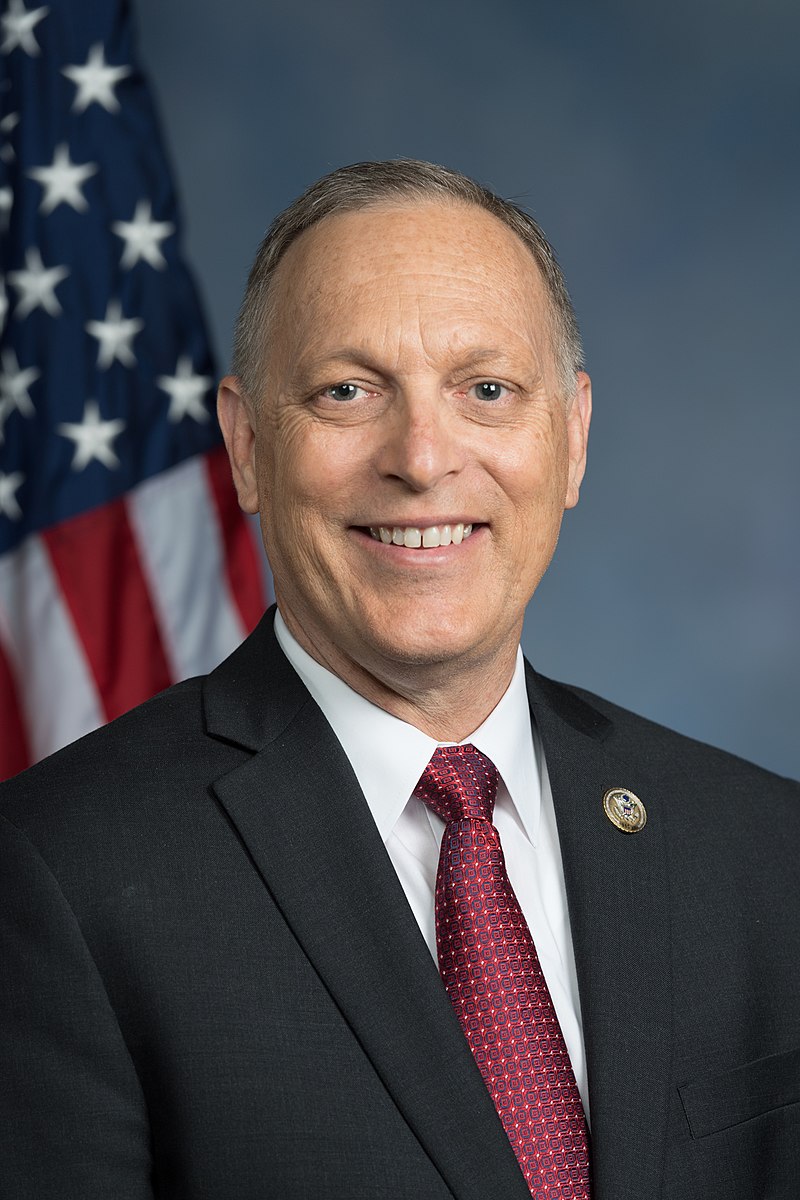



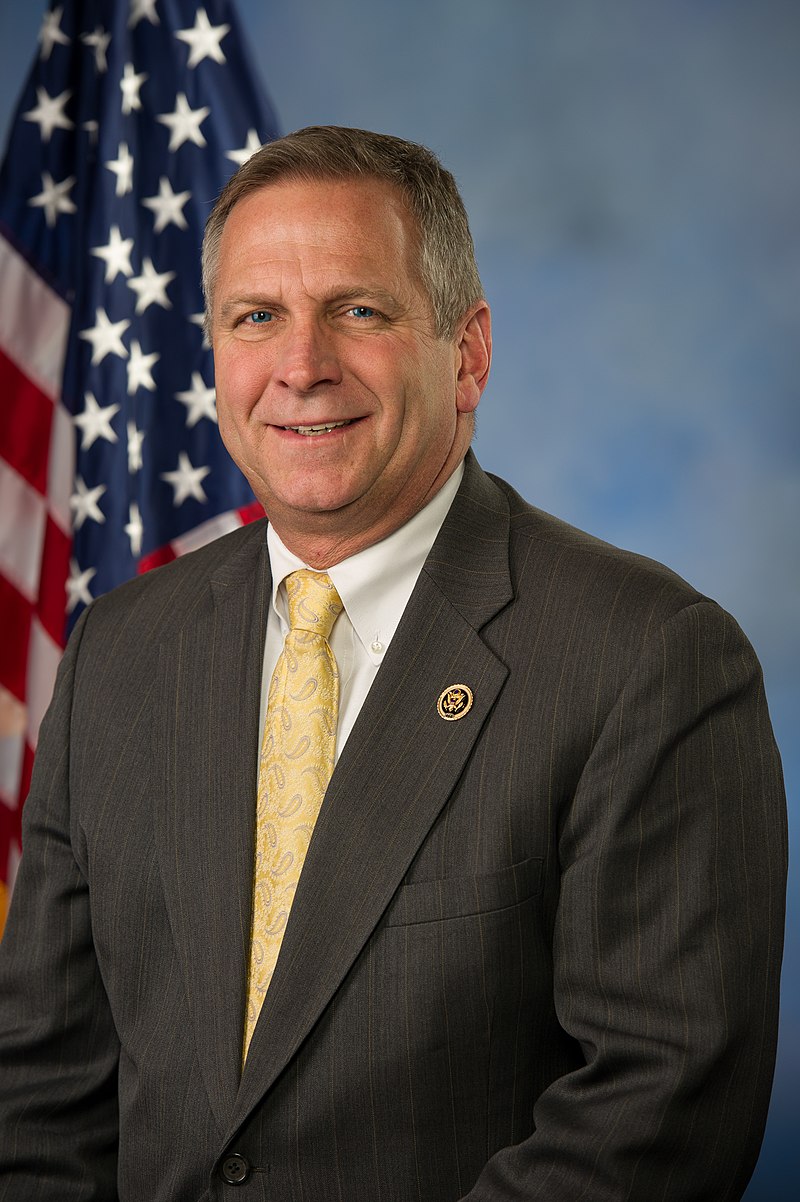




K
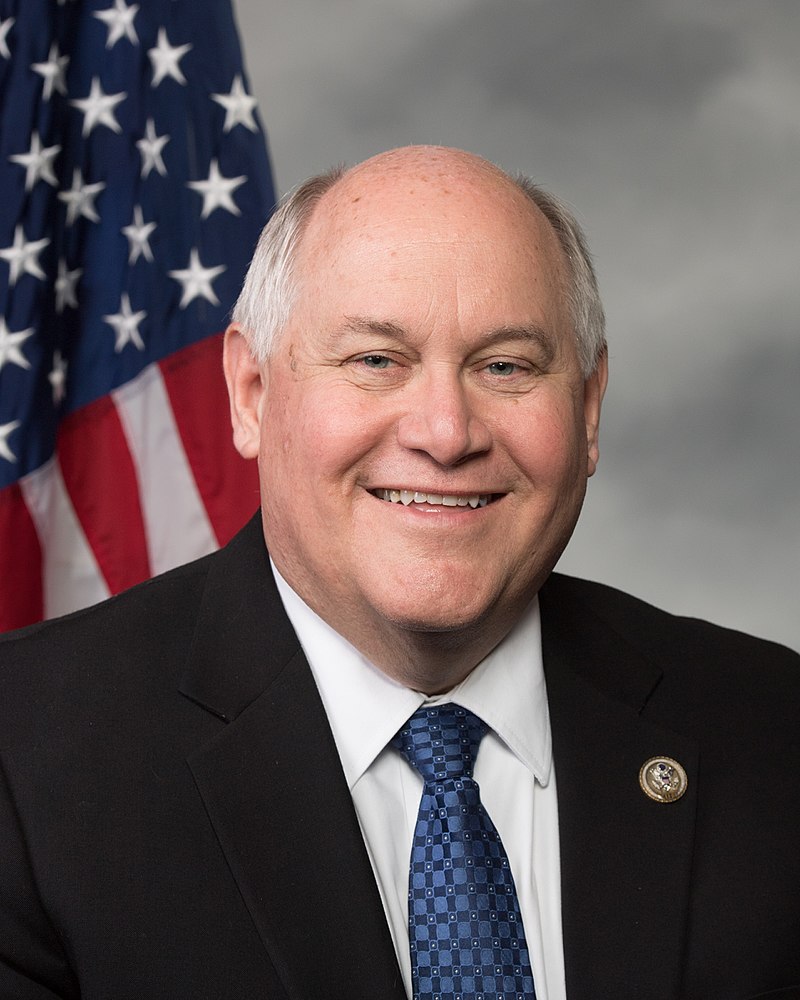
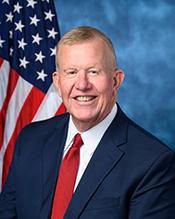
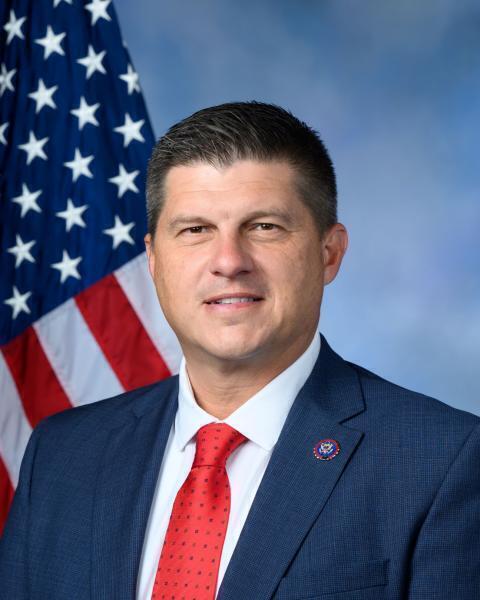
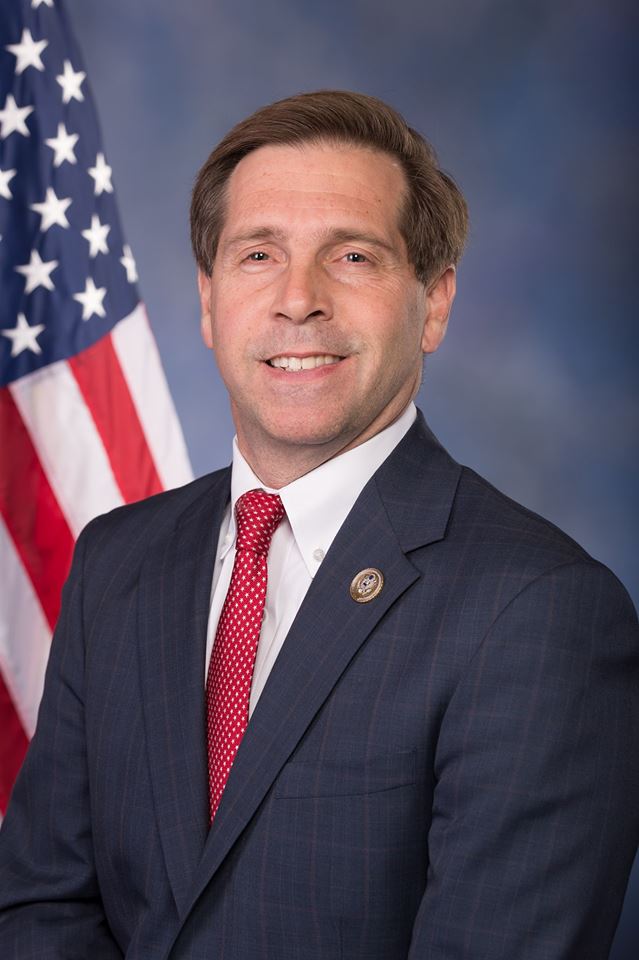
Ken Calvert




























S
Scott Franklin





































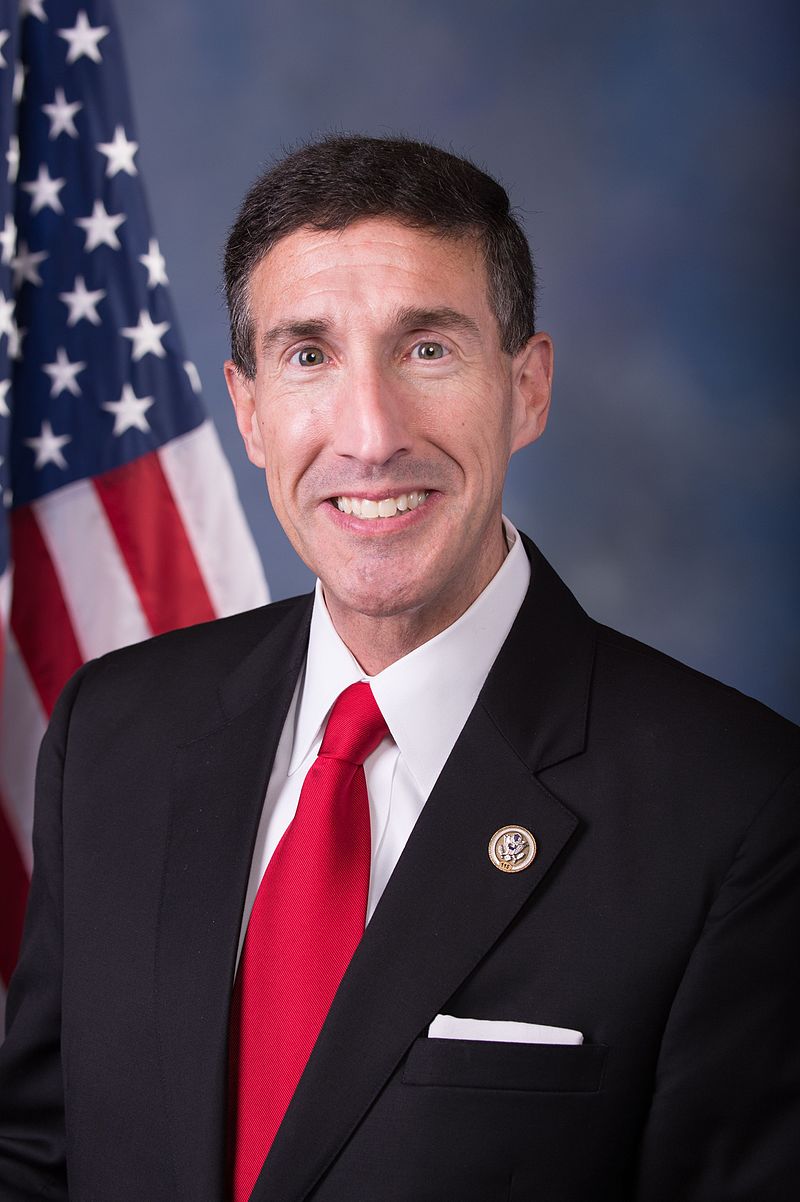


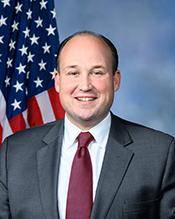
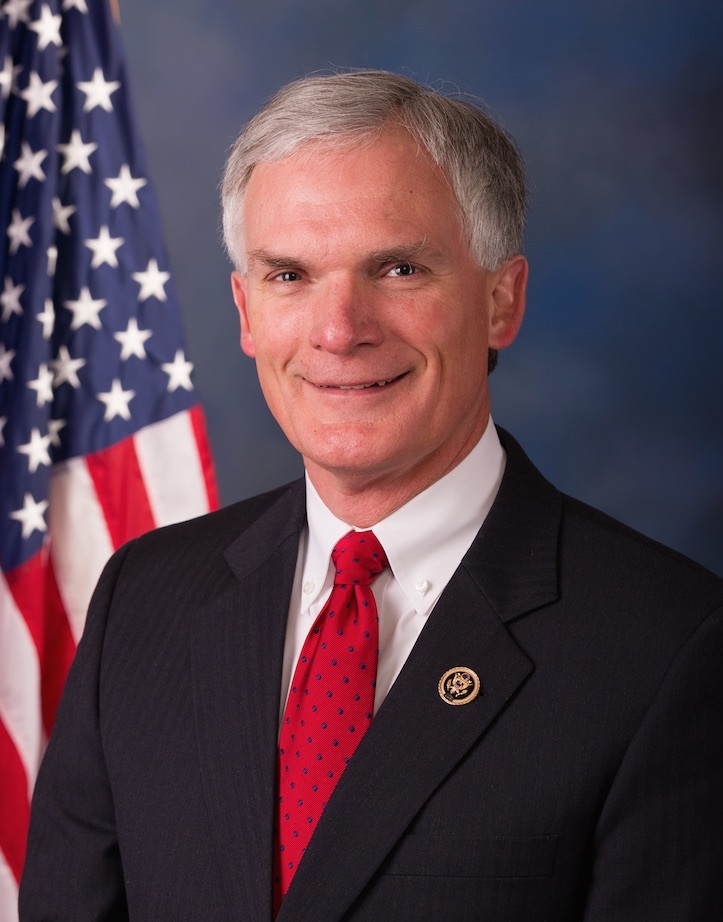
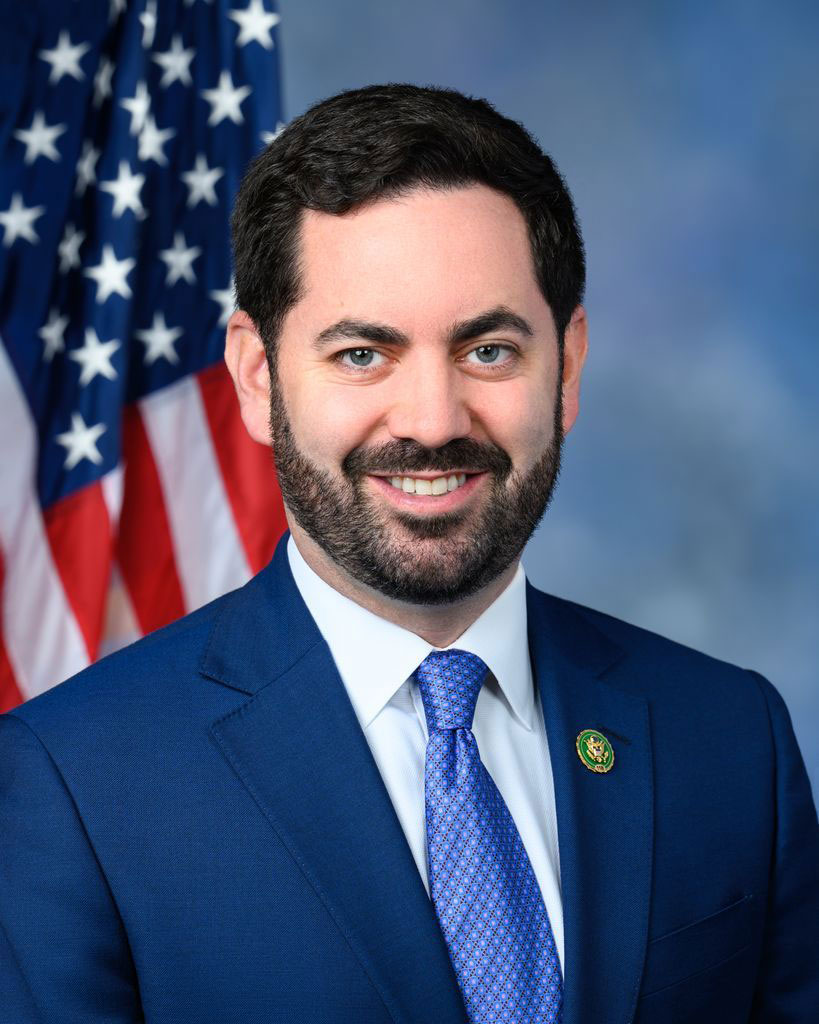











L
Lisa McClain




























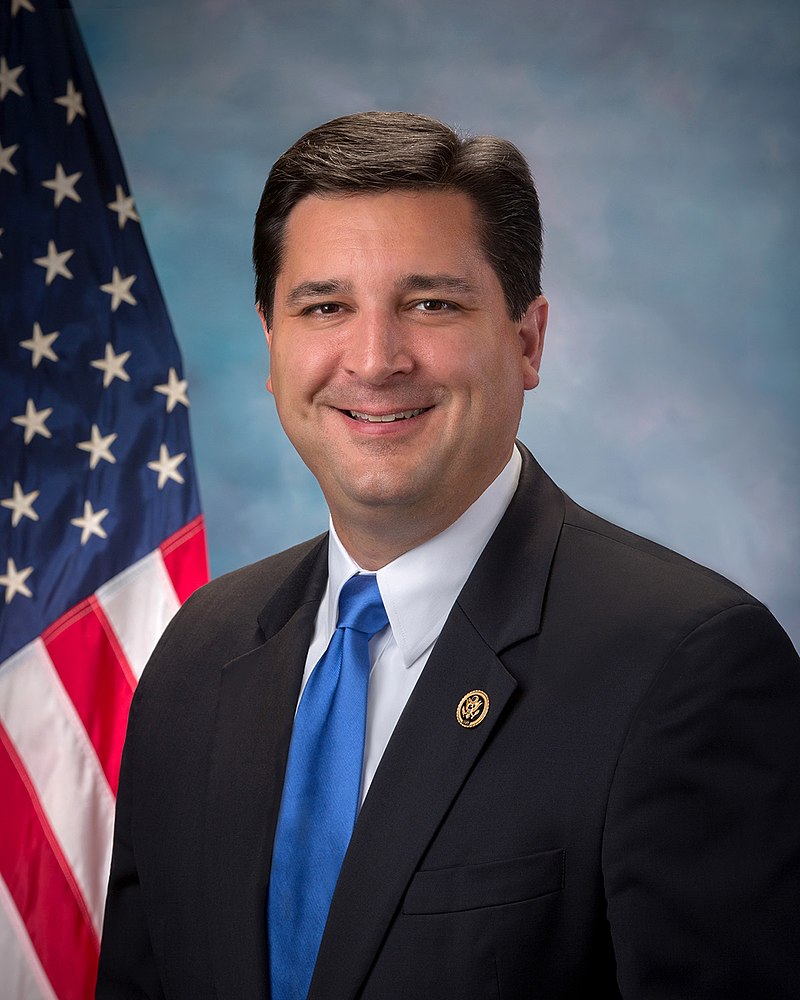


J
John Rutherford



D
David Schweikert
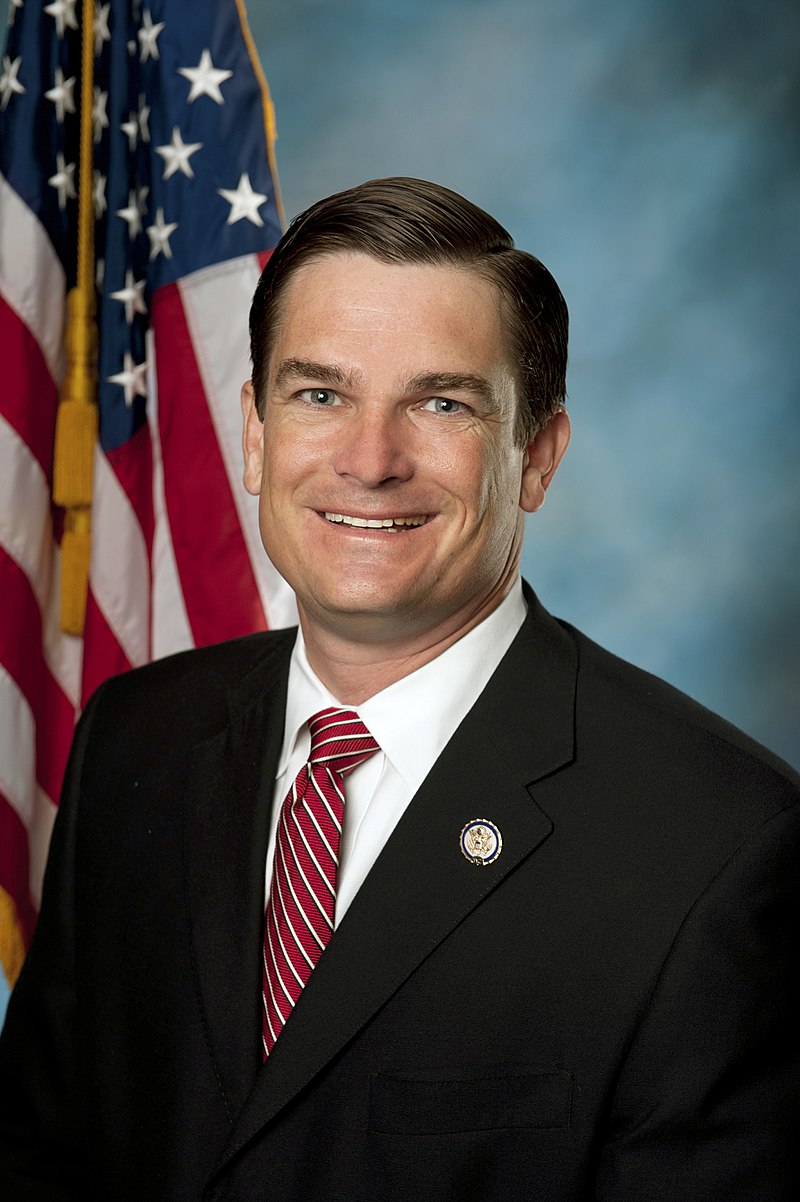

P
Pete Sessions
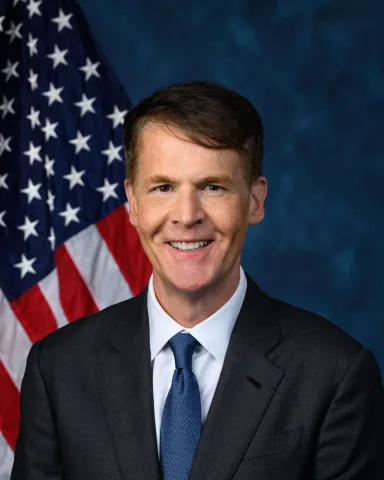


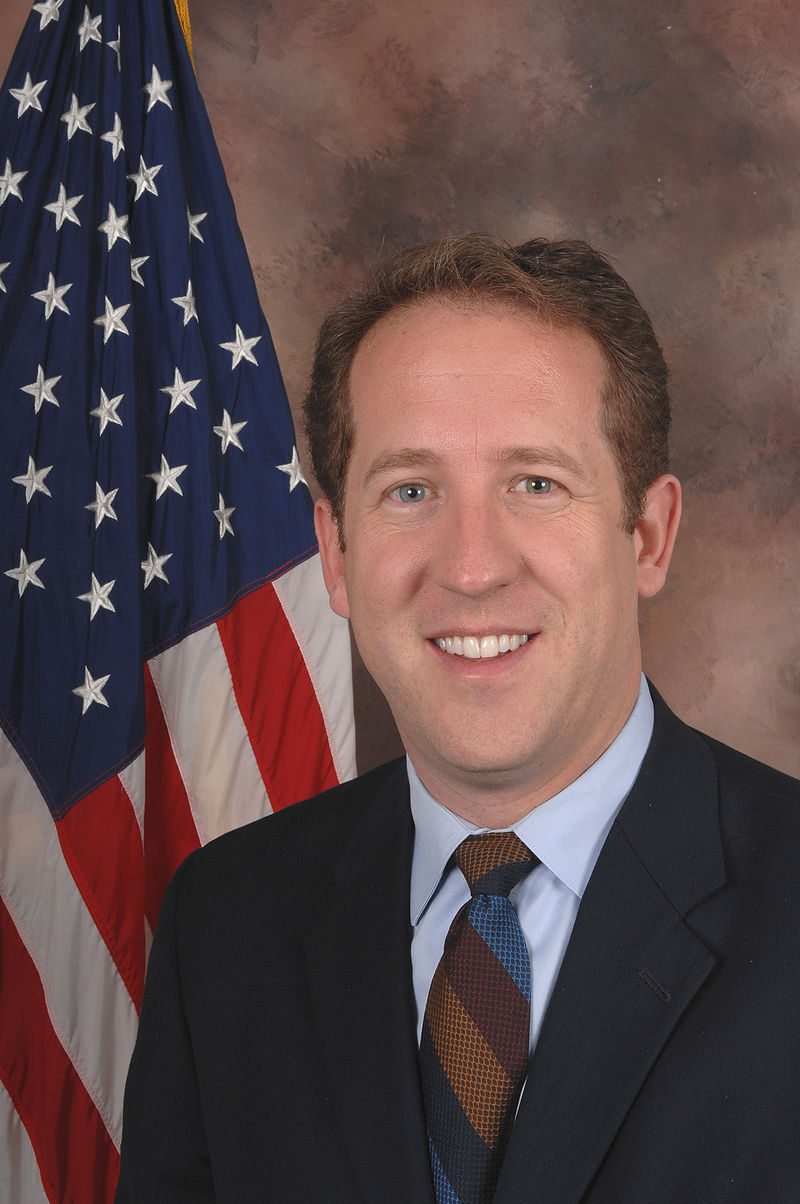
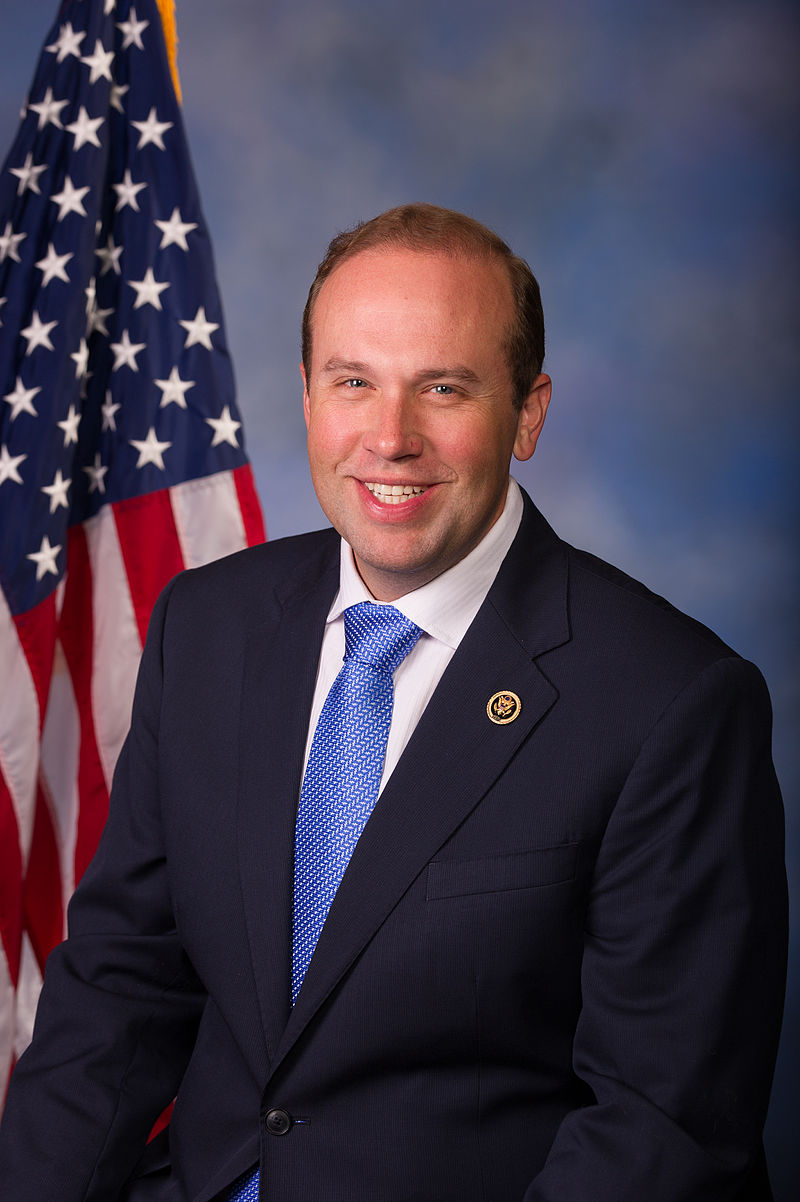
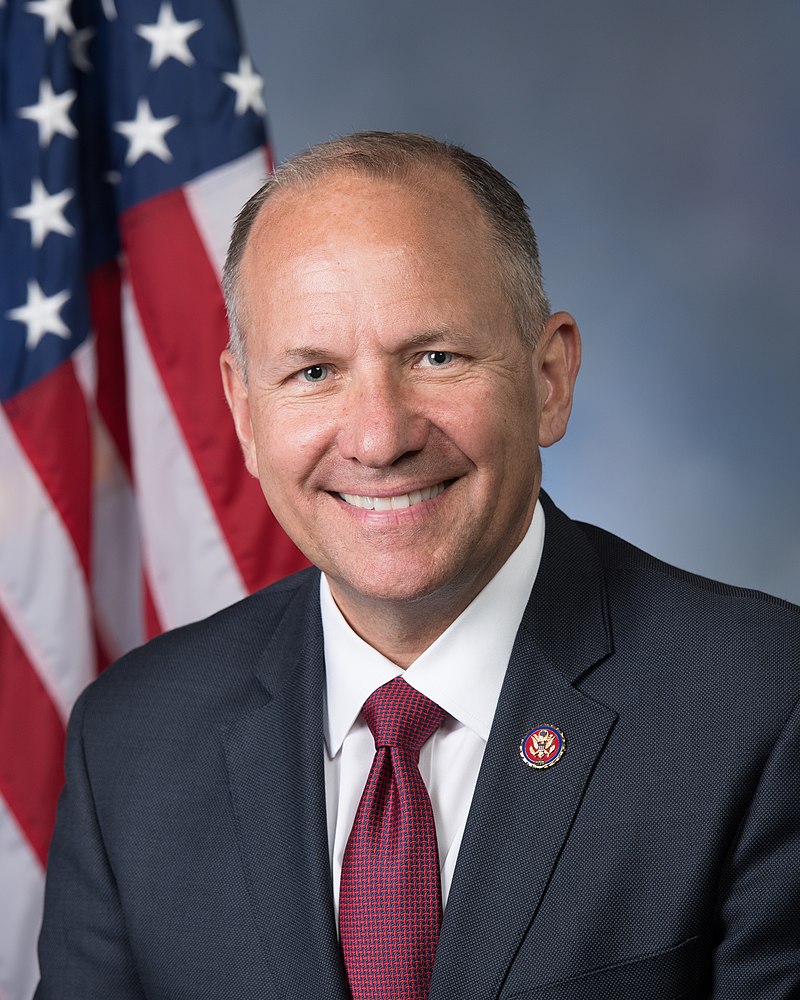





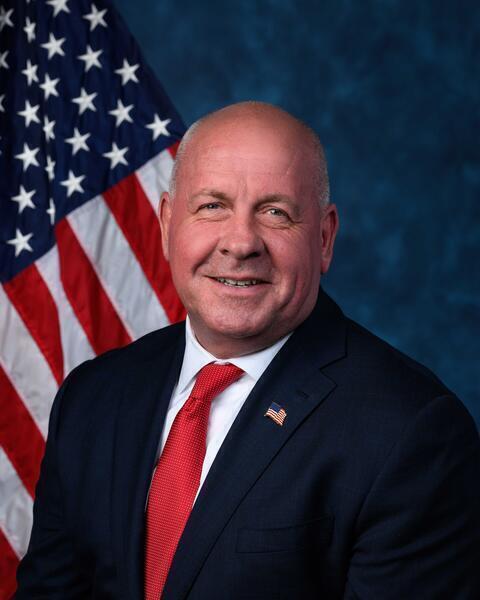













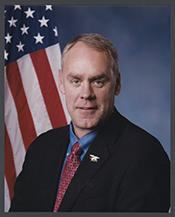
Nay (199)
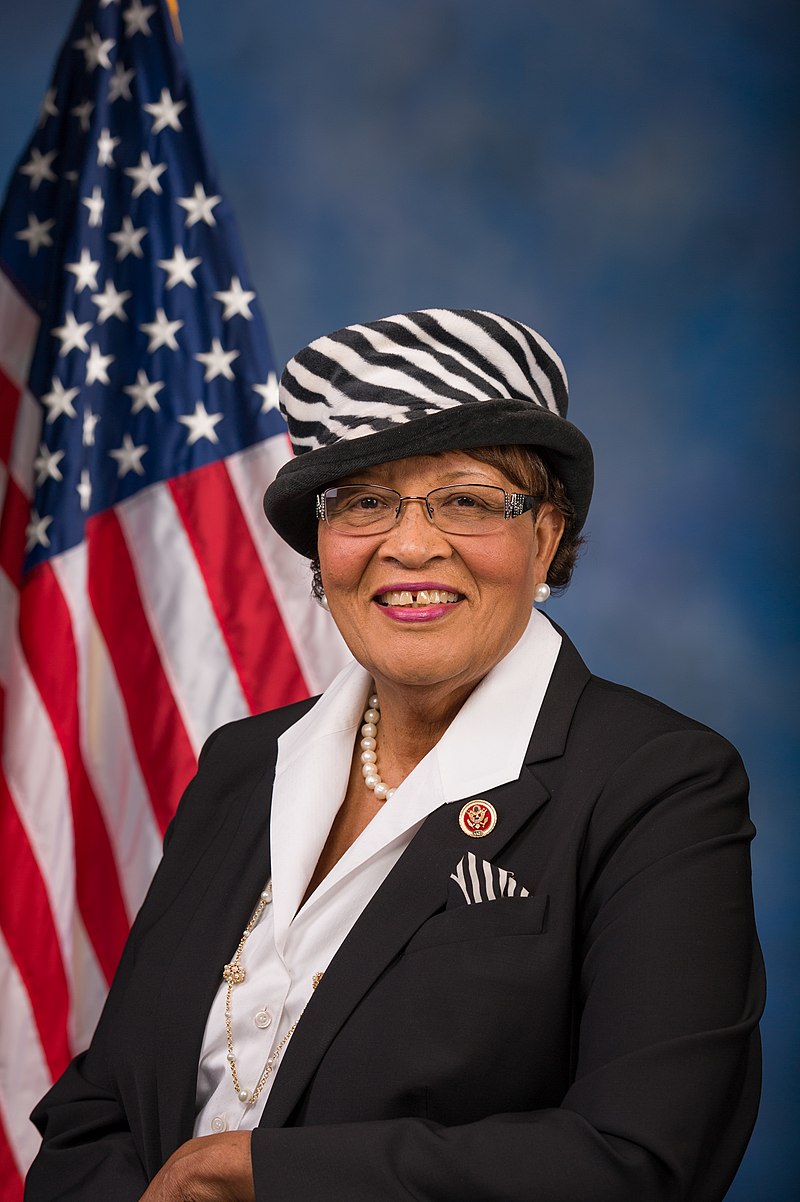
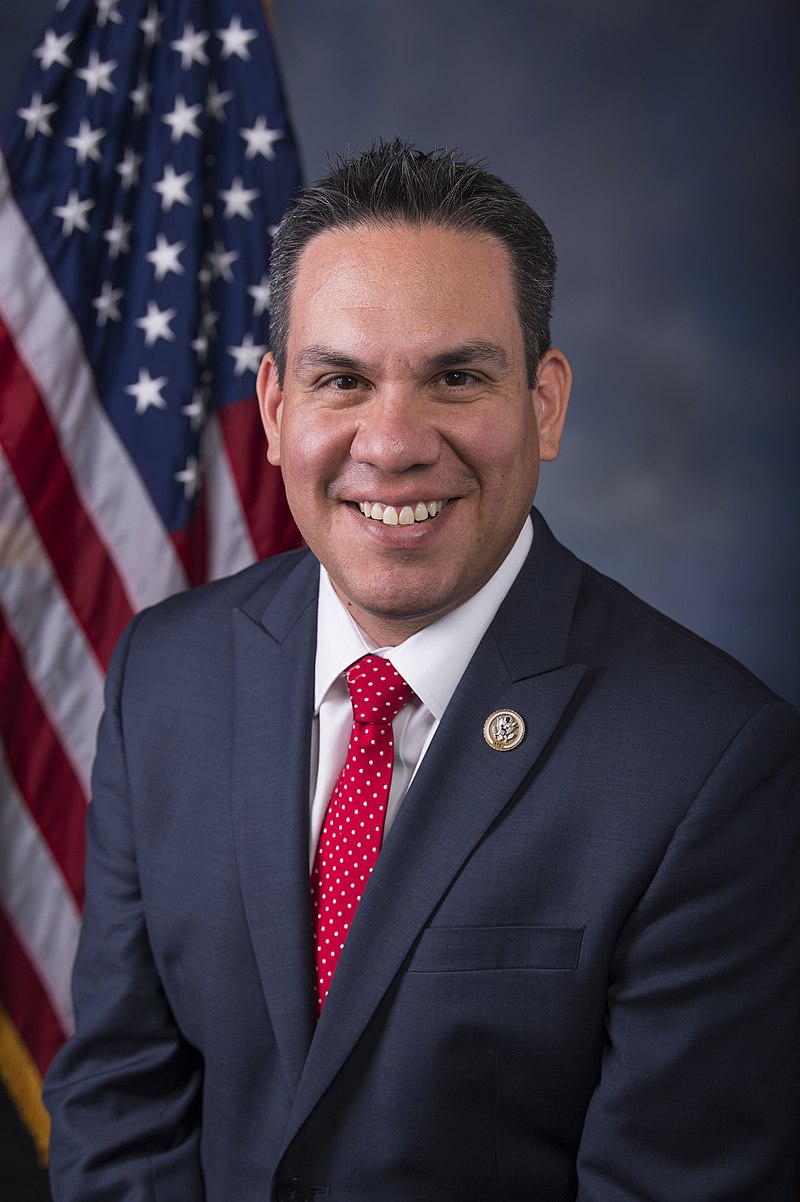




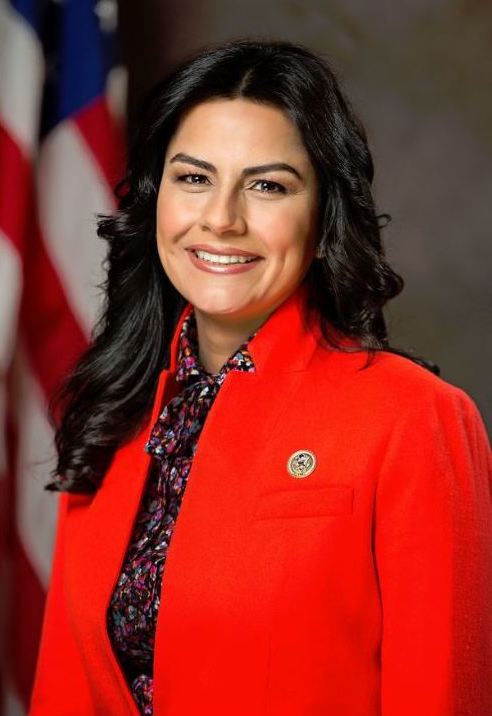
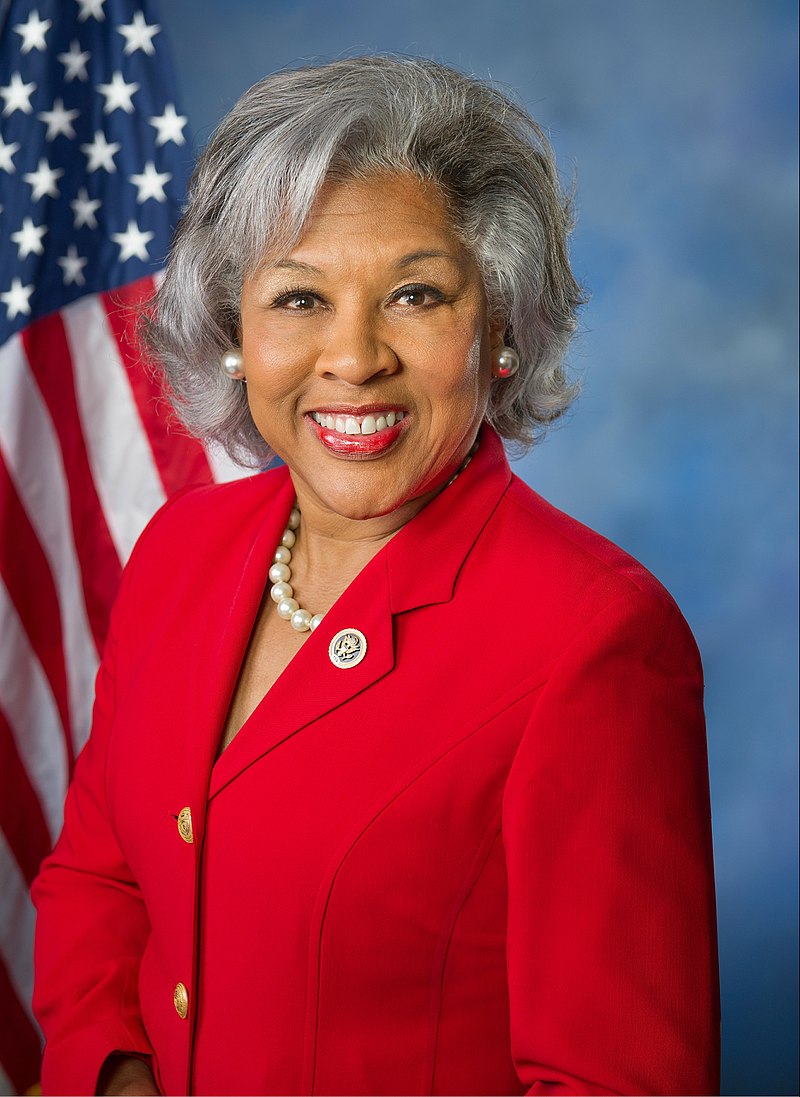


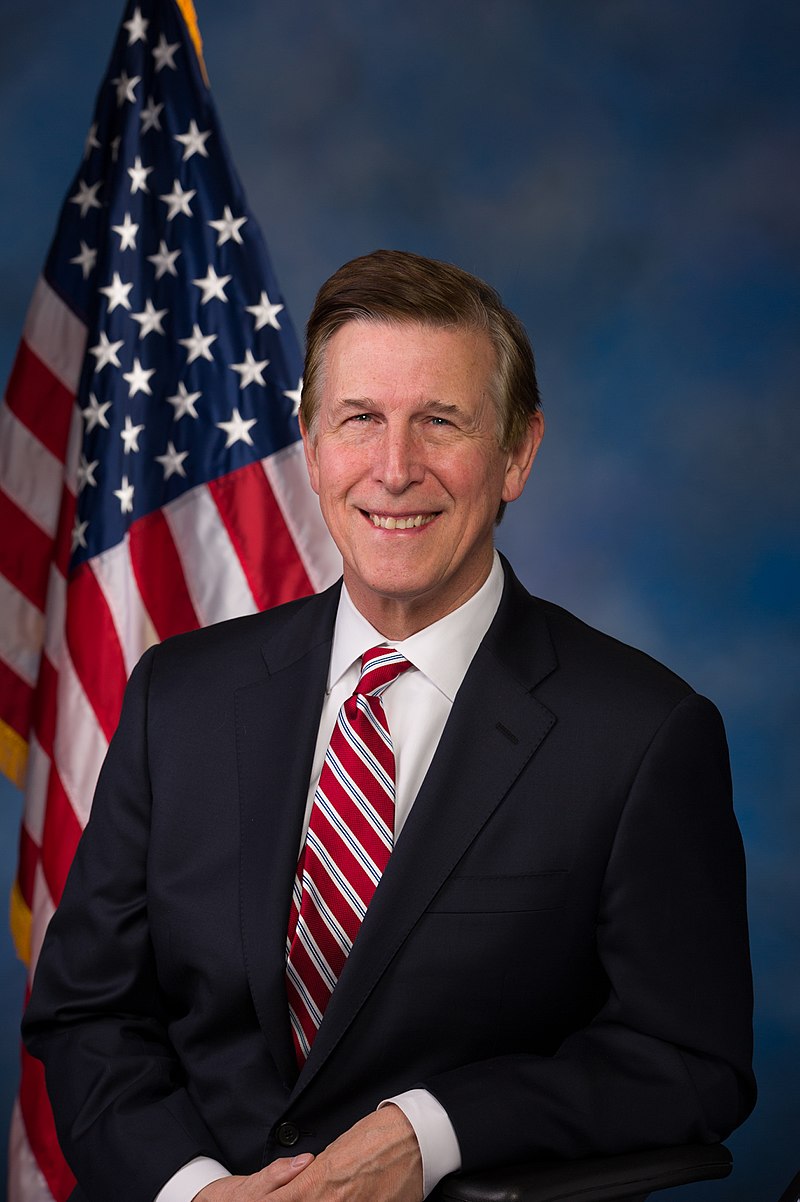


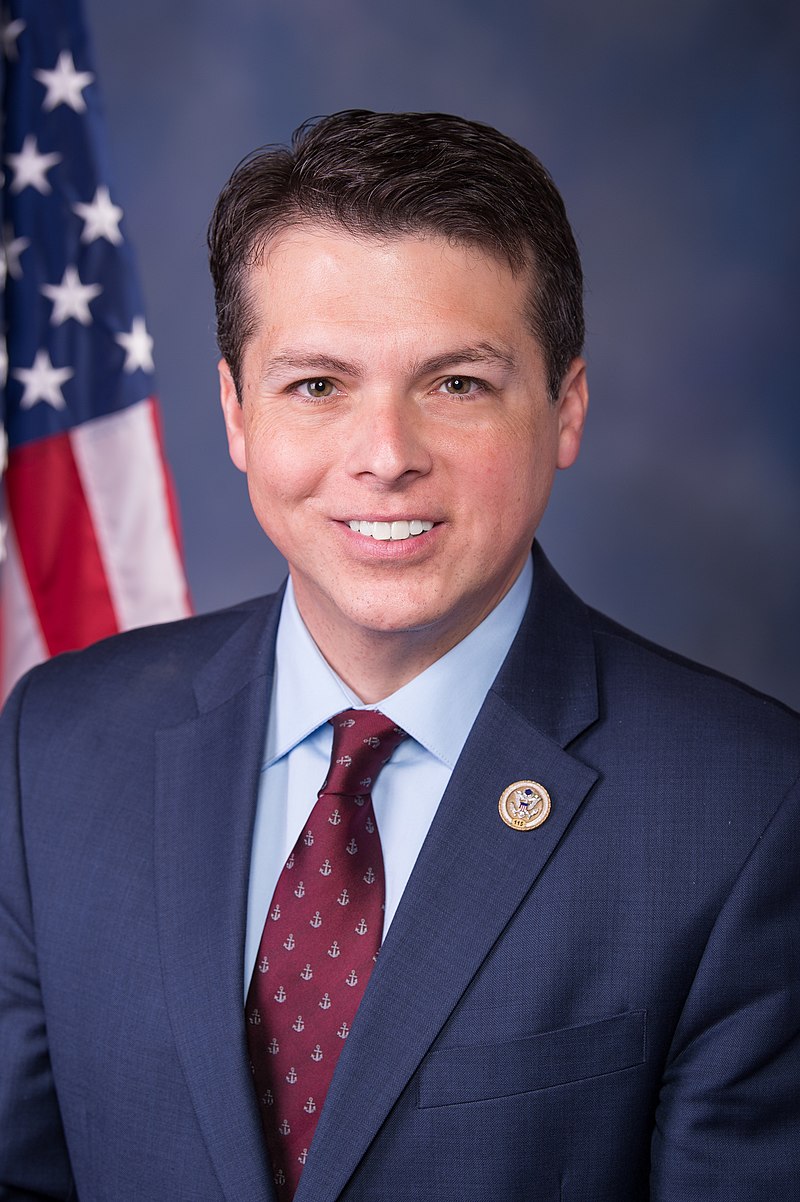

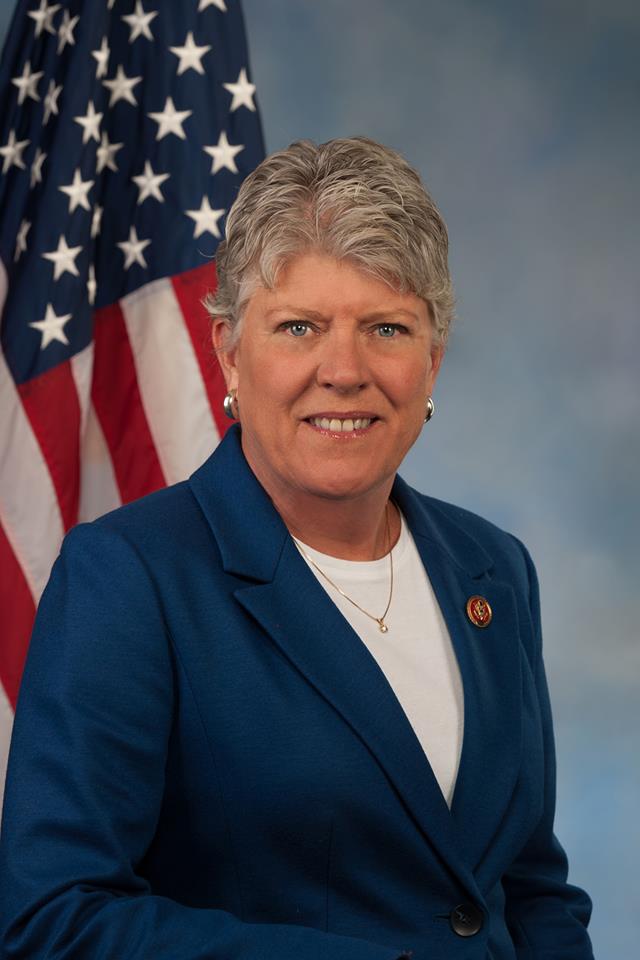


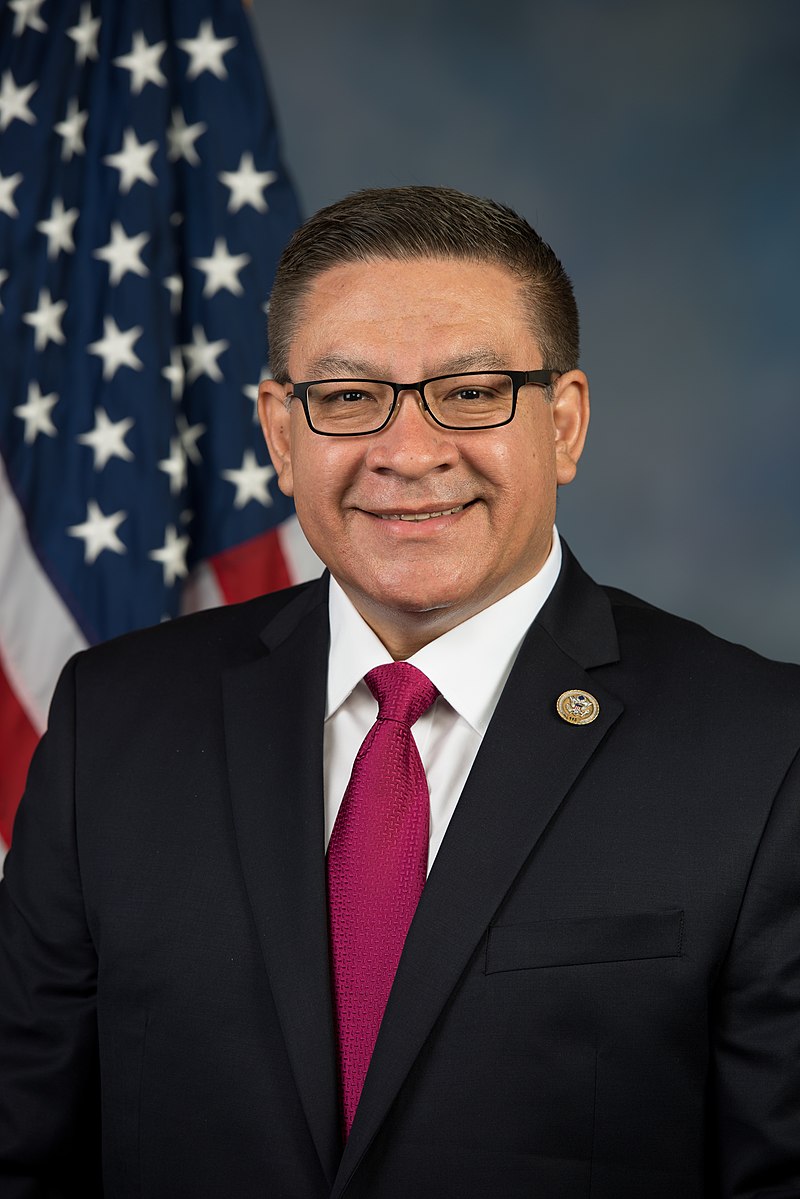
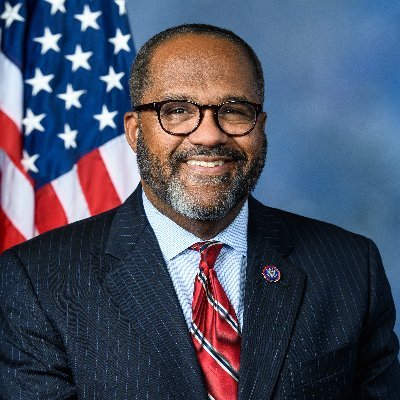



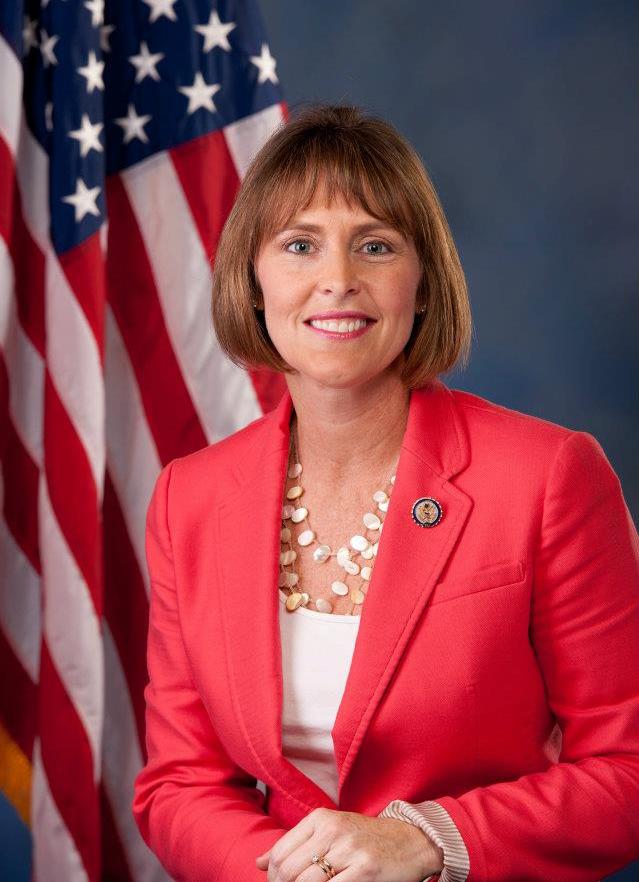
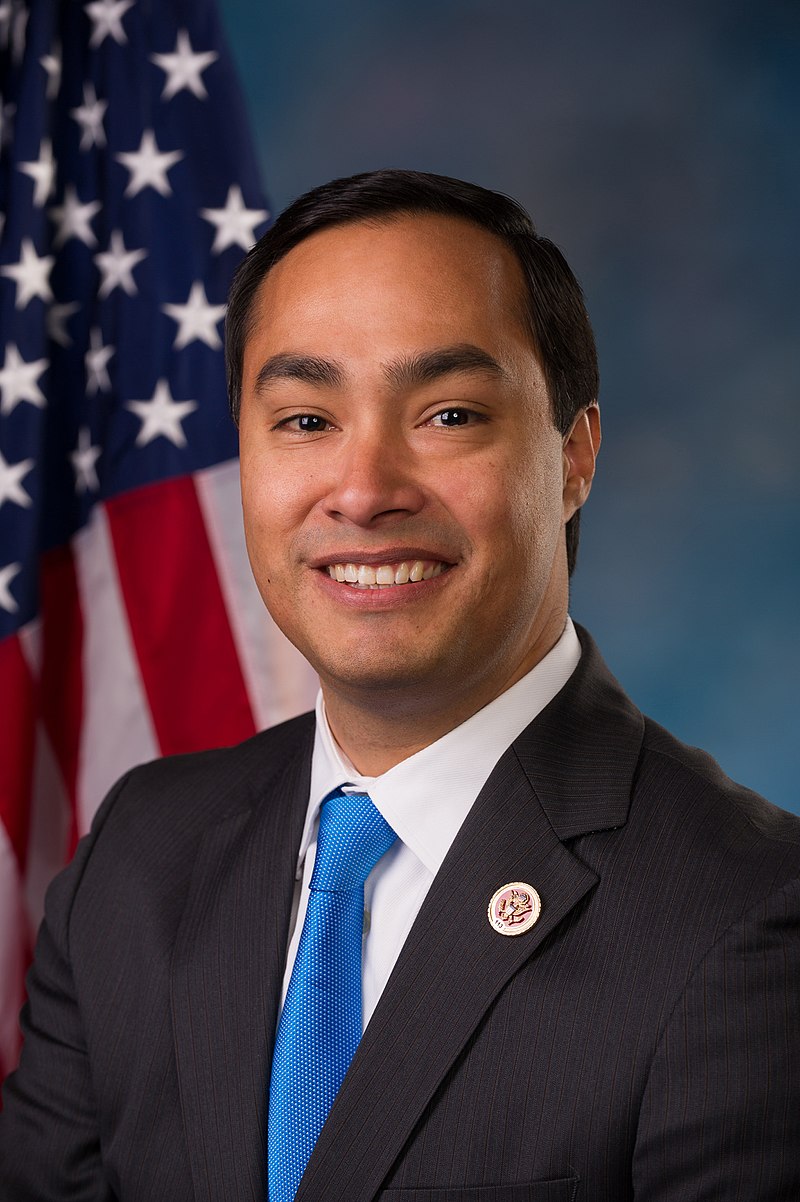


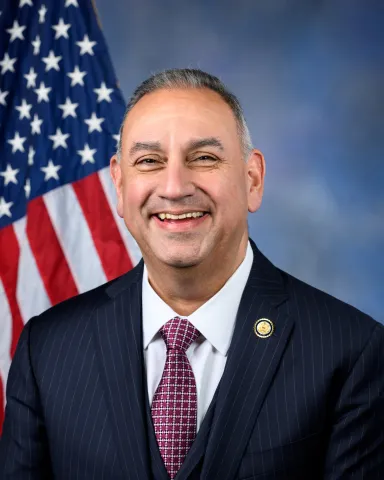





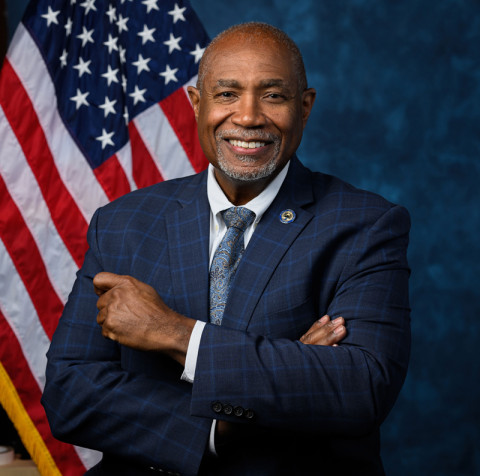
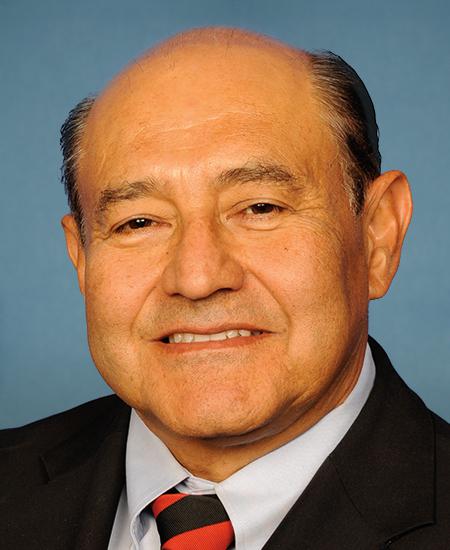

J
Jason Crow










L
Lloyd Doggett








J
John Garamendi































J
John Mannion

L
Lucy McBath
















































R
Rashida Tlaib








D
Debbie Wasserman Schultz



Present (1)

Not Voting (22)






C
Christian Menefee





E
Eric Swalwell


N
Nydia Velázquez