
H.R.4758 — Homeowner Energy Freedom Act
House Roll Call
H.R.4758
| Bill | H.R.4758 — Homeowner Energy Freedom Act |
|---|---|
| Vote question | On Motion to Recommit |
| Vote type | Yea-and-Nay |
| Result | Failed |
| Totals | Yea 198 / Nay 208 / Present 0 / Not Voting 26 |
| Party | Yea | Nay | Present | Not Voting |
|---|---|---|---|---|
| R | 0 | 208 | 0 | 10 |
| D | 198 | 0 | 0 | 16 |
| I | 0 | 0 | 0 | 0 |
Research Brief
On Motion to Recommit
Bill Analysis
HR 4758 – Homeowner Energy Freedom Act (119th Congress)
HR 4758 amends the Internal Revenue Code to expand and clarify federal tax incentives for residential clean energy, with the aim of lowering household energy costs and accelerating home decarbonization.
Core provisions:
- Extends and modifies the existing residential clean energy credit (Internal Revenue Code §25D) to cover a broader set of technologies and installation contexts in owner-occupied homes, including rooftop solar, small wind, geothermal heat pumps, battery storage, and certain high-efficiency electric appliances and systems.
- Clarifies eligibility for homeowners in common-interest communities (e.g., condos, co-ops, HOAs) and for shared or community-based residential systems, allowing proportional credits where systems serve multiple dwelling units.
- Adjusts credit calculation rules to better align with actual installed costs, including labor, permitting, and certain interconnection expenses.
- May introduce or refine transferability or “direct pay” options for some taxpayers with limited tax liability, enabling them to monetize credits more effectively (subject to IRS guidance).
Funding and authorities:
- Operates through the tax code; no new discretionary appropriations are created. Fiscal impact occurs via reduced federal income tax receipts.
- Grants the Secretary of the Treasury (through IRS) authority to issue regulations and guidance defining qualifying property, documentation standards, and anti-abuse rules.
- Requires coordination with the Department of Energy for technical definitions and performance standards for eligible technologies.
Agencies and programs affected:
- Primary: Department of the Treasury / IRS (tax administration, guidance, enforcement).
- Secondary: Department of Energy (technical criteria, potential data and standards support).
Beneficiaries and regulated parties:
- Beneficiaries: Individual homeowners, including those in multi-unit or HOA-governed properties, residential solar and HVAC contractors, and clean energy manufacturers/installers indirectly.
- Regulated: Taxpayers claiming the credit (documentation and compliance), and installers to the extent their work must meet qualifying standards.
Timelines:
- Applies to property placed in service after specified enactment-related dates (likely tax years beginning after enactment or retroactive to the current tax year).
- Treasury/IRS is typically directed to issue implementing regulations and guidance within a defined period (e.g., 12–18 months) after enactment.
Yea (198)































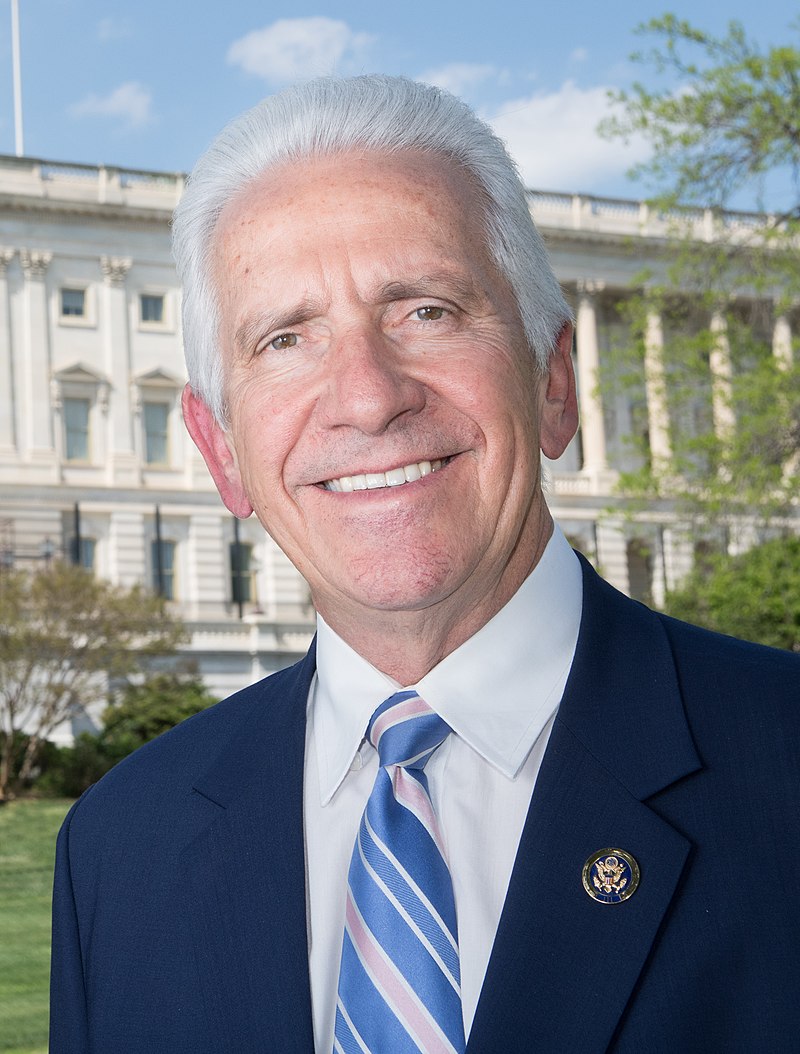


J
Jason Crow












L
Lloyd Doggett










J
John Garamendi
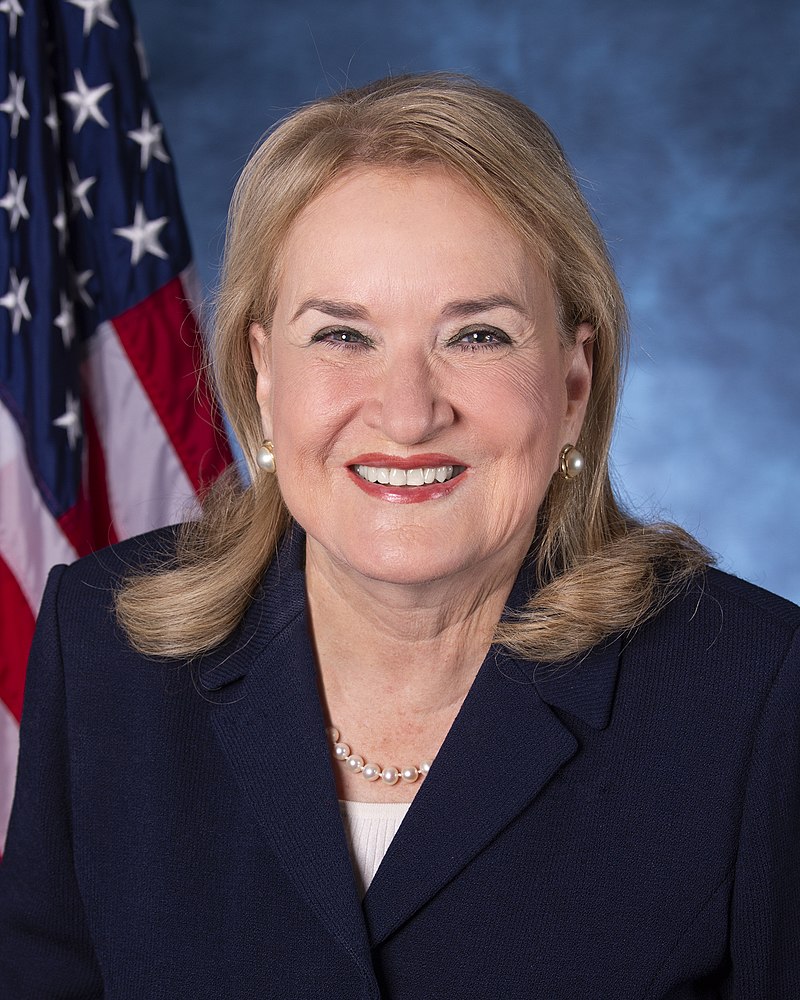









































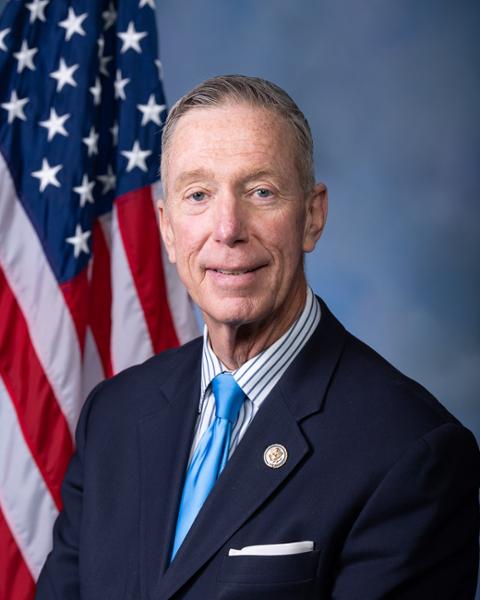

J
John Mannion

L
Lucy McBath






































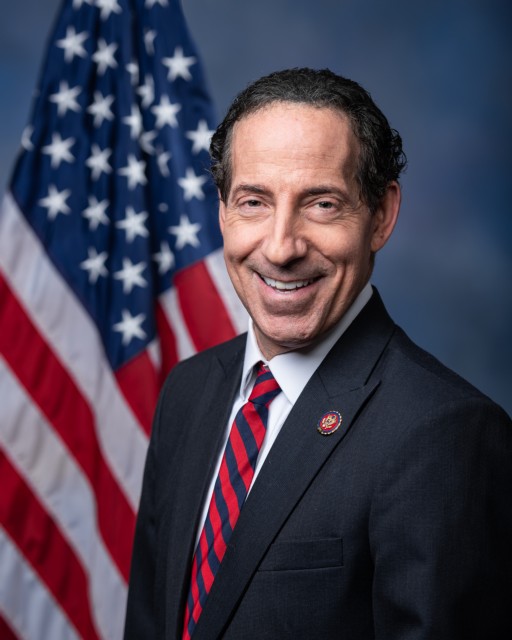



























R
Rashida Tlaib










D
Debbie Wasserman Schultz




Nay (208)













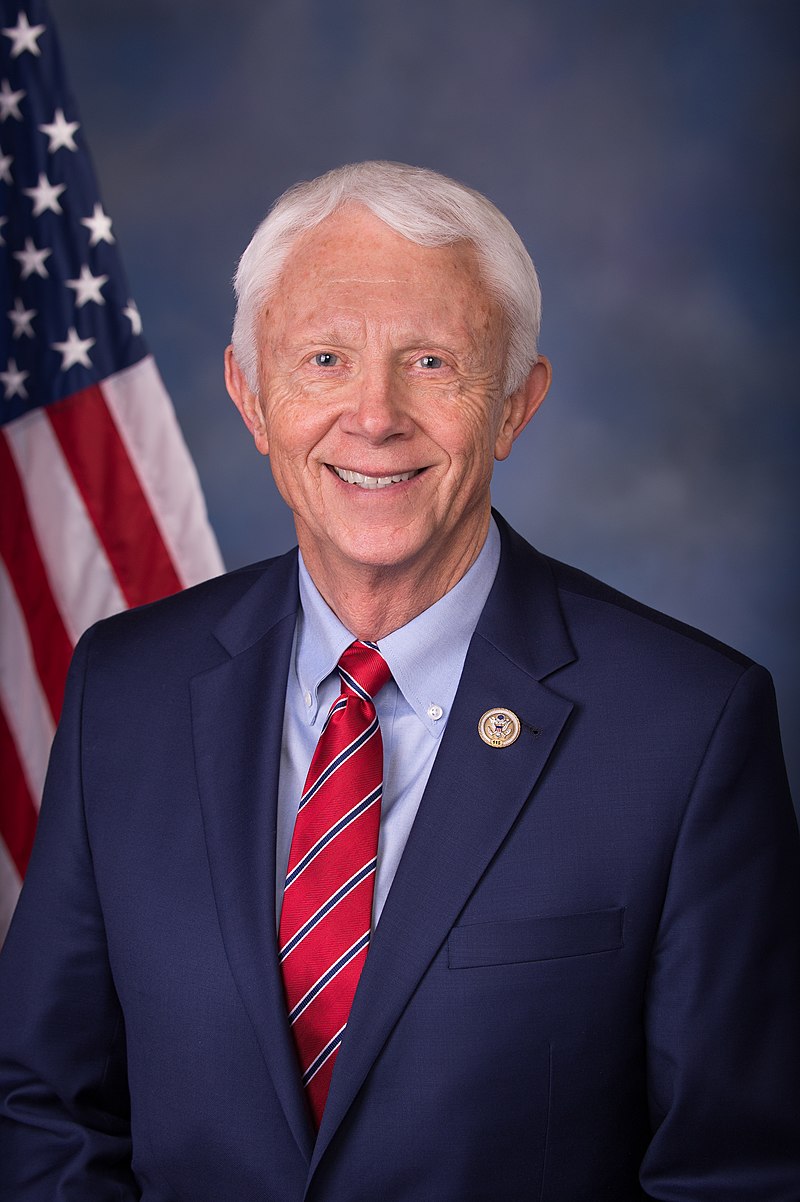











K
Ken Calvert






















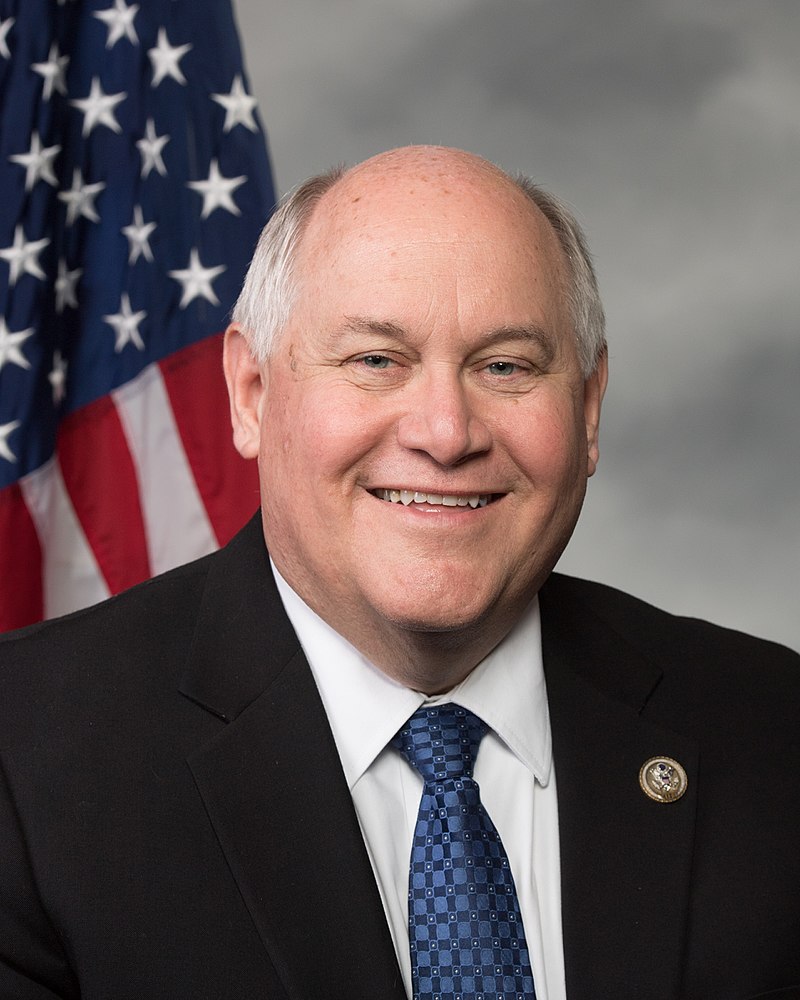














S
Scott Franklin






































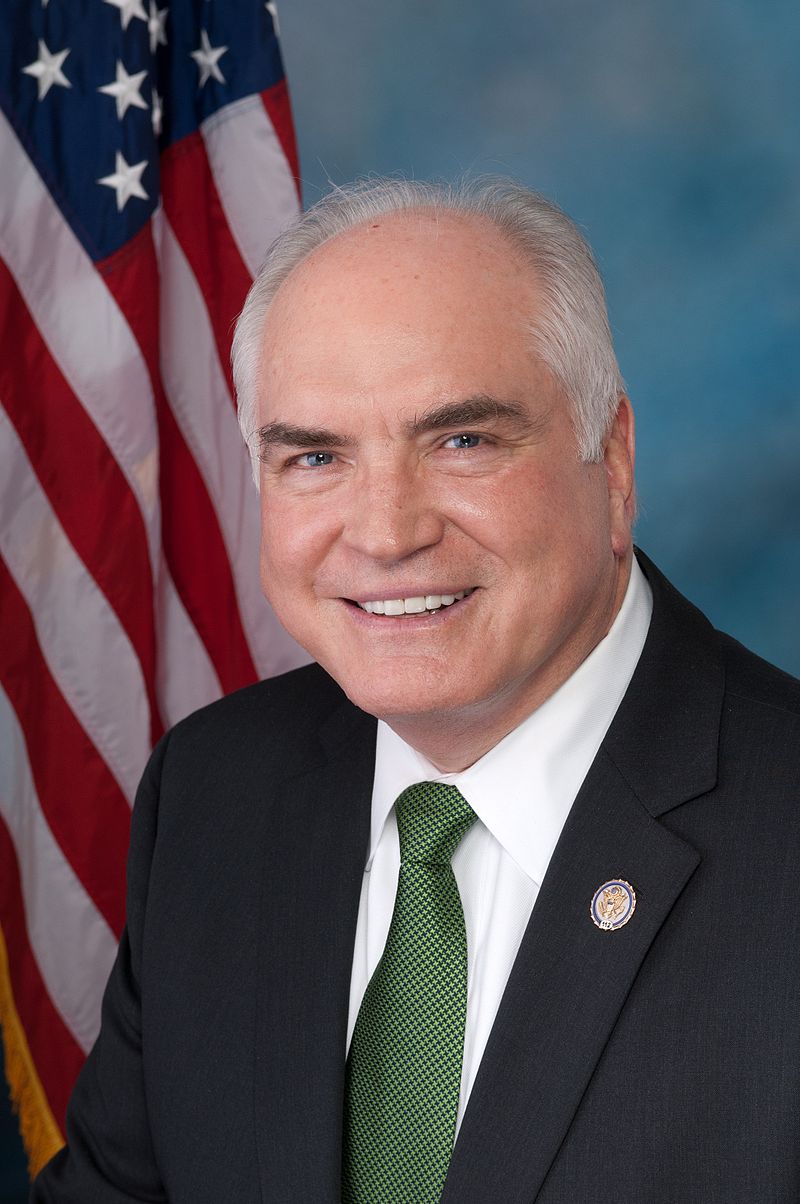

























L
Lisa McClain




































J
John Rutherford



D
David Schweikert


P
Pete Sessions






























Not Voting (26)











C
Christian Menefee







E
Eric Swalwell


N
Nydia Velázquez