H.R.4626 — Home Appliance Protection and Affordability Act
House Roll Call
H.R.4626
| Bill | H.R.4626 — Home Appliance Protection and Affordability Act |
|---|---|
| Vote question | On Passage |
| Vote type | Yea-and-Nay |
| Result | Passed |
| Totals | Yea 217 / Nay 190 / Present 0 / Not Voting 25 |
| Party | Yea | Nay | Present | Not Voting |
|---|---|---|---|---|
| R | 210 | 0 | 0 | 8 |
| D | 7 | 190 | 0 | 17 |
| I | 0 | 0 | 0 | 0 |
Research Brief
On Passage
Bill Analysis
HR 4626 – Home Appliance Protection and Affordability Act (119th Congress)
HR 4626 targets federal energy-efficiency regulation of household appliances, aiming to limit future rulemakings that could increase upfront costs or restrict product availability.
Substance and authorities:
- Amends the Energy Policy and Conservation Act (EPCA) to narrow the Department of Energy’s (DOE) authority to set or revise energy conservation standards and test procedures for “covered products” (e.g., refrigerators, dishwashers, clothes washers/dryers, water heaters, HVAC equipment, cooking products).
- Requires DOE, before issuing new or amended standards, to more heavily weigh impacts on:
- Purchase price and payback period for consumers.
- Product performance, features, and availability.
- Impacts on low-income and fixed‑income households.
- Tightens the statutory criteria under which DOE may determine that a standard is “economically justified,” likely raising the threshold for more stringent rules.
- May bar or limit standards that effectively eliminate entire product classes or popular configurations (e.g., certain gas appliances), codifying protections for fuel choice and specific design types.
- Requires more detailed cost-benefit and technical feasibility analyses, potentially including explicit consideration of regional climate, housing stock, and installation constraints.
Agencies and programs affected:
- Primary: U.S. Department of Energy, Office of Energy Efficiency and Renewable Energy (EERE), which administers appliance standards.
- Indirect: Federal Trade Commission (FTC) for appliance labeling interactions; manufacturers’ compliance and certification programs overseen by DOE.
Who benefits or is regulated:
- Appliance manufacturers gain more predictable and potentially less stringent federal standards, with clearer limits on DOE’s rulemaking scope.
- Retailers and installers may see fewer product discontinuations tied to new standards.
- Consumers, particularly low‑income households, are the intended beneficiaries through preserved access to lower‑cost models and broader product choice.
- Environmental and efficiency advocates face higher procedural and analytical hurdles for future tightening of standards.
Timelines:
- Provisions generally take effect upon enactment.
- Apply prospectively to new or revised DOE standards and test procedures initiated after the effective date; existing standards remain unless separately amended under the new constraints.
Yea (217)








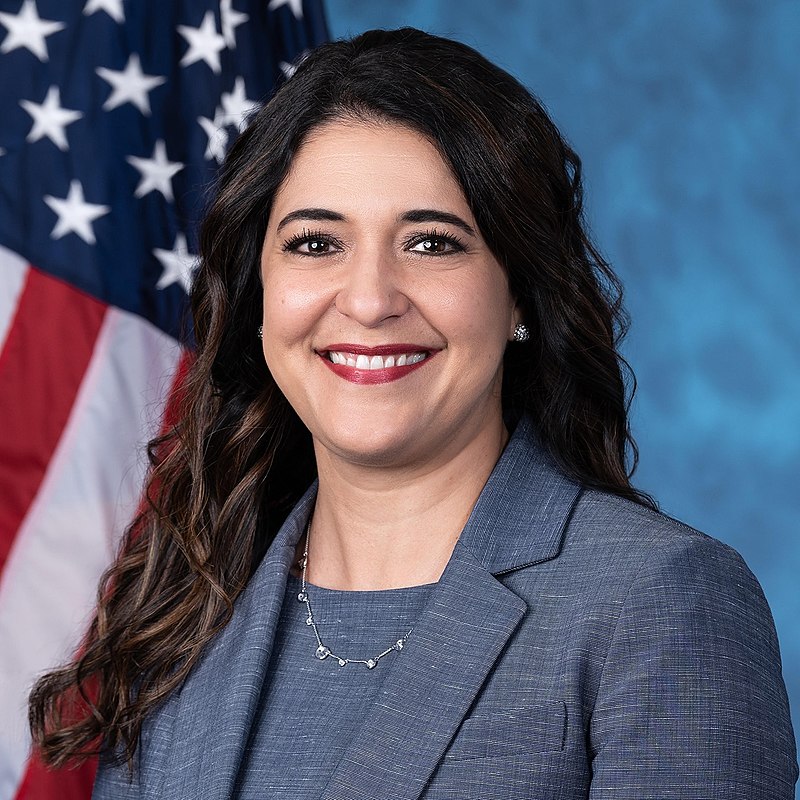
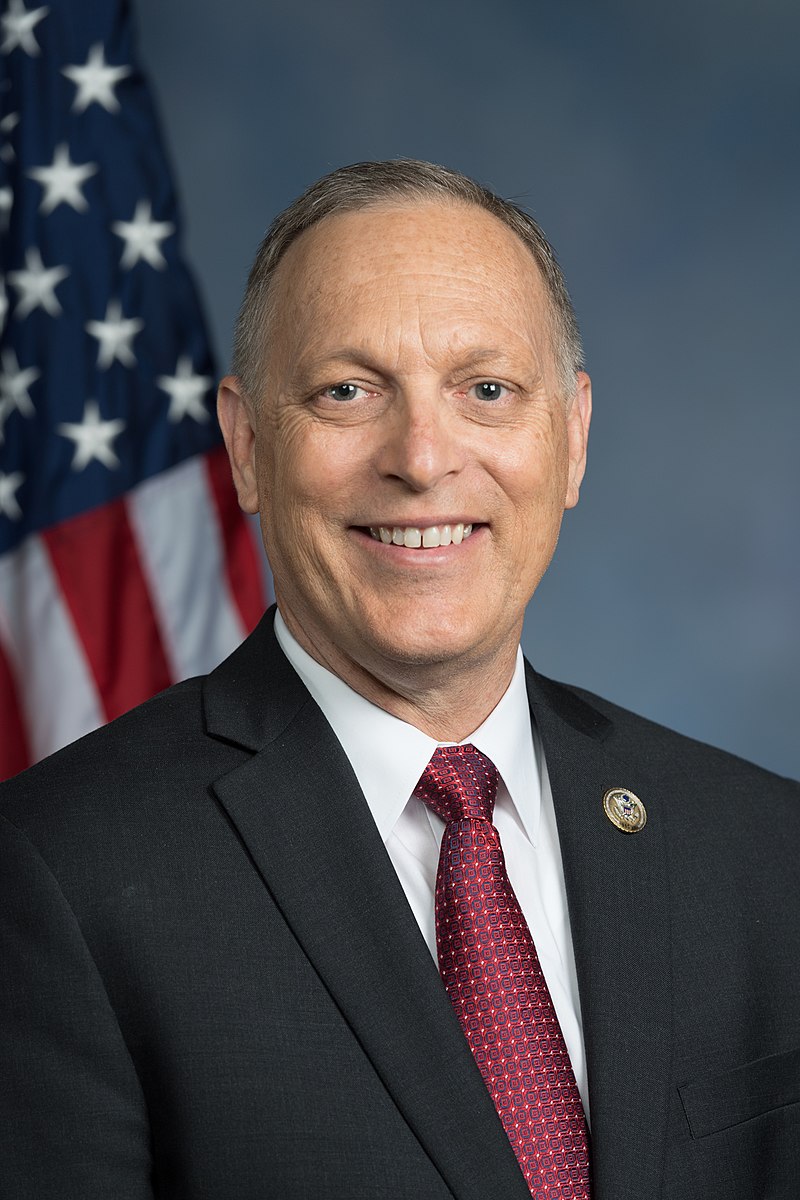
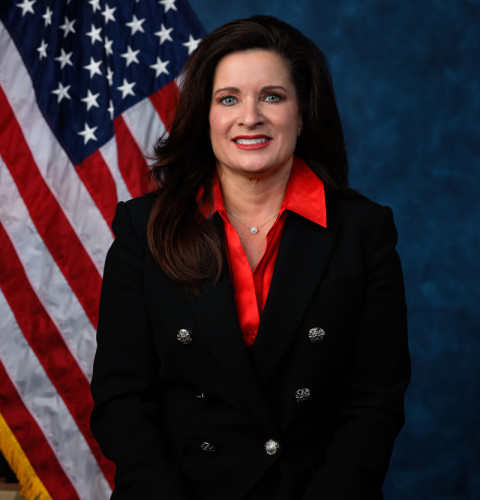
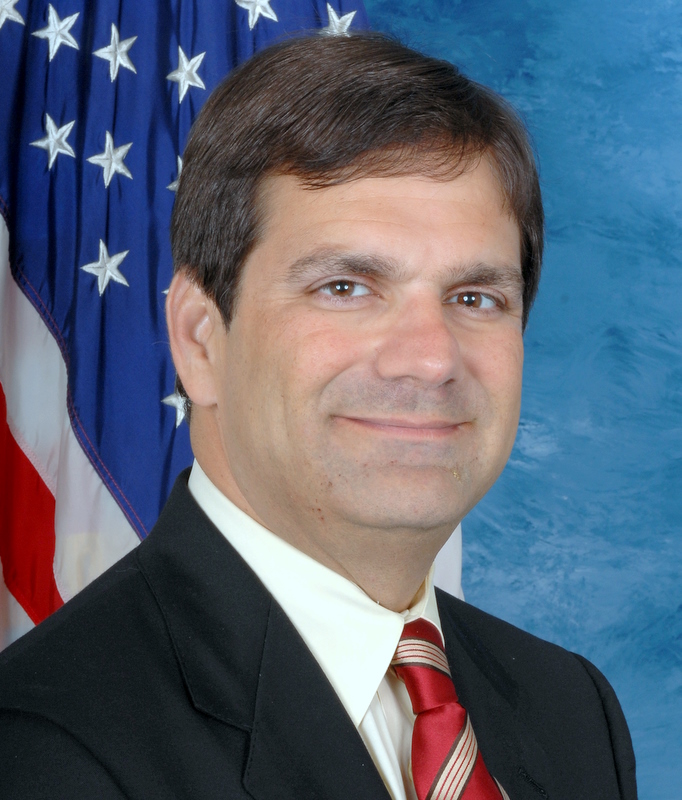



K
Ken Calvert




















S
Scott Franklin



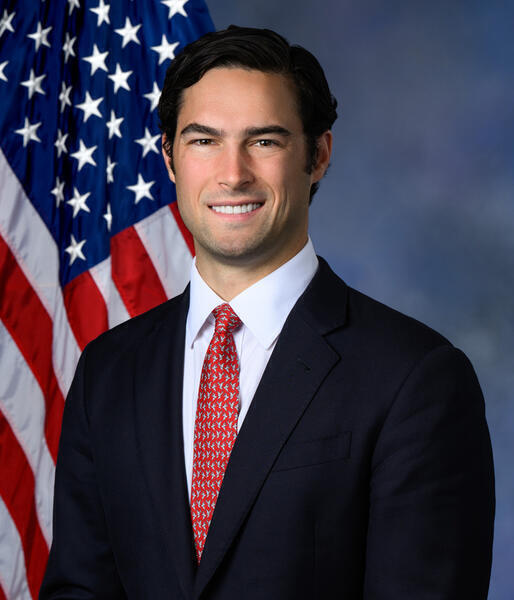



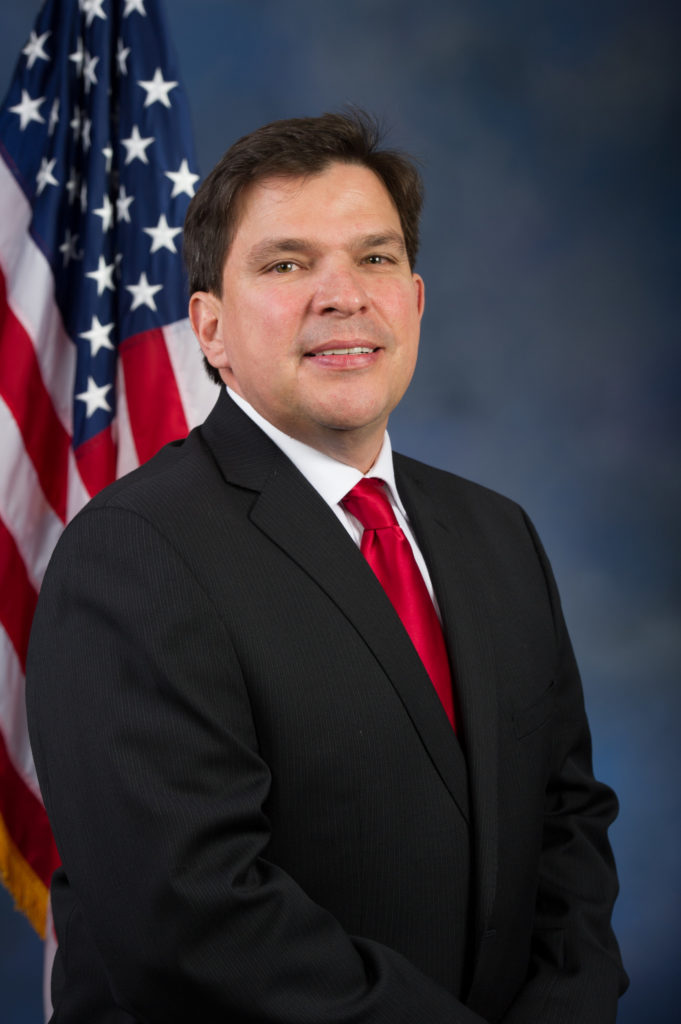
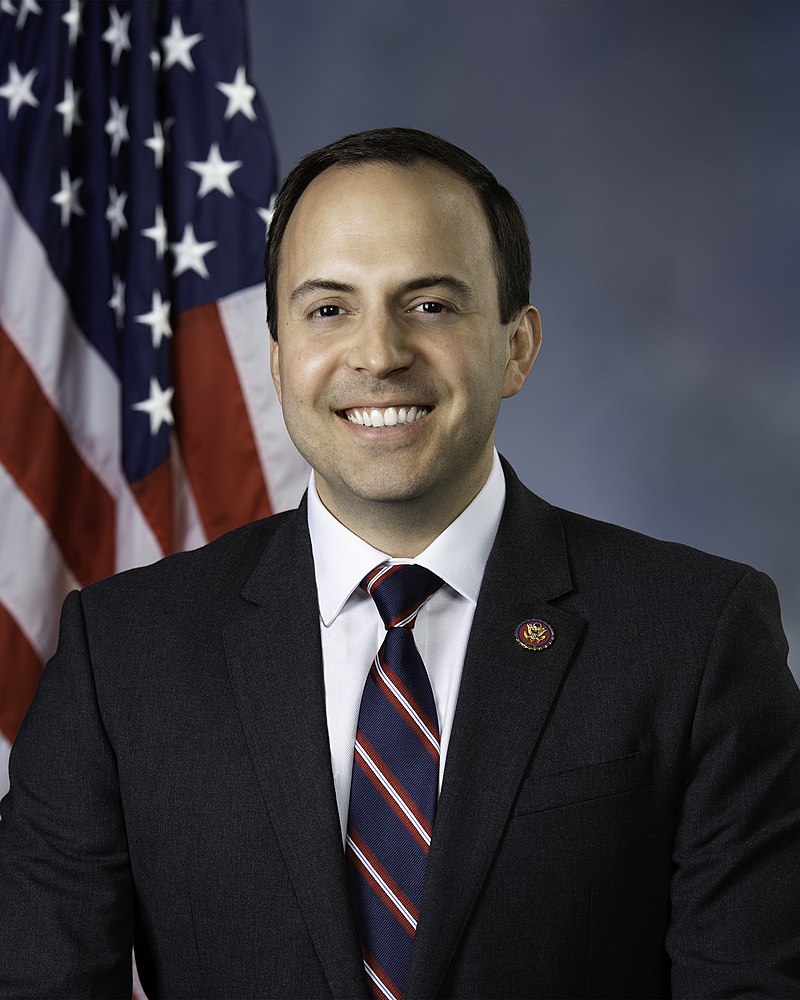

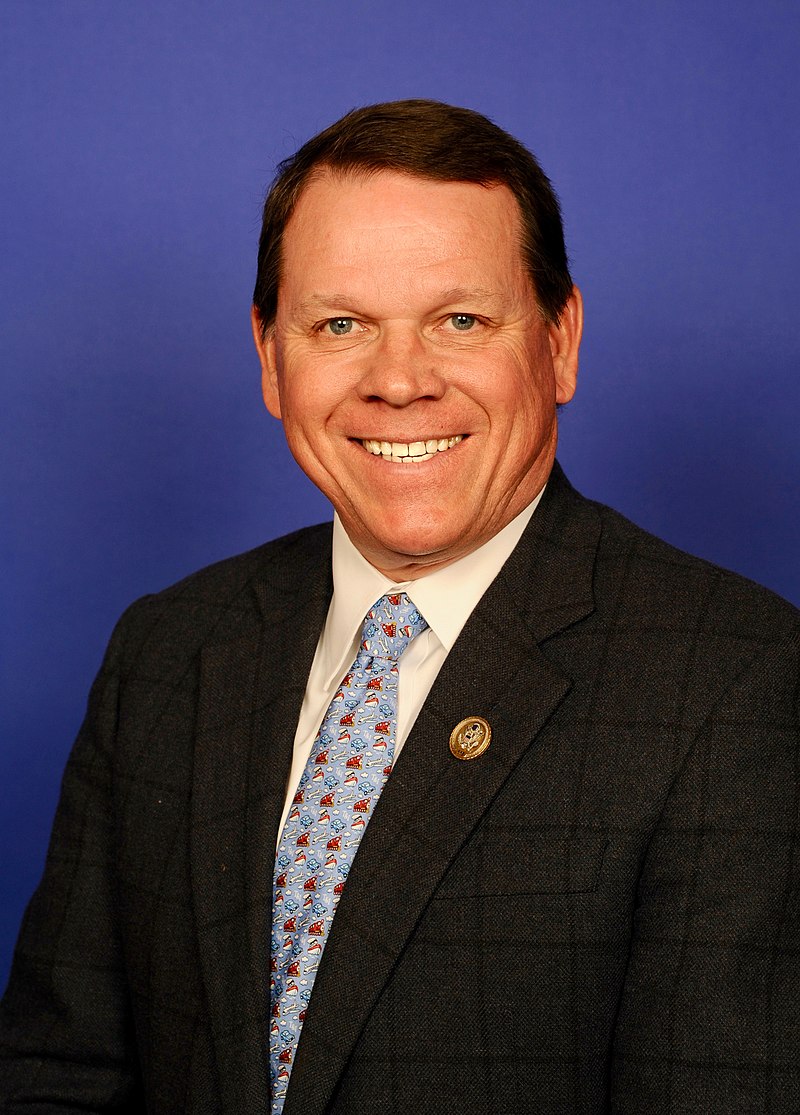

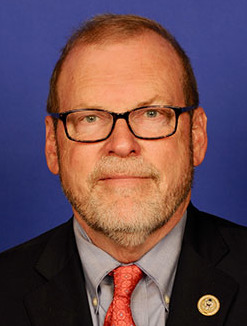
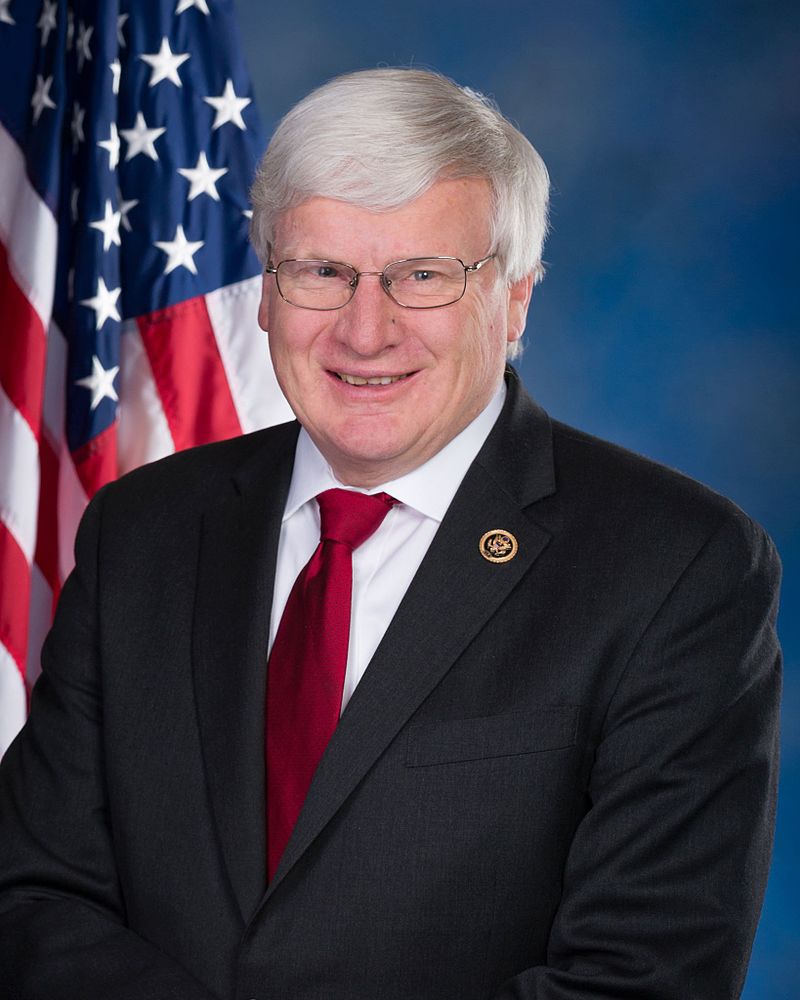
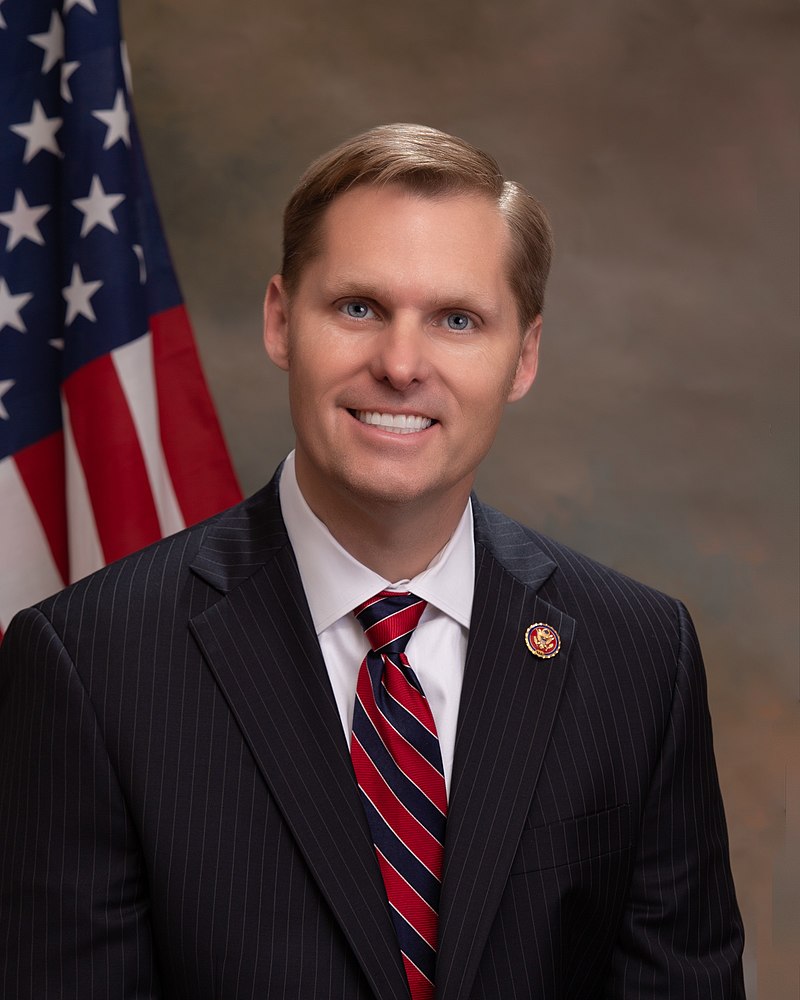
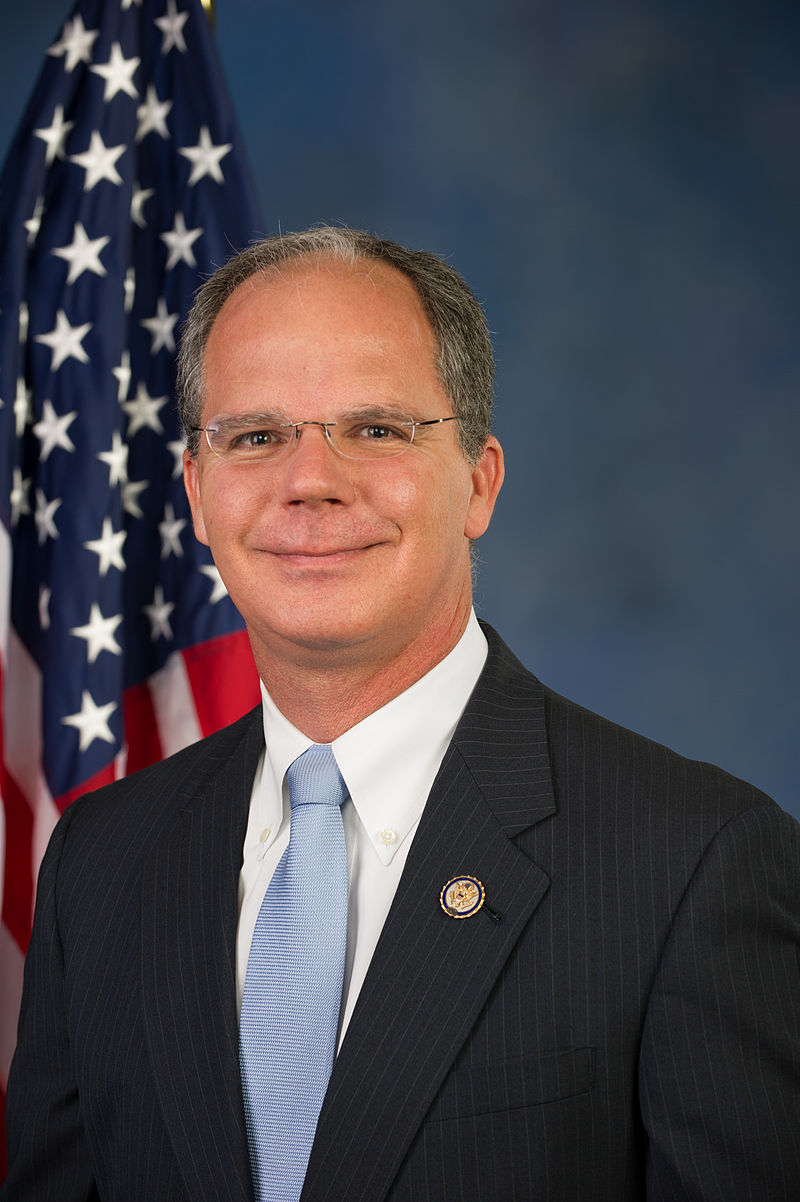



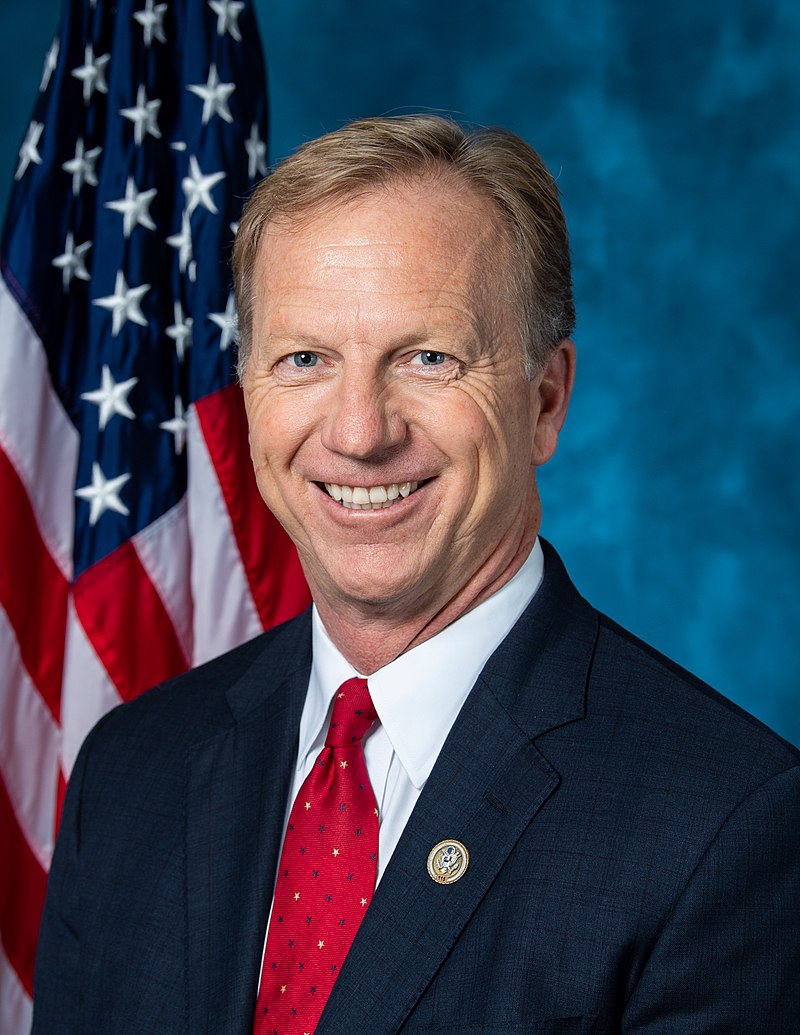
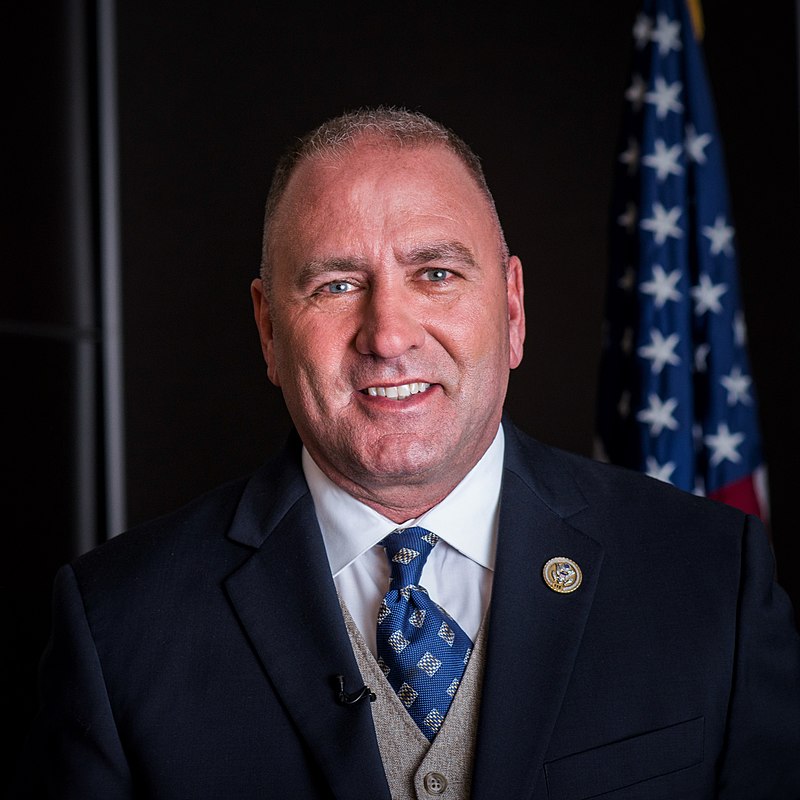

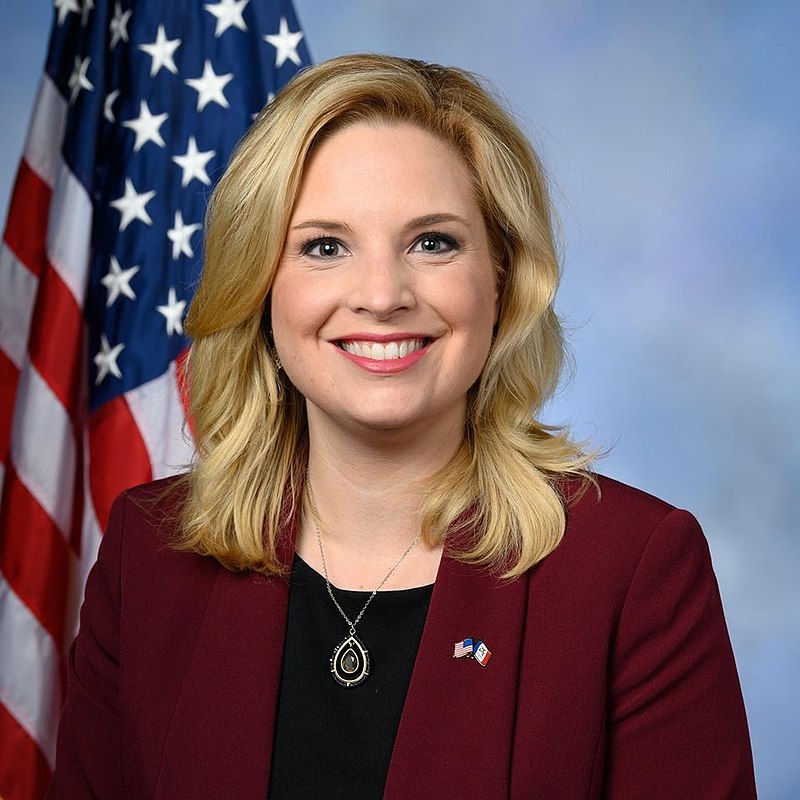
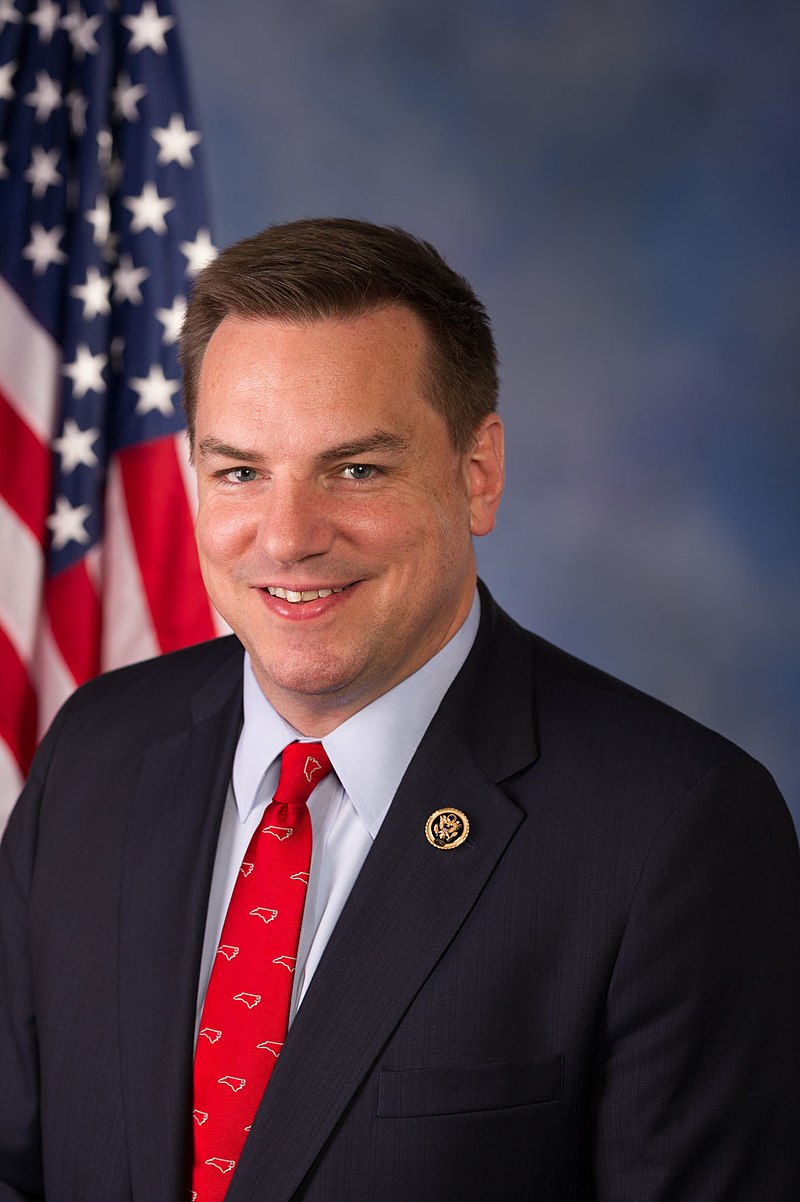


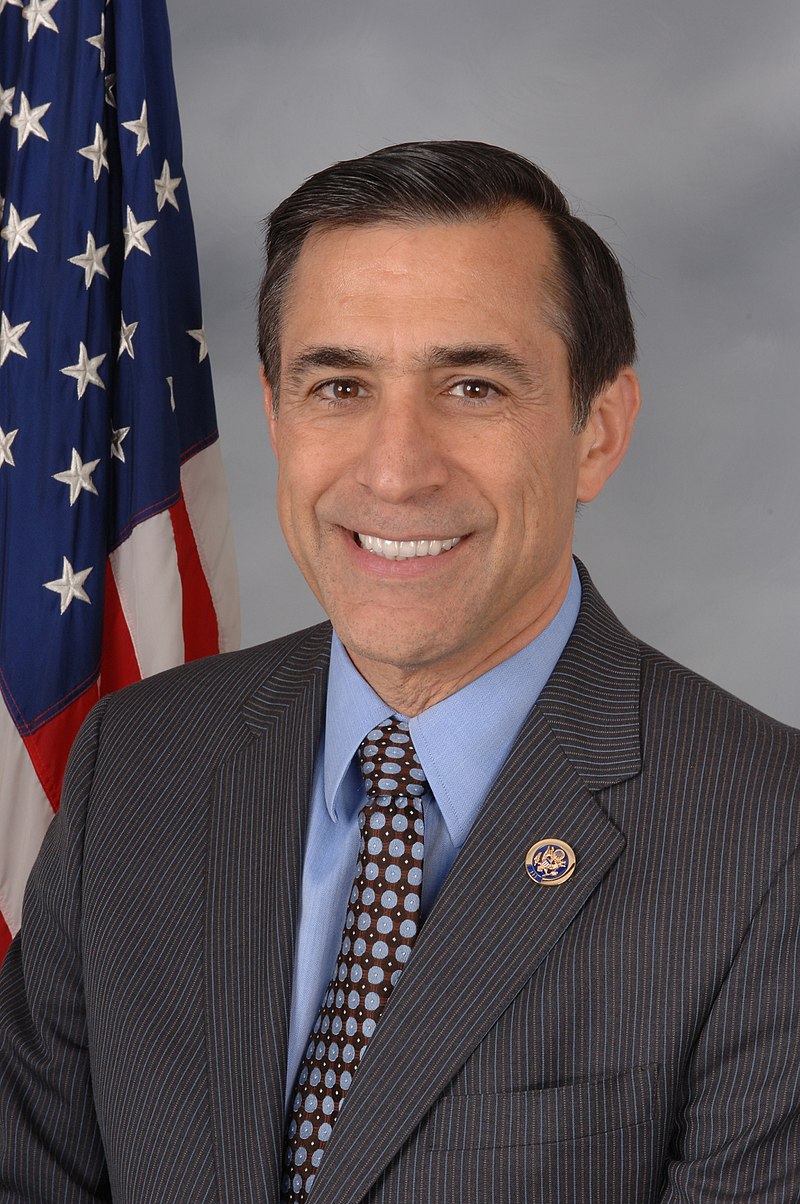
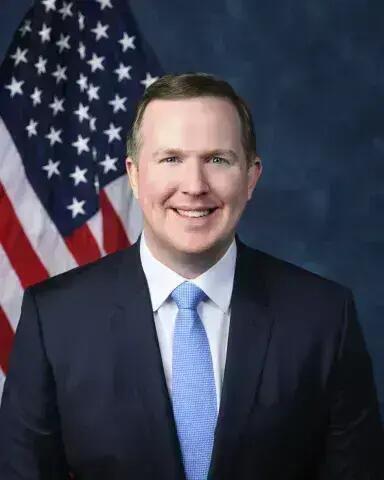



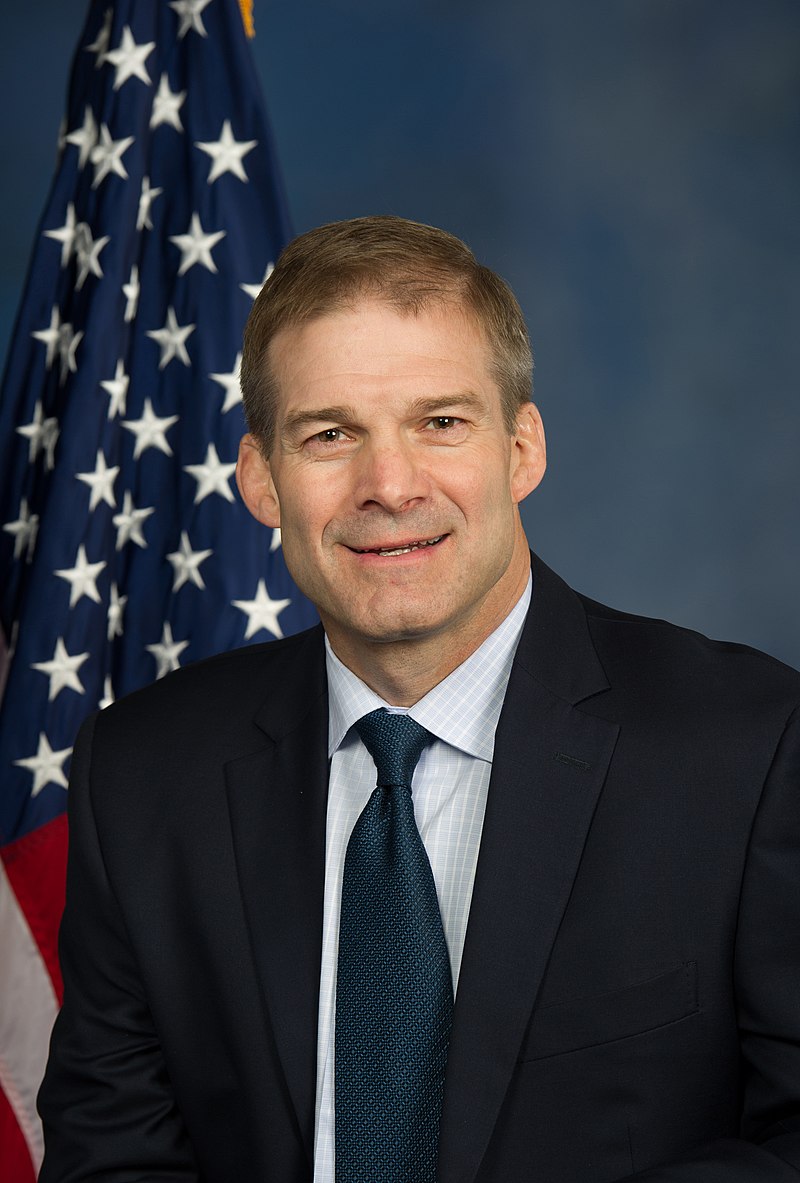
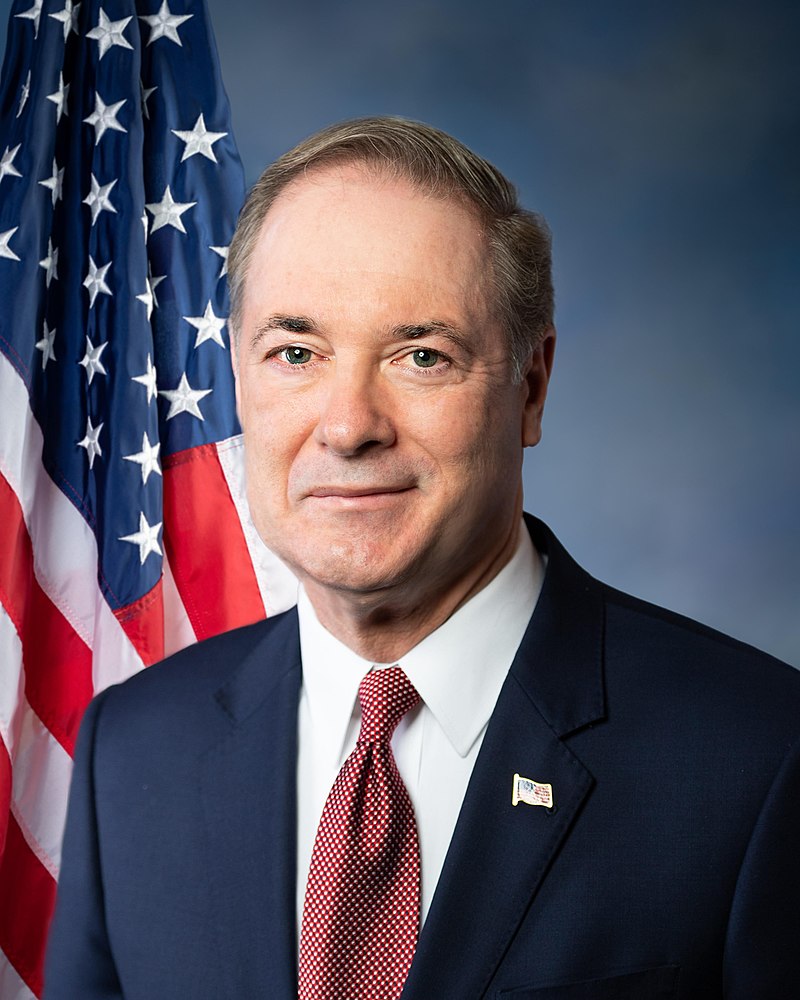
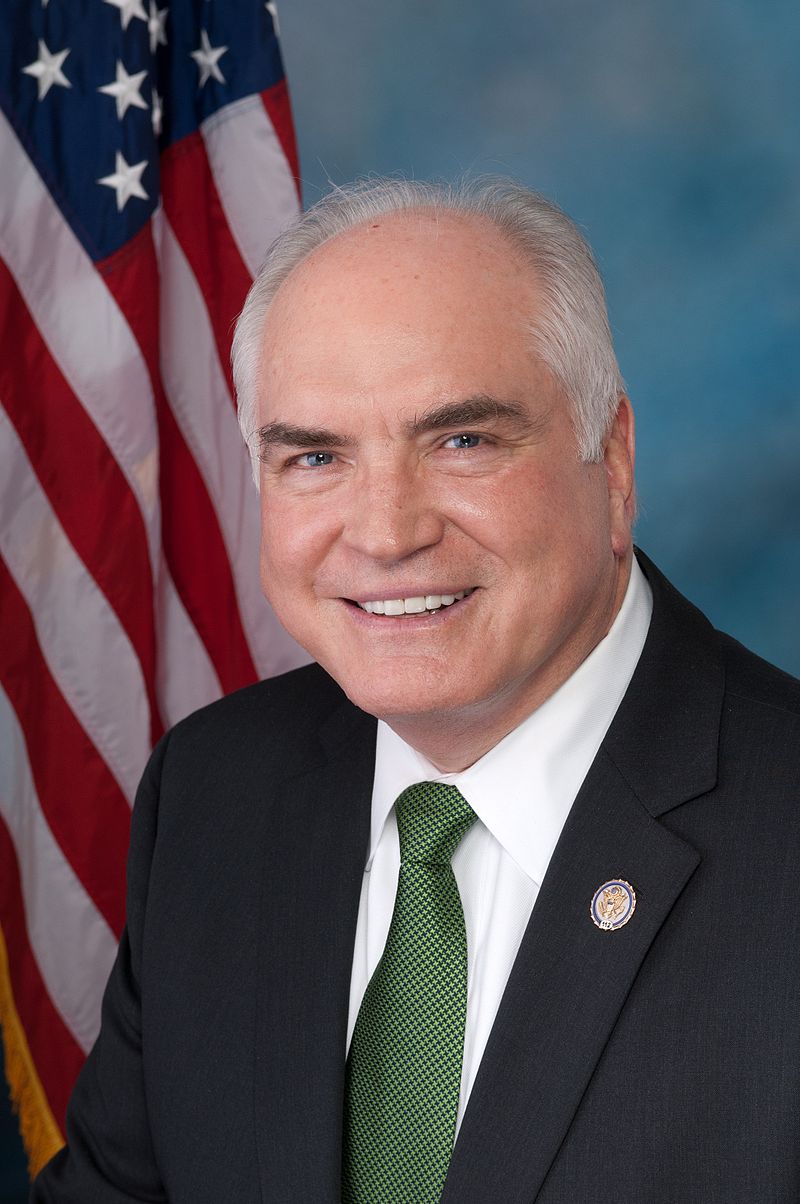





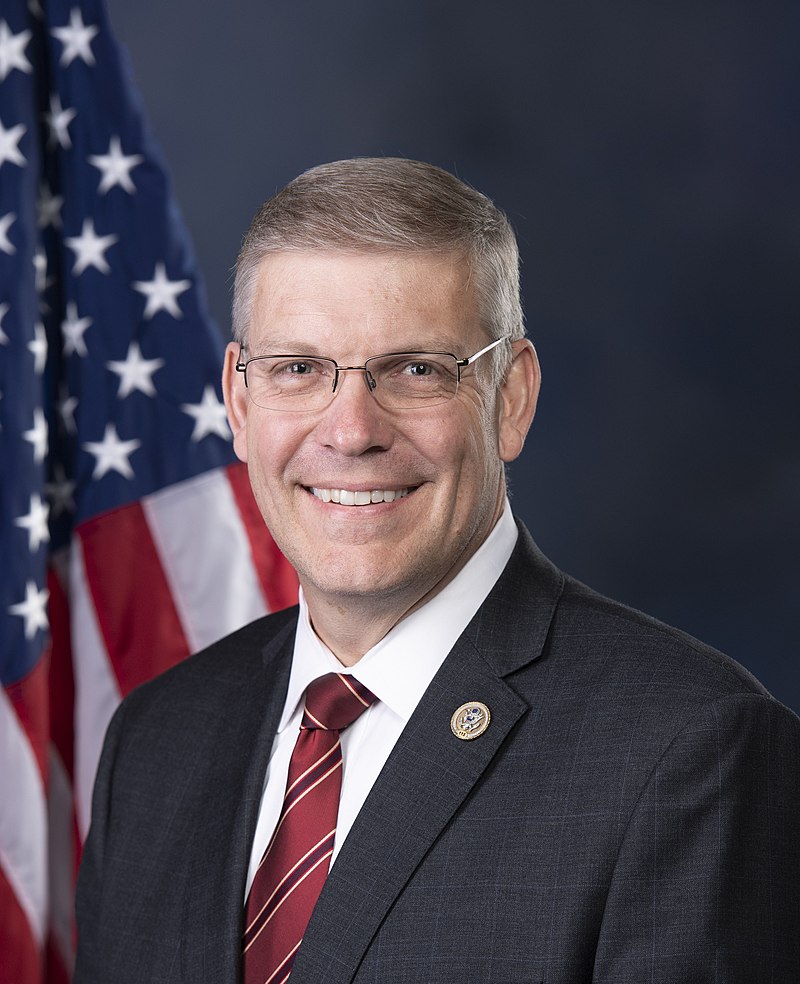


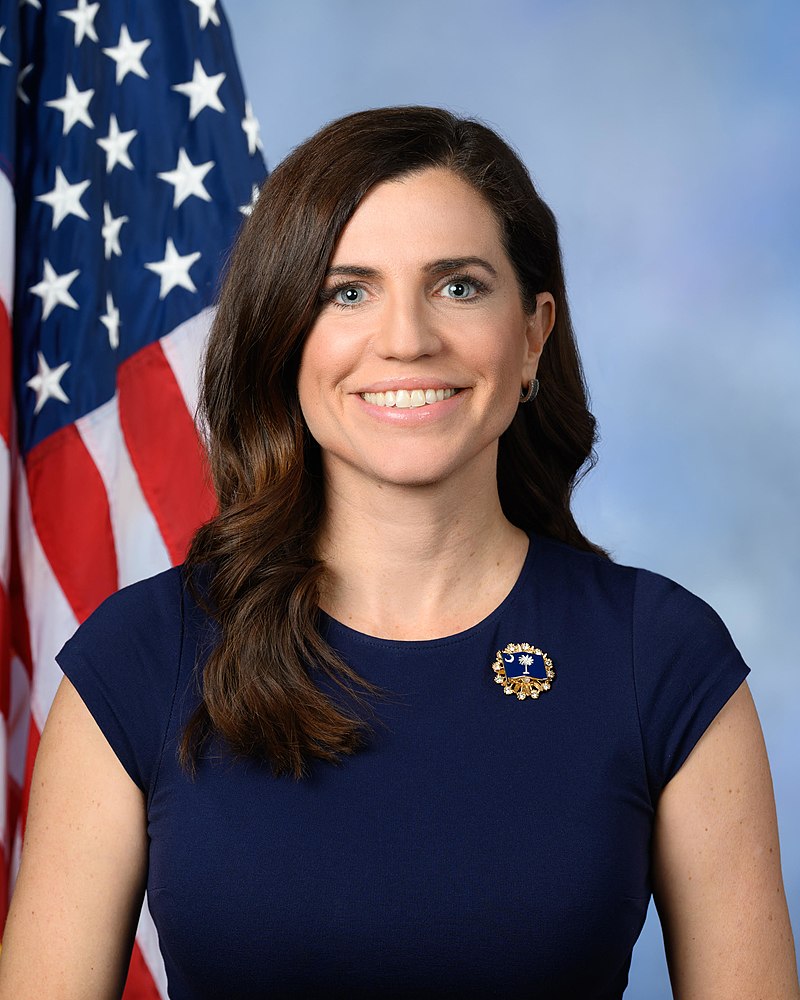

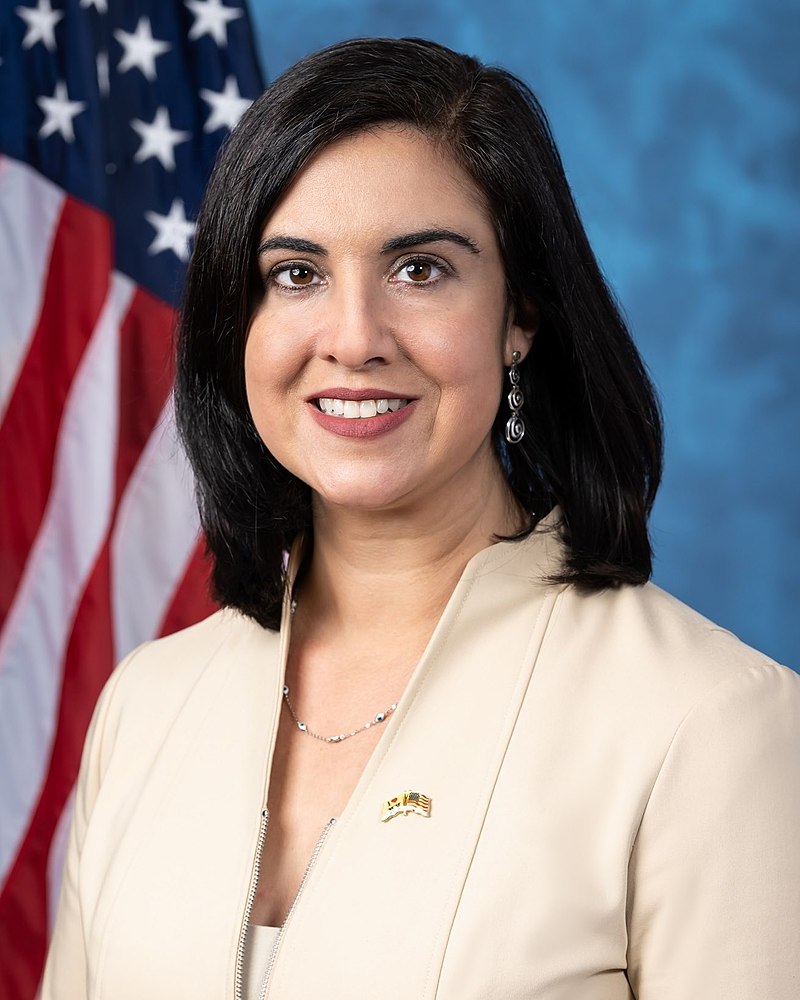
L
Lisa McClain














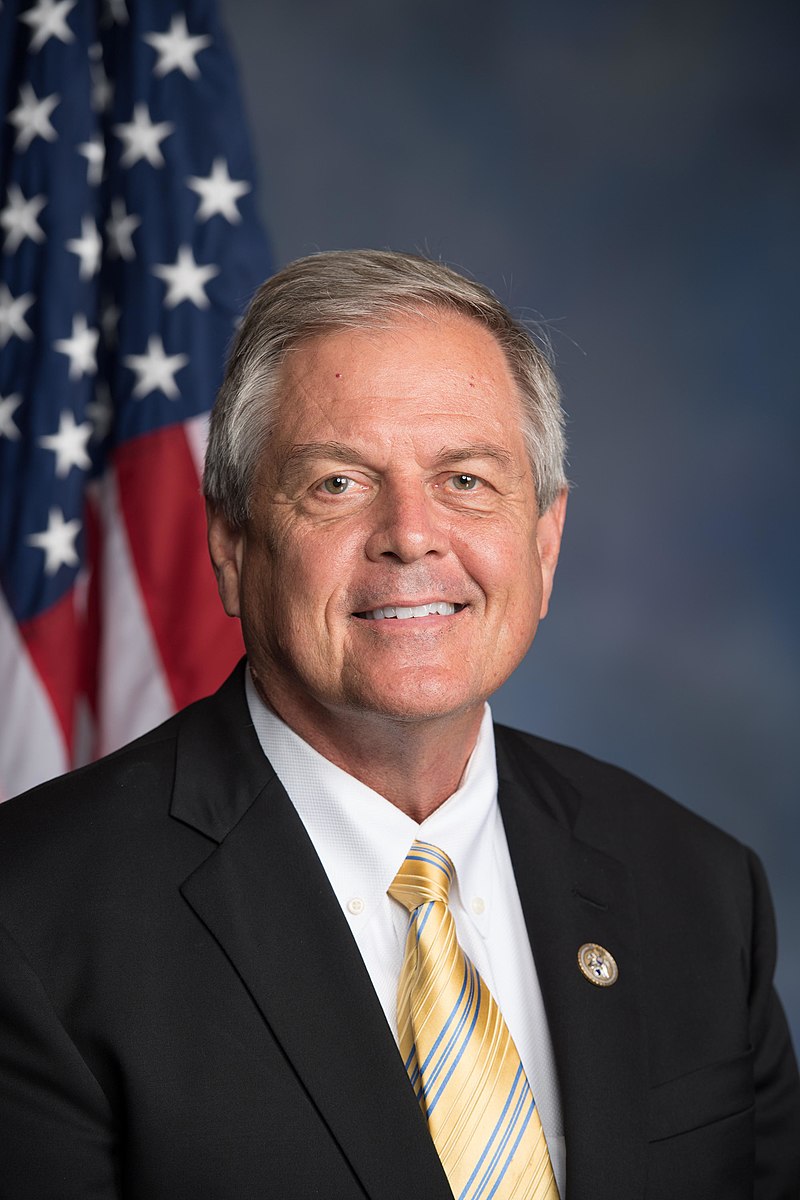
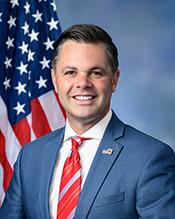

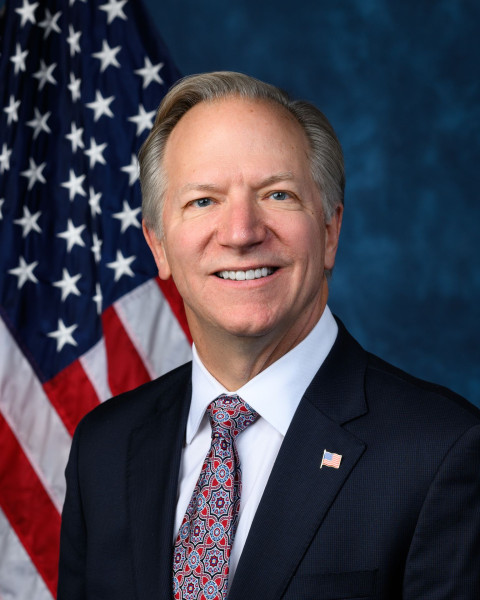
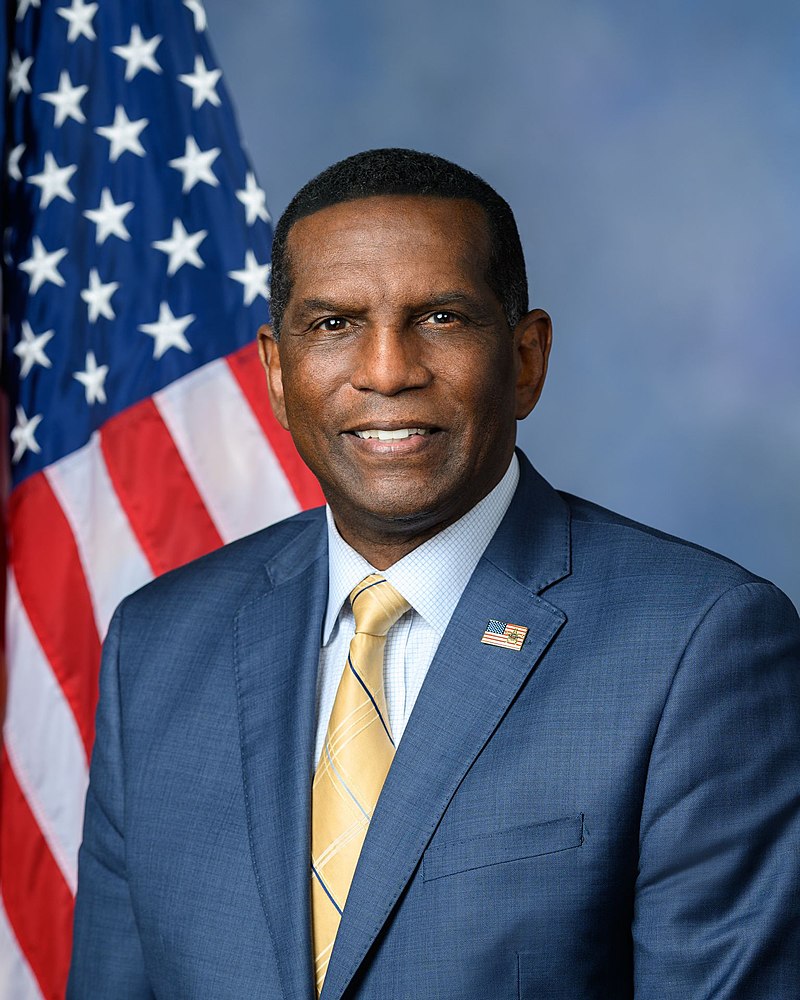




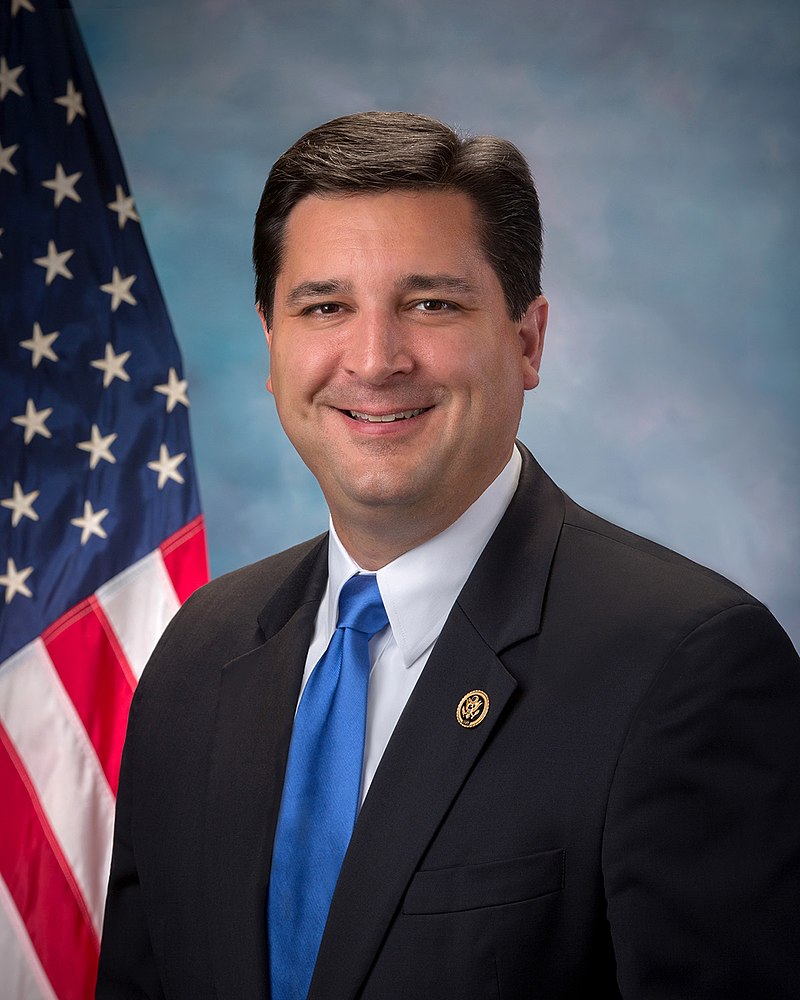
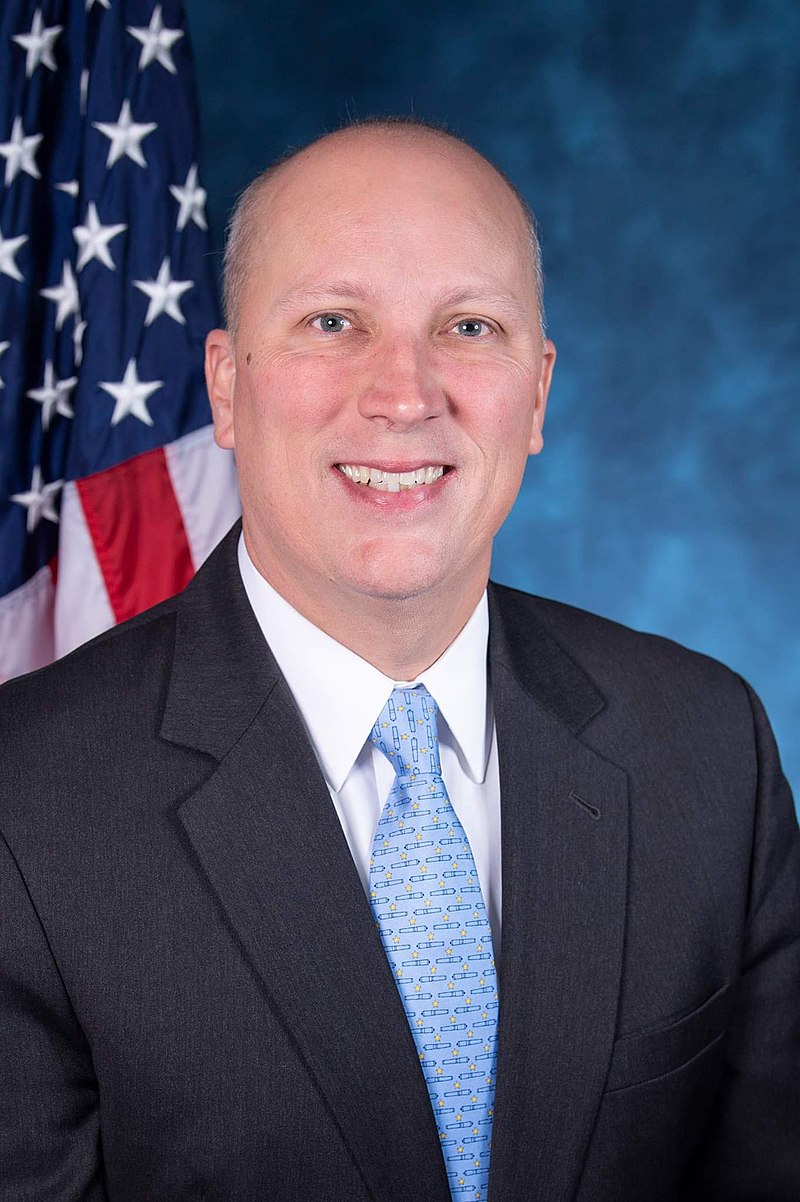

J
John Rutherford



D
David Schweikert
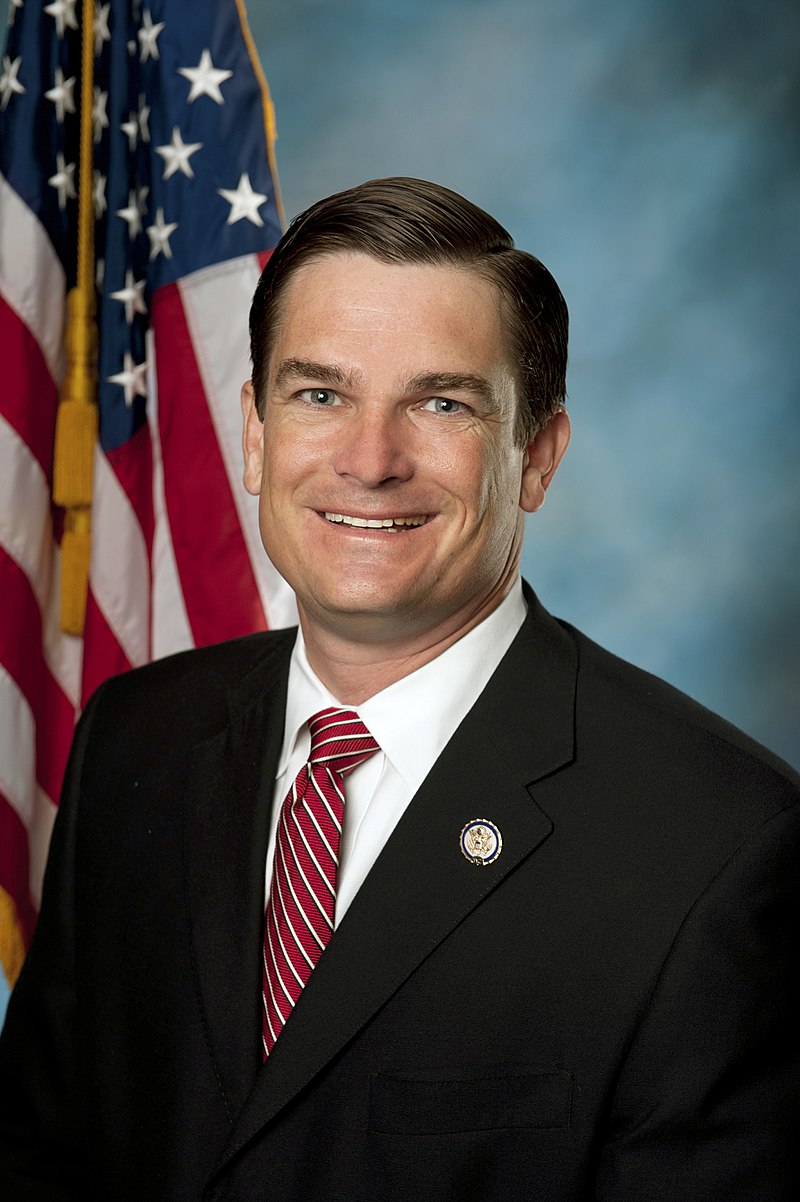

P
Pete Sessions

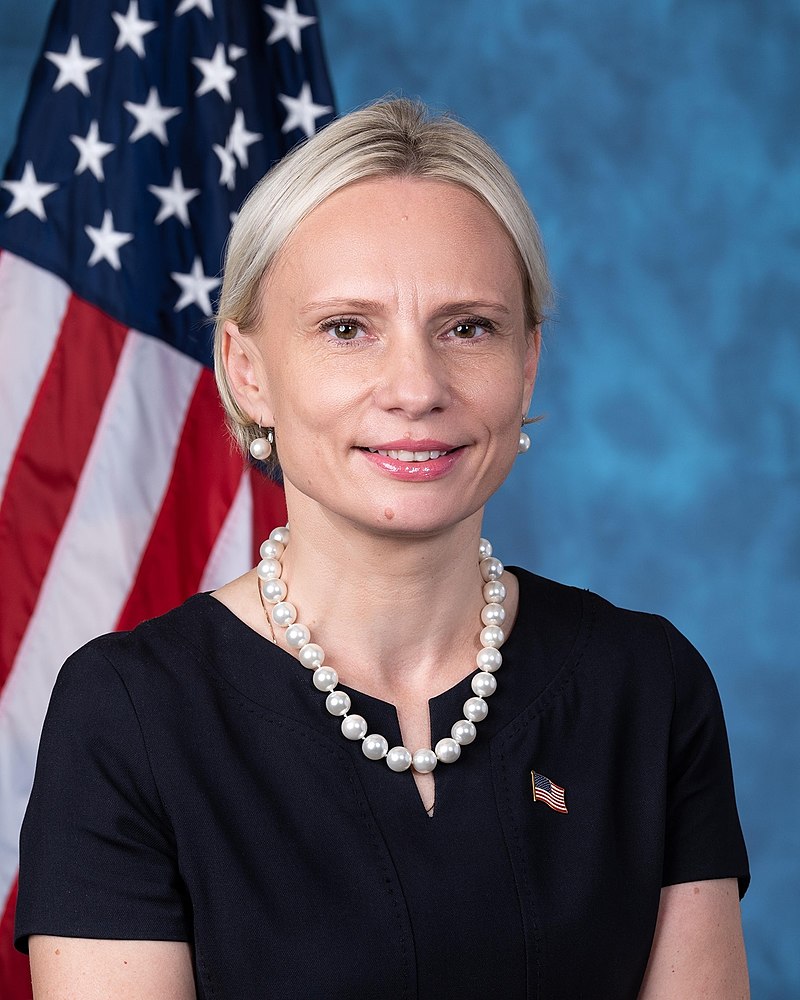
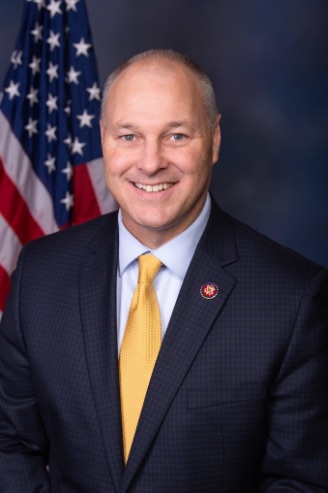
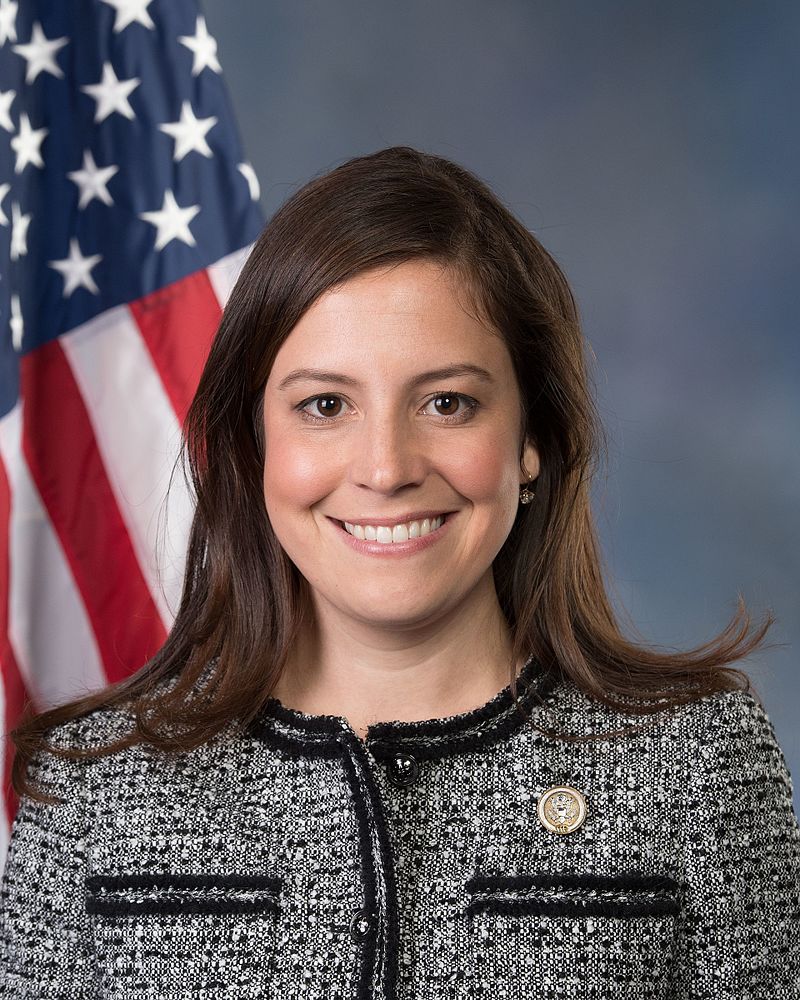
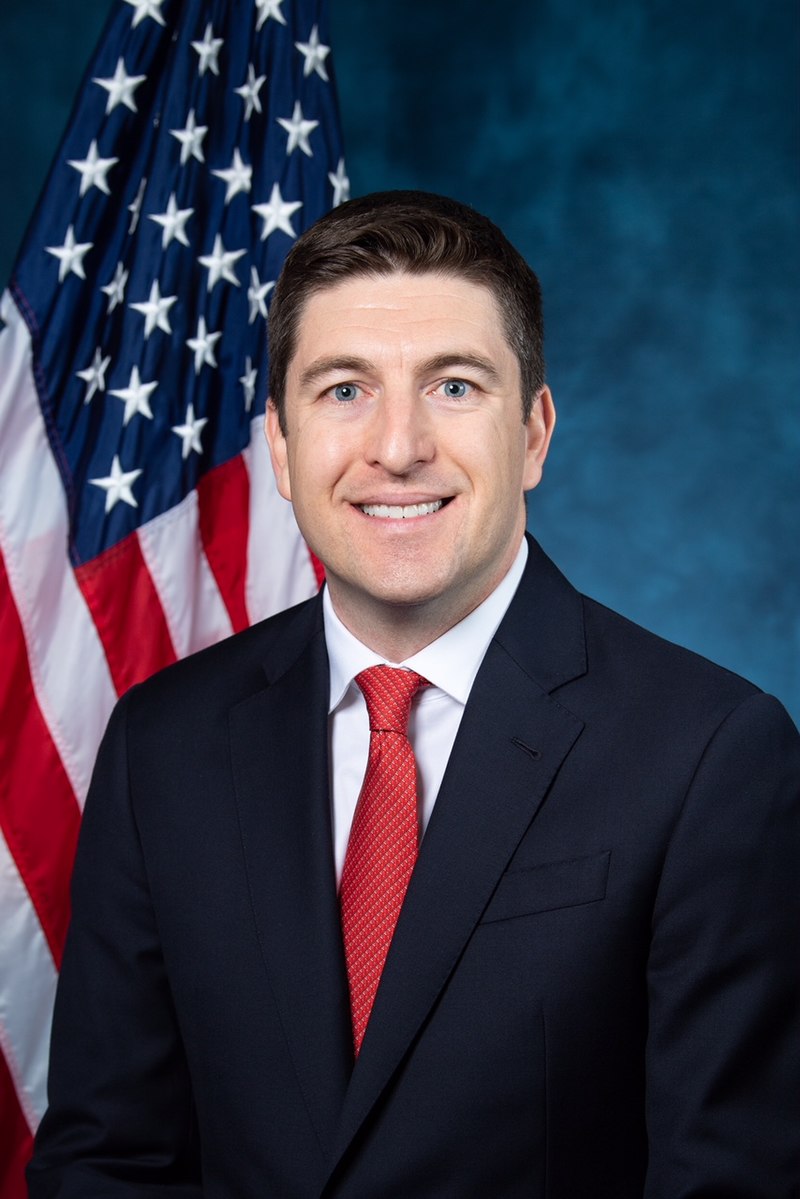






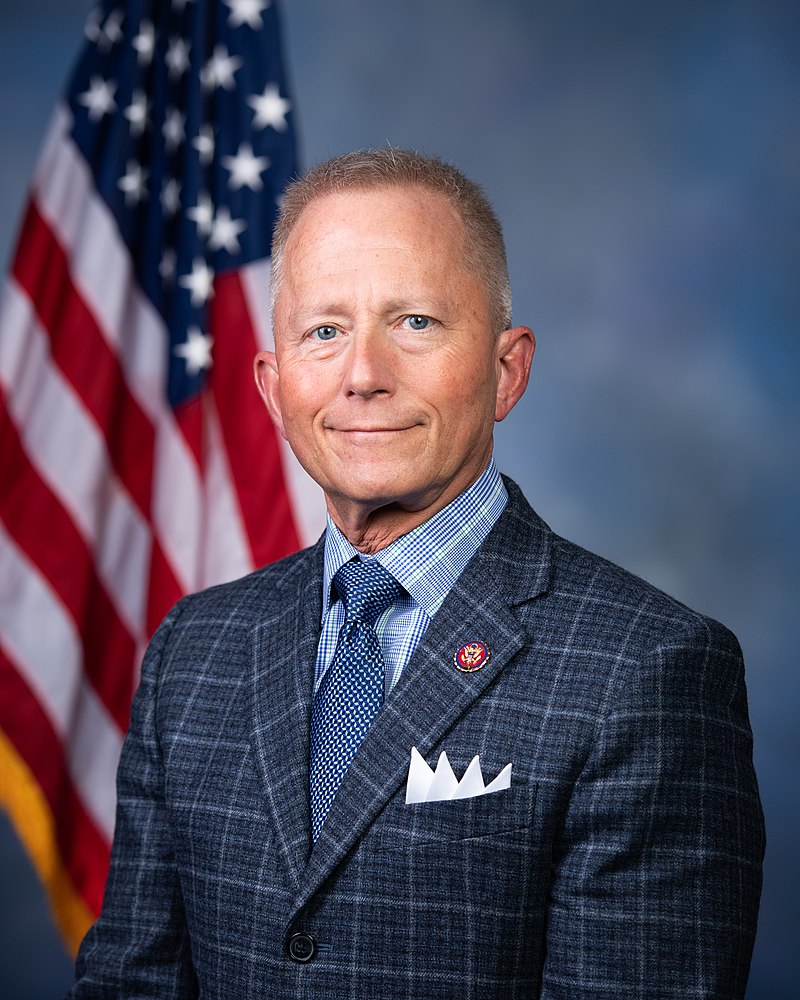
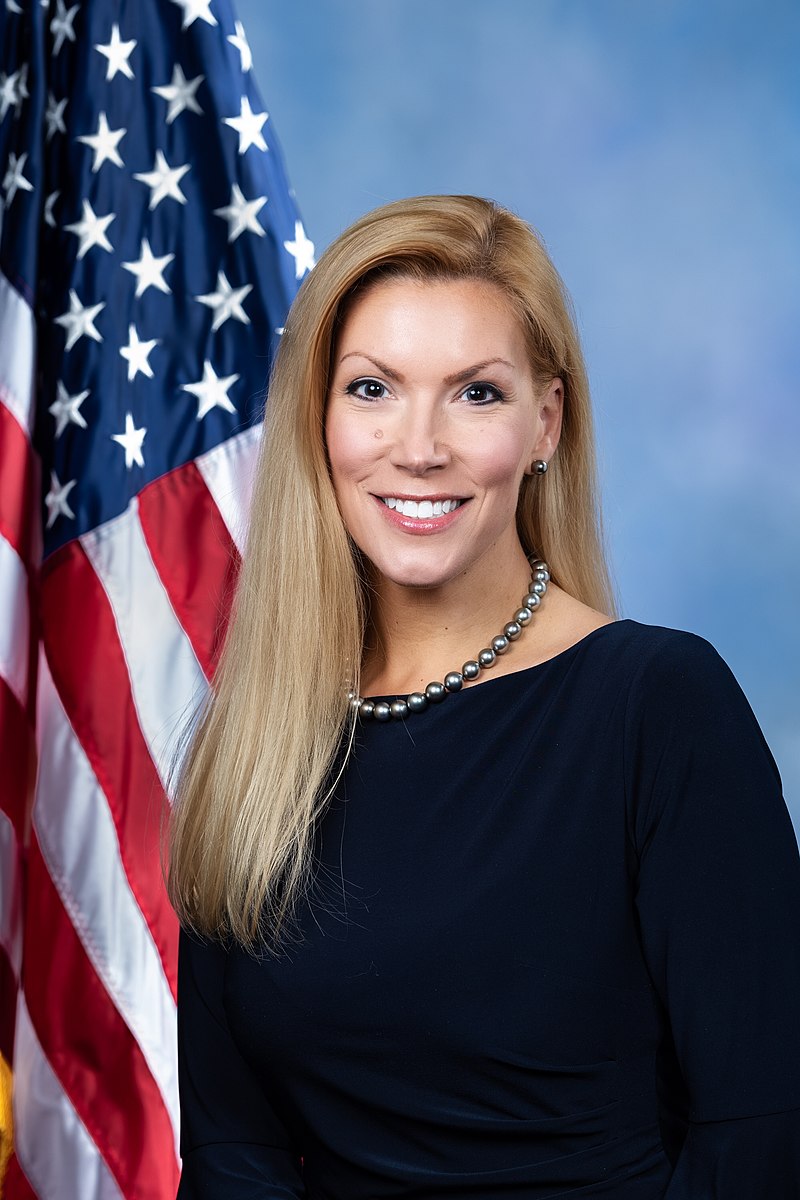

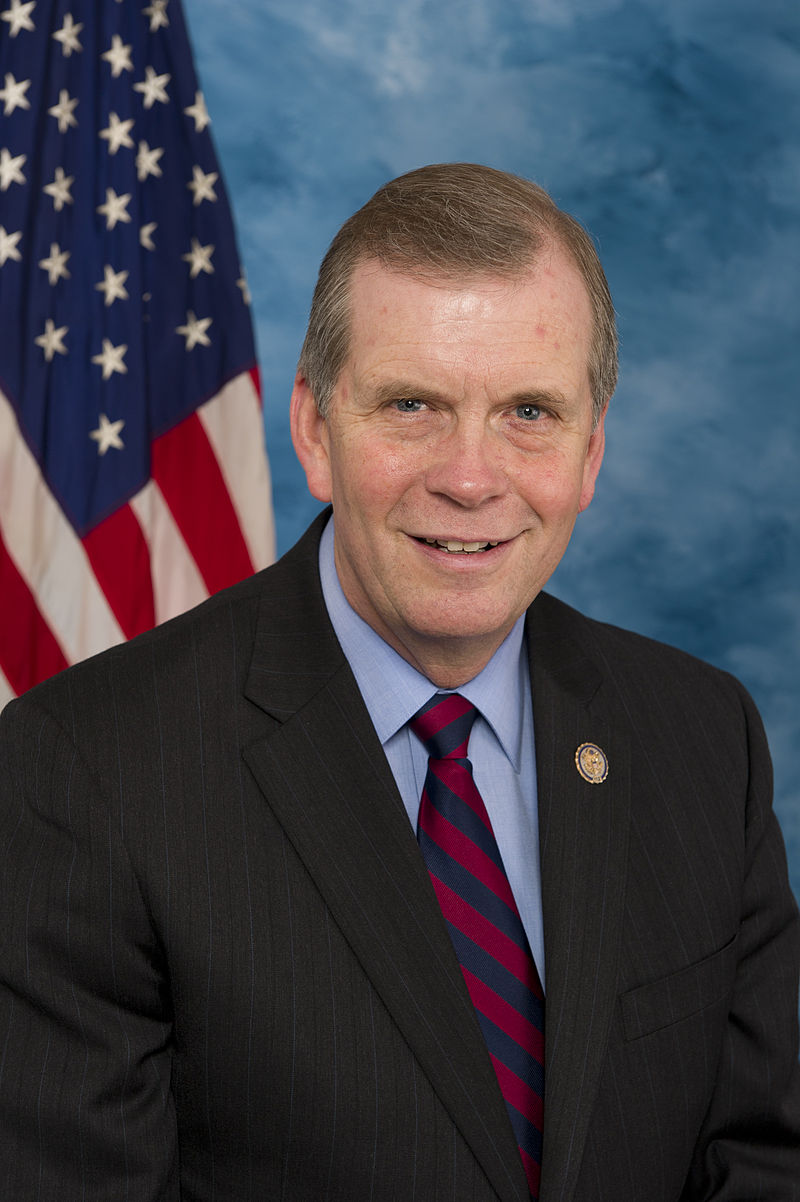
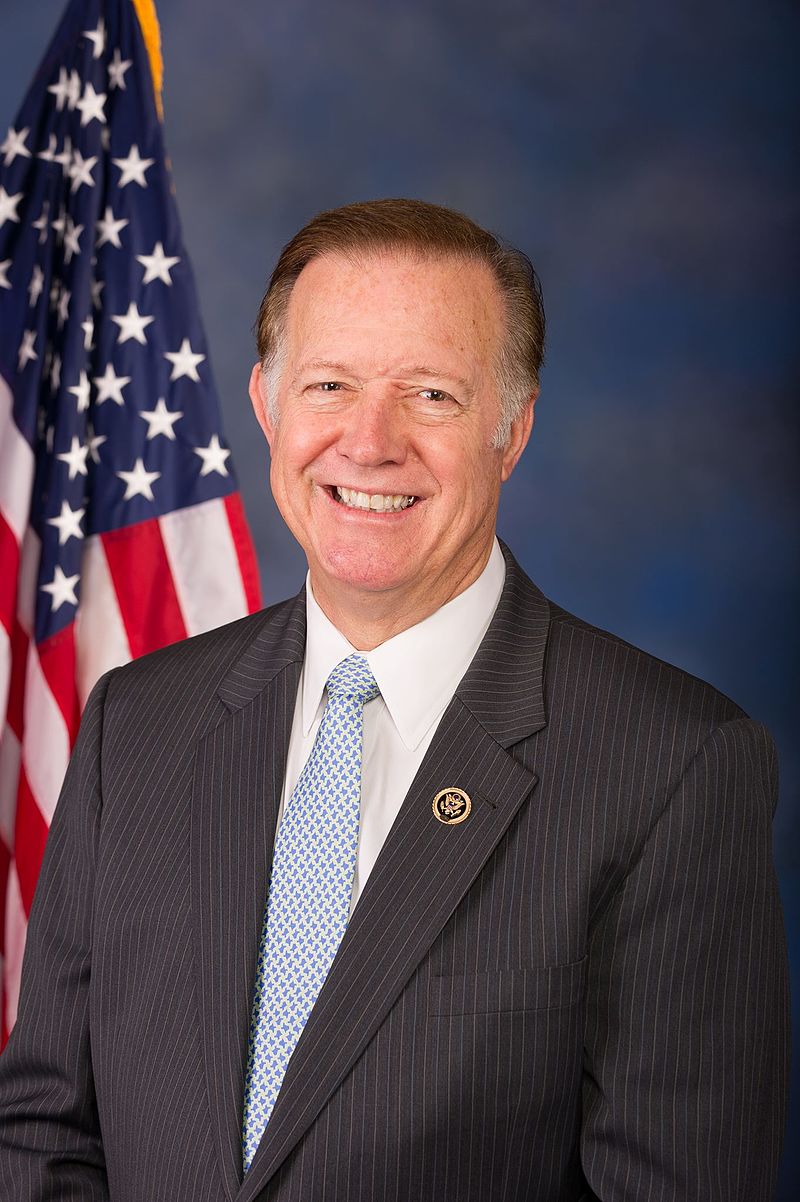

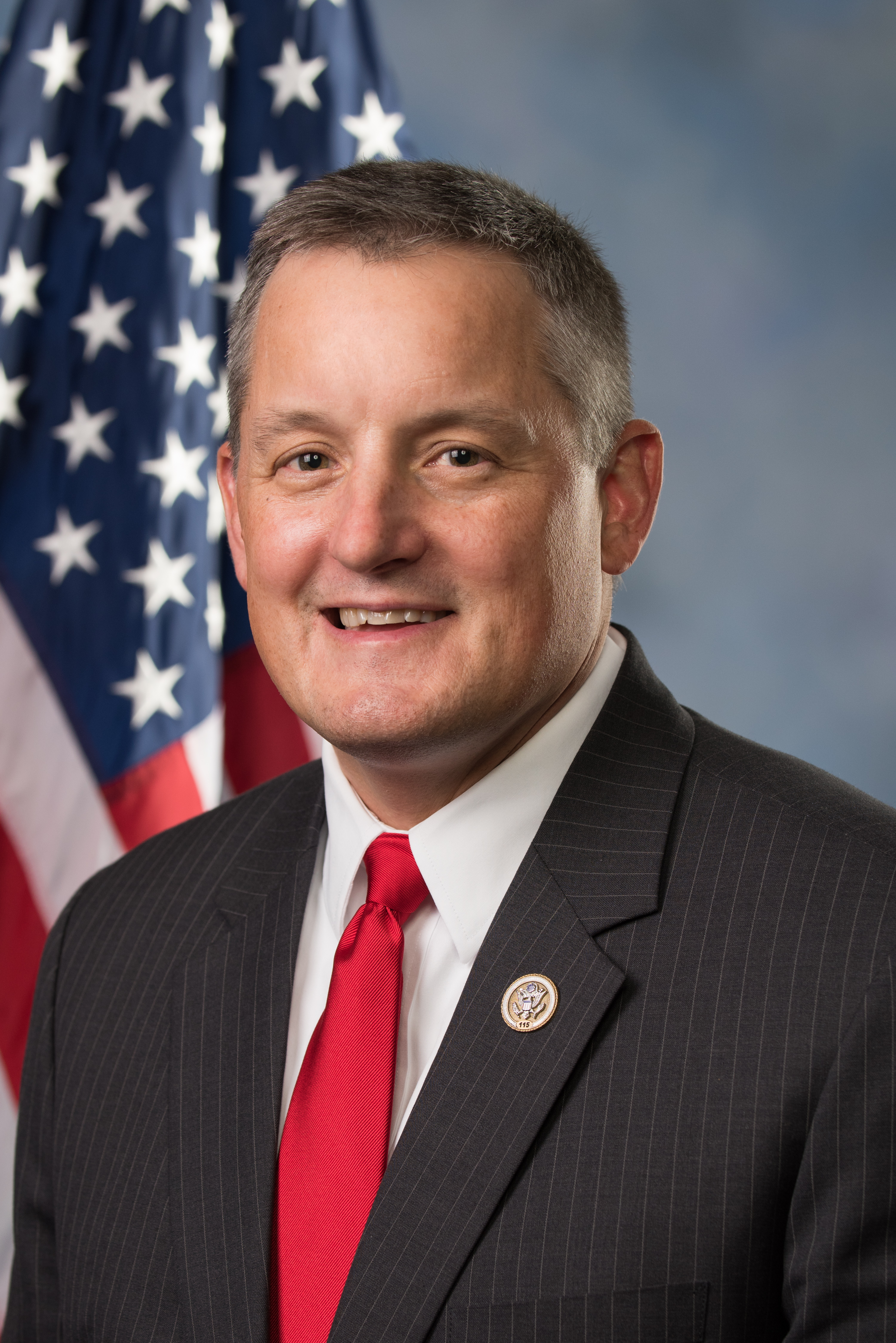




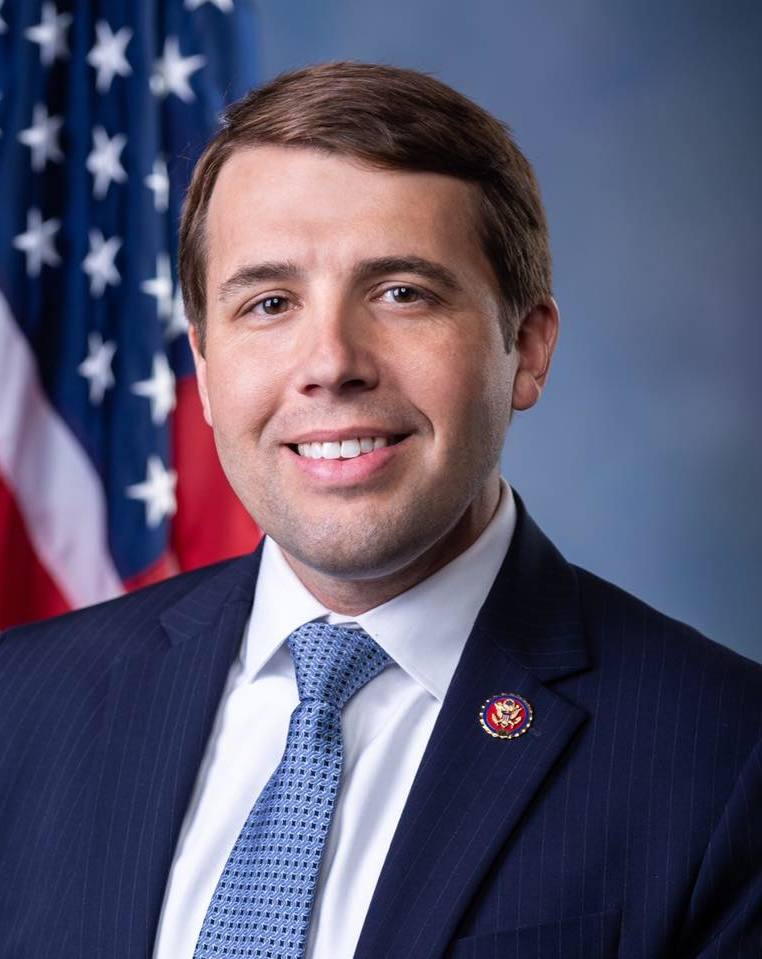
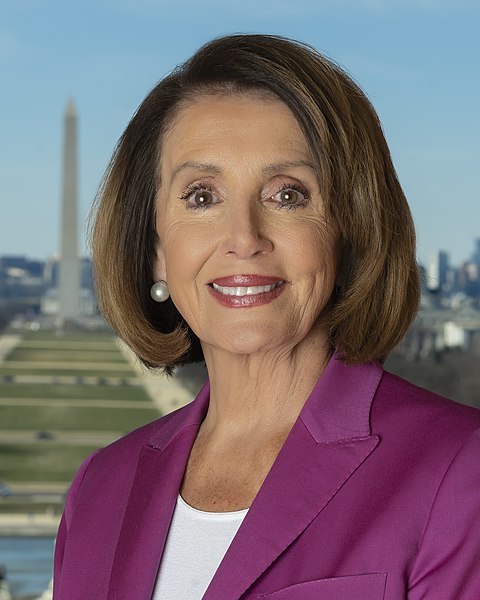
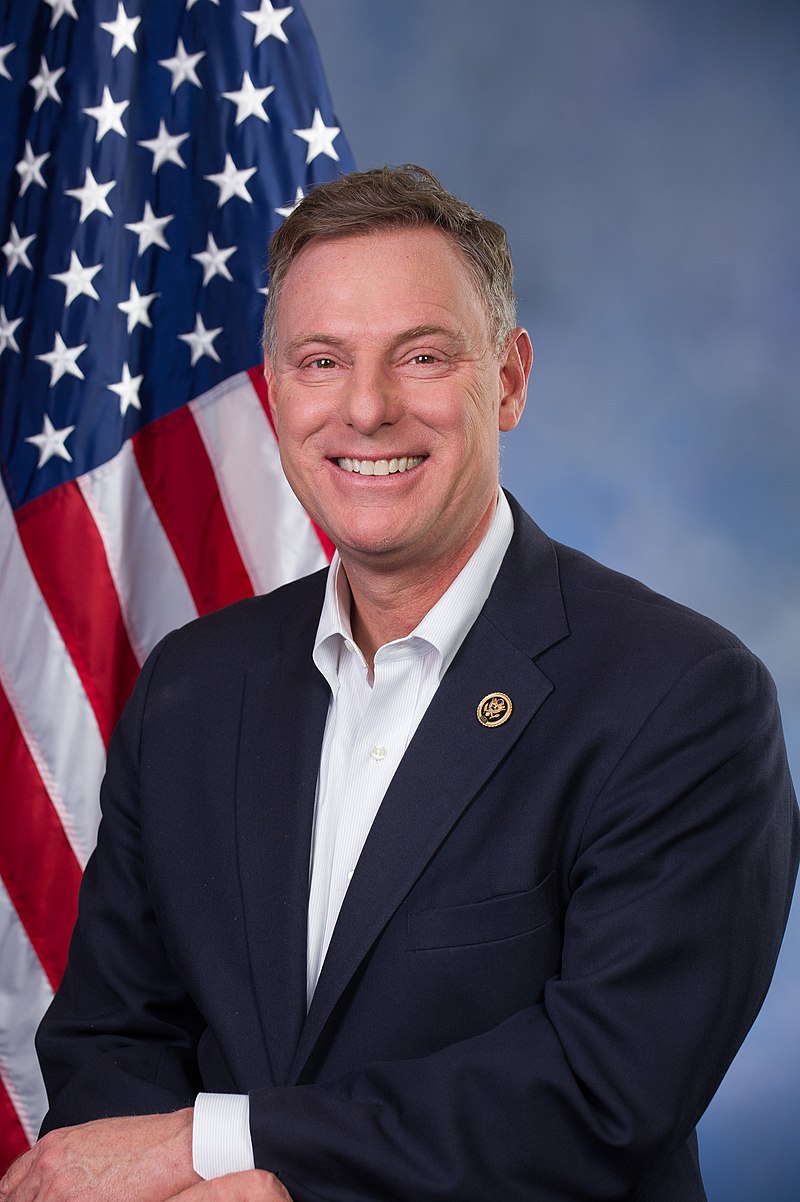
Nay (190)



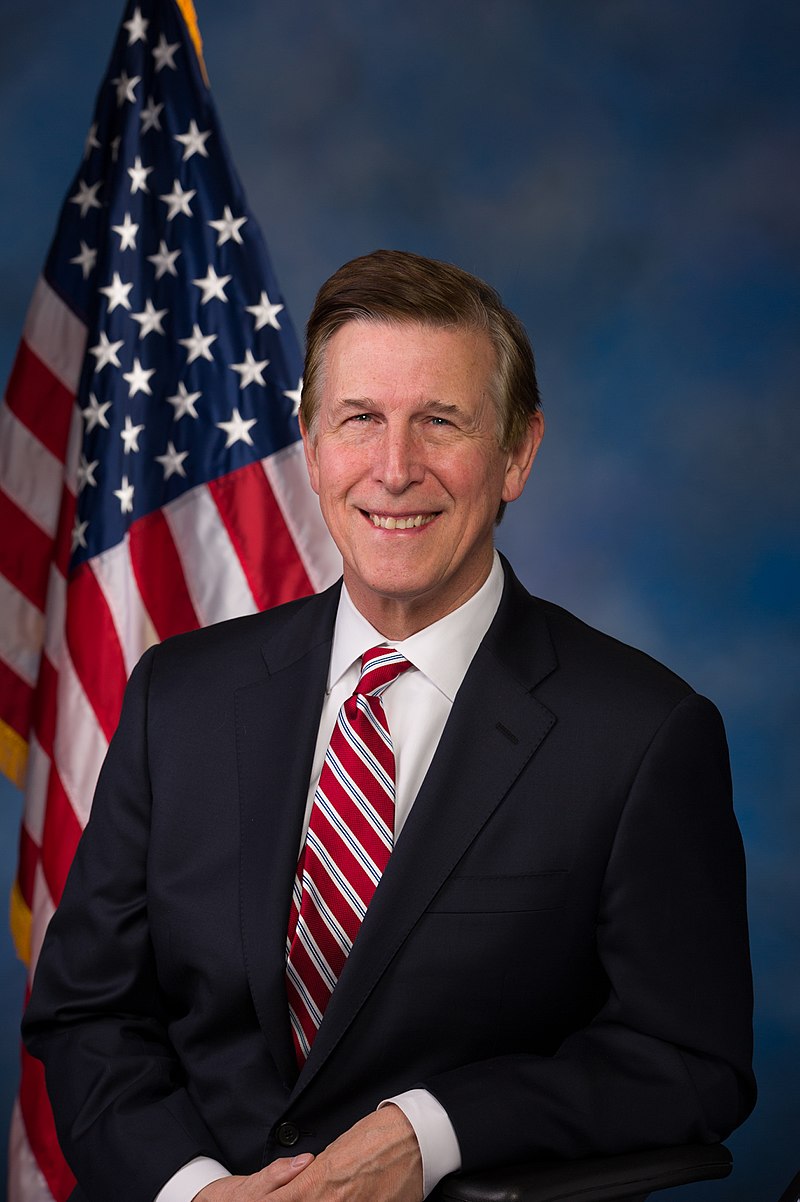

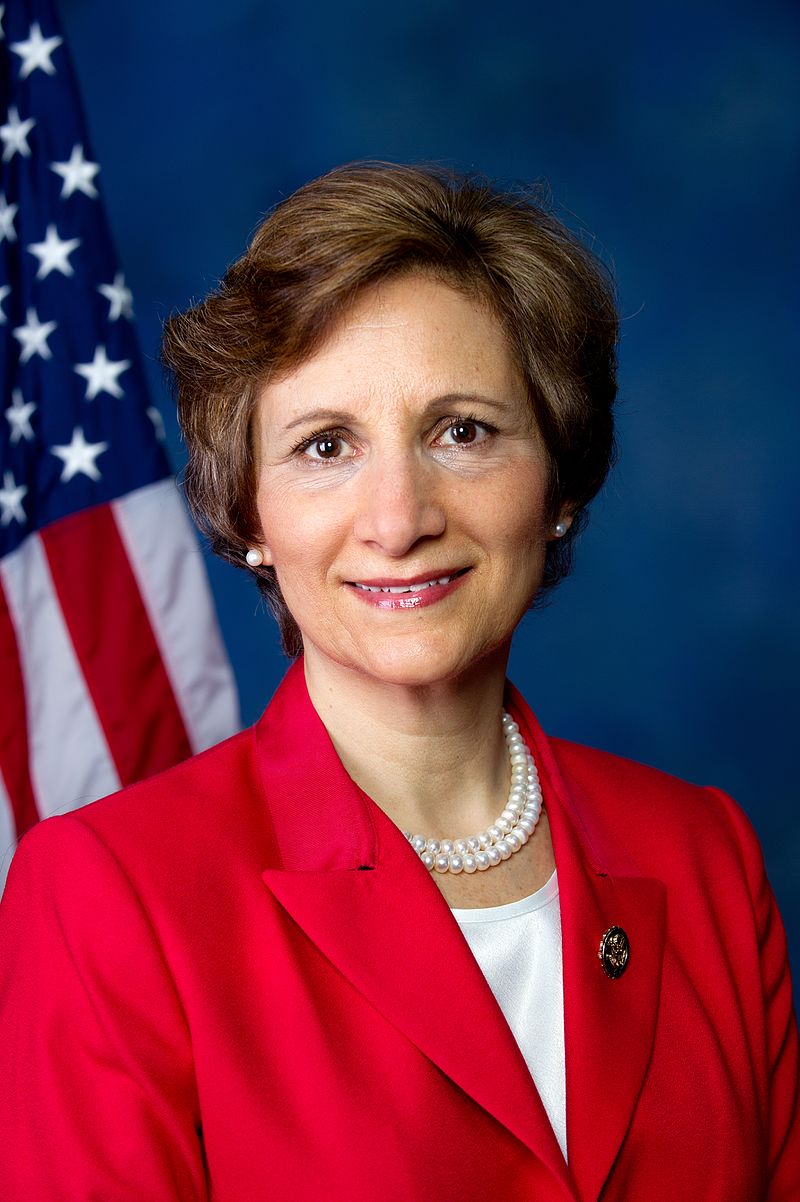
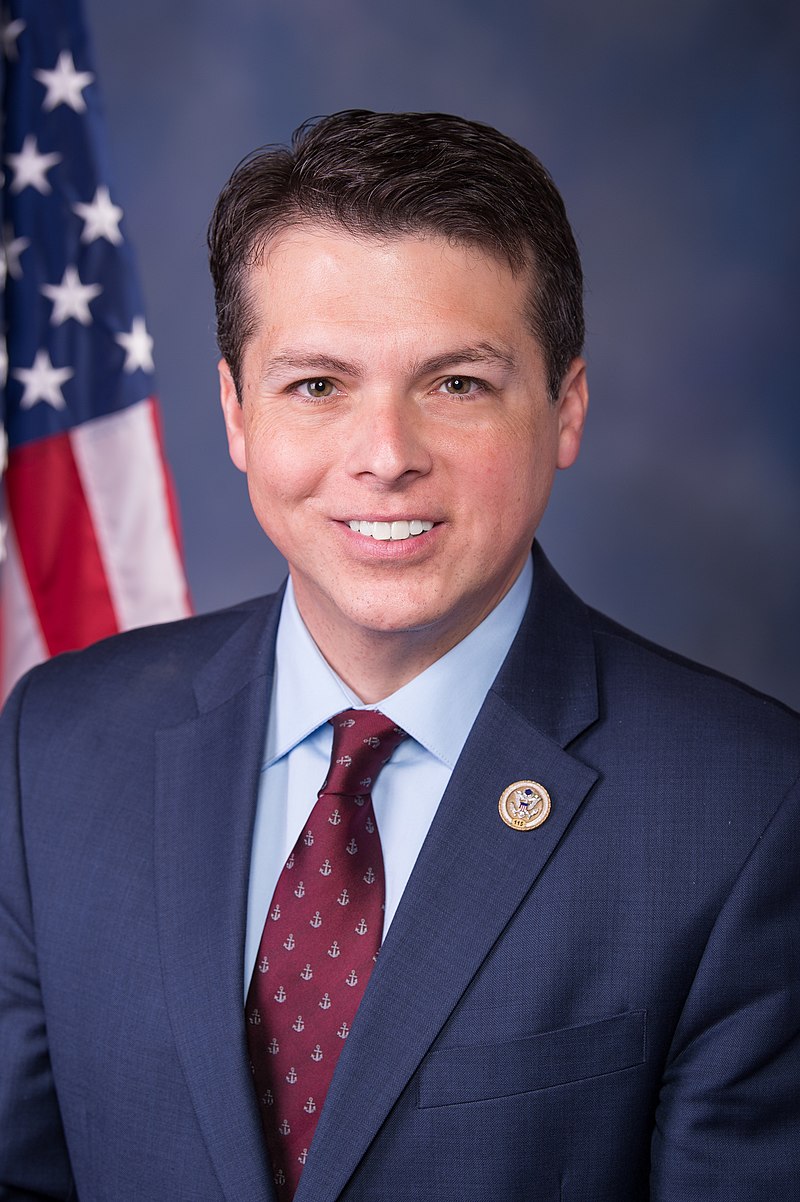

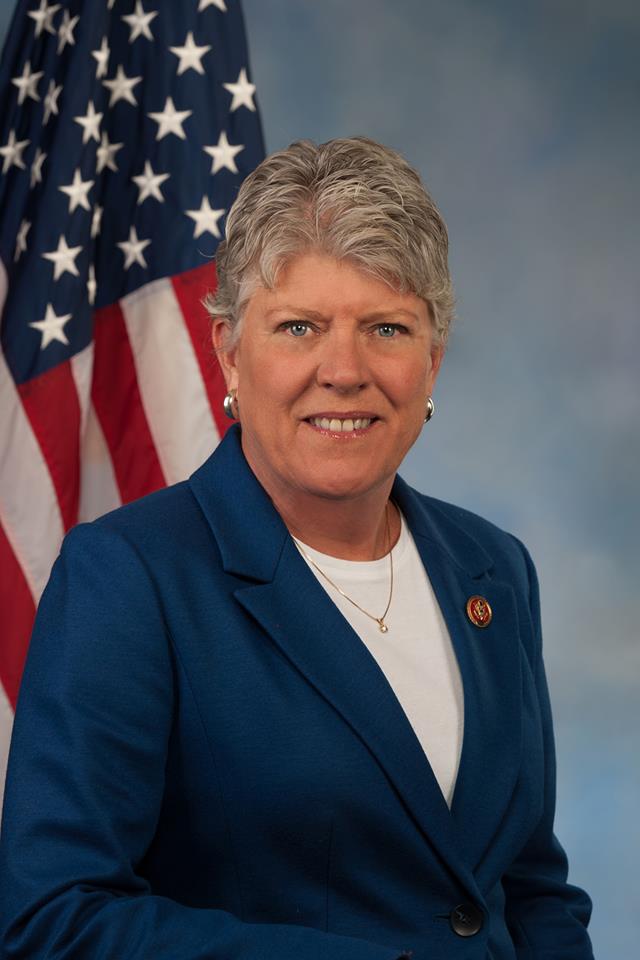
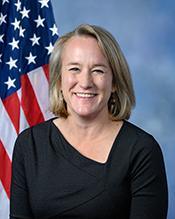

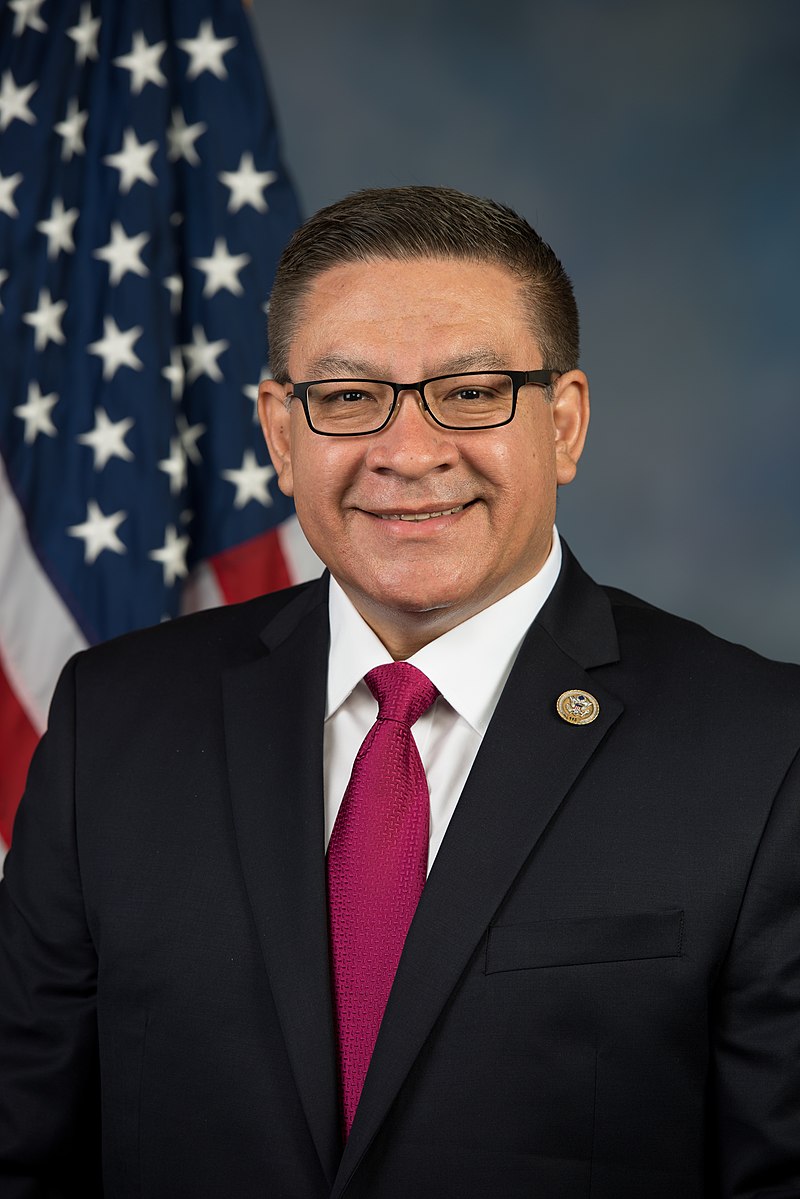
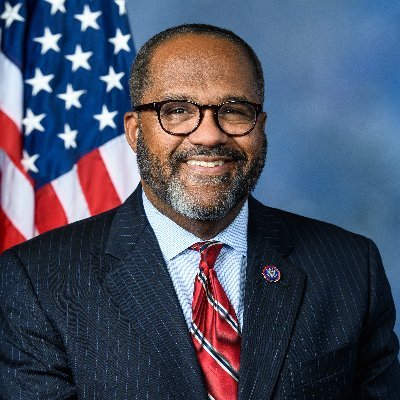

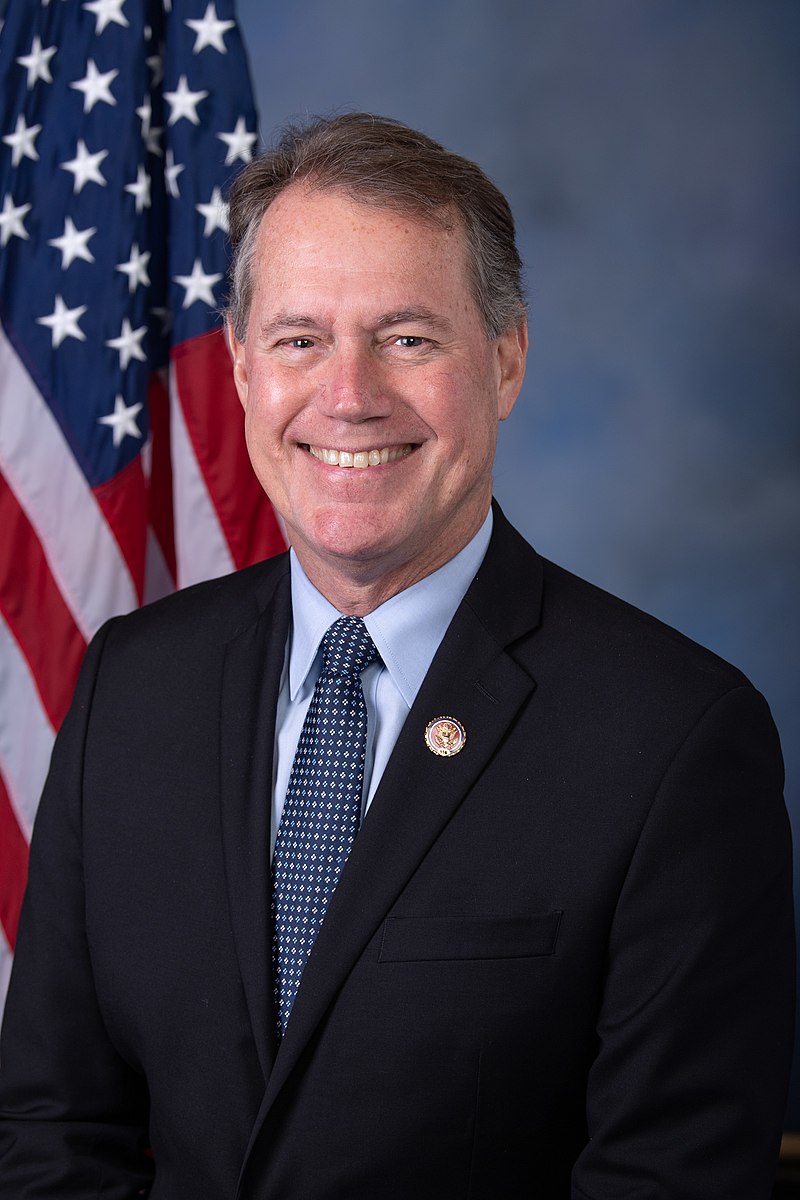

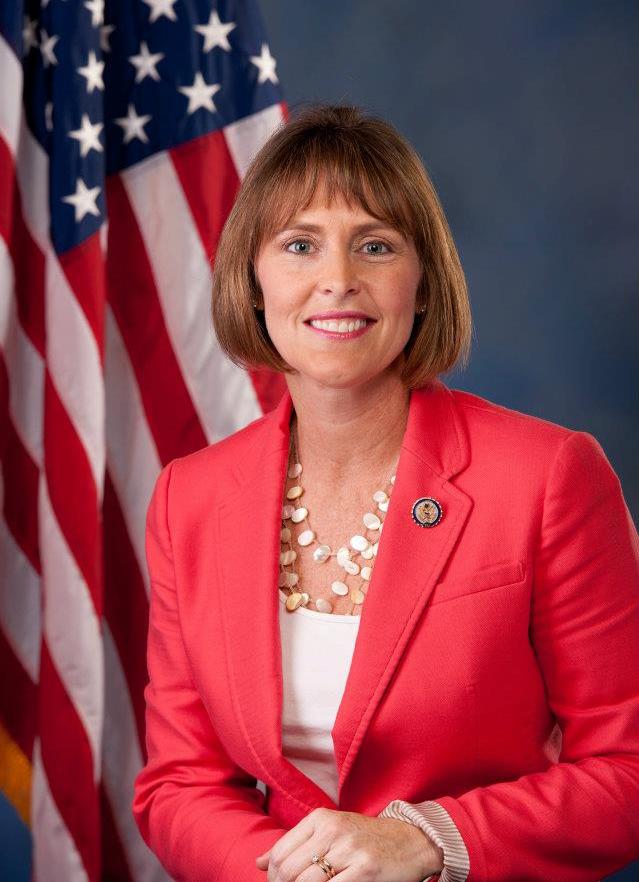
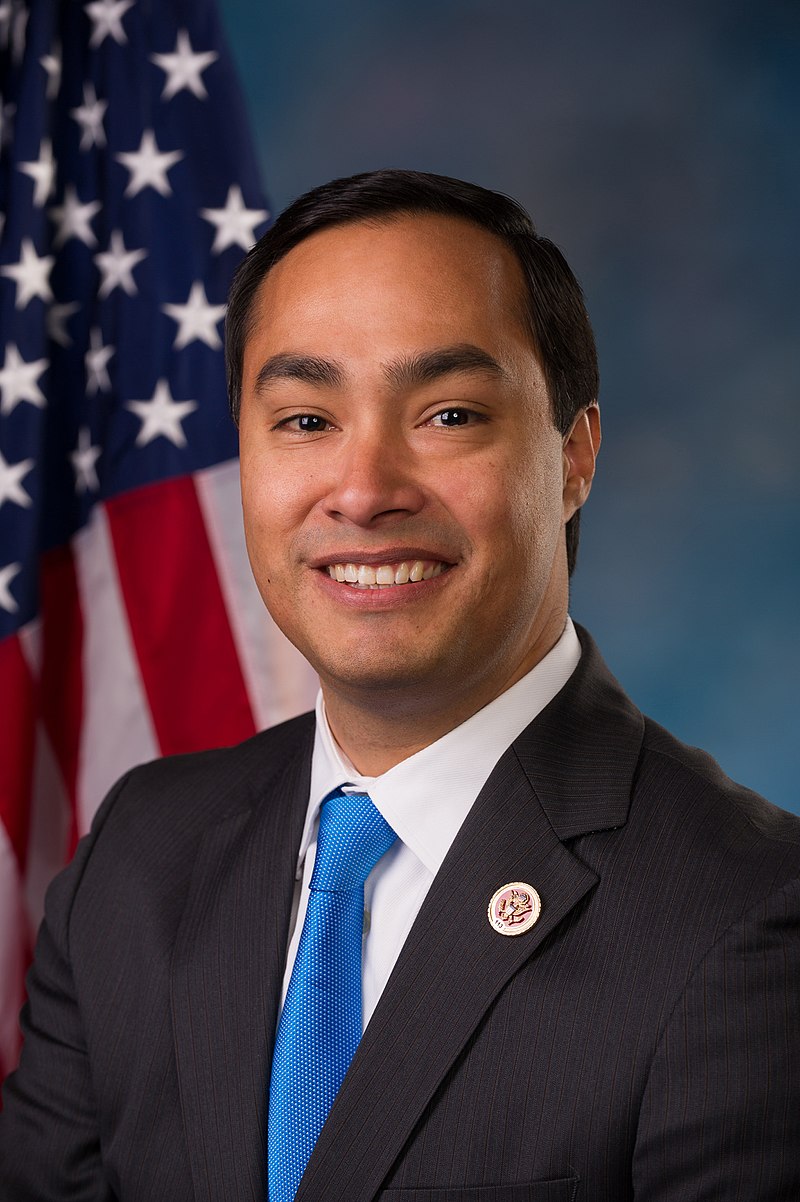

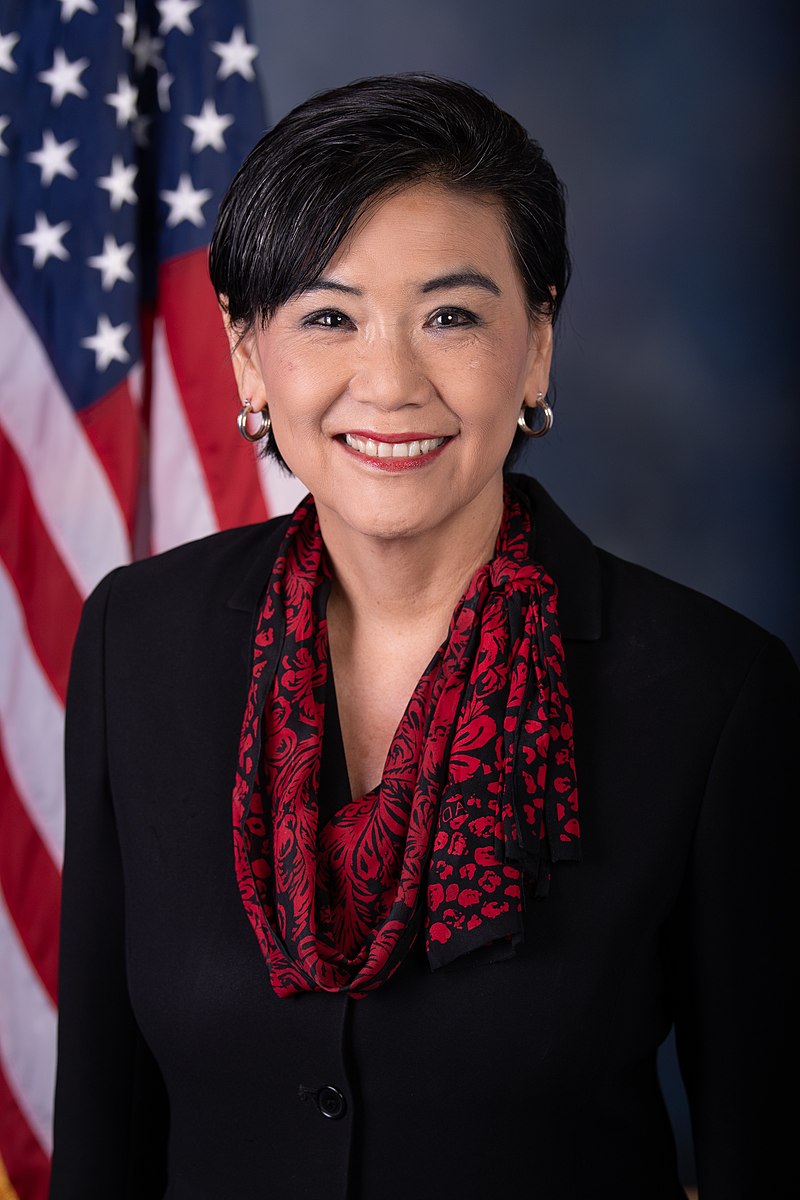




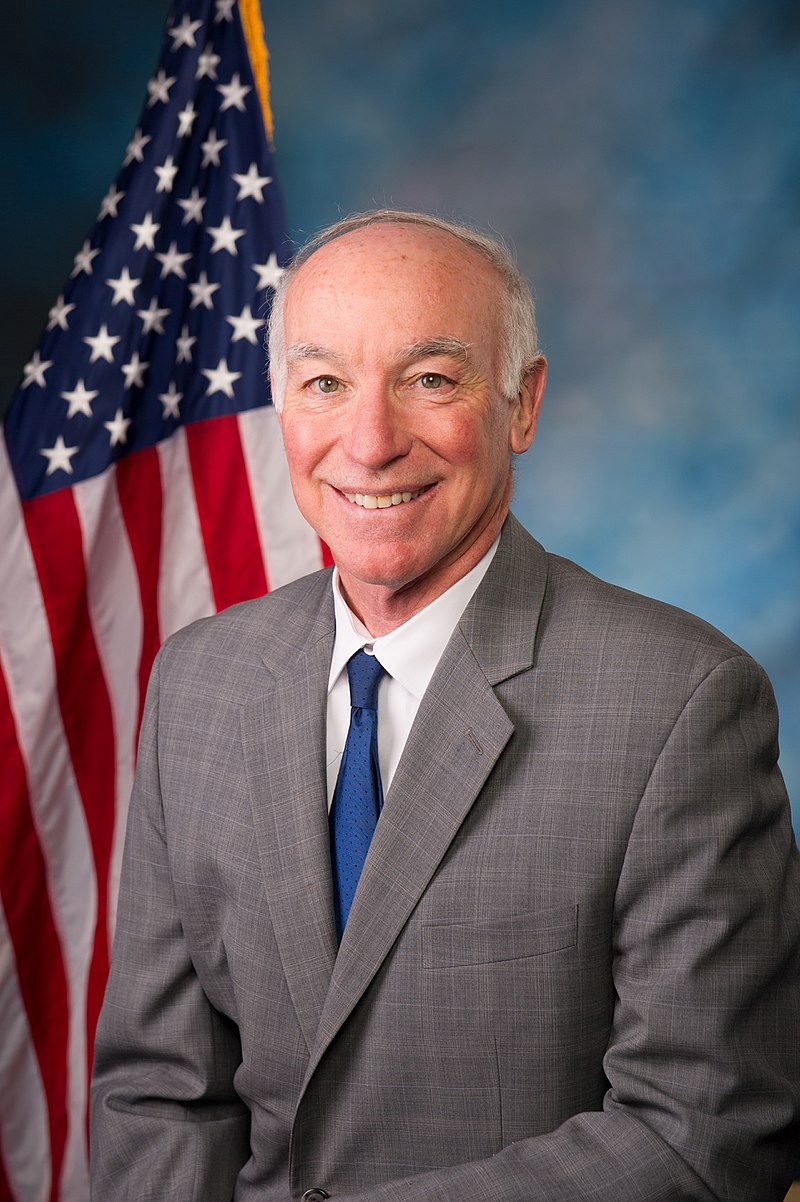

J
Jason Crow






L
Lloyd Doggett






J
John Garamendi












J
John Mannion
L
Lucy McBath













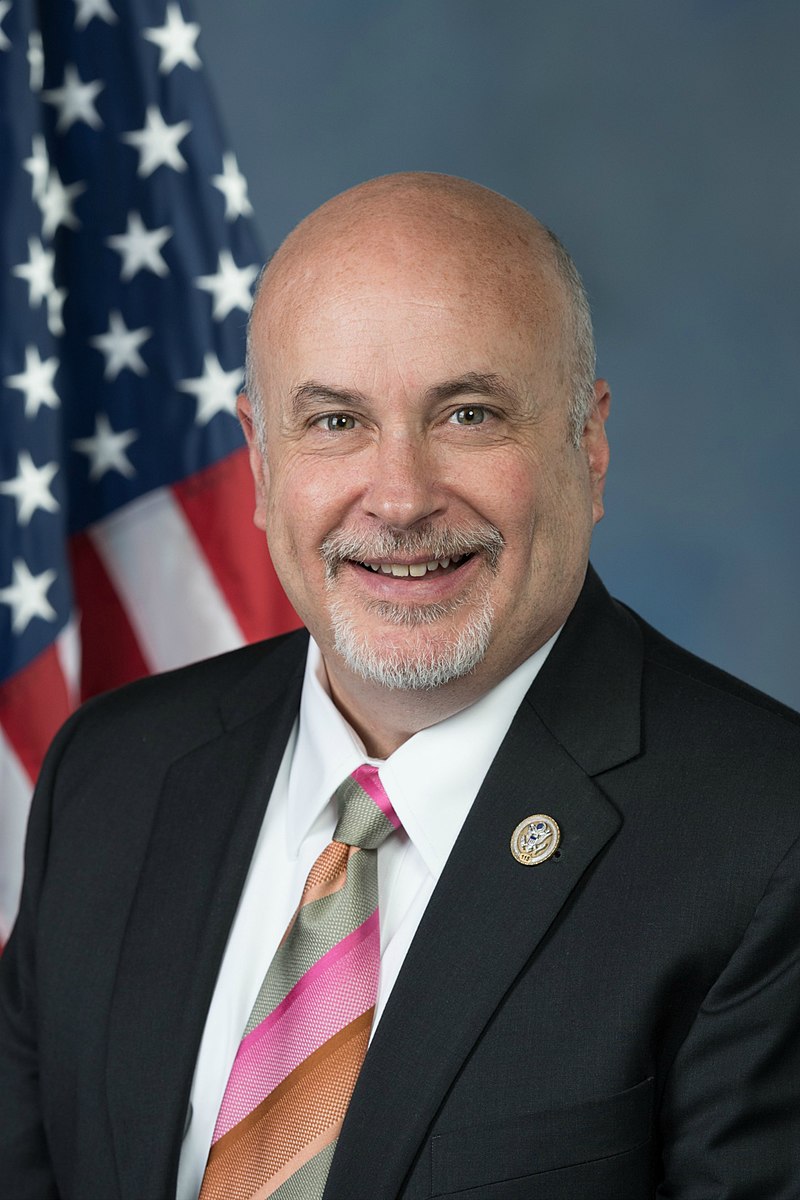
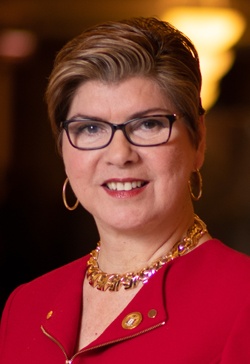
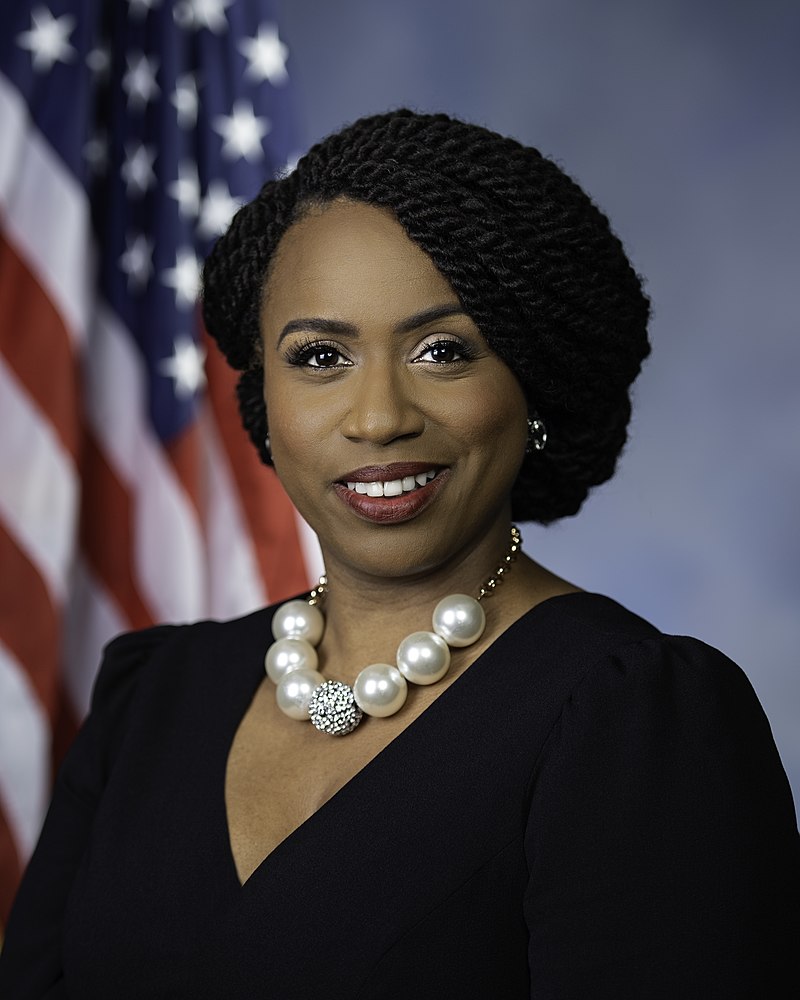
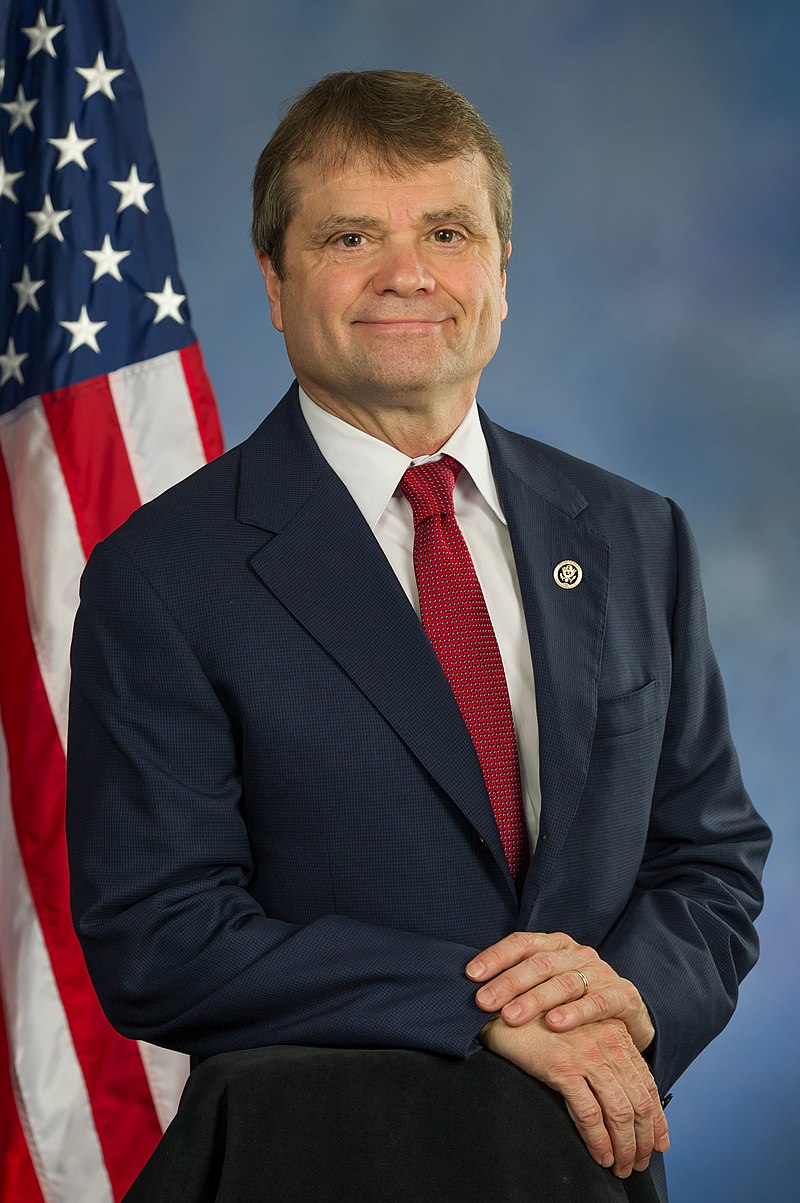










E
Eric Swalwell
R
Rashida Tlaib






D
Debbie Wasserman Schultz

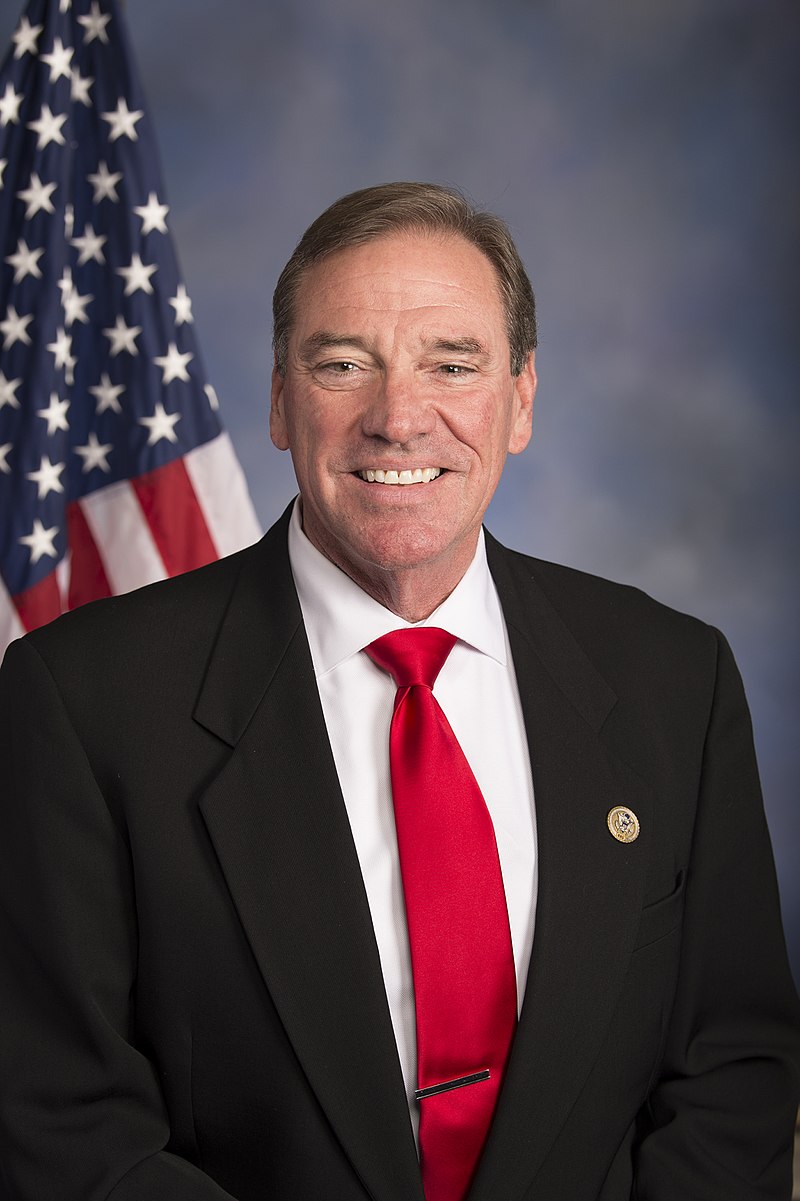
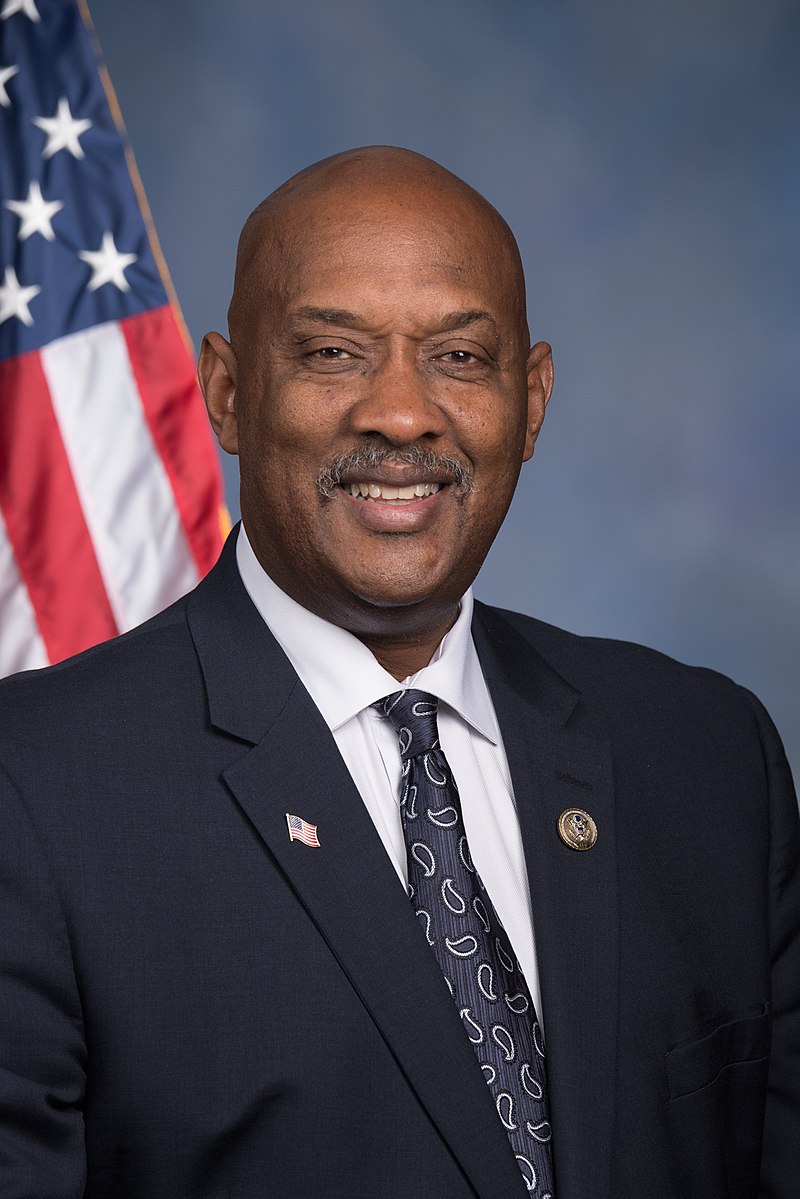
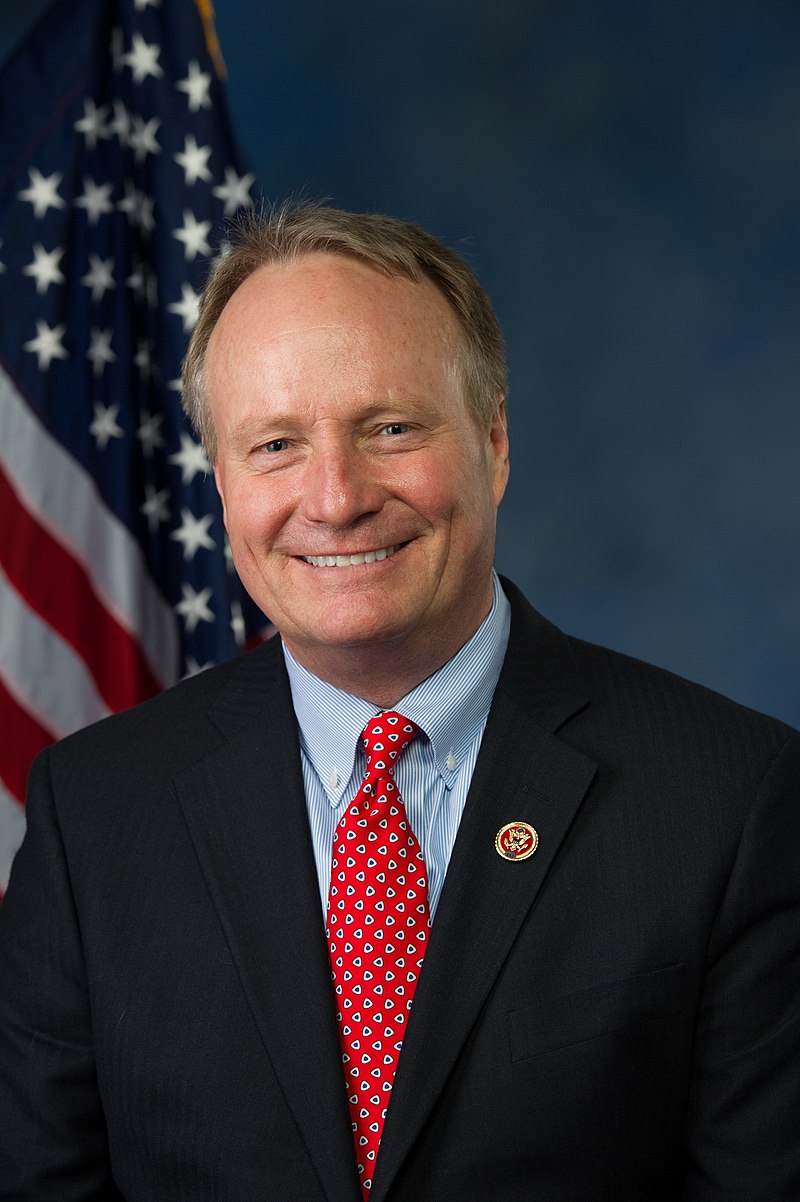
Not Voting (25)










C
Christian Menefee
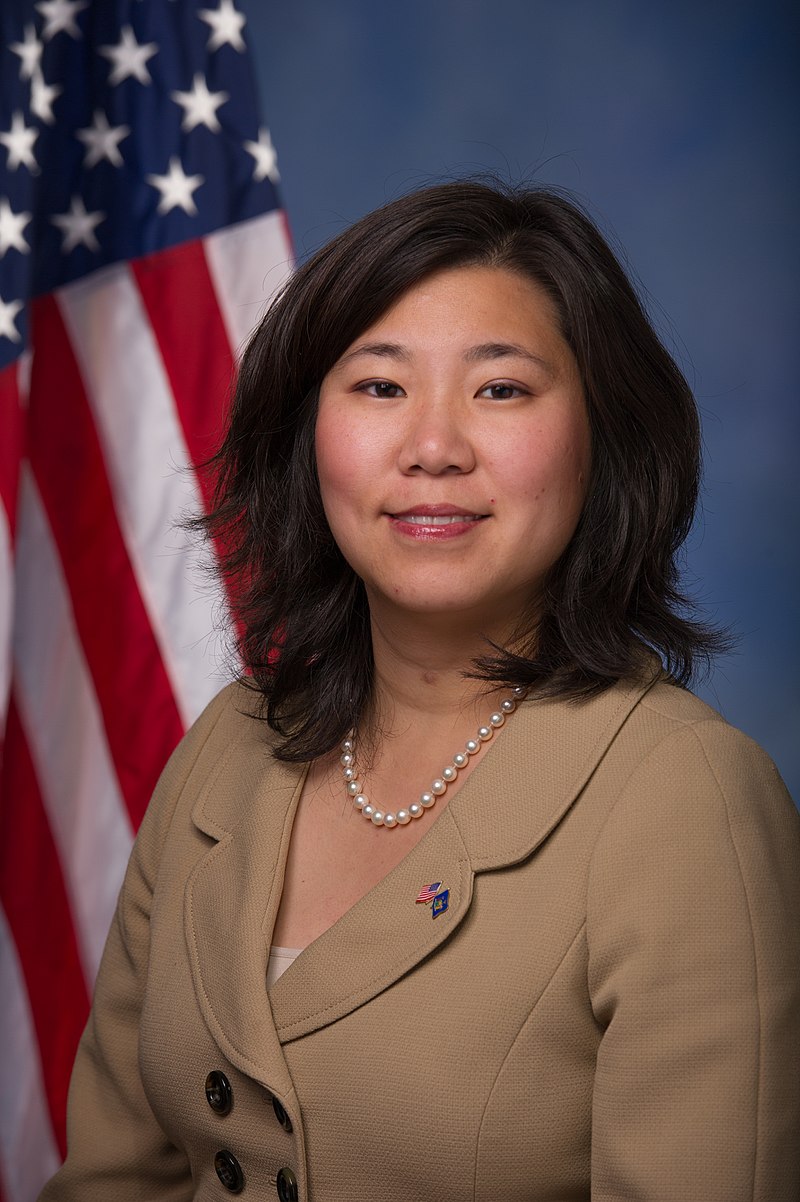




N
Nydia Velázquez