H.R.4626 — Home Appliance Protection and Affordability Act
House Roll Call
H.R.4626
| Bill | H.R.4626 — Home Appliance Protection and Affordability Act |
|---|---|
| Vote question | On Motion to Recommit |
| Vote type | Yea-and-Nay |
| Result | Failed |
| Totals | Yea 197 / Nay 208 / Present 0 / Not Voting 27 |
| Party | Yea | Nay | Present | Not Voting |
|---|---|---|---|---|
| R | 0 | 208 | 0 | 10 |
| D | 197 | 0 | 0 | 17 |
| I | 0 | 0 | 0 | 0 |
Research Brief
On Motion to Recommit
Bill Analysis
HR 4626 – Home Appliance Protection and Affordability Act (119th Congress)
HR 4626 targets federal energy-efficiency regulation of household appliances, aiming to limit new standards that could raise upfront costs or restrict product availability.
Core provisions and purpose
- Directs the Department of Energy (DOE) to revise how it sets and updates energy conservation standards and test procedures for “covered products” (e.g., refrigerators, dishwashers, clothes washers/dryers, cooking products, HVAC, water heaters, and other home appliances under the Energy Policy and Conservation Act).
- Requires DOE to give greater weight to appliance affordability, upfront purchase price, product performance, and consumer choice when determining whether a new or amended standard is “economically justified.”
- Tightens the criteria under which DOE may issue standards that effectively eliminate existing product types or features, limiting standards that would significantly reduce performance, capacity, or functionality valued by consumers.
Funding and authorities
- Primarily modifies existing statutory authority; it does not create major new spending programs.
- May authorize administrative costs within DOE to implement revised rulemaking procedures, but no large, dedicated appropriations are specified.
- Reasserts and clarifies congressional direction over DOE’s rulemaking authority under the Energy Policy and Conservation Act and related statutes.
Programs and agencies affected
- Directly affects DOE’s Office of Energy Efficiency and Renewable Energy and its appliance standards program.
- Indirectly impacts EPA programs that rely on DOE test procedures (e.g., ENERGY STAR coordination), but does not amend EPA’s core statutory authorities.
Who benefits or is regulated
- Manufacturers of home appliances gain more predictable and potentially less stringent federal standards and testing requirements.
- Consumers may see broader product availability and potentially lower upfront appliance prices, with possible tradeoffs in long-term energy savings.
- Utilities and energy-efficiency advocates are indirectly affected through changes in the pace and stringency of federal efficiency gains.
Key timelines
- Applies prospectively to DOE rulemakings initiated after enactment, with specific deadlines for DOE to revise its internal procedures and guidance (typically within 6–24 months, as specified in the bill’s implementation sections).
- Existing standards remain in force until superseded under the revised process.
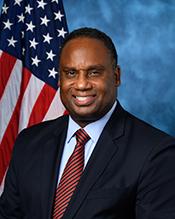
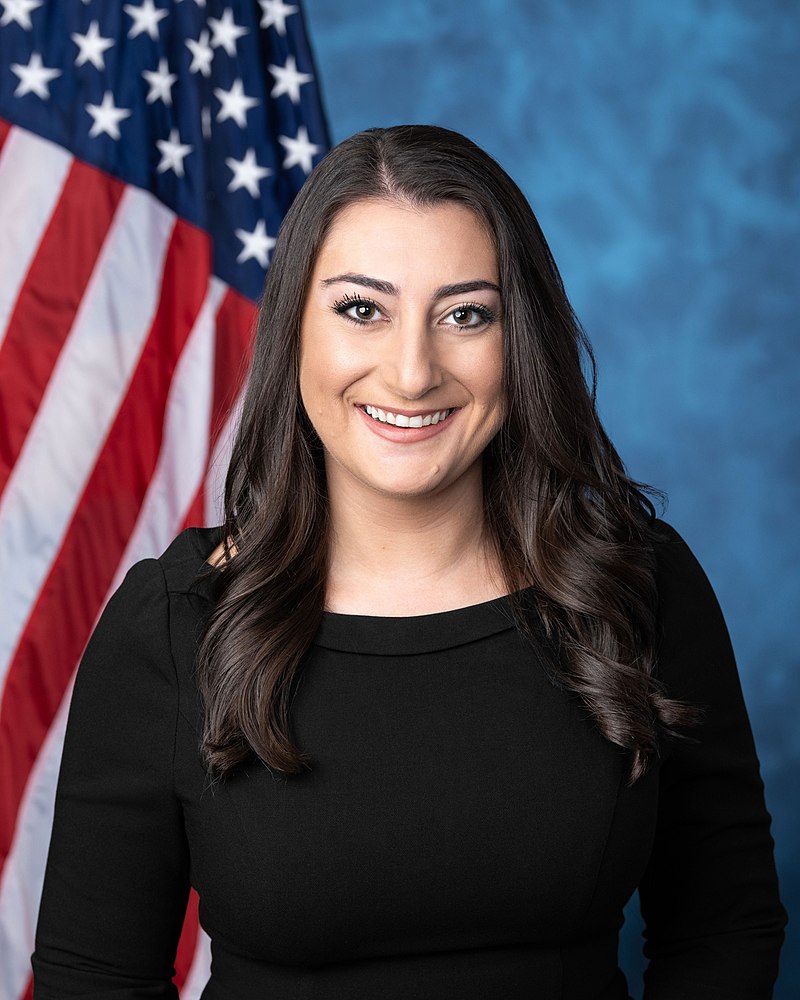
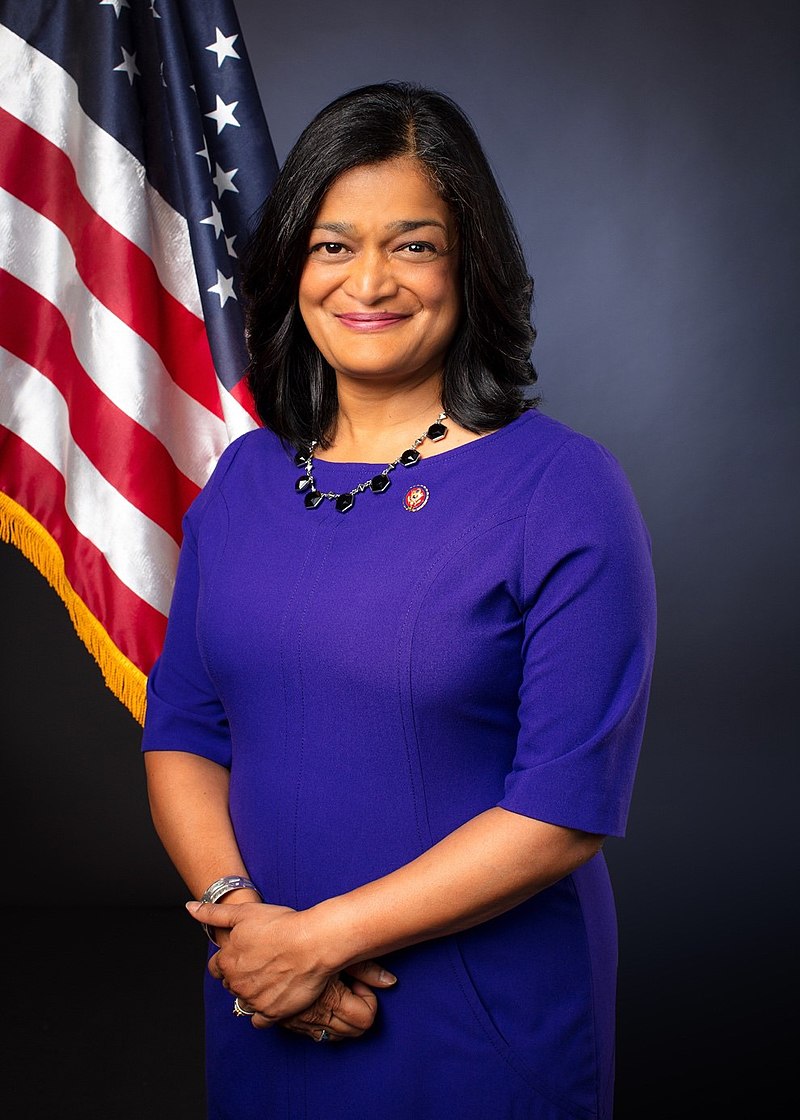
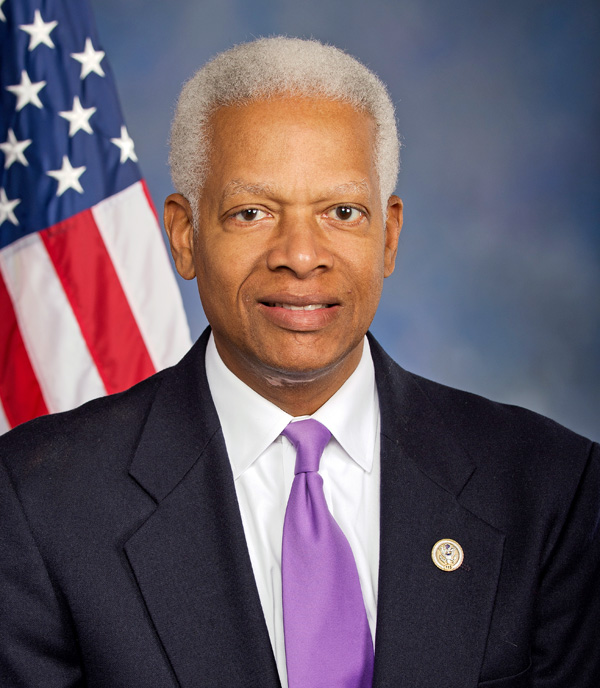
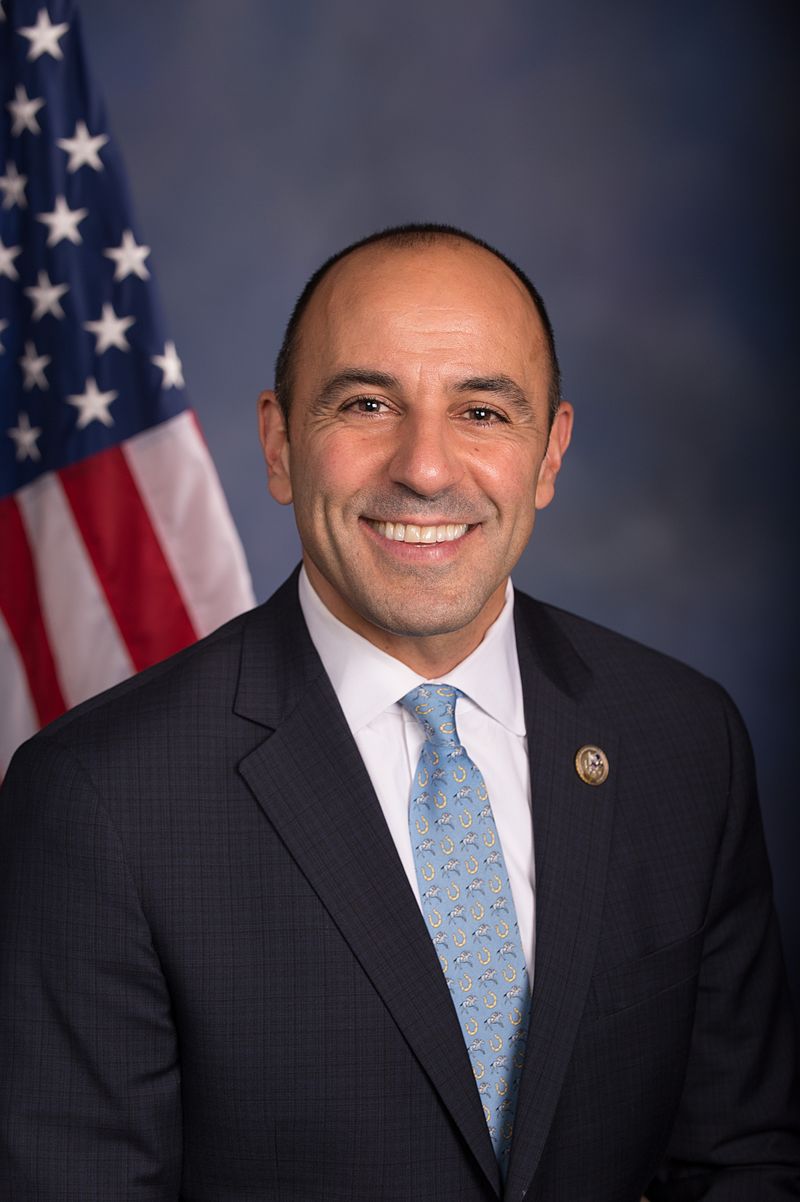
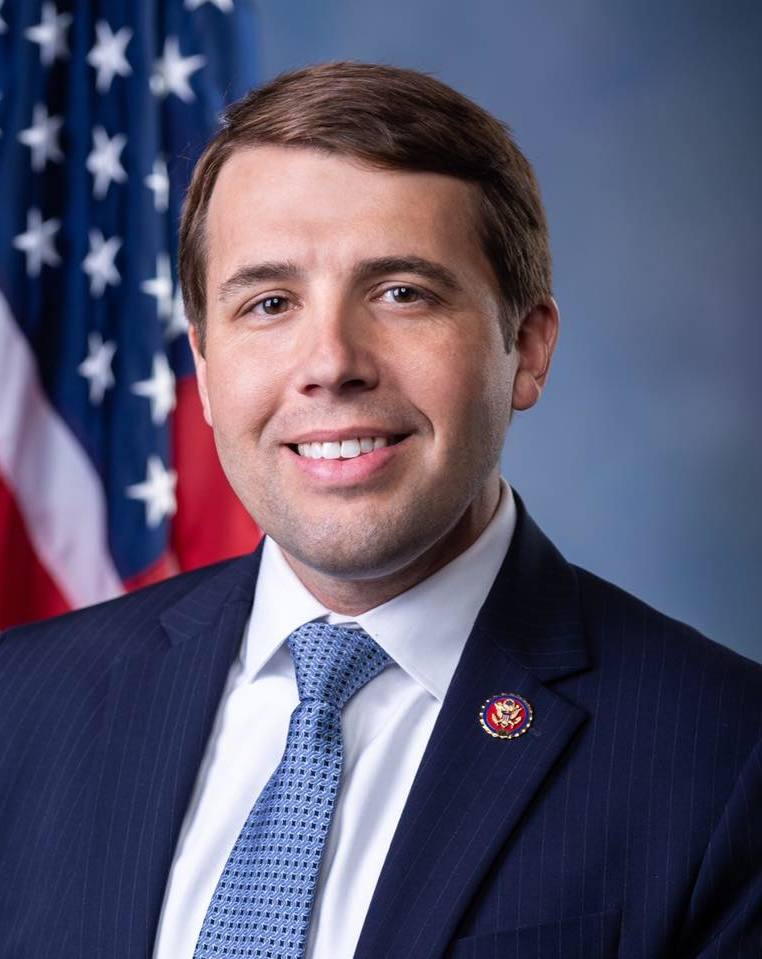
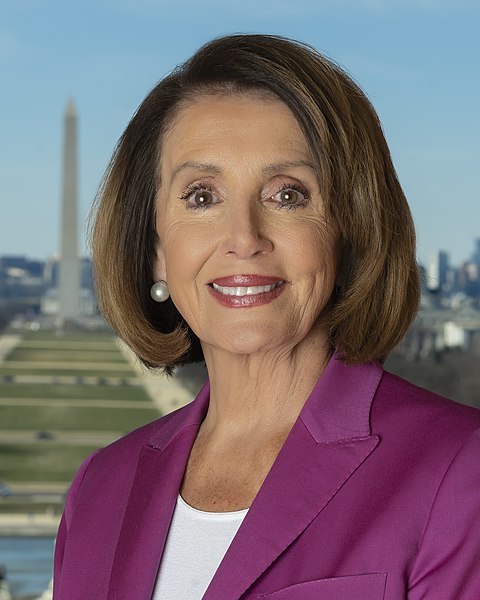
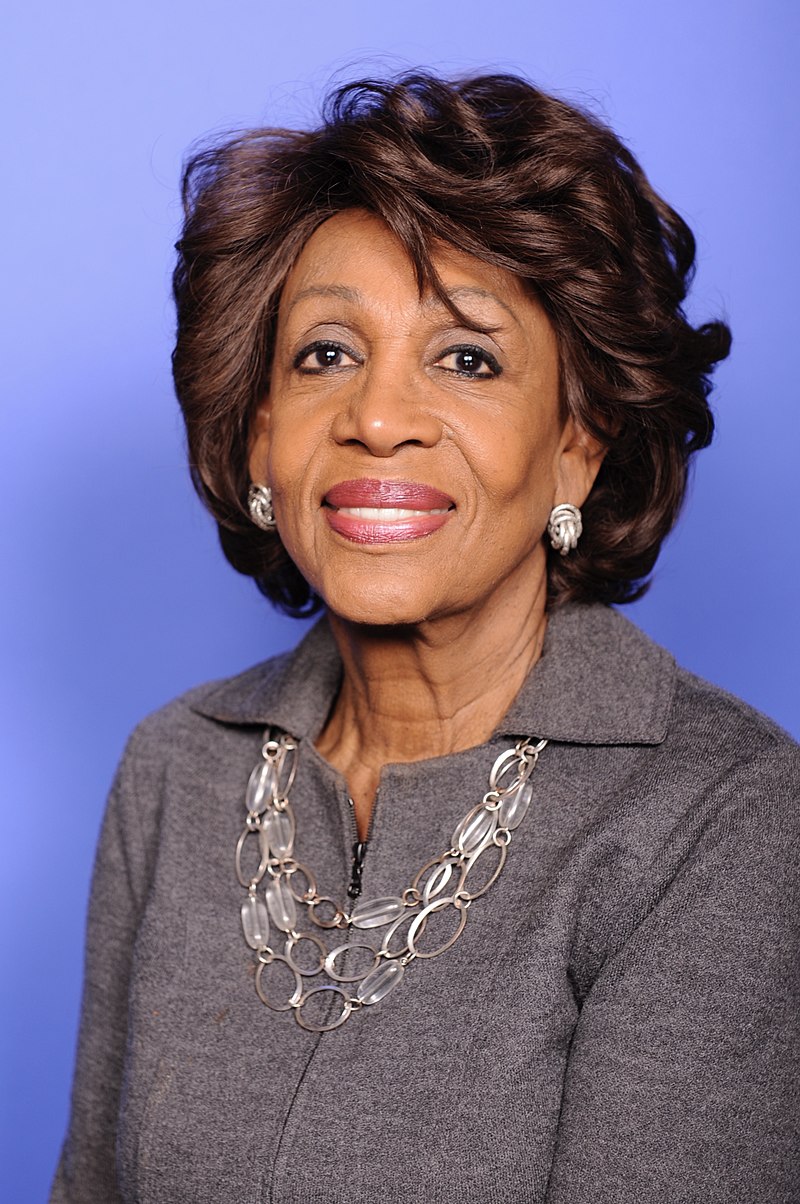
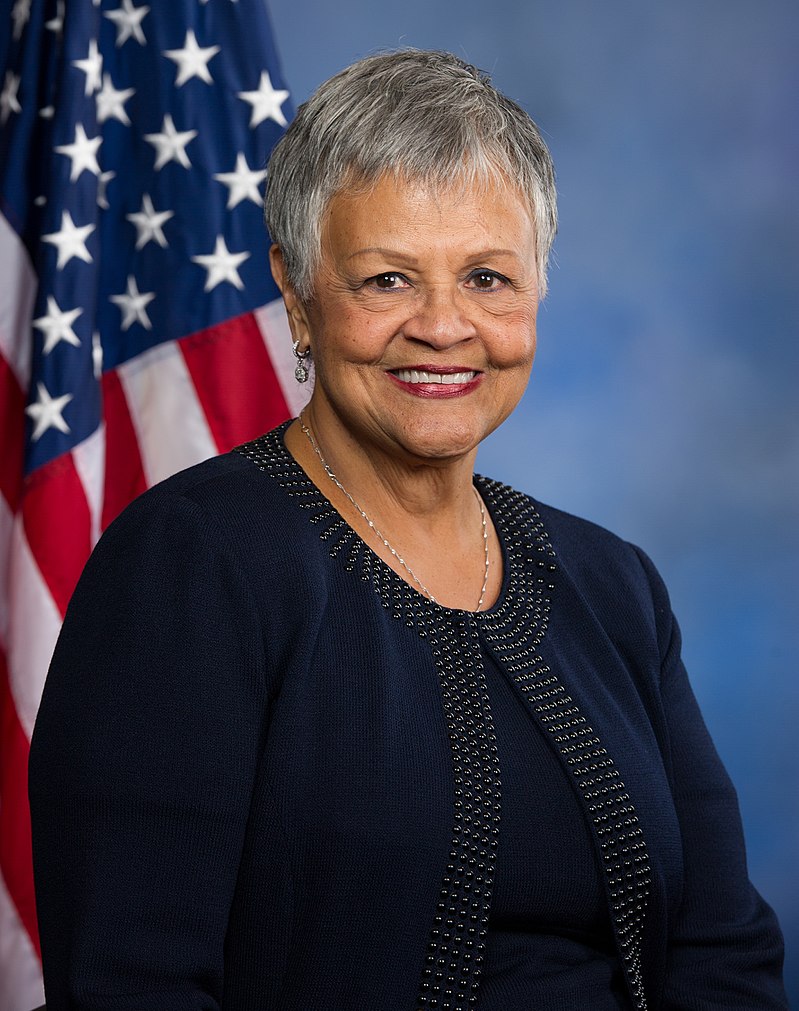
Yea (197)


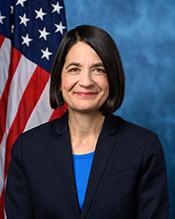
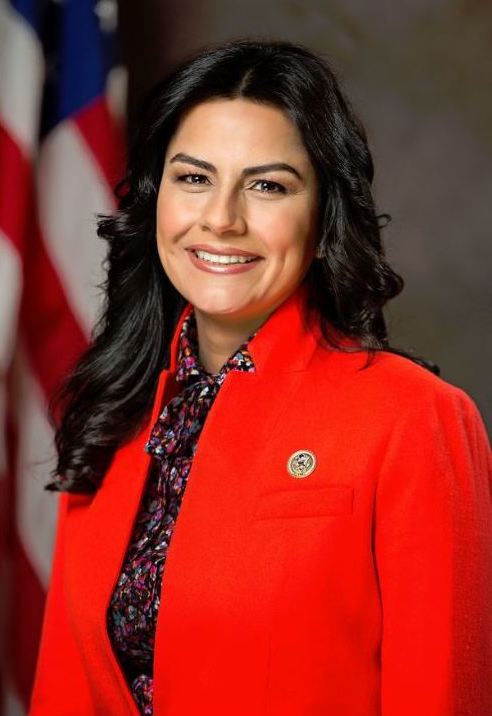
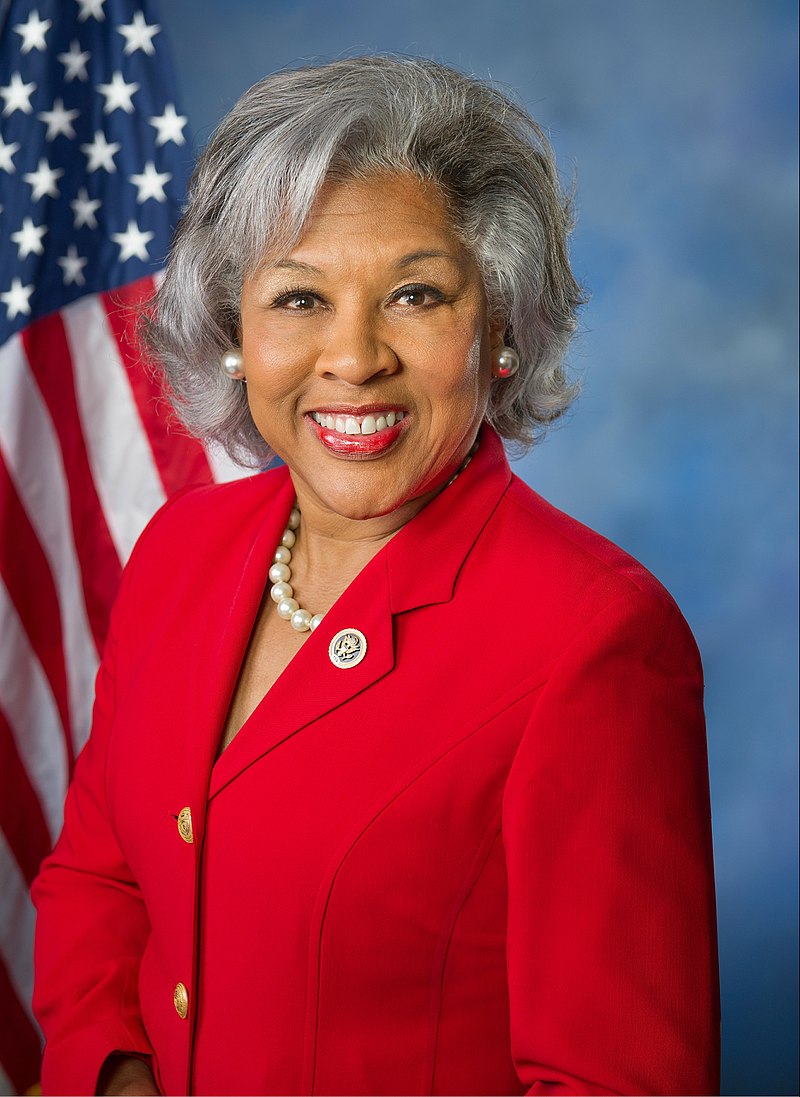

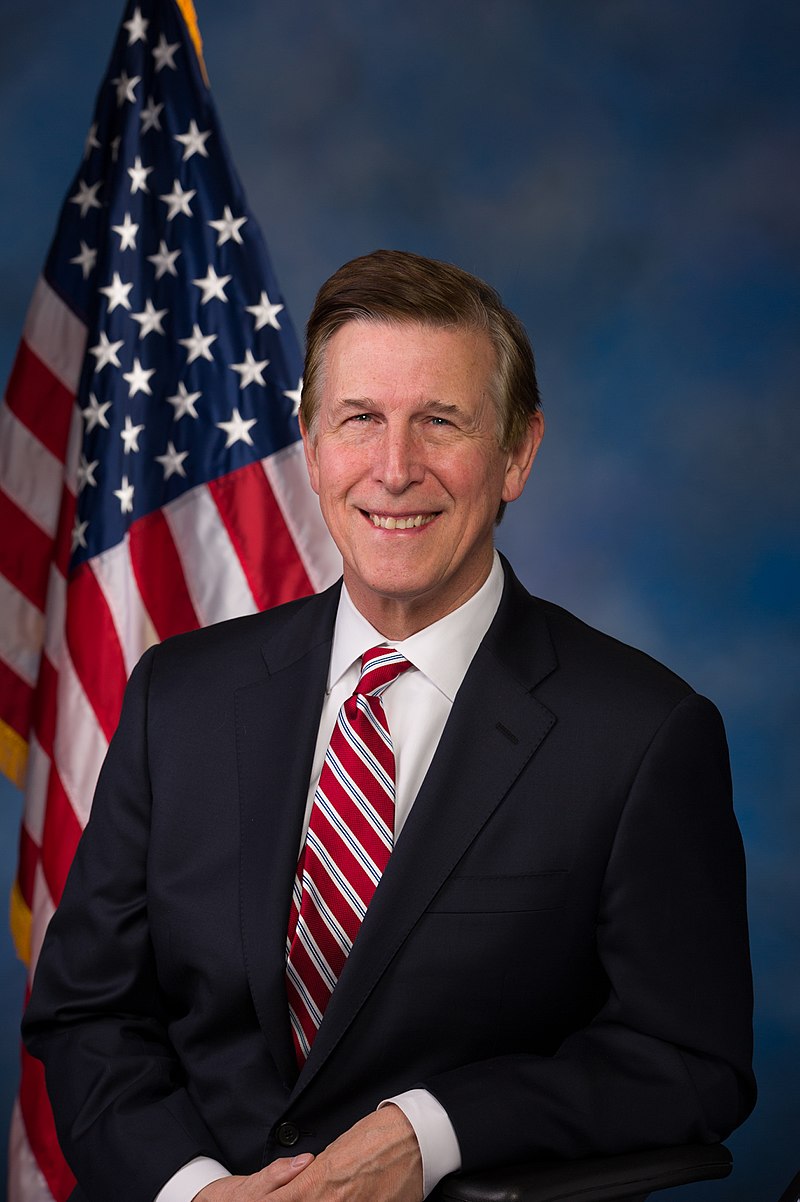





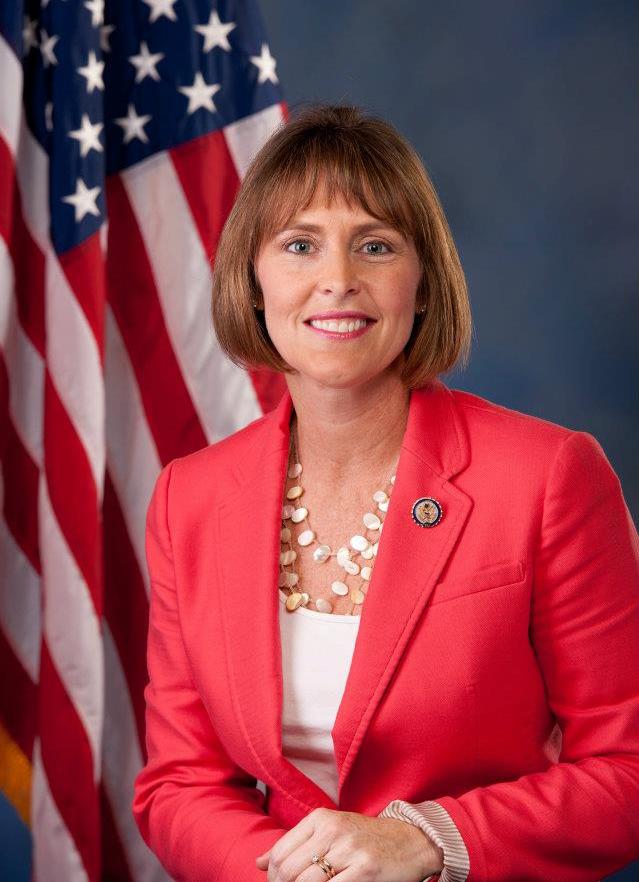
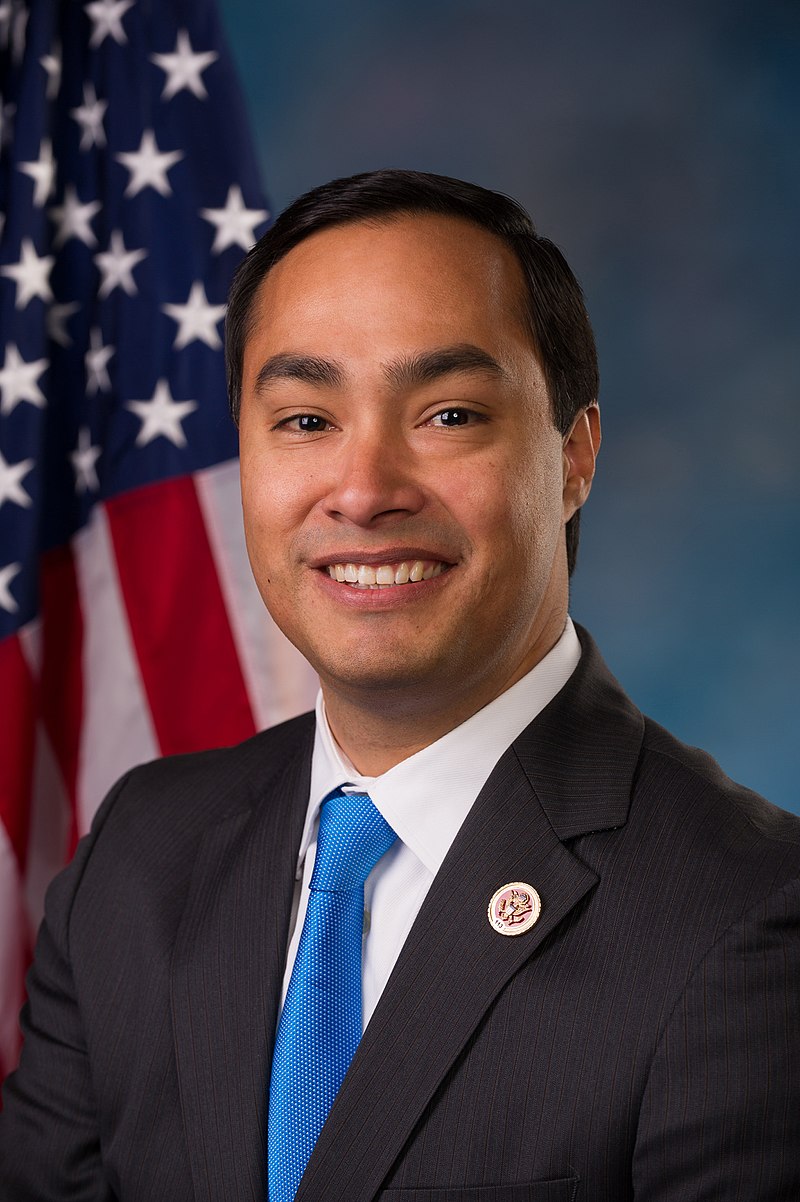

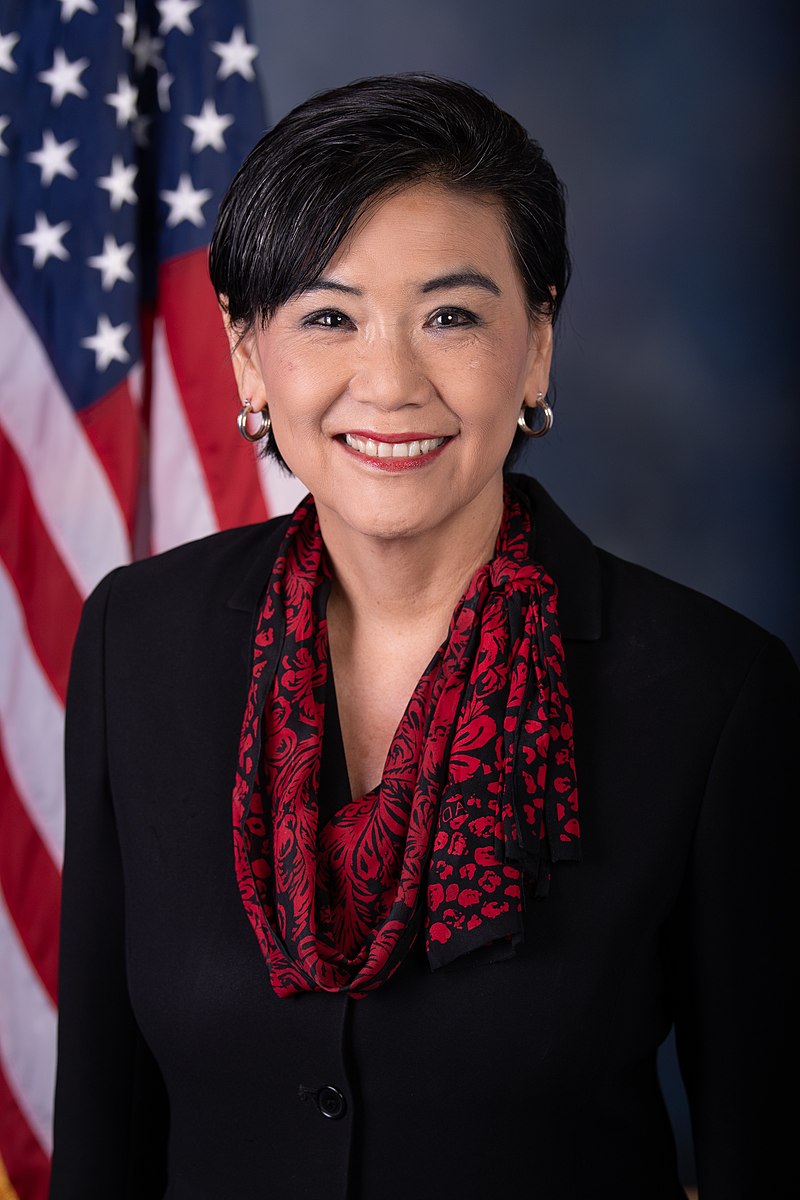
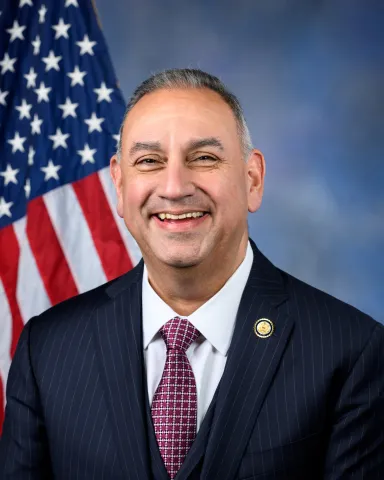




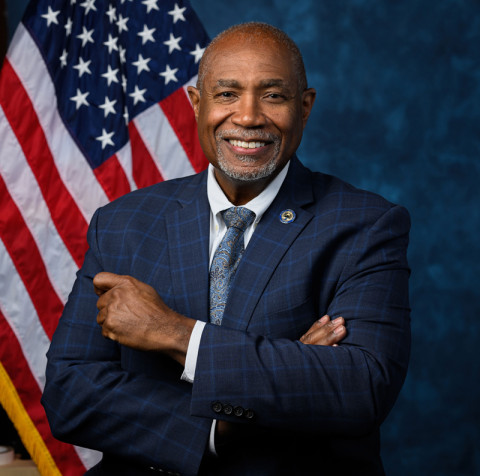
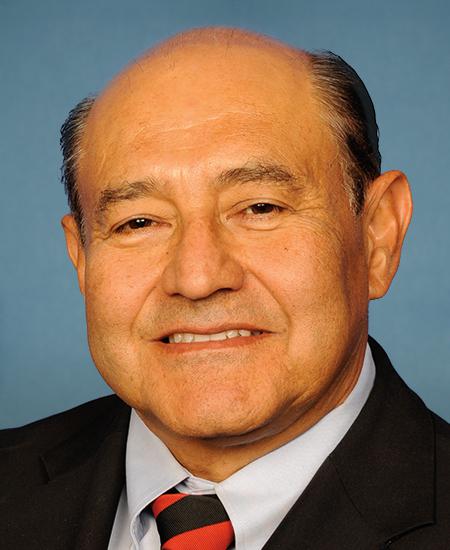
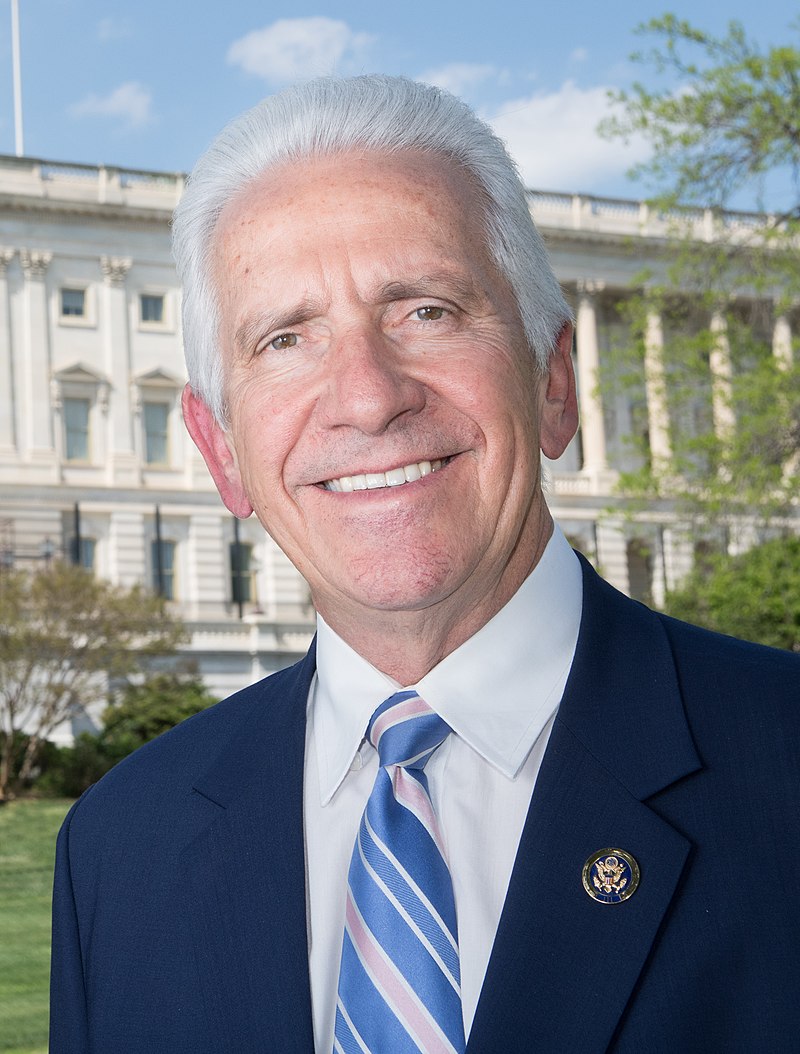


J
Jason Crow


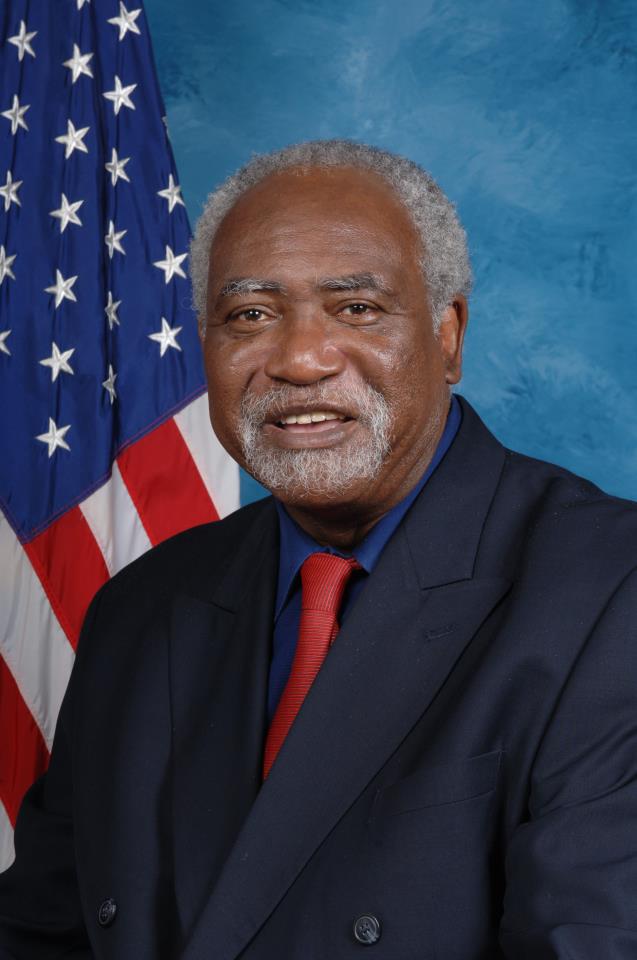







L
Lloyd Doggett






J
John Garamendi















J
John Mannion

L
Lucy McBath

























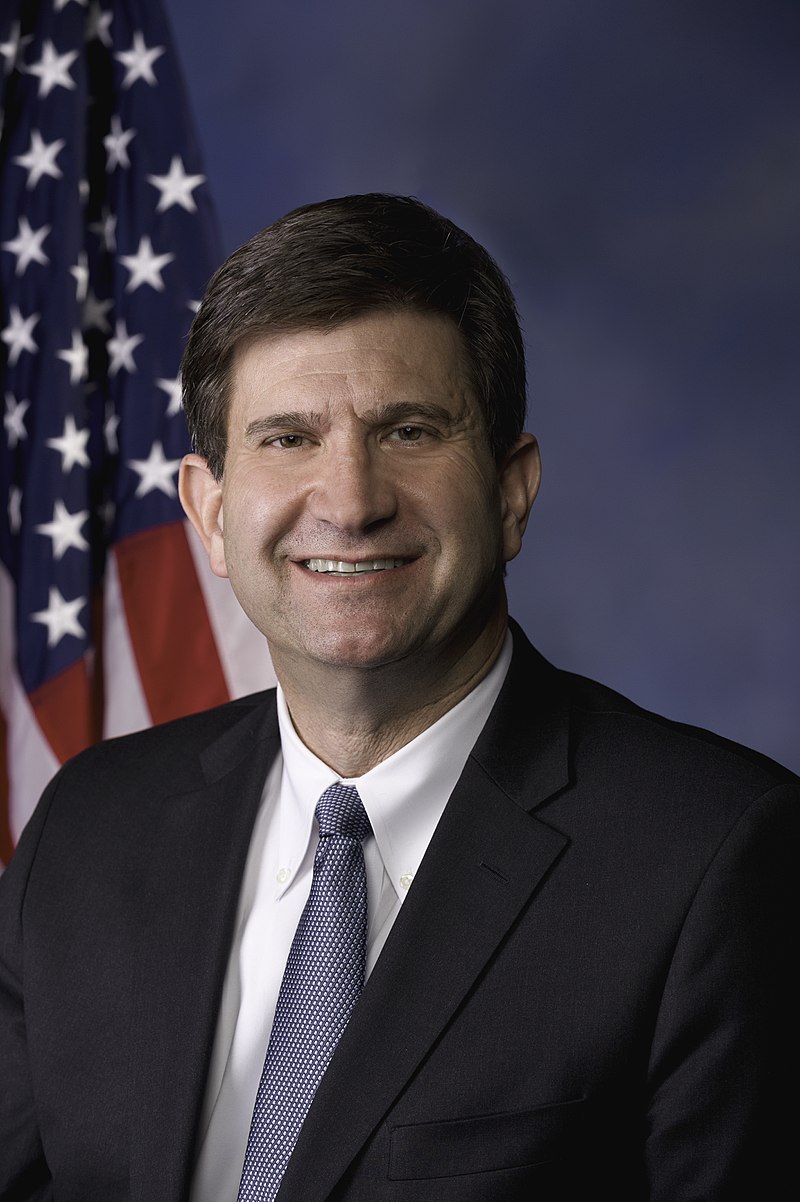
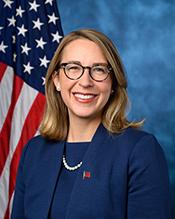
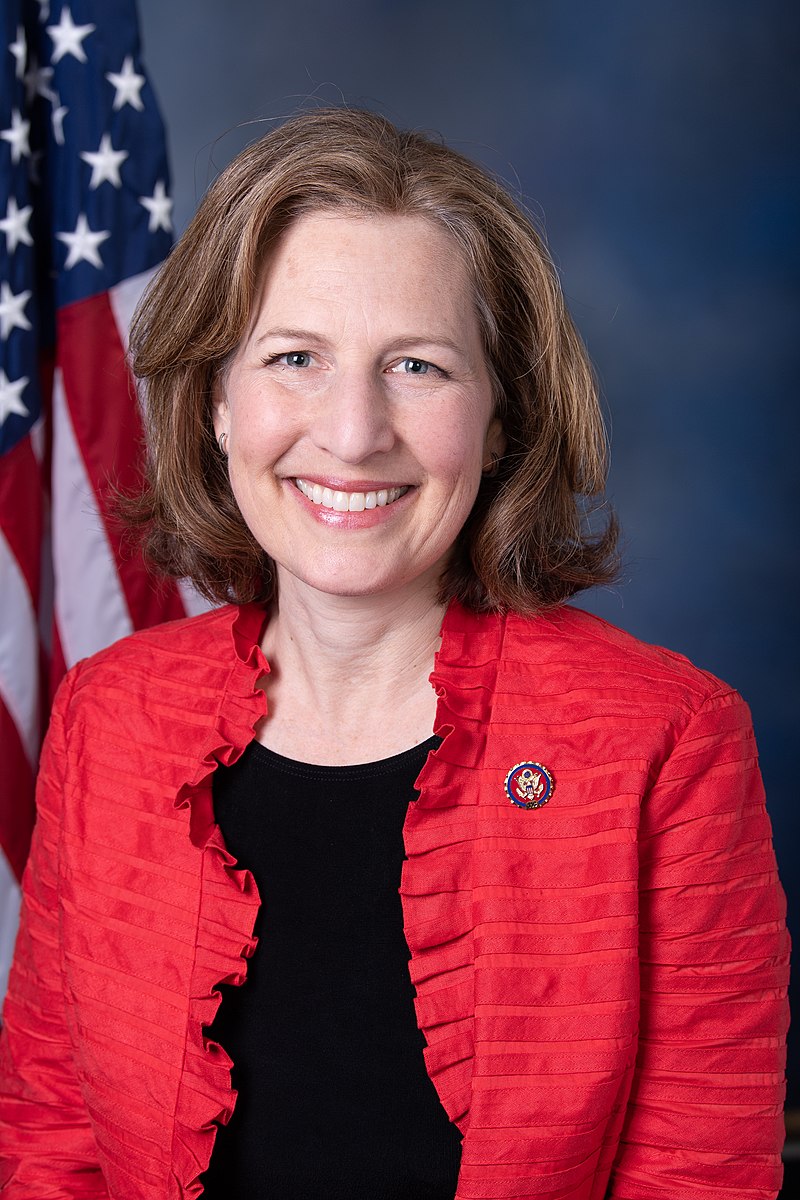
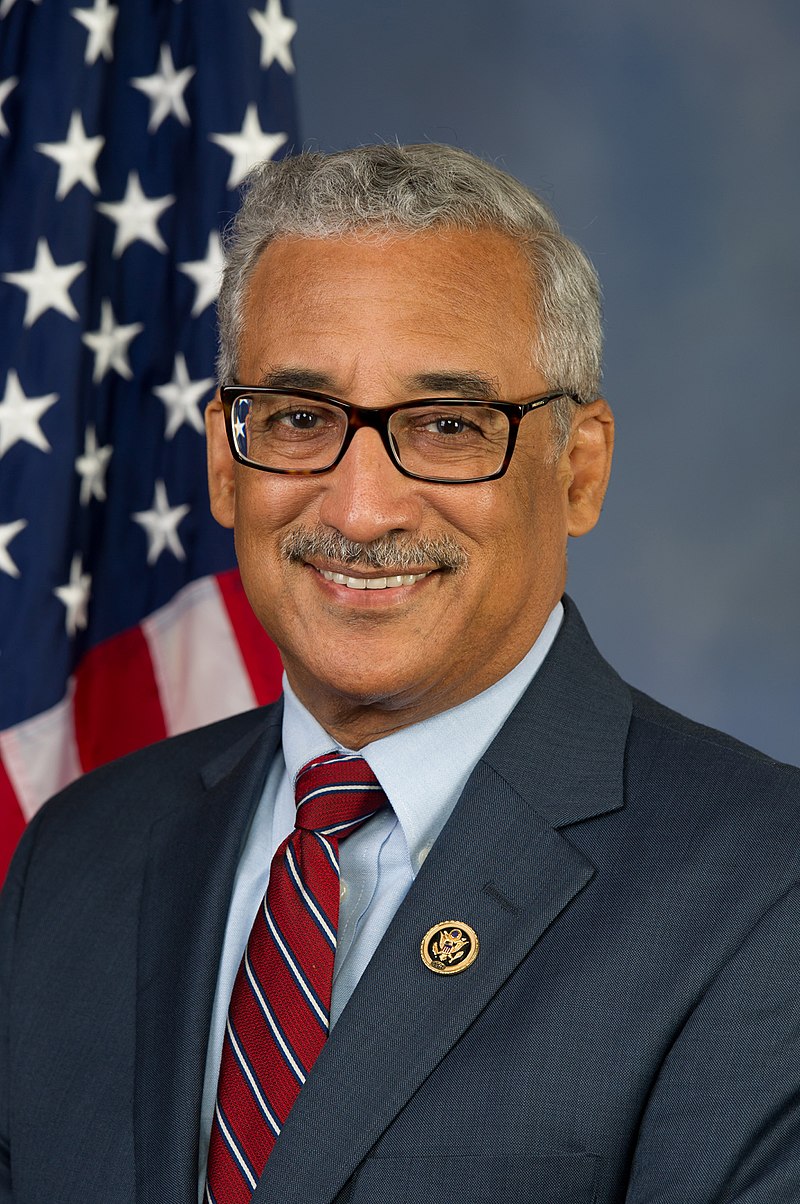







E
Eric Swalwell


R
Rashida Tlaib








D
Debbie Wasserman Schultz


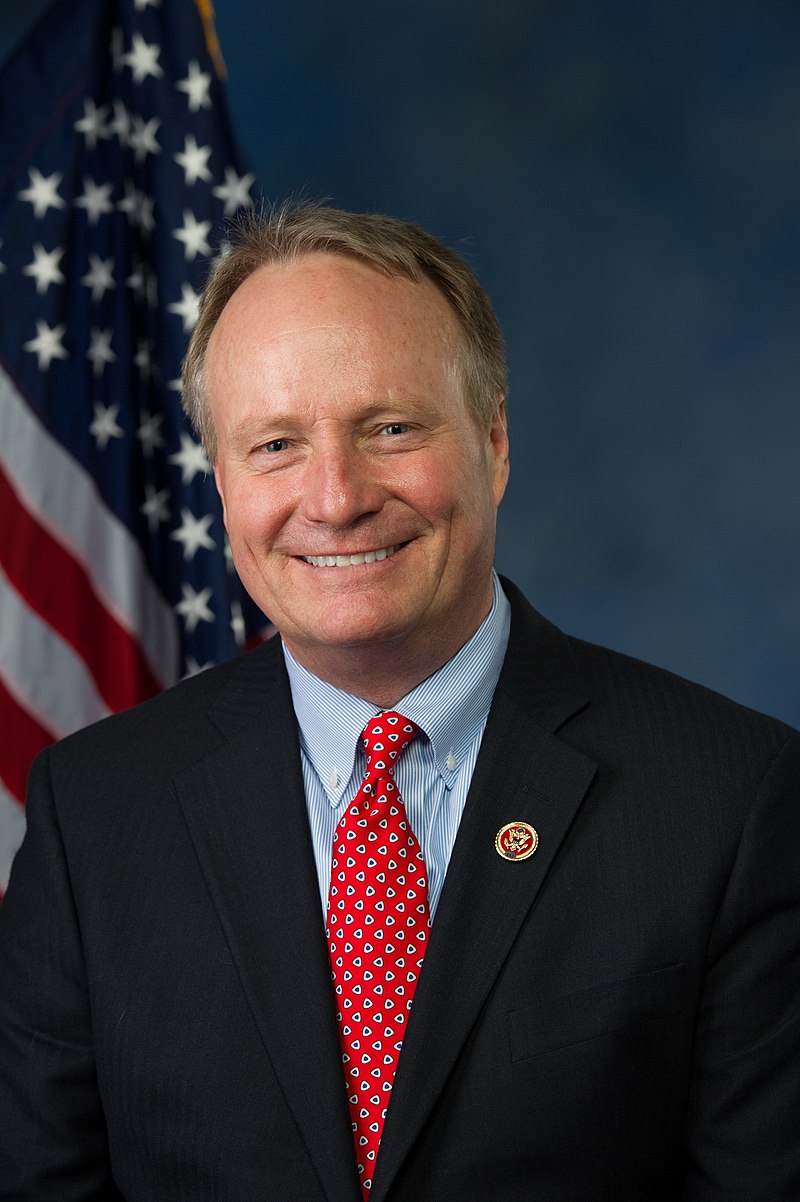
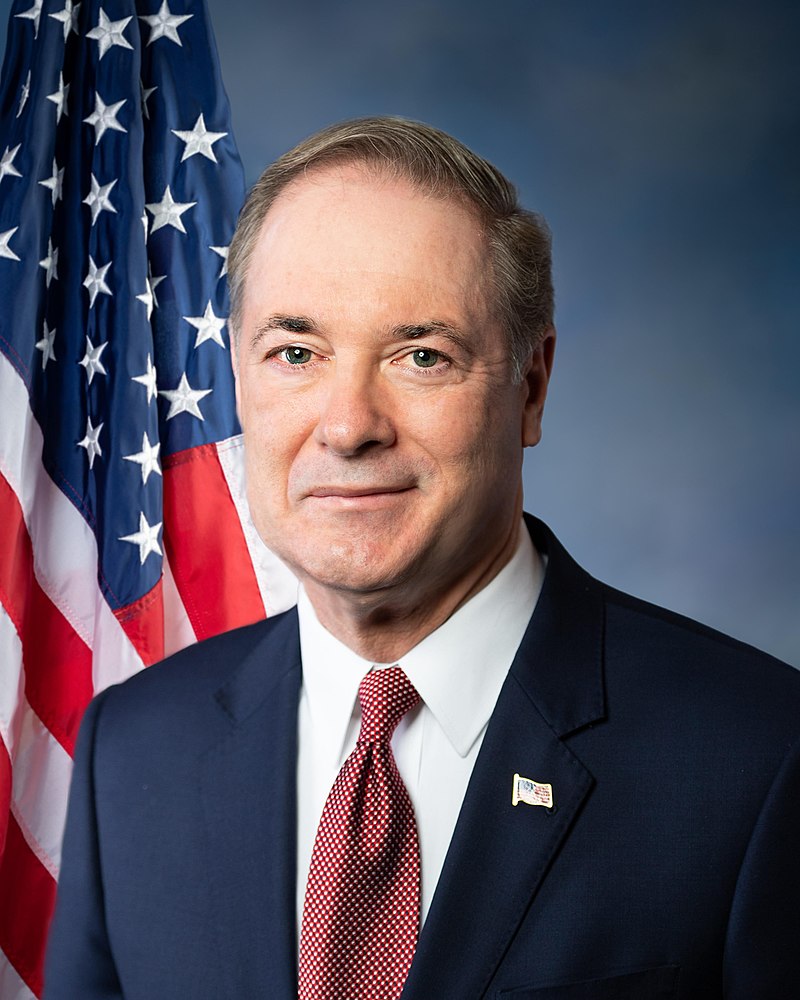
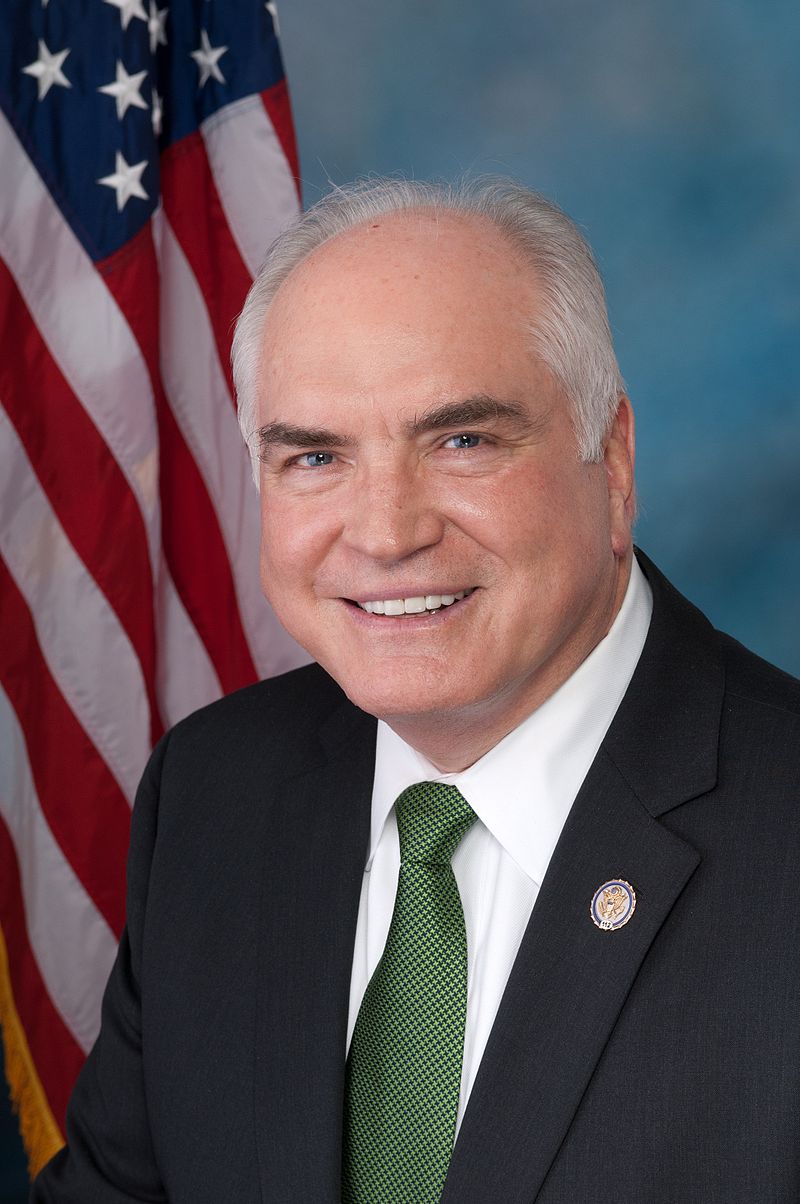
Nay (208)










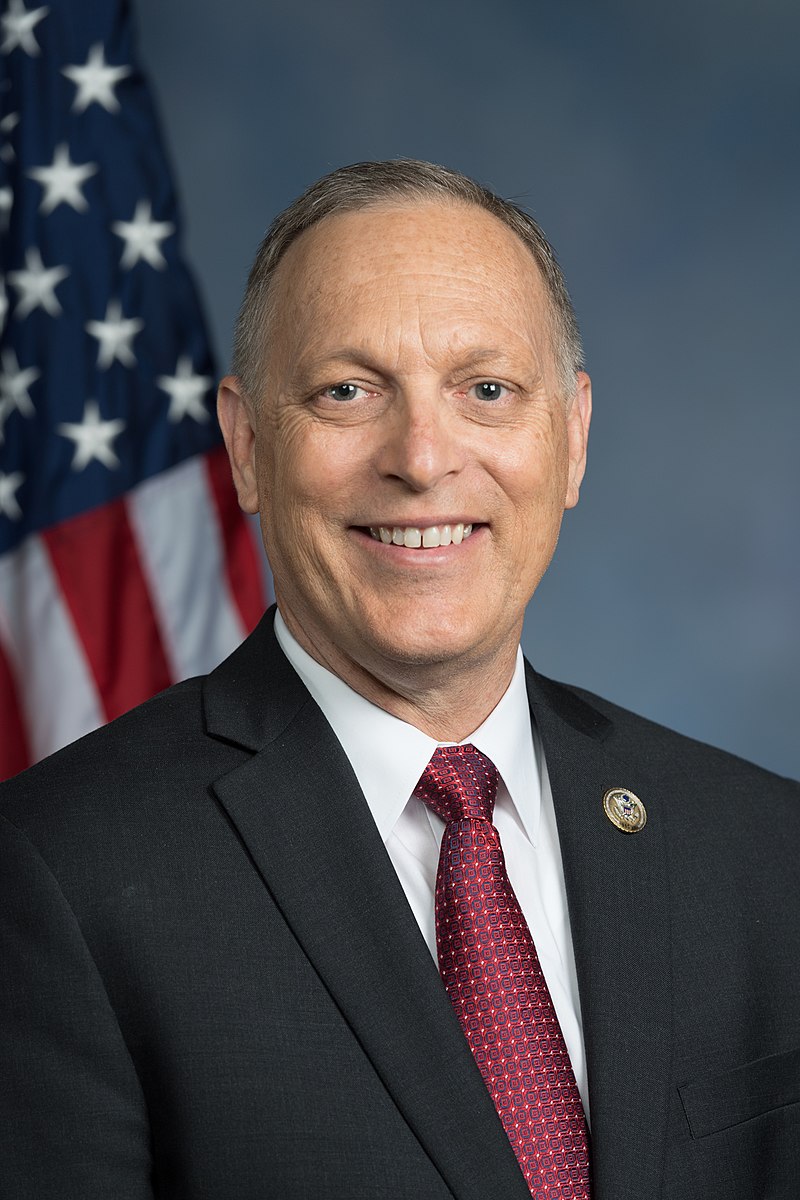
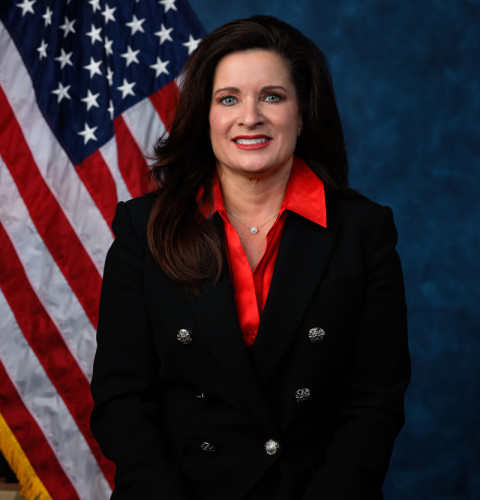
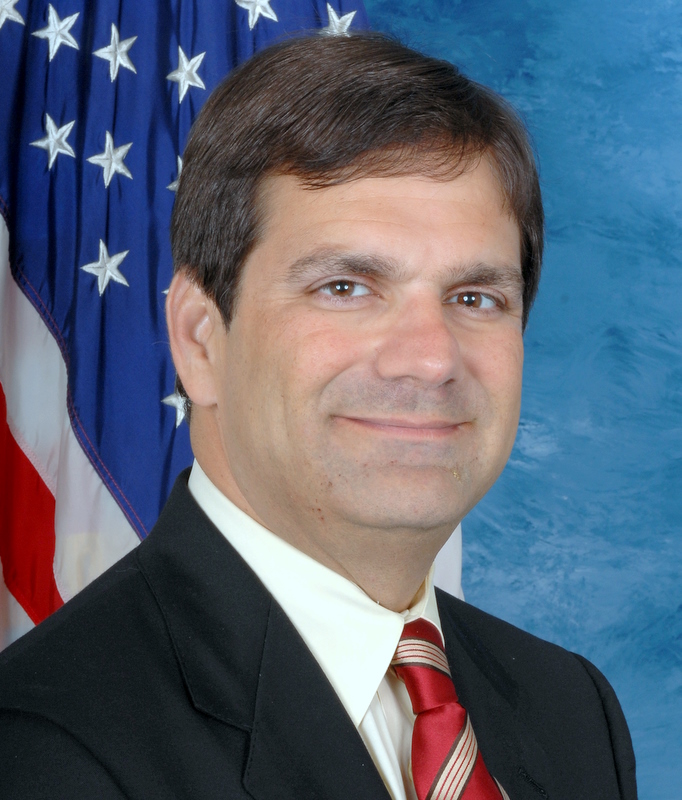
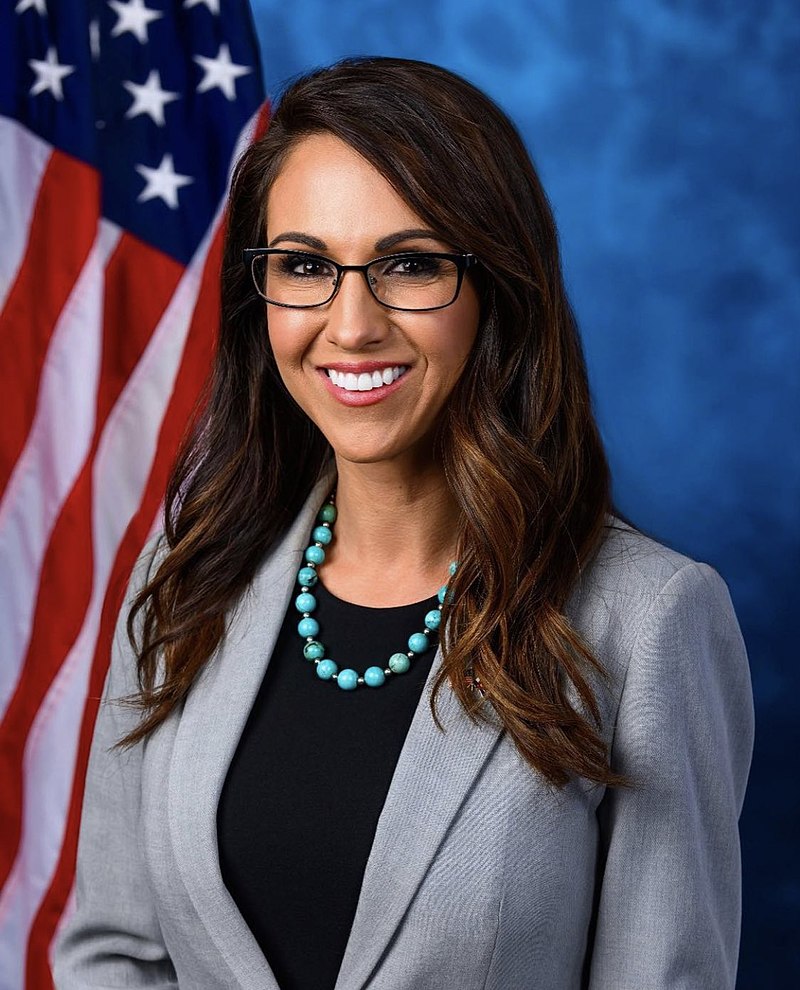
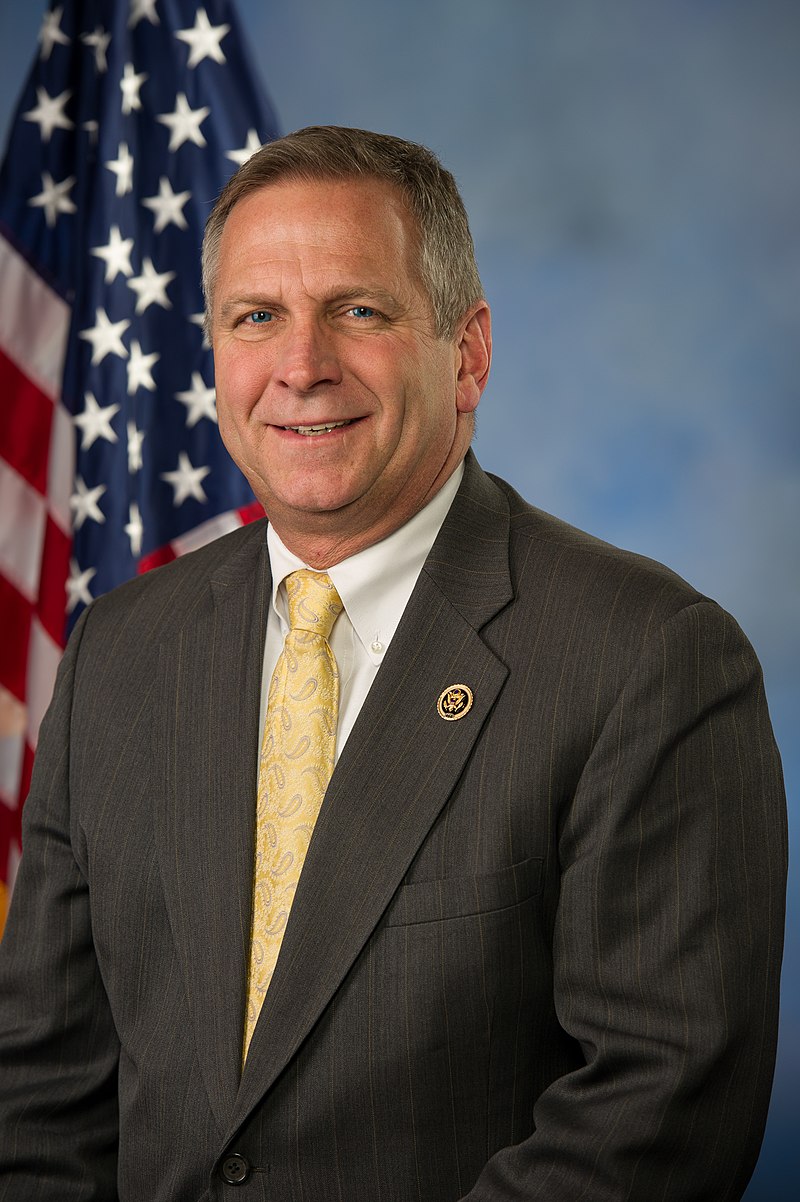




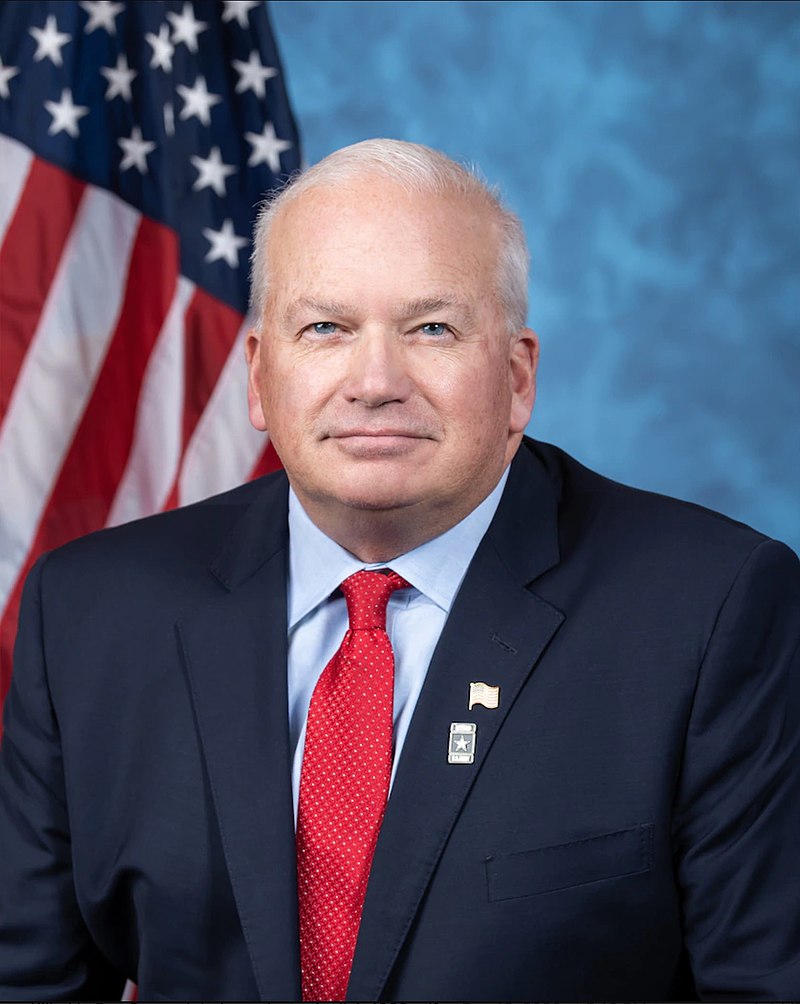
K
Ken Calvert



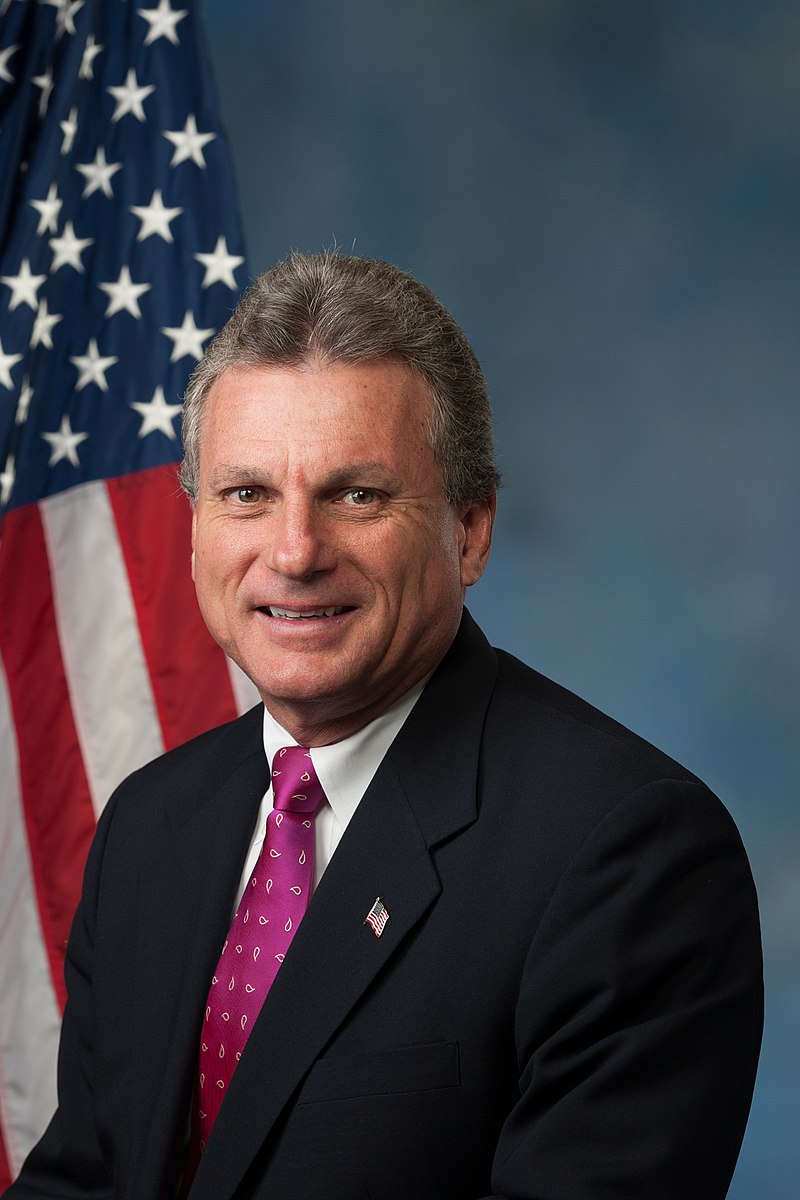













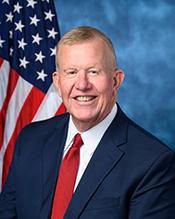

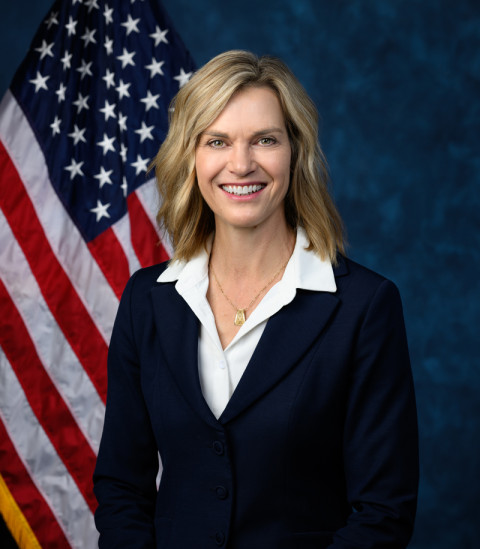


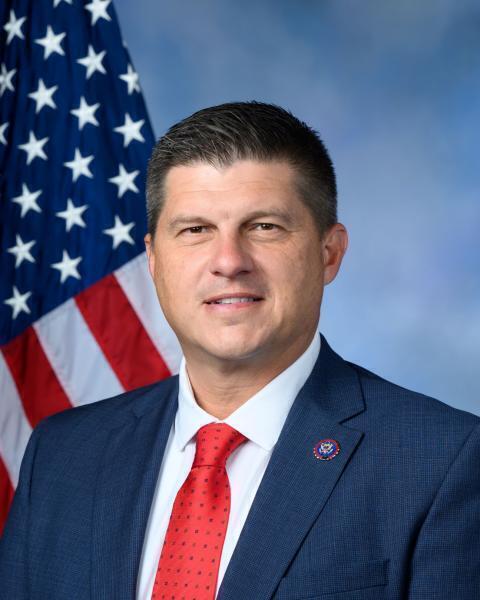
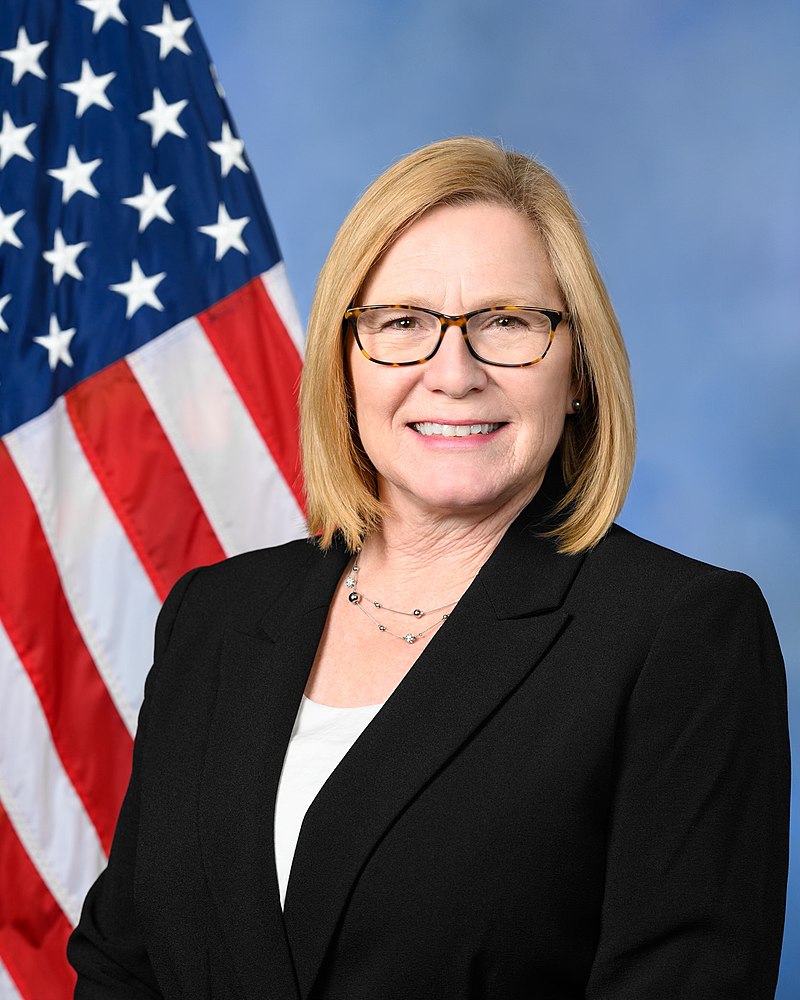

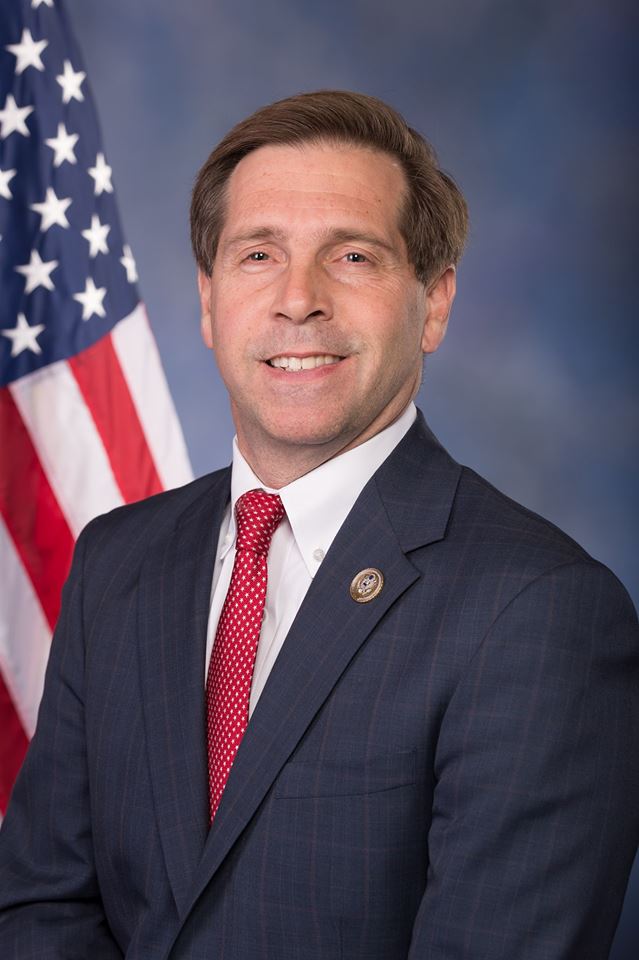


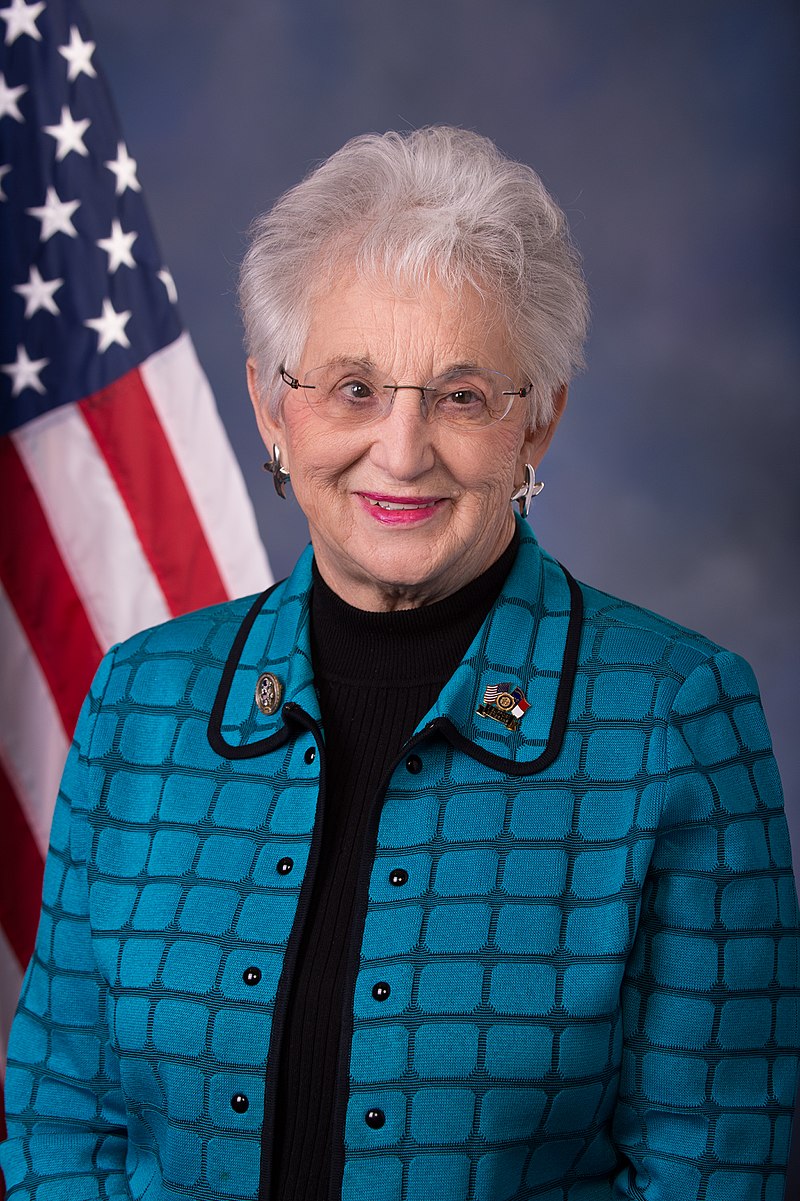
S
Scott Franklin



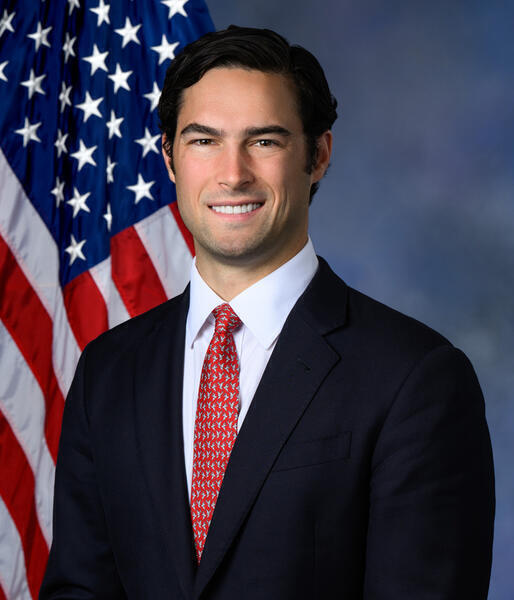












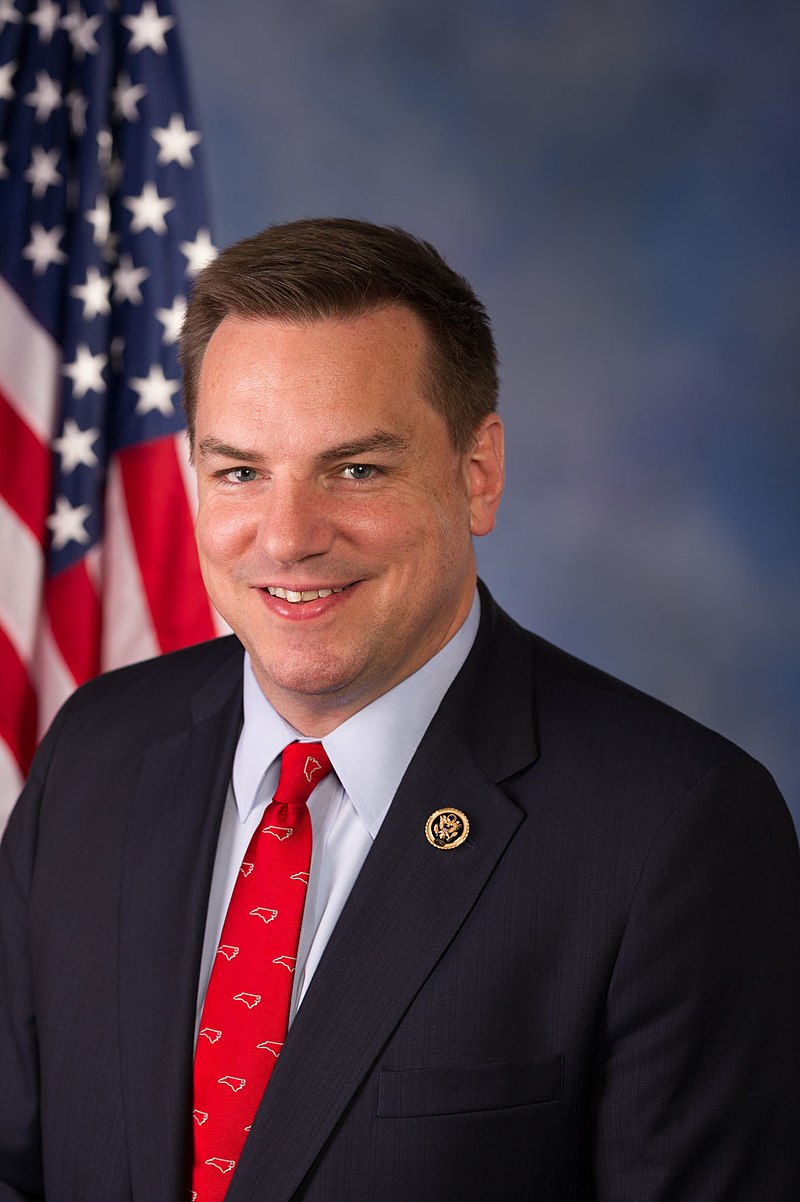


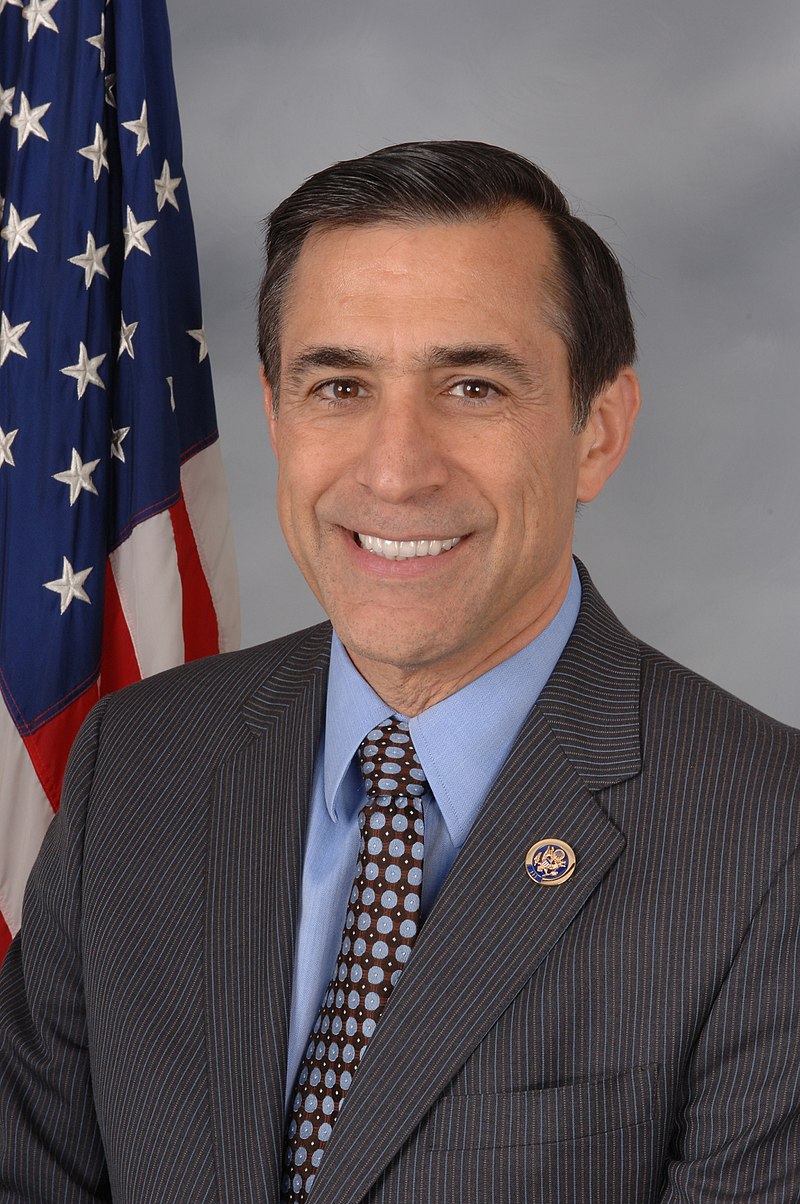

















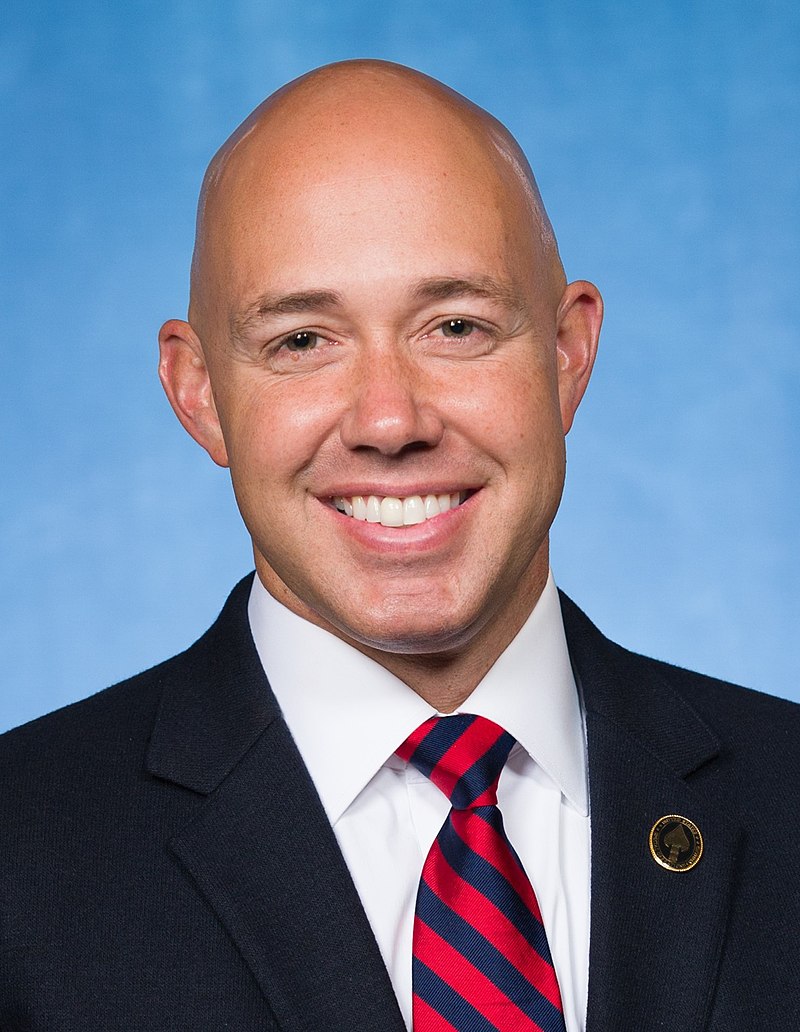
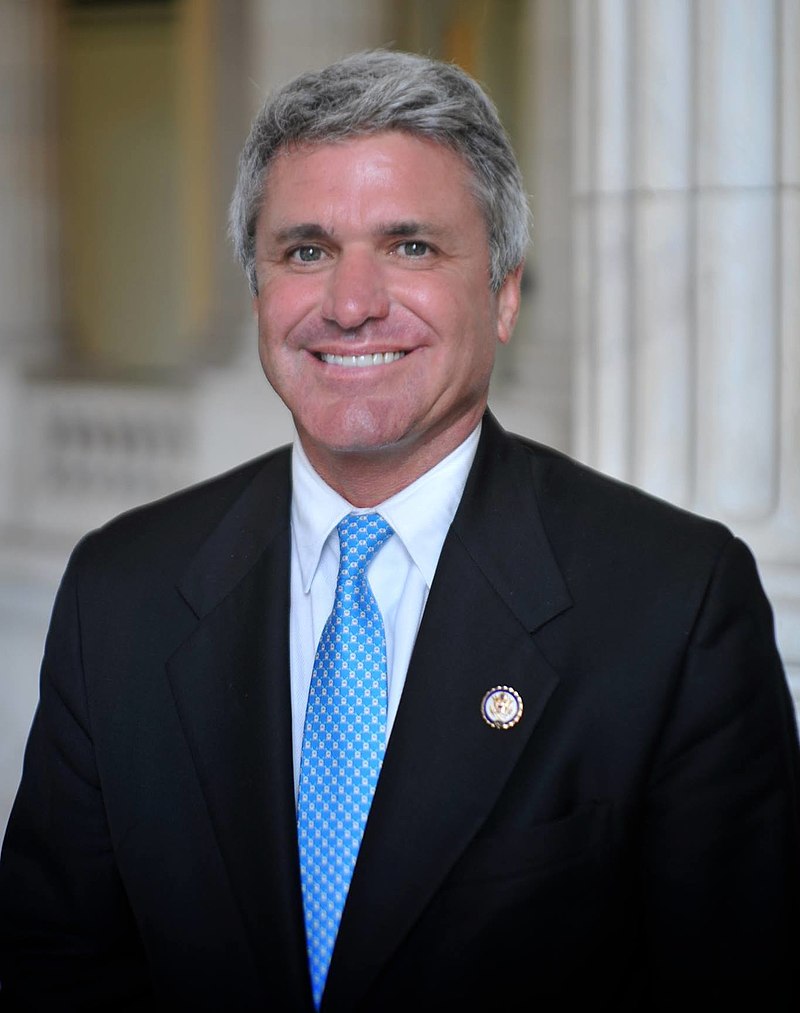
L
Lisa McClain






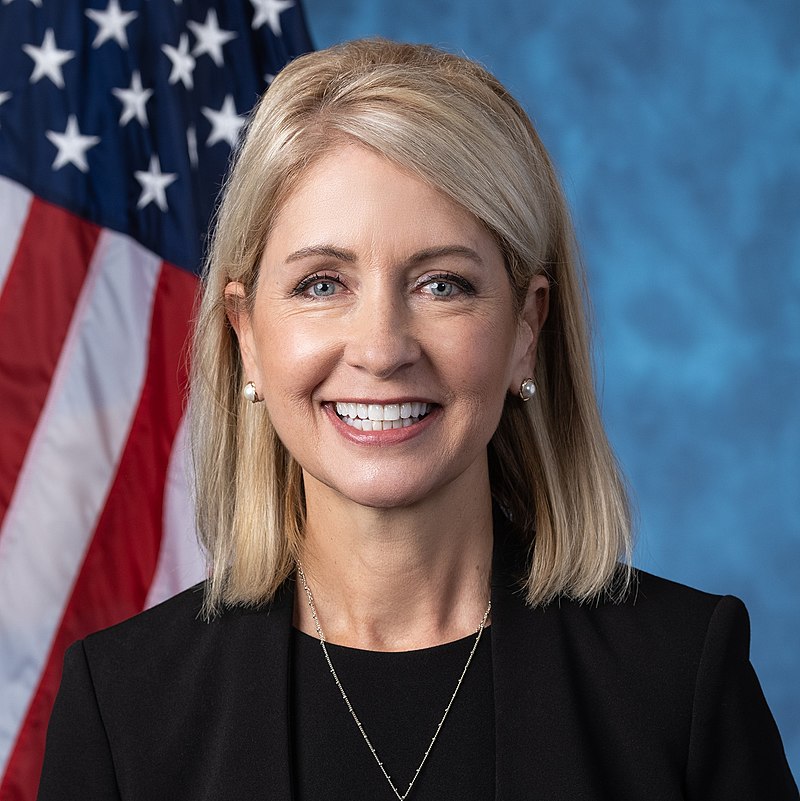

















J
John Rutherford



D
David Schweikert

P
Pete Sessions
















Not Voting (27)














C
Christian Menefee




N
Nydia Velázquez