H.Res.1075 — Providing for consideration of the bill (H.R. 4626) to amend the Energy Policy and Conservation Act to prohibit the Secretary of Energy from prescribing any new or amended energy conservation standard for a product that is not technologically feasible and economically justified, and for other purposes, and providing for consideration of the bill (H.R. 4758) to repeal provisions of Public Law 117-169 relating to taxpayer subsidies for home electrification, and for other purposes.
House Roll Call
H.Res.1075
| Bill | H.Res.1075 — Providing for consideration of the bill (H.R. 4626) to amend the Energy Policy and Conservation Act to prohibit the Secretary of Energy from prescribing any new or amended energy conservation standard for a product that is not technologically feasible and economically justified, and for other purposes, and providing for consideration of the bill (H.R. 4758) to repeal provisions of Public Law 117-169 relating to taxpayer subsidies for home electrification, and for other purposes. |
|---|---|
| Vote question | On Ordering the Previous Question |
| Vote type | Yea-and-Nay |
| Result | Passed |
| Totals | Yea 208 / Nay 189 / Present 0 / Not Voting 35 |
| Party | Yea | Nay | Present | Not Voting |
|---|---|---|---|---|
| R | 208 | 0 | 0 | 10 |
| D | 0 | 189 | 0 | 25 |
| I | 0 | 0 | 0 | 0 |
Research Brief
On Ordering the Previous Question
Bill Analysis
H.Res. 1075 is a House procedural measure (a “rule”) that sets the terms for floor consideration of two specific energy-related bills: H.R. 4626 and H.R. 4758. It does not itself change substantive law; instead, it governs how the House debates and votes on those bills.
Covered Bills and Subject Matter
- H.R. 4626: Amends the Energy Policy and Conservation Act (EPCA) to restrict the U.S. Department of Energy (DOE) from issuing new or revised energy conservation standards for covered products unless those standards are both:
- Technologically feasible, and
- Economically justified.
This bill targets DOE’s appliance and equipment efficiency rulemaking authority.
- H.R. 4758: Repeals certain provisions of Public Law 117‑169 (the Inflation Reduction Act) that provide federal subsidies (e.g., rebates, incentives) for home electrification and related efficiency upgrades.
- H.R. 4626: Amends the Energy Policy and Conservation Act (EPCA) to restrict the U.S. Department of Energy (DOE) from issuing new or revised energy conservation standards for covered products unless those standards are both:
Procedural Authorities and Structure H.Res. 1075 typically:
- Adopts a structured or closed rule for each bill, specifying:
- How much debate time is allowed and how it is divided (usually between majority and minority).
- Whether amendments are permitted and, if so, which ones and under what conditions.
- May provide for:
- Consideration of each bill “in the House” or “in the Committee of the Whole.”
- Waivers of certain points of order under House rules or the Congressional Budget Act.
- A single motion to recommit for each bill, giving the minority one final chance to amend or send it back to committee.
- Adopts a structured or closed rule for each bill, specifying:
Affected Agencies and Stakeholders
- DOE: Its standard-setting discretion under EPCA is directly implicated by H.R. 4626.
- Homeowners, contractors, appliance manufacturers, utilities, and state/local implementers of home electrification programs are indirectly affected via H.R. 4758’s repeal of Inflation Reduction Act incentives.
Timelines and Status
- The resolution governs consideration during the period specified in the rule (typically immediate or near-term floor action).
- Latest action: the motion to reconsider adoption of the rule was laid on the table and agreed to without objection, meaning the rule was finalized and the House proceeded under its terms.
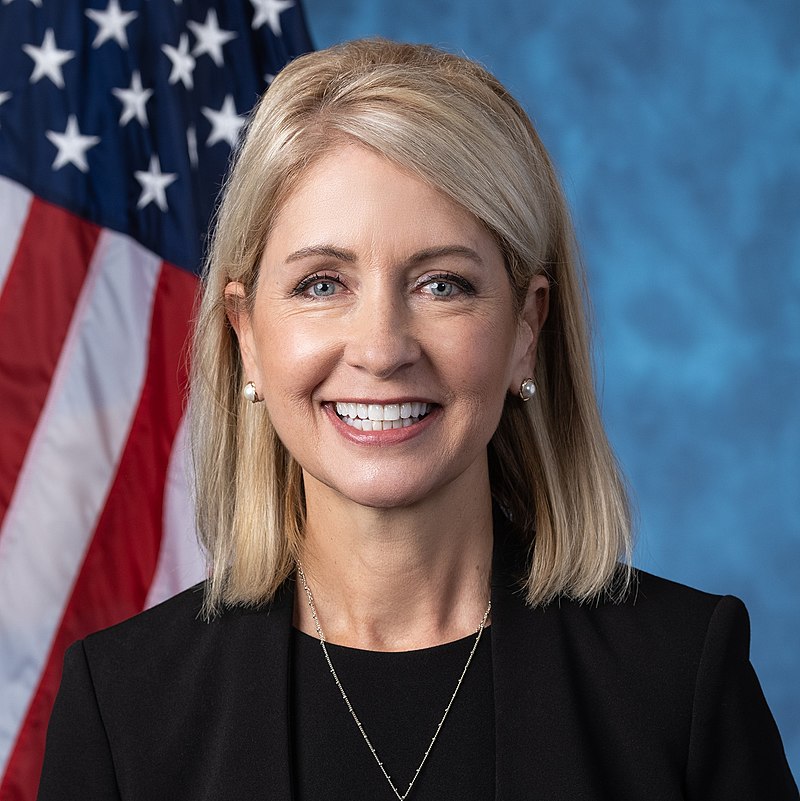
Yea (208)





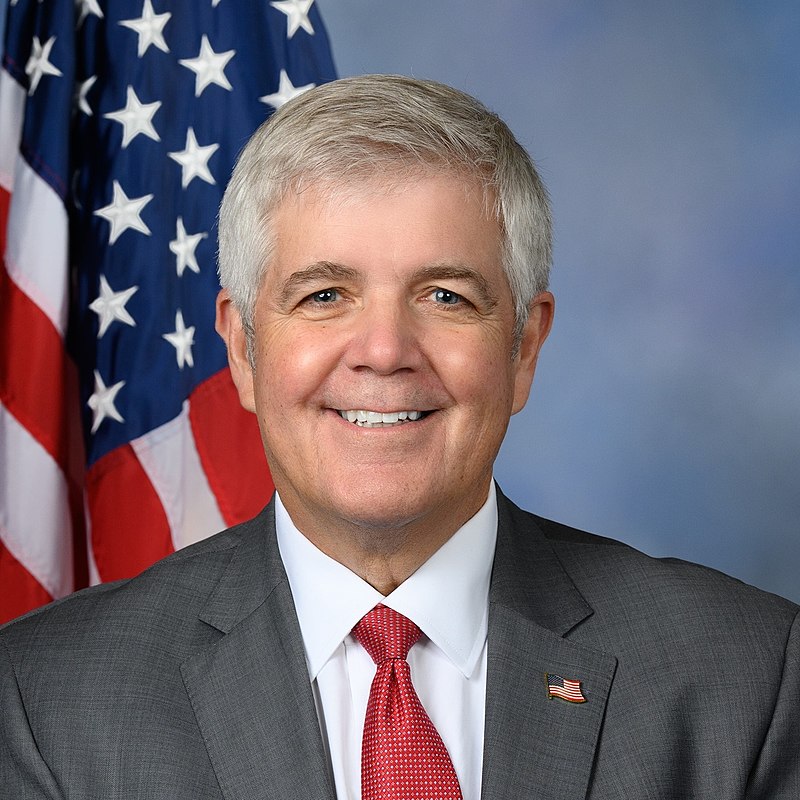
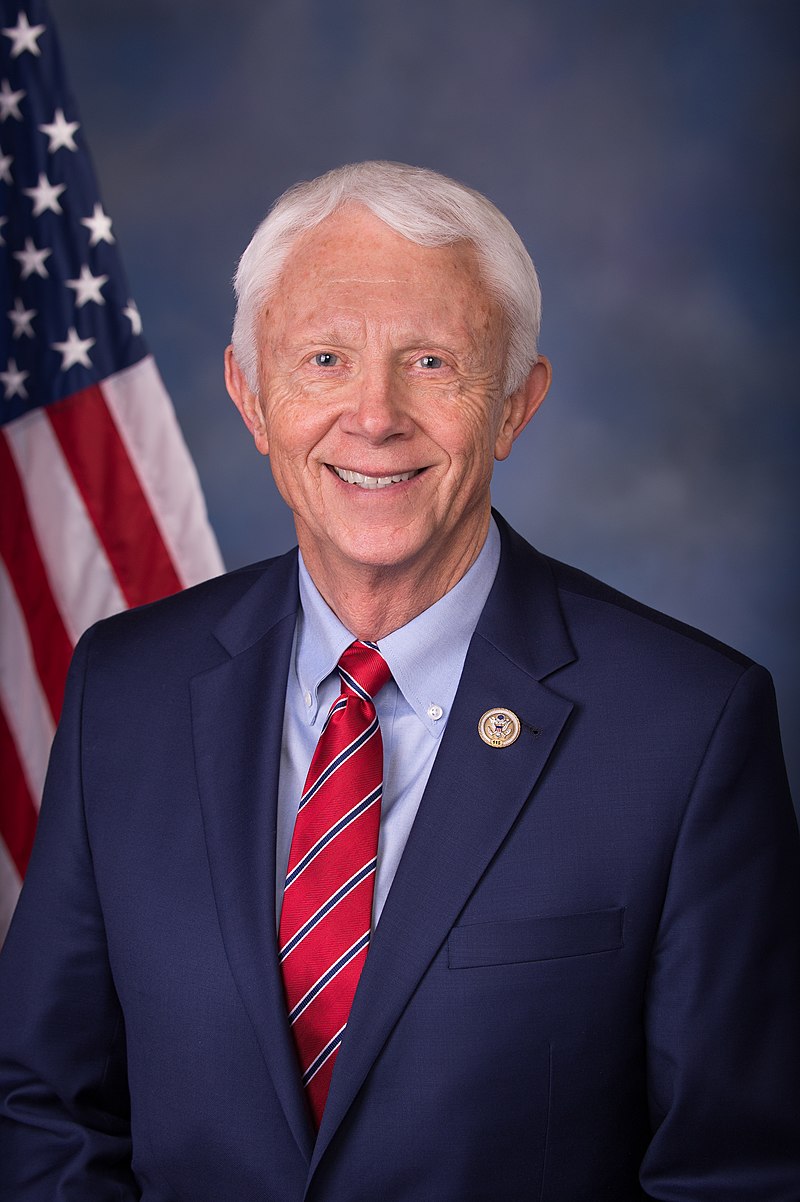
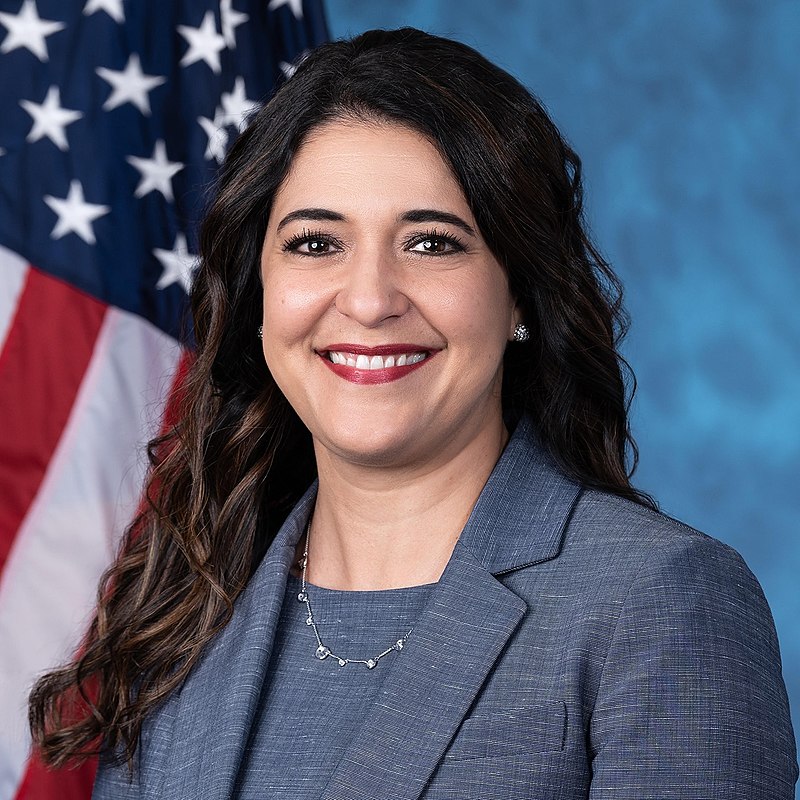
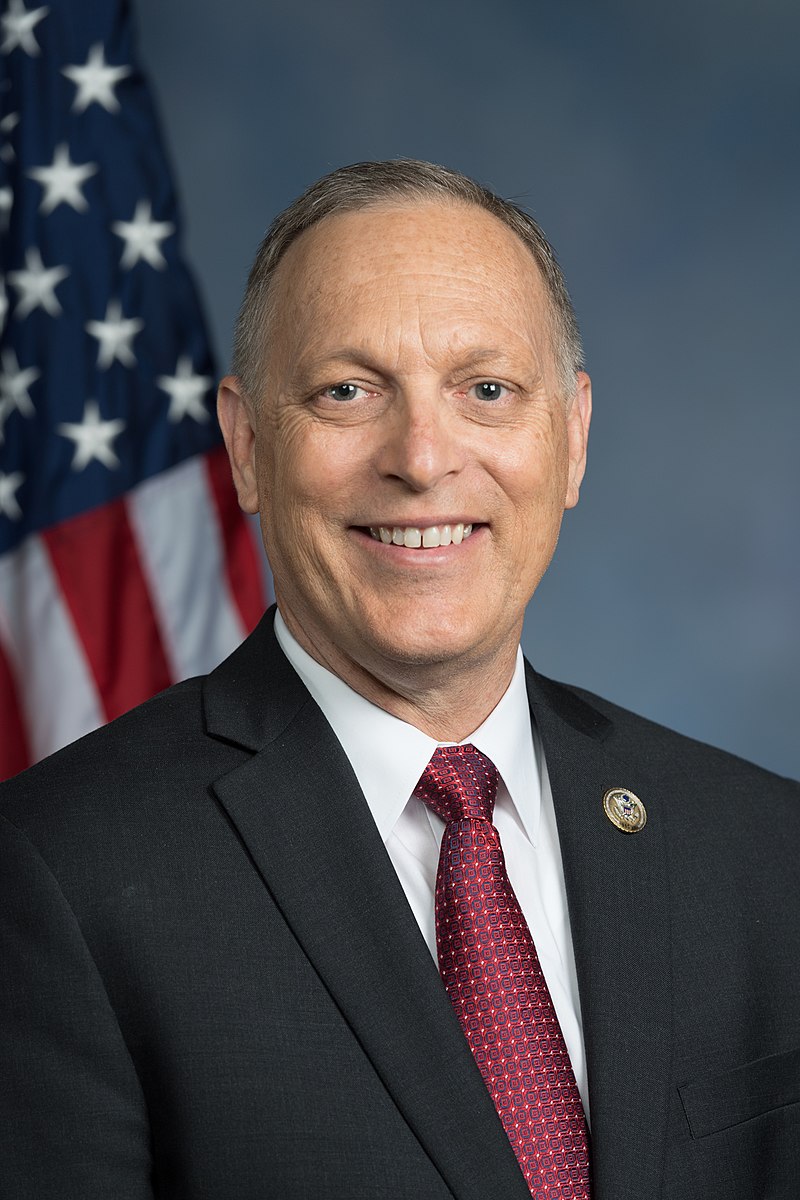


K
Ken Calvert





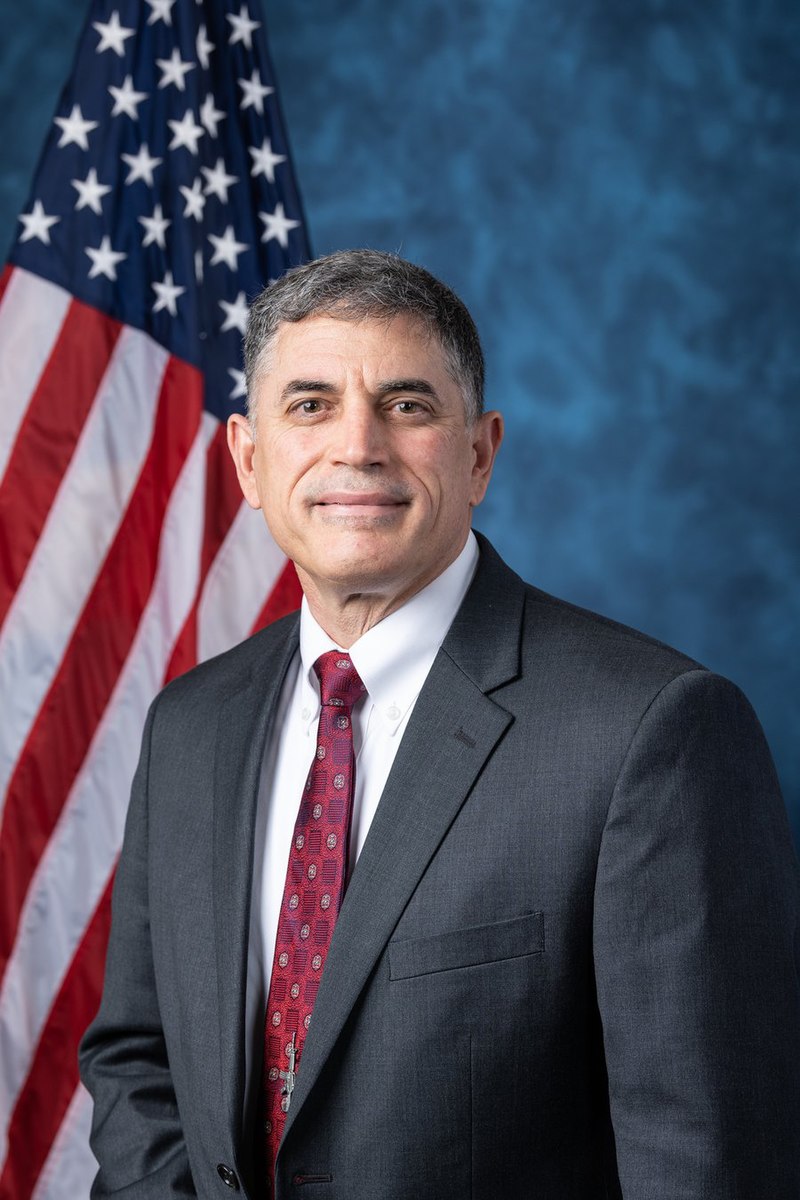


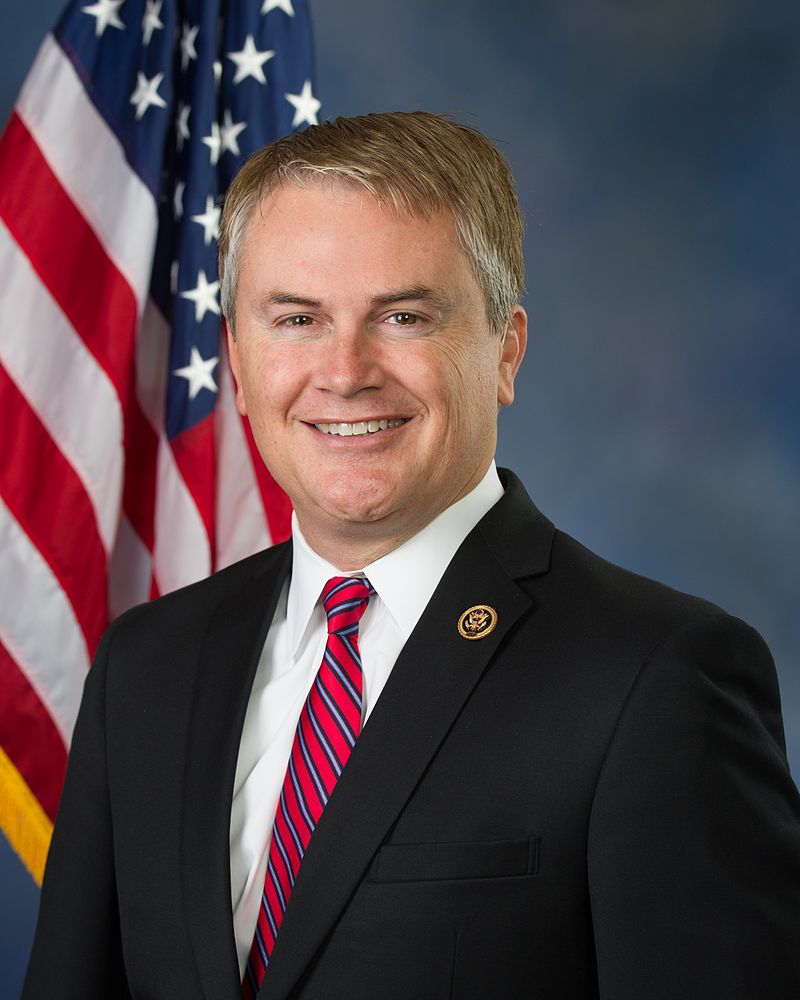

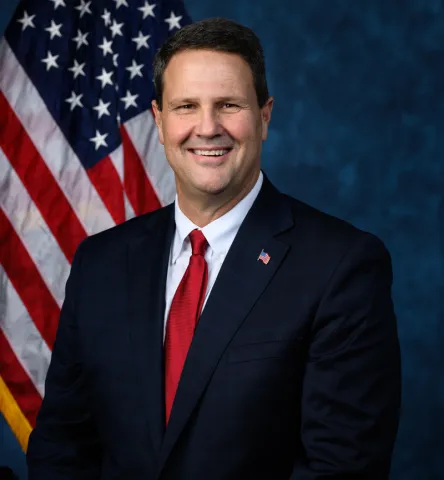


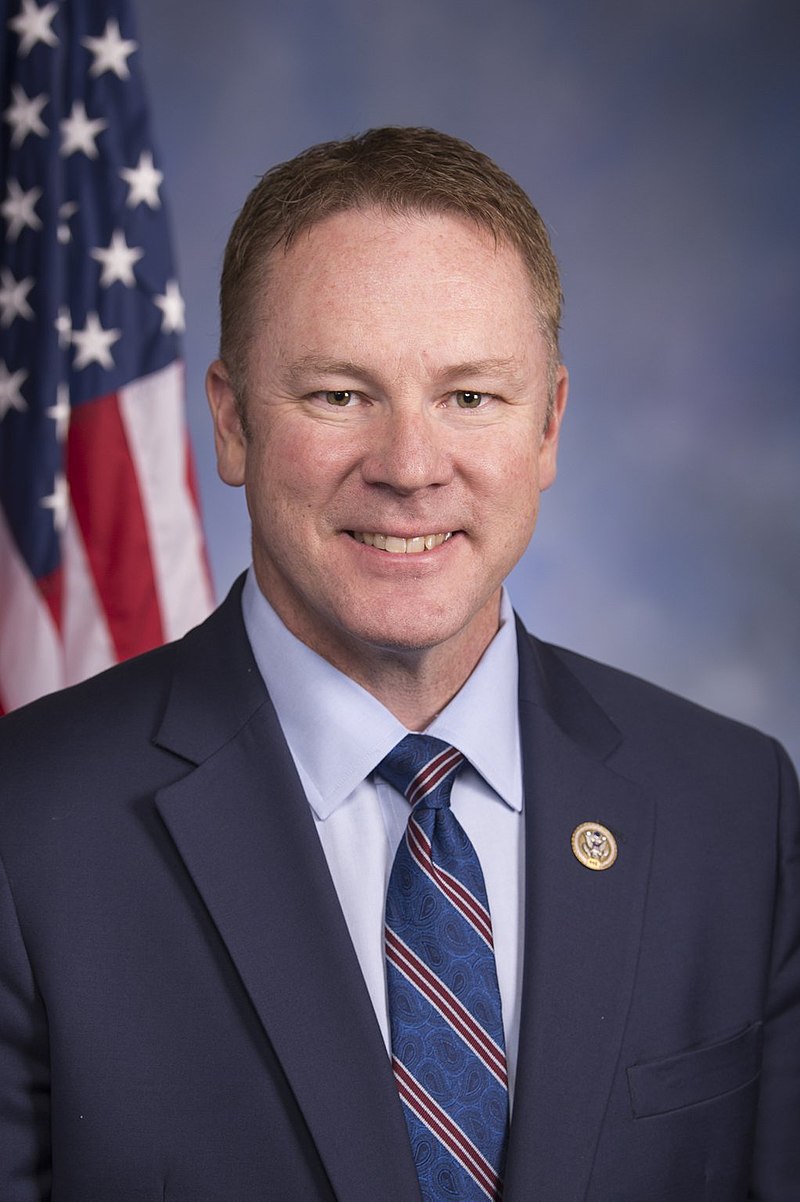













S
Scott Franklin














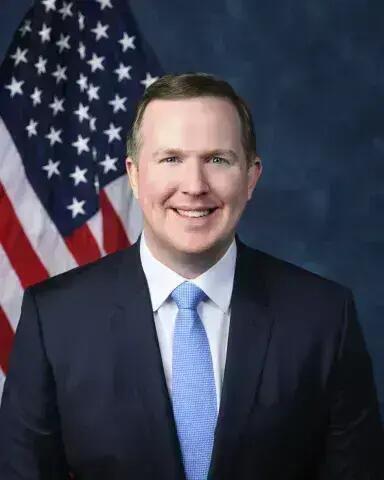

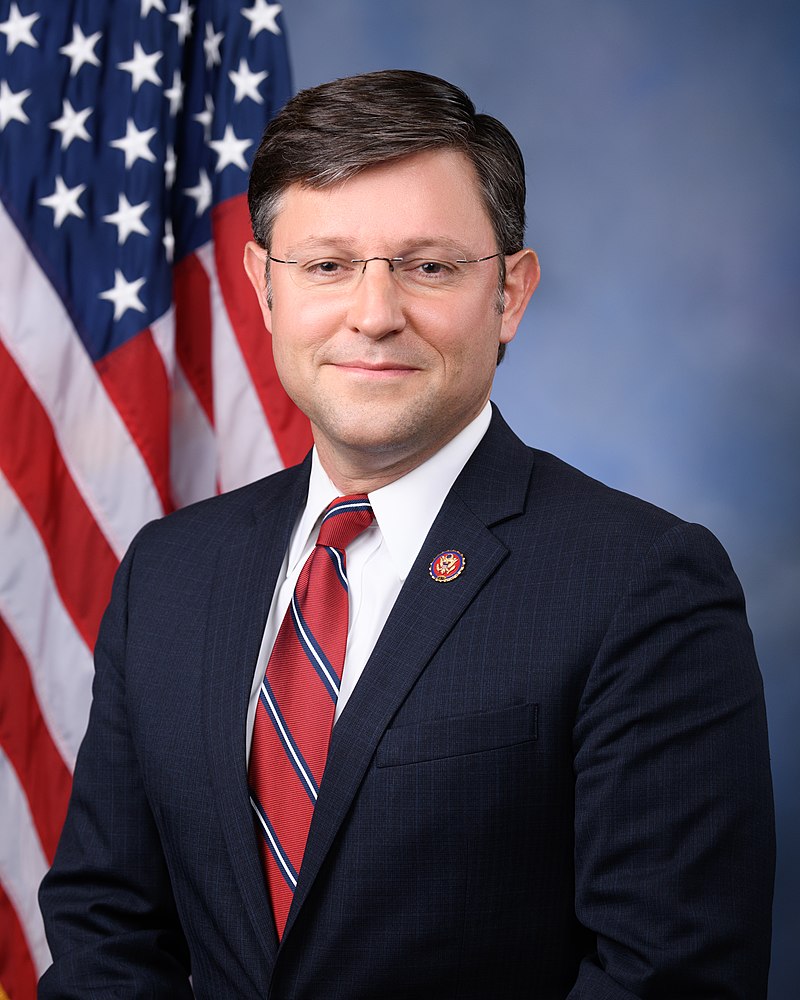

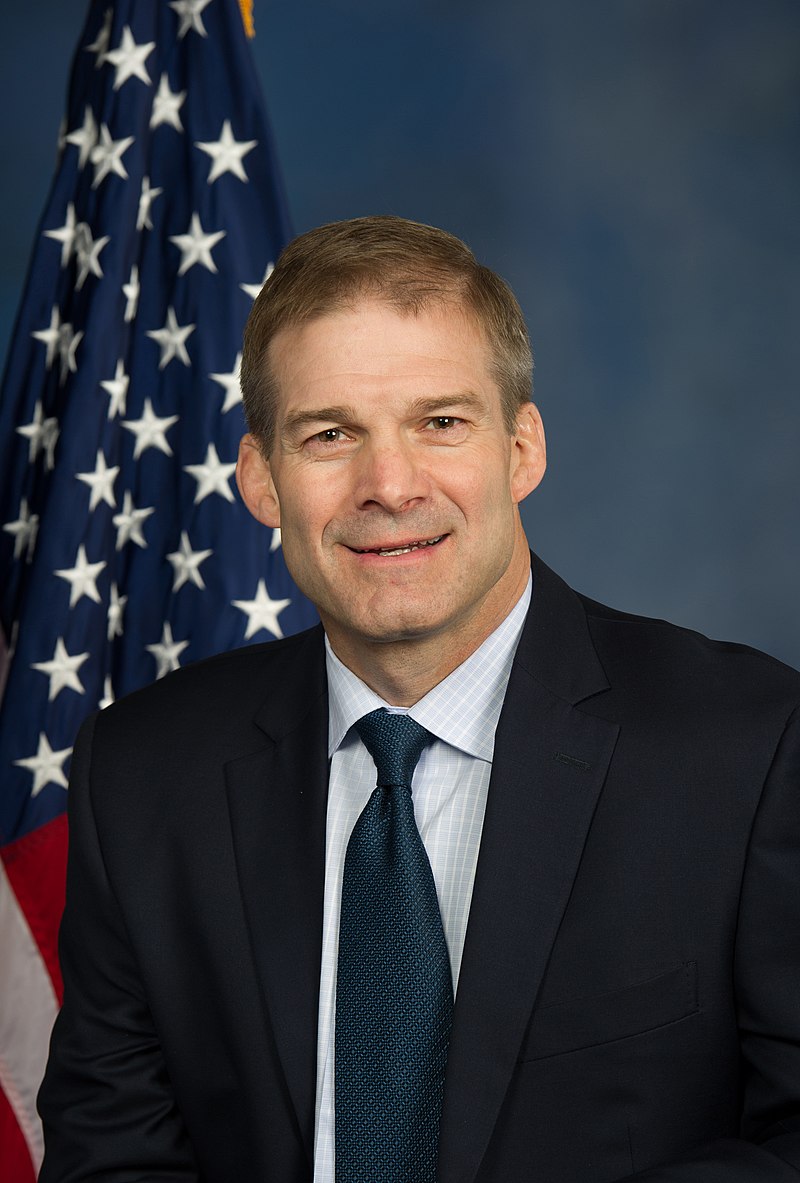
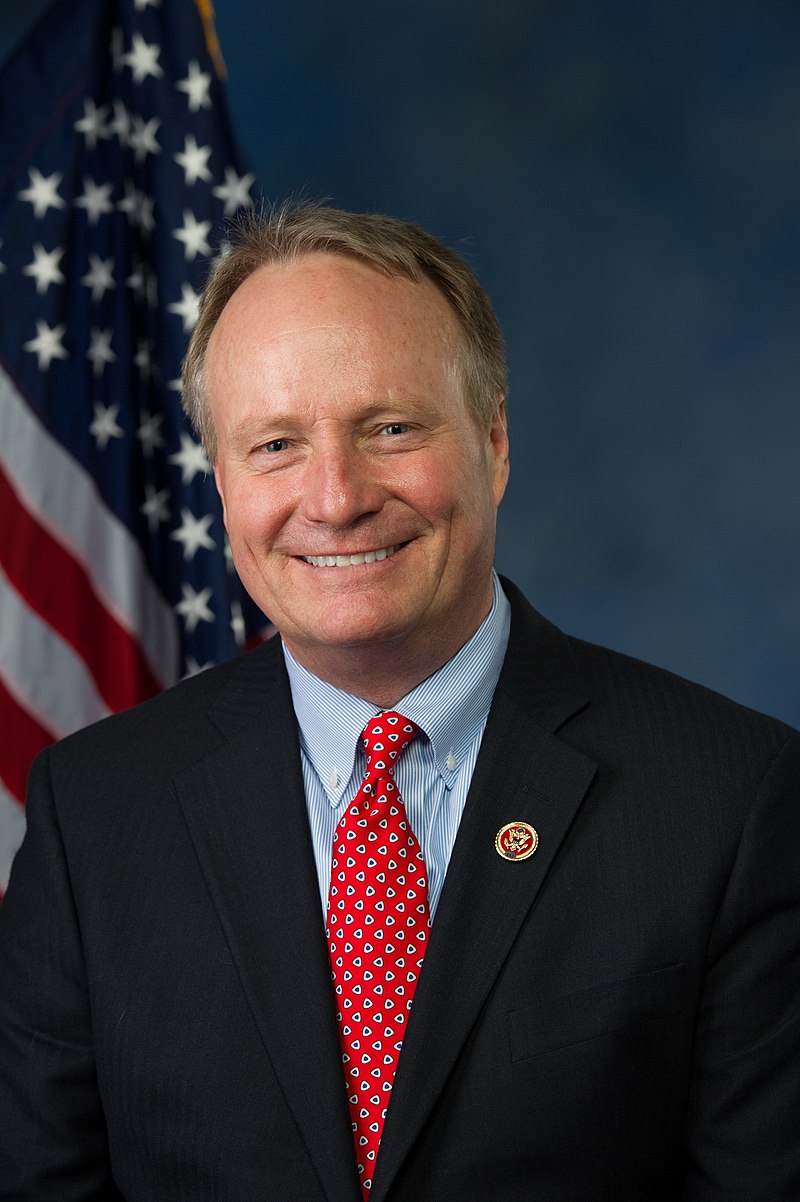
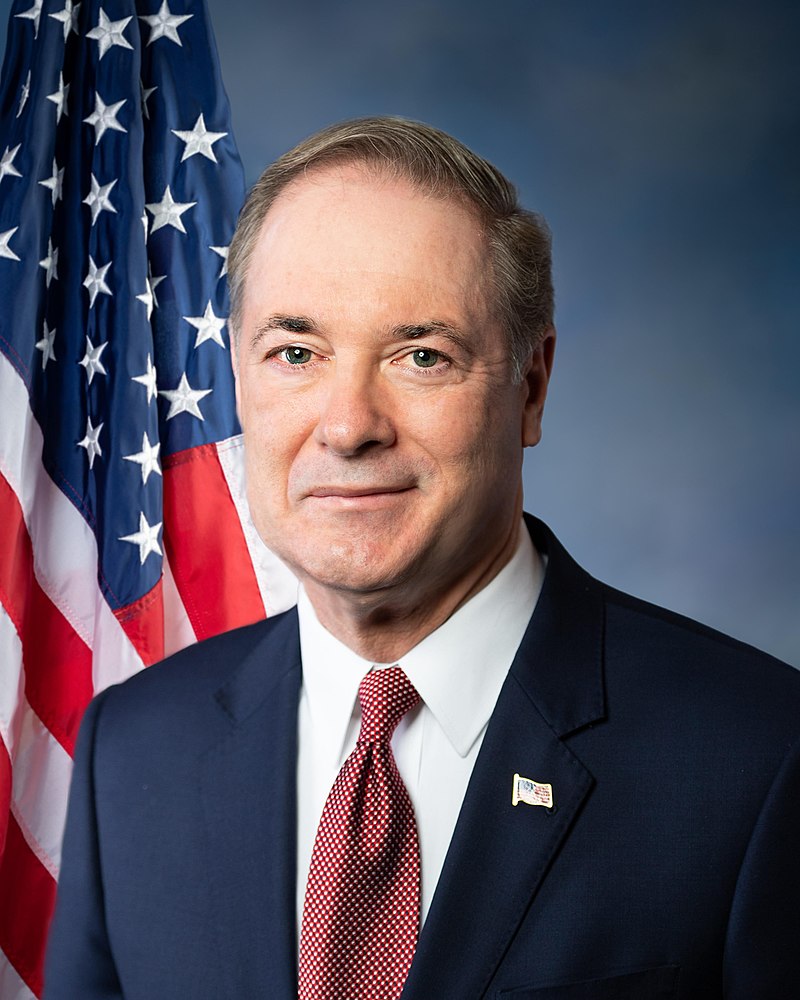
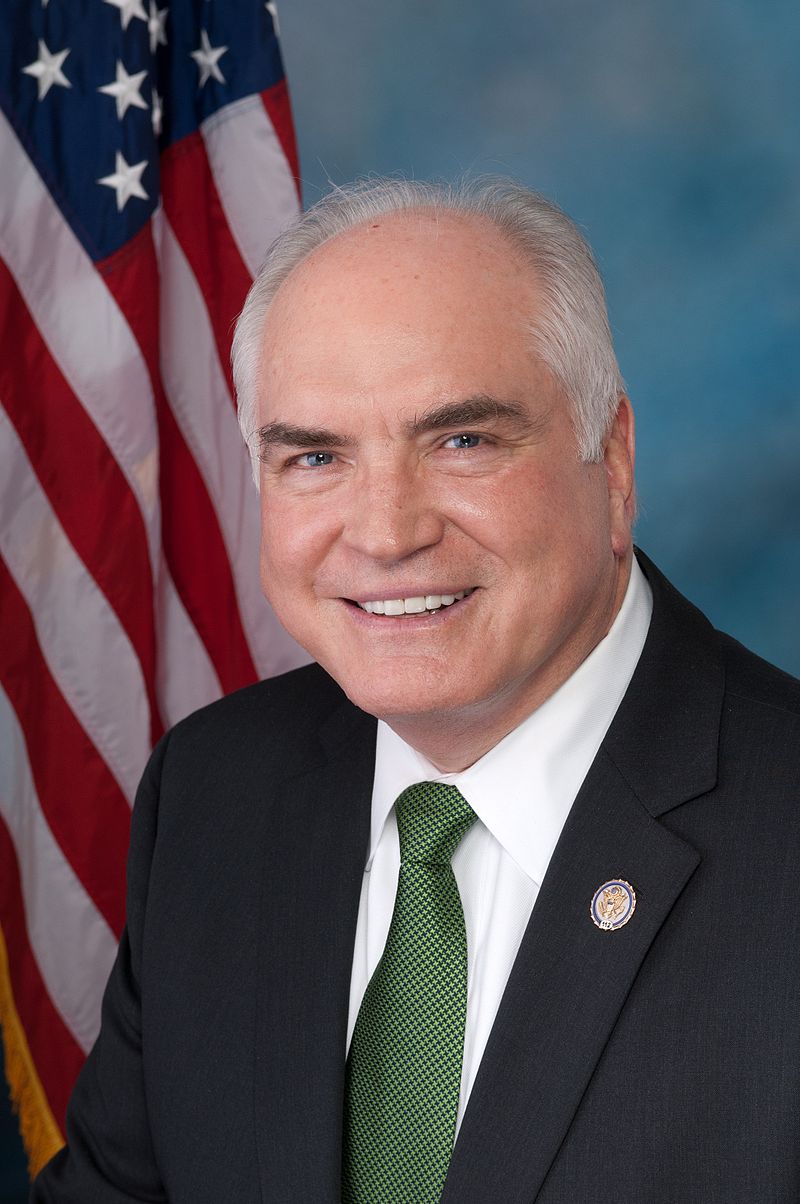
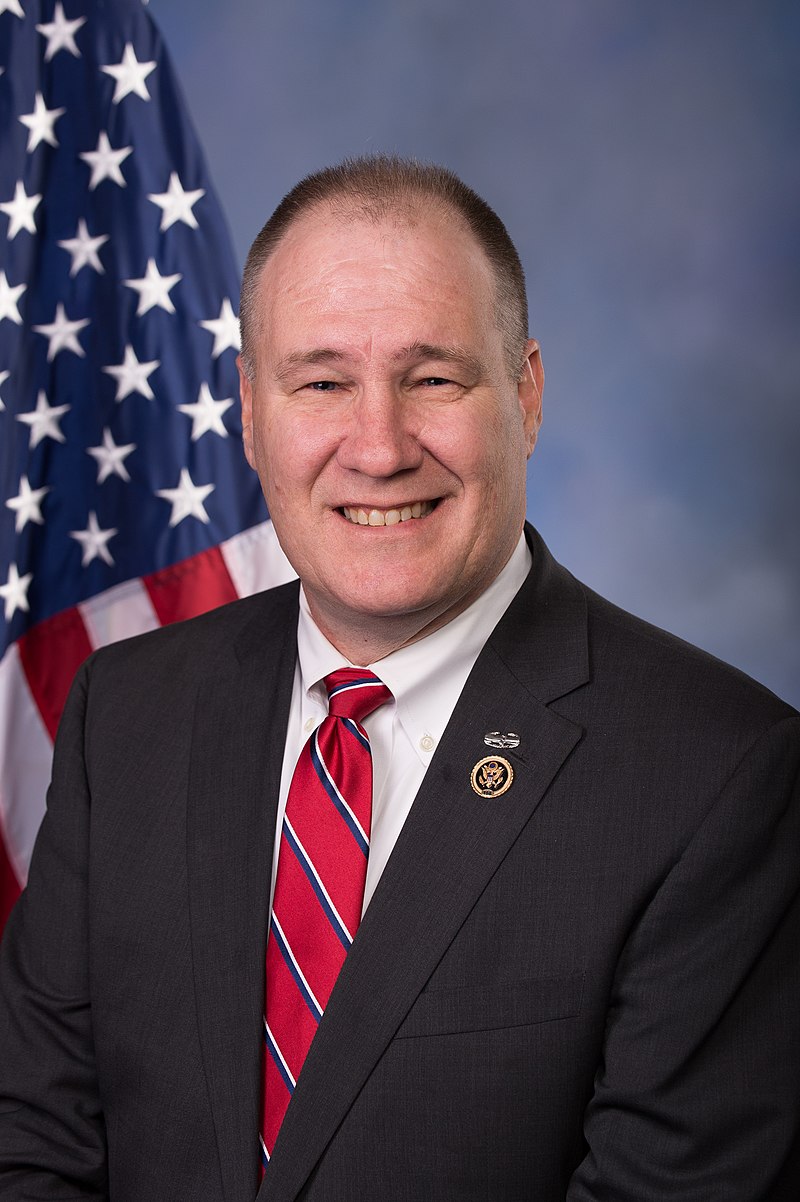




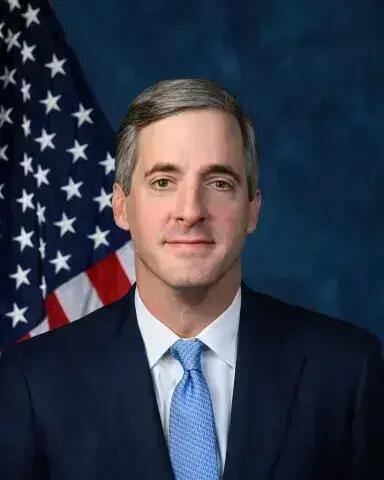
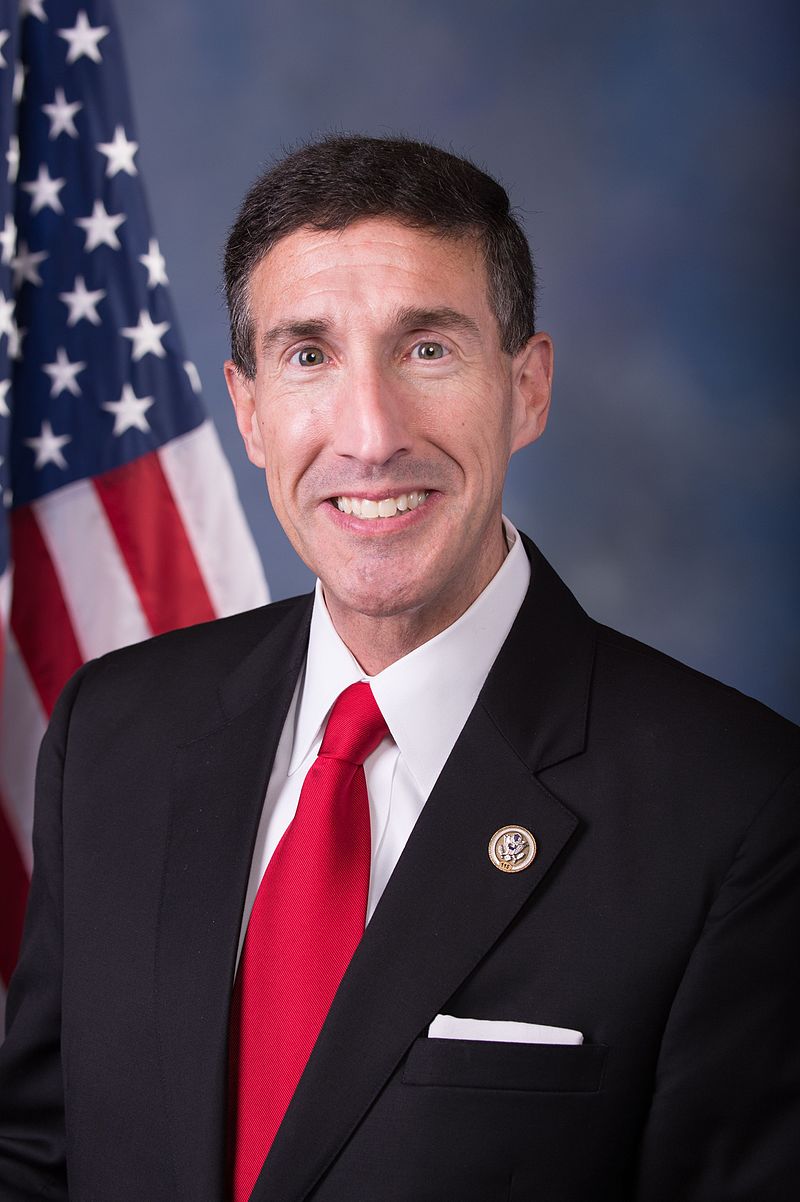







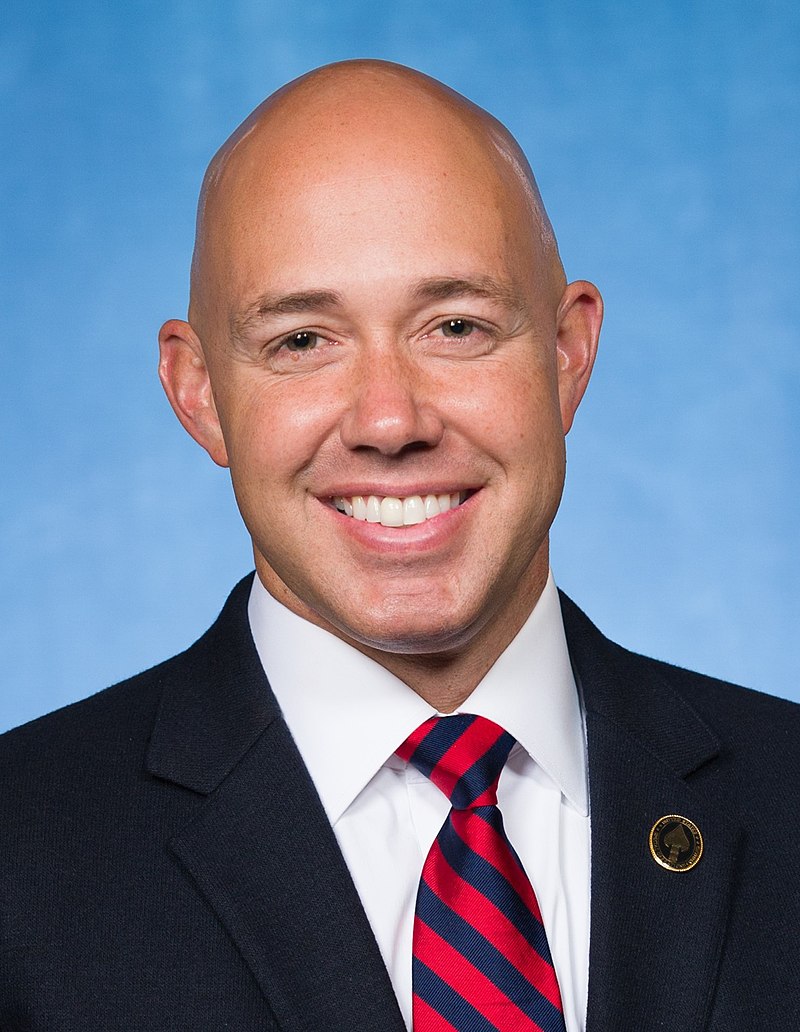
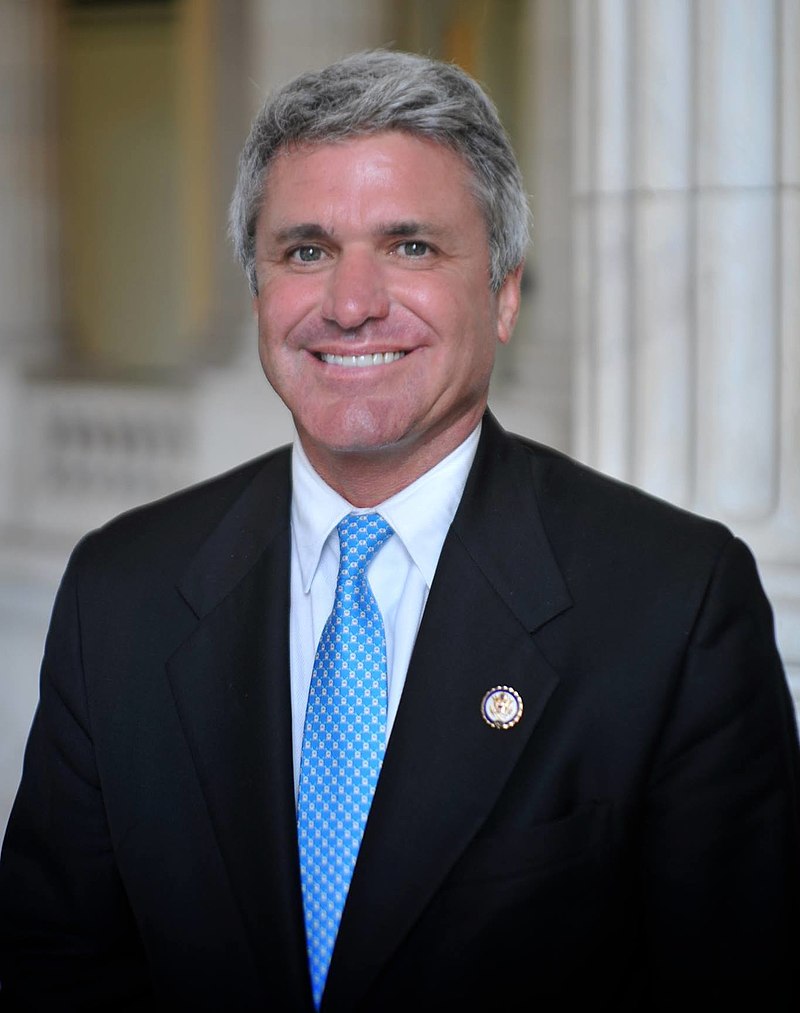
L
Lisa McClain







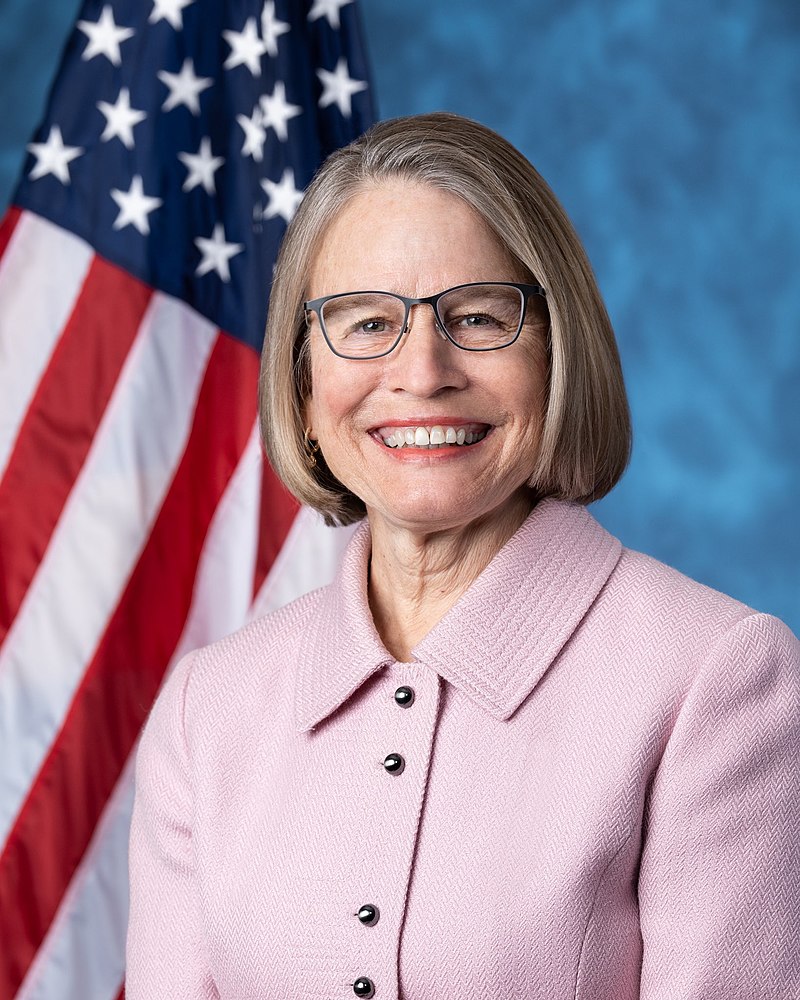

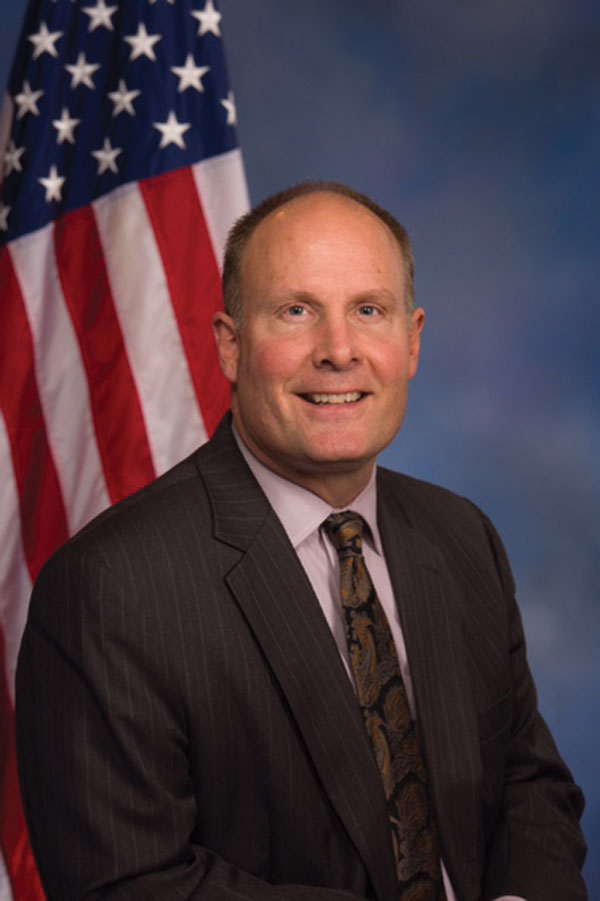




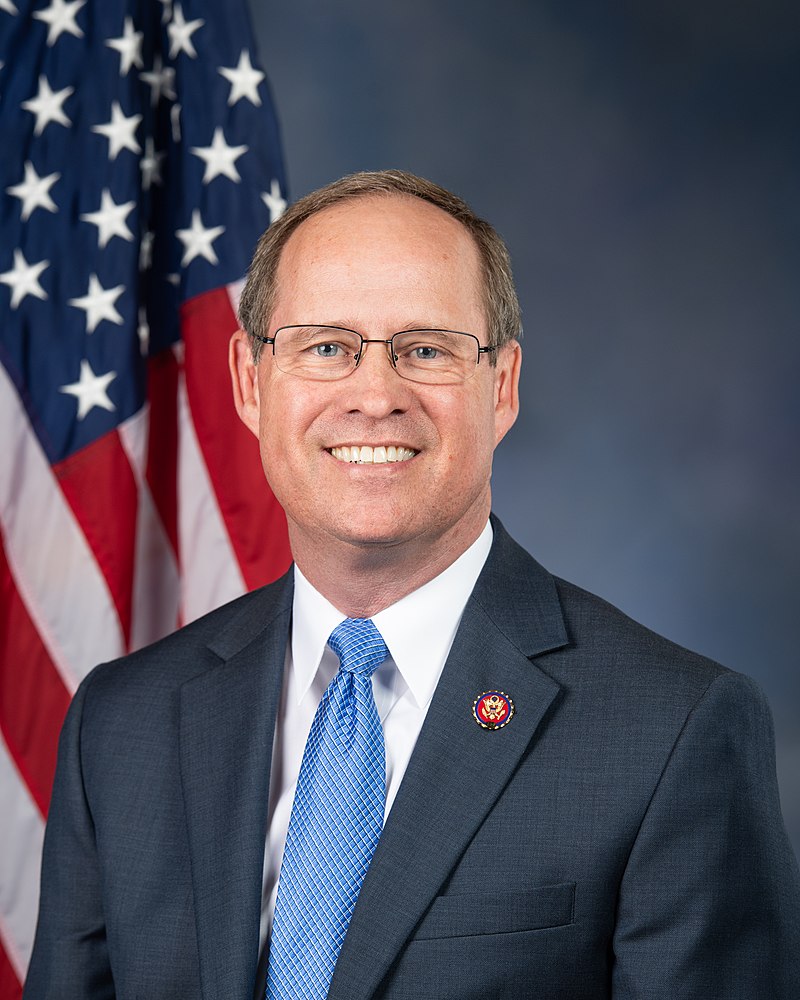
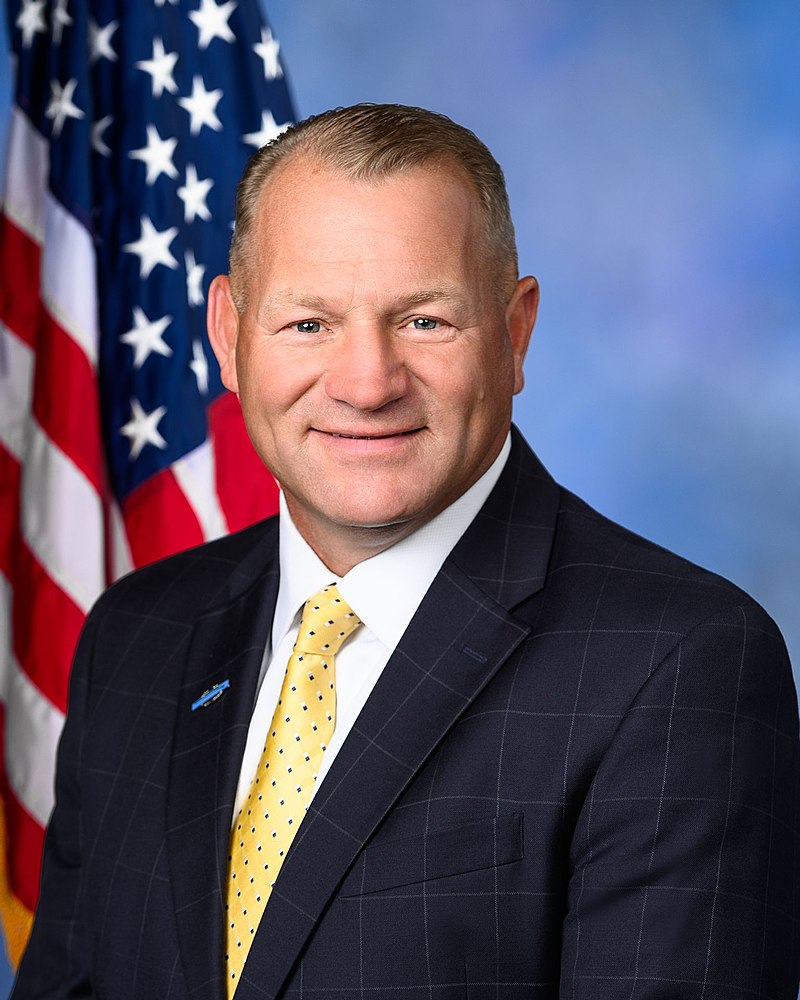

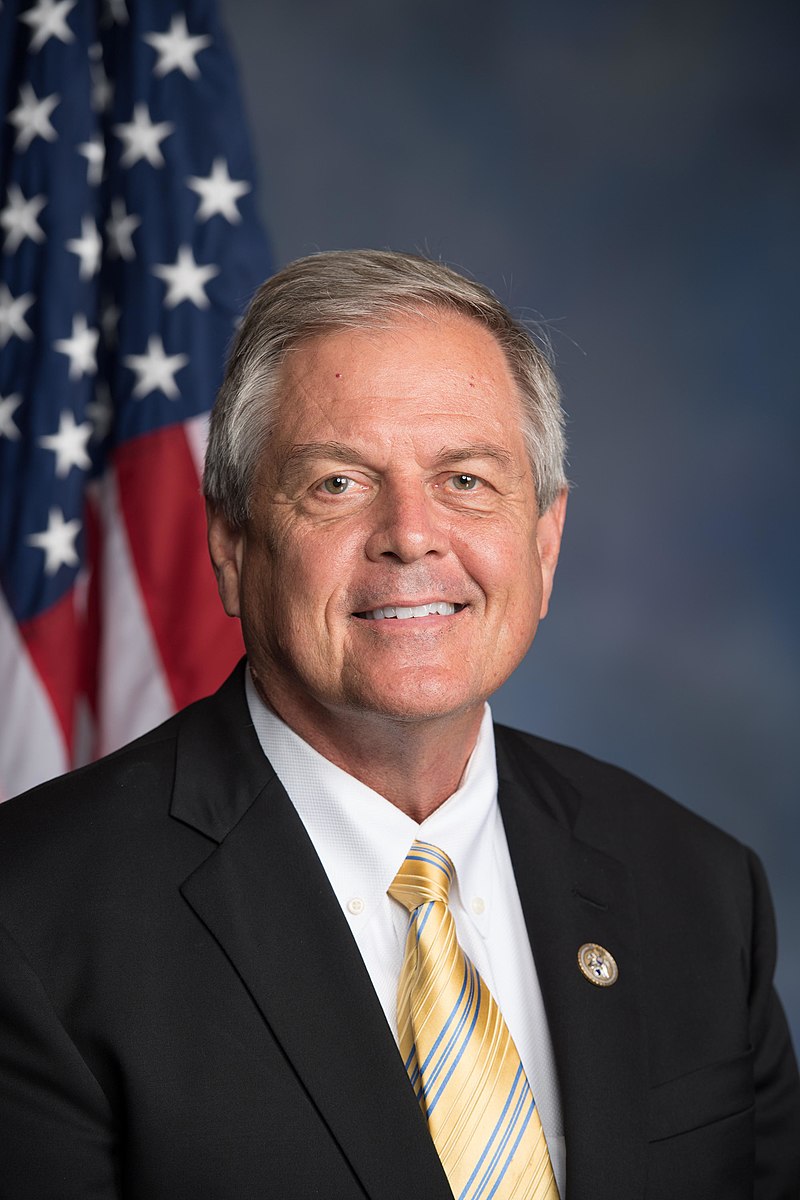


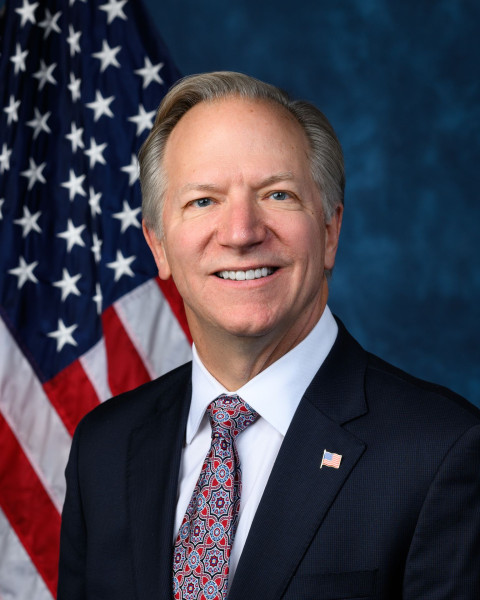
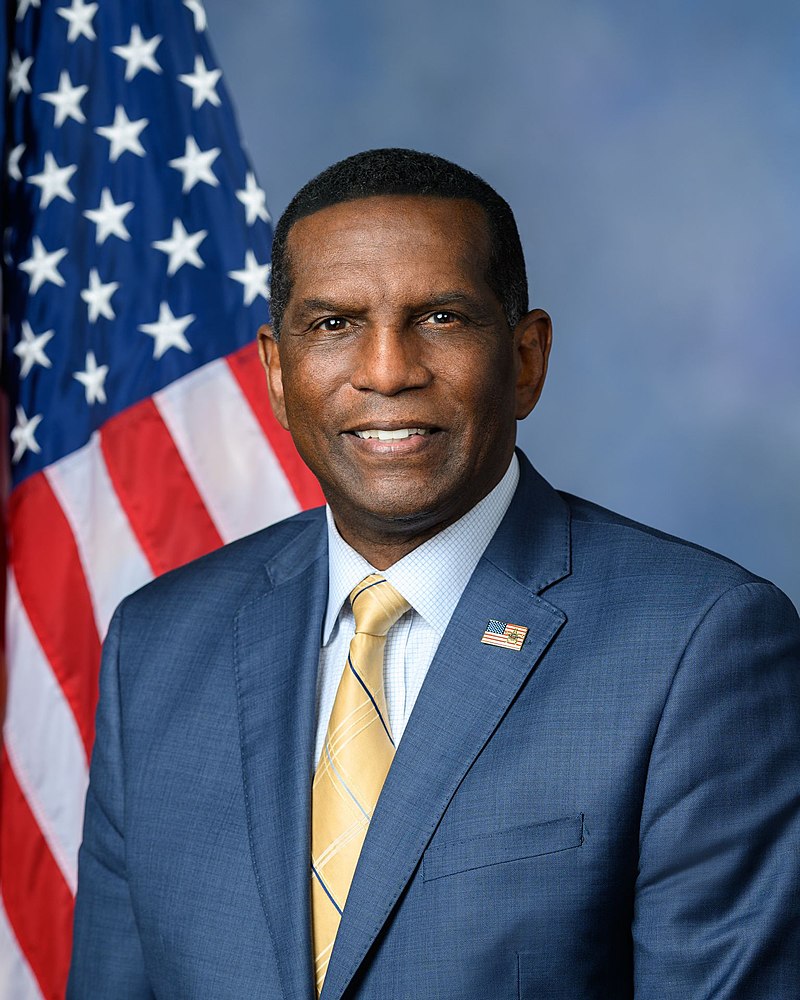




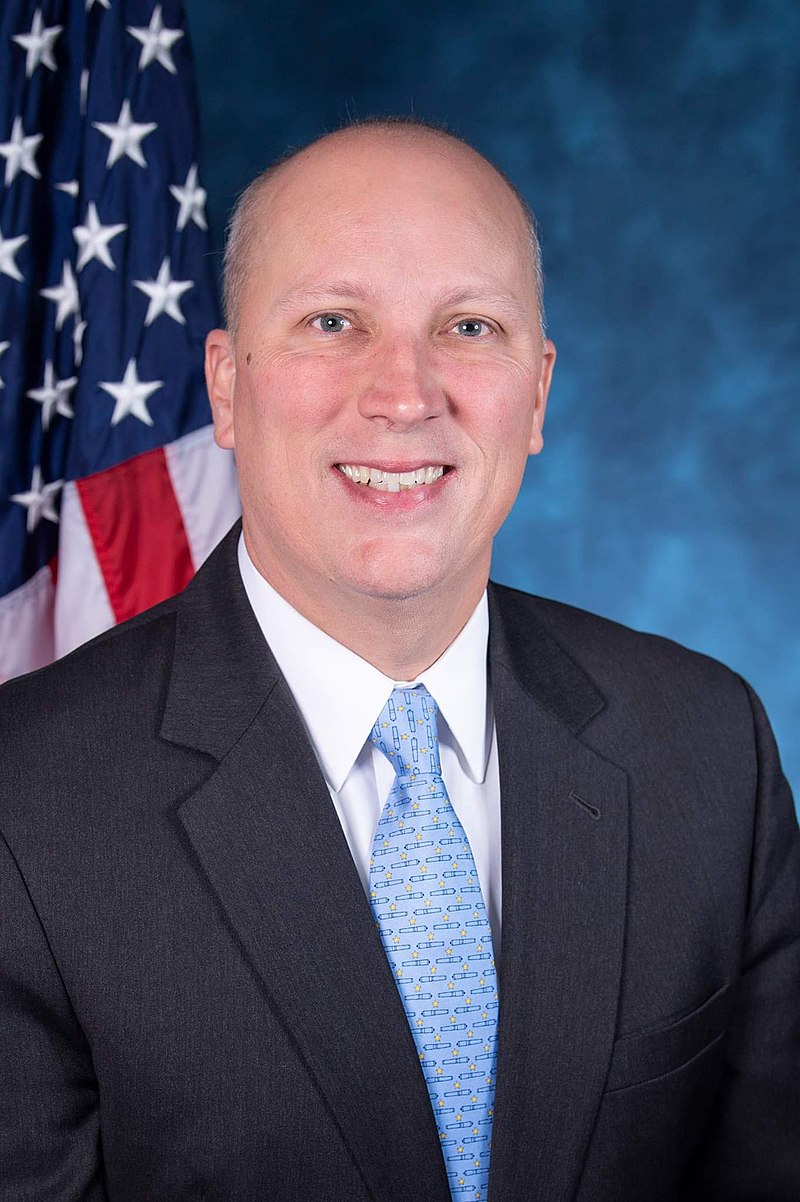

J
John Rutherford


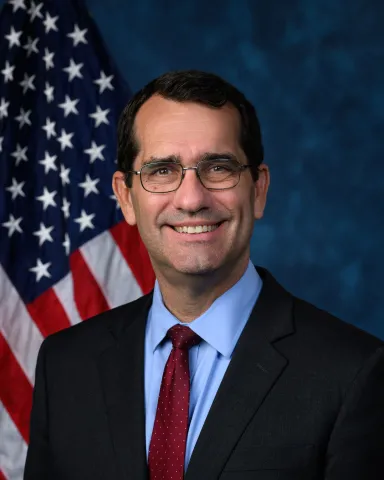
D
David Schweikert
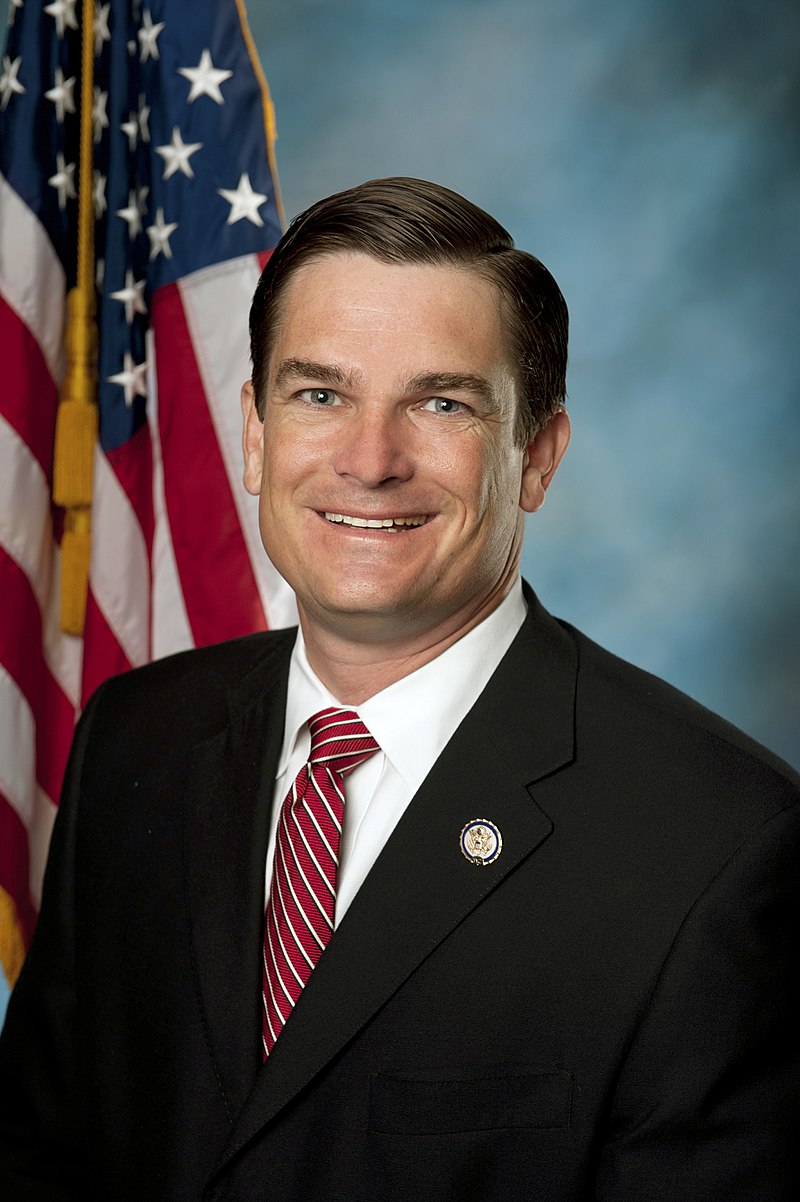

P
Pete Sessions
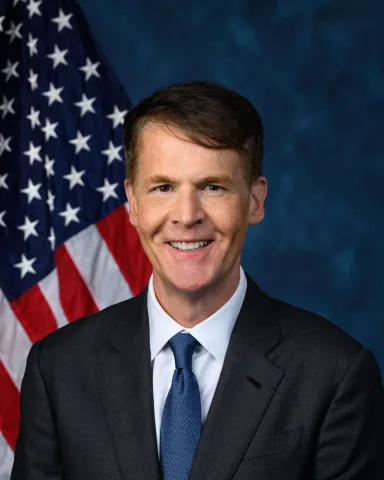










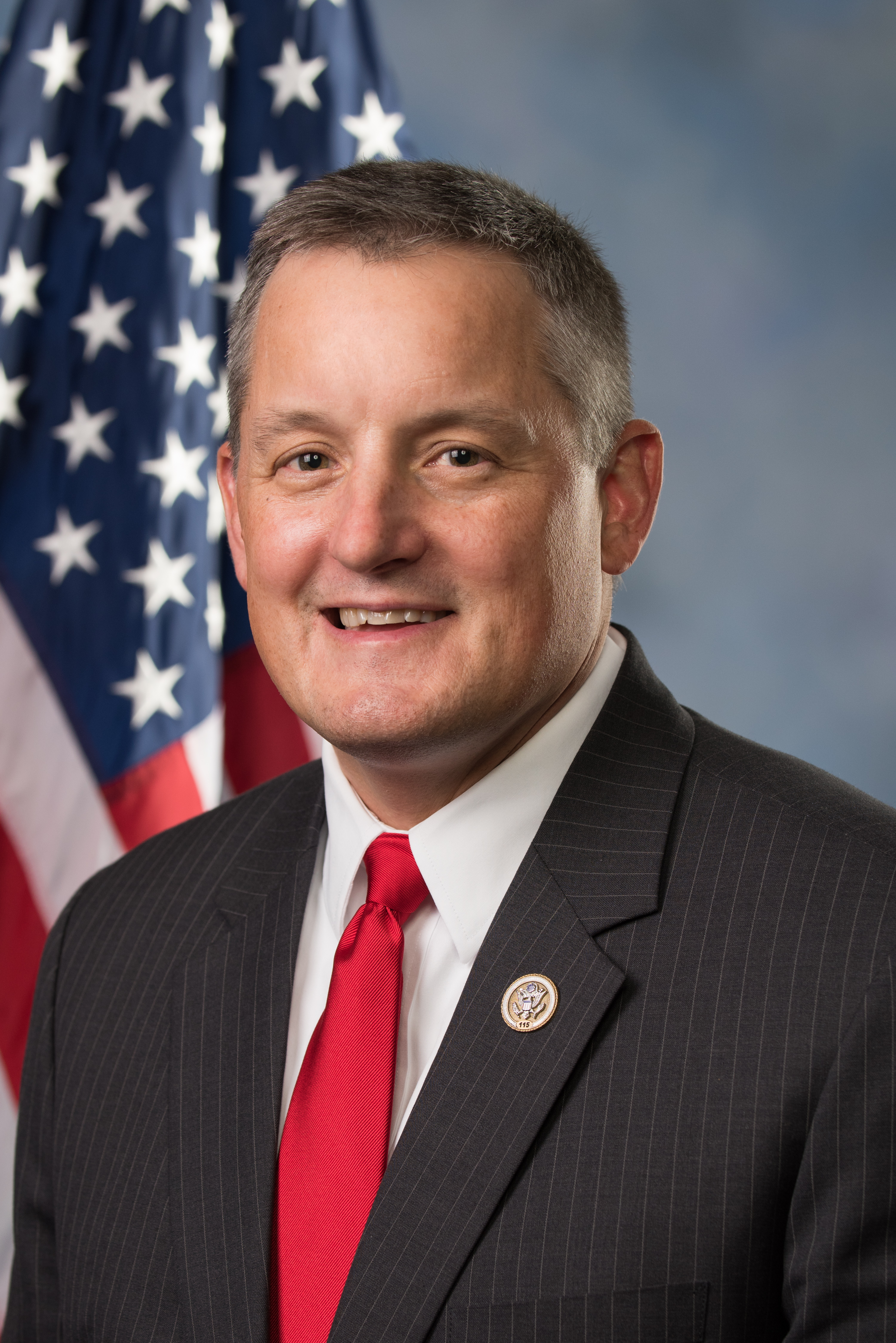

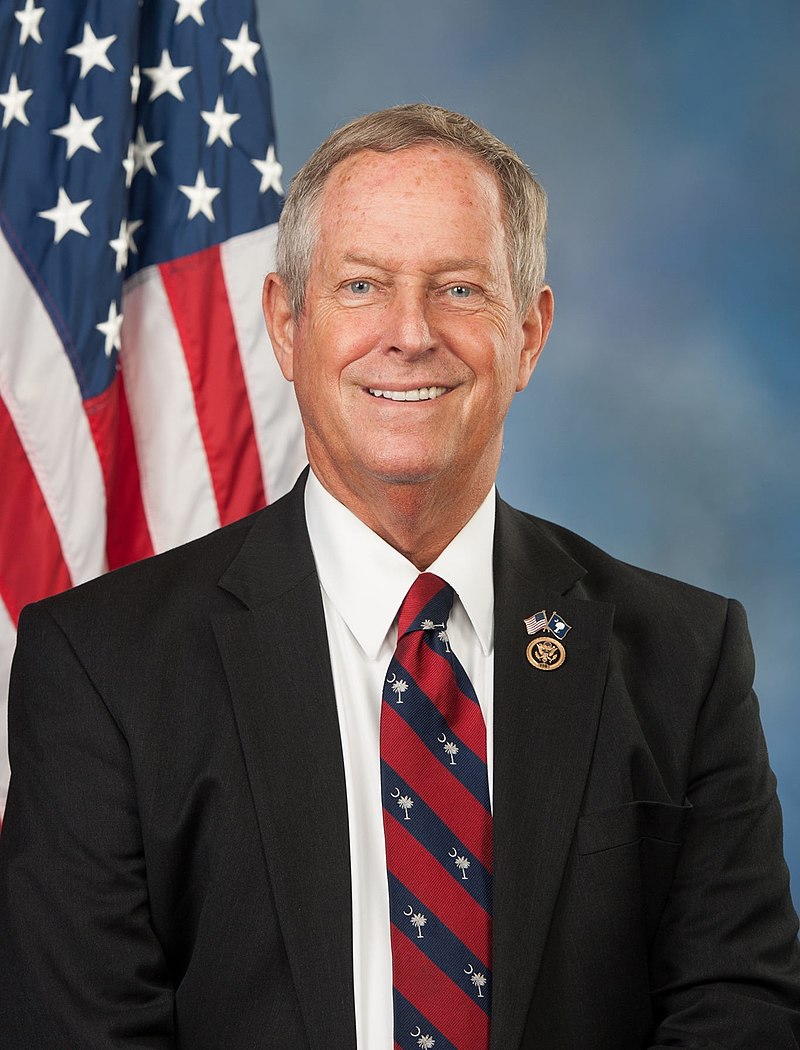



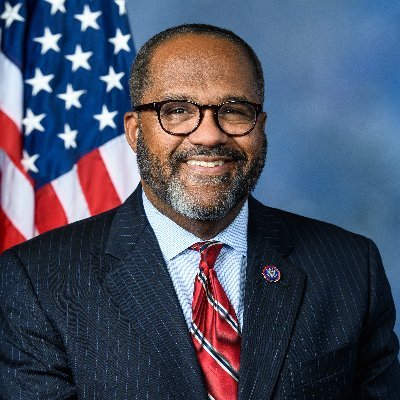
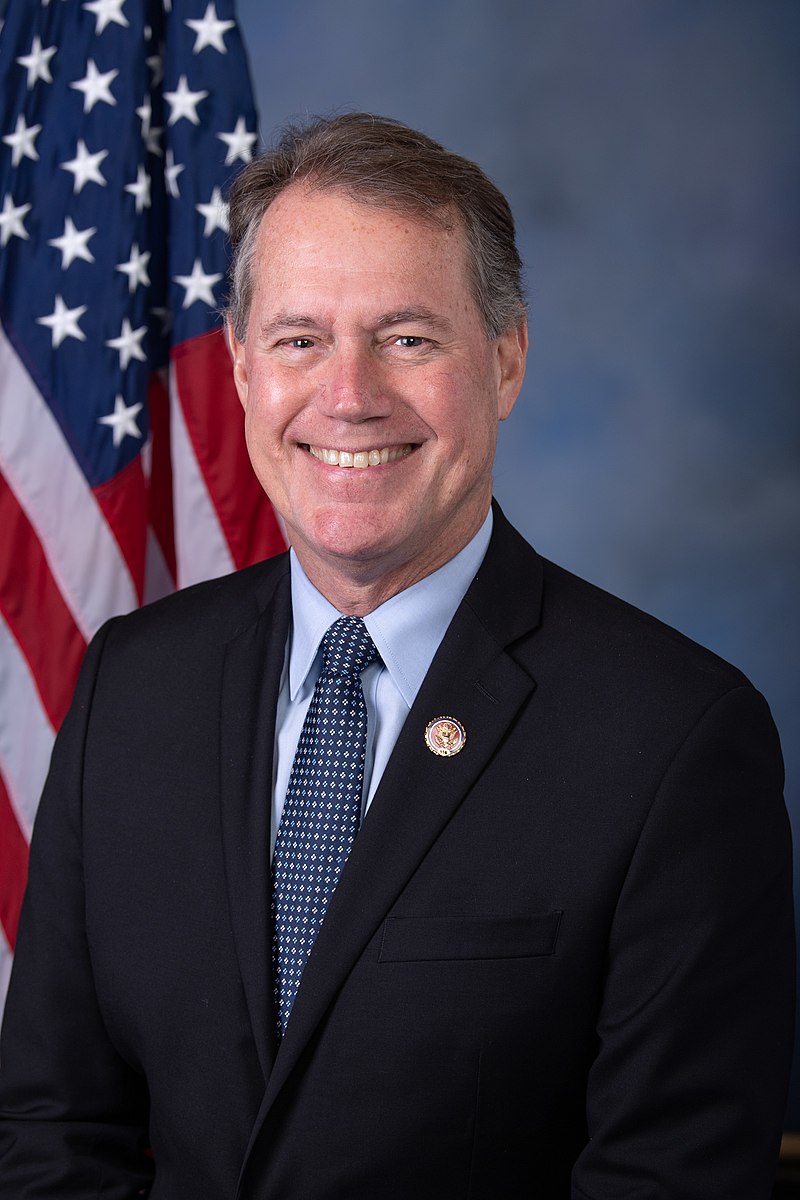
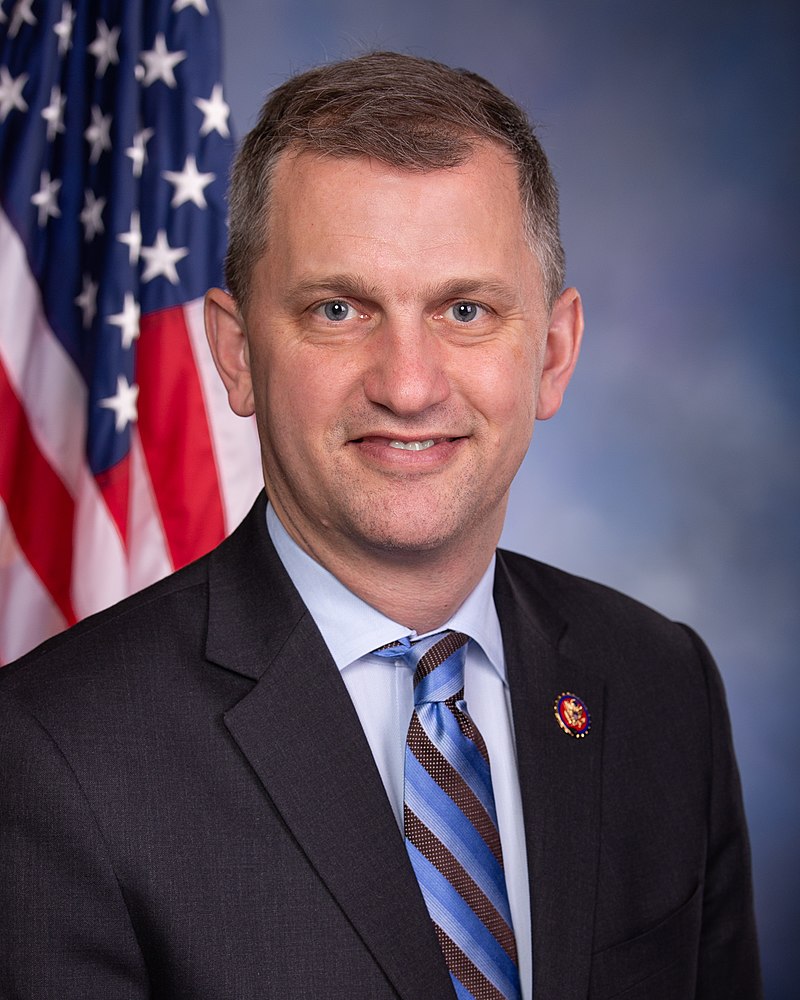
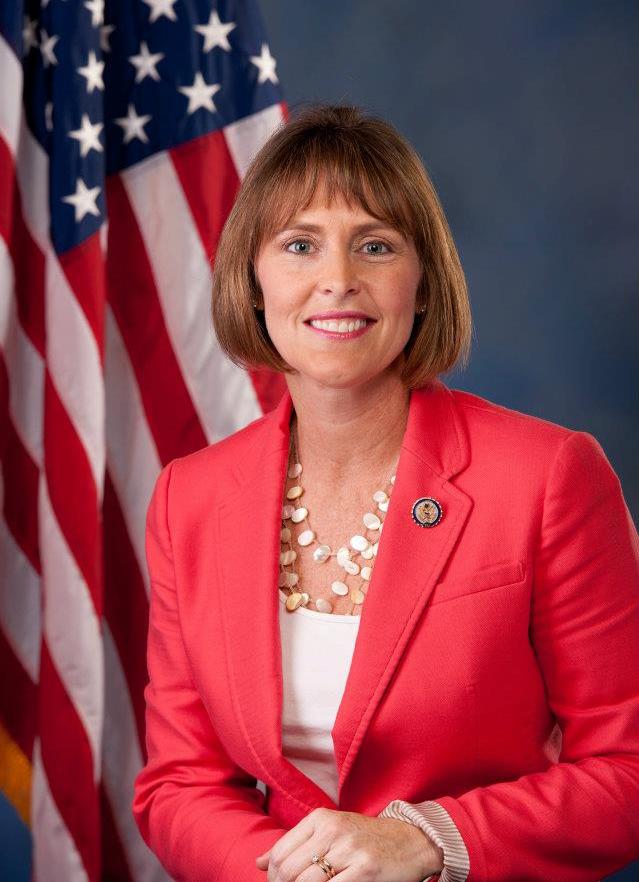
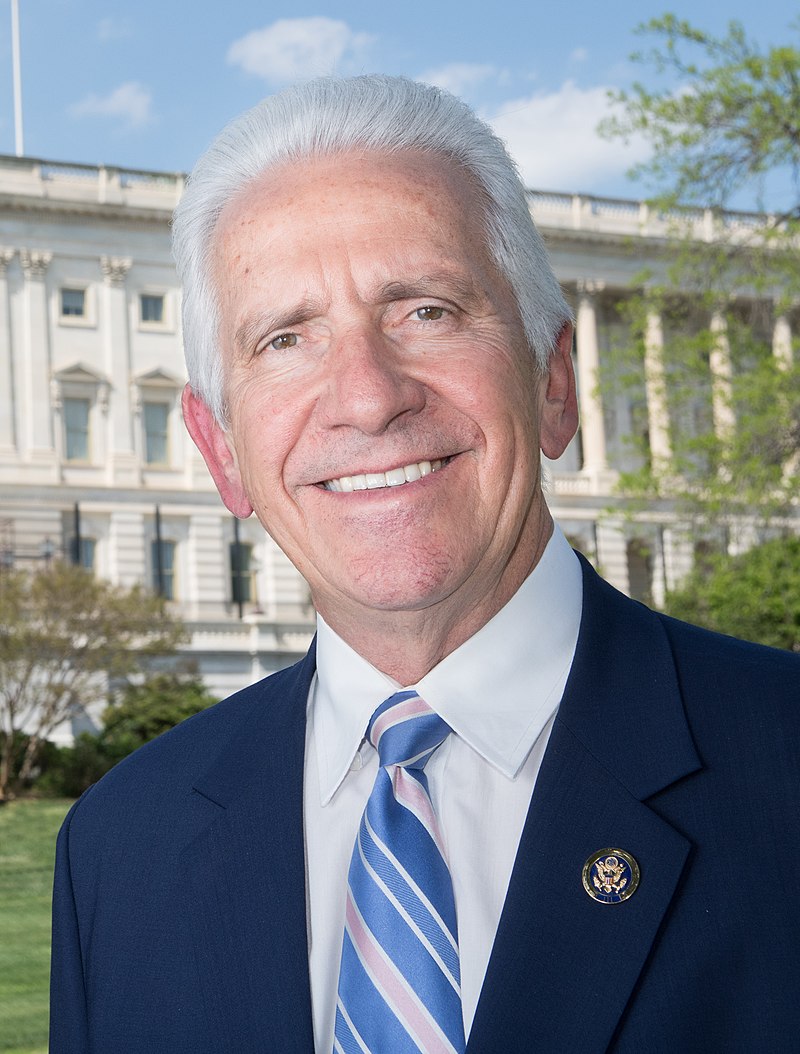
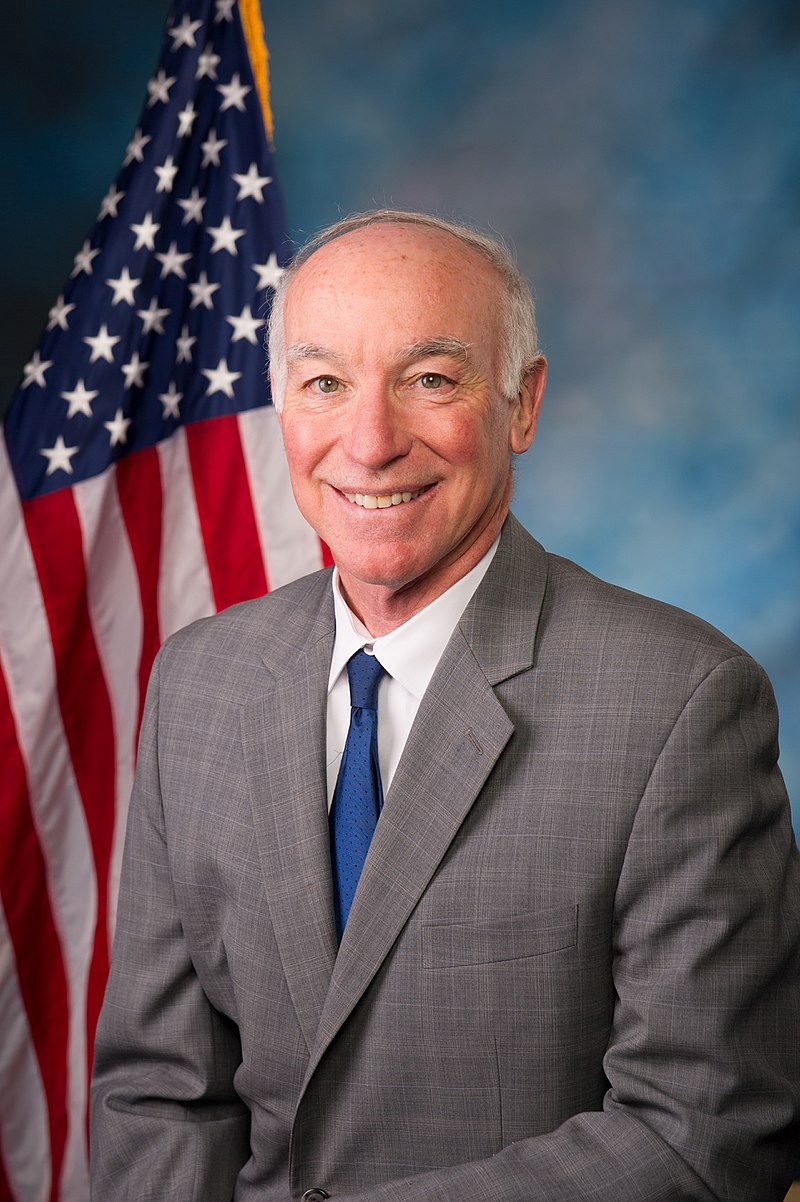
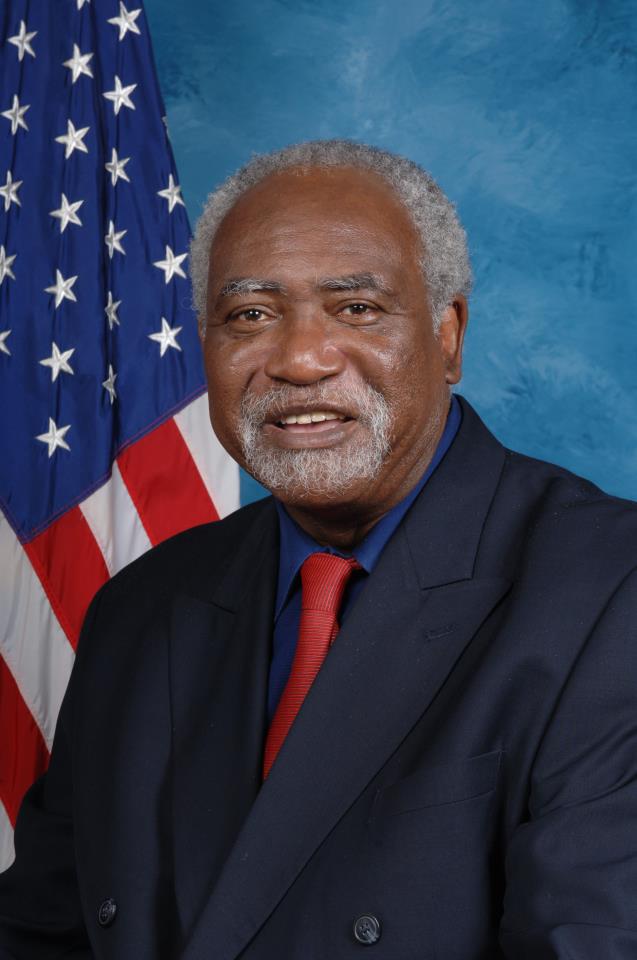
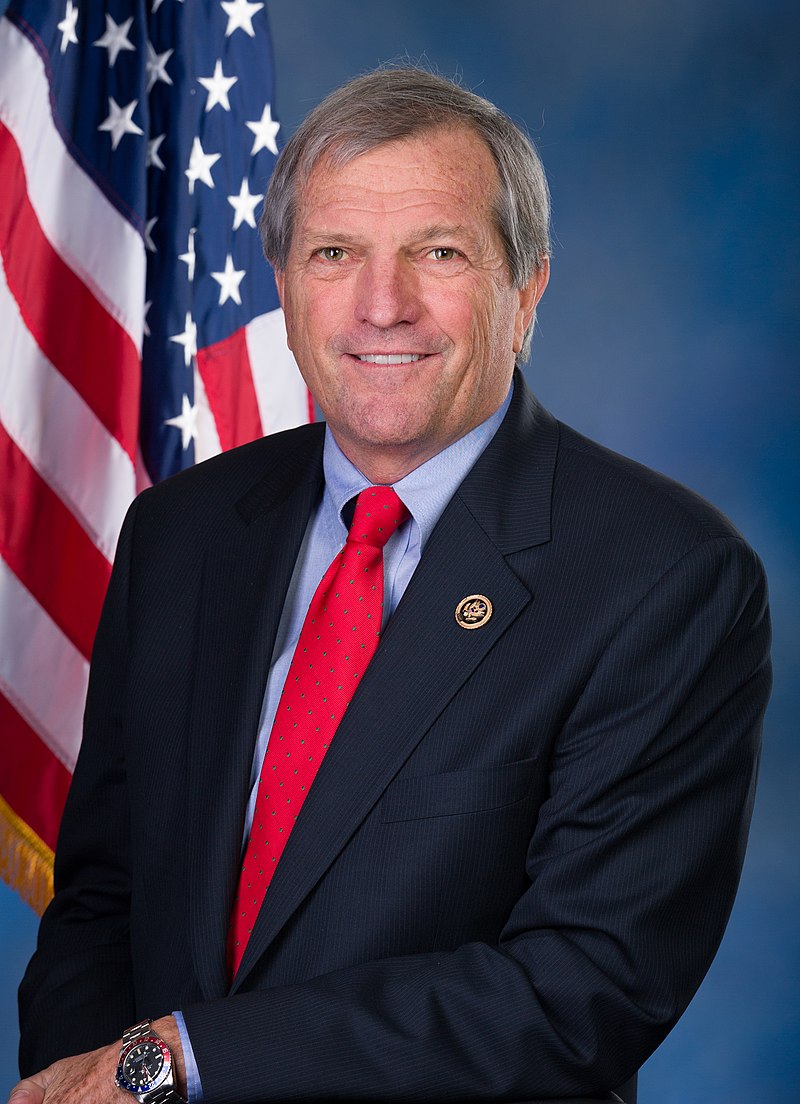
Nay (189)
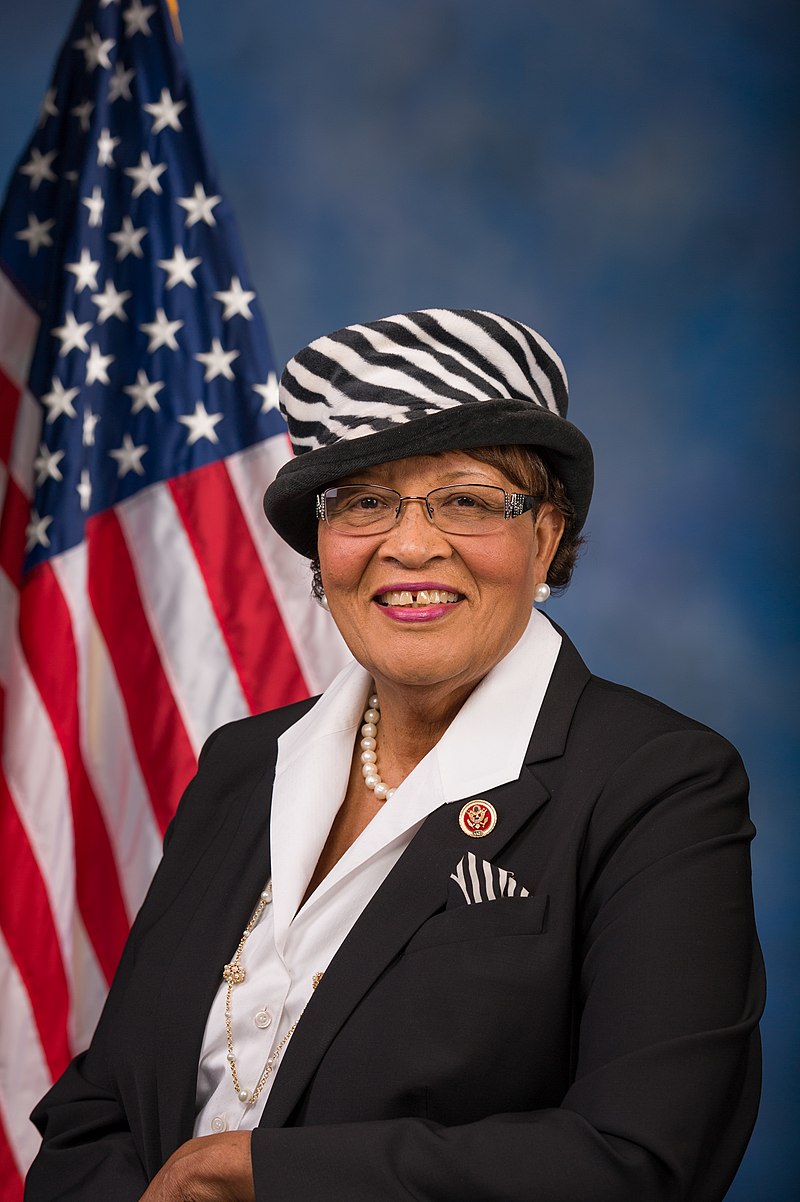
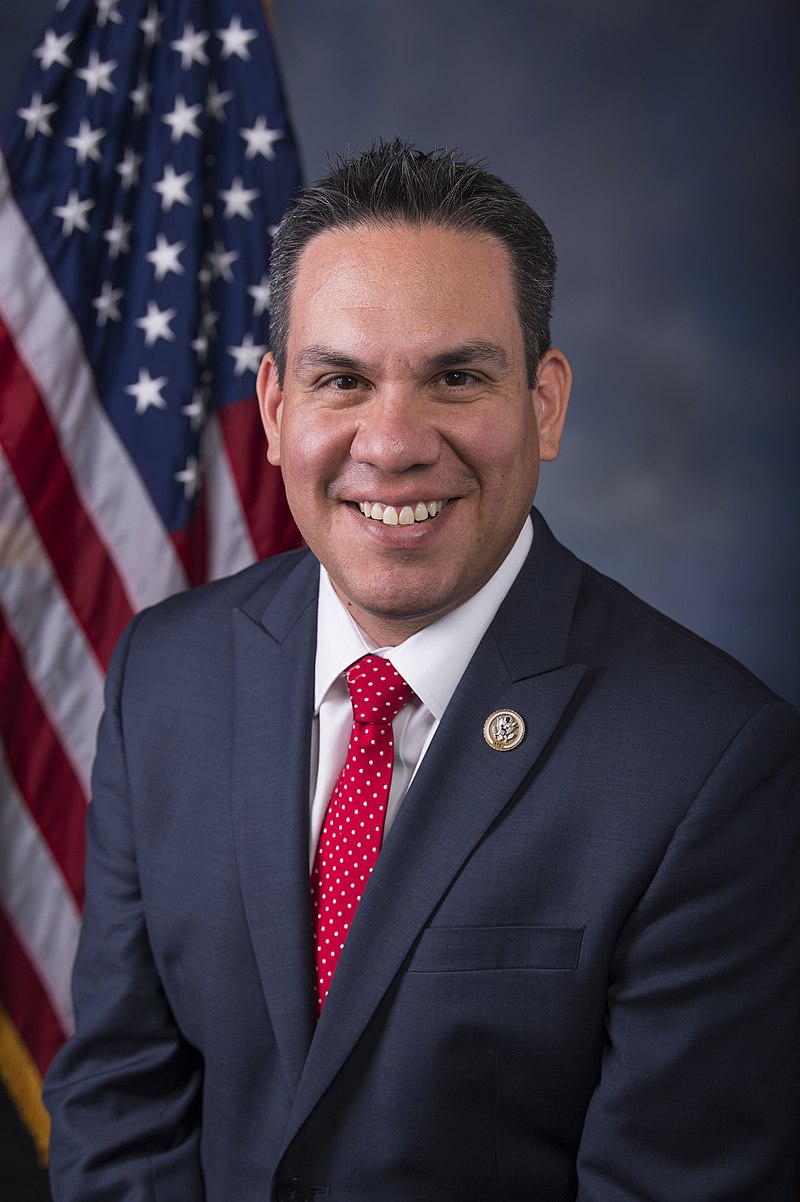

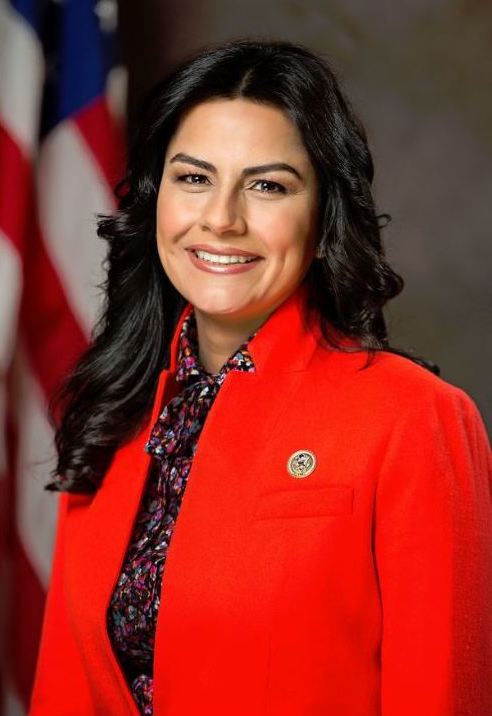
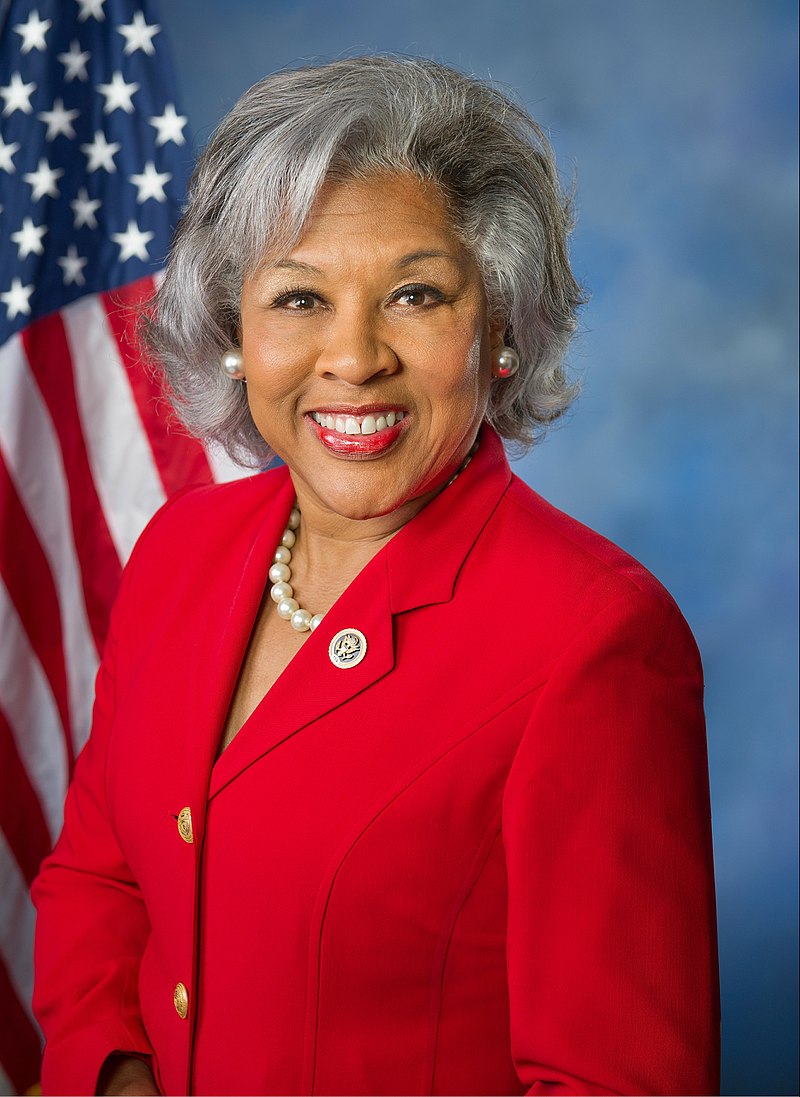

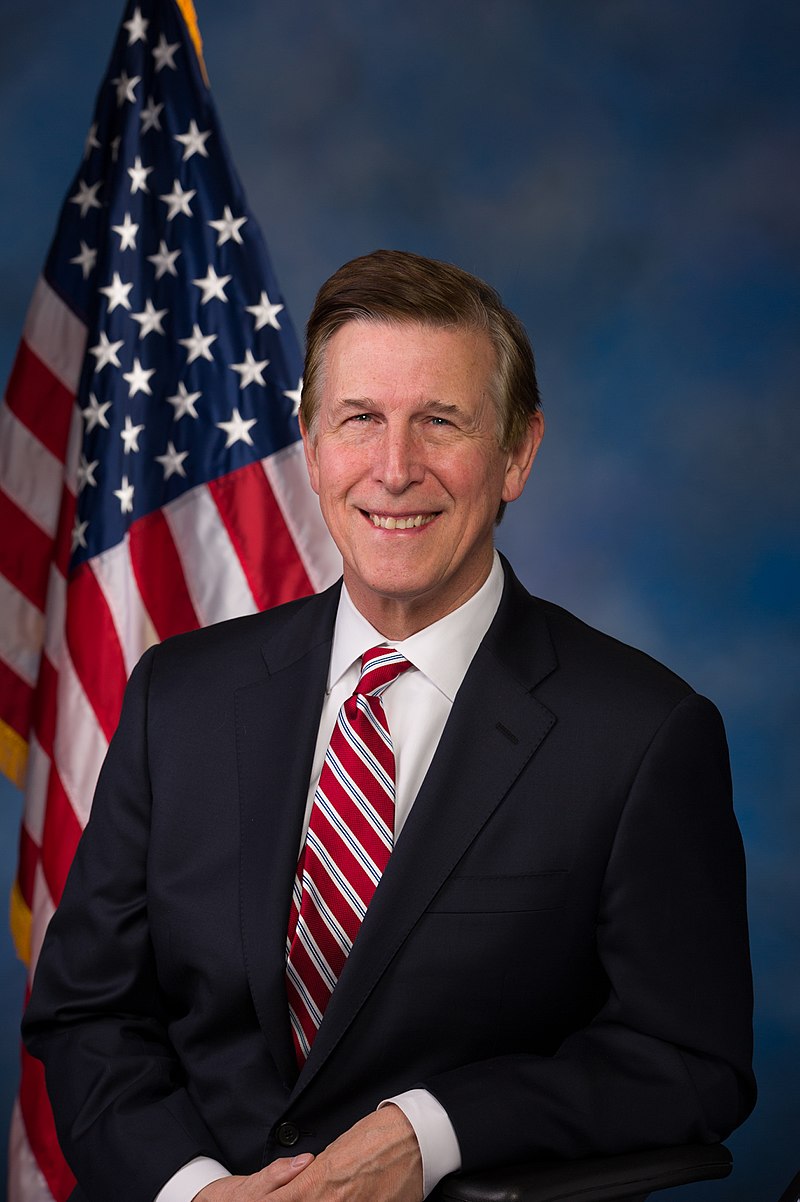

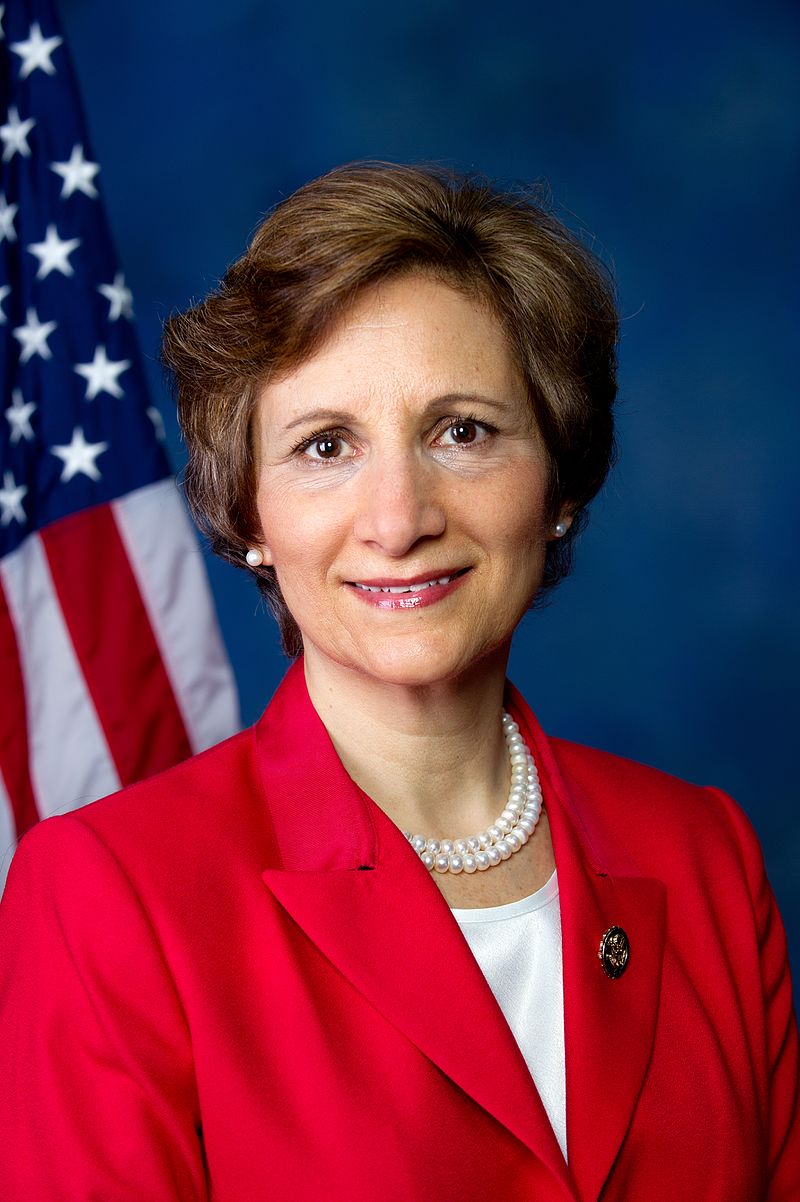
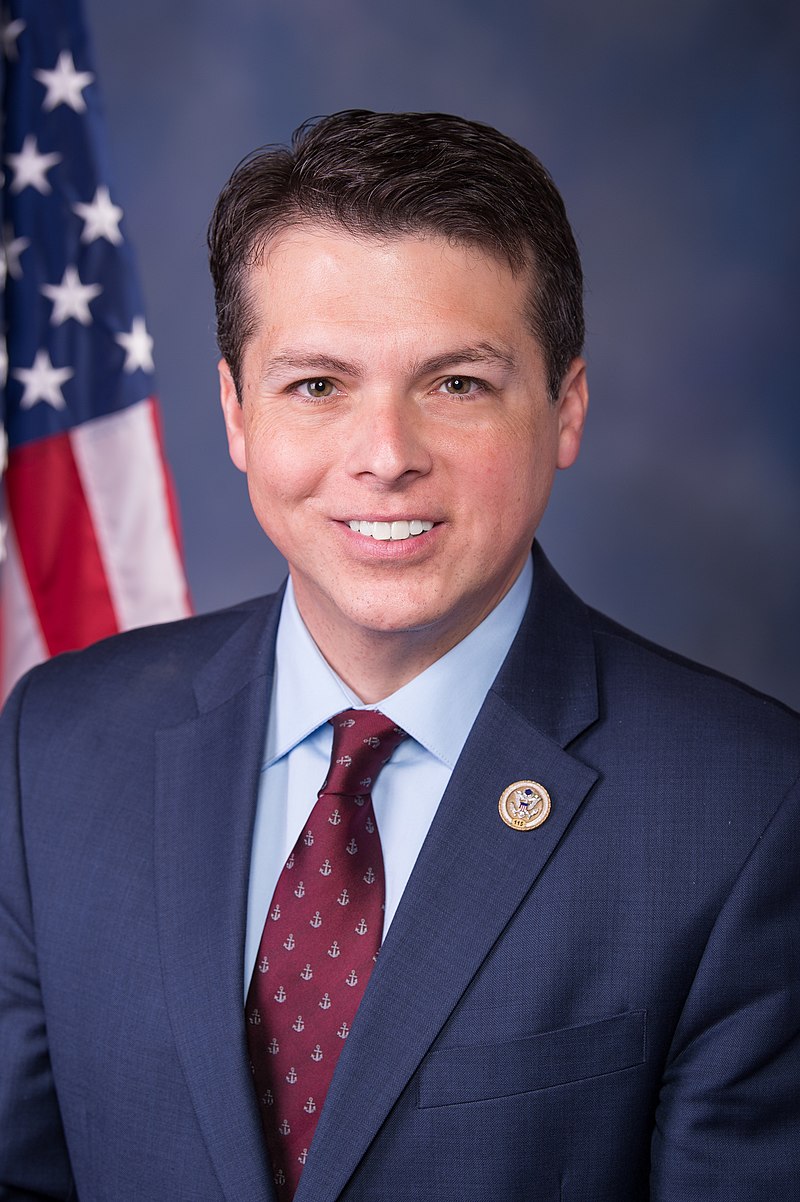

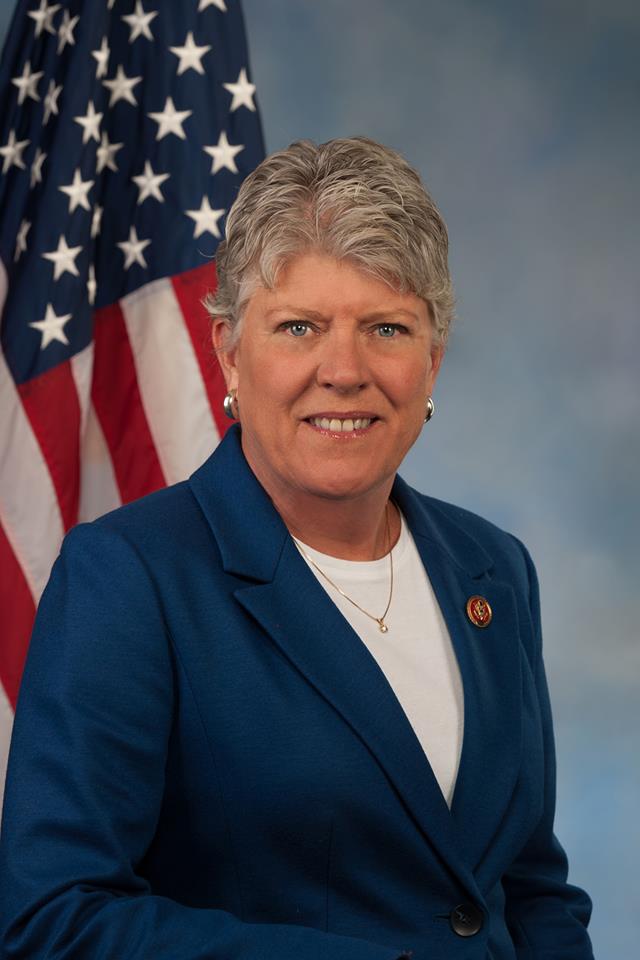


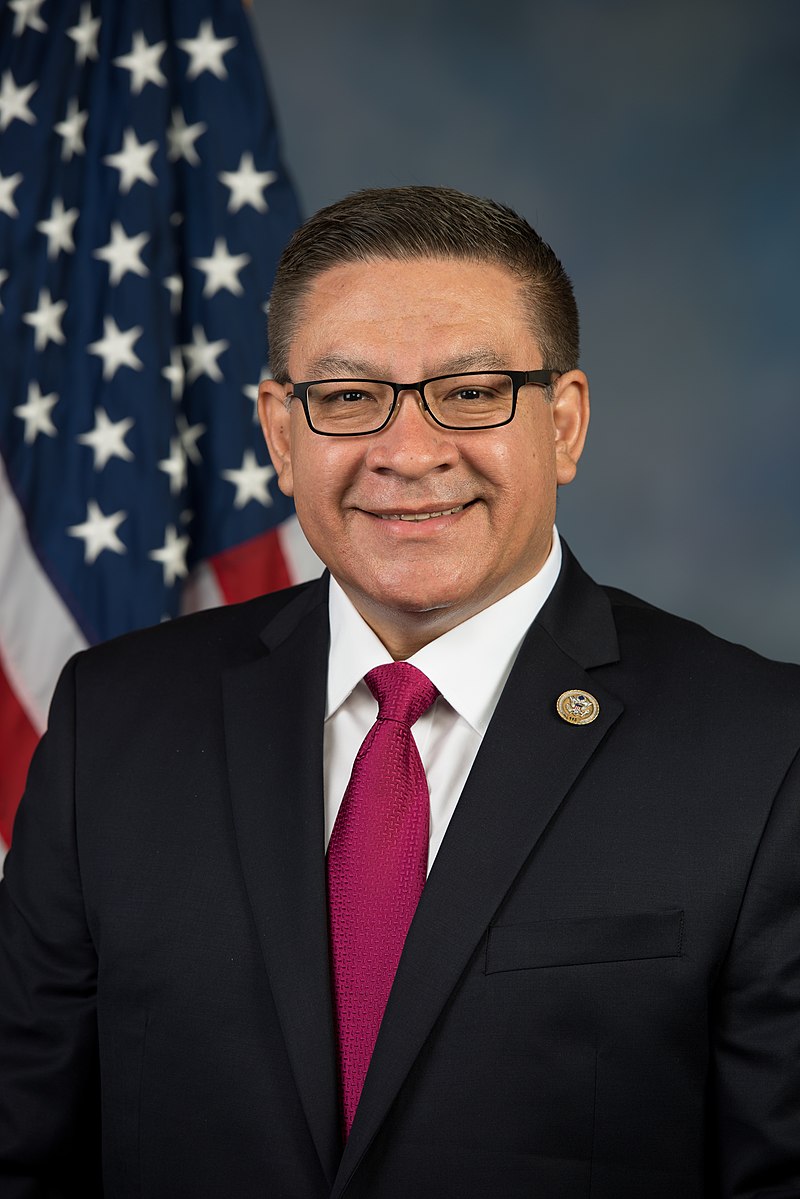

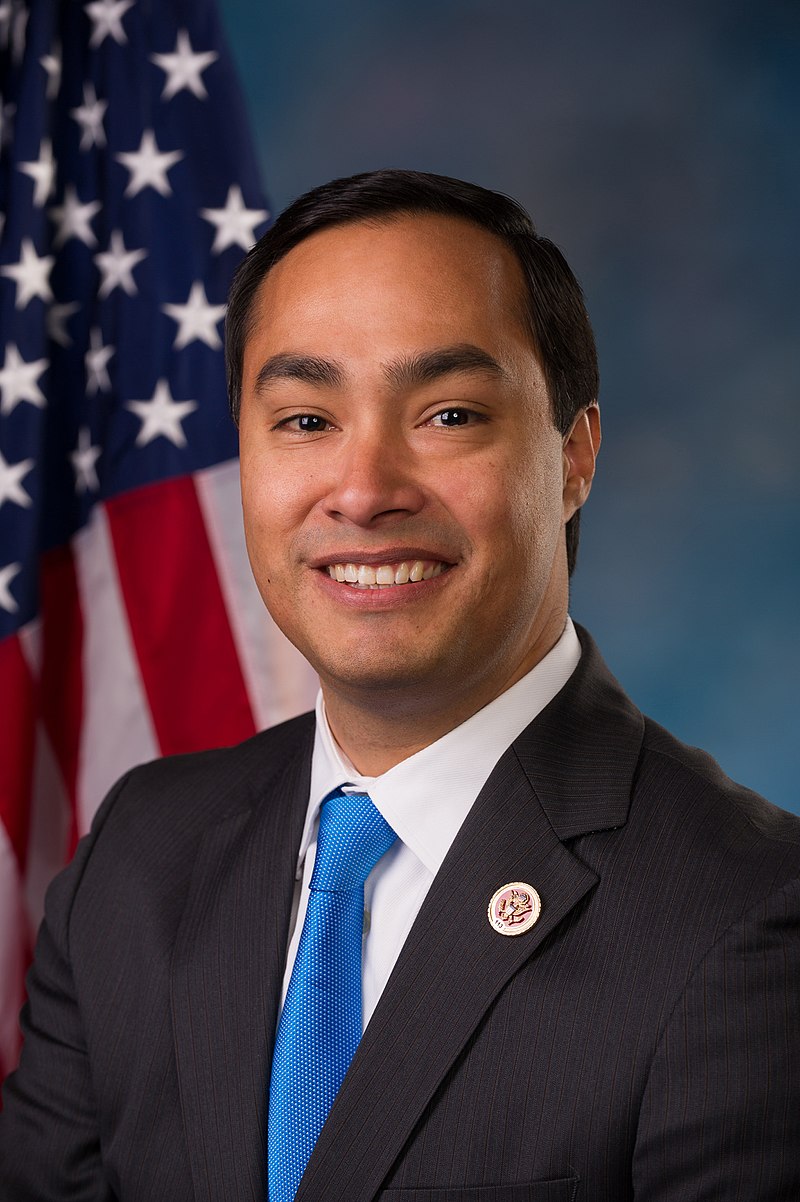

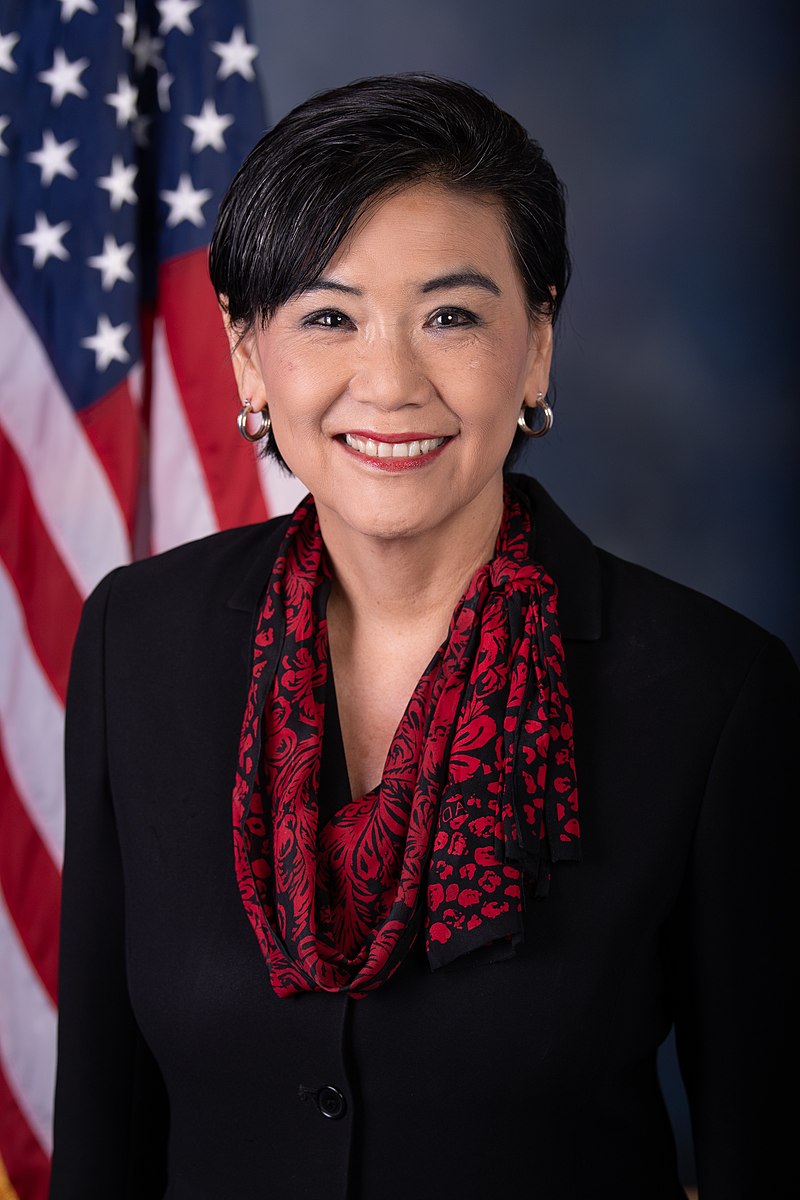
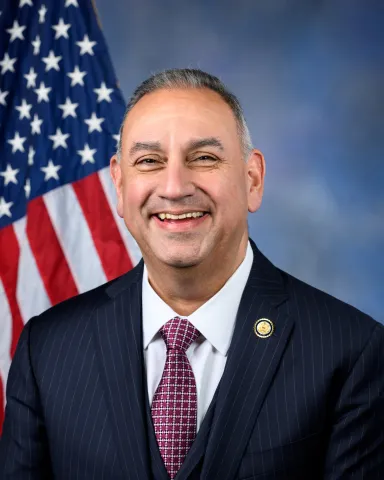





J
Jason Crow










L
Lloyd Doggett






J
John Garamendi
















J
John Mannion

L
Lucy McBath

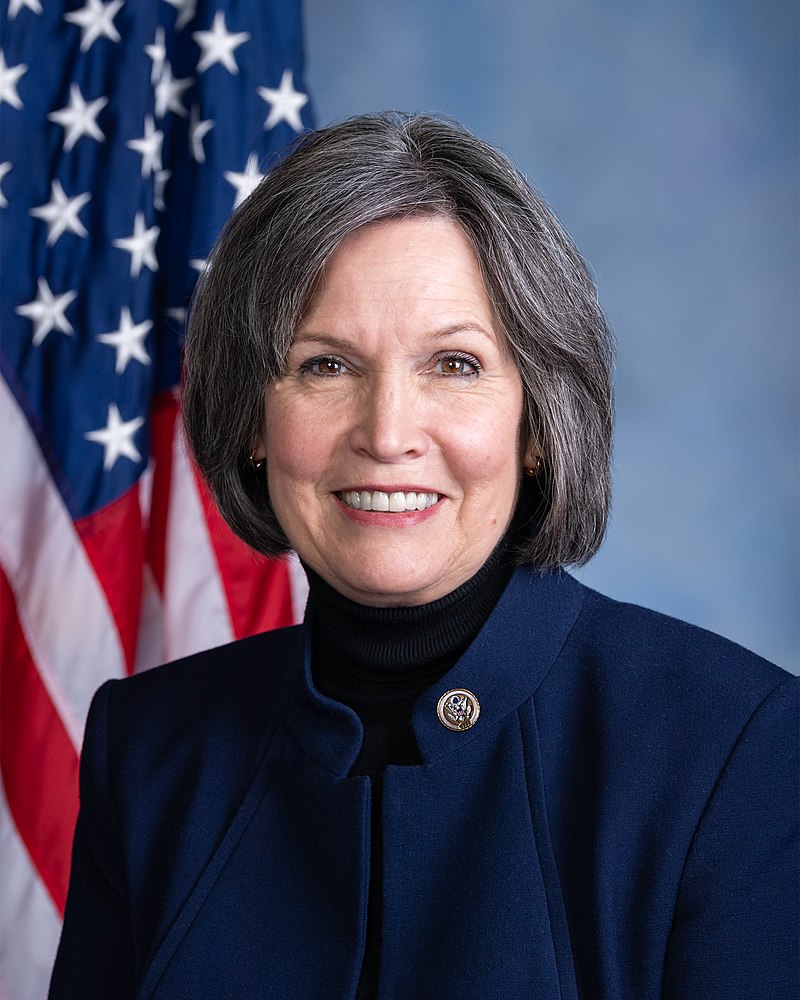


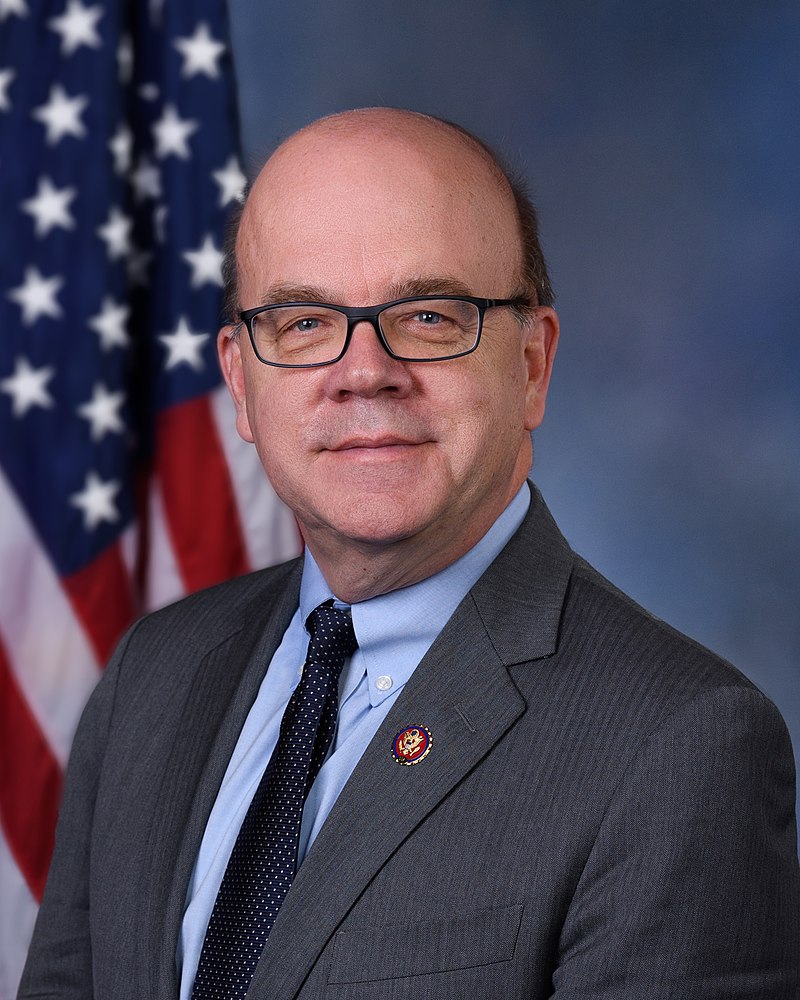
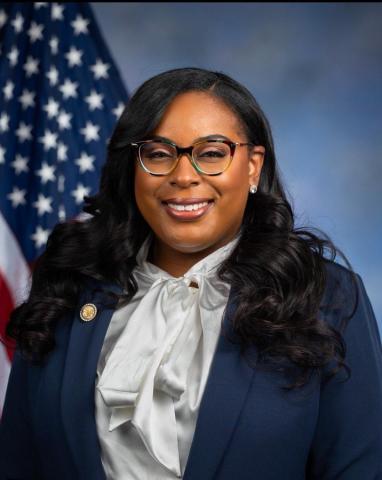

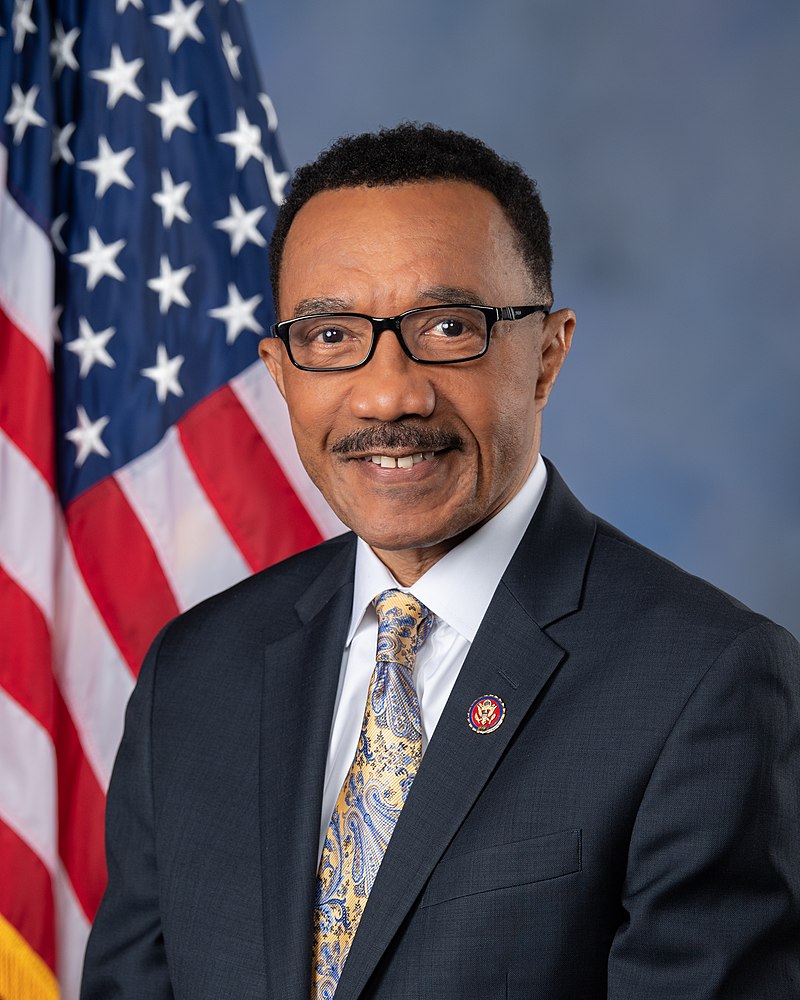





























E
Eric Swalwell

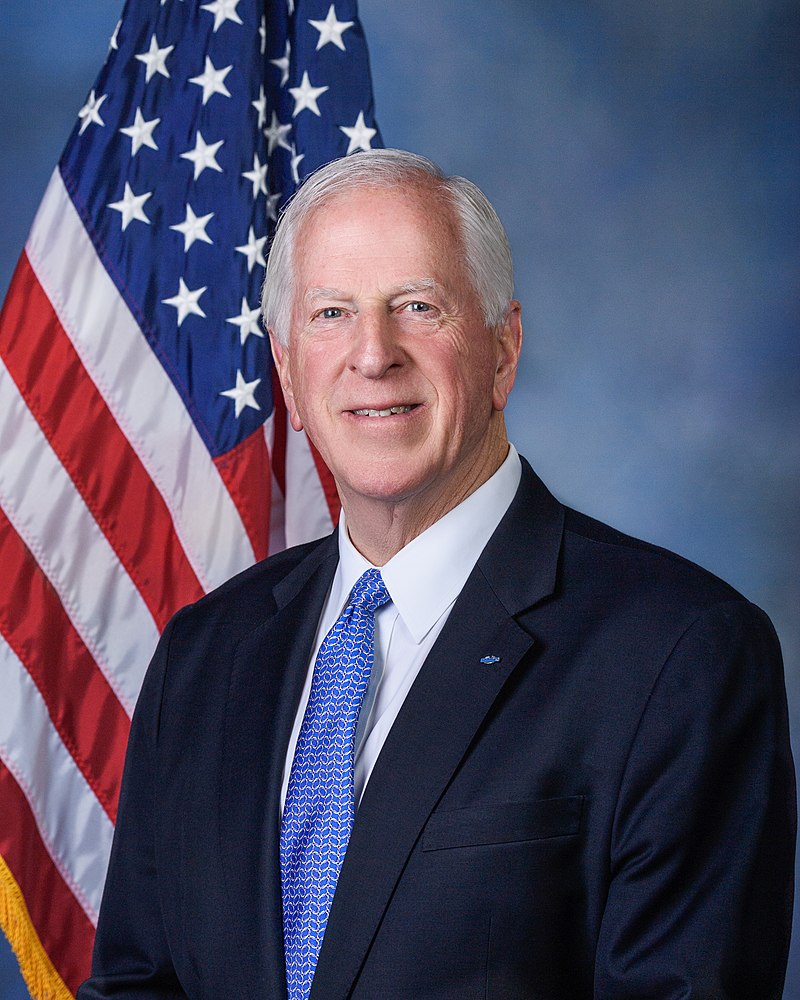
R
Rashida Tlaib

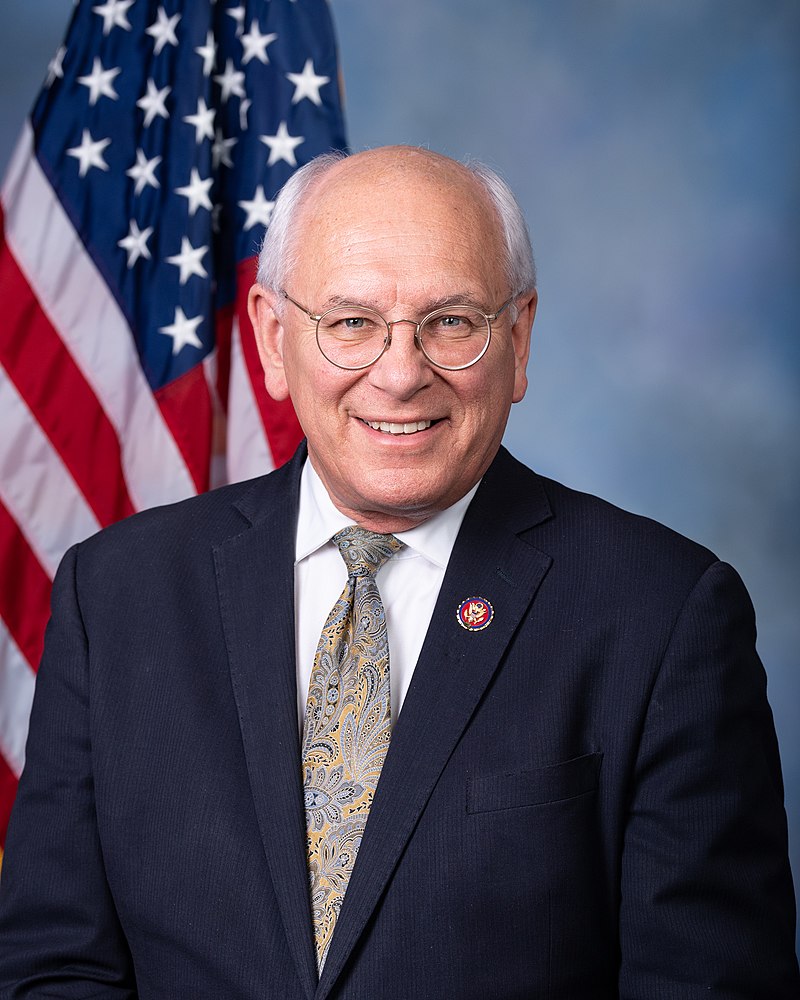




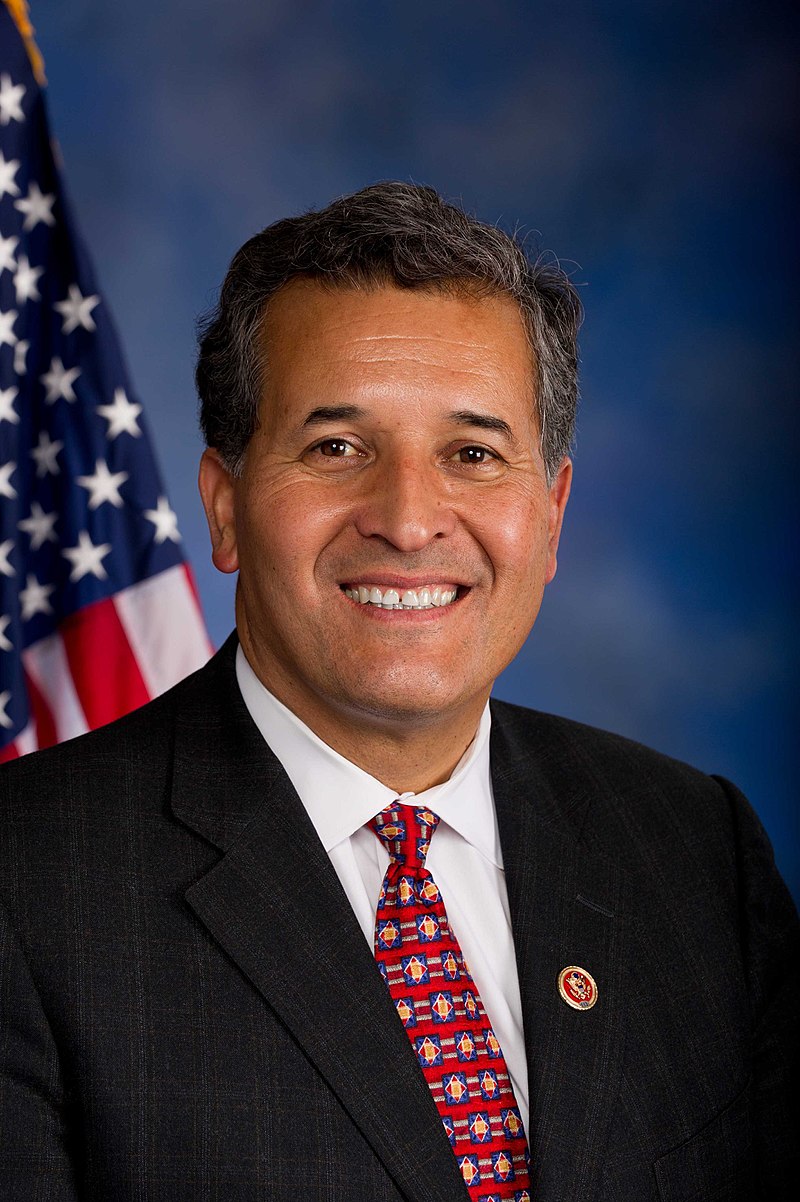



D
Debbie Wasserman Schultz
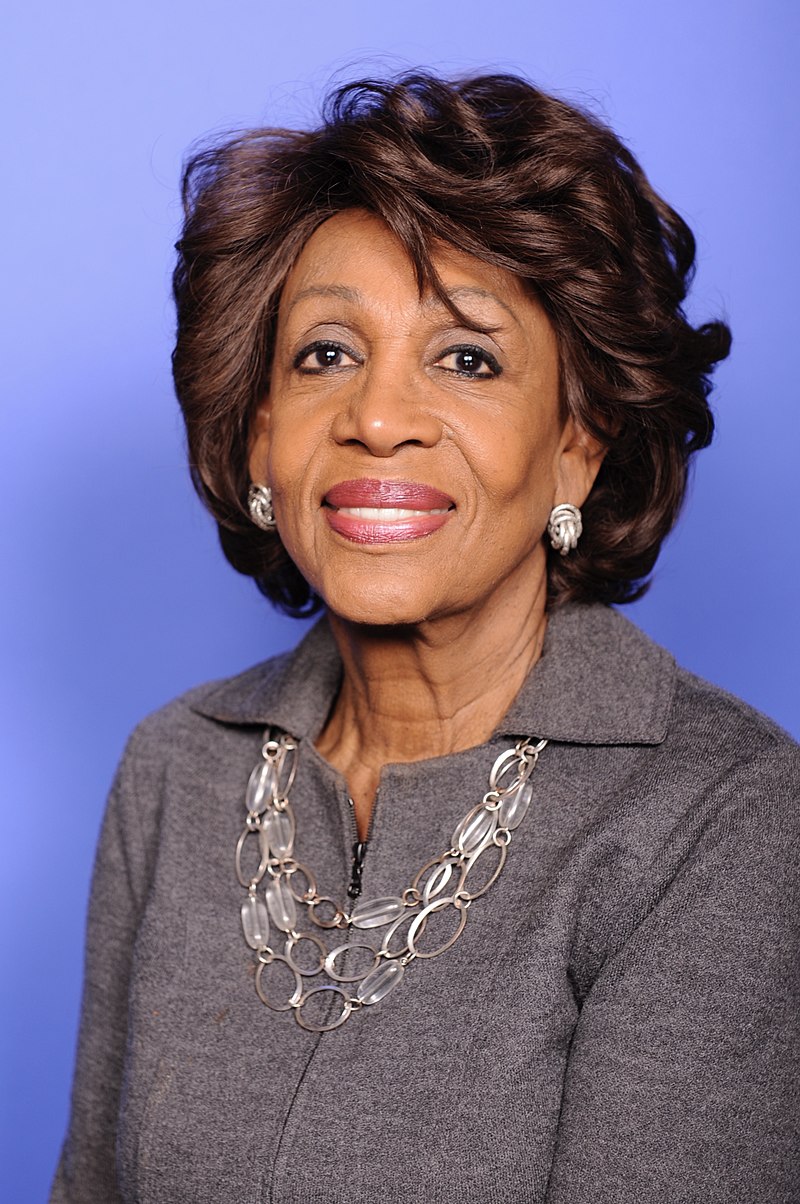

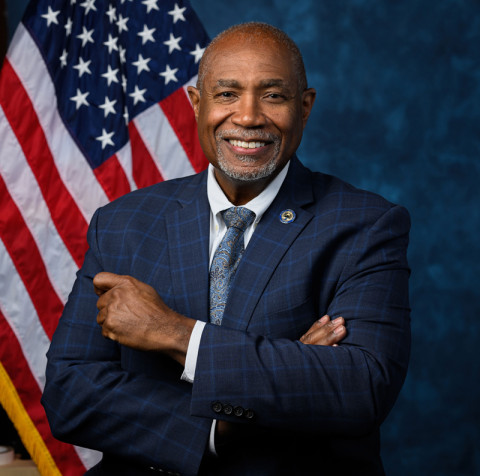
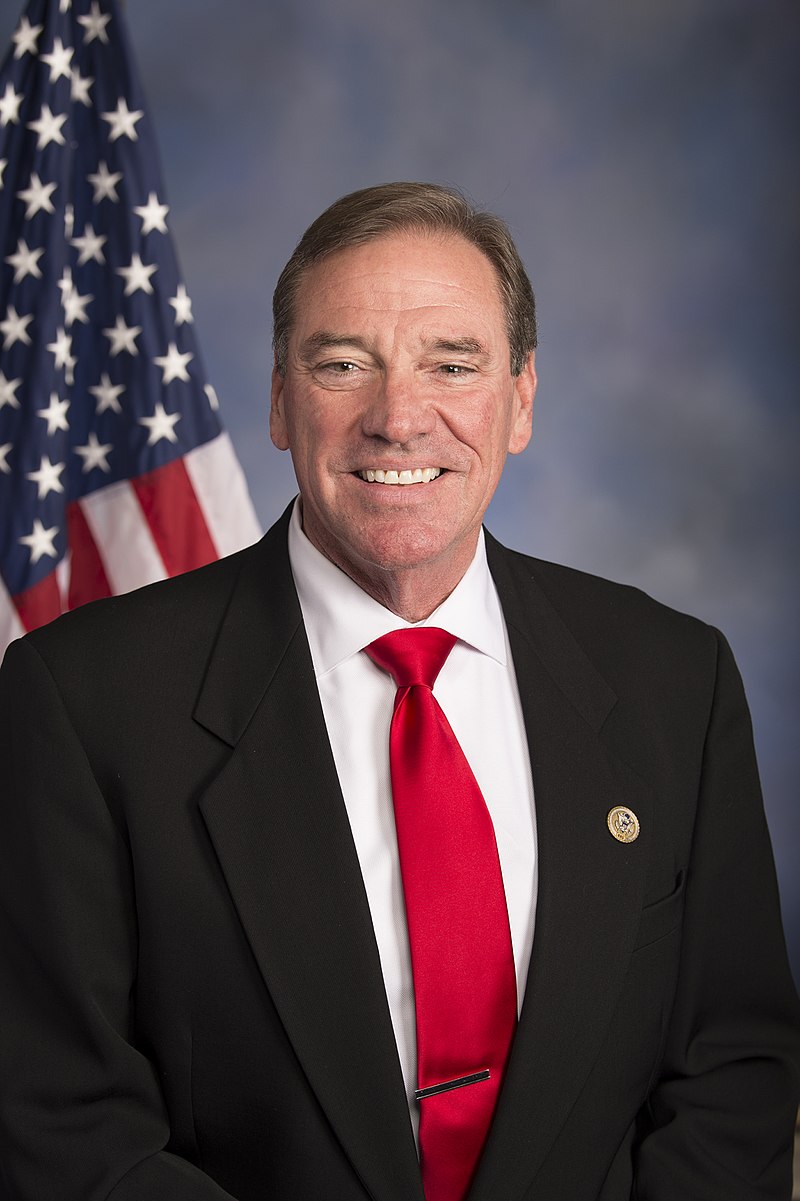
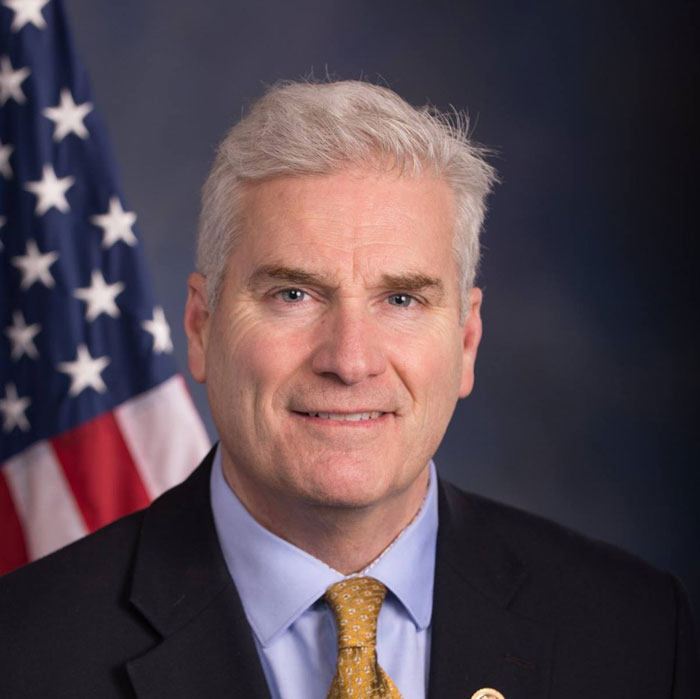
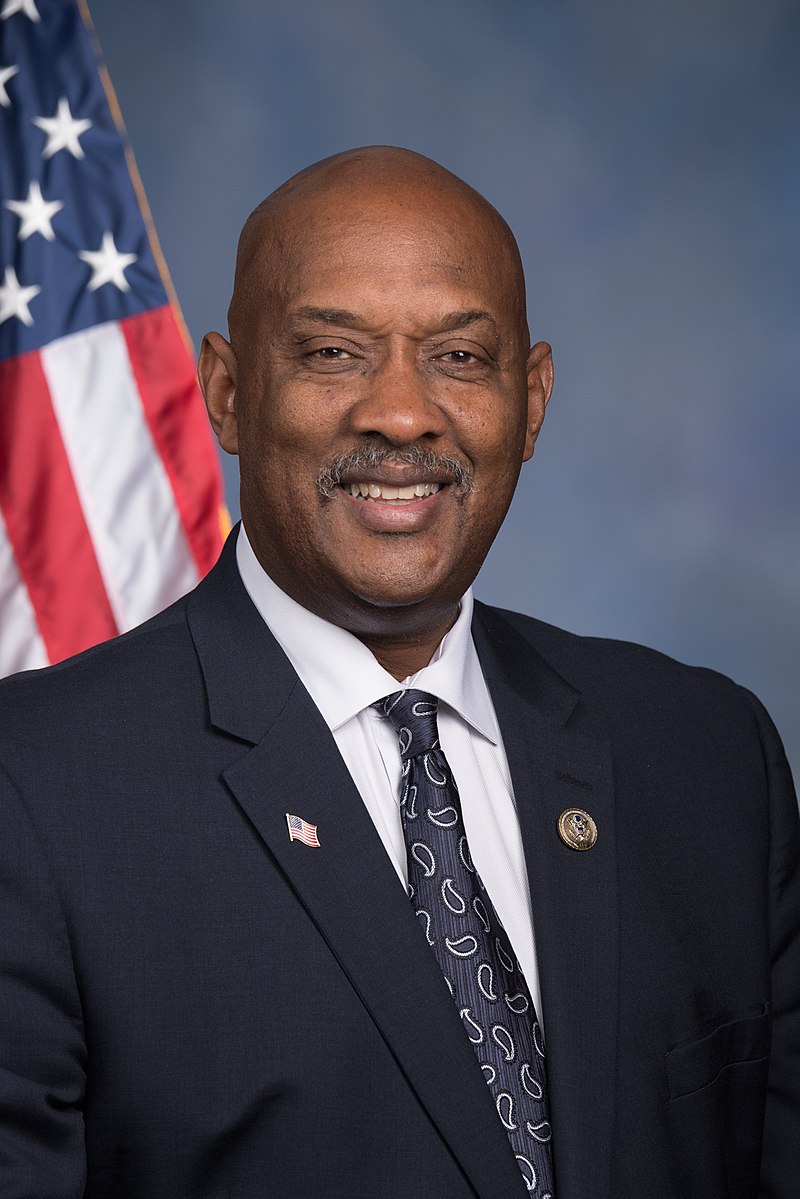
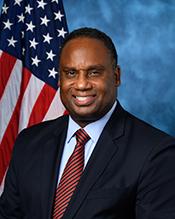
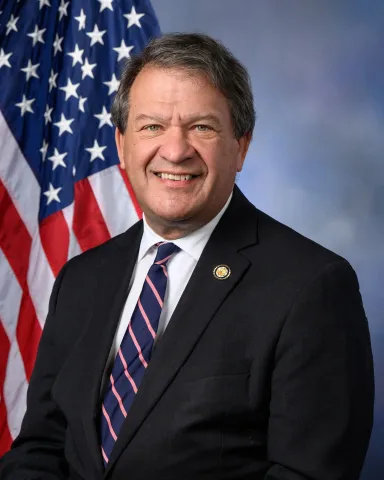
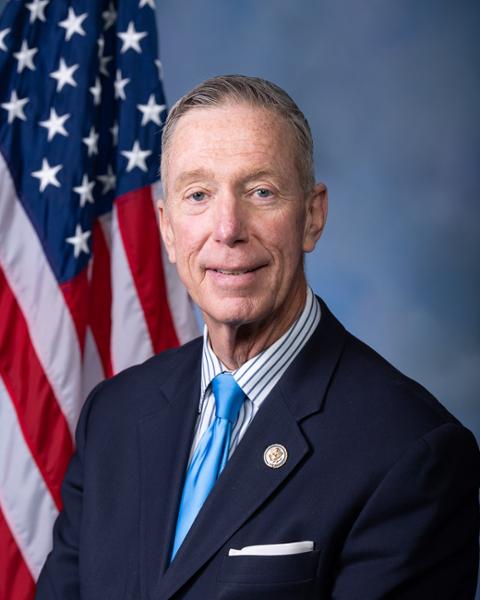
Not Voting (35)












C
Christian Menefee
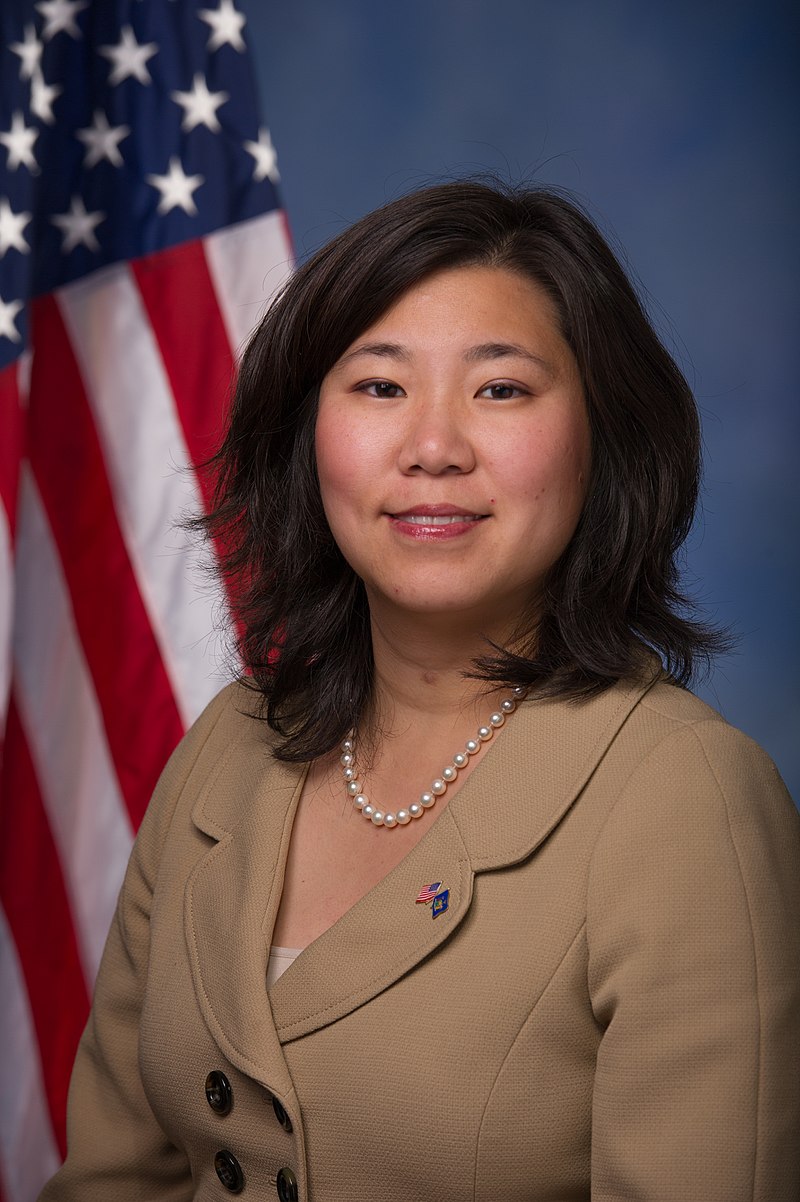



N
Nydia Velázquez