H.R.2189 — Law-Enforcement Innovate to De-Escalate Act
House Roll Call
H.R.2189
| Bill | H.R.2189 — Law-Enforcement Innovate to De-Escalate Act |
|---|---|
| Vote question | On Passage |
| Vote type | Yea-and-Nay |
| Result | Passed |
| Totals | Yea 233 / Nay 185 / Present 0 / Not Voting 13 |
| Party | Yea | Nay | Present | Not Voting |
|---|---|---|---|---|
| R | 211 | 1 | 0 | 5 |
| D | 22 | 184 | 0 | 8 |
| I | 0 | 0 | 0 | 0 |
Research Brief
On Passage
Bill Analysis
HR 2189 – Law-Enforcement Innovate to De-Escalate Act (119th Congress)
HR 2189 directs the federal government to support development, testing, and deployment of technologies and practices that help law enforcement de-escalate encounters and reduce use of force, especially lethal force. It focuses on research, evaluation, and dissemination rather than direct regulation of police conduct.
The bill primarily works through the Department of Justice (DOJ), likely via the Office of Justice Programs and related research arms (e.g., National Institute of Justice). DOJ is authorized to:
- Fund research and development of de-escalation tools (e.g., less-lethal devices, communication and situational-awareness technologies, training simulators, data systems that support early intervention).
- Pilot and evaluate innovative de-escalation strategies and technologies in state, local, Tribal, and territorial law-enforcement agencies.
- Develop evidence-based best practices and model policies for integrating these tools into training, supervision, and operations.
- Provide grants or cooperative agreements to law-enforcement agencies, research institutions, and technology developers to test and validate effectiveness, safety, and civil-rights impacts.
Funding is provided through specific authorizations of appropriations over a set multi‑year period (typically 3–5 fiscal years), with DOJ required to competitively award funds and prioritize agencies serving high-need or high-risk communities, or those with demonstrated commitment to reform and data transparency.
Beneficiaries include state and local police departments, sheriffs’ offices, Tribal and territorial law enforcement, and their officers, who gain access to funded technology and training. Indirect beneficiaries are community members and individuals at higher risk of force encounters, including people with mental illness or disabilities, through improved de-escalation capacity.
The bill requires DOJ to establish metrics and collect standardized data on deployment, outcomes (e.g., injuries, use-of-force incidents), and disparities, and to report findings to Congress on a recurring schedule (e.g., annually or biennially). Timelines typically include deadlines for DOJ to issue implementation guidance (within months of enactment), open grant solicitations in the first authorized fiscal year, and complete formal evaluations and a final comprehensive report near the end of the authorization period.
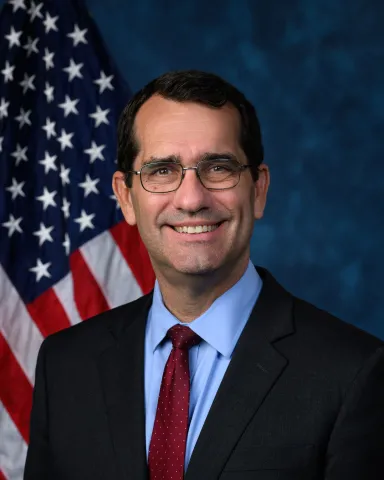
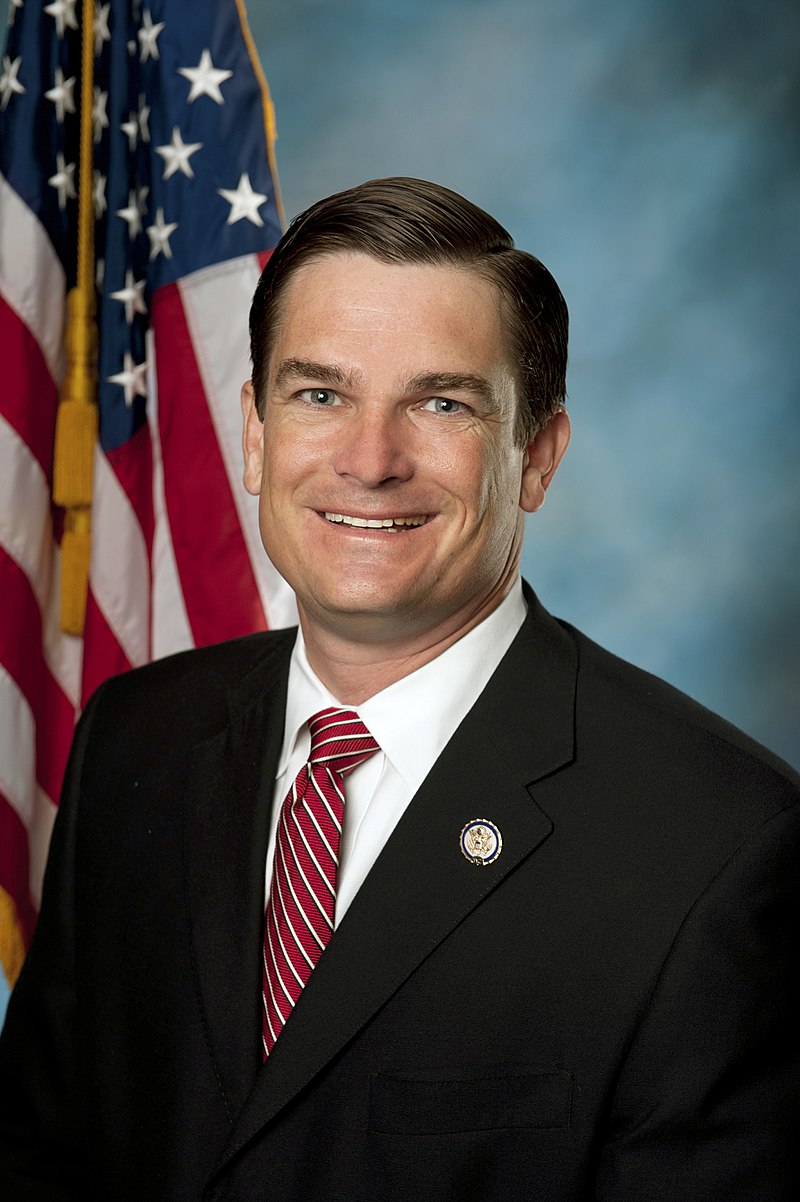
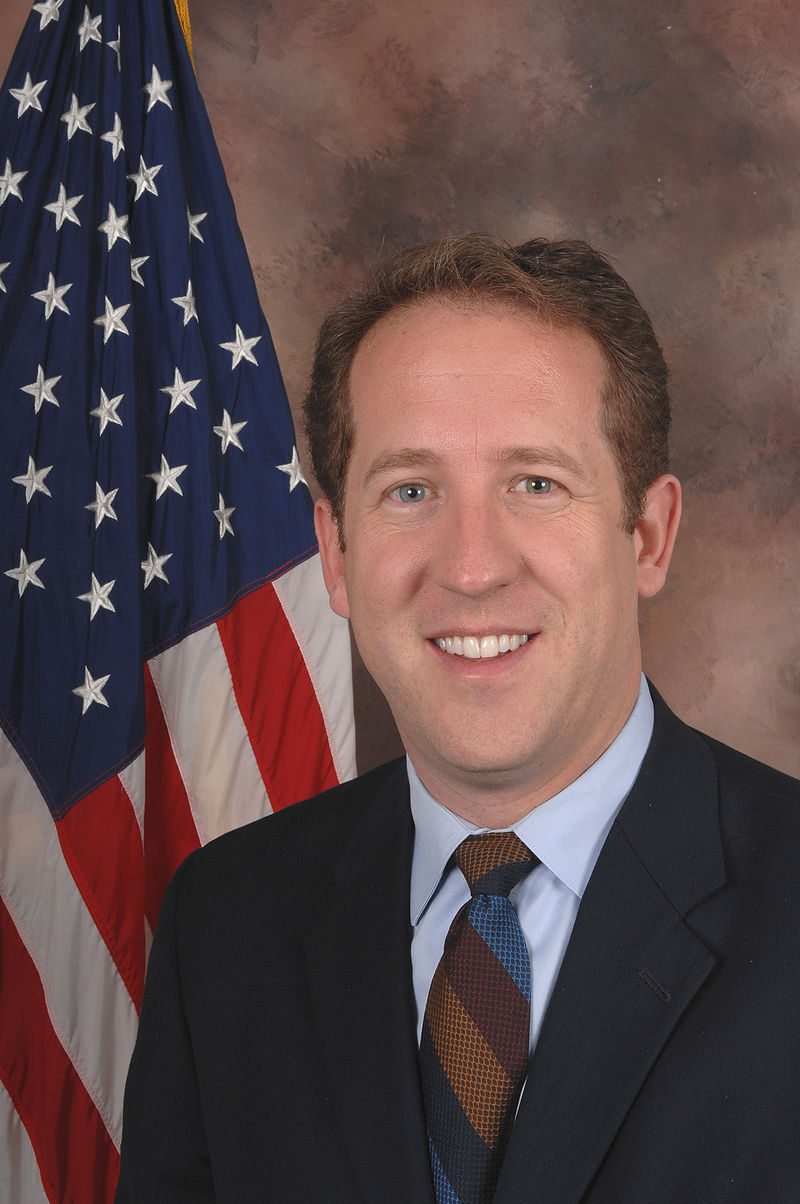
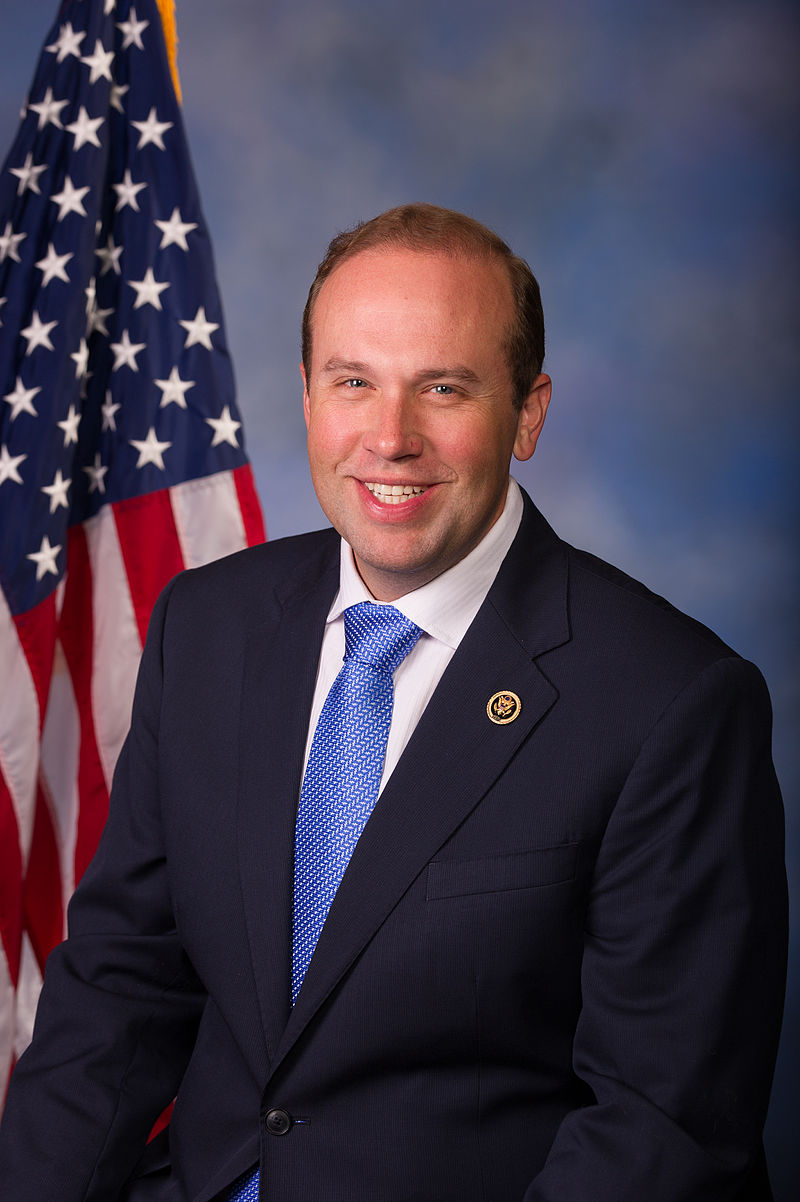
Yea (233)




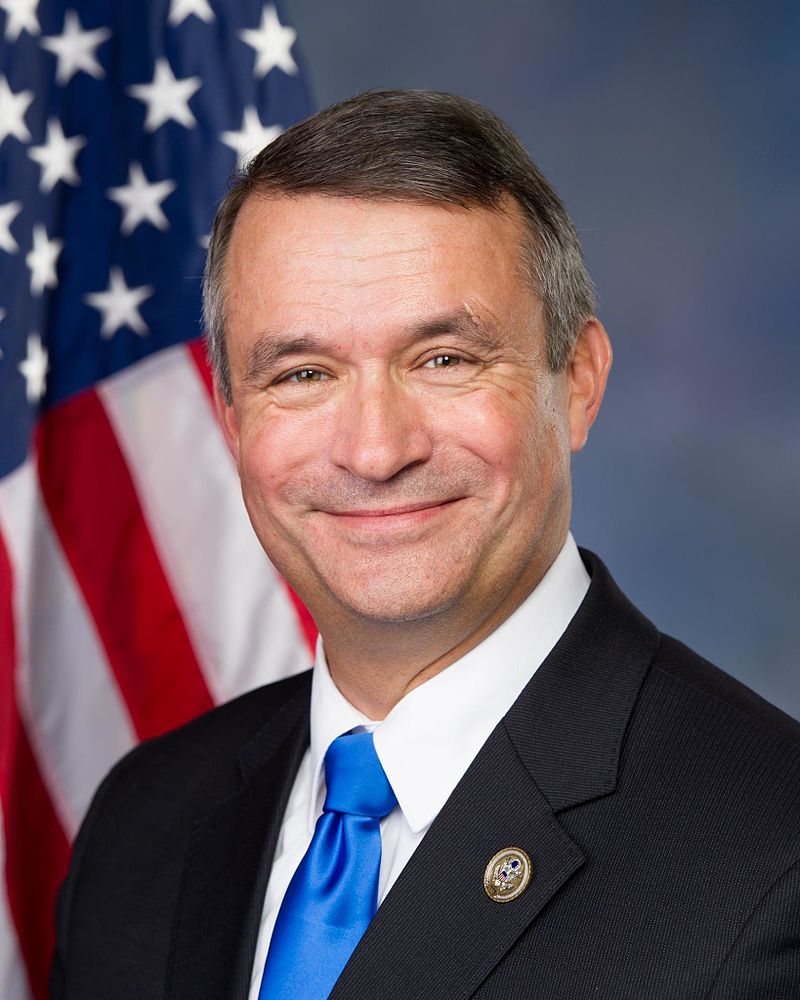

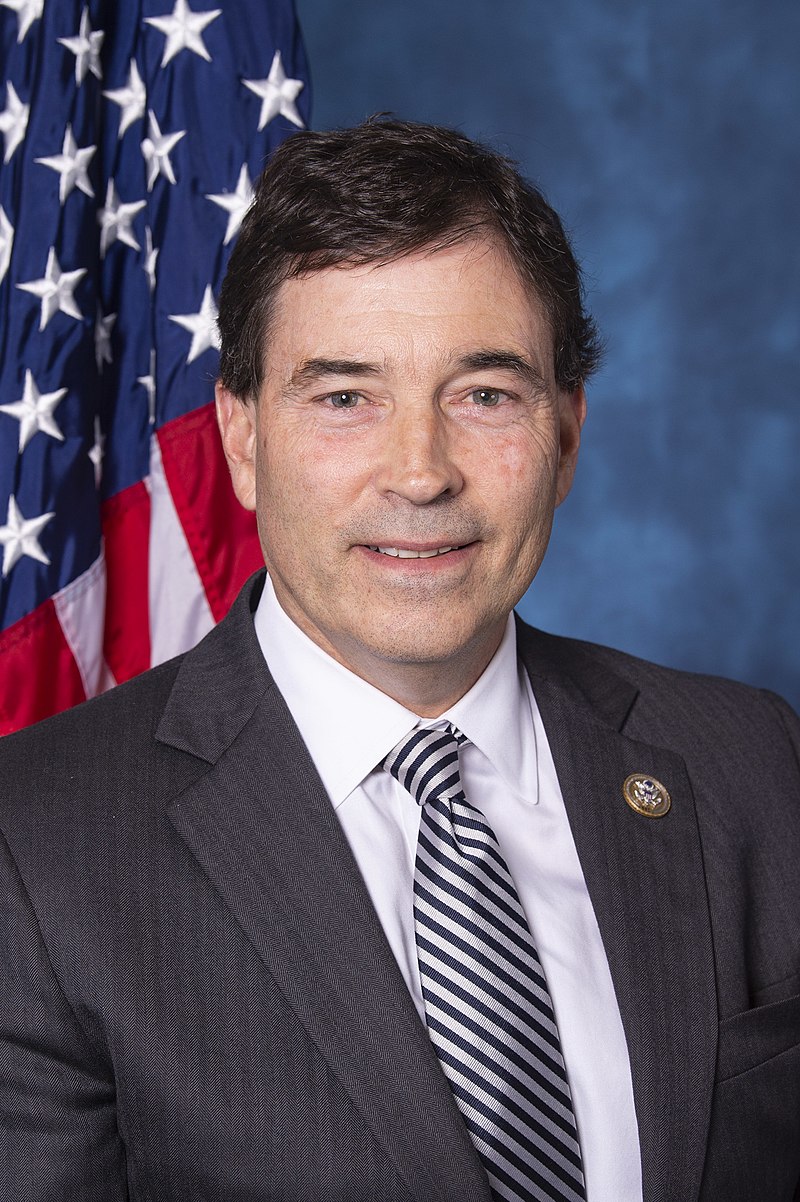

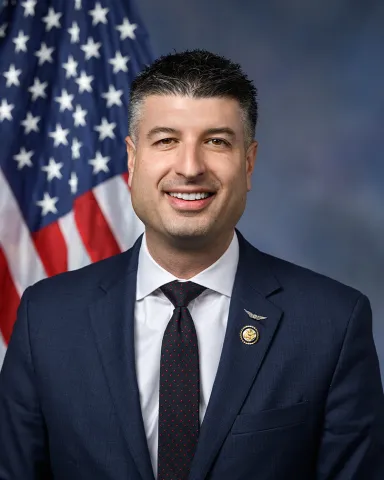
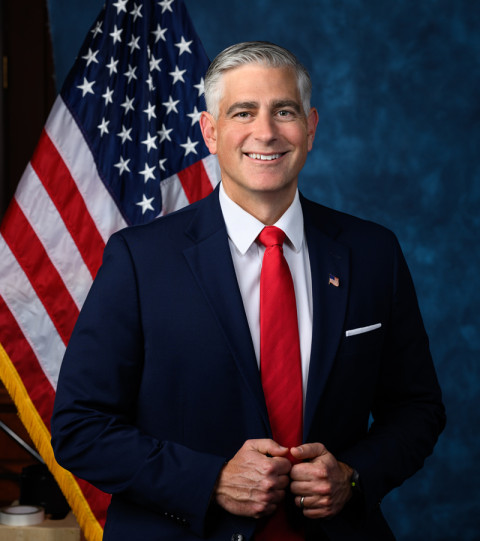






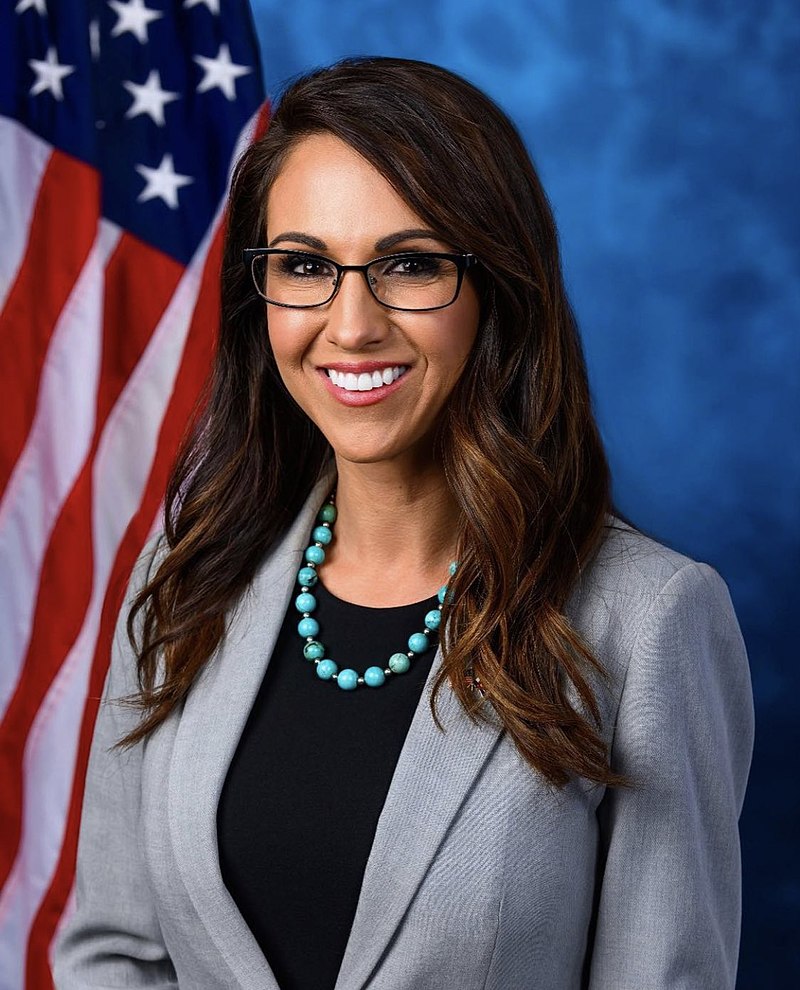
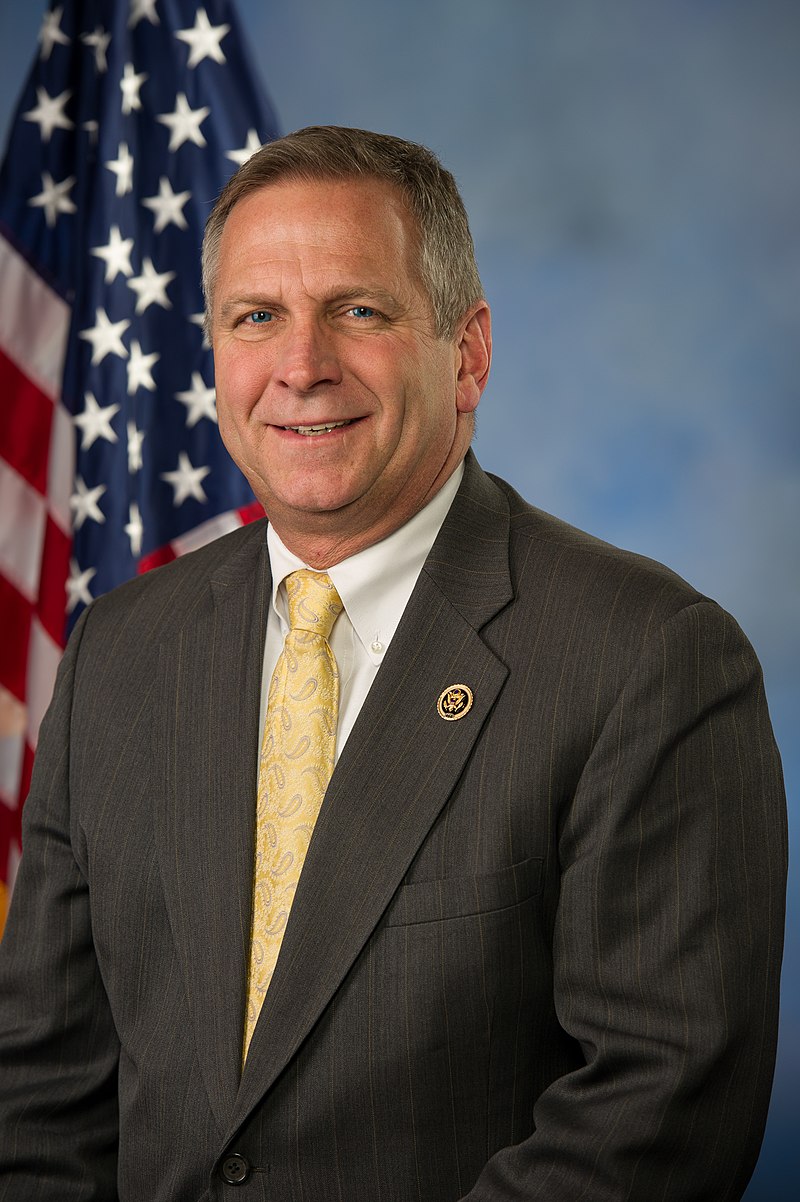
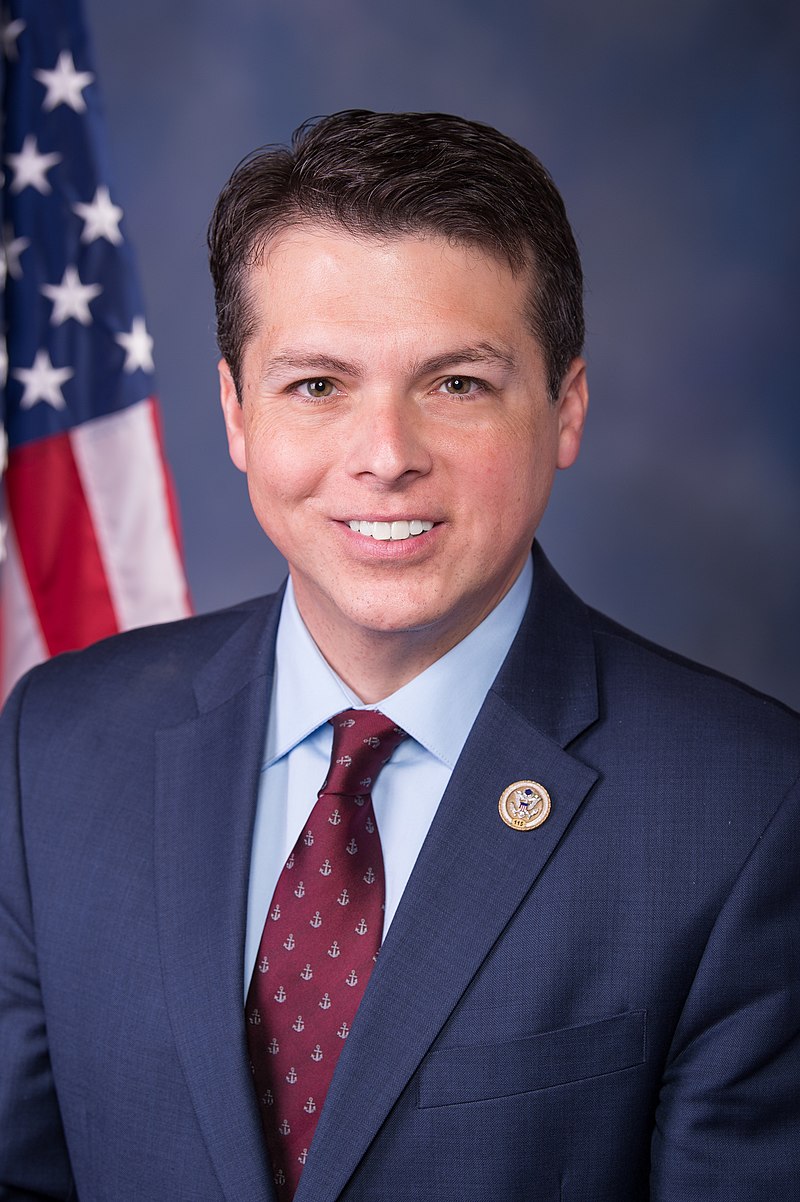




K
Ken Calvert








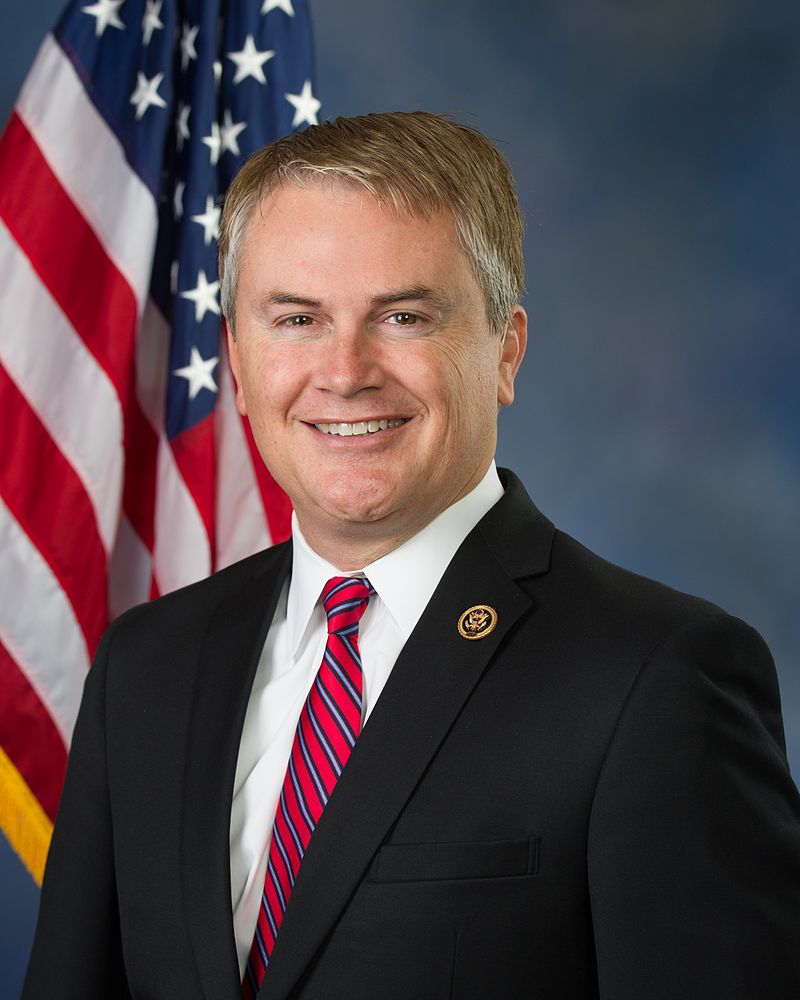
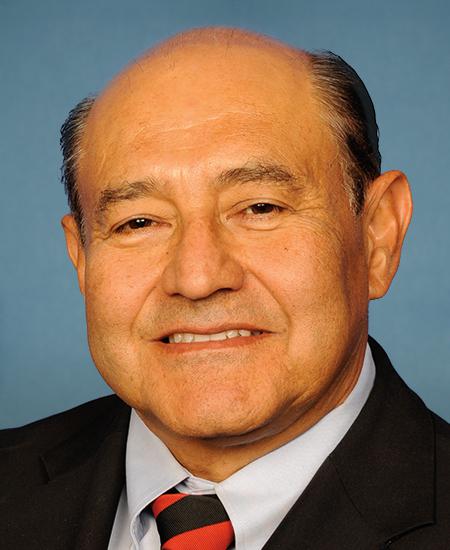
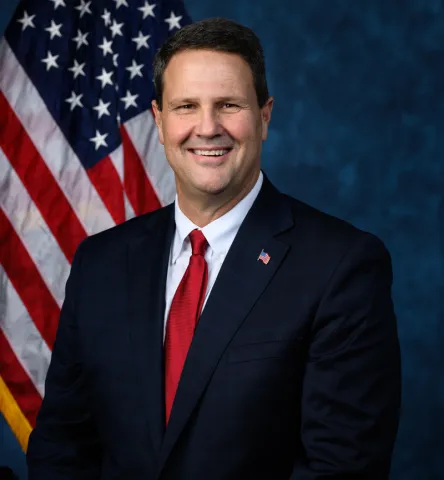



















S
Scott Franklin































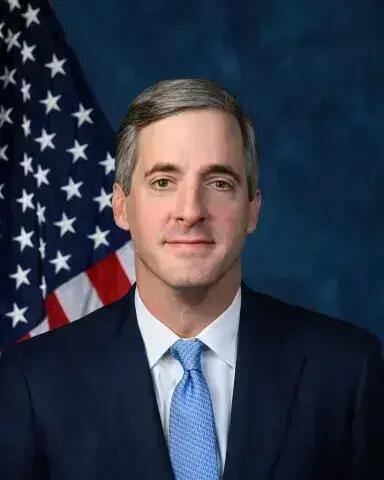
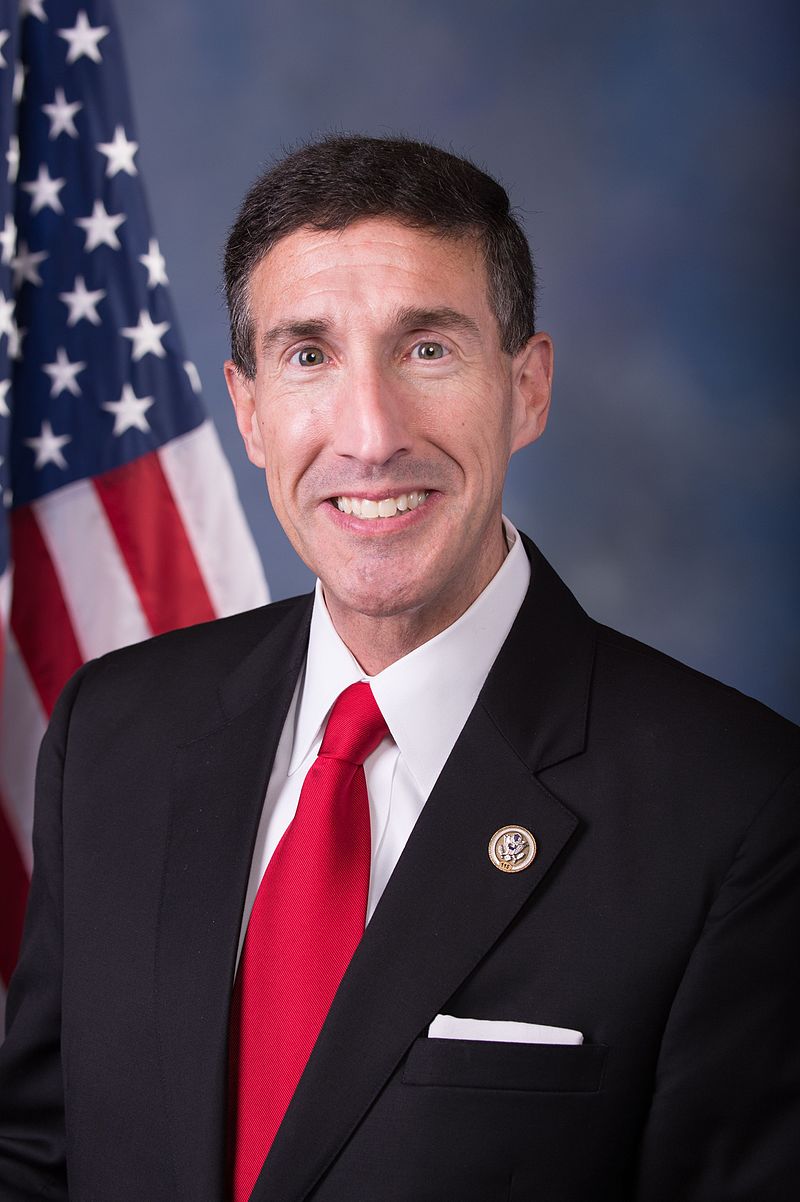



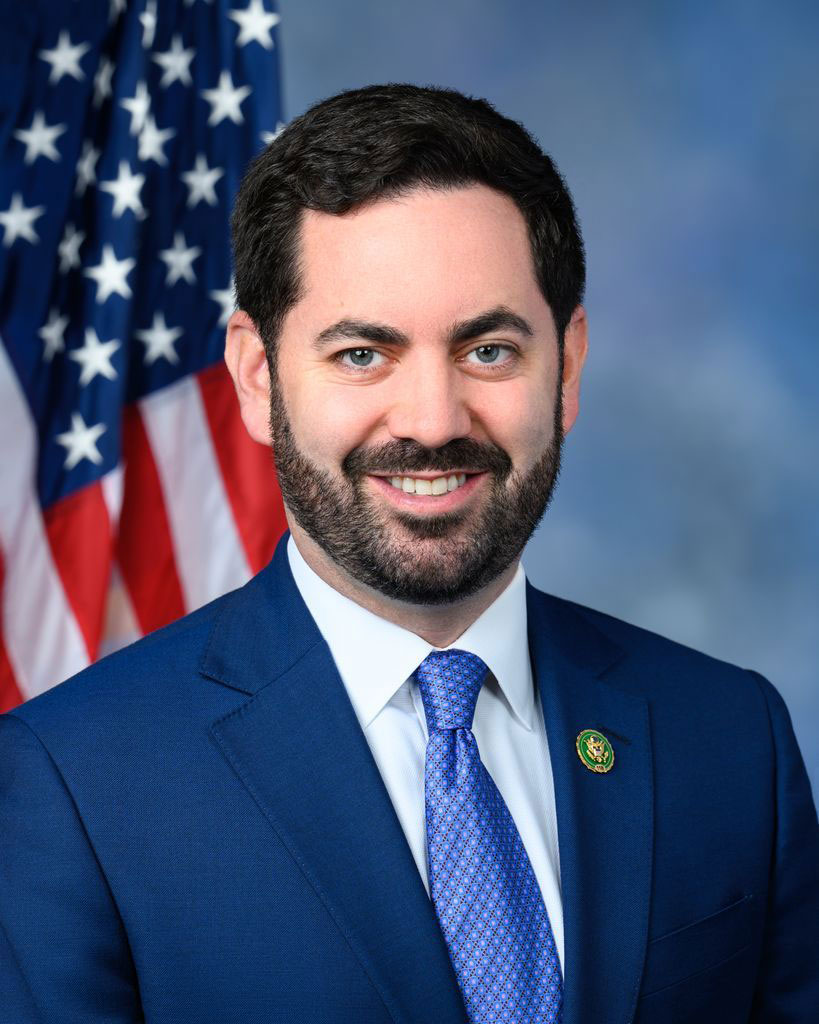








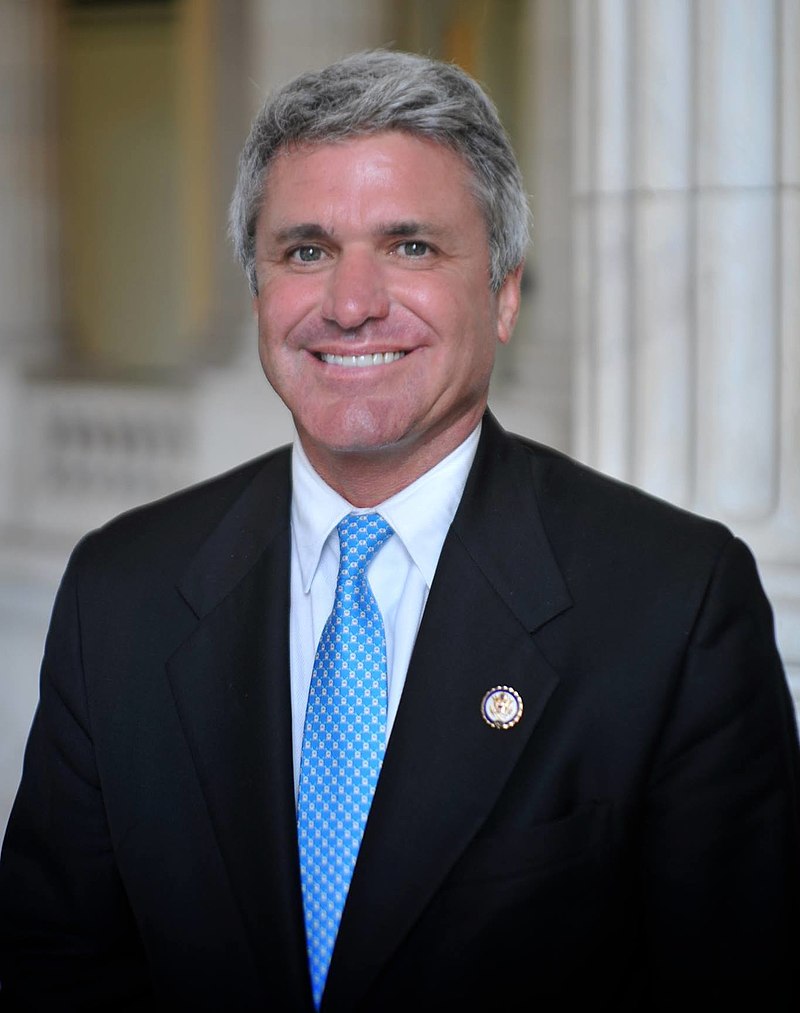
L
Lisa McClain



























J
John Rutherford



D
David Schweikert

P
Pete Sessions

























Nay (185)


















J
Jason Crow







L
Lloyd Doggett

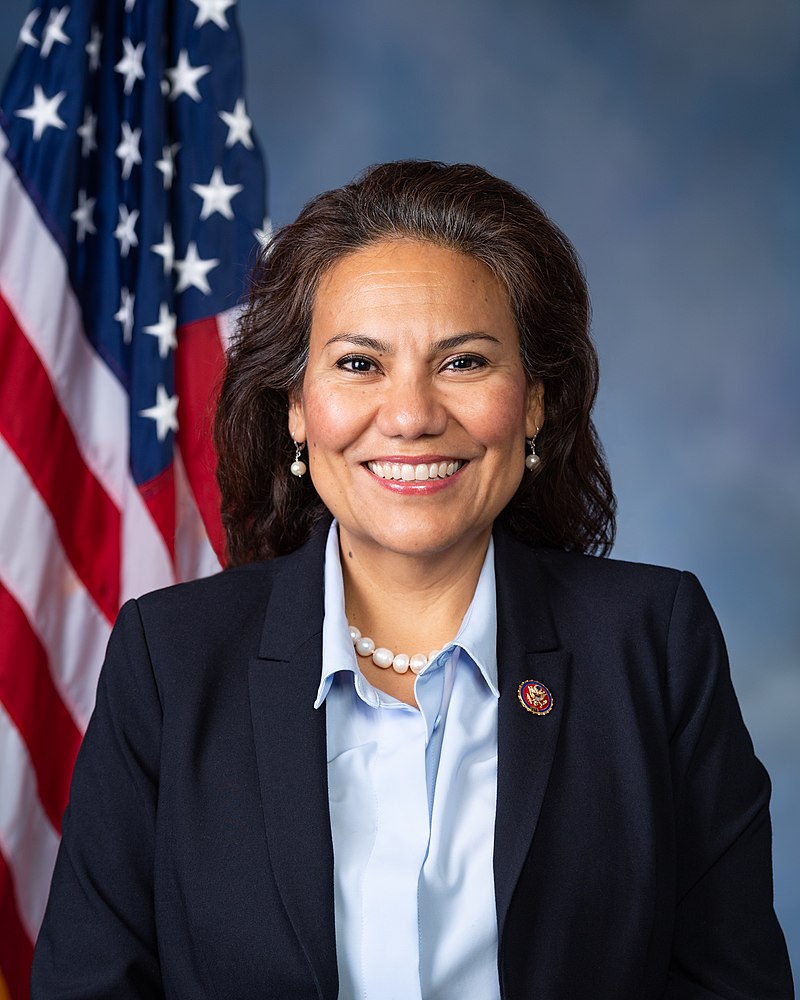
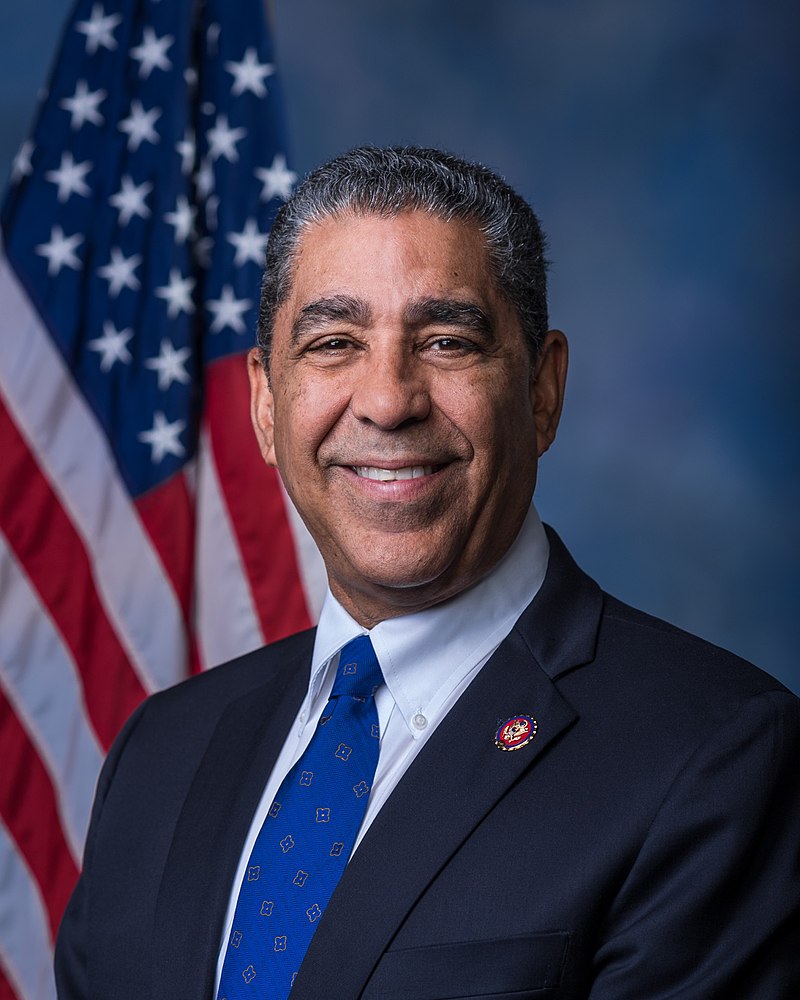
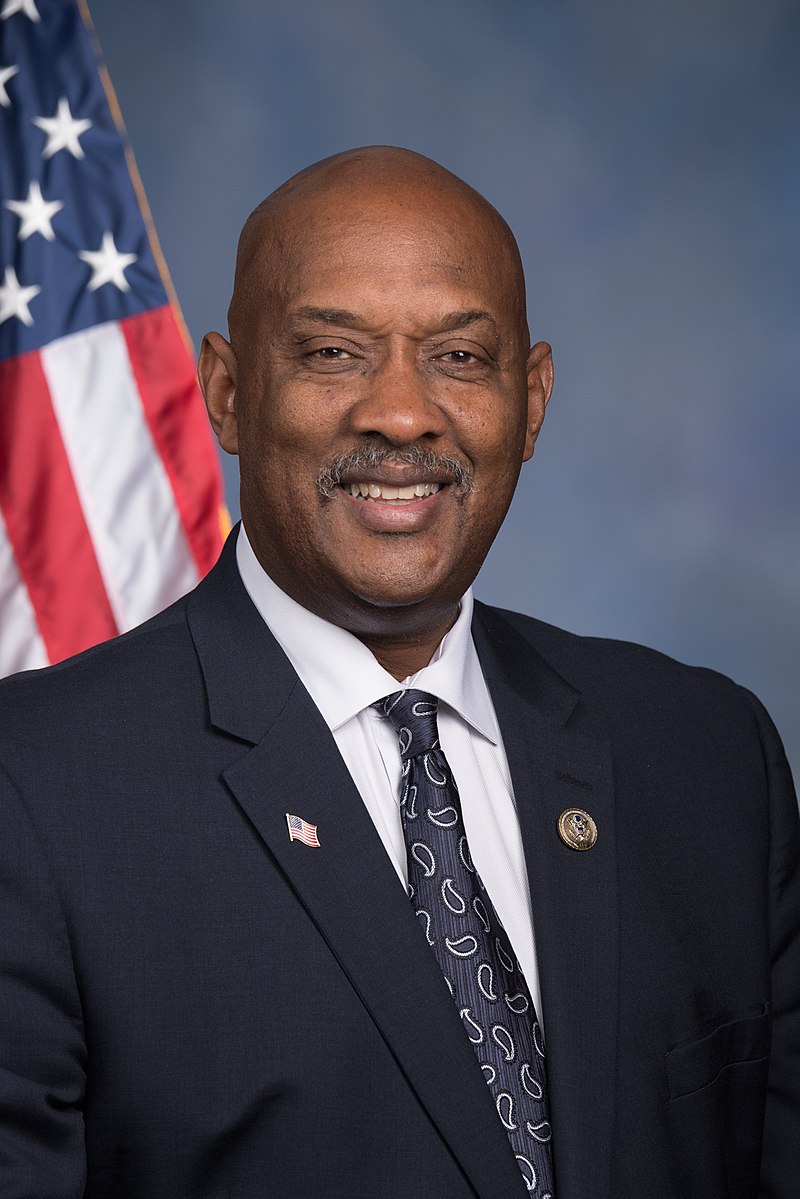





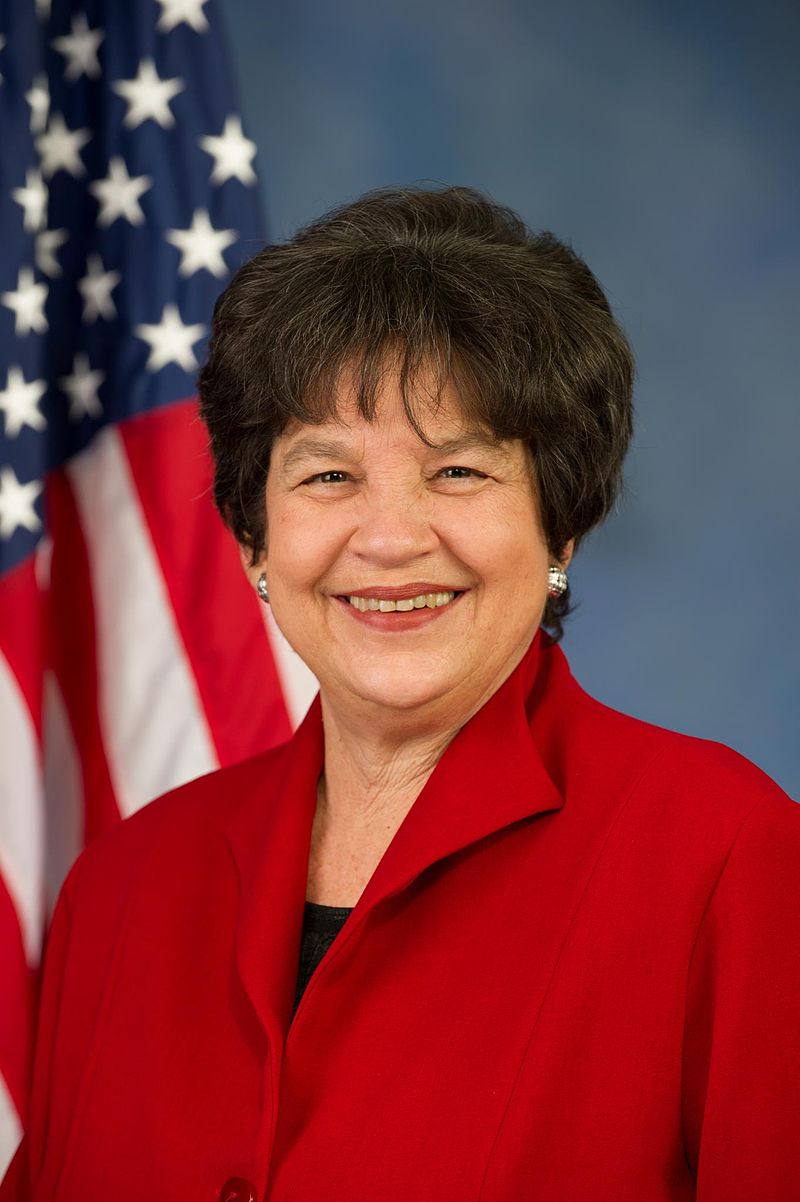


J
John Garamendi
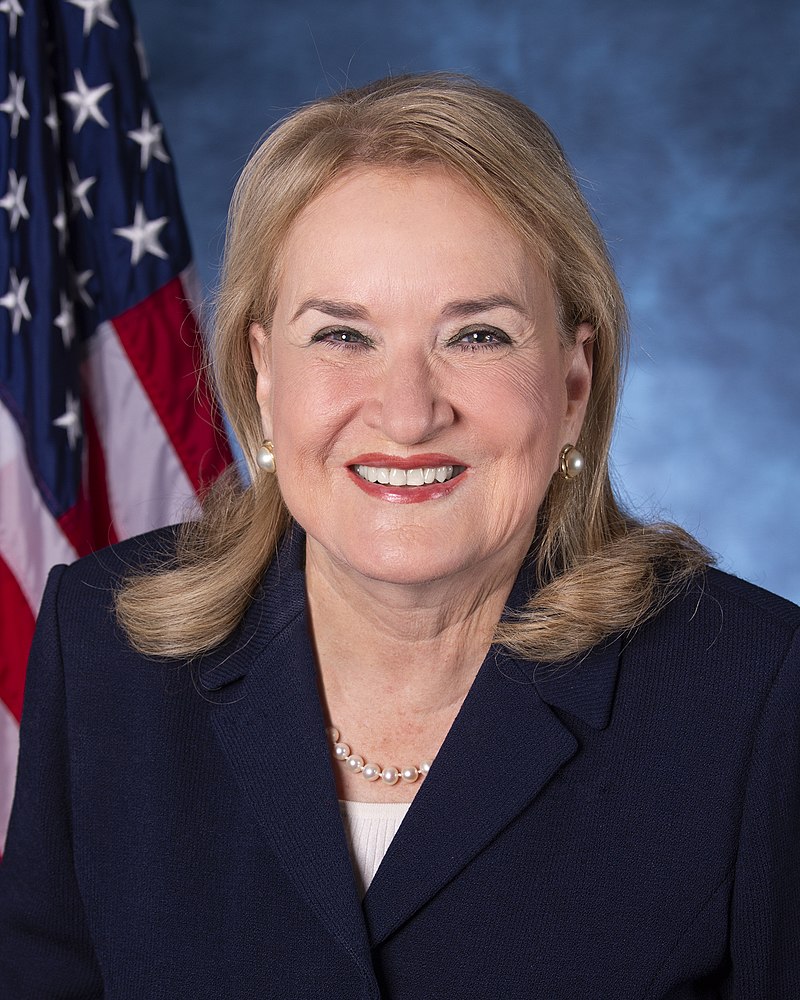
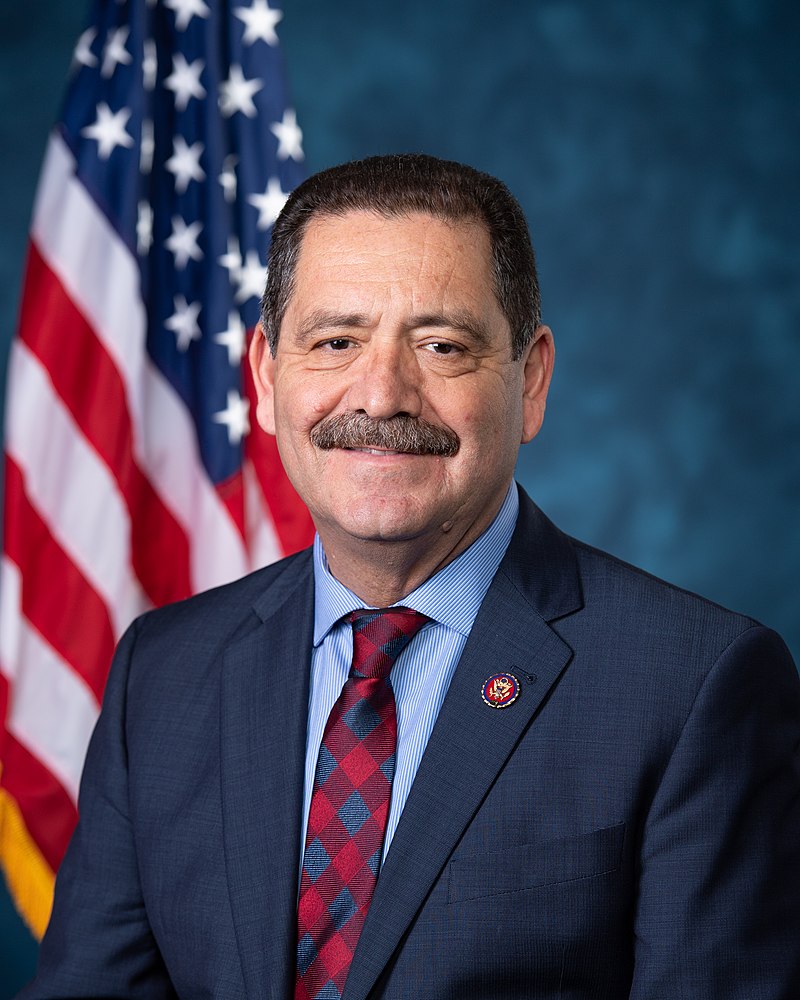










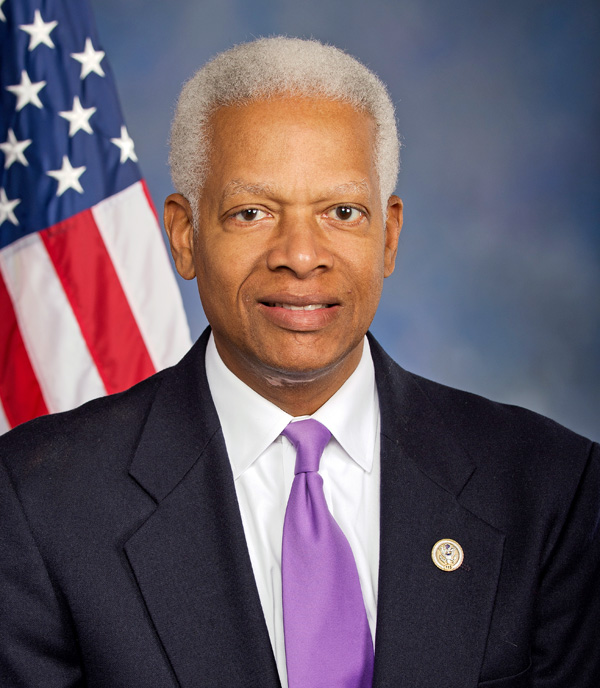





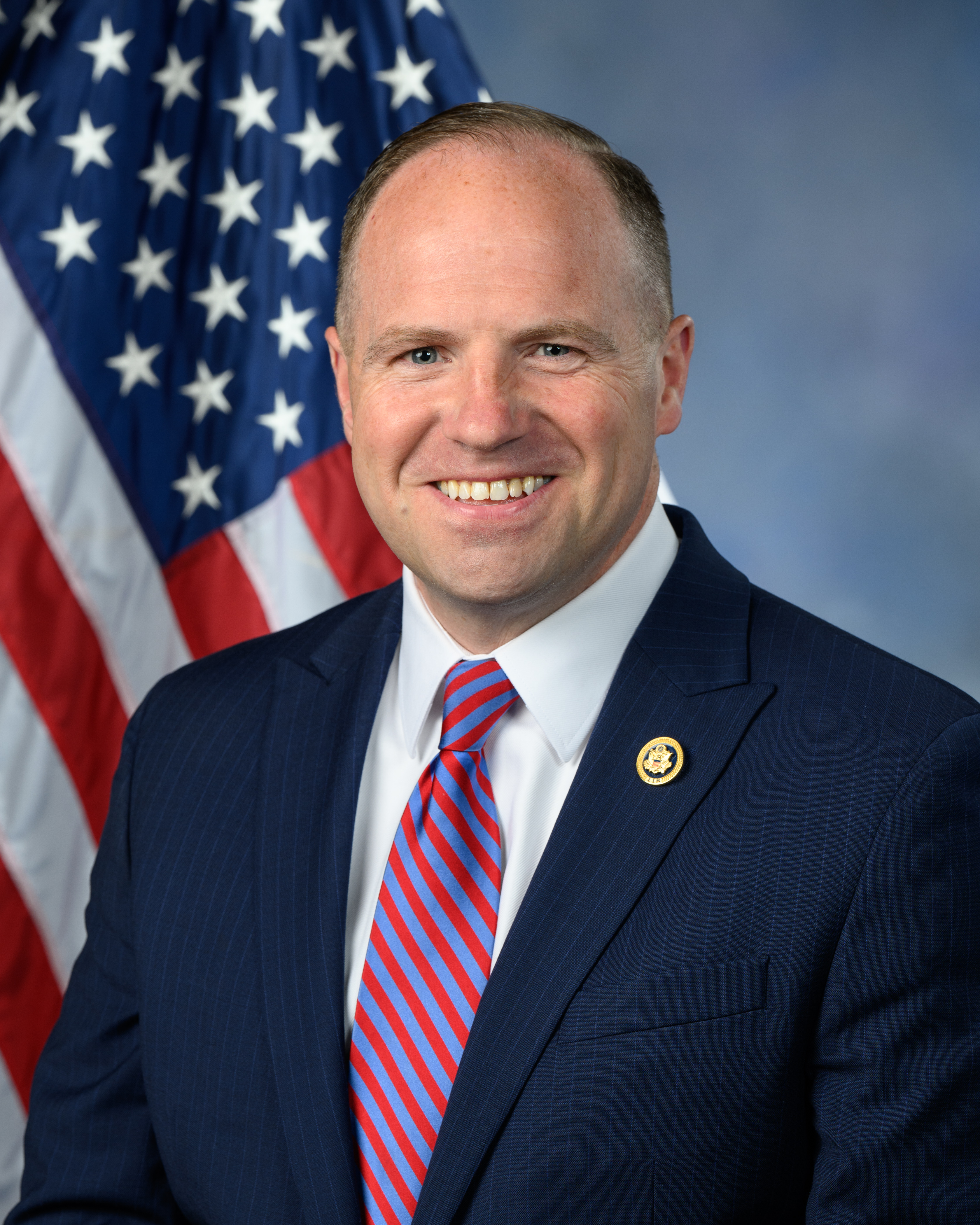


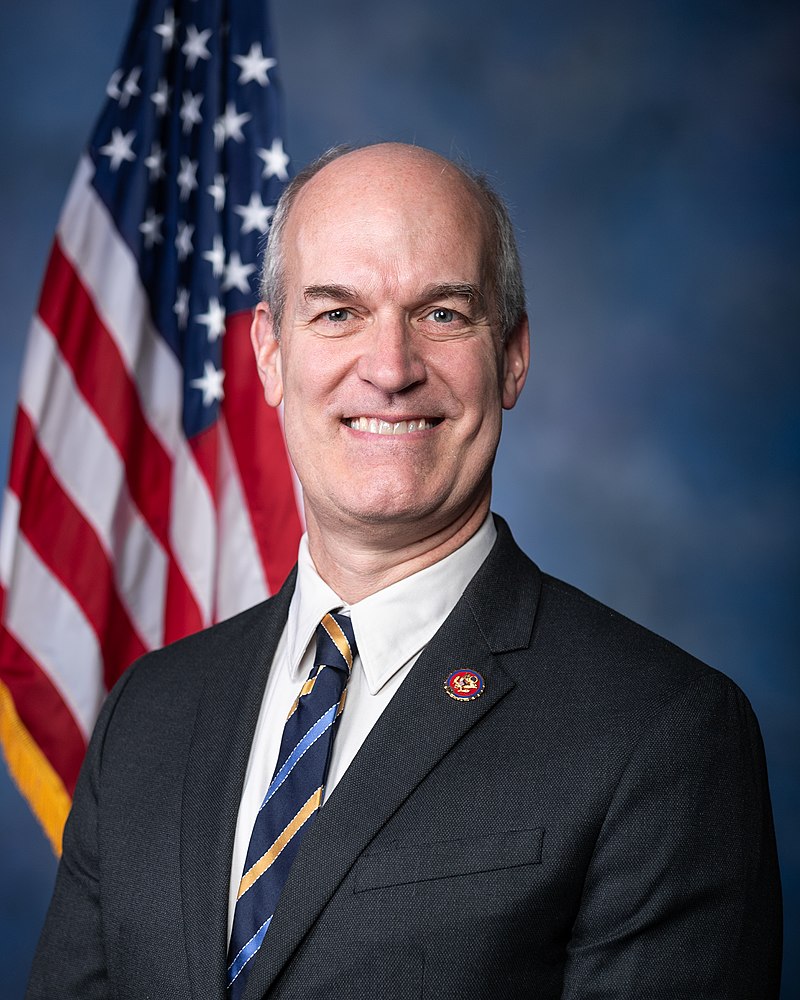

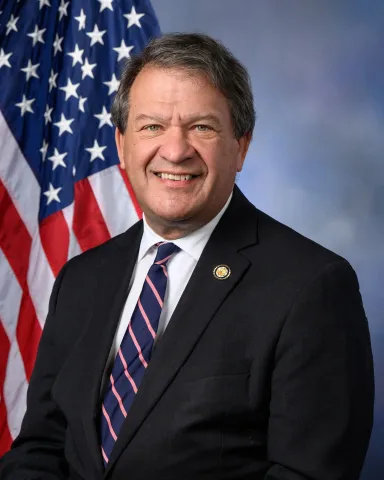


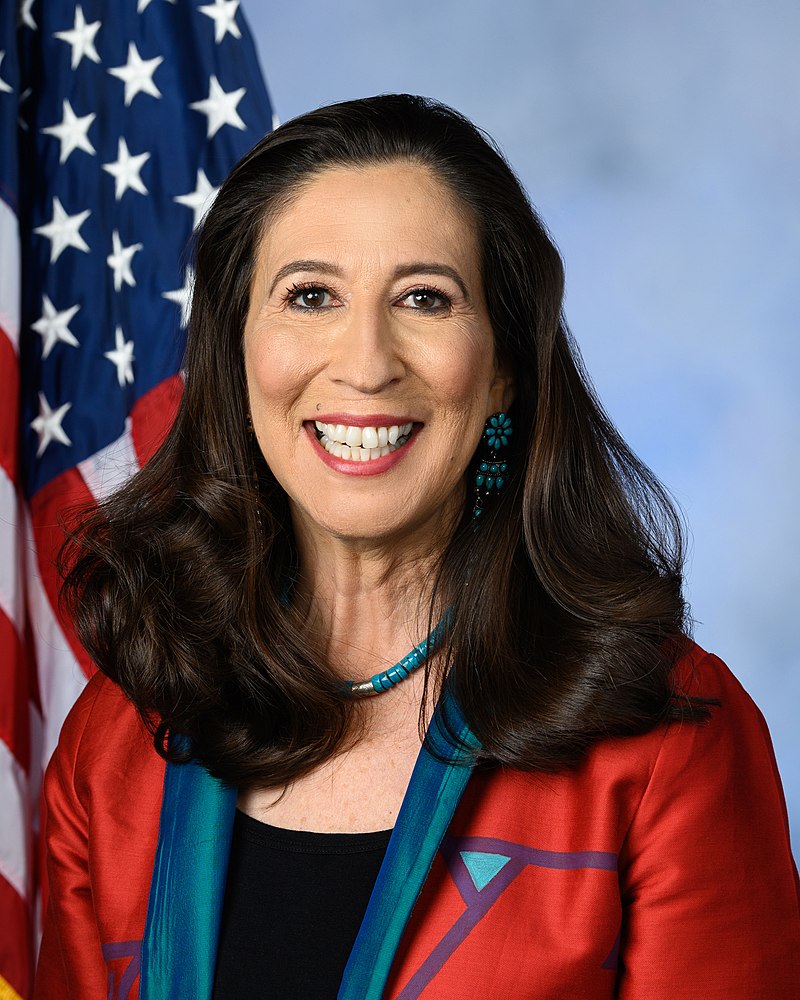
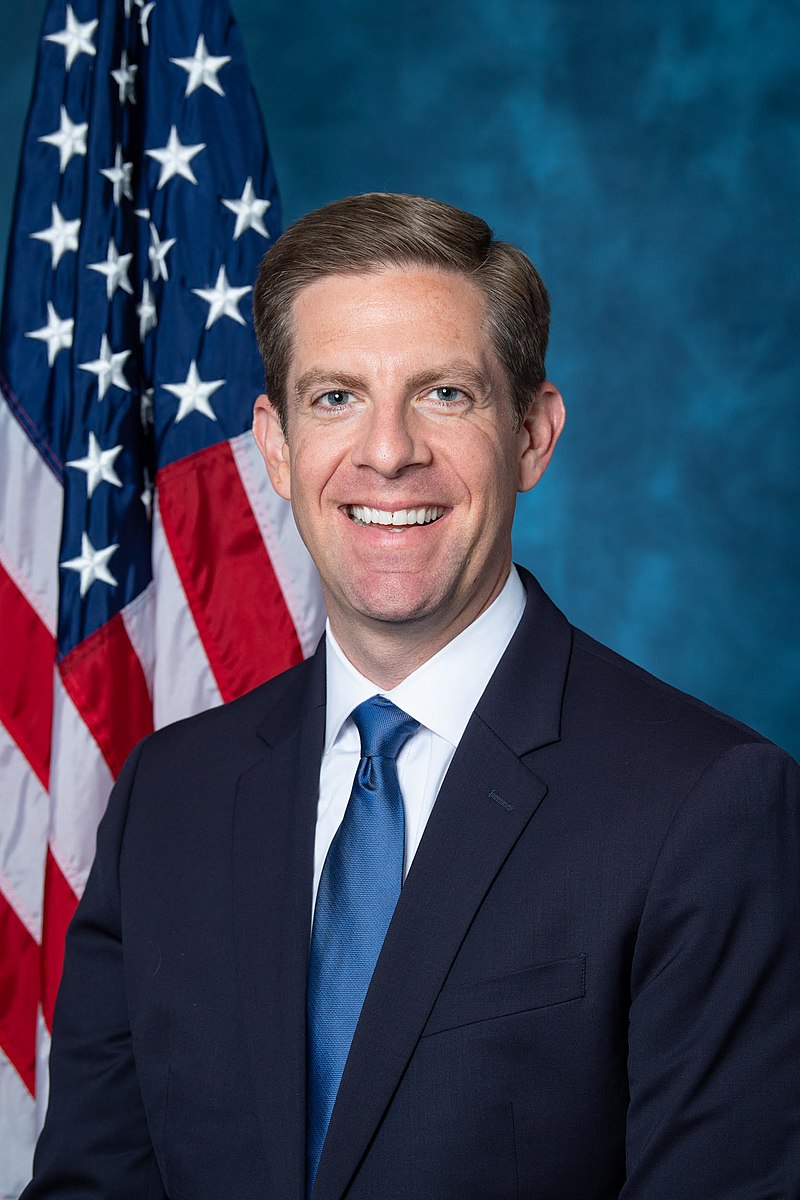
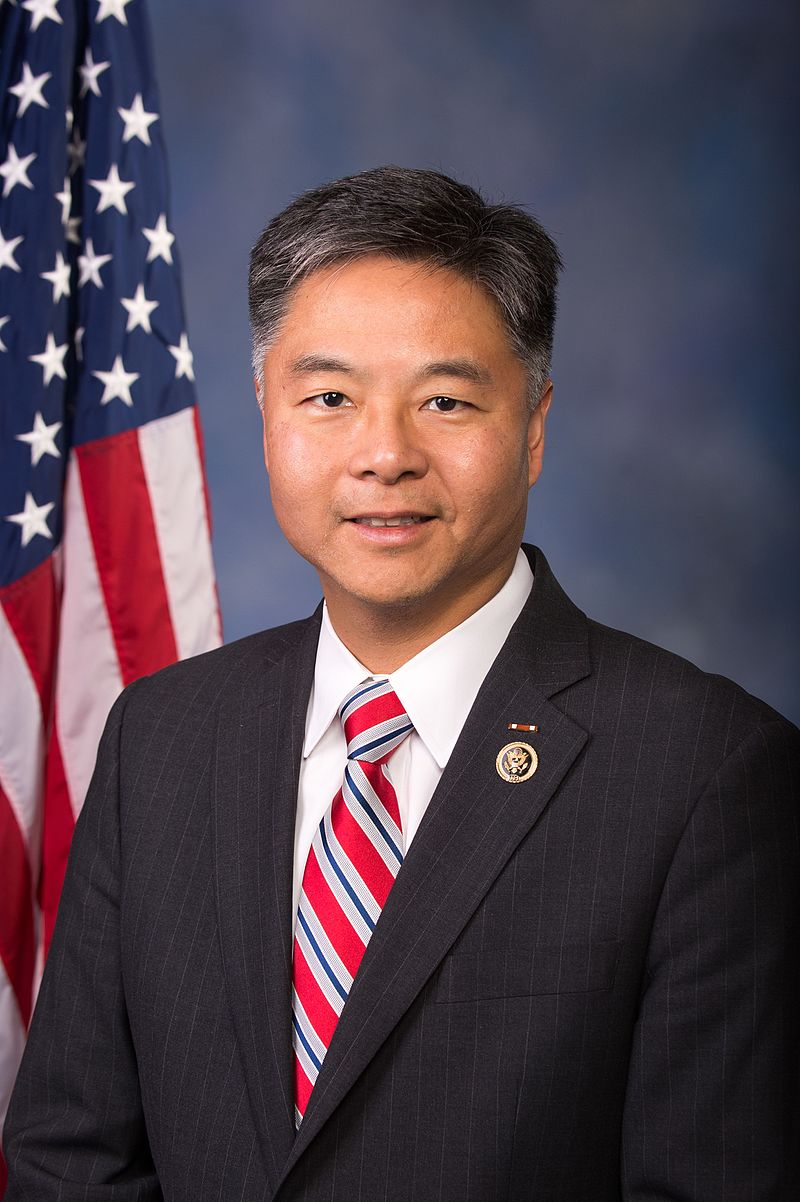

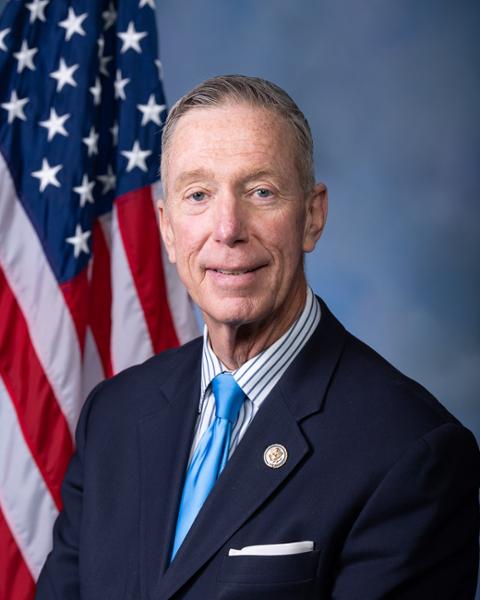

J
John Mannion

L
Lucy McBath


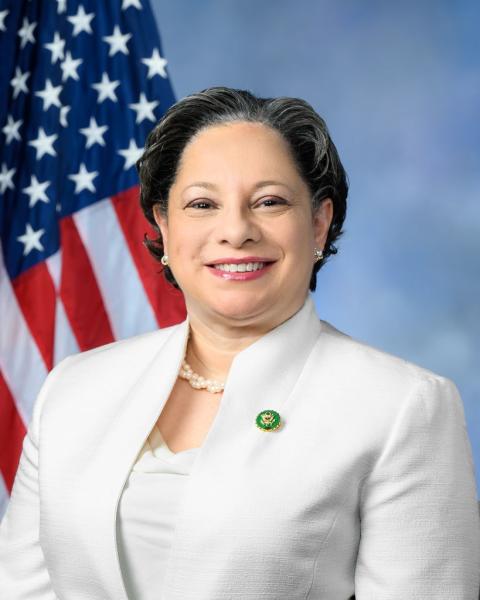






C
Christian Menefee


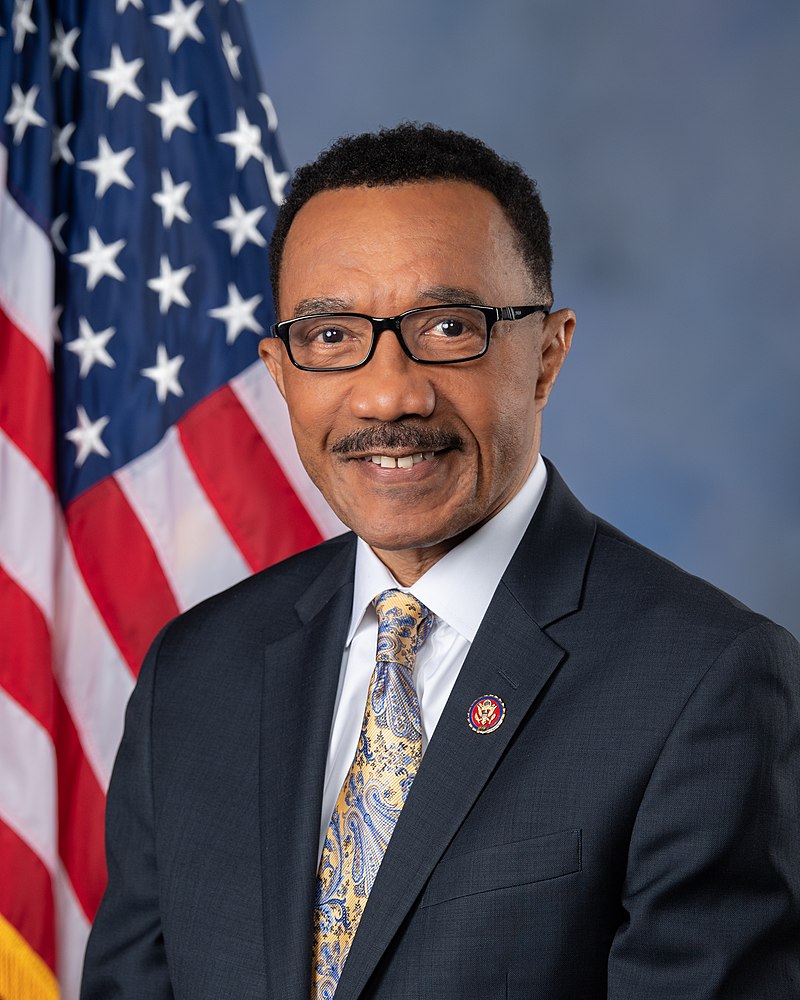
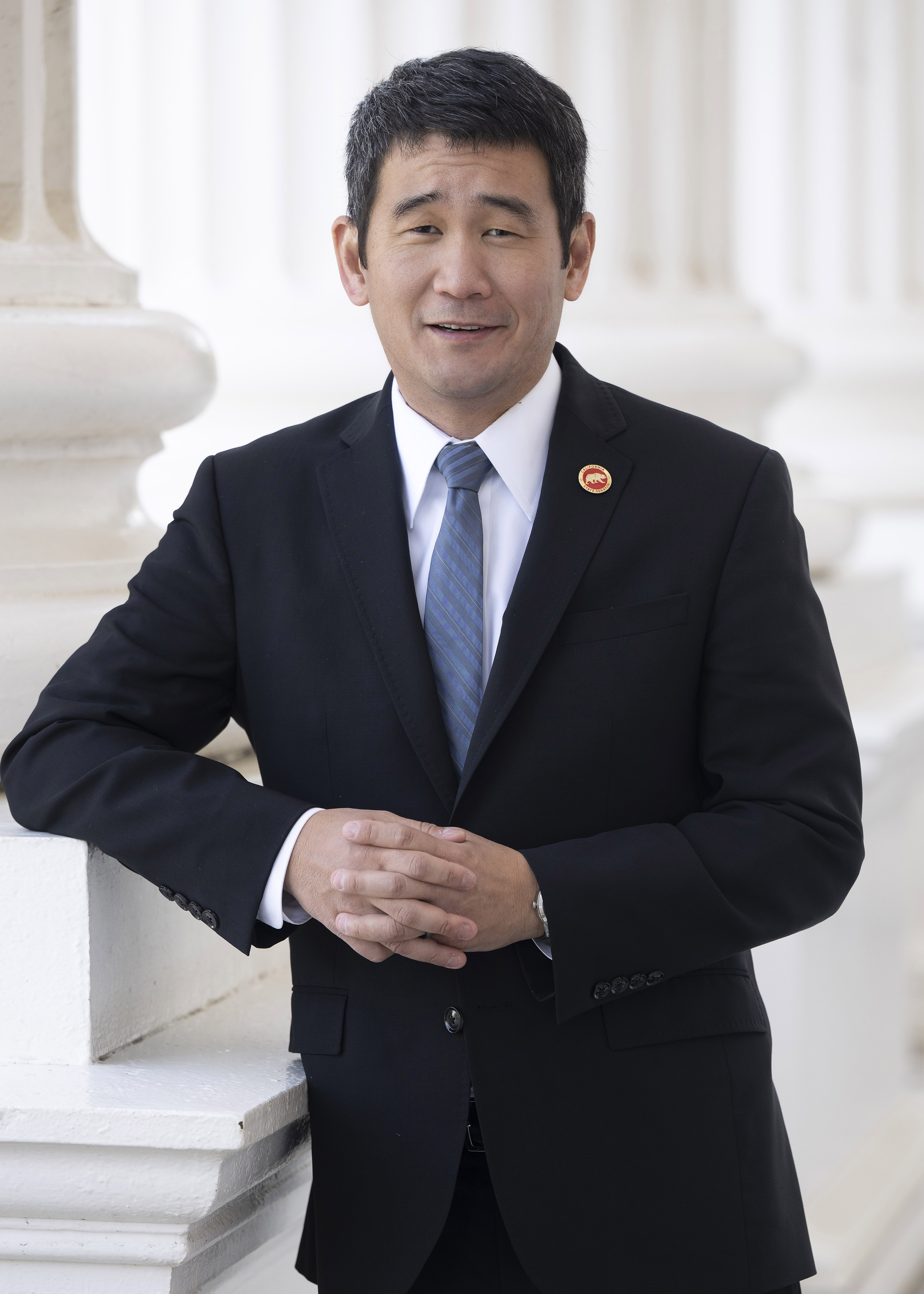






































R
Rashida Tlaib




N
Nydia Velázquez

D
Debbie Wasserman Schultz