H.R.261 — Undersea Cable Protection Act of 2025
House Roll Call
H.R.261
| Bill | H.R.261 — Undersea Cable Protection Act of 2025 |
|---|---|
| Vote question | On Passage |
| Vote type | Yea-and-Nay |
| Result | Passed |
| Totals | Yea 218 / Nay 212 / Present 0 / Not Voting 2 |
| Party | Yea | Nay | Present | Not Voting |
|---|---|---|---|---|
| R | 215 | 1 | 0 | 2 |
| D | 3 | 211 | 0 | 0 |
| I | 0 | 0 | 0 | 0 |
Research Brief
On Passage
Bill Analysis
The Undersea Cable Protection Act of 2025 (H.R. 261) strengthens federal authority to protect U.S. undersea communications cables from physical damage, interference, and foreign threats, and to improve resilience of this critical infrastructure.
The bill directs the Department of Commerce, through the National Telecommunications and Information Administration (NTIA), to lead a coordinated federal strategy on undersea cable security and resilience. NTIA must assess vulnerabilities of submarine cable systems landing in or serving the United States, including physical, cyber, and supply-chain risks, and develop a national plan to mitigate them. This includes identifying critical cable routes, chokepoints, and single points of failure, and recommending redundancy and diversification measures.
The Act requires enhanced interagency coordination among NTIA, the Federal Communications Commission (FCC), Department of Homeland Security (DHS)/Cybersecurity and Infrastructure Security Agency (CISA), Department of Defense (DOD), State Department, and intelligence agencies. It formalizes information-sharing mechanisms with cable operators and other private-sector stakeholders, treating undersea cables as critical infrastructure. The bill also encourages closer coordination with allies and partners to secure international cable routes and landing points.
The FCC is directed to review and, as needed, update licensing, permitting, and foreign ownership review processes for submarine cable landing licenses, in consultation with national security agencies, to better address security risks posed by foreign entities, particularly those of concern to U.S. national security. The bill may codify or refine existing “Team Telecom” review practices.
Beneficiaries include U.S. telecommunications carriers, cloud and content providers, financial institutions, and end users who rely on transoceanic data flows. Regulated or more closely scrutinized parties include cable system owners, operators, landing station owners, and foreign investors or suppliers involved in cable projects.
The Act authorizes appropriations (amounts to be specified in the bill text) to NTIA and related agencies to carry out assessments, planning, and coordination activities. Key timelines typically include deadlines (e.g., 180 days–1 year after enactment) for vulnerability assessments, submission of the national strategy to Congress, and periodic updates or reports on implementation and evolving threats.
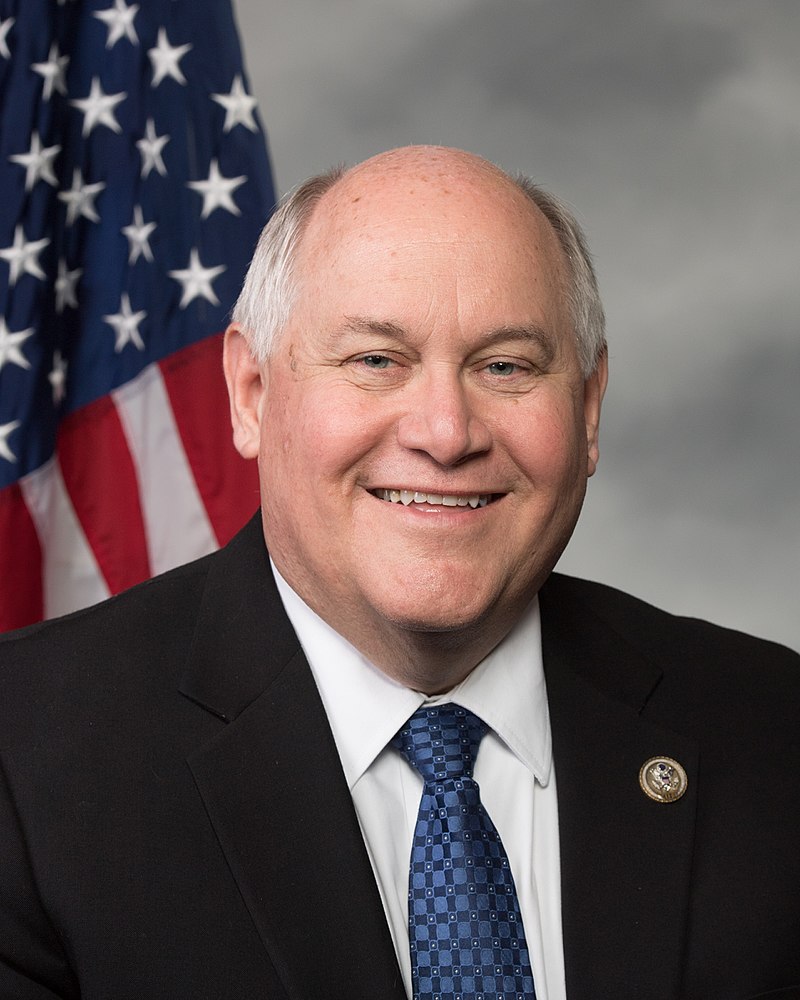
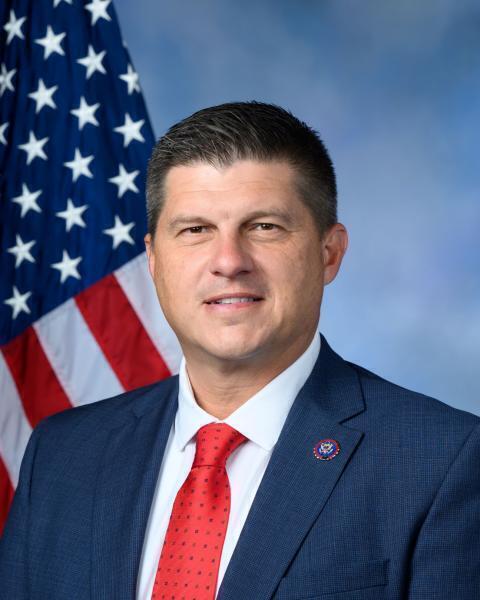
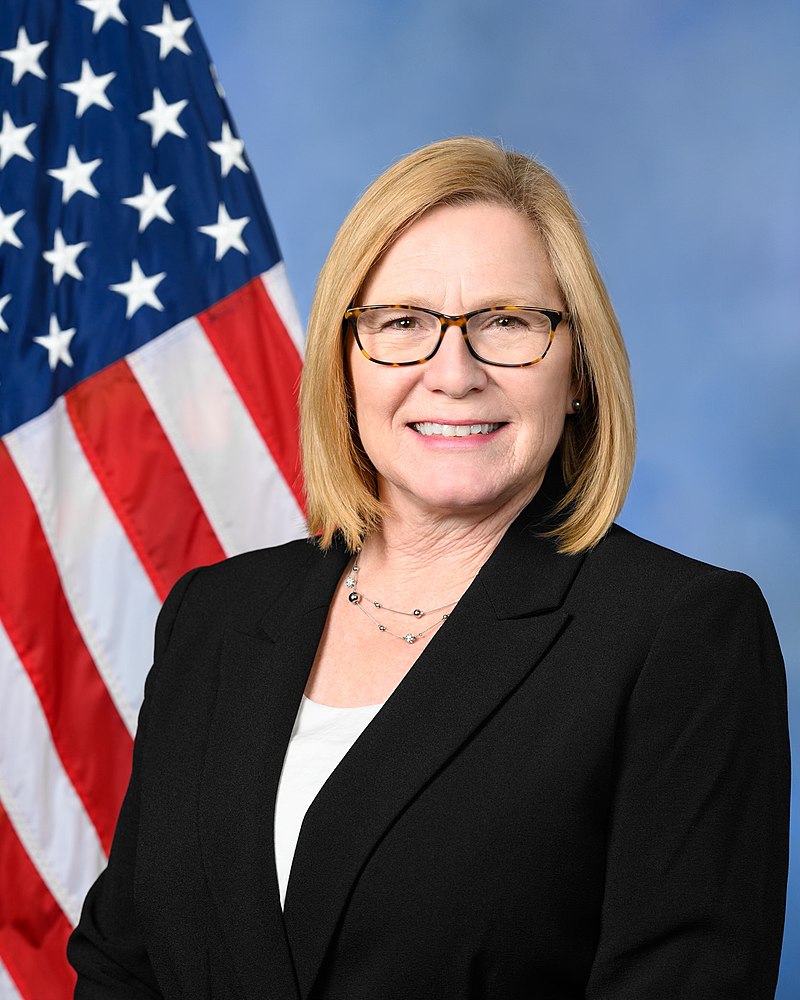
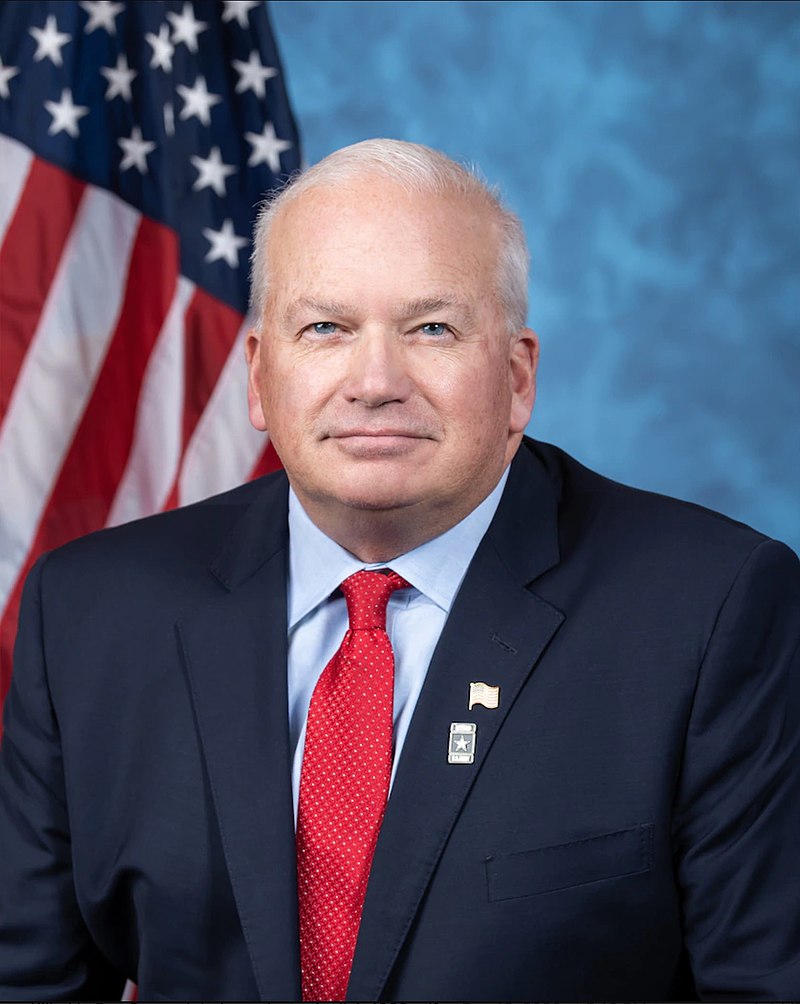
Yea (218)





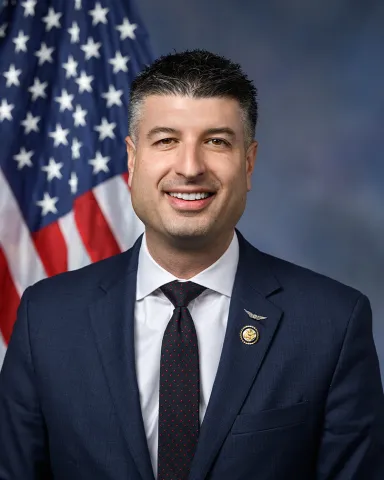



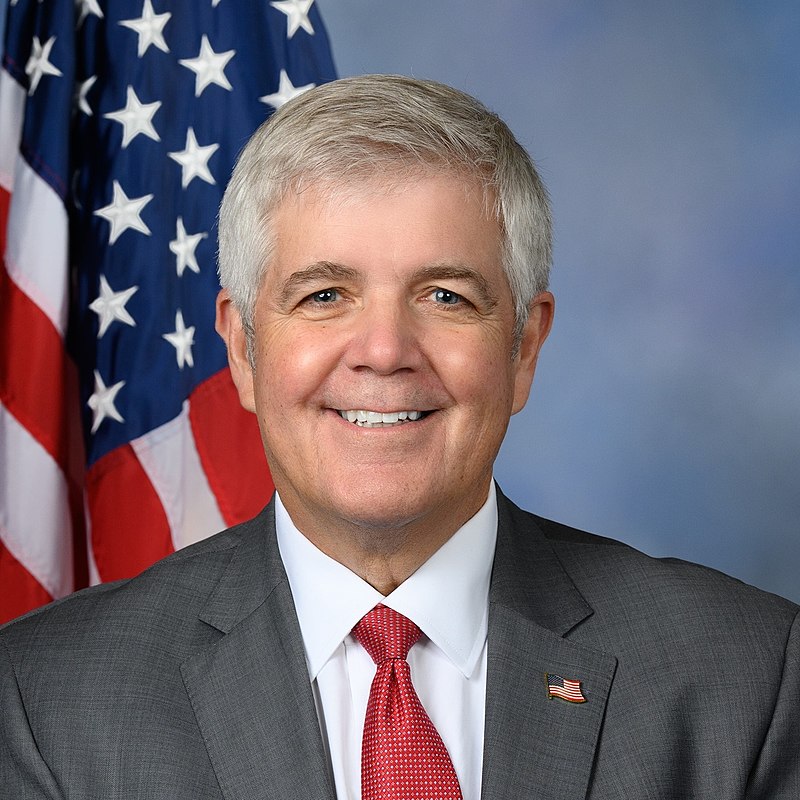

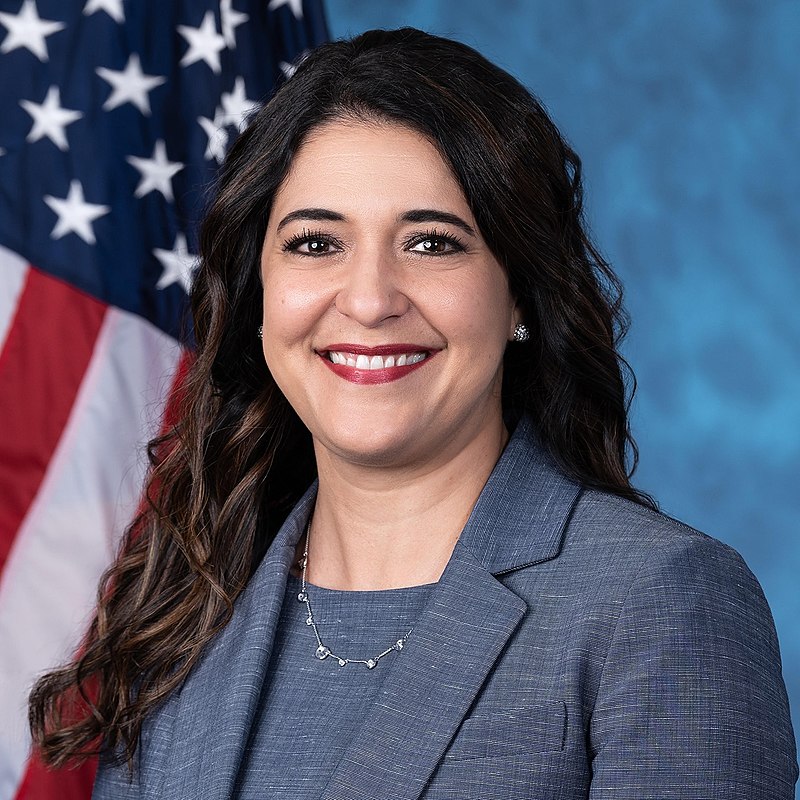
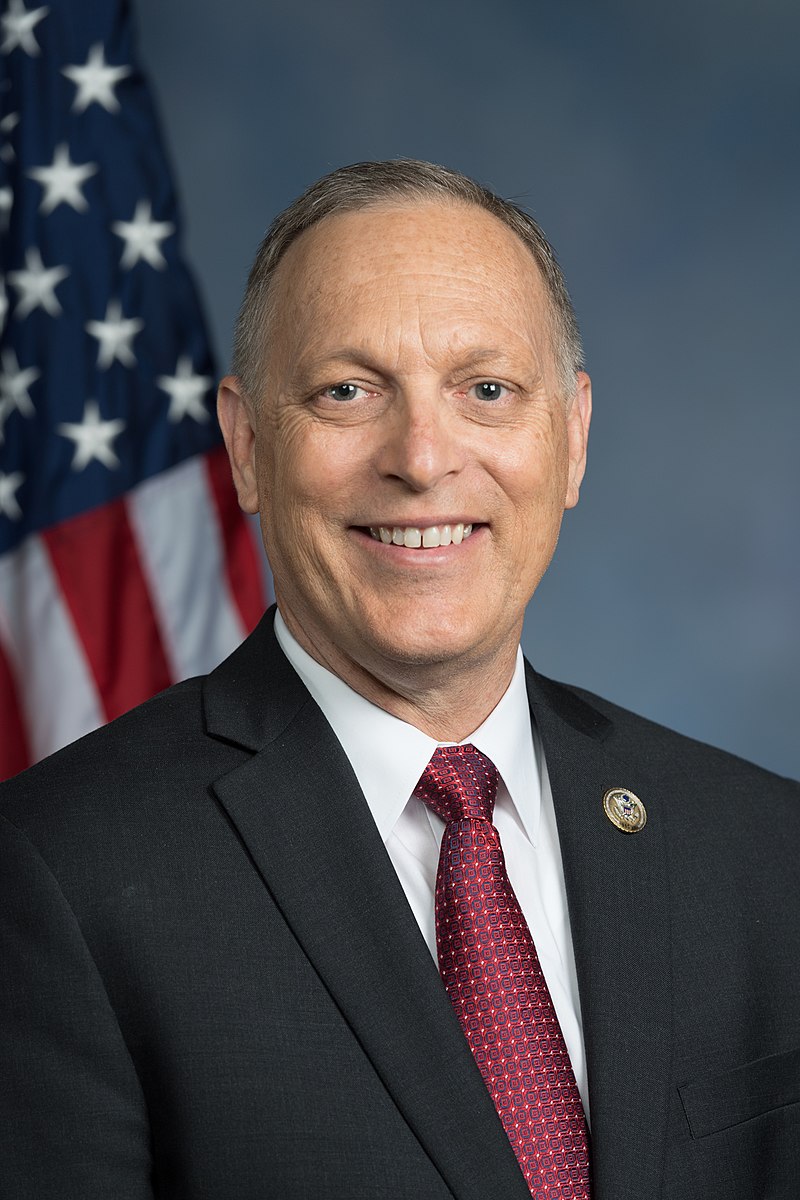







K
Ken Calvert





























S
Scott Franklin



































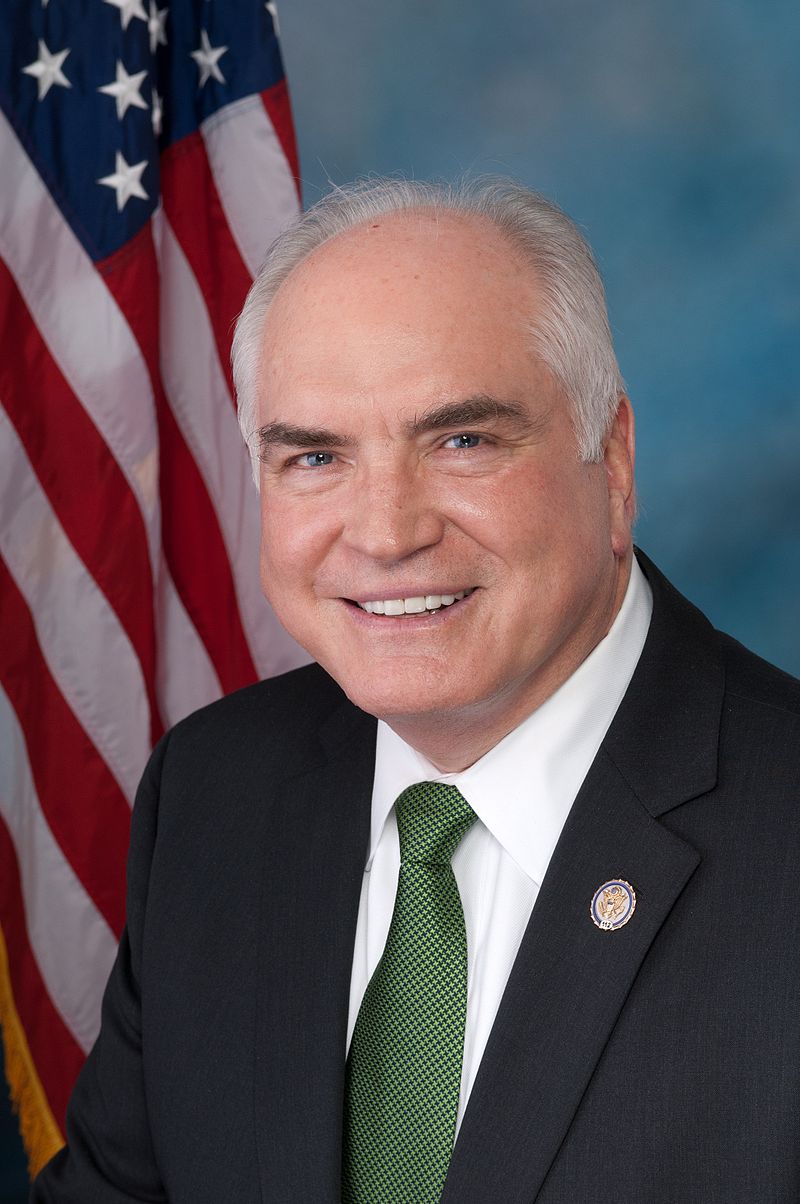
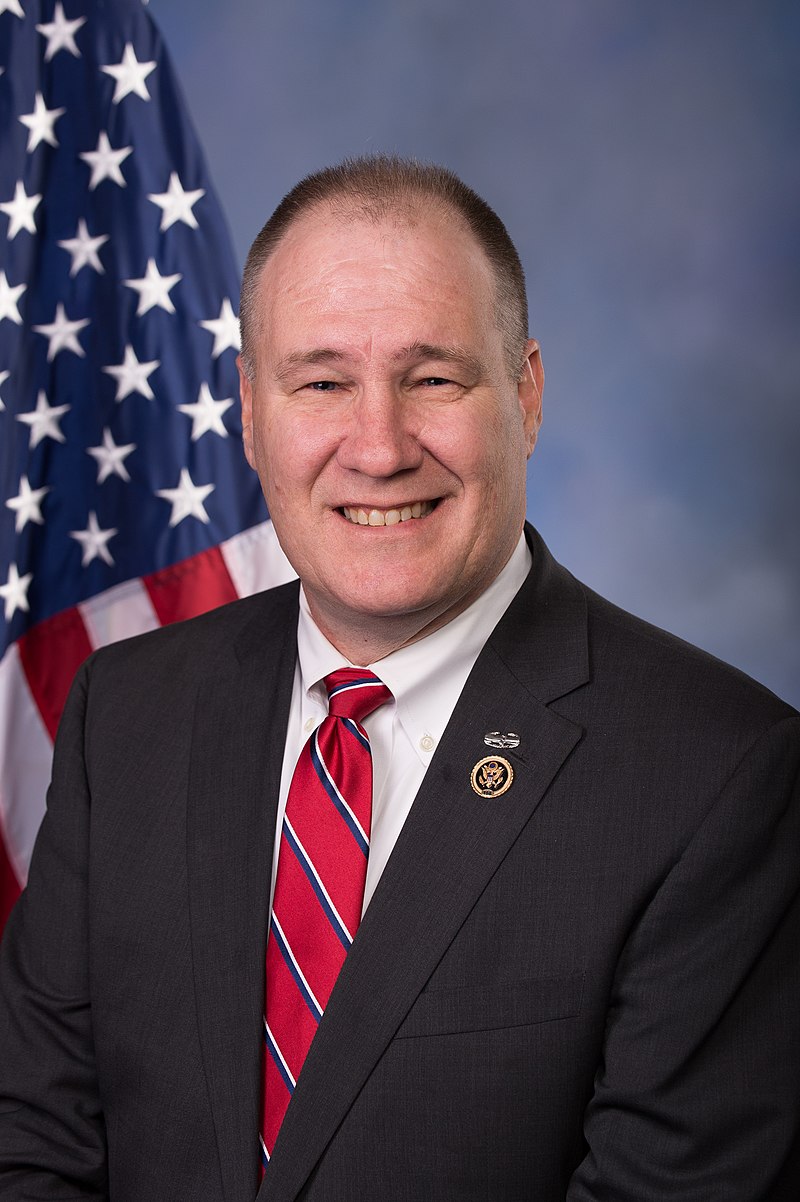





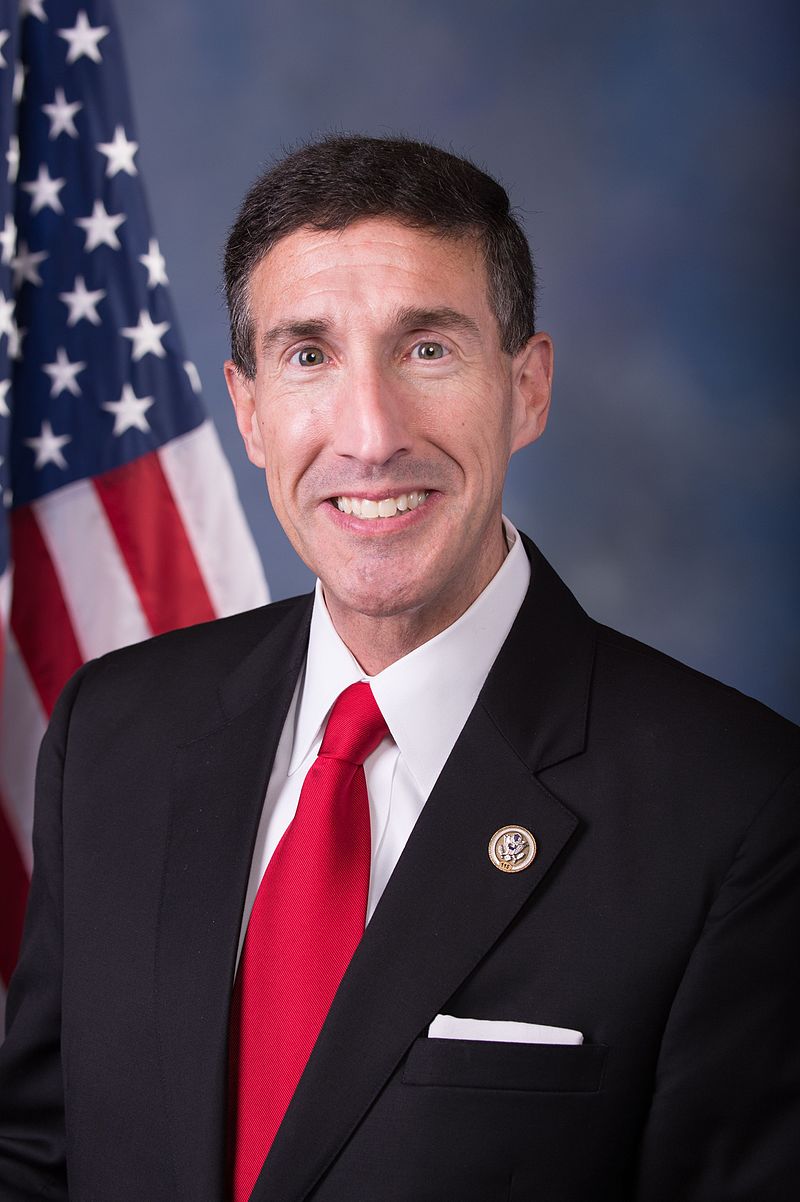




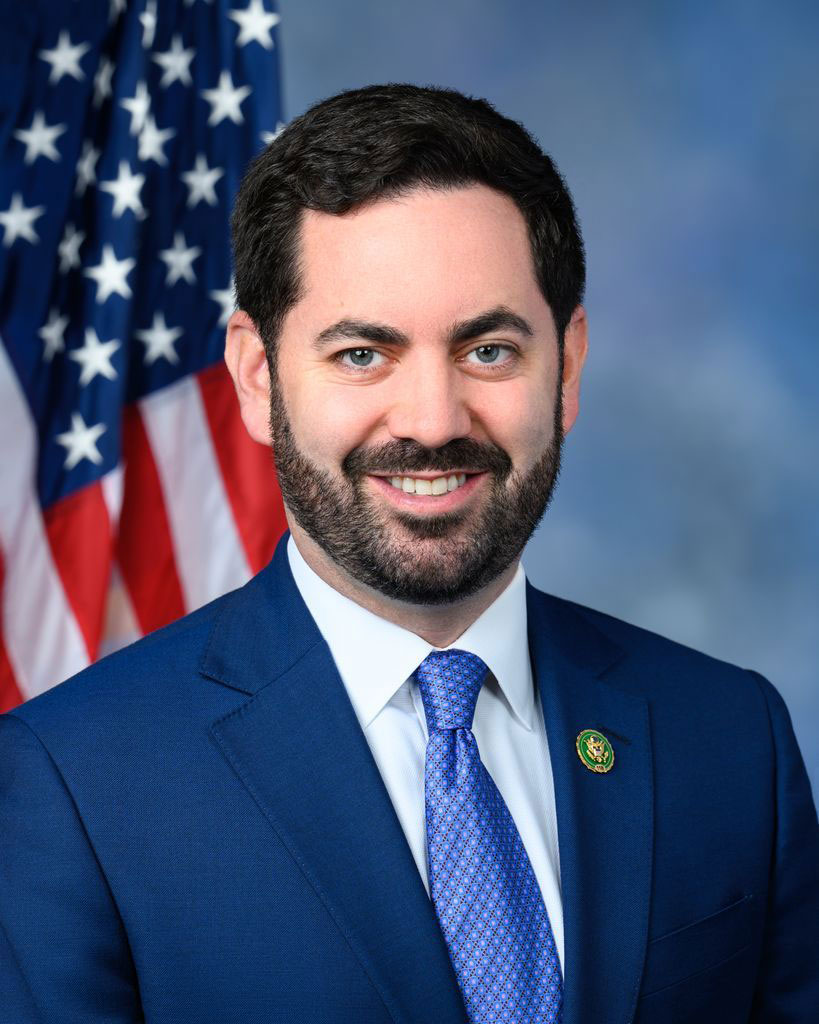











L
Lisa McClain




























J
John Rutherford


D
David Schweikert


P
Pete Sessions


























Nay (212)




























J
Jason Crow










L
Lloyd Doggett








J
John Garamendi




































J
John Mannion

L
Lucy McBath








C
Christian Menefee












































E
Eric Swalwell



R
Rashida Tlaib








N
Nydia Velázquez


D
Debbie Wasserman Schultz