H.R.261 — Undersea Cable Protection Act of 2025
House Roll Call
H.R.261
| Bill | H.R.261 — Undersea Cable Protection Act of 2025 |
|---|---|
| Vote question | On Motion to Recommit |
| Vote type | Yea-and-Nay |
| Result | Failed |
| Totals | Yea 214 / Nay 216 / Present 0 / Not Voting 2 |
| Party | Yea | Nay | Present | Not Voting |
|---|---|---|---|---|
| R | 0 | 216 | 0 | 2 |
| D | 214 | 0 | 0 | 0 |
| I | 0 | 0 | 0 | 0 |
Research Brief
On Motion to Recommit
Bill Analysis
The Undersea Cable Protection Act of 2025 (H.R. 261, 119th Congress) strengthens federal authority to secure and maintain U.S. undersea communications cables—critical infrastructure for internet, financial transactions, and military communications.
The bill designates undersea cables and associated landing stations as “critical infrastructure” for national security and economic purposes, directing the federal government to treat their protection as a strategic priority. It authorizes the Department of Commerce, in coordination with the Department of Homeland Security (DHS), Department of Defense (DOD), and Federal Communications Commission (FCC), to develop and implement a national undersea cable security strategy. This strategy must address physical security, cyber vulnerabilities, redundancy, and rapid repair capabilities, including contingency planning for hostile actions or major accidents.
H.R. 261 directs relevant agencies to establish or expand information-sharing mechanisms with cable operators, financial institutions, cloud providers, and other critical users, while protecting classified and proprietary information. It encourages or requires risk assessments of existing and planned cable routes, landing sites, and network interconnection points, including foreign ownership and supply chain risks. The bill may restrict or heighten review of certain foreign participation in cable projects that present national security concerns, likely via enhanced coordination with the Committee on Foreign Investment in the United States (CFIUS) and “Team Telecom” review processes.
The legislation benefits U.S. consumers, businesses, and national security agencies by aiming to reduce outages and vulnerability to sabotage or espionage. It primarily affects cable system owners and operators, landing station operators, and telecommunications carriers, who may face new security standards, reporting requirements, and coordination obligations.
Funding is authorized (subject to annual appropriations) for planning, risk assessment, and security enhancements, including grants or cost-sharing programs to harden landing stations and improve monitoring and repair capabilities. Key timelines typically include deadlines (e.g., 180 days to 1 year after enactment) for the national strategy, interagency coordination frameworks, and initial risk reports to Congress, followed by periodic updates and oversight reporting.
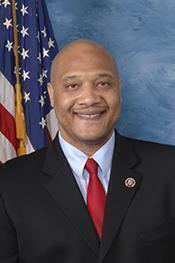
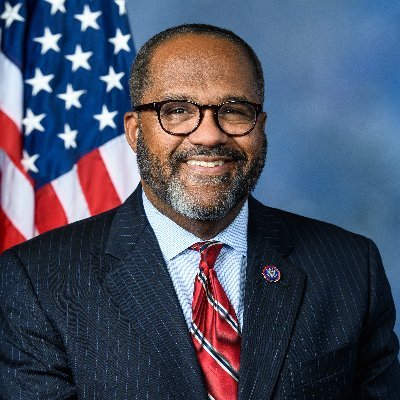
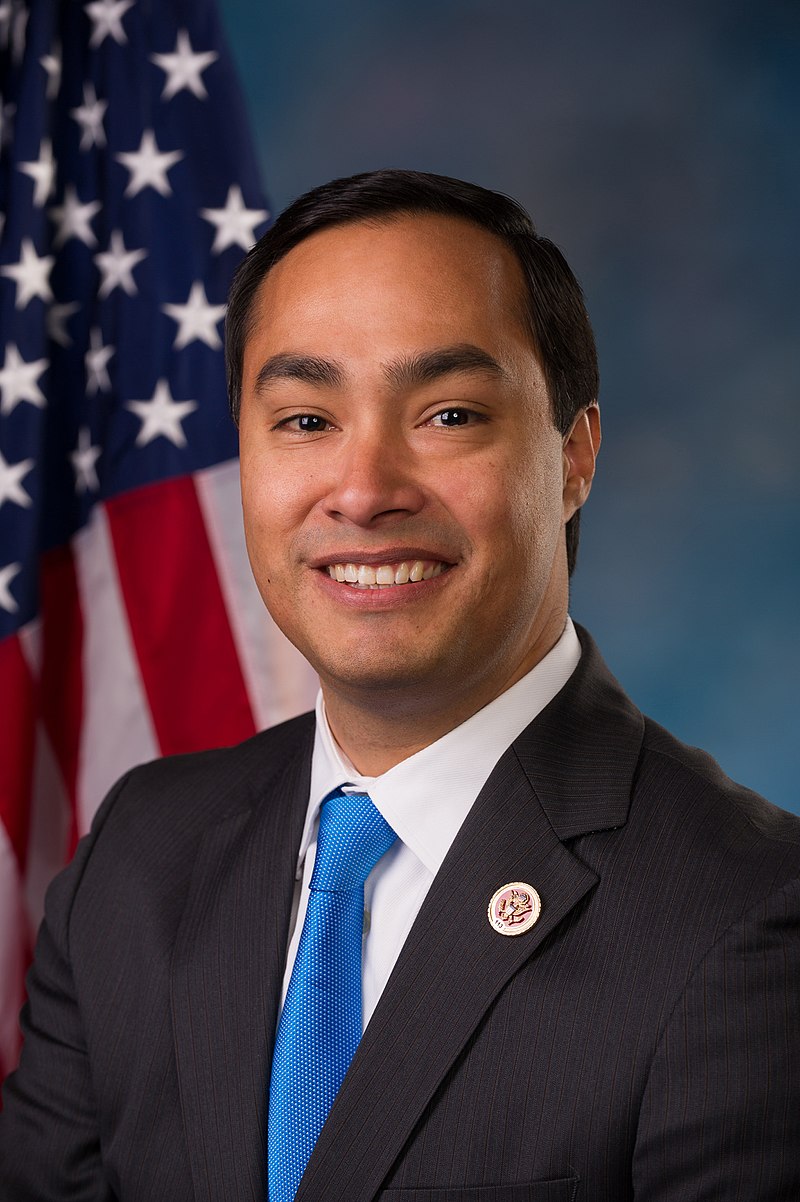
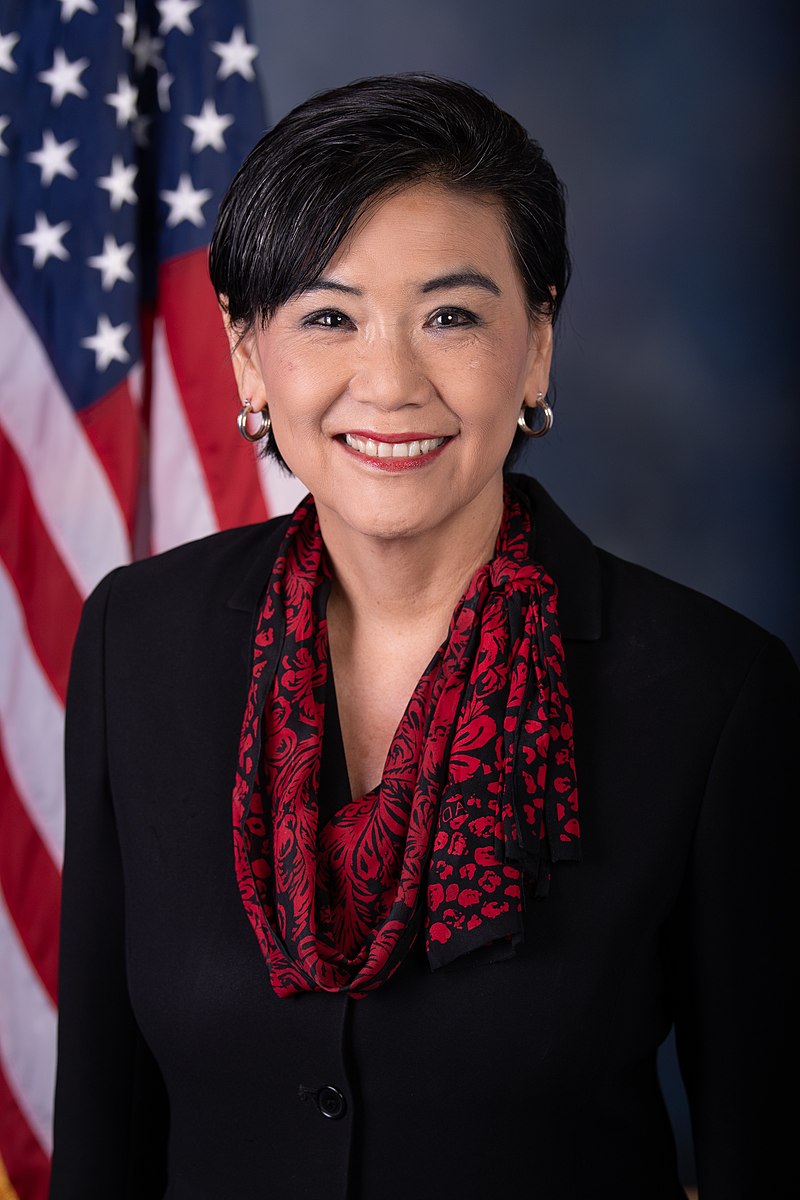
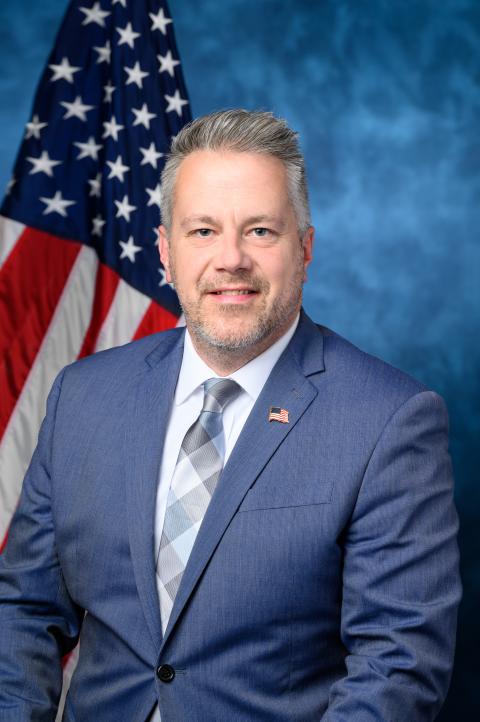
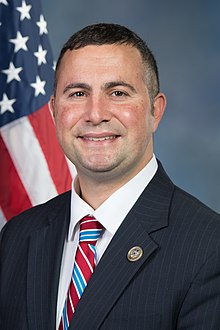
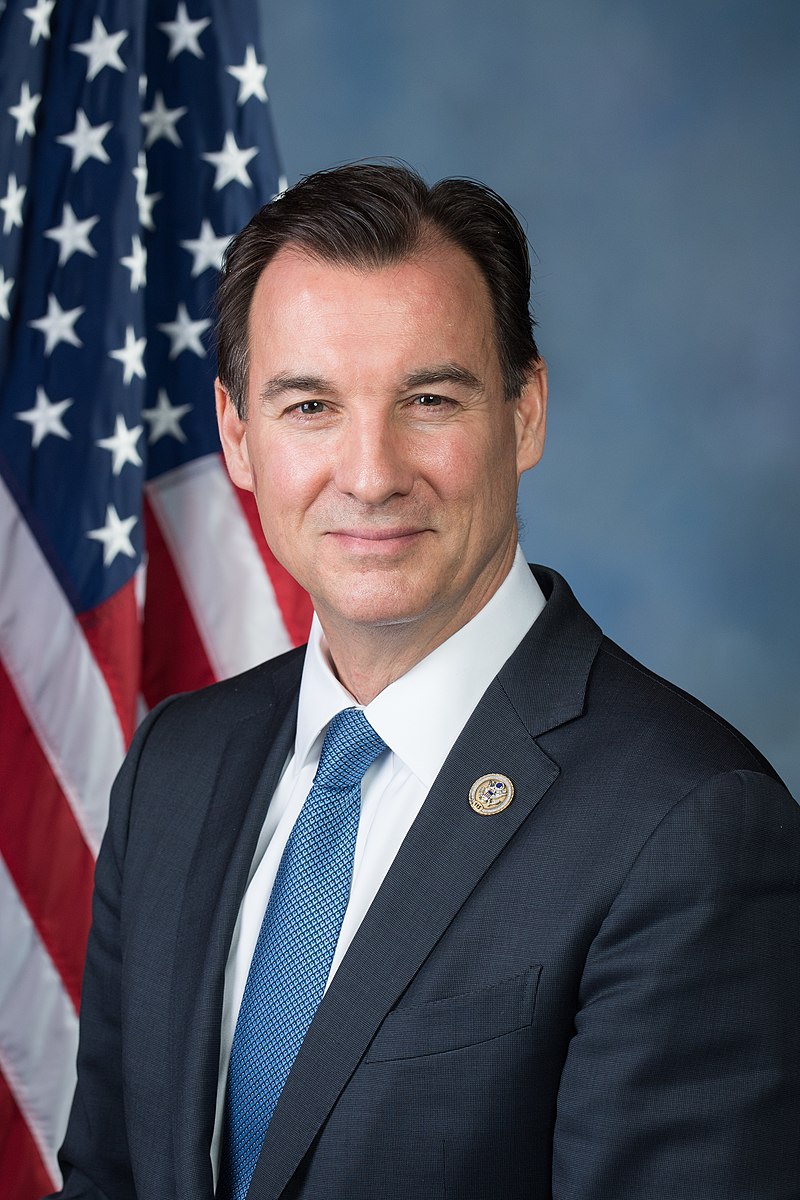
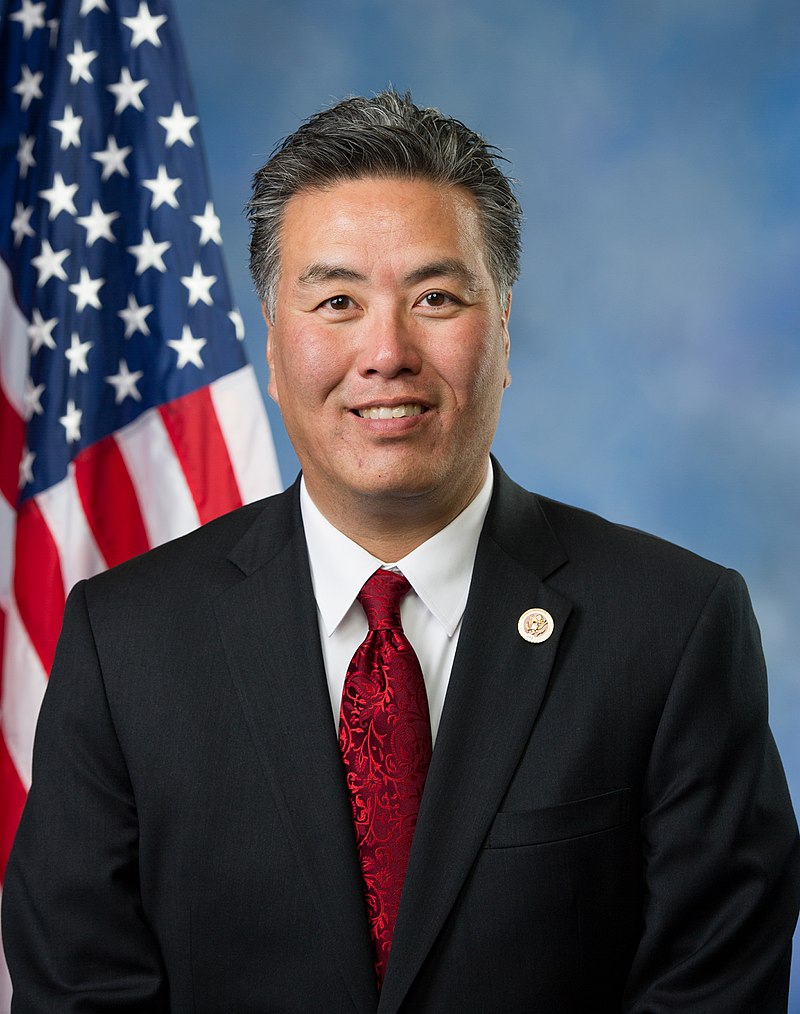
Yea (214)

















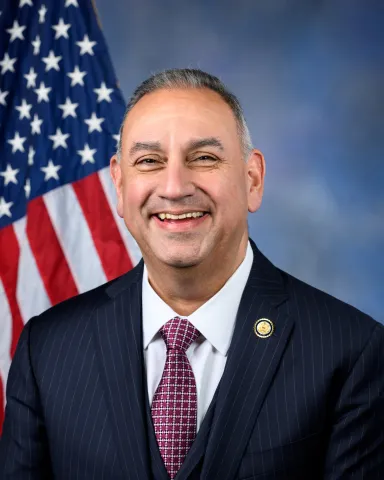


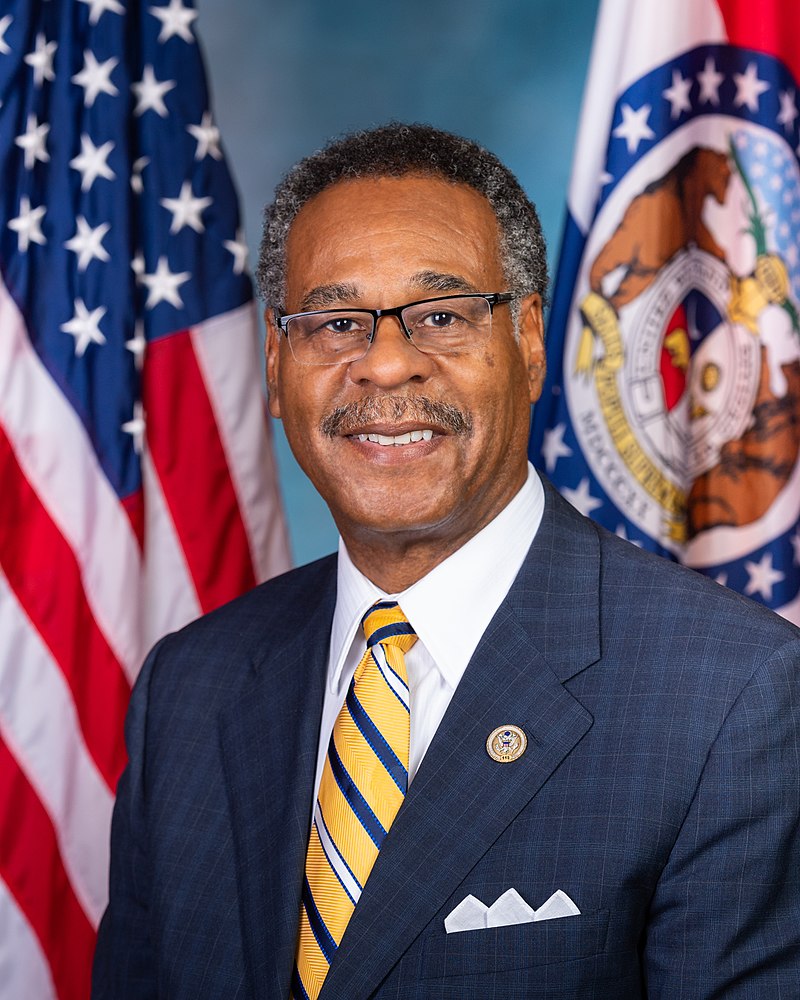



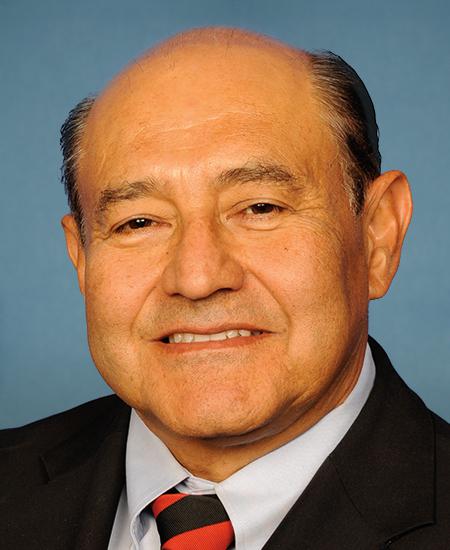
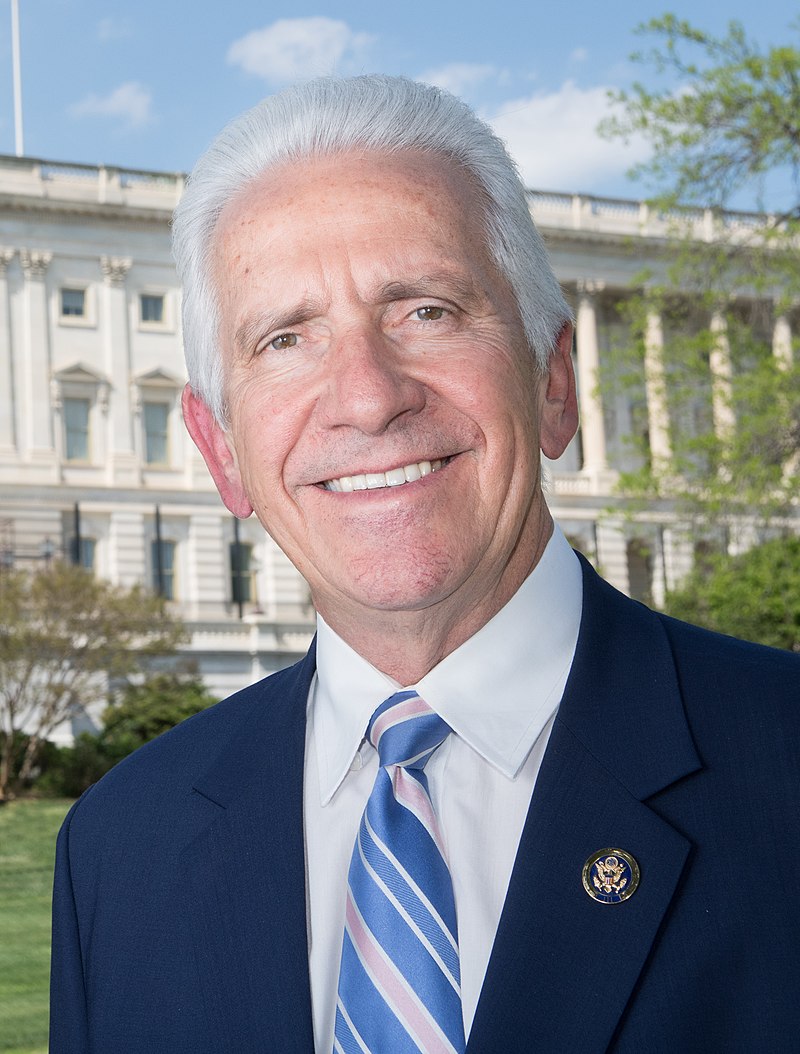



J
Jason Crow










L
Lloyd Doggett

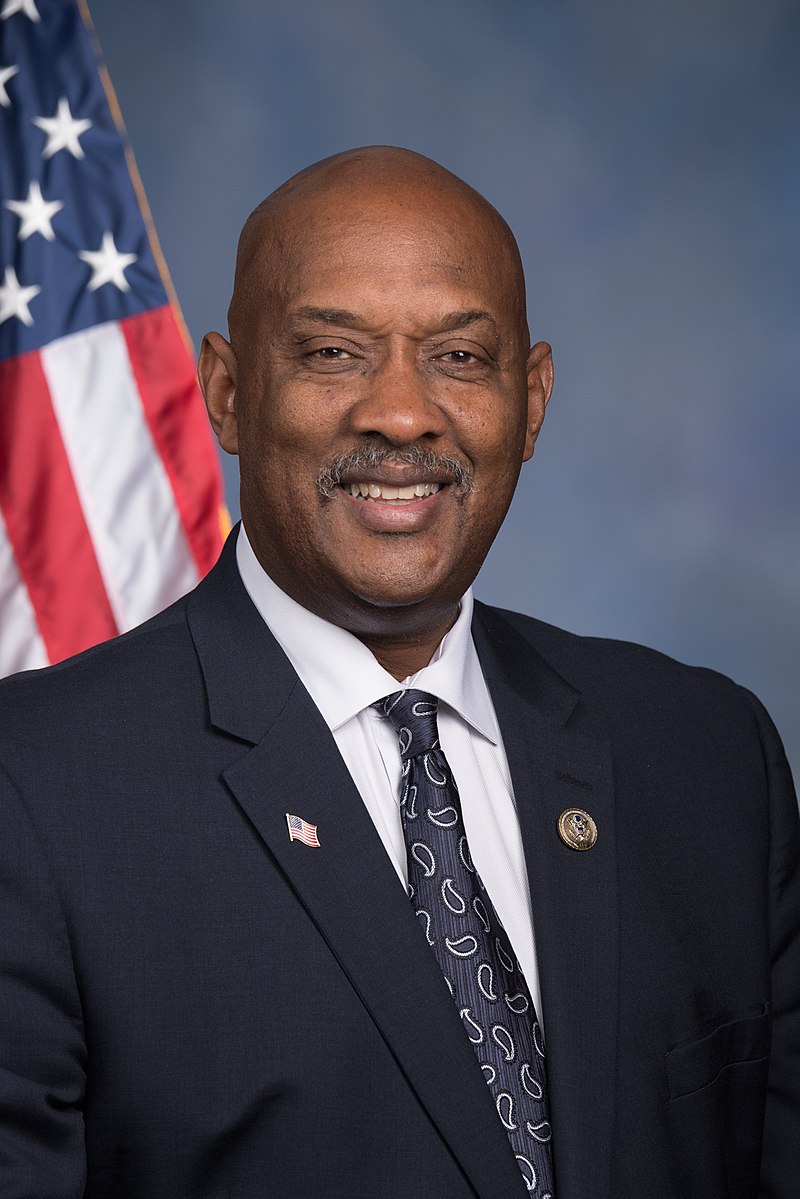

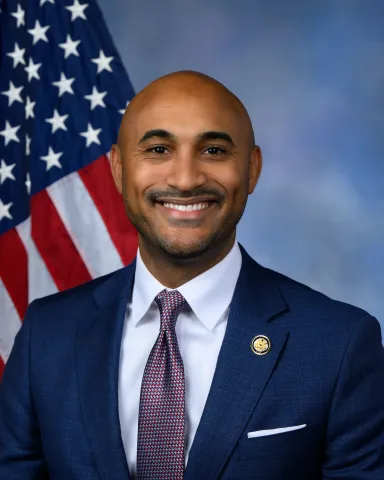



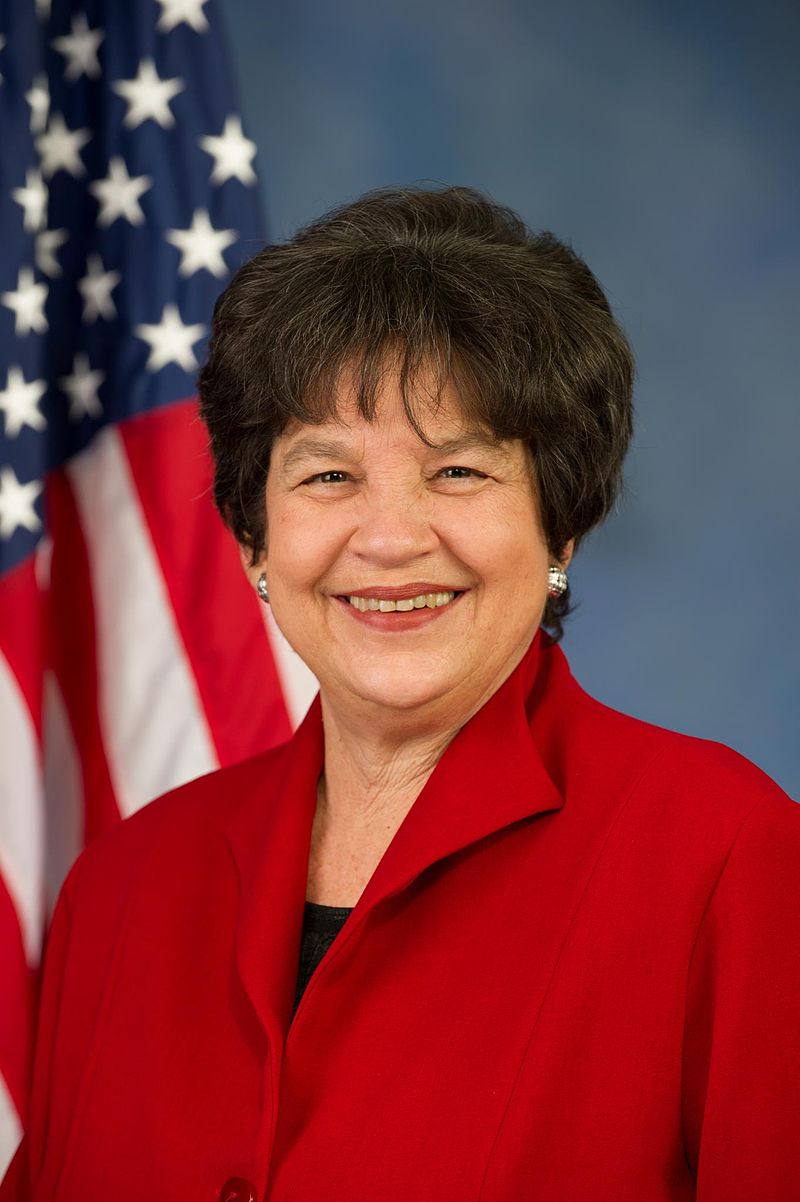


J
John Garamendi
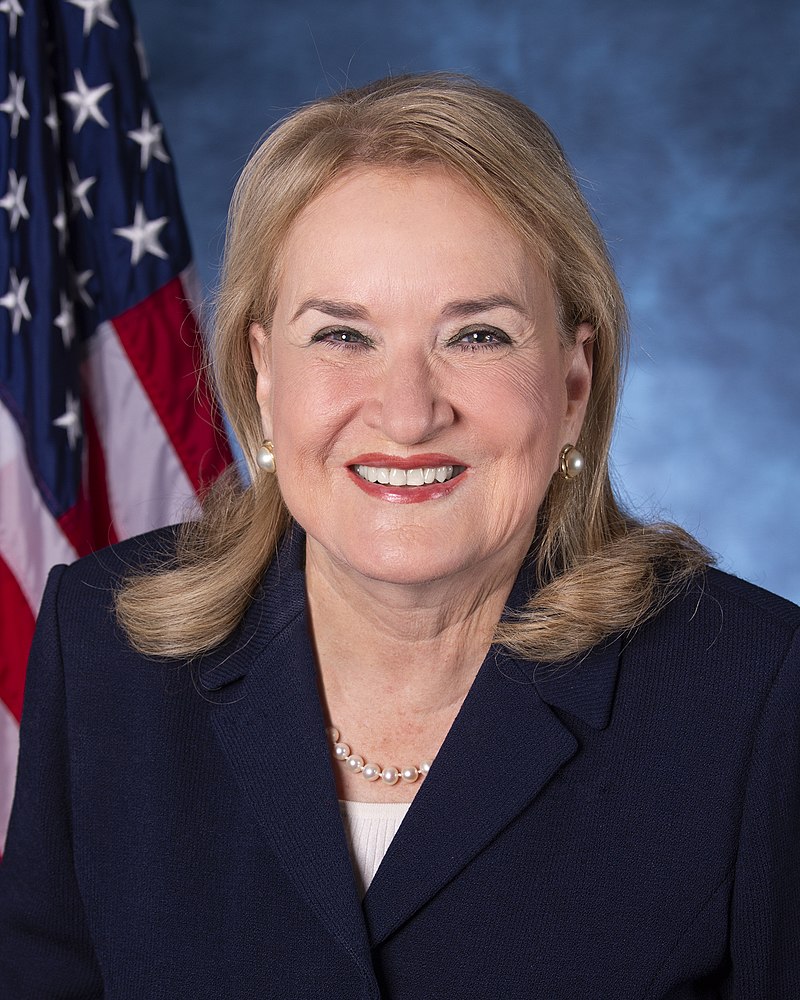





























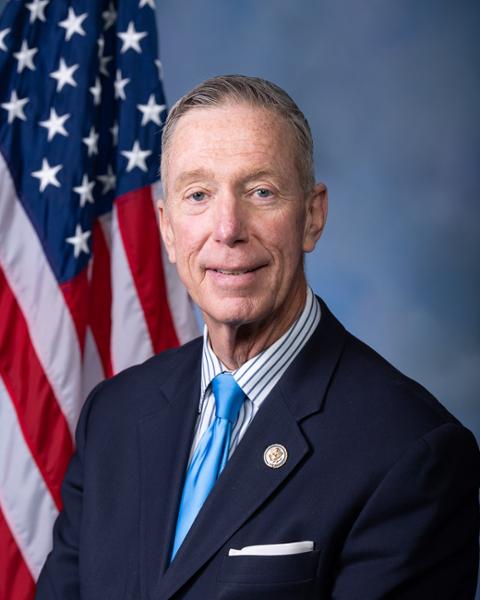

J
John Mannion

L
Lucy McBath

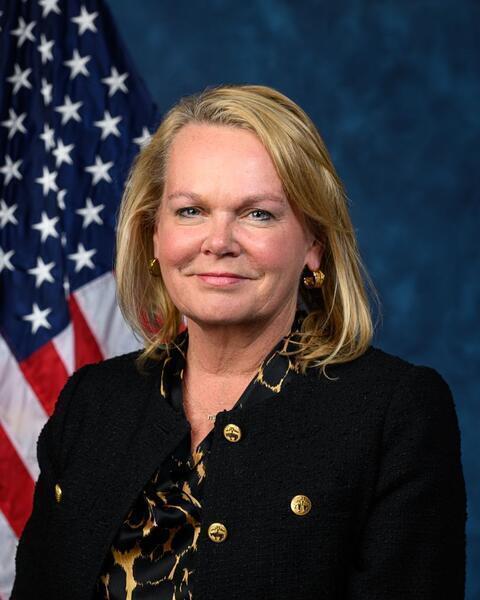
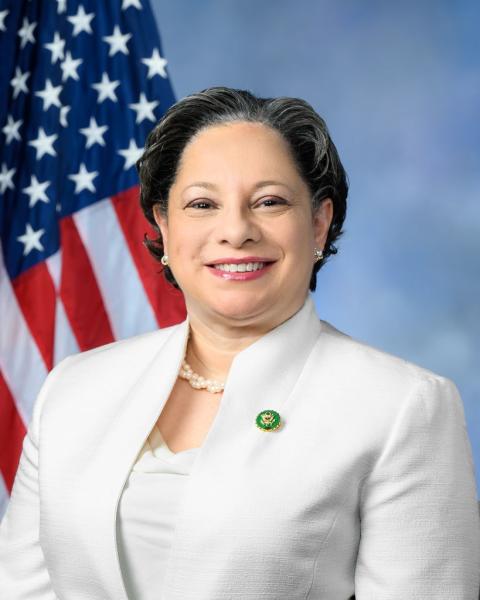
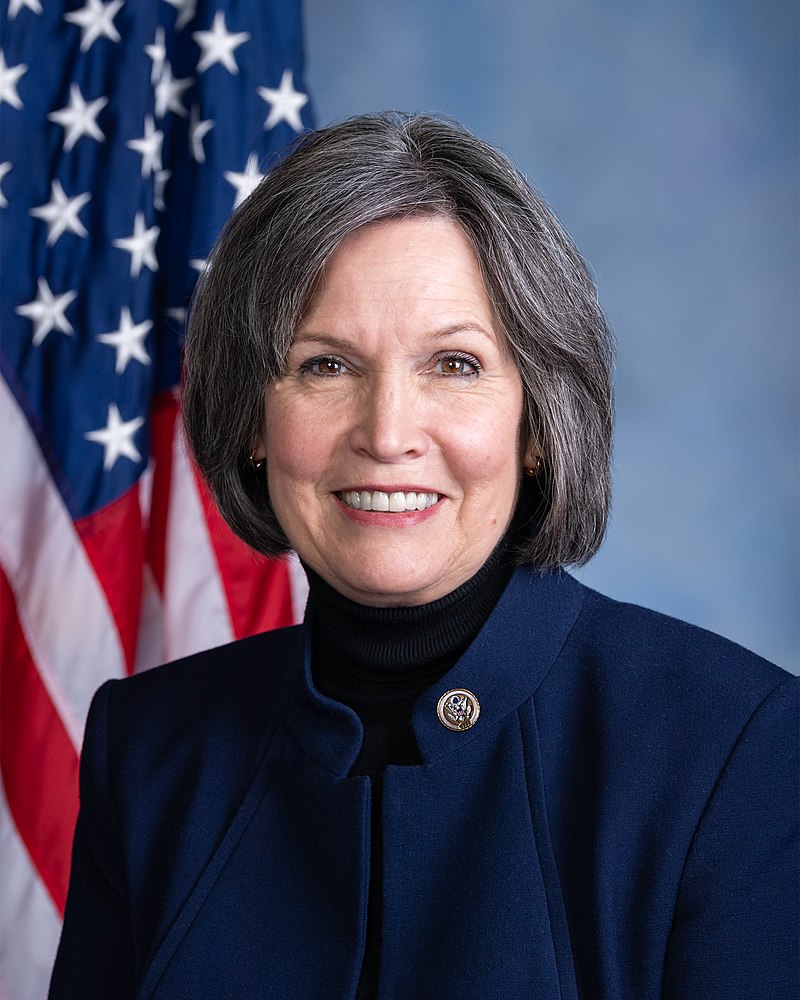





C
Christian Menefee











































E
Eric Swalwell



R
Rashida Tlaib








N
Nydia Velázquez


D
Debbie Wasserman Schultz

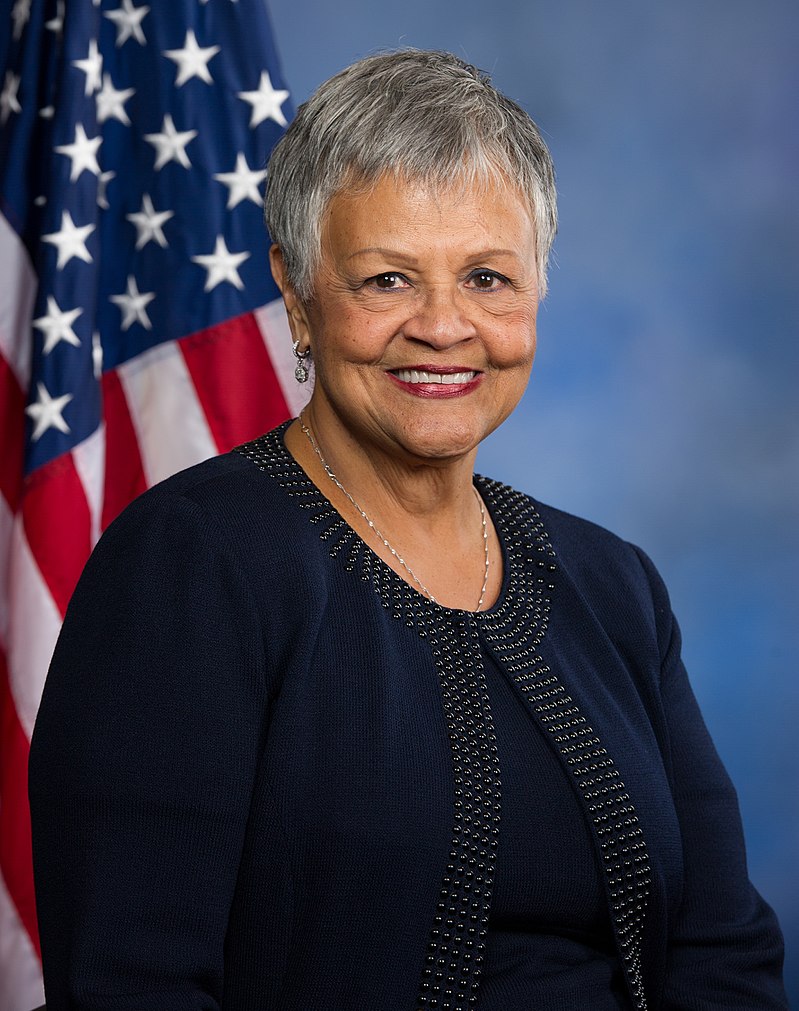



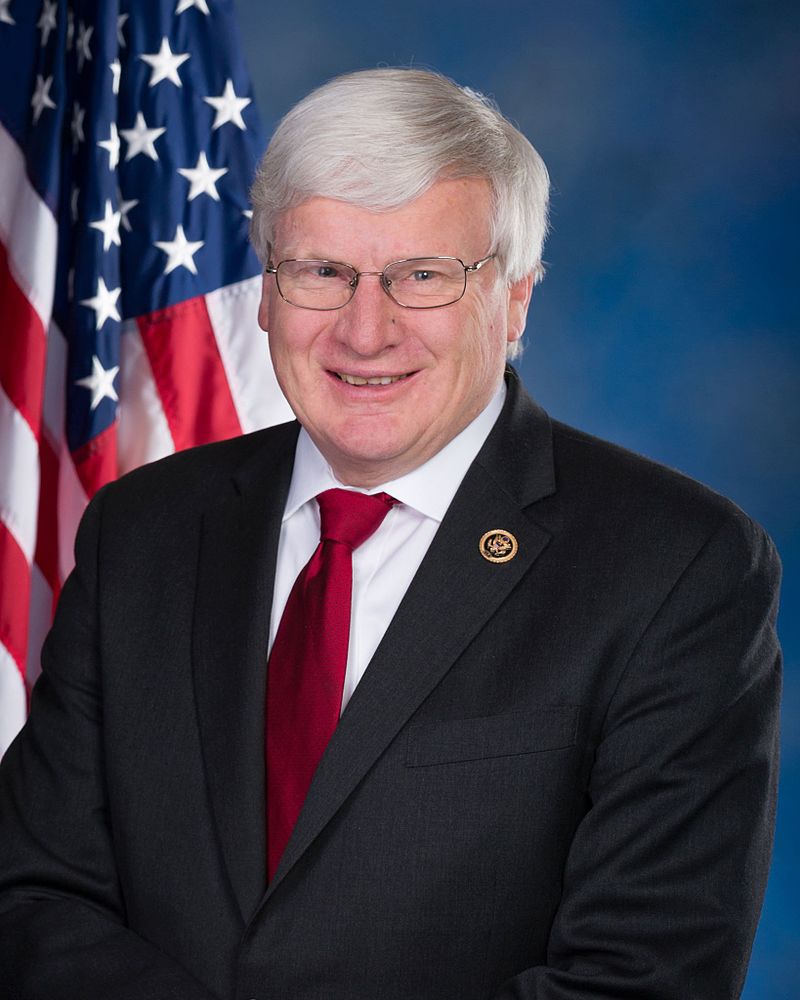
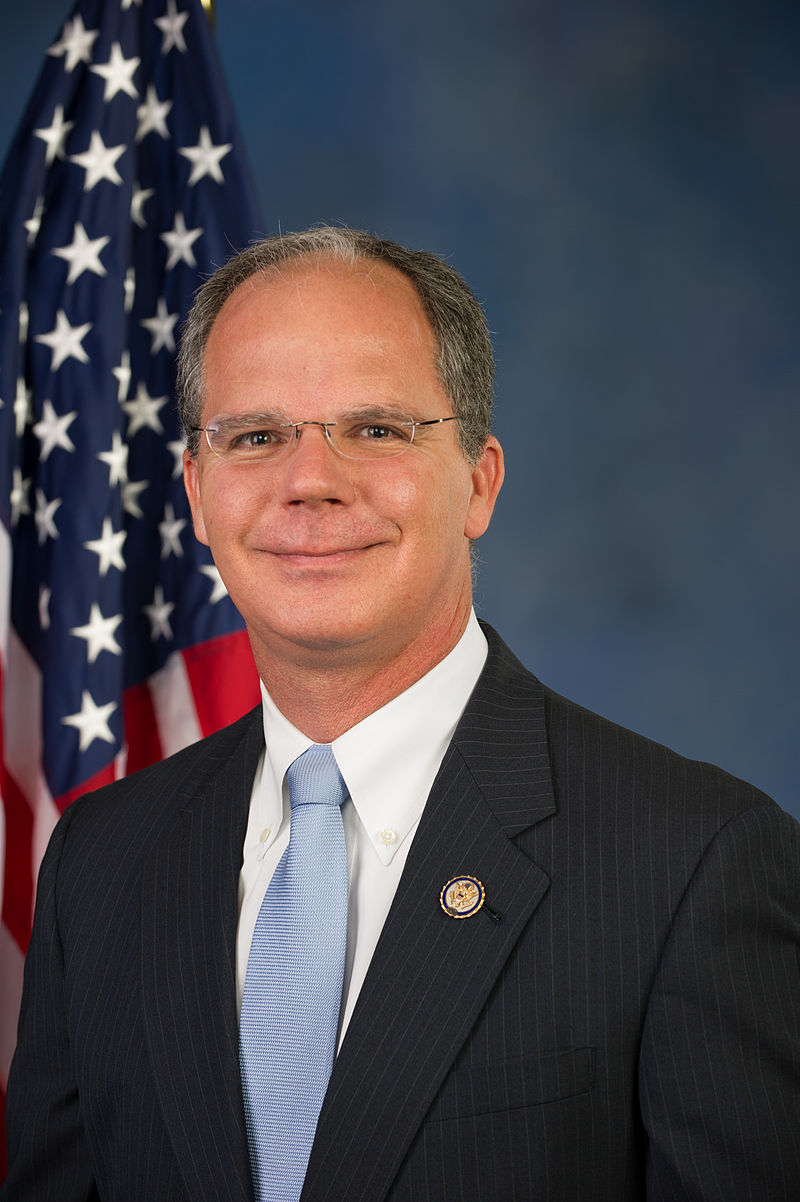
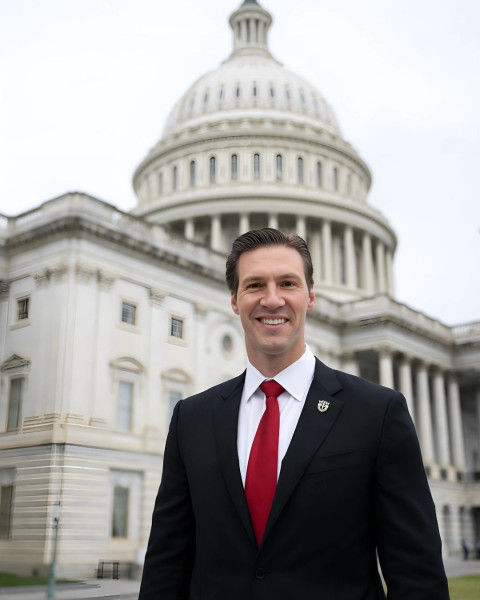
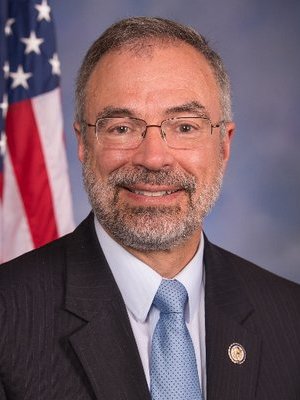
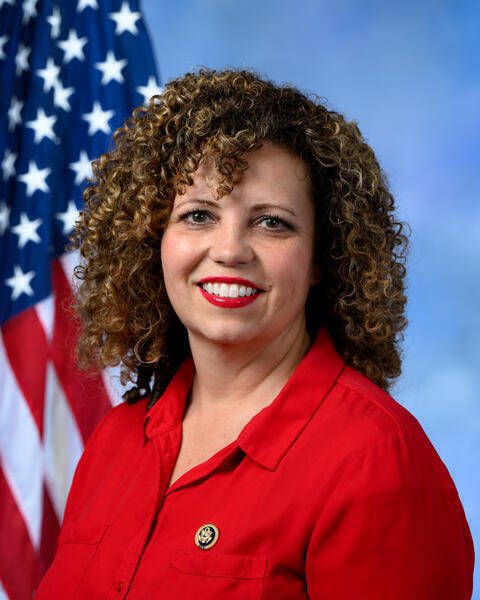
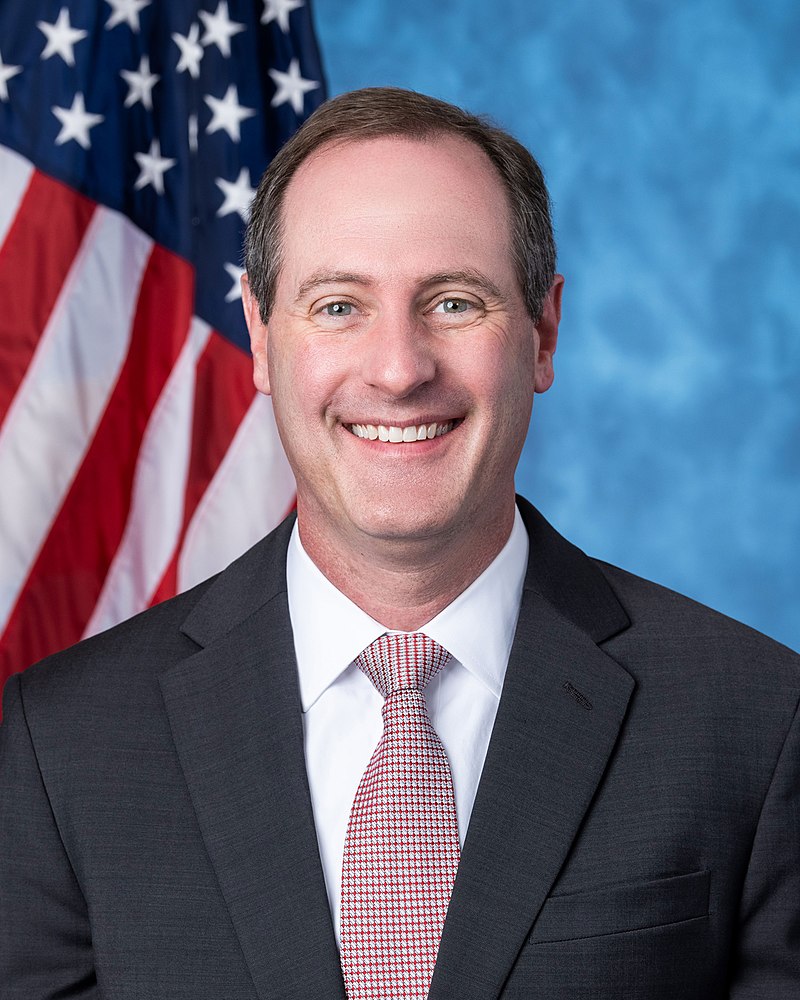
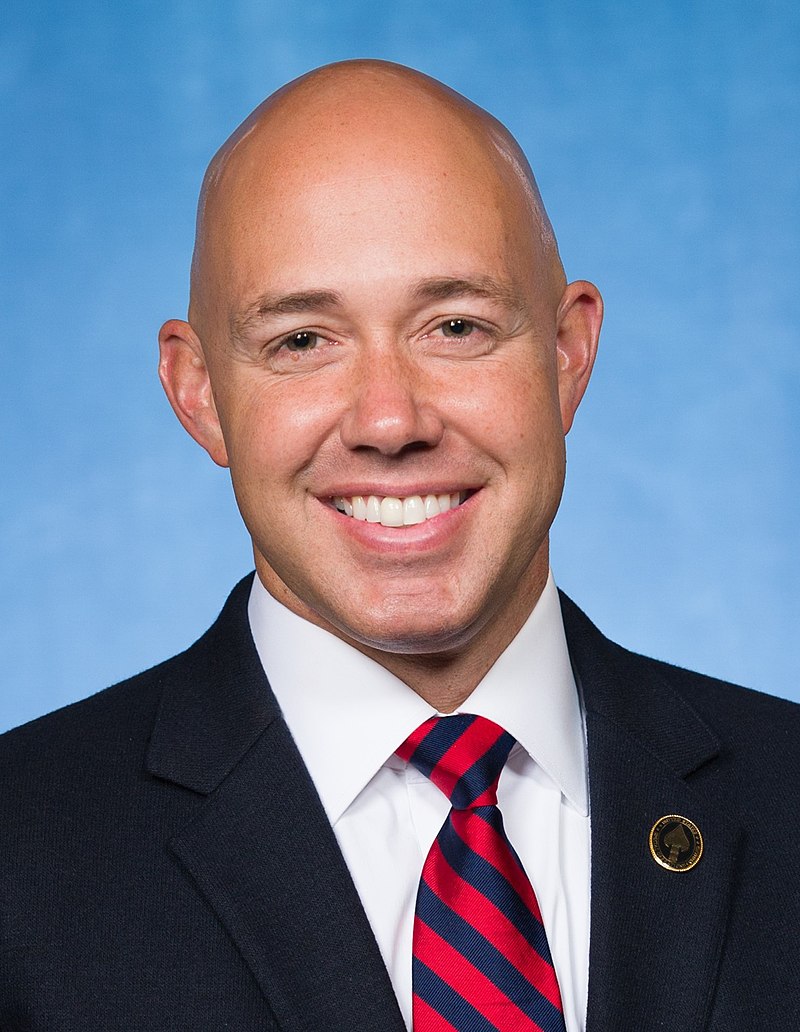
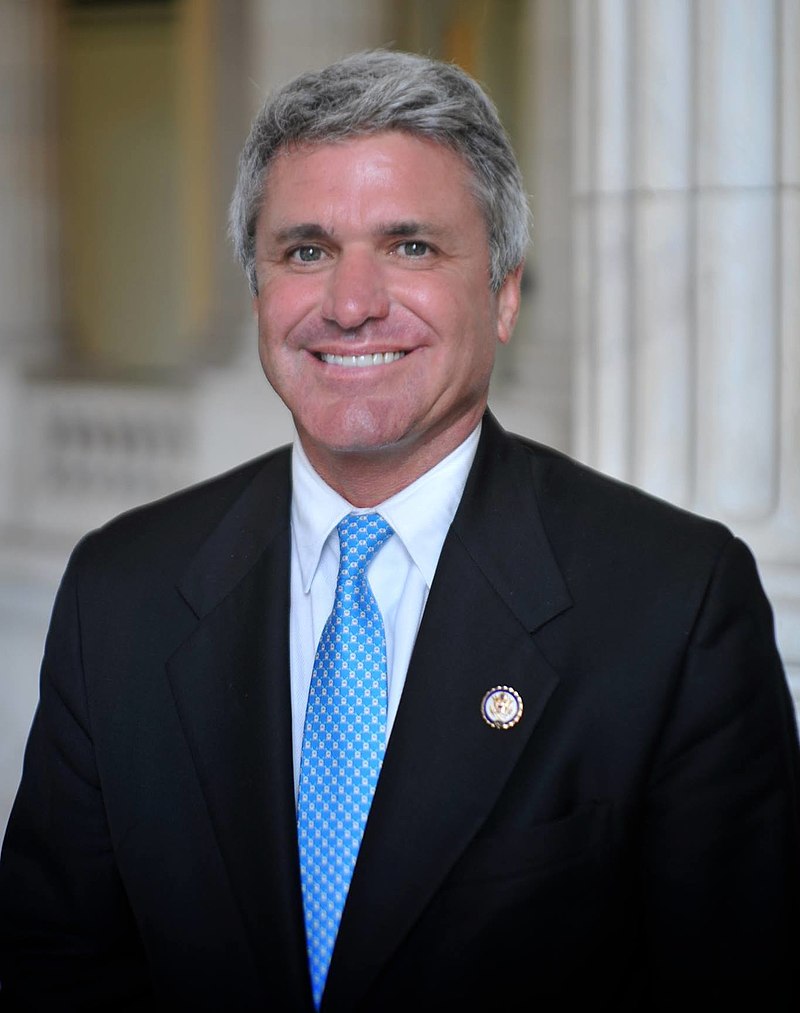
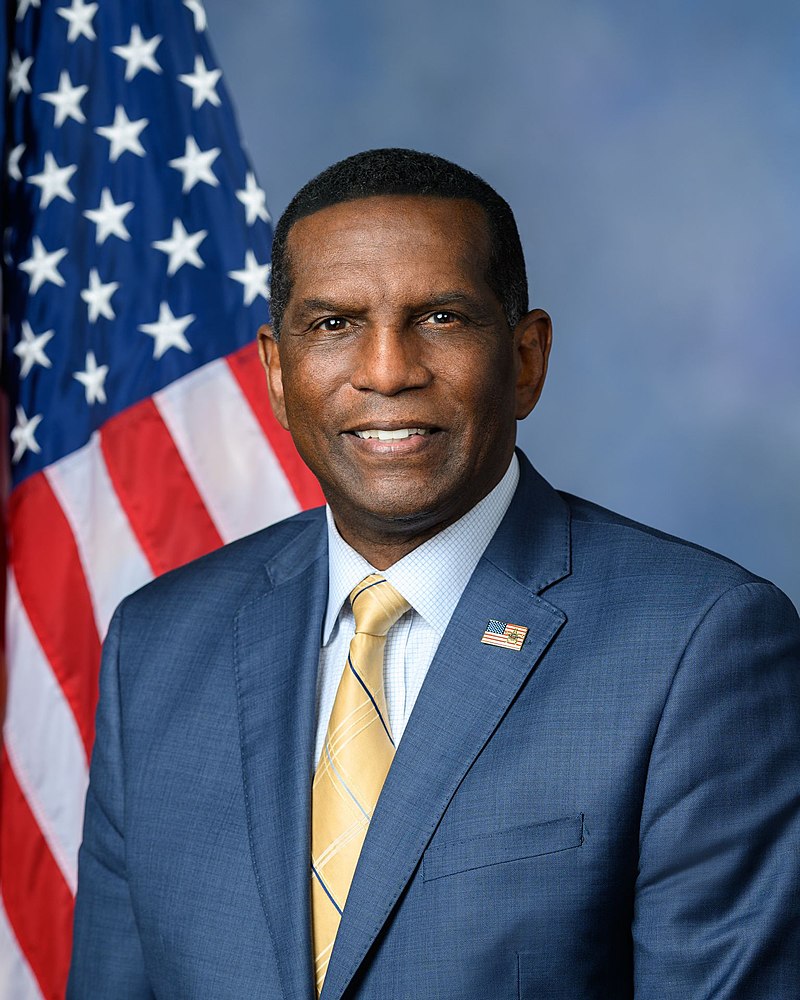
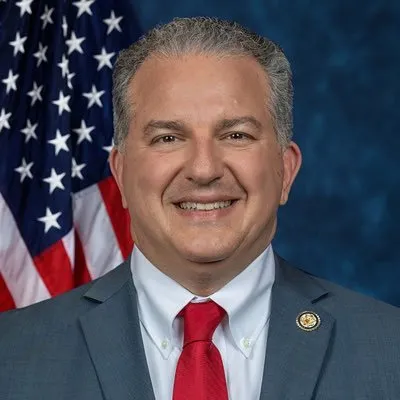
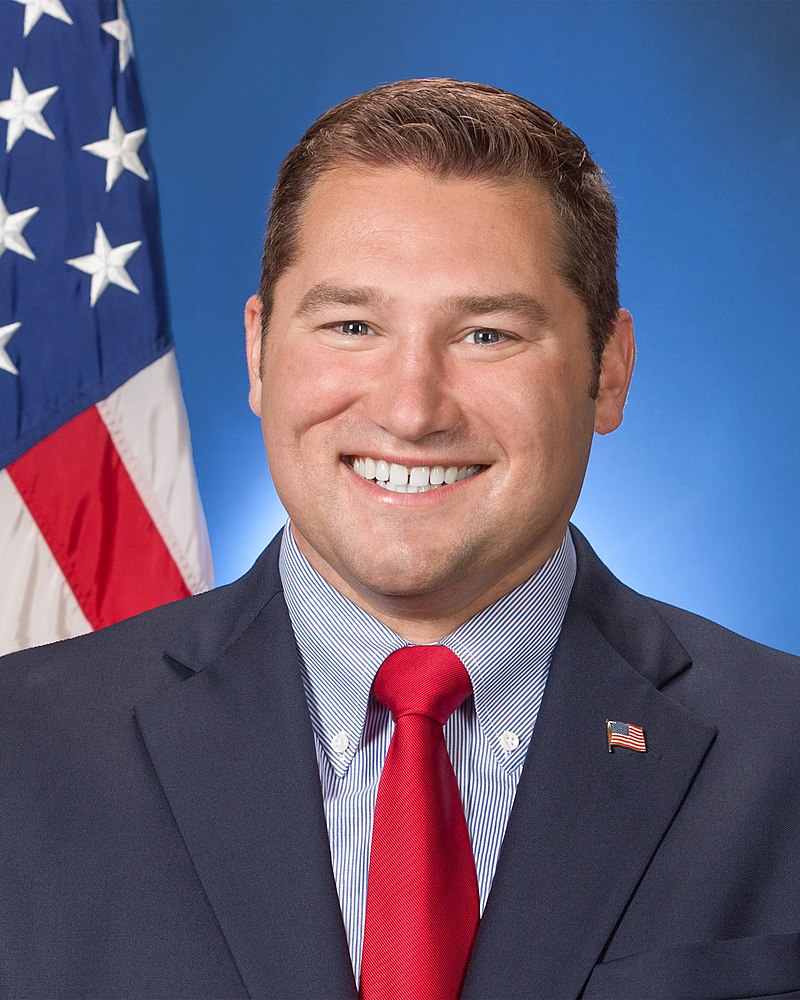
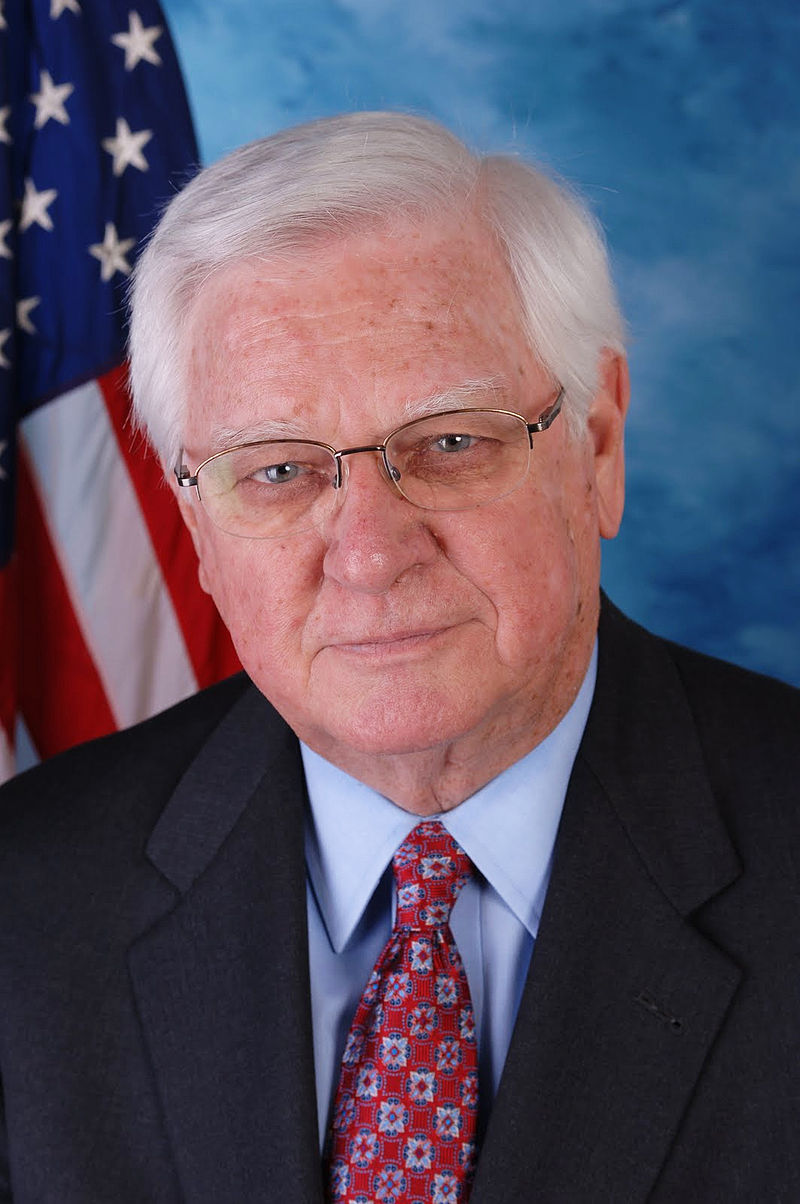
Nay (216)



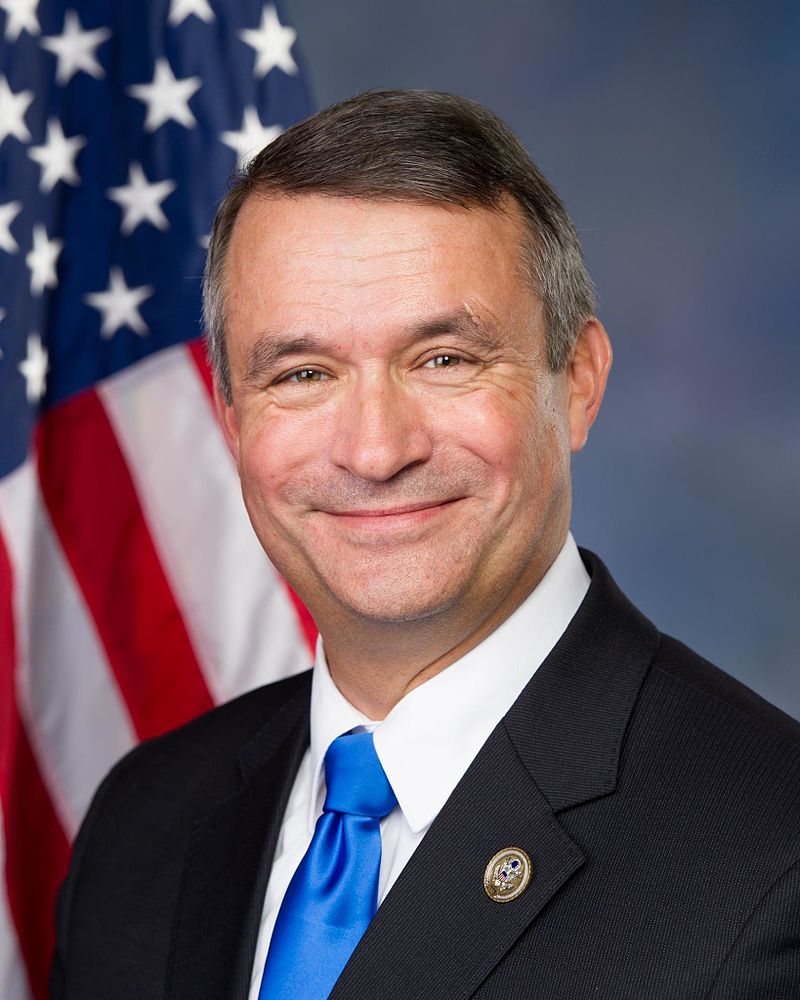






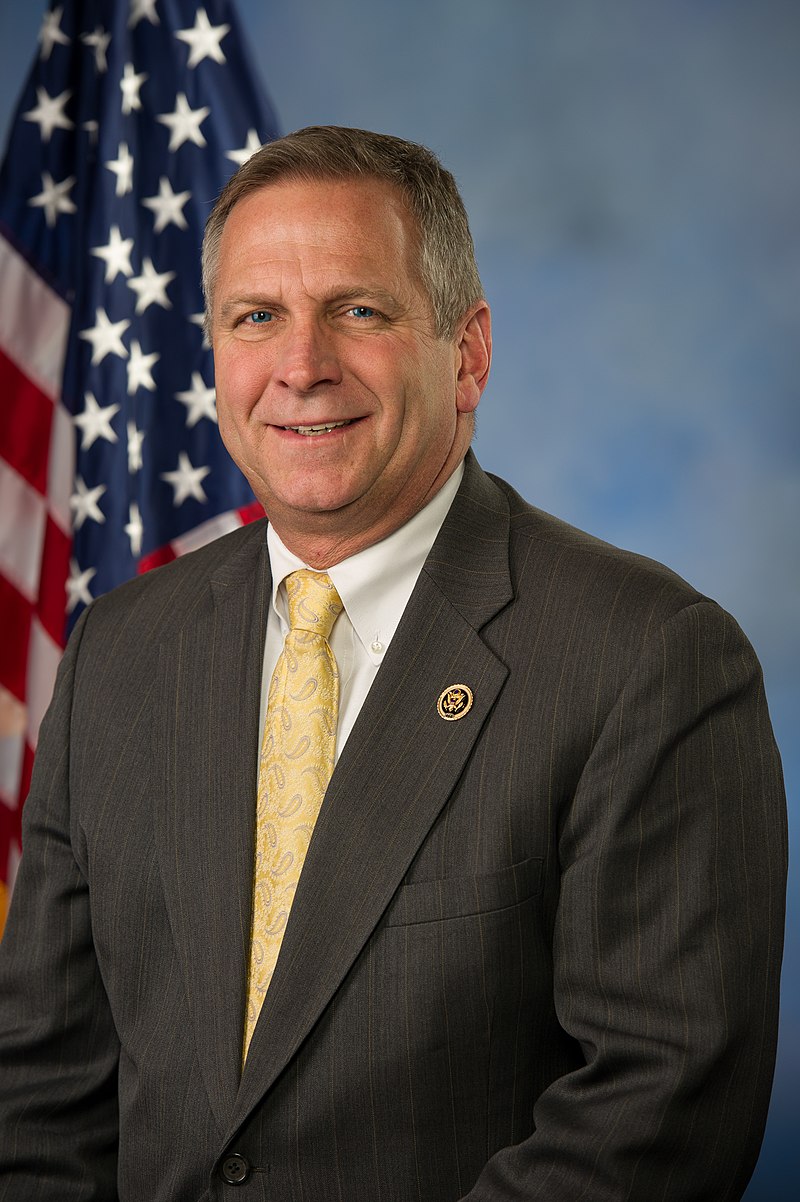




K
Ken Calvert



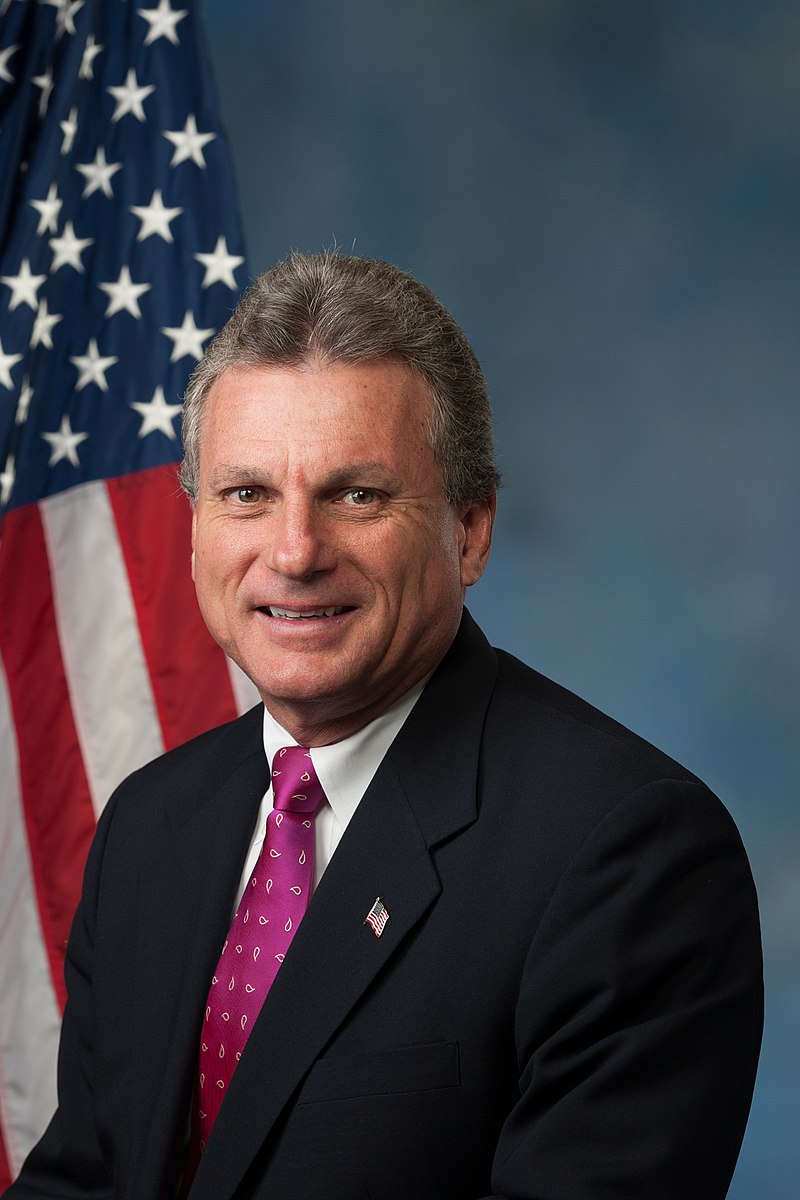

















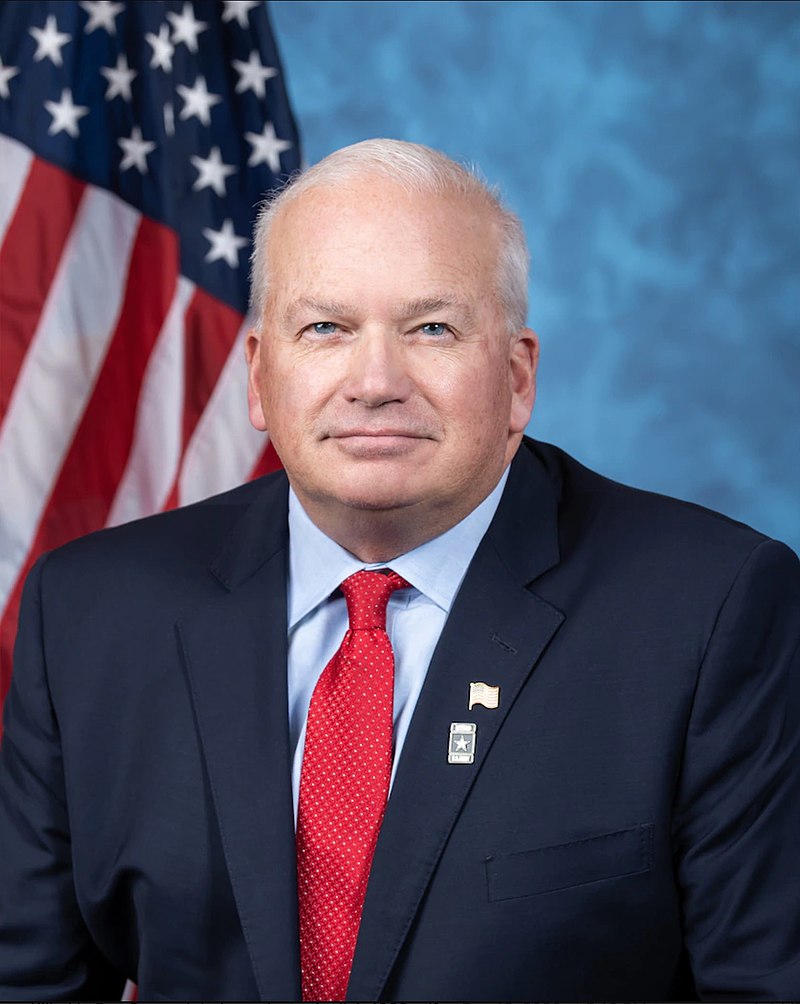

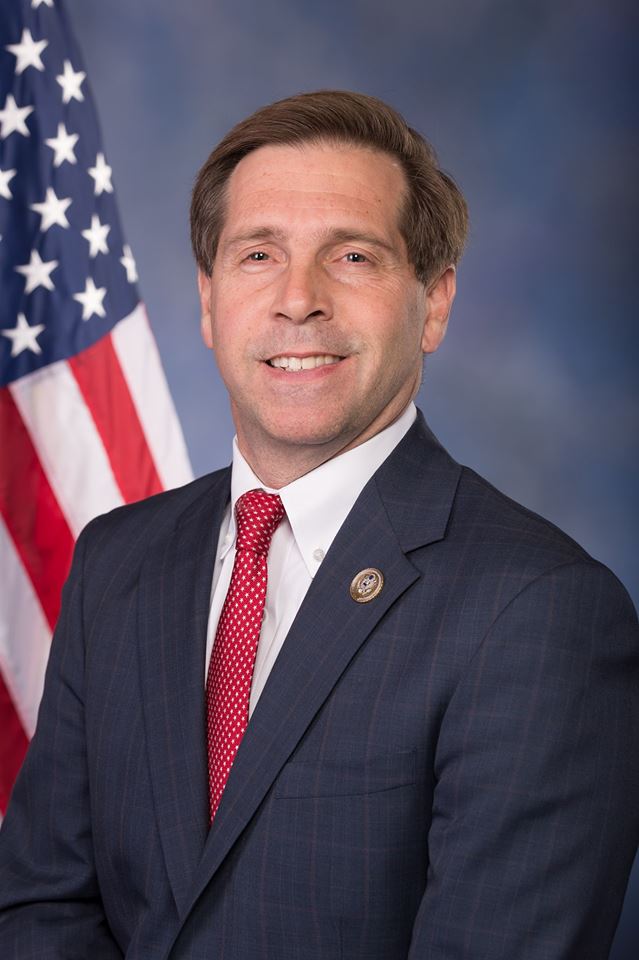



S
Scott Franklin






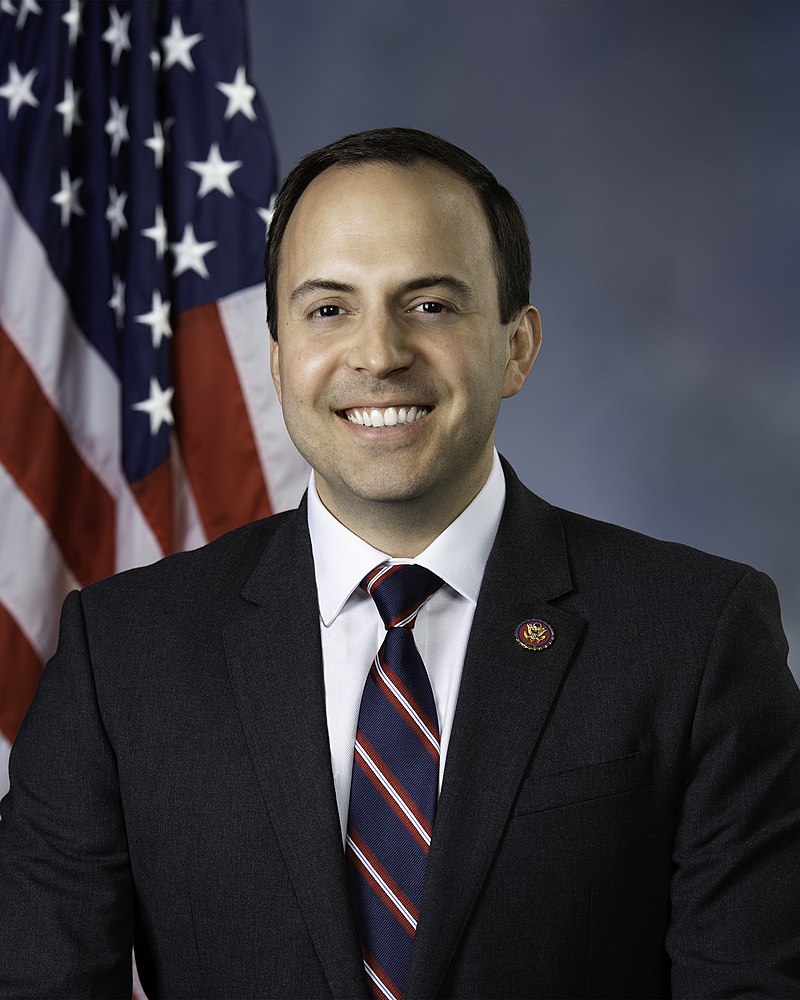











































L
Lisa McClain























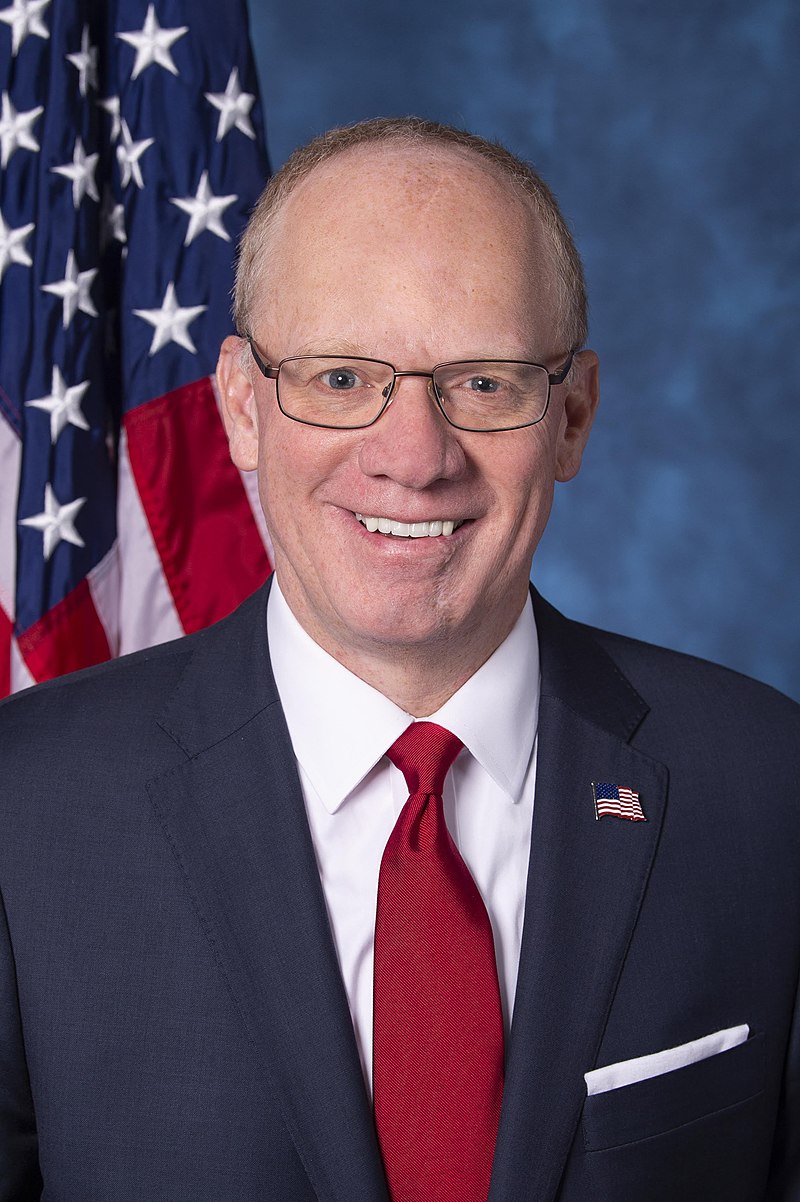
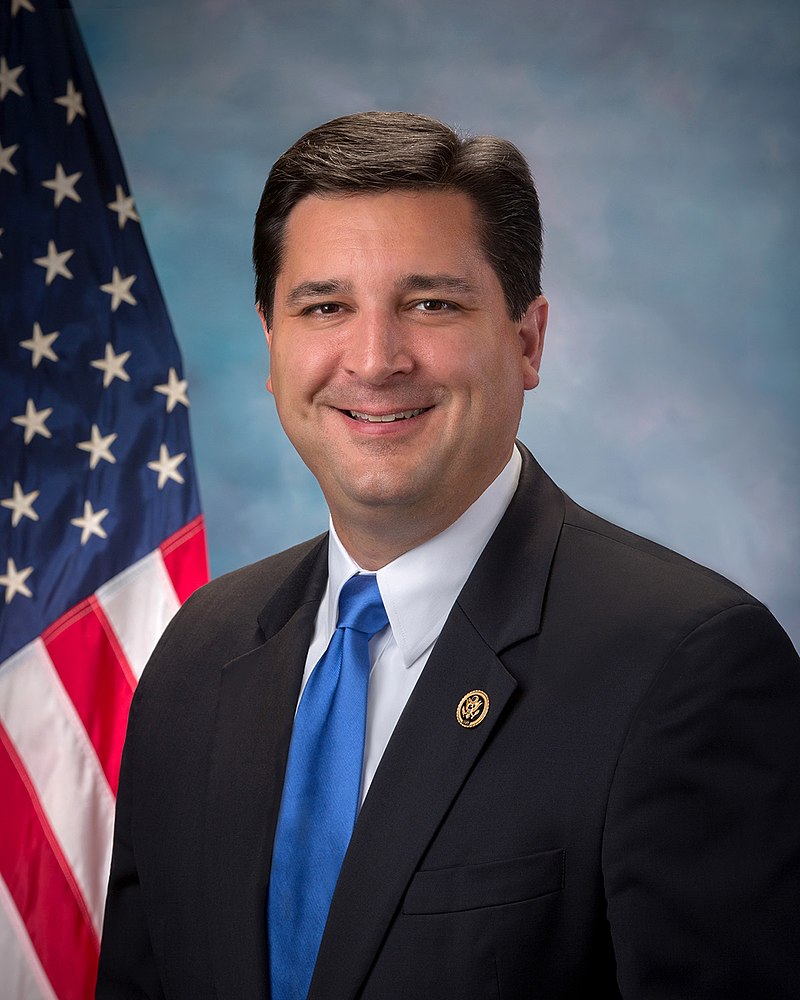
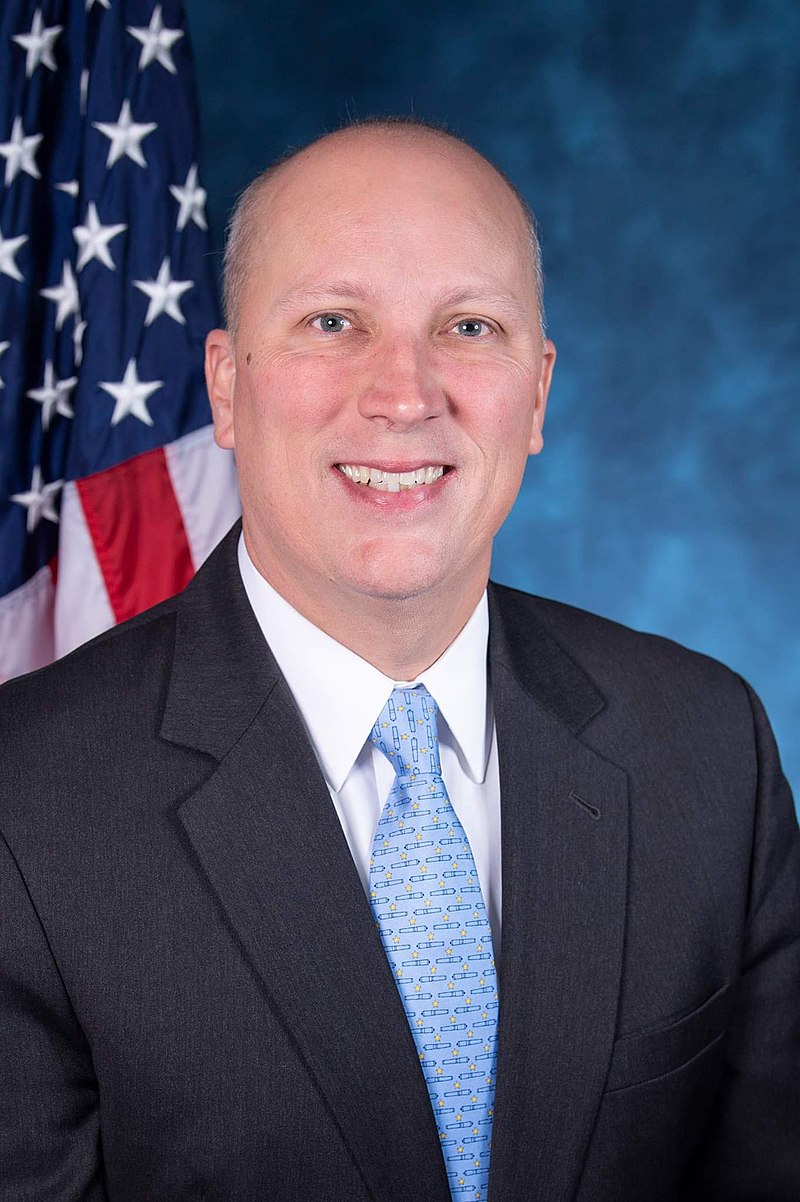

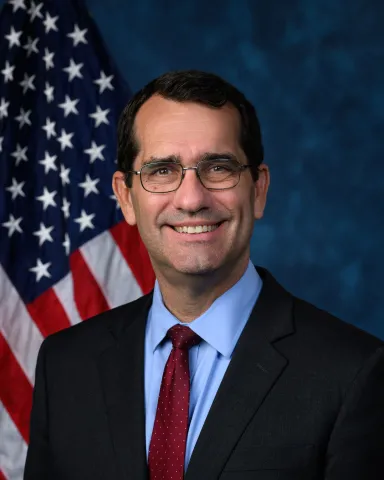
J
John Rutherford


D
David Schweikert


P
Pete Sessions