H.J.Res.72 — Relating to a national emergency by the President on February 1, 2025.
House Roll Call
H.J.Res.72
| Bill | H.J.Res.72 — Relating to a national emergency by the President on February 1, 2025. |
|---|---|
| Vote question | On Passage |
| Vote type | Yea-and-Nay |
| Result | Passed |
| Totals | Yea 219 / Nay 211 / Present 0 / Not Voting 2 |
| Party | Yea | Nay | Present | Not Voting |
|---|---|---|---|---|
| R | 6 | 210 | 0 | 2 |
| D | 213 | 1 | 0 | 0 |
| I | 0 | 0 | 0 | 0 |
Research Brief
On Passage
Bill Analysis
HJ.Res. 72 (119th Congress) is a joint resolution terminating a specific presidential national emergency declared on February 1, 2025, and directing the treatment of actions taken under that emergency.
Substance and legal effect
- The resolution is brought under the National Emergencies Act (NEA), which allows Congress to terminate a national emergency by joint resolution.
- It identifies the national emergency declared by the President on February 1, 2025 (as specified in the underlying presidential proclamation or executive order) and provides that this emergency “is hereby terminated” as of the date of enactment.
- Upon termination, any special statutory authorities that were activated solely by that emergency declaration—such as sanctions, trade restrictions, or other economic or regulatory measures—would cease to be available to the President going forward, unless independently authorized by other law.
Funding and authorities
- The resolution itself does not appropriate funds or create new spending; rather, it withdraws emergency-based authorities that may have enabled the reprogramming or accelerated use of existing funds.
- Any ongoing programs, contracts, or regulatory actions that depend exclusively on the February 1, 2025 emergency authority would need to wind down or be re-grounded in other statutory authority.
Agencies and programs affected
- Primary impact falls on executive branch departments and agencies implementing measures under the February 1, 2025 emergency—likely including the Department of the Treasury (especially the Office of Foreign Assets Control), the Department of Commerce, the Department of Homeland Security, and potentially the Departments of State and Defense, depending on the scope of the original declaration.
- The Committee referral to the Senate Committee on Finance signals that the emergency likely implicates trade, tariffs, sanctions, or other international economic measures.
Who benefits or is regulated
- Regulated parties—such as U.S. persons, financial institutions, importers/exporters, or designated foreign entities—would see the lifting or modification of restrictions that rested solely on the emergency.
- The President’s discretion is constrained: continuation or reimposition of similar measures would require either a new, separately justified emergency or reliance on standing statutory authorities.
Timelines
- The resolution takes effect upon enactment (after passage by both chambers and presidential signature or veto override).
- Termination is immediate; the NEA generally requires agencies to begin orderly termination of emergency-based actions, subject to any explicit savings or transition provisions in the underlying emergency or other law.
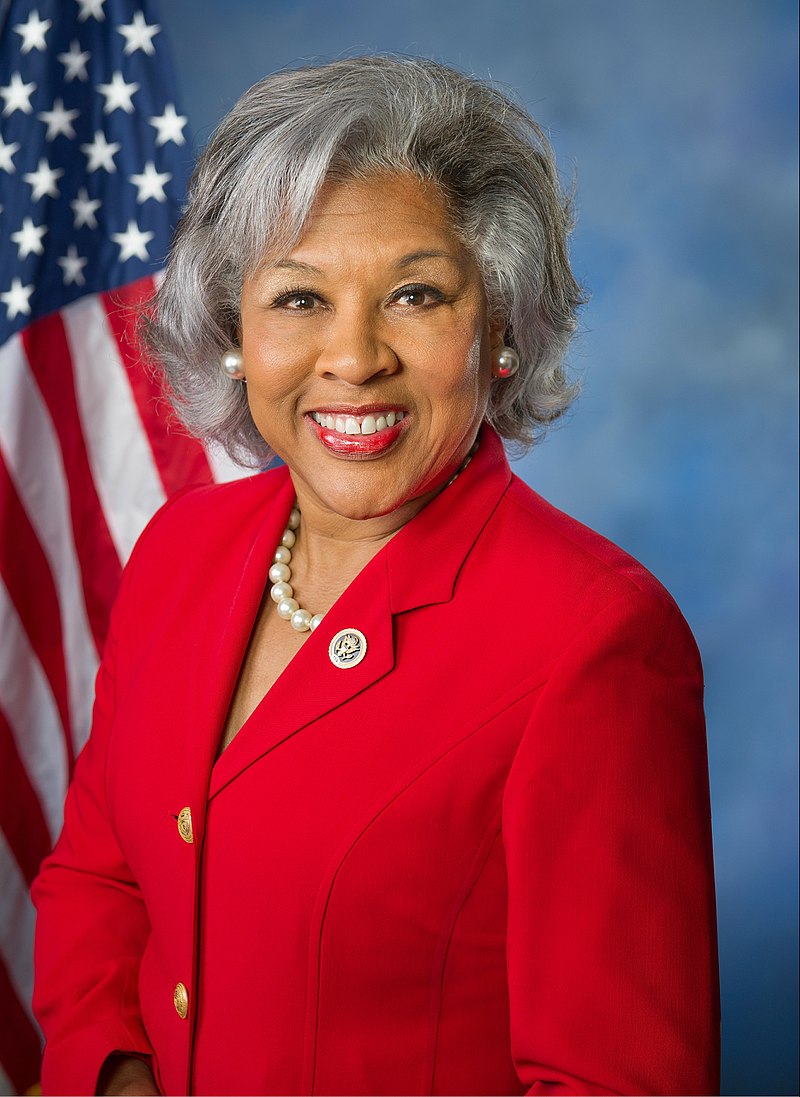
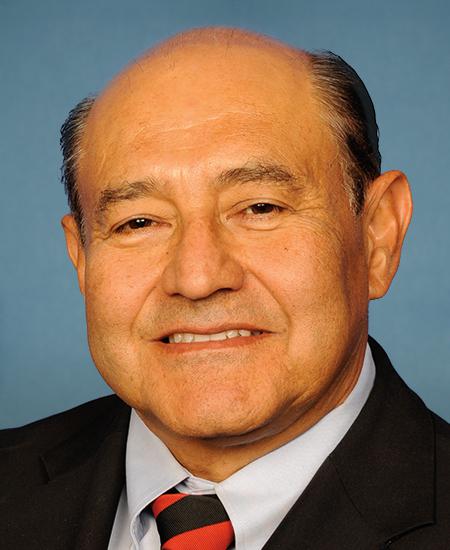
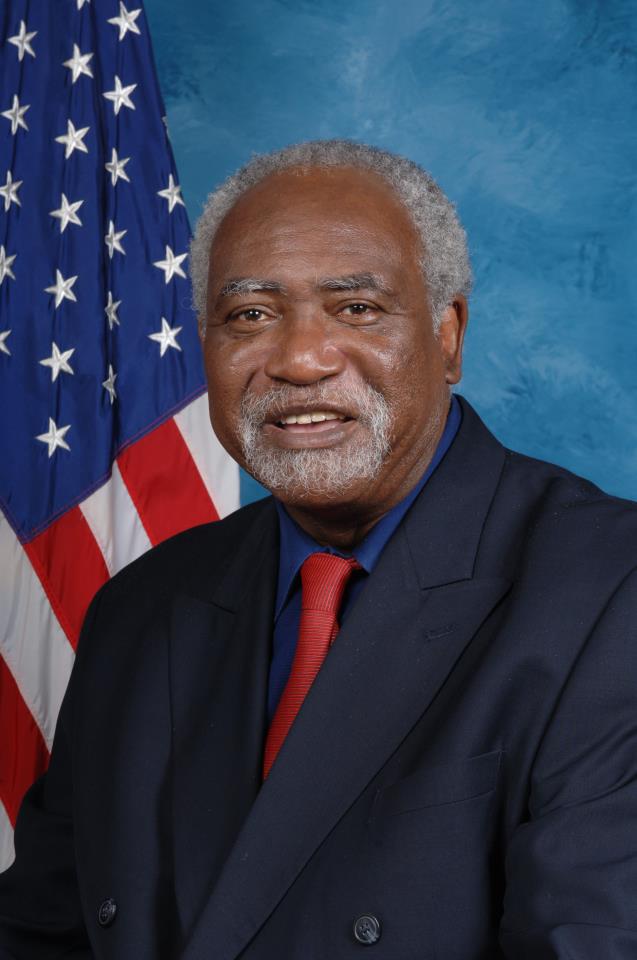
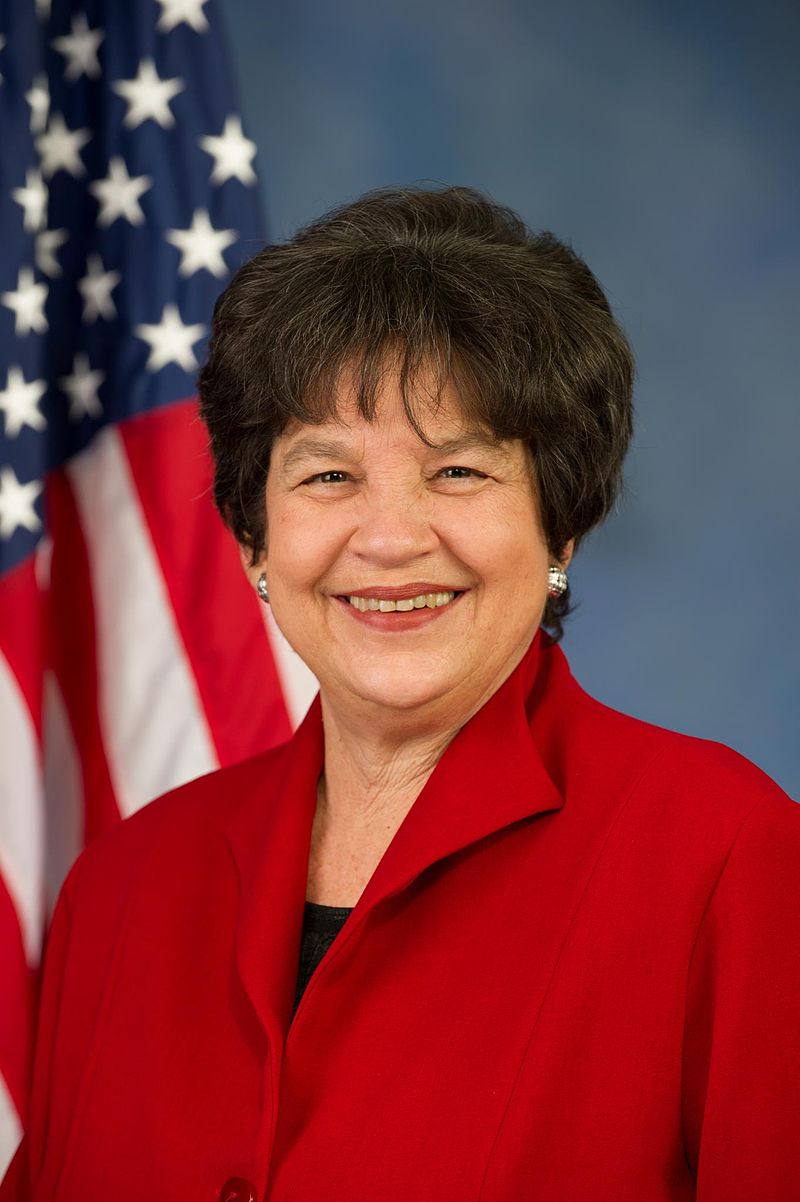
Yea (219)





































J
Jason Crow











L
Lloyd Doggett












J
John Garamendi


























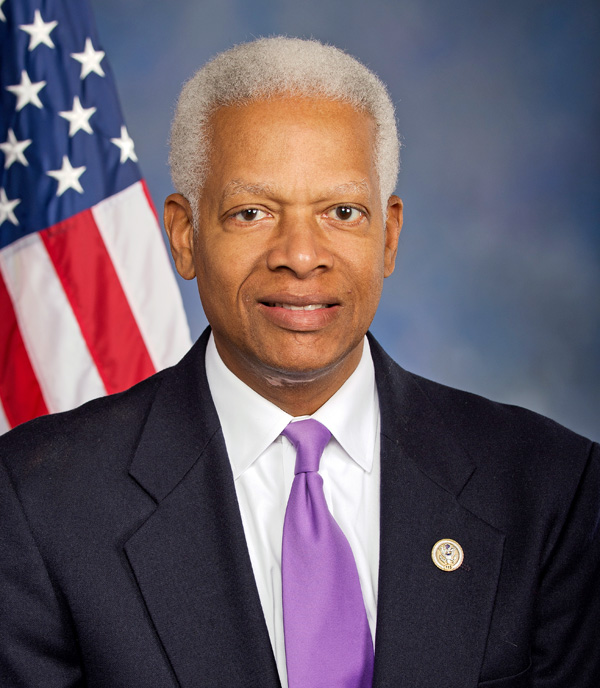






















J
John Mannion


L
Lucy McBath


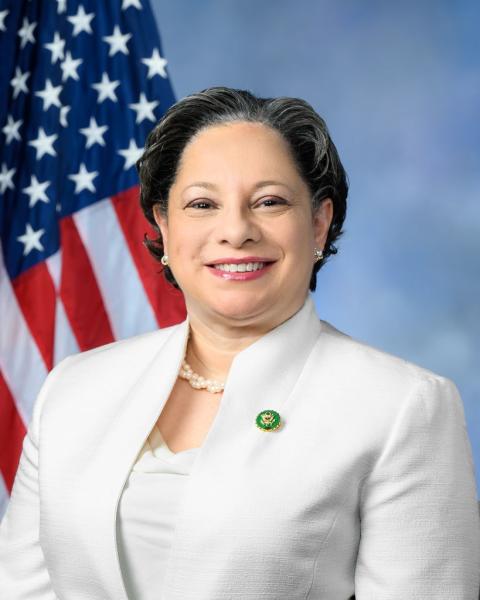






C
Christian Menefee














































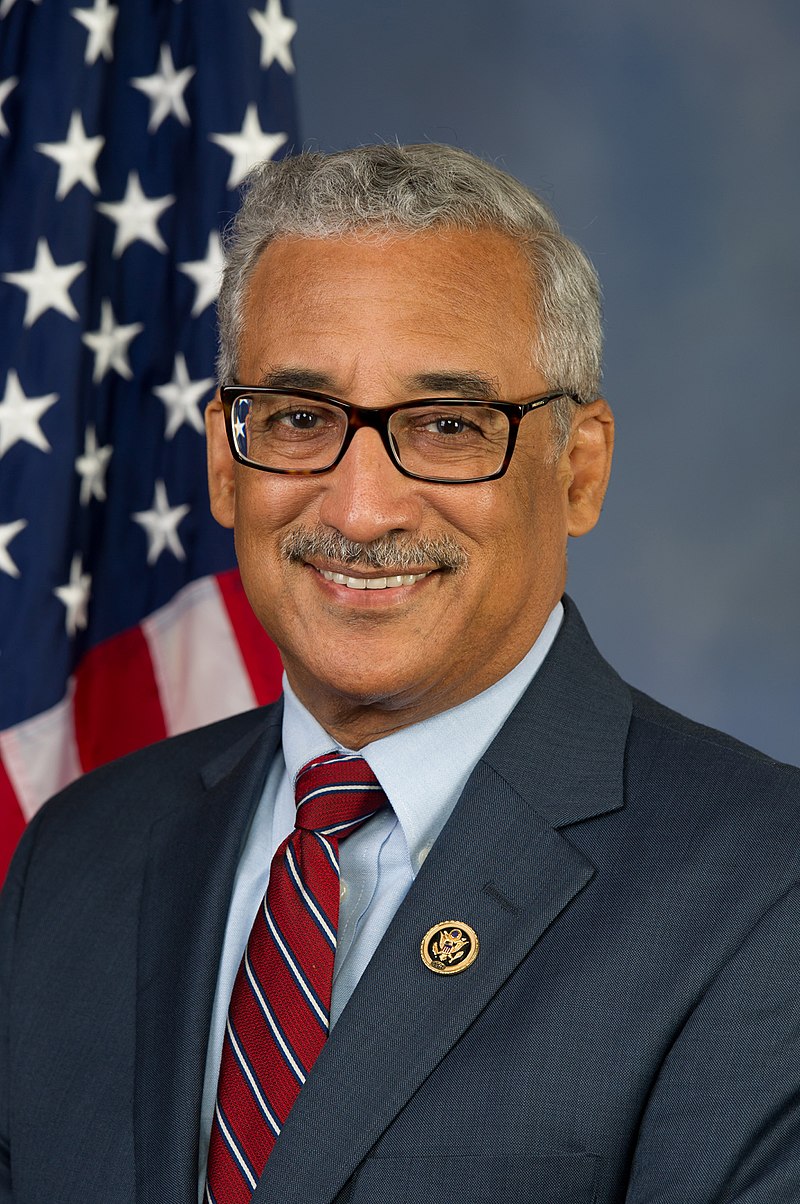
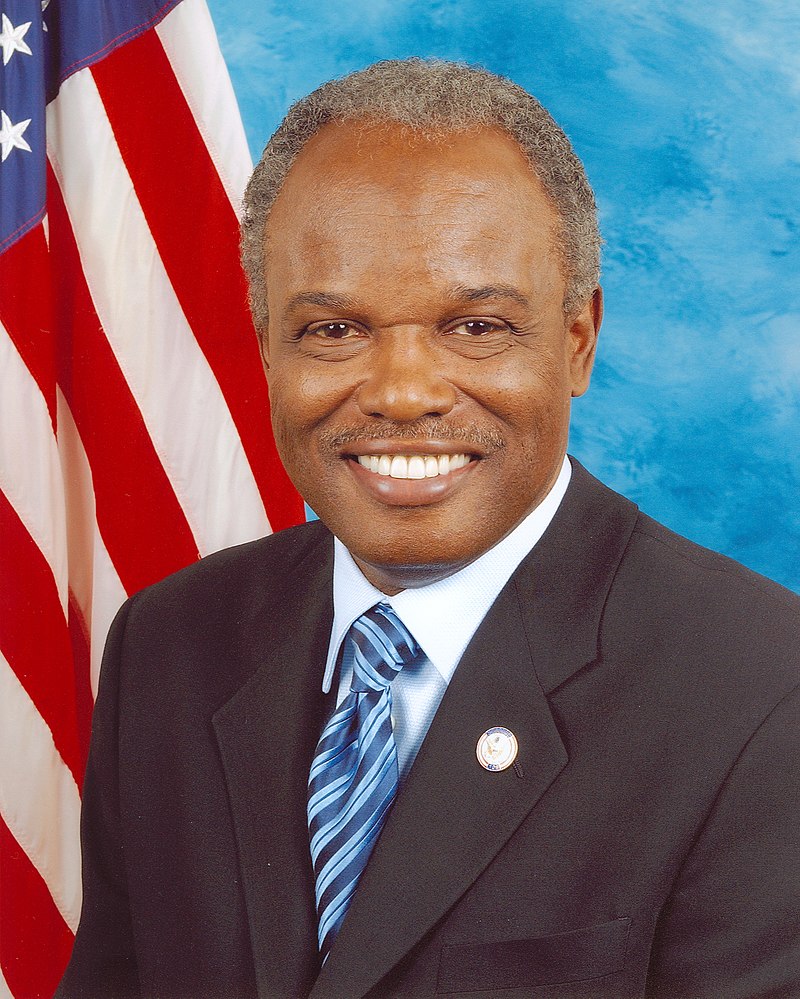











E
Eric Swalwell




R
Rashida Tlaib








N
Nydia Velázquez


D
Debbie Wasserman Schultz





Nay (211)
























K
Ken Calvert






































S
Scott Franklin
































































L
Lisa McClain

































J
John Rutherford



D
David Schweikert


P
Pete Sessions