H.Res.1042 — Providing for consideration of the bill (H.R. 2189) the Law-Enforcement Innovate to De-Escalate Act; consideration of the bill (H.R. 261) the Undersea Cable Protection Act; consideration of the bill (H.R. 3617) the Securing America’s Critical Minerals Supply Act; and for other purposes
House Roll Call
H.Res.1042
| Bill | H.Res.1042 — Providing for consideration of the bill (H.R. 2189) the Law-Enforcement Innovate to De-Escalate Act; consideration of the bill (H.R. 261) the Undersea Cable Protection Act; consideration of the bill (H.R. 3617) the Securing America’s Critical Minerals Supply Act; and for other purposes |
|---|---|
| Vote question | On Agreeing to the Resolution |
| Vote type | Recorded Vote |
| Result | Failed |
| Totals | Yea 214 / Nay 217 / Present 0 / Not Voting 1 |
| Party | Yea | Nay | Present | Not Voting |
|---|---|---|---|---|
| R | 214 | 3 | 0 | 1 |
| D | 0 | 214 | 0 | 0 |
| I | 0 | 0 | 0 | 0 |
Research Brief
On Agreeing to the Resolution
Bill Analysis
H.Res. 1042 is a House procedural measure (a “rule”) that sets the terms for floor consideration of three separate bills: H.R. 2189 (firearms law modernization), H.R. 261 (undersea fiber optic cables in marine sanctuaries), and H.R. 3617 (critical energy resources and minerals). It does not itself change substantive law; instead, it governs debate, amendment, and voting procedures for those bills.
Key functions and authorities:
Floor consideration structure: The resolution specifies how much time is allotted for debate on each bill, how that time is controlled (typically split between majority and minority managers), and whether the bills will be considered under a “structured rule” (limited, specified amendments) or “closed rule” (no floor amendments allowed). It may also provide for “general debate” followed by consideration of the bill for amendment under the five-minute rule, or waive that process.
Waivers of House rules: H.Res. 1042 likely waives certain points of order that could otherwise be raised against H.R. 2189, H.R. 261, or H.R. 3617—for example, technical violations of budget, germaneness, or reporting requirements—thus smoothing their path to a final vote.
Amendment process: The resolution may identify which amendments are in order, their sequence, and time limits for each, effectively controlling which policy alternatives can be considered on the floor.
En bloc authority and motions: It typically authorizes the chair of the Committee of the Whole or the bill manager to bundle (“en bloc”) certain amendments and may restrict or define the availability of motions to recommit, motions to rise, or other procedural motions.
Programs, agencies, and stakeholders are affected only indirectly, through the underlying bills:
- H.R. 2189: Federal firearms regulatory framework and related agencies (e.g., ATF, DOJ).
- H.R. 261: National Marine Sanctuaries Act implementation, undersea cable operators, and NOAA.
- H.R. 3617: Department of Energy and entities involved in critical minerals and energy supply chains.
There is no direct funding or regulatory mandate in H.Res. 1042 itself. Its timelines are immediate and short-term: it governs when and how these three bills reach and proceed on the House floor during the 119th Congress.
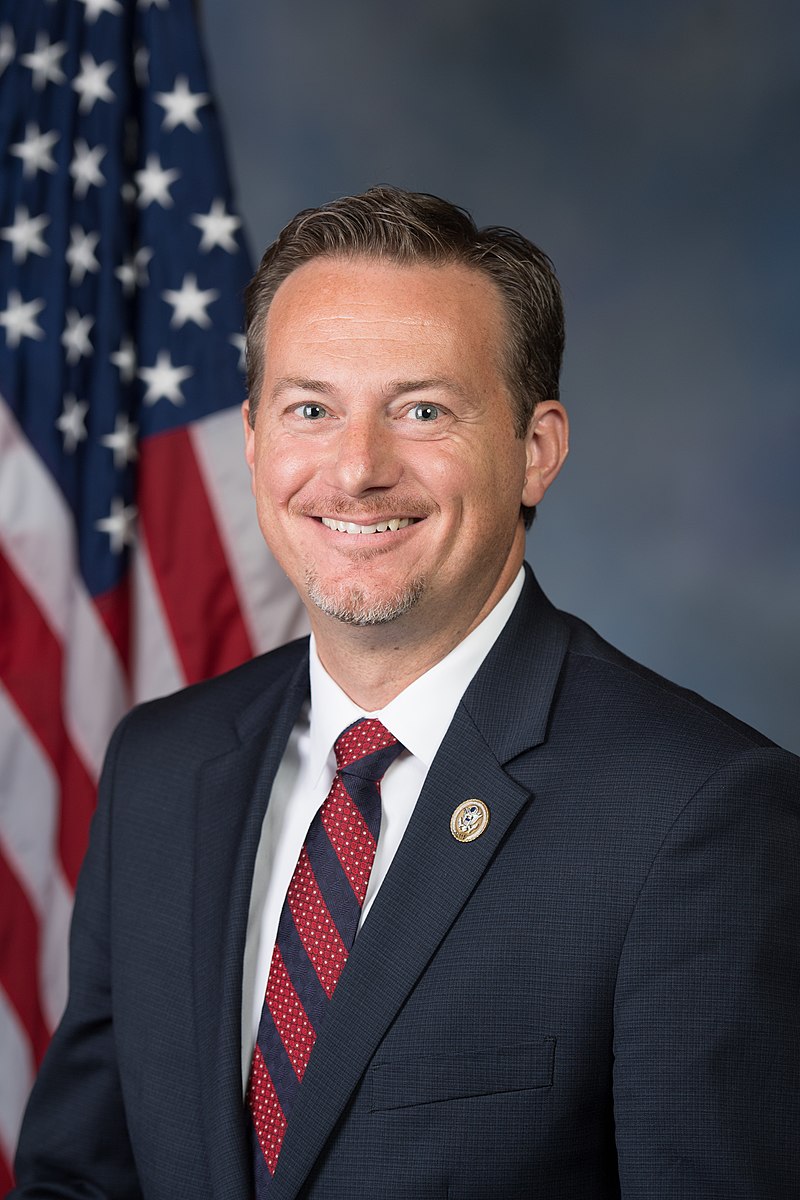
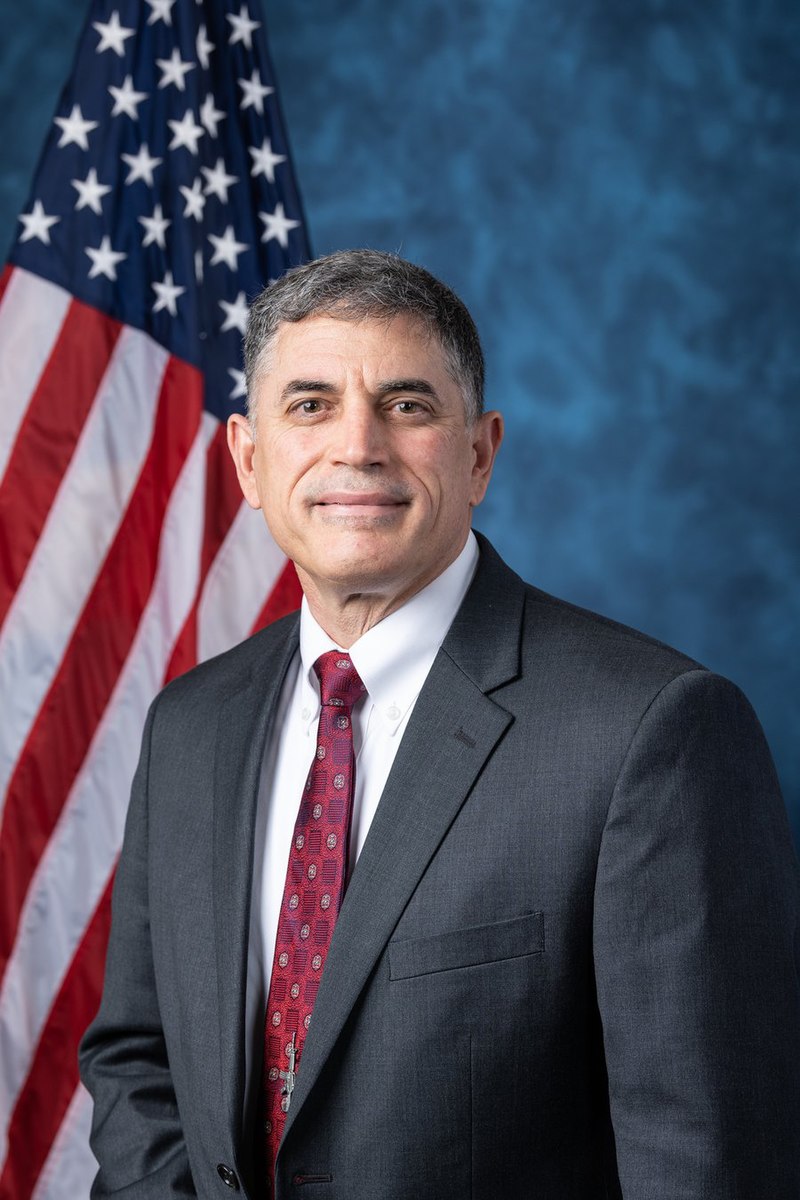
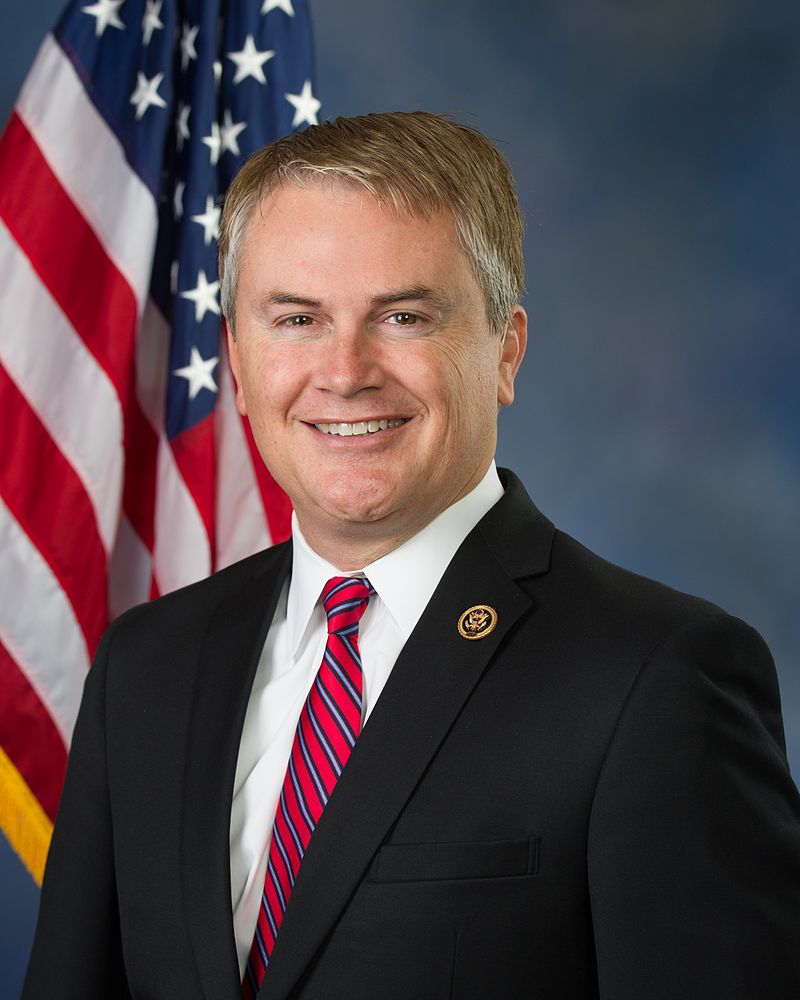
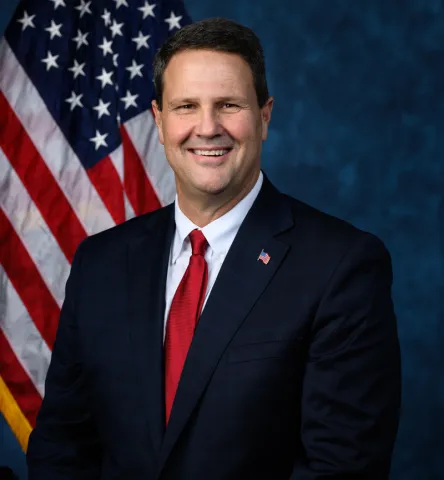
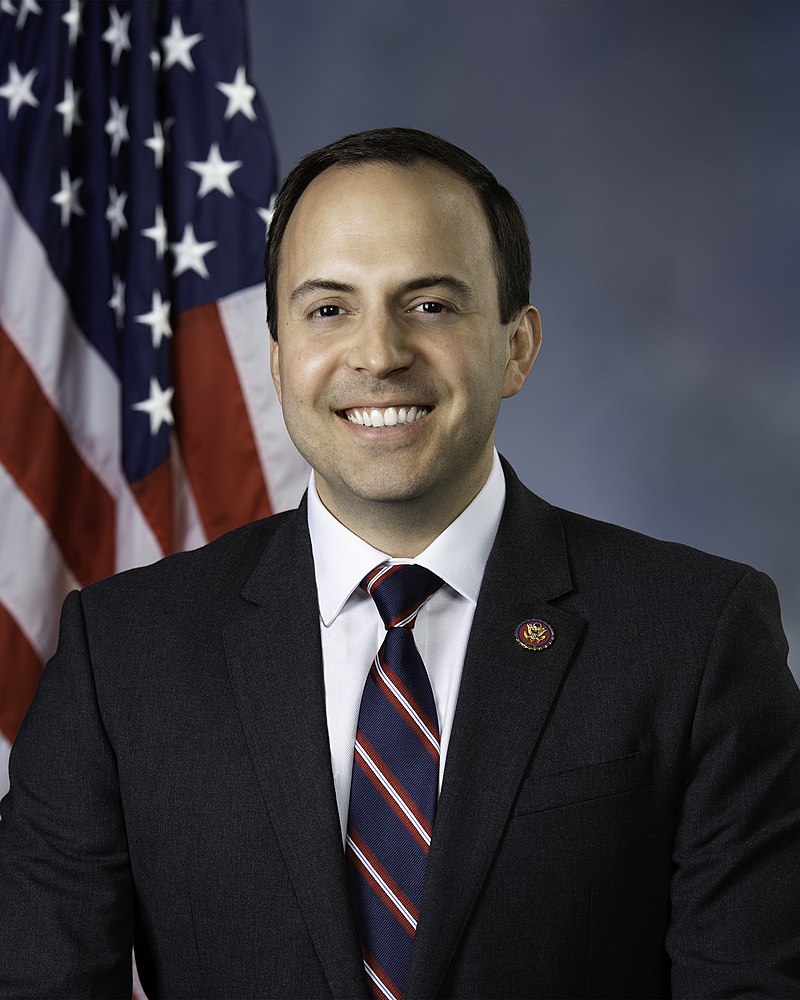
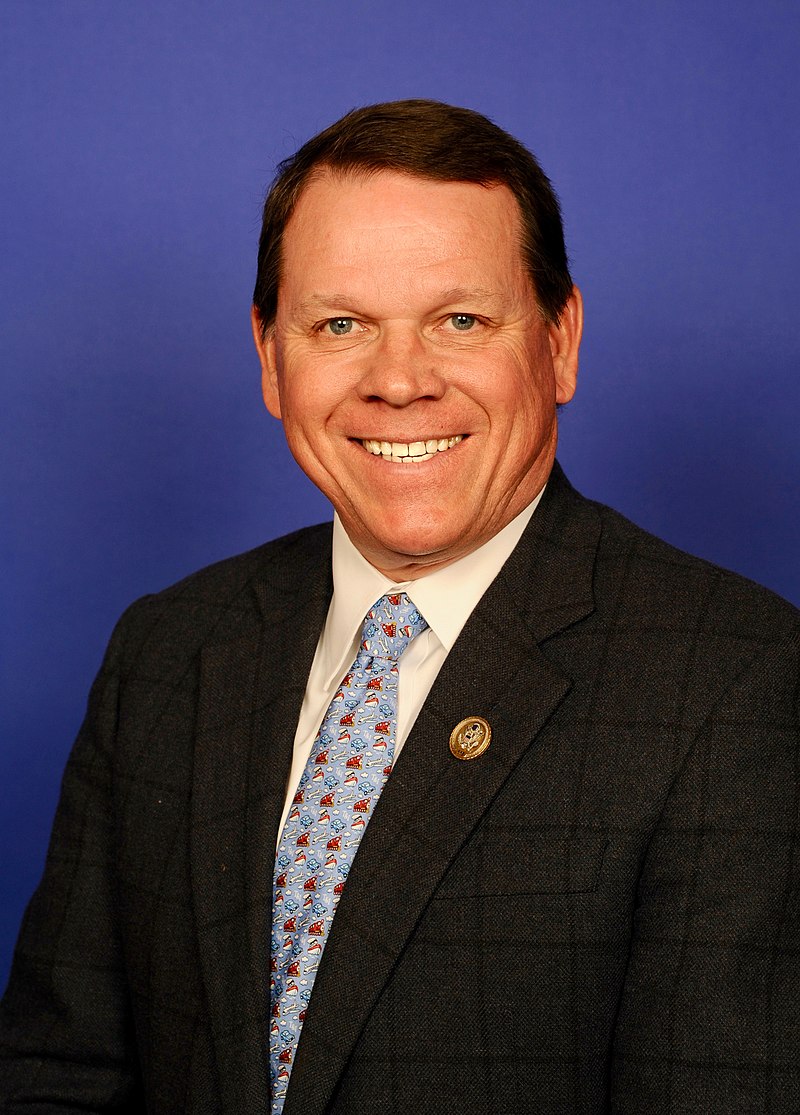
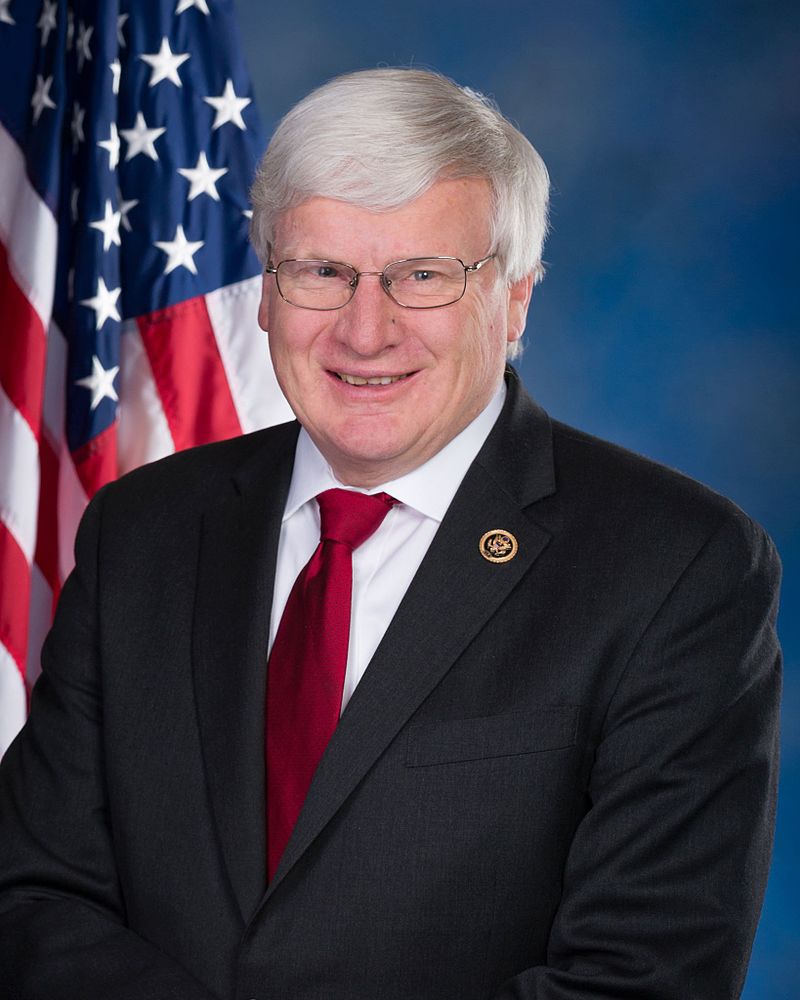
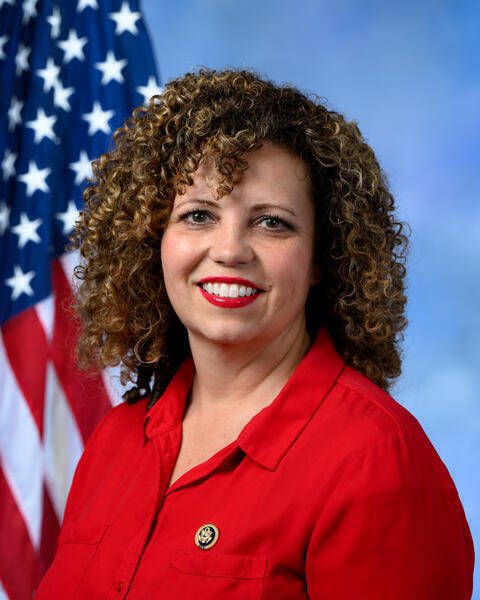
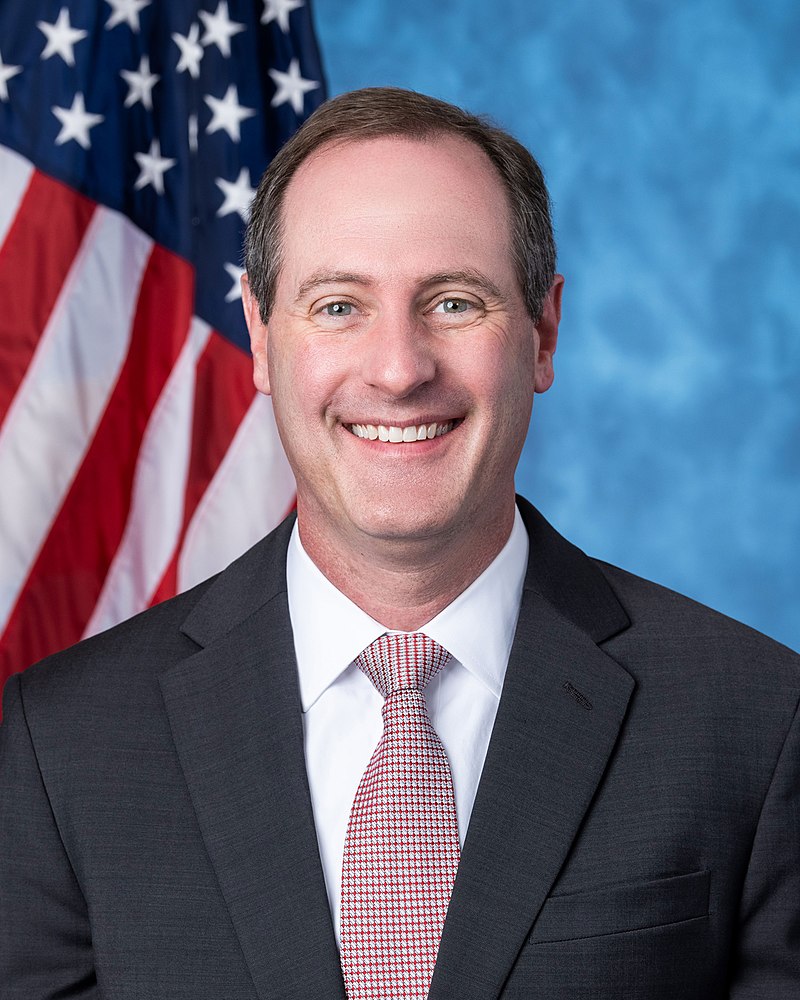
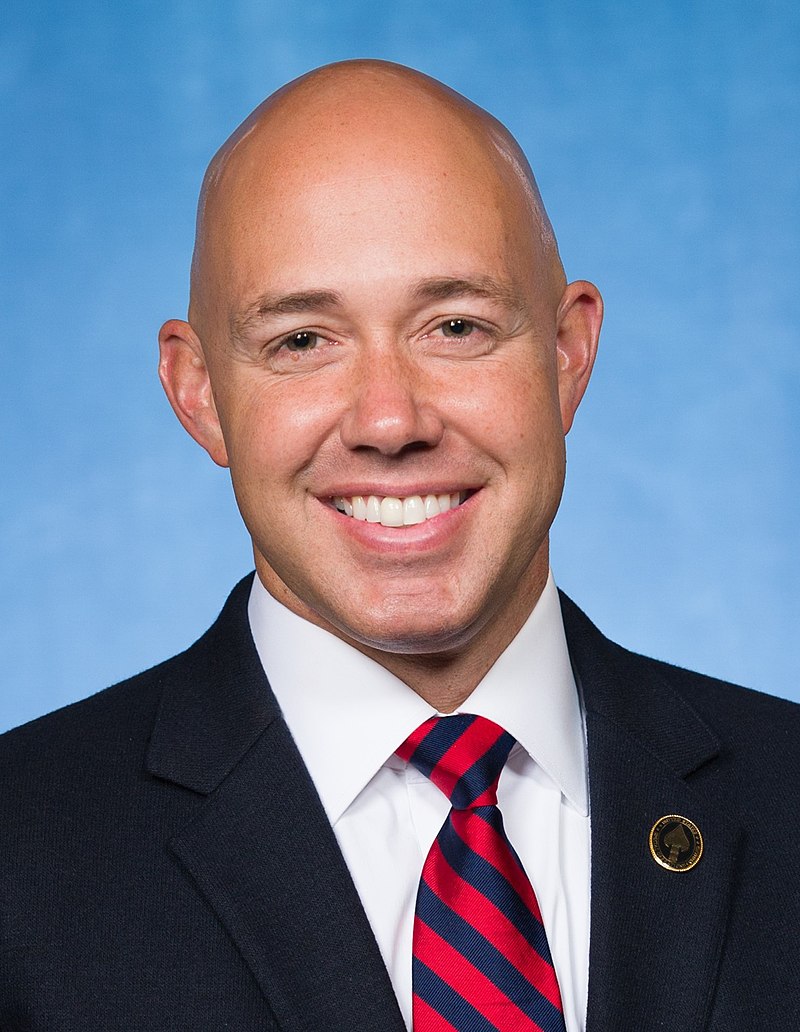
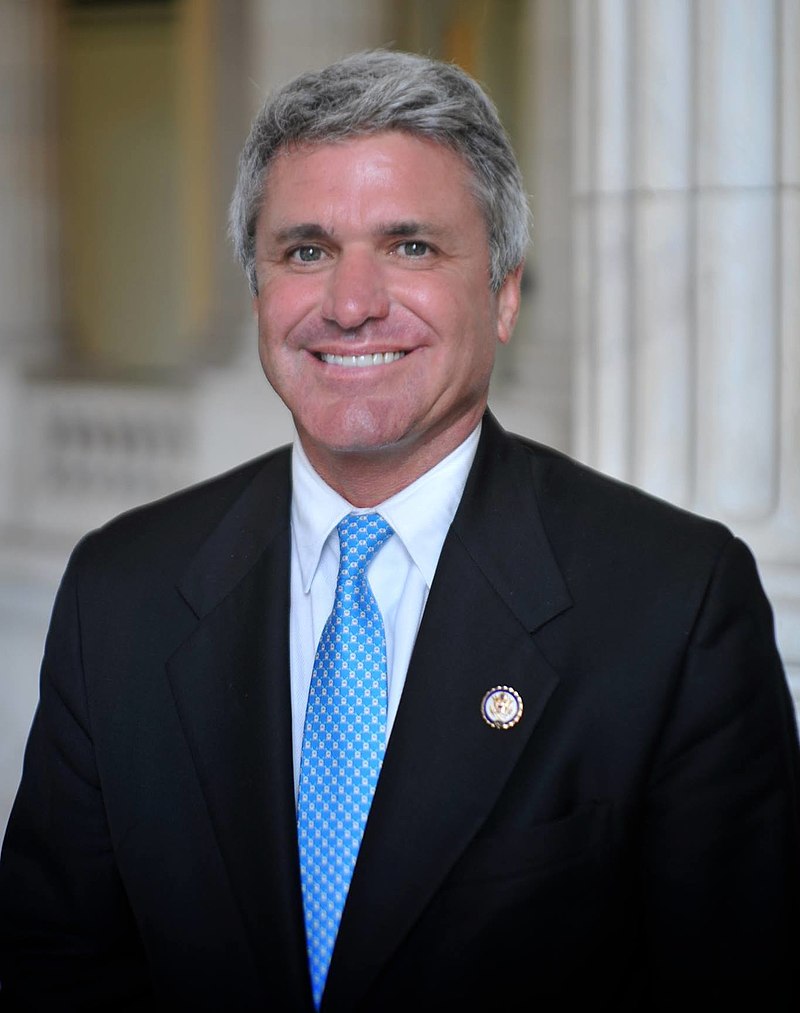
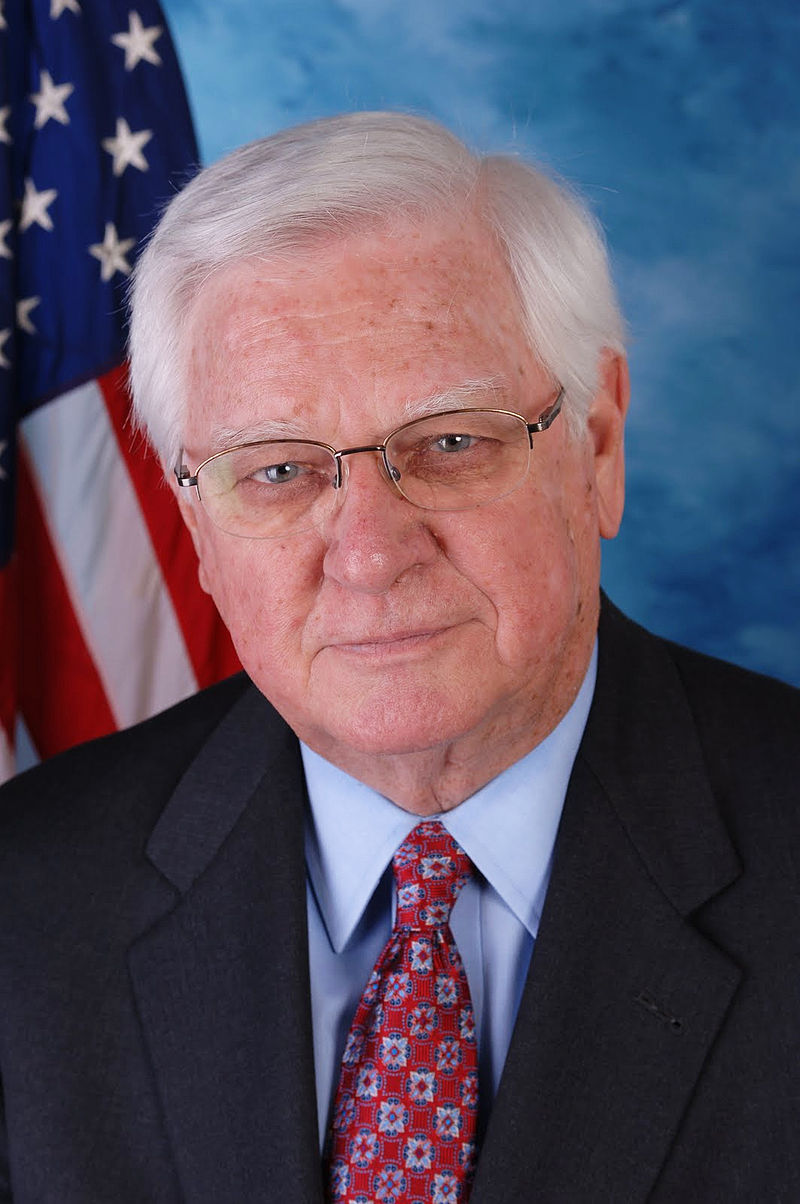
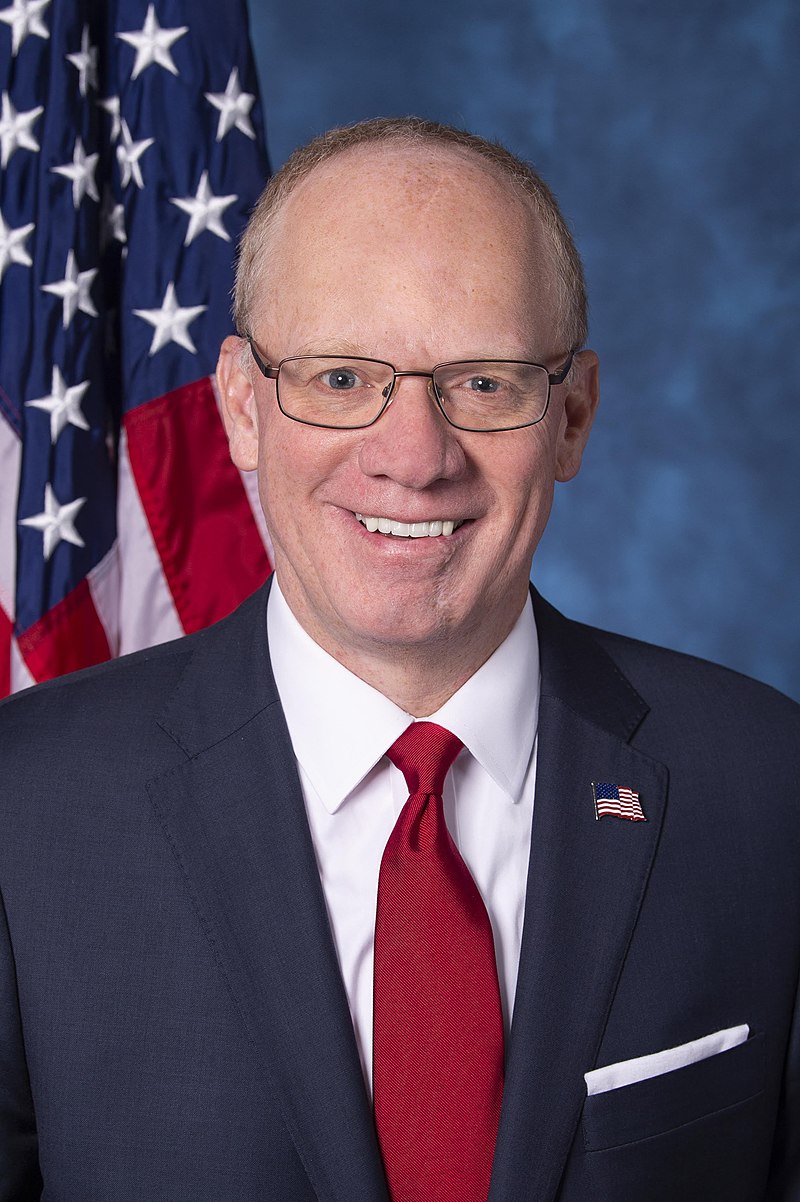
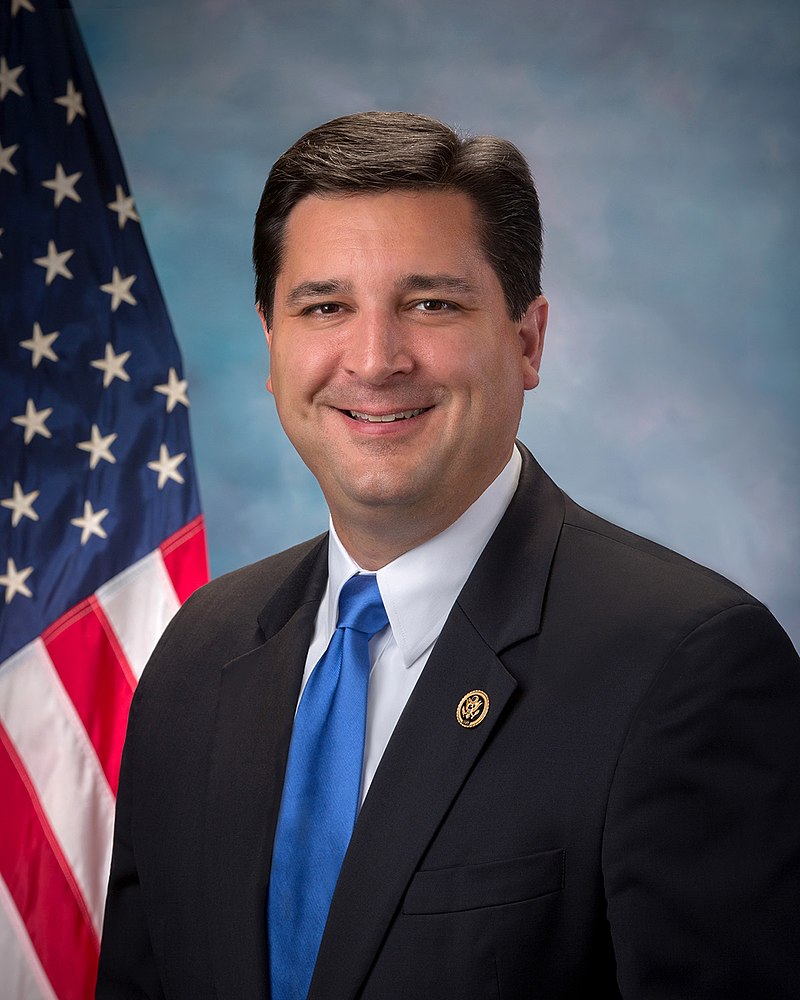
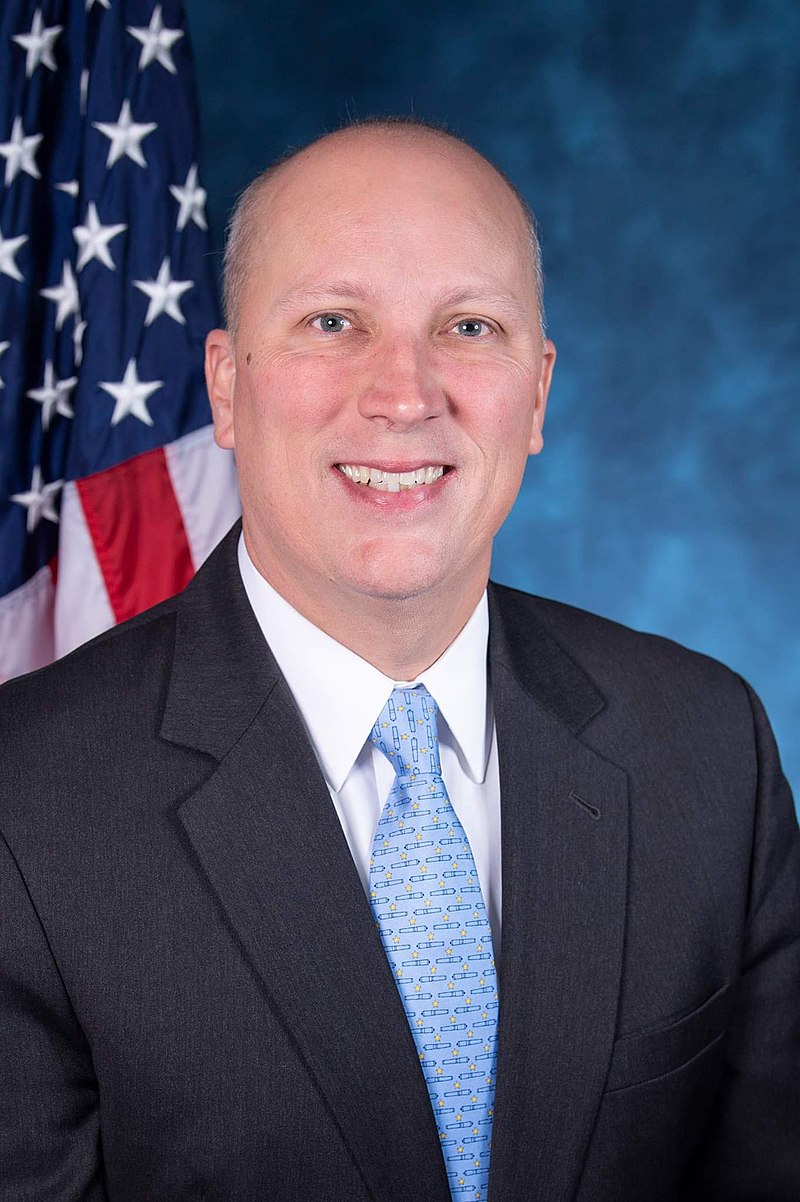
Yea (214)




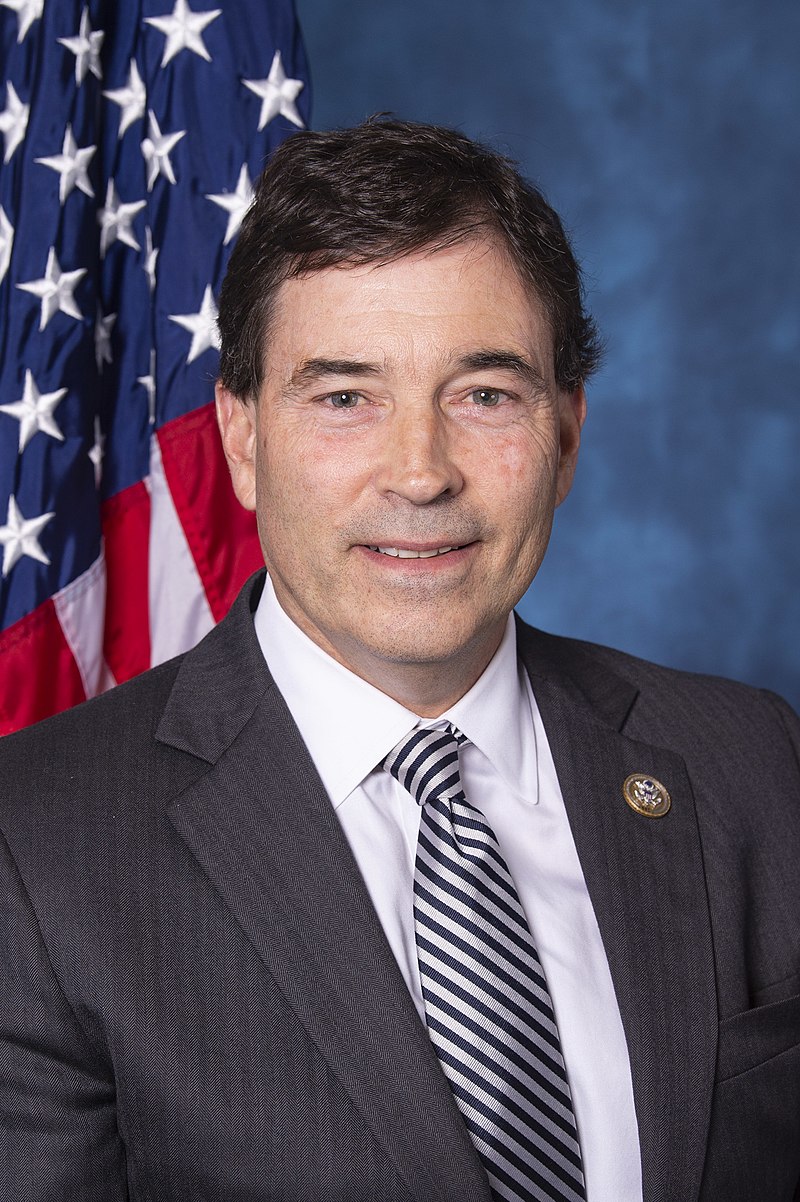

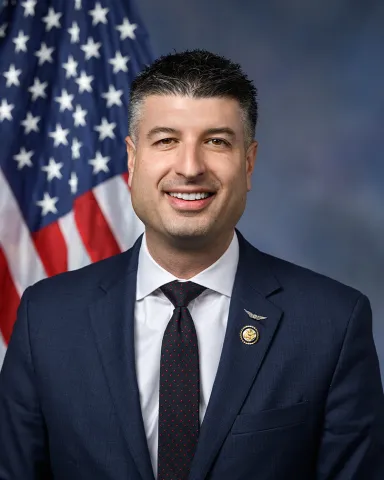


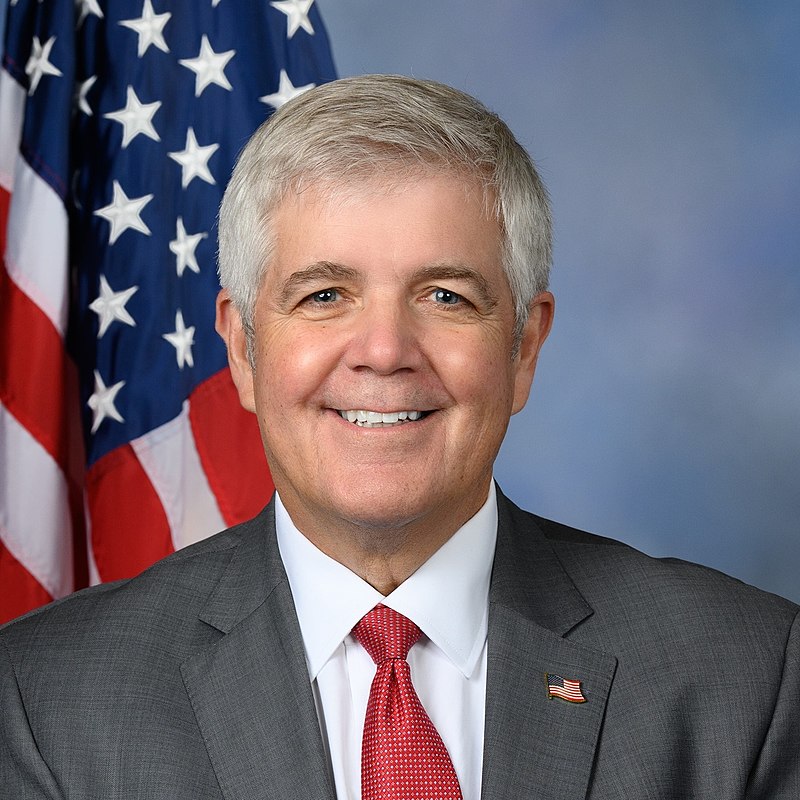
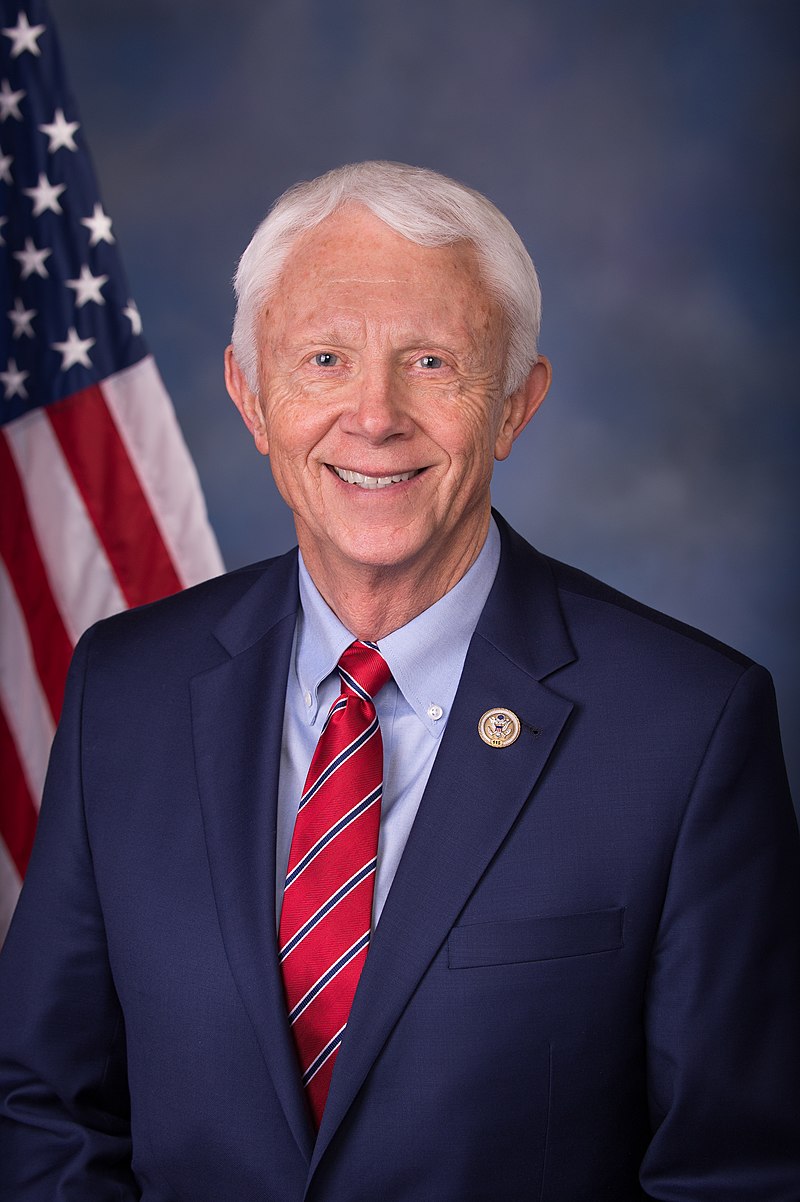

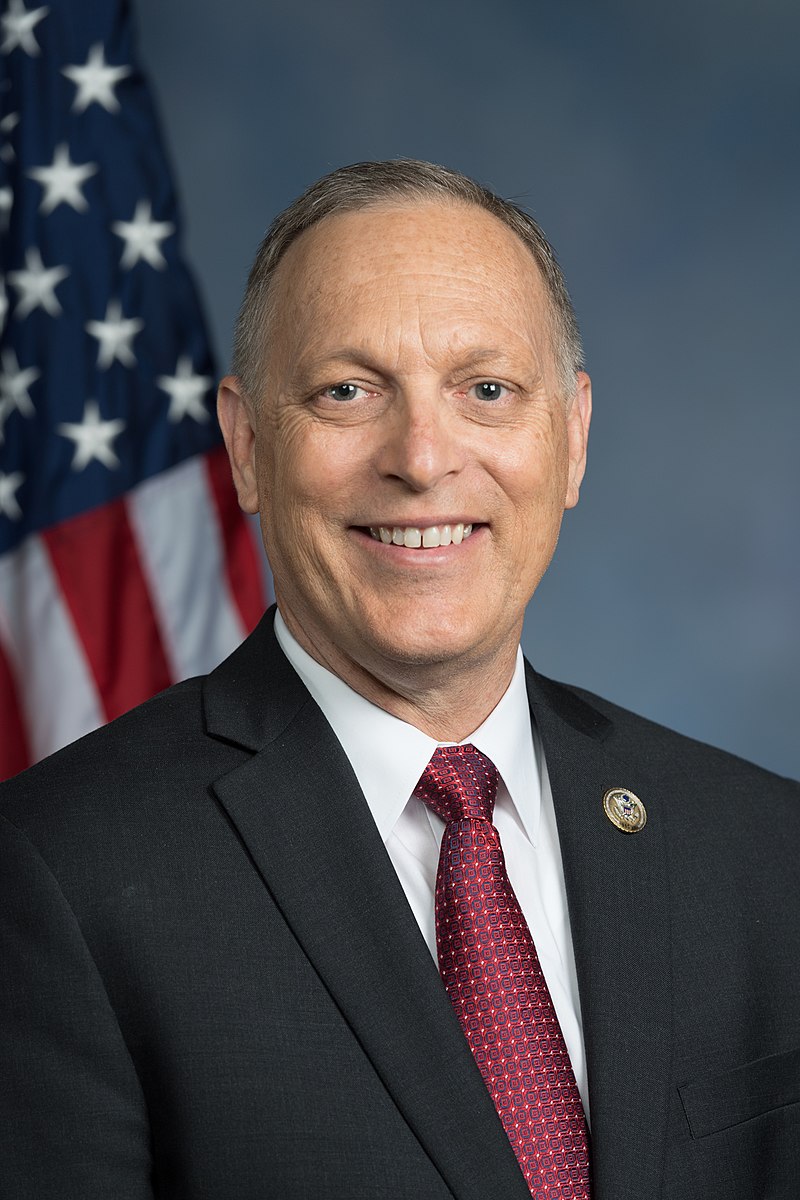
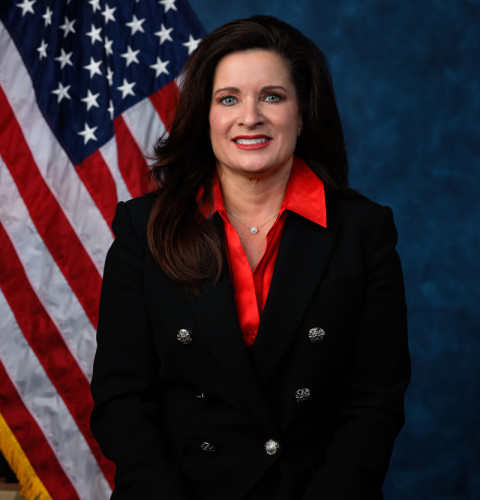
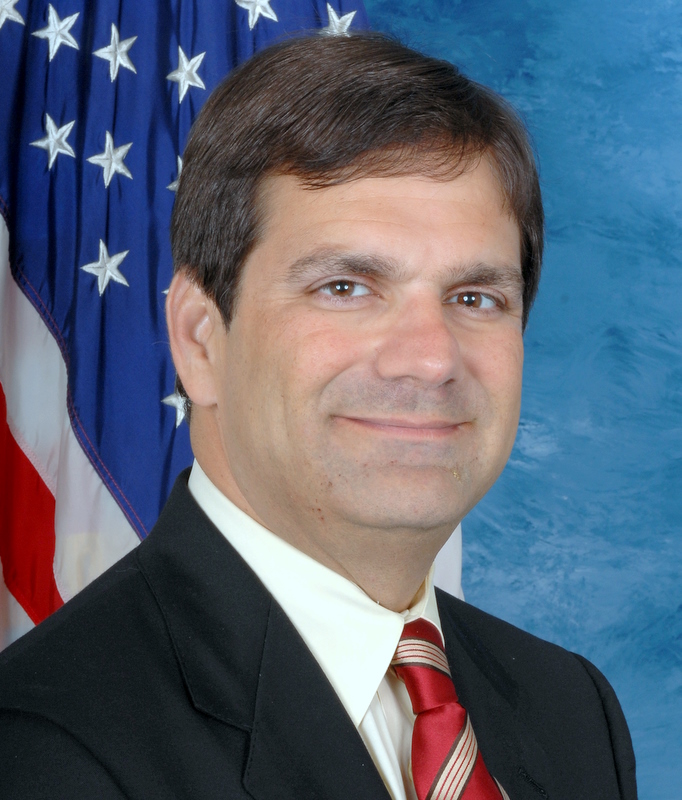

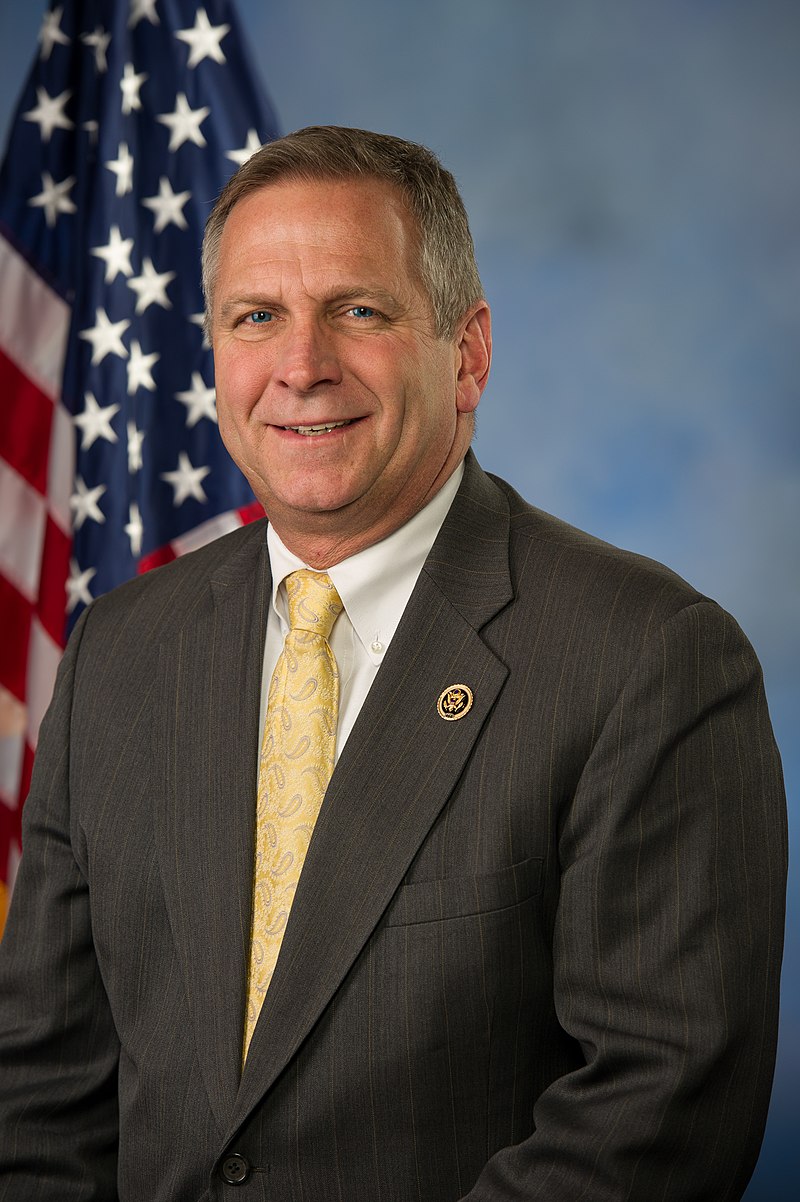


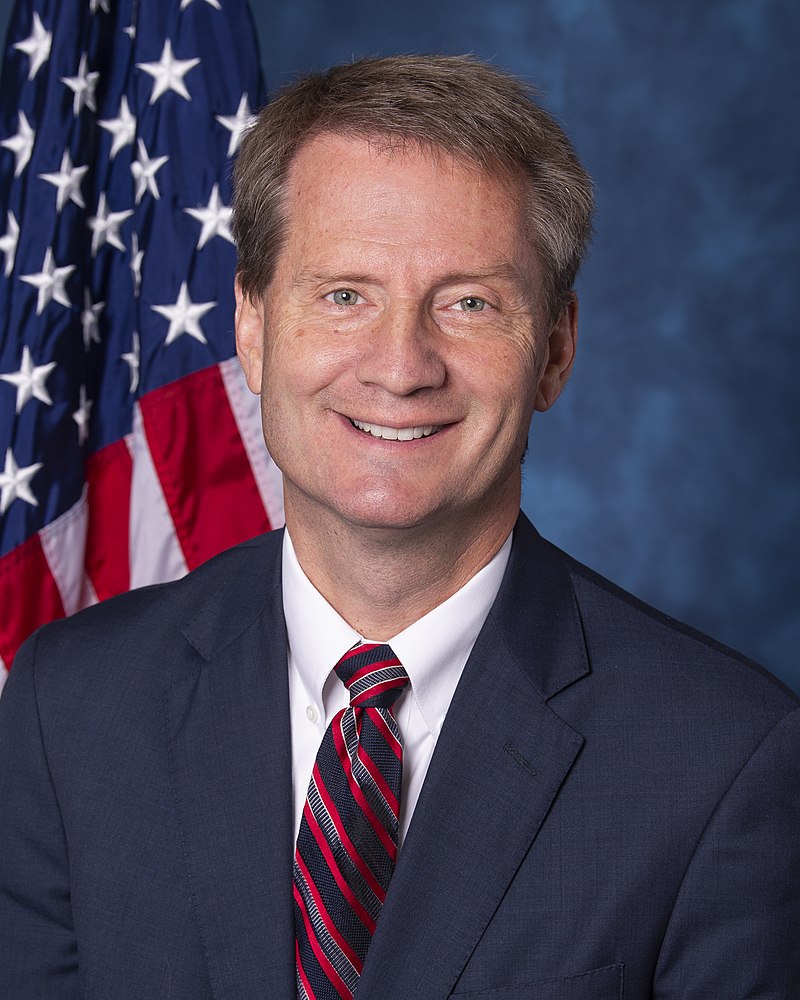
K
Ken Calvert
























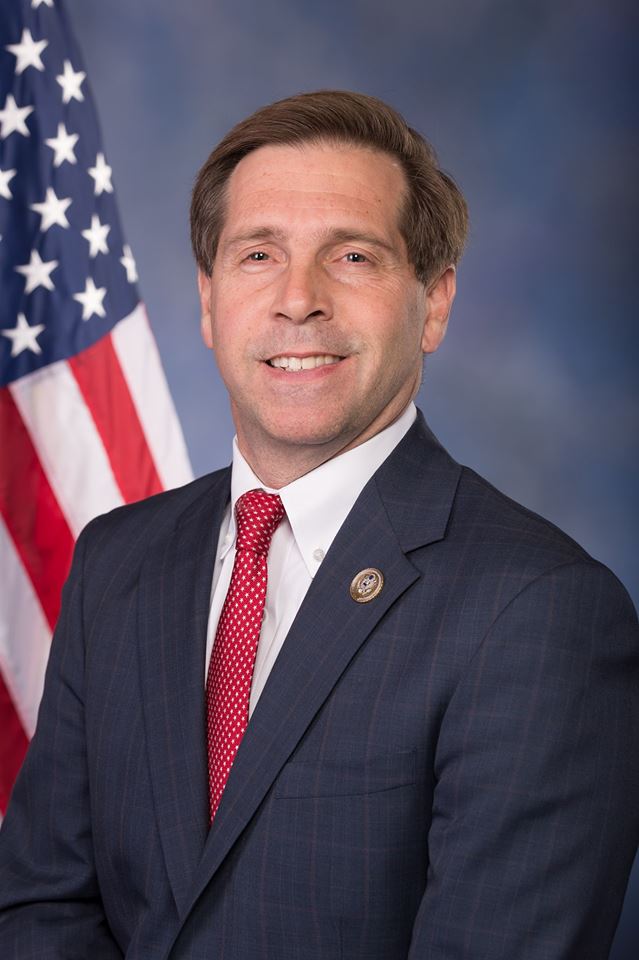



S
Scott Franklin




















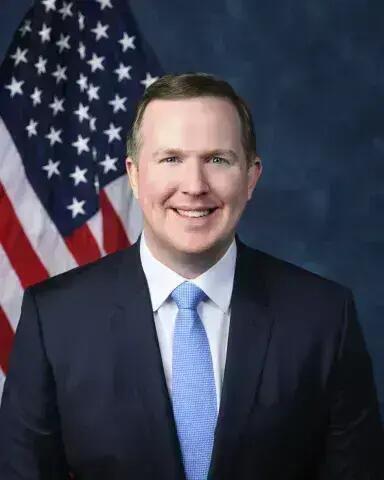




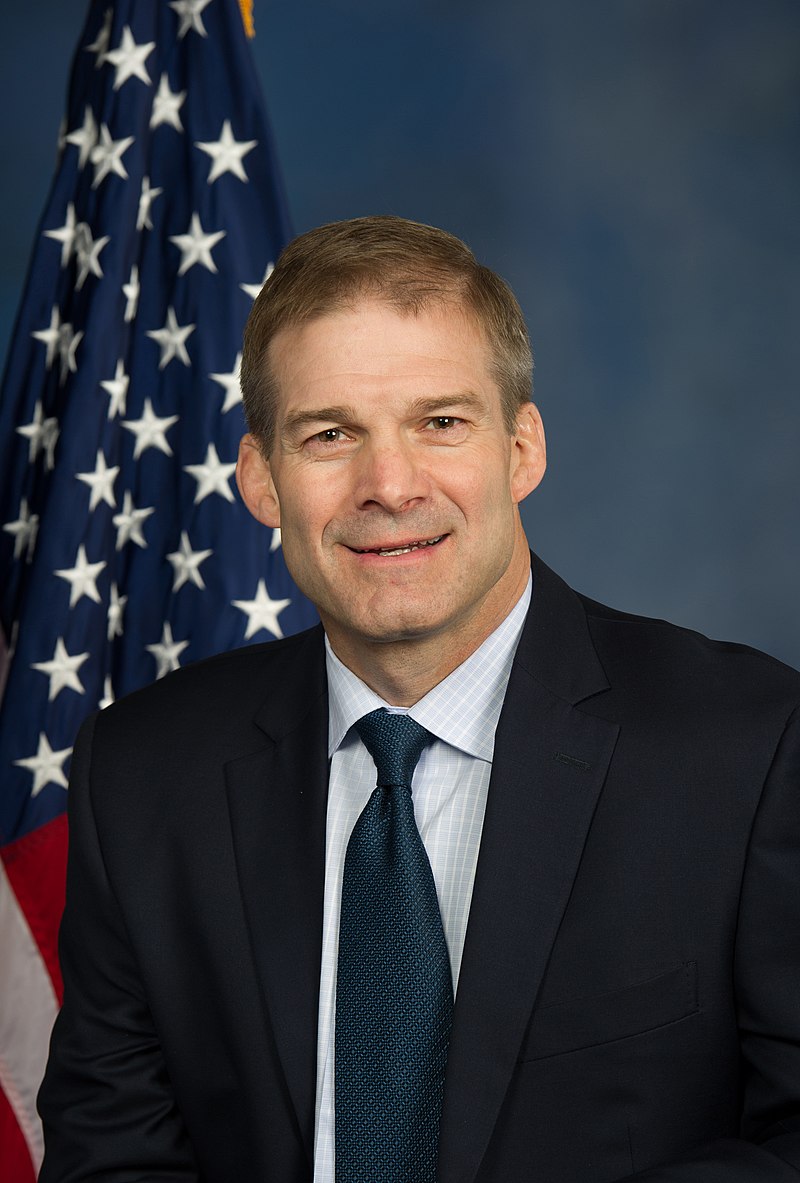
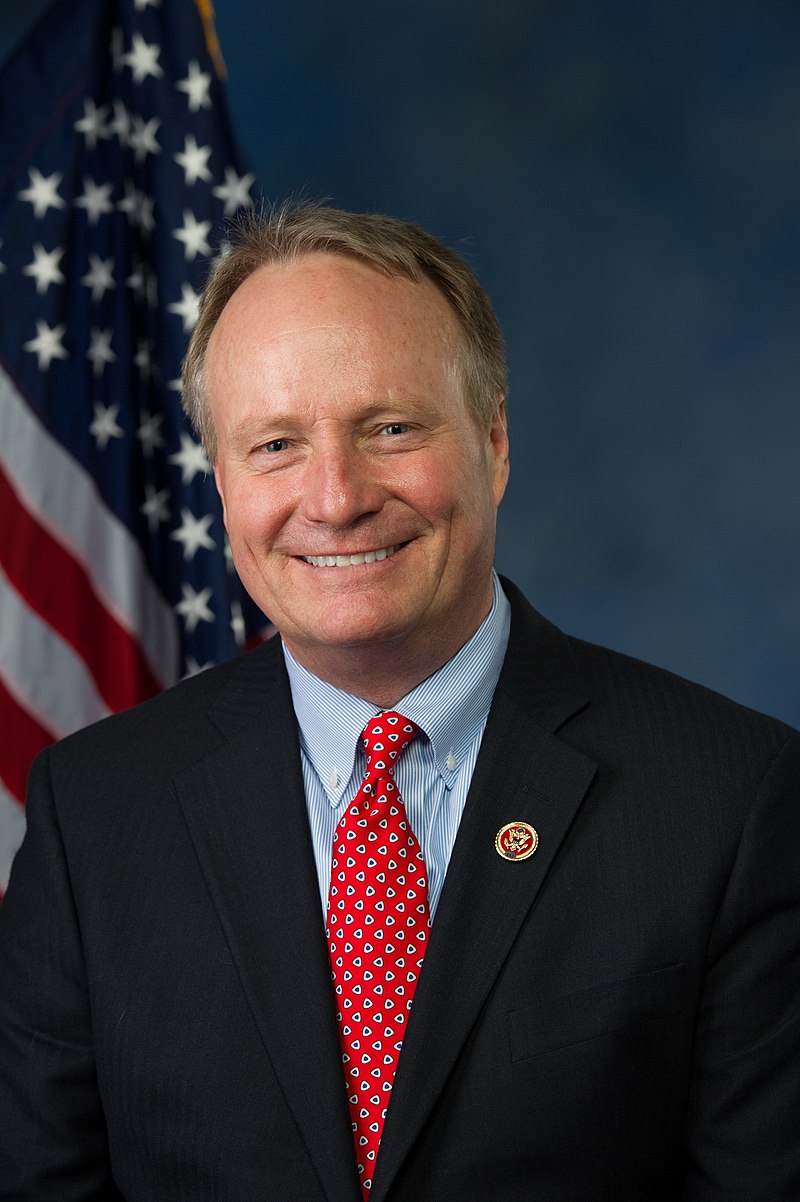














L
Lisa McClain



















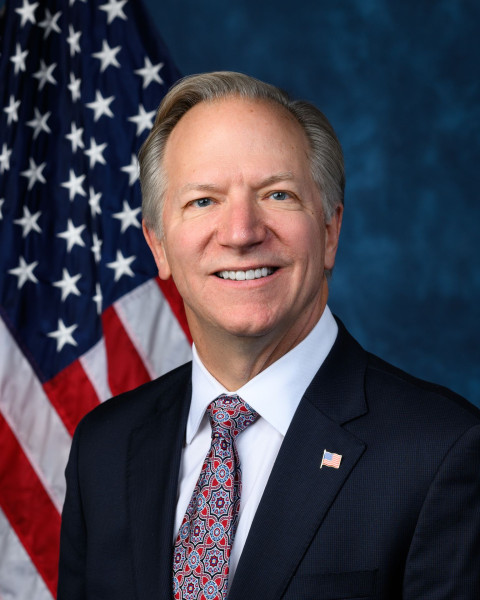
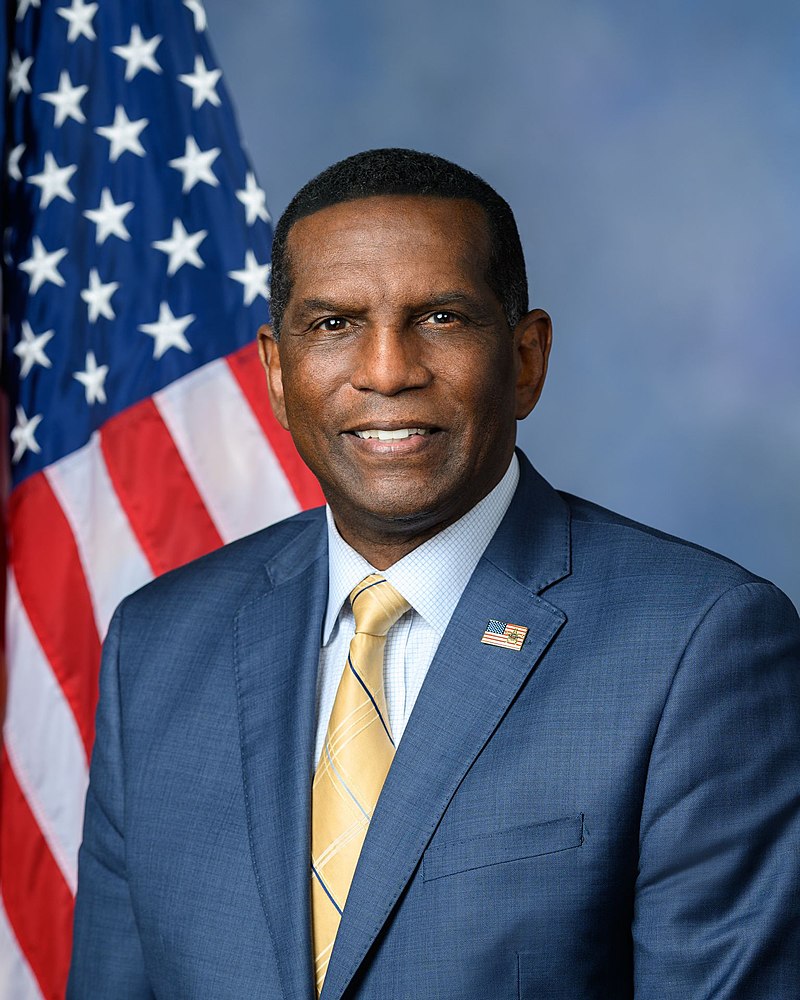

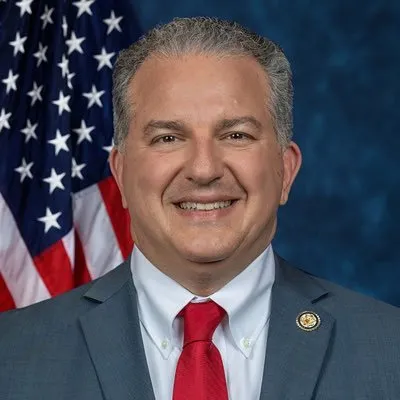


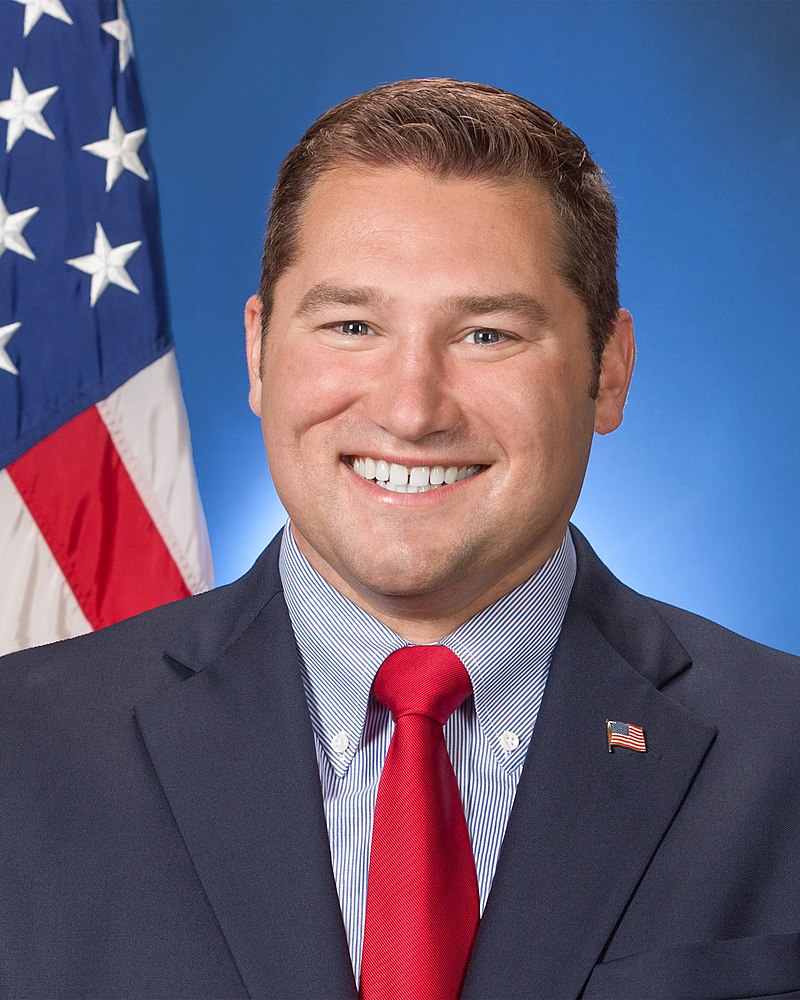


J
John Rutherford



D
David Schweikert

P
Pete Sessions


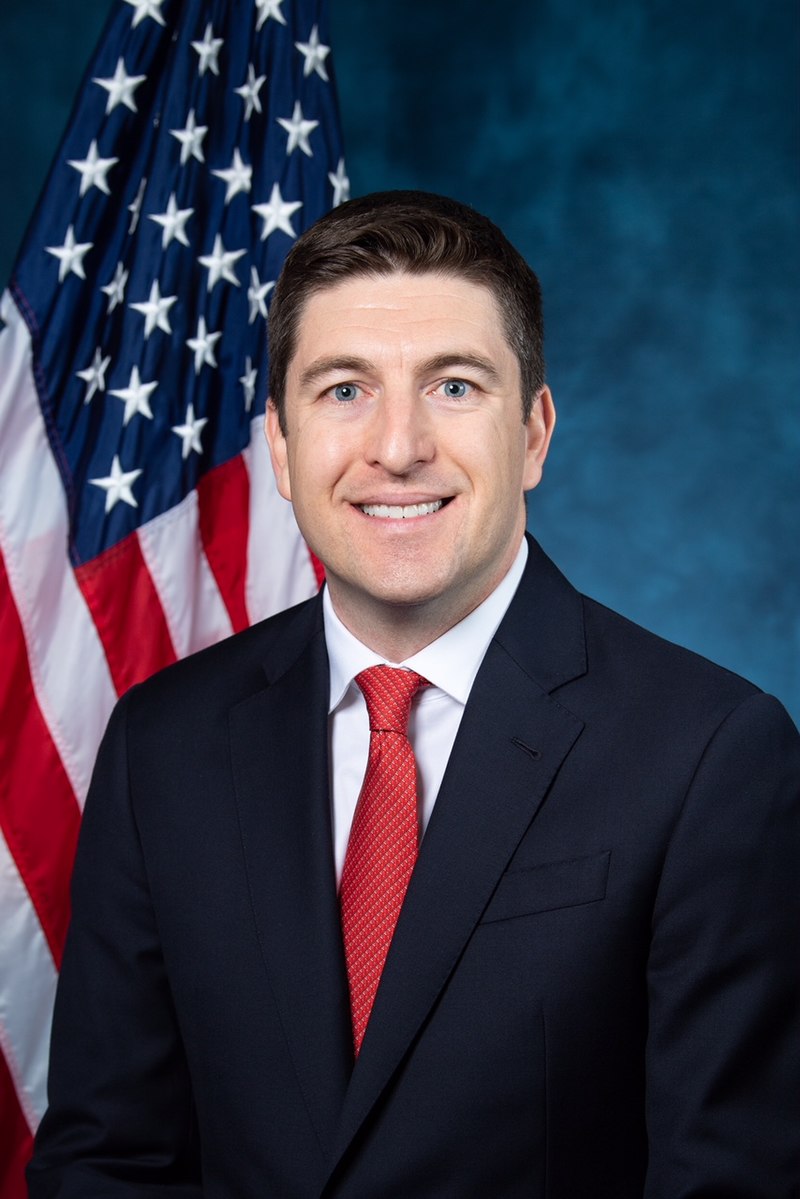


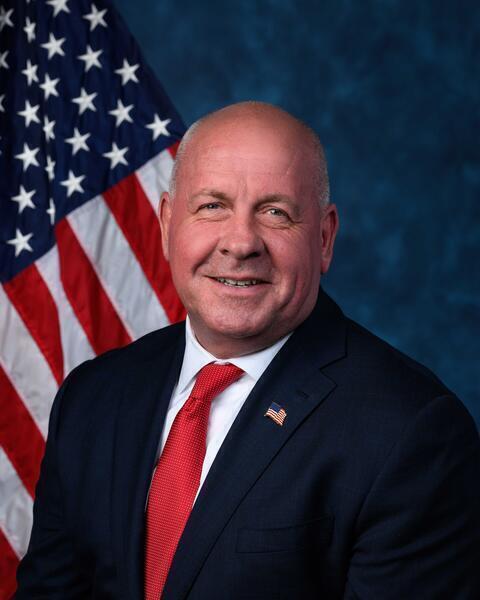













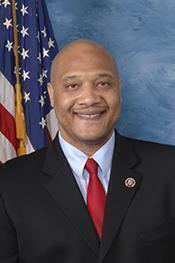
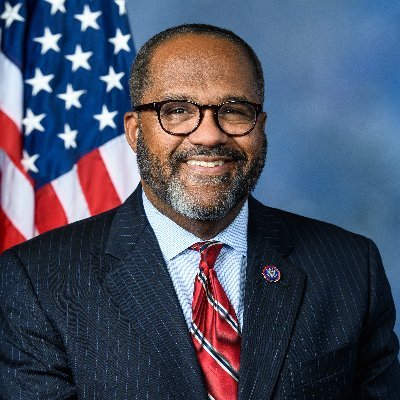
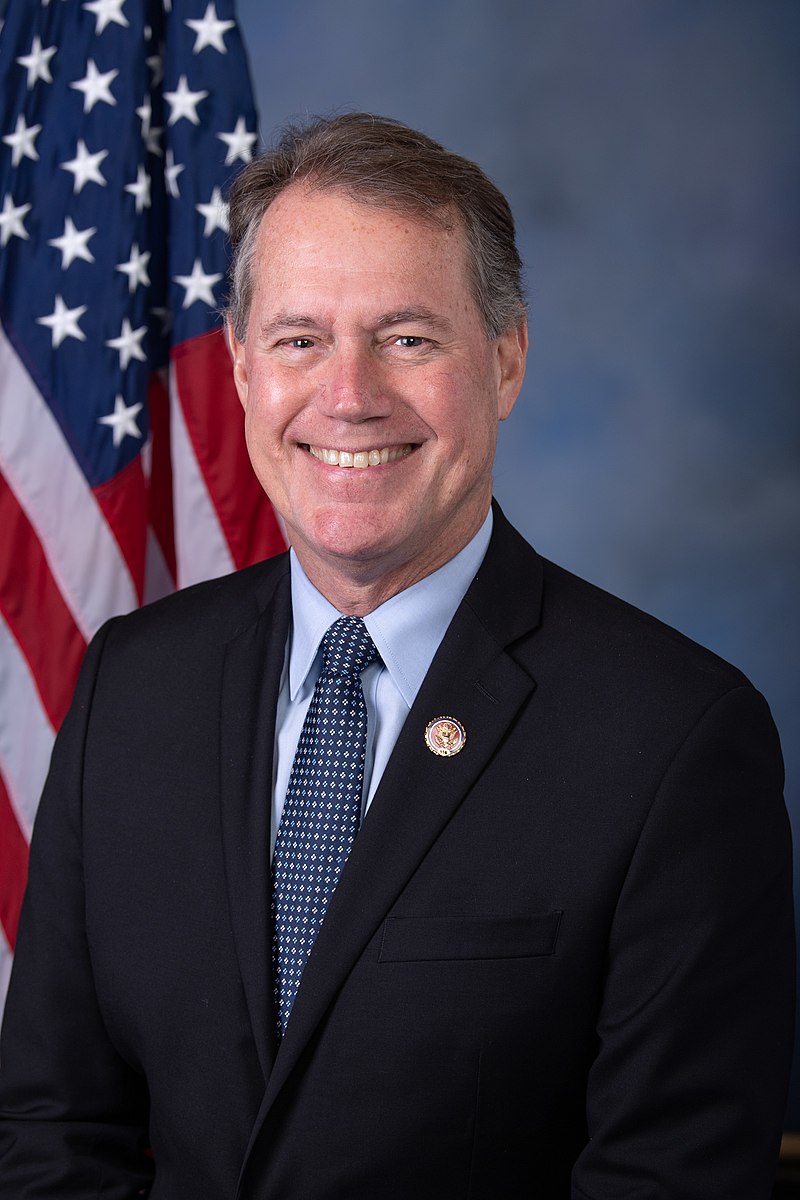
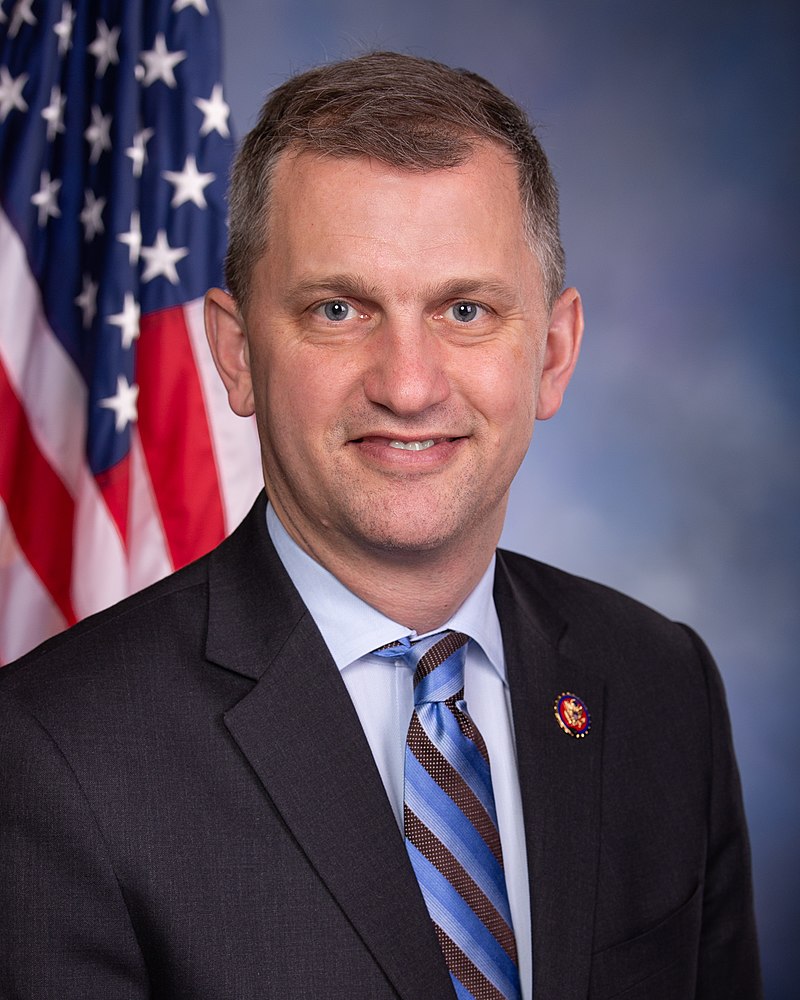
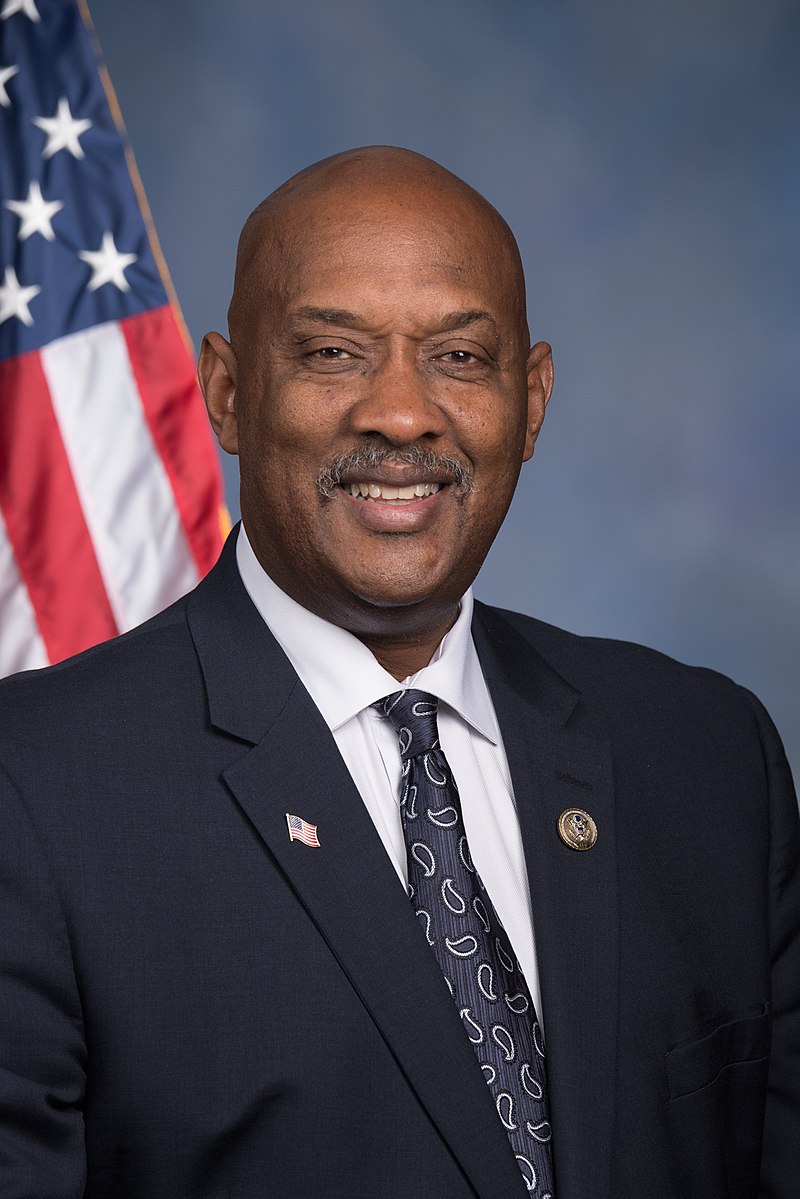
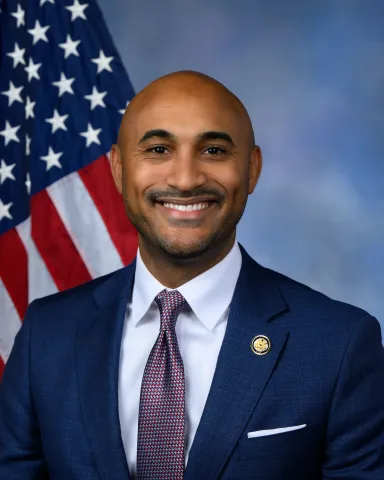
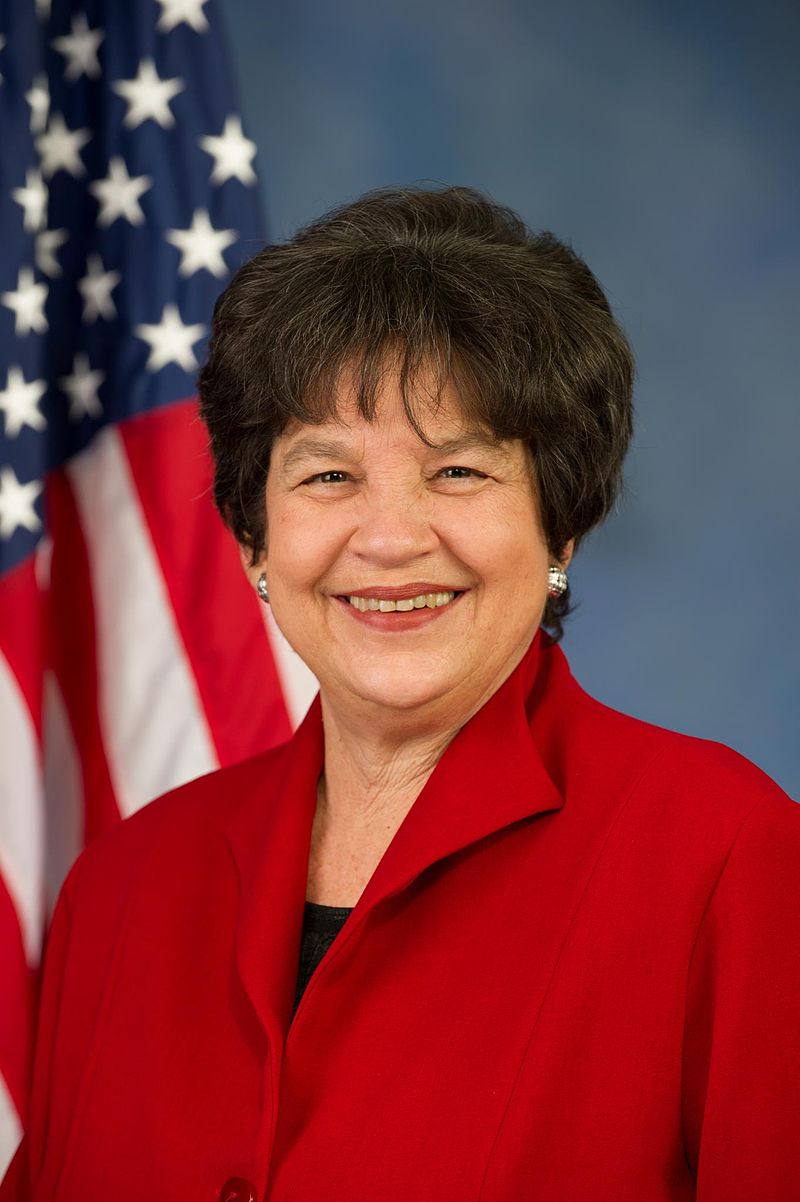
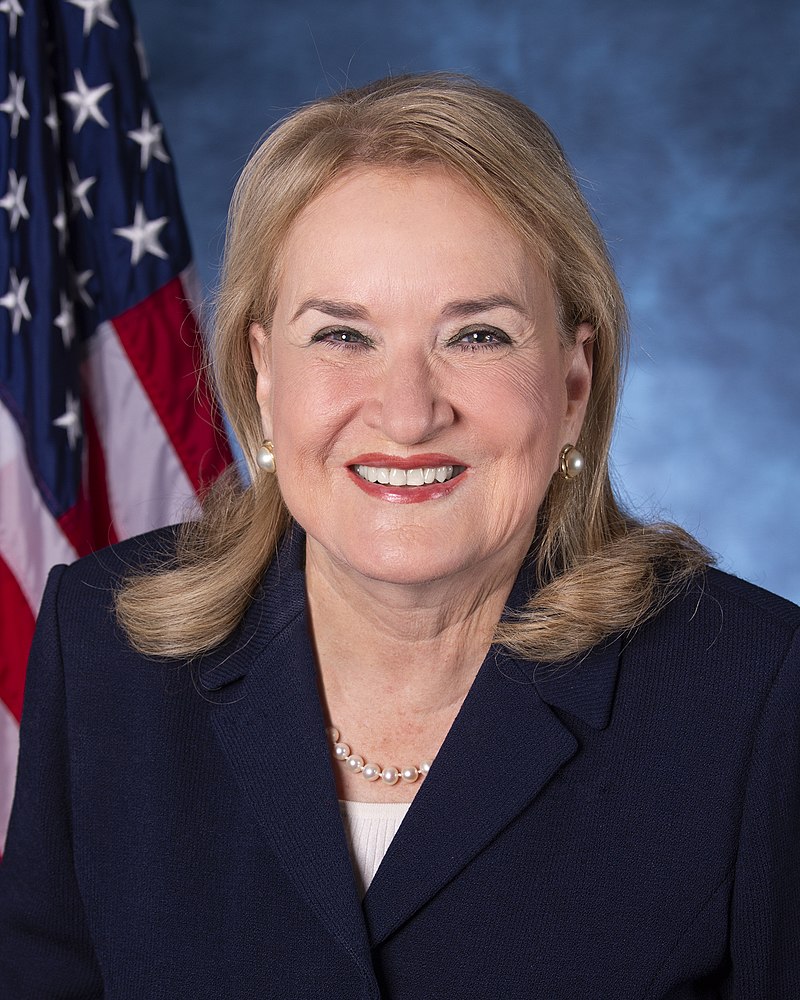
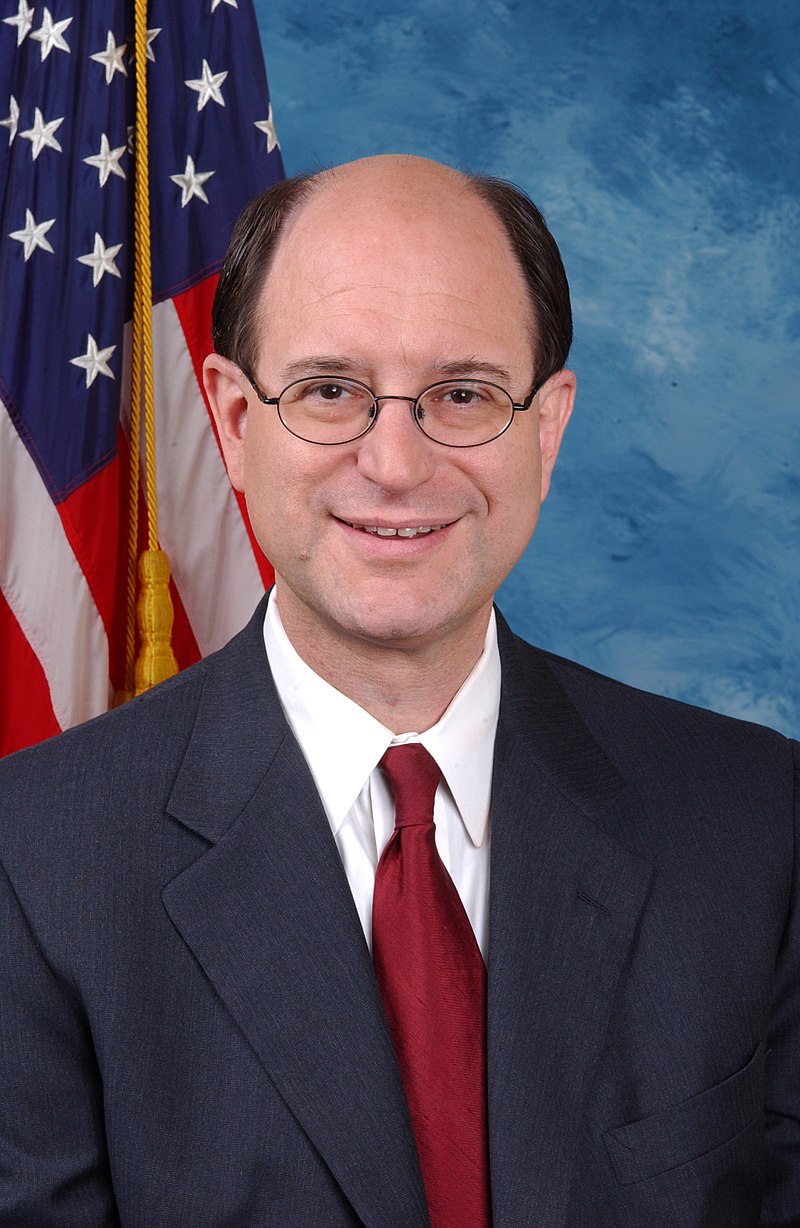
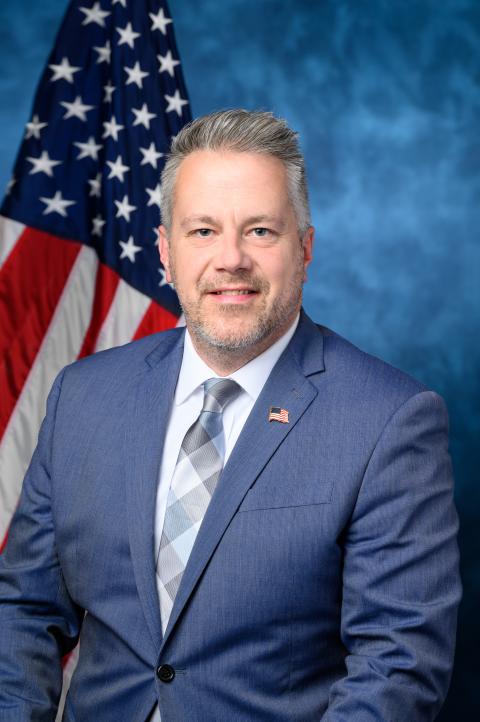
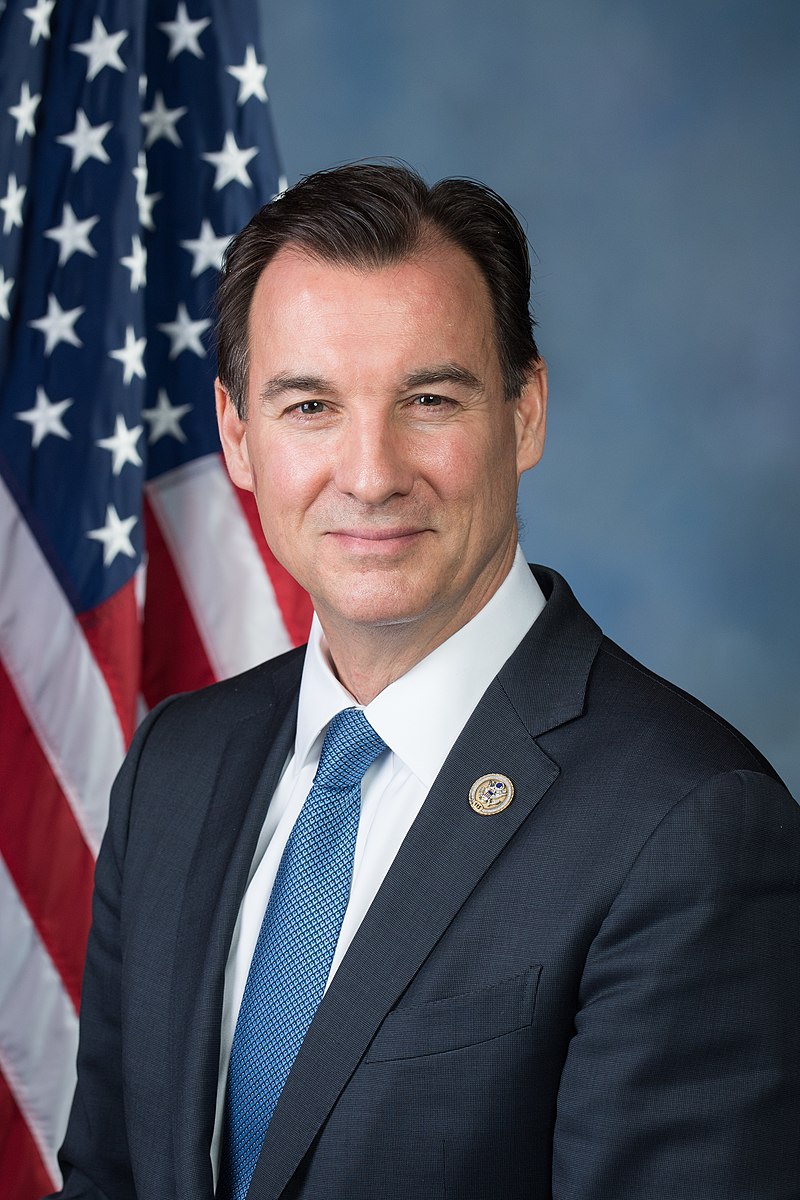
Nay (217)

























J
Jason Crow


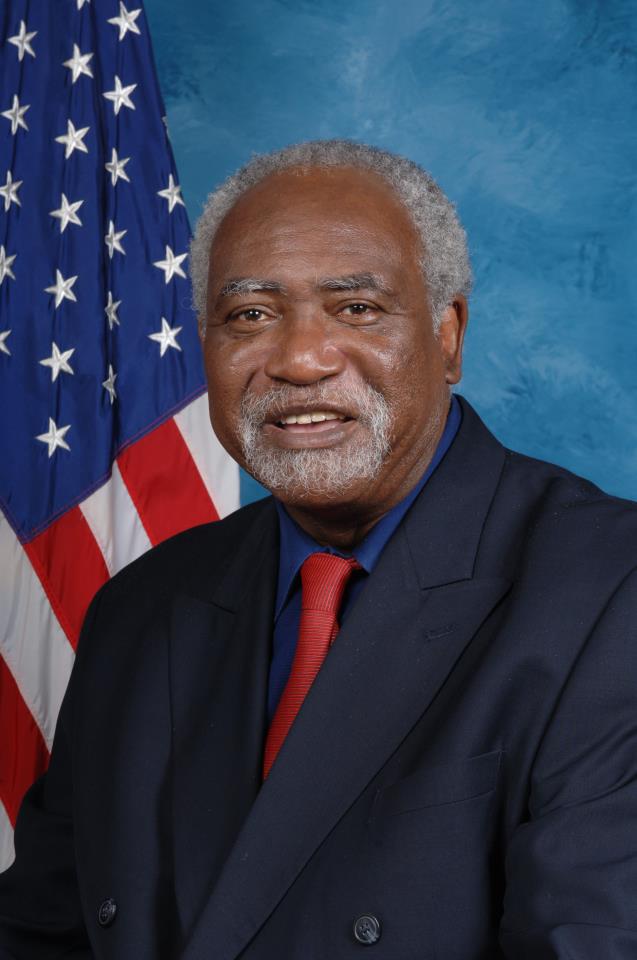






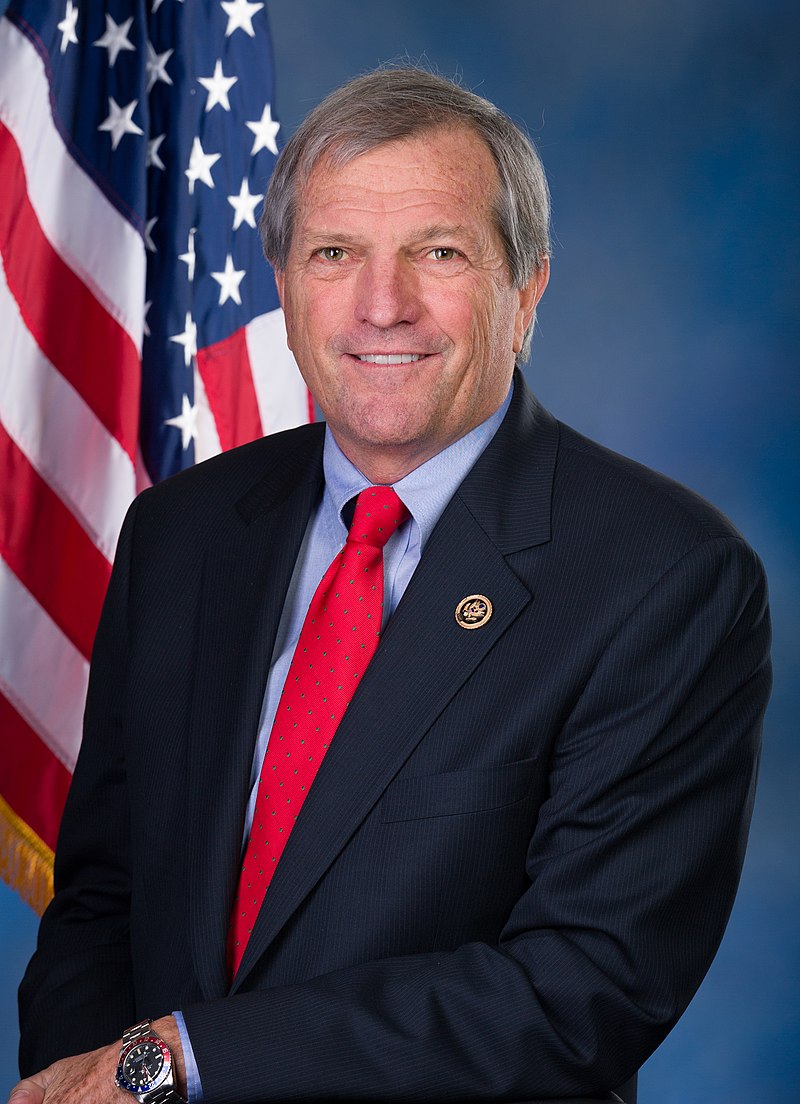


L
Lloyd Doggett

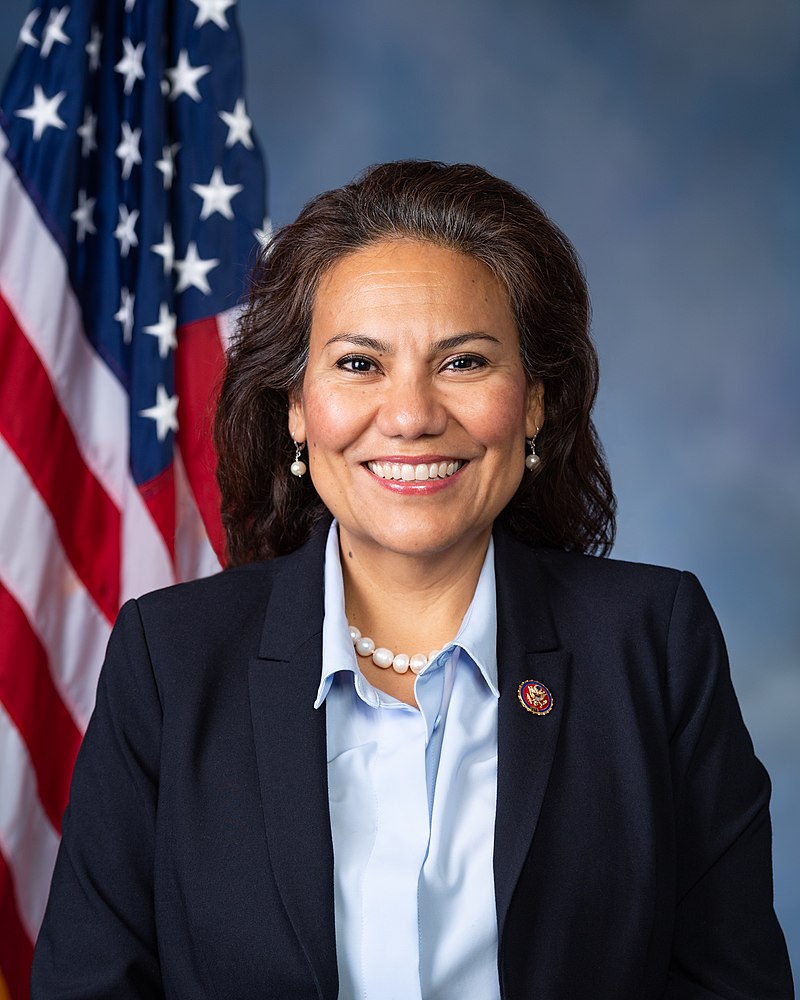
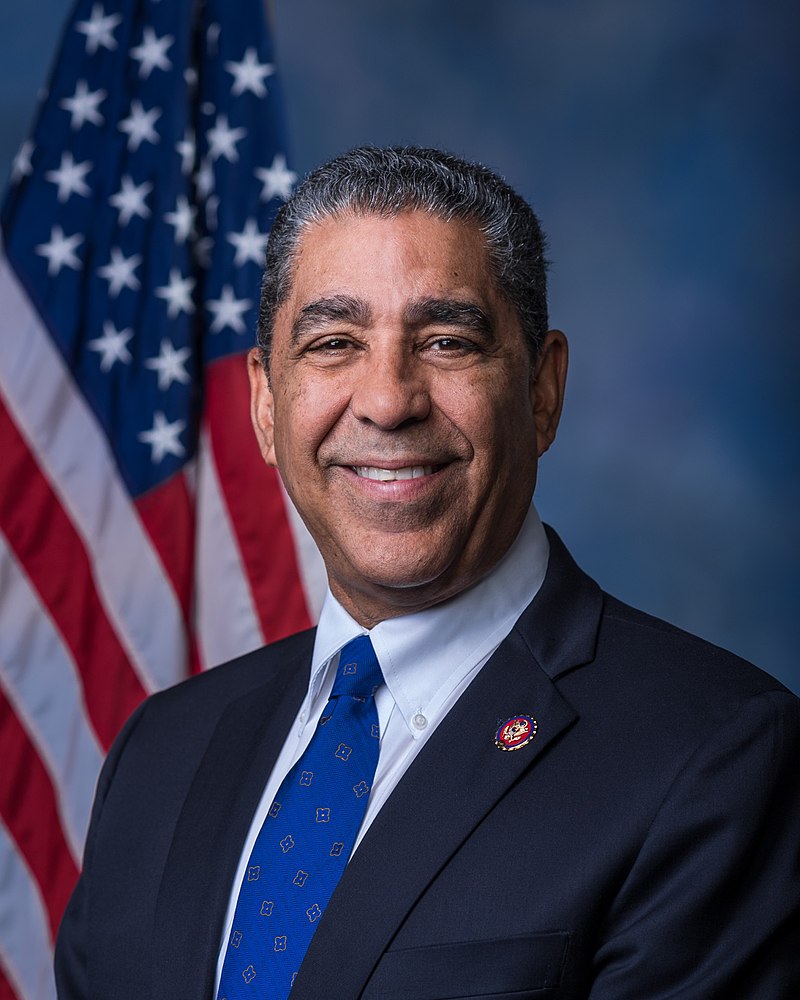






J
John Garamendi


































J
John Mannion


L
Lucy McBath






C
Christian Menefee







































E
Eric Swalwell



R
Rashida Tlaib







N
Nydia Velázquez


D
Debbie Wasserman Schultz