
H.R.1531 — PROTECT Taiwan Act
House Roll Call
H.R.1531
| Bill | H.R.1531 — PROTECT Taiwan Act |
|---|---|
| Vote question | On Motion to Suspend the Rules and Pass, as Amended |
| Vote type | 2/3 Yea-And-Nay |
| Result | Passed |
| Totals | Yea 395 / Nay 2 / Present 0 / Not Voting 35 |
| Party | Yea | Nay | Present | Not Voting |
|---|---|---|---|---|
| R | 198 | 1 | 0 | 19 |
| D | 197 | 1 | 0 | 16 |
| I | 0 | 0 | 0 | 0 |
Research Brief
On Motion to Suspend the Rules and Pass, as Amended
Bill Analysis
HR 1531 – PROTECT Taiwan Act (119th Congress)
HR 1531 directs the U.S. government to use financial sanctions to deter or respond to a Chinese military invasion or blockade of Taiwan by targeting China’s access to U.S. capital markets.
Core directive
- The bill requires the President to develop and implement a strategy to prohibit or severely restrict certain Chinese entities’ access to U.S. capital markets if the People’s Republic of China (PRC) engages in a military invasion of, or blockade against, Taiwan.
- The strategy must be aligned with U.S. national security and foreign policy objectives and is intended as an economic deterrent.
Scope and targets
- Covered entities are expected to include Chinese state-owned enterprises, major financial institutions, and other PRC-affiliated firms that benefit from or support such aggression.
- Measures may include:
- Restricting or delisting securities of designated PRC entities from U.S. exchanges;
- Limiting or prohibiting U.S. persons’ purchases of their stocks, bonds, or other financial instruments;
- Blocking or conditioning access to U.S. capital-raising mechanisms.
Agencies and authorities
- Department of the Treasury (including the Office of Foreign Assets Control) and the Securities and Exchange Commission would be primary implementers, using existing sanctions and securities authorities, supplemented by the bill’s specific mandate.
- The President is given directive authority to identify triggering events (invasion/blockade) and designate covered entities.
- The bill relies mainly on existing sanctions and regulatory powers, rather than creating large new spending programs; any funding impact would be administrative/implementation costs.
Beneficiaries and regulated parties
- Intended beneficiaries: Taiwan (enhanced deterrence), and indirectly U.S. and allied interests in Indo-Pacific stability.
- Regulated/affected: PRC government-linked firms, global investors in those firms, U.S. financial institutions, exchanges, and asset managers that list, trade, or hold affected securities.
Timelines and reporting
- Upon enactment, the President must produce the capital-markets restriction strategy within a specified period (typically months, as set in the bill’s text) and update or report to Congress on implementation following any qualifying PRC action against Taiwan.
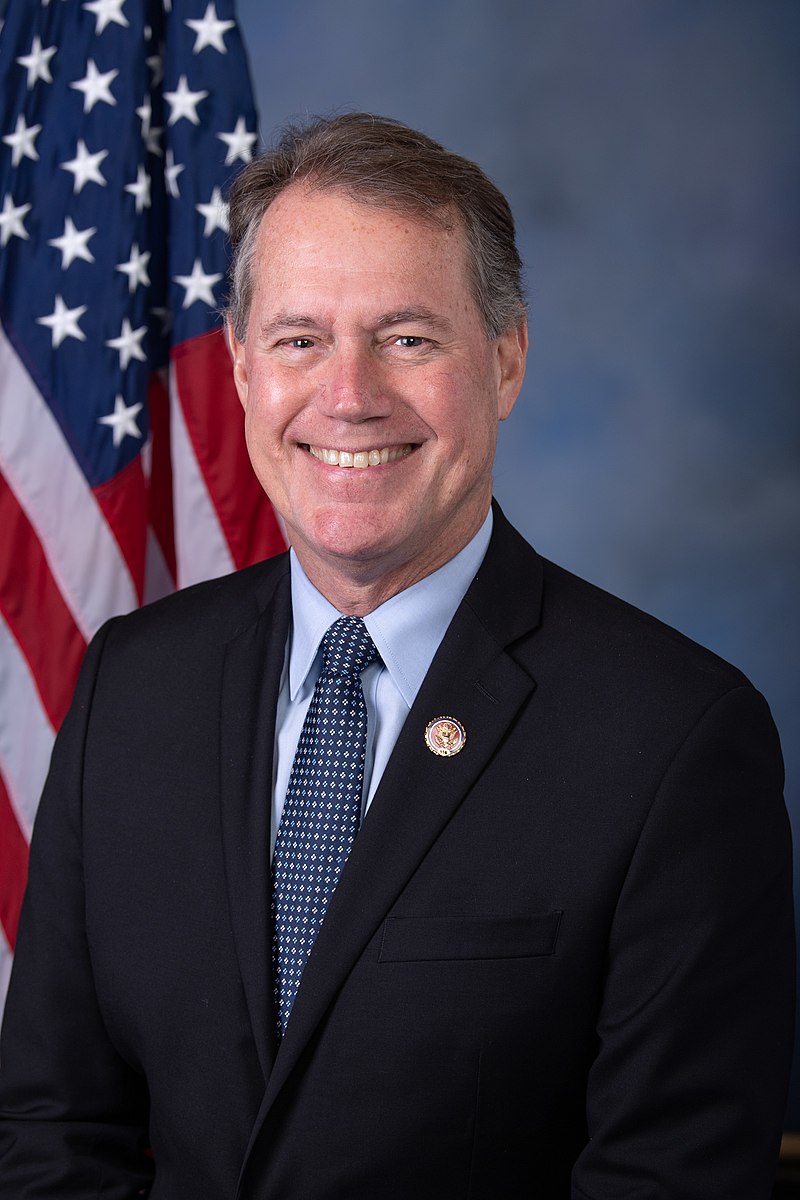
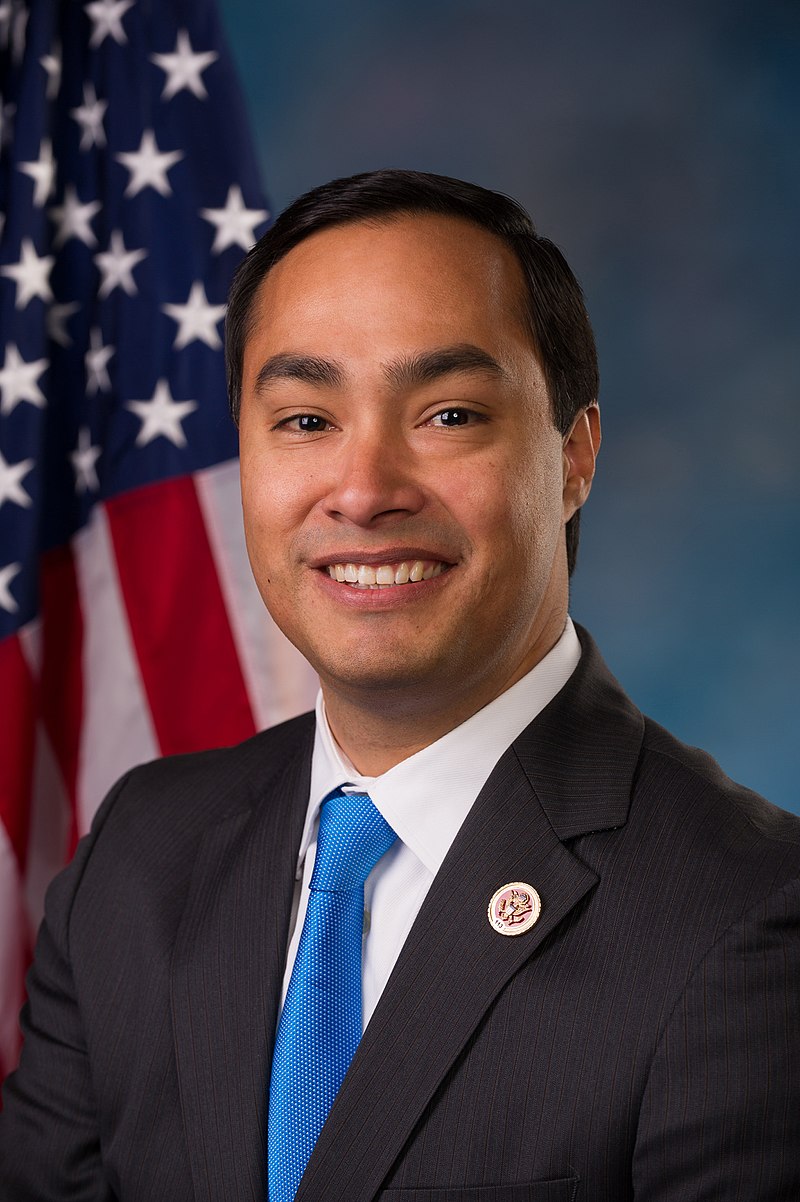
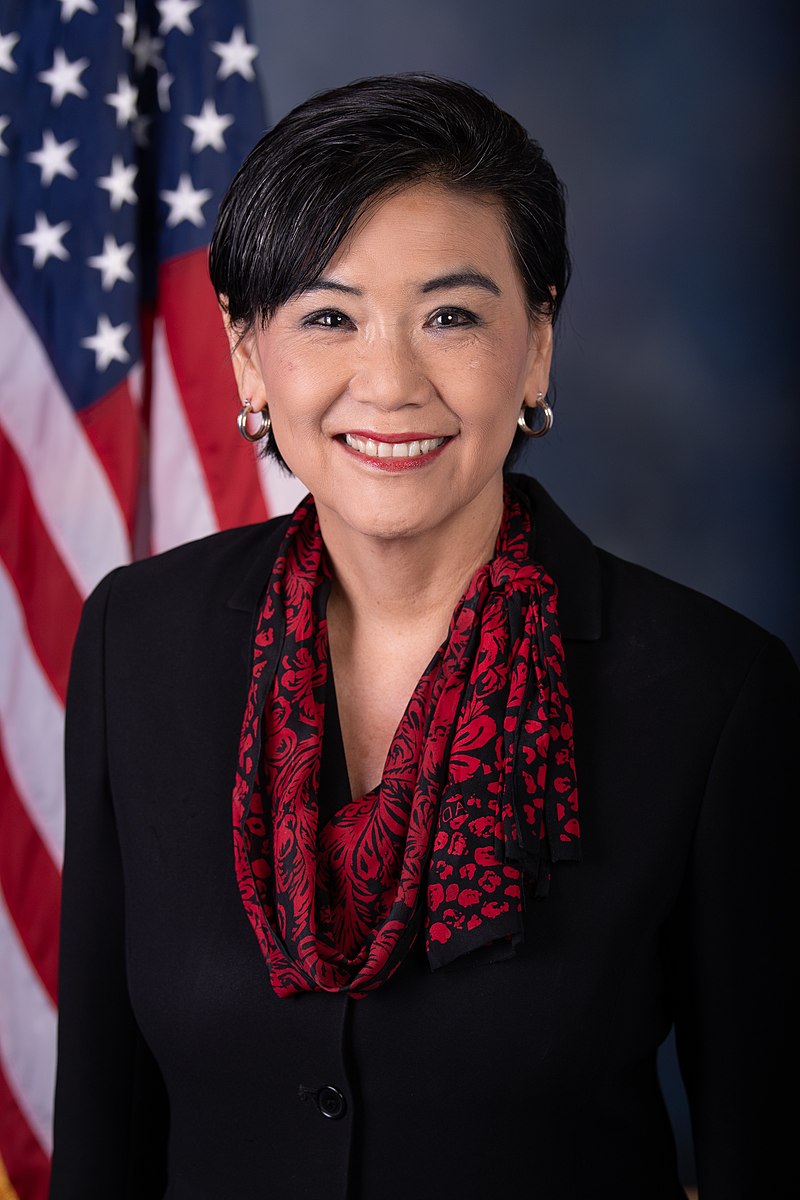
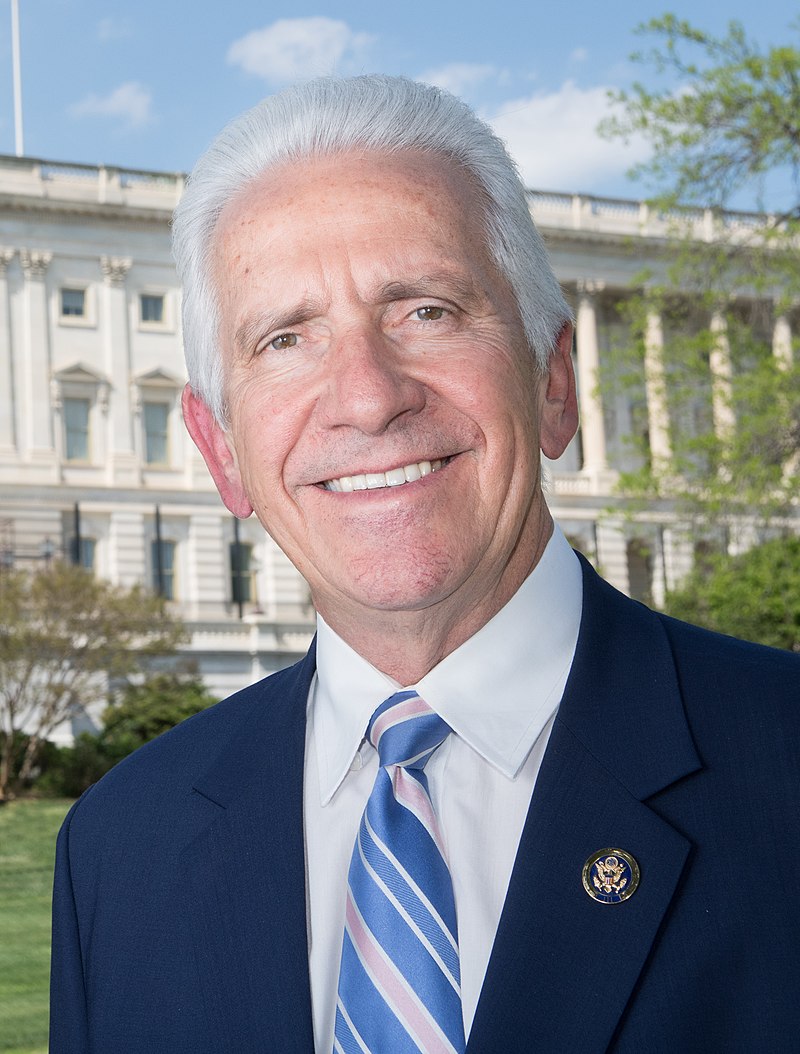
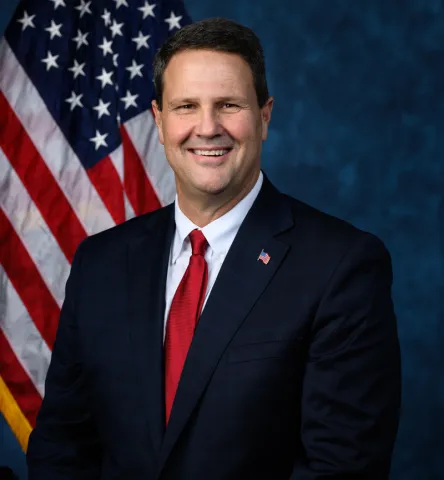
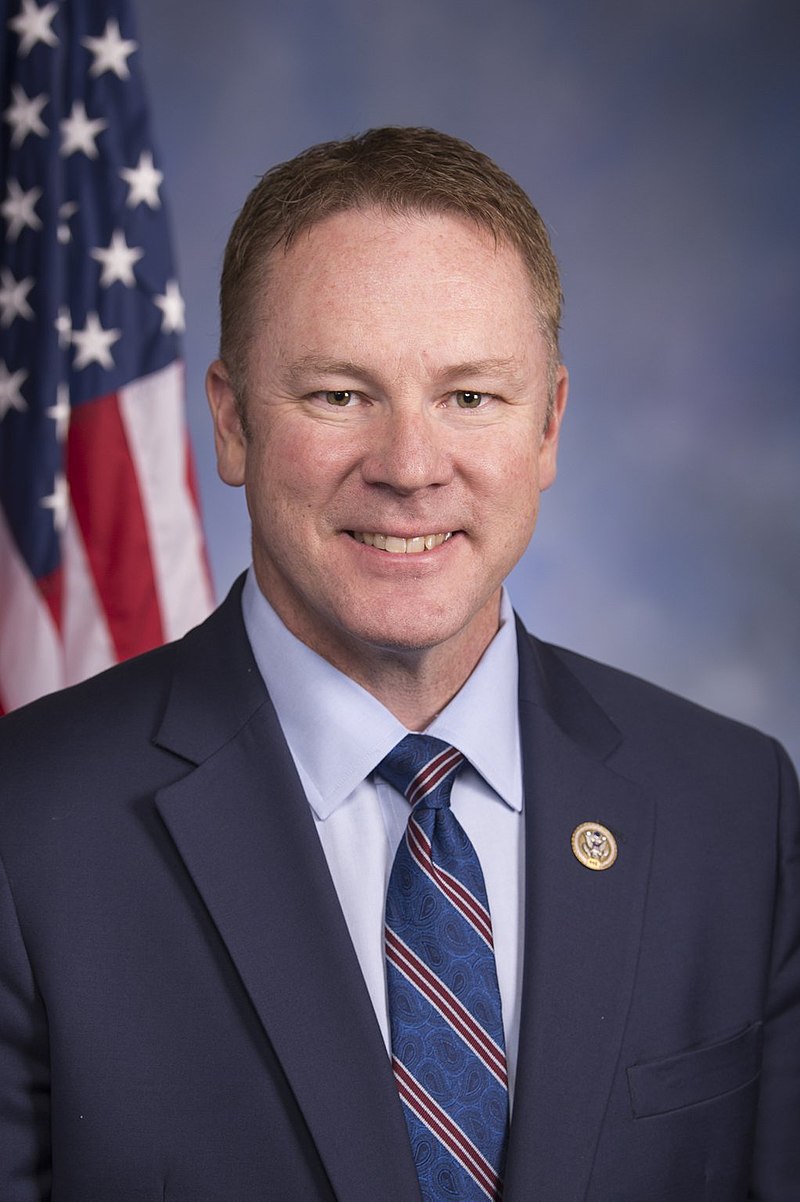
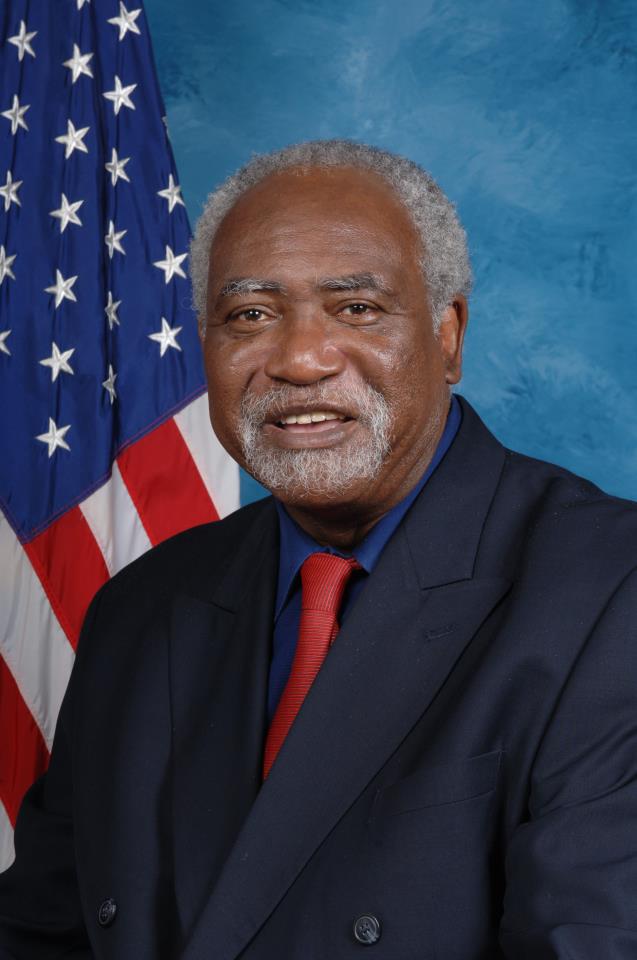
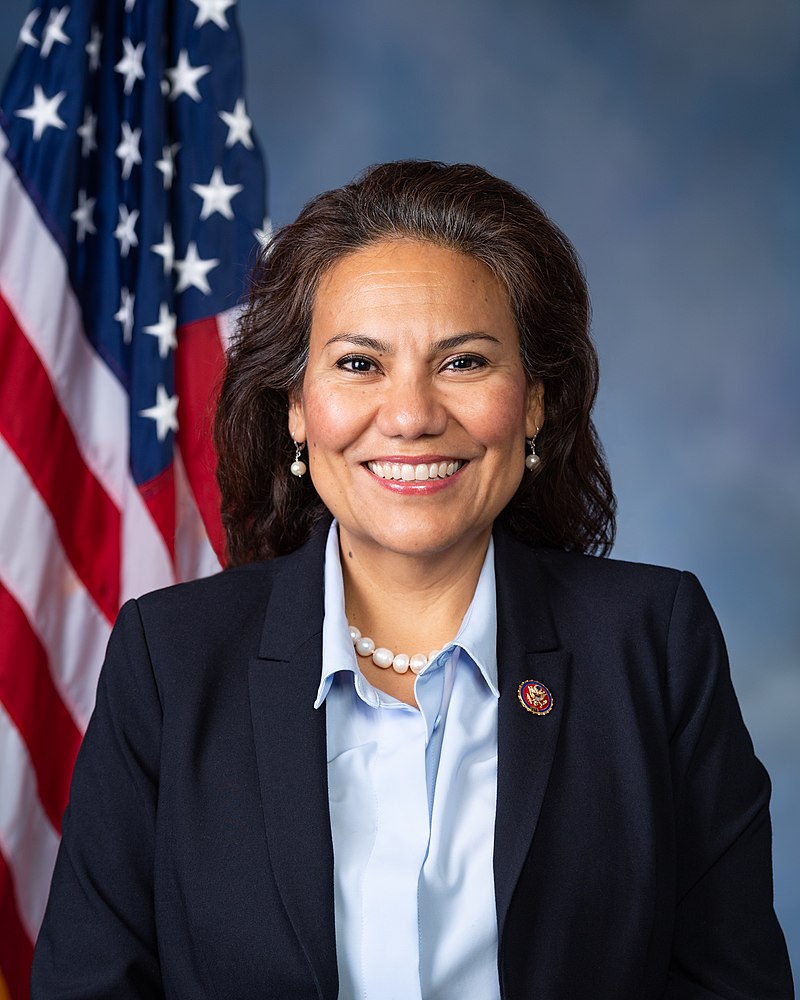
Yea (395)











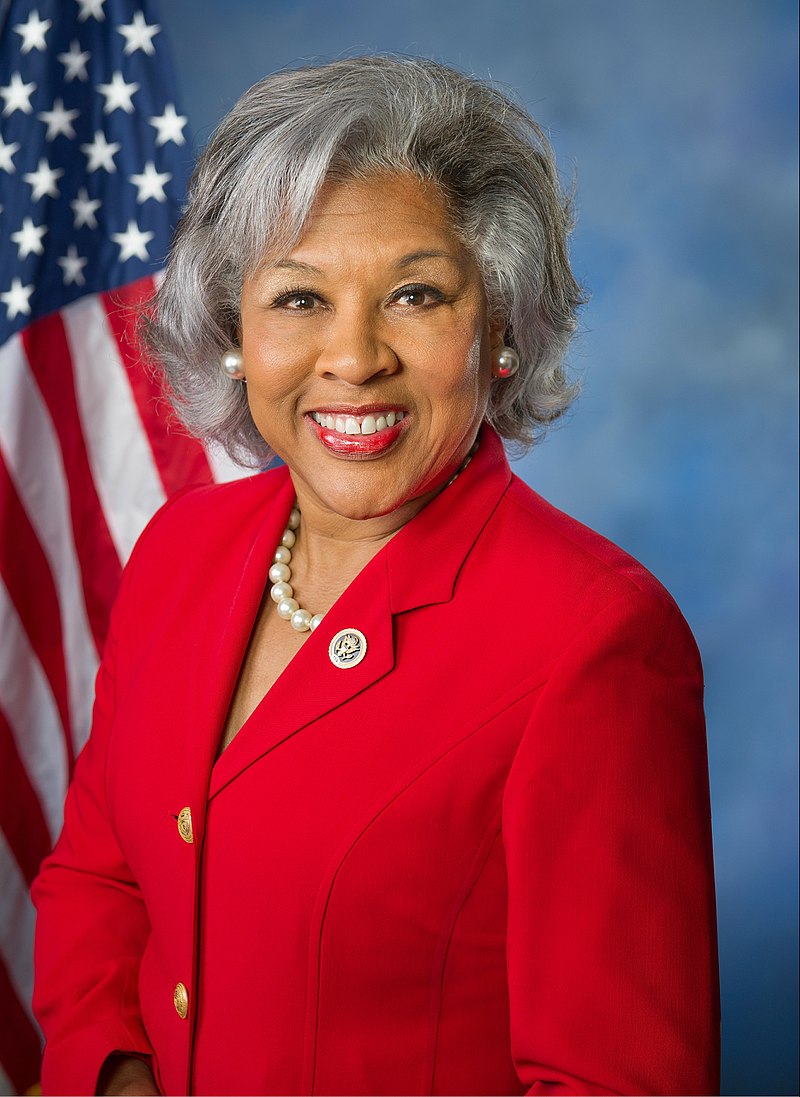

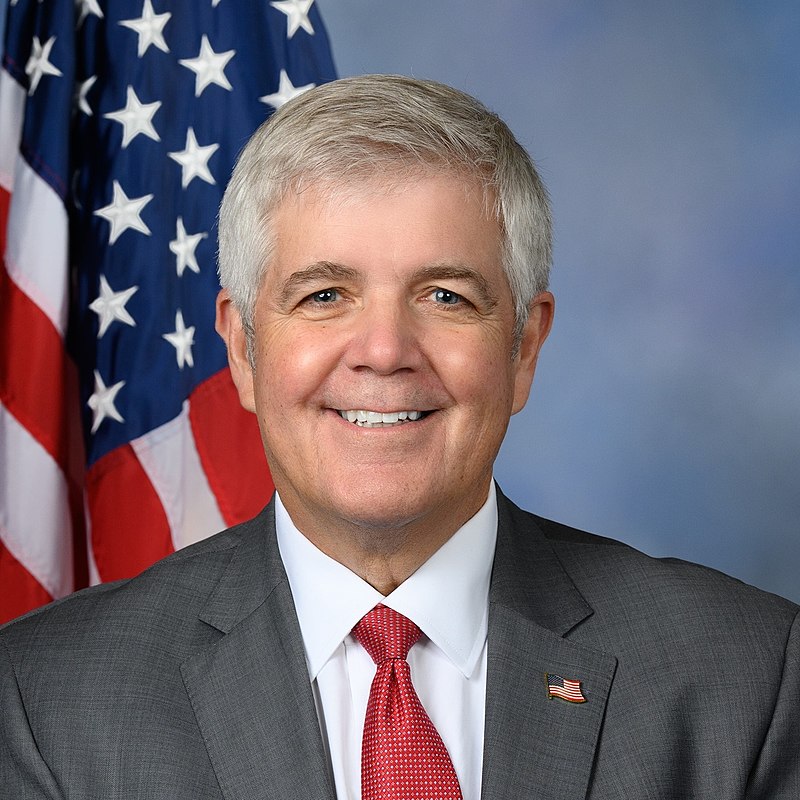

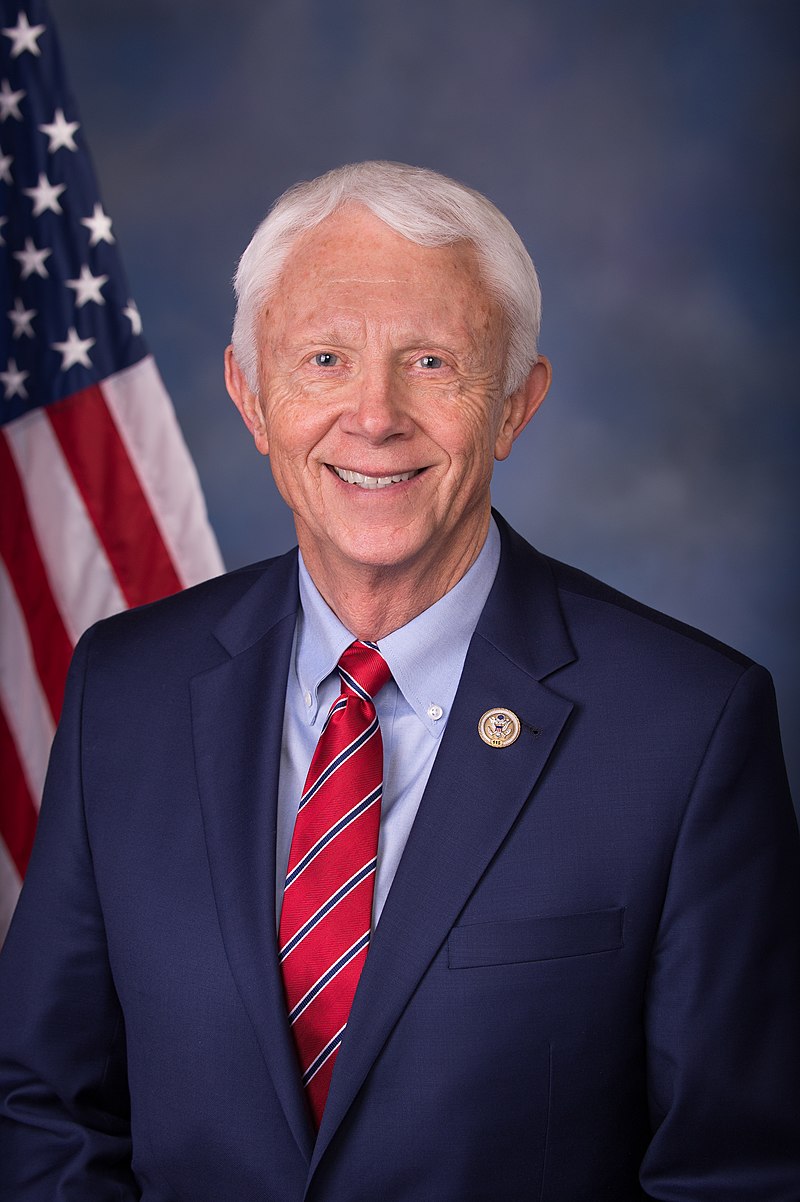
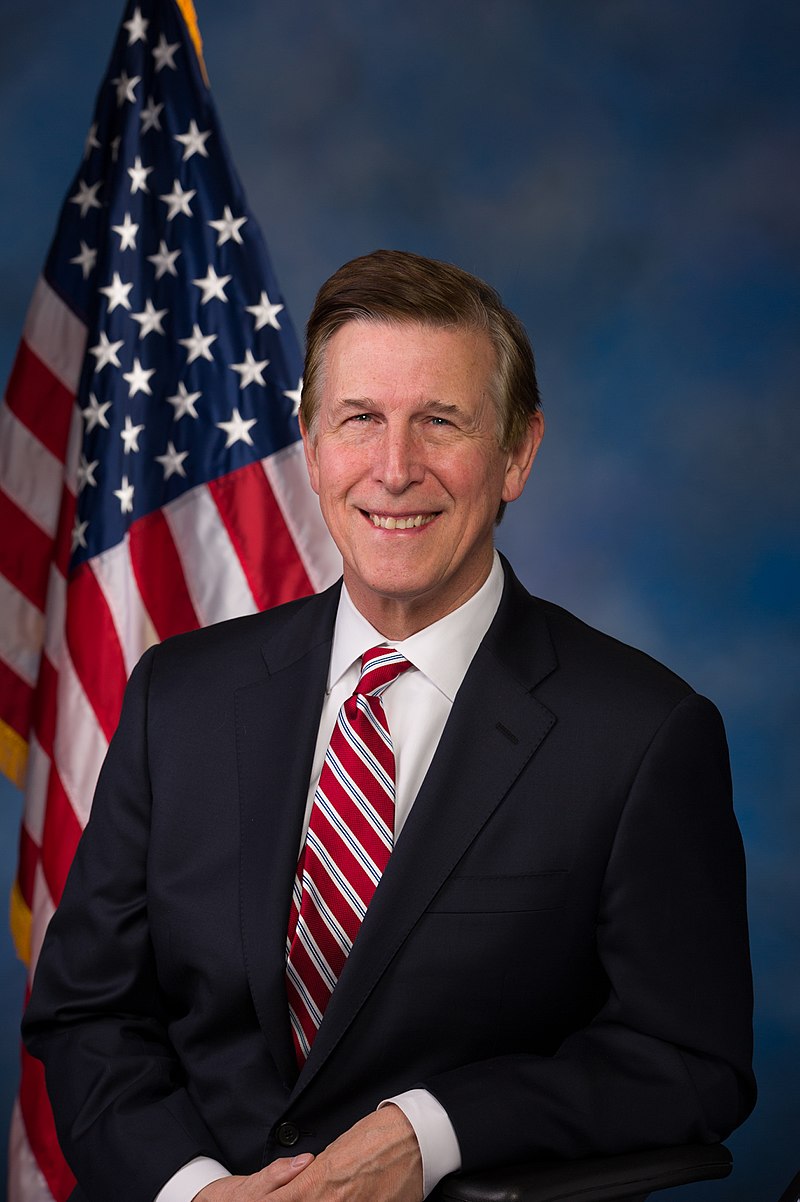










K
Ken Calvert





















J
Jason Crow



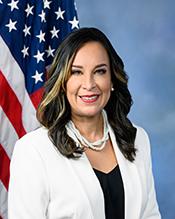





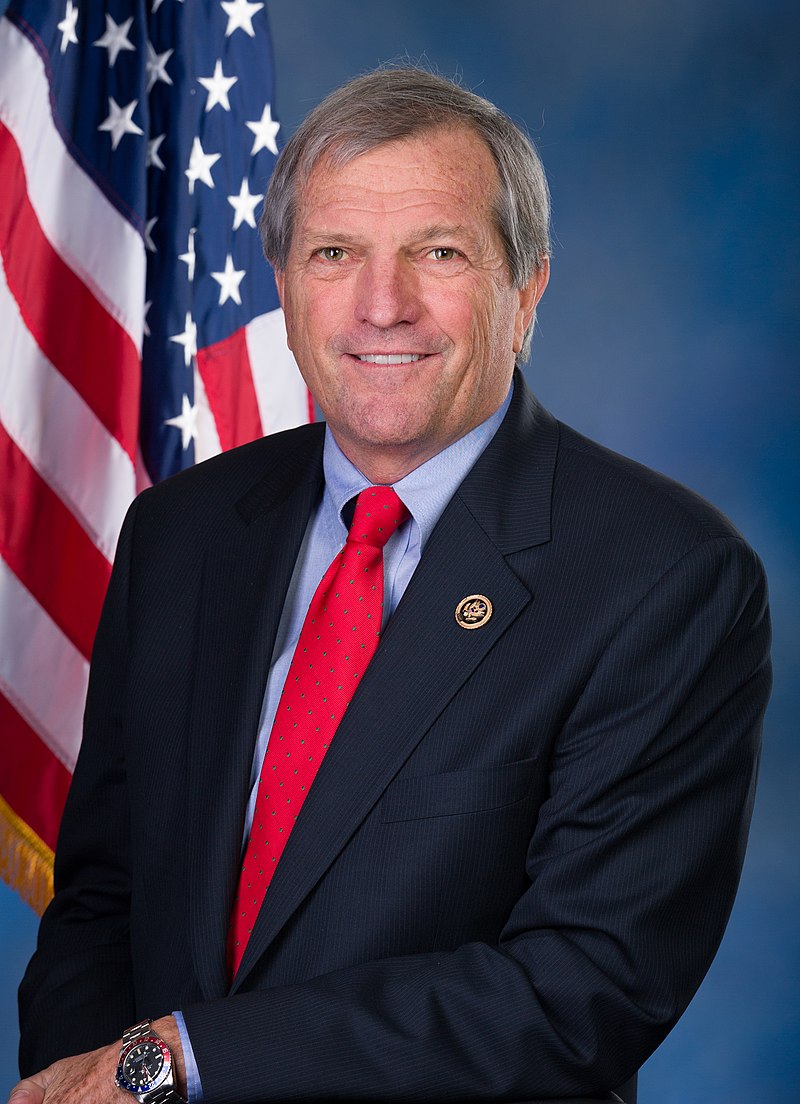
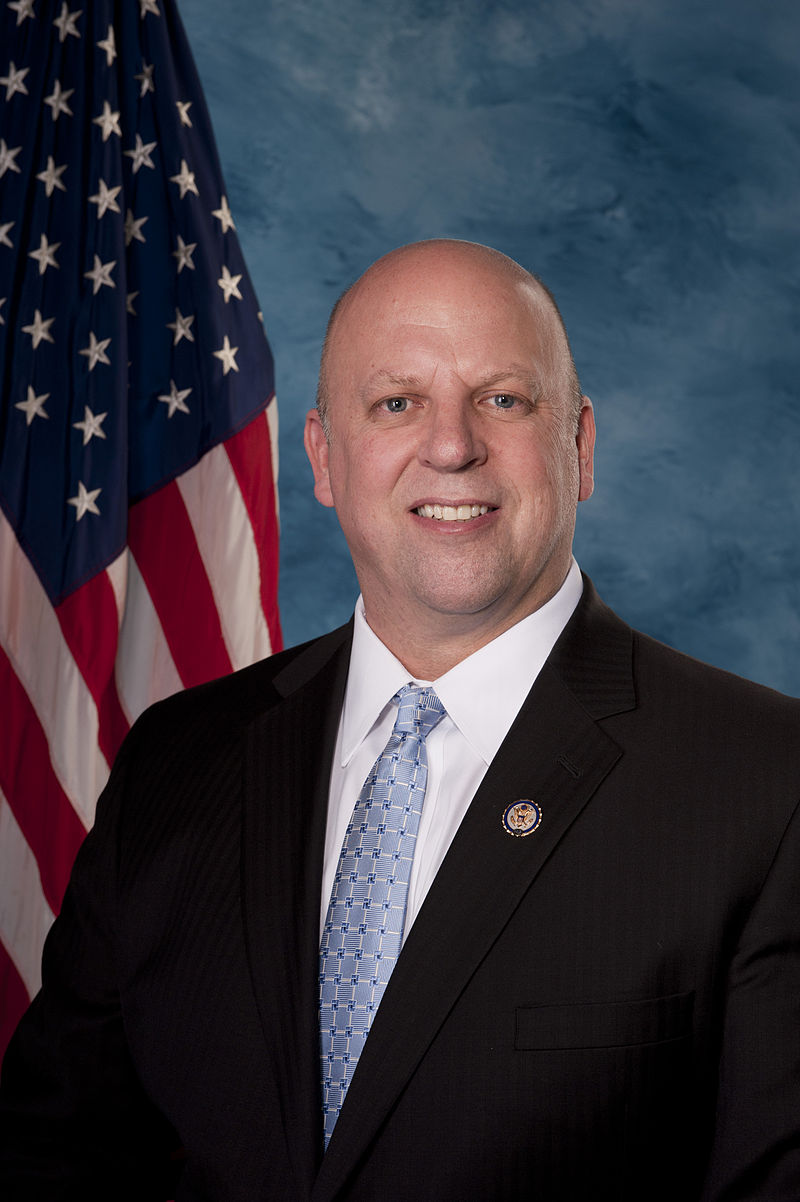



L
Lloyd Doggett





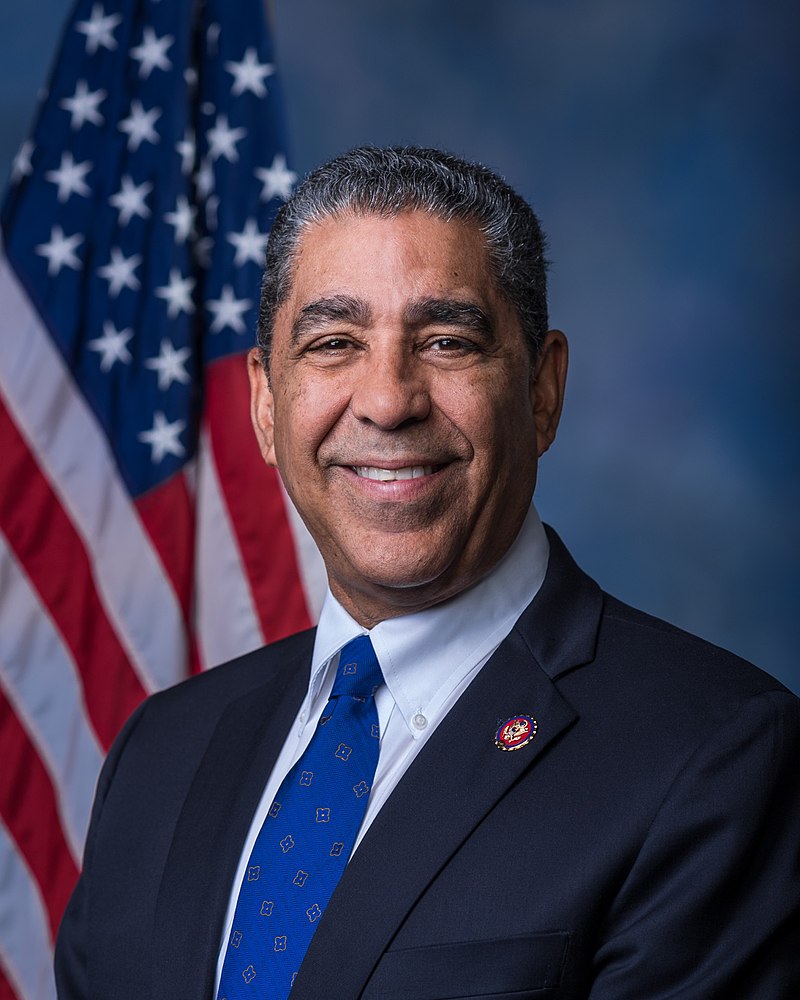
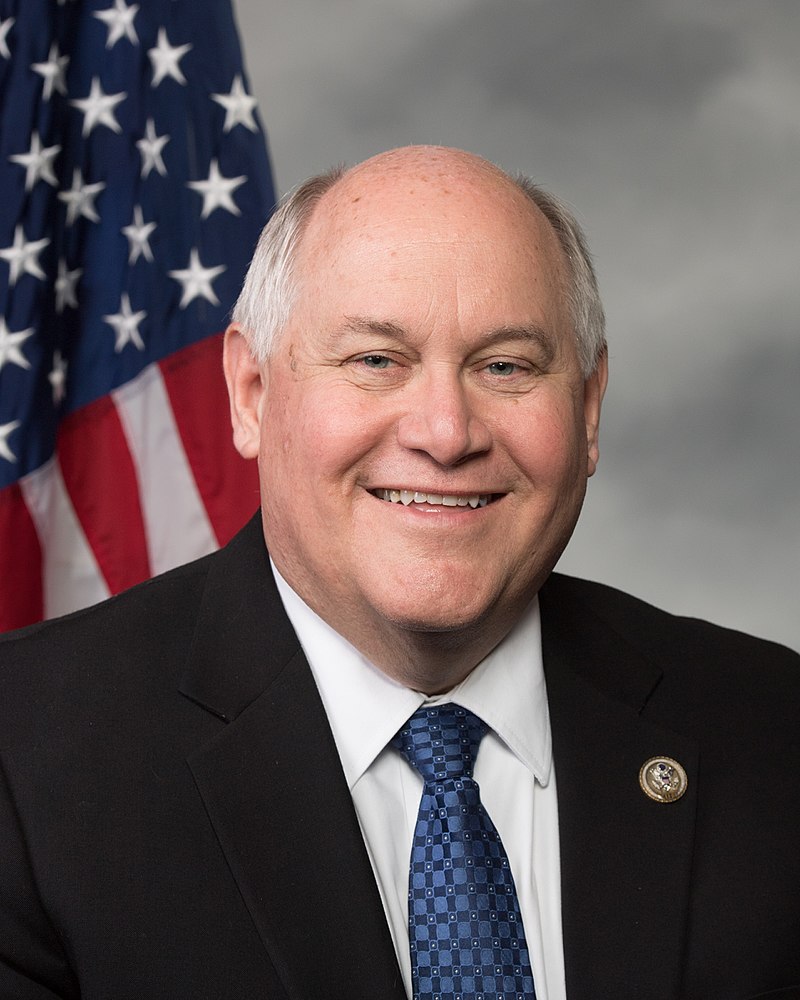
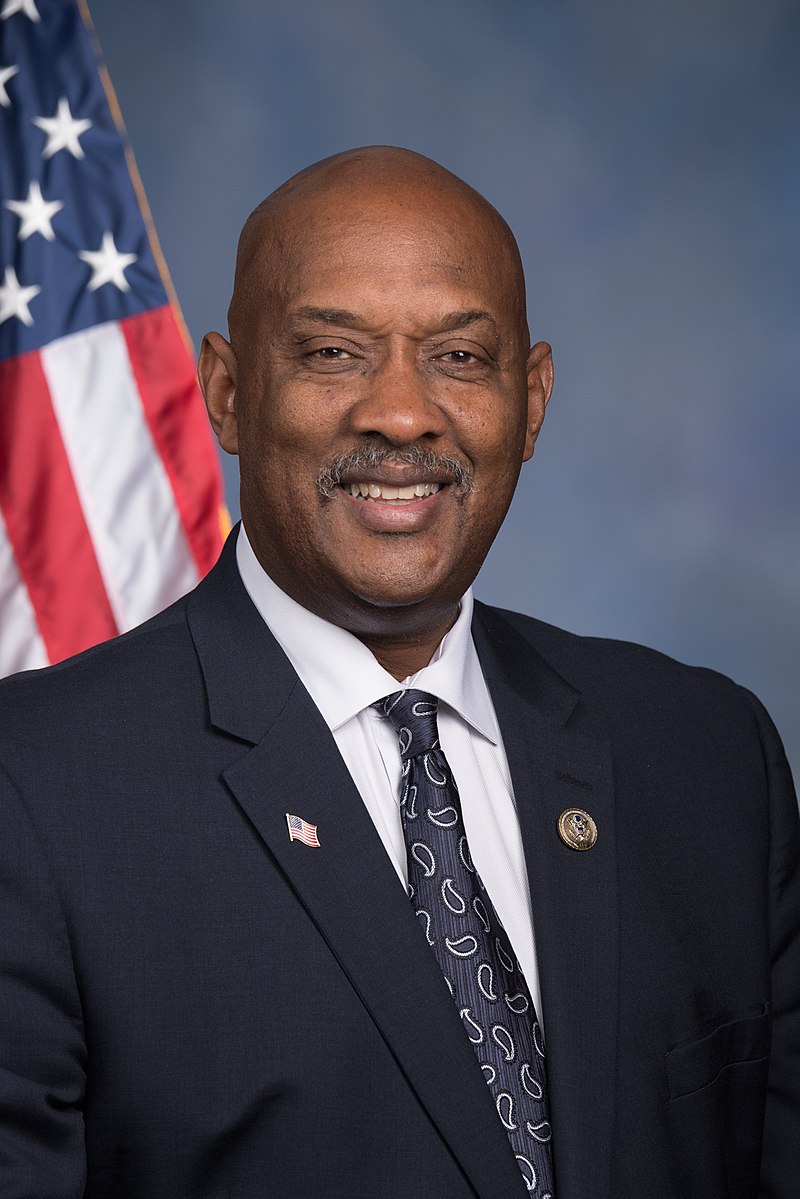












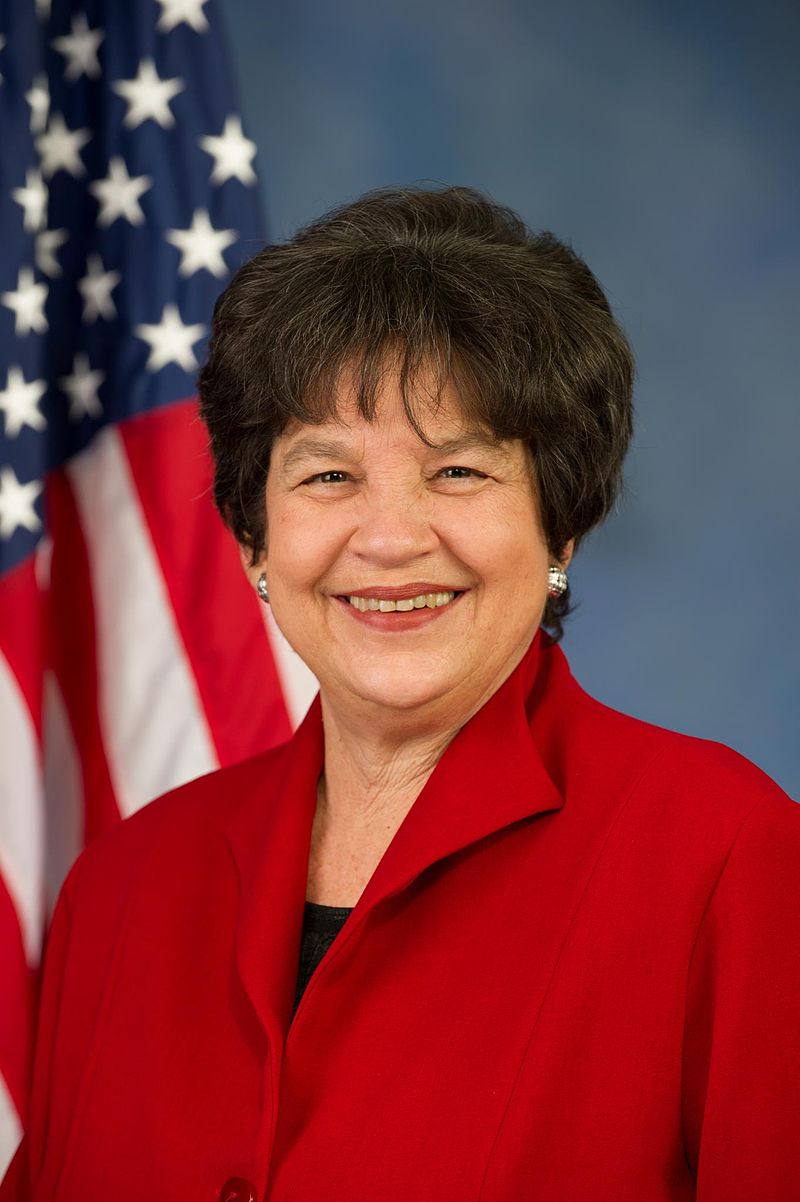
S
Scott Franklin



J
John Garamendi

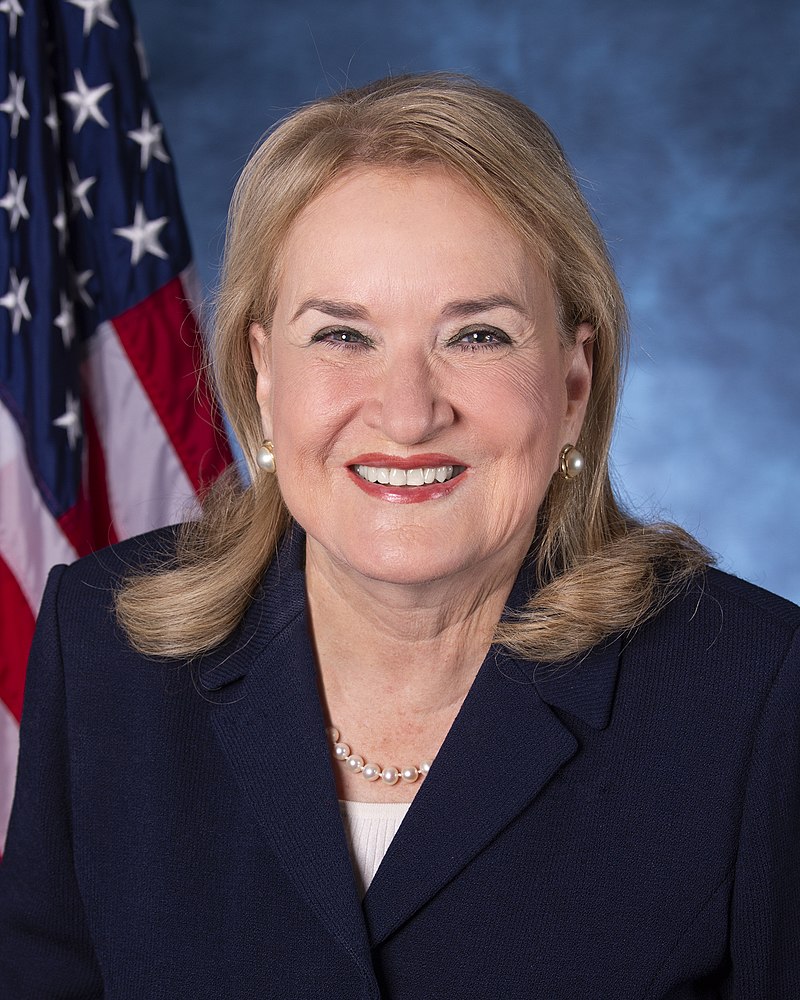
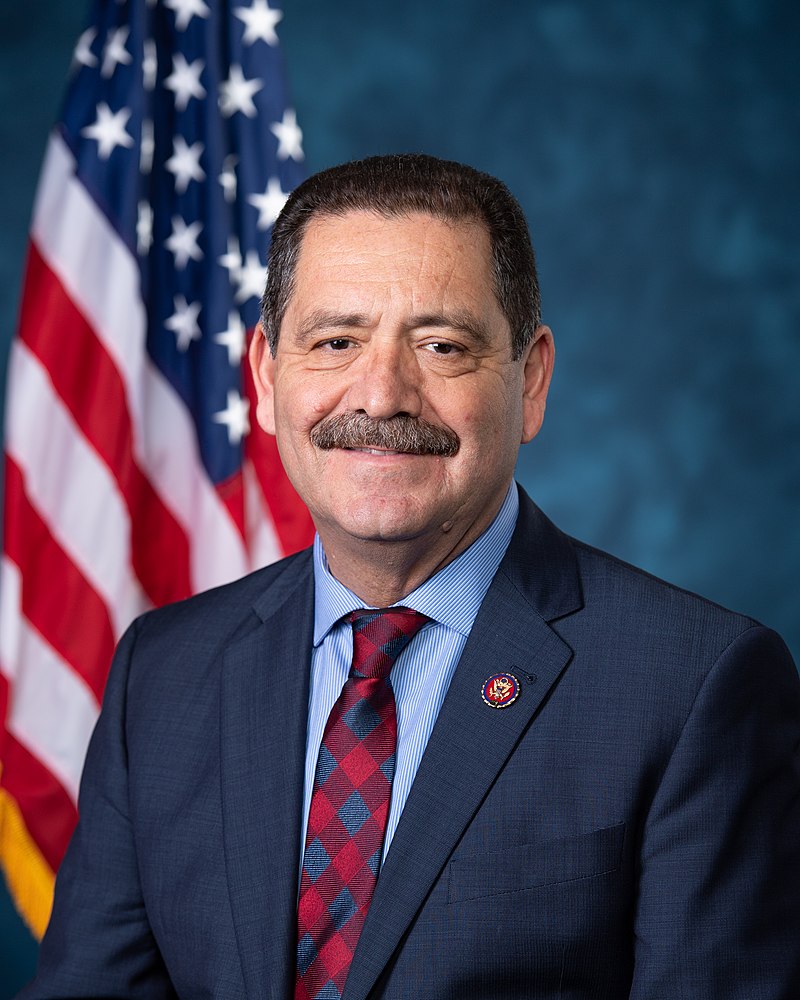






















































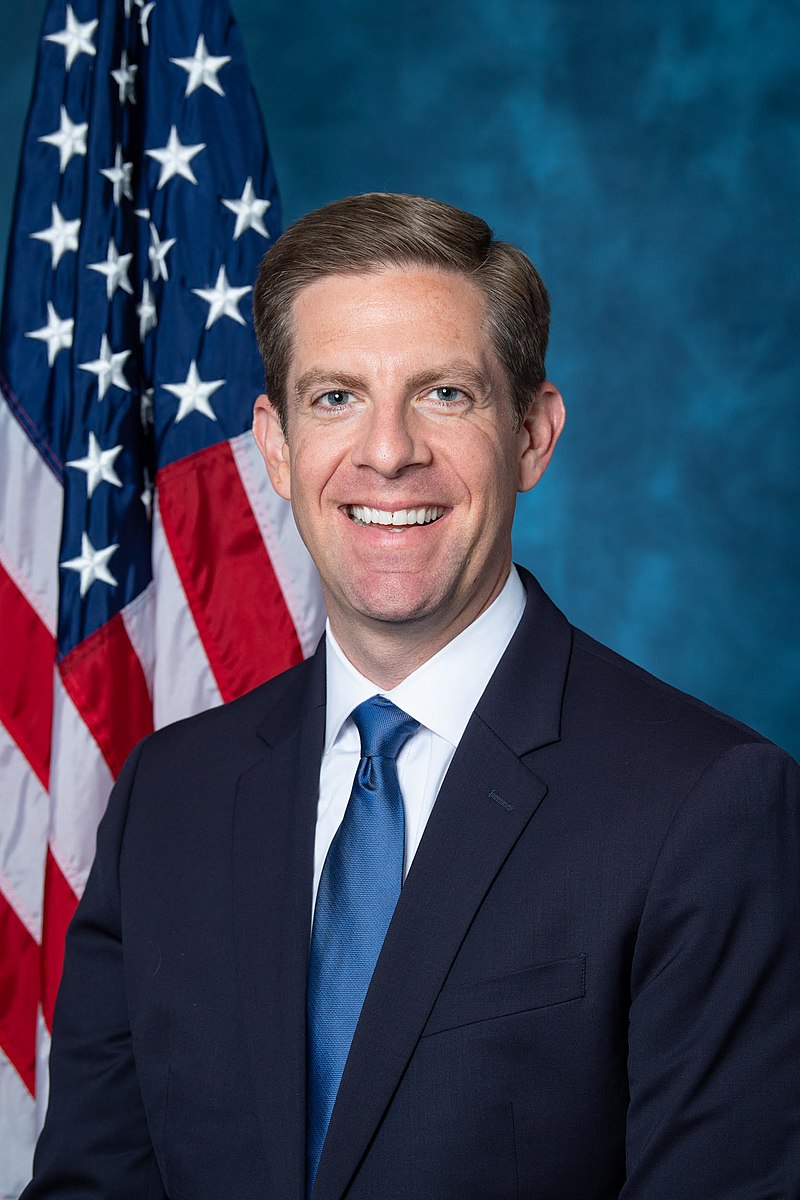
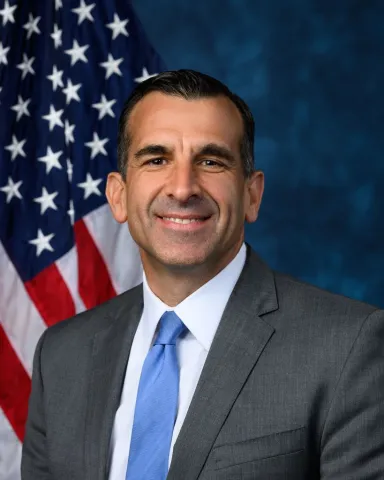
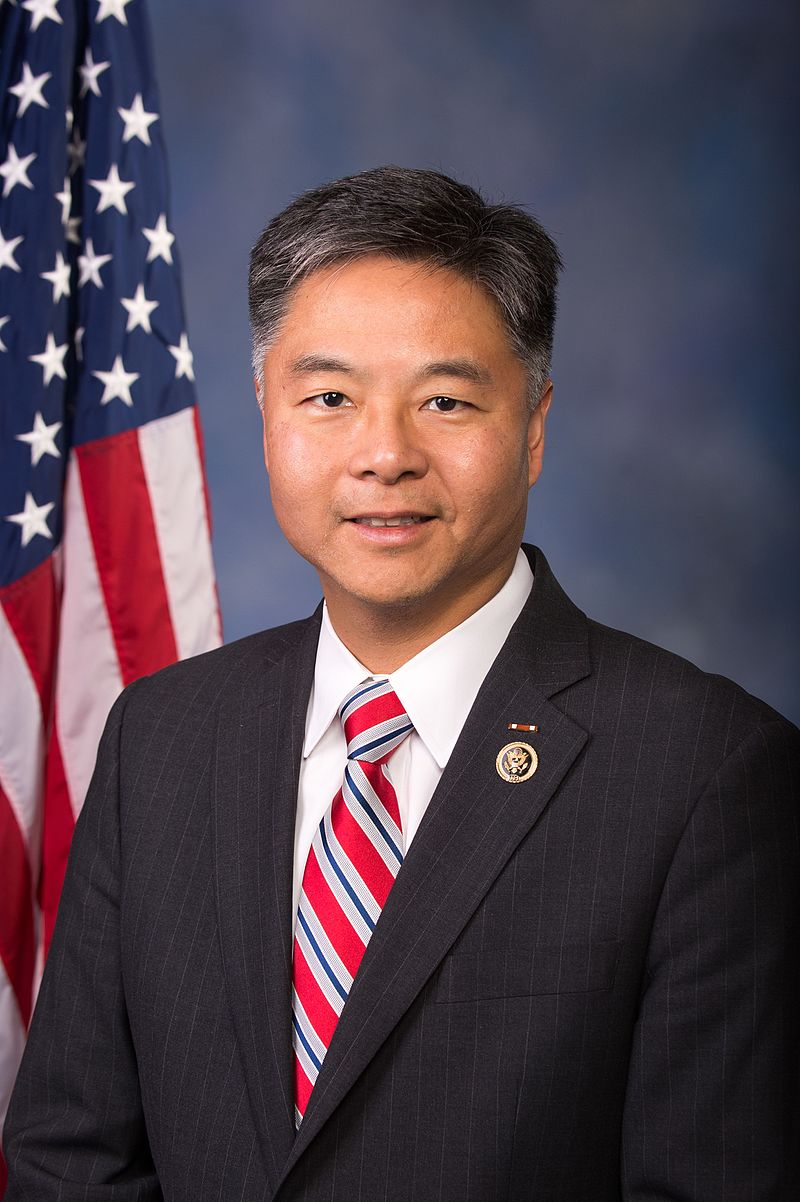





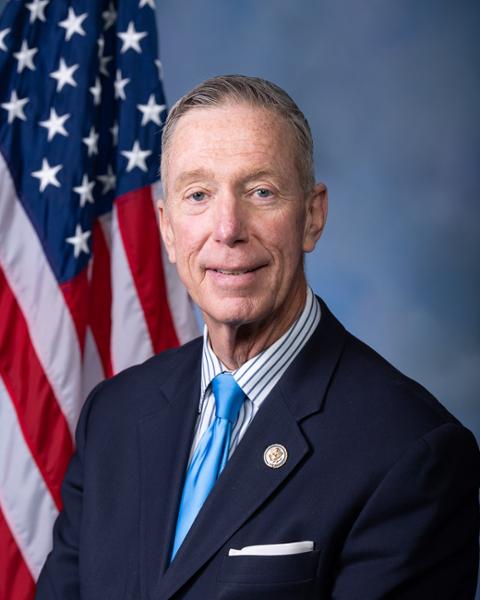



J
John Mannion


L
Lucy McBath

L
Lisa McClain








C
Christian Menefee




























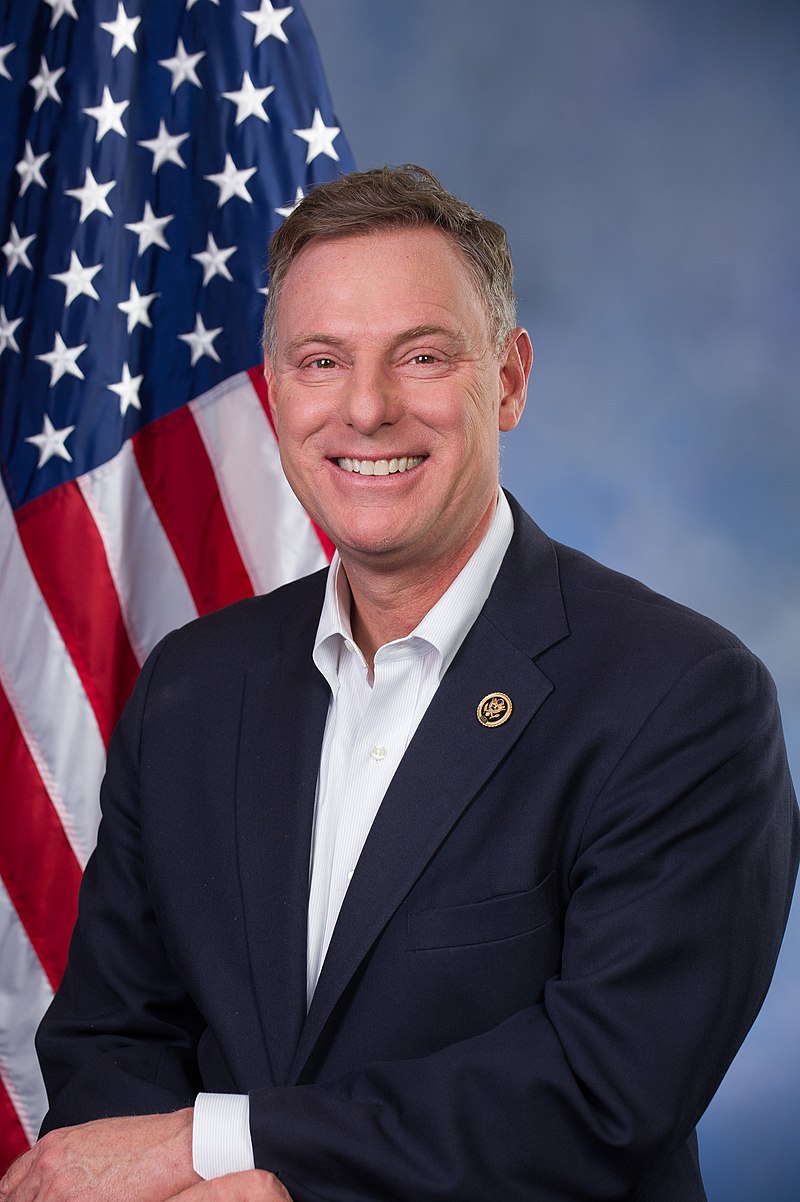


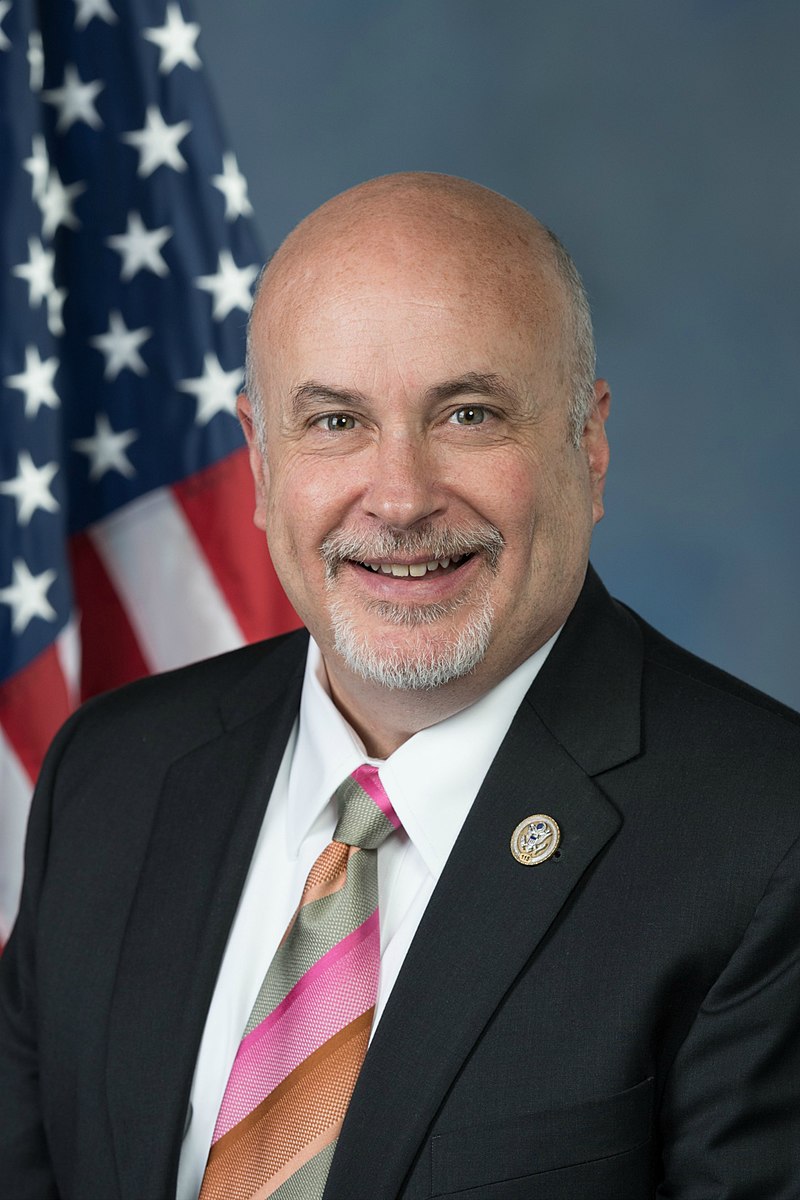




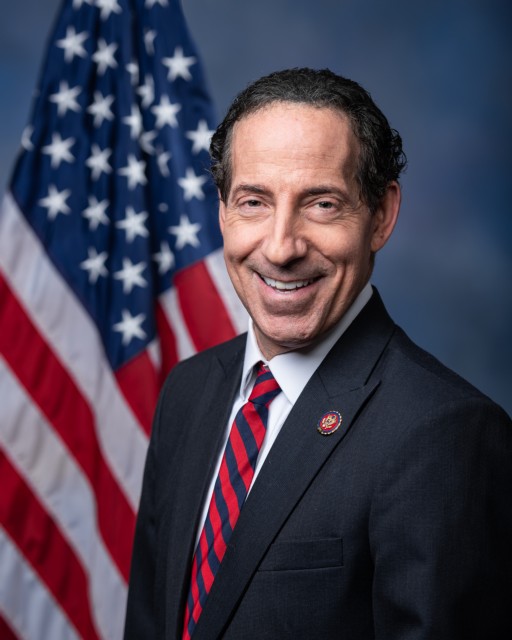
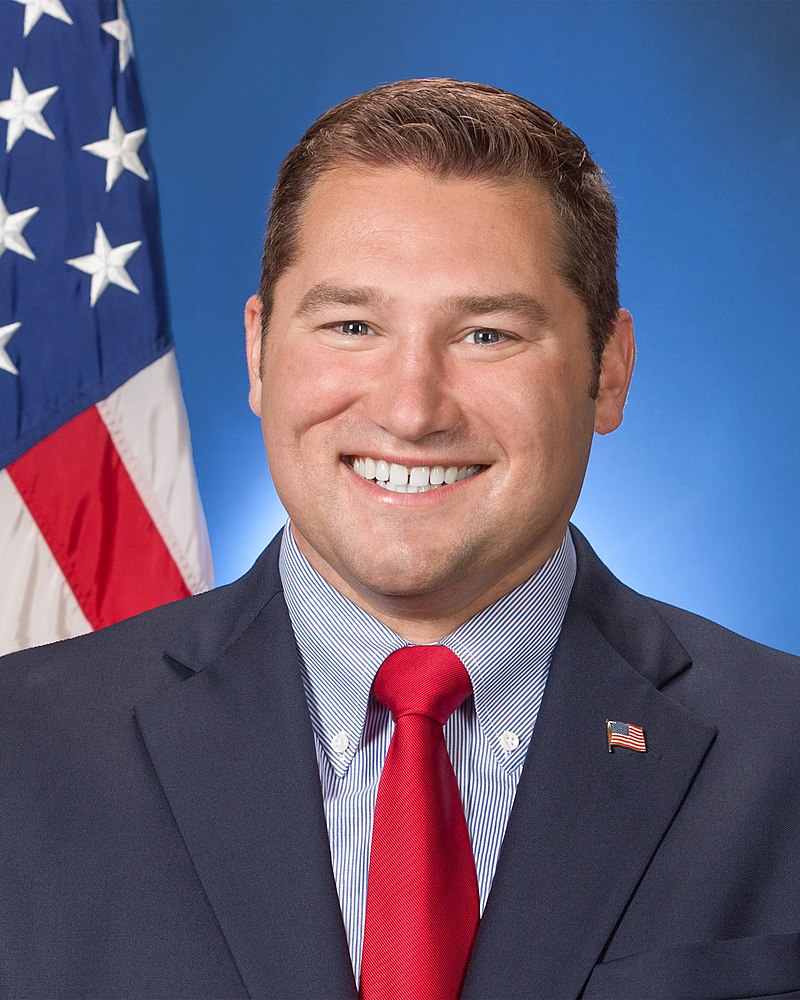





J
John Rutherford








D
David Schweikert
P
Pete Sessions

















R
Rashida Tlaib













N
Nydia Velázquez



D
Debbie Wasserman Schultz







Nay (2)


Not Voting (35)





















E
Eric Swalwell