
H.R.6644 — To increase the supply of housing in America, and for other purposes
House Roll Call
H.R.6644
| Bill | H.R.6644 — To increase the supply of housing in America, and for other purposes |
|---|---|
| Vote question | On Motion to Suspend the Rules and Pass, as Amended |
| Vote type | 2/3 Yea-And-Nay |
| Result | Passed |
| Totals | Yea 390 / Nay 9 / Present 0 / Not Voting 33 |
| Party | Yea | Nay | Present | Not Voting |
|---|---|---|---|---|
| R | 192 | 8 | 0 | 18 |
| D | 198 | 1 | 0 | 15 |
| I | 0 | 0 | 0 | 0 |
Research Brief
On Motion to Suspend the Rules and Pass, as Amended
Bill Analysis
HR 6644 – To increase the supply of housing in America, and for other purposes
119th Congress – Summary (research-grade, concise)
Note: As of the latest available information, only the bill’s title and a procedural action (title amendment agreed to without objection) are public. No official text, section-by-section summary, or committee report is yet available. The following describes what can be inferred and what remains unknown.
Core purpose
- The bill is expressly aimed at “increas[ing] the supply of housing in America,” indicating a focus on production and/or preservation of housing units rather than solely on rental assistance or demand-side subsidies.
- The “and for other purposes” clause signals that the bill likely includes related provisions (e.g., financing, regulatory changes, or data/coordination measures) beyond pure construction support.
Substantive provisions (unknown)
Because the statutory language is not yet released, the following cannot be determined with specificity:
- Whether the bill primarily uses:
- Direct federal spending (e.g., grants to states/localities, capital subsidies, tax credits),
- Regulatory reforms (e.g., incentives or conditions to reduce local zoning barriers), or
- Federal credit programs (e.g., loan guarantees, expanded mortgage or multifamily lending authorities).
- Whether it targets:
- Affordable housing (e.g., low-income, extremely low-income, or workforce housing),
- Market-rate supply generally, or
- Specific submarkets (rural, tribal, senior, veteran, or homeless populations).
Funding and authorities (unknown)
- No authorized appropriations, mandatory spending levels, or offsets are yet identifiable.
- No amendments to specific statutes (e.g., the Housing Act of 1937, Cranston-Gonzalez, LIHTC provisions of the Internal Revenue Code) can be confirmed.
- It is unclear whether the bill creates new programs or modifies existing HUD, USDA Rural Housing Service, Treasury, or FHFA authorities.
Agencies and stakeholders potentially affected (inferred)
- Likely federal implementers: Department of Housing and Urban Development (HUD), possibly USDA (rural housing), Treasury (tax incentives), and/or FHFA (GSE-related tools).
- Potential beneficiaries: developers, state and local housing agencies, public housing authorities, nonprofit housing providers, and ultimately renters and homebuyers facing supply constraints.
- Potentially regulated or conditioned: state/local governments (via land-use or permitting incentives/requirements tied to federal funds).
Timelines and implementation (unknown)
- No effective dates, phase-ins, or sunset provisions are available without the bill text.
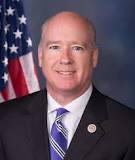
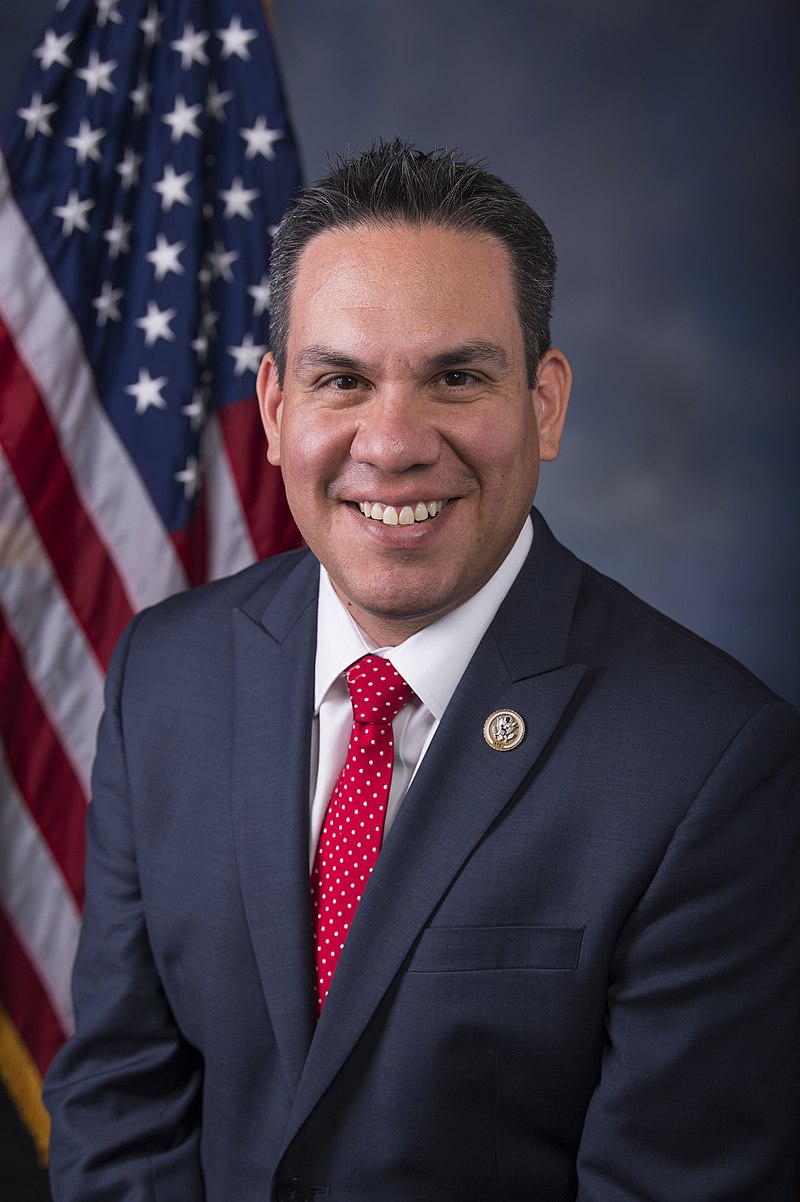
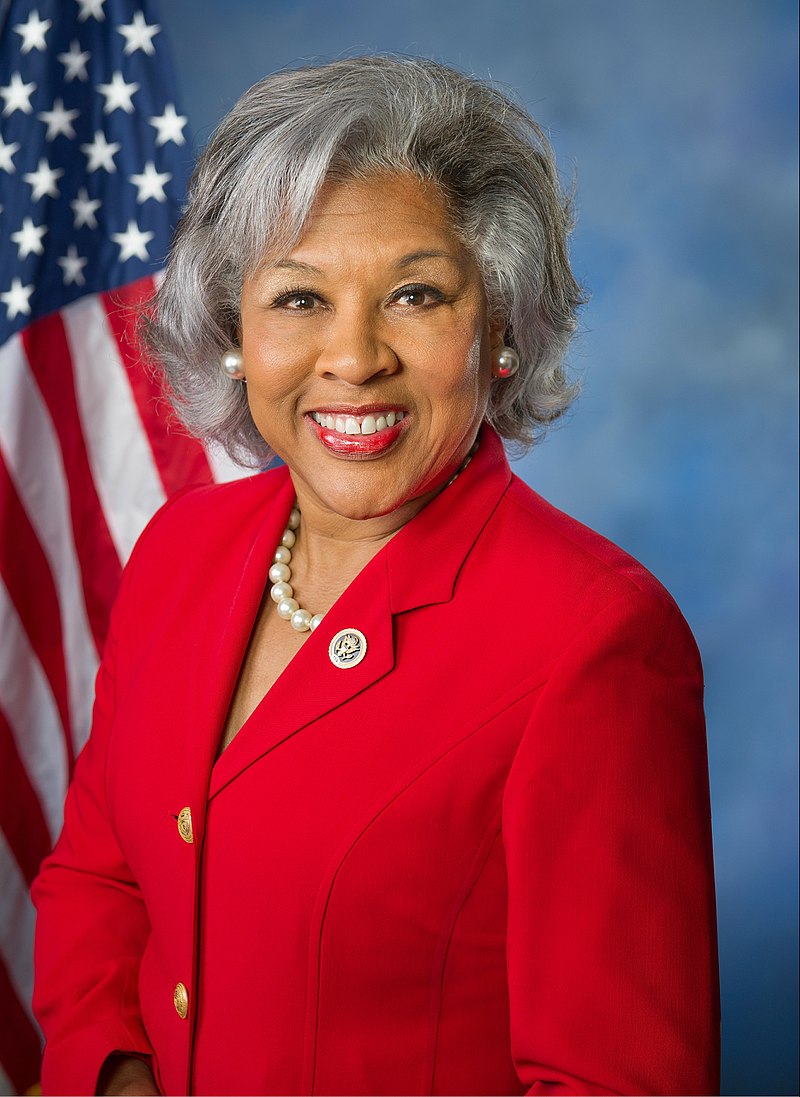
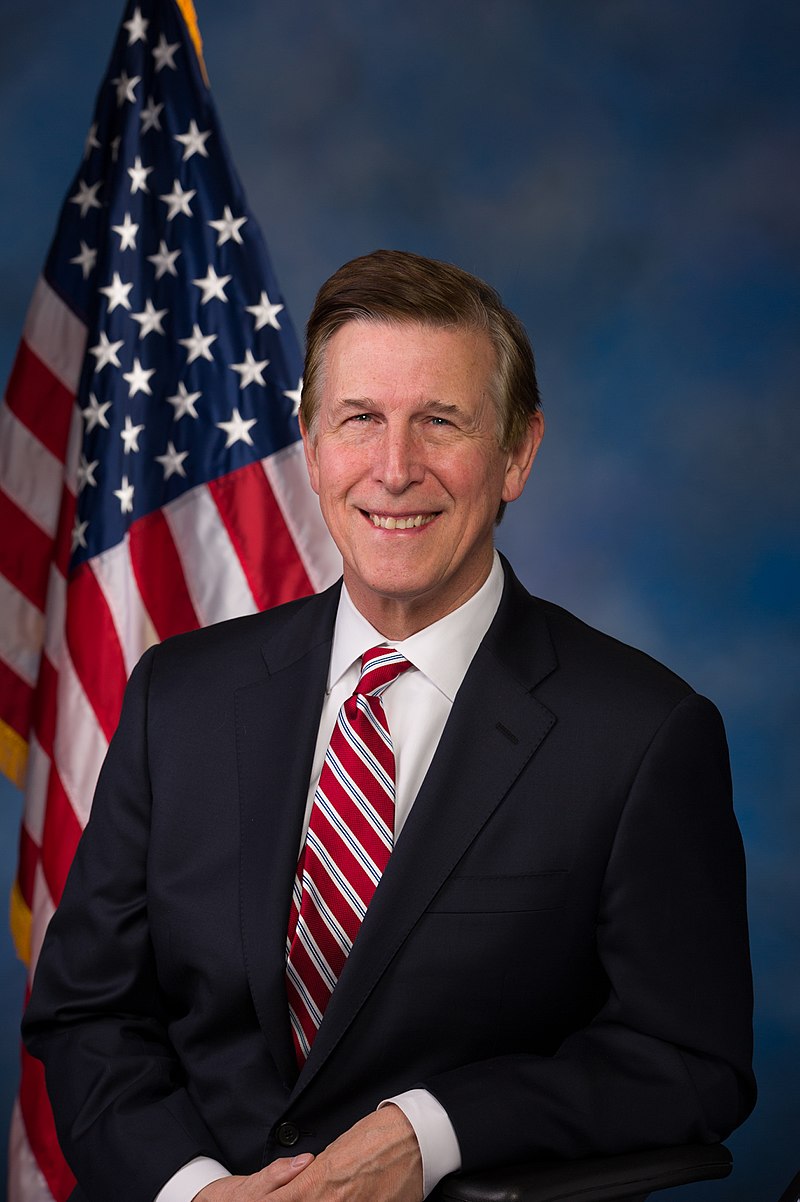
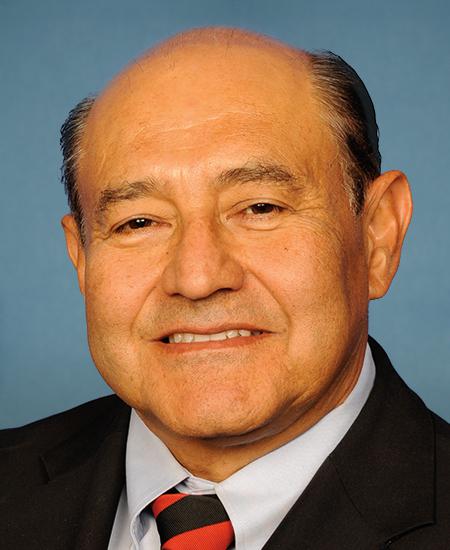
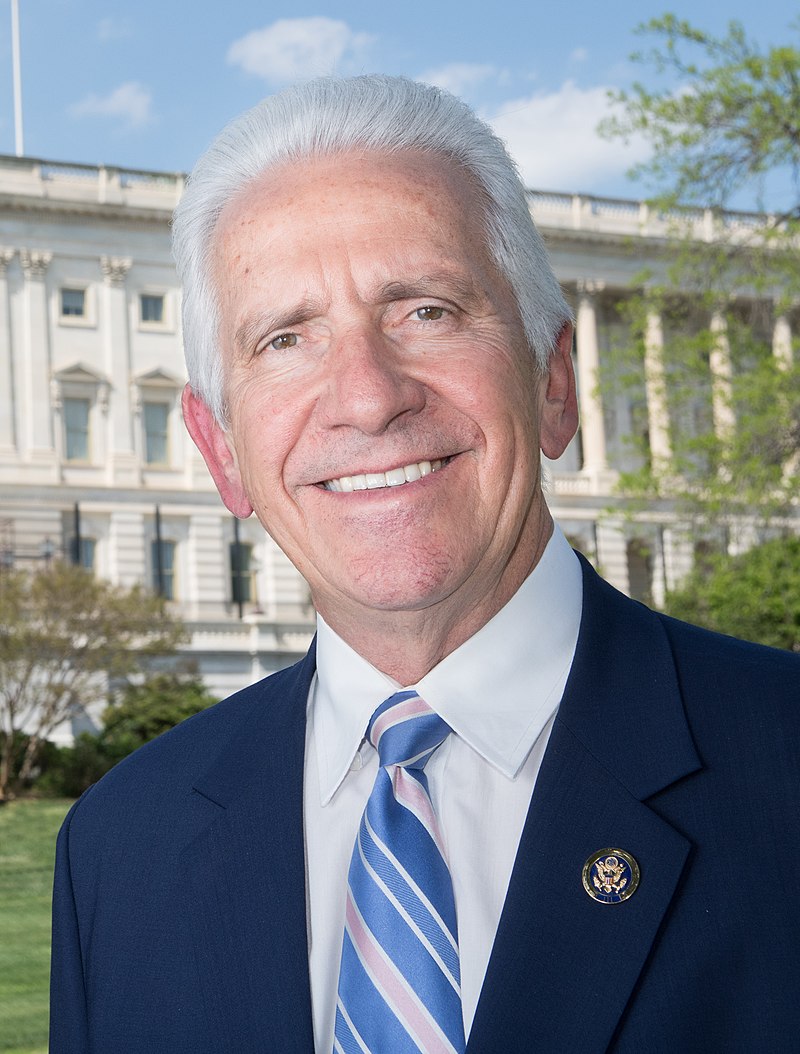
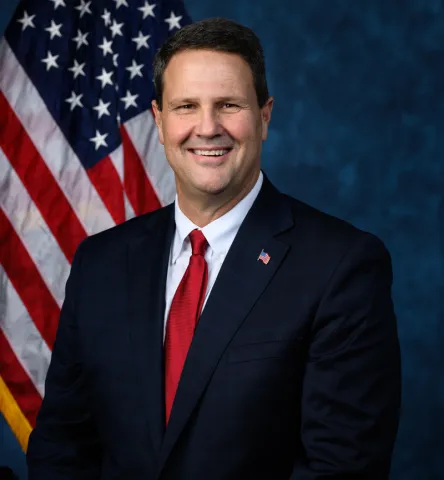
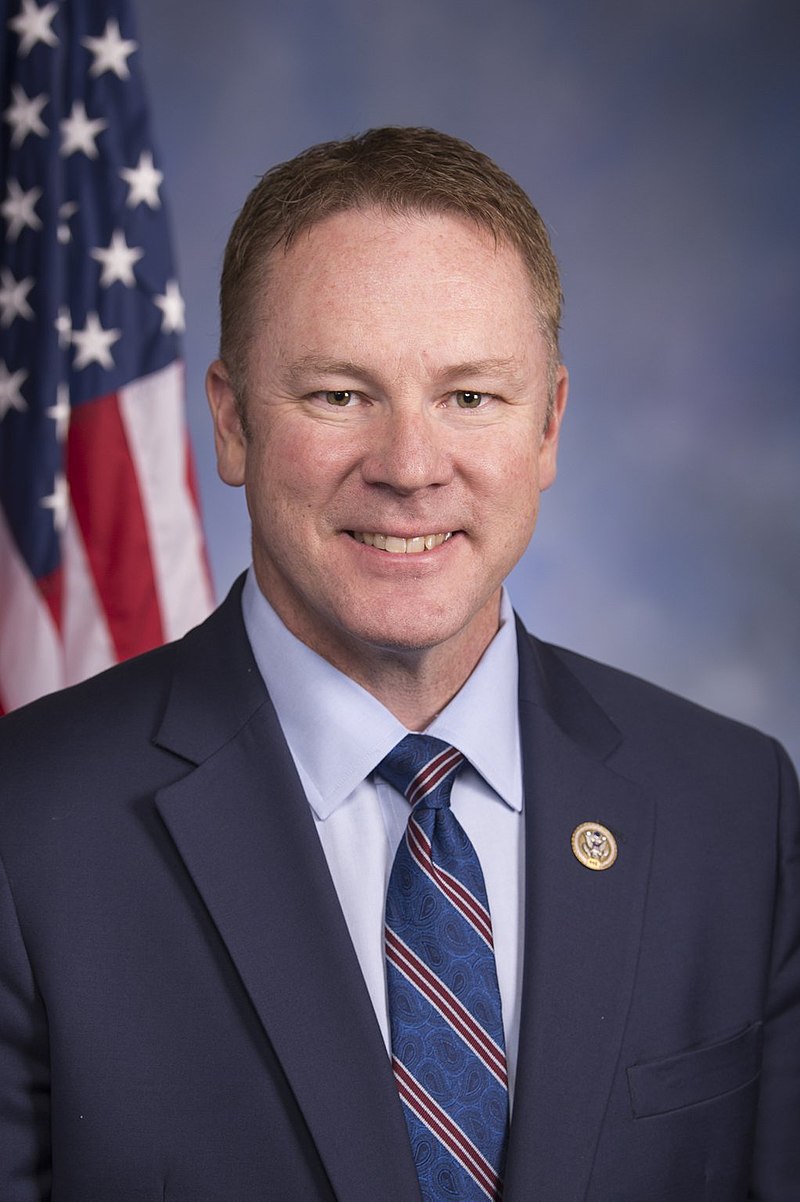
Yea (390)





























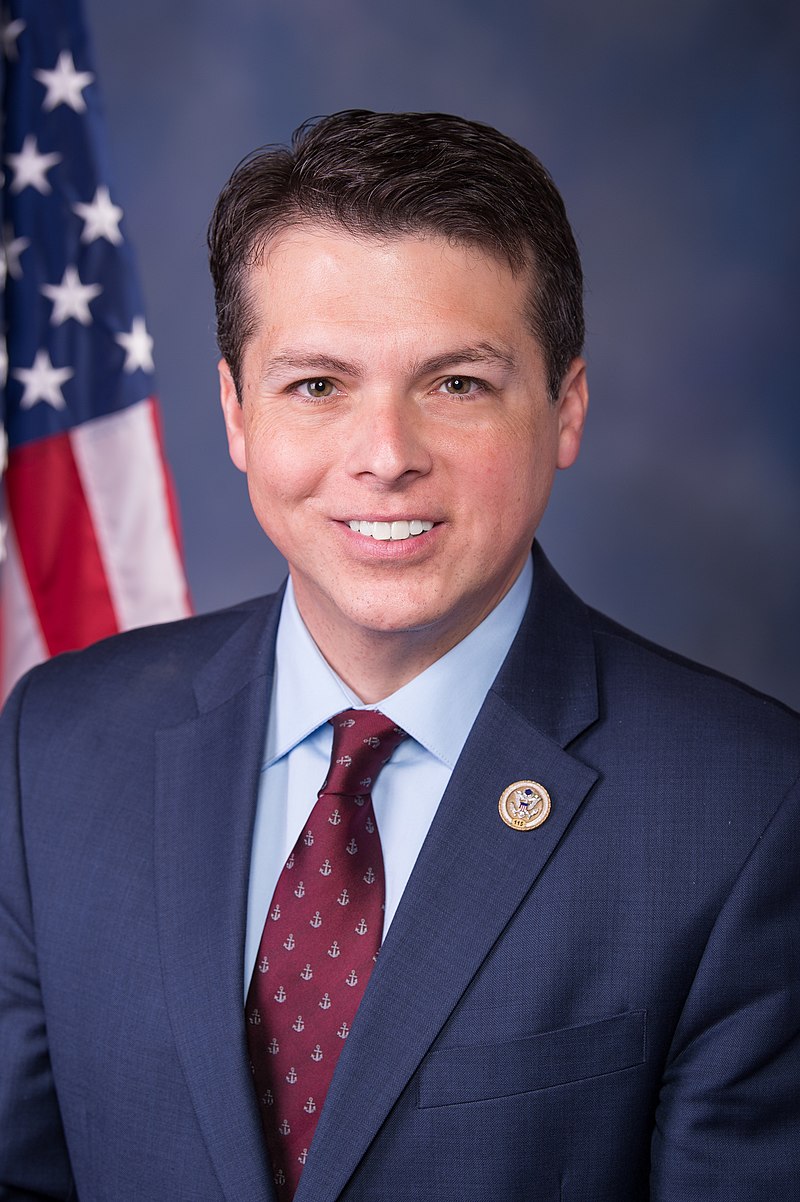








K
Ken Calvert













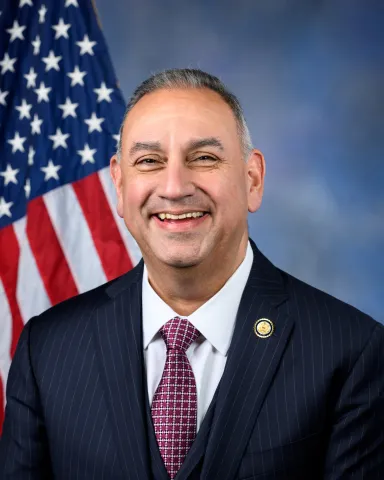










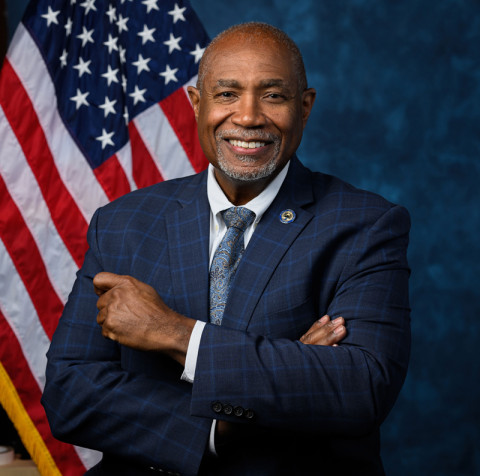




J
Jason Crow




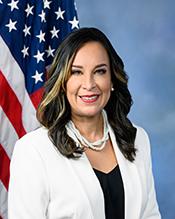






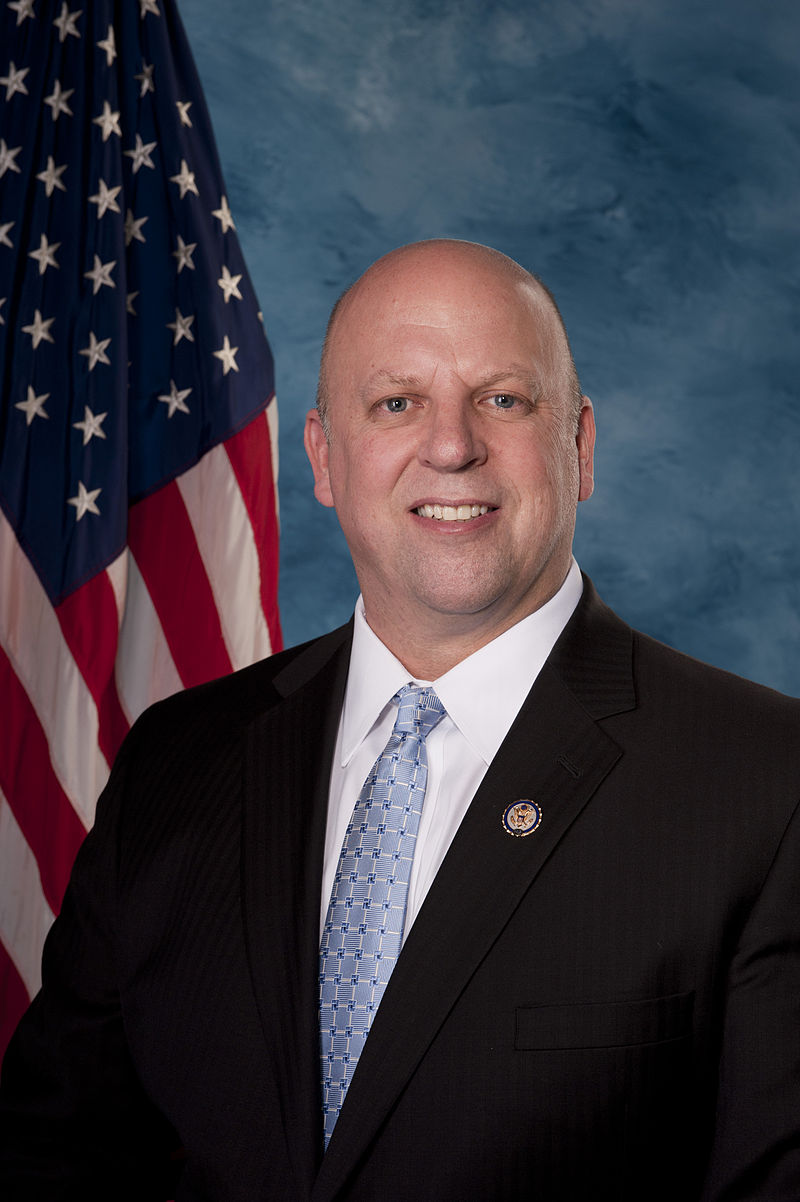



L
Lloyd Doggett






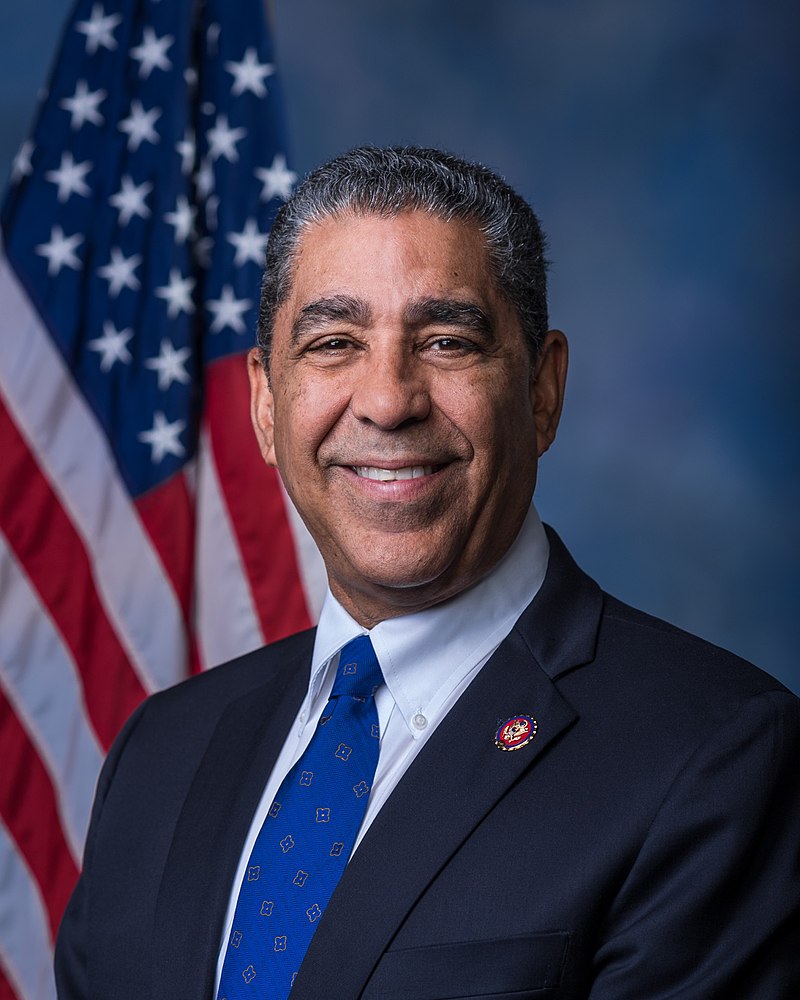
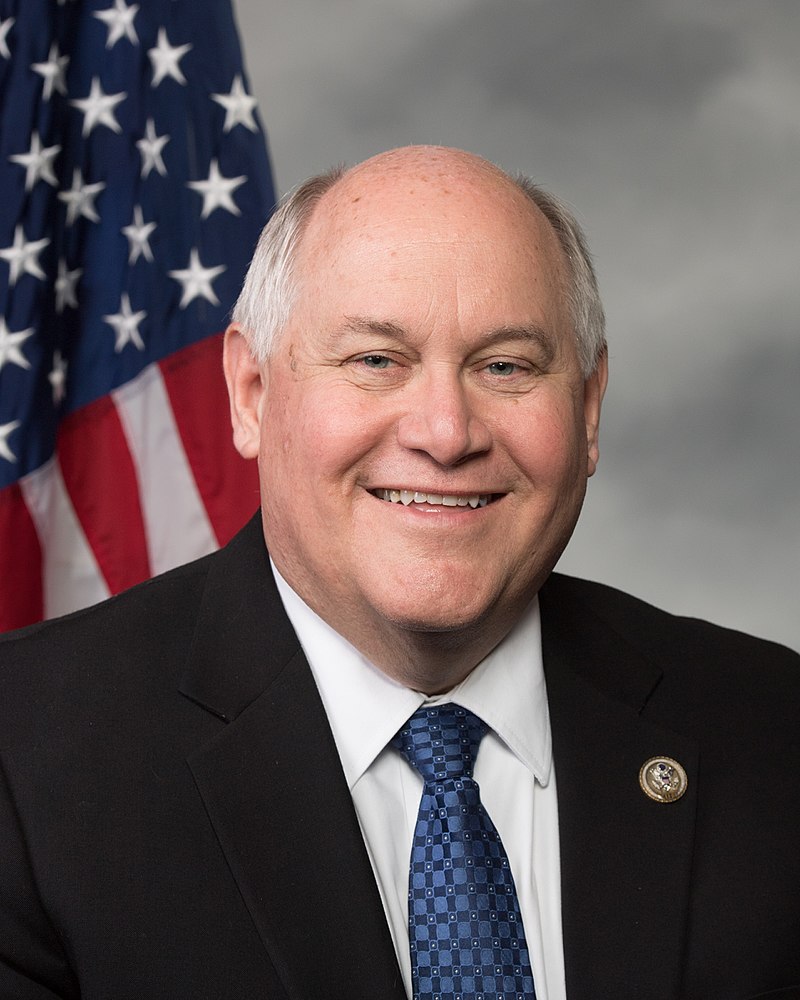

















S
Scott Franklin




J
John Garamendi




















































































J
John Mannion

L
Lucy McBath


L
Lisa McClain









C
Christian Menefee






















































J
John Rutherford









D
David Schweikert
P
Pete Sessions




















R
Rashida Tlaib















N
Nydia Velázquez




D
Debbie Wasserman Schultz












Nay (9)







Not Voting (33)























E
Eric Swalwell