H.R.7148 — Consolidated Appropriations Act, 2026
House Roll Call
H.R.7148
| Bill | H.R.7148 — Consolidated Appropriations Act, 2026 |
|---|---|
| Vote question | On Motion to Concur in the Senate Amendments |
| Vote type | Yea-and-Nay |
| Result | Passed |
| Totals | Yea 217 / Nay 214 / Present 0 / Not Voting 1 |
| Party | Yea | Nay | Present | Not Voting |
|---|---|---|---|---|
| R | 196 | 21 | 0 | 1 |
| D | 21 | 193 | 0 | 0 |
| I | 0 | 0 | 0 | 0 |
Research Brief
On Motion to Concur in the Senate Amendments
Bill Analysis
HR 7148, the Consolidated Appropriations Act, 2026, is the omnibus spending bill providing full‑year discretionary appropriations for federal agencies for FY2026 and related policy changes. As a consolidated act, it packages the 12 regular appropriations titles (e.g., Agriculture; Commerce-Justice-Science; Defense; Energy-Water; Financial Services; Homeland Security; Interior-Environment; Labor-HHS-Education; Legislative Branch; Military Construction–VA; State-Foreign Operations; Transportation-HUD), plus assorted general provisions and authorizing “riders.”
The bill sets overall discretionary budget authority for FY2026 and allocates funding to each covered department and agency, typically specifying amounts “not to exceed” for salaries and expenses, grants, contracts, and capital projects. It continues or modifies many ongoing programs, often with detailed line items (e.g., research initiatives, infrastructure grants, law enforcement support, health and education programs, veterans’ services, and foreign assistance). It may also include emergency or supplemental appropriations for disaster relief, national security, or public health, designated to be exempt from certain budget caps.
Authorities in HR 7148 include: (1) permission for agencies to obligate and expend funds through September 30, 2026 (with some multi‑year or no‑year accounts); (2) transfer and reprogramming authorities within and between accounts, subject to notification or approval by appropriations committees; and (3) temporary or permanent changes to underlying authorizing statutes (e.g., extensions of expiring authorities, policy conditions on use of funds, and limitations on regulations or enforcement actions).
Affected entities include all major federal departments and independent agencies receiving discretionary appropriations, as well as state, local, tribal, nonprofit, and private-sector recipients of federal grants and contracts. Beneficiaries range from defense personnel and veterans to students, patients, infrastructure users, and foreign aid recipients. Regulated parties are indirectly affected where the bill conditions funding on regulatory, enforcement, or reporting practices.
Key timelines: FY2026 funding generally runs October 1, 2025–September 30, 2026. Many policy riders and program extensions are time‑limited to that fiscal year or a specified multi‑year period. The bill passed the Senate with amendments on January 30, 2026, and must be reconciled with House action and enacted before or soon after the start of FY2026 to avoid funding gaps or reliance on continuing resolutions.
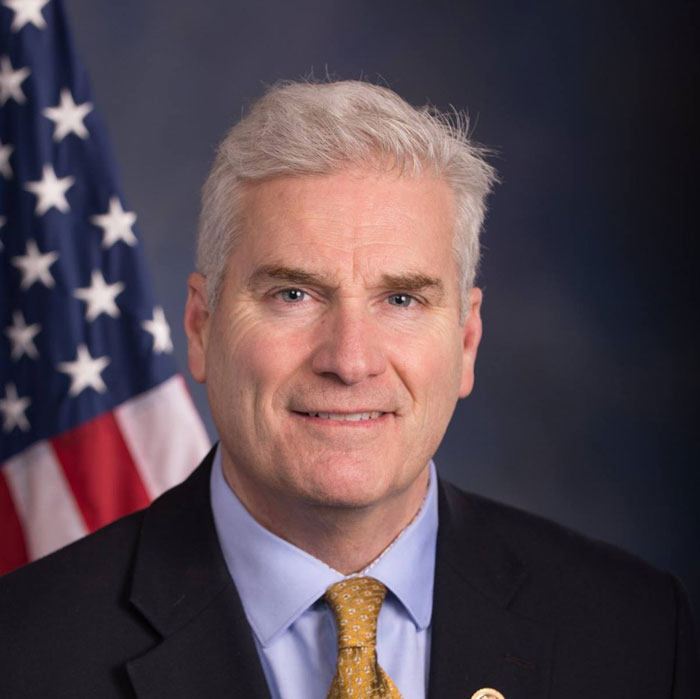
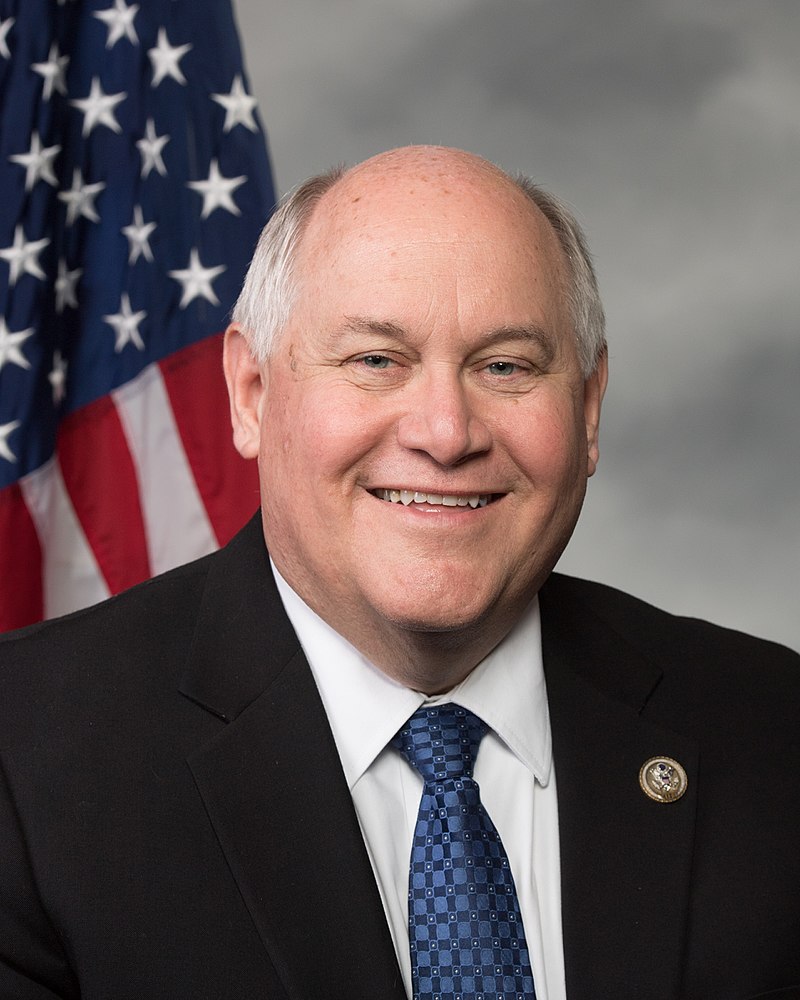
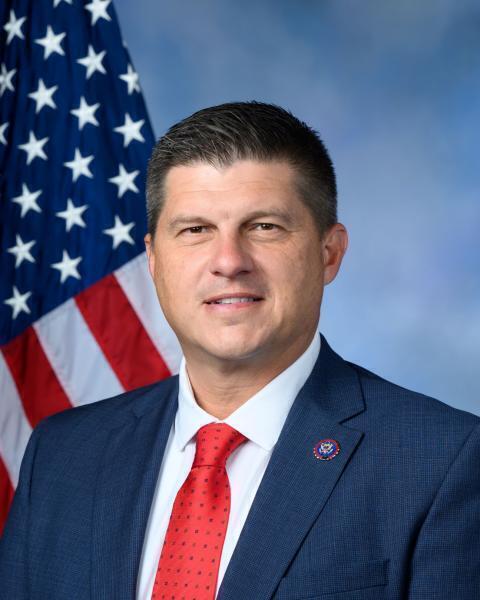
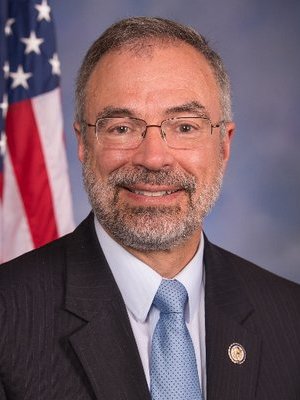
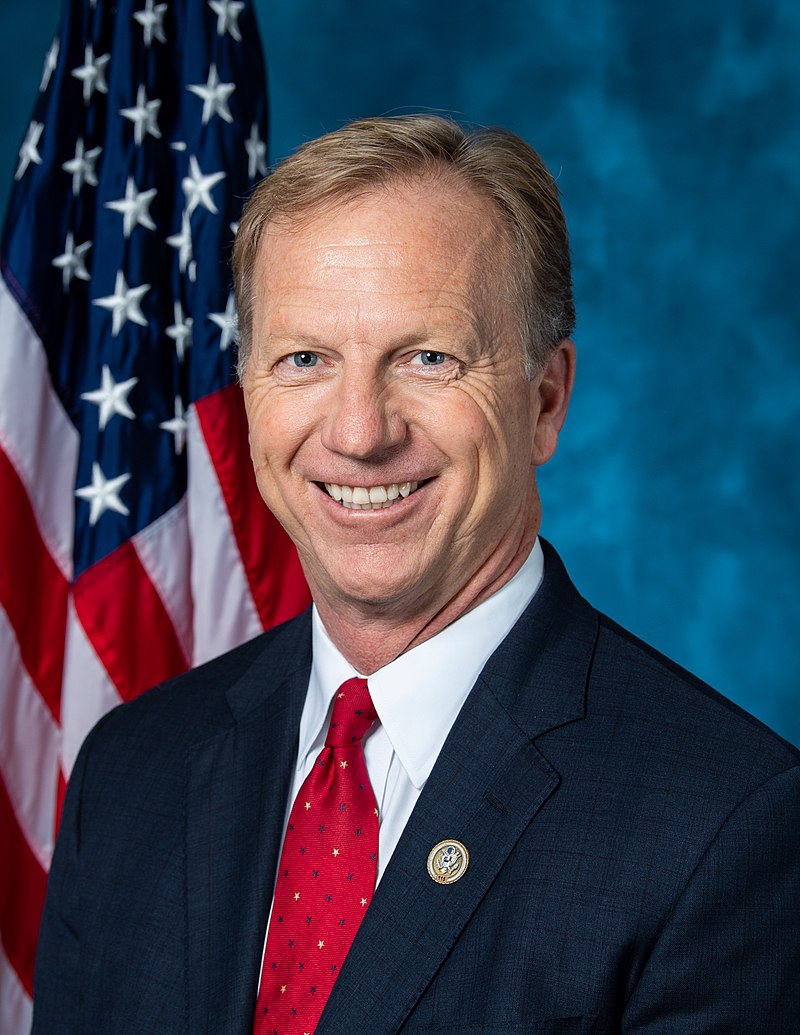
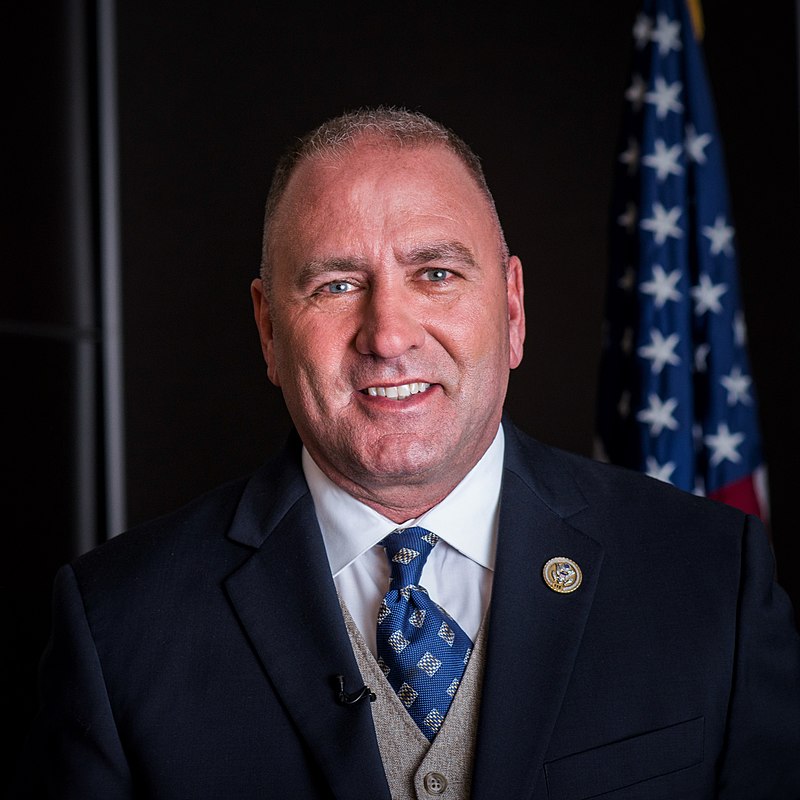
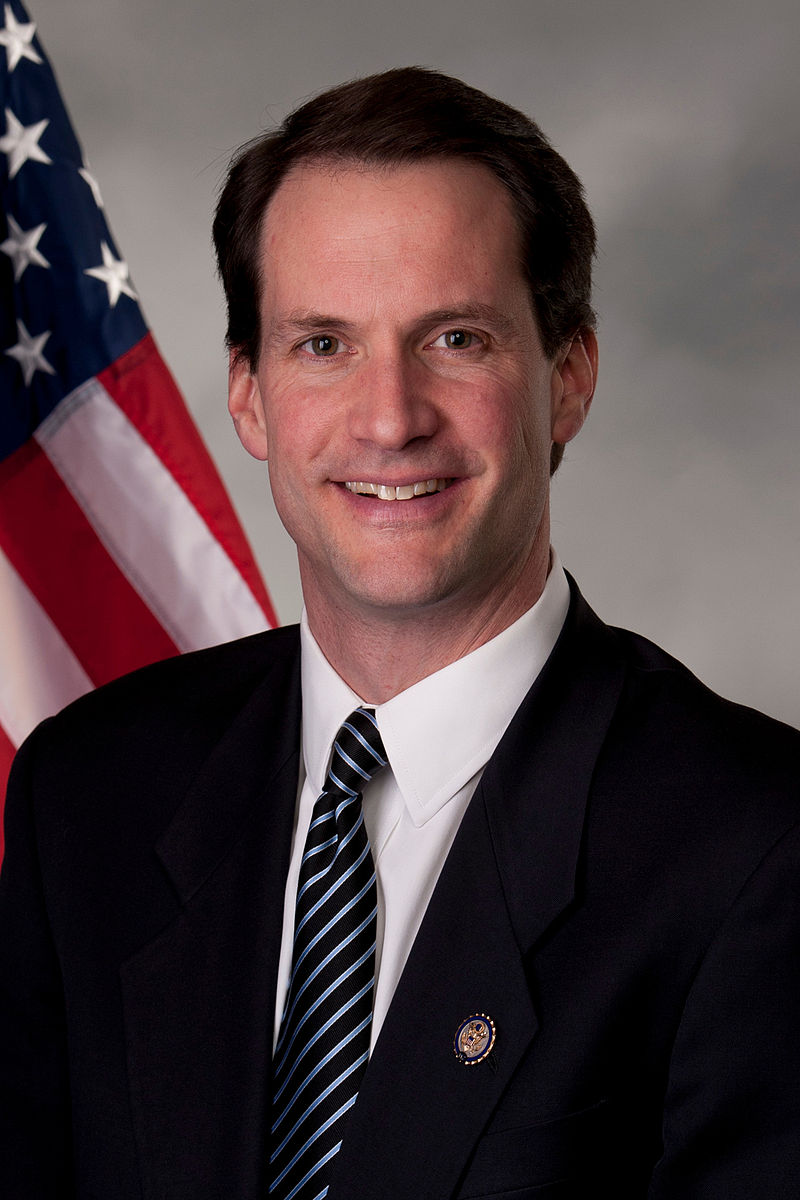
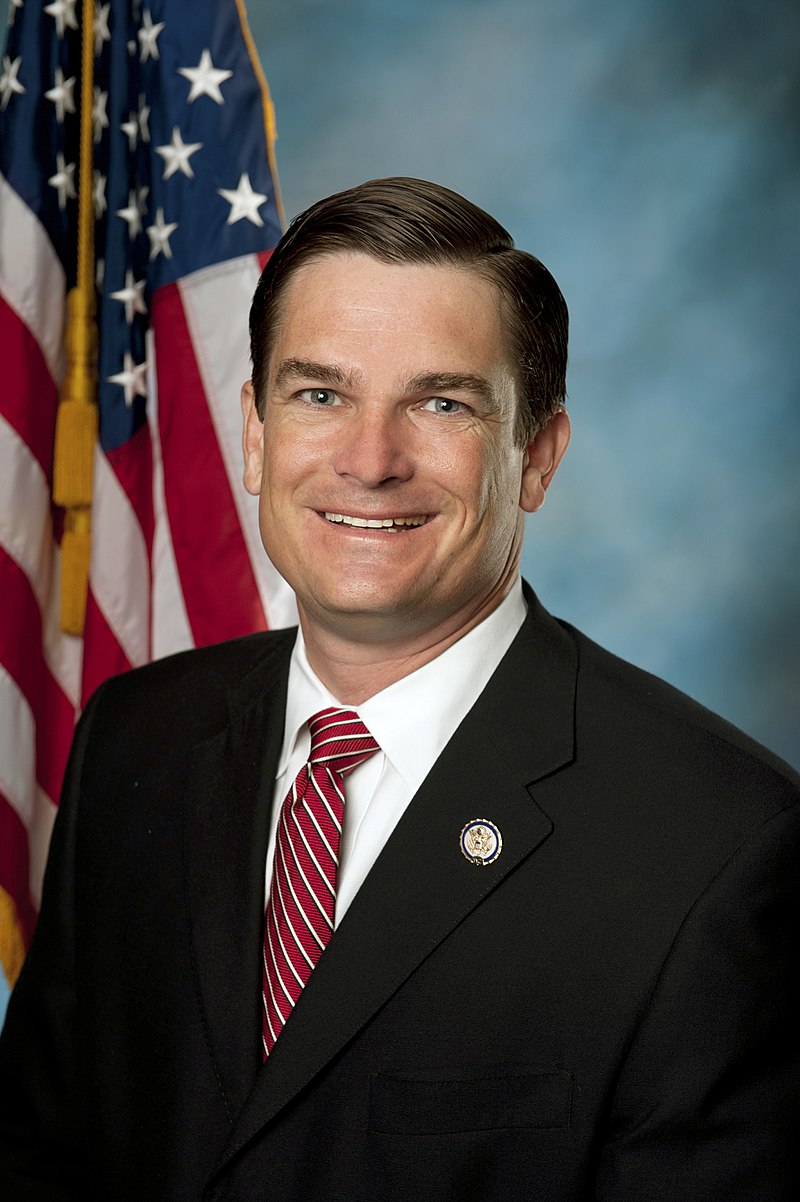
Yea (217)



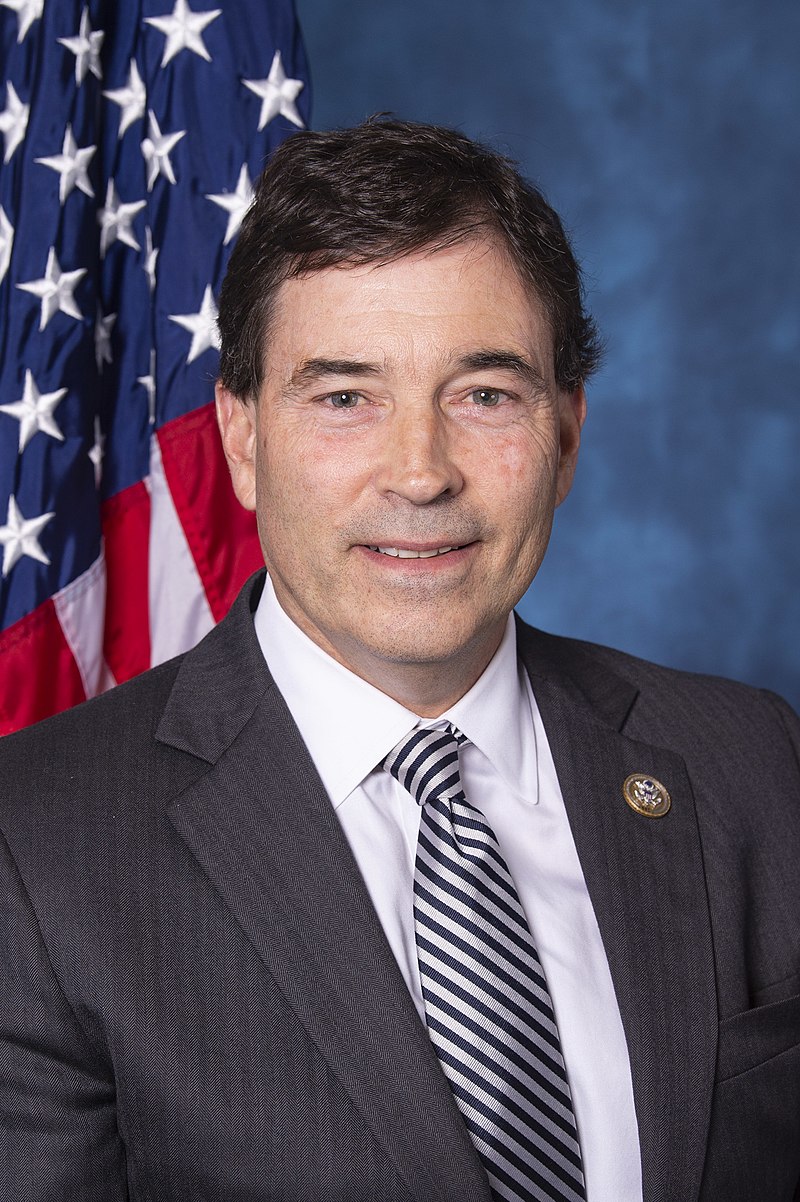

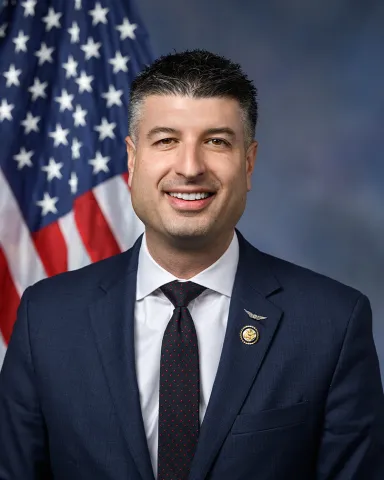

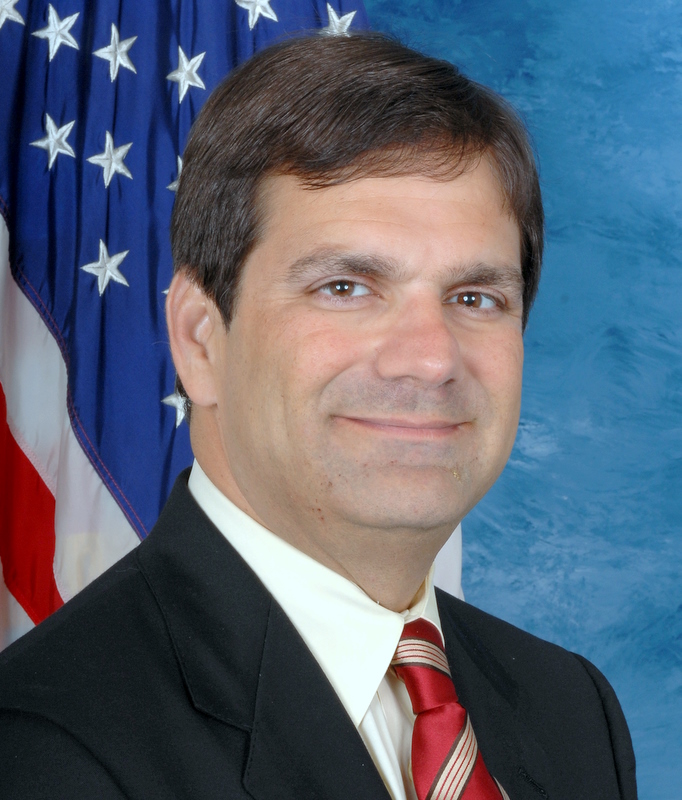

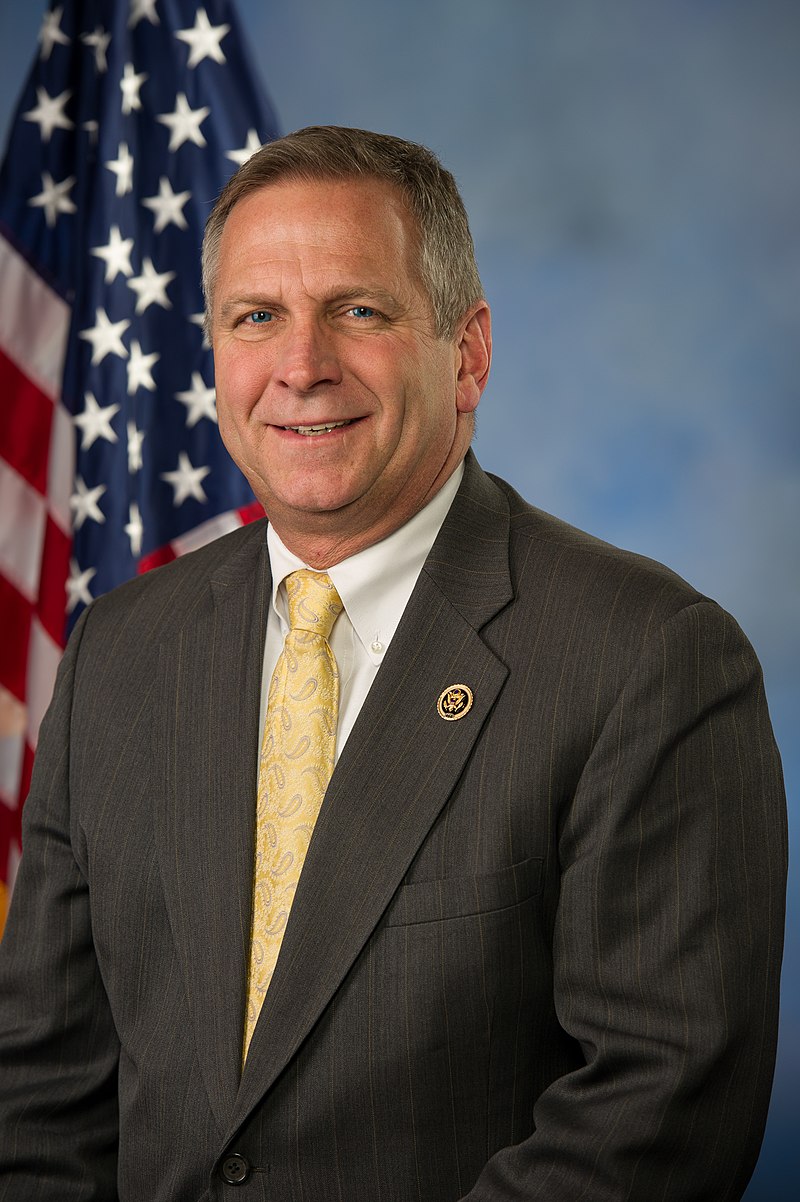


K
Ken Calvert


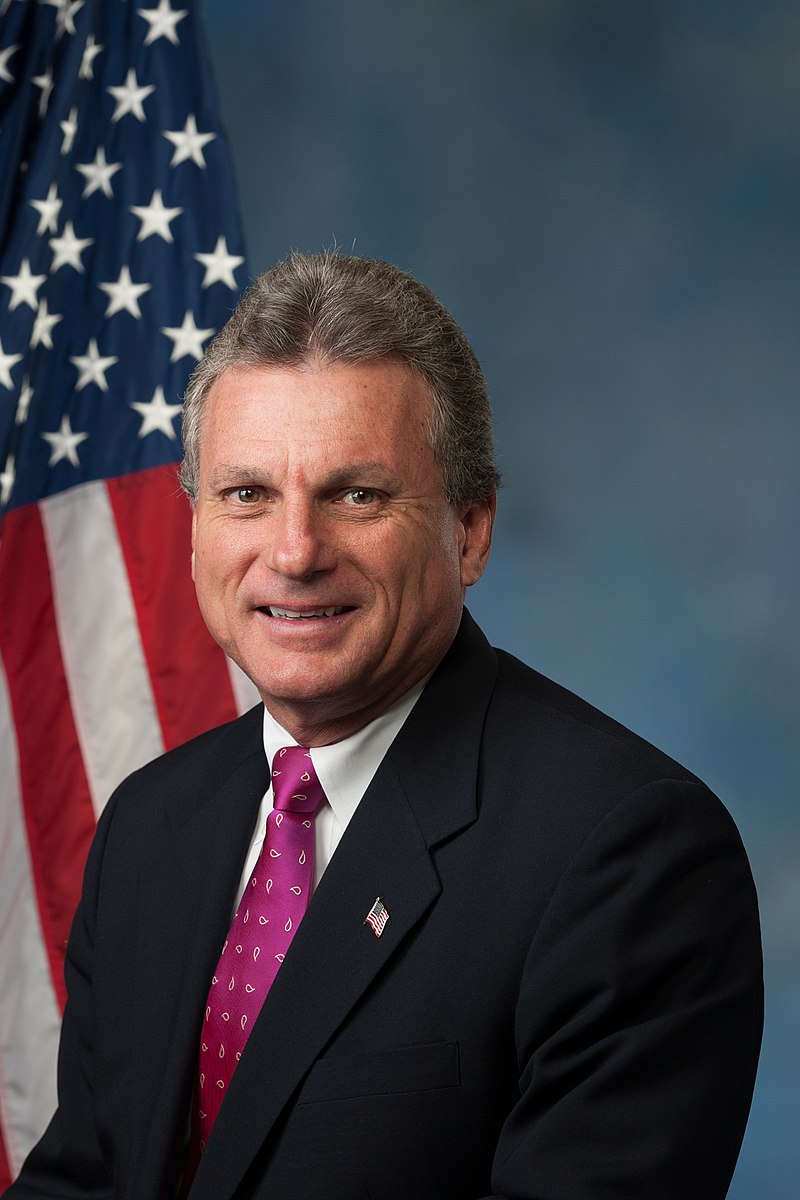
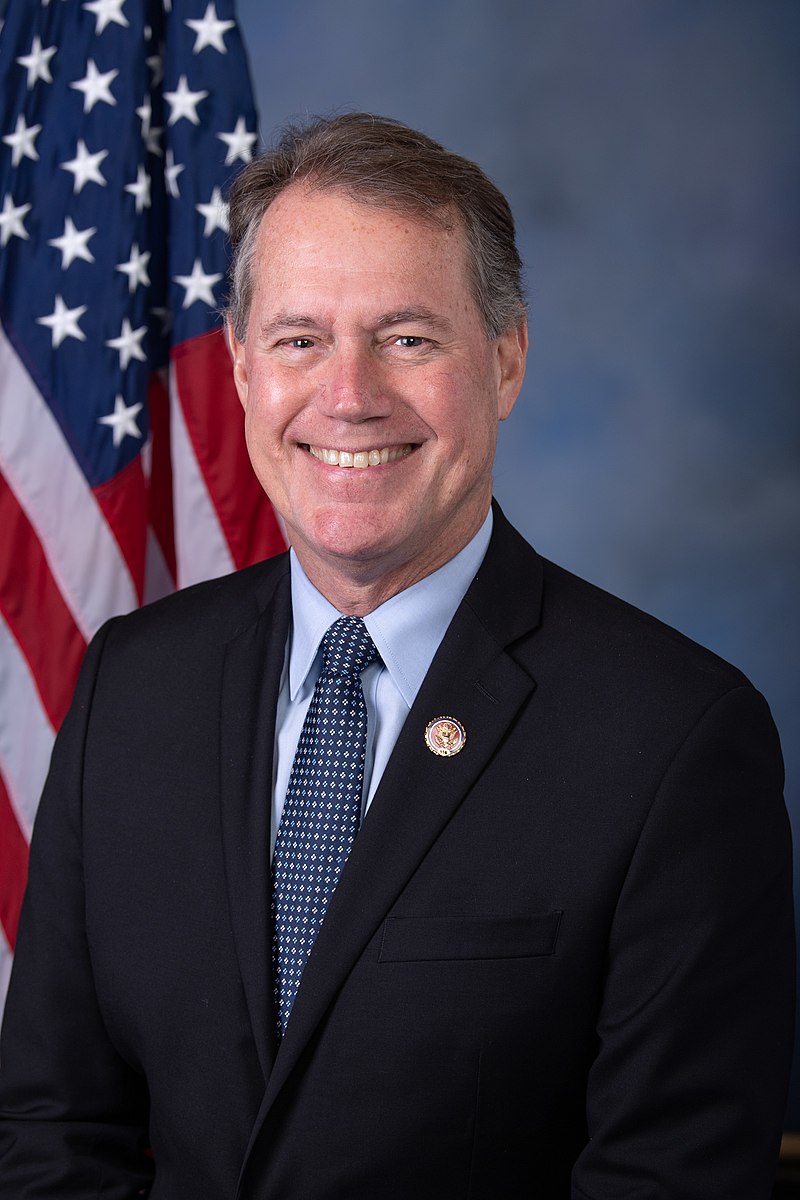





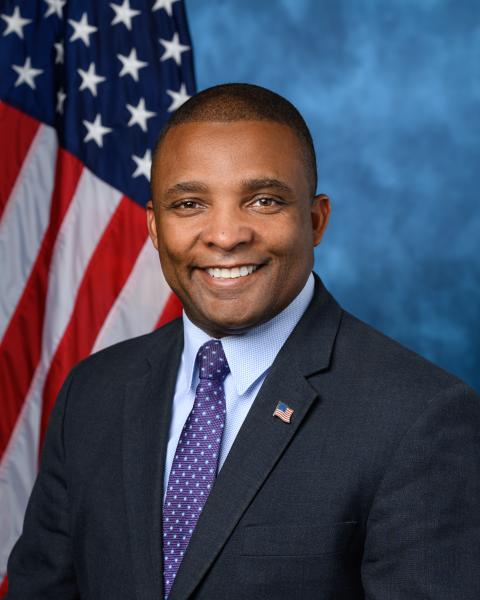
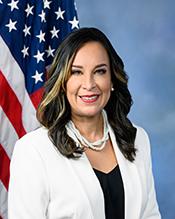

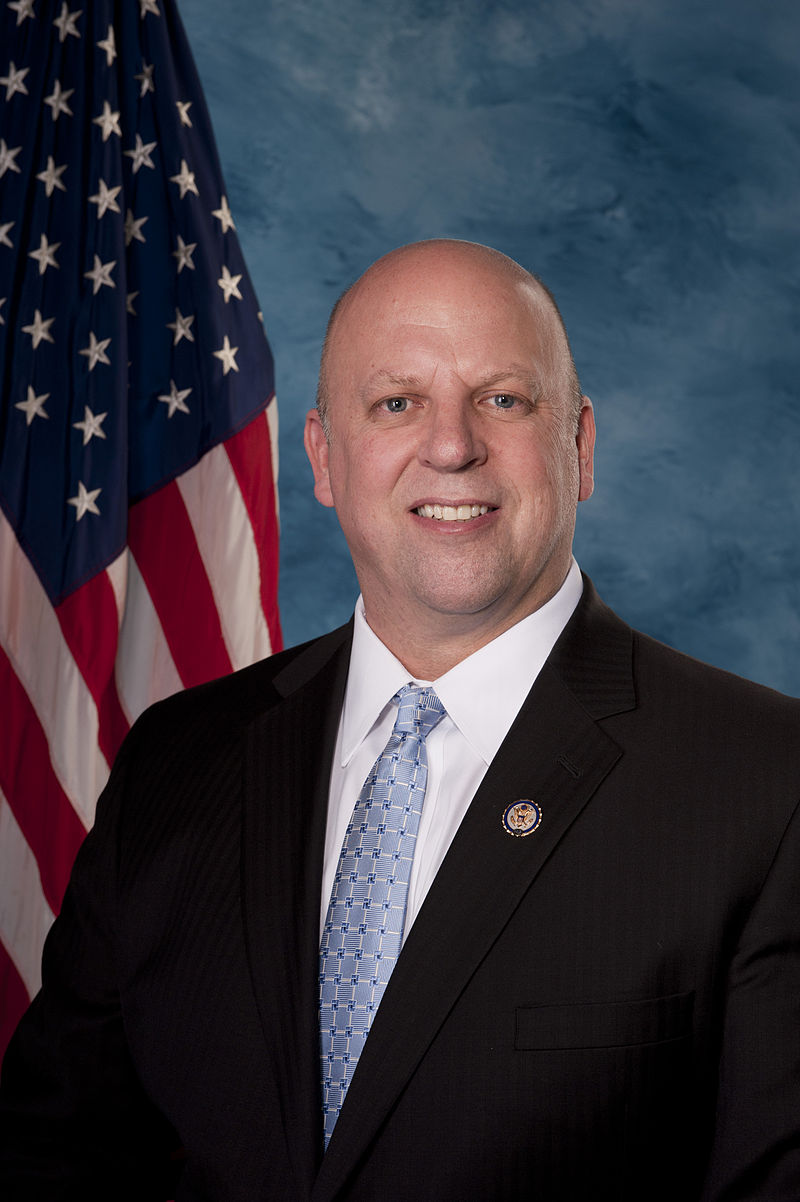


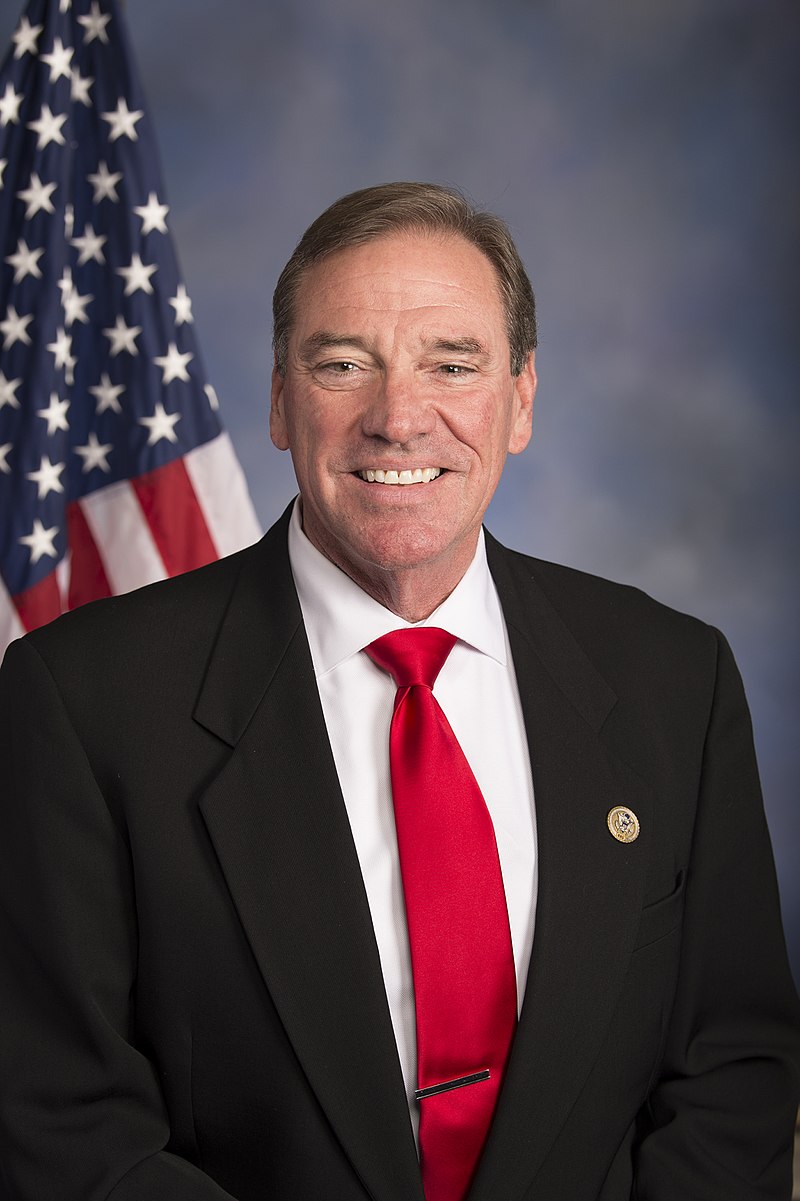






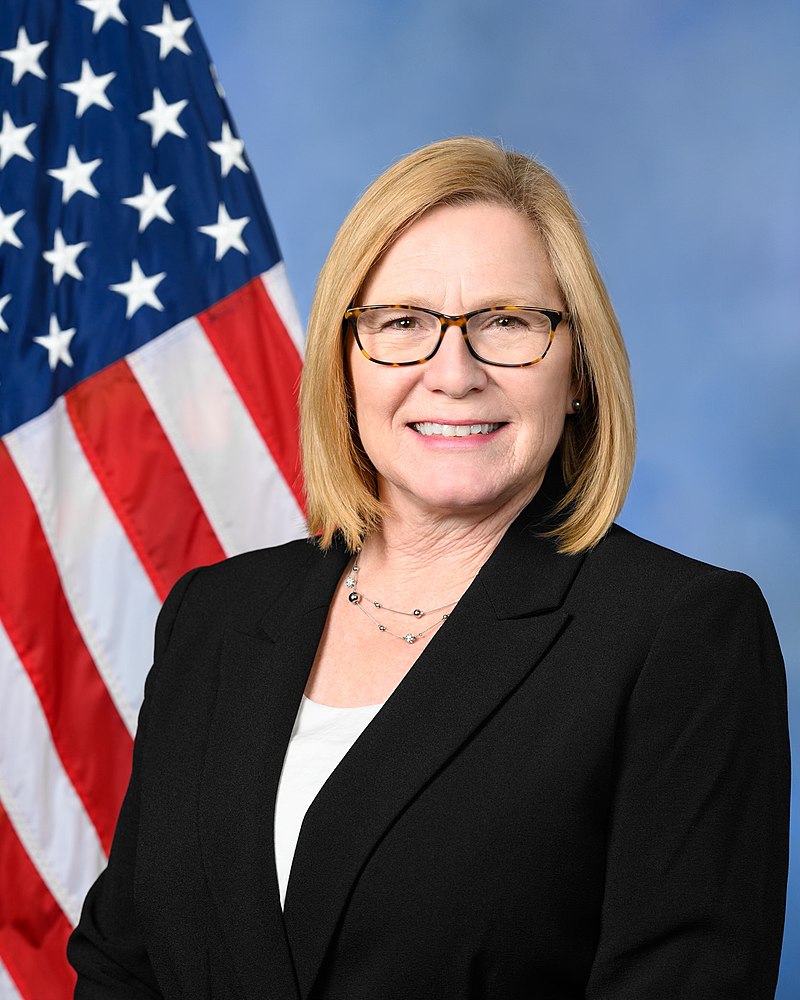
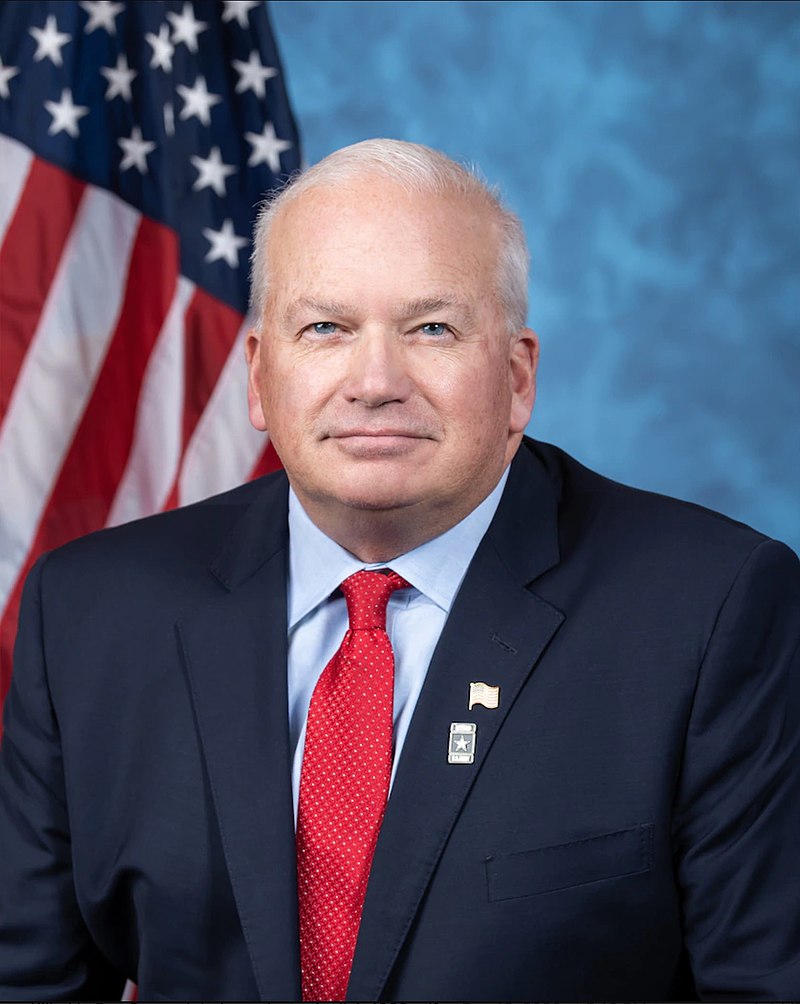

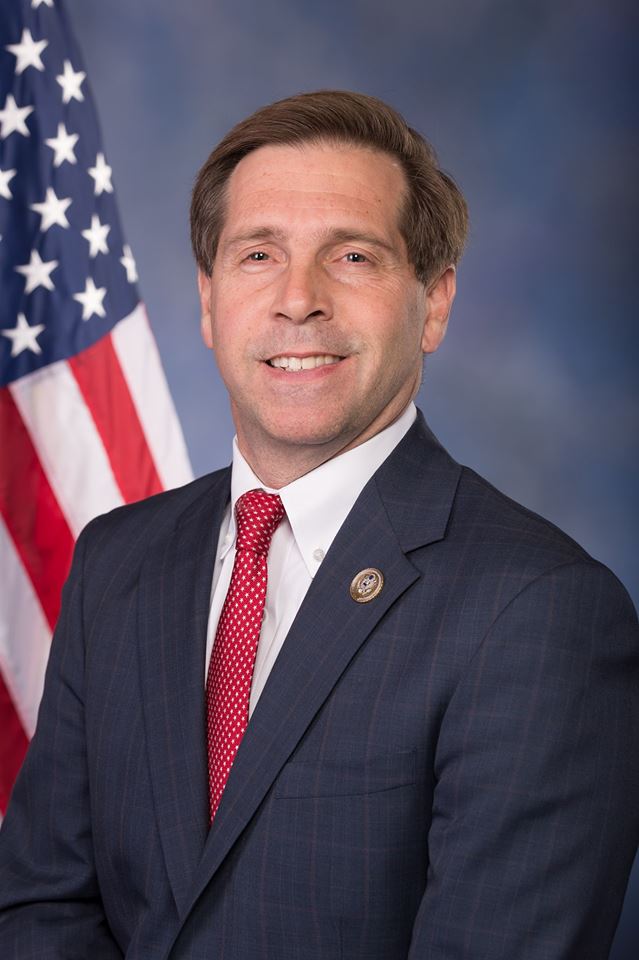




S
Scott Franklin













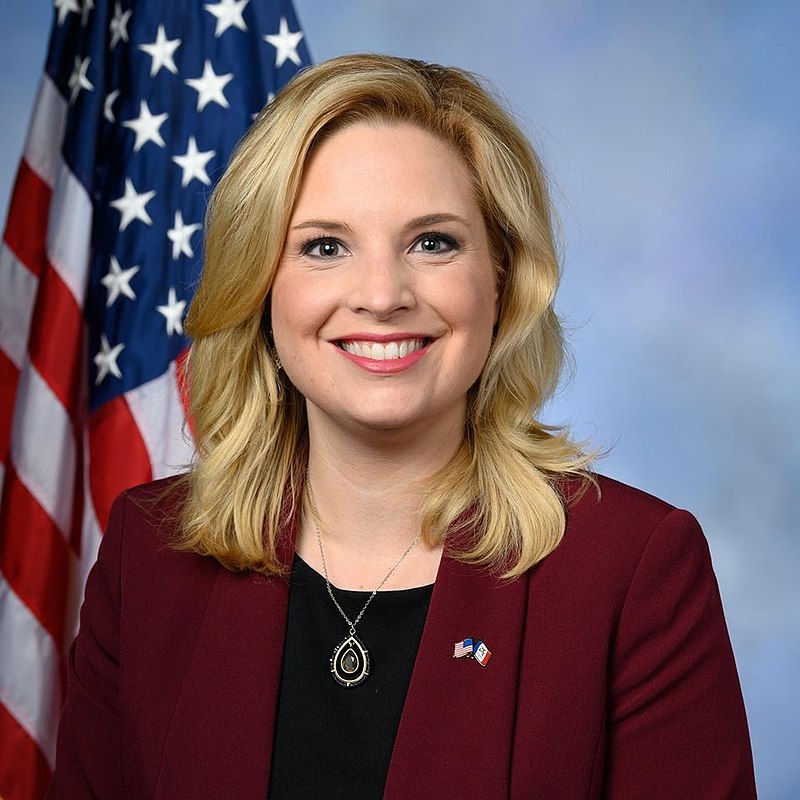
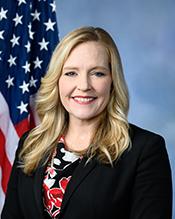
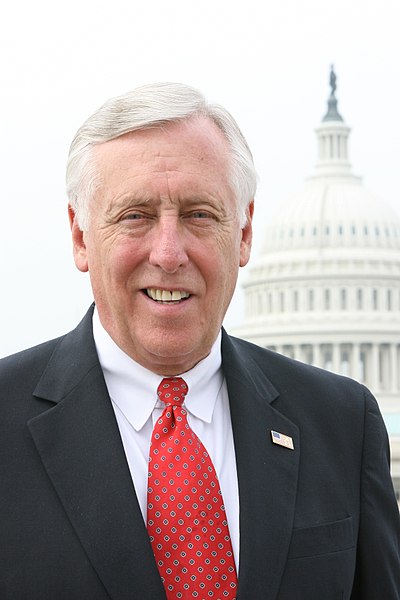
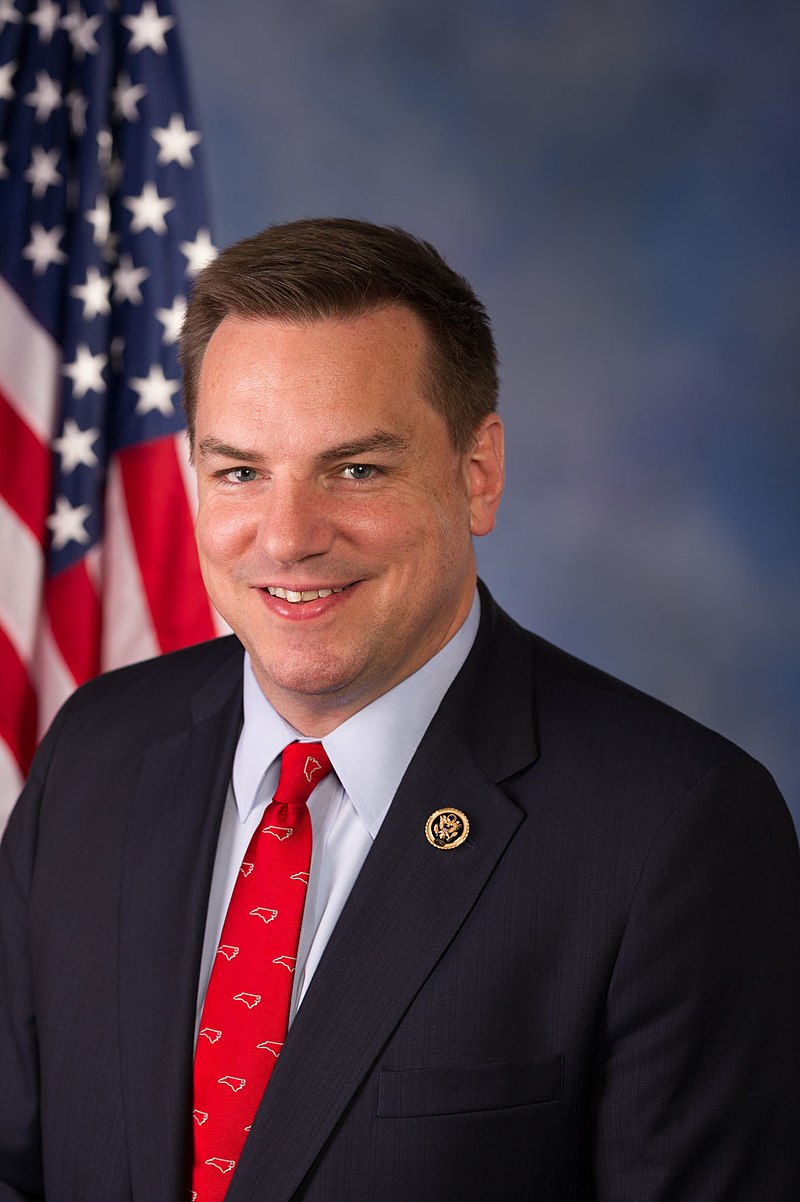



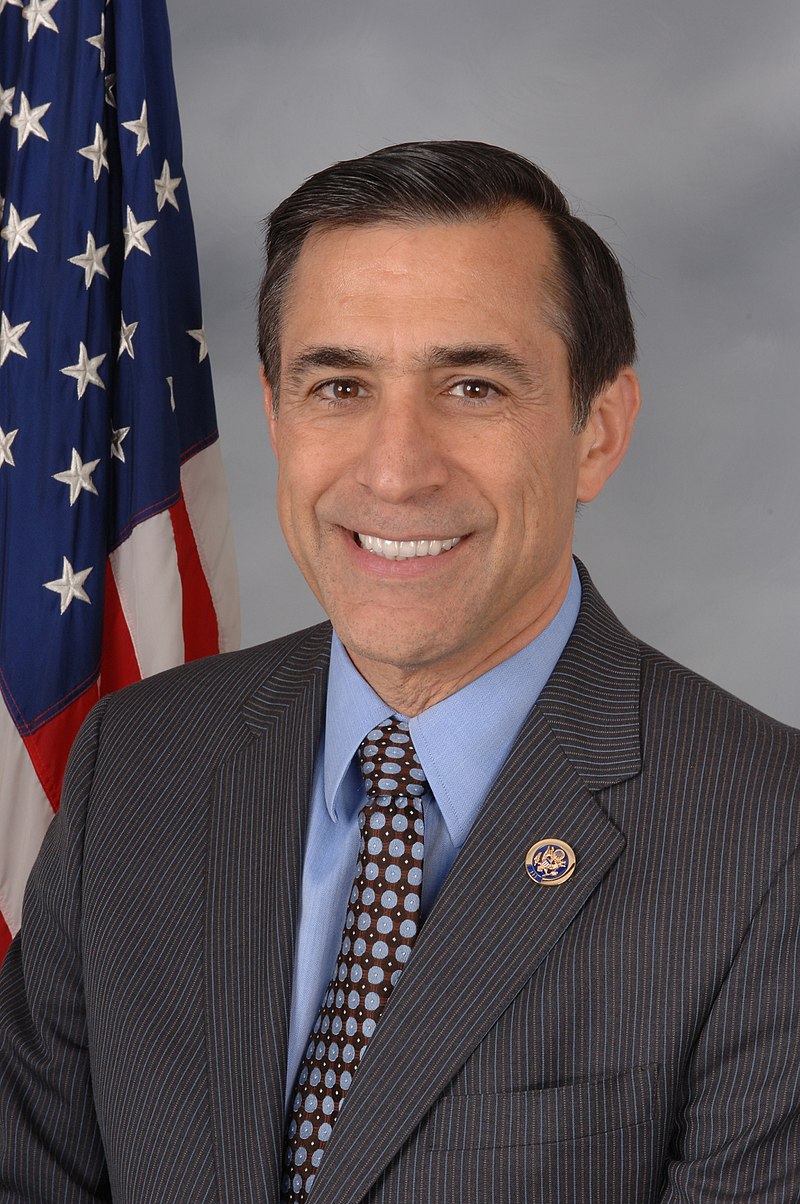



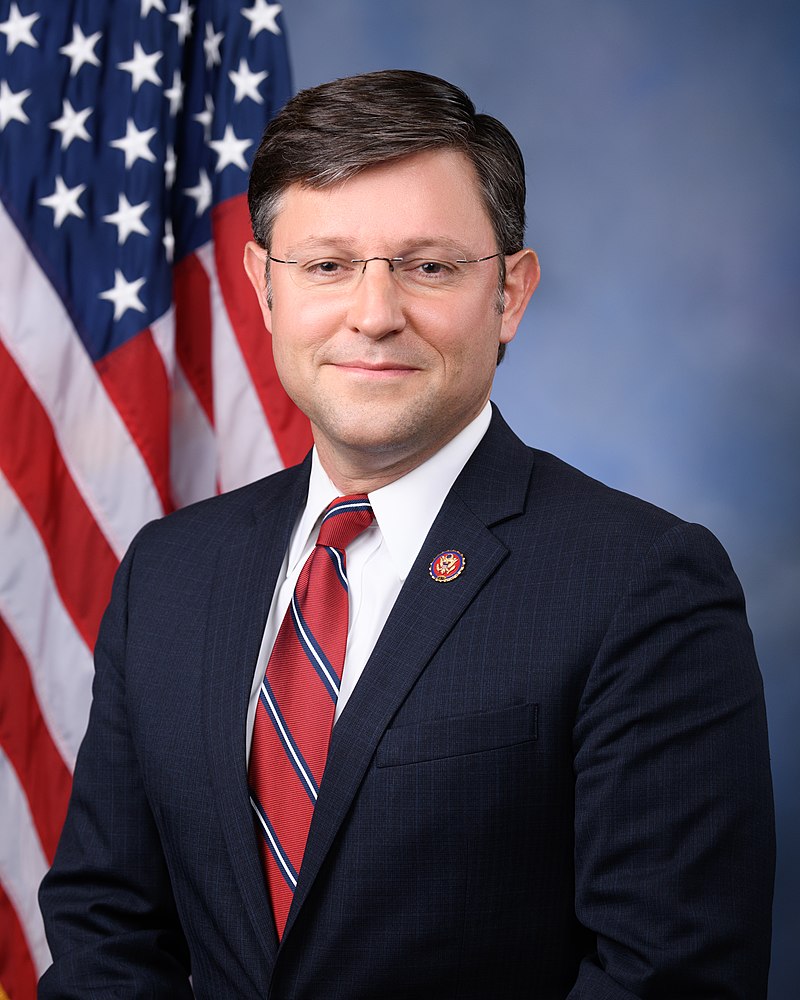

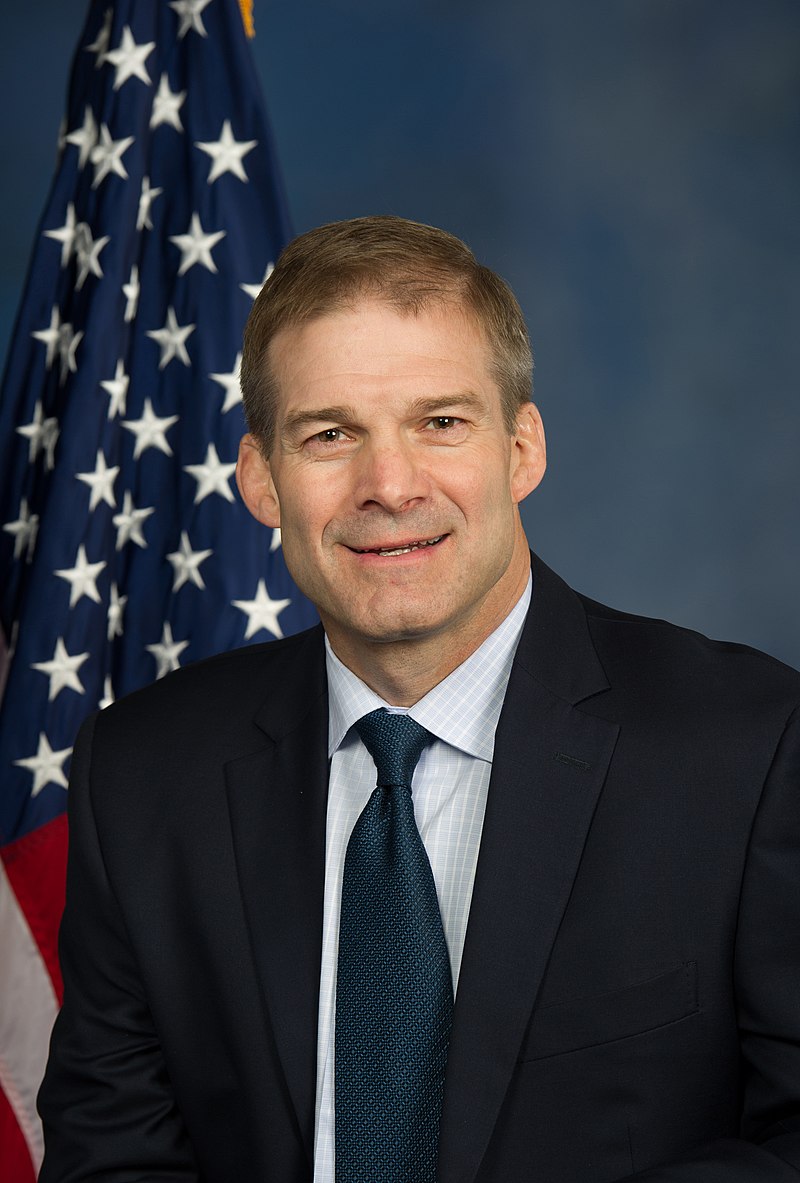
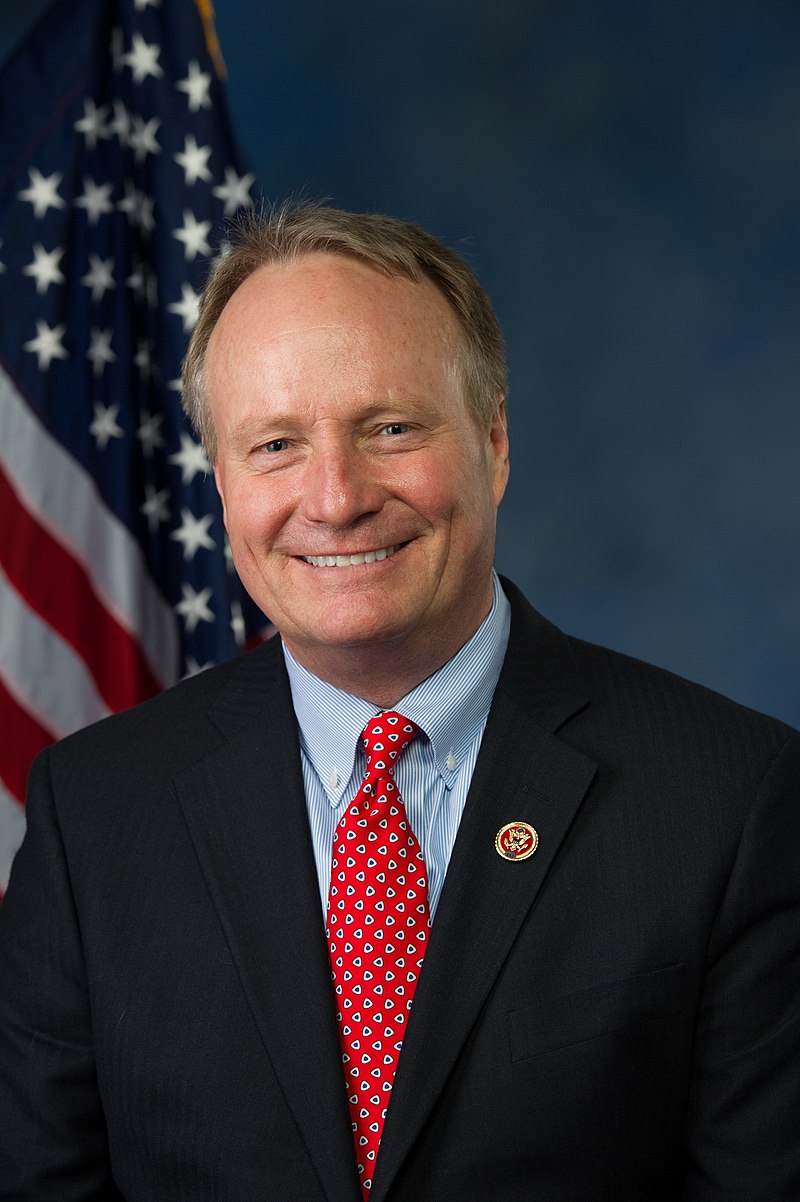
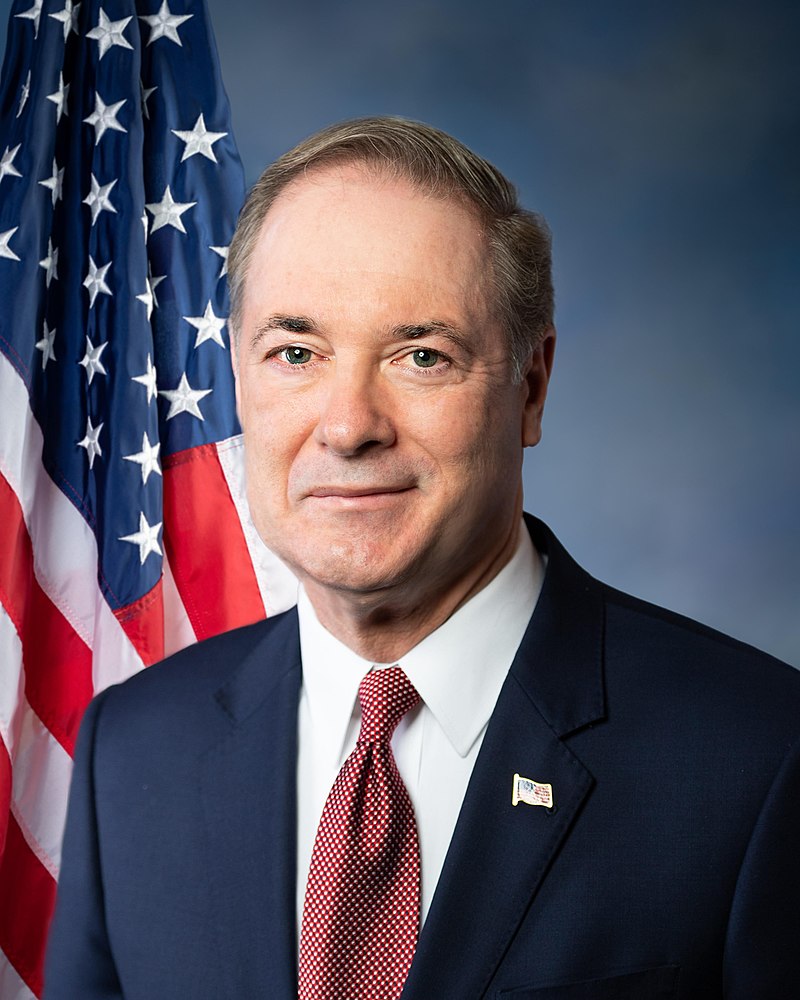

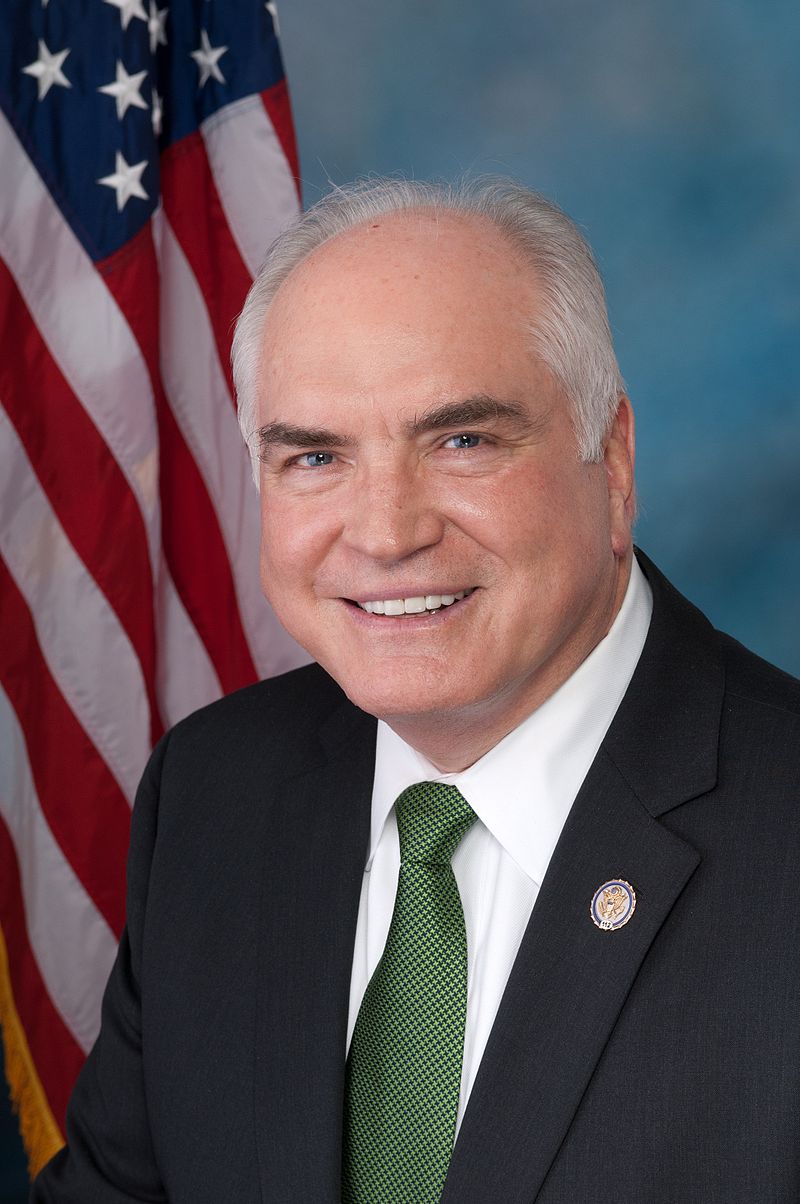
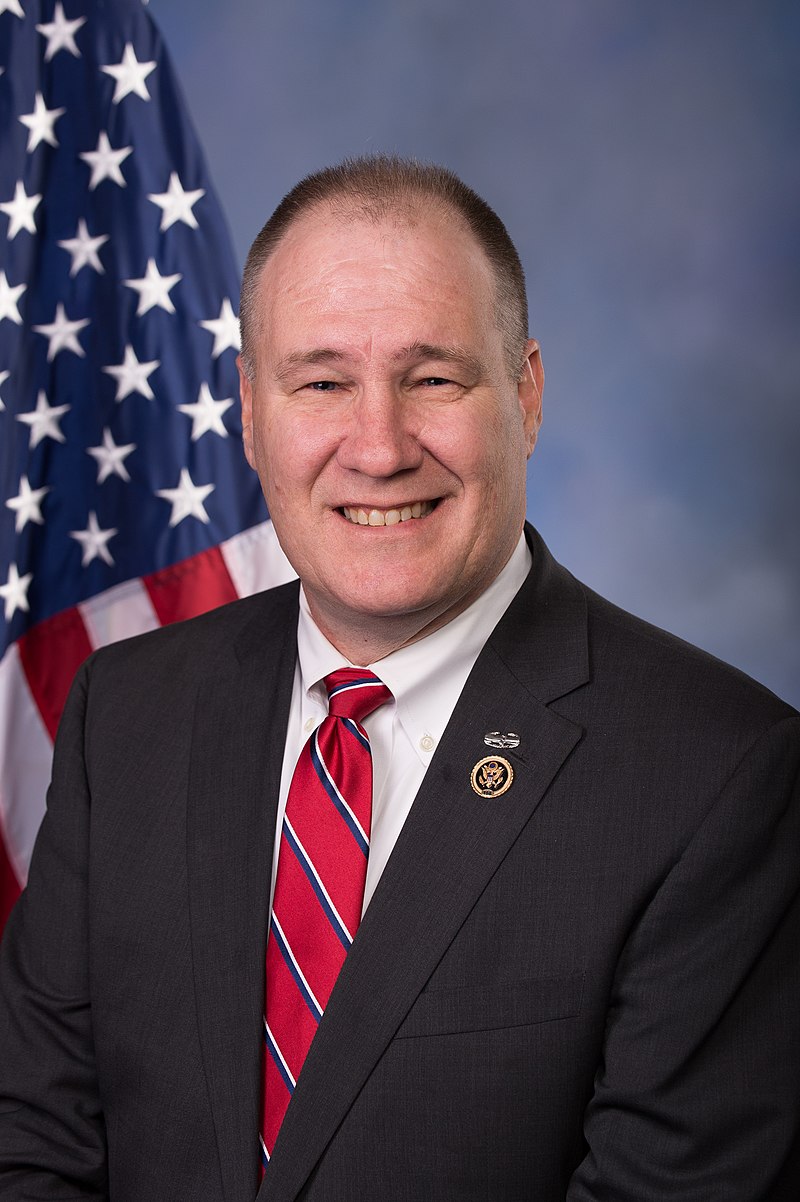












L
Lisa McClain



















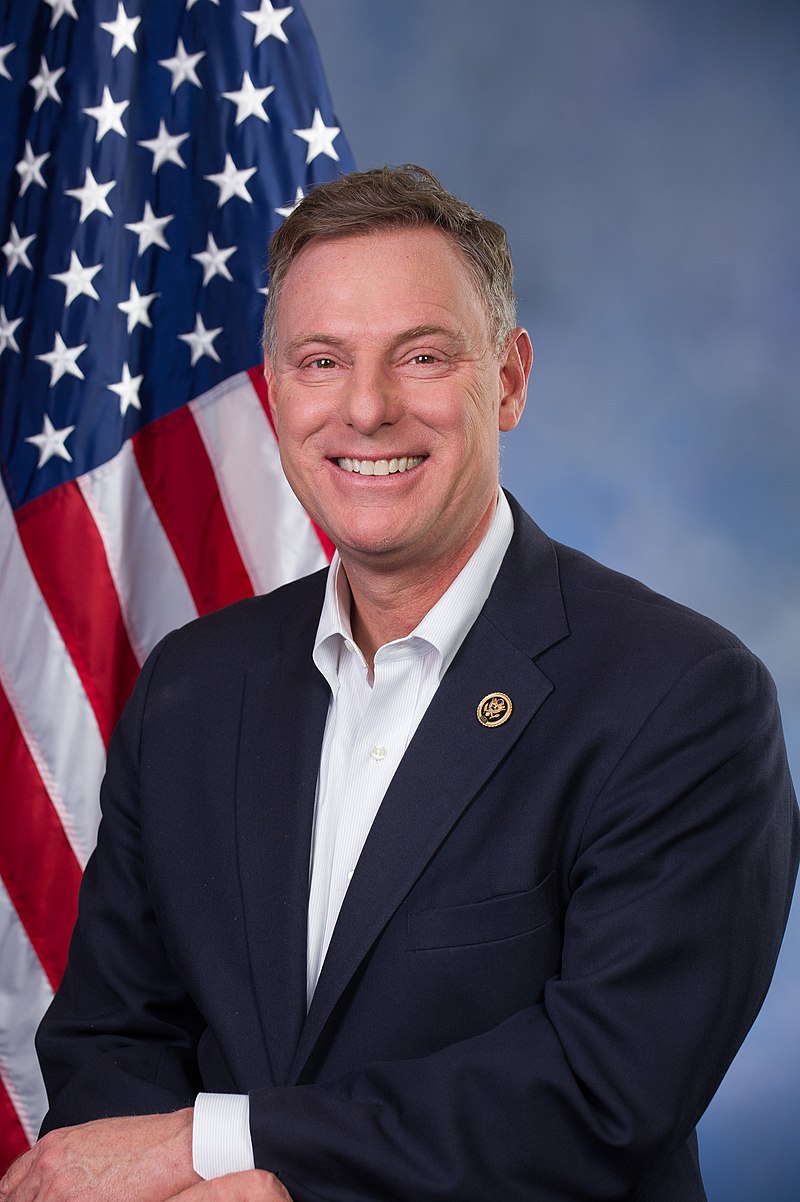

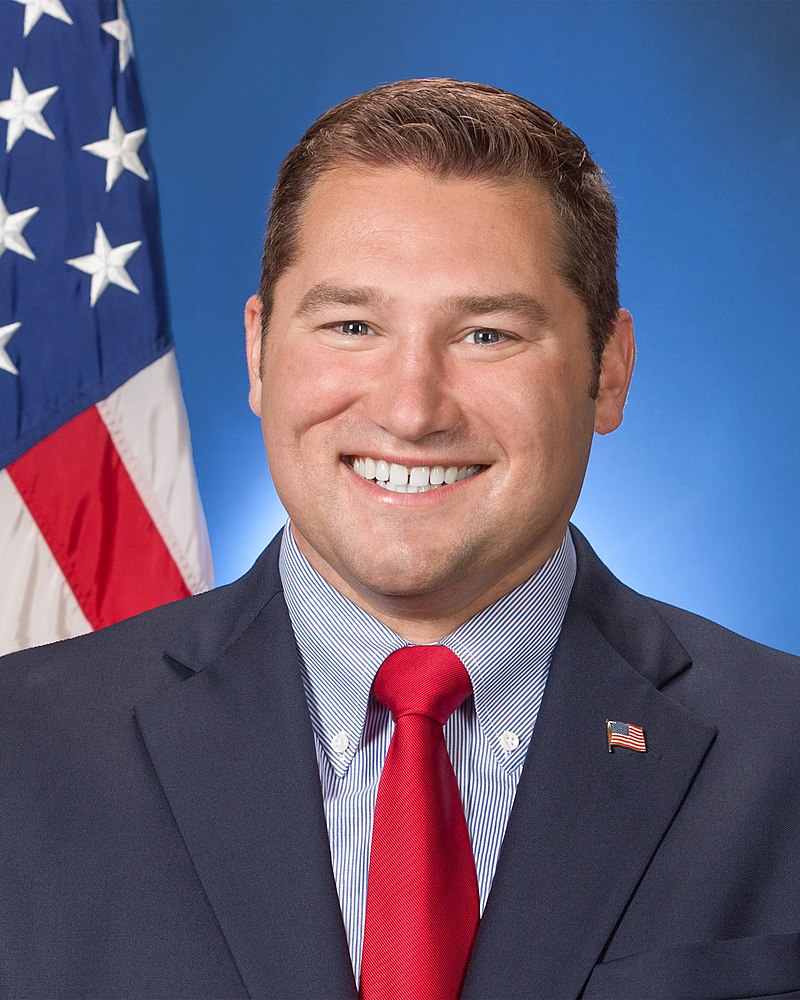
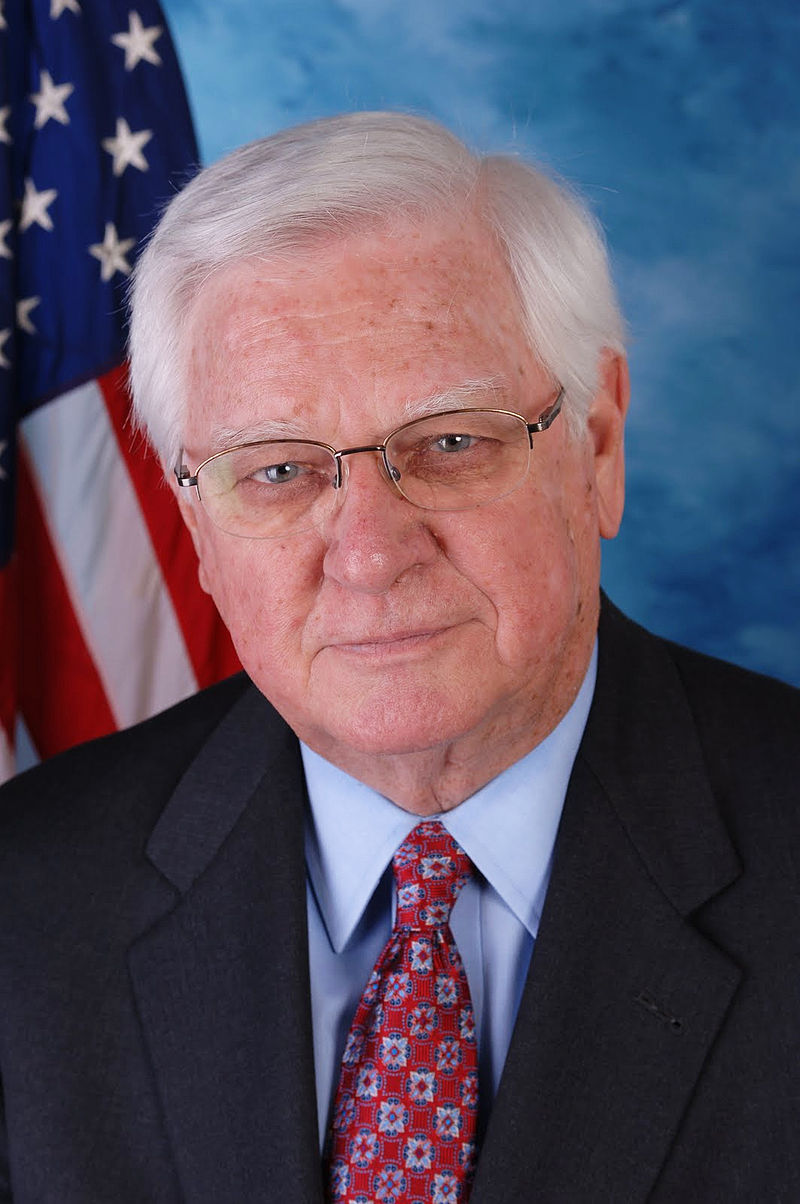

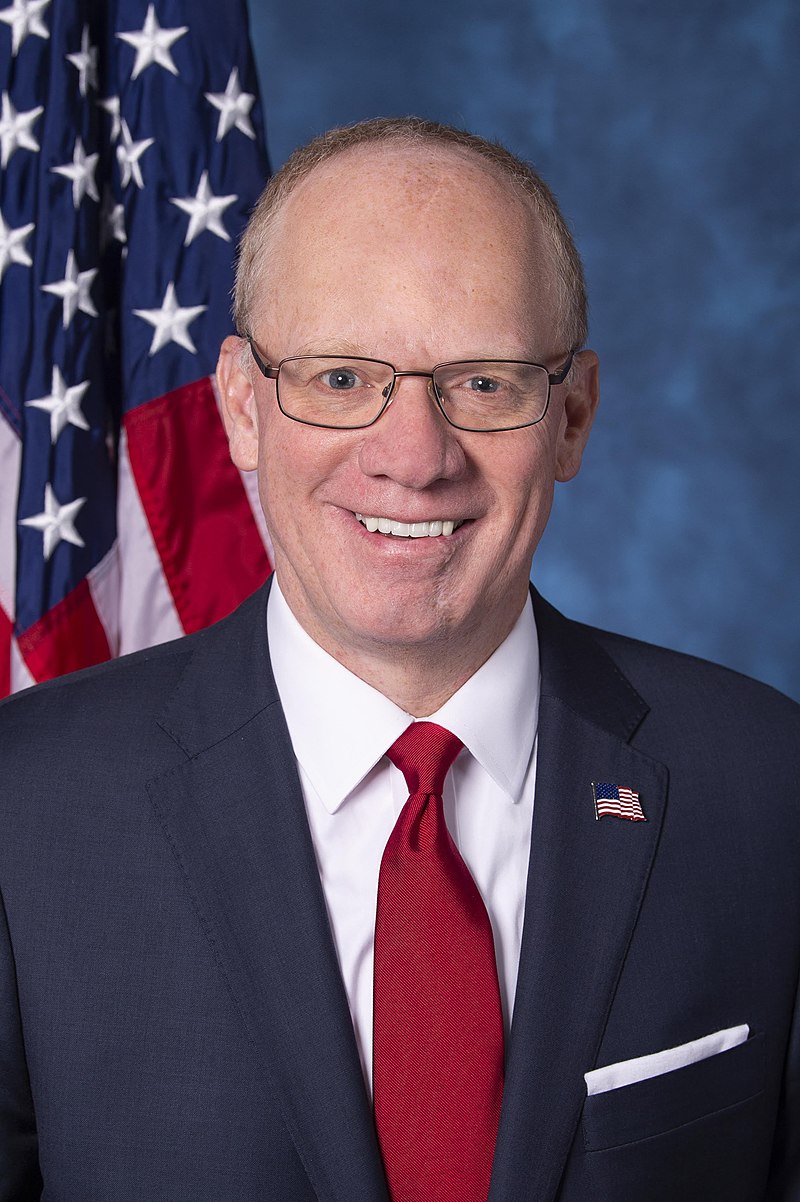

J
John Rutherford


P
Pete Sessions


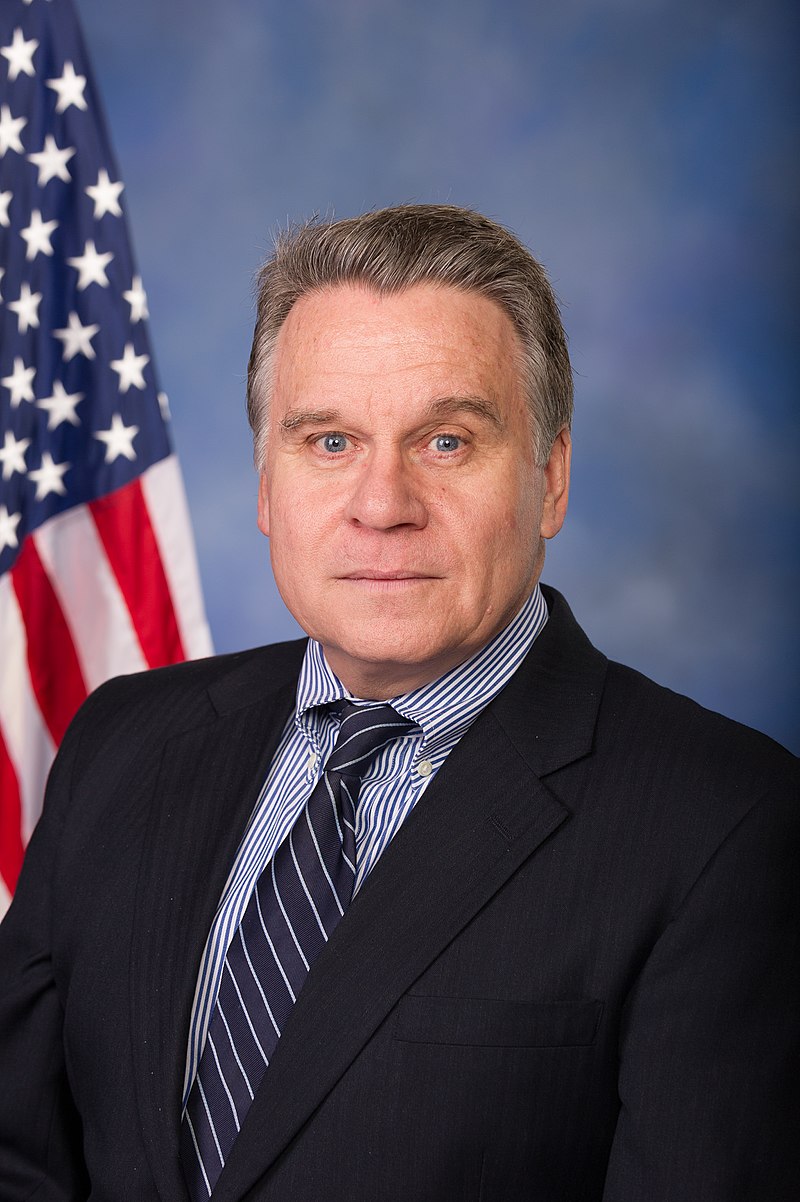
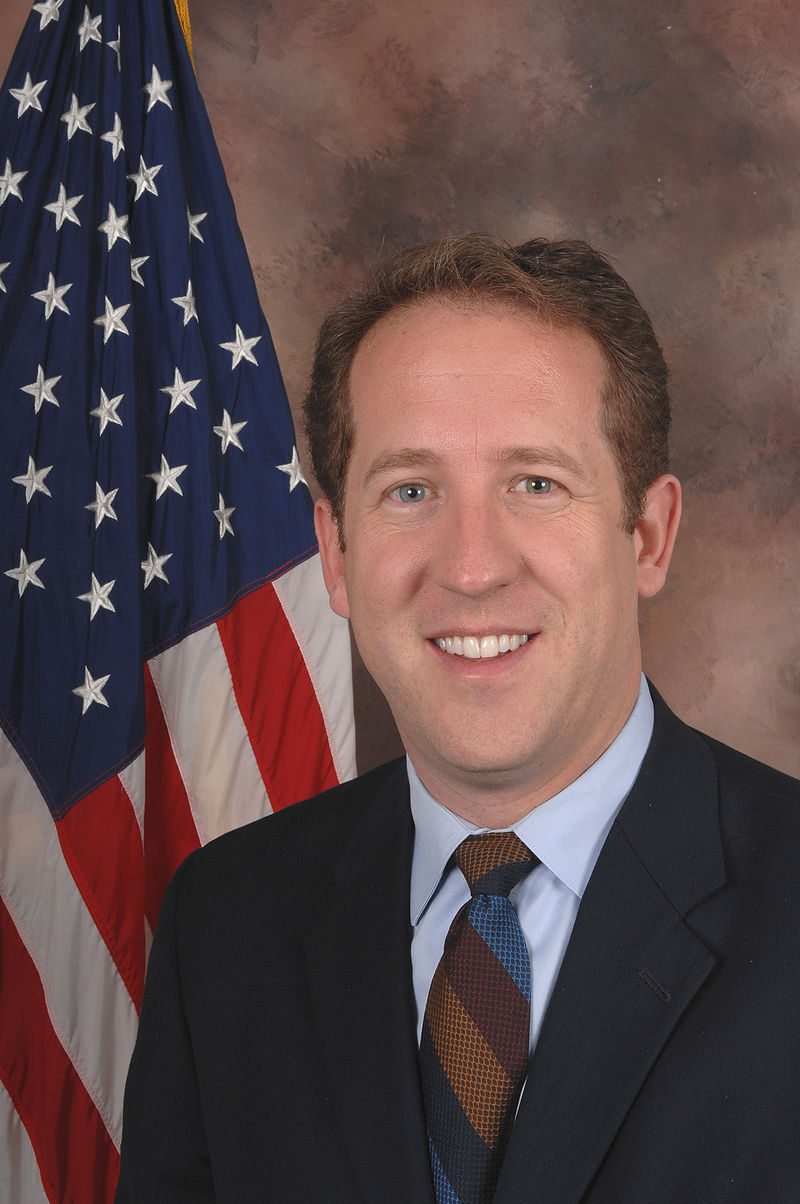
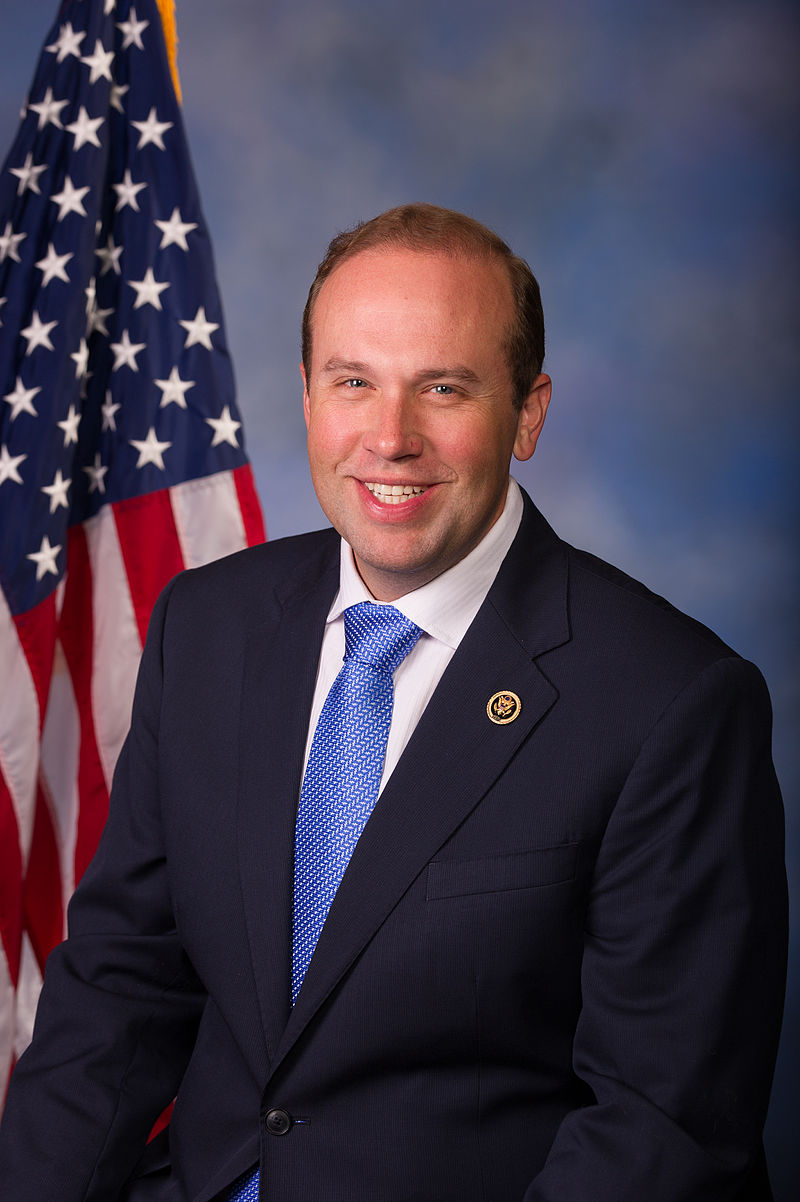
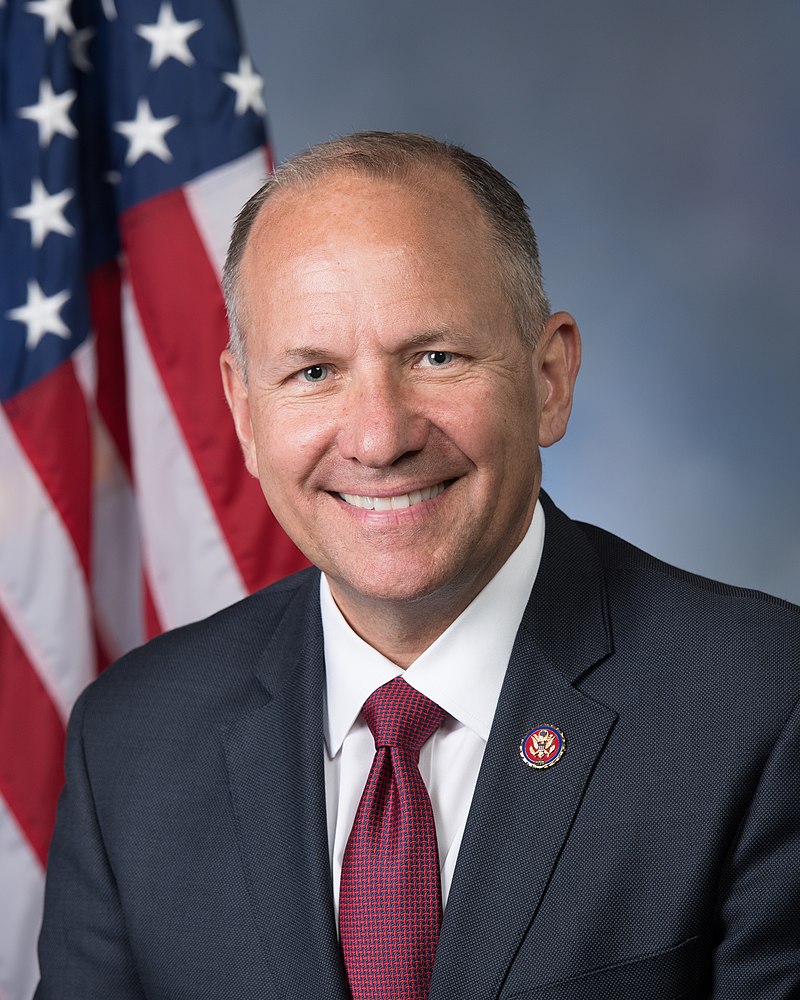
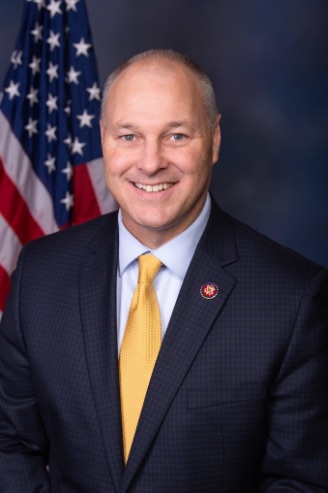
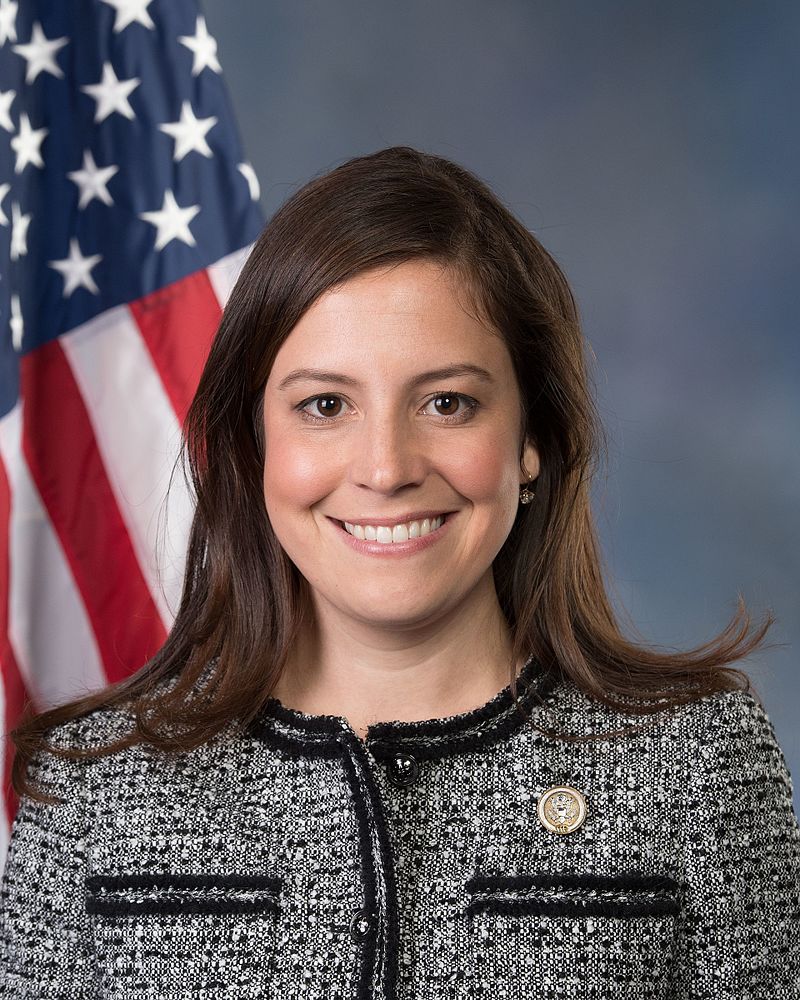







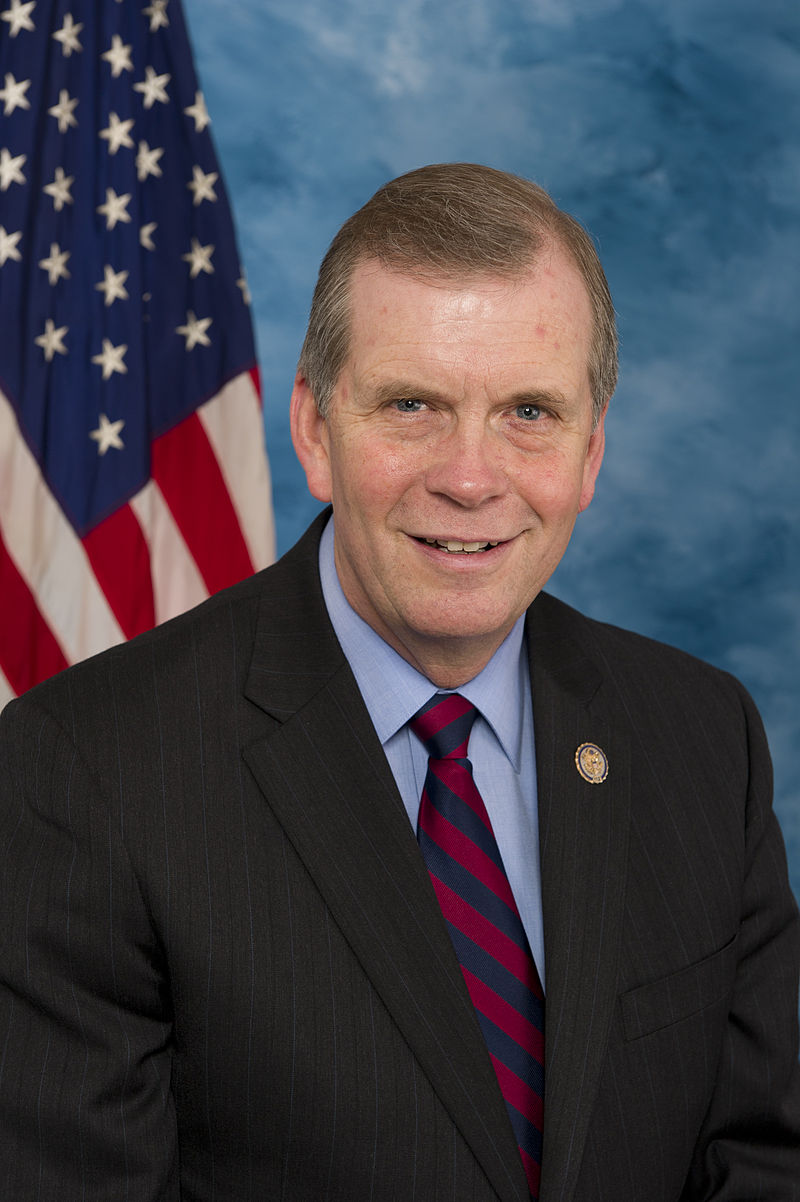
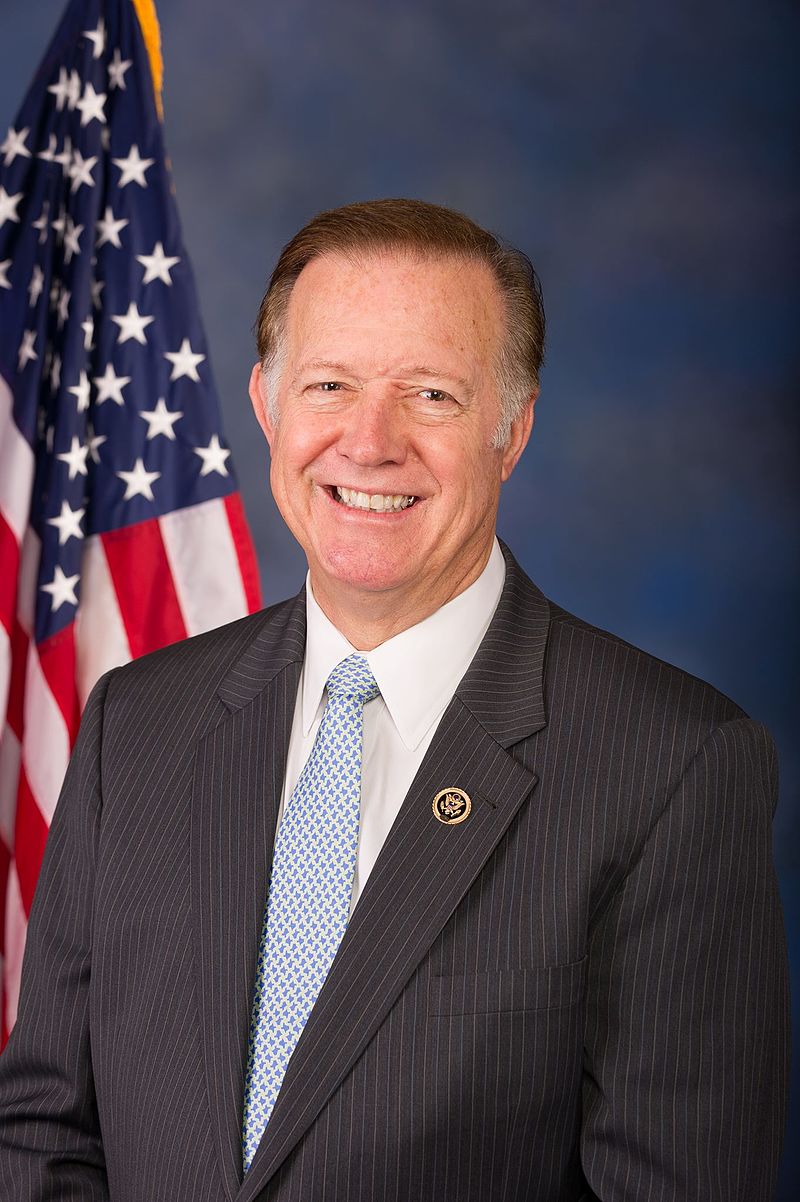

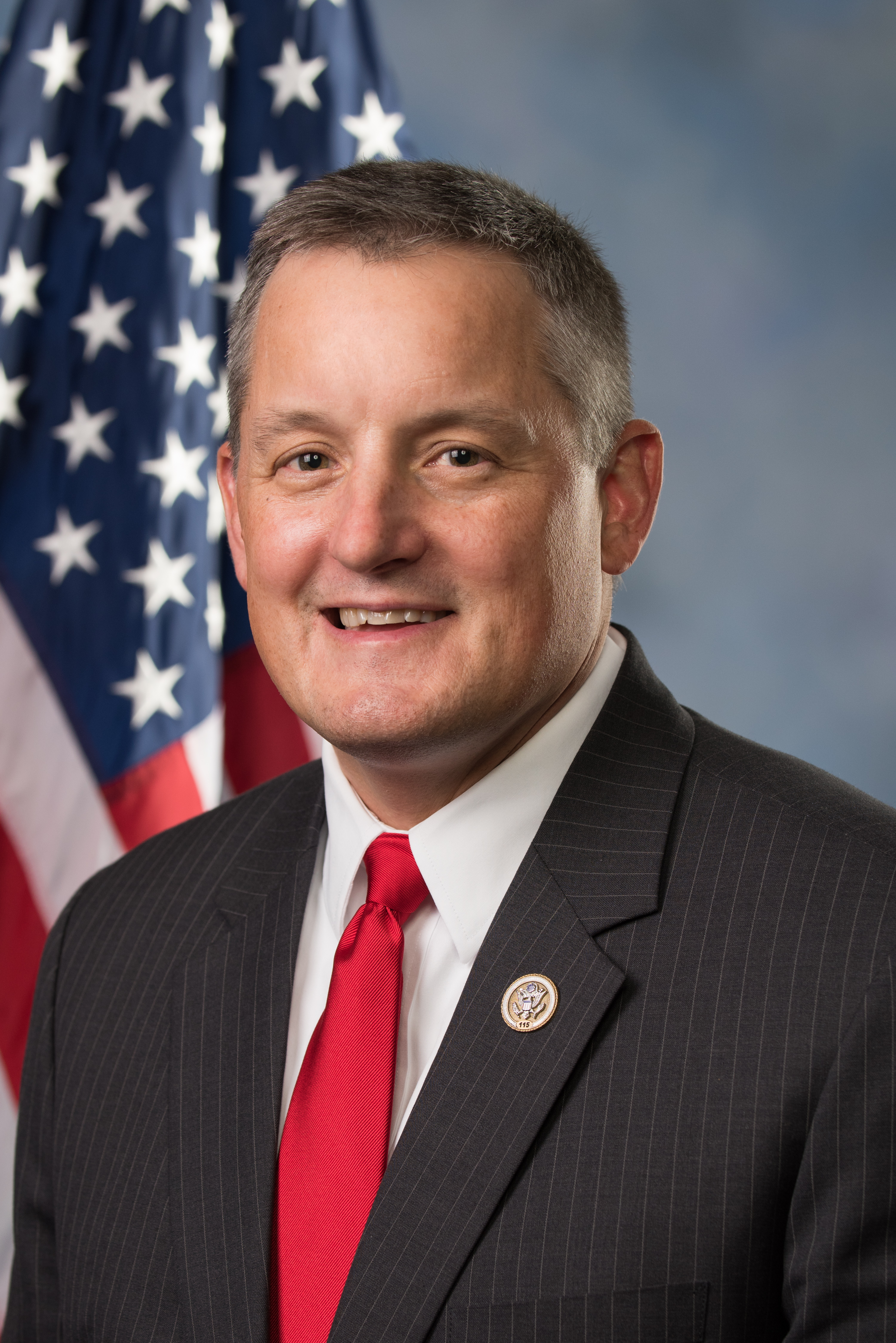





Nay (214)



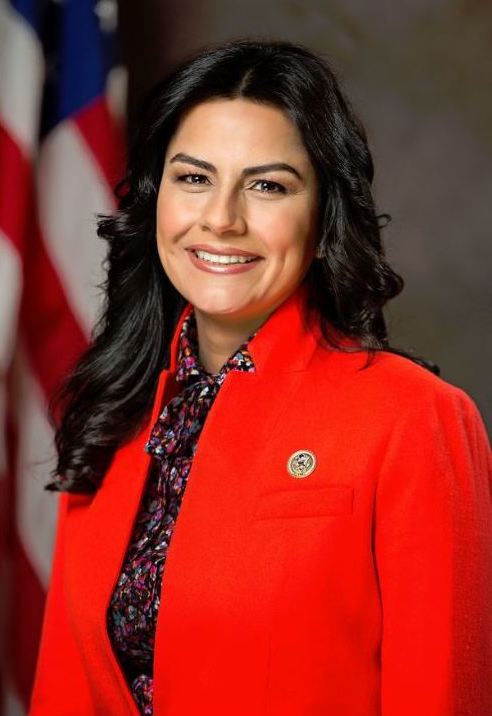
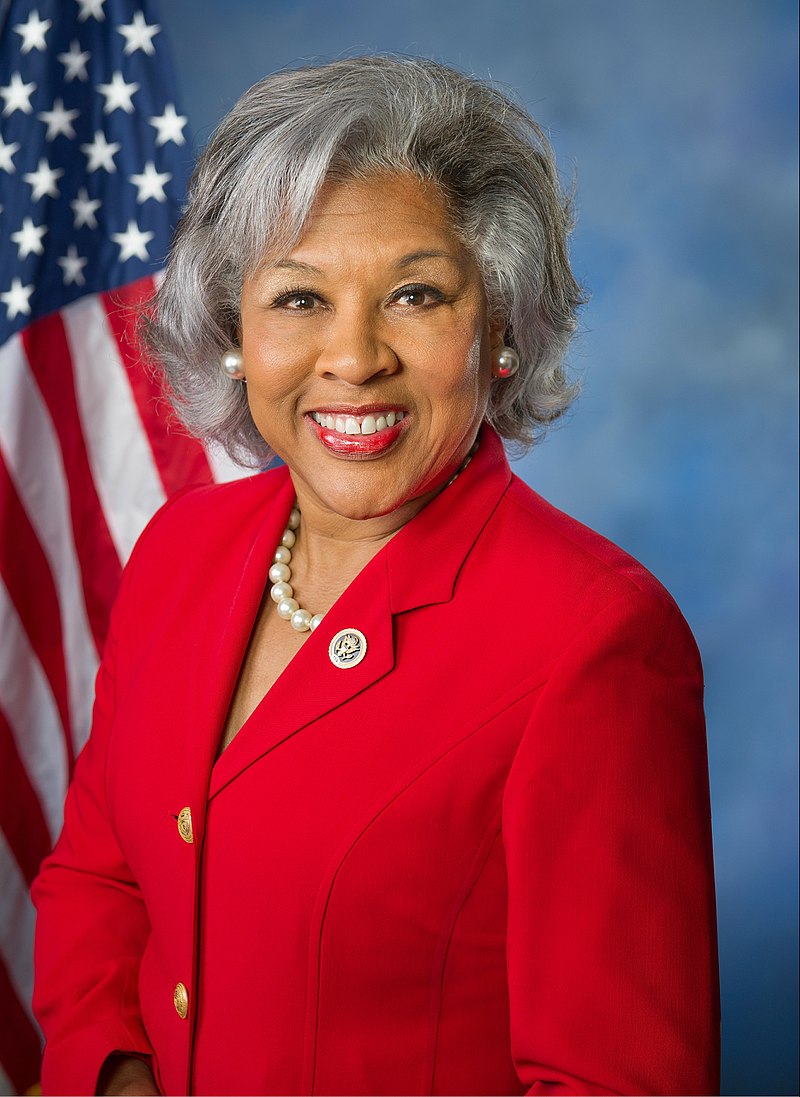


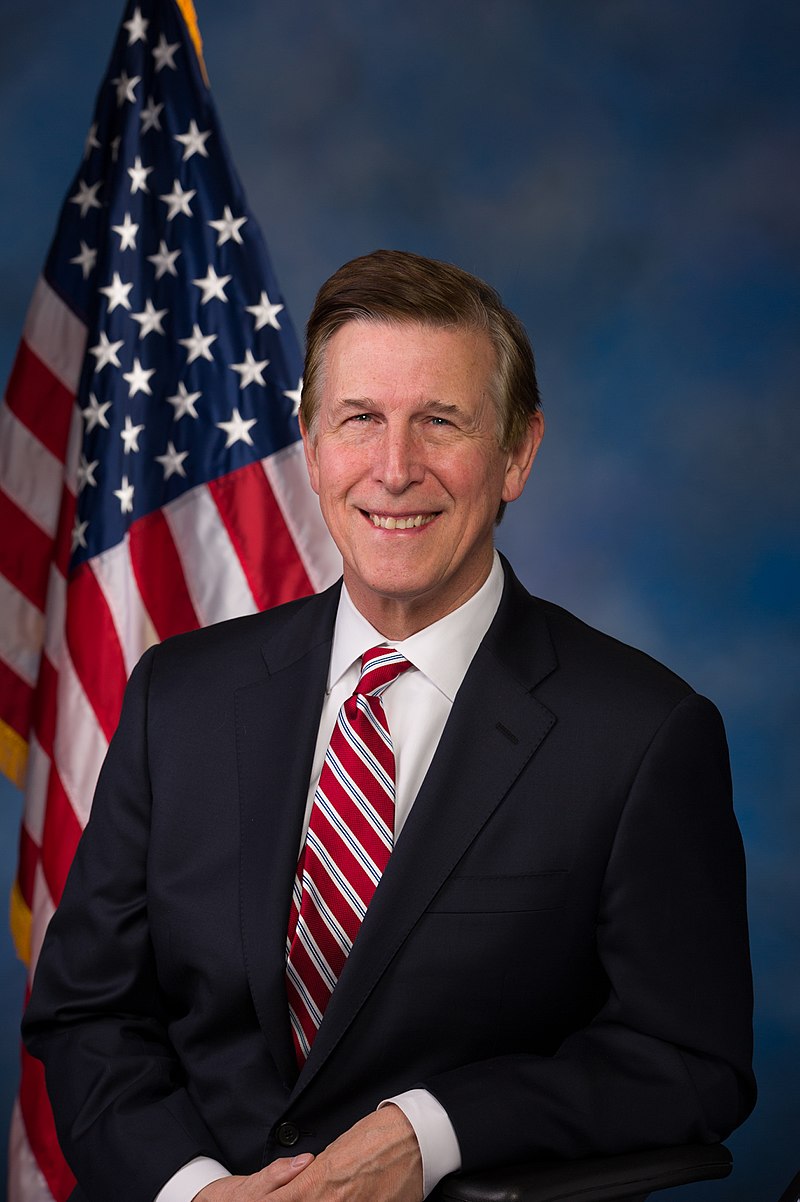
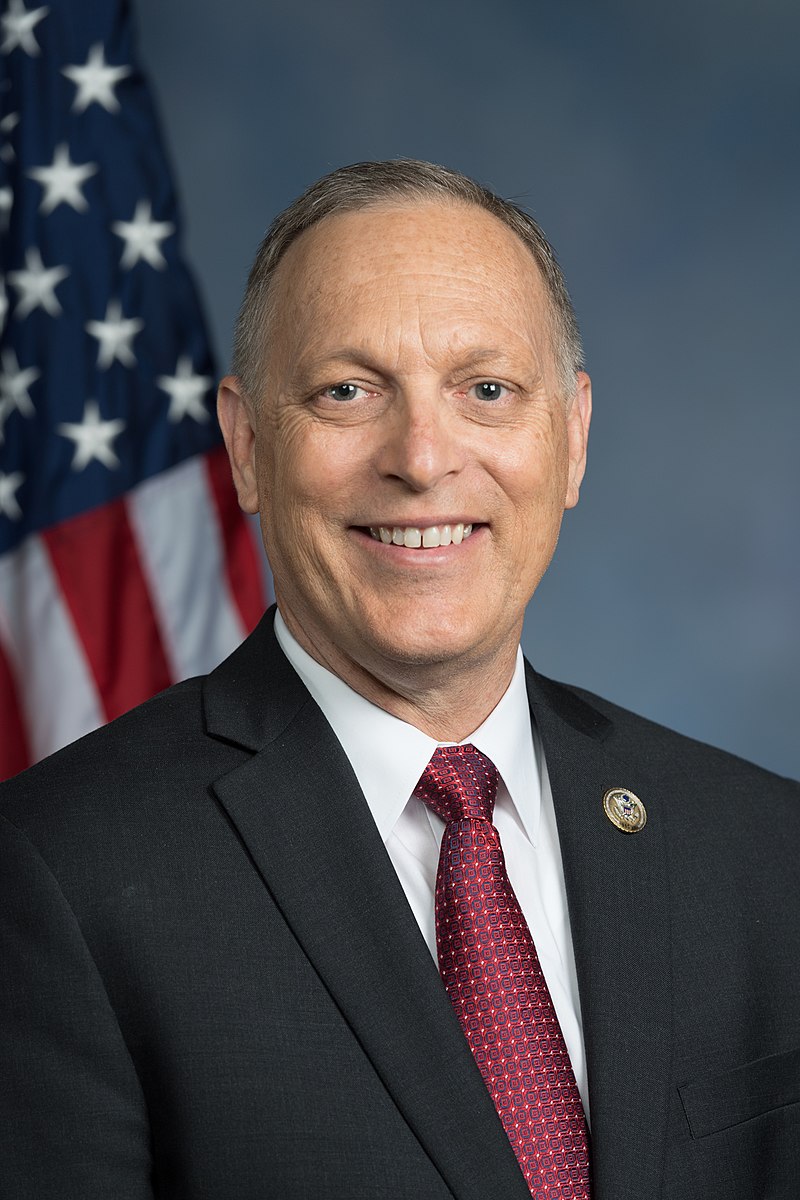

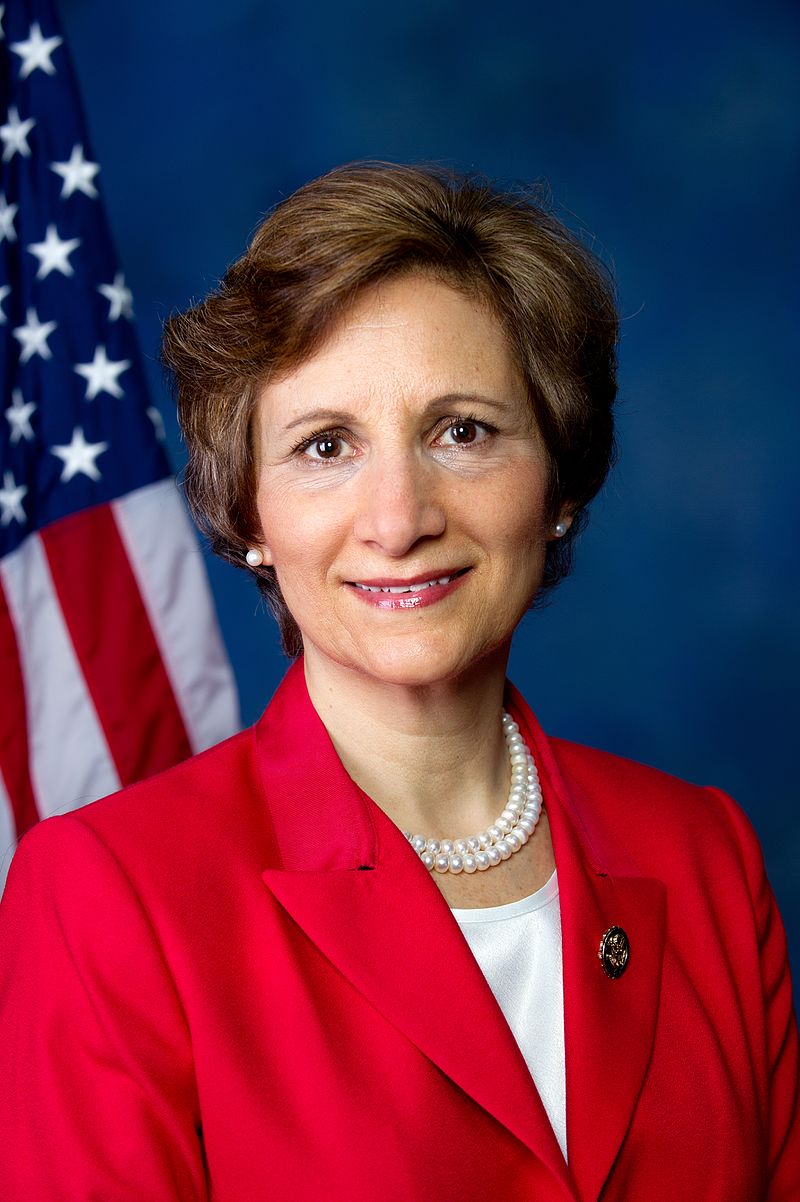
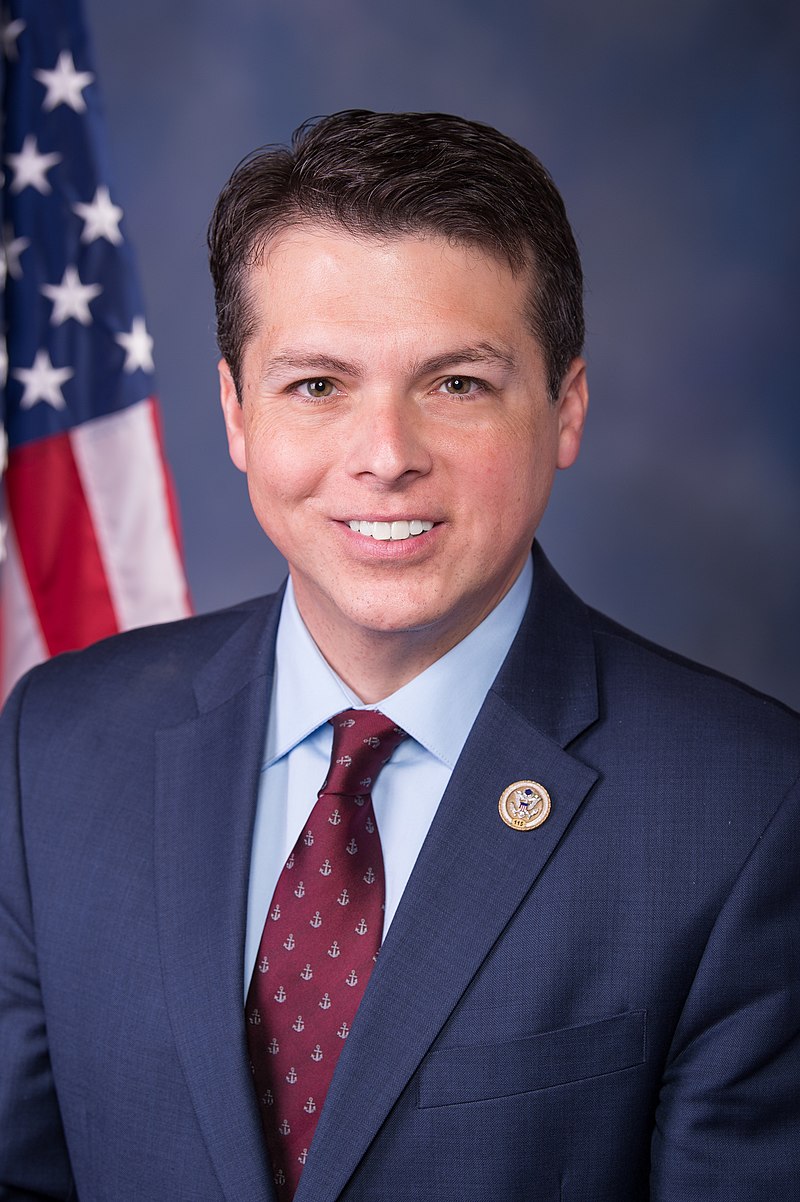

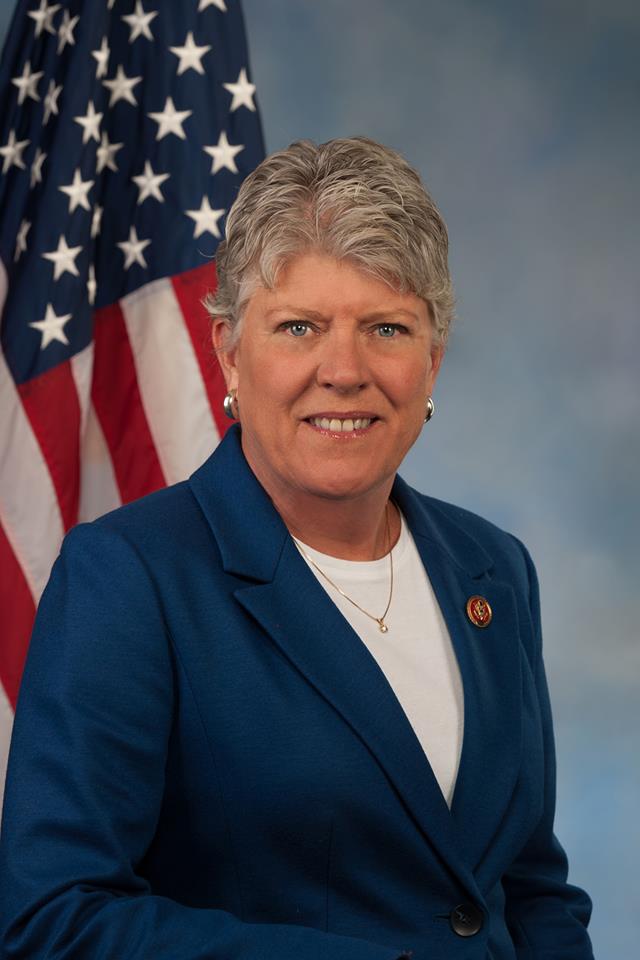
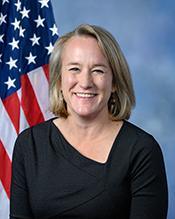
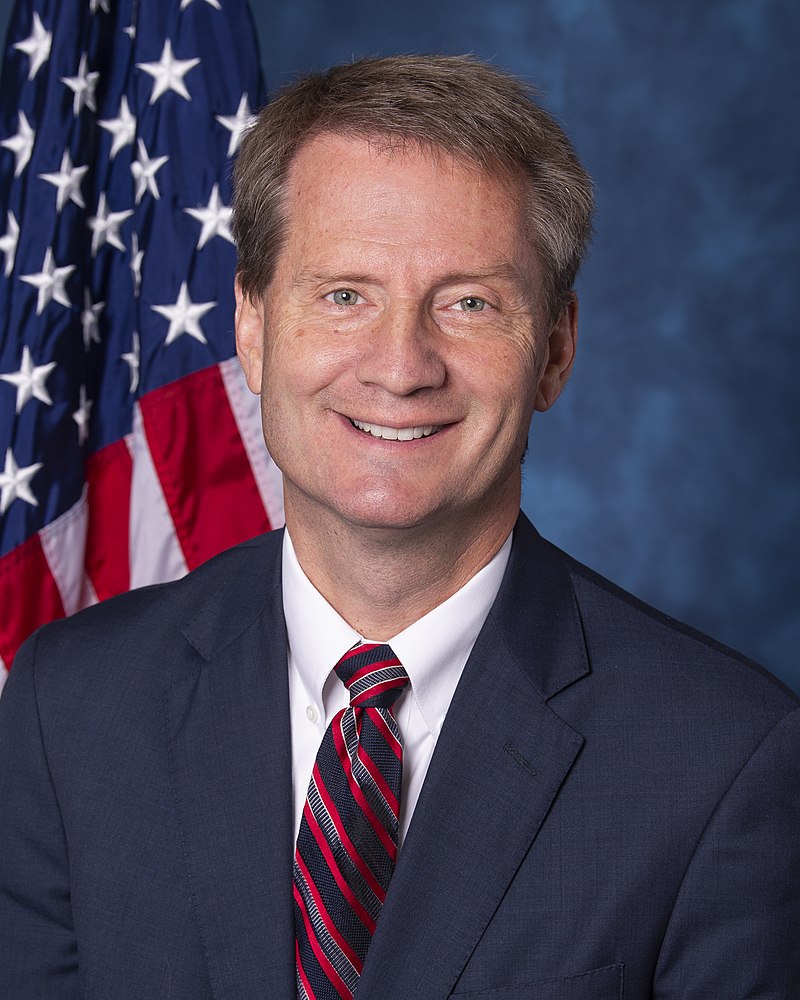
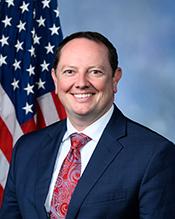


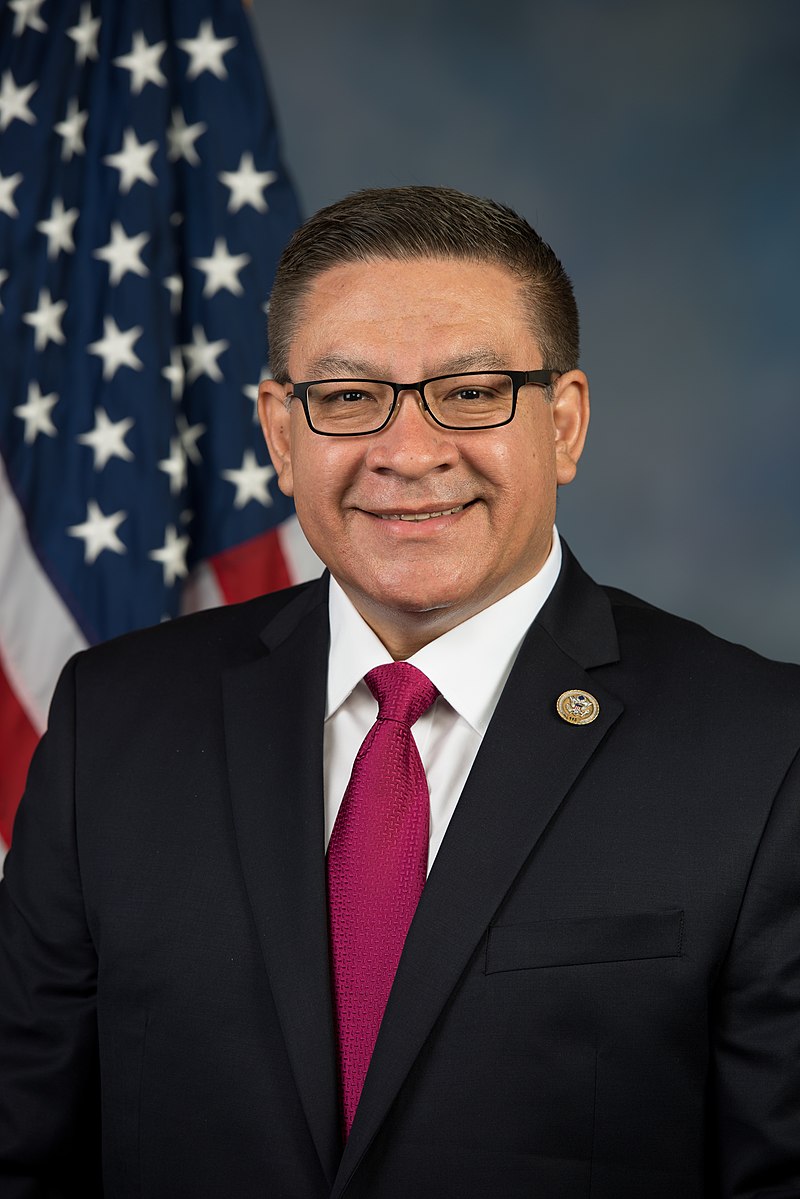
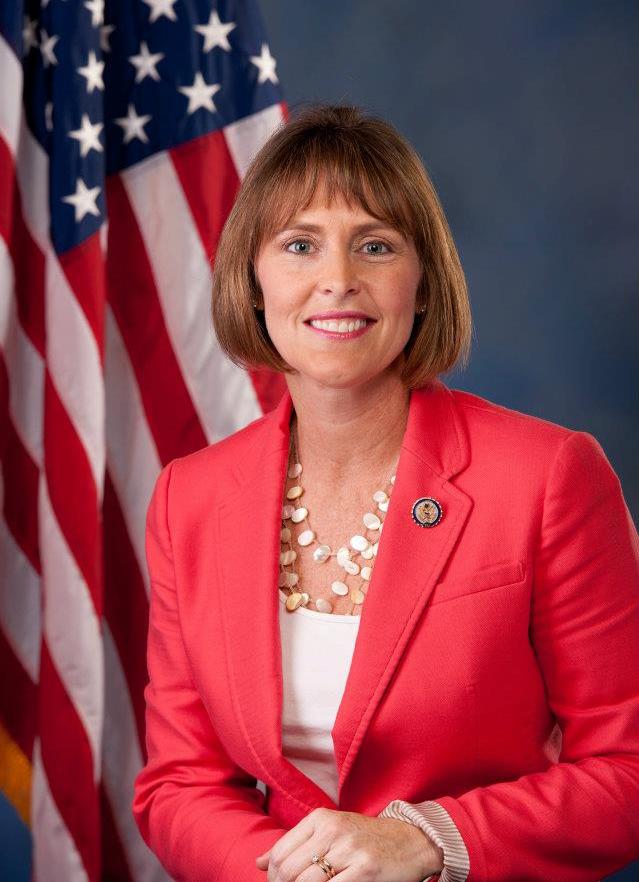
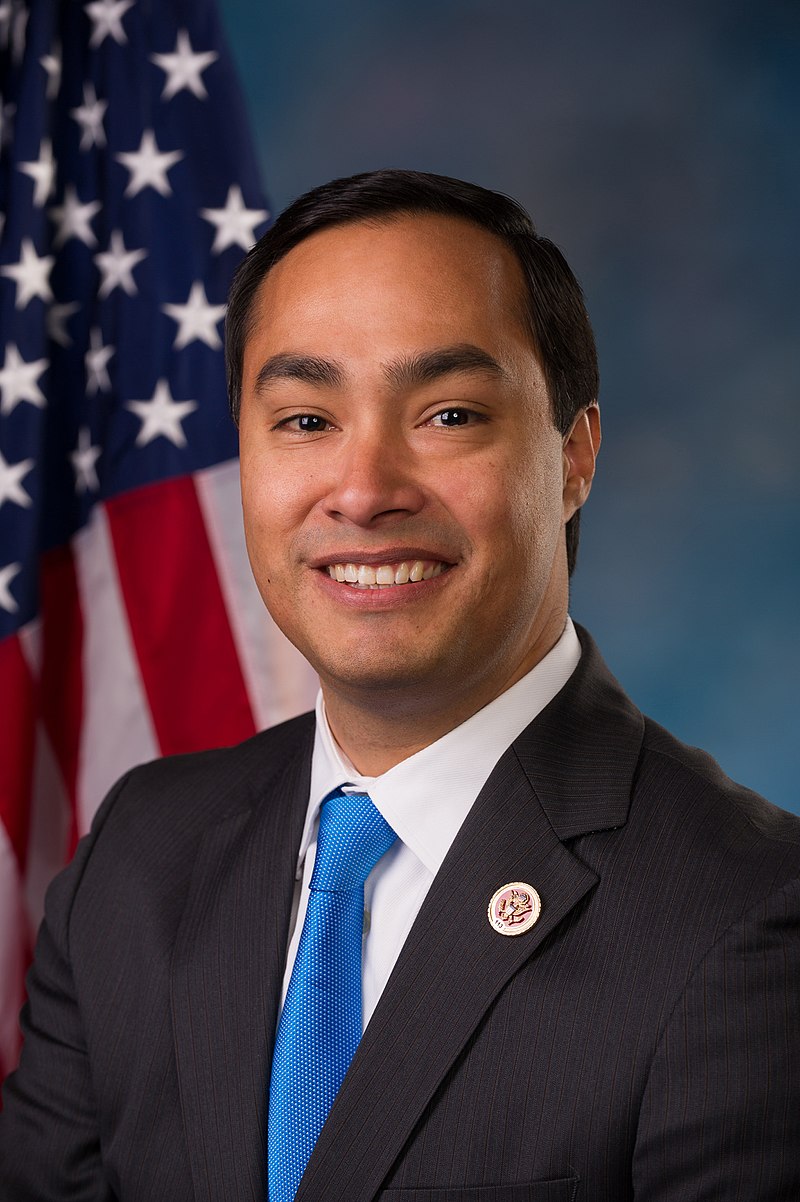

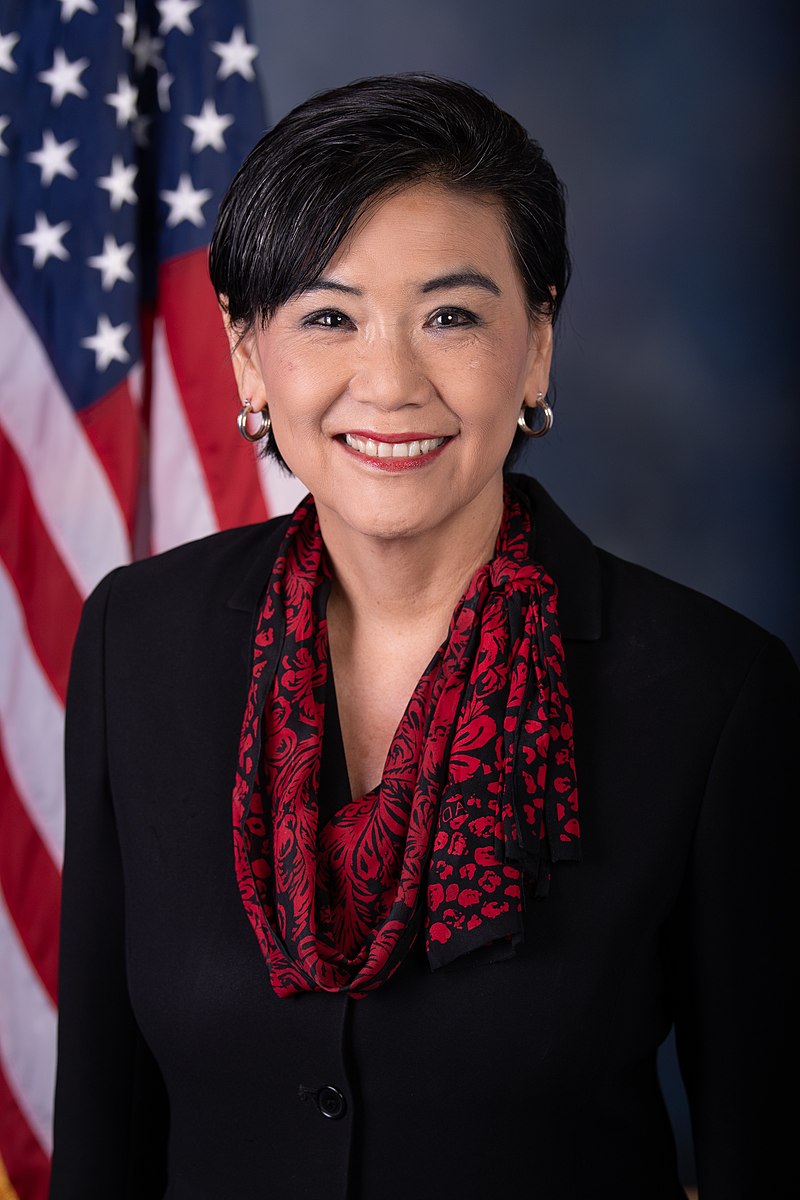
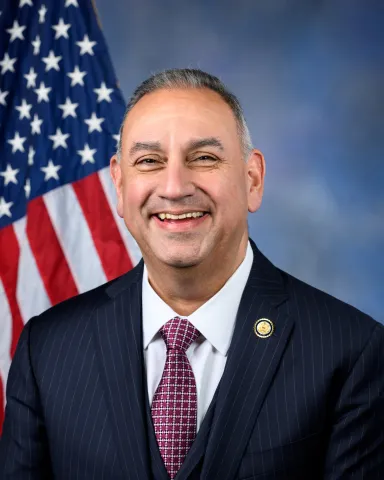


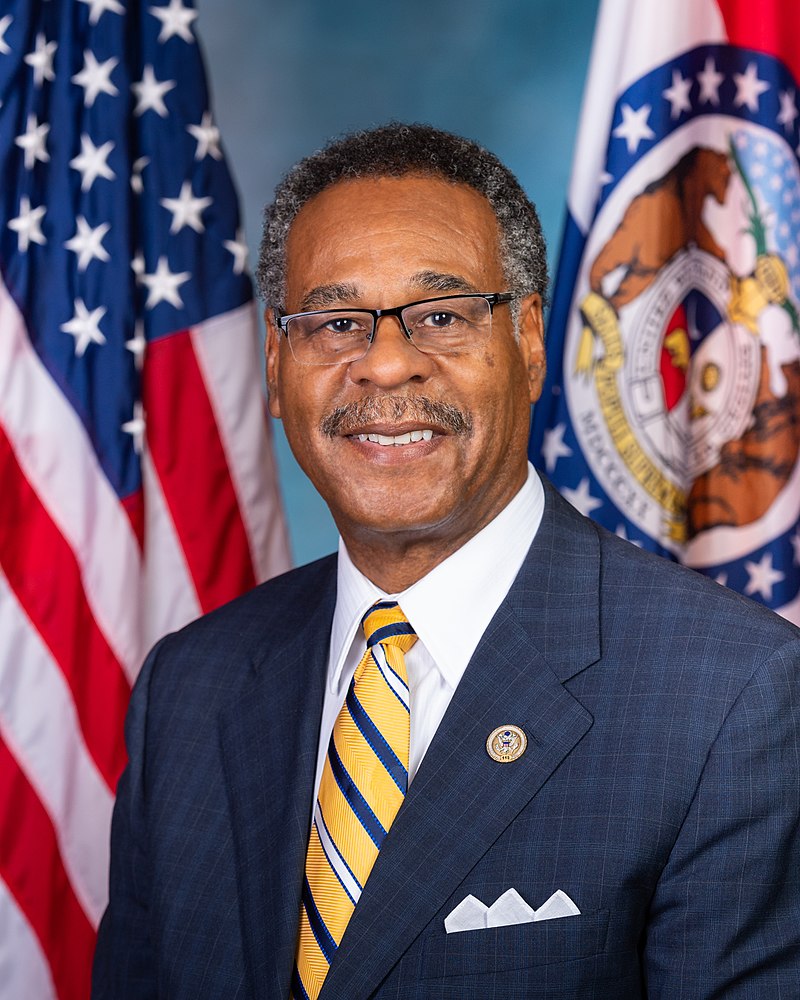

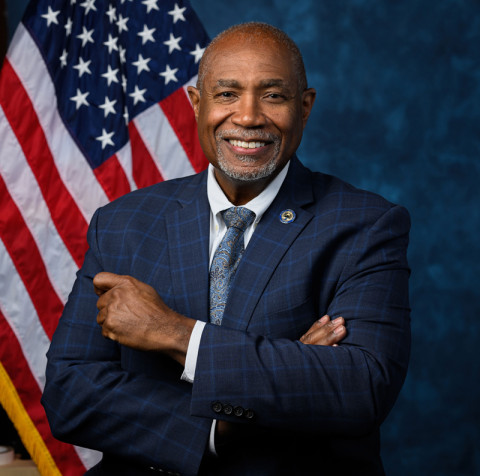
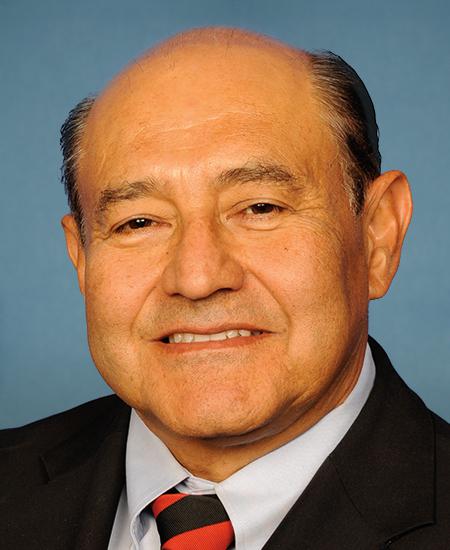
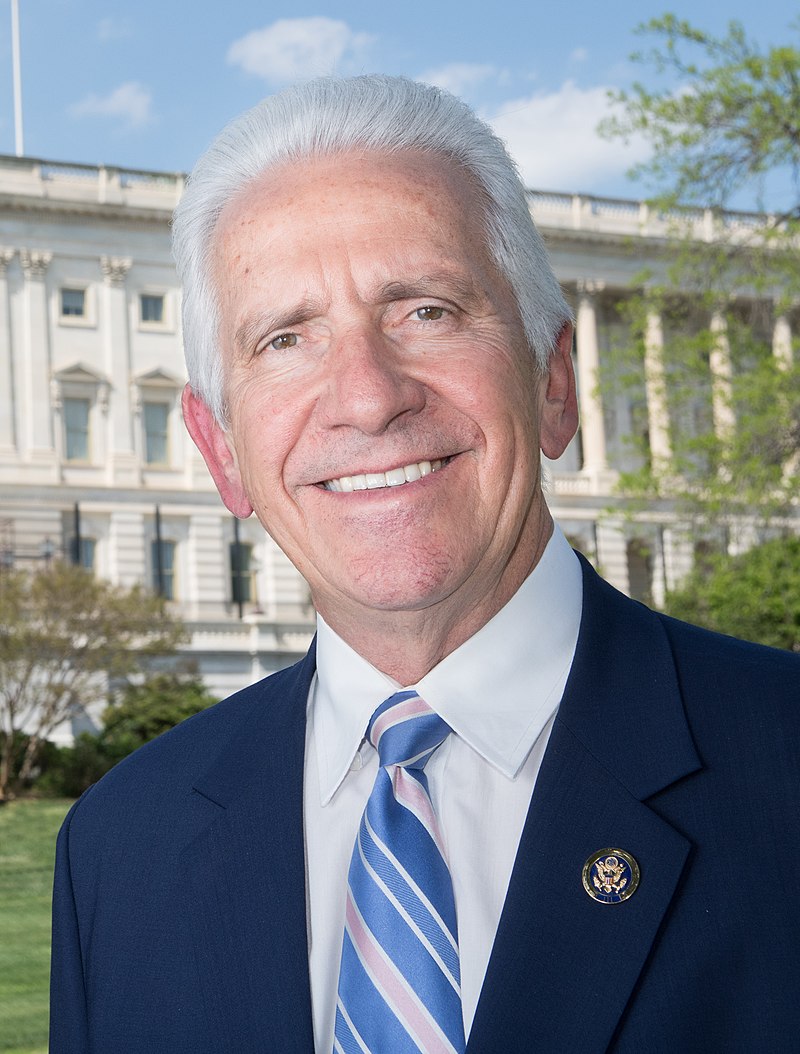



J
Jason Crow





L
Lloyd Doggett








J
John Garamendi

















J
John Mannion


L
Lucy McBath





C
Christian Menefee
























D
David Schweikert








E
Eric Swalwell


R
Rashida Tlaib





N
Nydia Velázquez

D
Debbie Wasserman Schultz