H.Res.1032 — Providing for consideration of the Senate amendments to the bill (H.R. 7148); providing for consideration of the joint resolution (H.J.Res. 142); and providing for consideration of the bill (H.R. 4090)
House Roll Call
H.Res.1032
| Bill | H.Res.1032 — Providing for consideration of the Senate amendments to the bill (H.R. 7148); providing for consideration of the joint resolution (H.J.Res. 142); and providing for consideration of the bill (H.R. 4090) |
|---|---|
| Vote question | On Agreeing to the Resolution |
| Vote type | Recorded Vote |
| Result | Passed |
| Totals | Yea 217 / Nay 215 / Present 0 / Not Voting 0 |
| Party | Yea | Nay | Present | Not Voting |
|---|---|---|---|---|
| R | 217 | 1 | 0 | 0 |
| D | 0 | 214 | 0 | 0 |
| I | 0 | 0 | 0 | 0 |
Research Brief
On Agreeing to the Resolution
Bill Analysis
H.Res. 1032 is a House rules (procedural) resolution that sets the terms for floor consideration of three separate measures; it does not itself appropriate money, change tax law, or regulate mining, but governs how the House will debate and amend those bills.
Senate amendments to H.R. 7148 (FY2026 consolidated appropriations)
- Provides a special rule for taking up and disposing of Senate amendments to a large FY2026 consolidated appropriations bill.
- Typically:
- Deems the House to have agreed or disagreed to specified Senate amendments under structured procedures.
- May specify whether further amendments are in order, time limits for debate, and how motions to concur or concur with amendment are handled.
- Affects: House floor process, not agencies directly. Substantive impact occurs through H.R. 7148 itself (funding for federal departments and programs through Sept. 30, 2026).
H.J. Res. 142 (disapproval of D.C. tax legislation)
- Sets the terms for considering a joint resolution that would overturn the District of Columbia’s “Income and Franchise Tax Conformity and Revision Temporary Amendment Act of 2025” under the Home Rule Act.
- Likely includes:
- One hour of debate, controlled by specified committees.
- Waiver of points of order and restrictions on amendments (often a closed rule).
- Affects:
- D.C. government tax policy authority.
- D.C. taxpayers and businesses, depending on whether the disapproval is ultimately enacted.
H.R. 4090 (domestic mining and hardrock minerals)
- Establishes procedures for considering a bill to codify portions of existing Executive Orders related to domestic mining and hardrock mineral resources.
- Likely provides:
- Structured or closed rule, defined debate time, and amendment limits.
- Substantive effects (on mining companies, federal land managers, permitting, and supply chains) would come from H.R. 4090, not this resolution.
Timelines and procedural effects
- H.Res. 1032 takes effect upon House adoption and applies only to the consideration of these three measures during the specified legislative window.
- It centralizes control of debate and amendment opportunities in the Rules Committee and House majority, shaping—but not itself determining—the final policy outcomes on appropriations, D.C. tax law, and mineral policy.
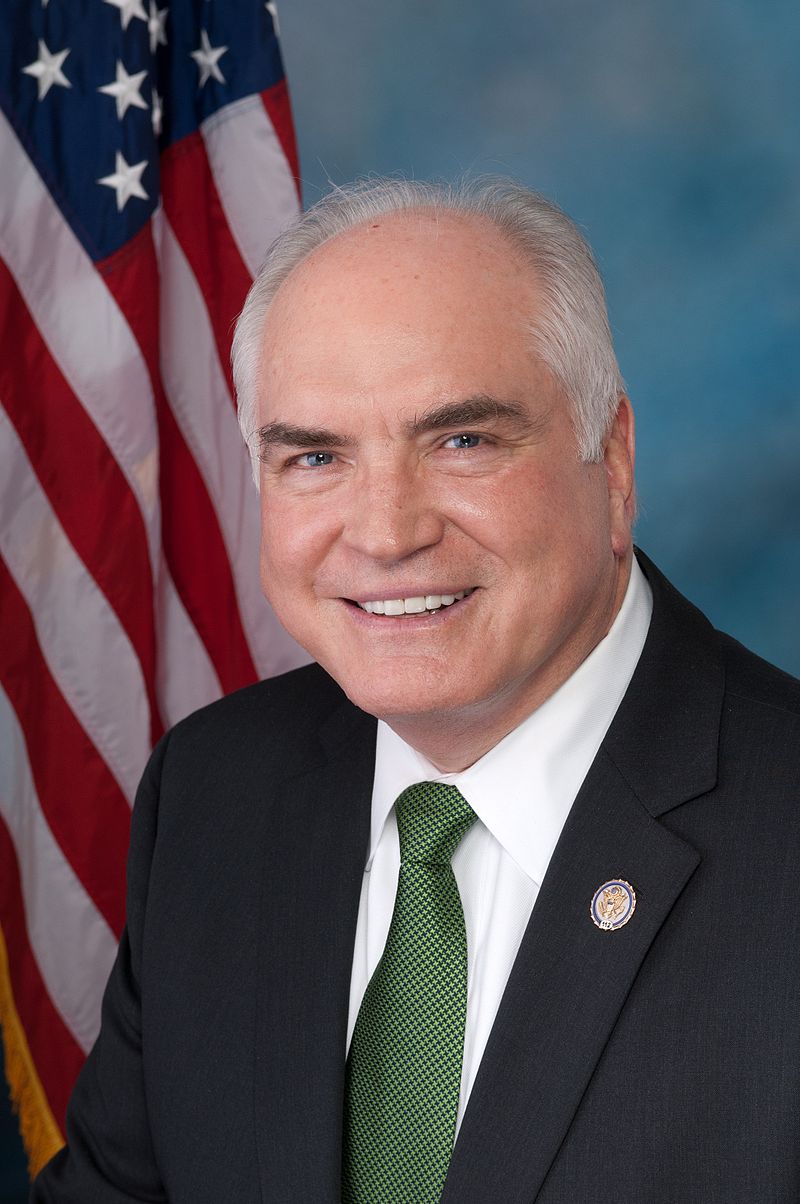
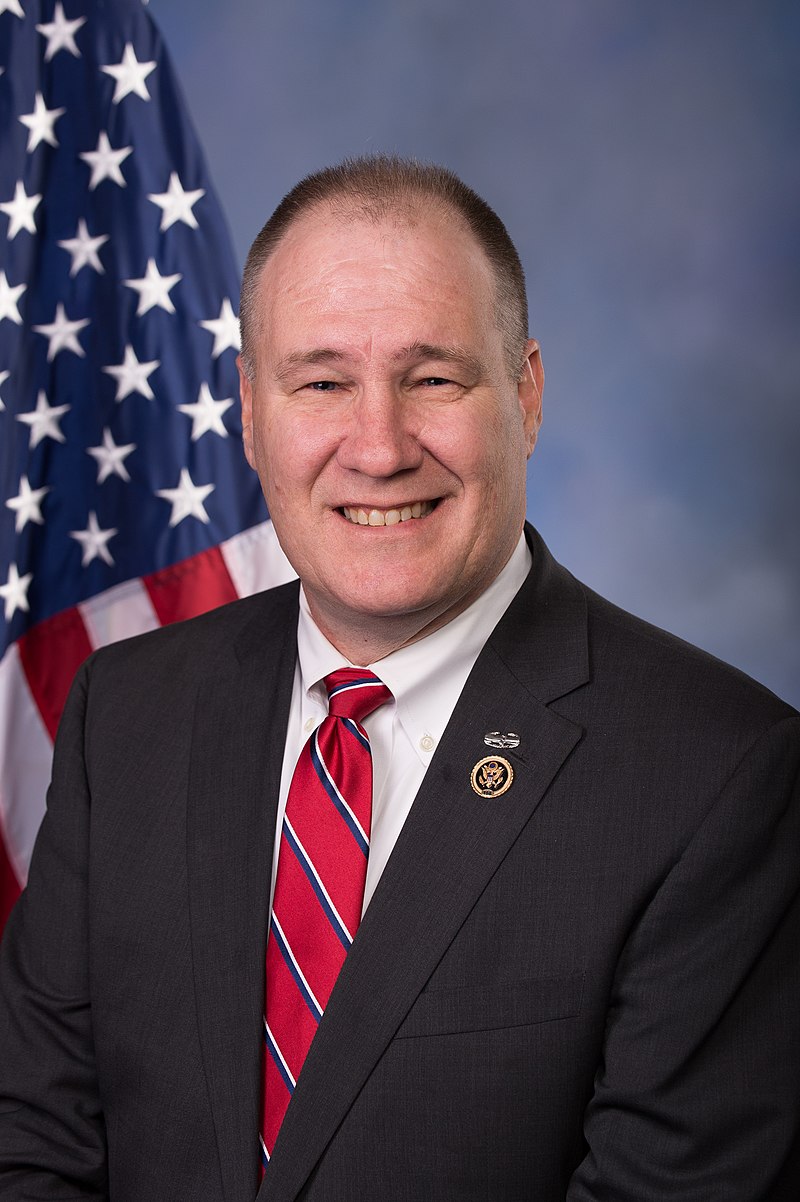
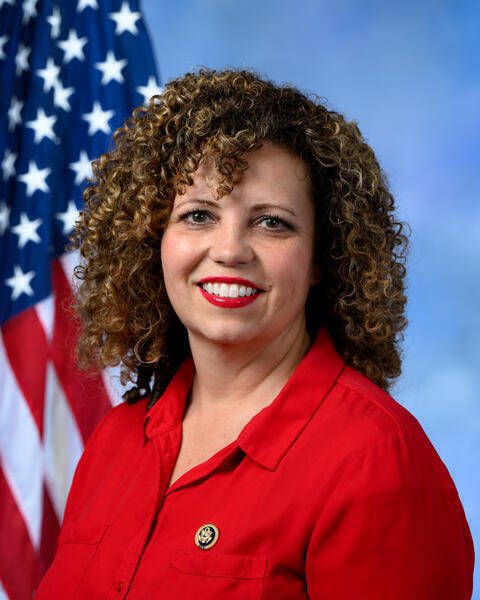
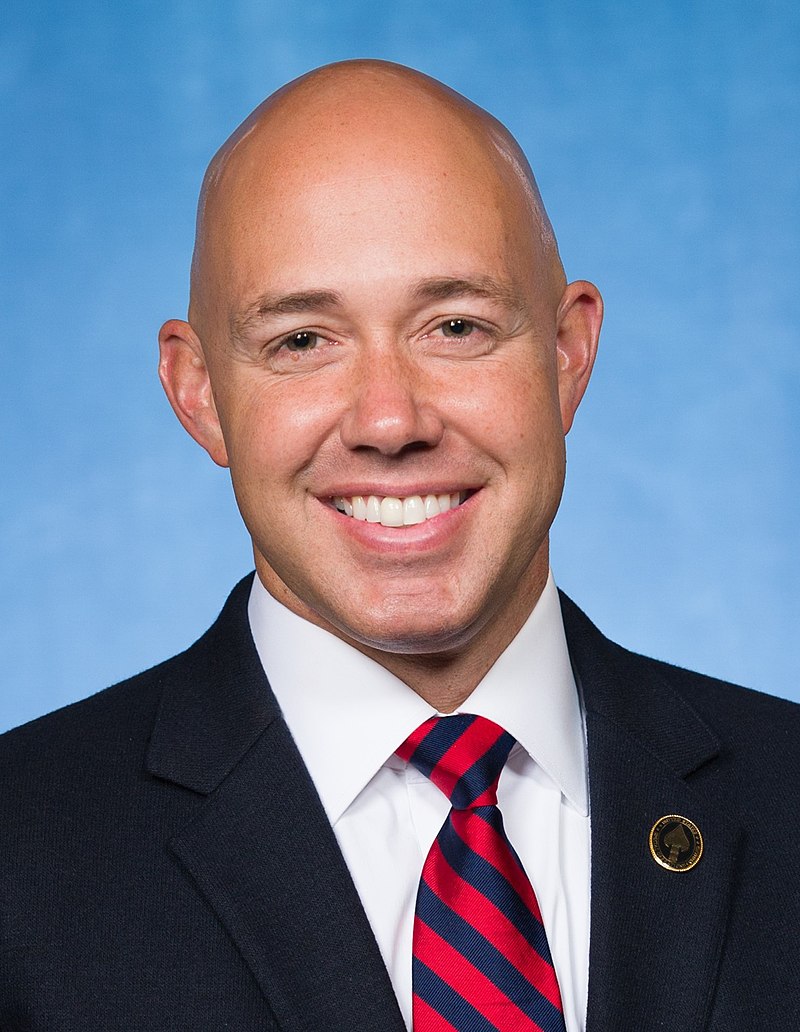
Yea (217)
























K
Ken Calvert



































S
Scott Franklin







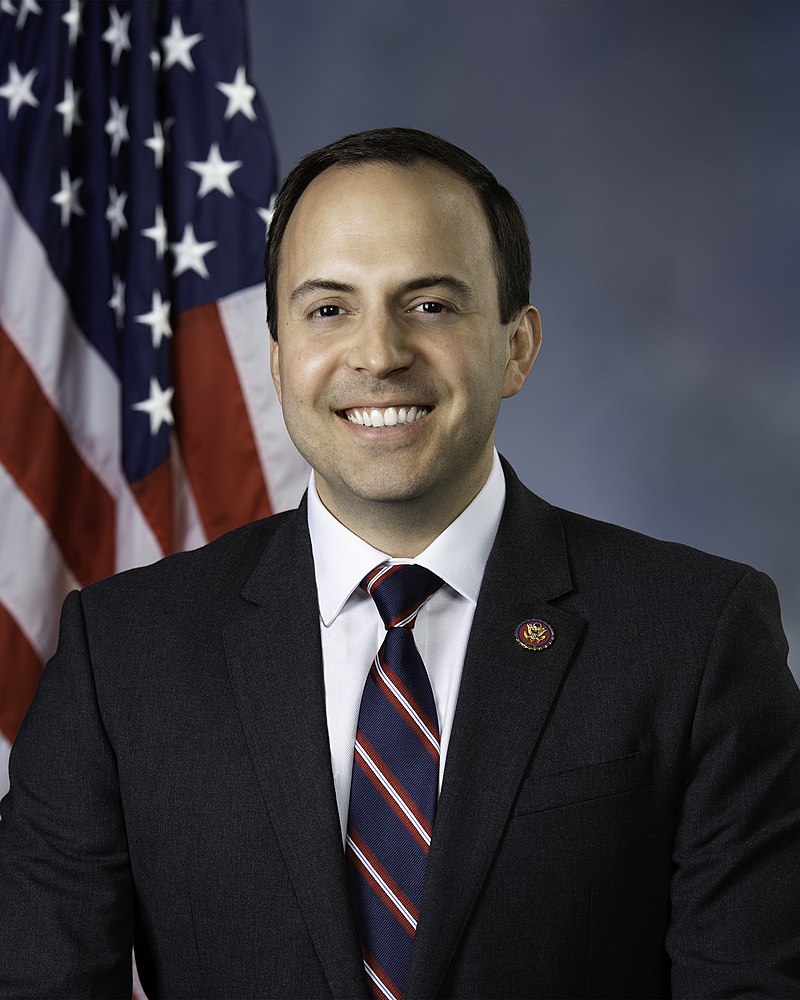

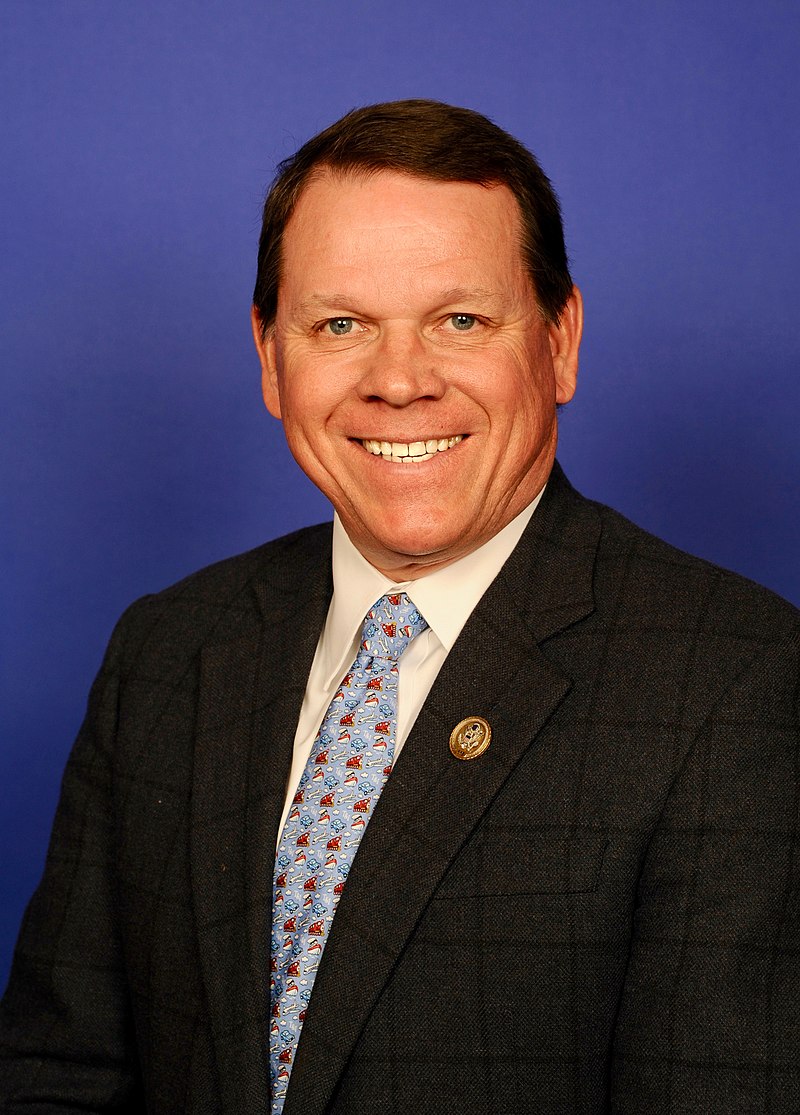

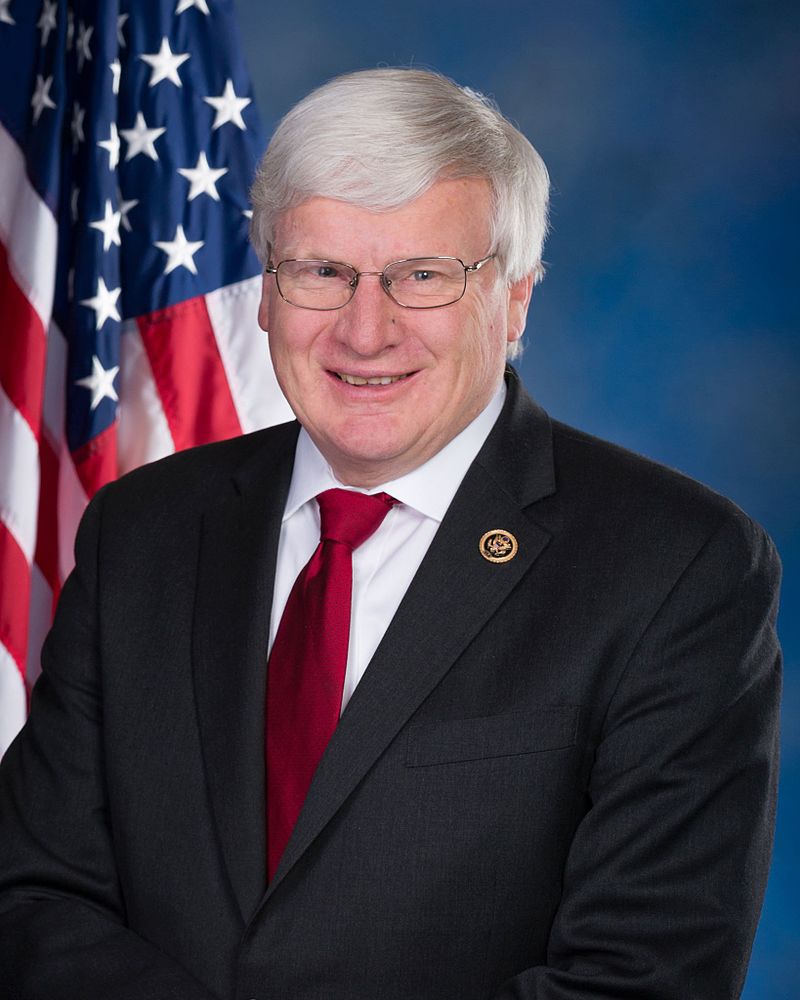

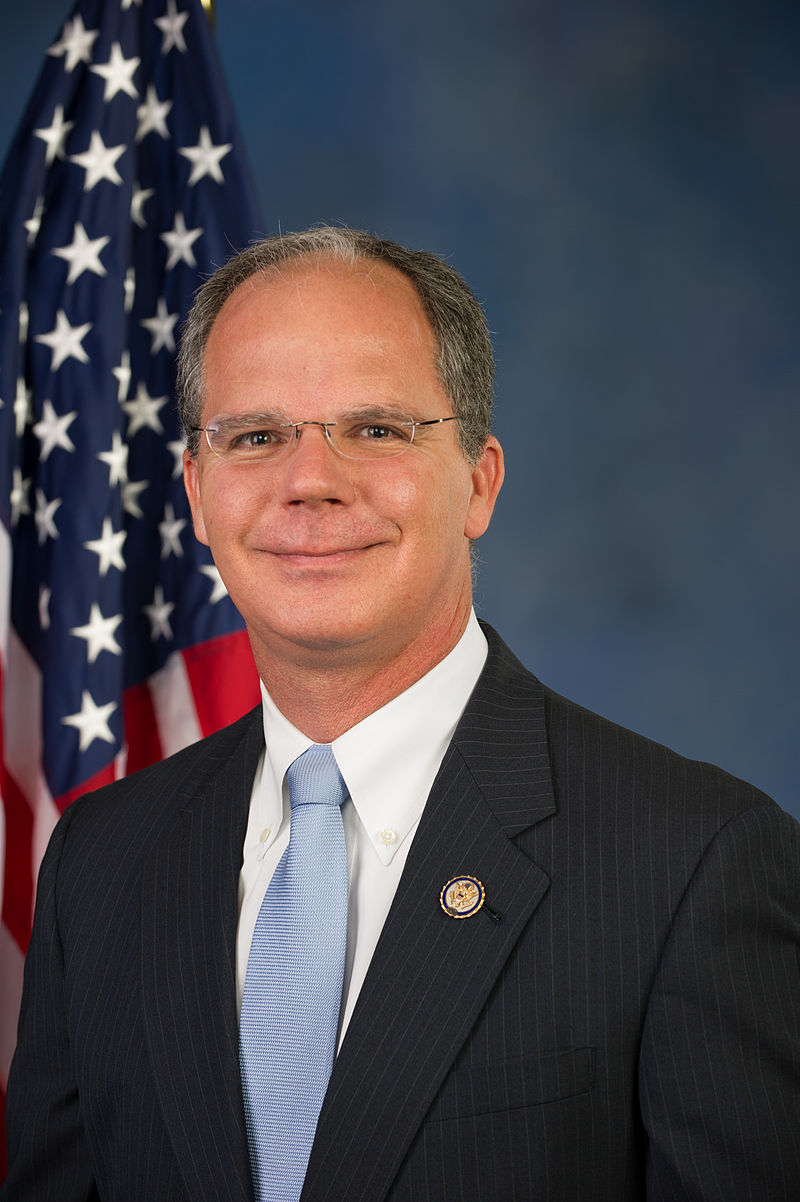
















































L
Lisa McClain


































J
John Rutherford



D
David Schweikert


P
Pete Sessions



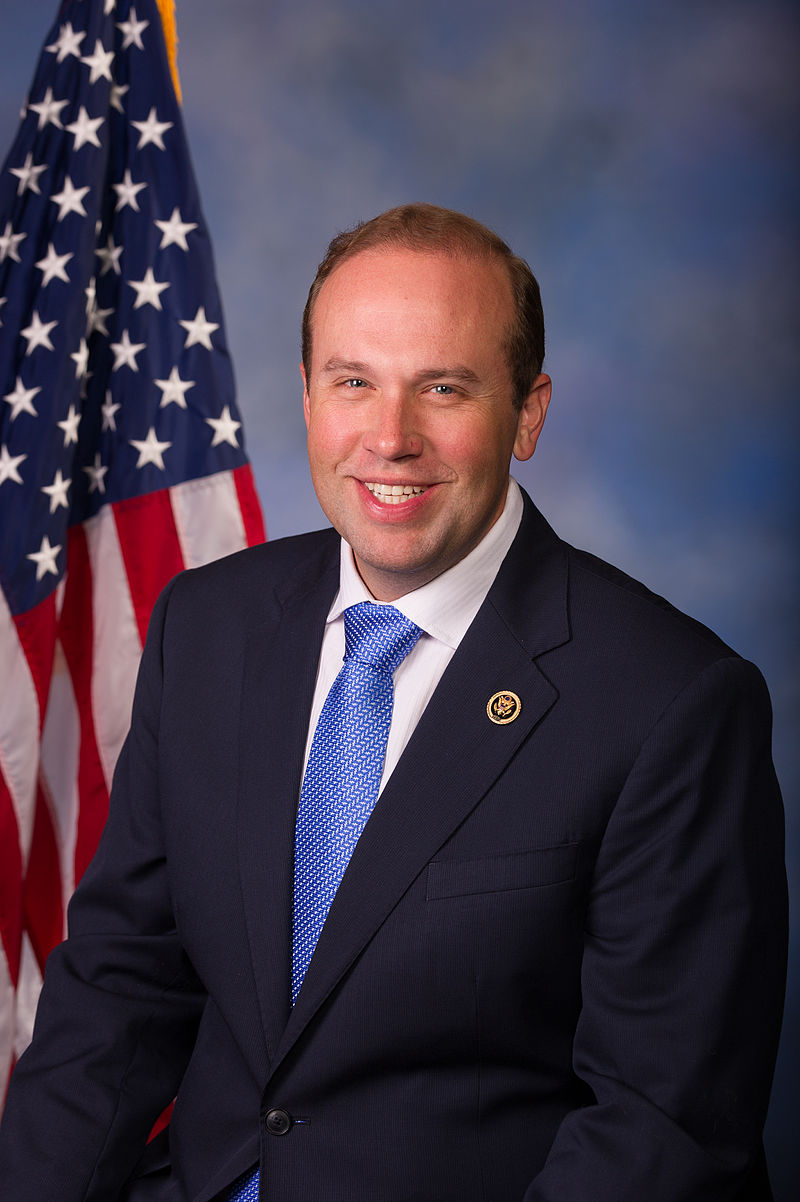
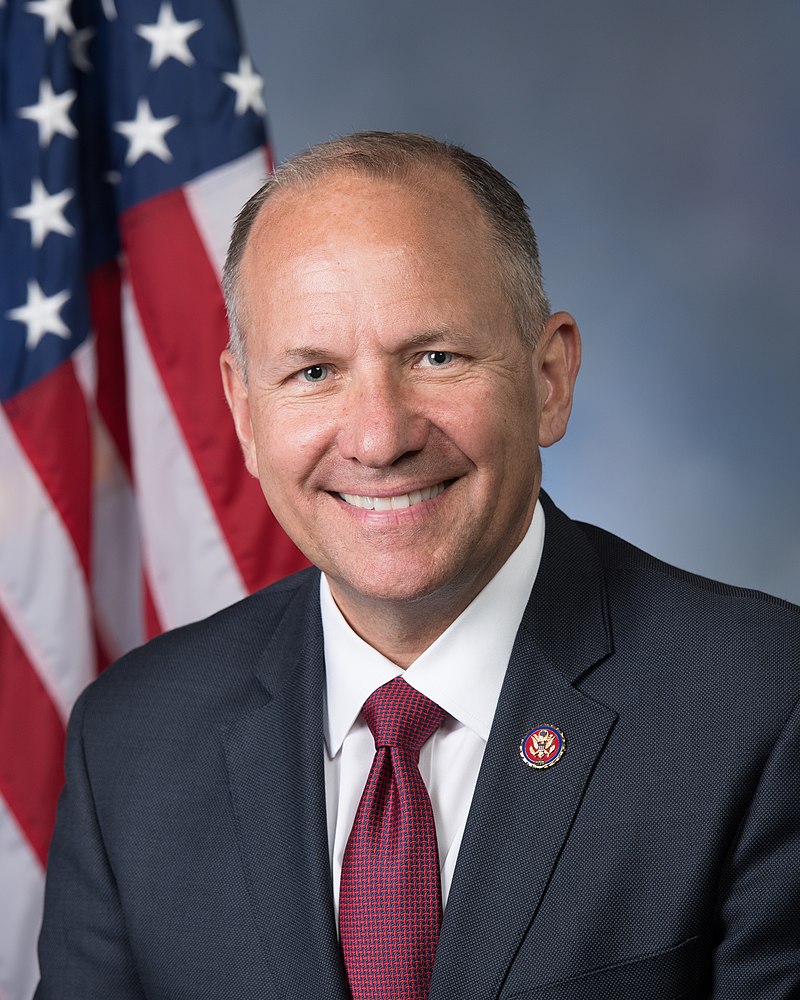





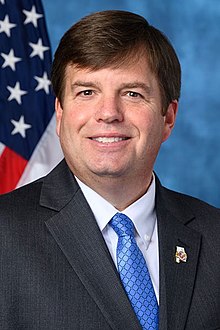

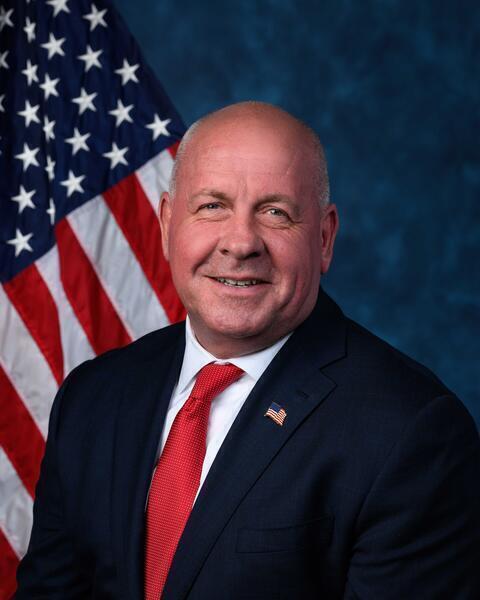


















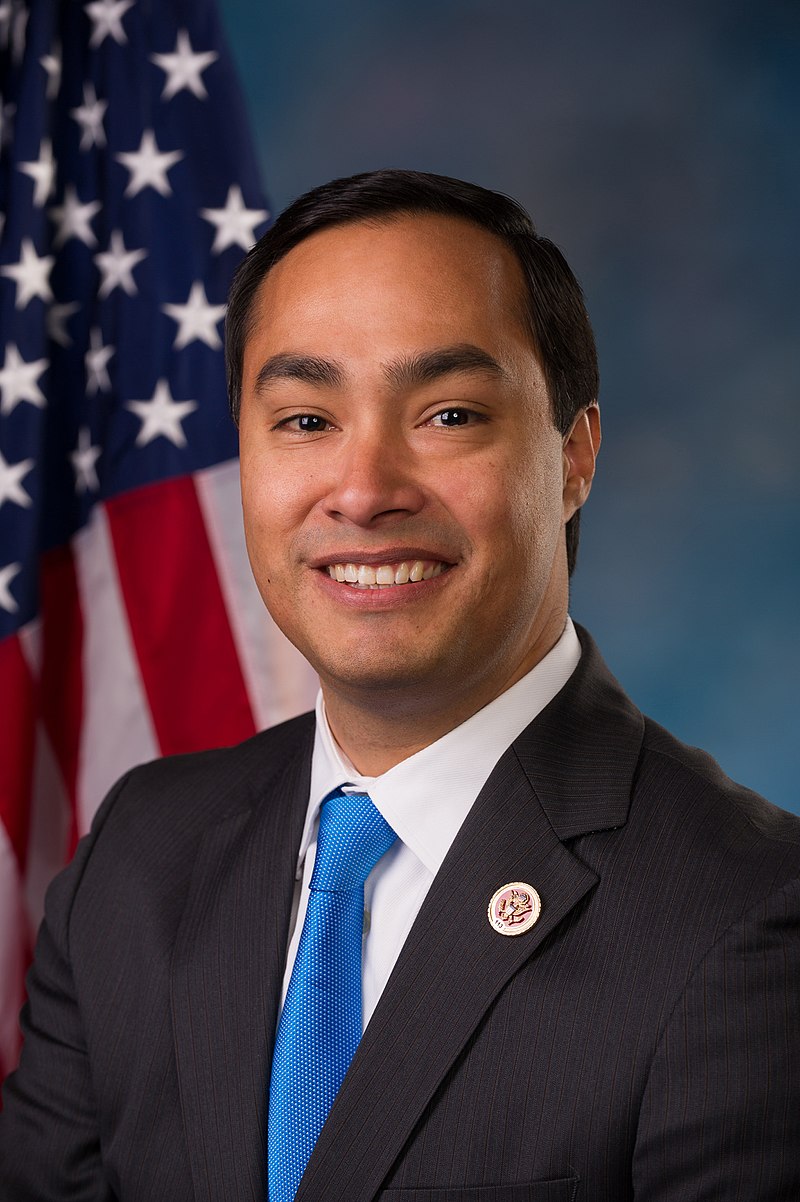
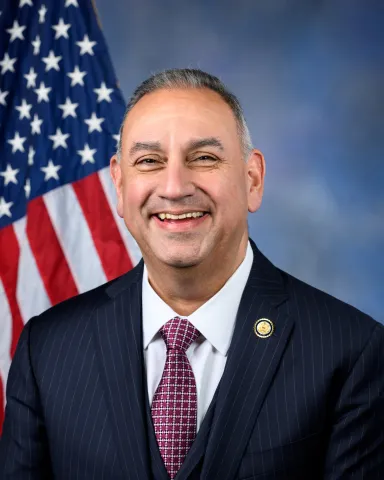
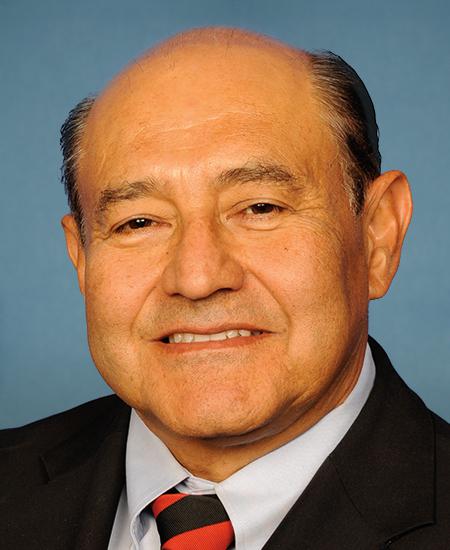
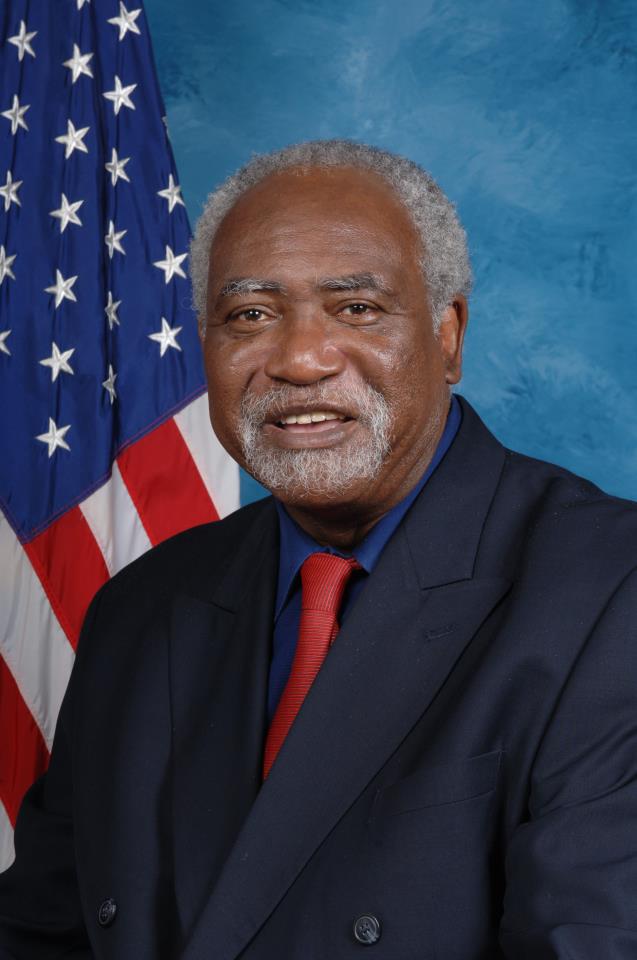
Nay (215)

































J
Jason Crow










L
Lloyd Doggett








J
John Garamendi












































J
John Mannion


L
Lucy McBath






C
Christian Menefee



















































E
Eric Swalwell




R
Rashida Tlaib







N
Nydia Velázquez


D
Debbie Wasserman Schultz