H.Res.1032 — Providing for consideration of the Senate amendments to the bill (H.R. 7148); providing for consideration of the joint resolution (H.J.Res. 142); and providing for consideration of the bill (H.R. 4090)
House Roll Call
H.Res.1032
| Bill | H.Res.1032 — Providing for consideration of the Senate amendments to the bill (H.R. 7148); providing for consideration of the joint resolution (H.J.Res. 142); and providing for consideration of the bill (H.R. 4090) |
|---|---|
| Vote question | On Ordering the Previous Question |
| Vote type | Yea-and-Nay |
| Result | Passed |
| Totals | Yea 212 / Nay 210 / Present 0 / Not Voting 10 |
| Party | Yea | Nay | Present | Not Voting |
|---|---|---|---|---|
| R | 212 | 1 | 0 | 5 |
| D | 0 | 209 | 0 | 5 |
| I | 0 | 0 | 0 | 0 |
Research Brief
On Ordering the Previous Question
Bill Analysis
H.Res. 1032 is a House rules (procedural) resolution that sets the terms for floor consideration of three separate measures; it does not itself appropriate money, change tax law, or regulate mining, but it controls how those substantive bills move forward.
Senate amendments to H.R. 7148 (FY2026 consolidated appropriations)
- Provides a special rule for the House to consider Senate amendments to a large FY2026 consolidated appropriations bill.
- Typically specifies:
- How debate time is allocated and controlled (e.g., total hours, which committees manage time).
- Whether amendments to the Senate amendments are allowed, and if so, which (often “closed” or “structured” rule).
- Procedures for motions (e.g., motion to concur, concur with amendment, or reject).
- Affects all agencies funded in H.R. 7148 by determining how easily the House can accept or modify the Senate’s funding and policy language before the September 30, 2026 fiscal year deadline.
H.J. Res. 142 (disapproval of a D.C. tax law)
- Sets the rule for considering a joint resolution that would overturn the District of Columbia’s “Income and Franchise Tax Conformity and Revision Temporary Amendment Act of 2025.”
- Typically provides for limited debate, bars floor amendments, and sets the vote sequence.
- Affects D.C. government and D.C. taxpayers by enabling Congress to fast-track a disapproval vote under the Home Rule Act timeline.
H.R. 4090 (domestic mining and hardrock minerals)
- Establishes terms for House consideration of a bill to codify parts of existing Executive Orders on domestic mining and hardrock mineral resources.
- Usually defines debate time, amendment rules, and points of order that are waived.
- Affects federal land and resource agencies (e.g., Interior, possibly Defense/Energy) and the mining sector by shaping how easily the House can advance statutory backing for those executive policies.
Beneficiaries/regulated parties: House leadership gains procedural control; sponsors of the three measures gain a defined path to a vote; affected stakeholders are indirect—federal agencies, D.C. government, miners, and taxpayers—through the underlying bills, not this resolution itself.
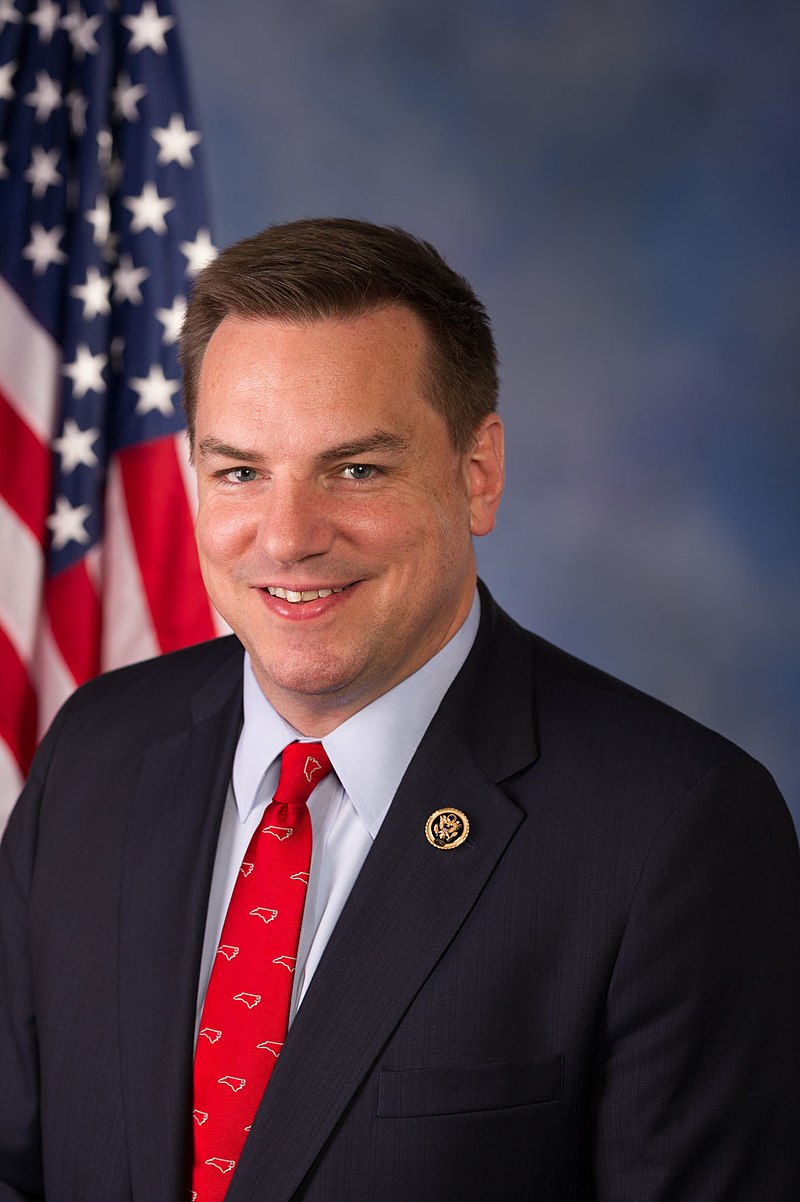
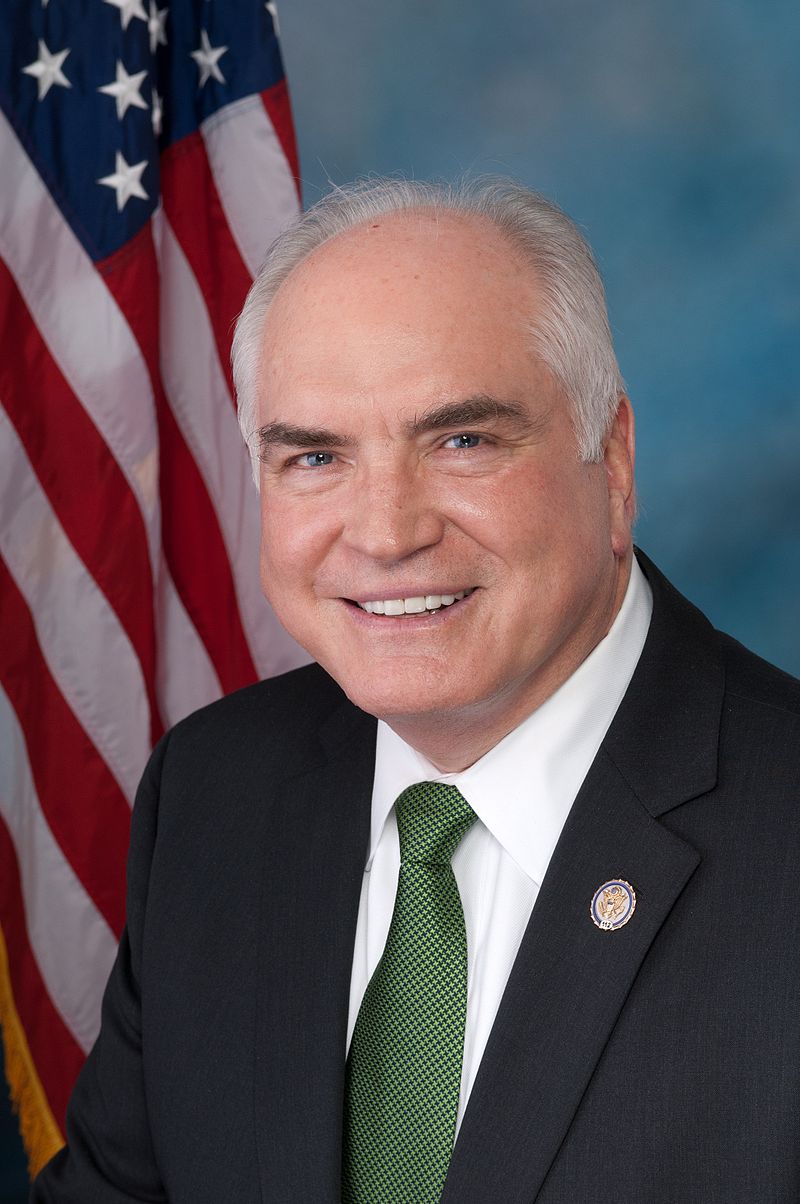
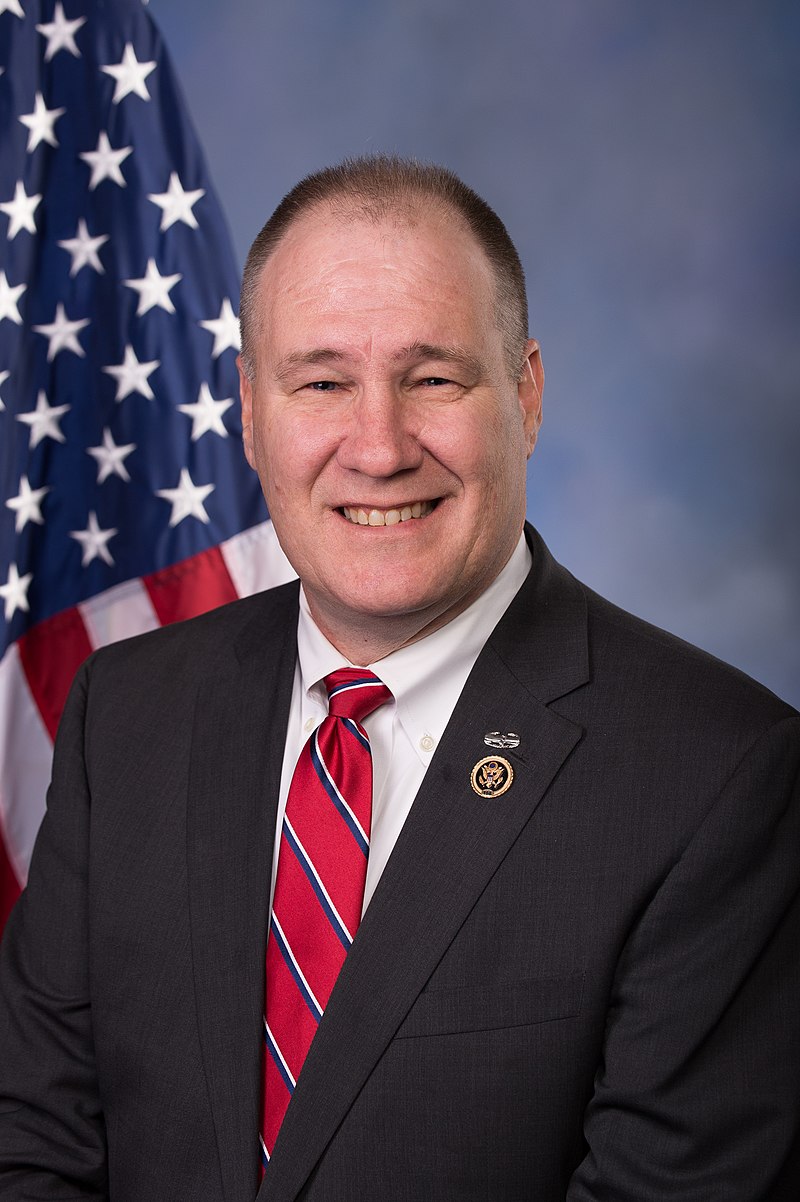
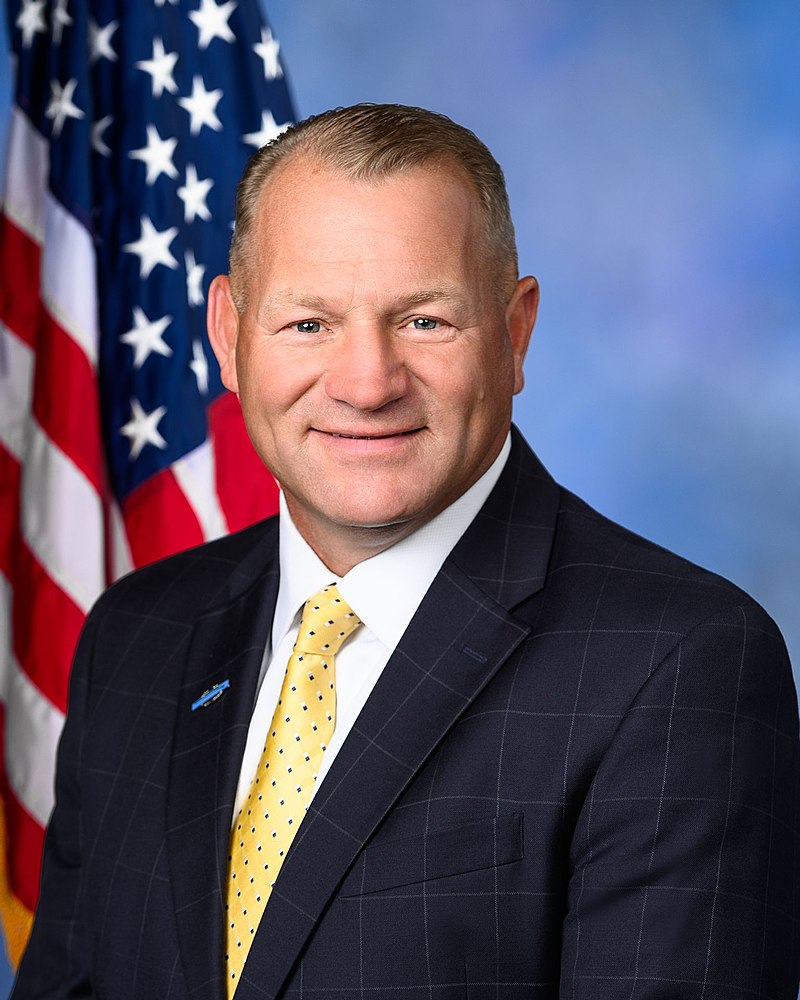
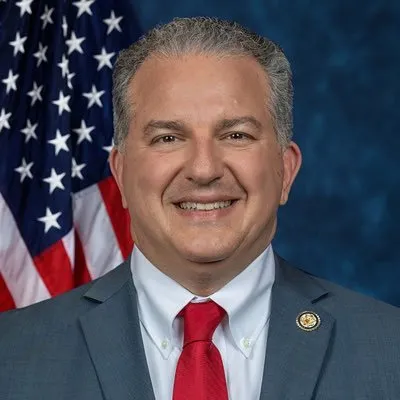
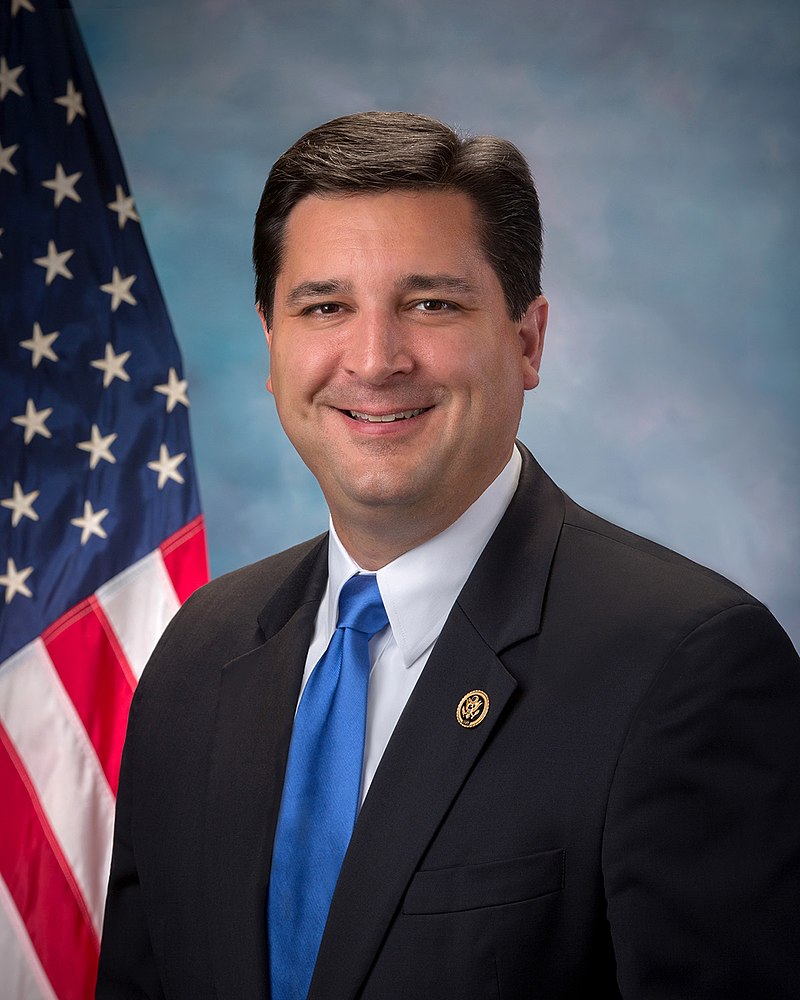
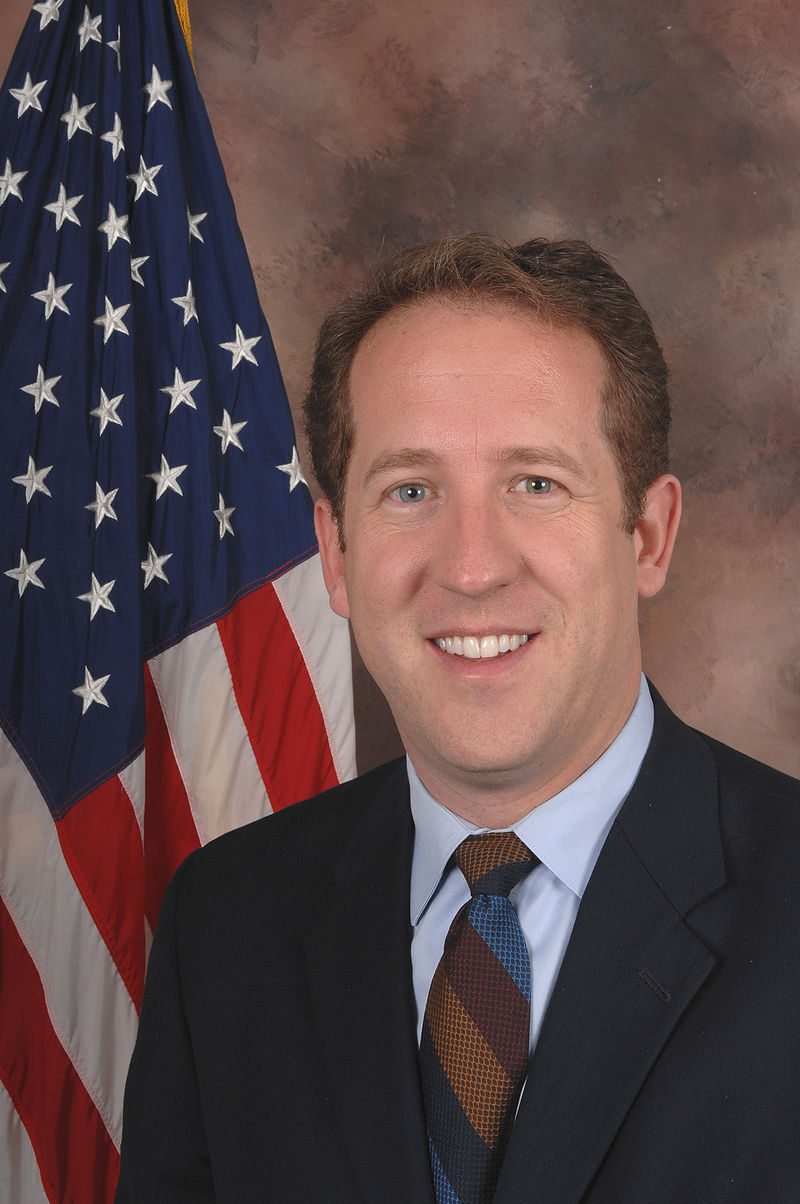
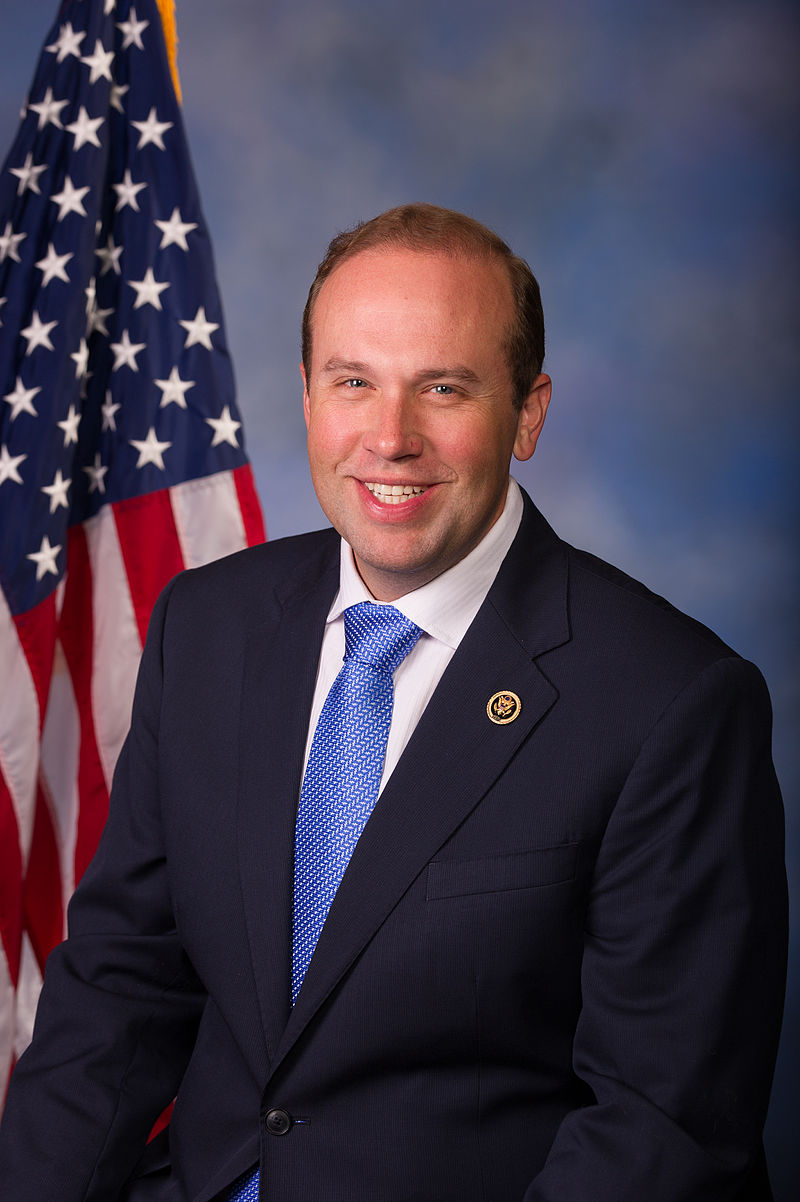
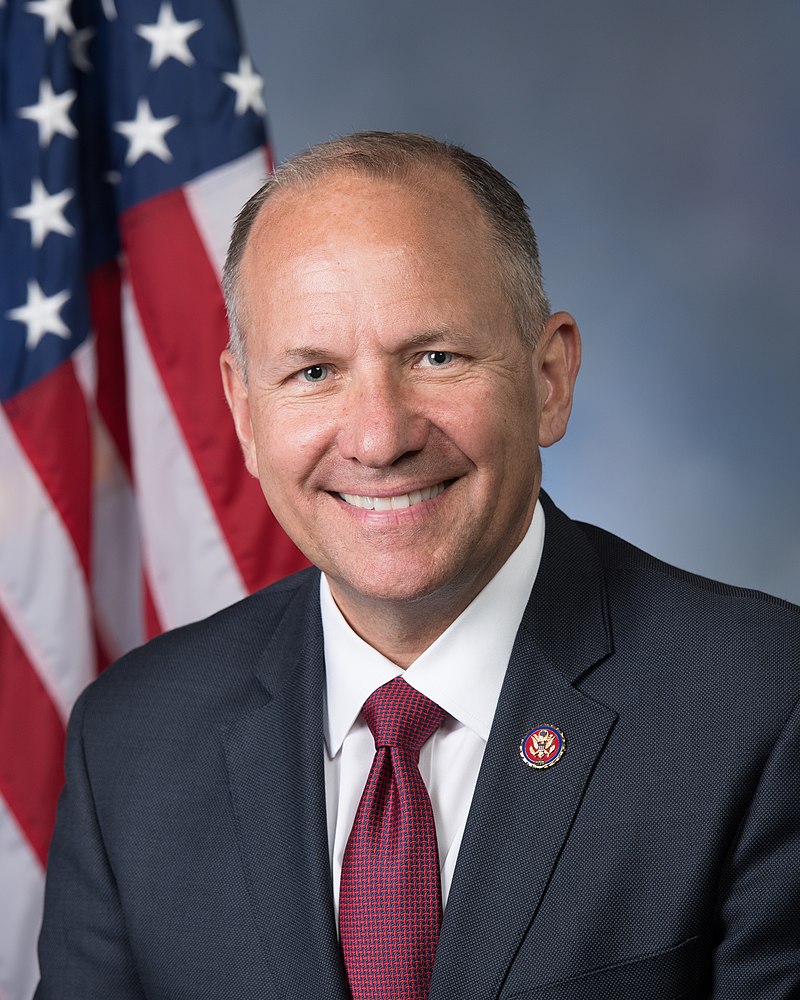
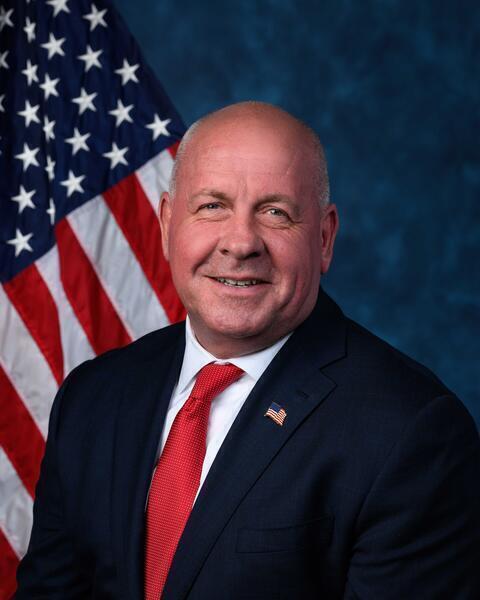
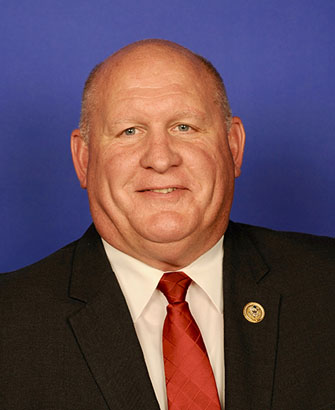
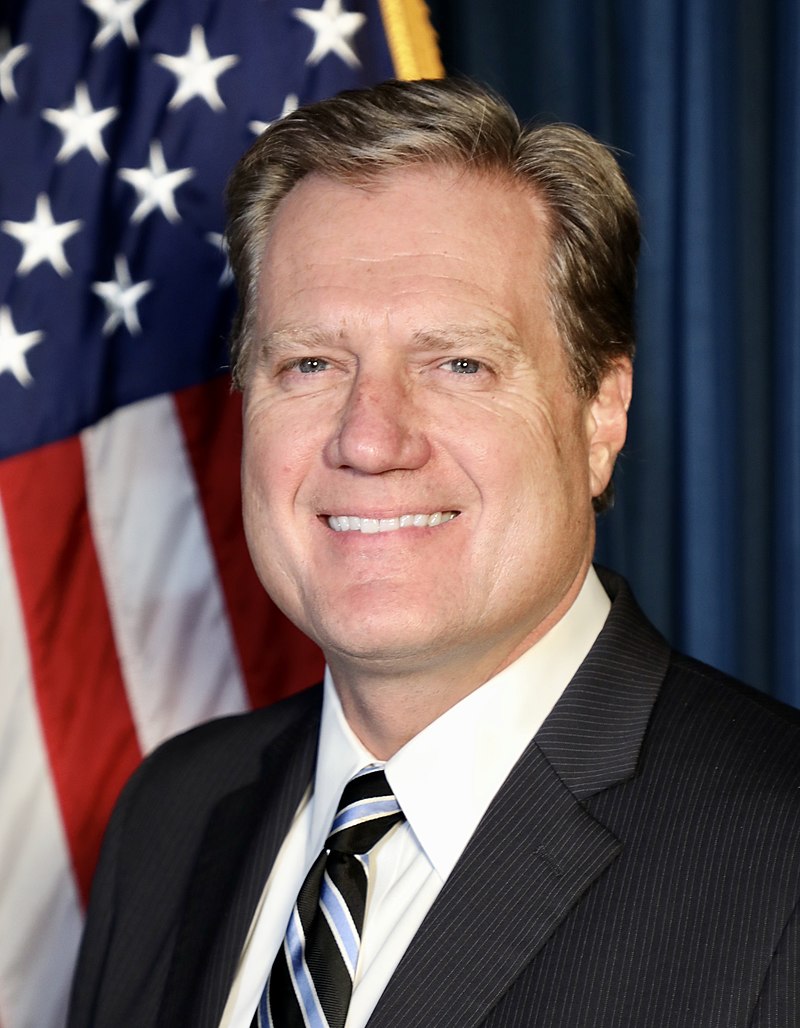
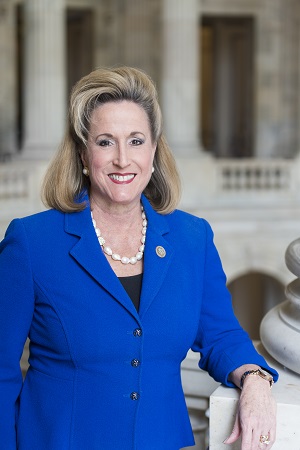
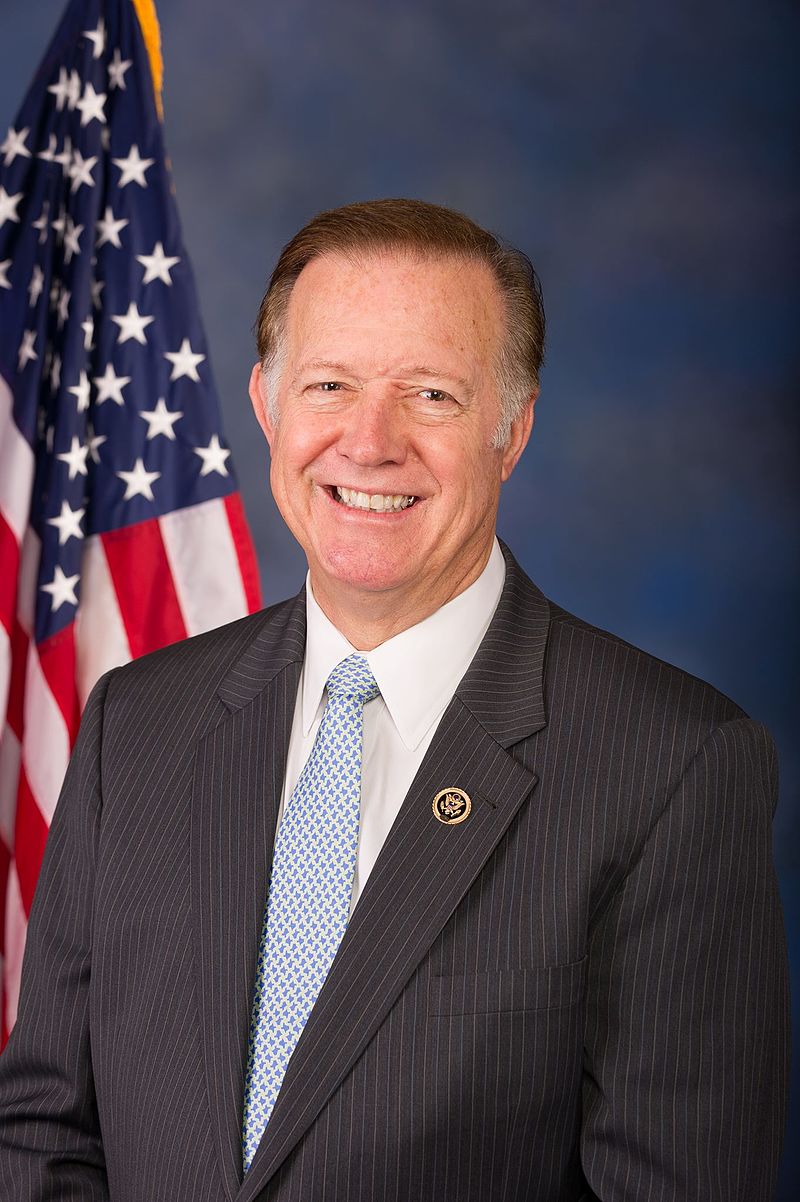
Yea (212)





















K
Ken Calvert





















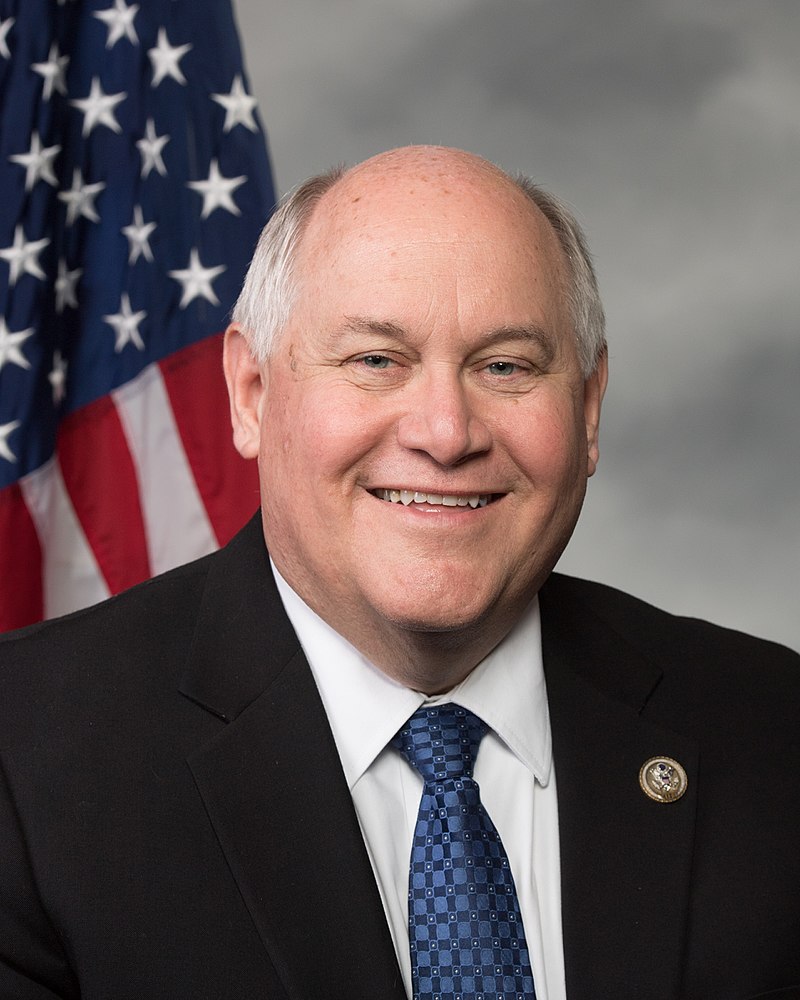







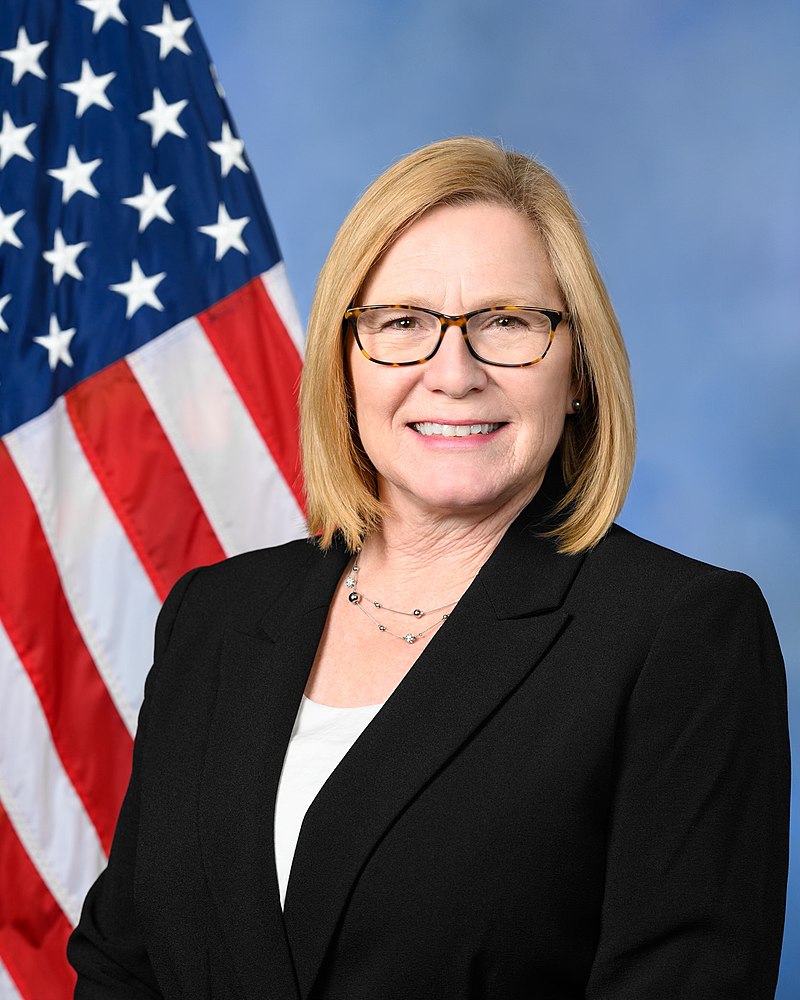
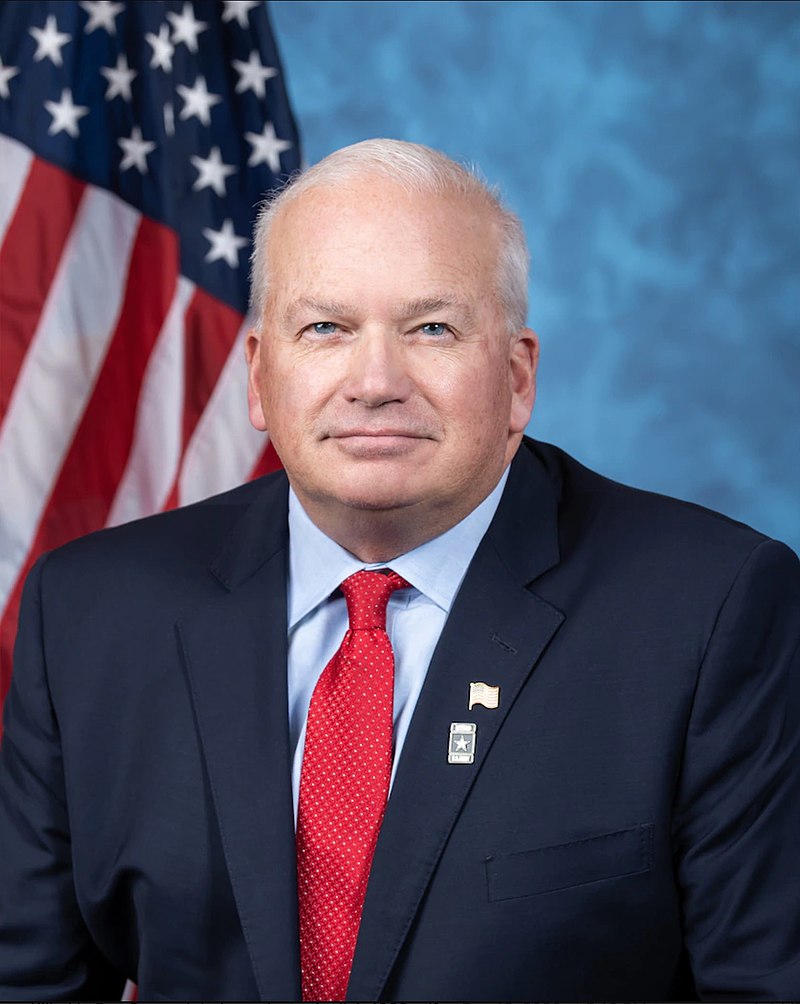

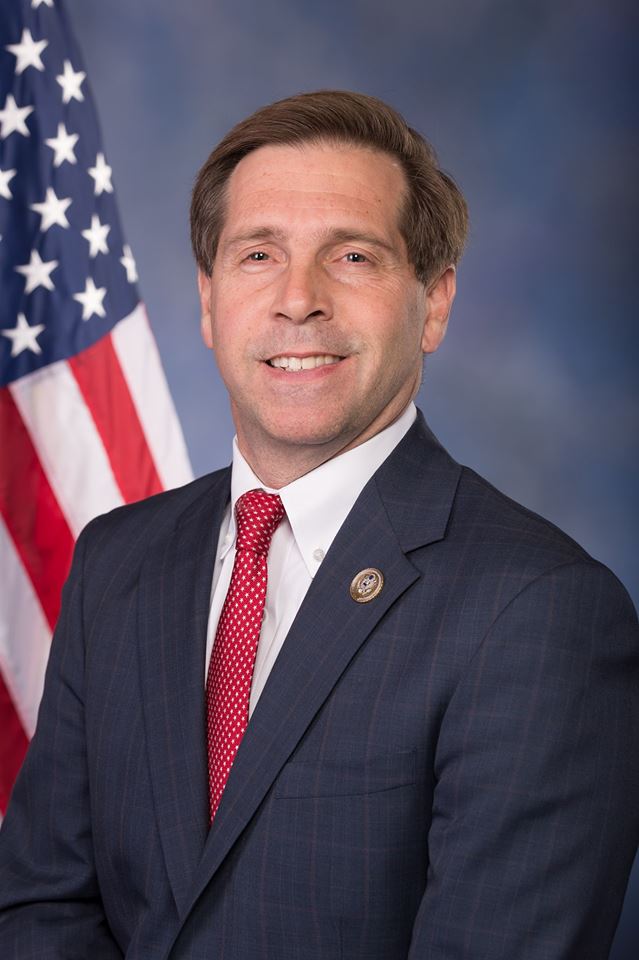



S
Scott Franklin





















































L
Lisa McClain
































J
John Rutherford



D
David Schweikert


P
Pete Sessions

























Nay (210)













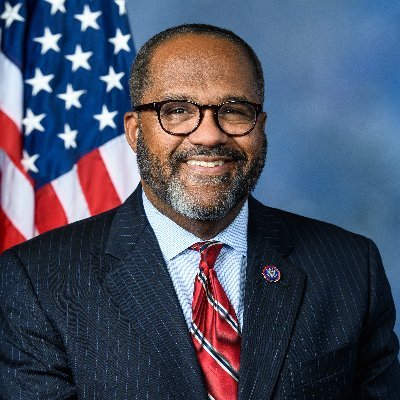




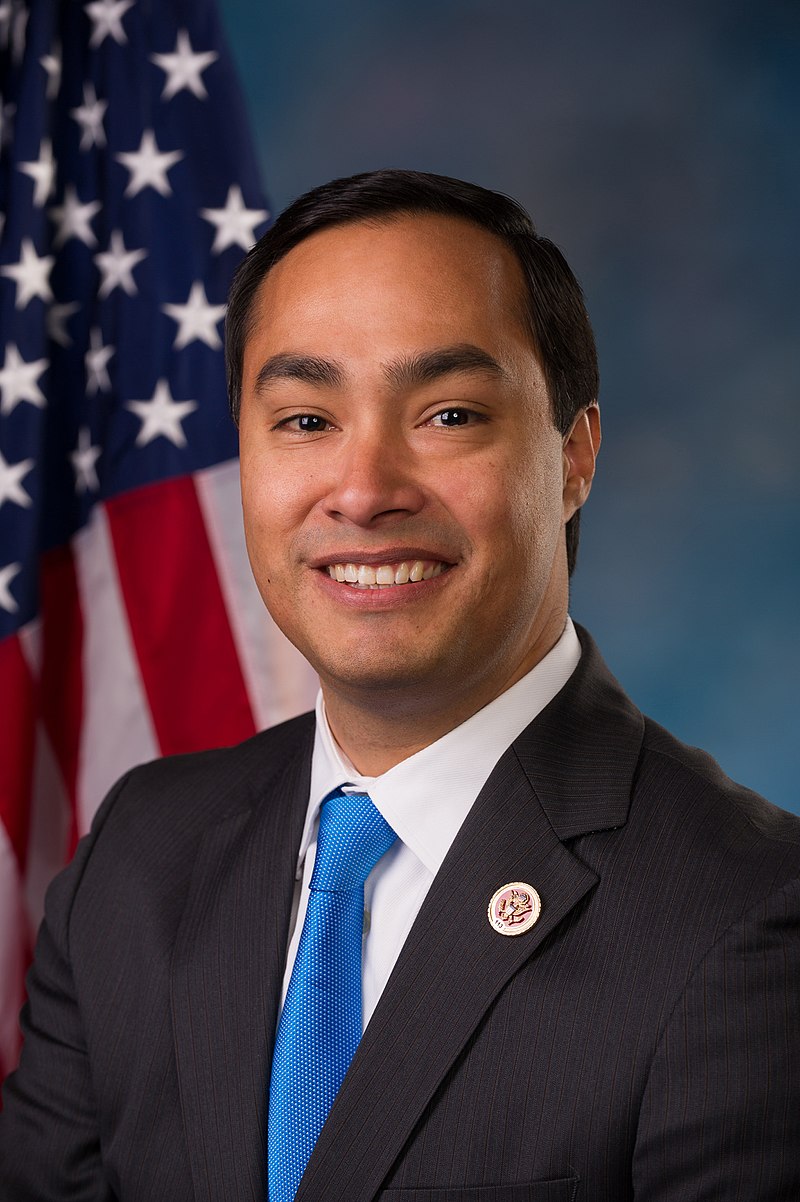


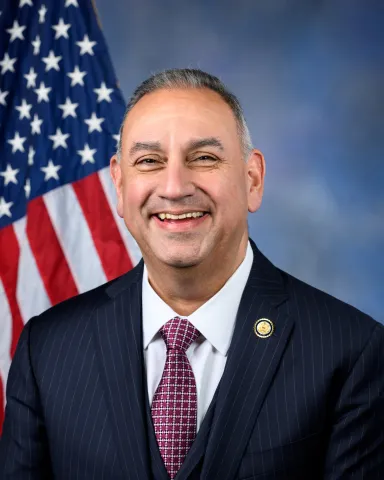





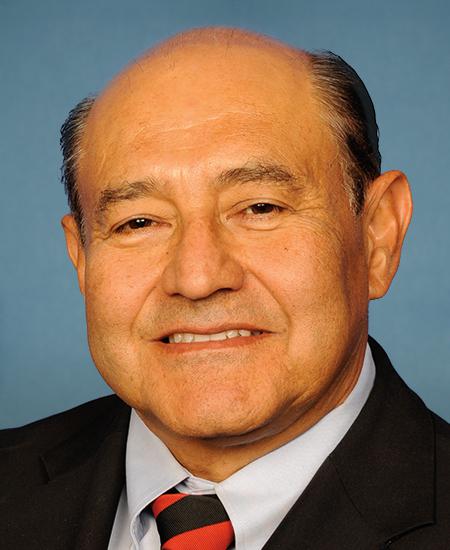
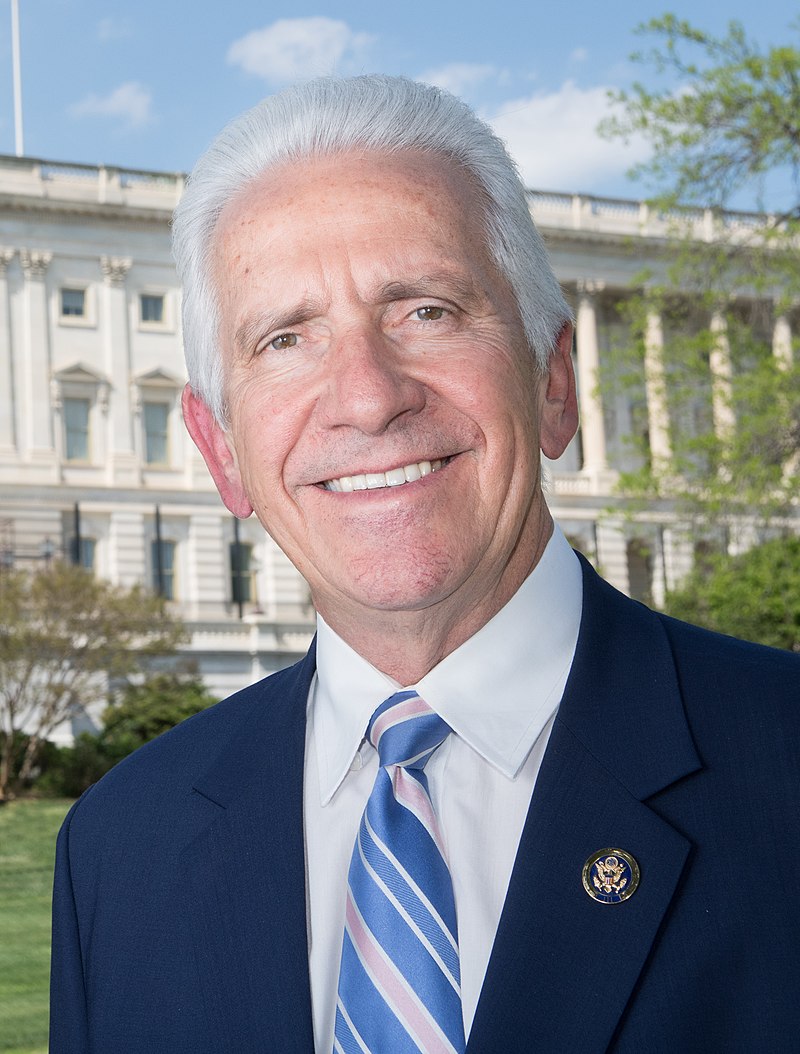



J
Jason Crow


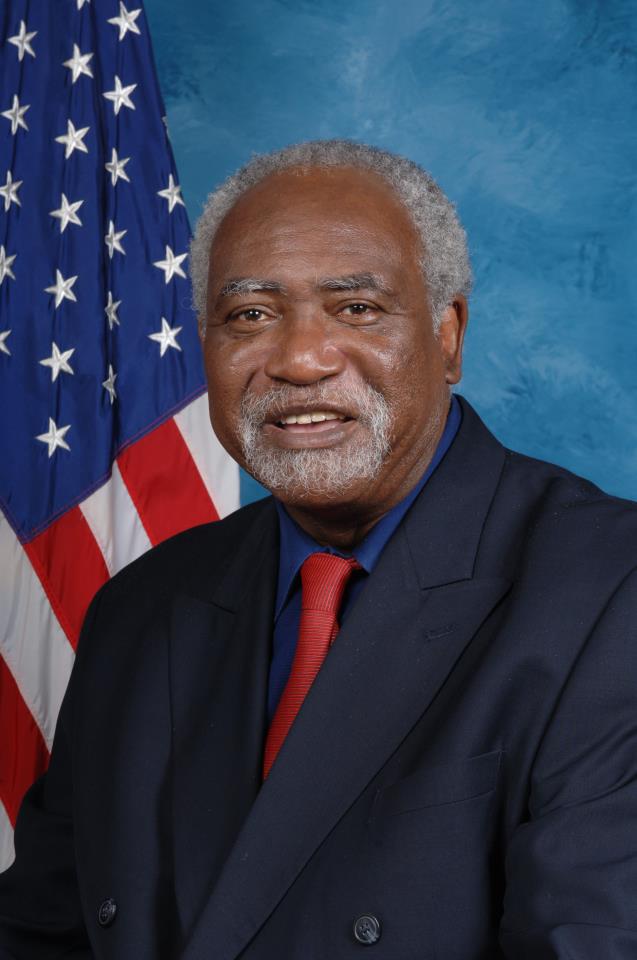








L
Lloyd Doggett

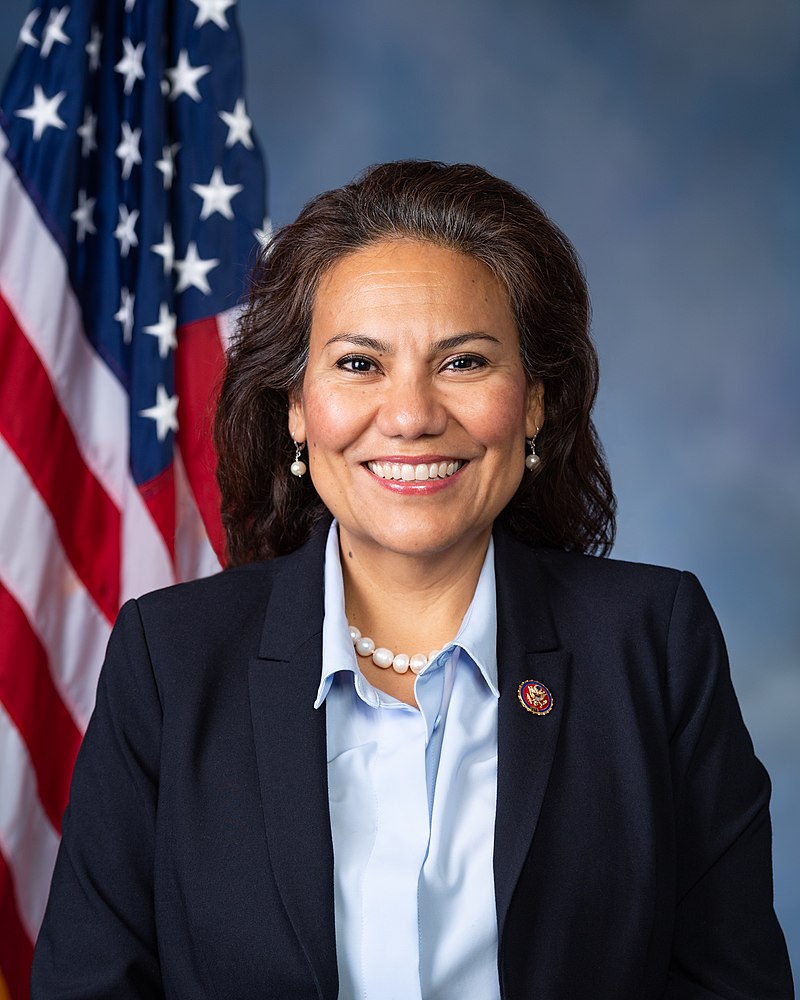

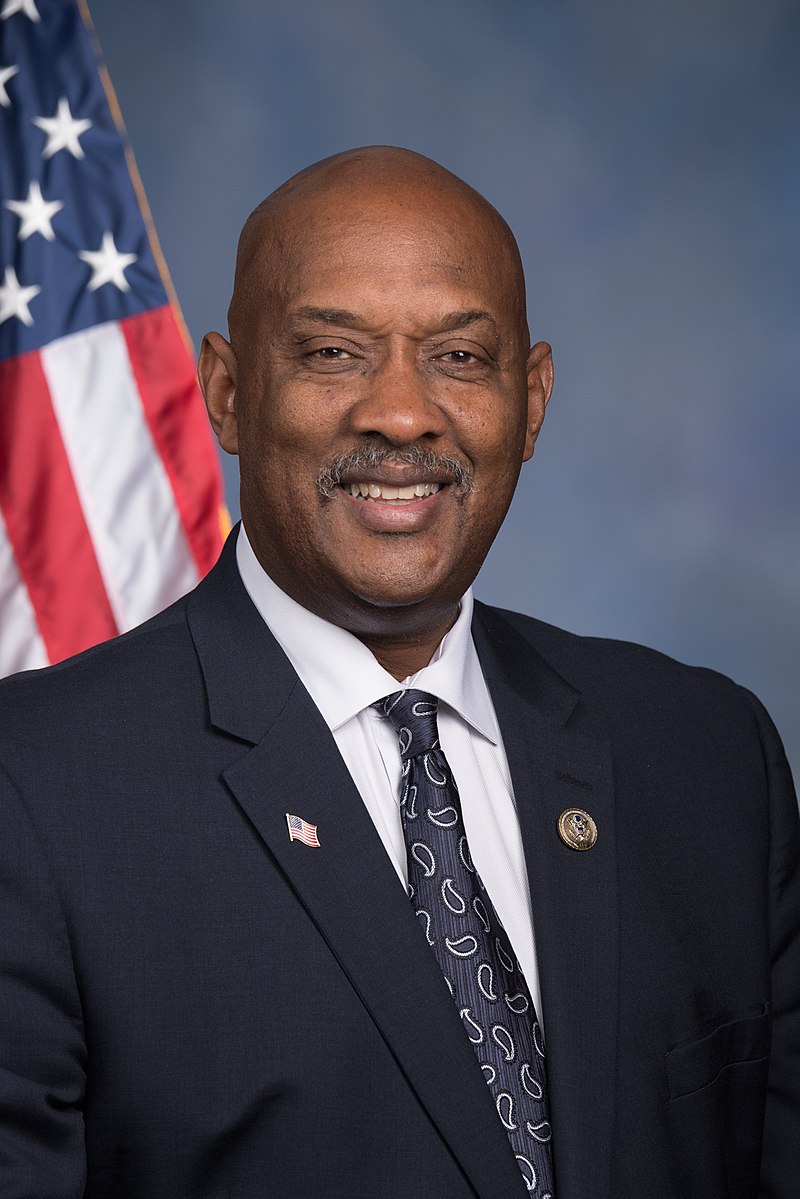







J
John Garamendi








































J
John Mannion

L
Lucy McBath

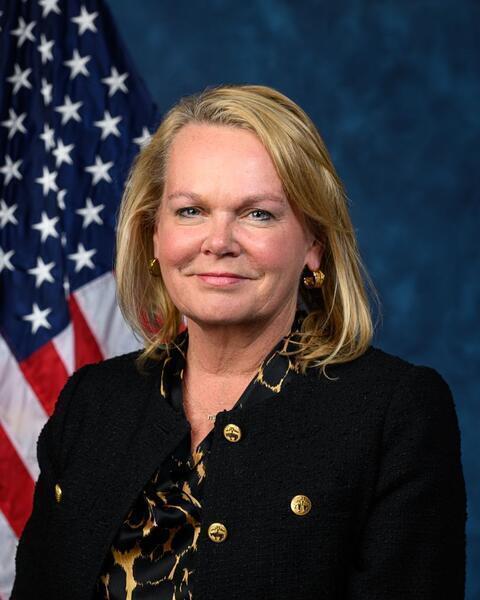
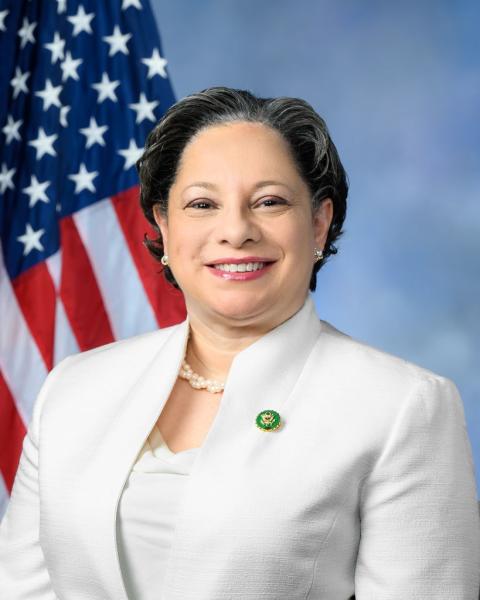
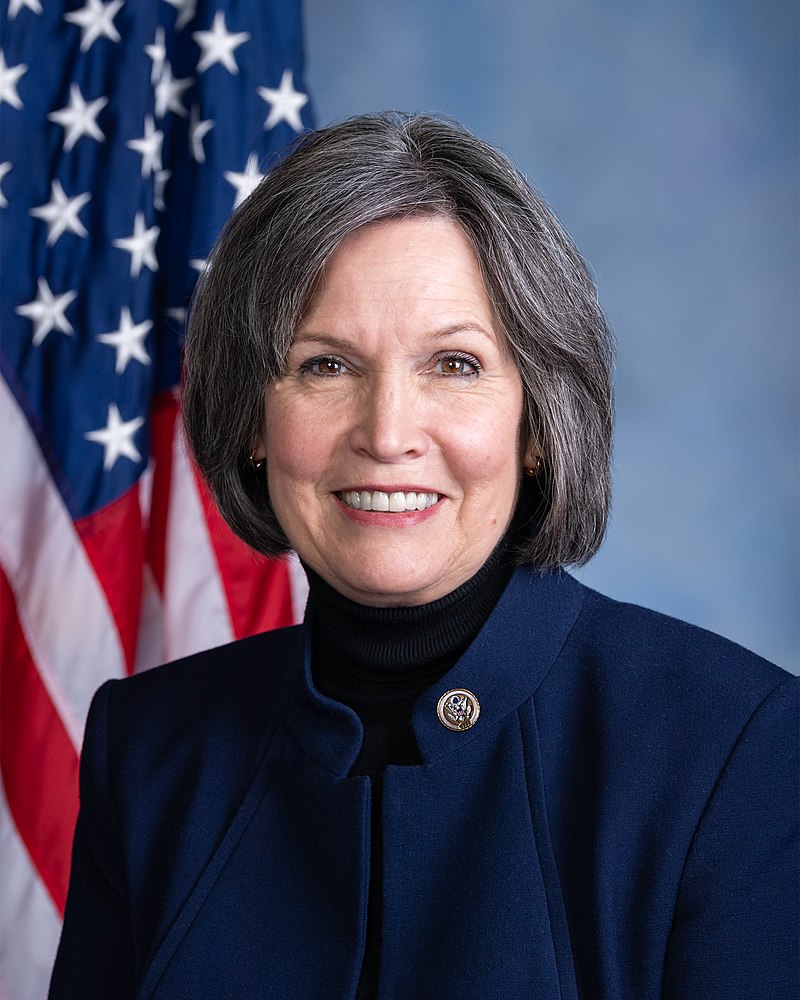


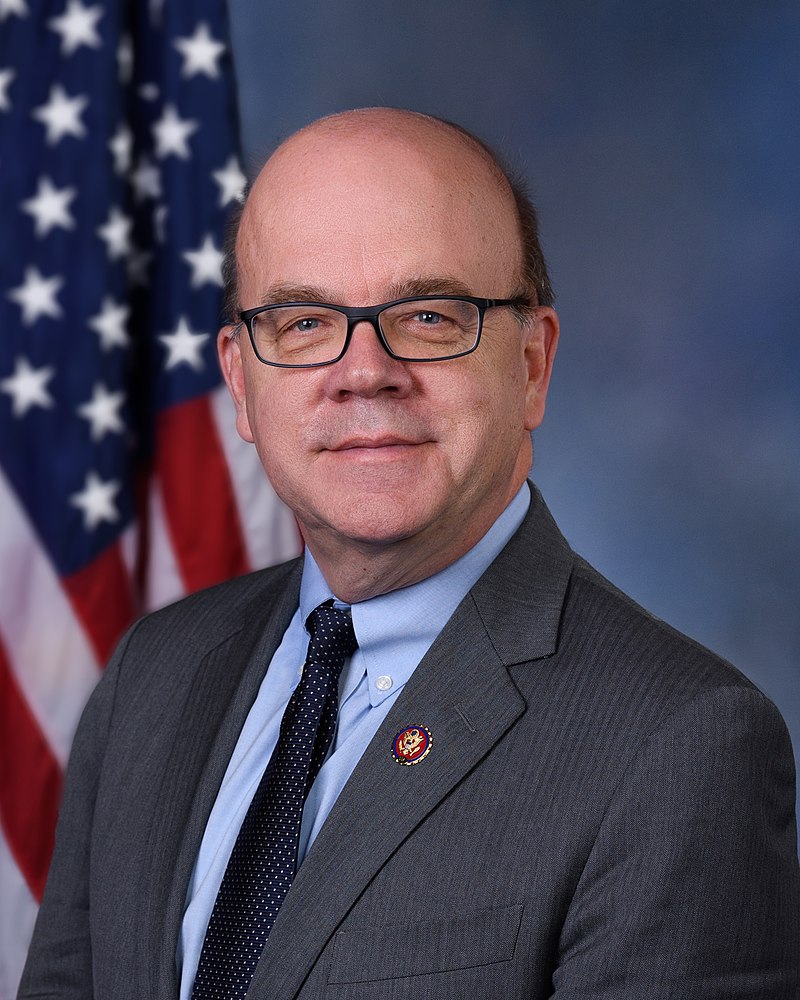


C
Christian Menefee


















































E
Eric Swalwell



R
Rashida Tlaib







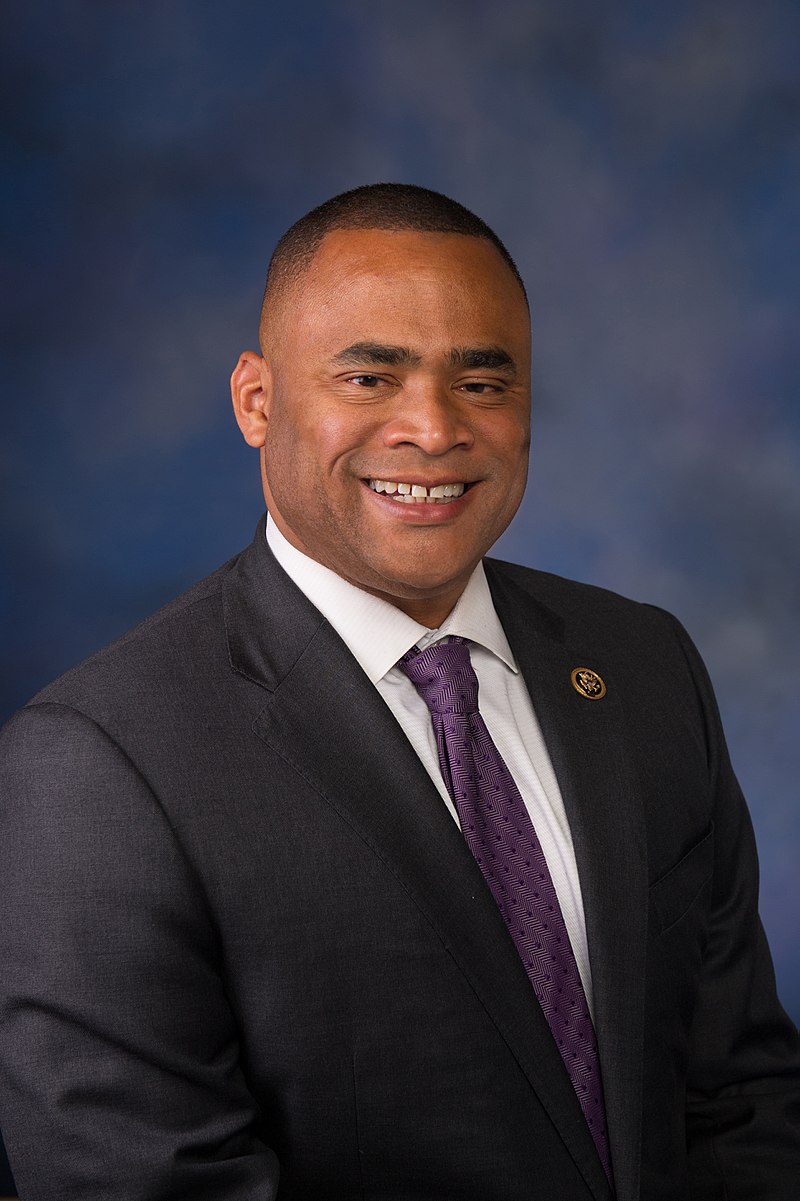
N
Nydia Velázquez


D
Debbie Wasserman Schultz