H.R.3123 — Ernest Peltz Accrued Veterans Benefits Act
House Roll Call
H.R.3123
| Bill | H.R.3123 — Ernest Peltz Accrued Veterans Benefits Act |
|---|---|
| Vote question | On Motion to Suspend the Rules and Pass, as Amended |
| Vote type | 2/3 Yea-And-Nay |
| Result | Passed |
| Totals | Yea 405 / Nay 1 / Present 0 / Not Voting 26 |
| Party | Yea | Nay | Present | Not Voting |
|---|---|---|---|---|
| R | 204 | 0 | 0 | 14 |
| D | 201 | 1 | 0 | 12 |
| I | 0 | 0 | 0 | 0 |
Research Brief
On Motion to Suspend the Rules and Pass, as Amended
Bill Analysis
The Ernest Peltz Accrued Veterans Benefits Act (H.R. 3123, 119th Congress) amends Title 38, United States Code, to expand who may receive certain unpaid Department of Veterans Affairs (VA) benefits that were due to a veteran at death (“accrued benefits”).
Current law generally limits payment of accrued VA benefits to a narrow class of survivors (spouse, children, dependent parents), and only for benefits formally “due and unpaid” at death. If no eligible survivor exists, the benefits typically lapse, even if the veteran had a pending claim or appeal.
H.R. 3123 broadens eligibility so that, when there is no surviving spouse, child, or dependent parent, accrued benefits may be paid to the person who bore the expense of the veteran’s last sickness and burial. This codifies and extends the principle behind existing reimbursement provisions, ensuring that individuals or entities (often family members or caregivers) who paid final medical or funeral costs can receive unpaid benefits up to the amount of those expenses.
The bill affects VA’s Veterans Benefits Administration (VBA) and its claims and appeals processing for disability compensation, pension, and related monetary benefits. It does not create a new benefit; instead, it modifies the order of precedence and permissible payees for benefits already authorized under Title 38.
Funding is implicit and mandatory, drawn from existing VA benefit accounts. The bill does not establish new discretionary appropriations but may increase outlays by preventing reversion of unpaid benefits to the Treasury when no traditional survivor exists.
Beneficiaries include:
- Individuals (often non-dependent relatives, friends, or caregivers) who pay for a veteran’s final illness or burial.
- Estates or entities that can document such expenses, subject to VA verification and statutory caps.
Timelines are governed by existing accrued-benefit claim rules (e.g., filing deadlines after the veteran’s death); the bill primarily changes eligibility criteria rather than procedural timeframes. Implementation would occur upon enactment, with VA updating regulations, manuals, and adjudication guidance to reflect the expanded class of eligible payees.
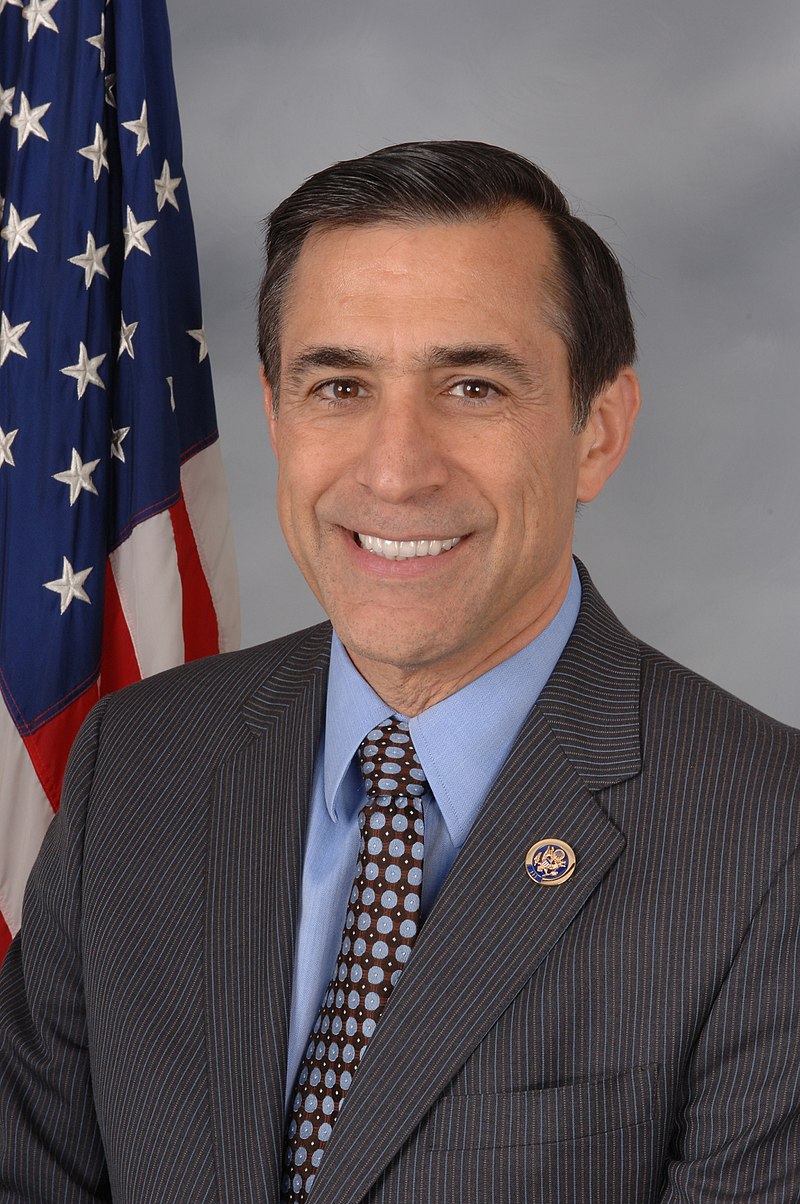
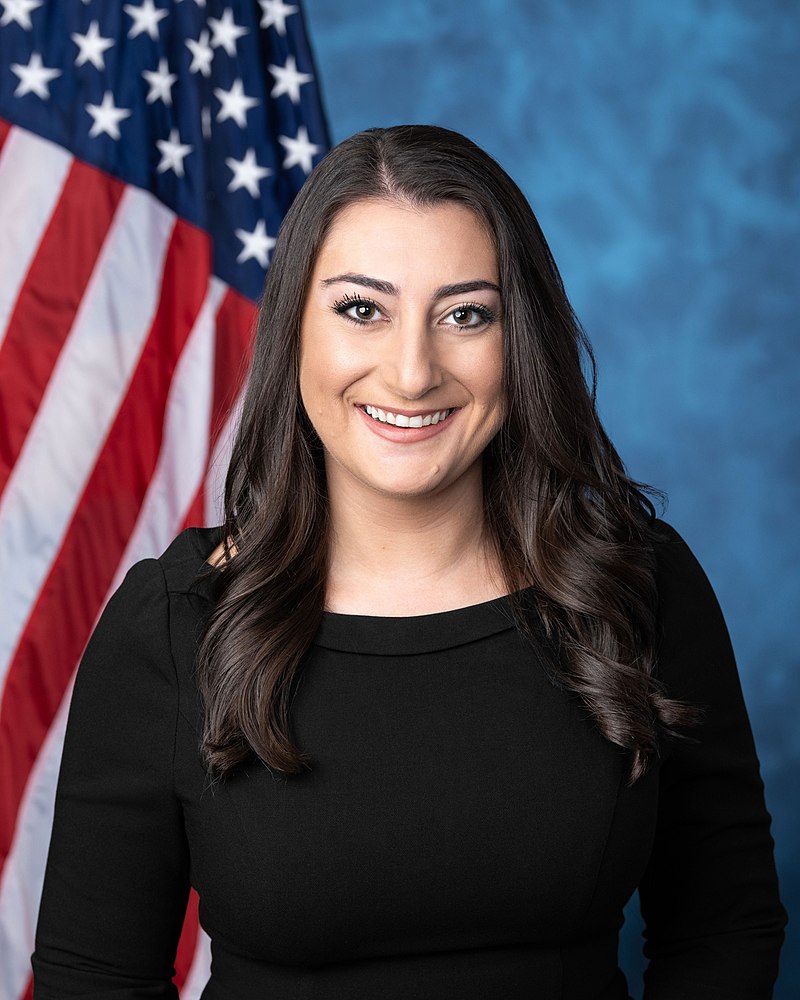
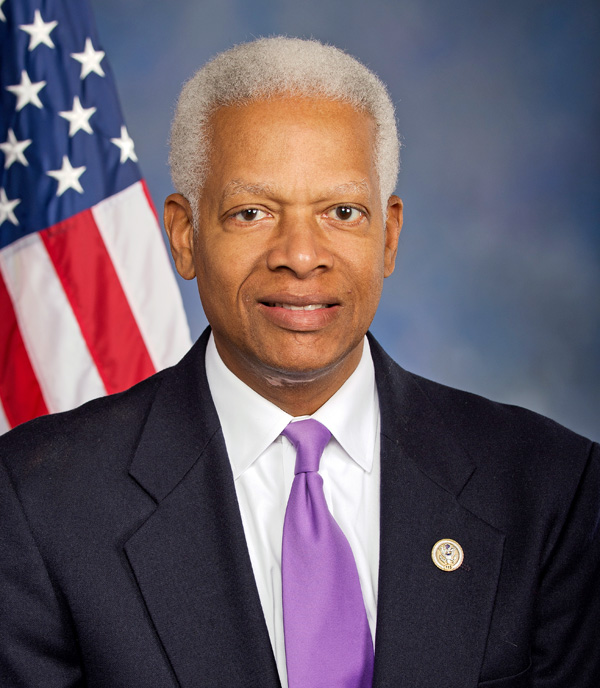
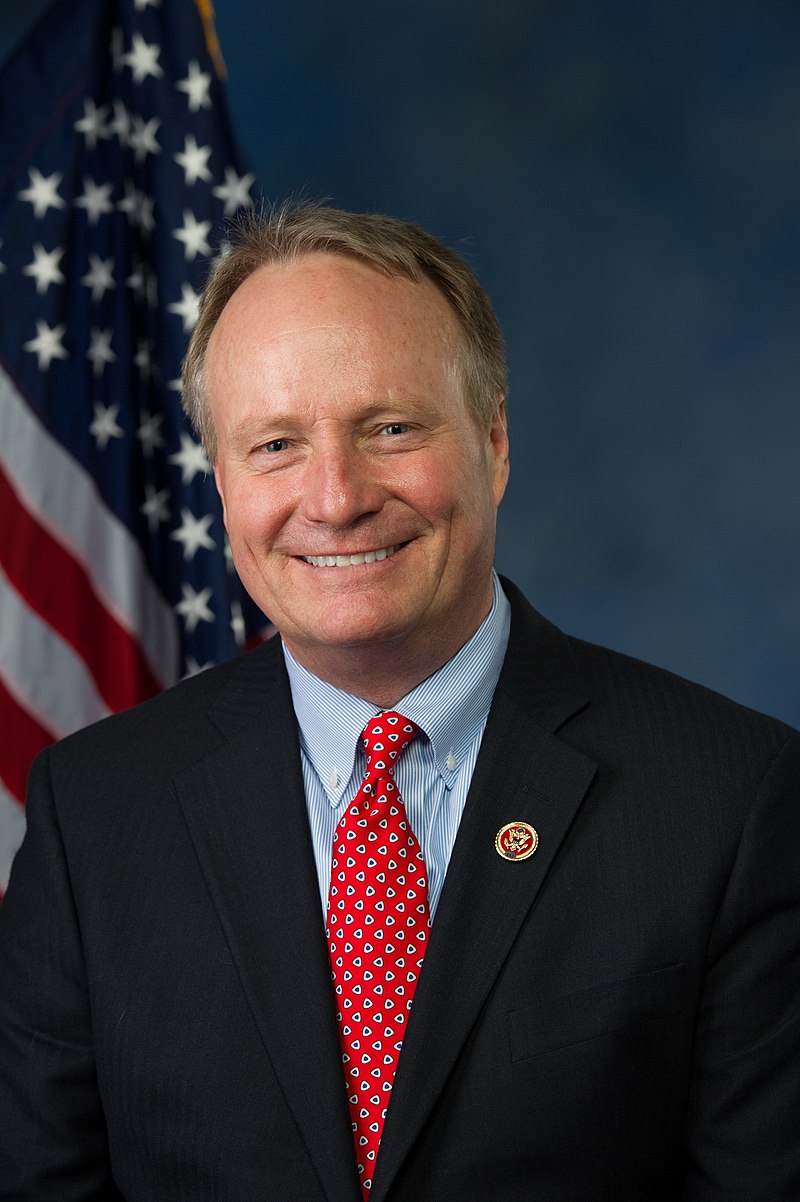
Yea (404)


























K
Ken Calvert





















J
Jason Crow












L
Lloyd Doggett

















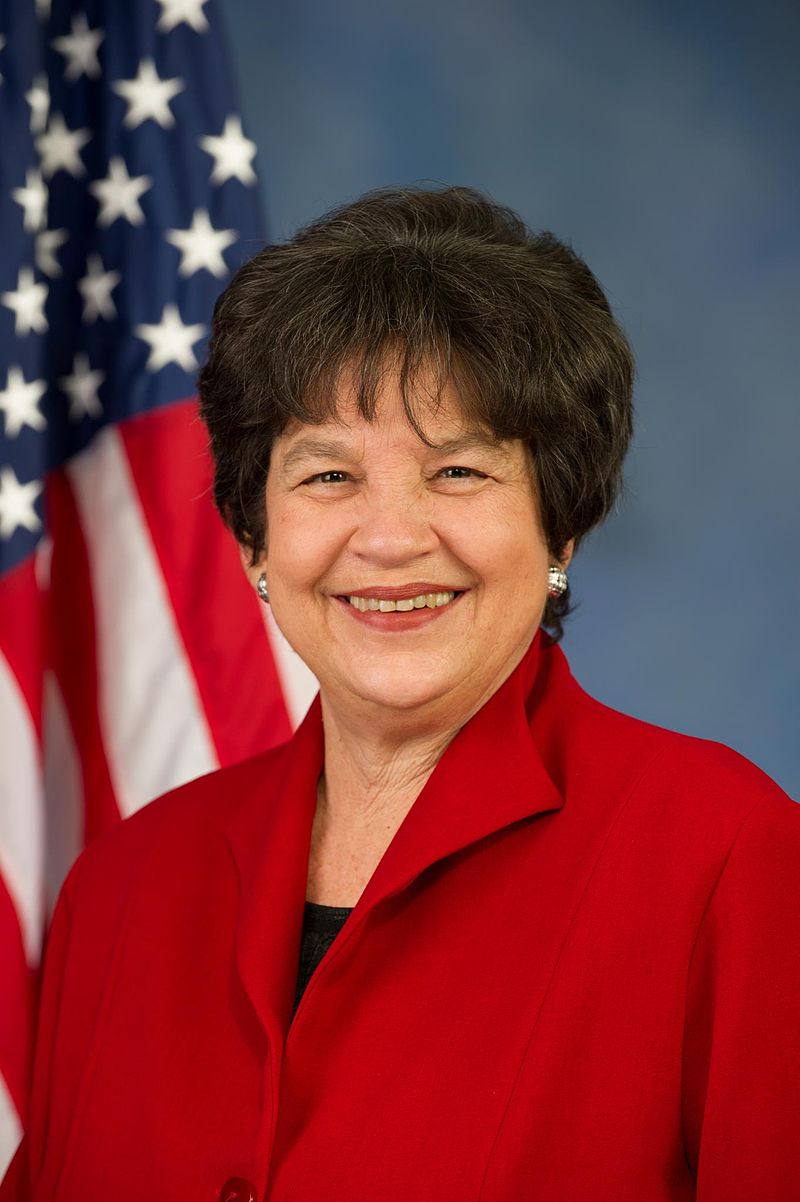
S
Scott Franklin



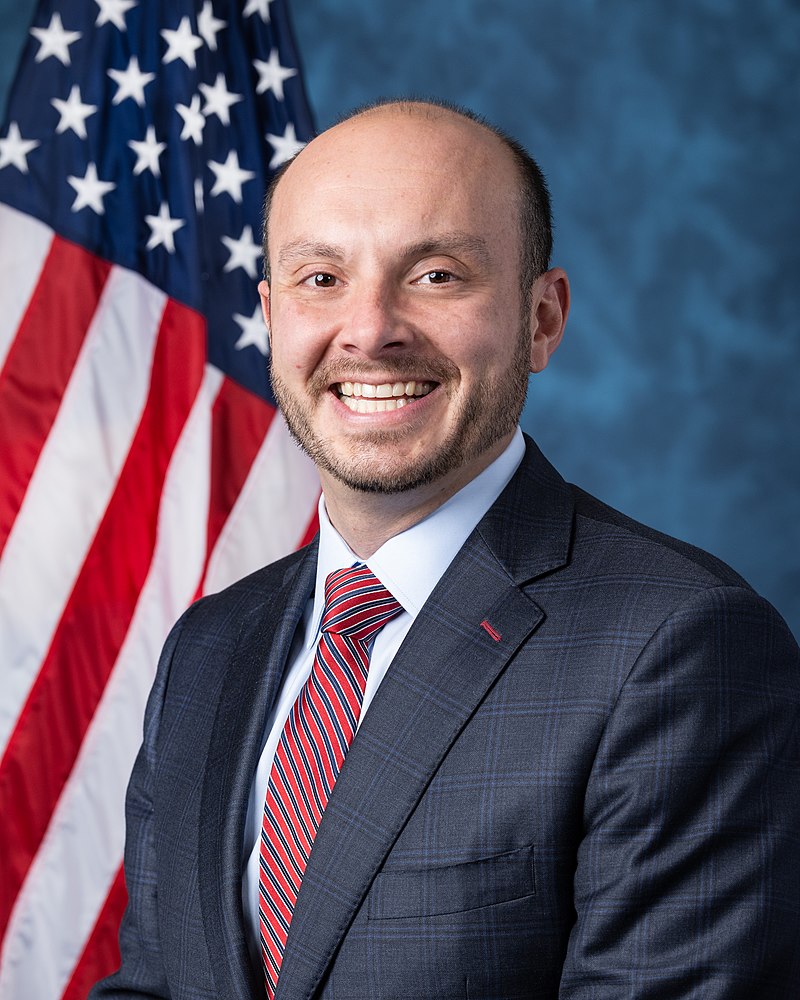
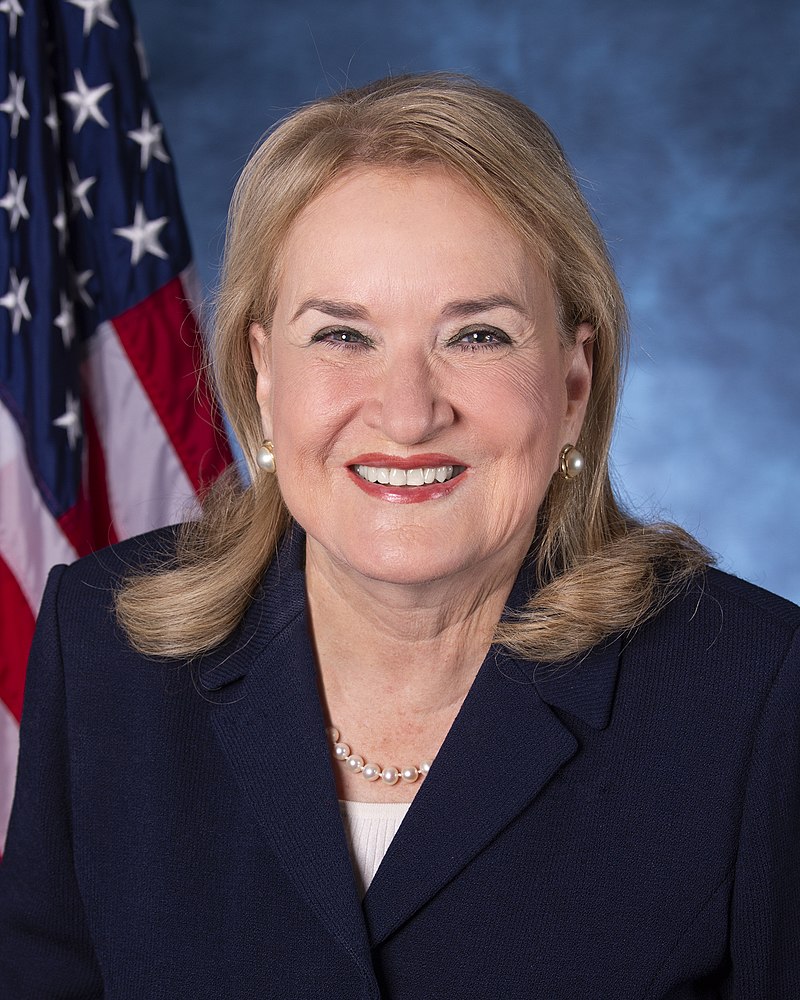





































































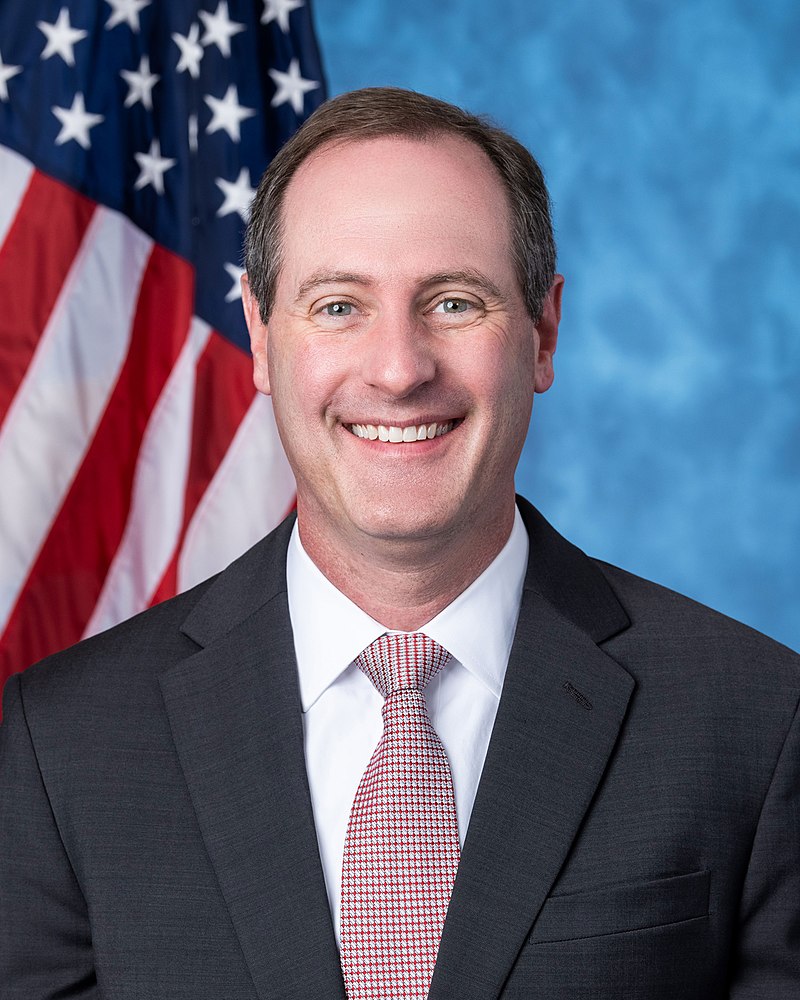
J
John Mannion
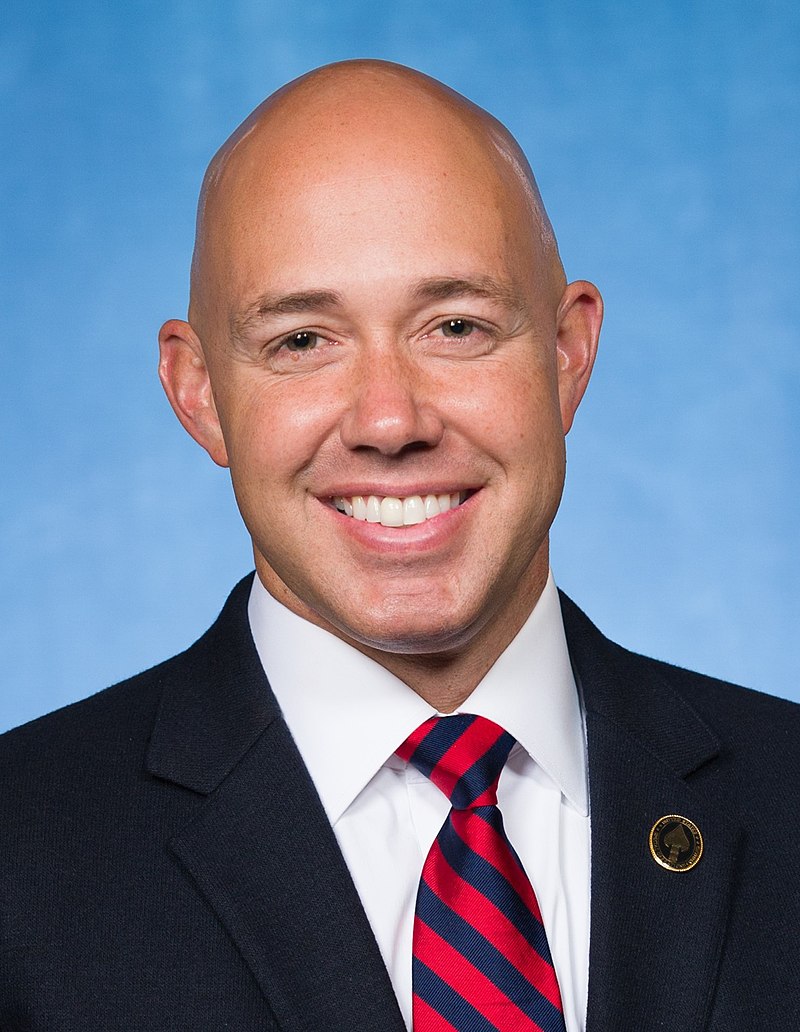

L
Lucy McBath

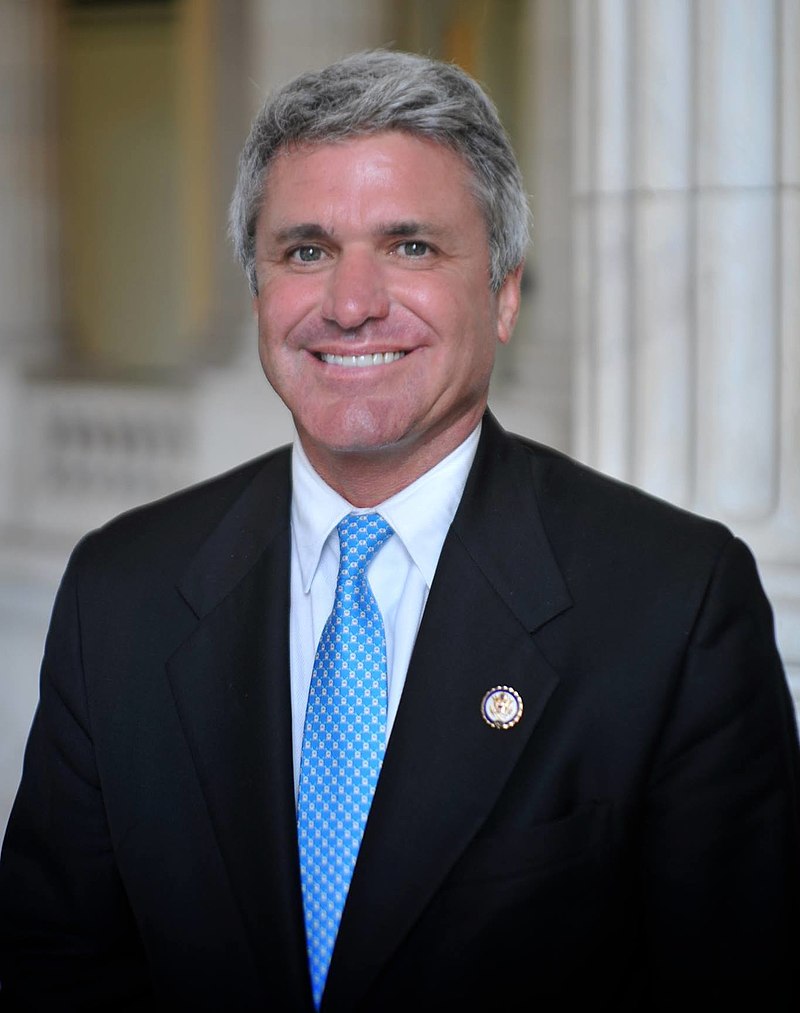
L
Lisa McClain
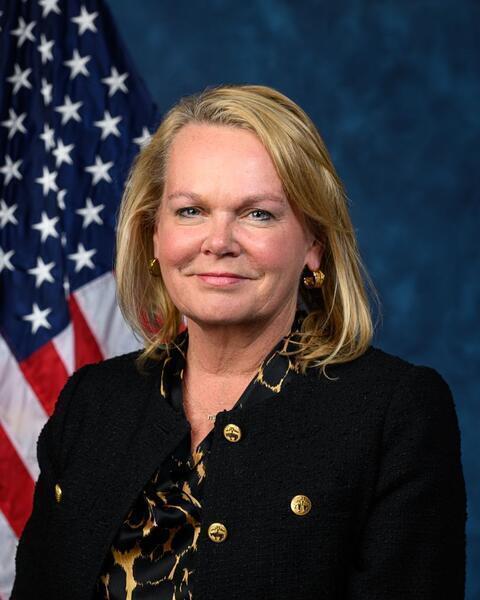






















































J
John Rutherford







D
David Schweikert


P
Pete Sessions














E
Eric Swalwell



R
Rashida Tlaib









N
Nydia Velázquez


D
Debbie Wasserman Schultz










Nay (1)

Not Voting (26)






J
John Garamendi