H.R.7148
House Roll Call
H.R.7148
| Bill | H.R.7148 |
|---|---|
| Vote question | On Agreeing to the Amendment |
| Vote type | Recorded Vote |
| Result | Failed |
| Totals | Yea 136 / Nay 291 / Present 0 / Not Voting 9 |
| Party | Yea | Nay | Present | Not Voting |
|---|---|---|---|---|
| R | 136 | 76 | 0 | 8 |
| D | 0 | 215 | 0 | 1 |
| I | 0 | 0 | 0 | 0 |
Research Brief
On Agreeing to the Amendment
Bill Analysis
I don’t yet have access to the text or section-by-section summary of H.R. 7148 (119th Congress), the “Consolidated Appropriations Act, 2026.” Without that underlying bill text, I can’t reliably describe its specific funding levels, policy riders, or affected programs.
However, based on how consolidated appropriations acts are structured and operate, here is what such a bill typically does and how H.R. 7148 is likely organized and intended to function:
Purpose and scope
A consolidated appropriations act bundles multiple annual appropriations bills into a single omnibus measure to fund most or all federal agencies for a fiscal year (here, FY2026). It generally provides discretionary budget authority across all major appropriations subcommittees (Defense; Labor-HHS-Education; Transportation-HUD; Homeland Security; Interior-Environment; Agriculture; Commerce-Justice-Science; Energy-Water; Financial Services; Legislative Branch; Military Construction–VA; State-Foreign Operations).Funding and authorities
It sets dollar amounts, conditions of use, and time availability for agency operating funds, grants, contracts, and major projects. It may include:- Program increases/cuts and hiring or pay provisions.
- Transfer and reprogramming authorities.
- Limitations on using funds for specified activities (policy riders).
- One-year, multi-year, and no-year appropriations.
Programs and agencies affected
Virtually all cabinet departments and many independent agencies (e.g., EPA, NASA, SBA, SSA’s administrative expenses) are covered. Mandatory programs (e.g., Social Security benefits, Medicare) are mostly outside the bill, but some related administrative costs and certain mandatory changes or “offsets” can appear.Who benefits or is regulated
- Federal agencies receiving operating and grant funds.
- State, local, tribal governments and nonprofits via formula and competitive grants.
- Contractors and grantees in defense, infrastructure, health, research, education, and social services.
- Indirectly, individuals and businesses using federally funded services.
Budget and tax components
Referral to the Budget and Ways and Means Committees signals that the bill likely includes:- Adjustments to budget enforcement, caps, or scorekeeping rules.
- Limited changes to revenue or tax-related provisions used as offsets or policy add-ons.
Timelines
- Normally intended to fund the government for FY2026 (Oct. 1, 2025–Sept. 30, 2026).
- Contains obligation and expenditure deadlines for specific accounts and projects.
- May extend or sunset particular authorities or pilot programs.
For a precise, research-grade summary, the actual legislative text or official committee summaries of H.R. 7148 would be required.
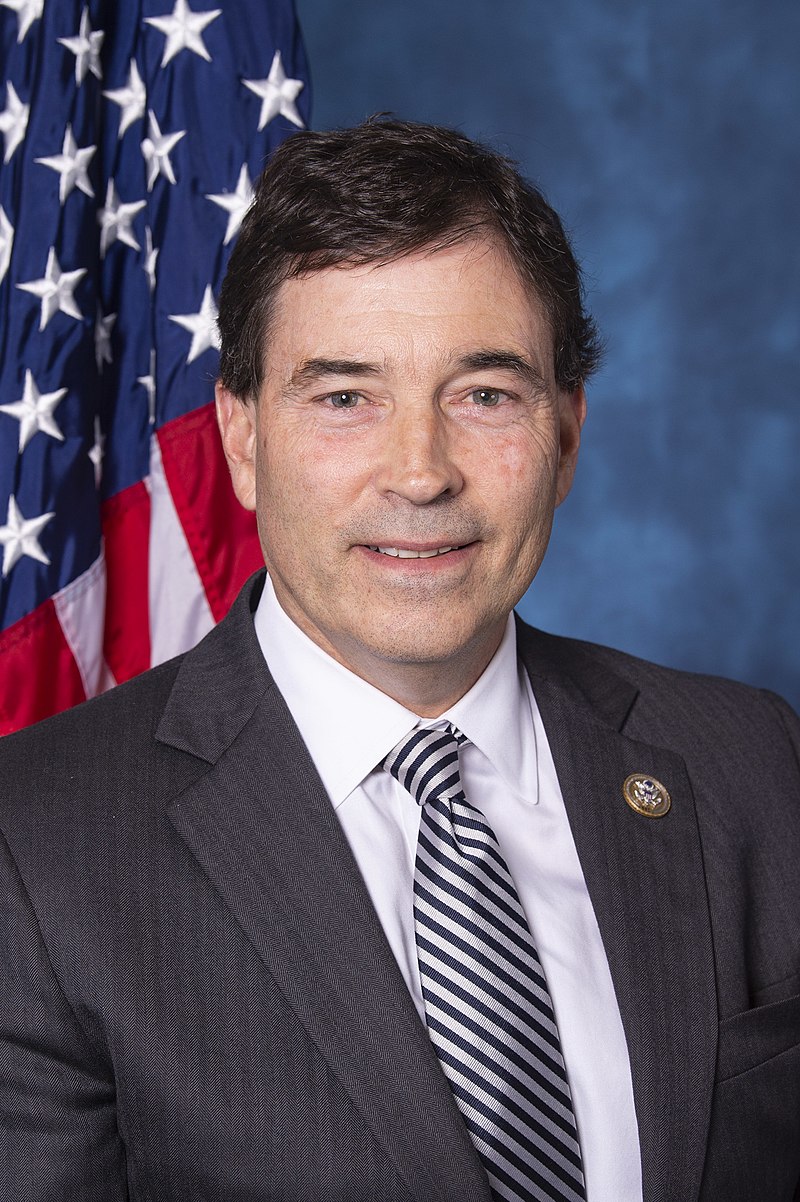
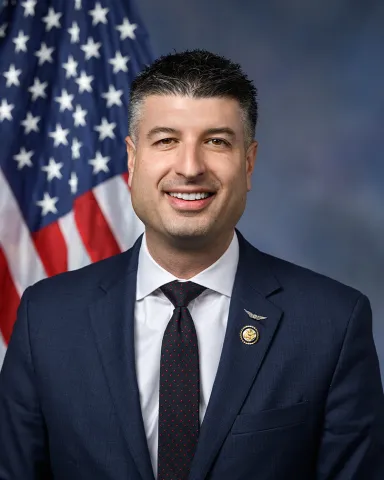
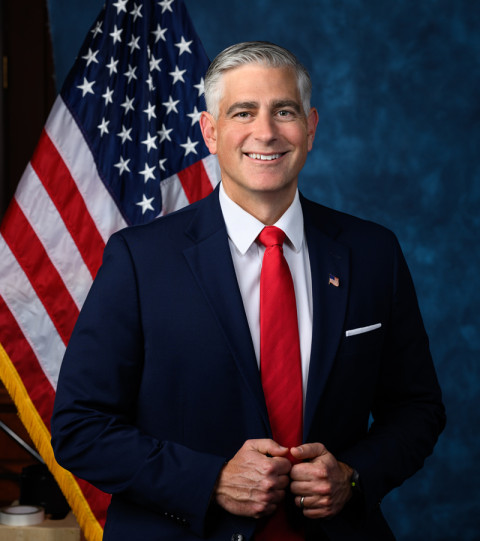
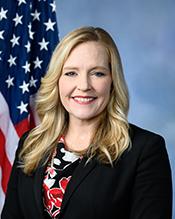
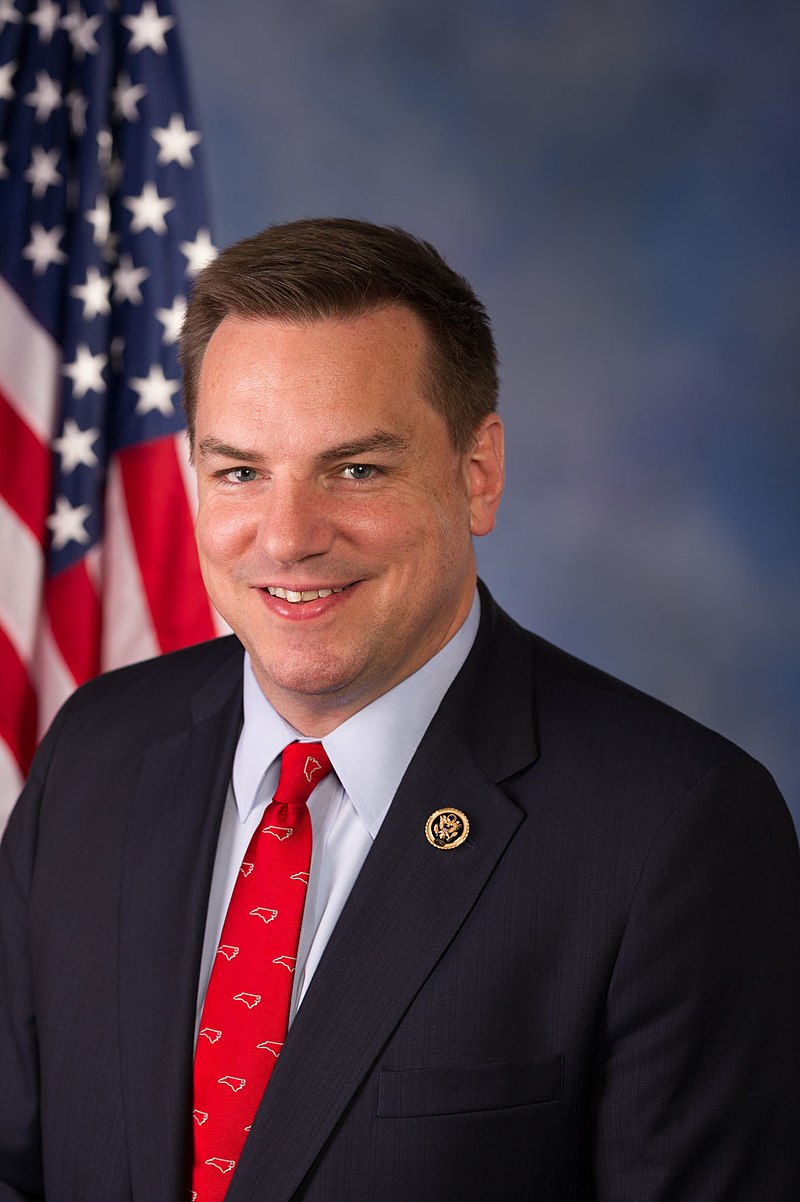
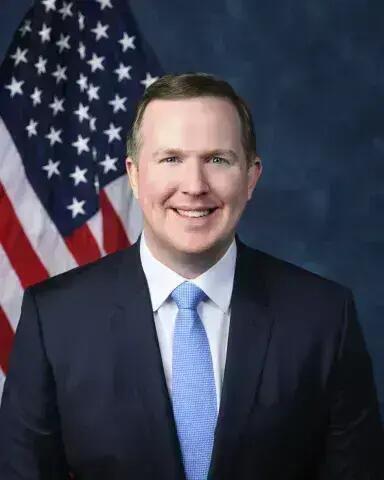
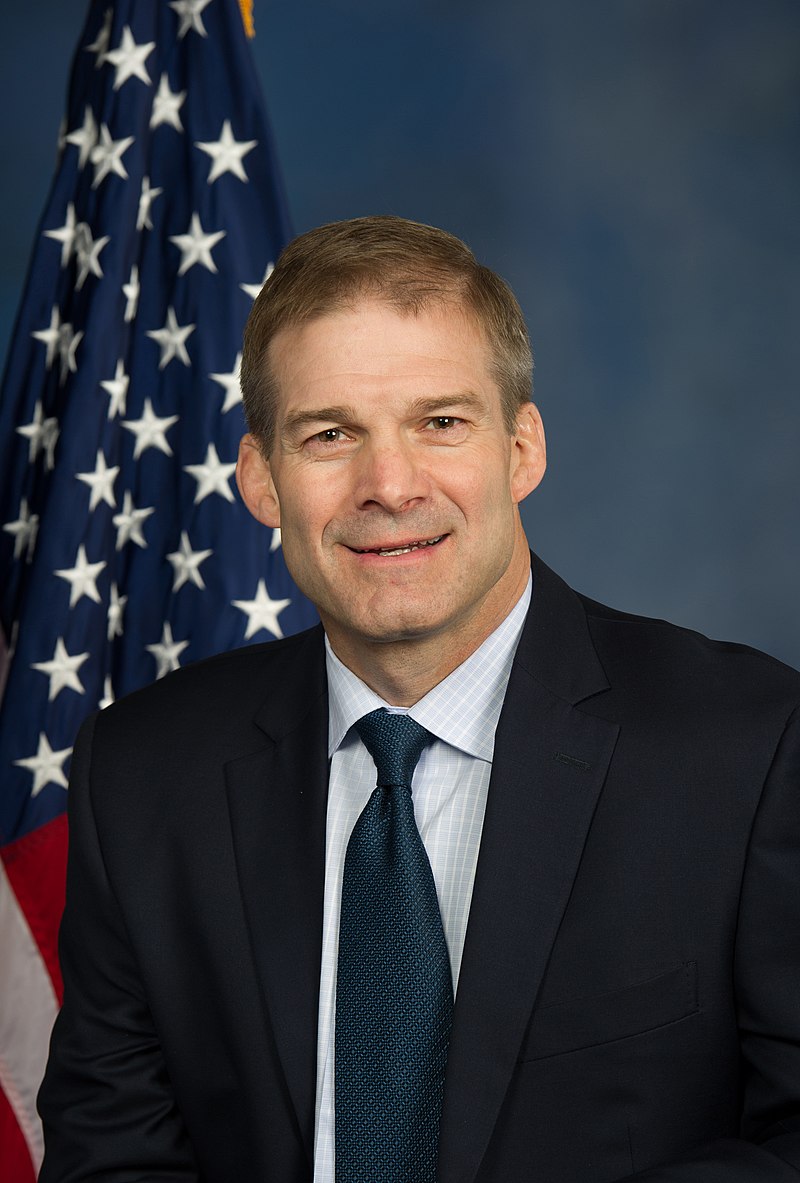
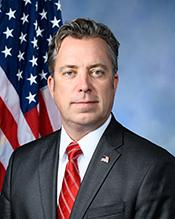
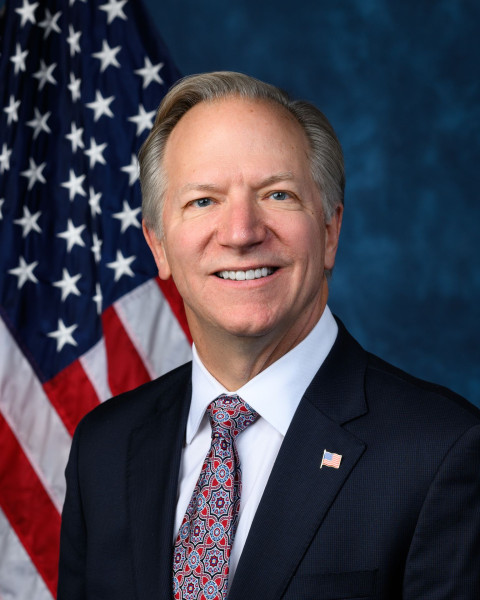
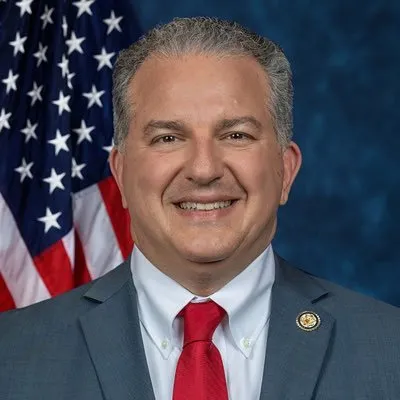
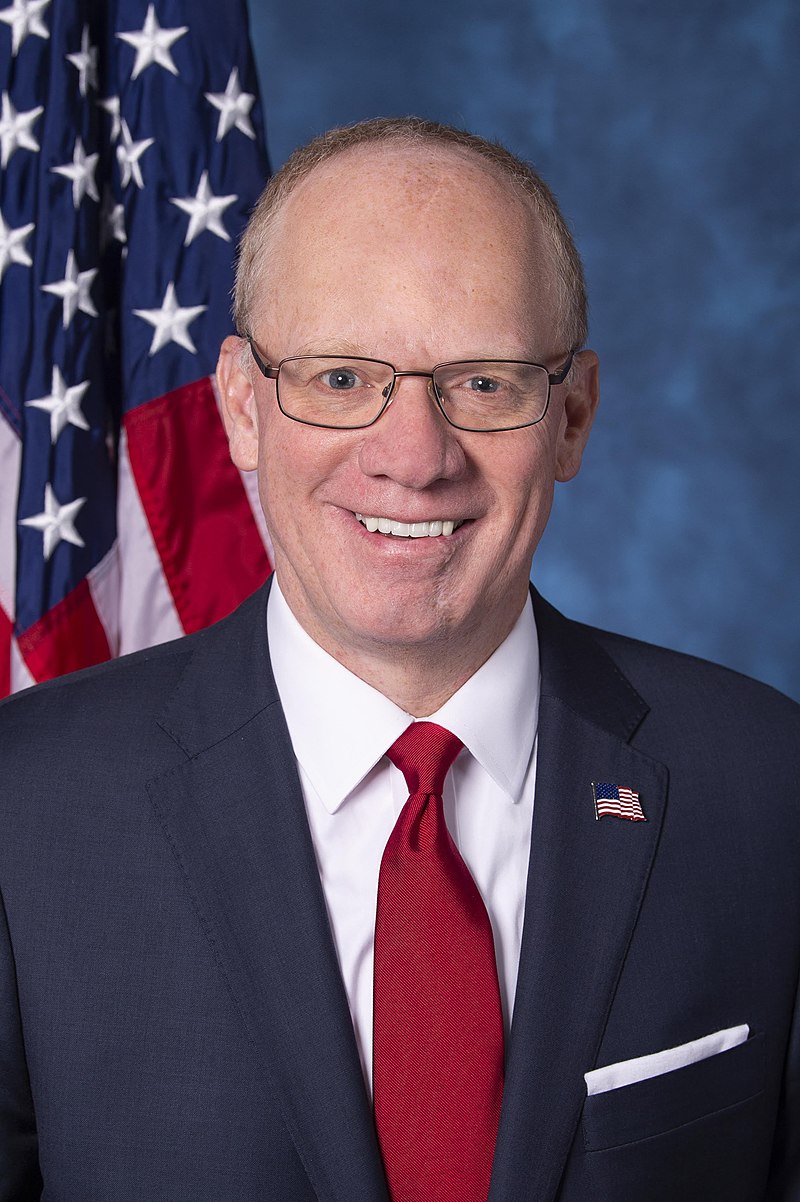
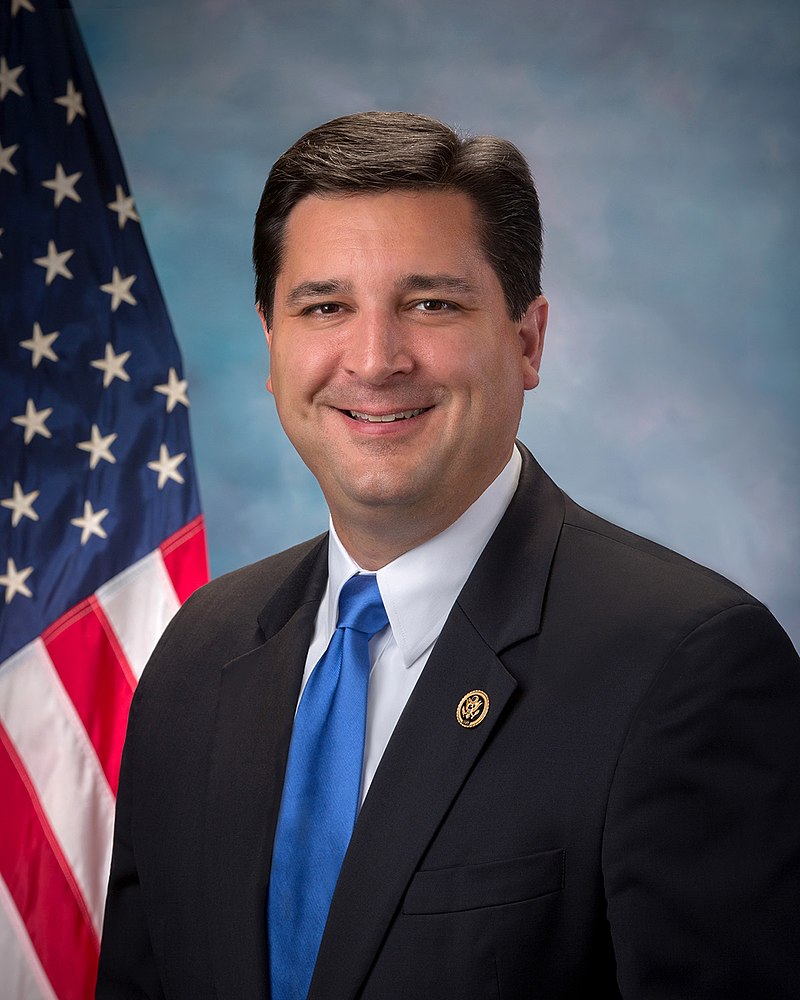
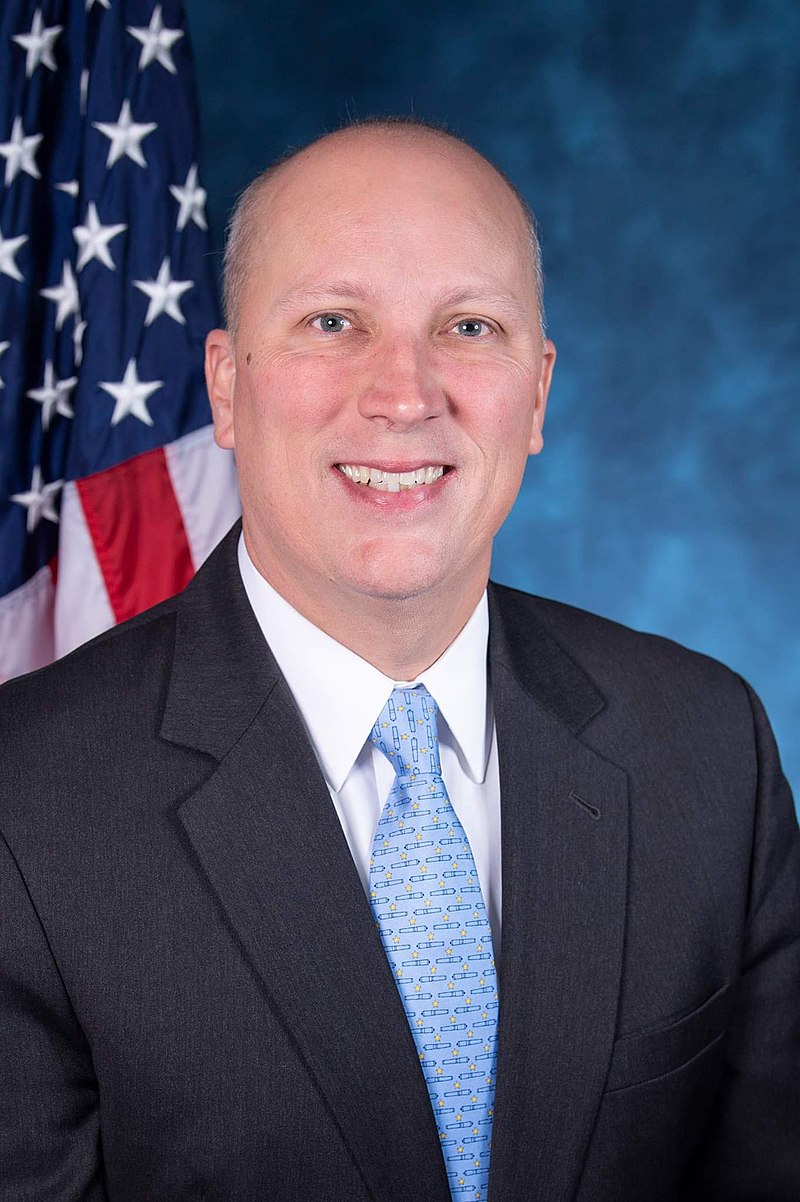
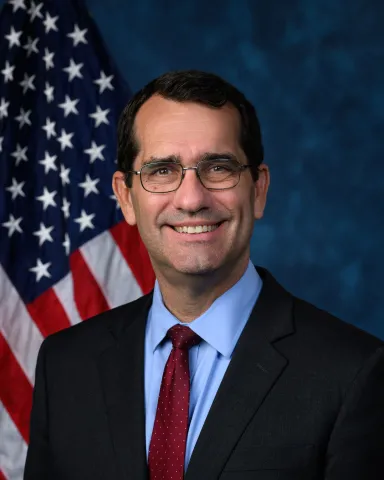
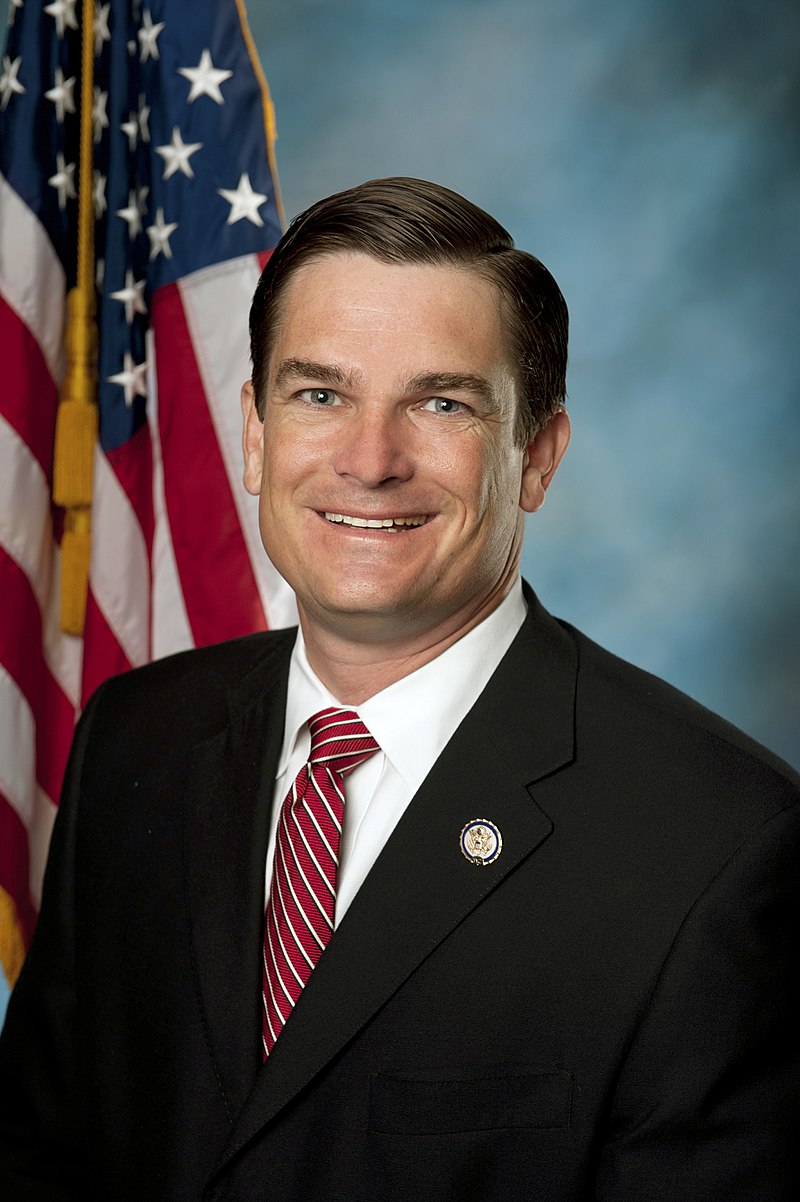
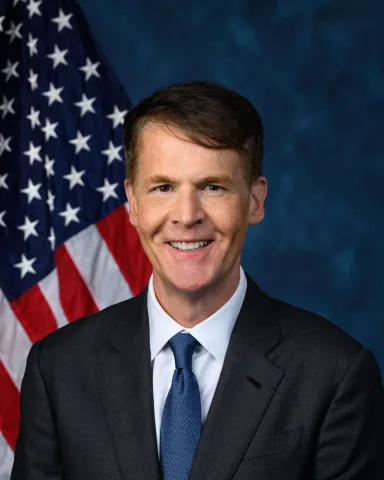
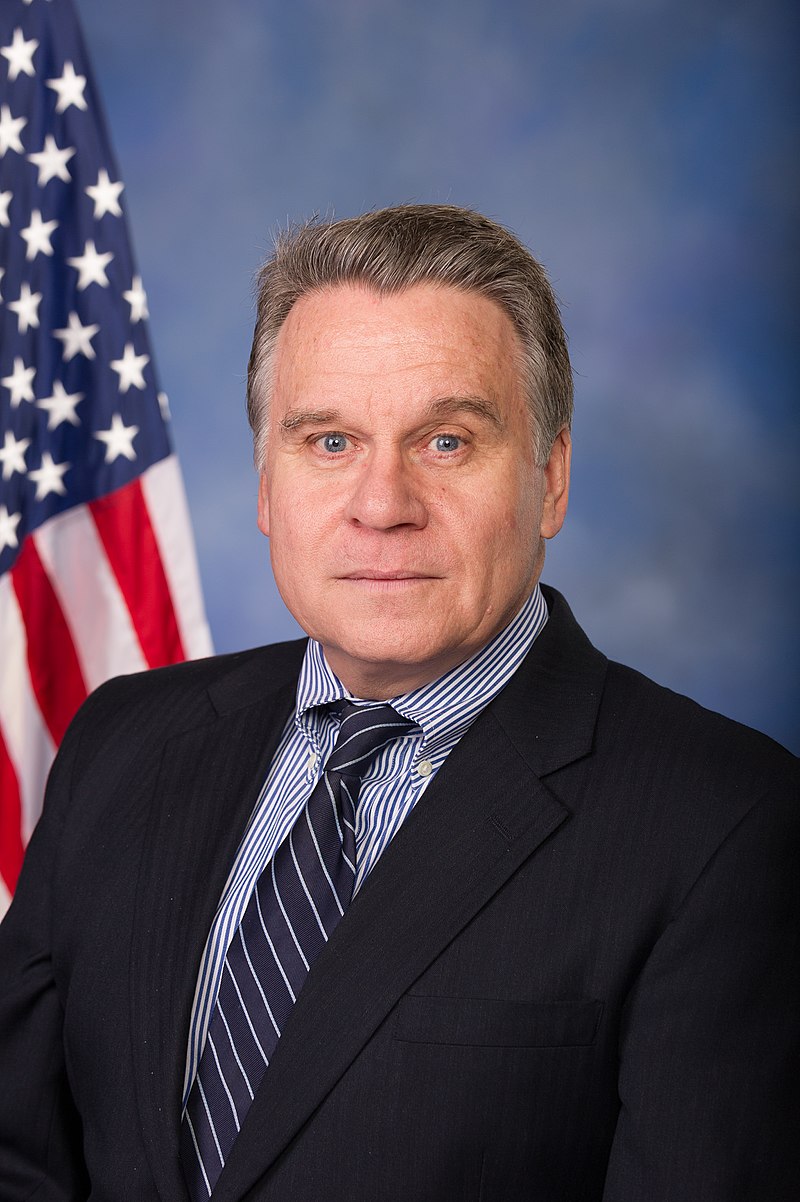
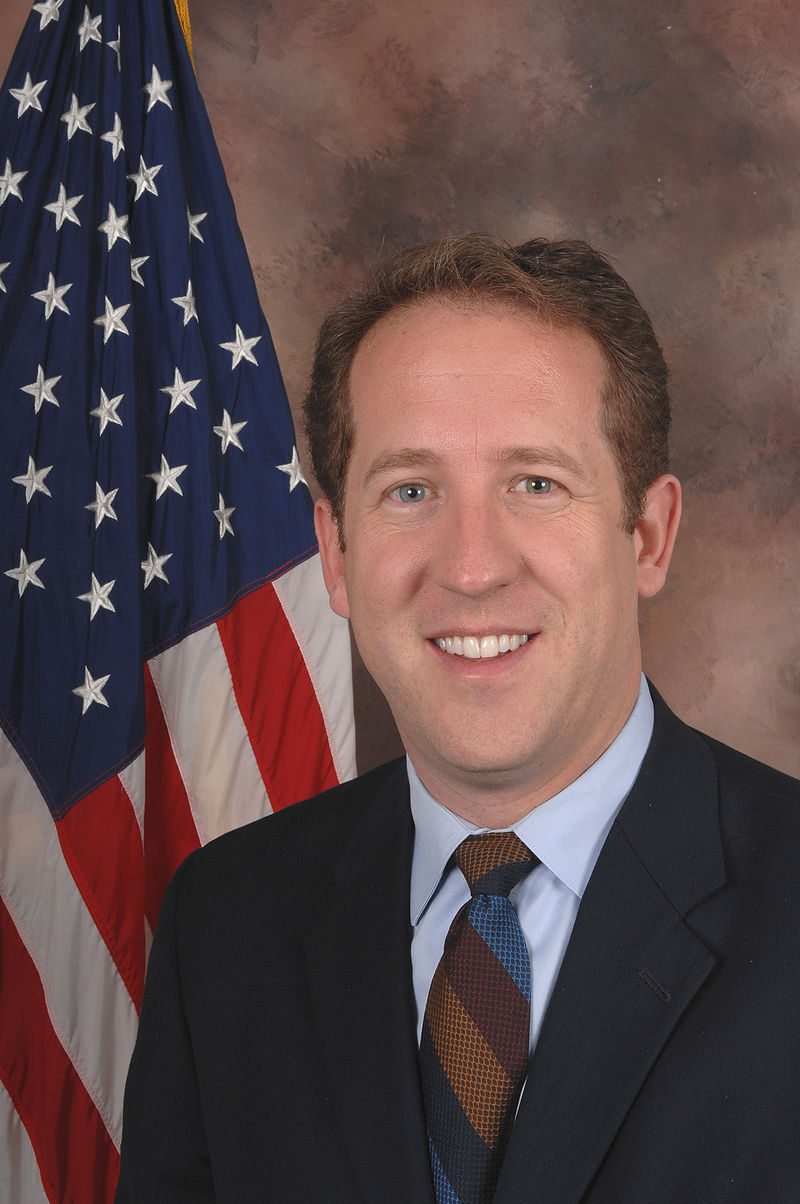
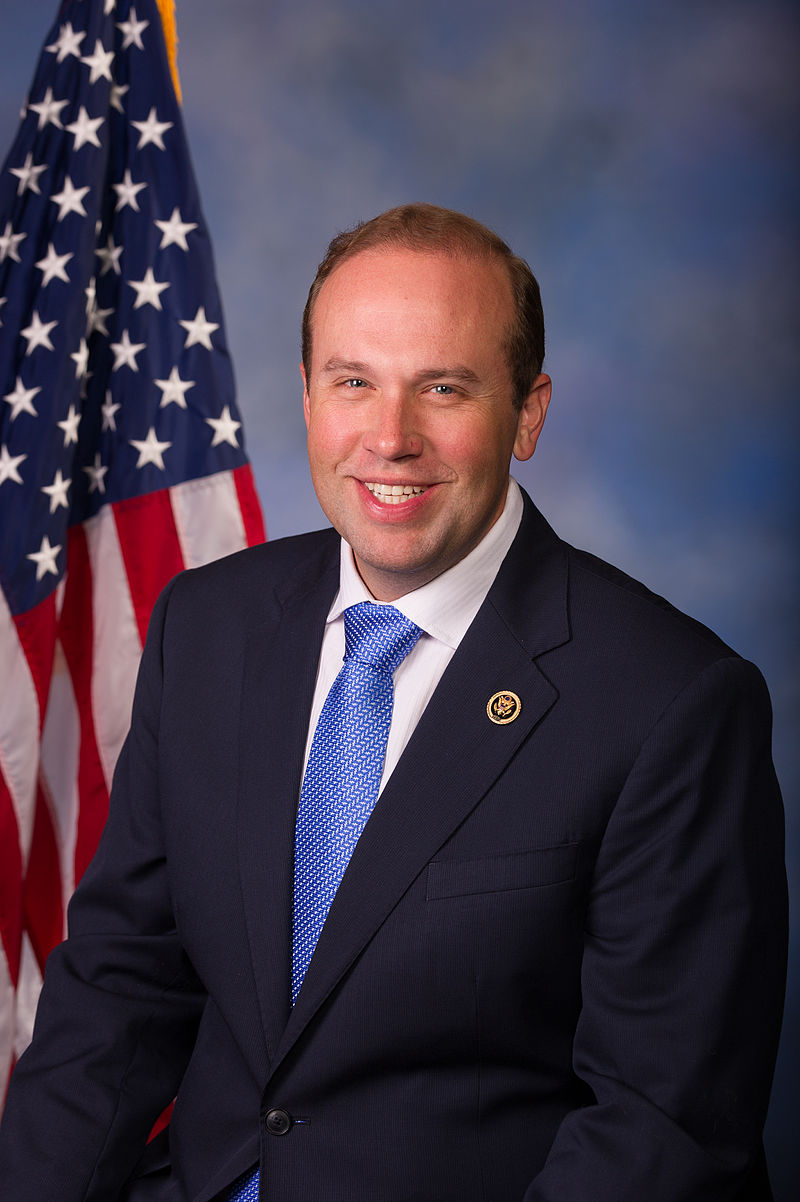
Yea (136)



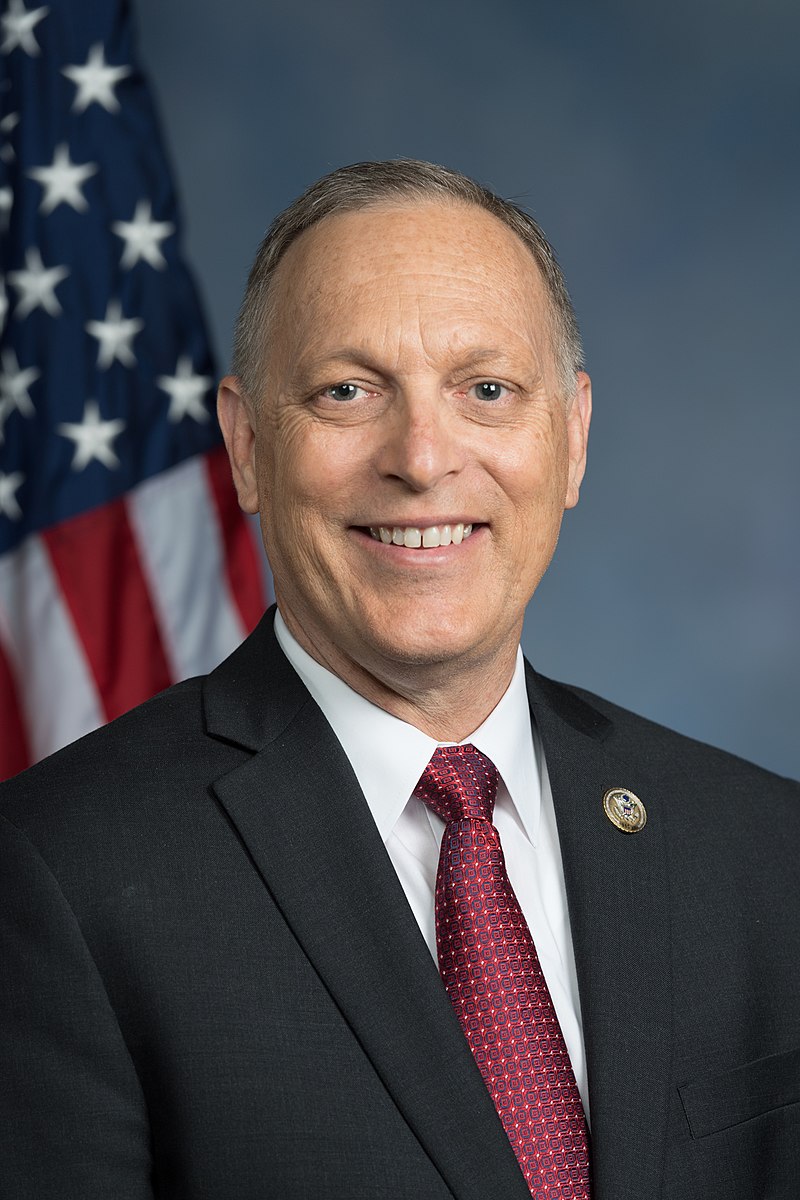
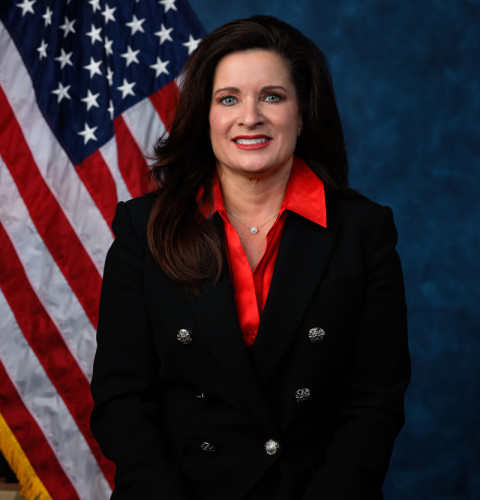
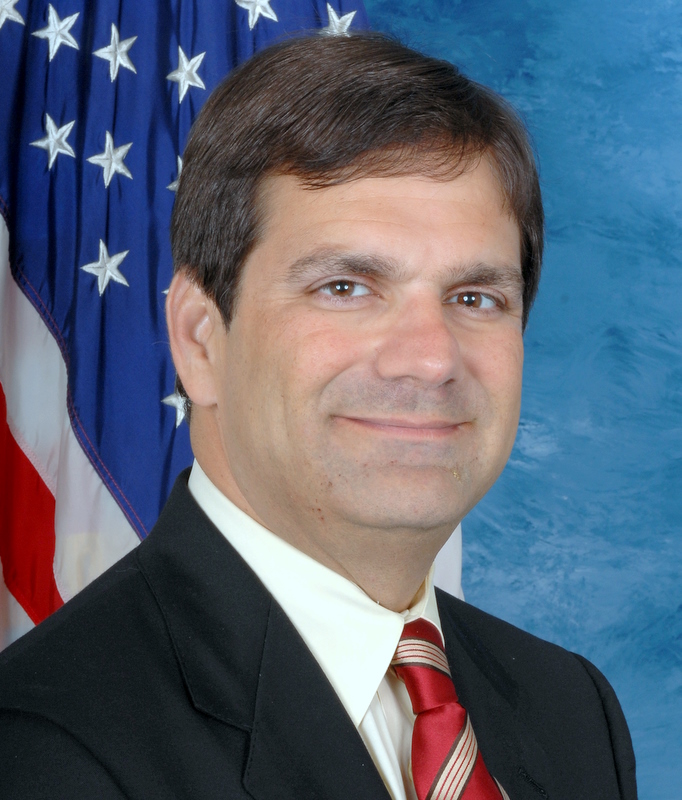
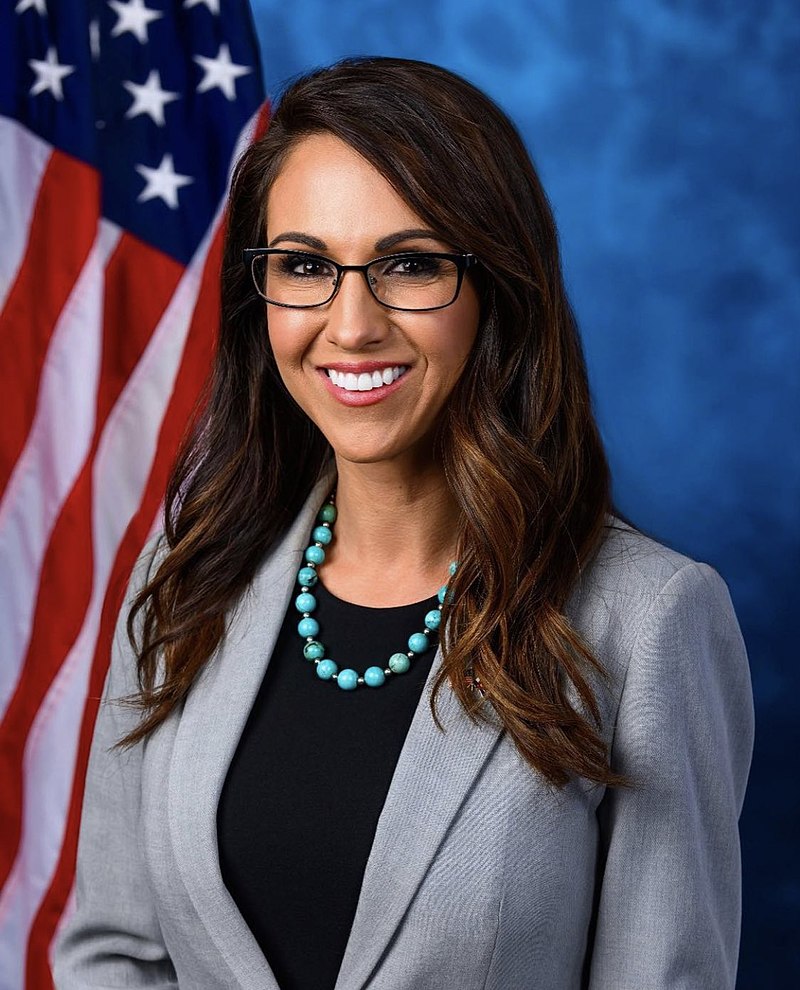
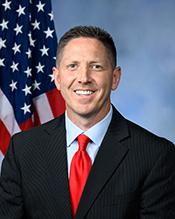
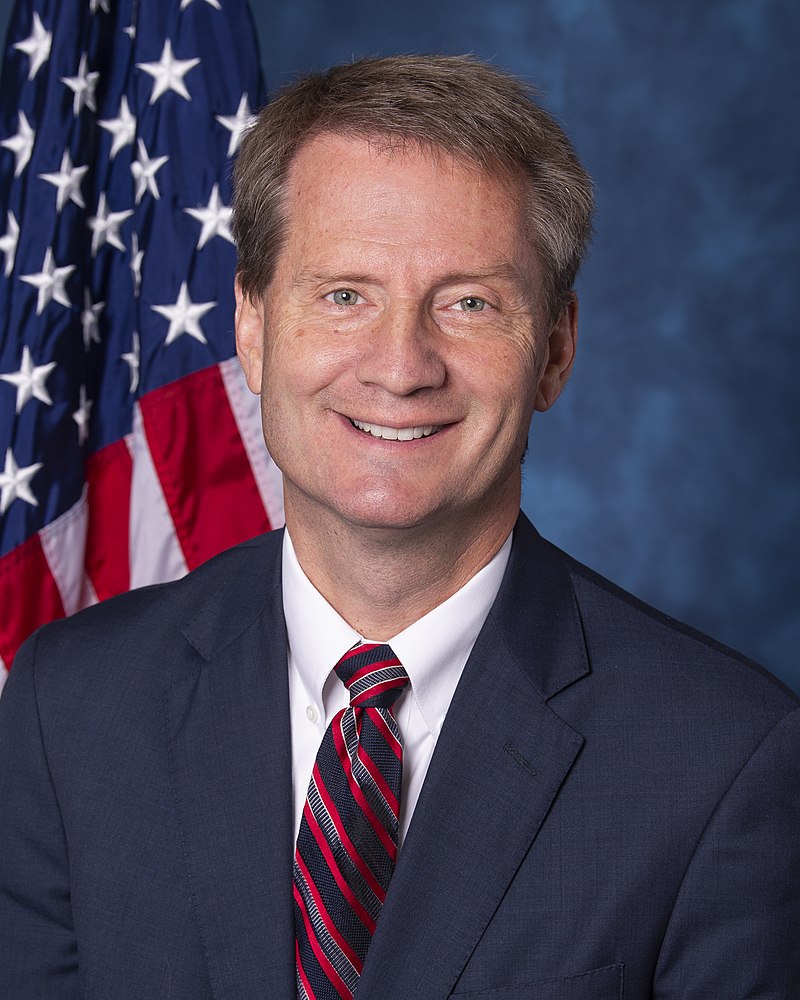
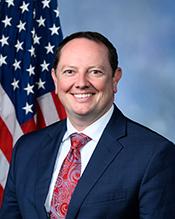

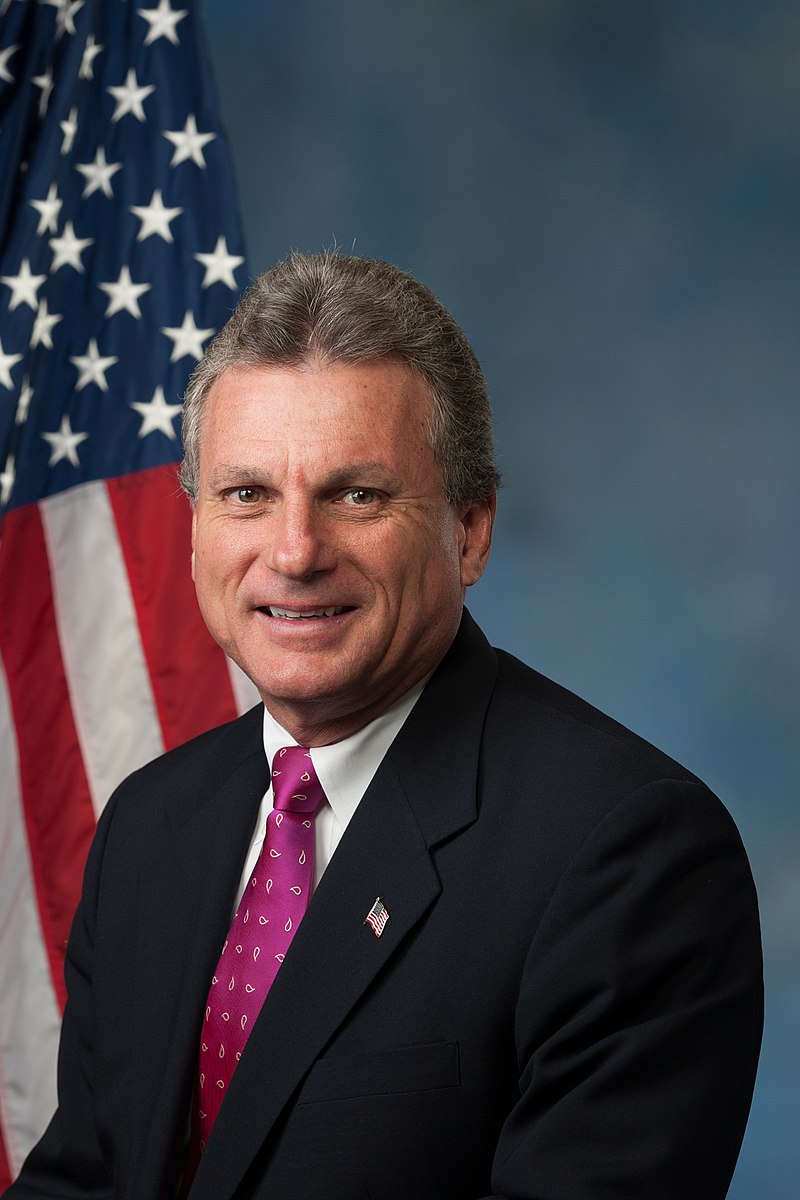
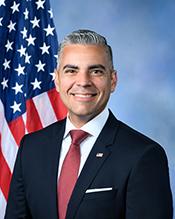

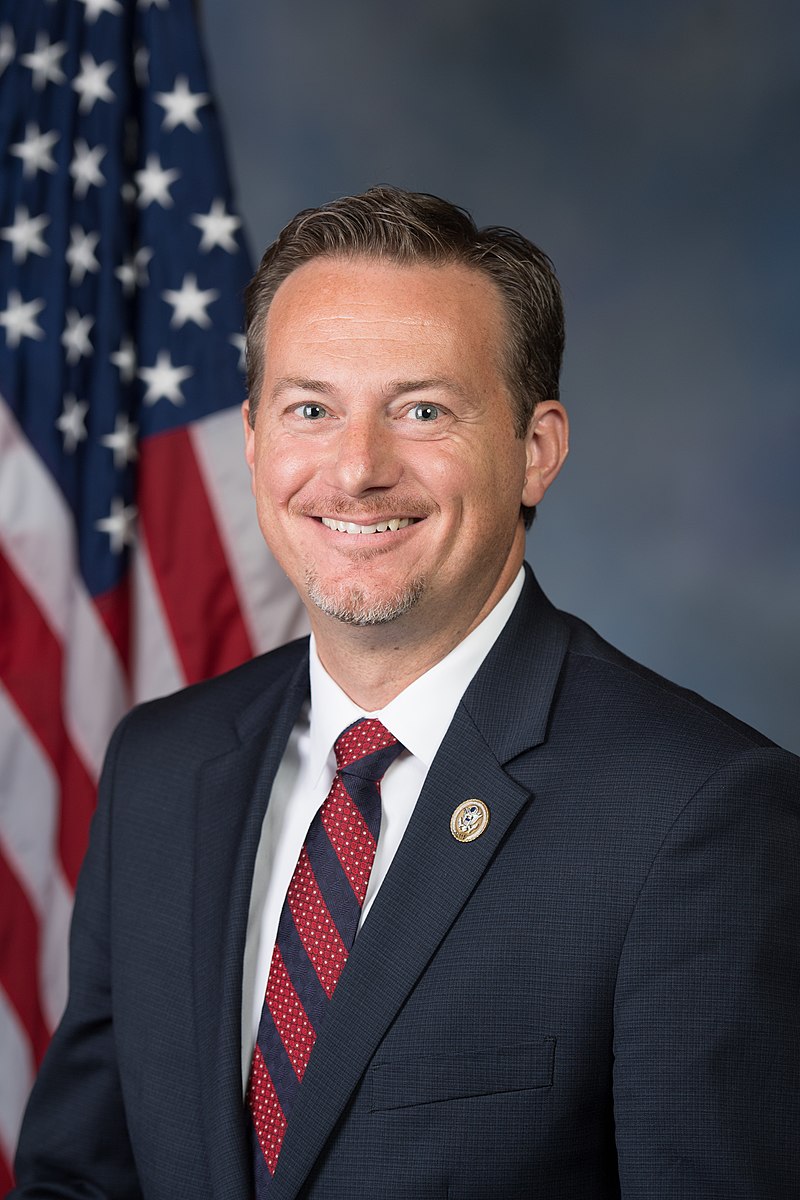
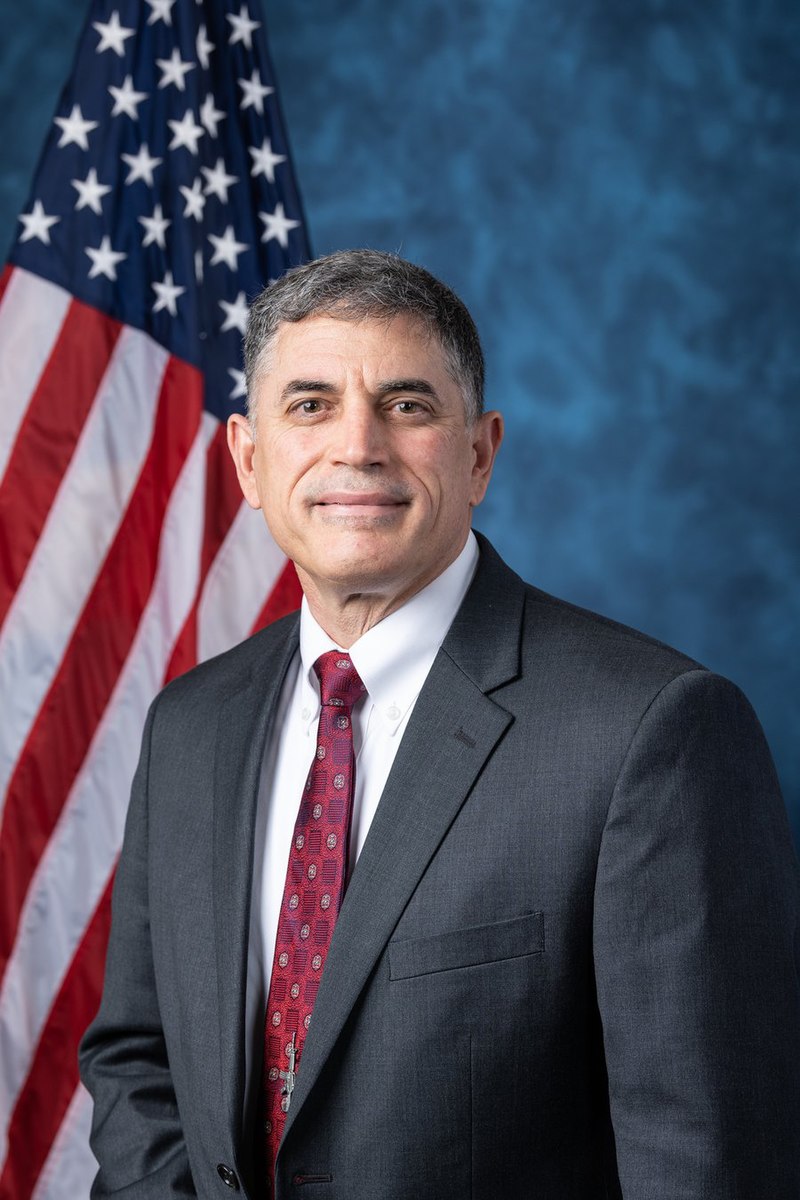

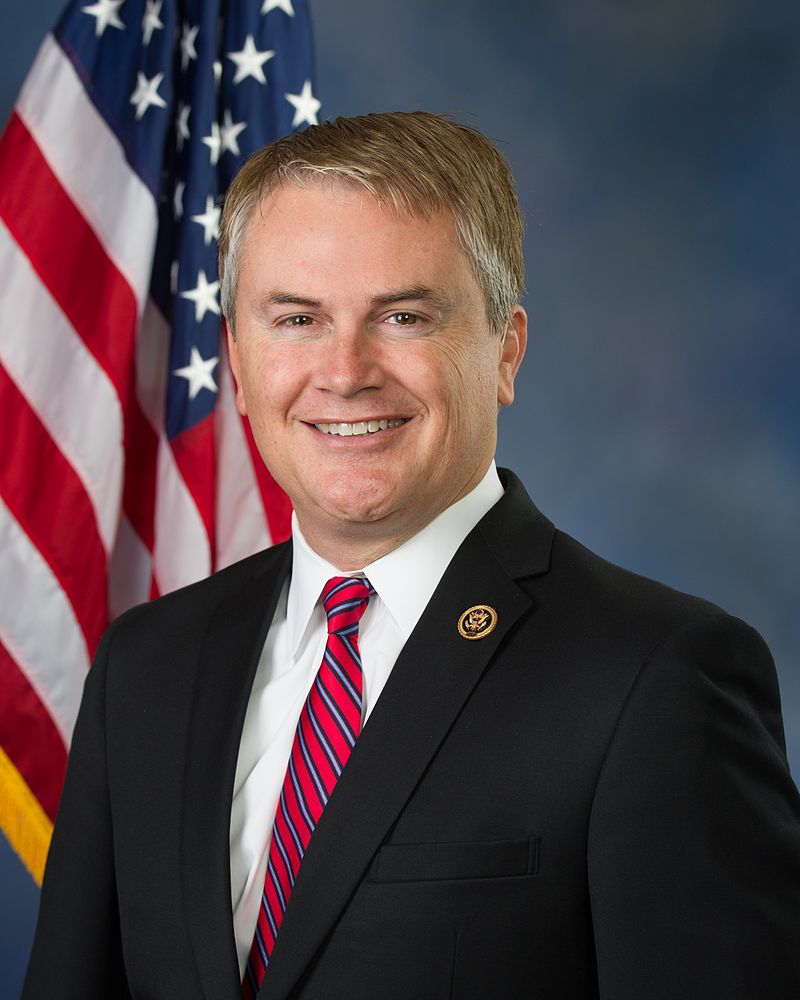
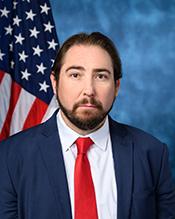
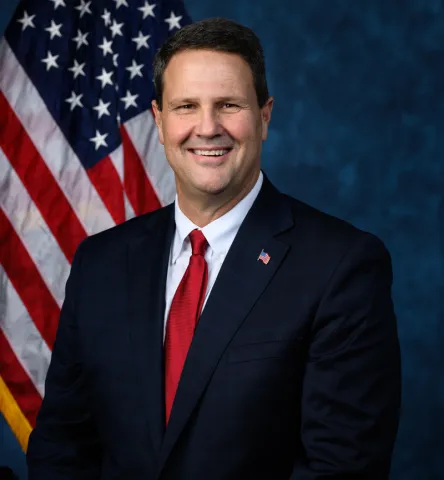
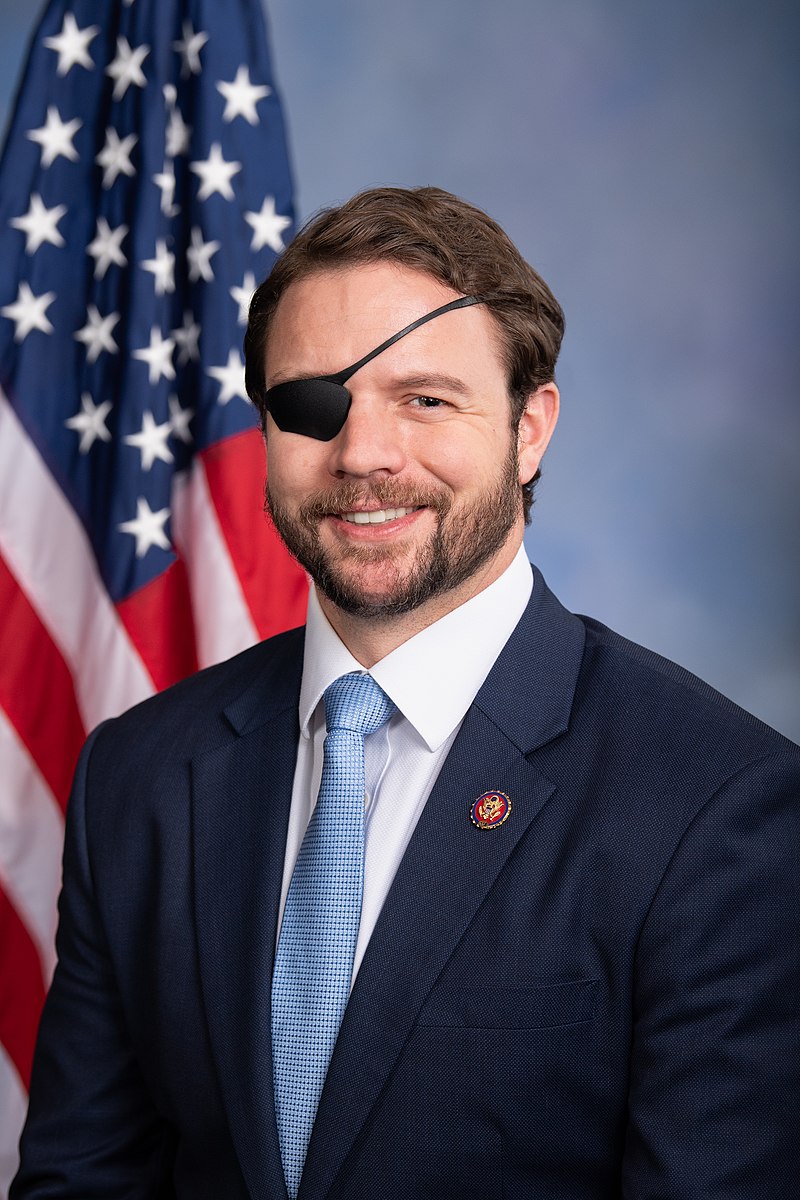
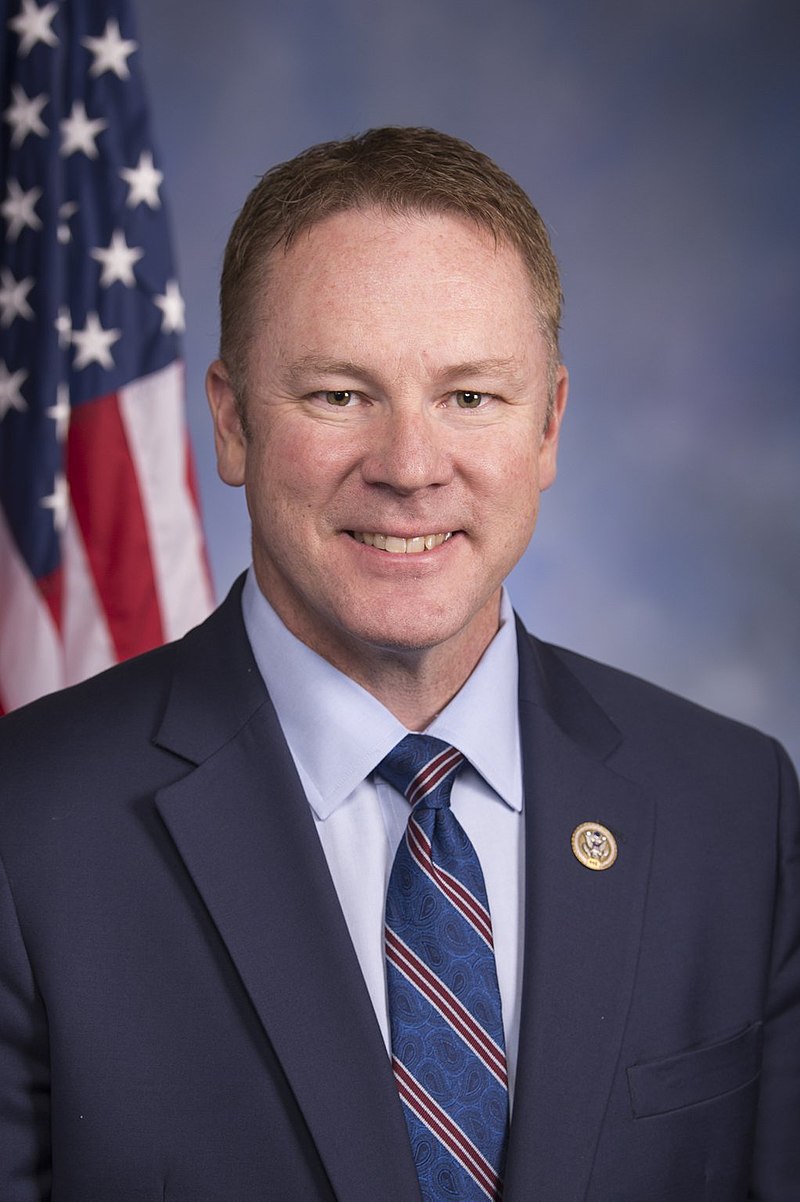
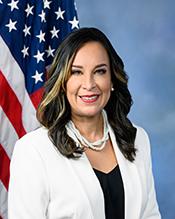
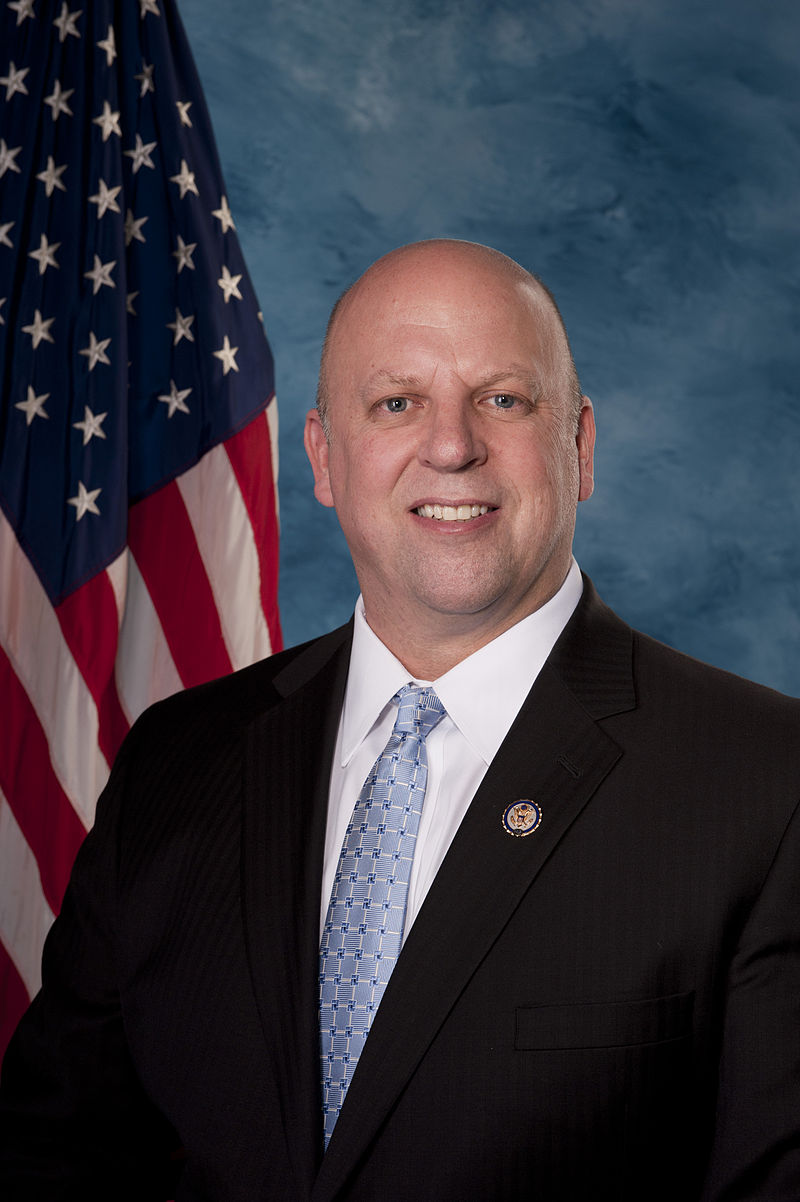


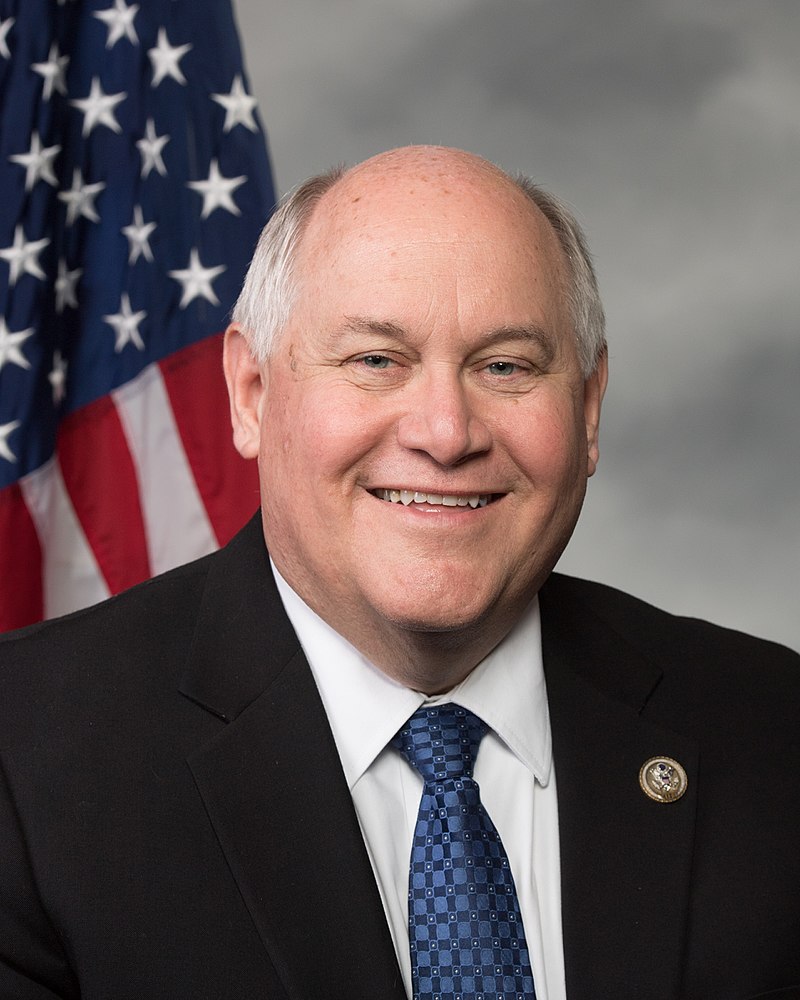


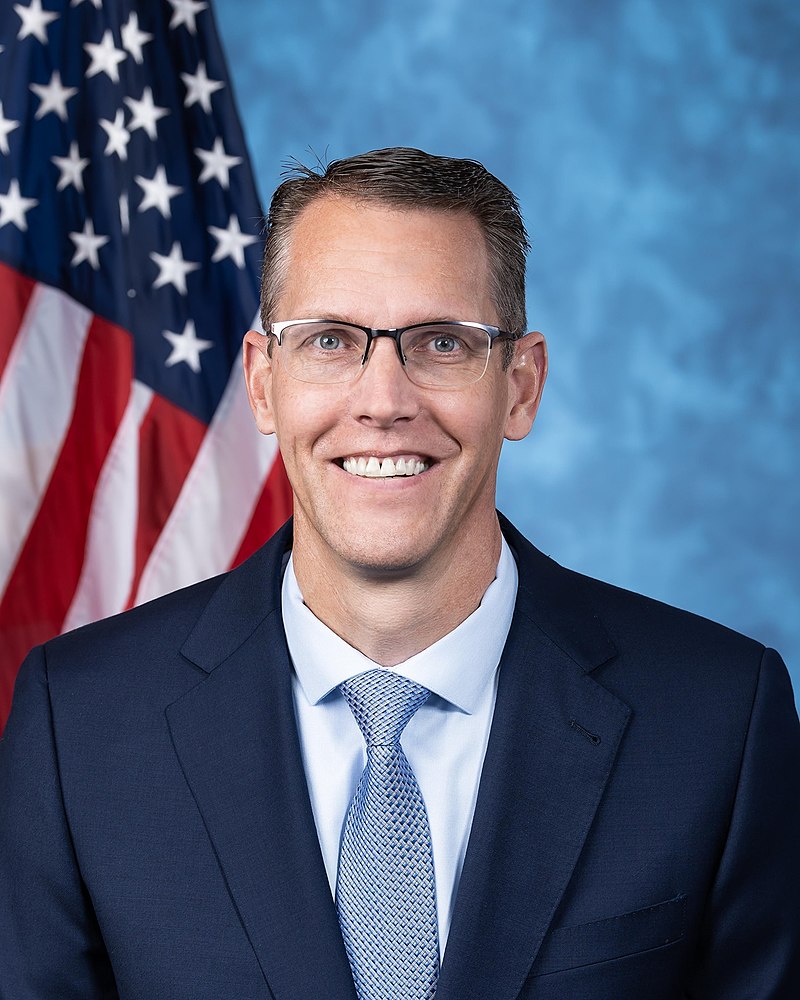

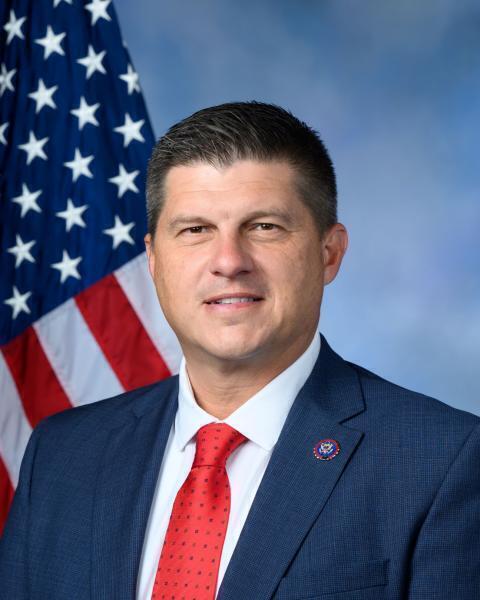
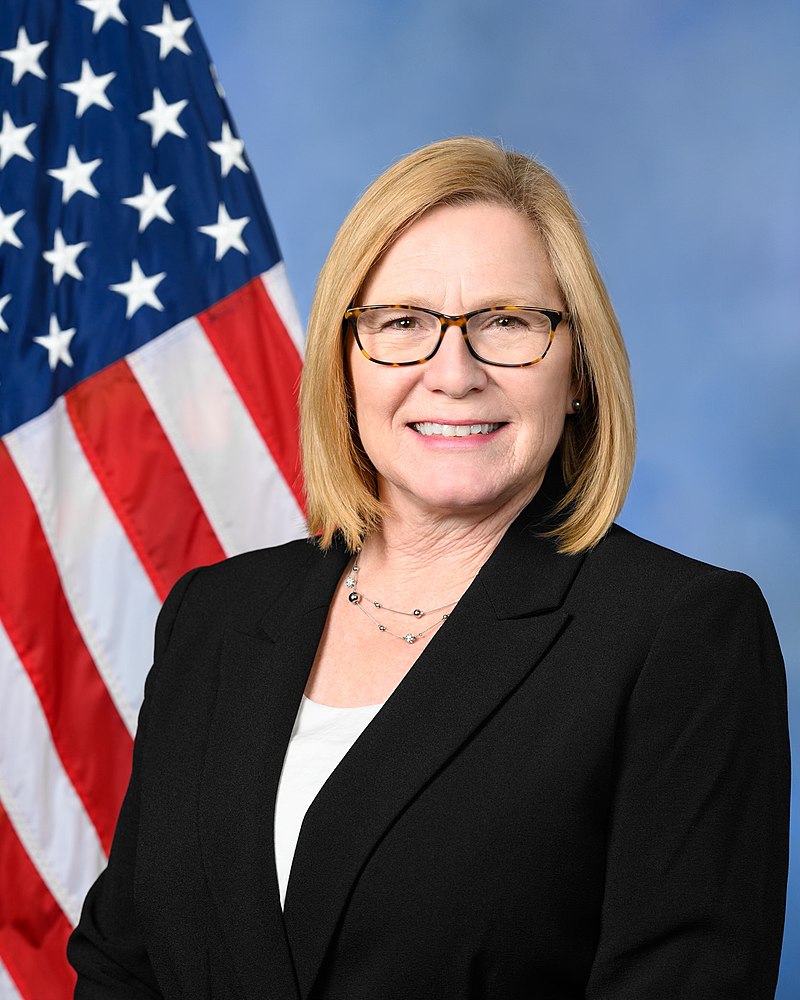
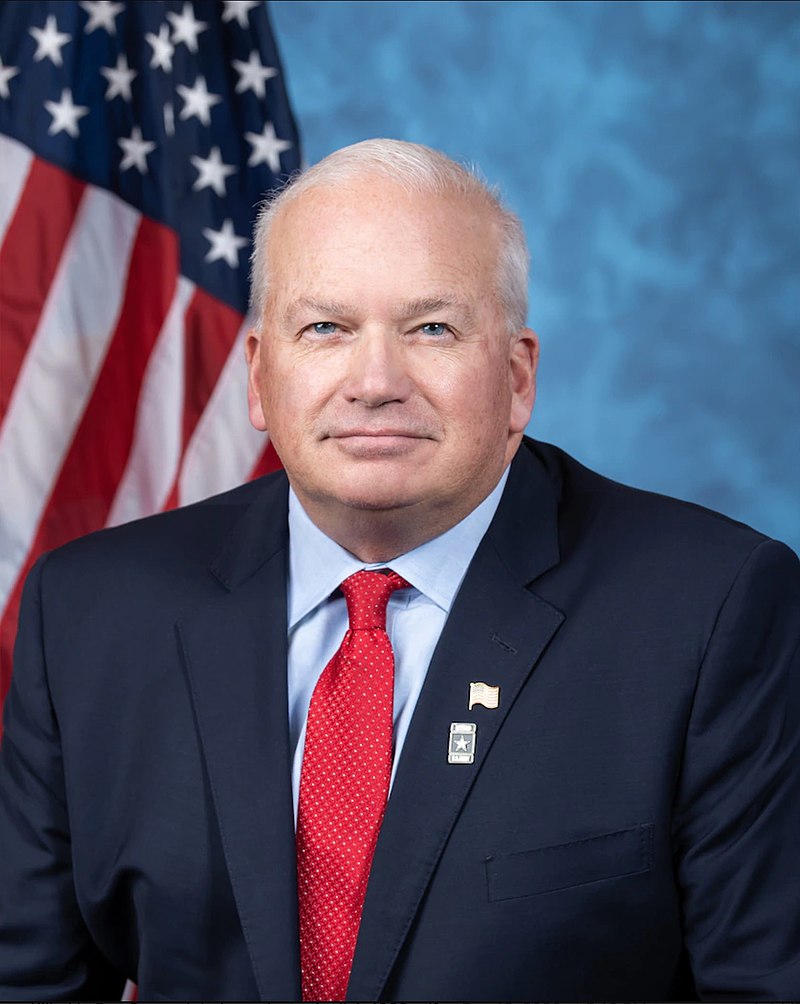
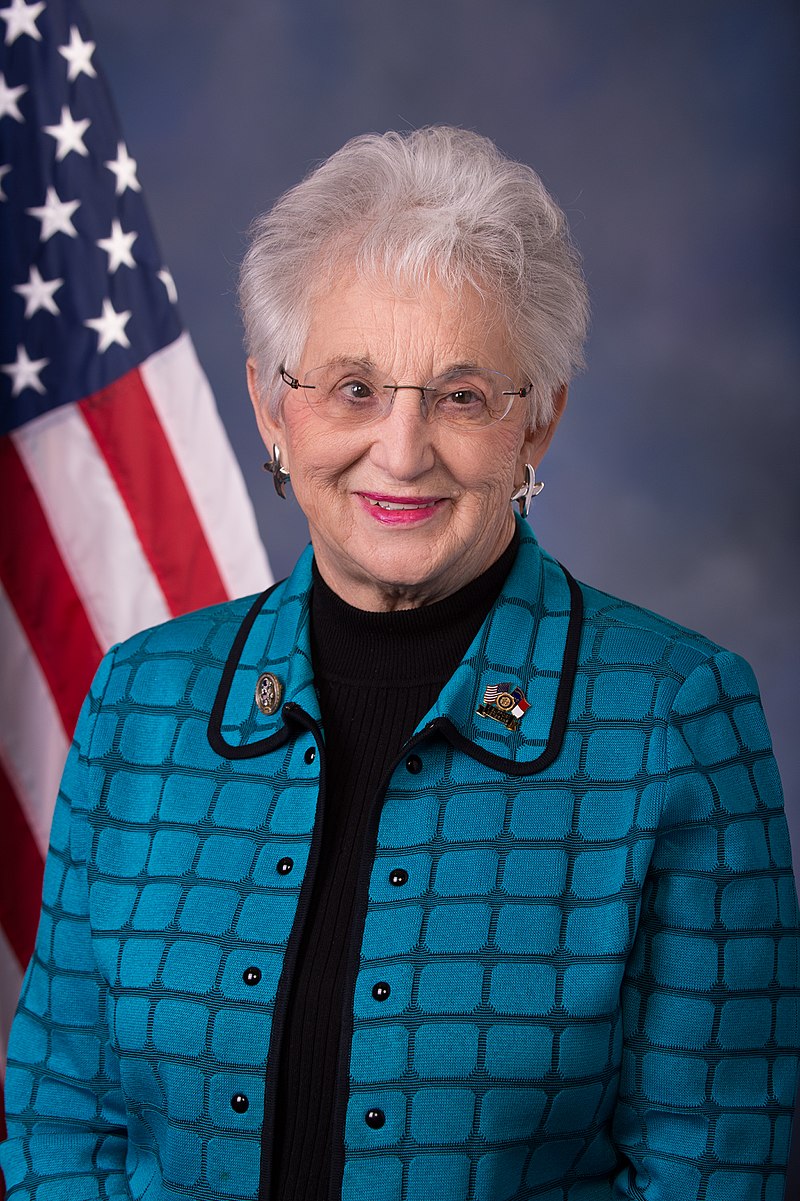
S
Scott Franklin

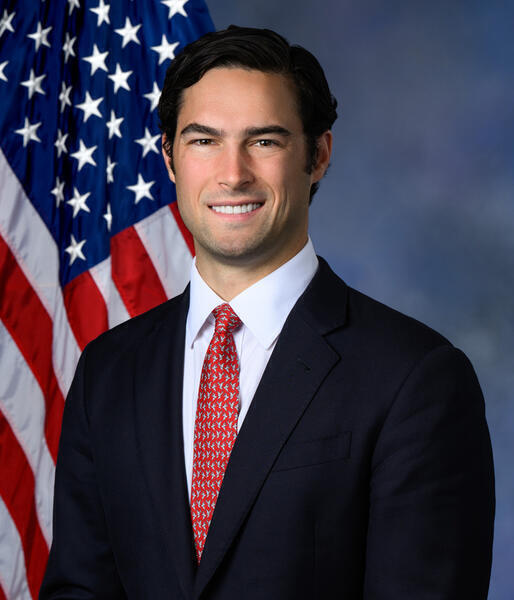


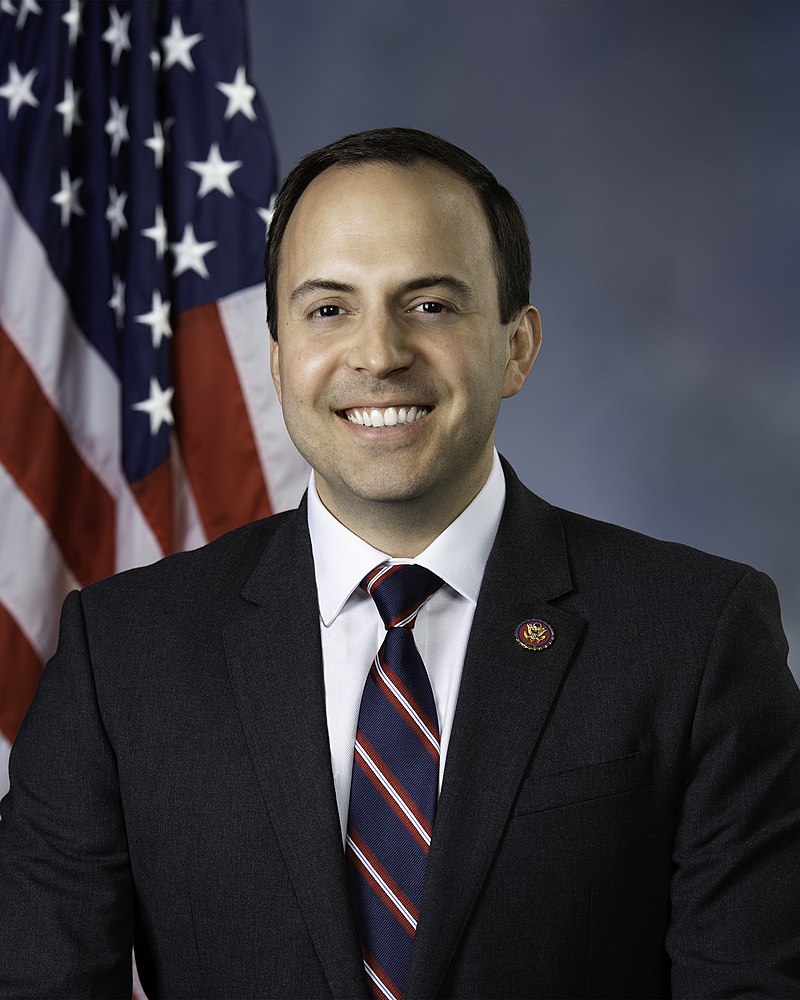









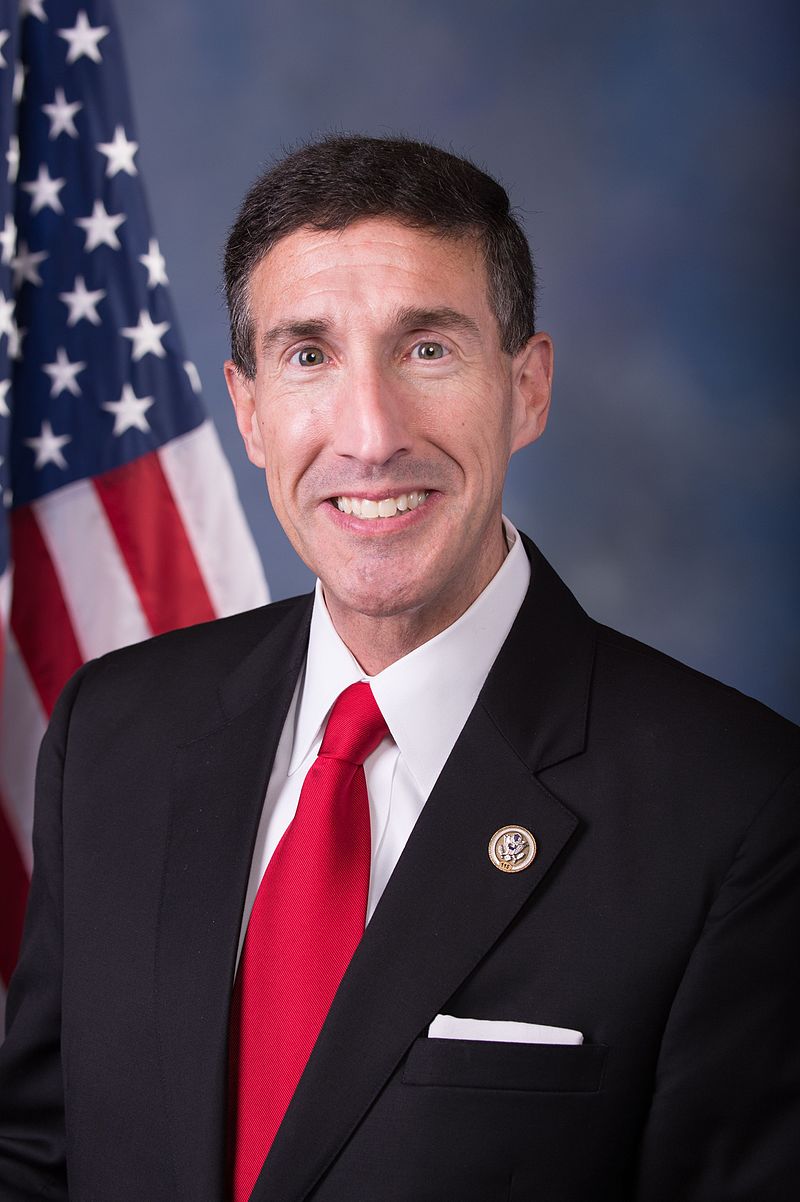


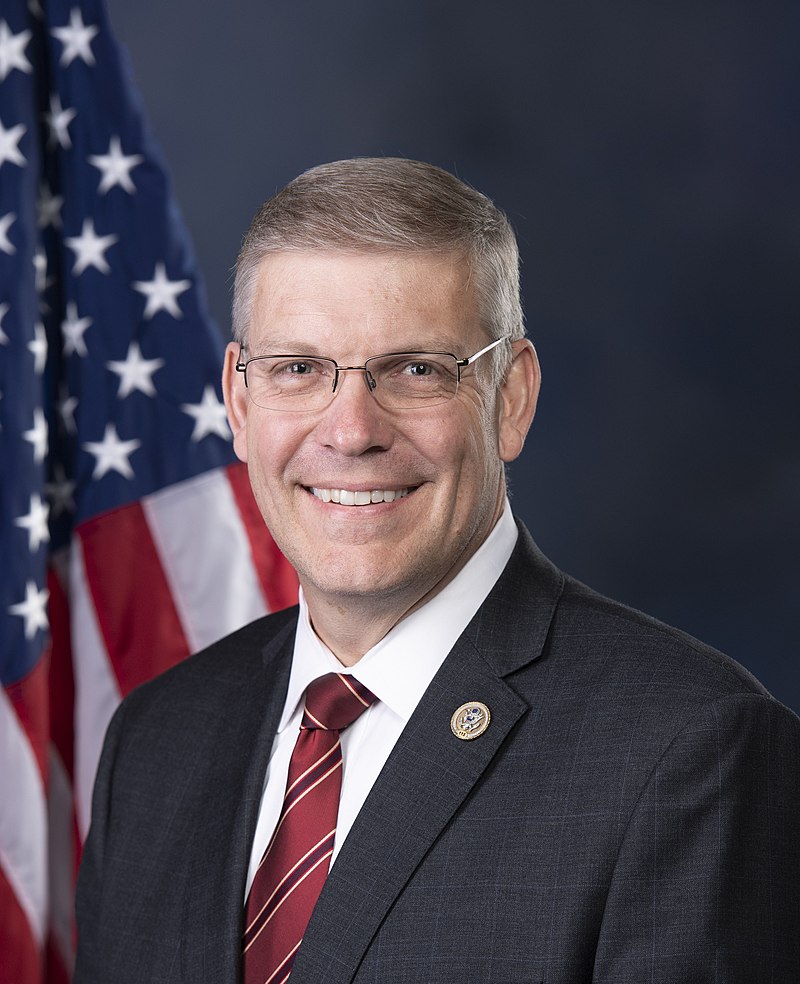

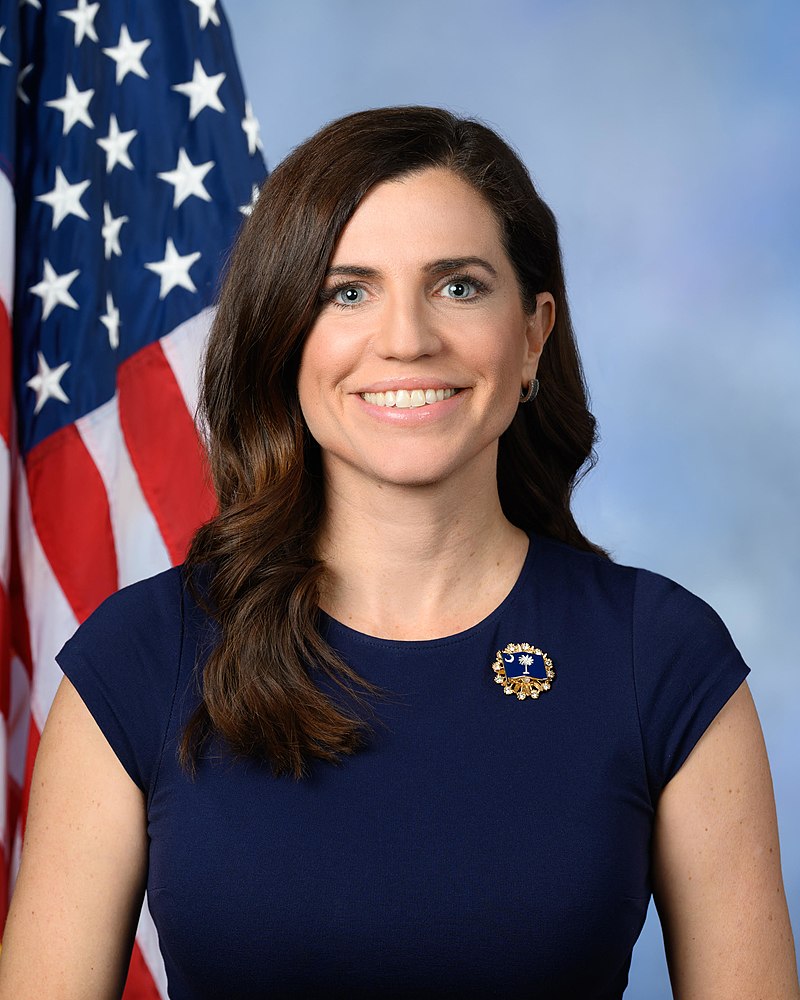








J
John Rutherford
D
David Schweikert

P
Pete Sessions
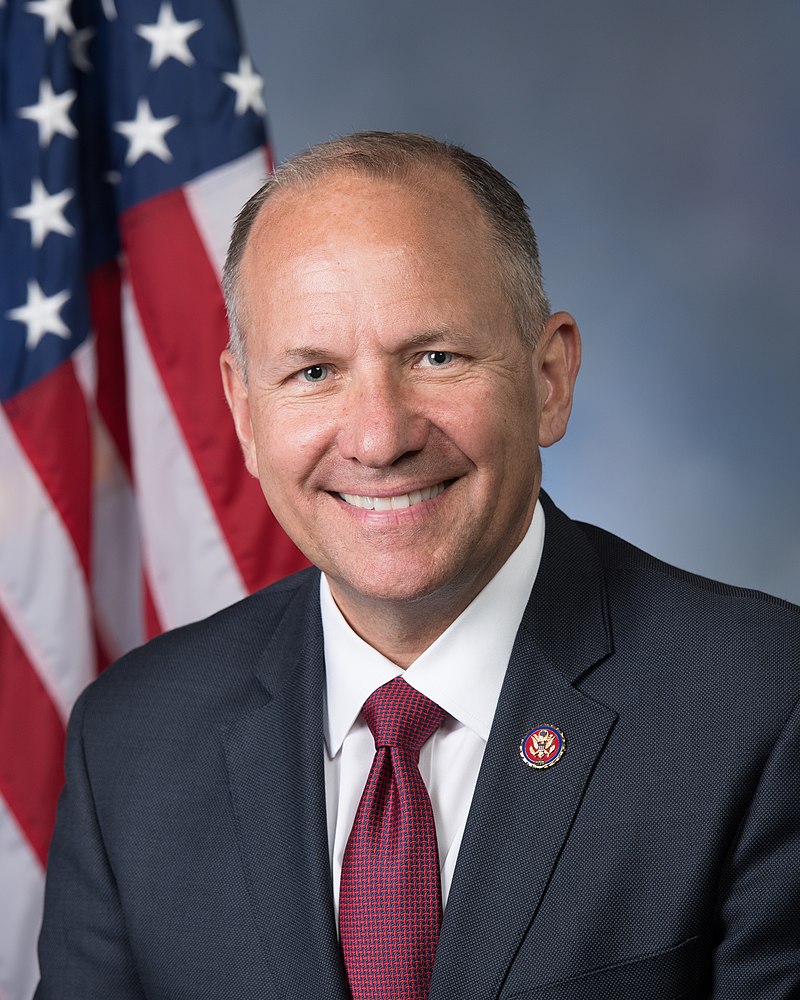

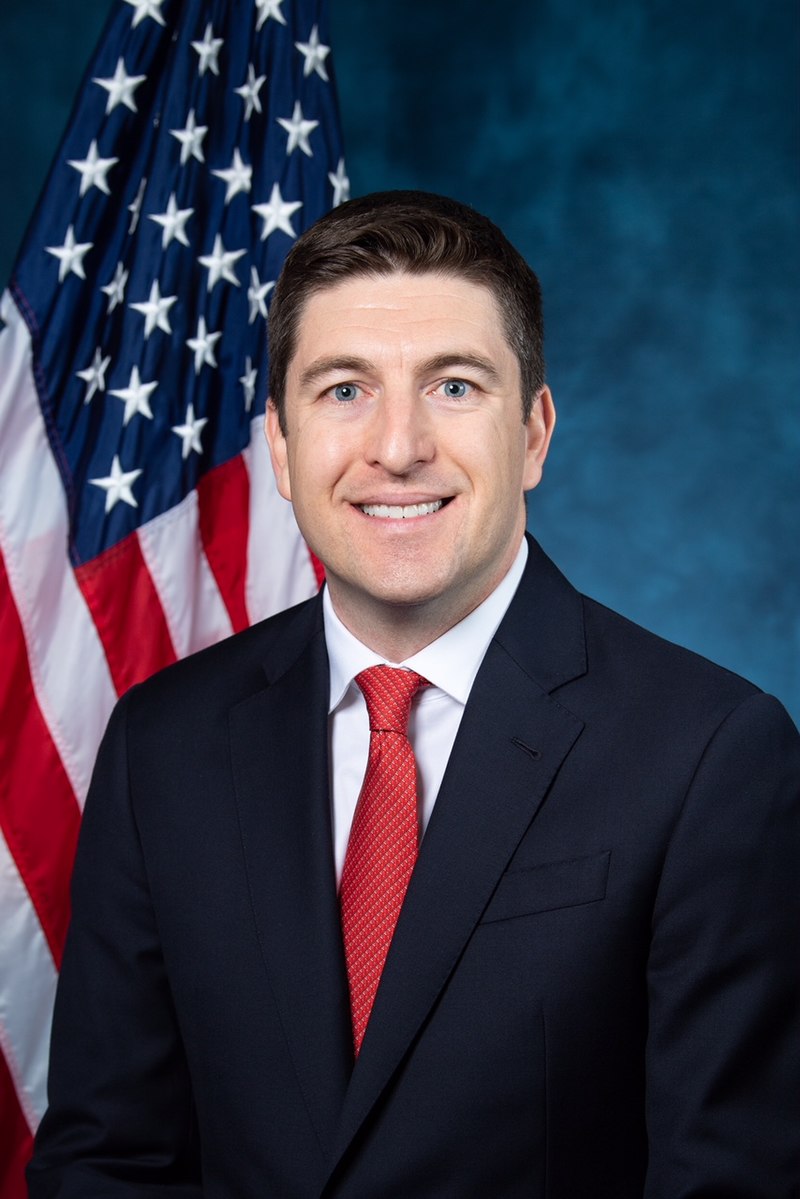


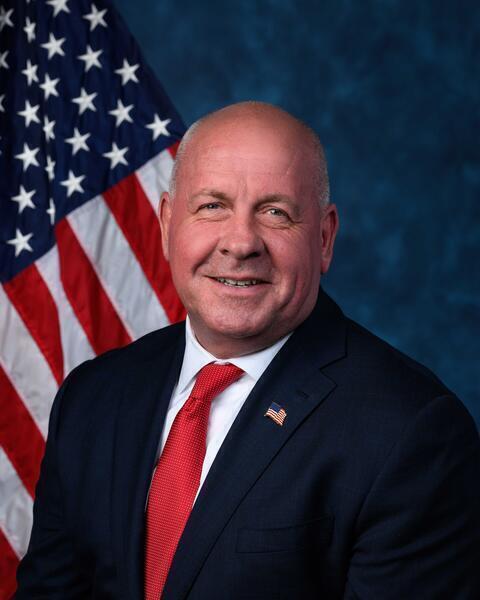


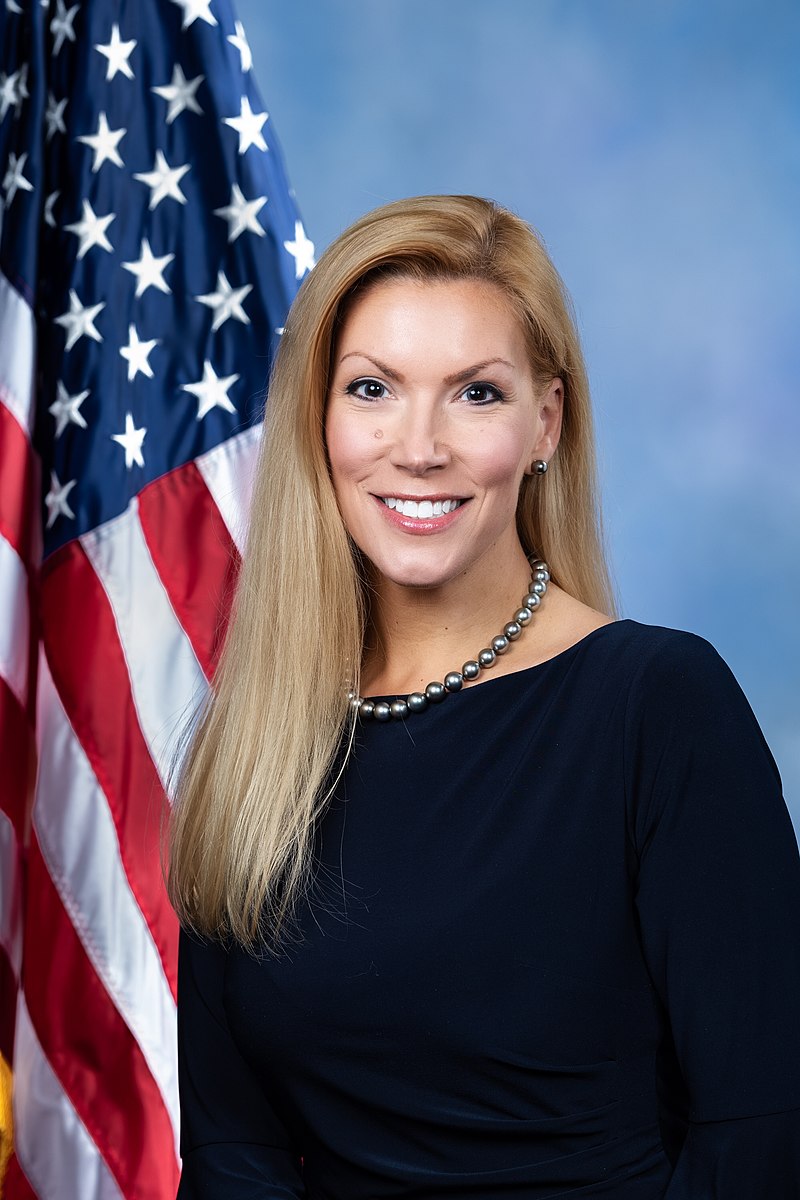

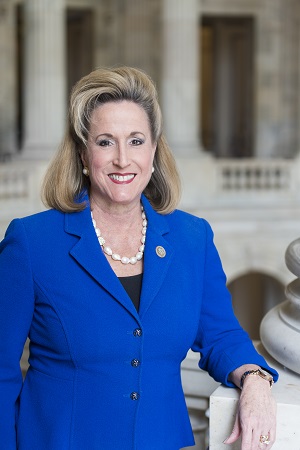
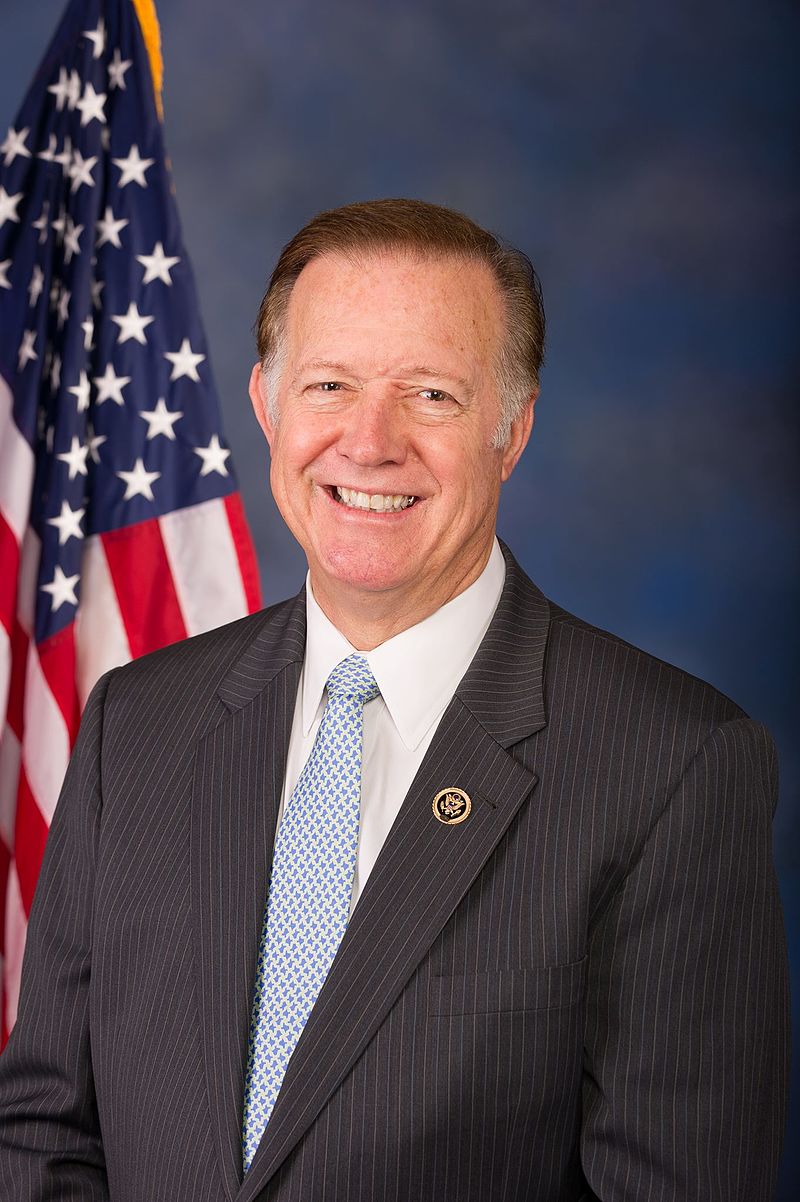
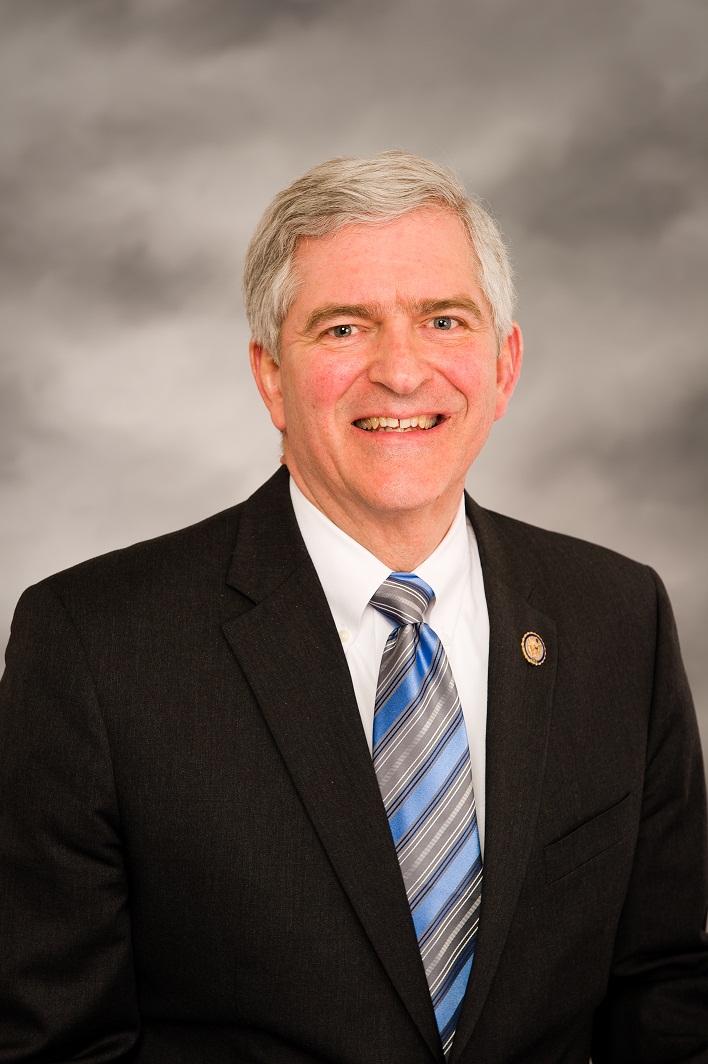
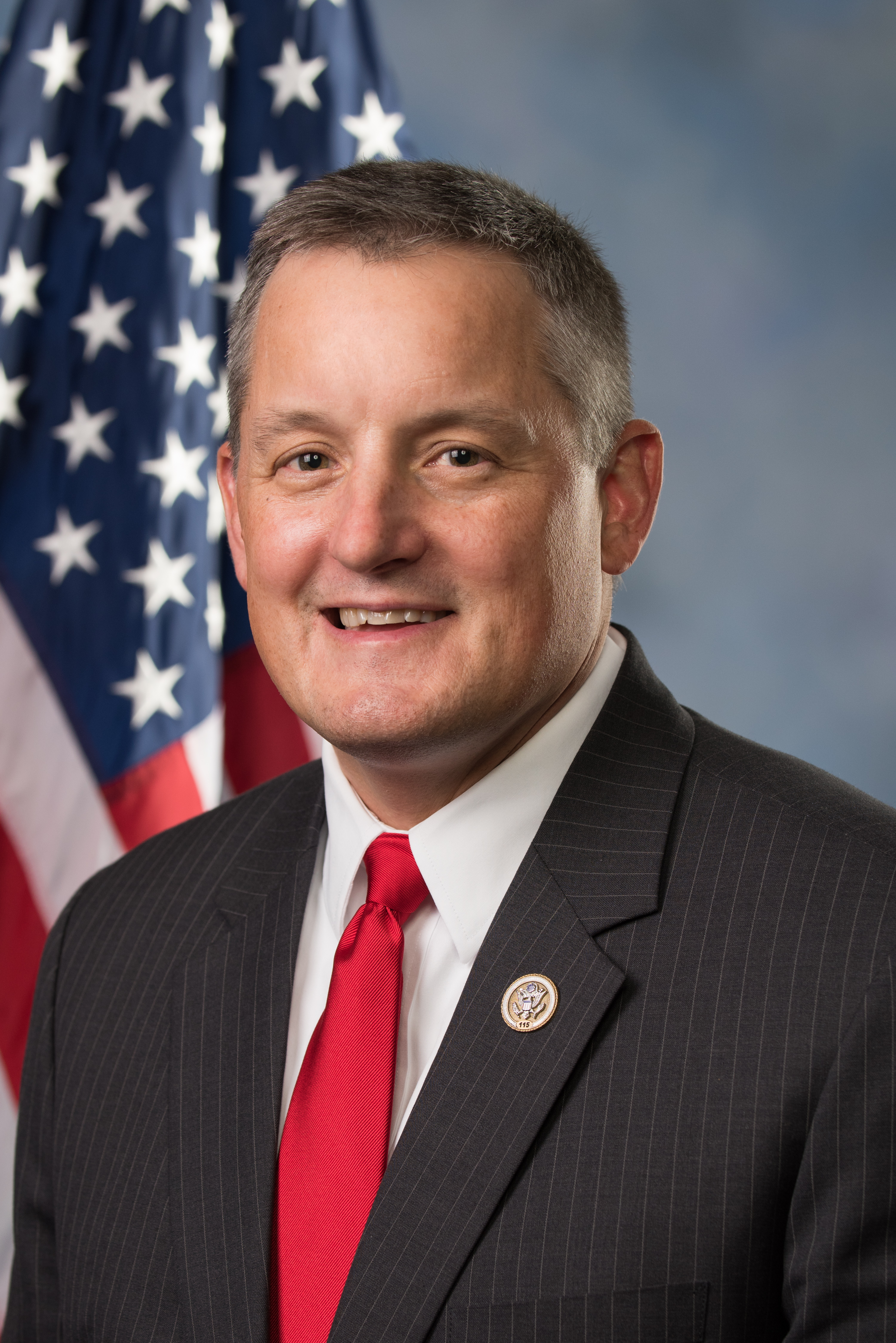

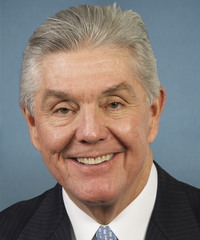
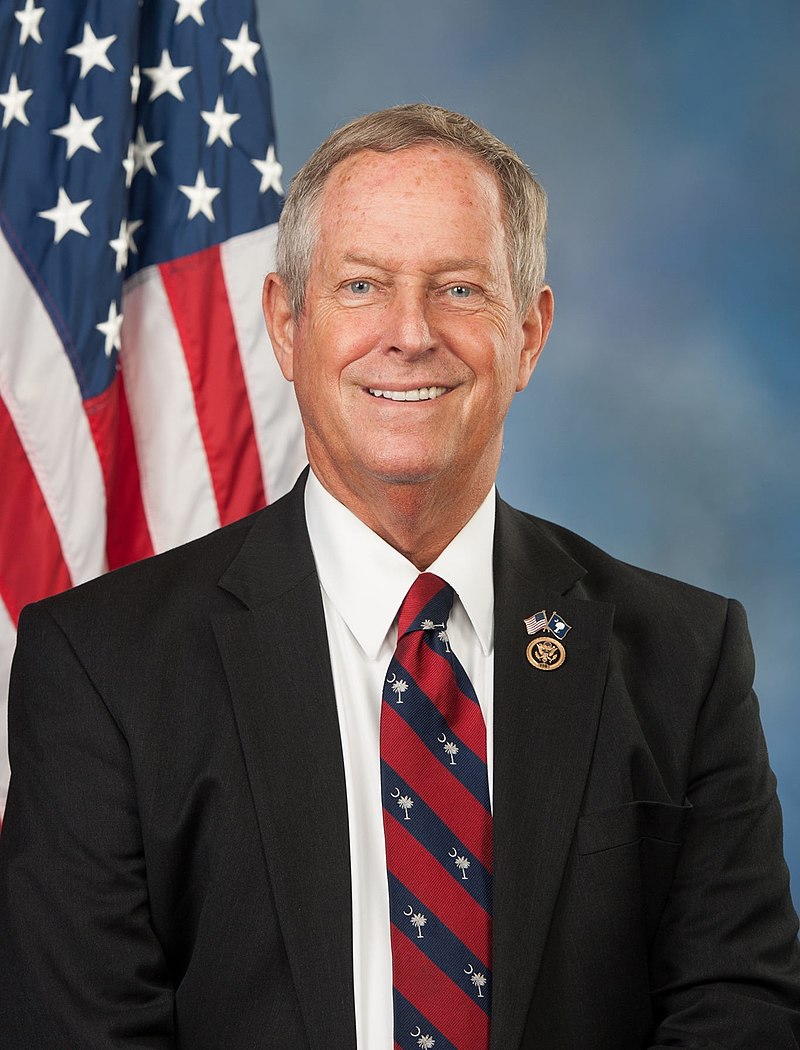

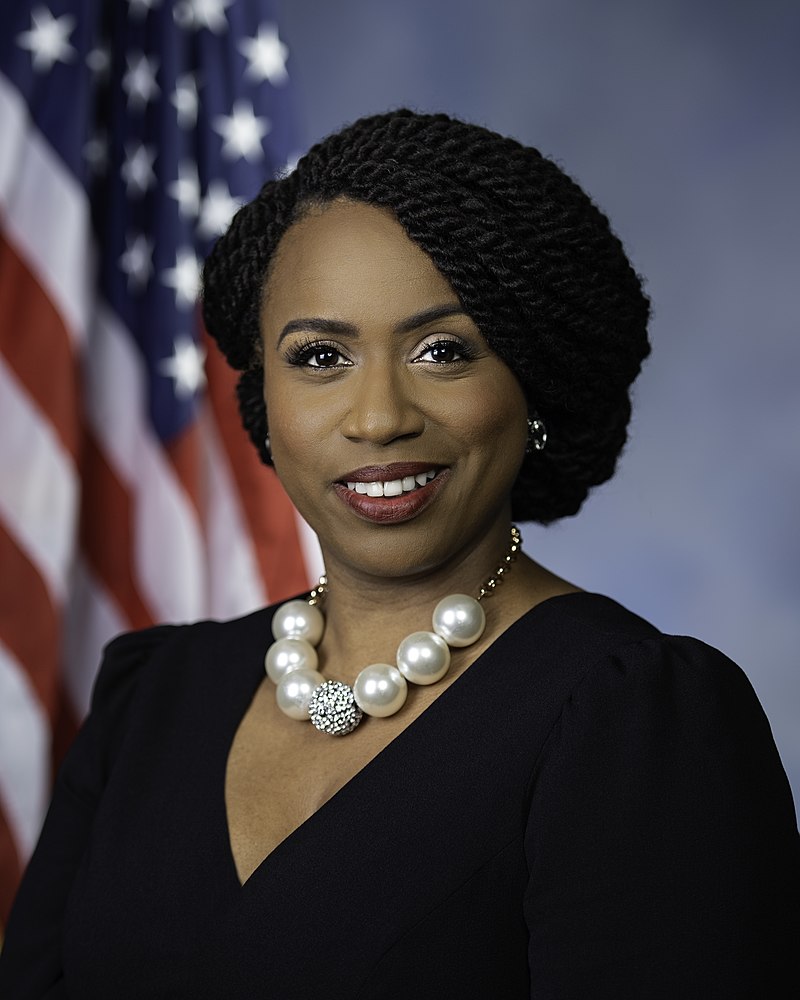
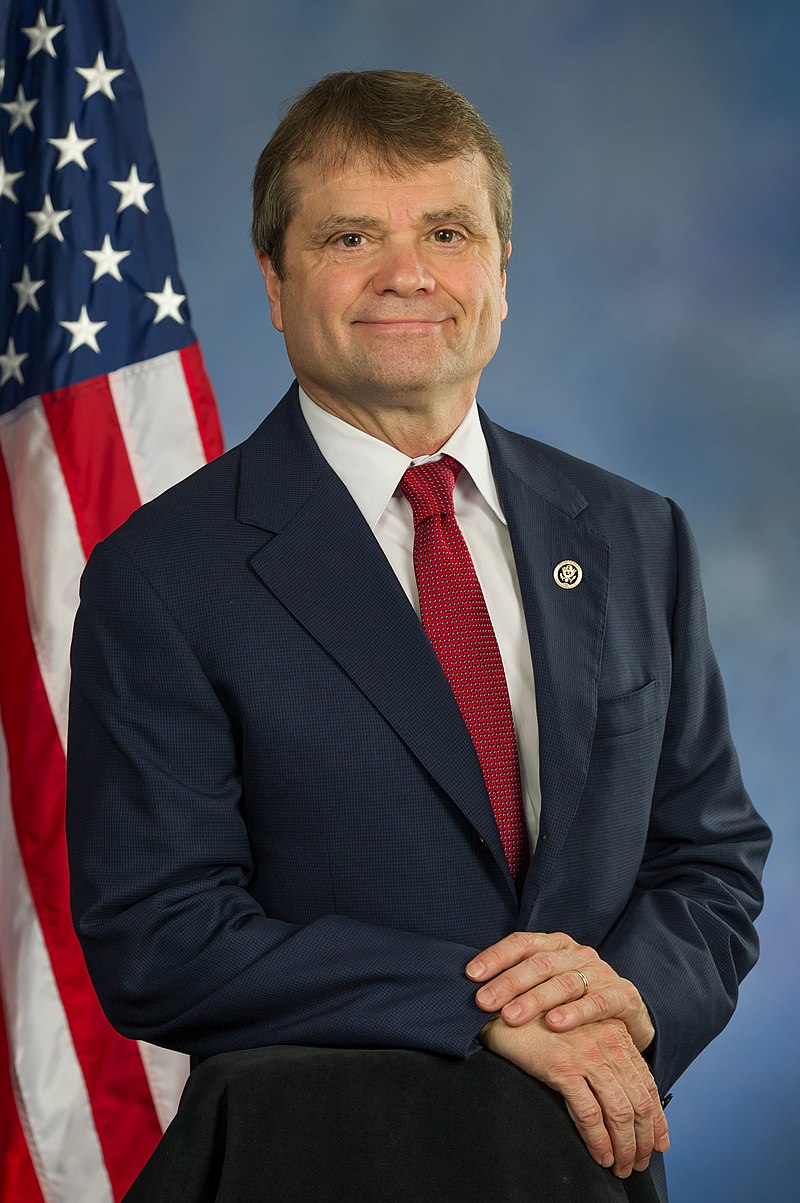
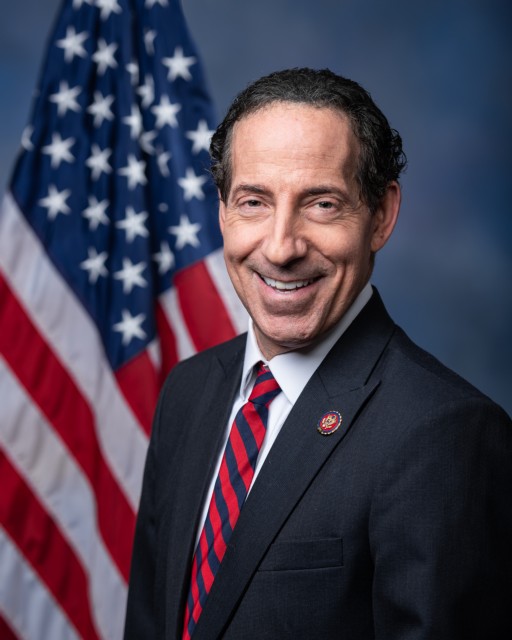
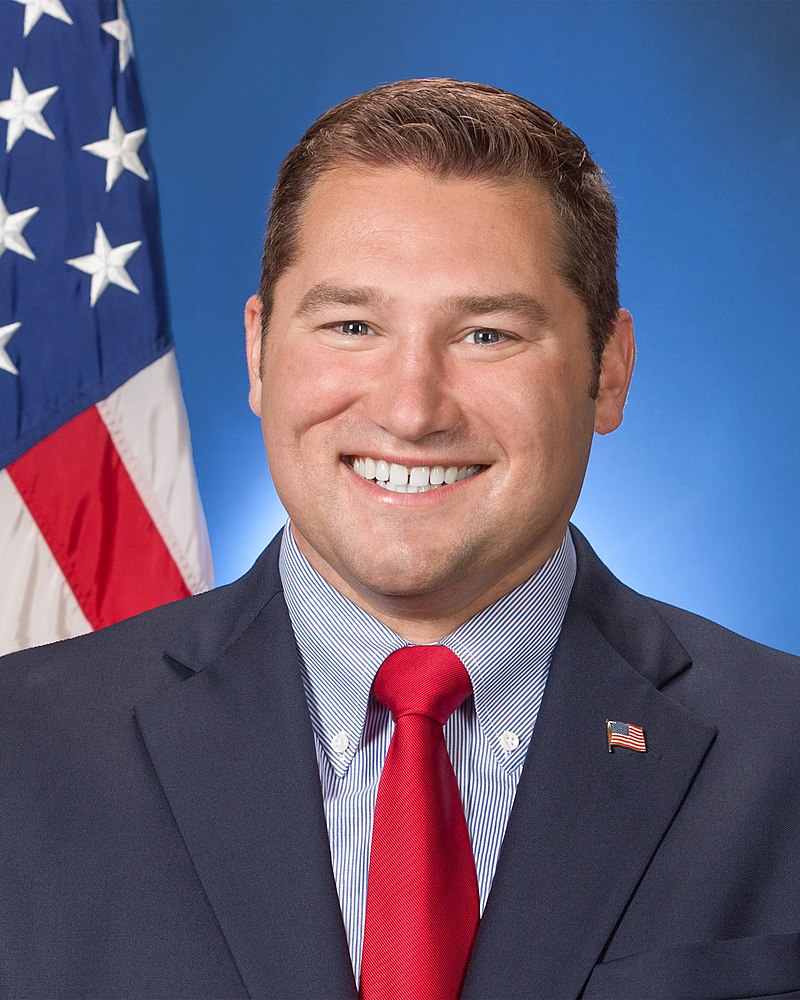
Nay (291)
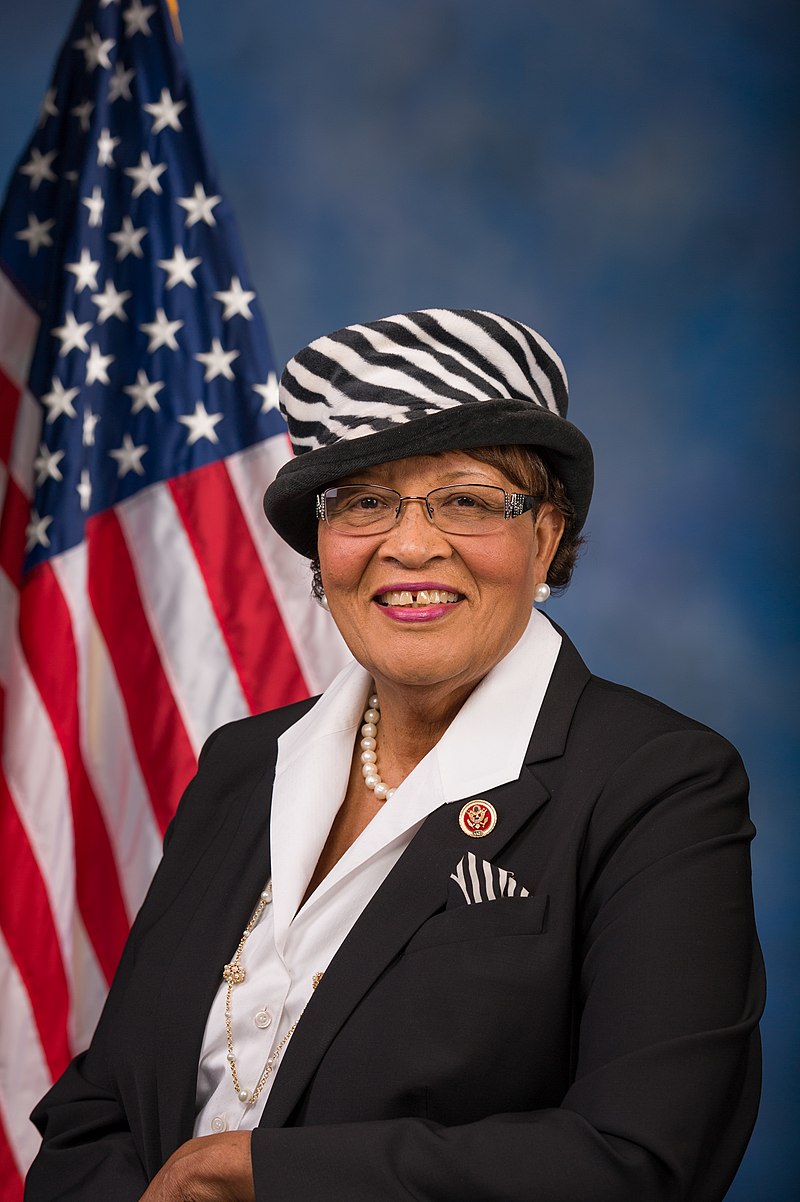








K
Ken Calvert



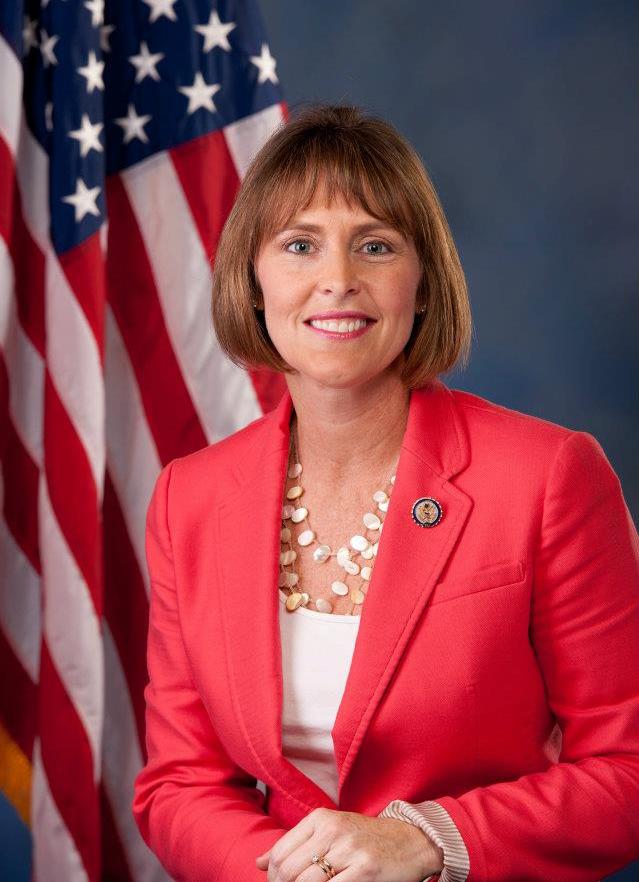
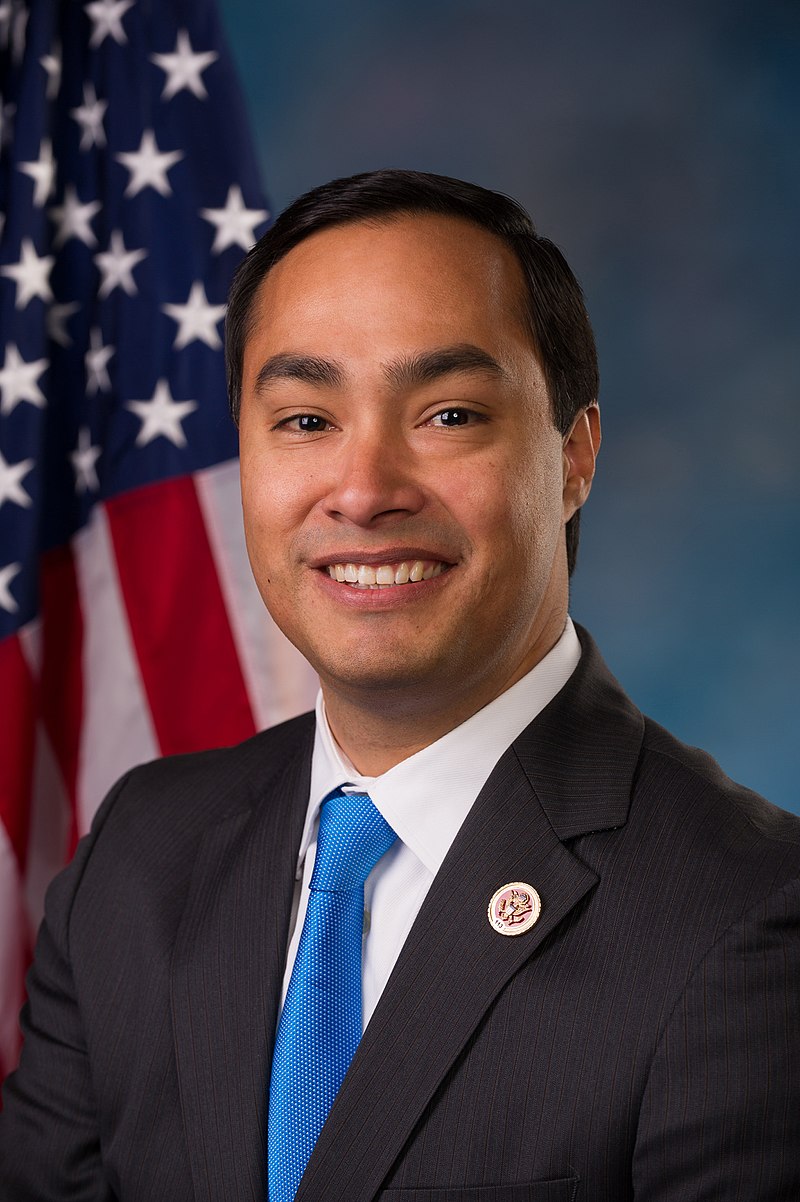

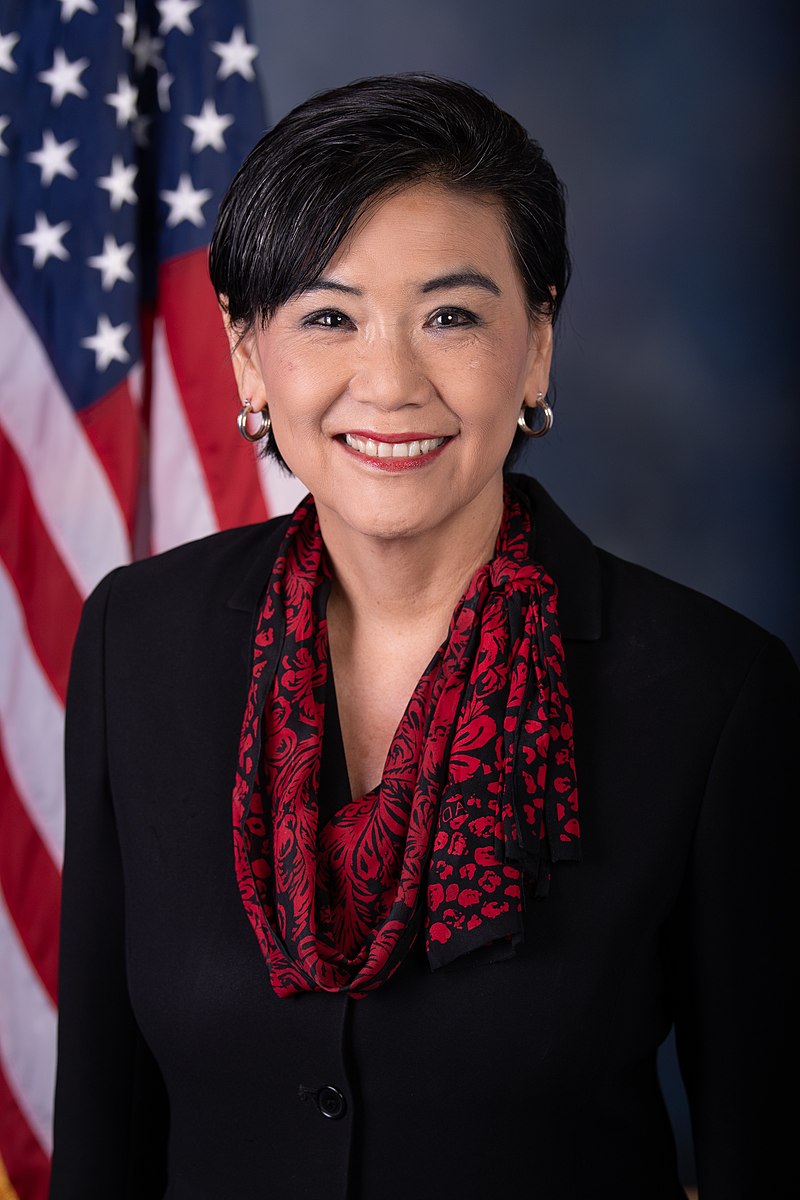
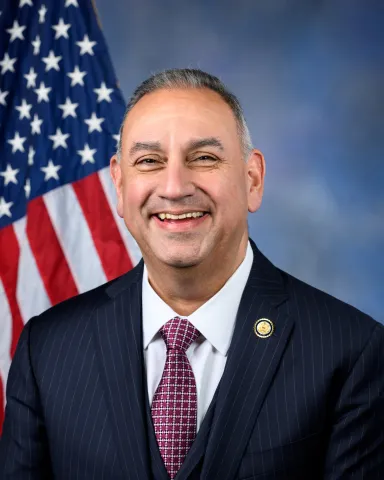







J
Jason Crow


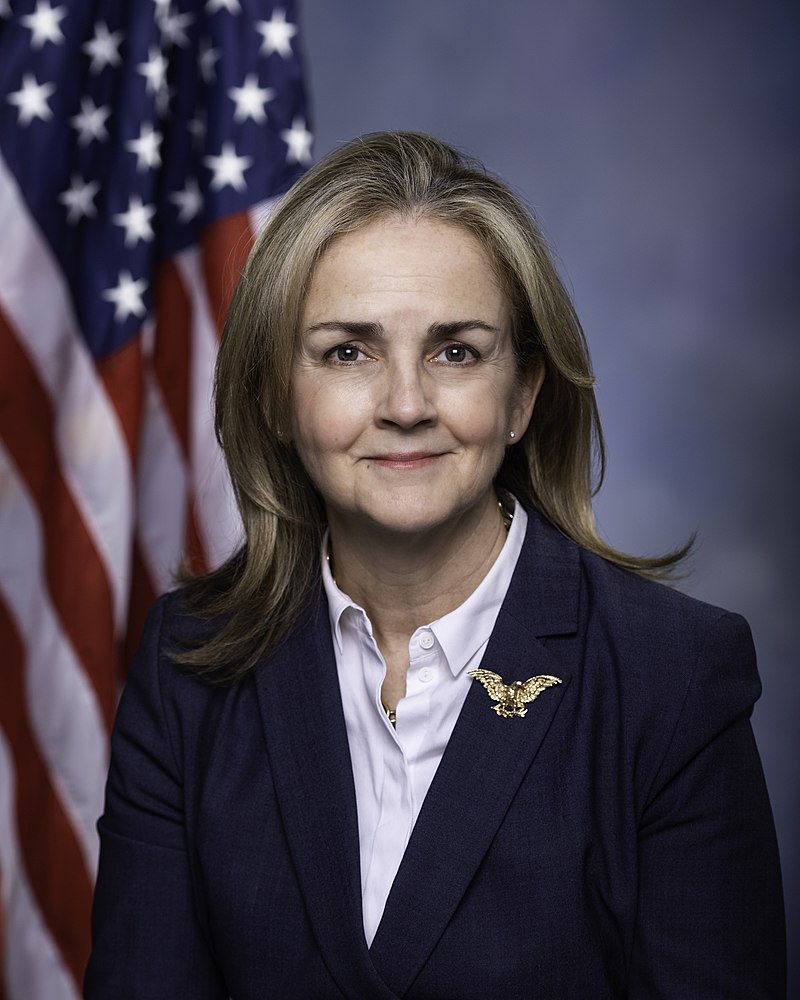




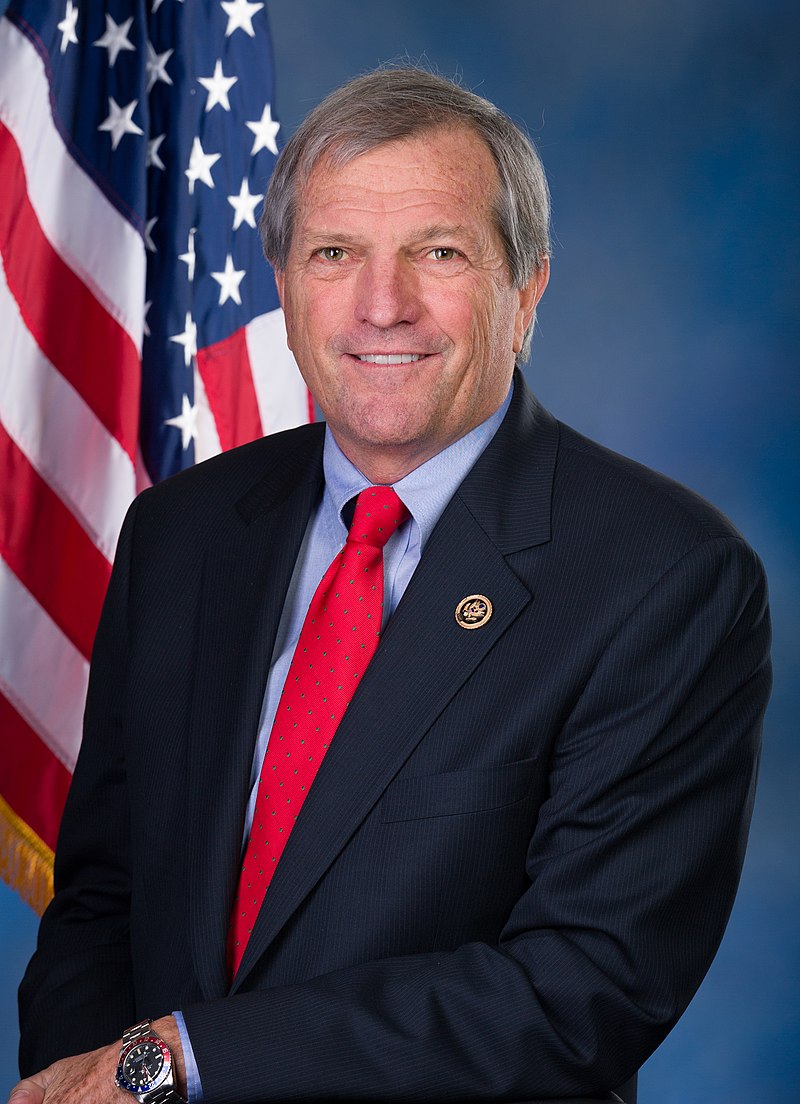


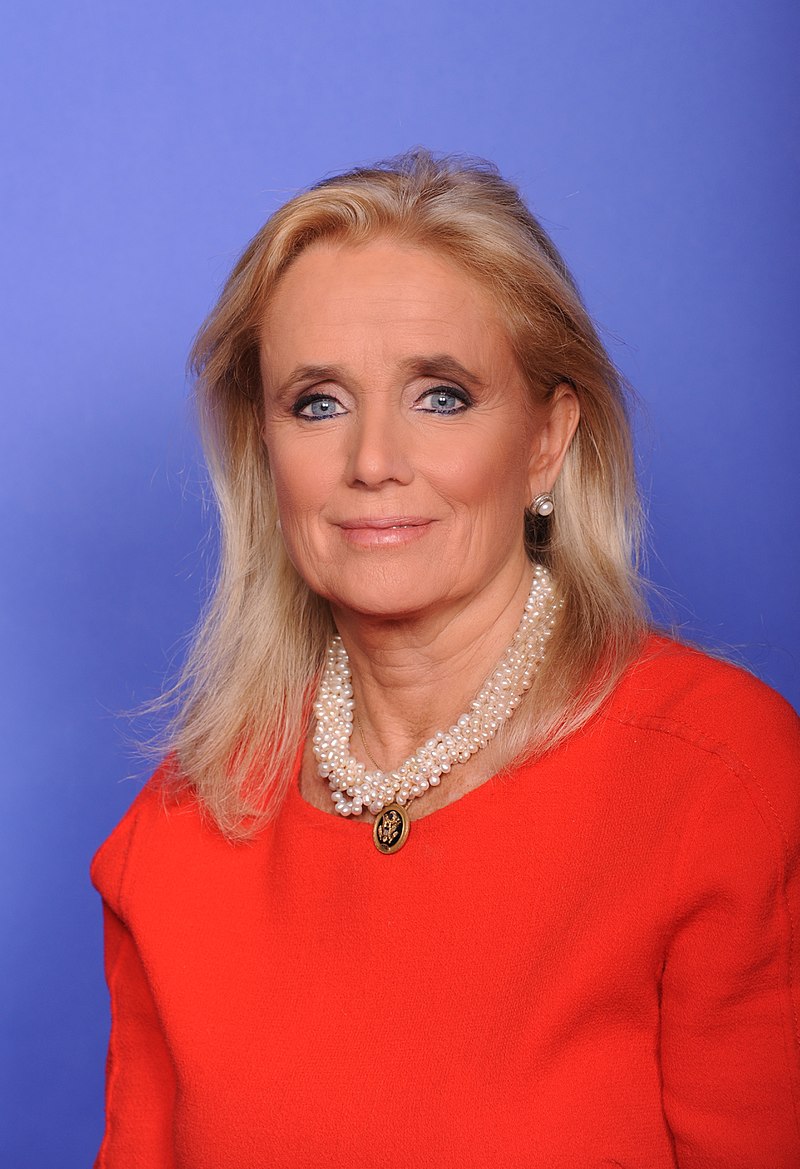
L
Lloyd Doggett
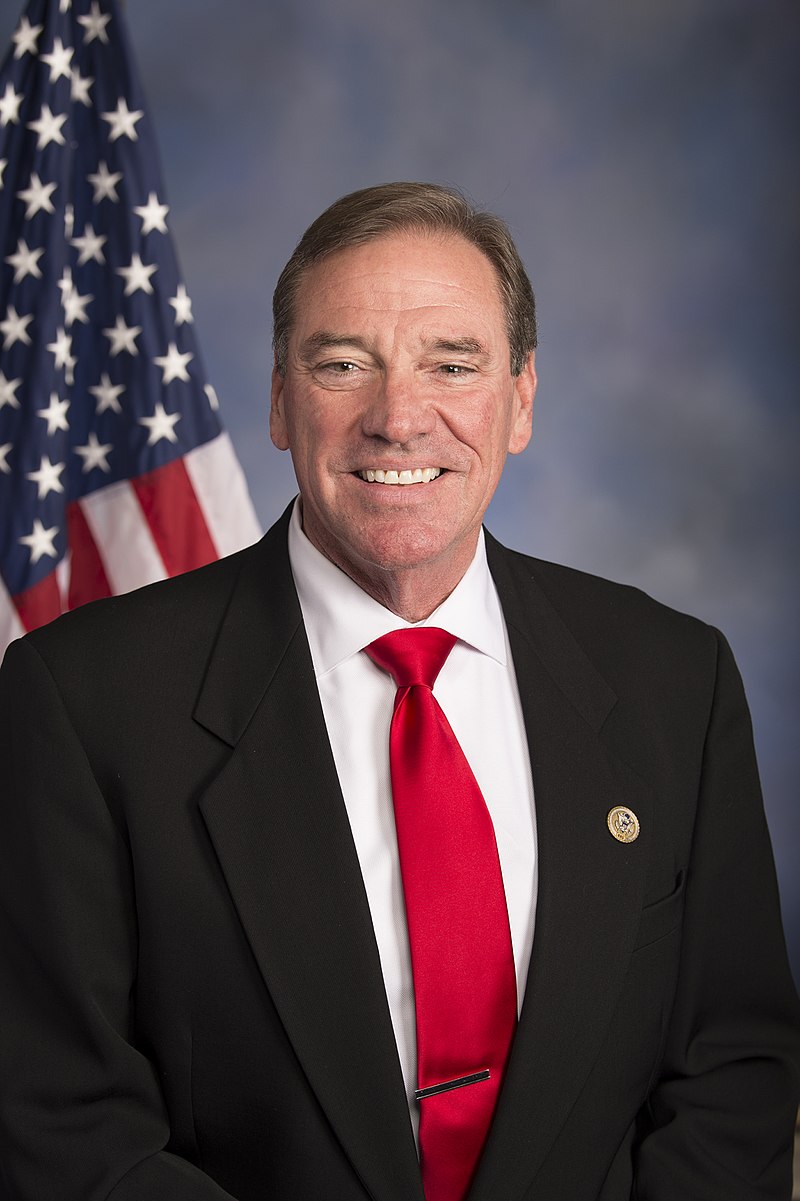










J
John Garamendi
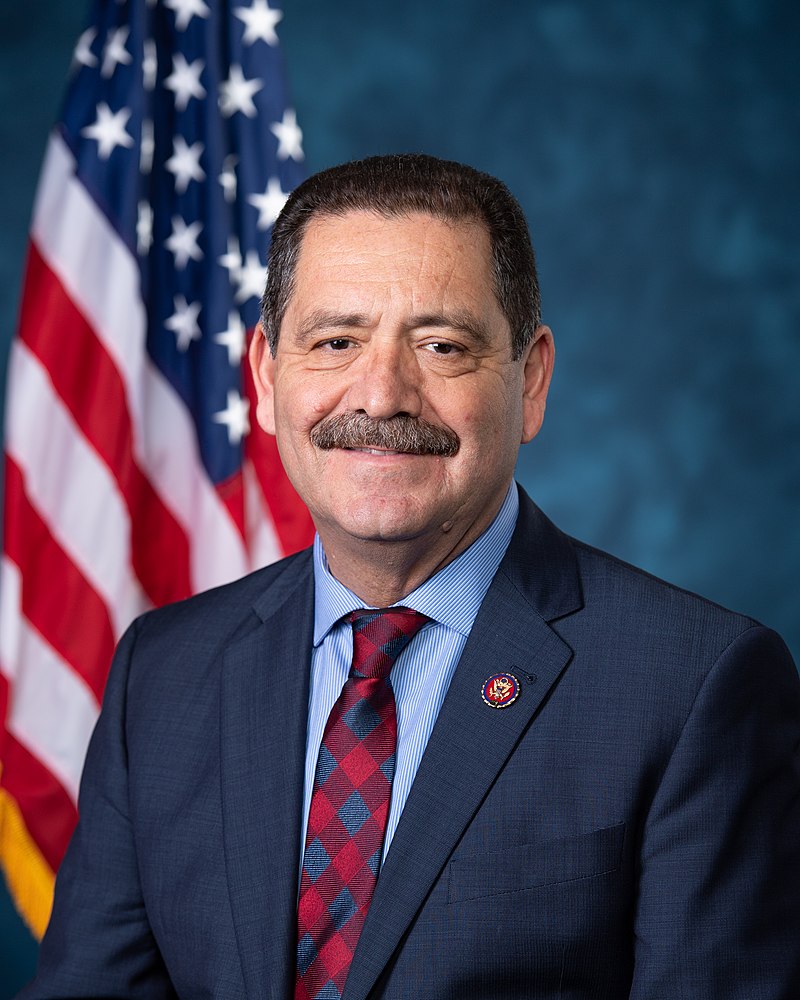
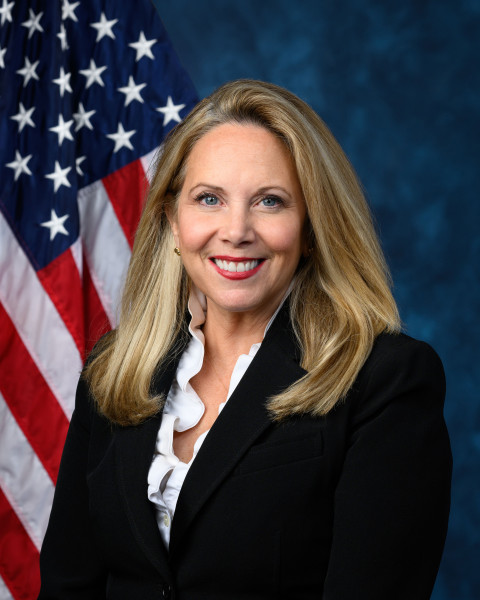

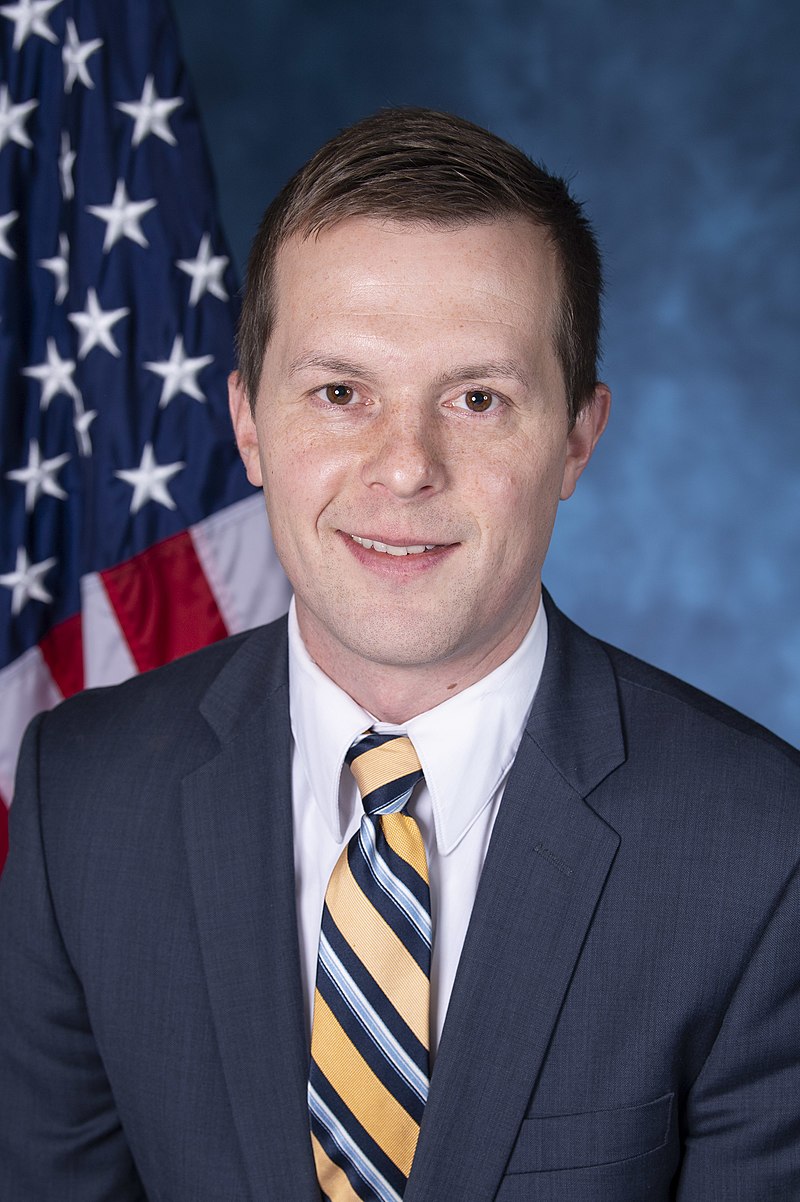
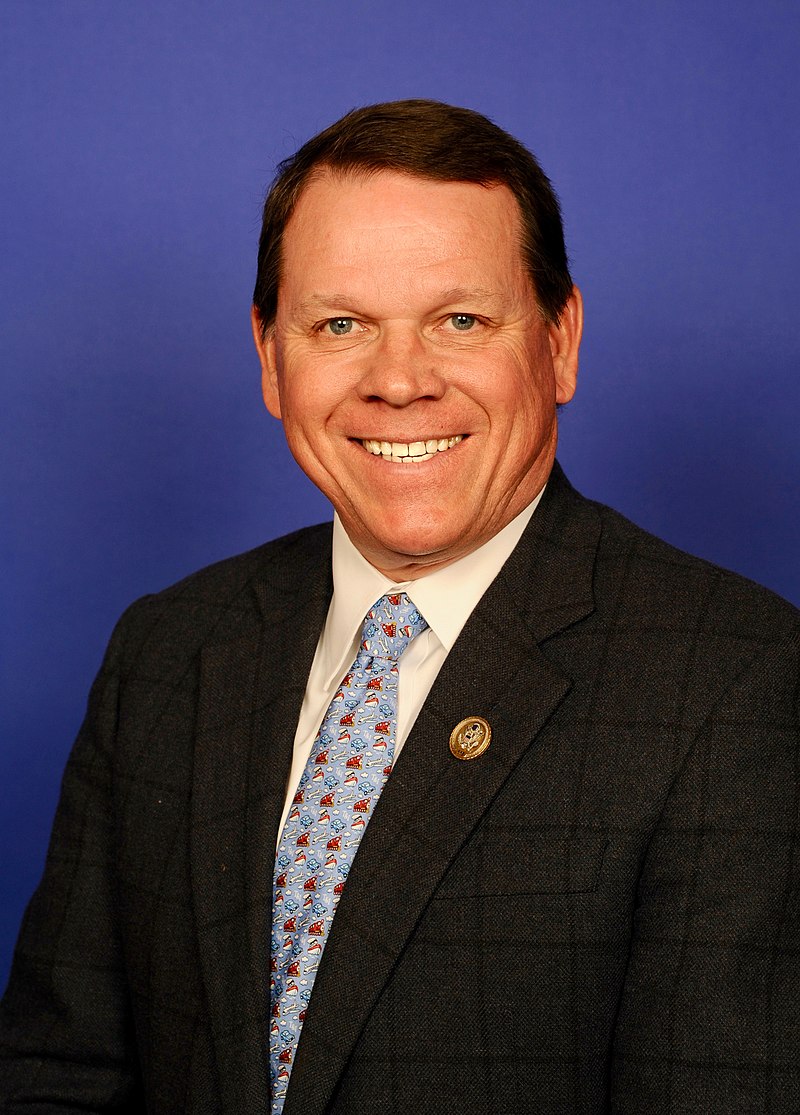
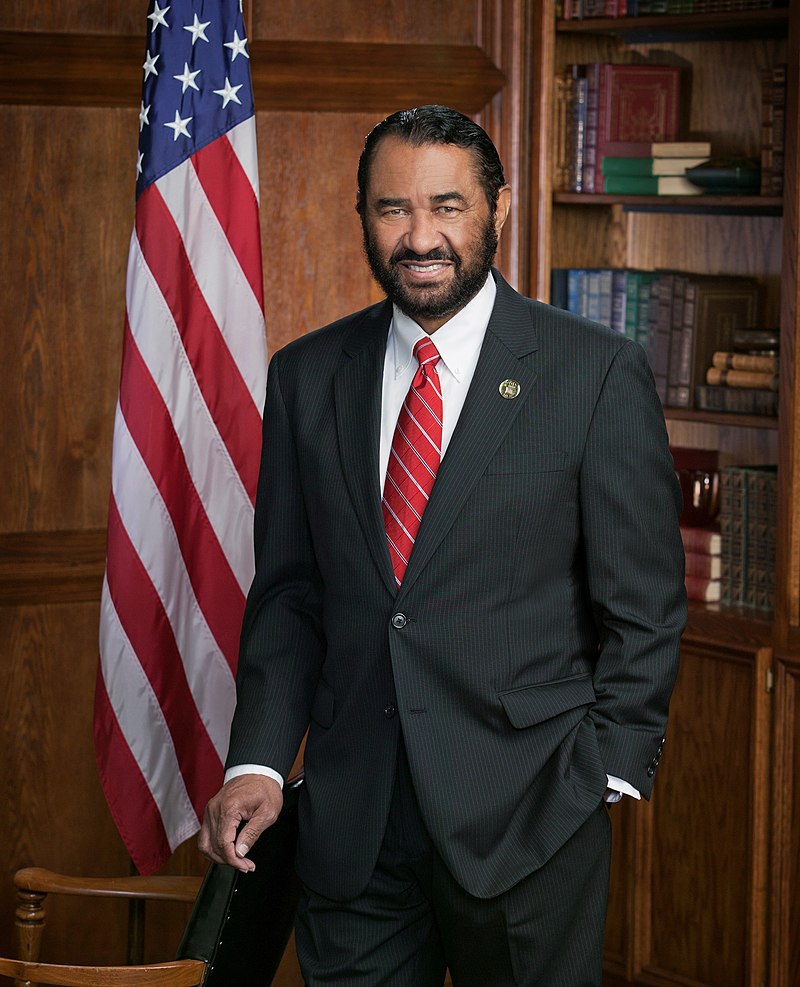




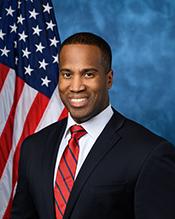
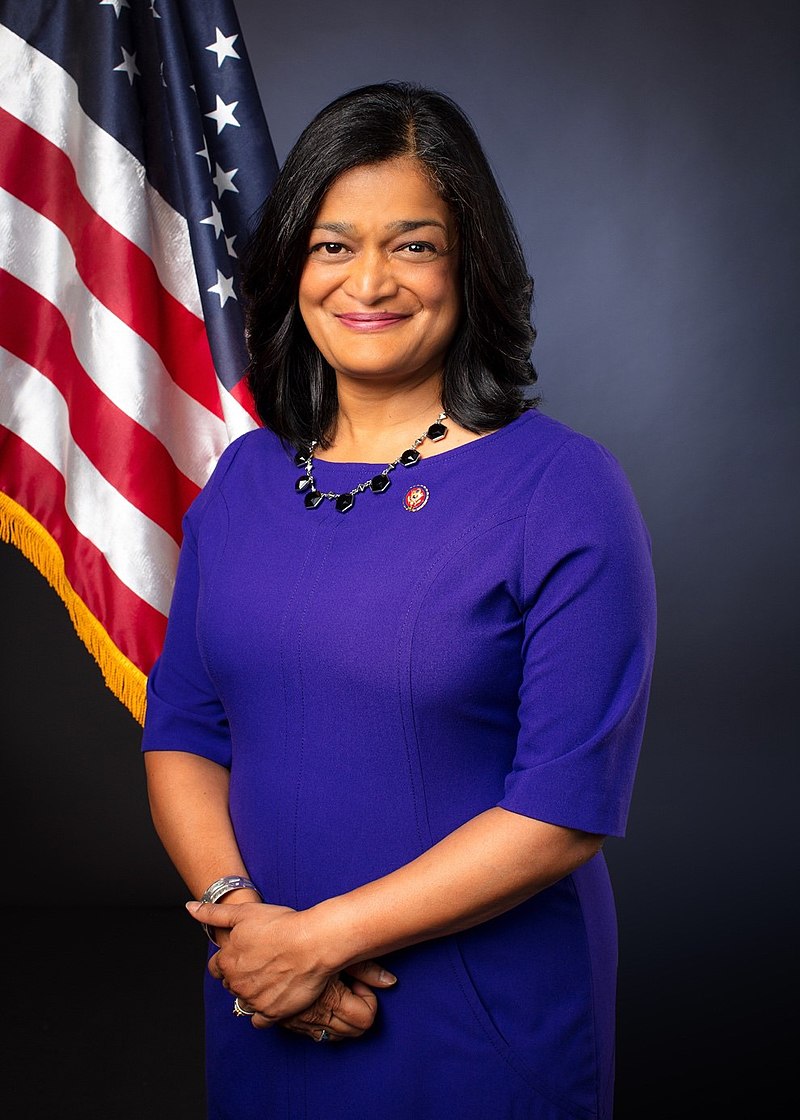

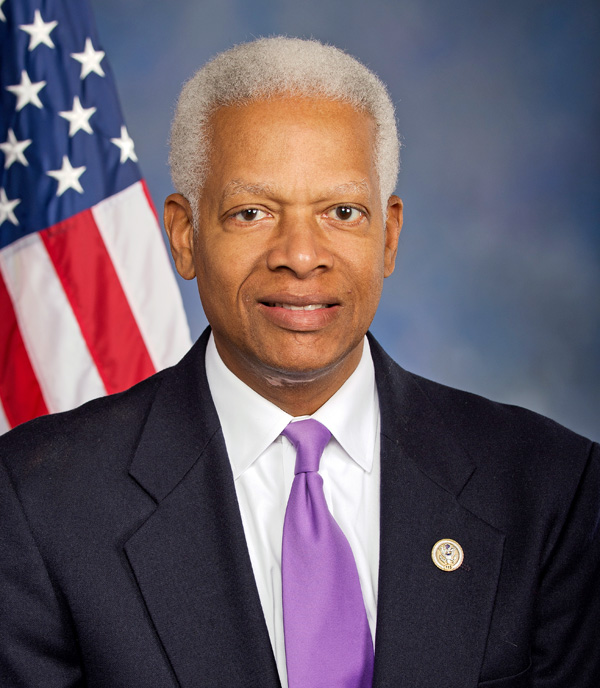

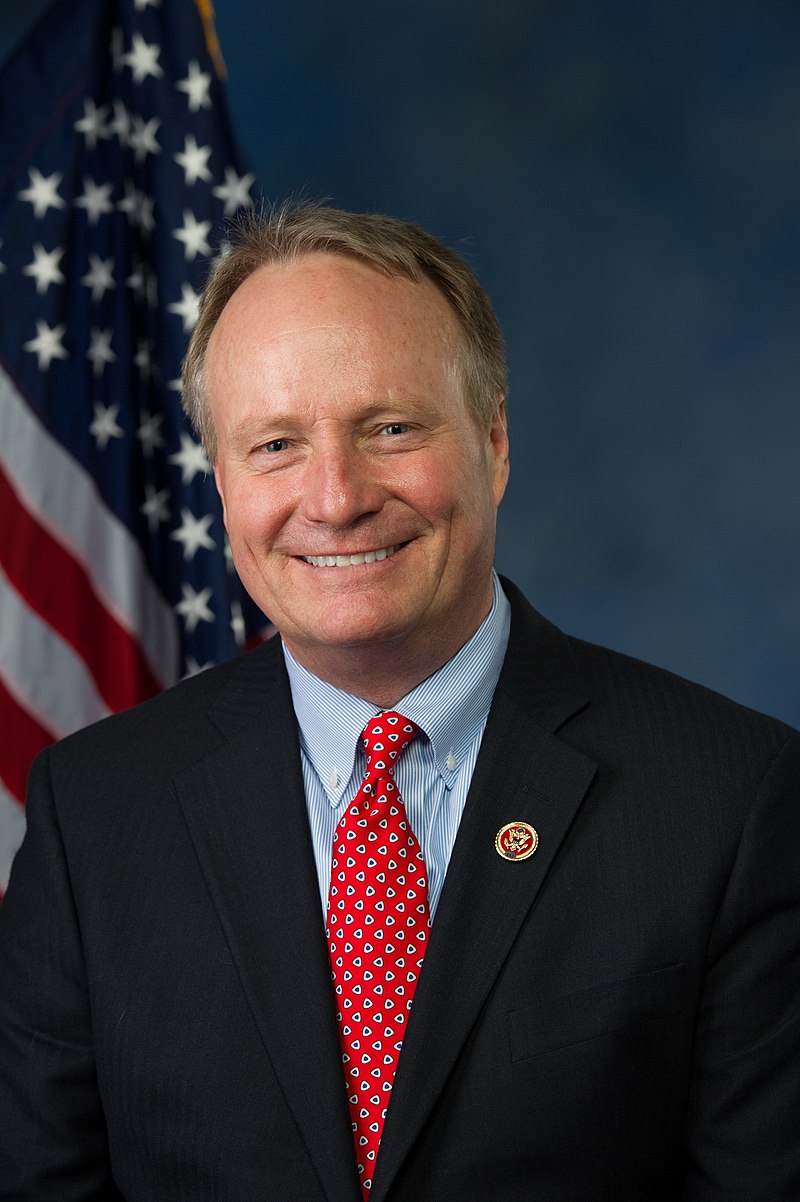







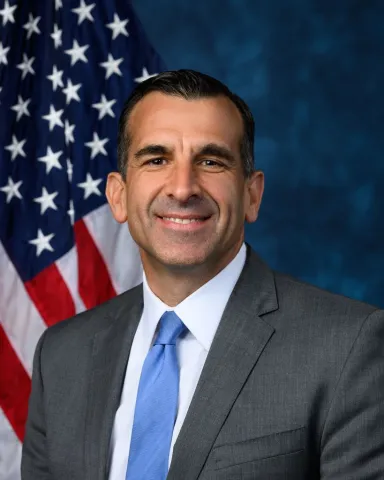
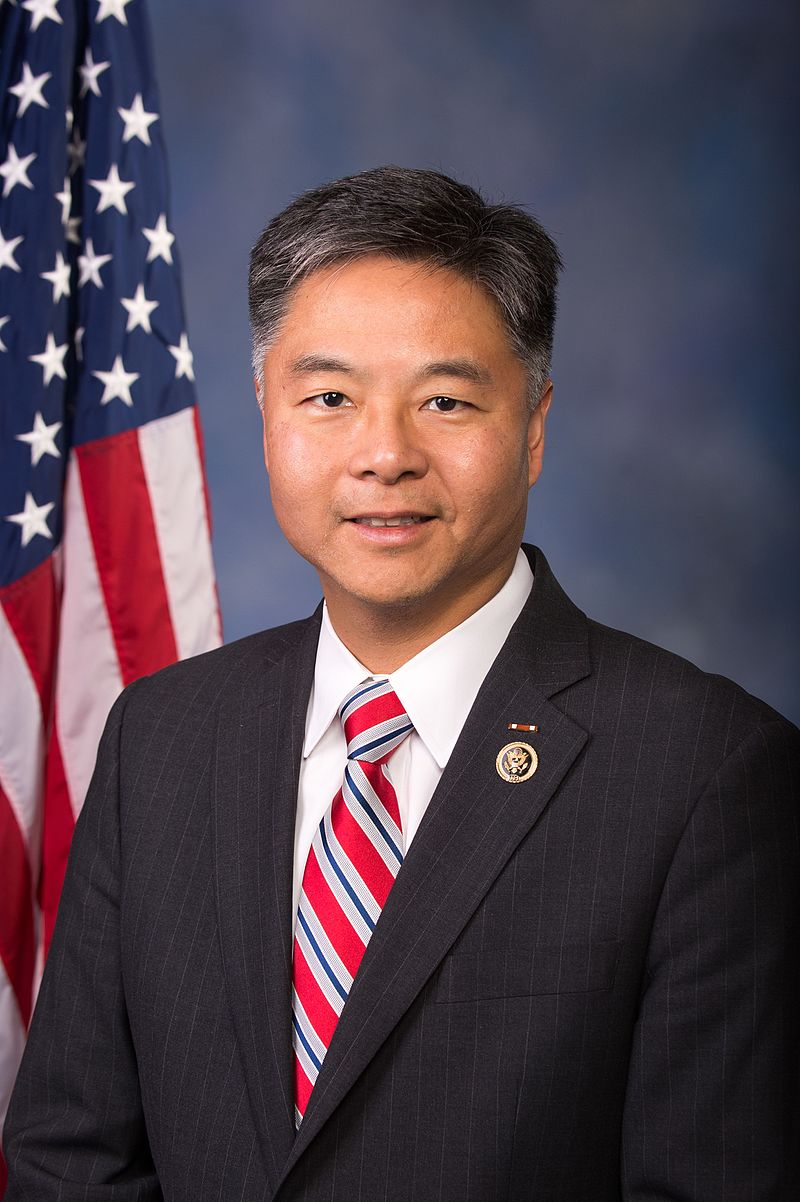


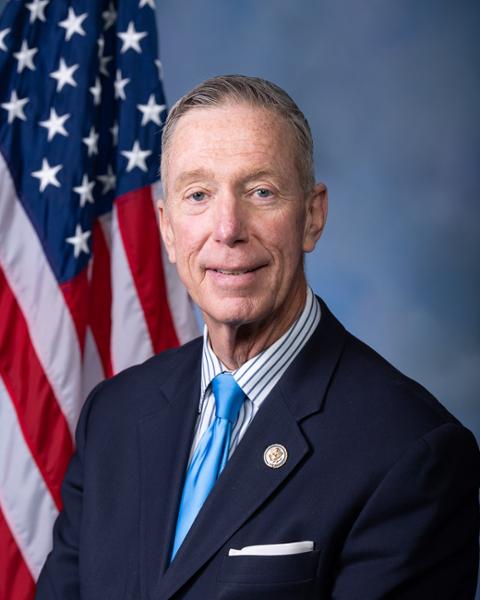

J
John Mannion

L
Lucy McBath

L
Lisa McClain
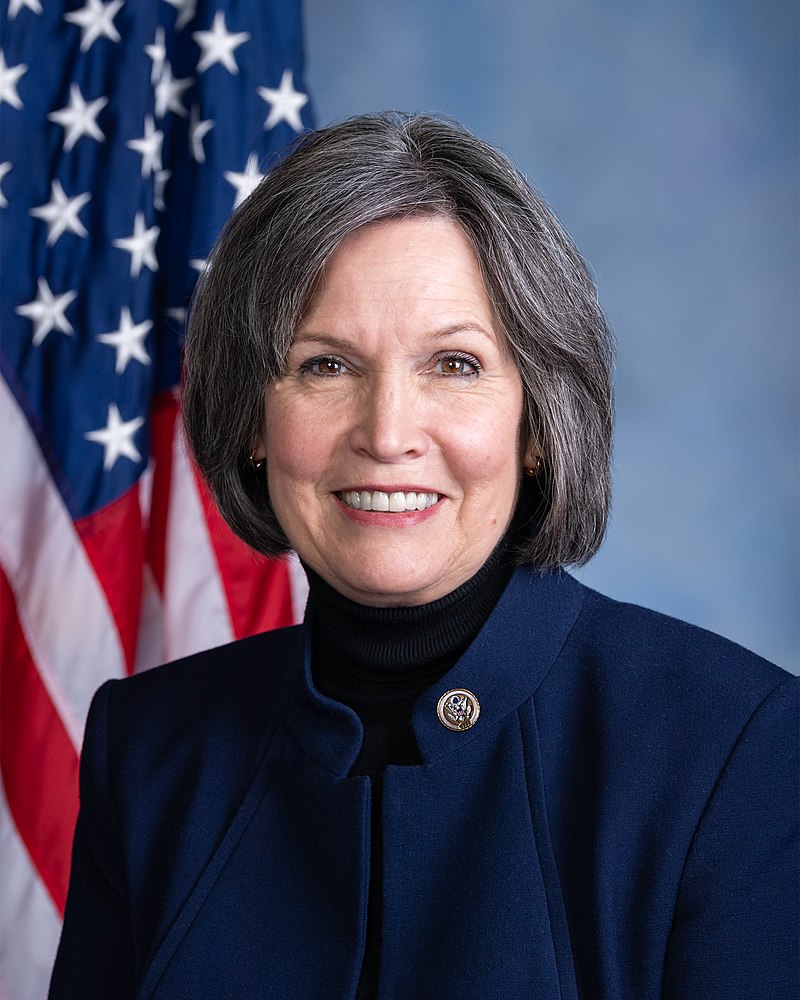


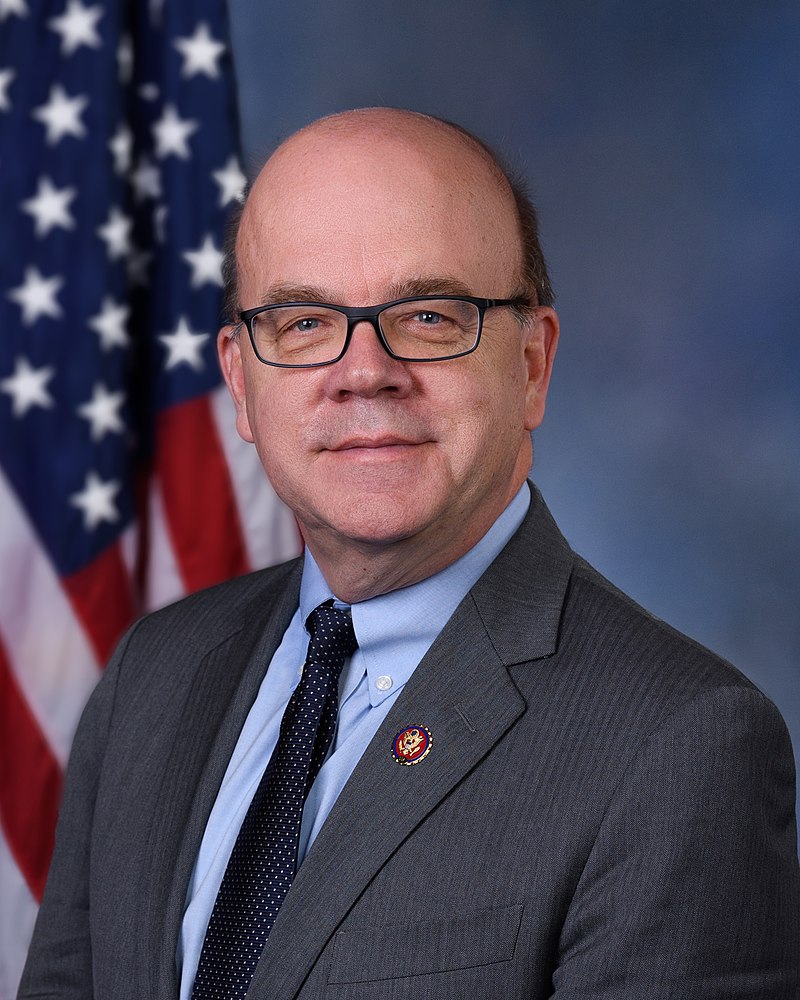



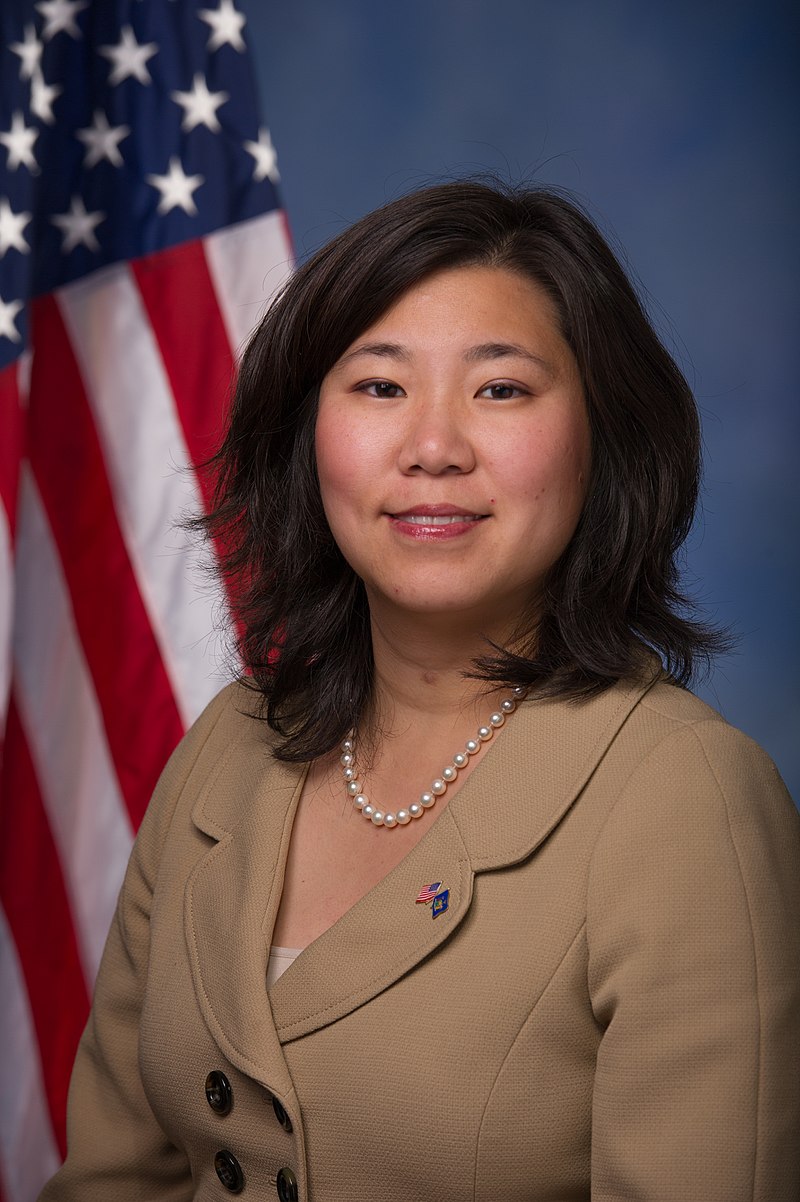

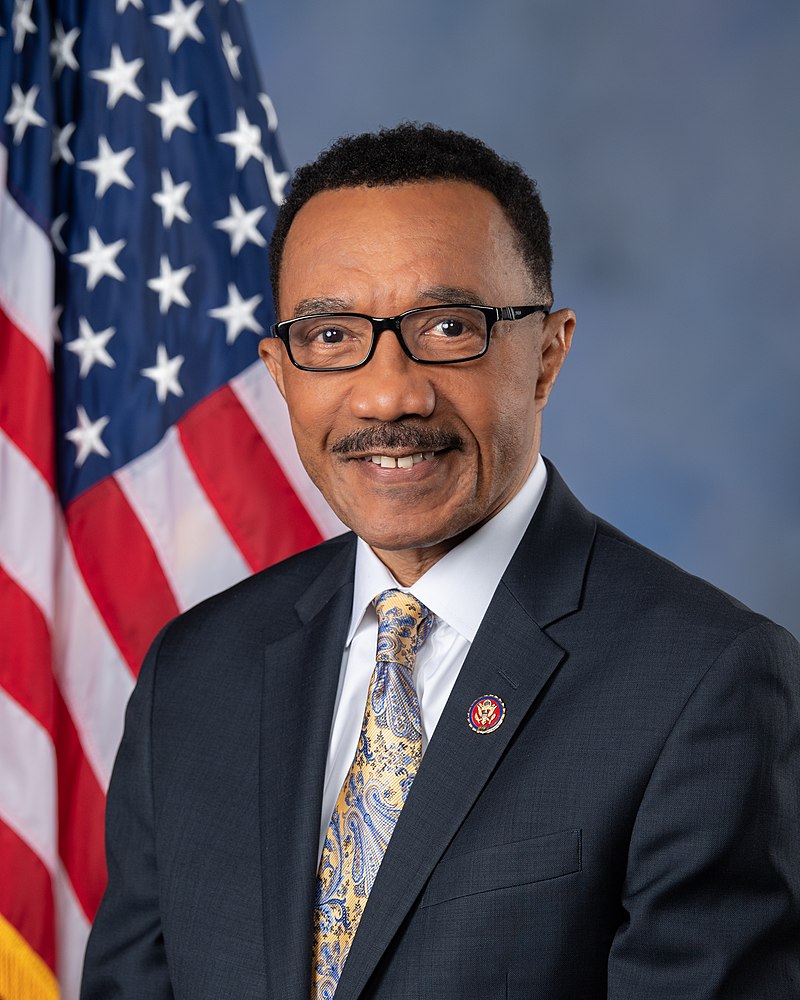






























E
Eric Swalwell


R
Rashida Tlaib






N
Nydia Velázquez

D
Debbie Wasserman Schultz