H.R.7148
House Roll Call
H.R.7148
| Bill | H.R.7148 |
|---|---|
| Vote question | On Agreeing to the Amendment |
| Vote type | Recorded Vote |
| Result | Failed |
| Totals | Yea 164 / Nay 268 / Present 0 / Not Voting 4 |
| Party | Yea | Nay | Present | Not Voting |
|---|---|---|---|---|
| R | 160 | 57 | 0 | 3 |
| D | 4 | 211 | 0 | 1 |
| I | 0 | 0 | 0 | 0 |
Research Brief
On Agreeing to the Amendment
Bill Analysis
HR 7148, the “Consolidated Appropriations Act, 2026,” is an omnibus spending bill that would provide full-year discretionary appropriations for federal agencies and programs for fiscal year (FY) 2026 and make associated policy and revenue changes. As introduced, it is a vehicle bill: the text is not yet publicly detailed, but its title, form, and committee referrals indicate its intended scope and structure.
Substantively, a consolidated appropriations act typically bundles all or most of the 12 regular appropriations bills (e.g., Defense; Labor‑HHS‑Education; Transportation‑HUD; Homeland Security; Interior‑Environment; Agriculture; Commerce‑Justice‑Science; Energy‑Water; Financial Services; State‑Foreign Operations; Legislative Branch; Military Construction‑VA). HR 7148 is expected to set agency operating budgets, program funding levels, and related conditions of expenditure for FY2026, and may include “general provisions” that temporarily amend or restrict underlying authorizing laws.
The referral to the House Appropriations Committee signals that the bill will carry the detailed spending allocations and program directives. Referral to the Budget Committee indicates that the measure must be evaluated for compliance with the congressional budget resolution, discretionary spending caps, and pay‑as‑you‑go or other fiscal enforcement rules. Referral to Ways and Means suggests inclusion of revenue‑related or mandatory spending provisions (e.g., tax extenders, offsets, or changes to entitlement programs) that are germane to an omnibus.
Beneficiaries and regulated parties will depend on the final text but, consistent with prior consolidated appropriations acts, will encompass virtually all federal departments, grantees (states, localities, tribes, nonprofits, universities), contractors, and program beneficiaries (such as veterans, low‑income households, students, and Medicare/Medicaid providers). Regulatory impacts may arise through riders that constrain or direct agency rulemaking or enforcement.
Key timelines: HR 7148 is intended to be the primary legislative vehicle to fund the government for FY2026 (beginning October 1, 2025). It must be enacted or supplemented by continuing resolutions to avoid funding lapses. Detailed subcommittee marks, amendments, and conference negotiations will define specific funding levels and policy conditions as the bill advances.
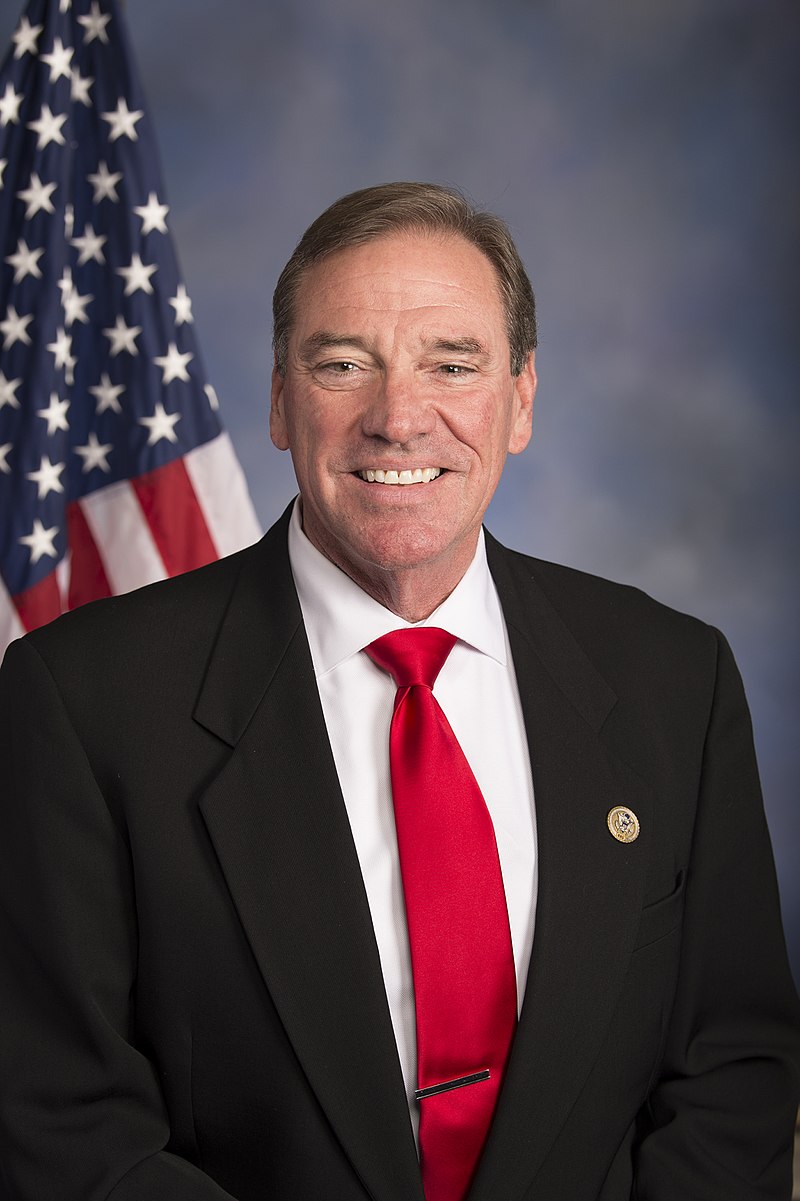
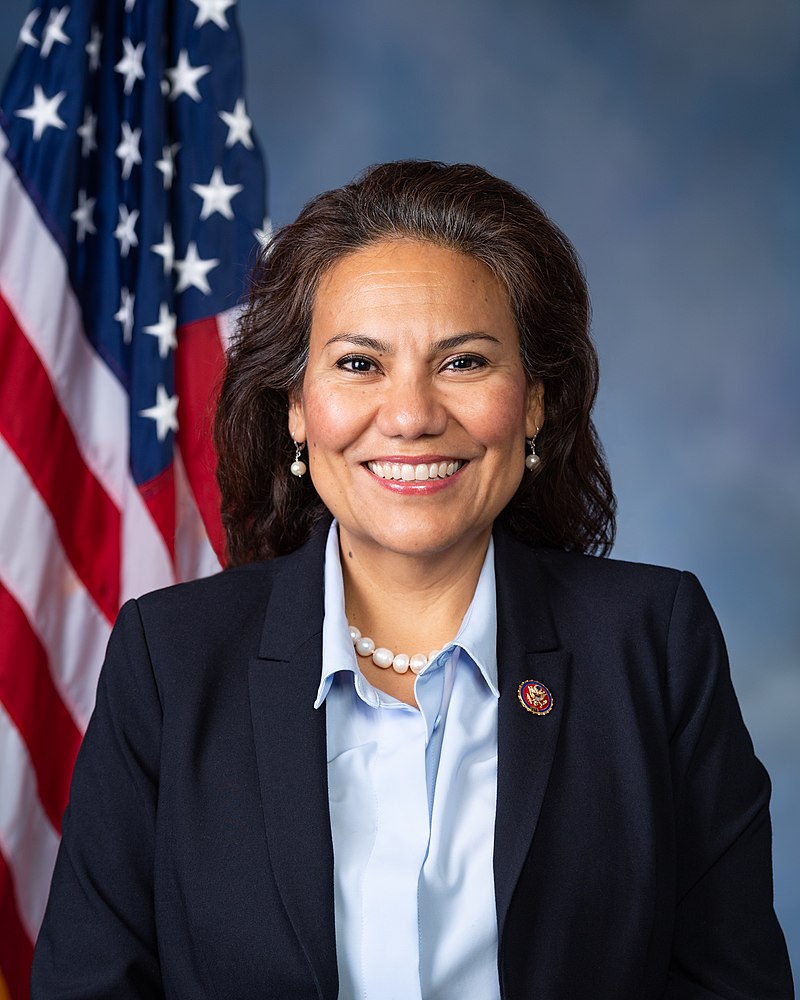
Yea (164)



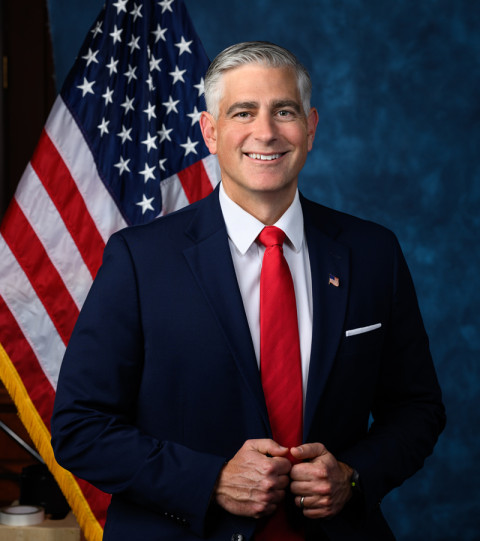
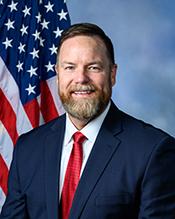

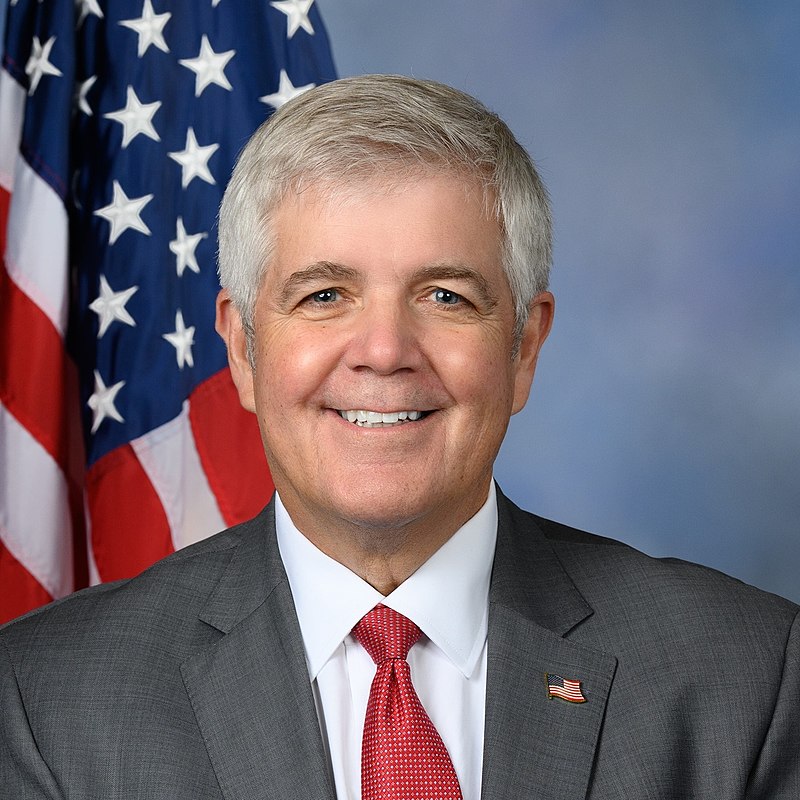
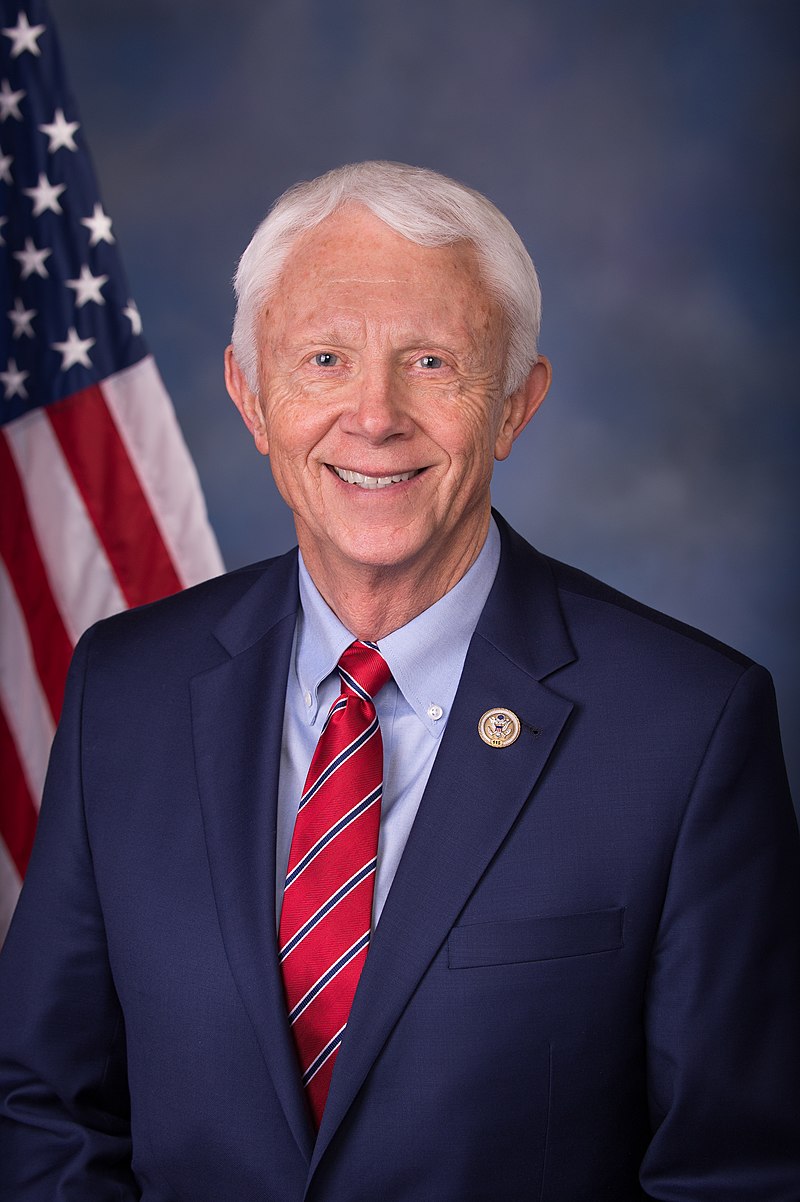
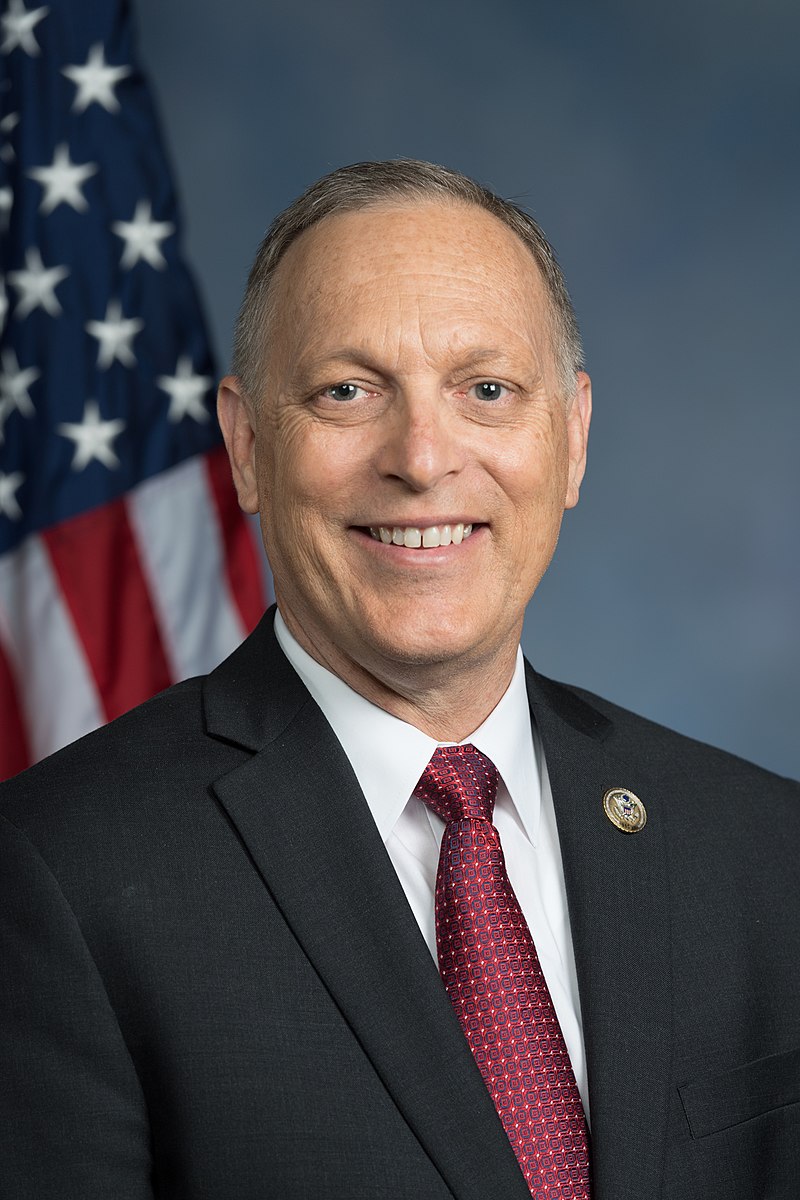
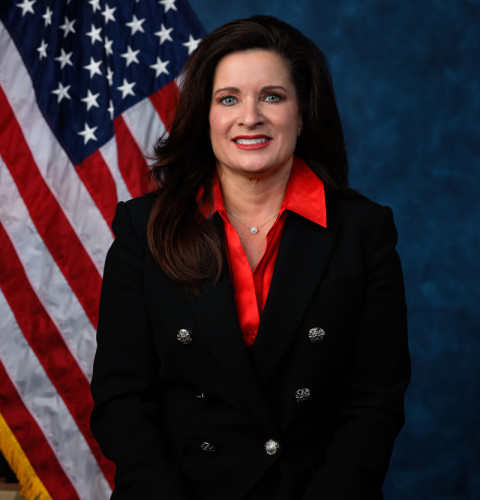
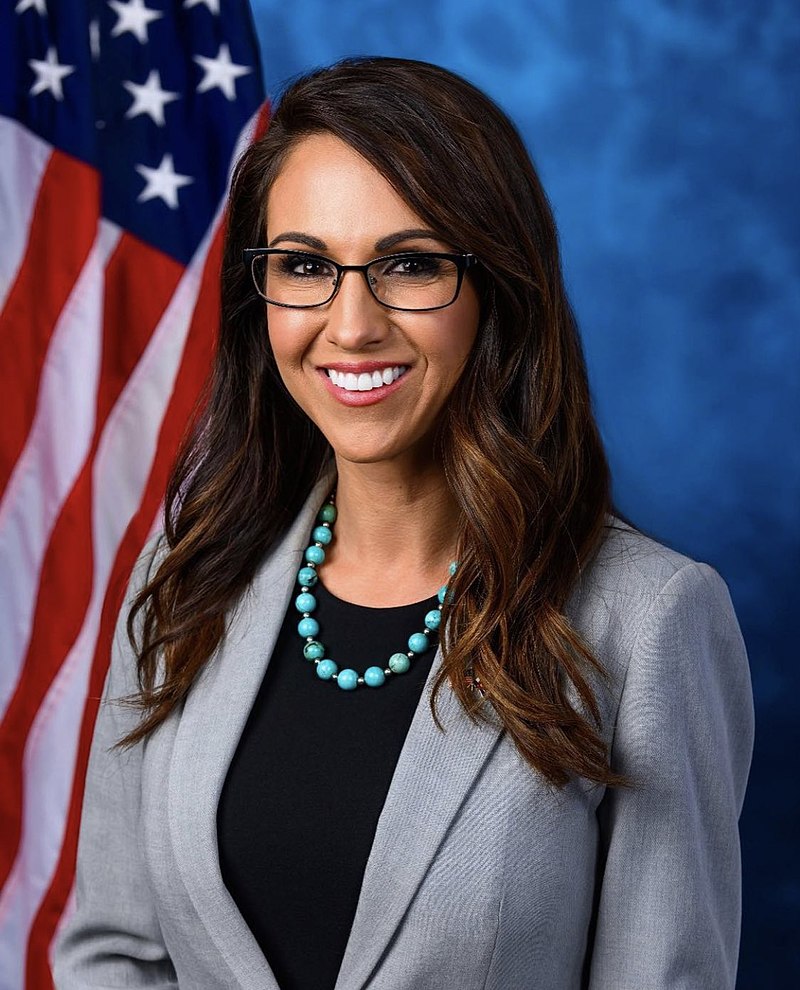


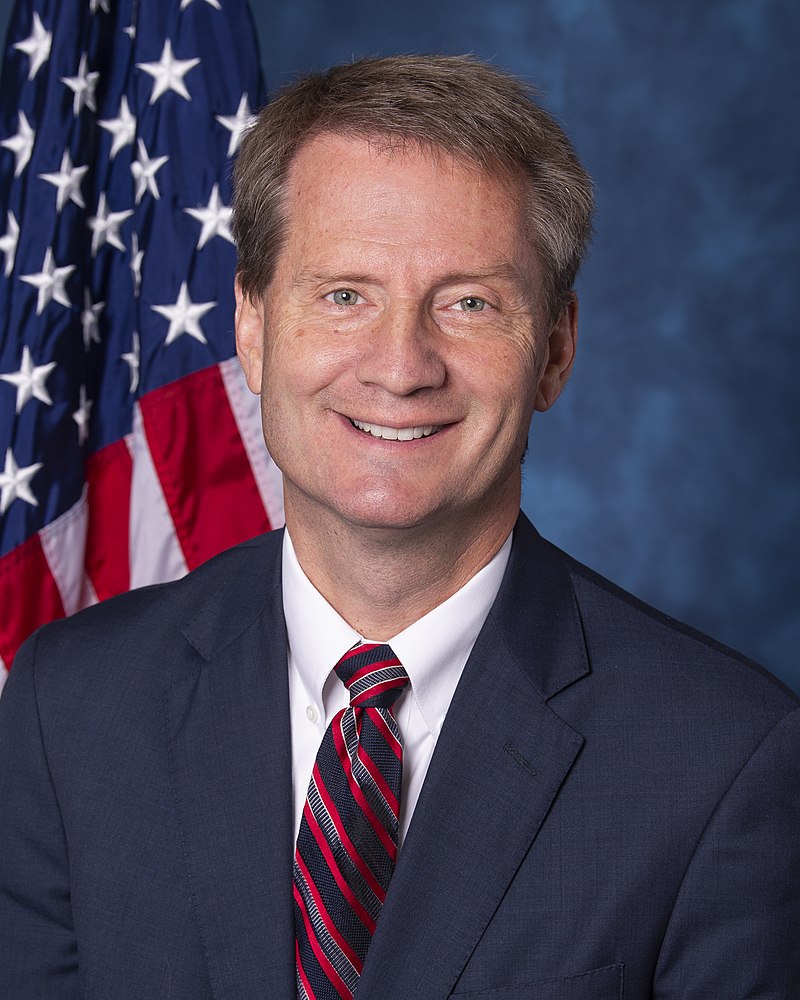


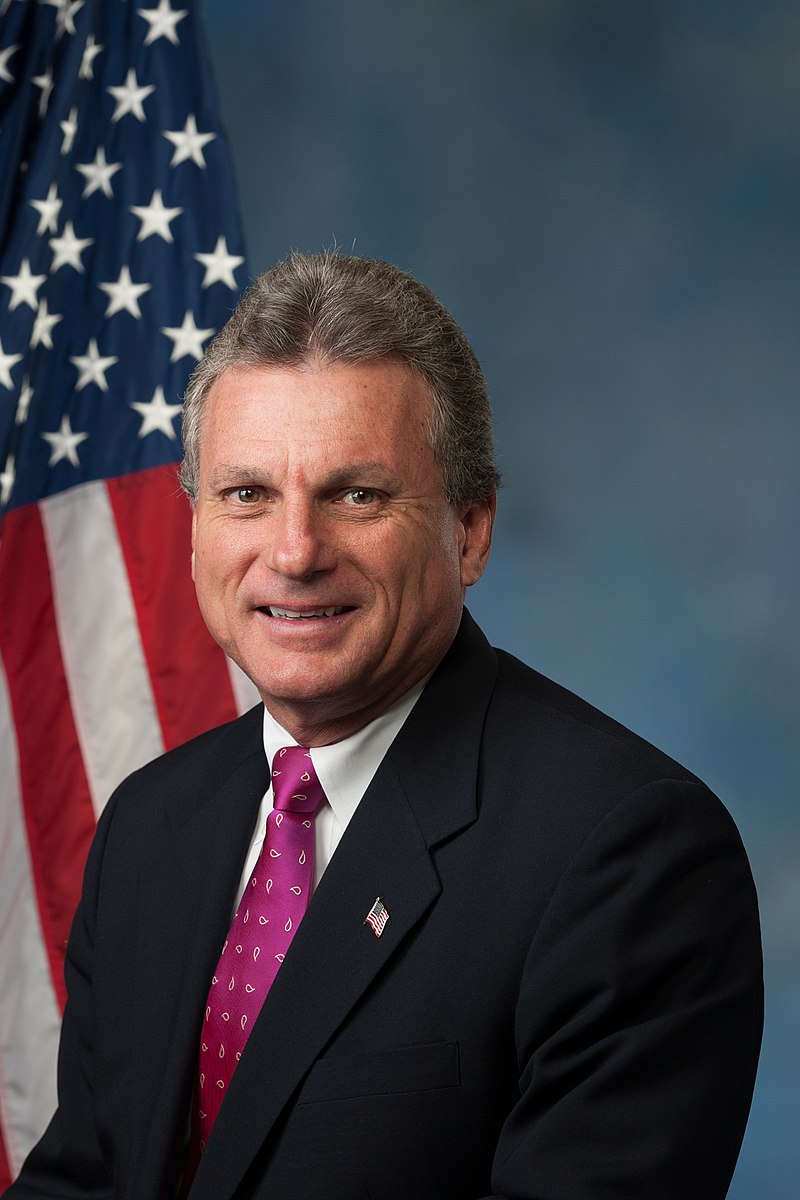

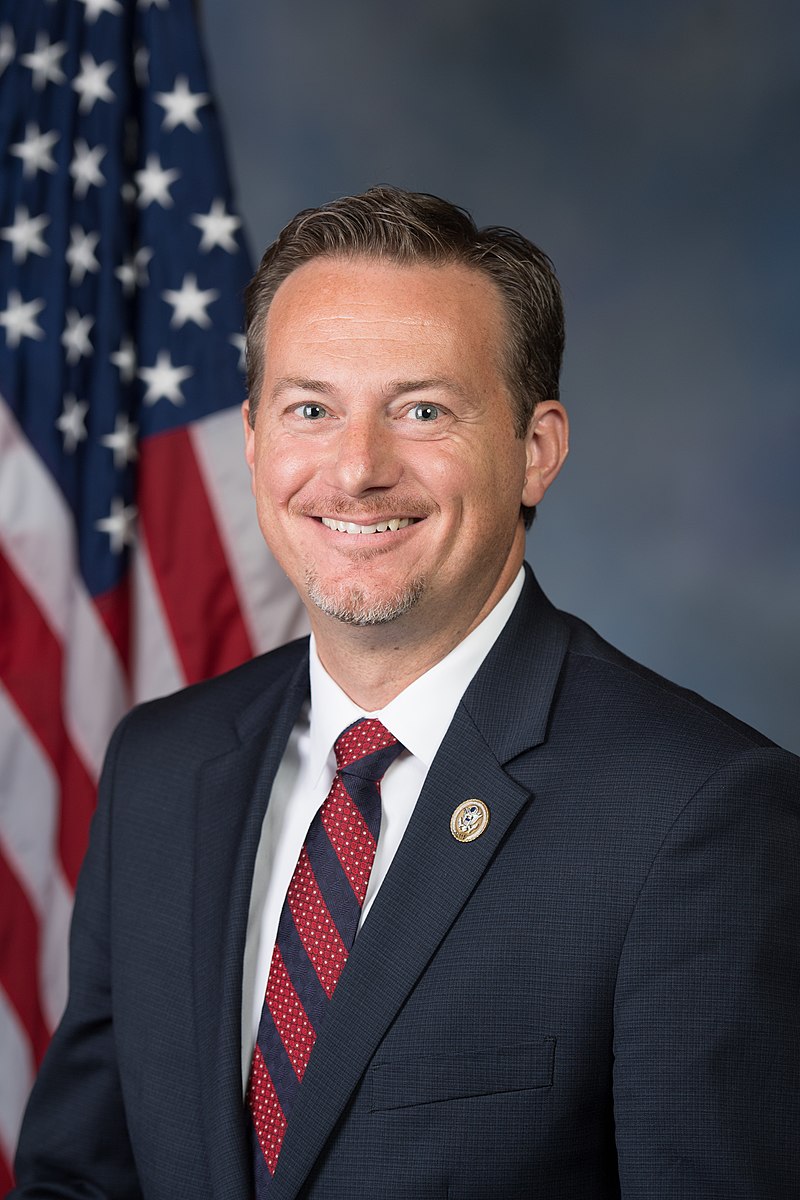
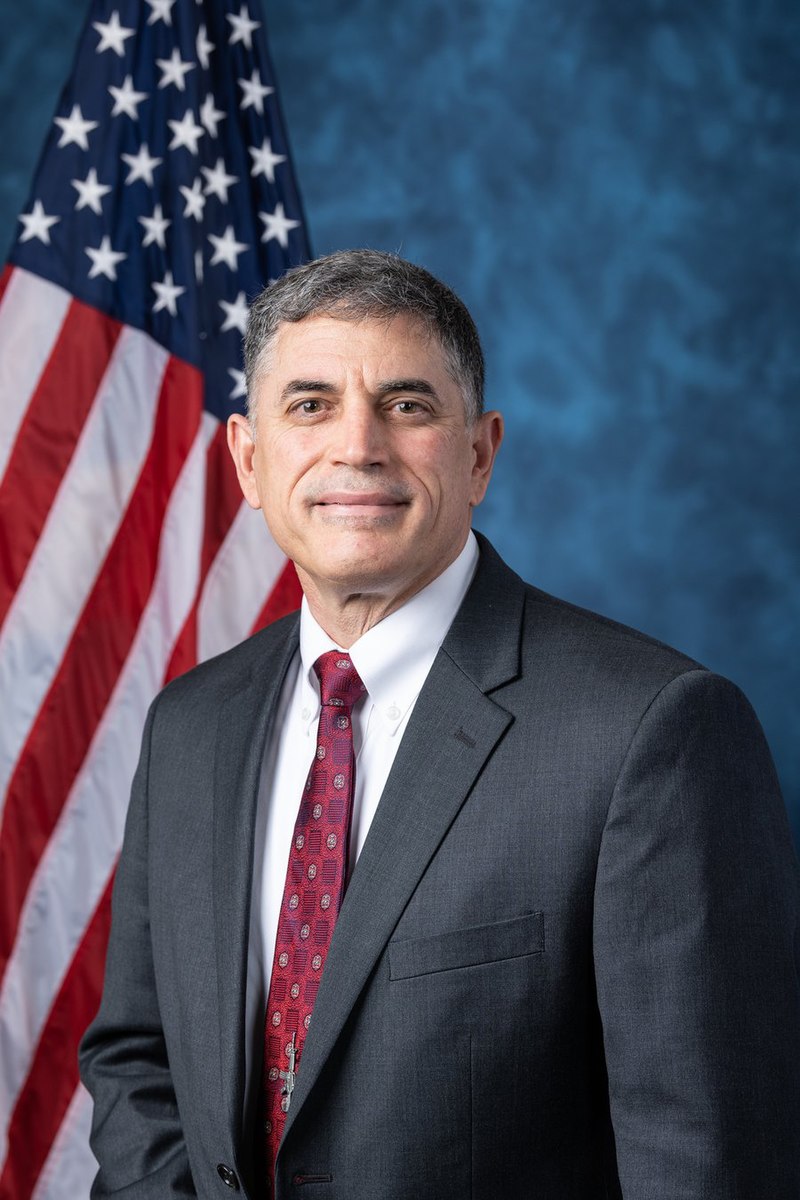

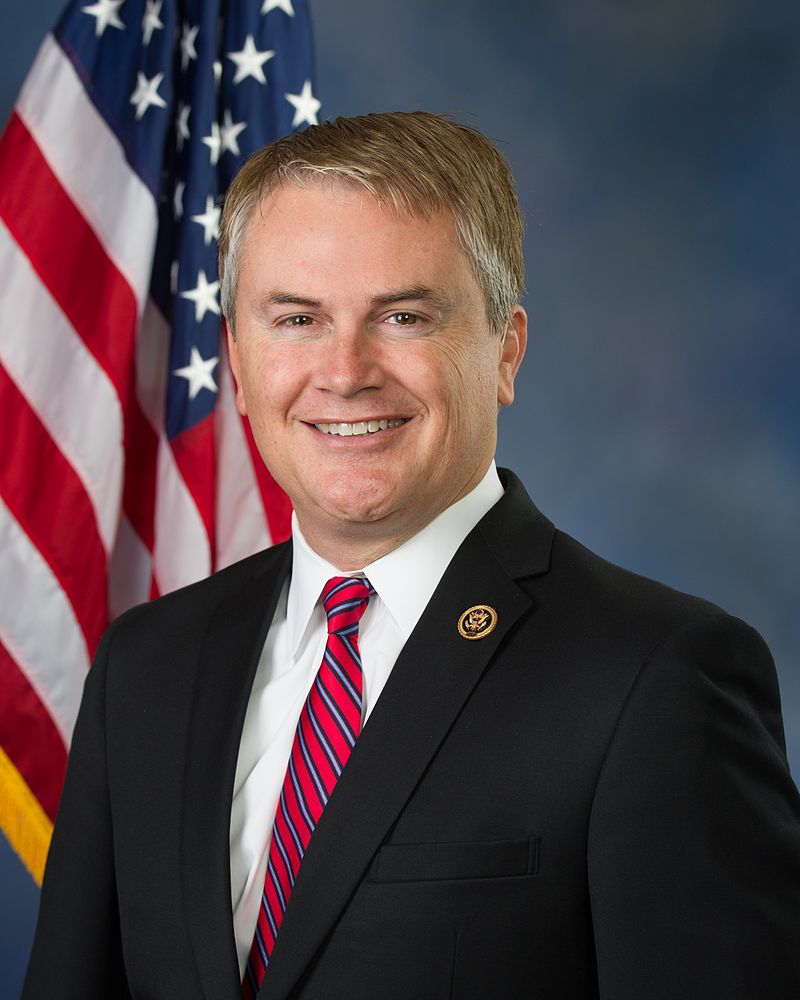
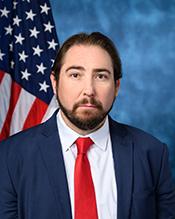
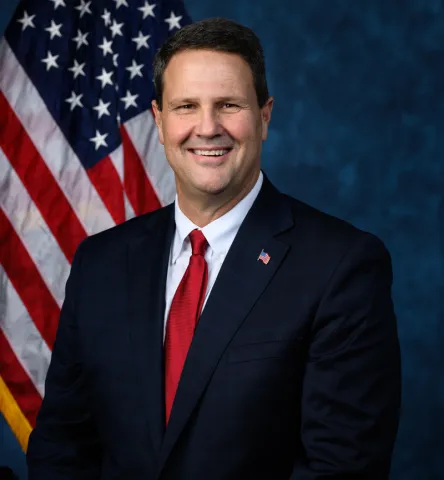

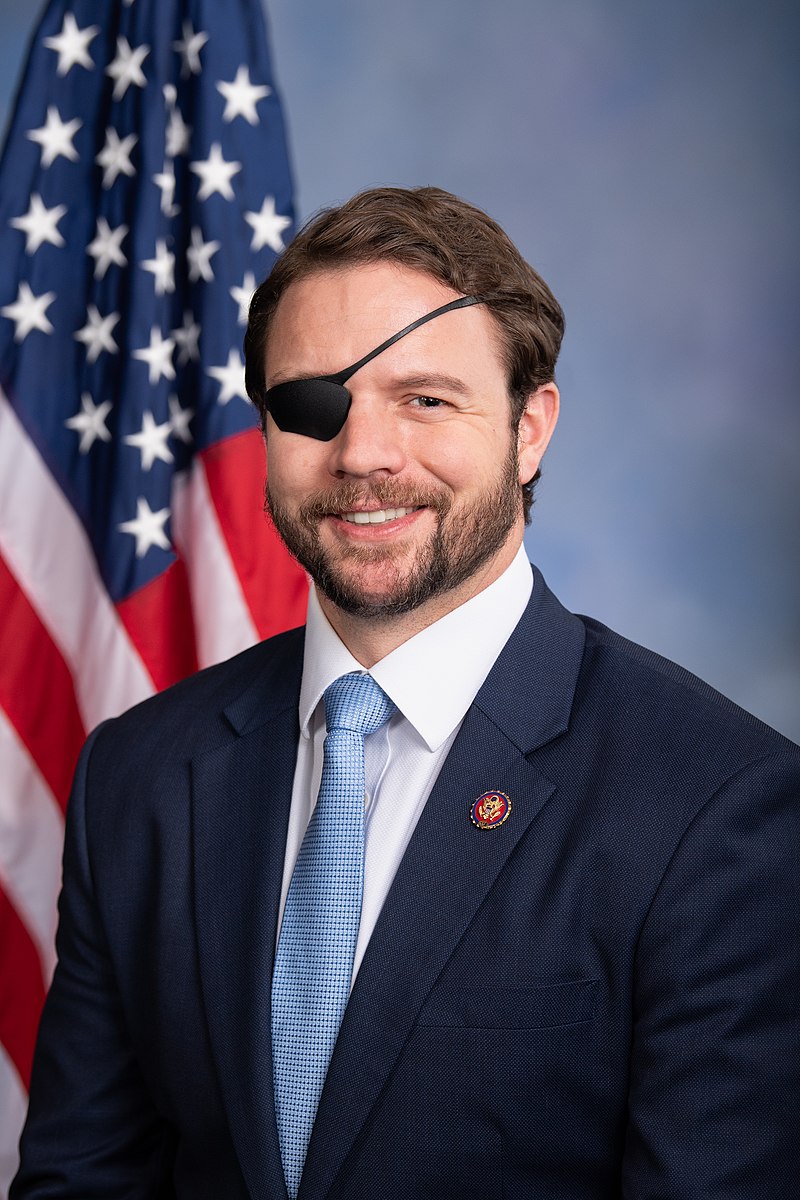
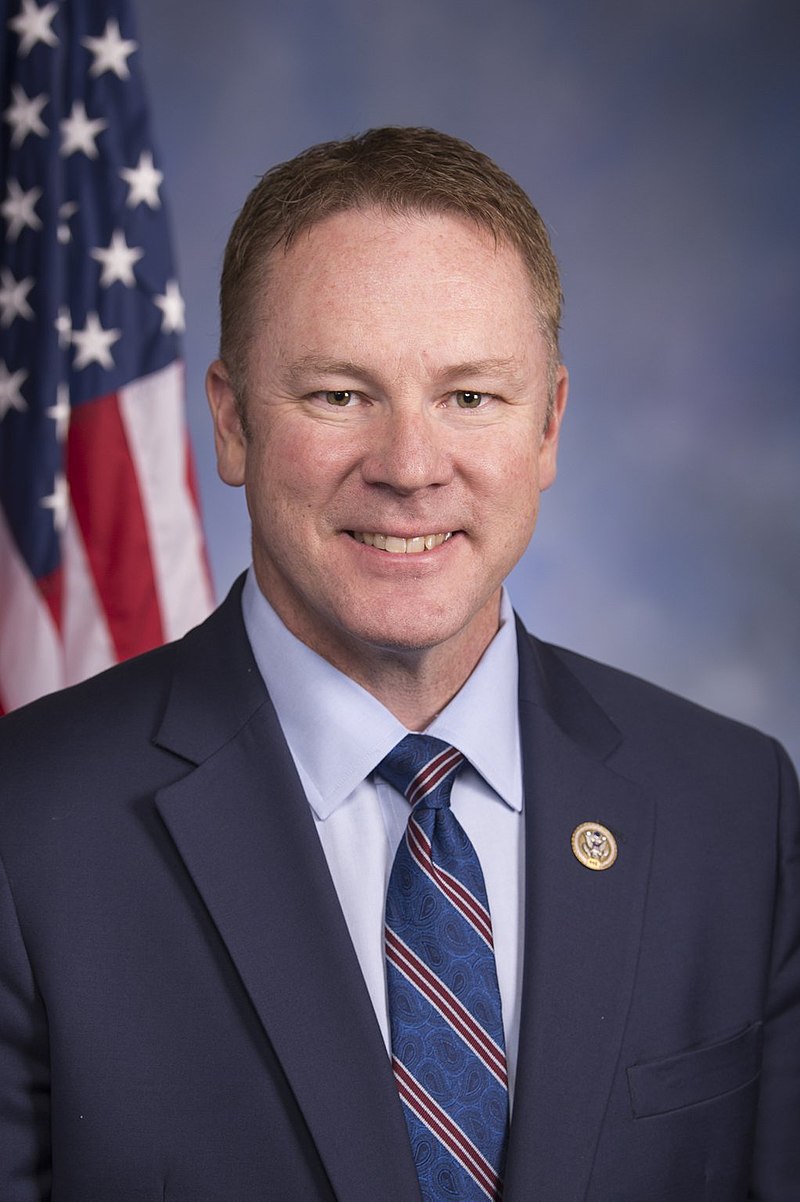
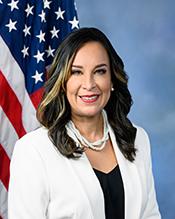
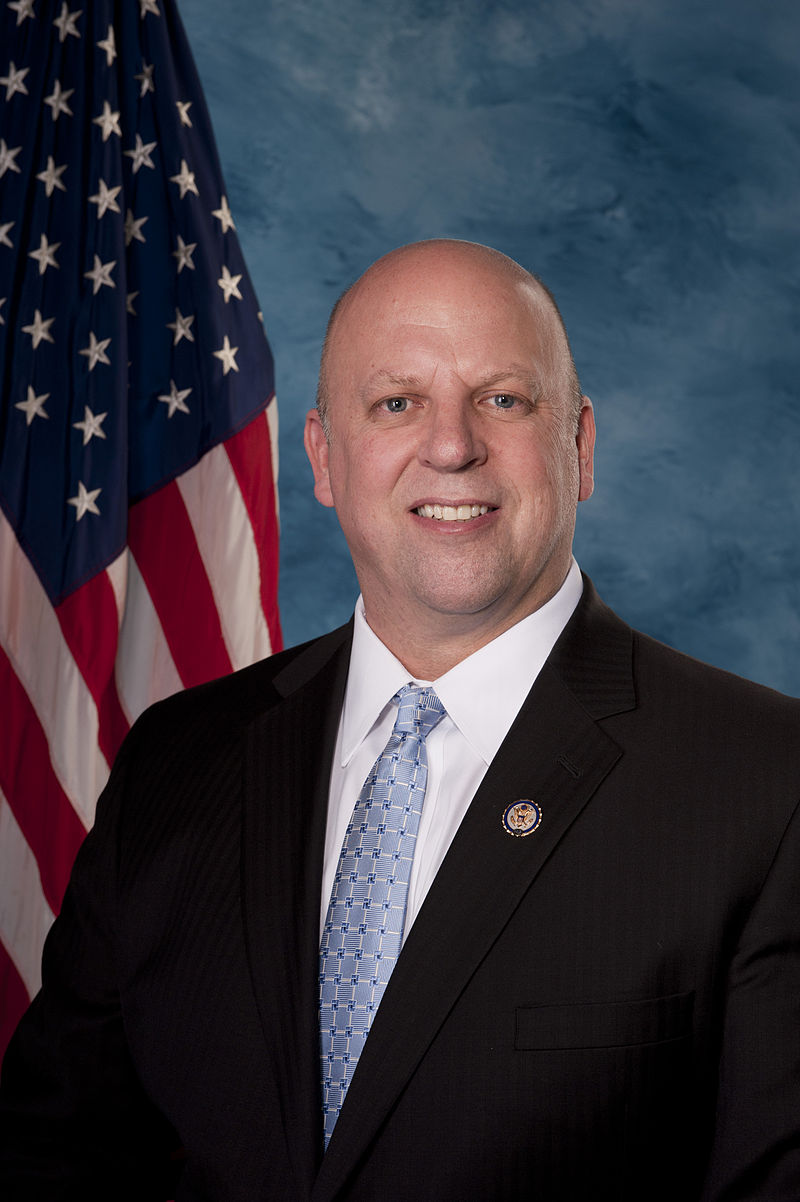
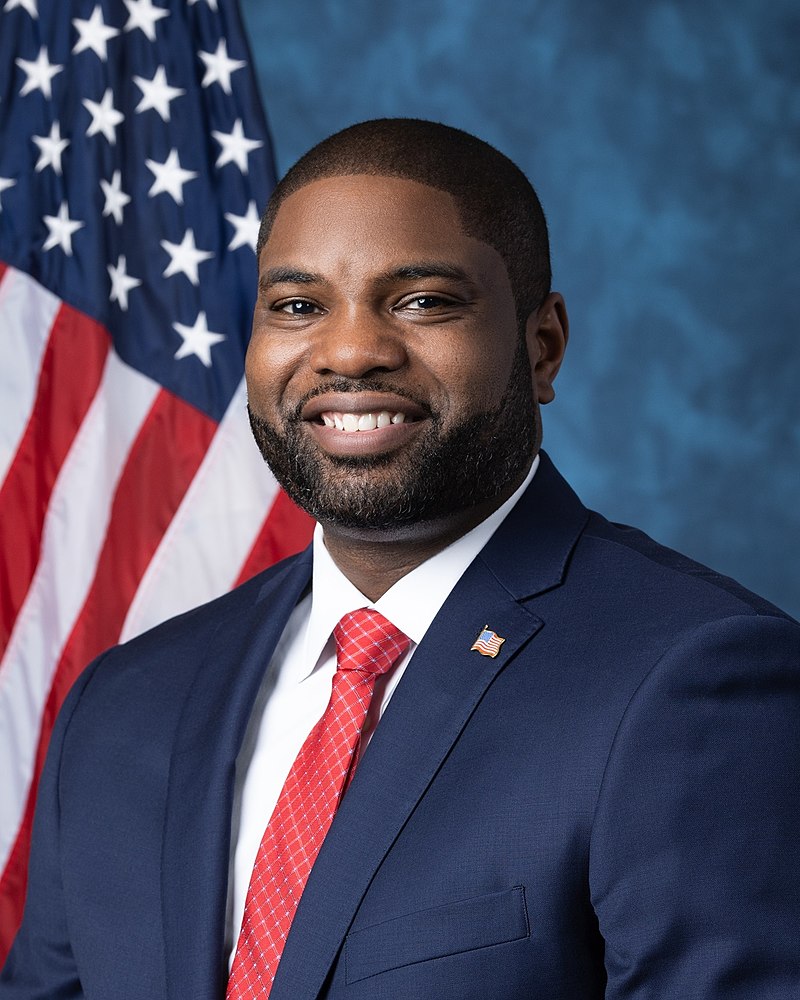

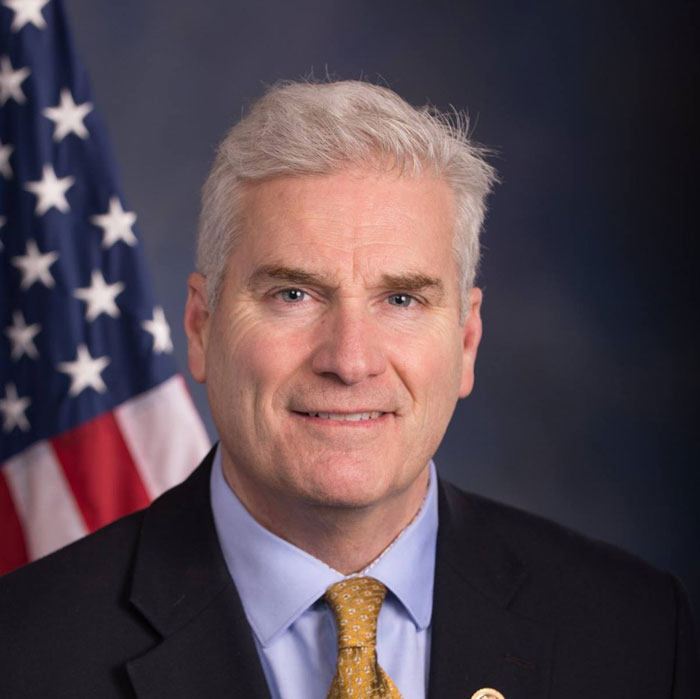
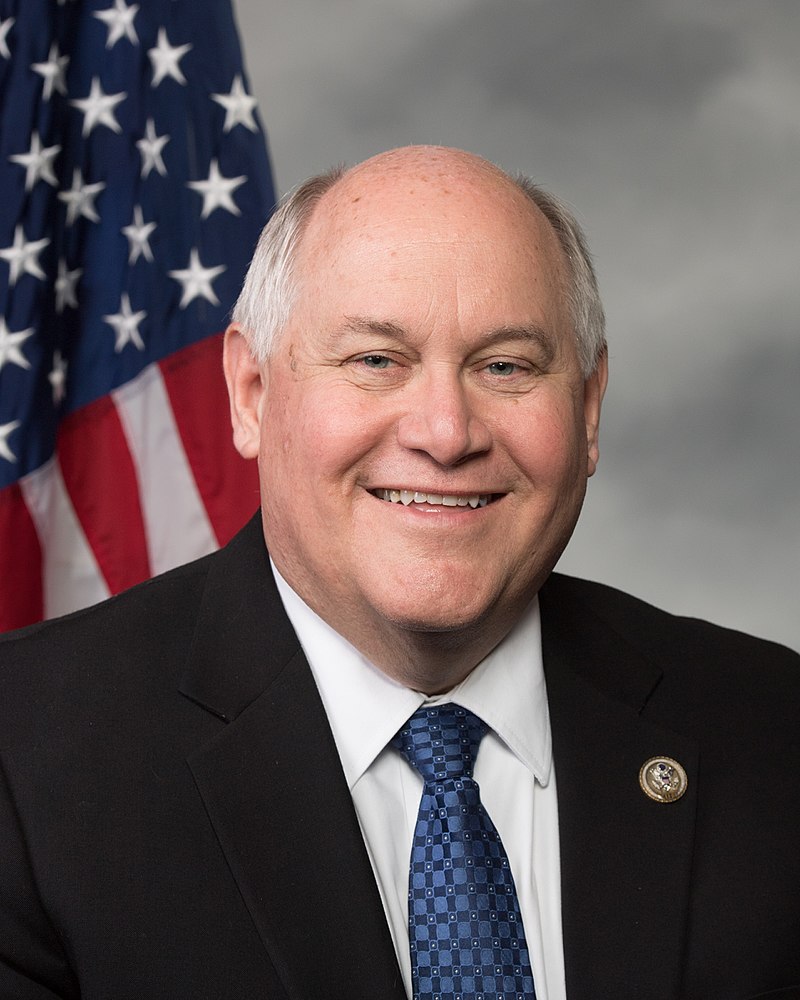



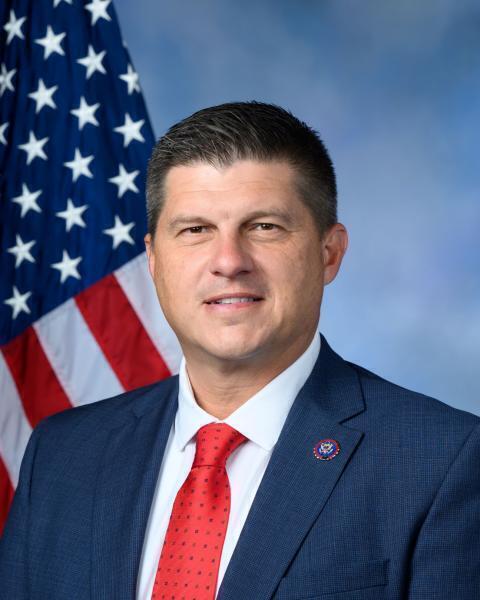
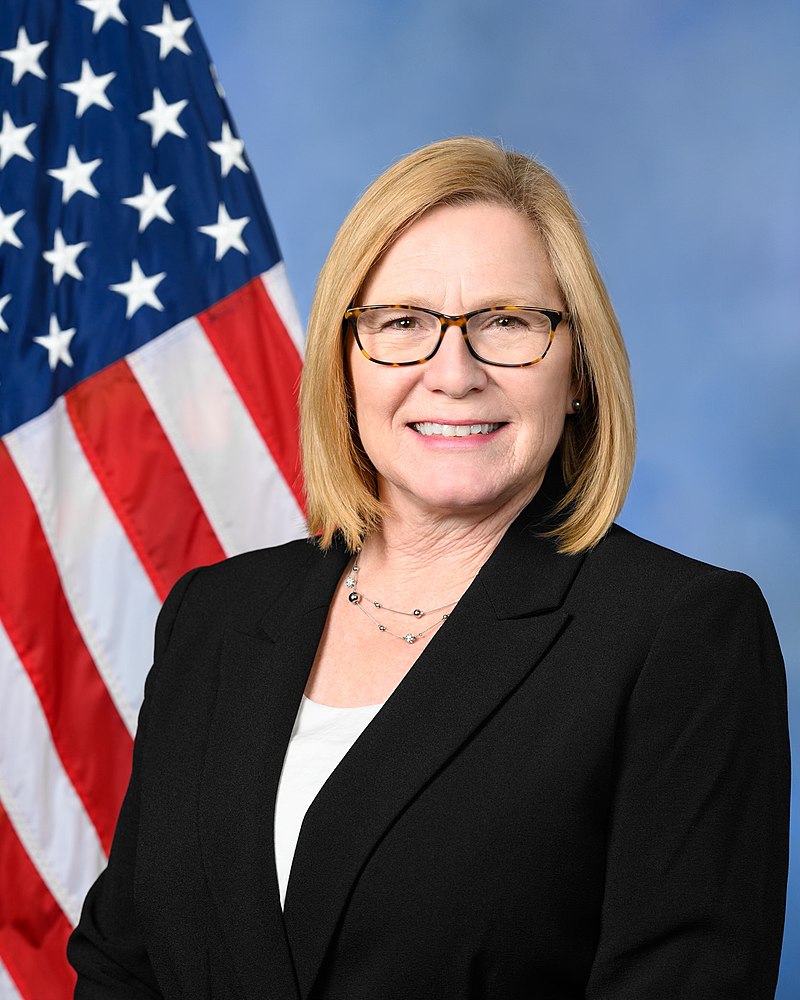
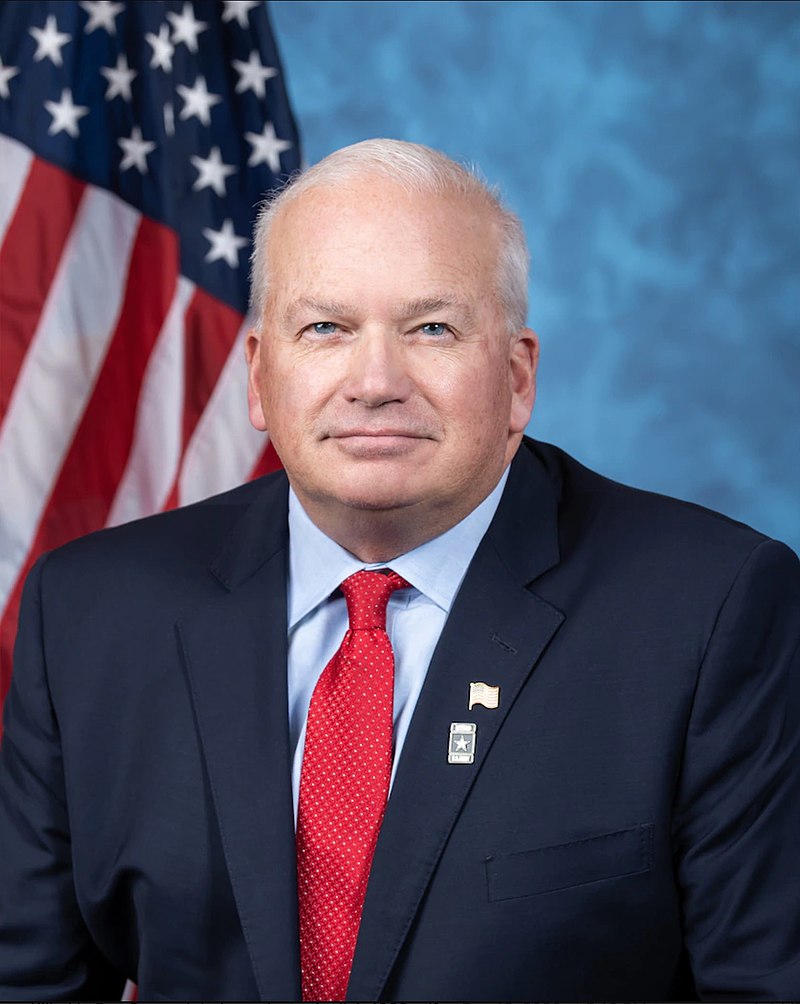

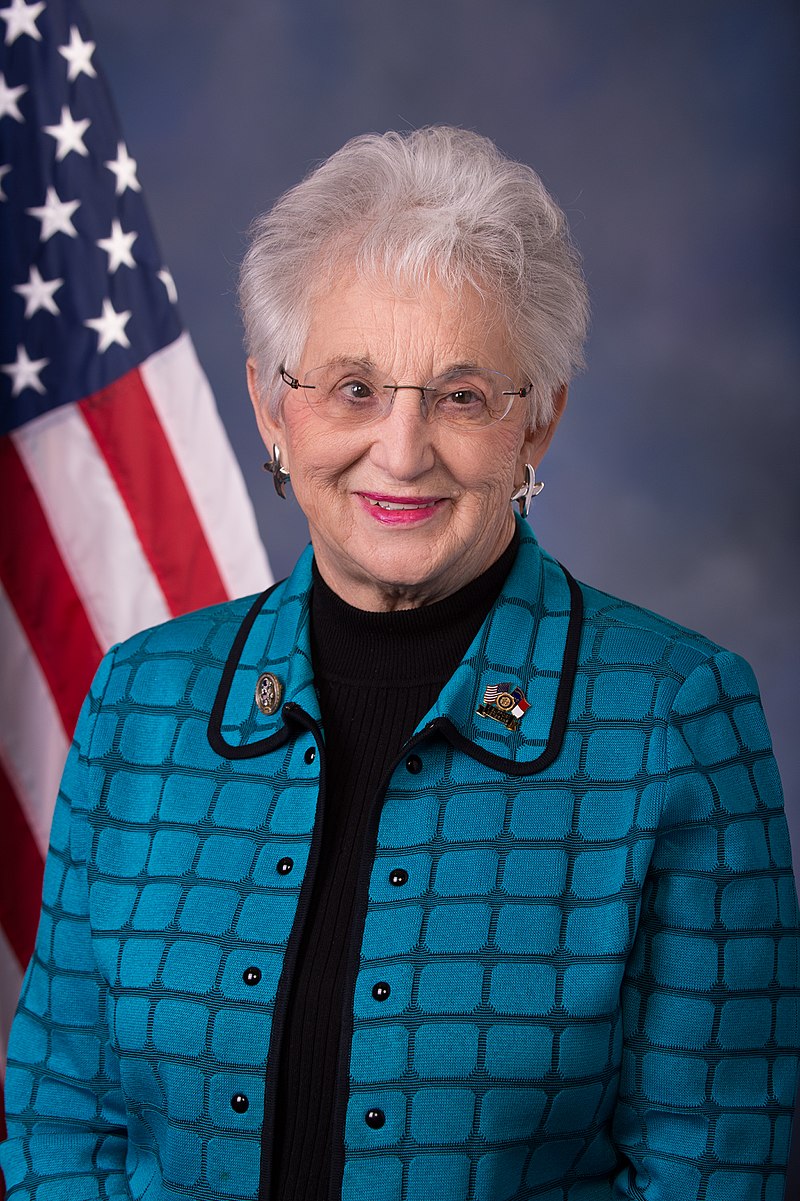
S
Scott Franklin

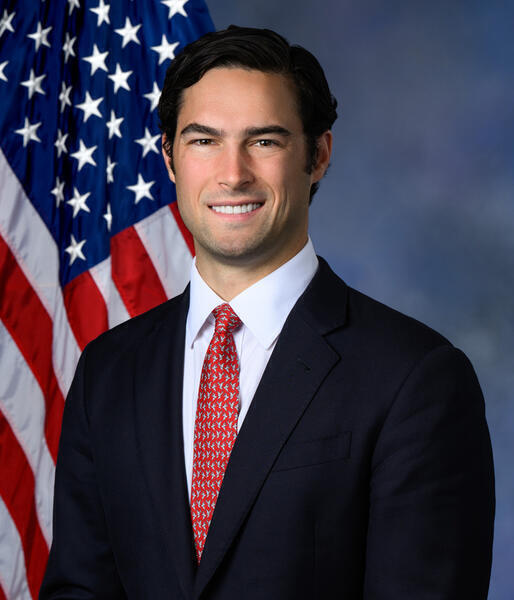


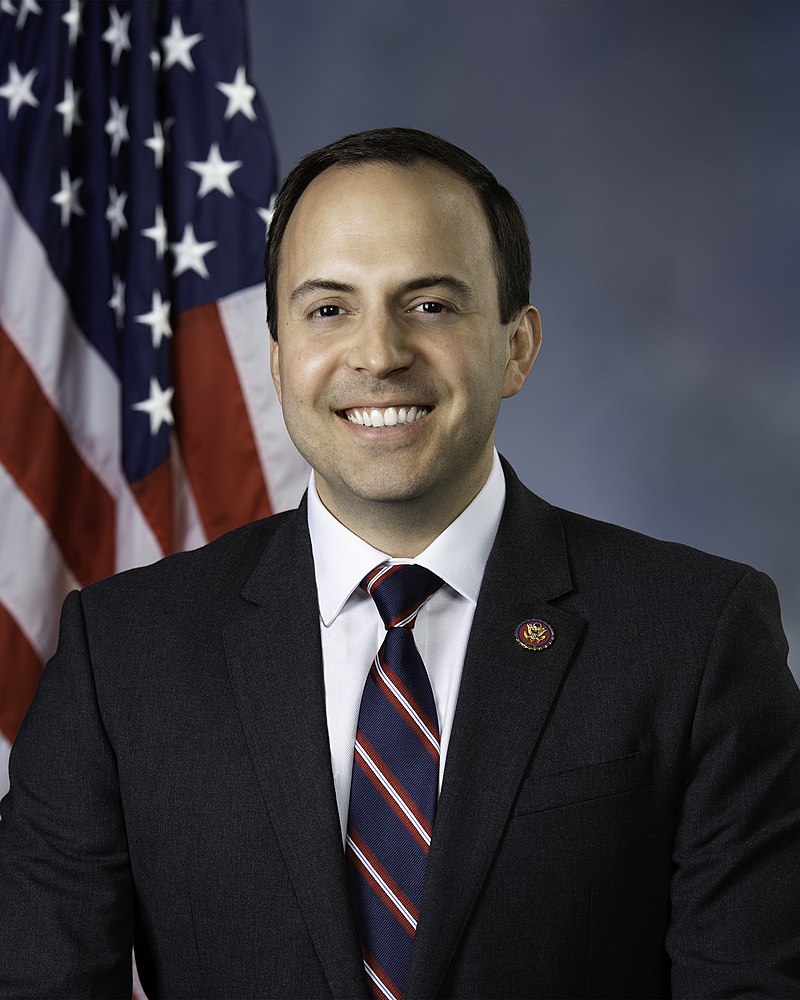

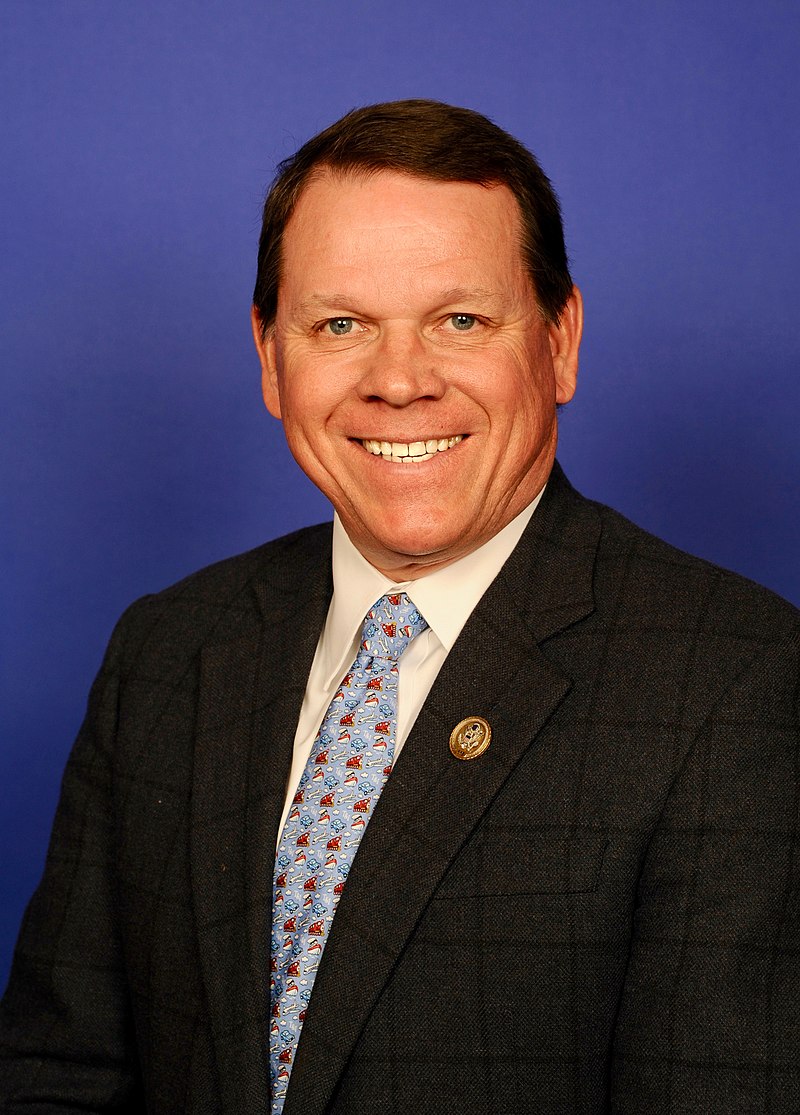
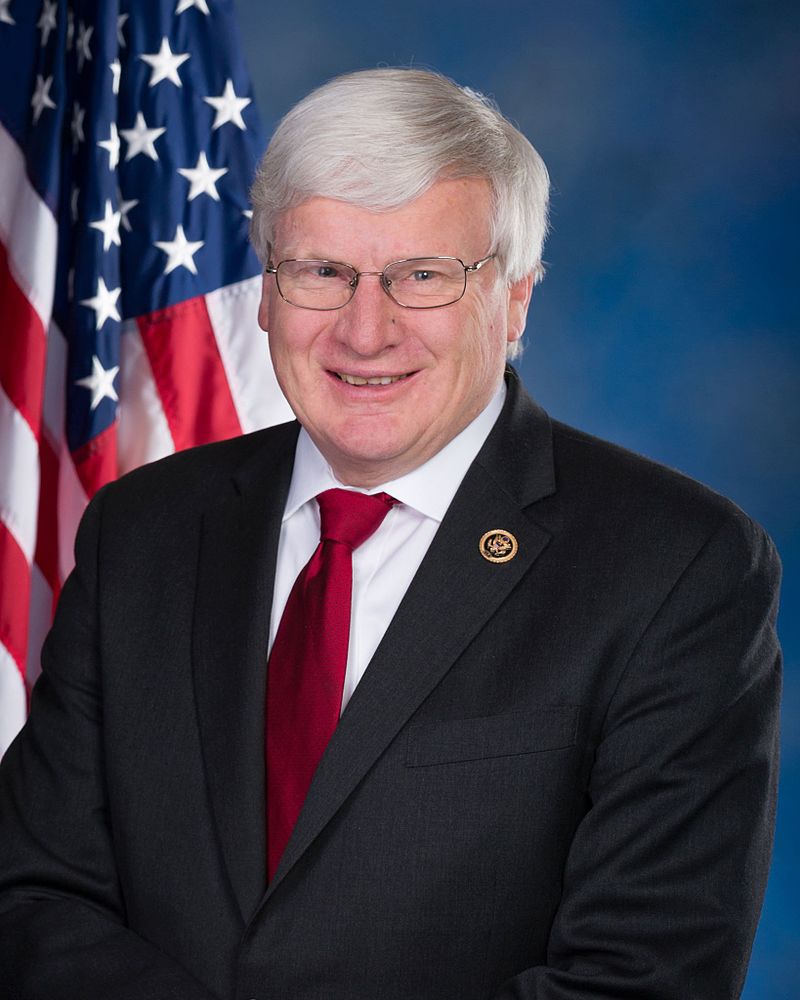
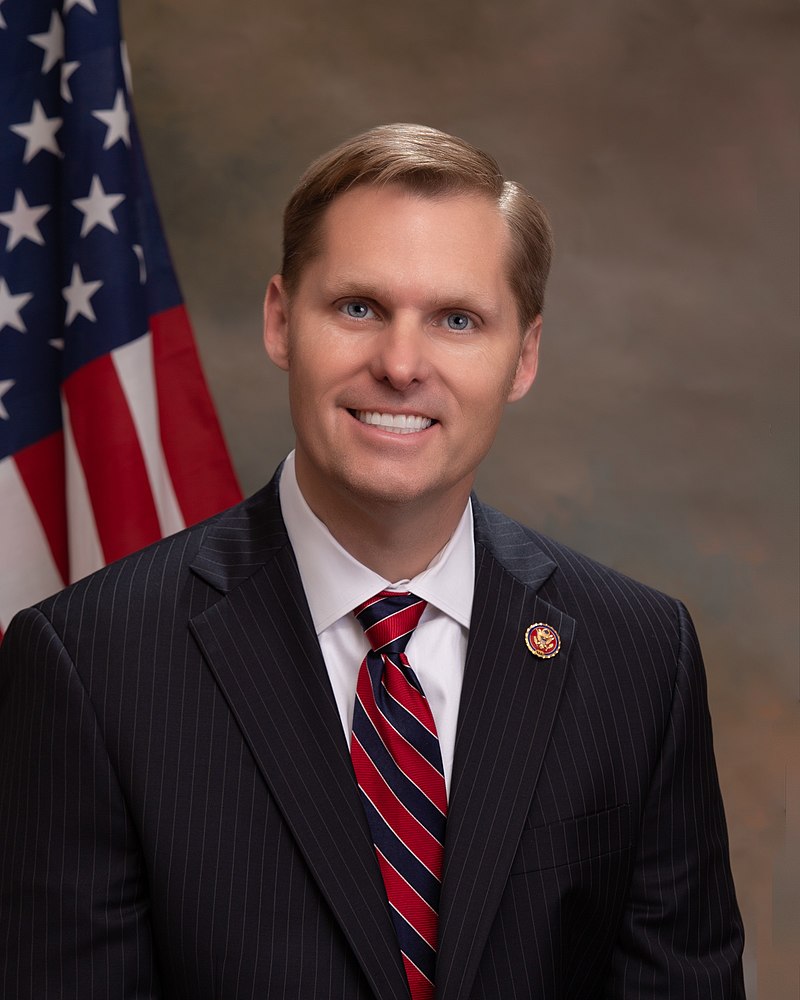
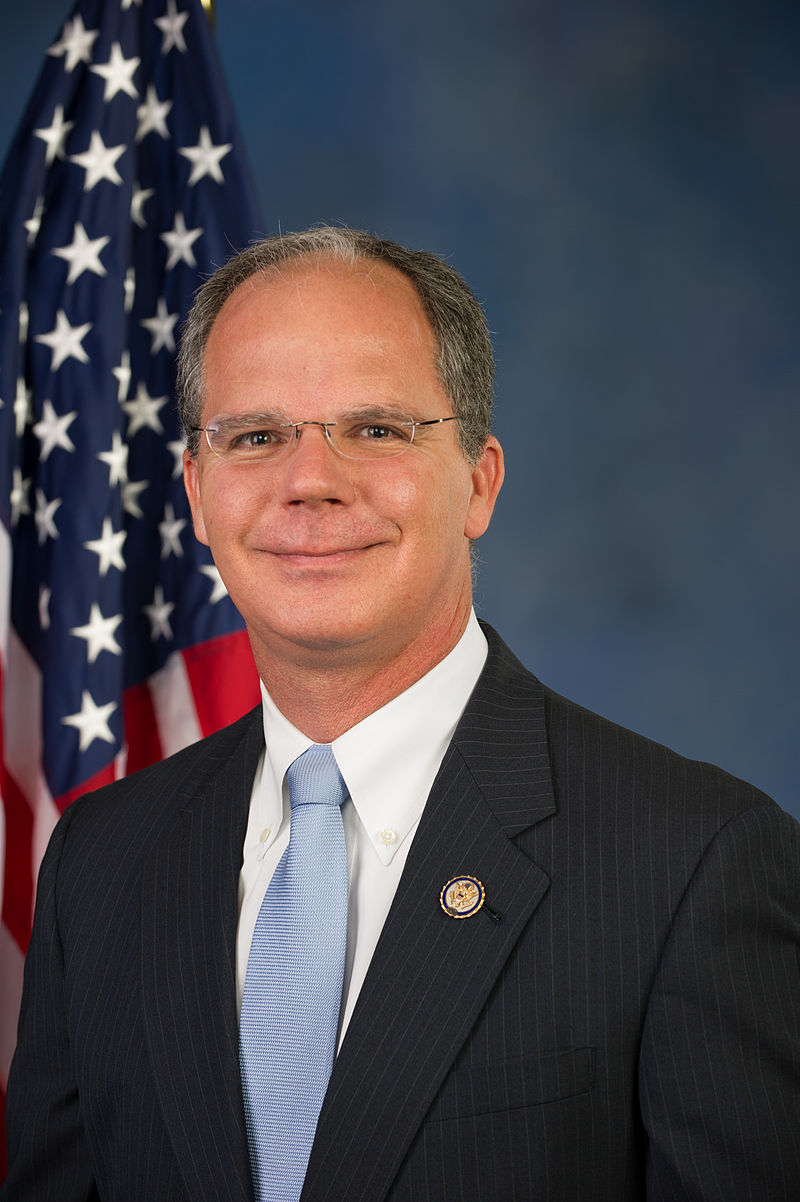







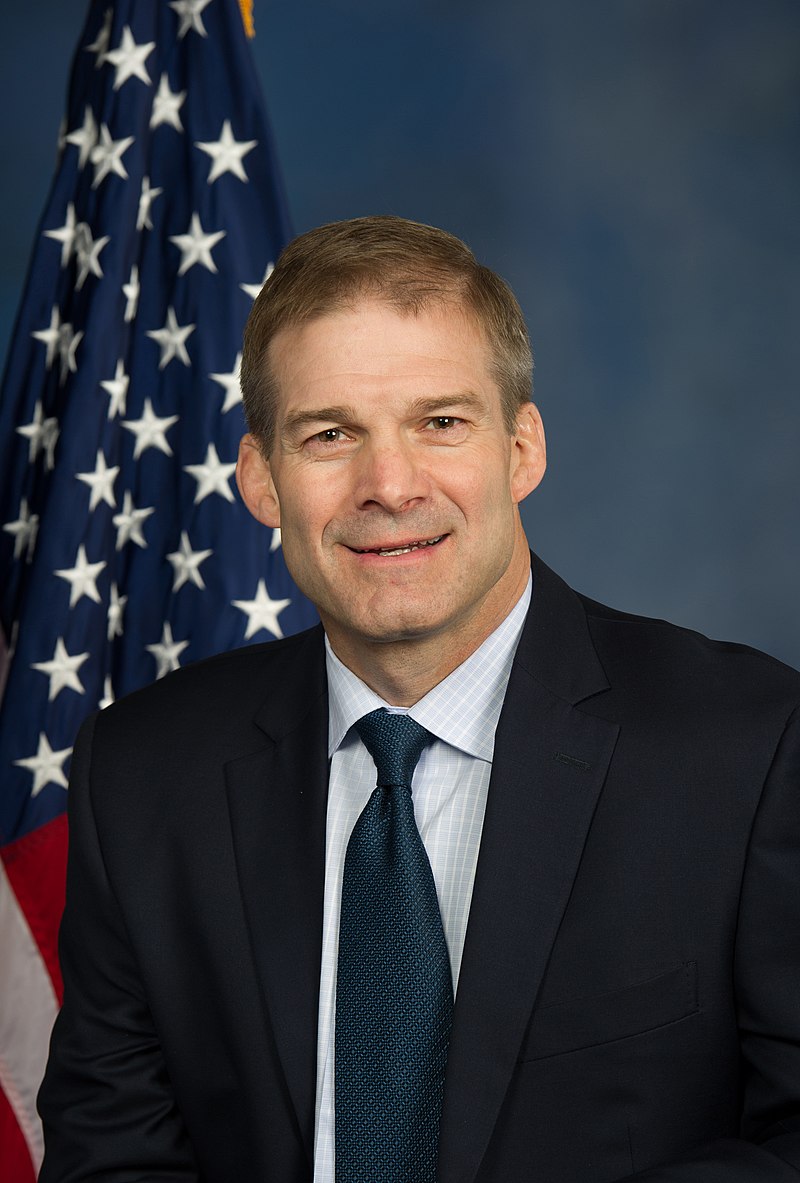
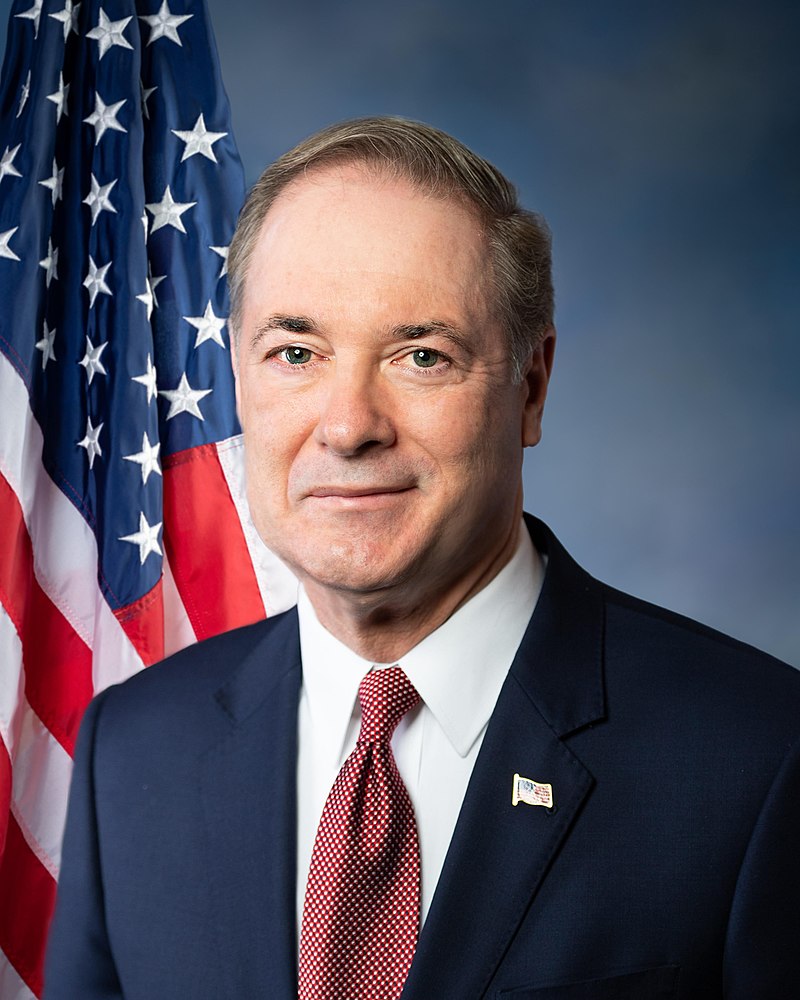
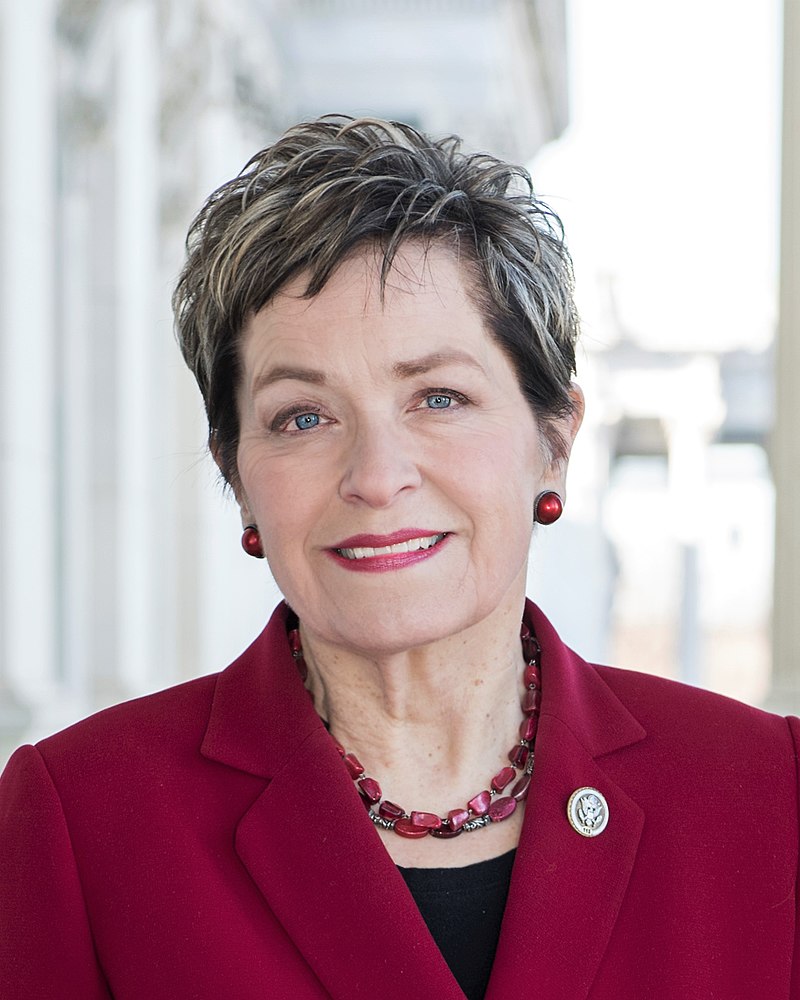
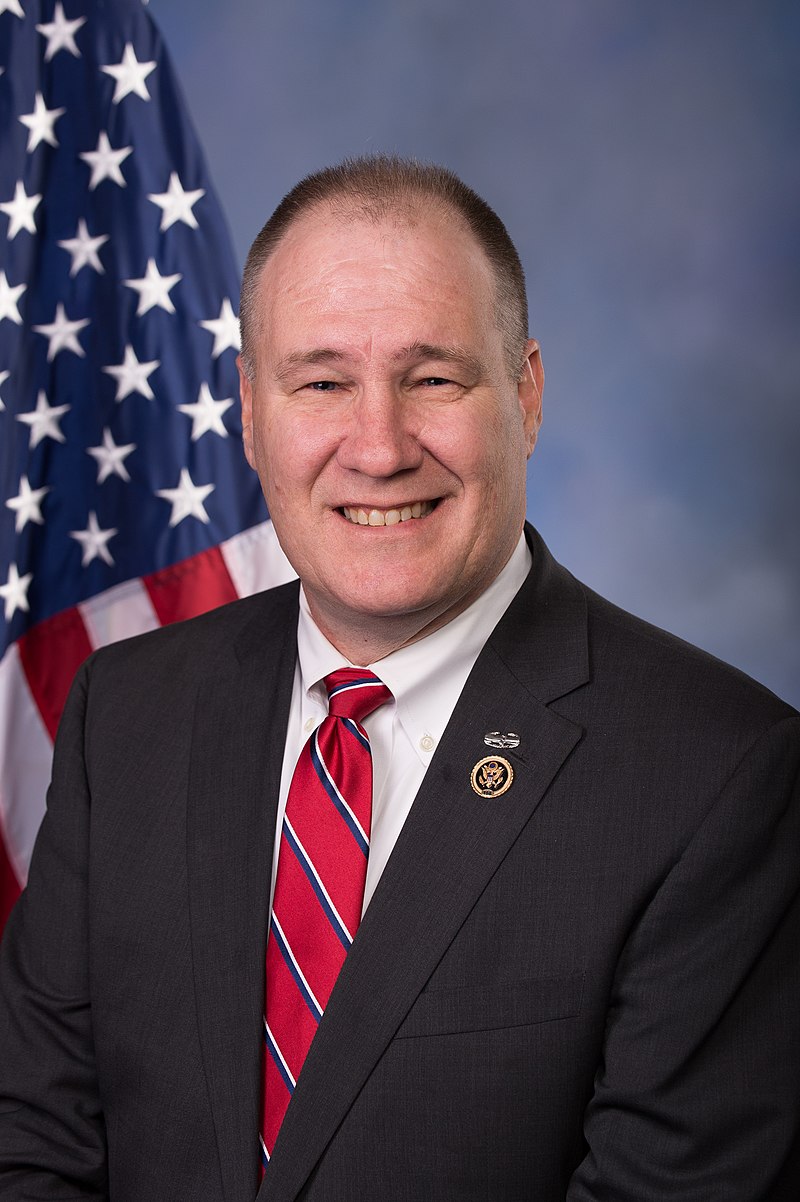



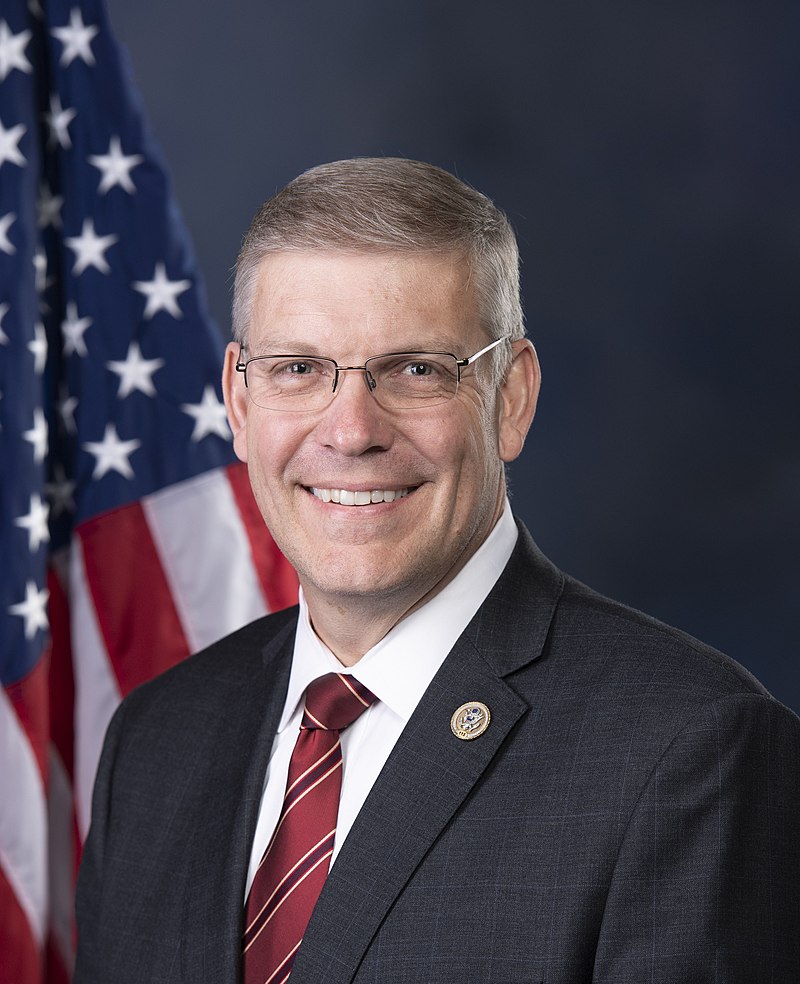

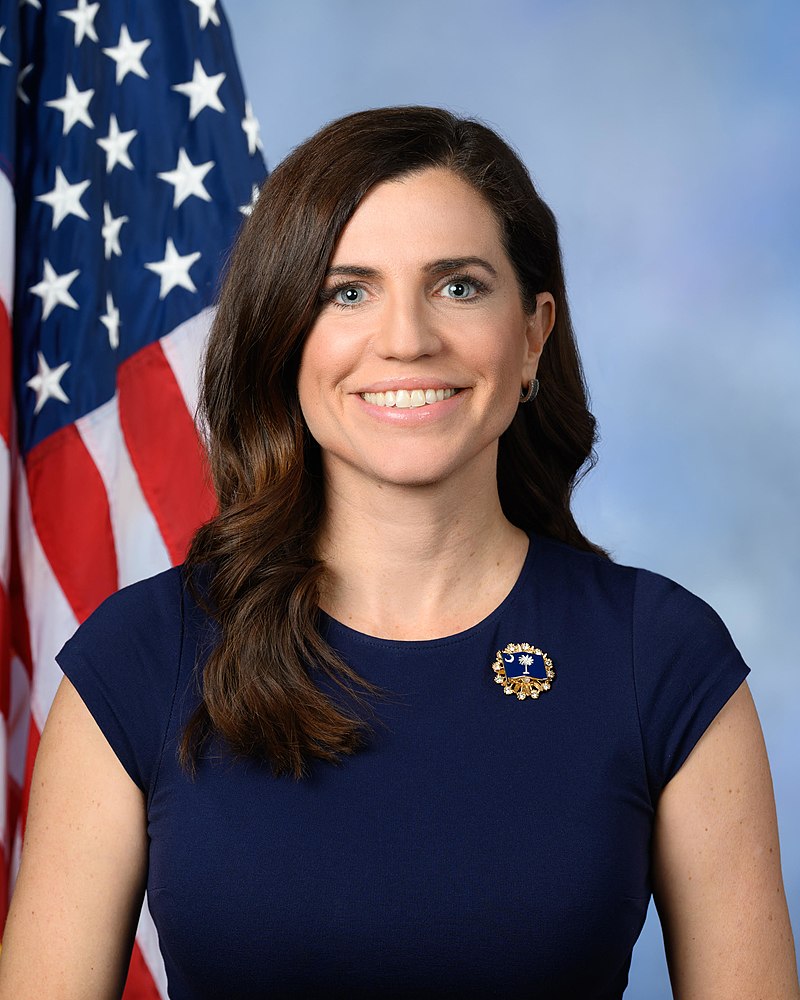
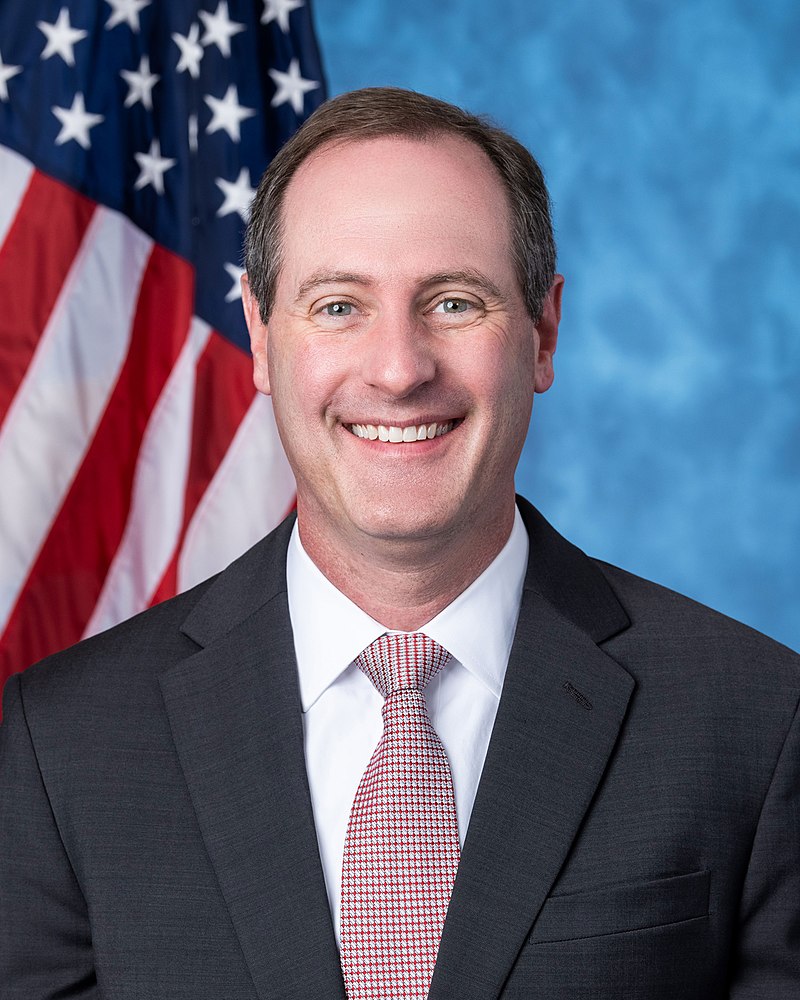
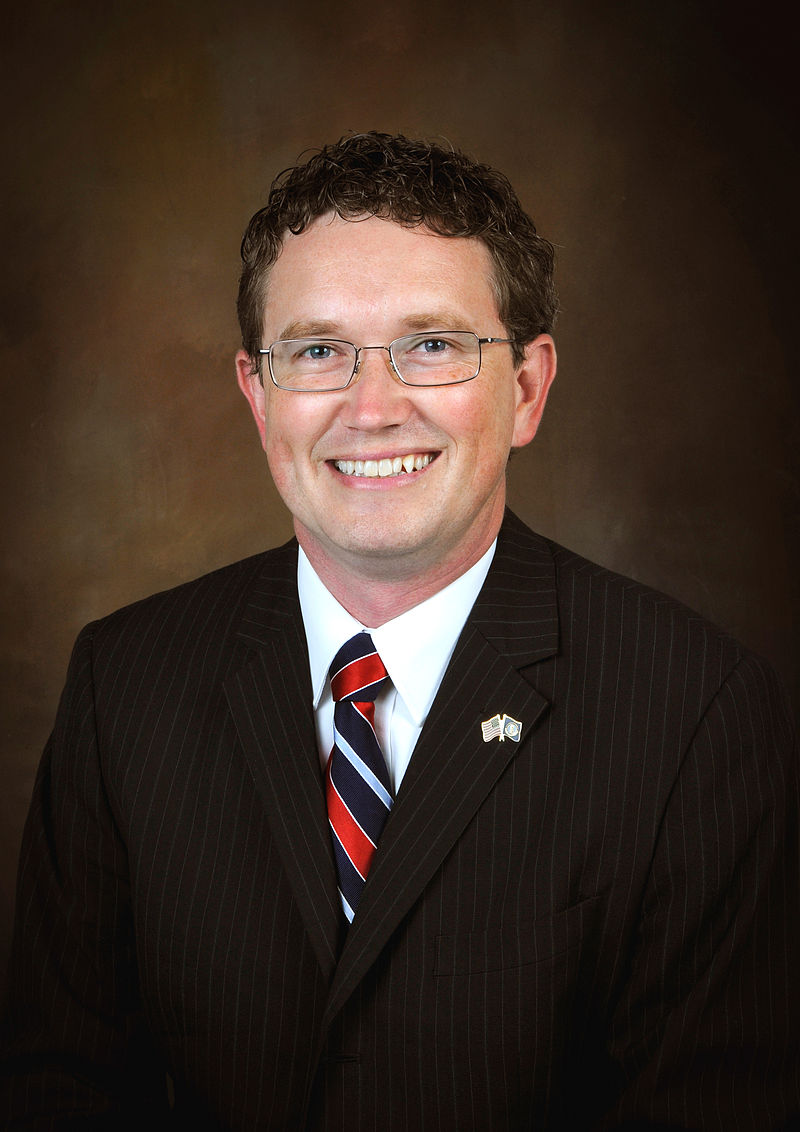
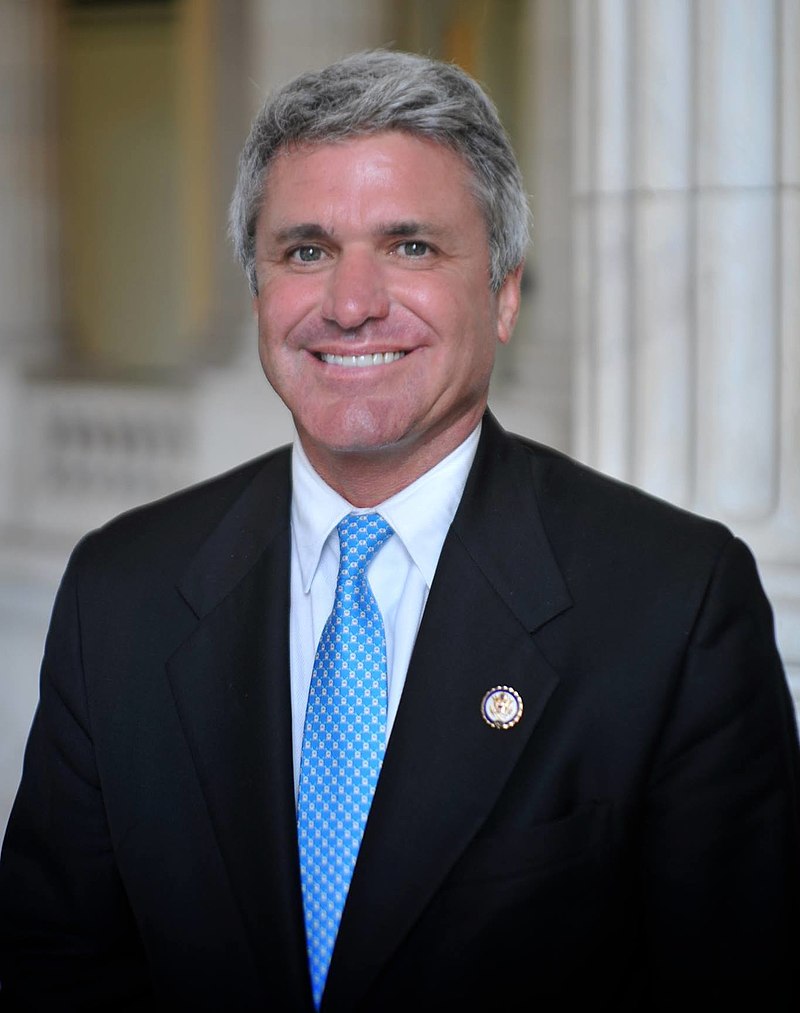
L
Lisa McClain


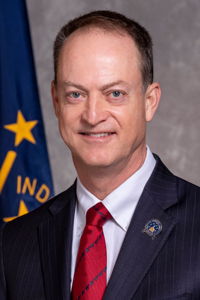

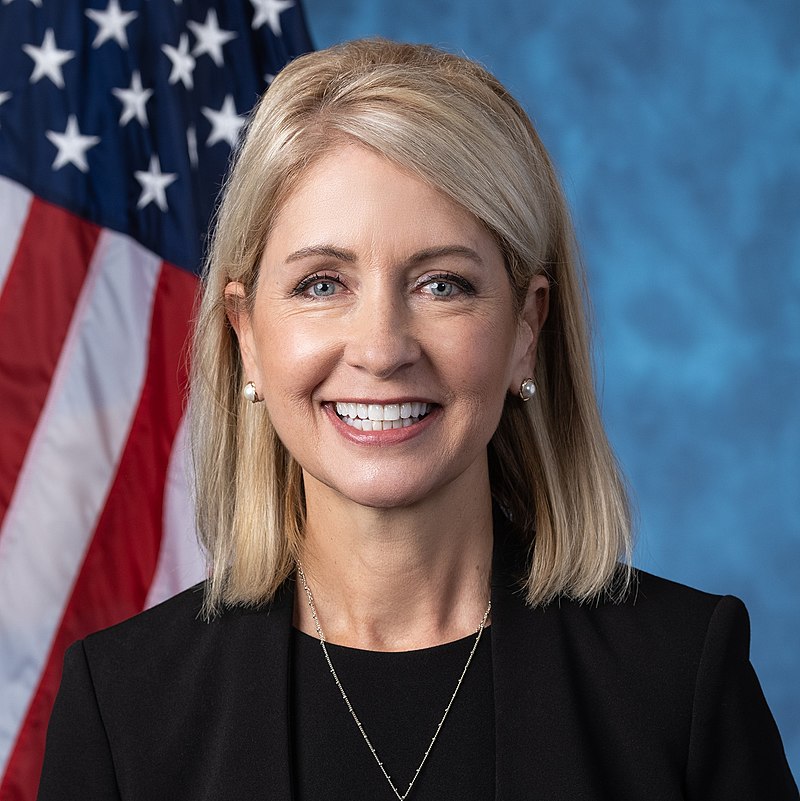
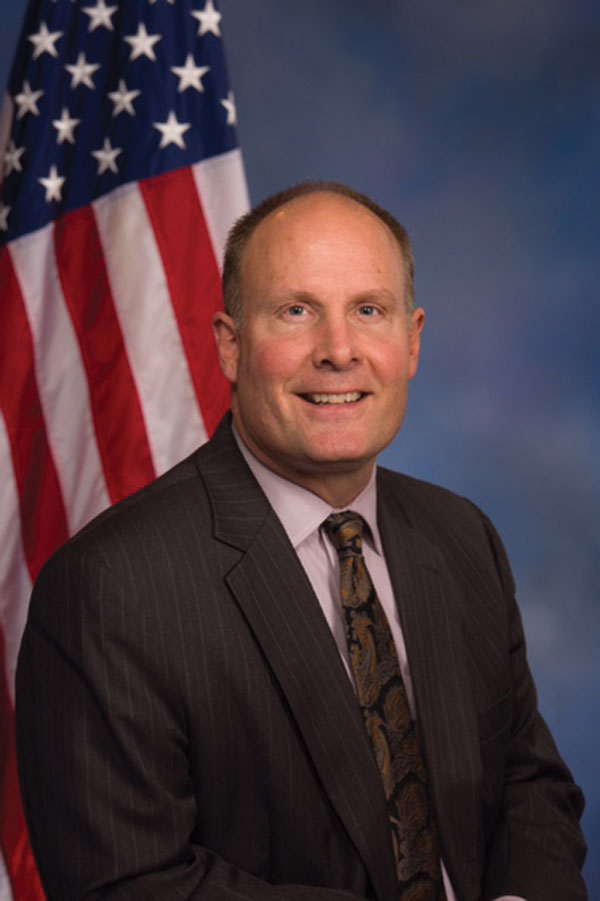
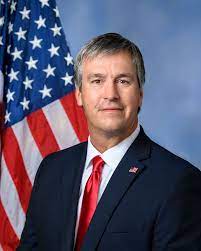


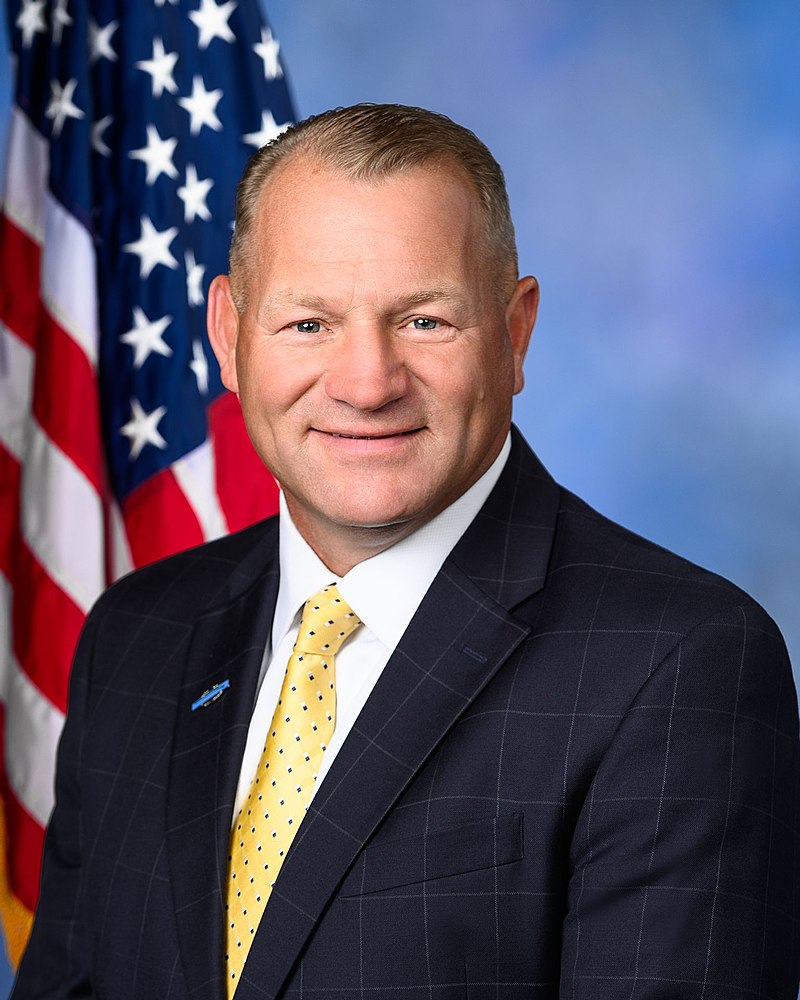
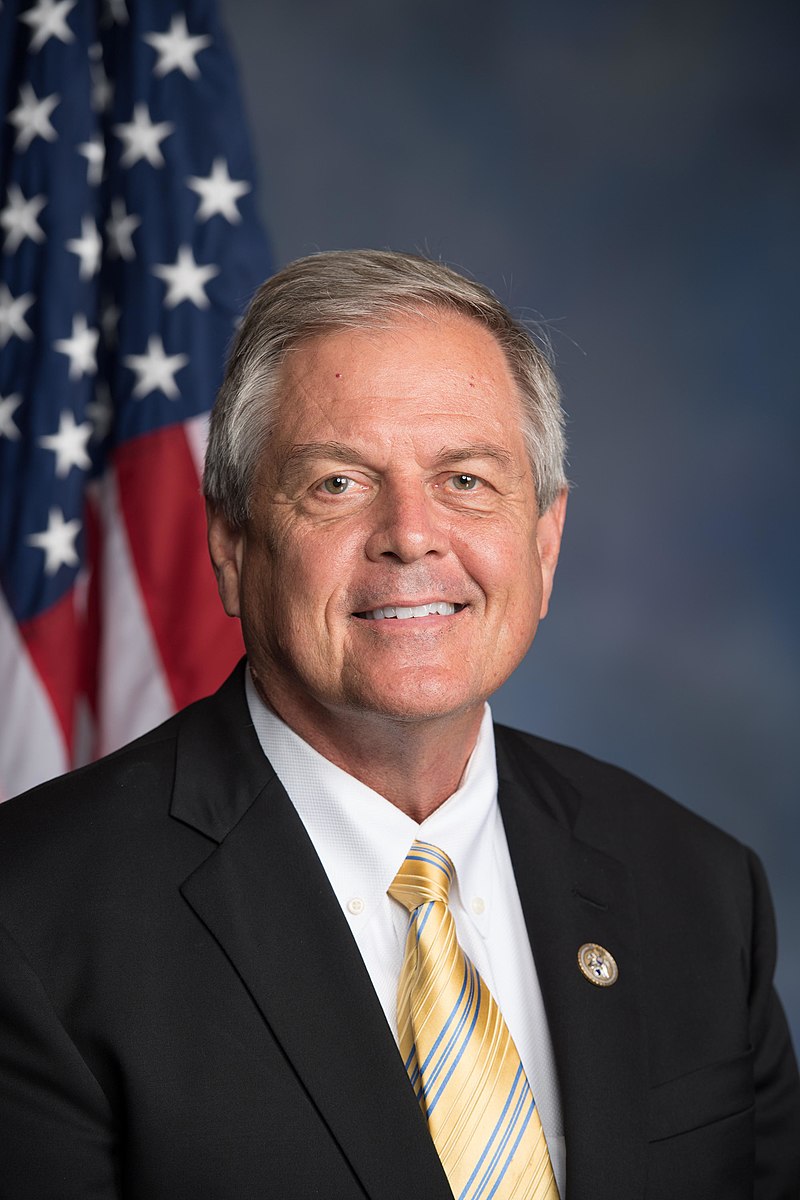






J
John Rutherford

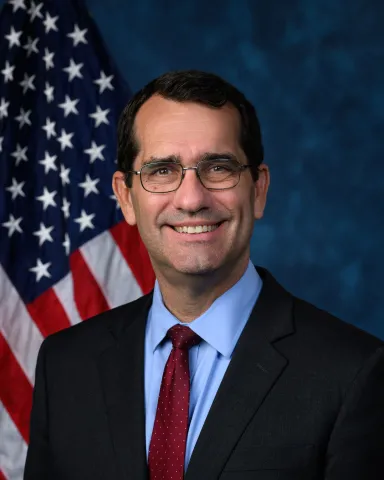
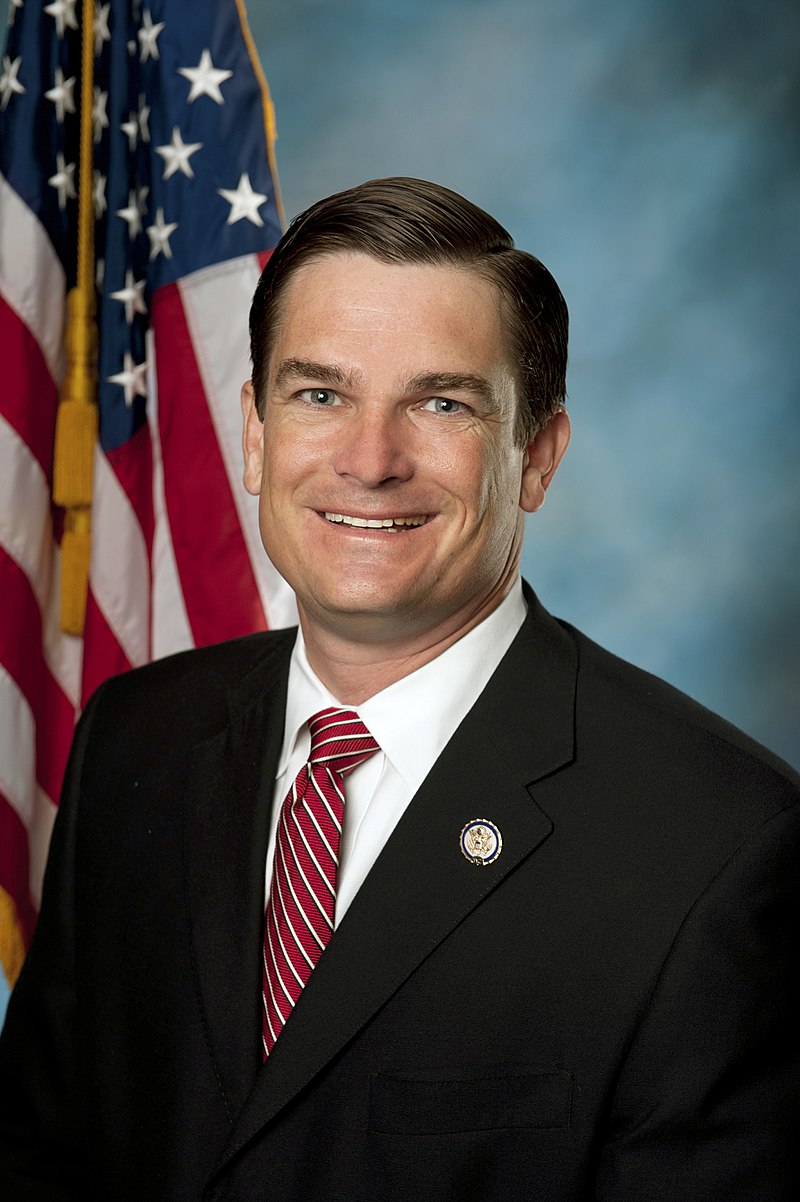
D
David Schweikert

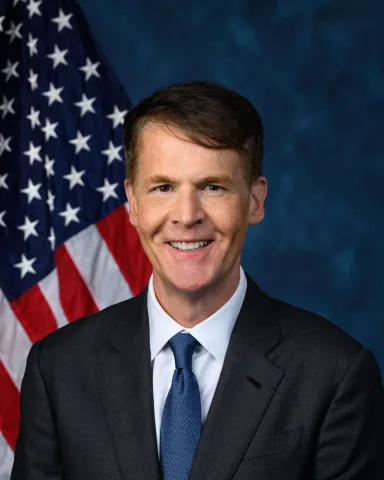
P
Pete Sessions
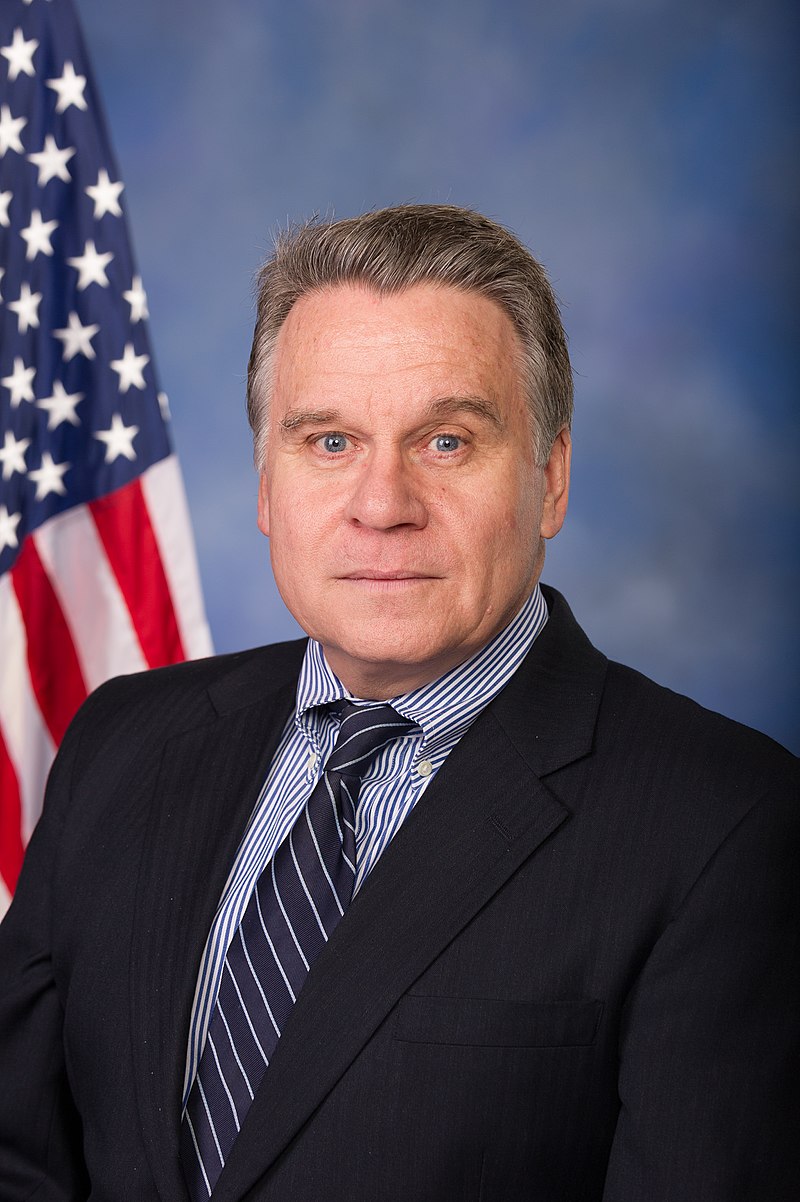

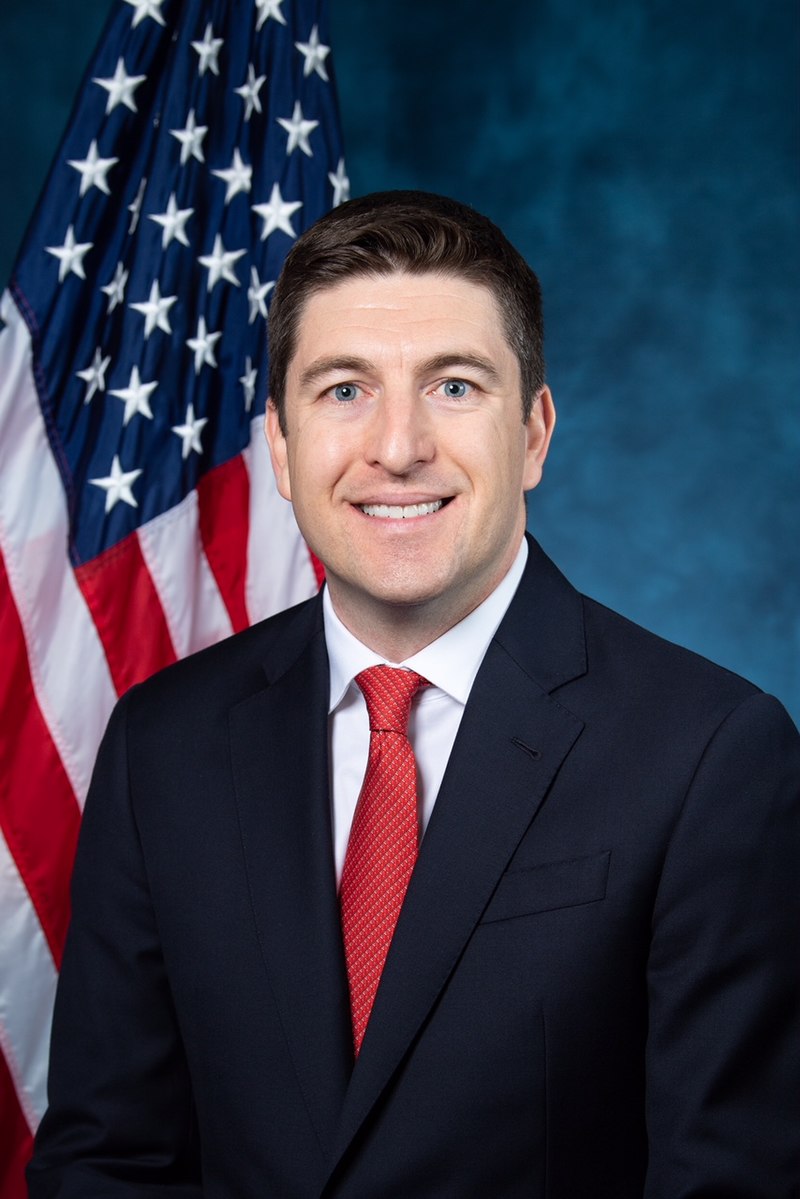

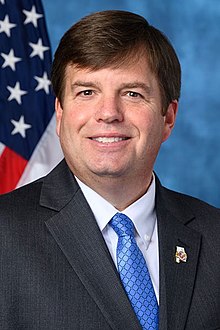

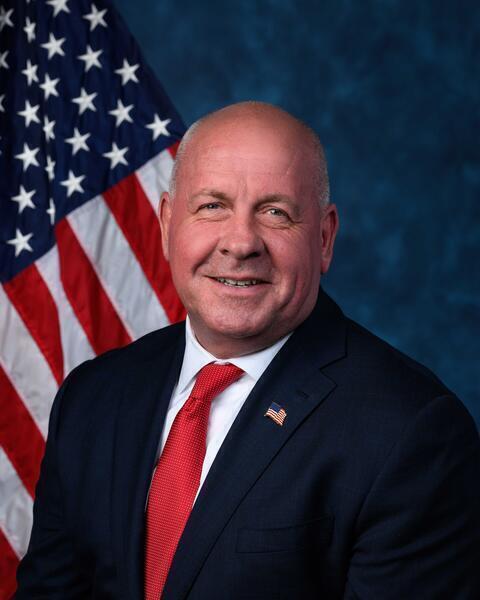


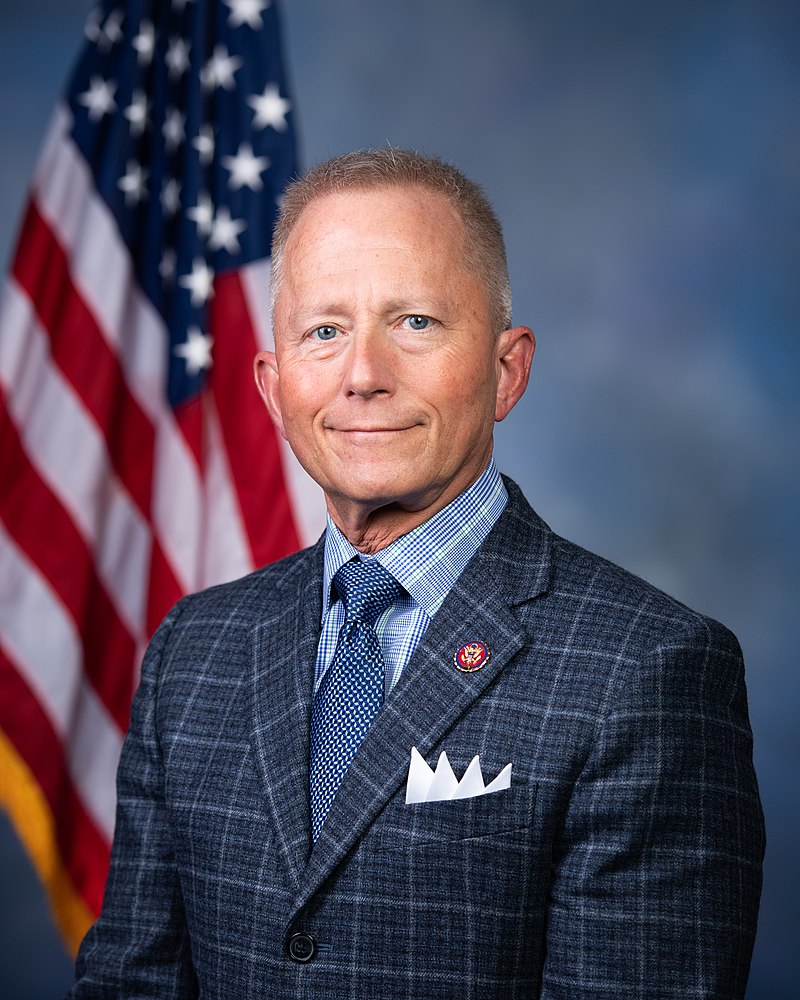
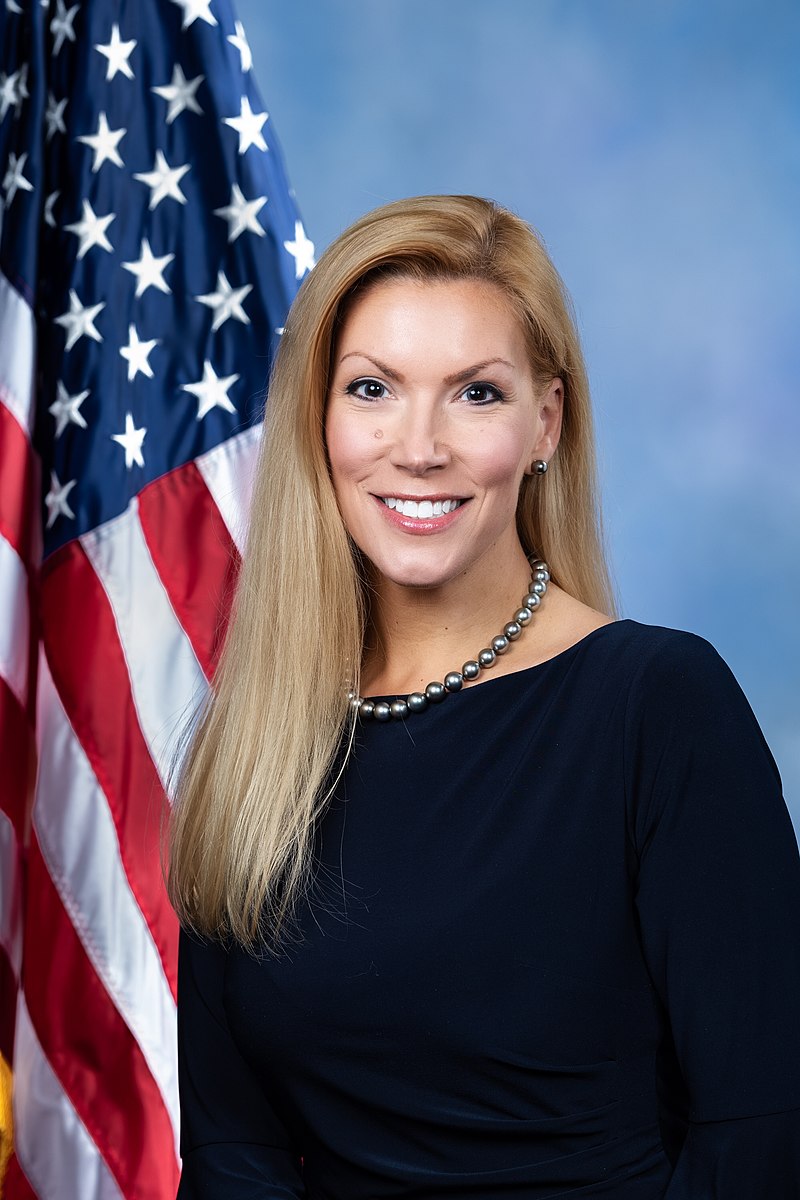

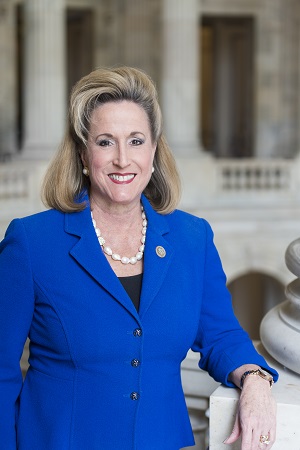
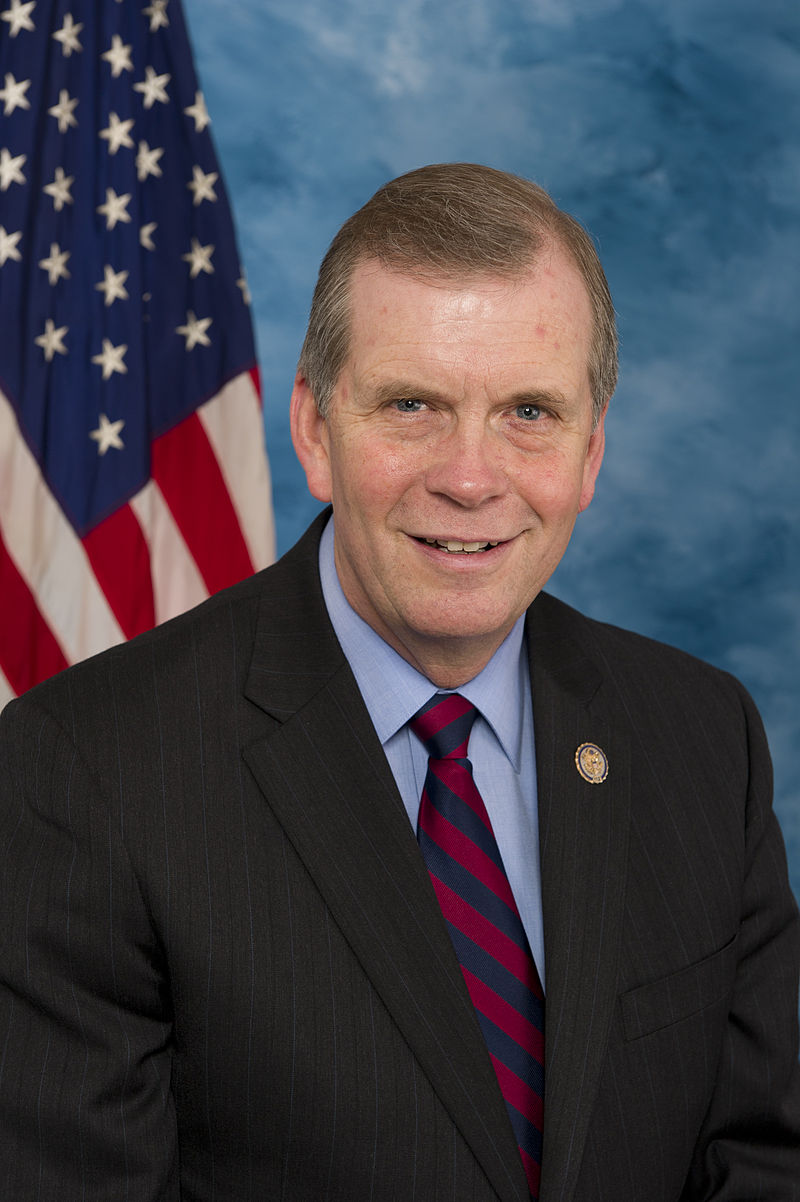
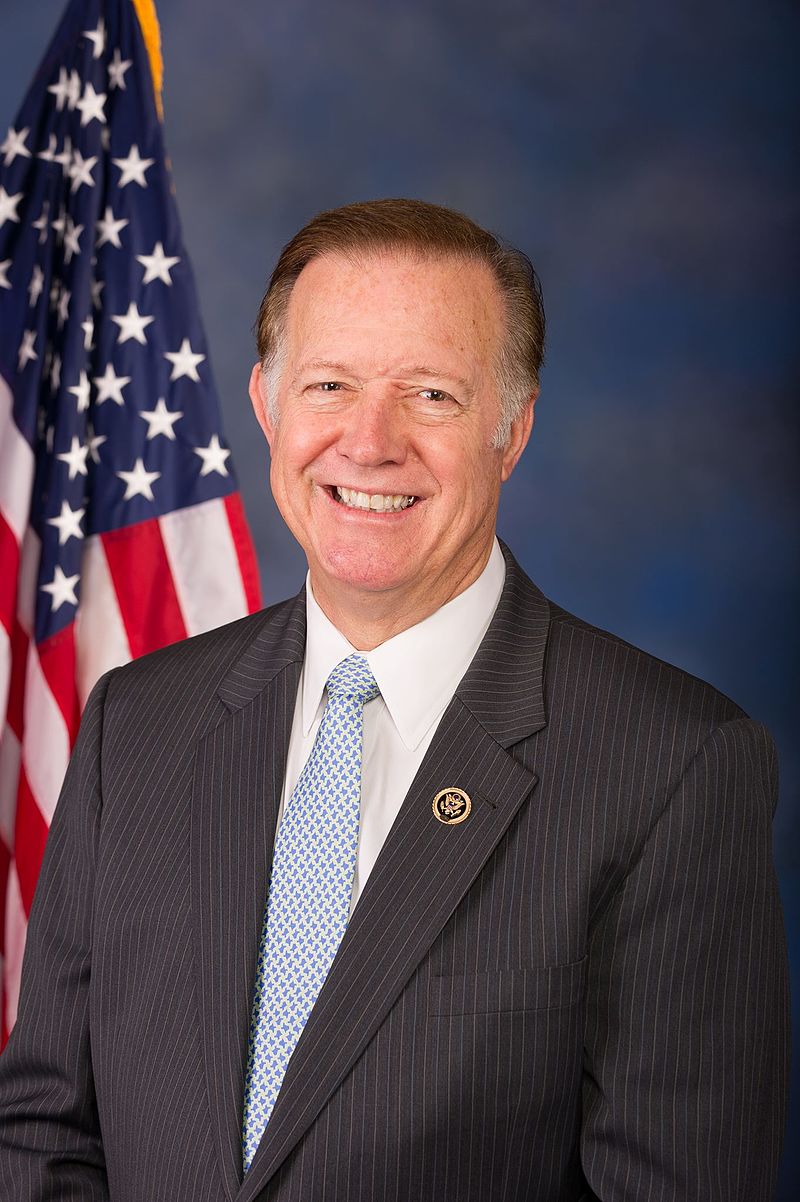

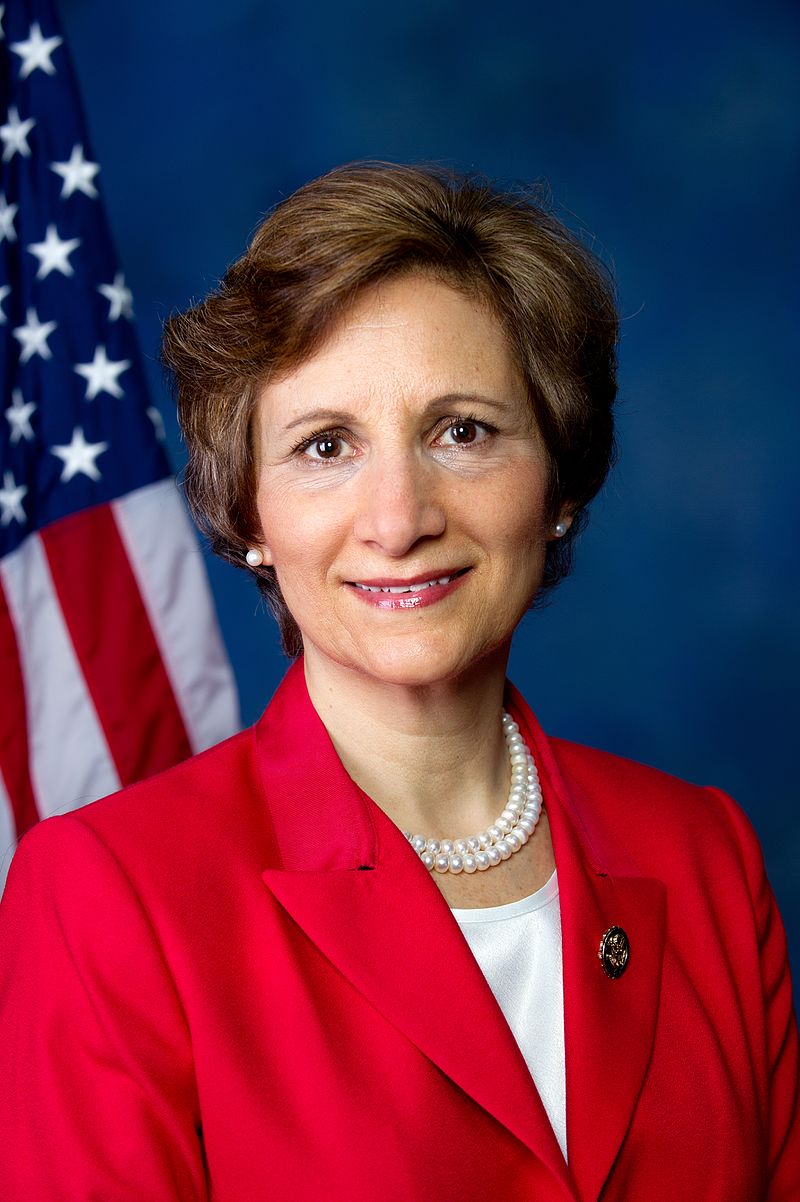
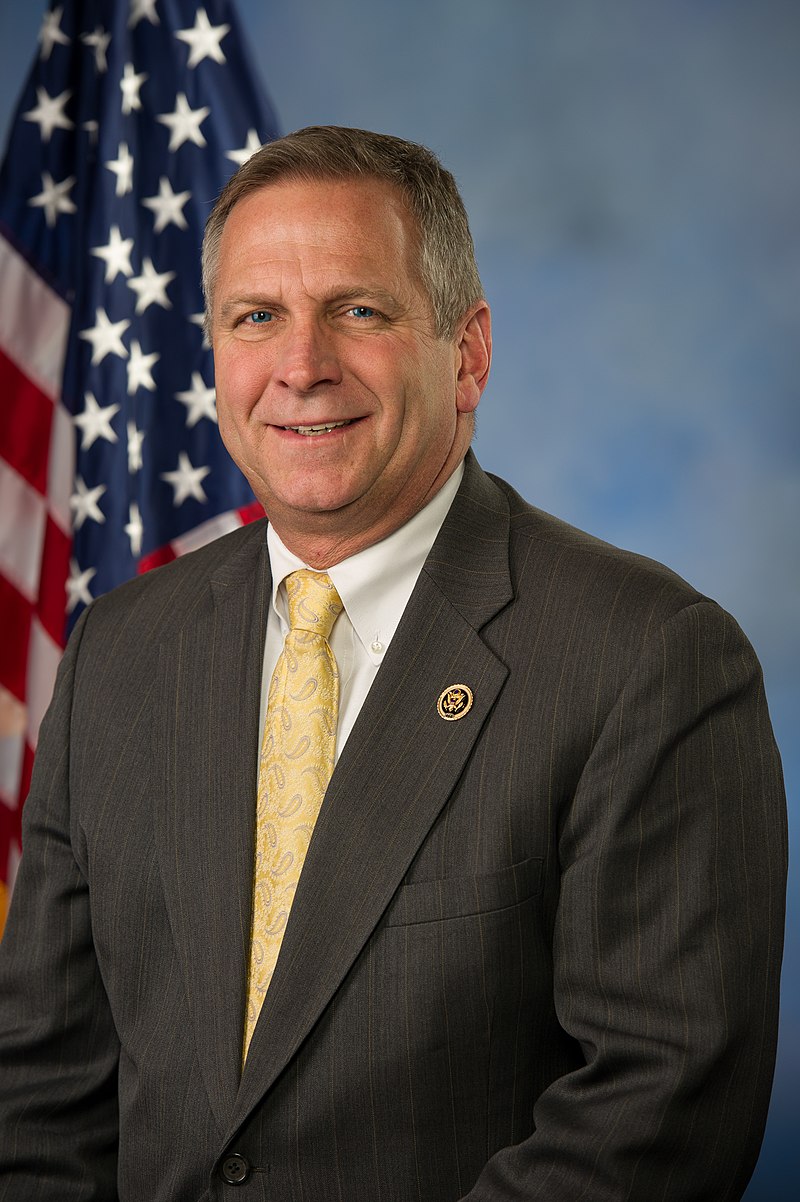
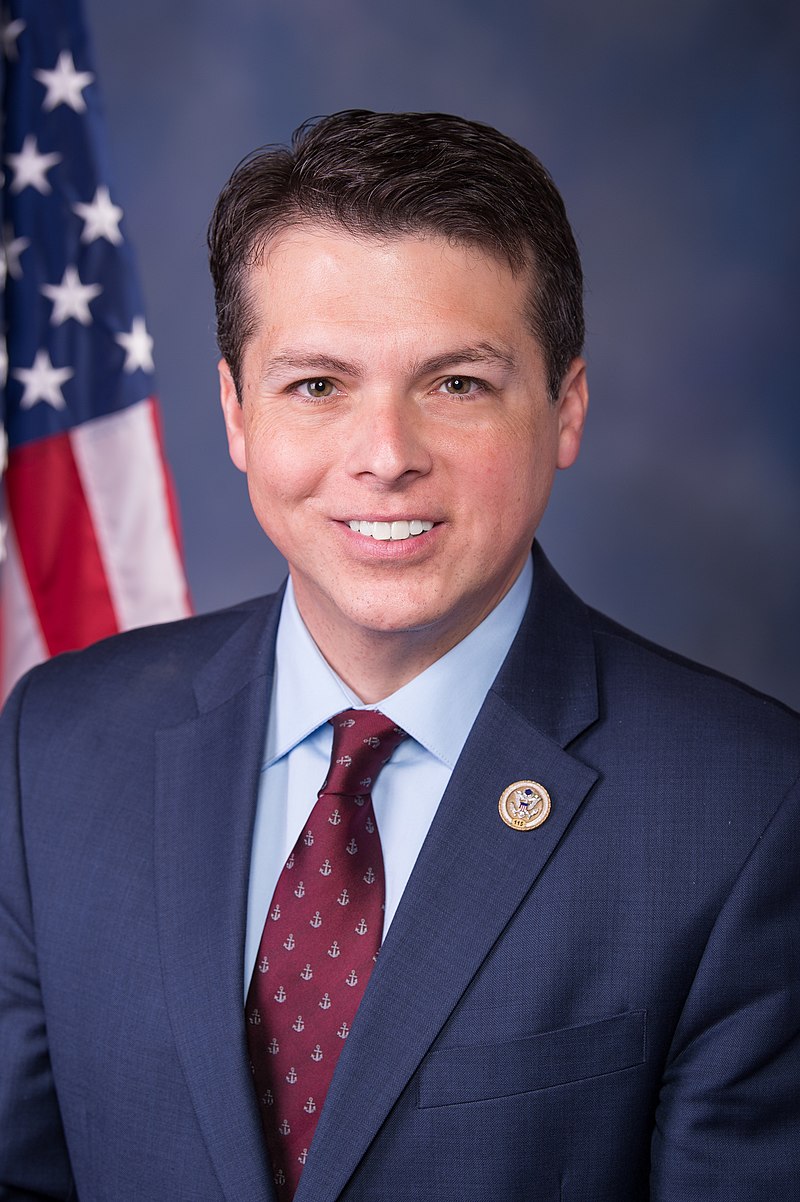
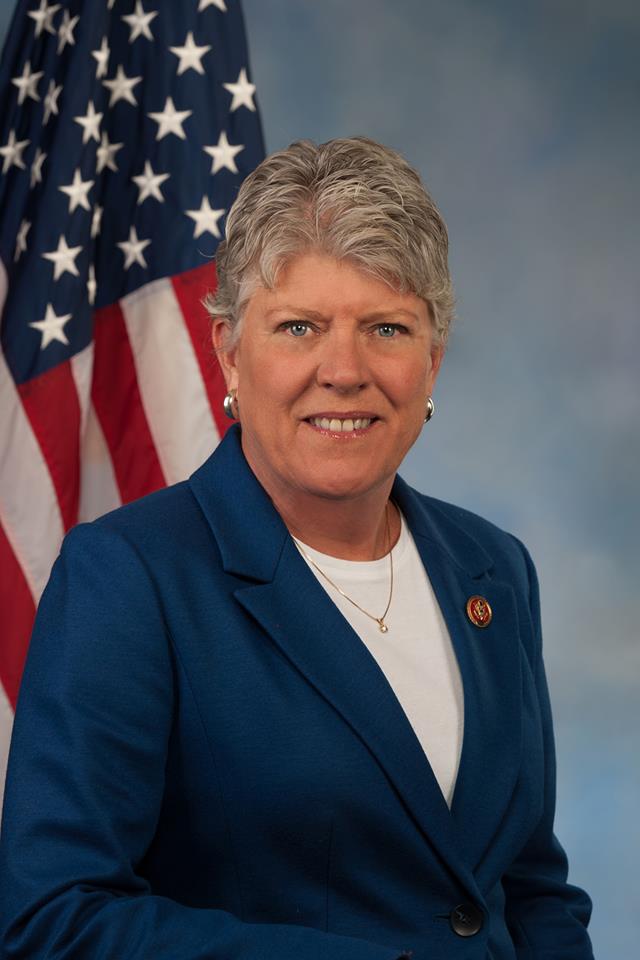
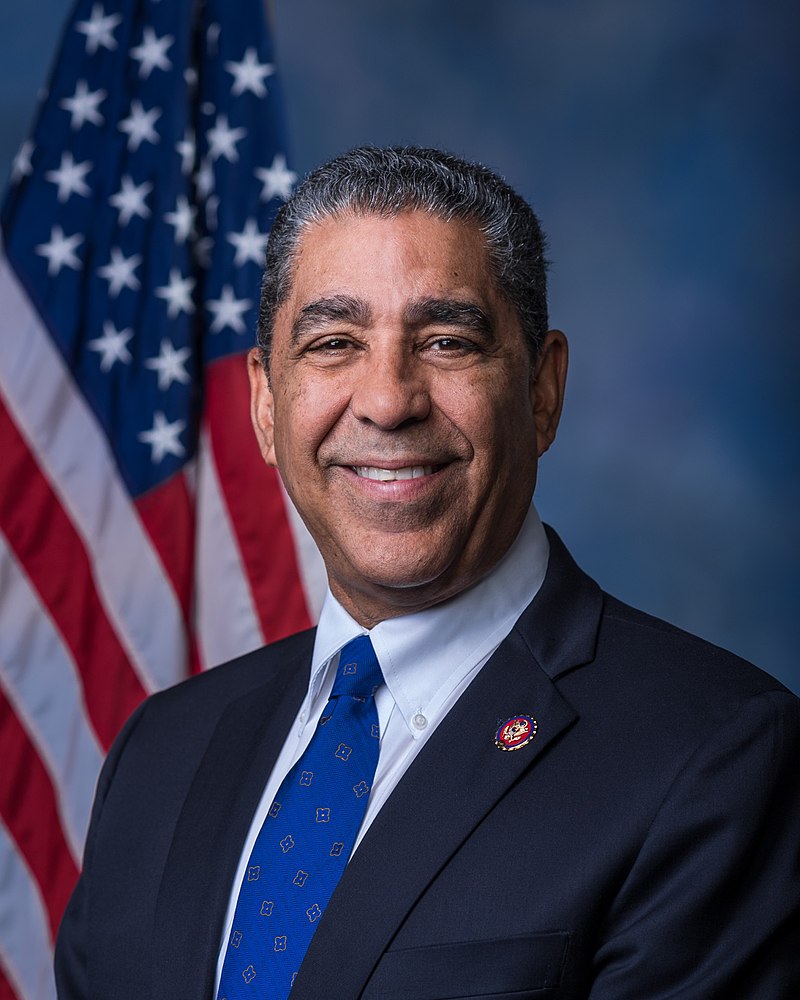
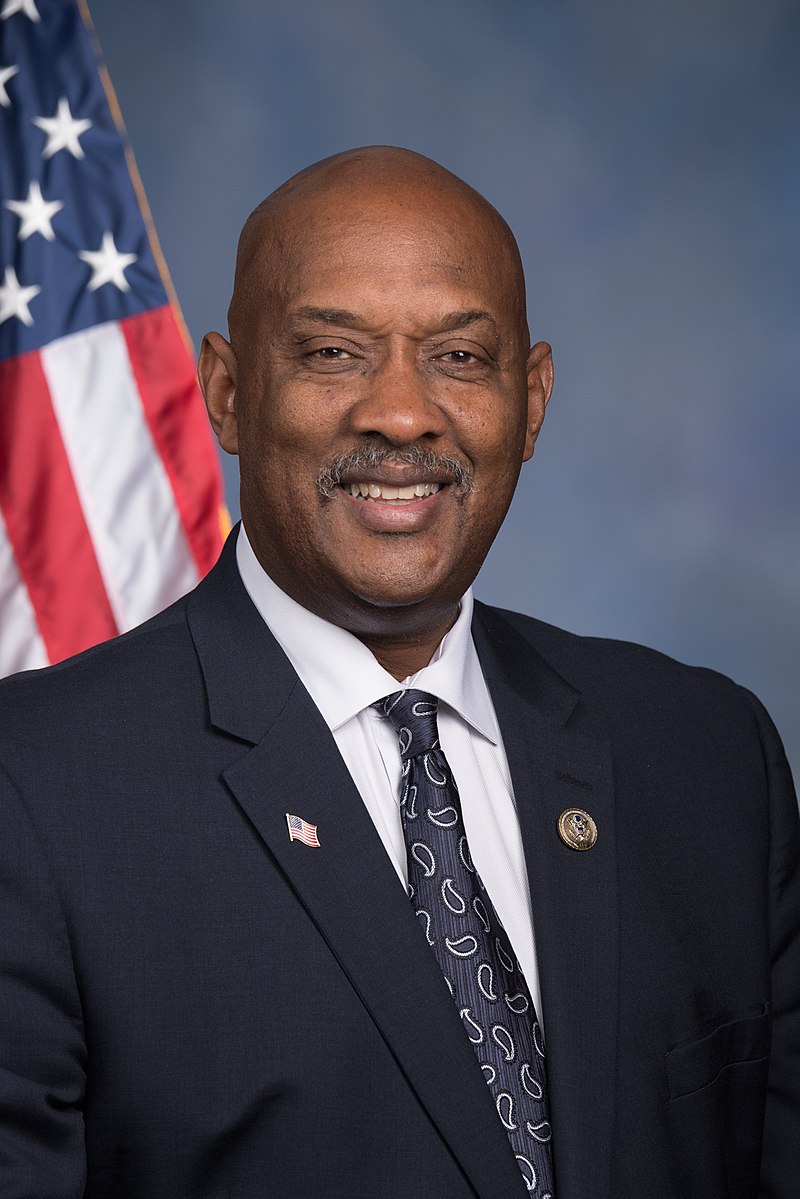
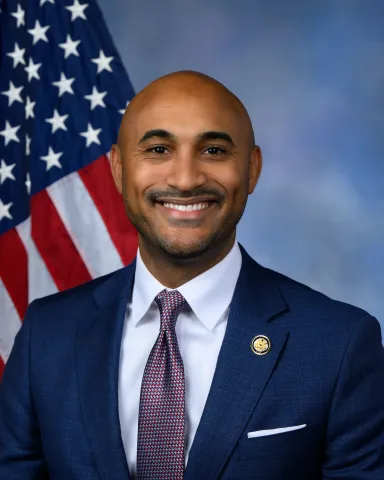
Nay (268)






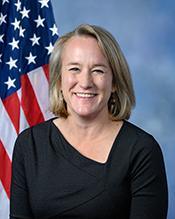

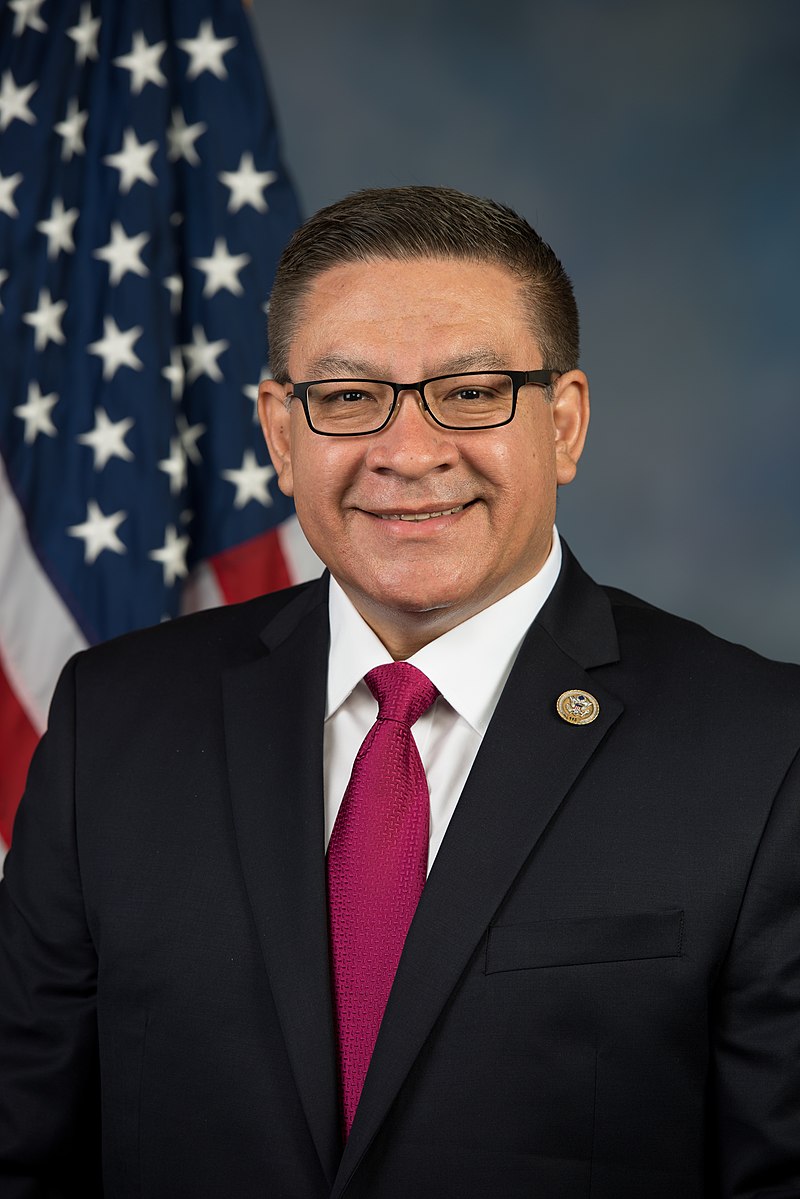
K
Ken Calvert
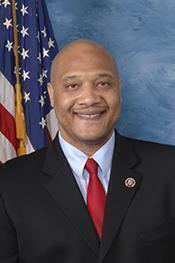

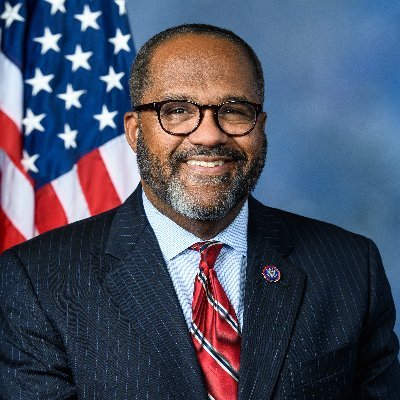







J
Jason Crow









L
Lloyd Doggett





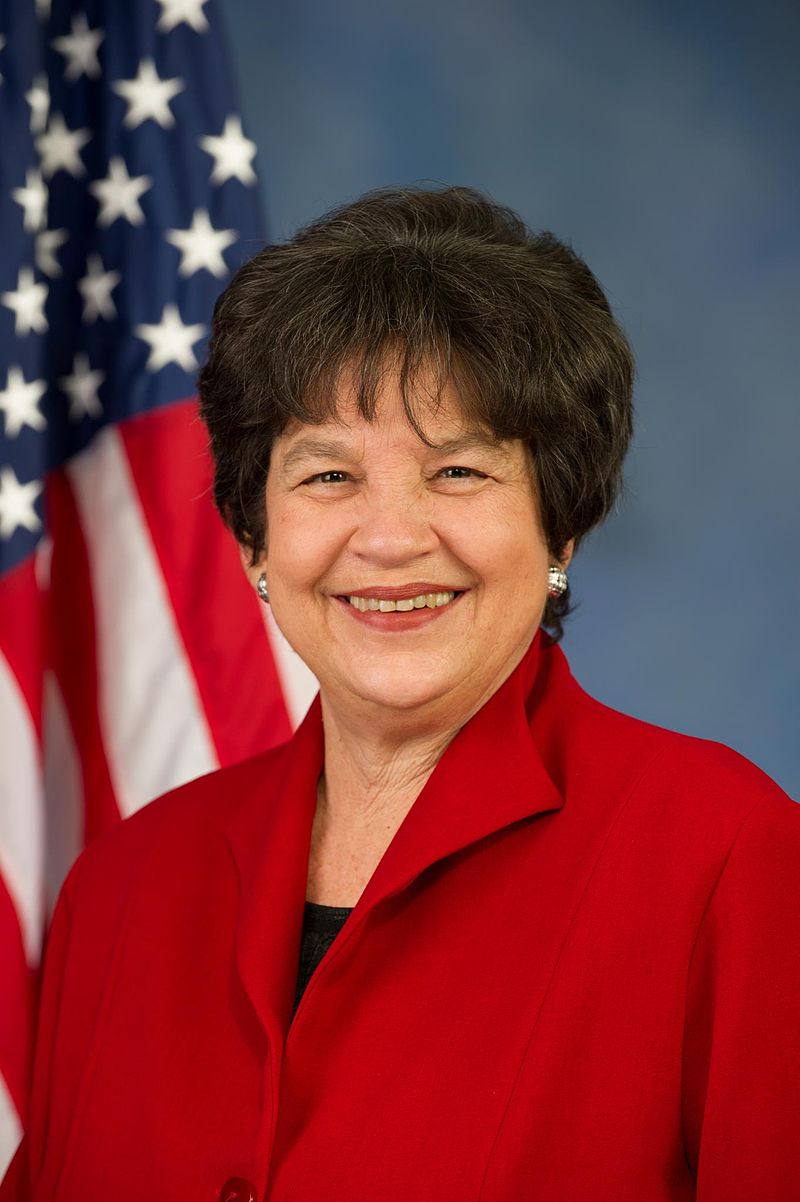

J
John Garamendi
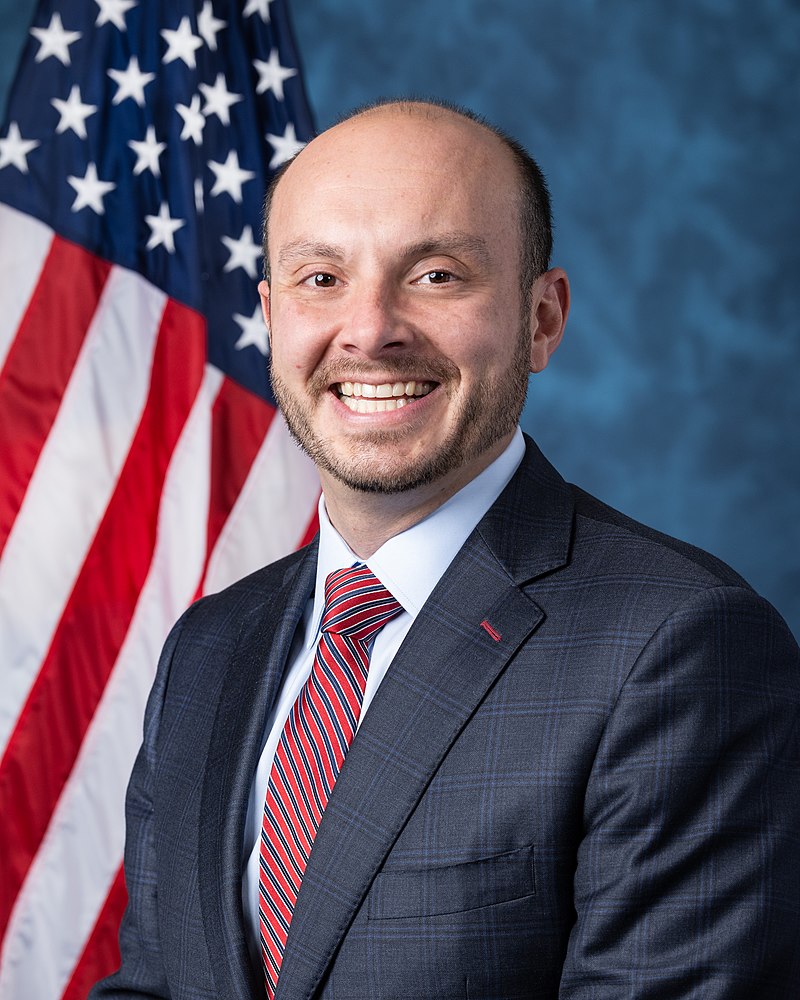
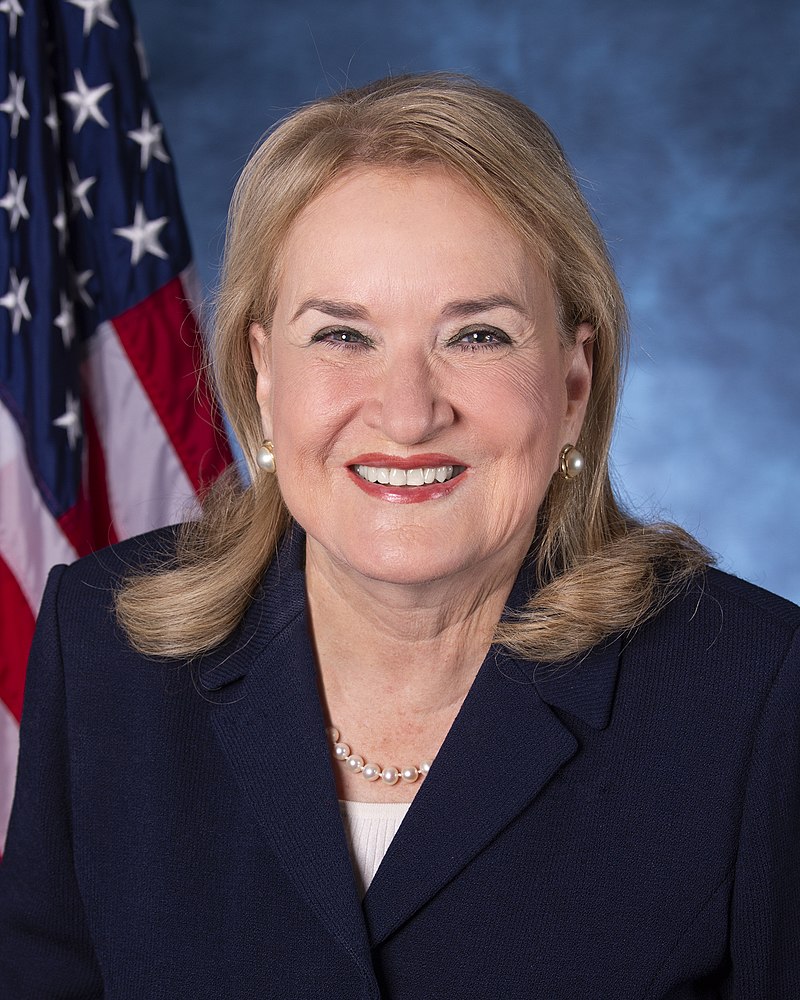


















J
John Mannion

L
Lucy McBath


































E
Eric Swalwell

R
Rashida Tlaib






N
Nydia Velázquez

D
Debbie Wasserman Schultz