H.Res.1014 — Providing for consideration of the bill (H.R. 7148) the Consolidated Appropriations Act, 2026; providing for consideration of the bill (H.R. 7147) the Department of Homeland Security Appropriations Act, 2026; and for other purposes
House Roll Call
H.Res.1014
| Bill | H.Res.1014 — Providing for consideration of the bill (H.R. 7148) the Consolidated Appropriations Act, 2026; providing for consideration of the bill (H.R. 7147) the Department of Homeland Security Appropriations Act, 2026; and for other purposes |
|---|---|
| Vote question | On Agreeing to the Resolution, as Amended |
| Vote type | Recorded Vote |
| Result | Passed |
| Totals | Yea 214 / Nay 213 / Present 0 / Not Voting 4 |
| Party | Yea | Nay | Present | Not Voting |
|---|---|---|---|---|
| R | 214 | 0 | 0 | 4 |
| D | 0 | 213 | 0 | 0 |
| I | 0 | 0 | 0 | 0 |
Research Brief
On Agreeing to the Resolution, as Amended
Bill Analysis
H.Res. 1014 is a House procedural measure (a simple resolution) that sets the terms for floor consideration of two major FY2026 consolidated appropriations bills: H.R. 7148 and H.R. 7147. It does not itself appropriate funds or change substantive law, but it governs how the House will debate and amend those spending measures.
Key functions and authorities:
Rule for consideration of H.R. 7148 and H.R. 7147: The resolution specifies how much debate time is allowed, how that time is divided between majority and minority, and what amendments (if any) are in order. It may designate each bill as considered “as read,” limiting line-by-line reading, and can restrict amendments to a pre-approved list (a “structured rule”) or bar amendments entirely (a “closed rule”).
Waivers of points of order: The resolution typically waives certain procedural objections under House rules and the Congressional Budget Act (e.g., against consideration of the bills or specific provisions), thereby allowing the appropriations bills to proceed even if they would otherwise be vulnerable to technical or budget-related challenges.
Previous question and final passage: It authorizes the Speaker to entertain a motion for the previous question, which, if adopted, ends debate and moves the House to votes on amendments and final passage under the terms set by the rule.
Programs and entities affected are indirect: all agencies, programs, and beneficiaries covered by H.R. 7148 and H.R. 7147 (federal departments, grantees, contractors, and program recipients) are impacted only through those underlying bills, not through H.Res. 1014 itself.
Beneficiaries and regulated parties:
- House leadership and members gain a defined process and timetable for acting on FY2026 appropriations.
- Executive agencies and federal programs benefit from procedural certainty that appropriations bills can reach a vote.
Timelines:
- The resolution applies to consideration of H.R. 7148 and H.R. 7147 during the current legislative window leading up to FY2026 (ending September 30, 2026).
- The latest action—“motion to reconsider laid on the table agreed to without objection”—finalizes House adoption of the rule, making its procedures operative and not subject to further reconsideration.
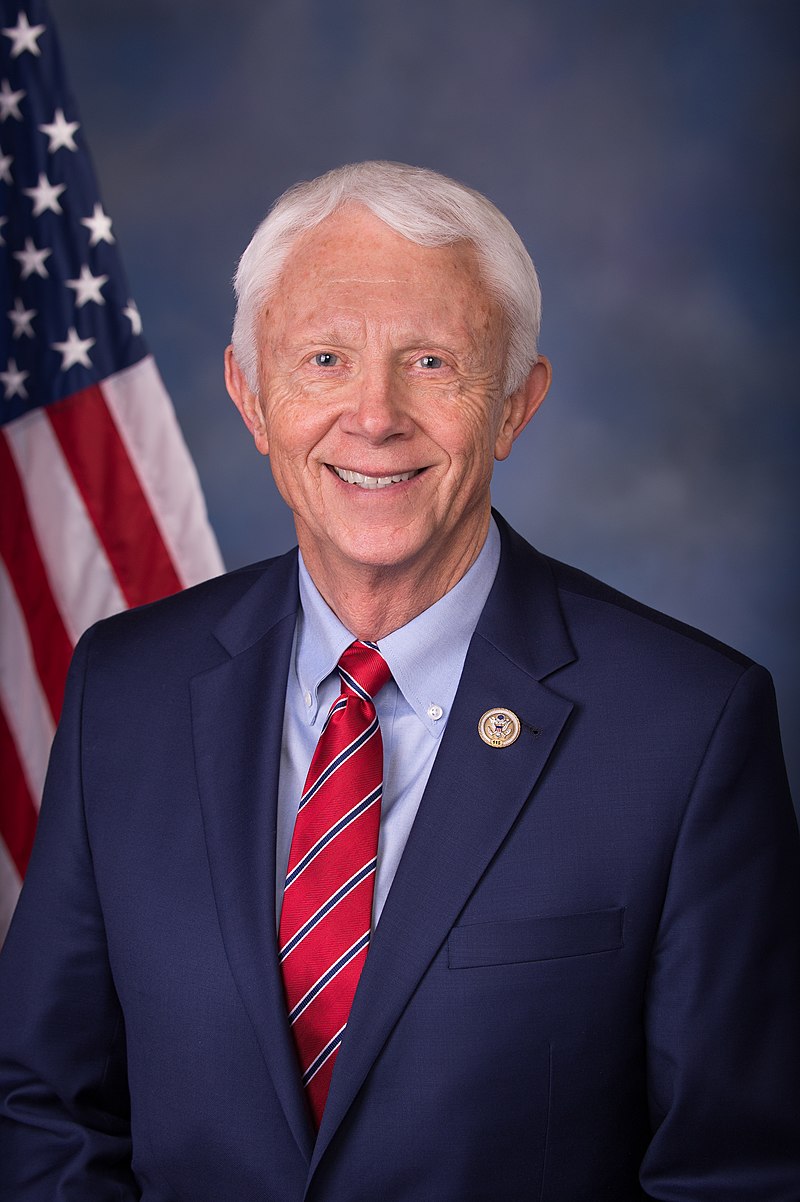
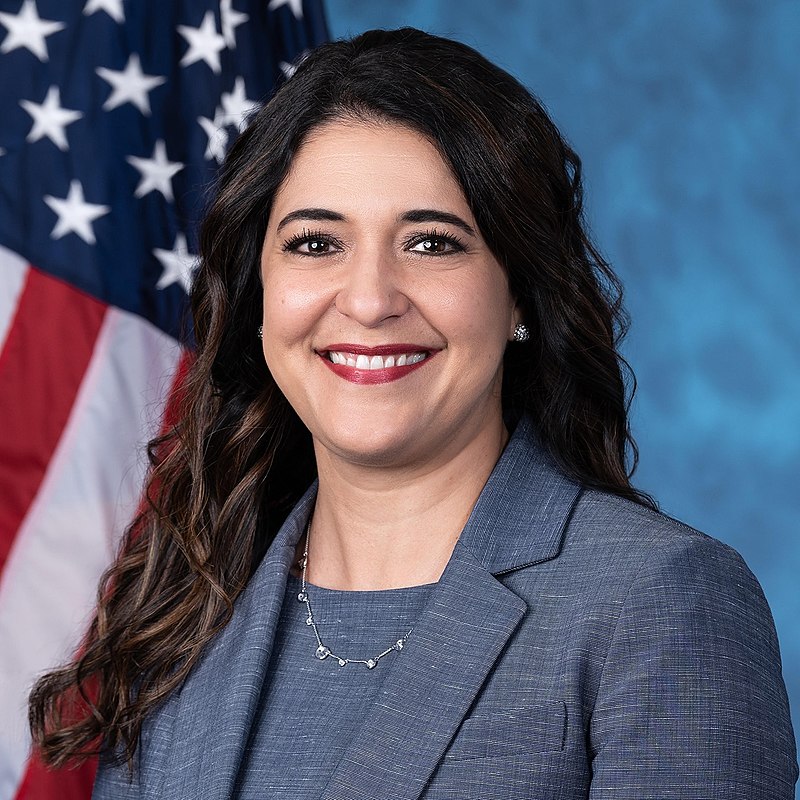
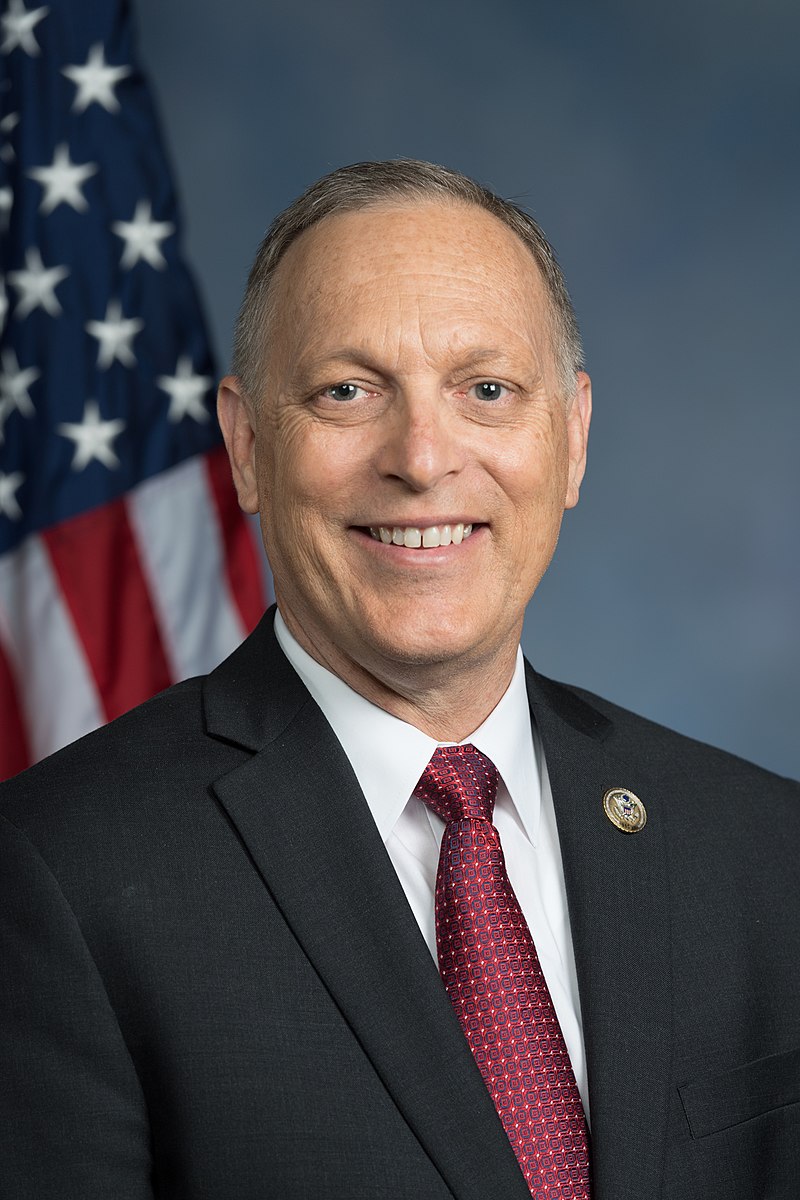
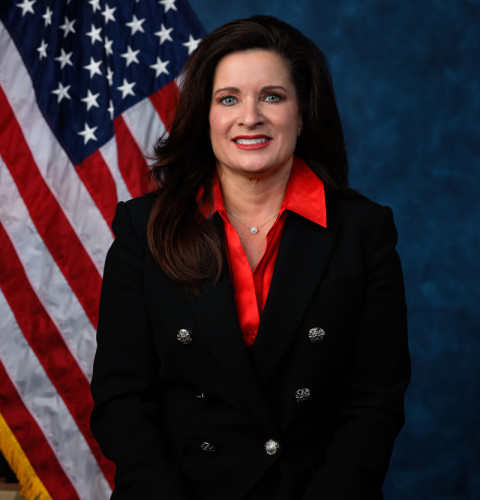
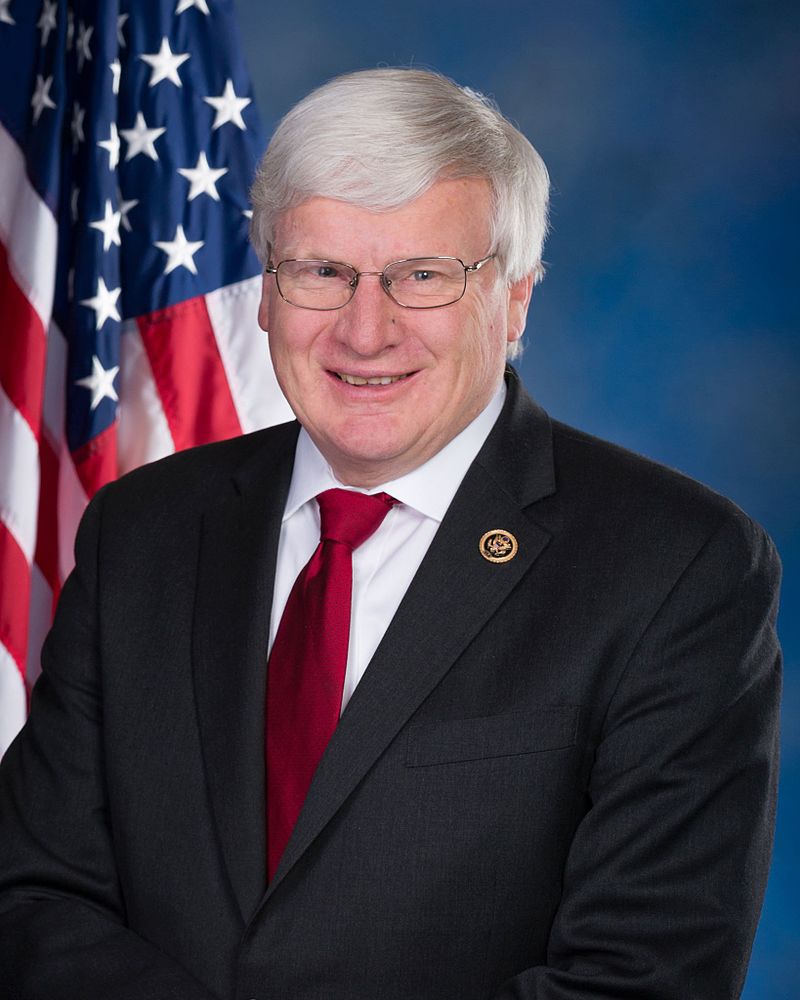
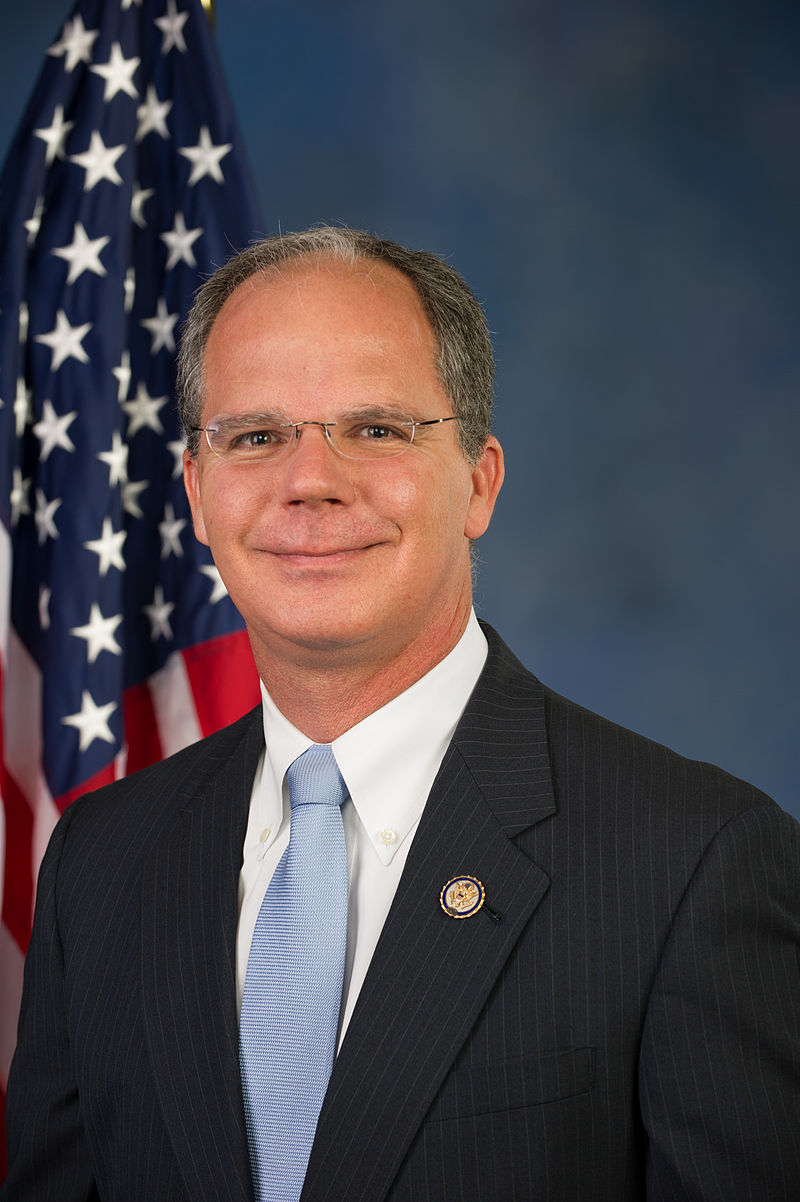
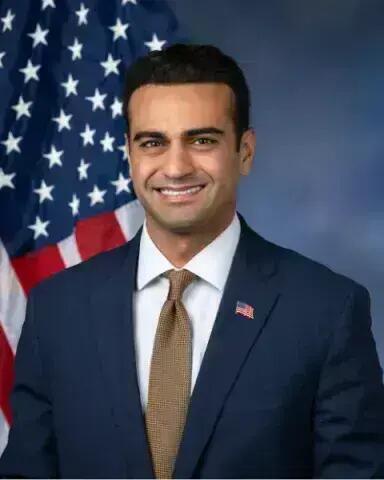
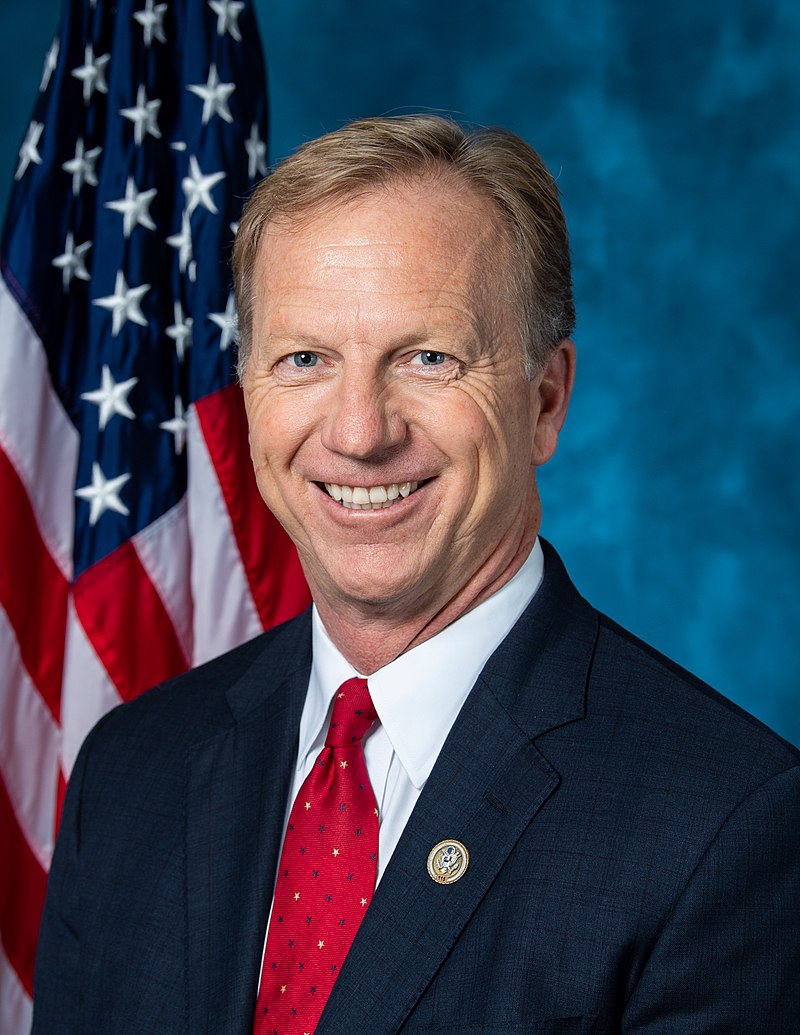
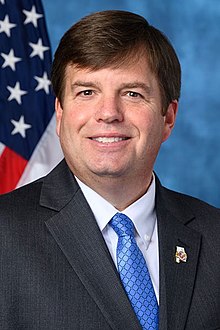
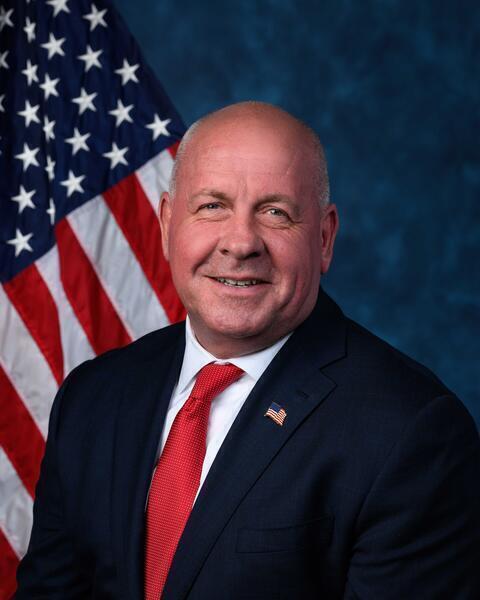
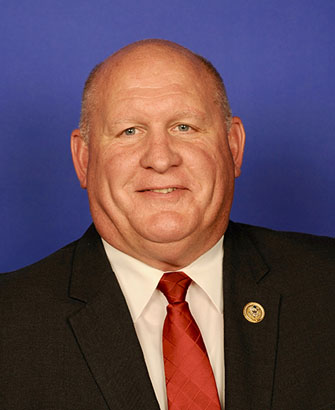
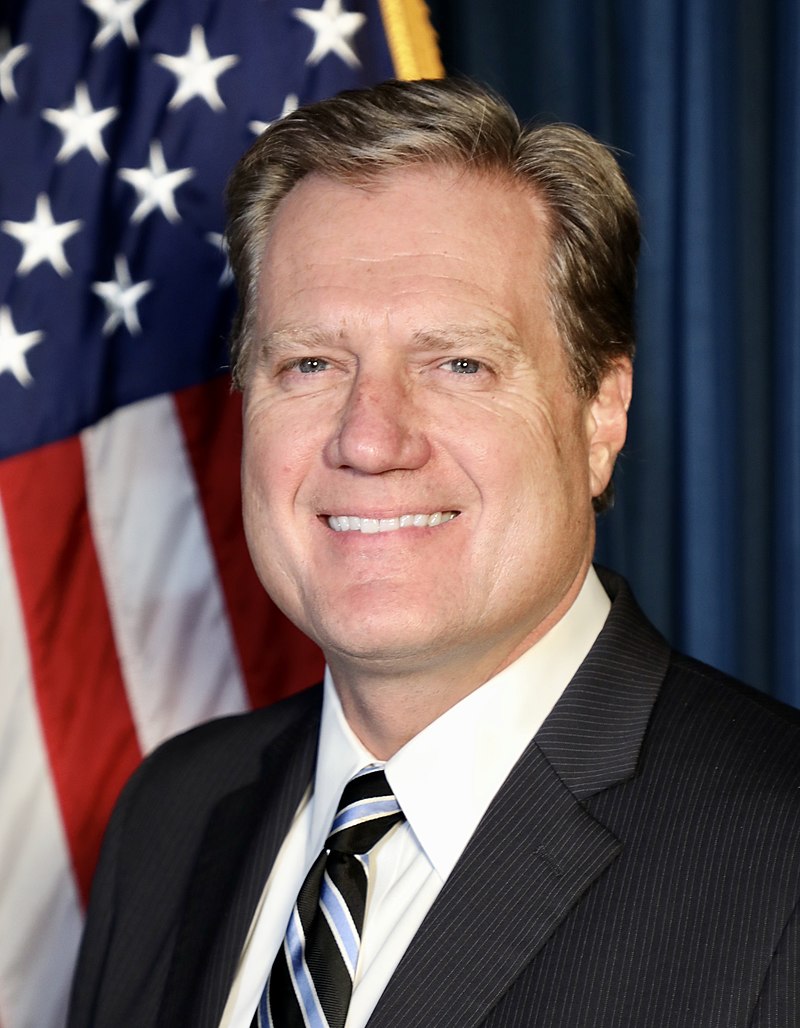
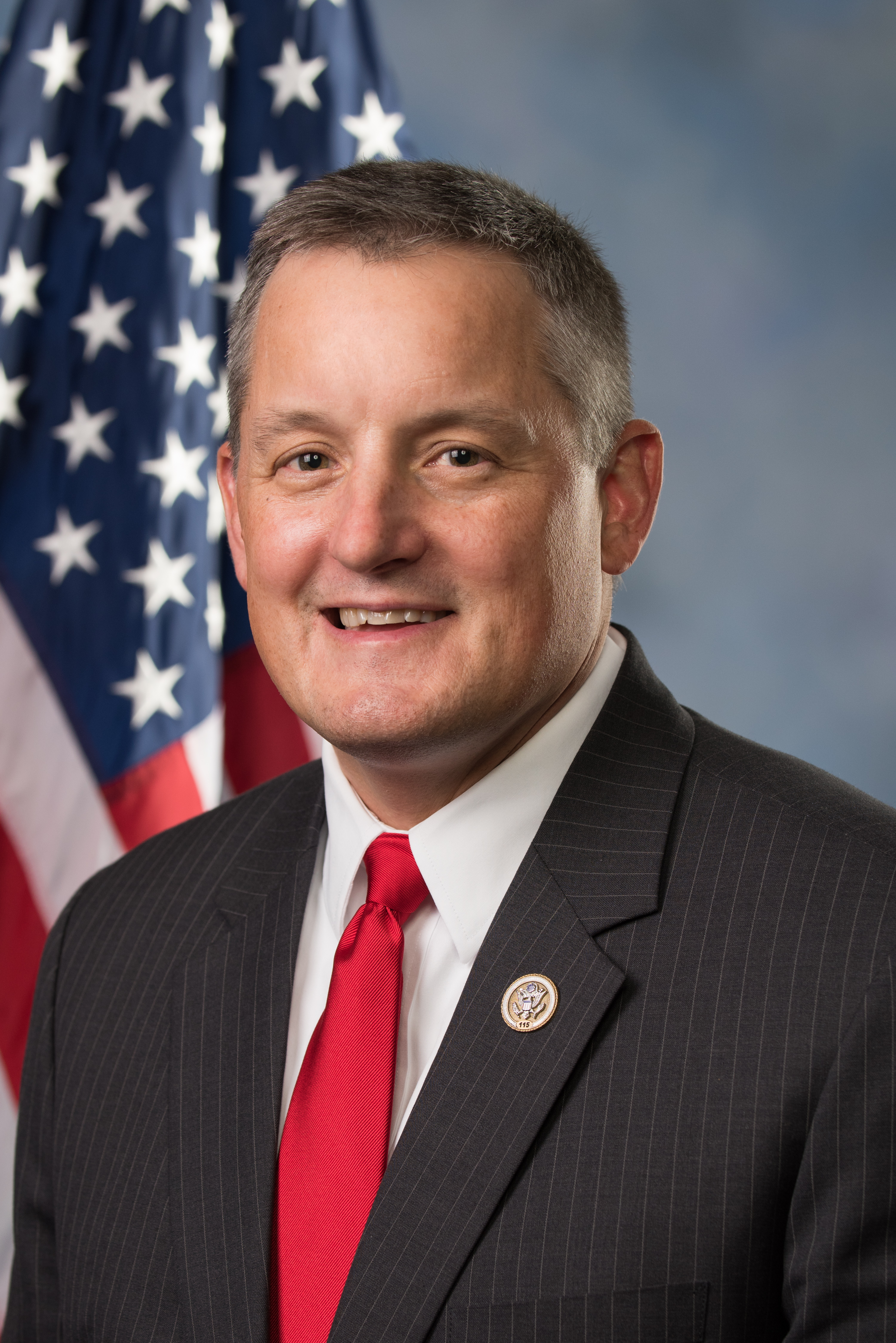
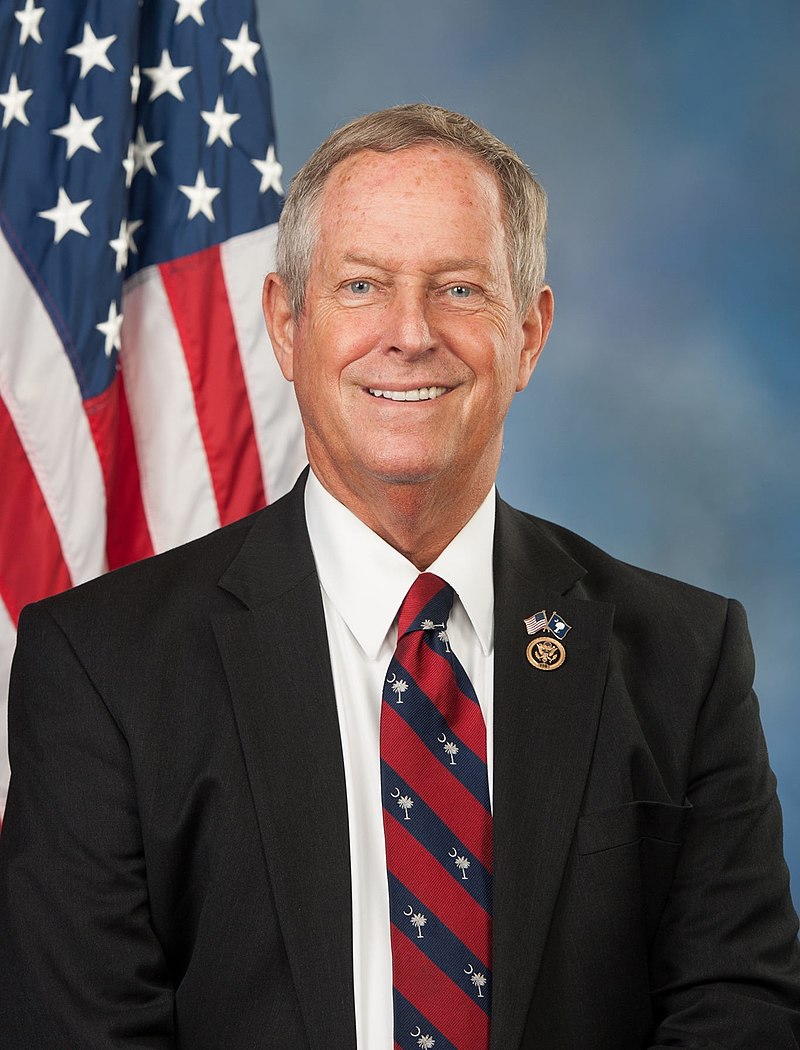
Yea (214)


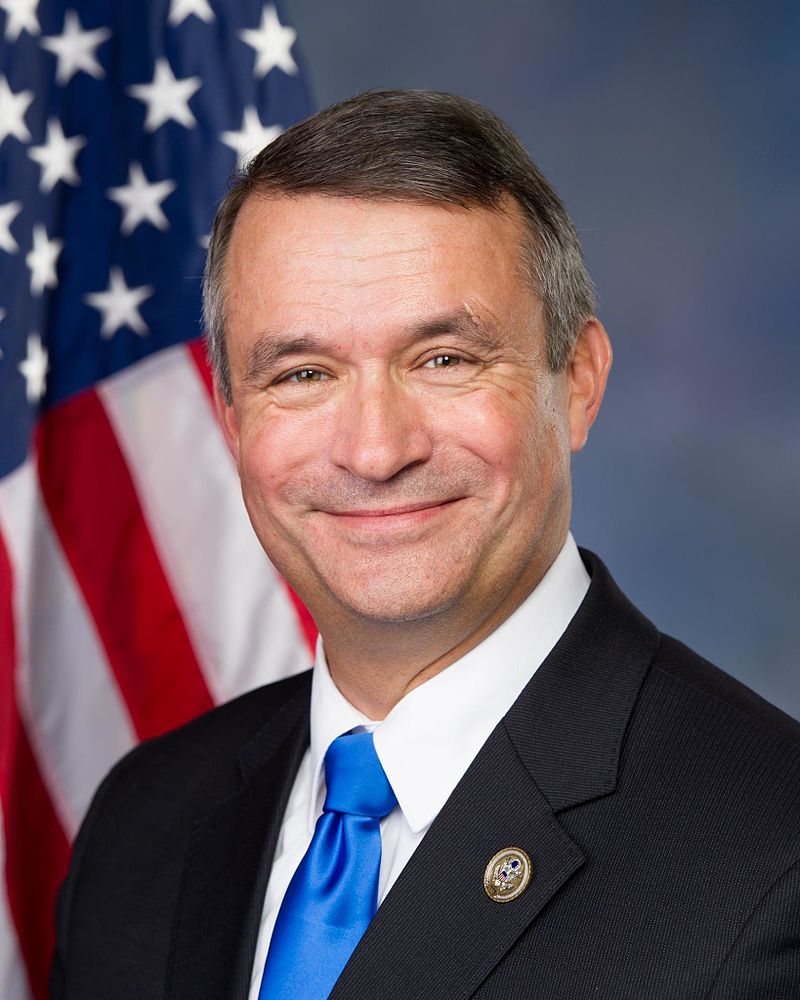

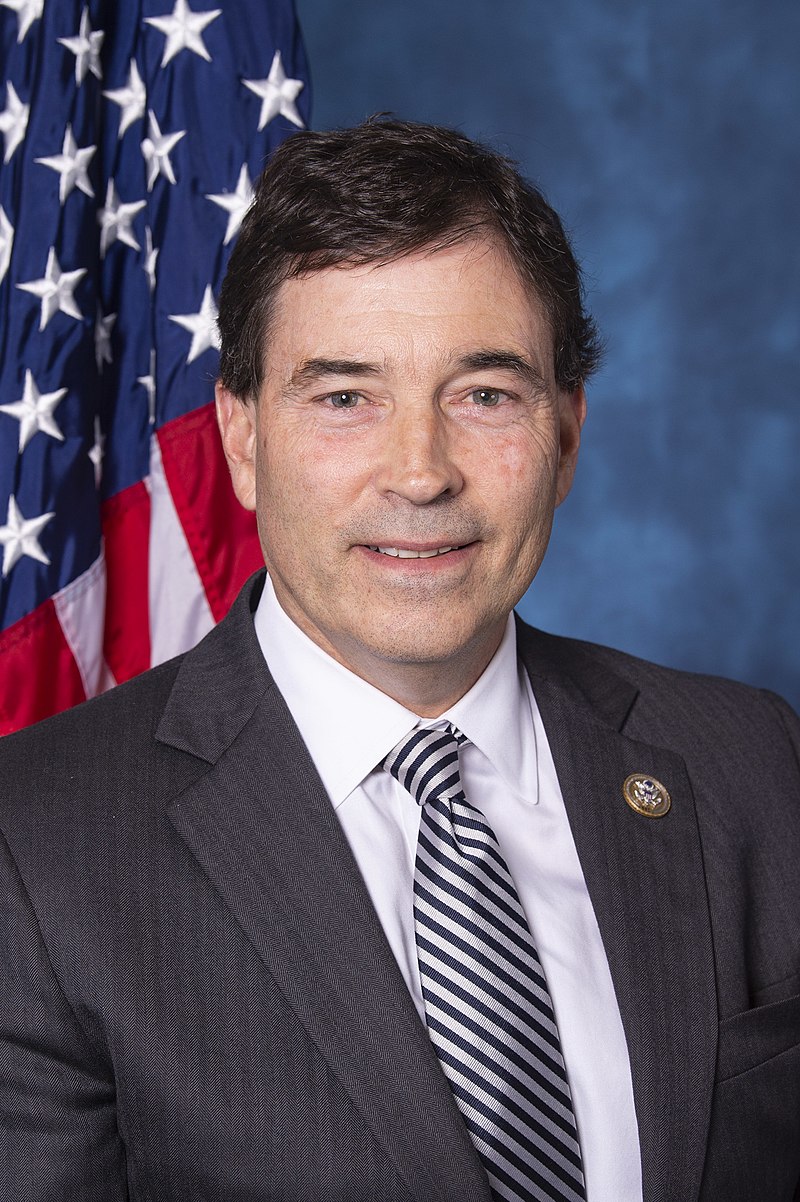

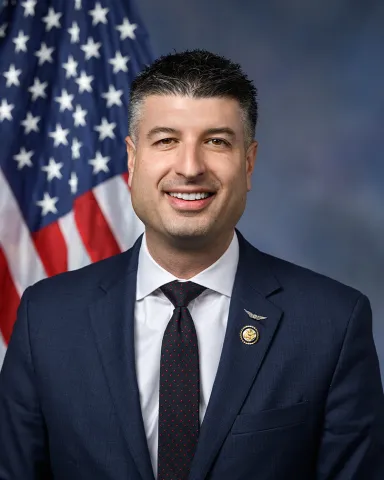



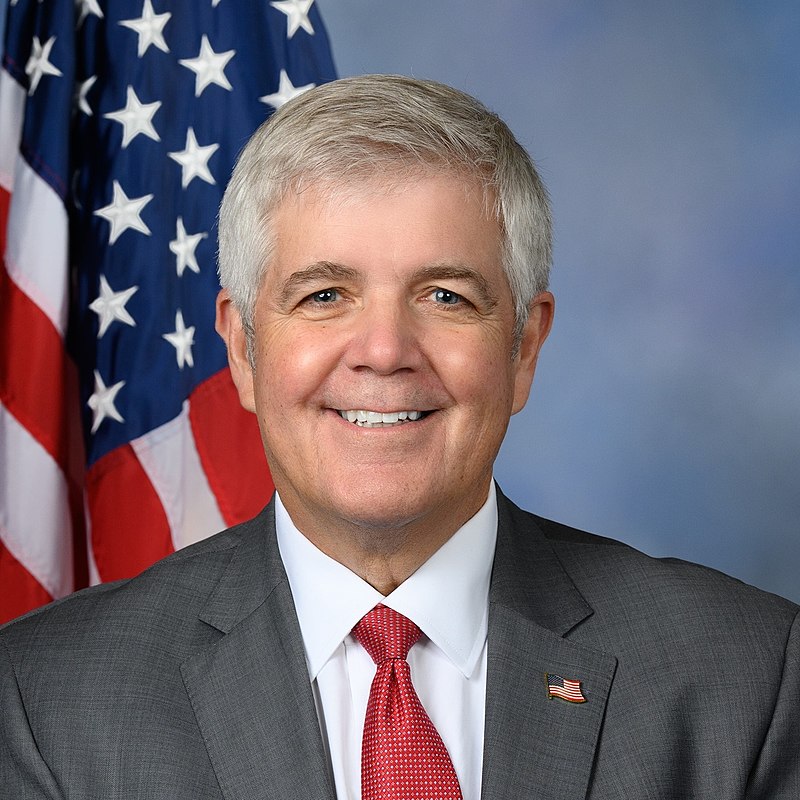
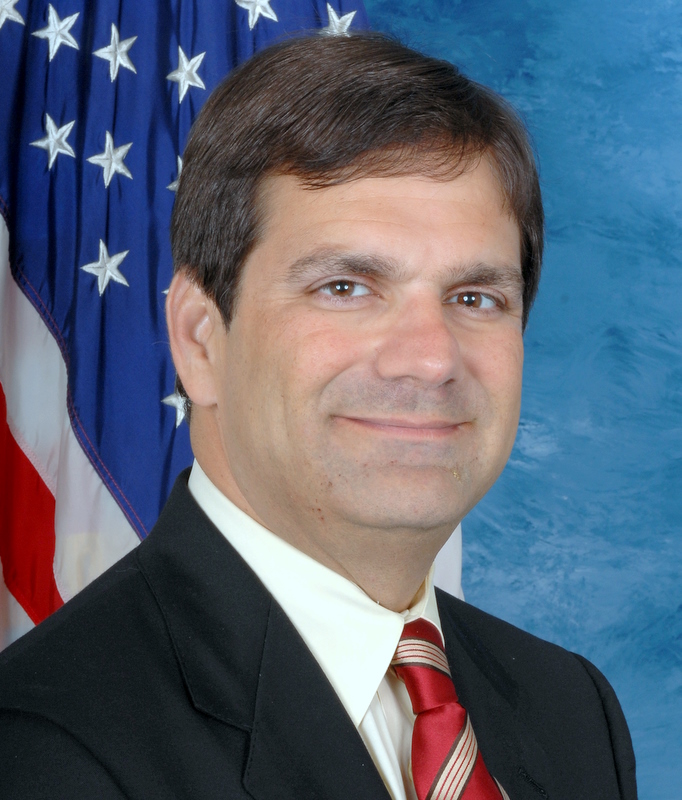
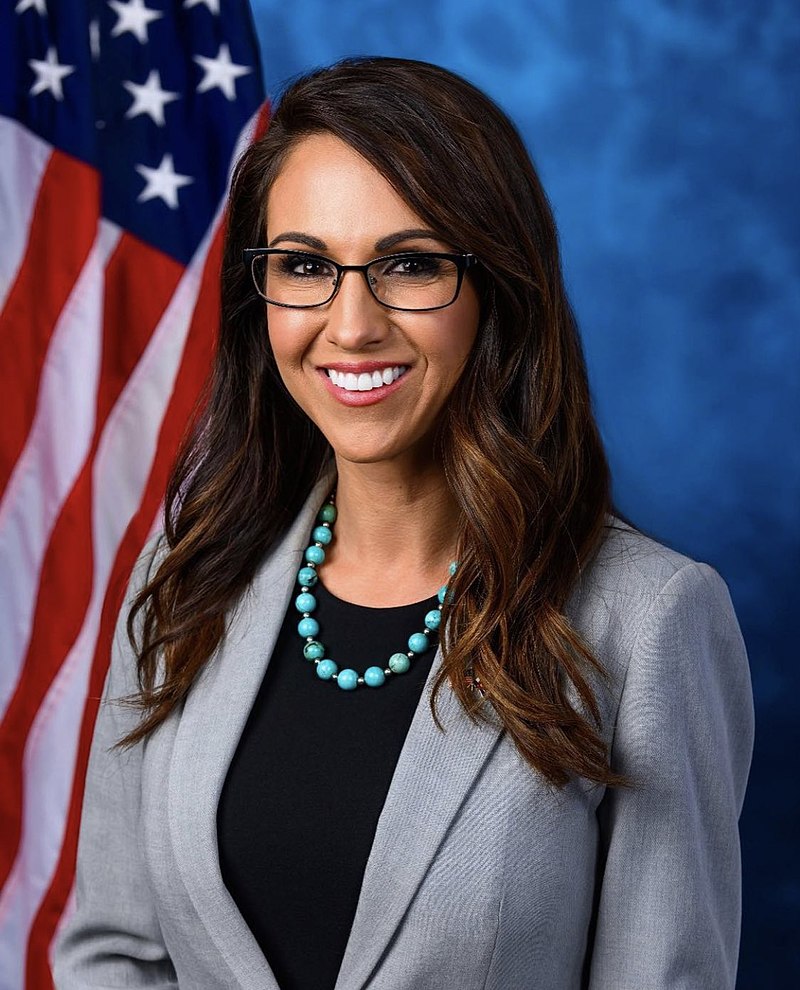
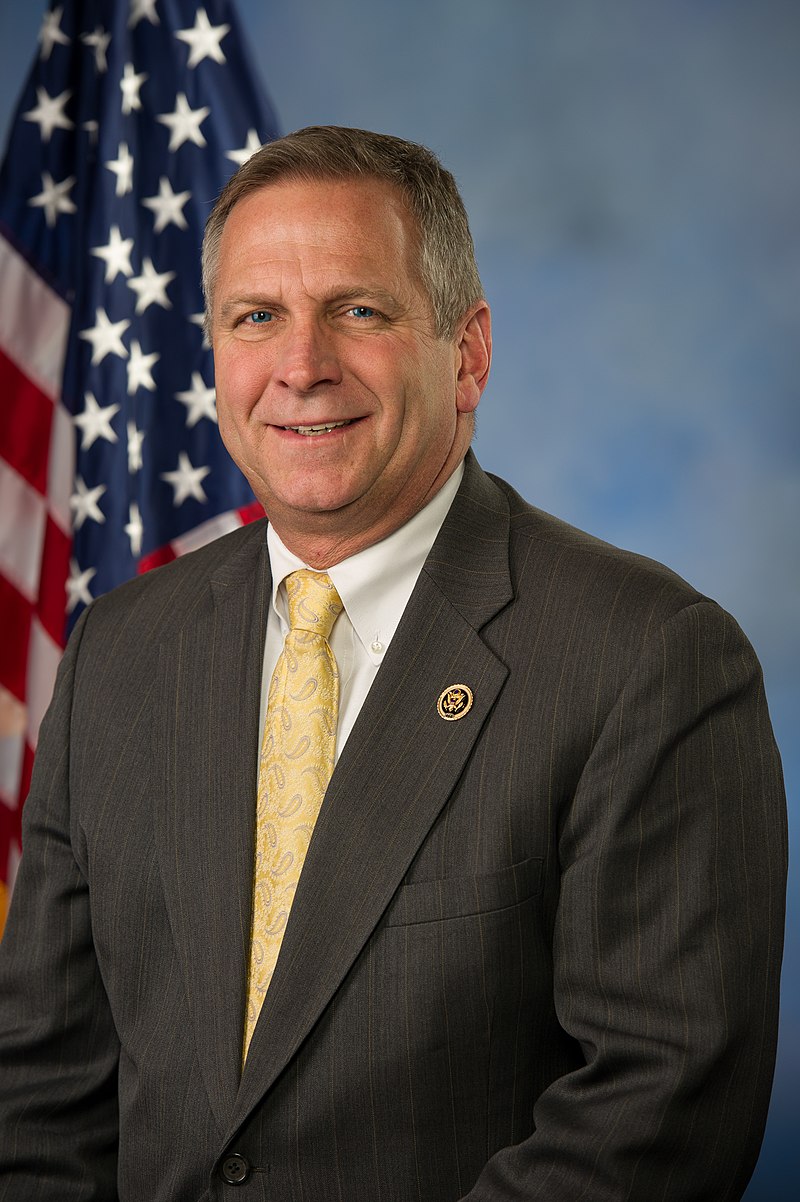


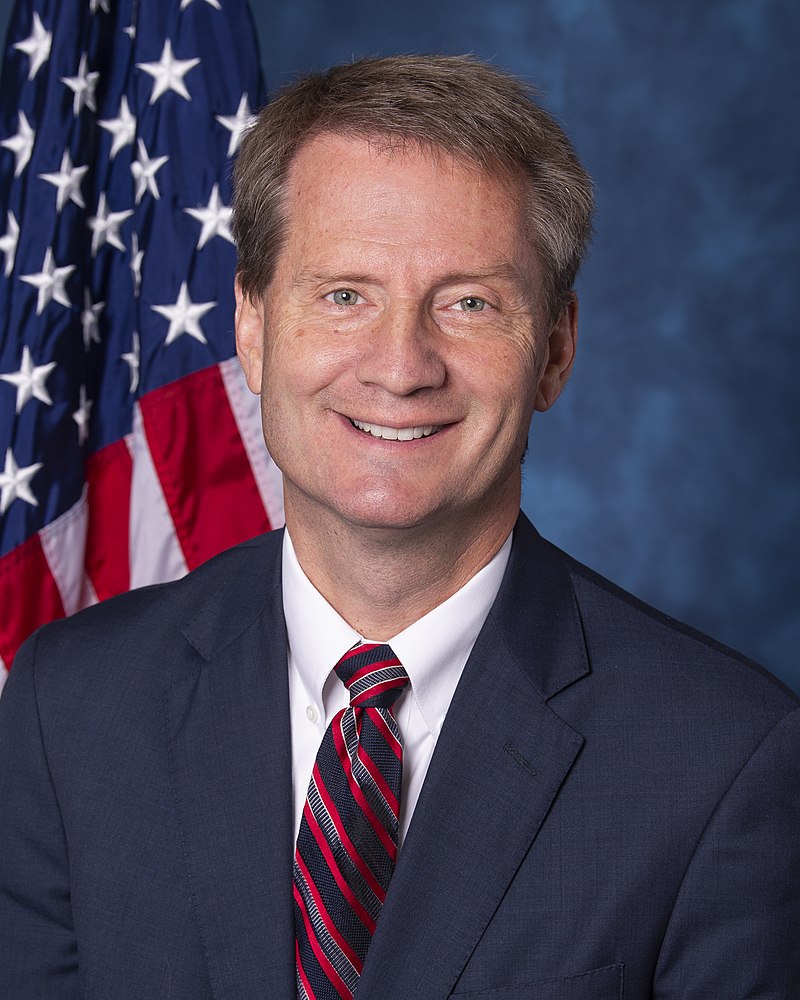
K
Ken Calvert



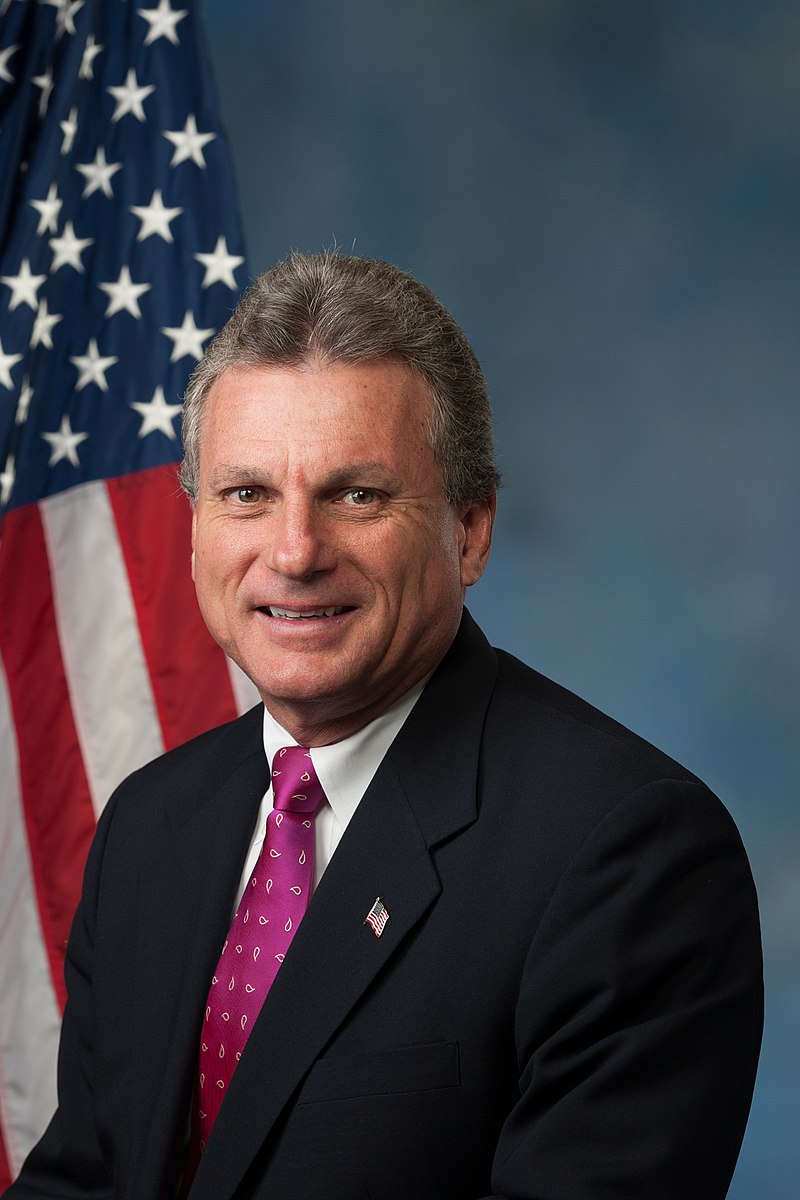
















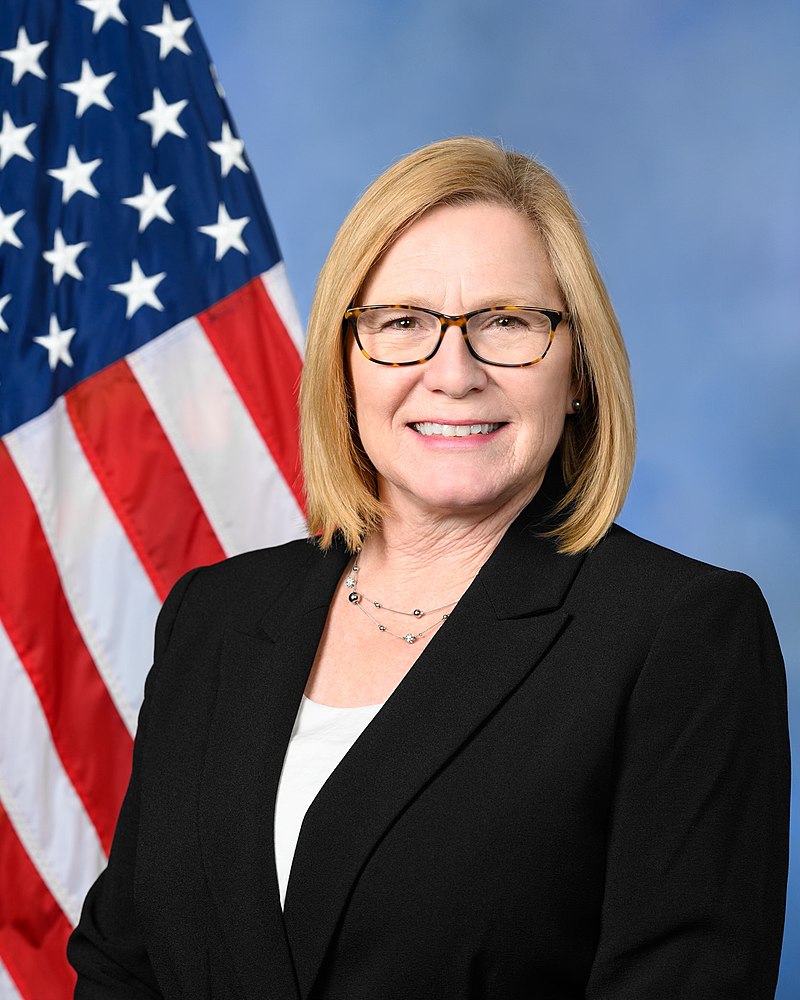
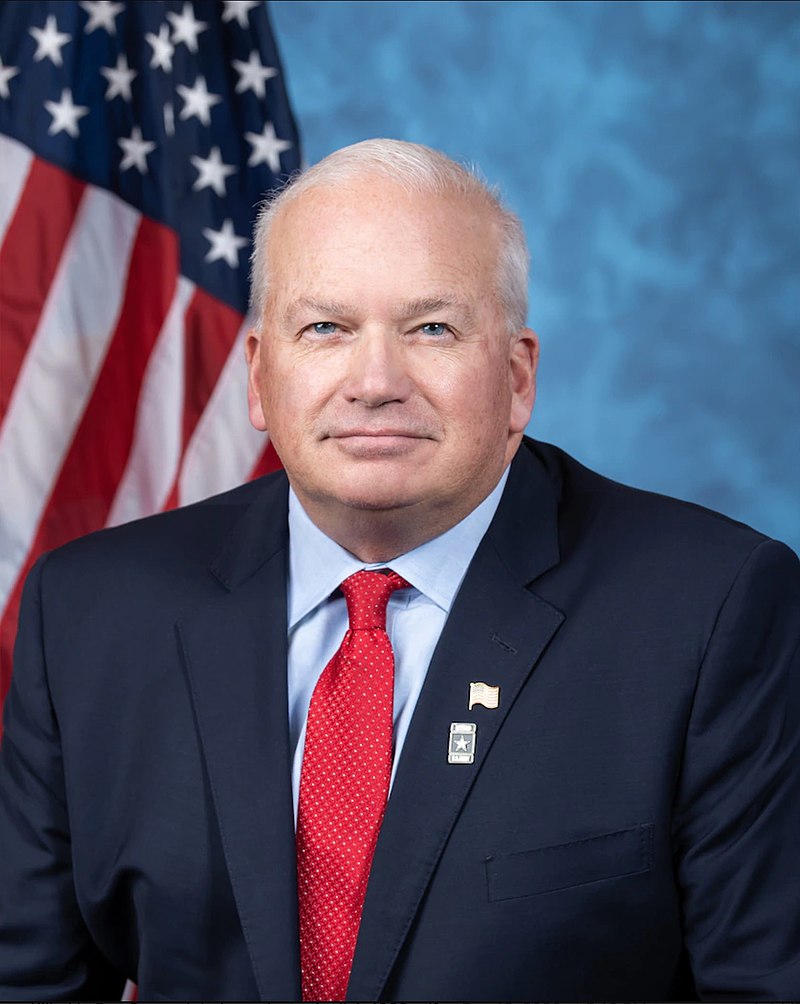

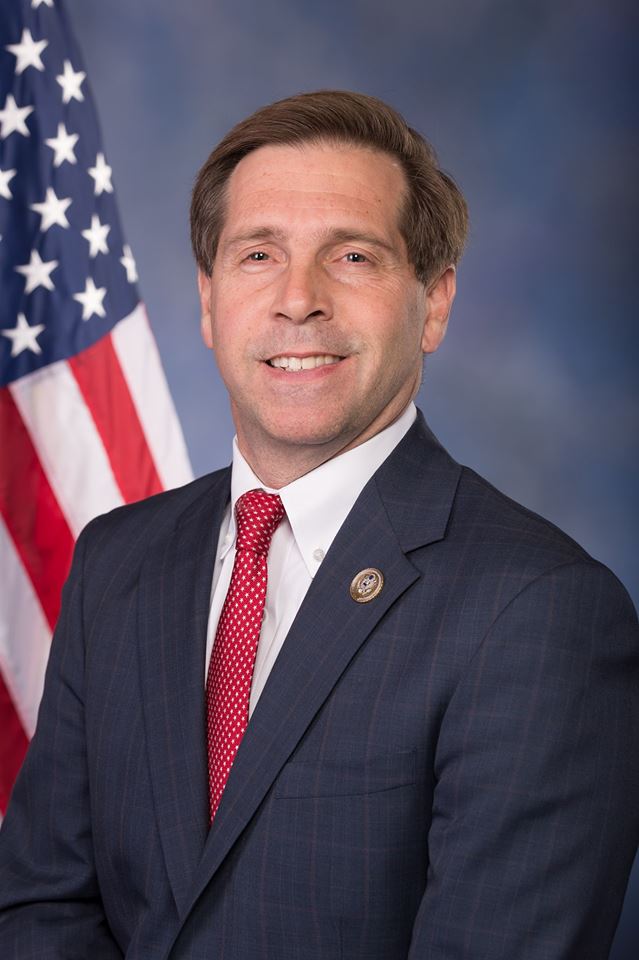


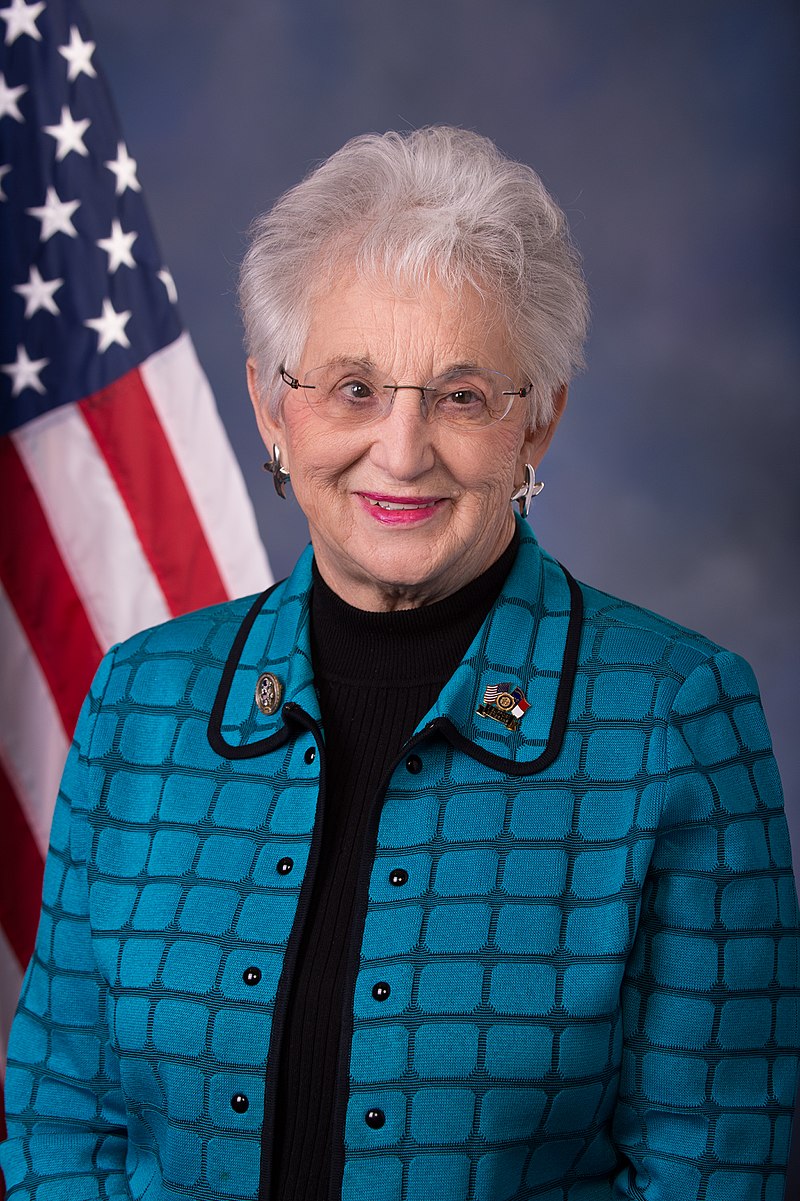
S
Scott Franklin



















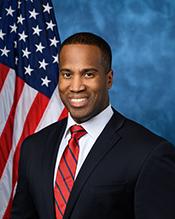
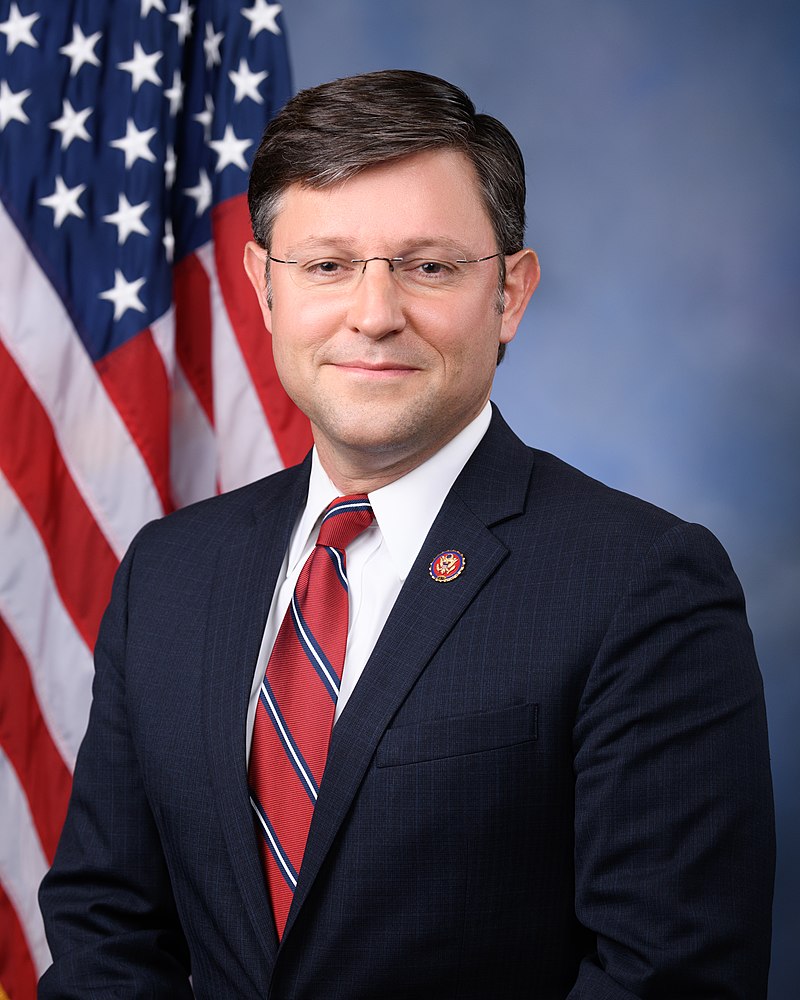


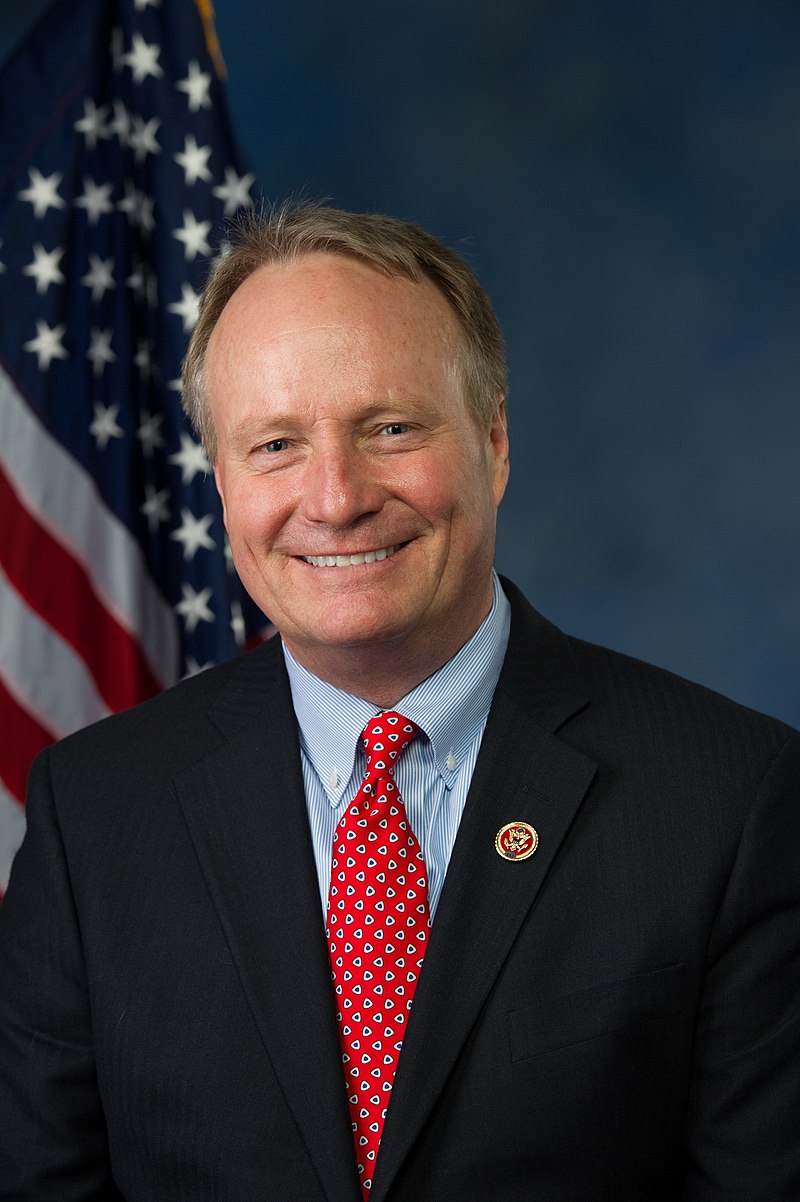
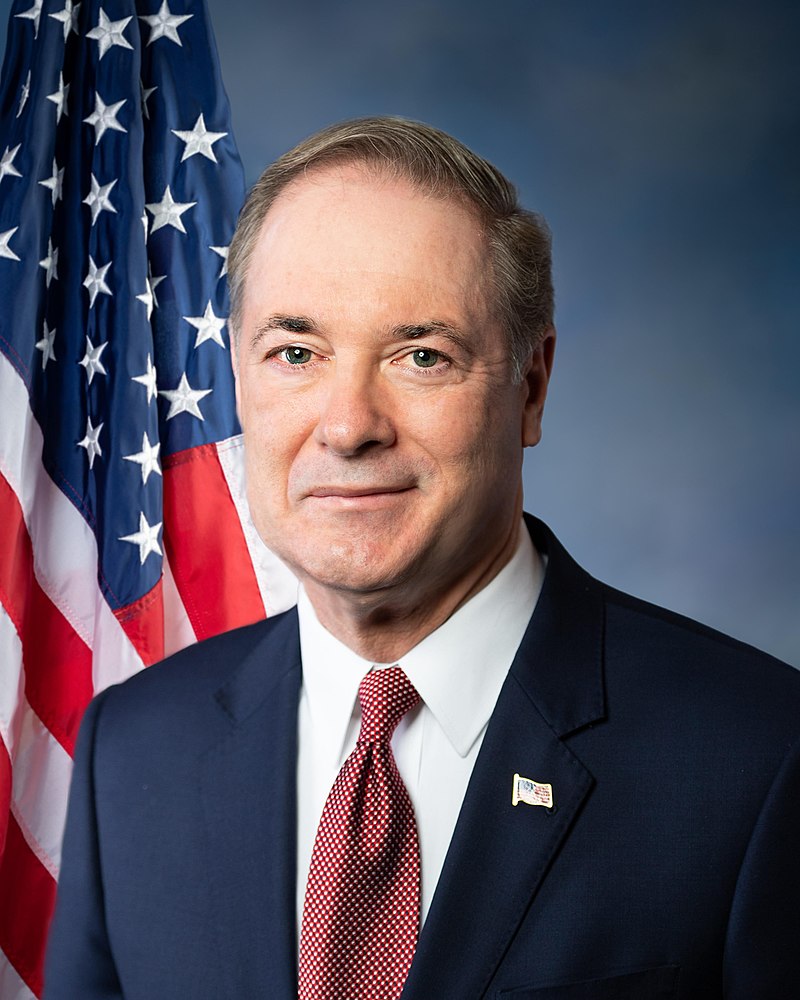












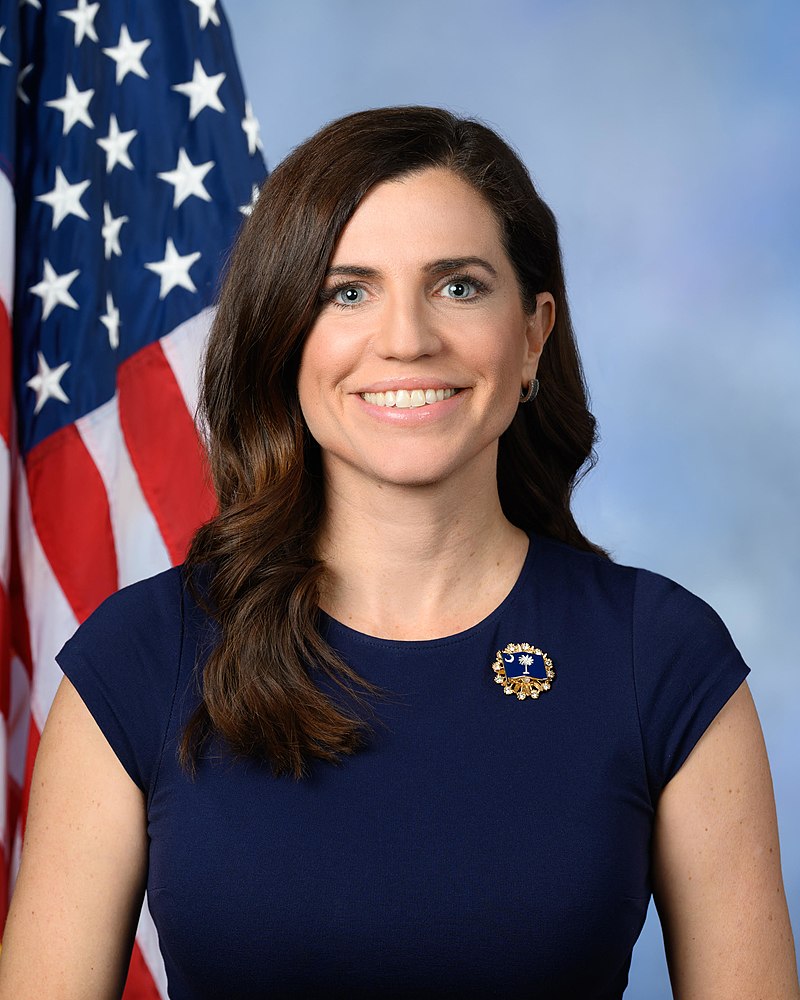

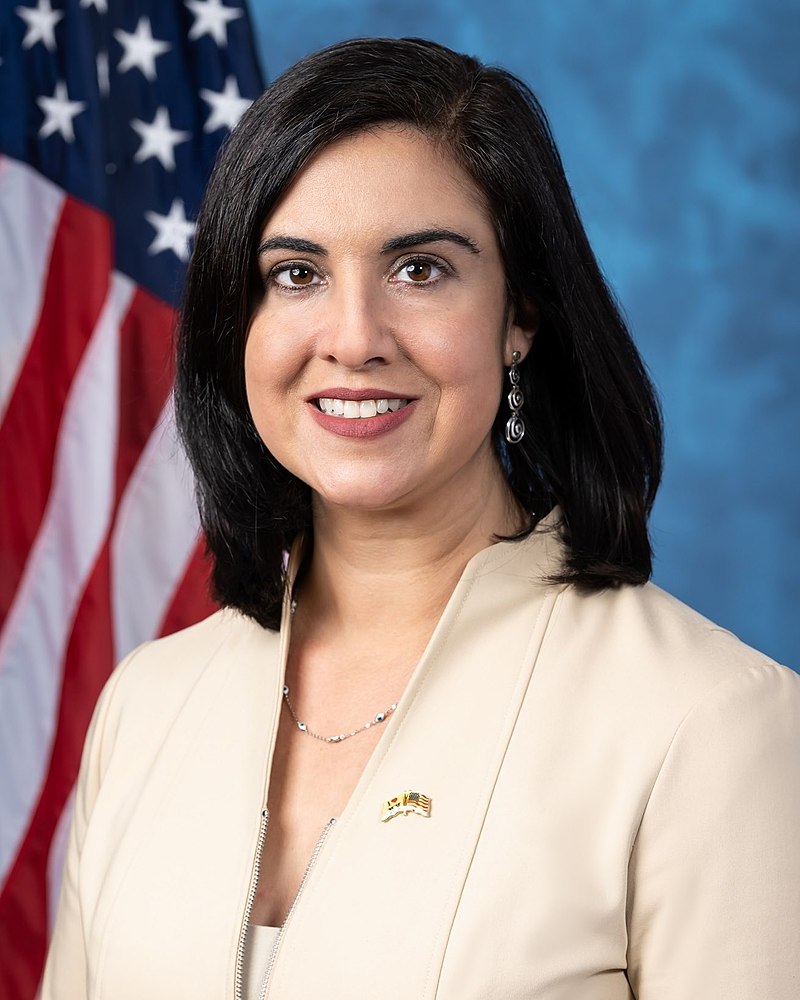
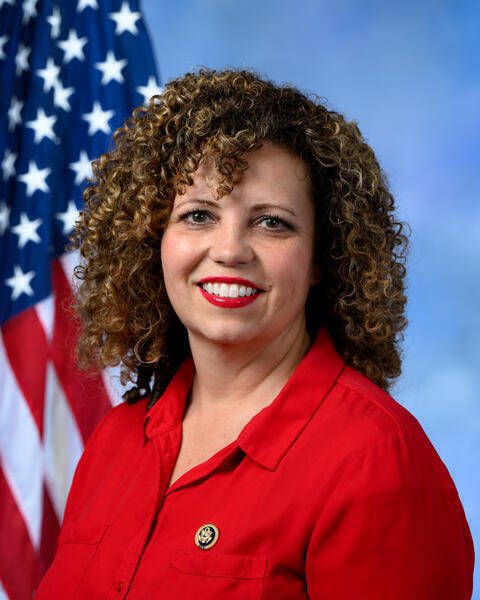
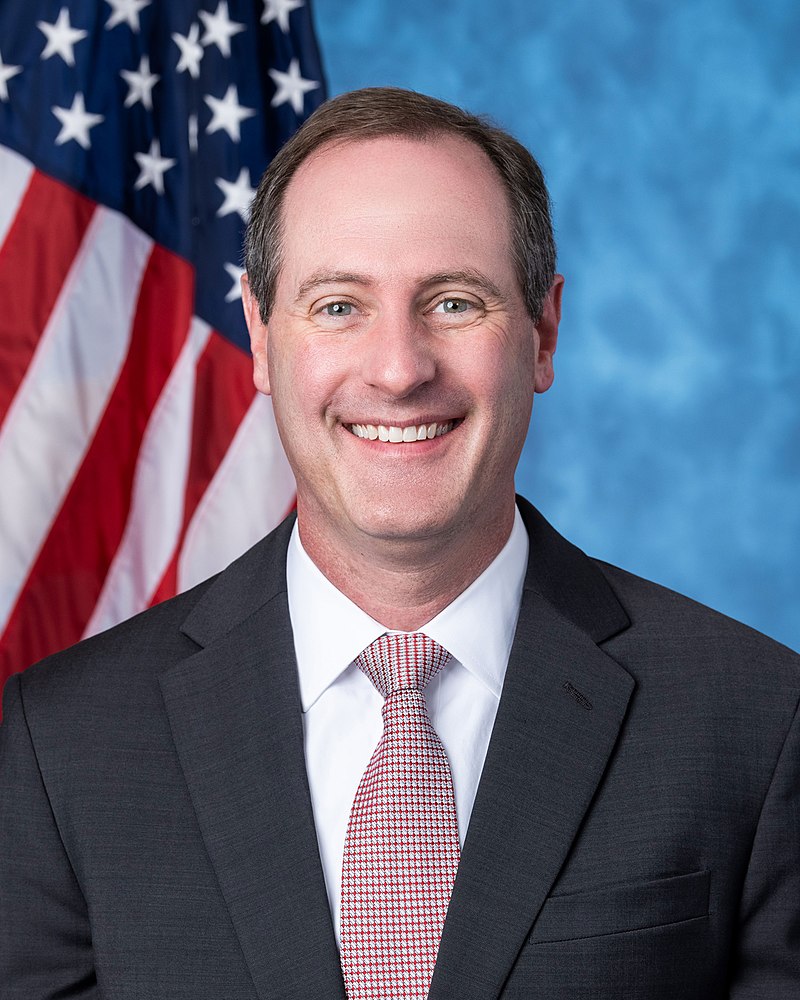

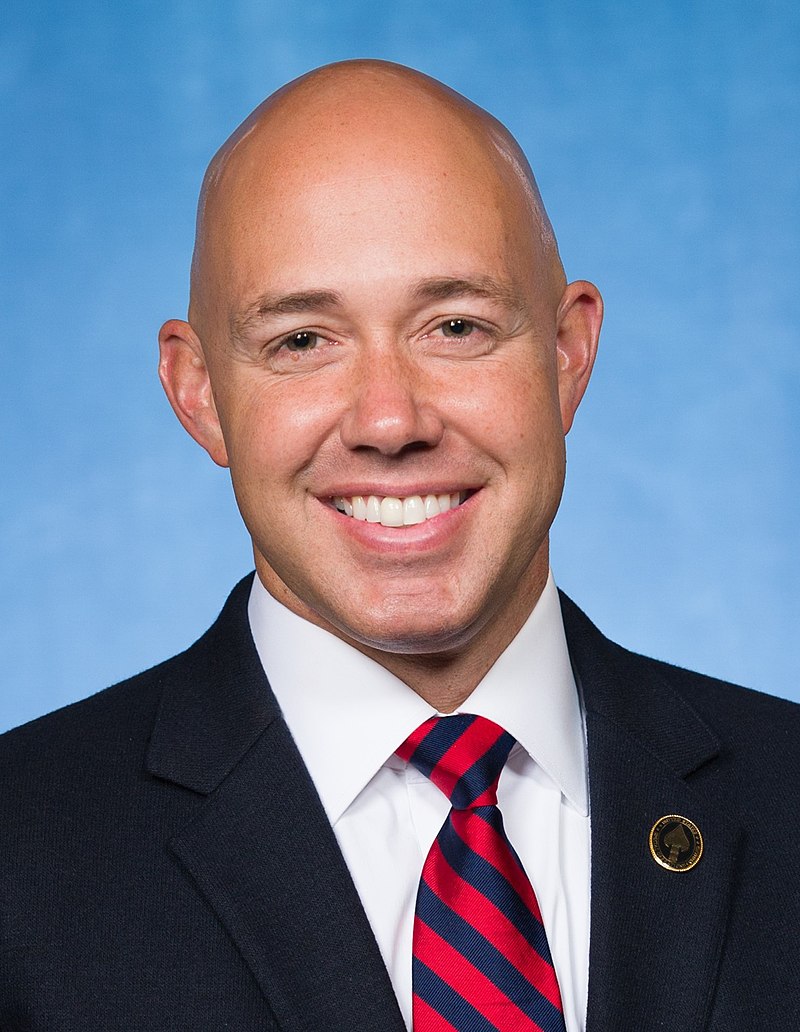
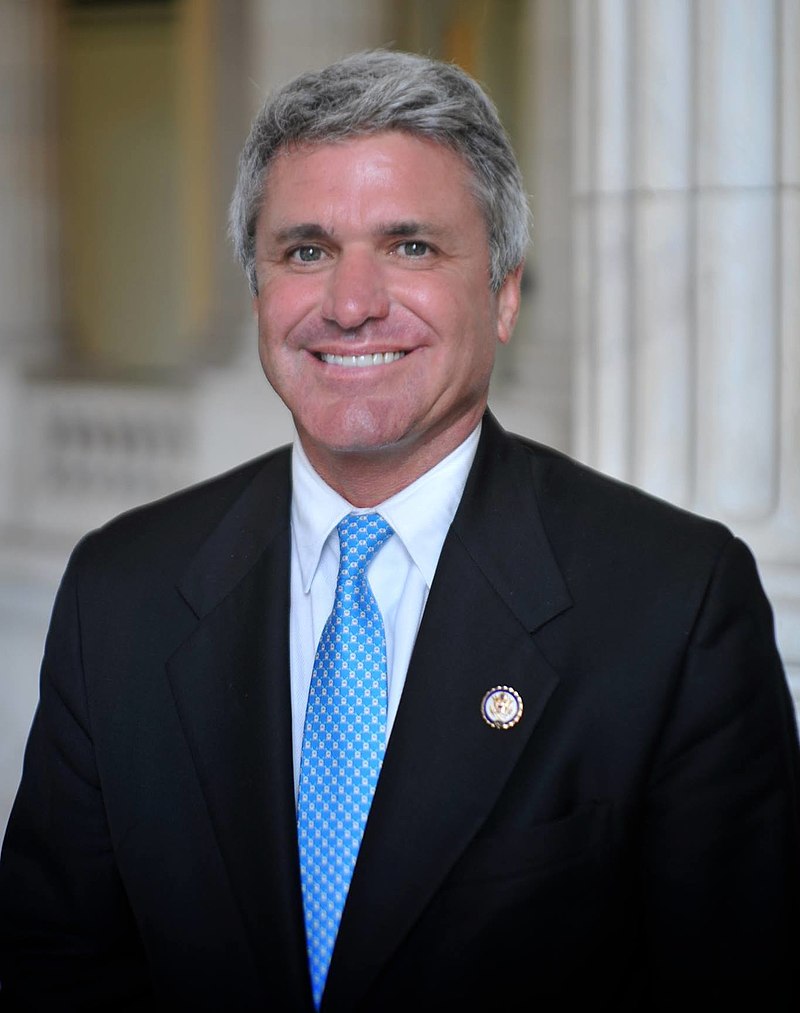
L
Lisa McClain
















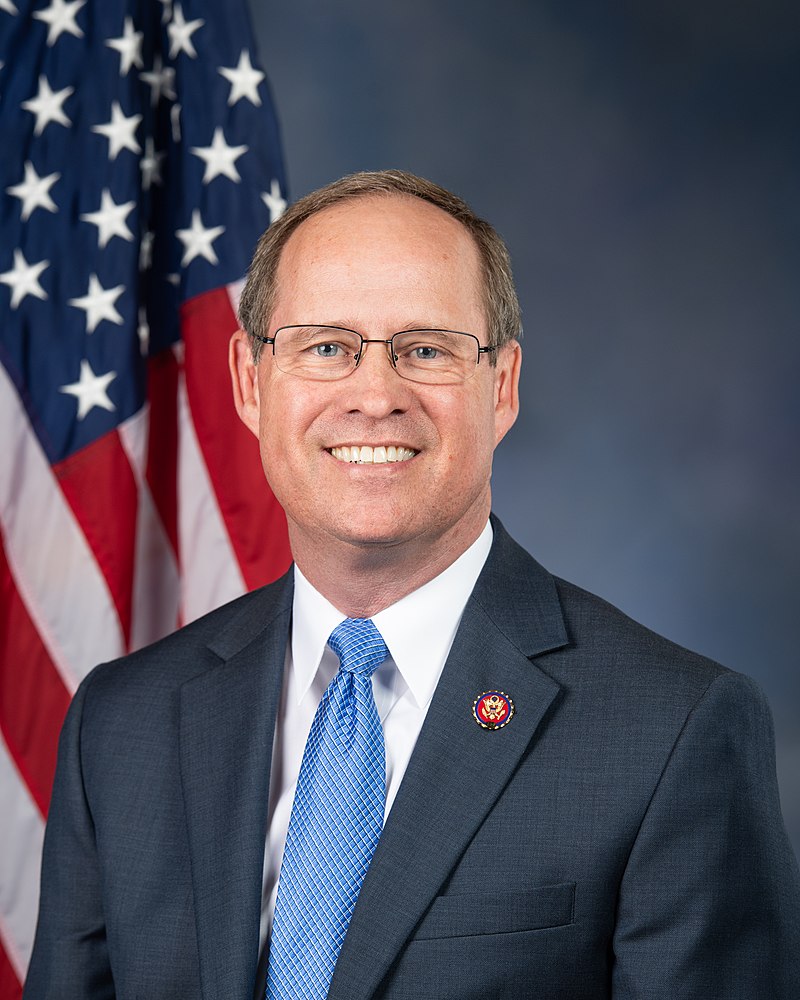
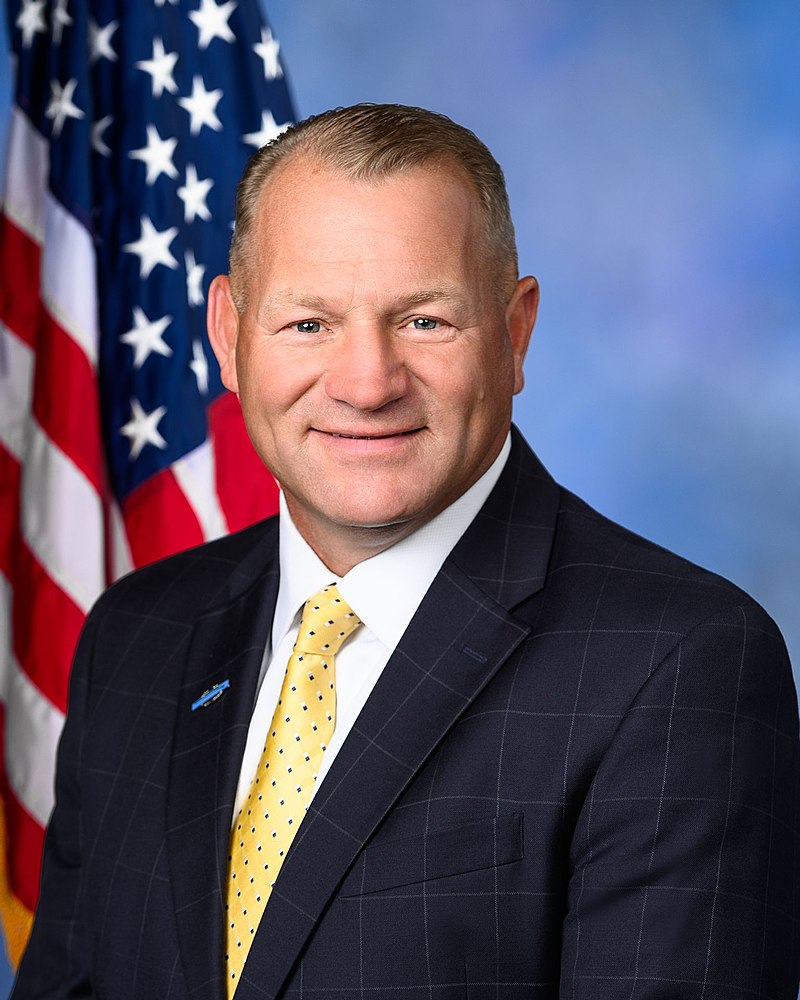







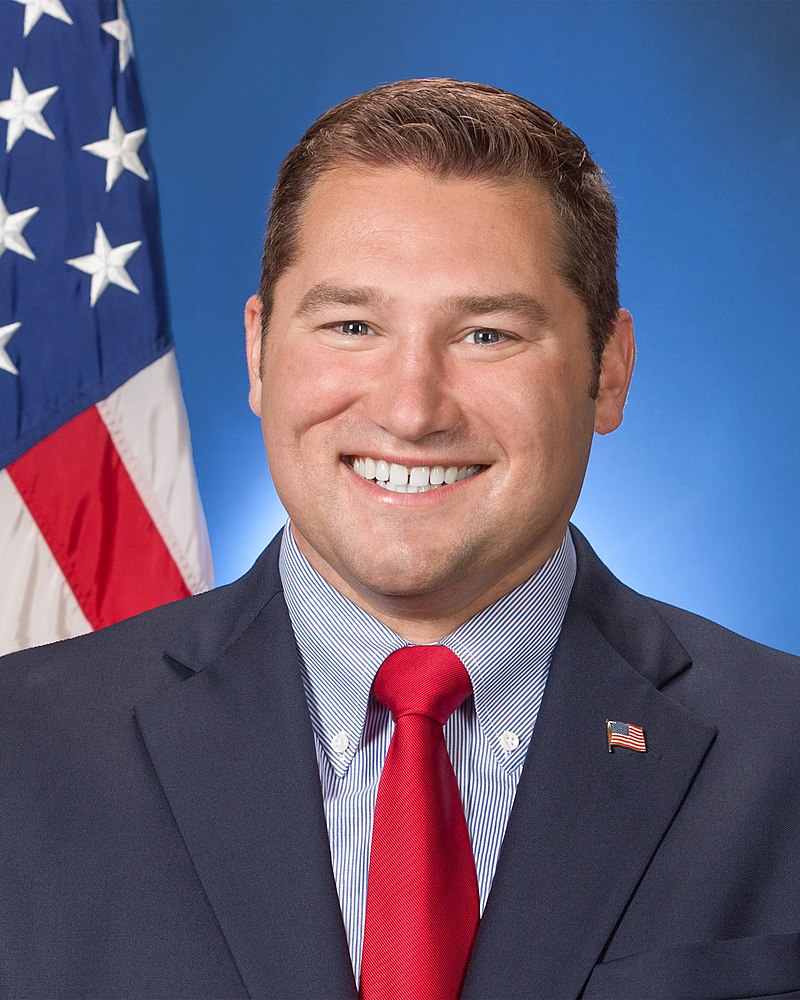
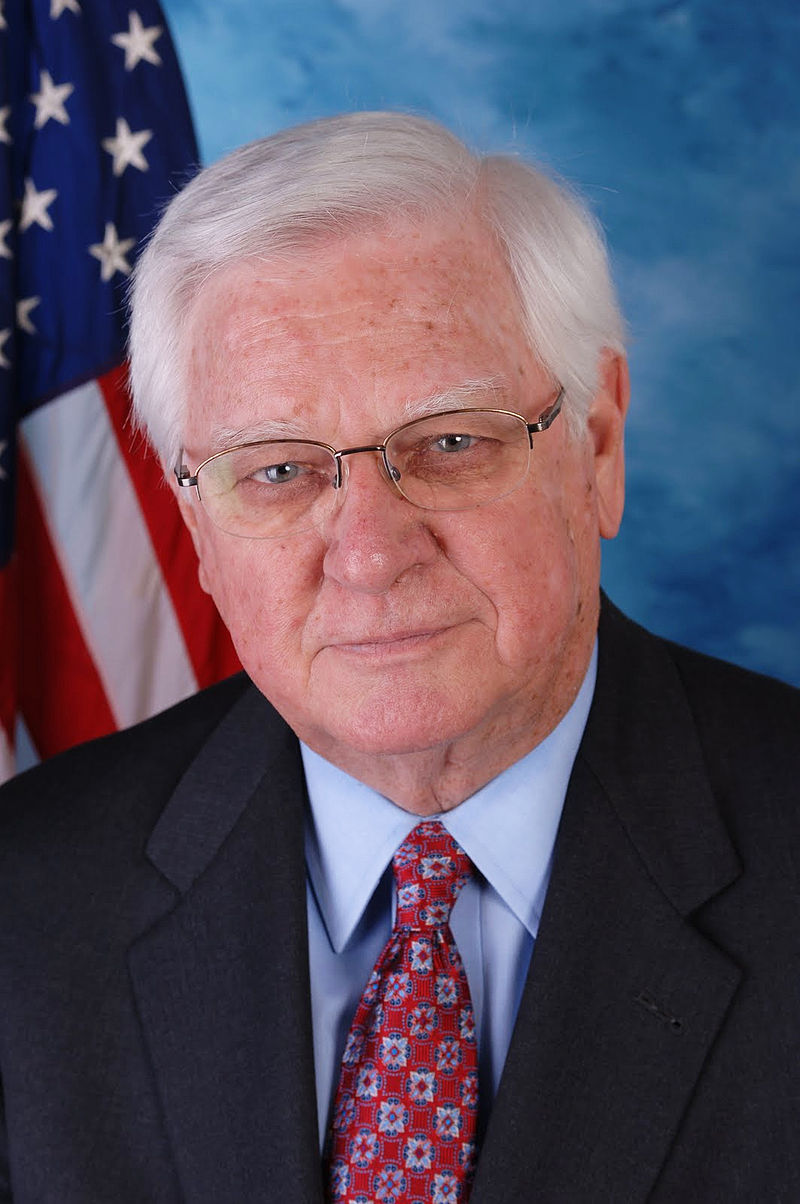

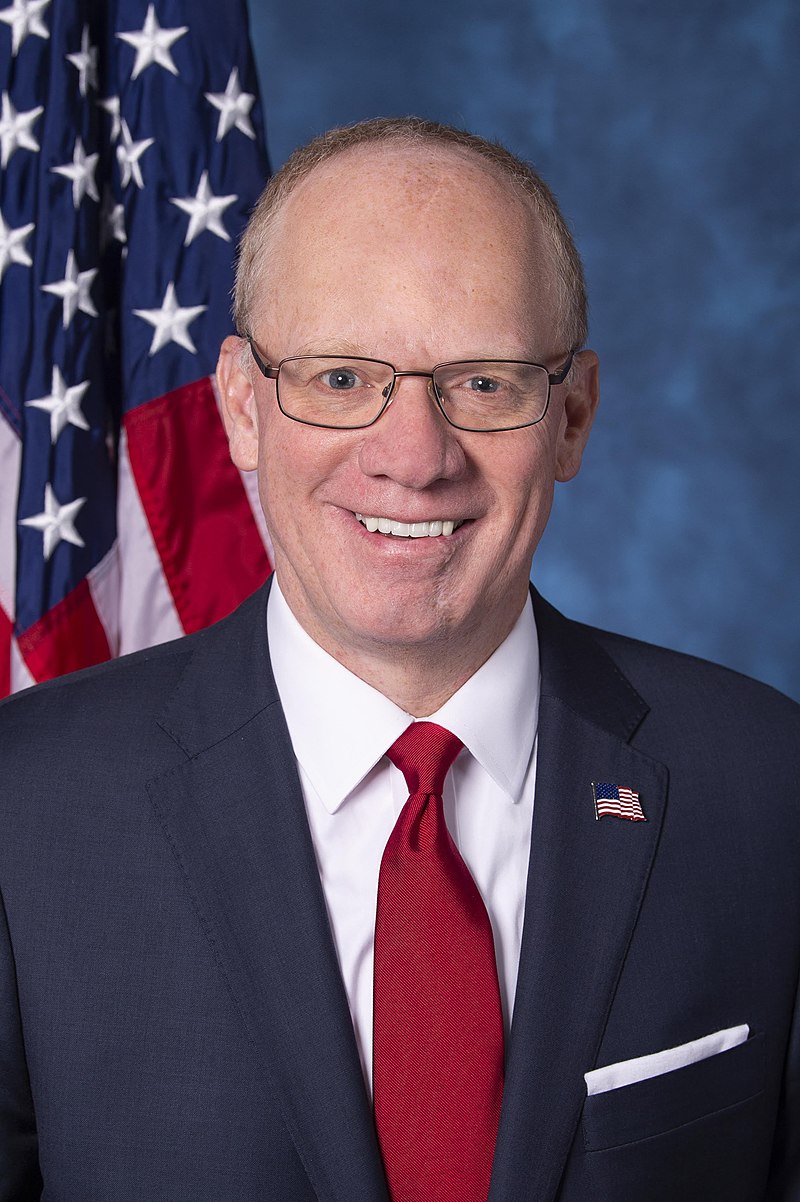
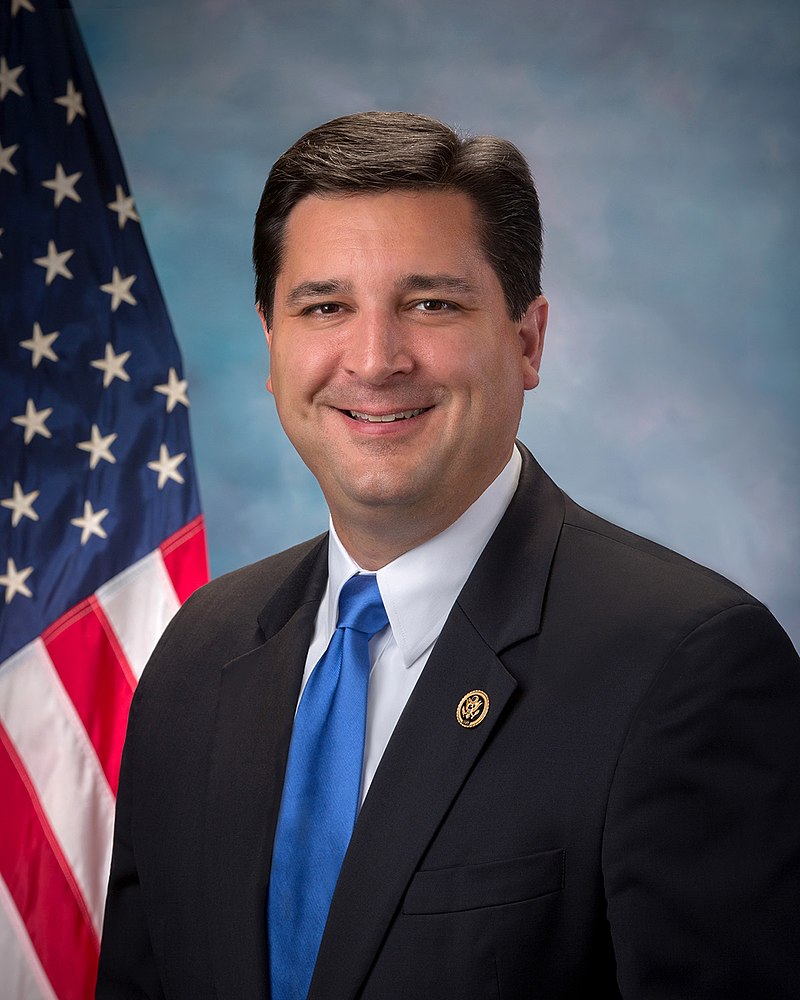
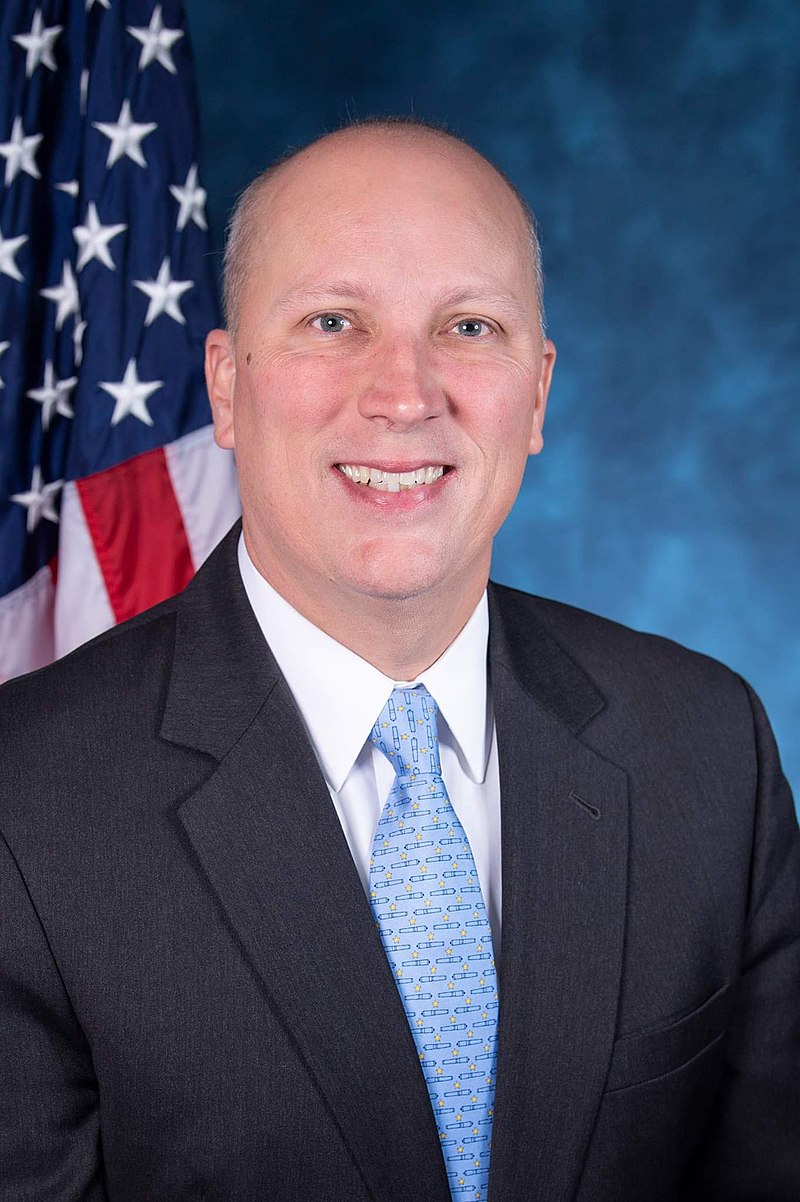

J
John Rutherford


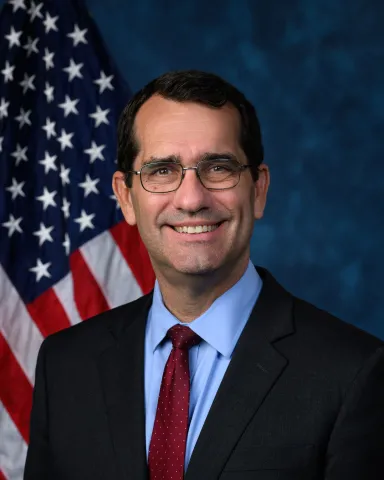
D
David Schweikert
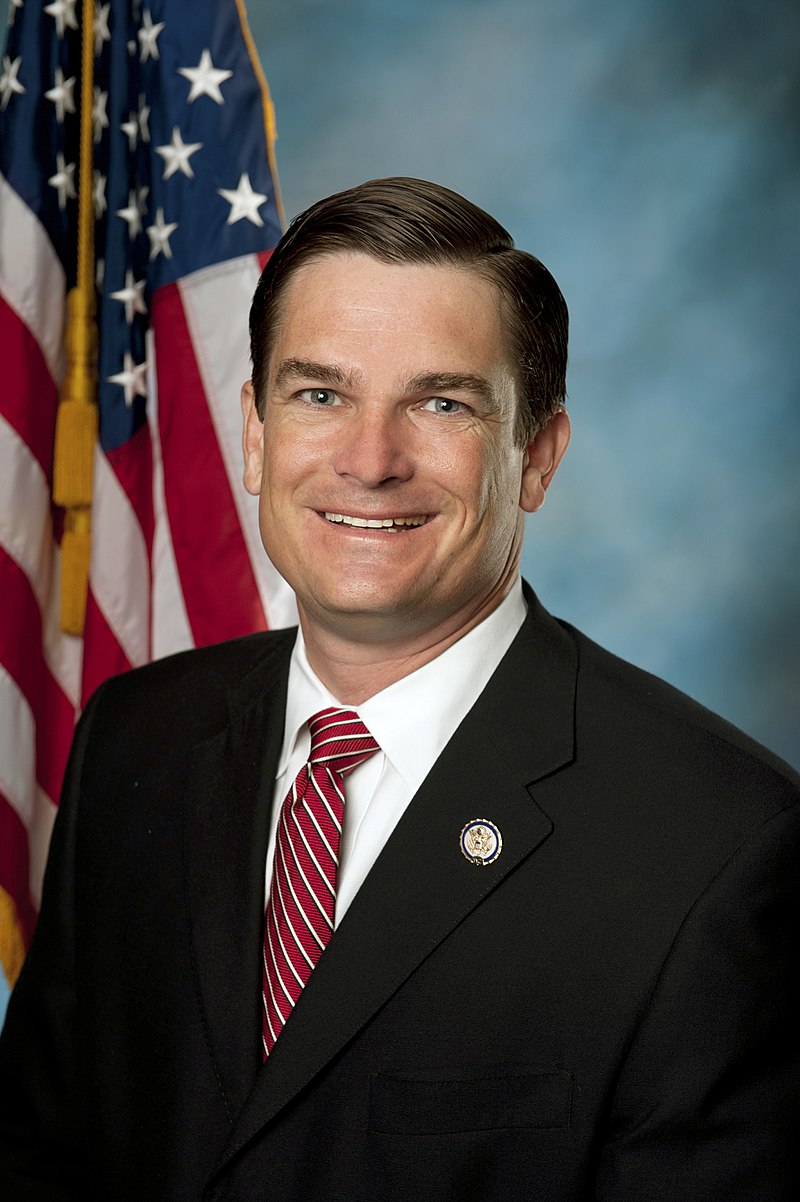

P
Pete Sessions


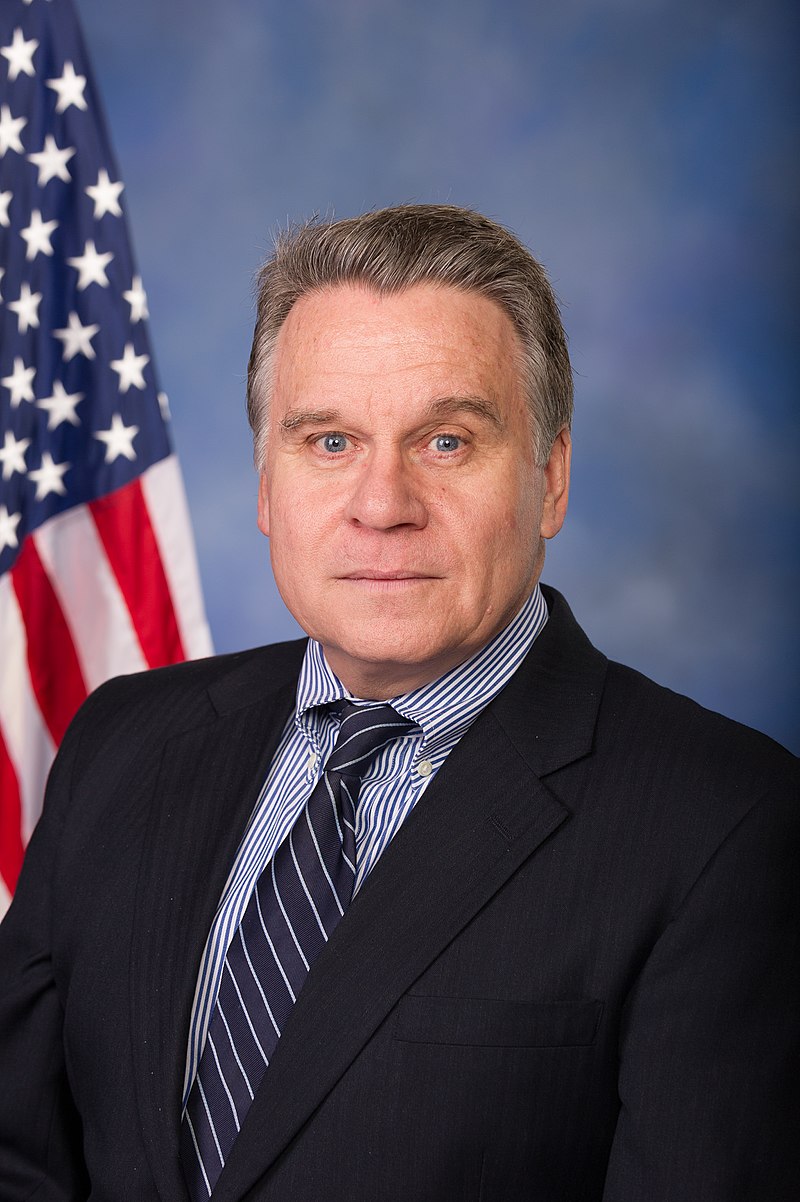









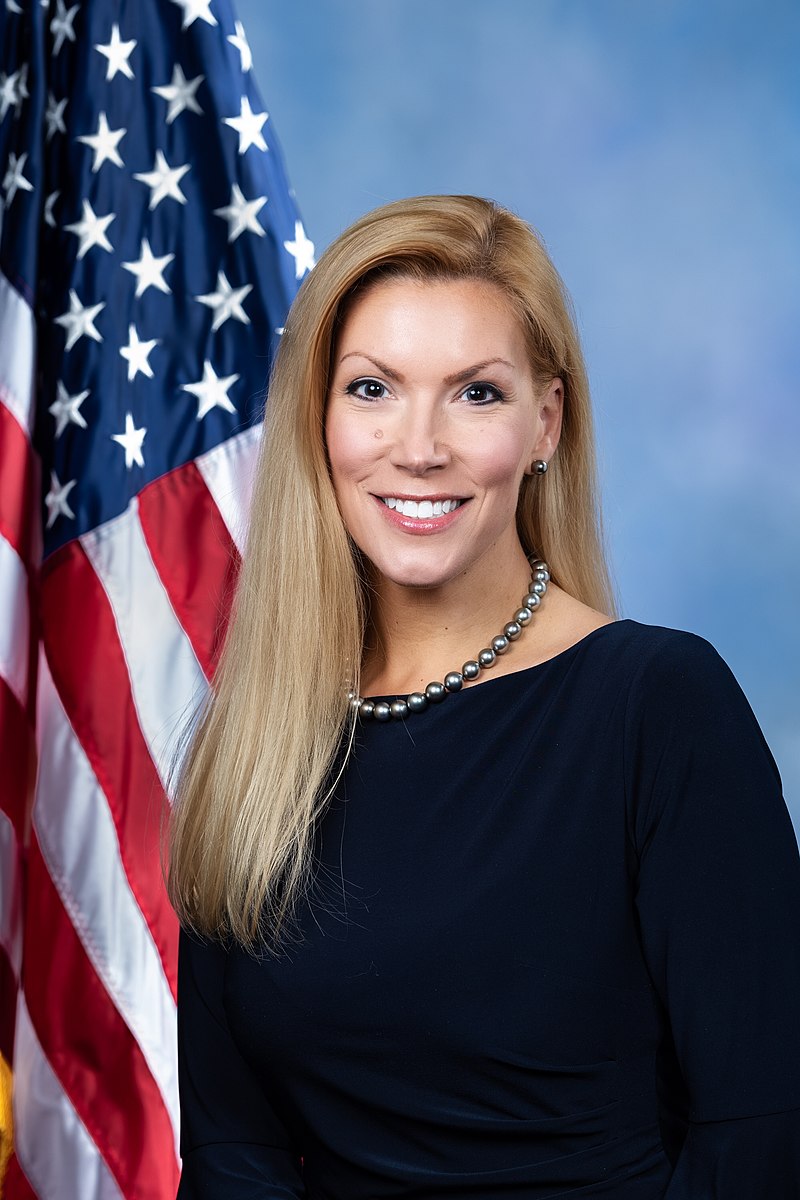


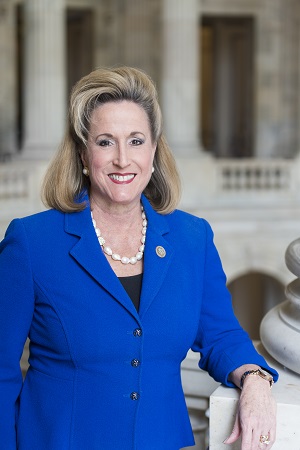
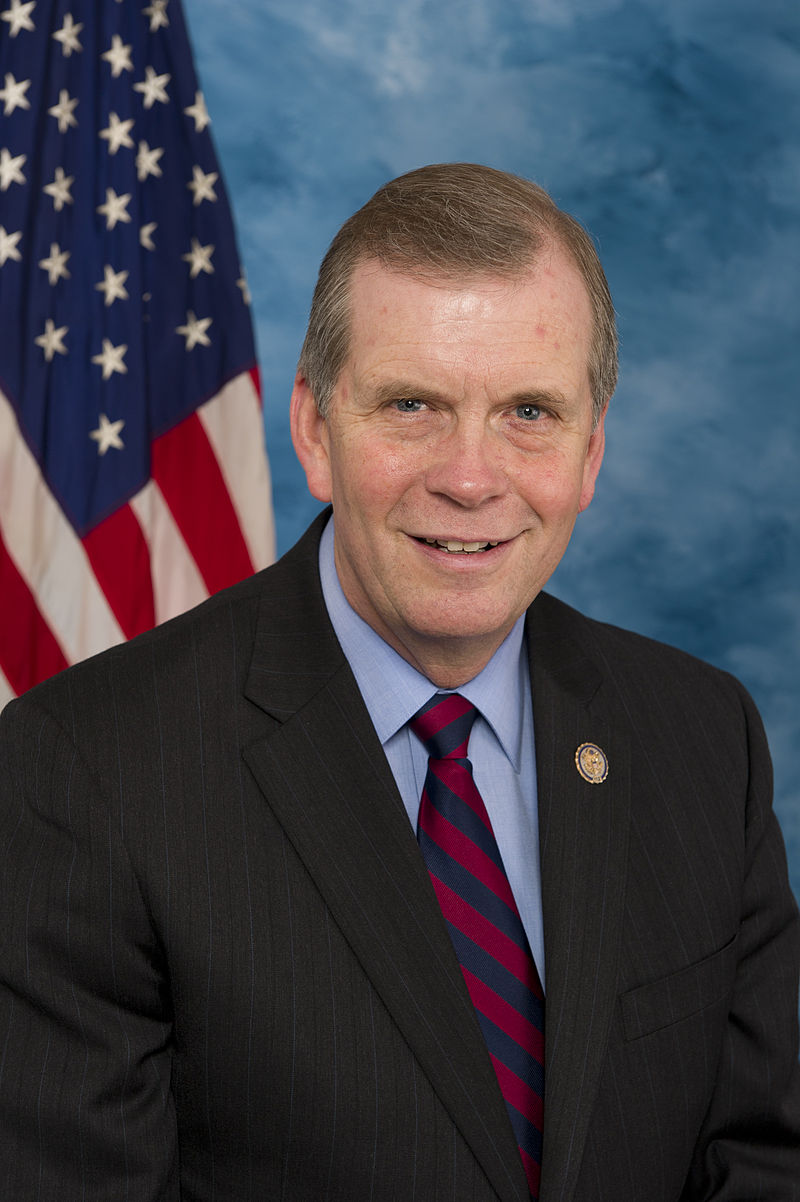
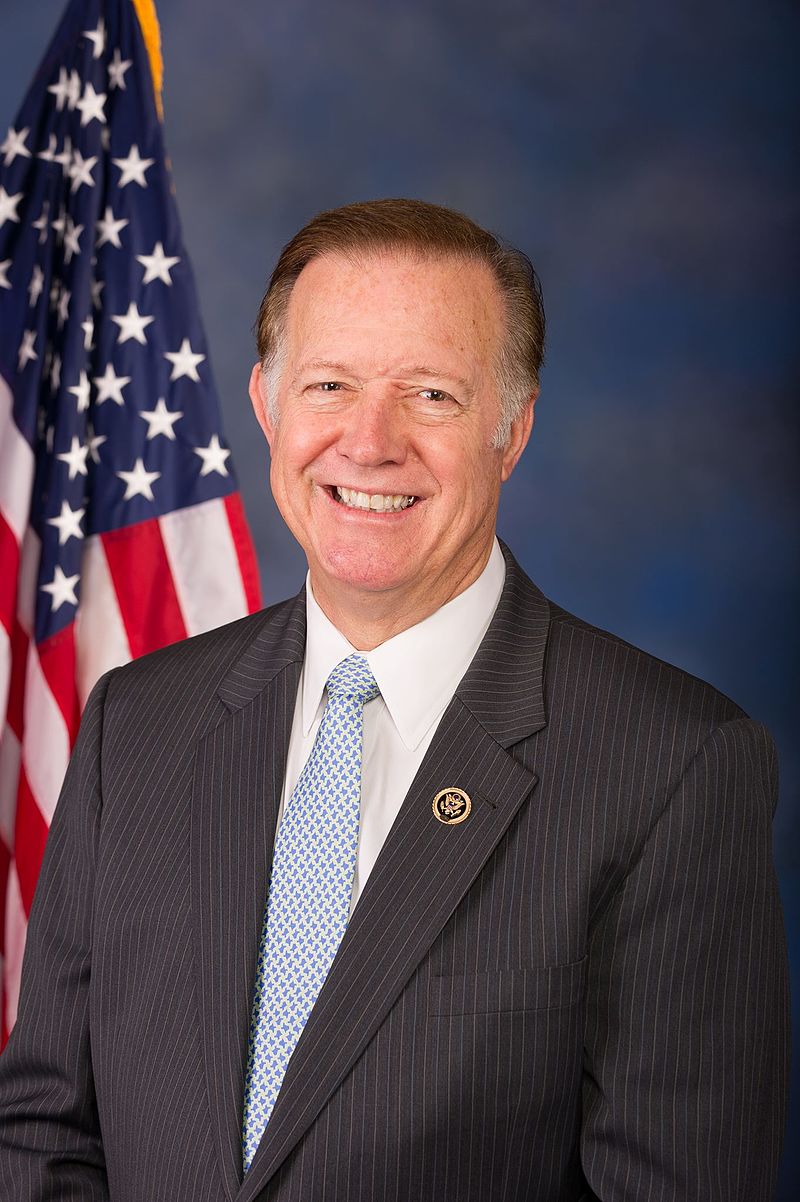





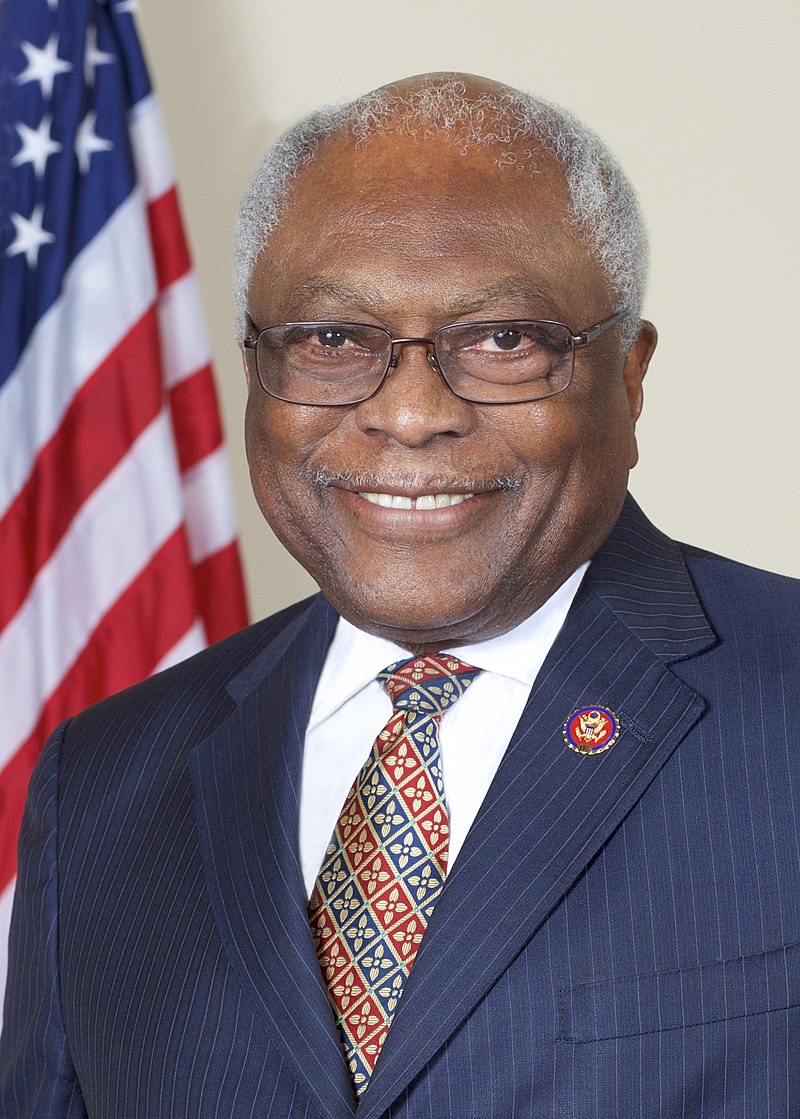
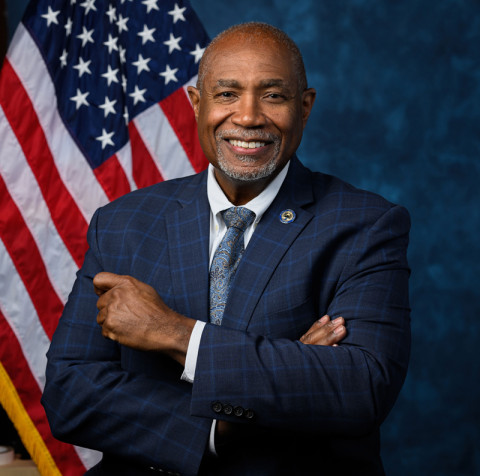
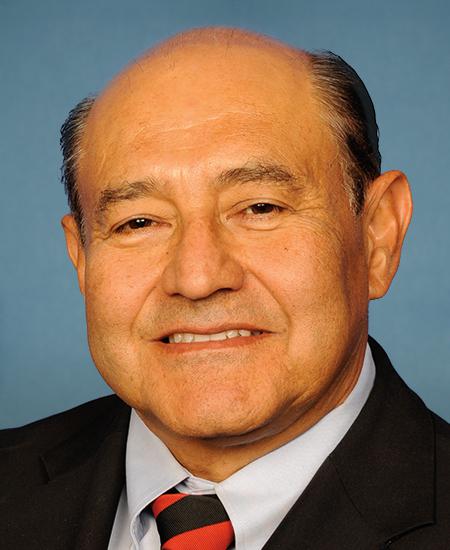
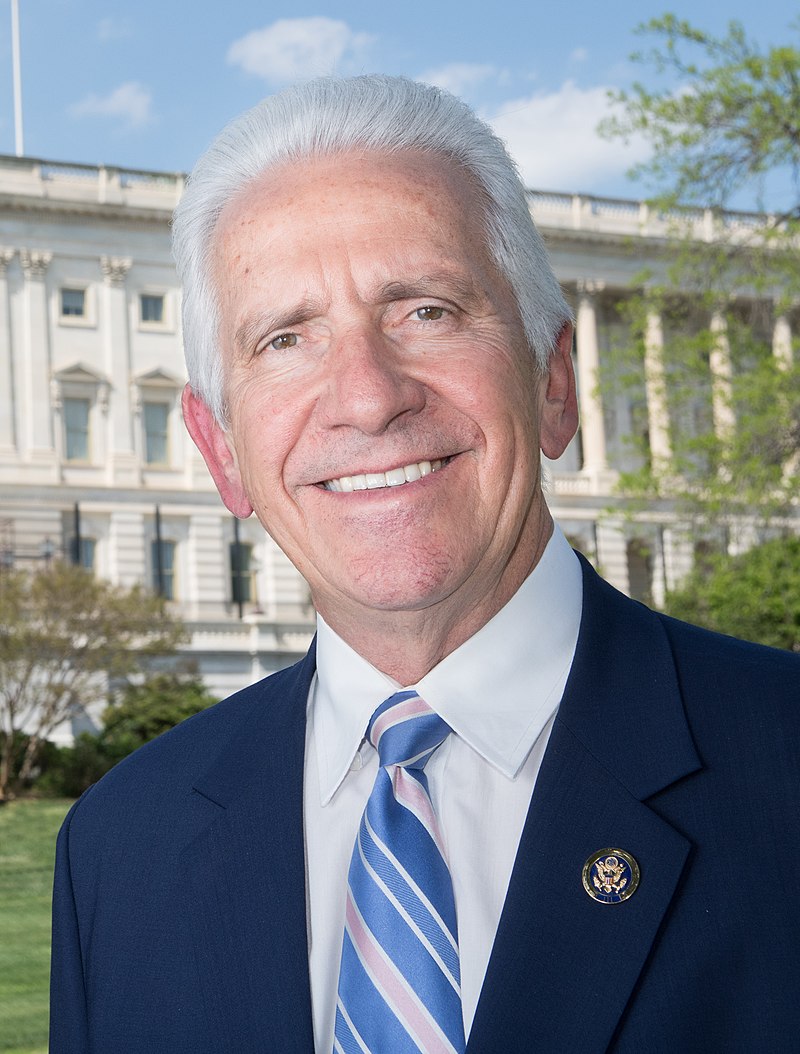
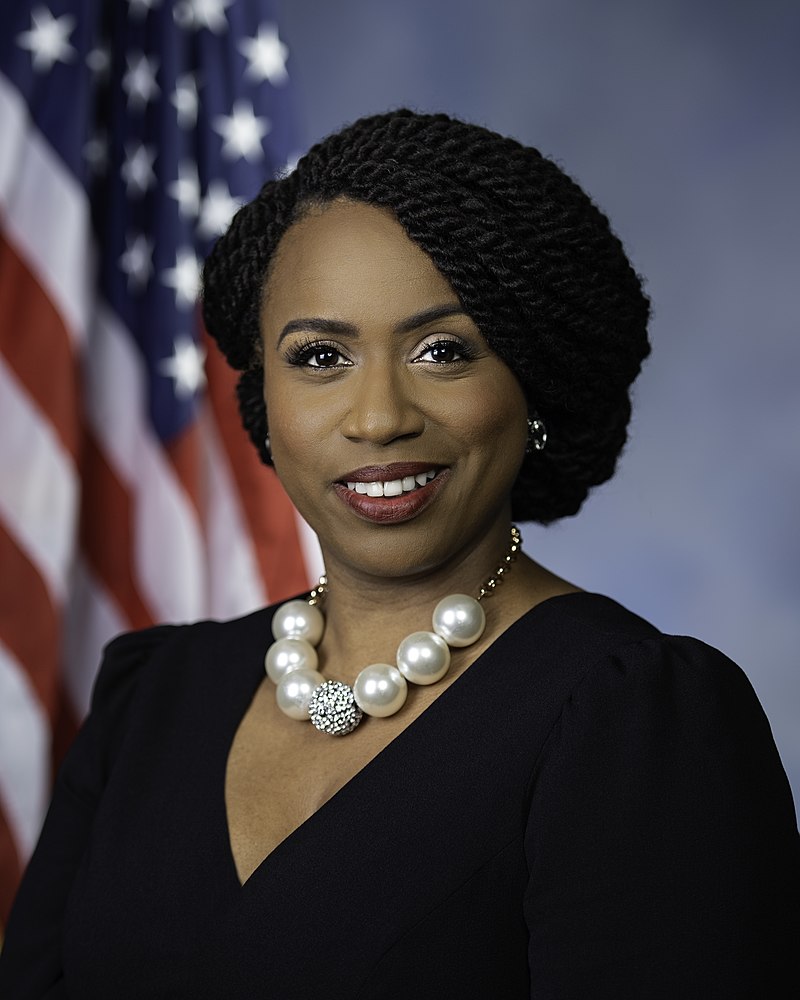
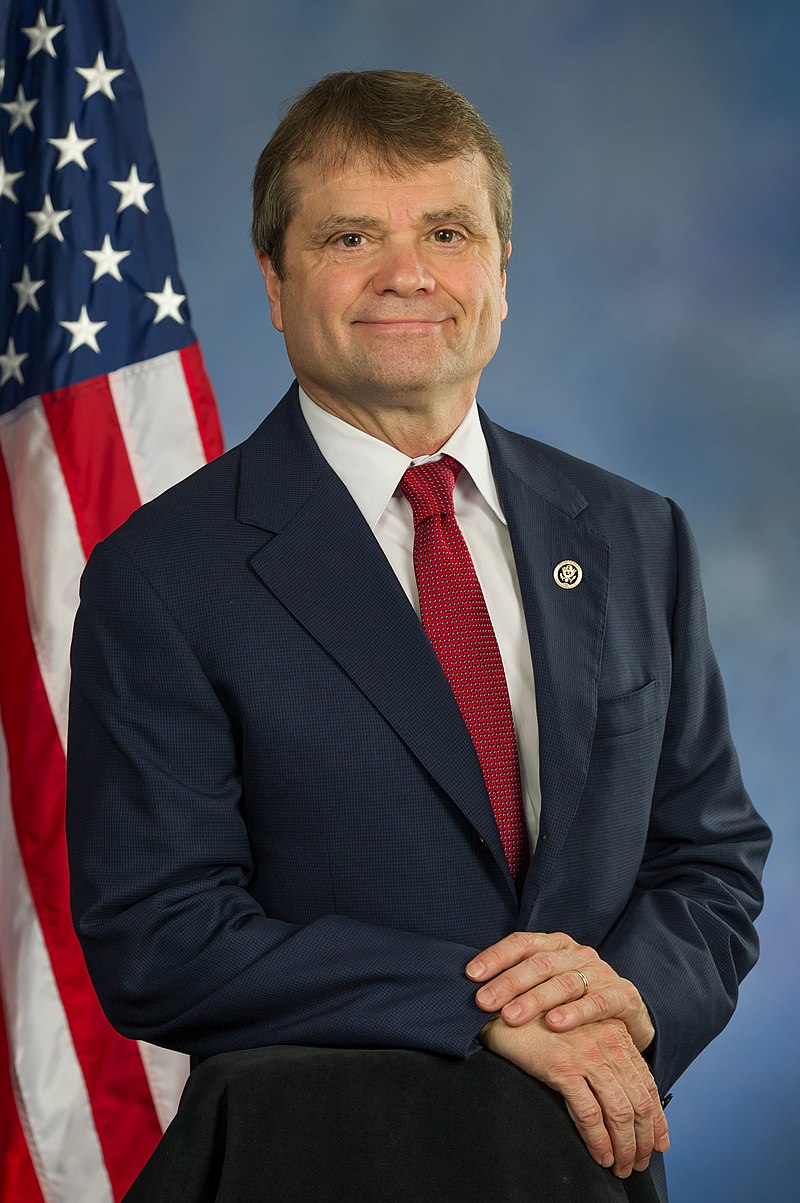
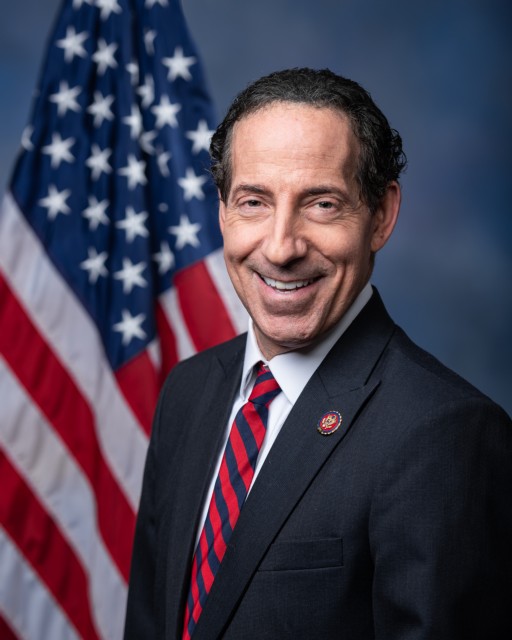
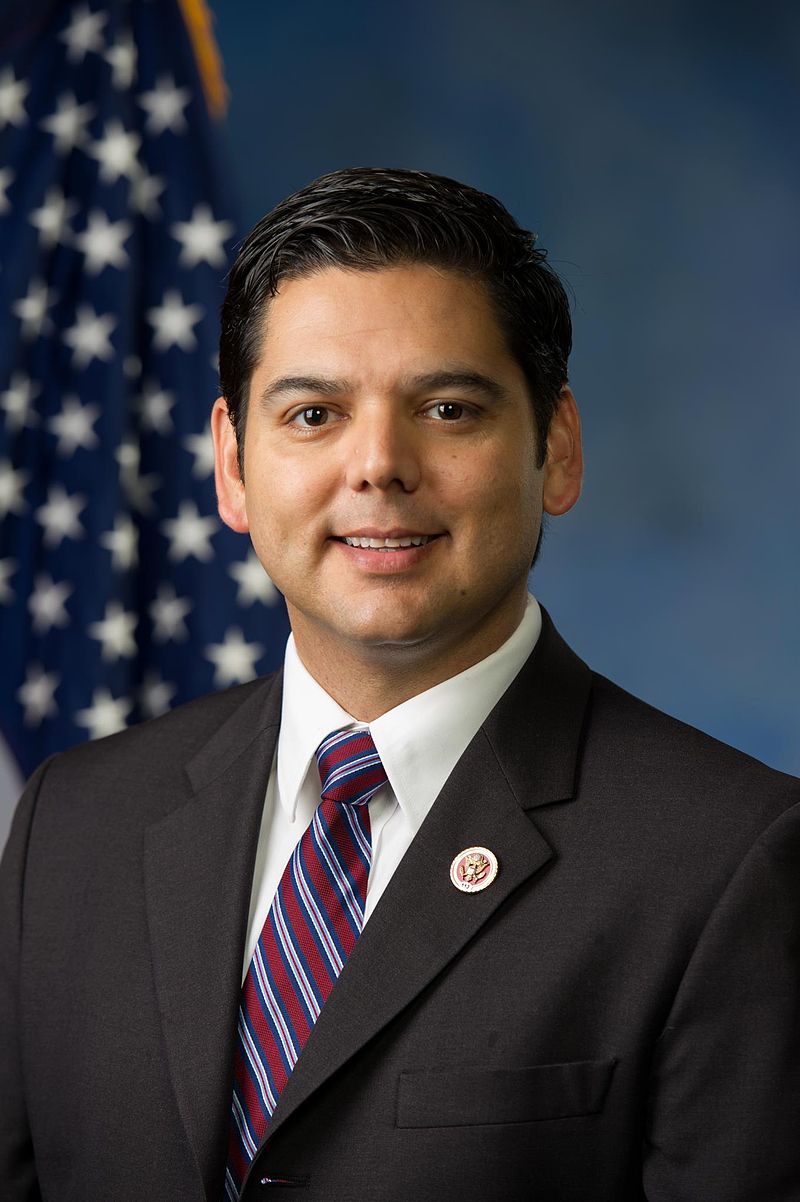
Nay (213)


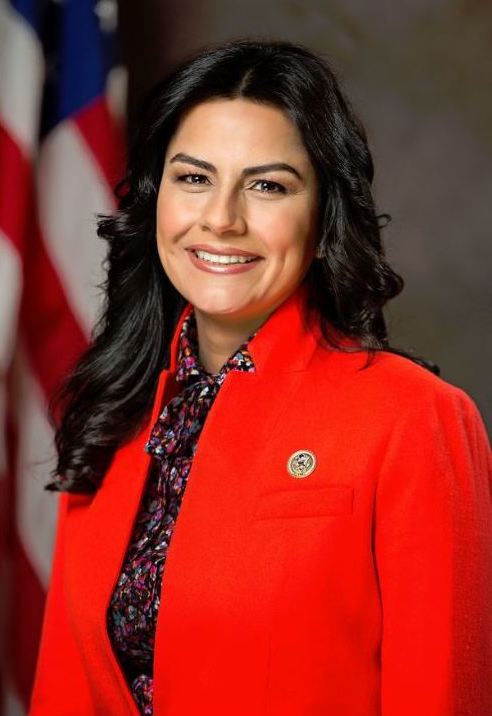
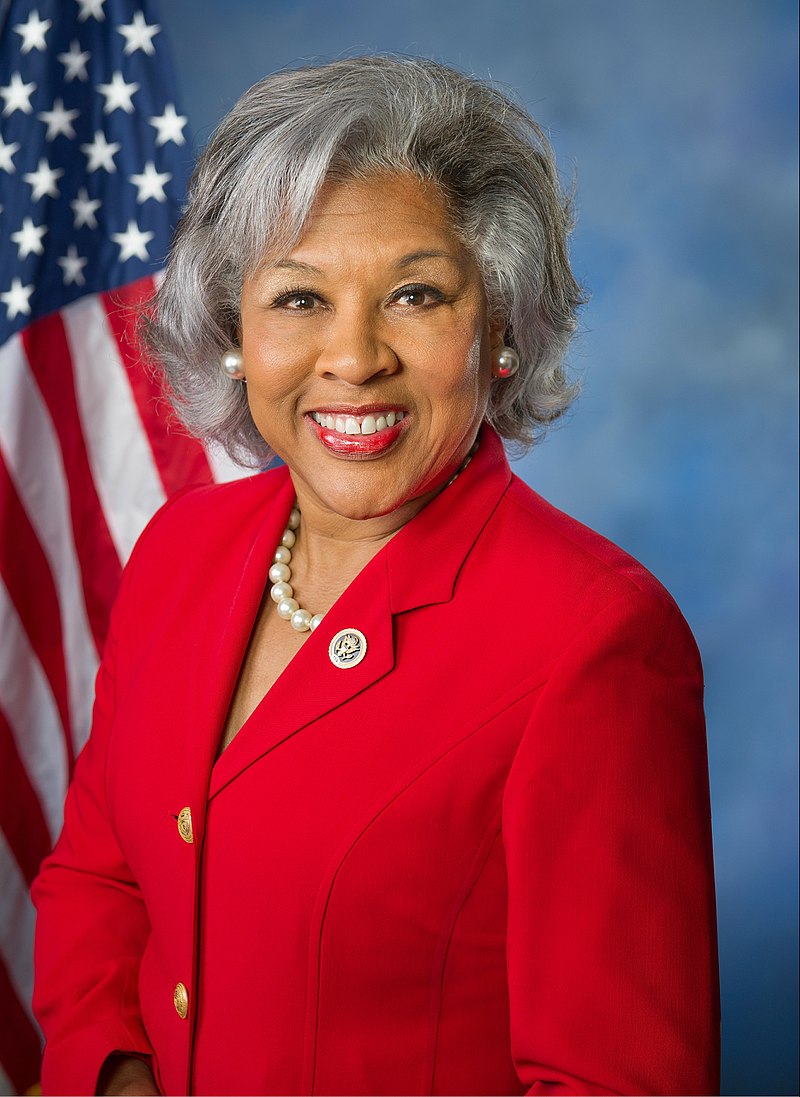


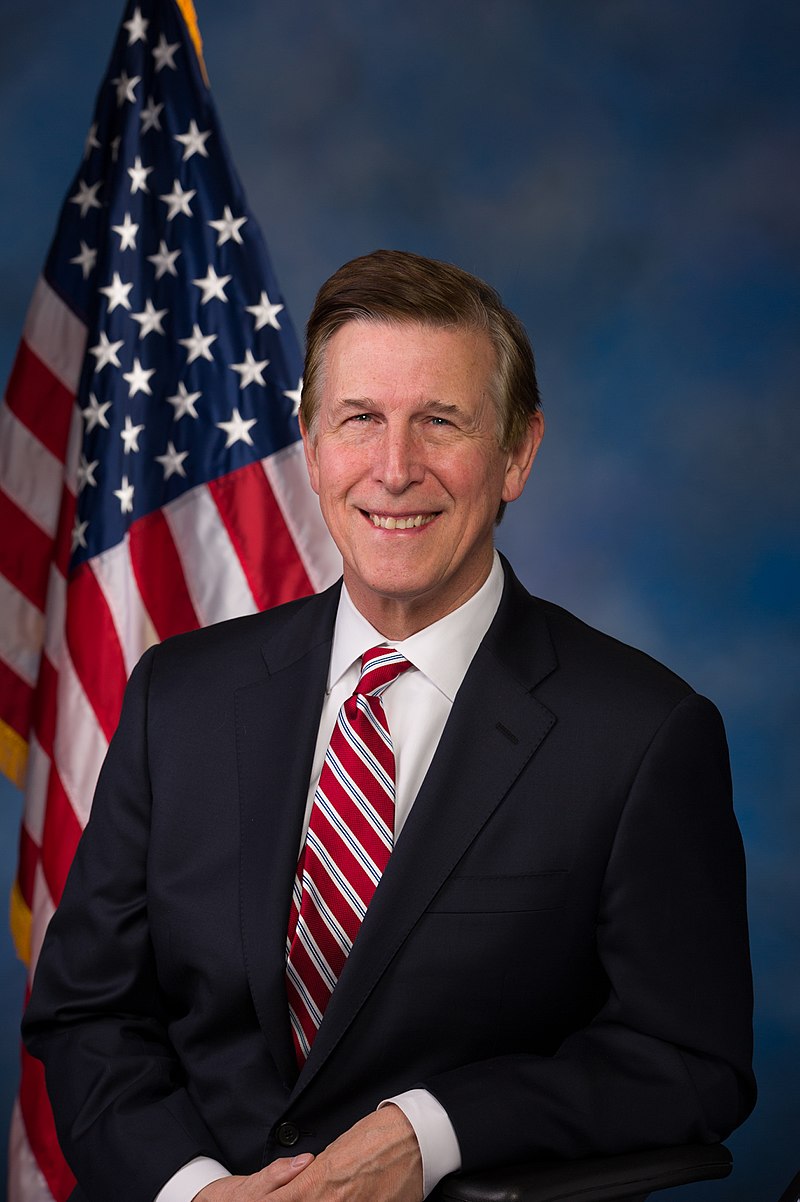

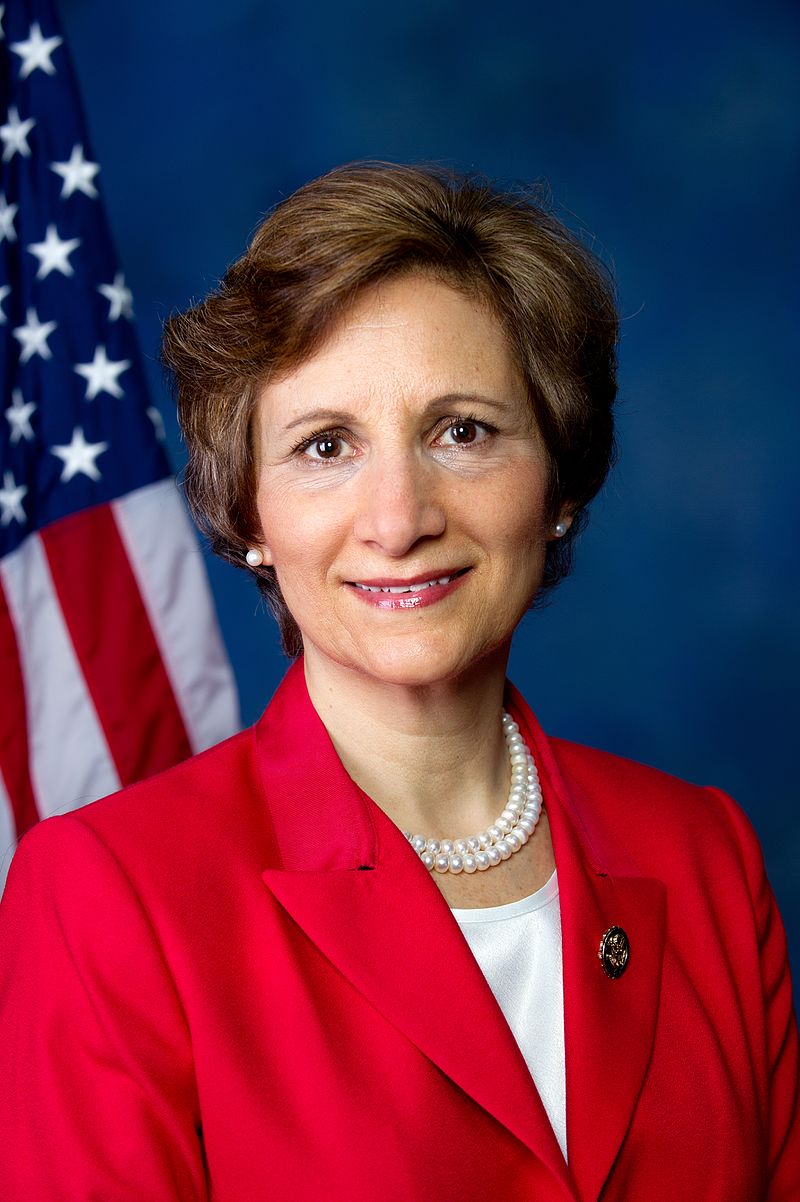


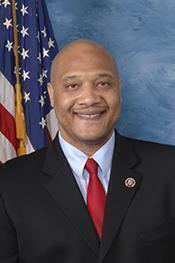
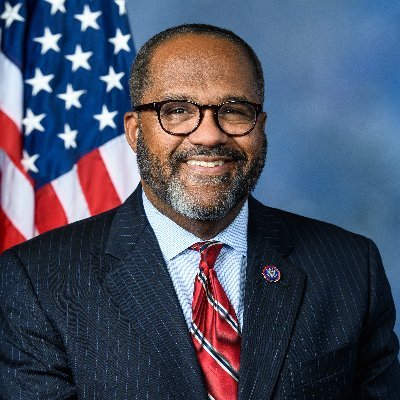

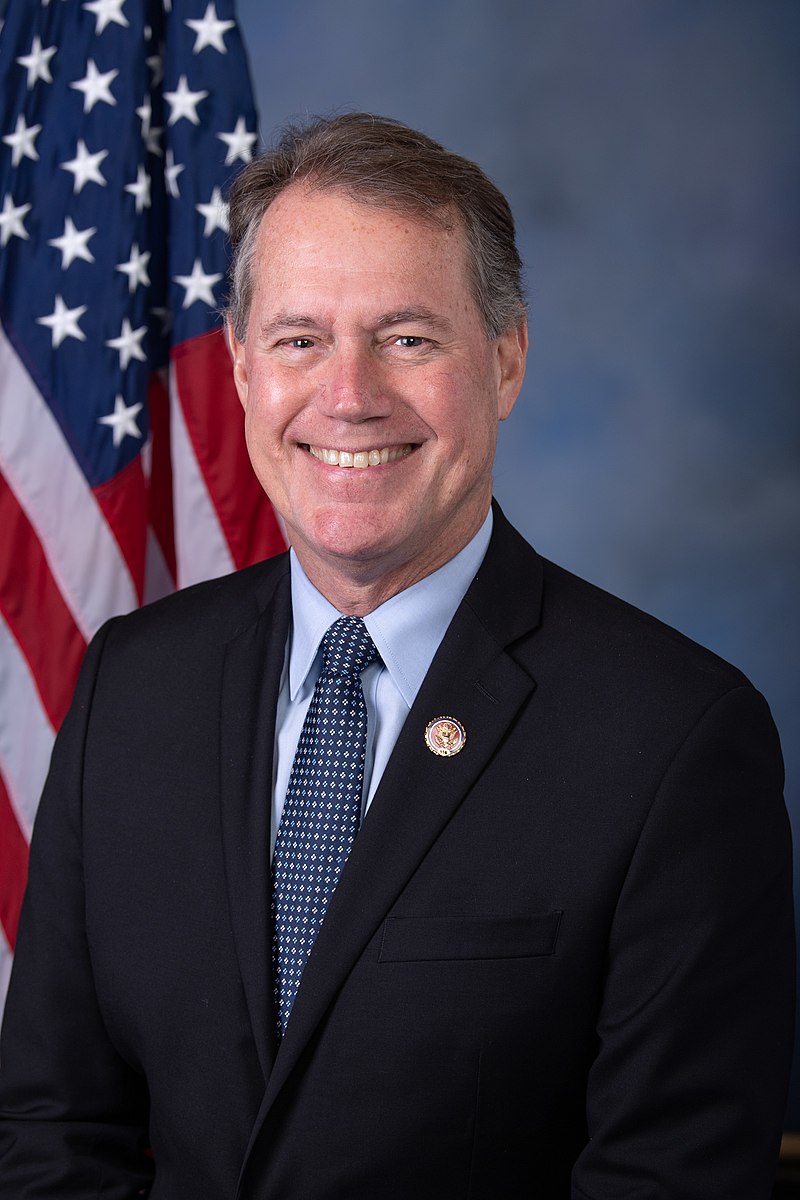

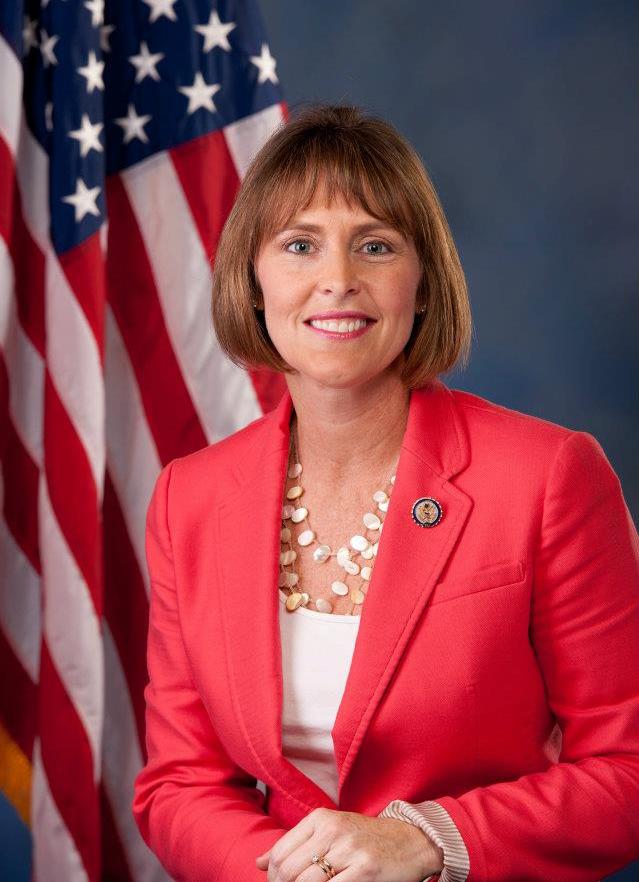






J
Jason Crow









L
Lloyd Doggett






J
John Garamendi


















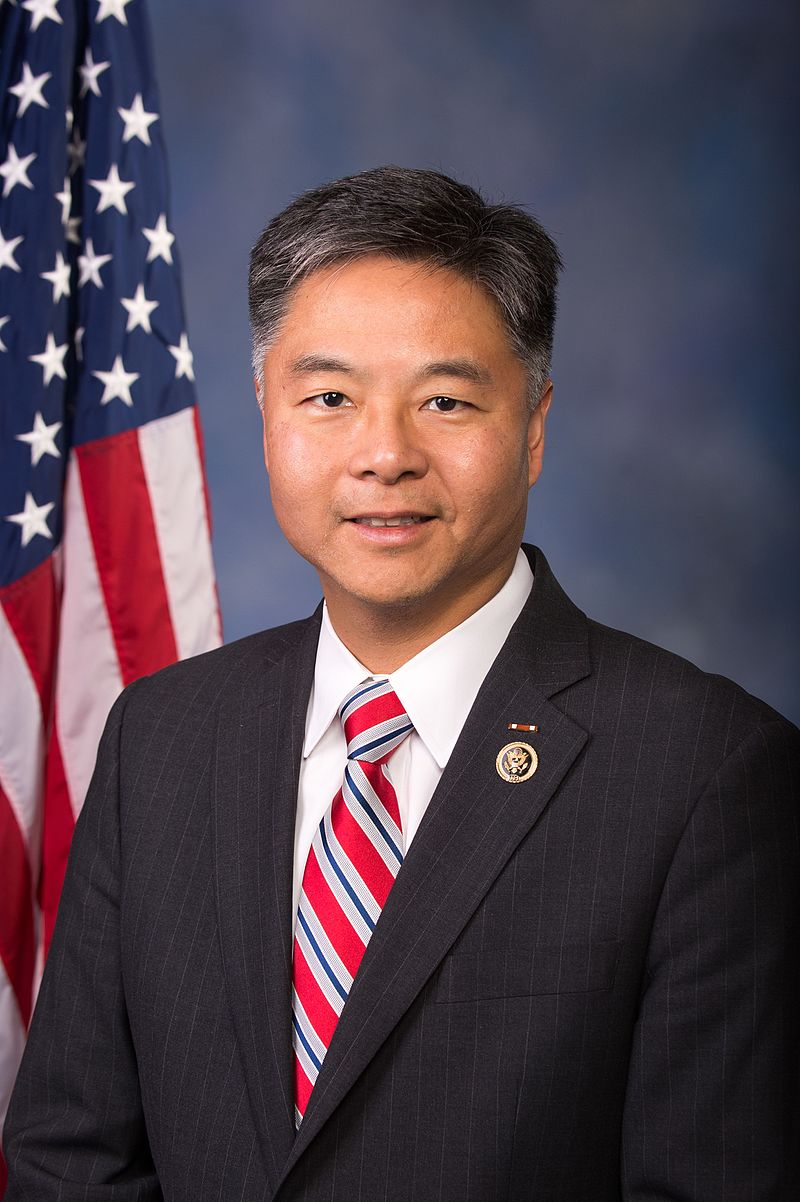

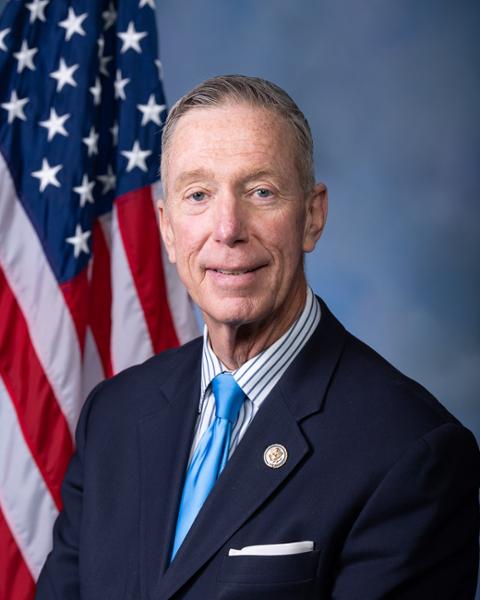

J
John Mannion

L
Lucy McBath

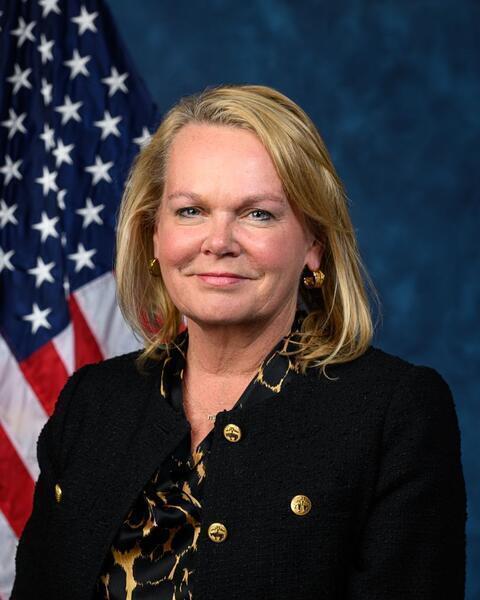
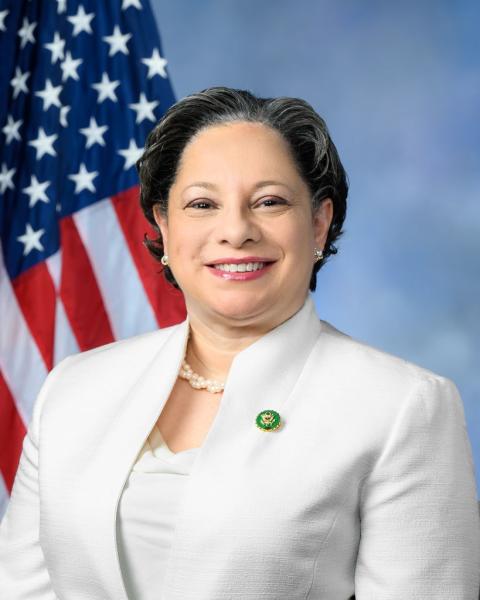




































E
Eric Swalwell

R
Rashida Tlaib





N
Nydia Velázquez


D
Debbie Wasserman Schultz