H.R.5764 — AI for Main Street Act
House Roll Call
H.R.5764
| Bill | H.R.5764 — AI for Main Street Act |
|---|---|
| Vote question | On Motion to Suspend the Rules and Pass, as Amended |
| Vote type | 2/3 Yea-And-Nay |
| Result | Passed |
| Totals | Yea 395 / Nay 14 / Present 0 / Not Voting 22 |
| Party | Yea | Nay | Present | Not Voting |
|---|---|---|---|---|
| R | 196 | 11 | 0 | 11 |
| D | 199 | 3 | 0 | 11 |
| I | 0 | 0 | 0 | 0 |
Research Brief
On Motion to Suspend the Rules and Pass, as Amended
Bill Analysis
HR 5764 – AI for Main Street Act (119th Congress)
HR 5764 directs the federal government to help small businesses adopt artificial intelligence (AI) tools by creating dedicated technical assistance, training, and coordination structures, primarily through the Small Business Administration (SBA) and the Department of Commerce.
Core provisions and authorities
- Establishes an “AI for Main Street” initiative focused on small businesses (including very small firms and those in underserved or rural areas) to support adoption of AI for operations, marketing, finance, compliance, and productivity.
- Authorizes the SBA, in consultation with the Department of Commerce (including NIST), to develop guidance, best practices, and model use cases for safe, secure, and responsible AI use by small businesses.
- Directs the SBA to integrate AI-related assistance into existing programs such as Small Business Development Centers (SBDCs), Women’s Business Centers, SCORE, and Veterans Business Outreach Centers, including AI readiness assessments, vendor-neutral tool selection support, and implementation planning.
- Requires coordination with federal cybersecurity and privacy guidance so that small businesses receive consistent advice on data protection, algorithmic bias, and legal risk.
Funding and implementation
- Authorizes appropriations (typically for several fiscal years) to support staffing, training, outreach, and development of AI toolkits and curricula for small business advisors.
- Allows the SBA to award grants or cooperative agreements to SBDCs and related partners to build AI expertise and deliver workshops, one-on-one counseling, and online resources.
- May permit pilot or demonstration projects to test AI adoption models in specific sectors (e.g., retail, manufacturing, services) or communities, with reporting on outcomes and scalability.
Beneficiaries and regulated parties
- Primary beneficiaries: small businesses and entrepreneurs, especially those lacking in-house technical capacity.
- Secondary beneficiaries: SBA resource partners and local economic development organizations that receive funding to expand AI-related services.
- The bill is facilitative rather than regulatory; it does not impose new AI compliance mandates on small firms but steers them toward responsible, secure use aligned with existing laws.
Timelines
- Typically requires the SBA and Commerce to stand up the initiative and publish initial guidance within 6–12 months of enactment, with periodic reporting to Congress on uptake, barriers, and recommended improvements.
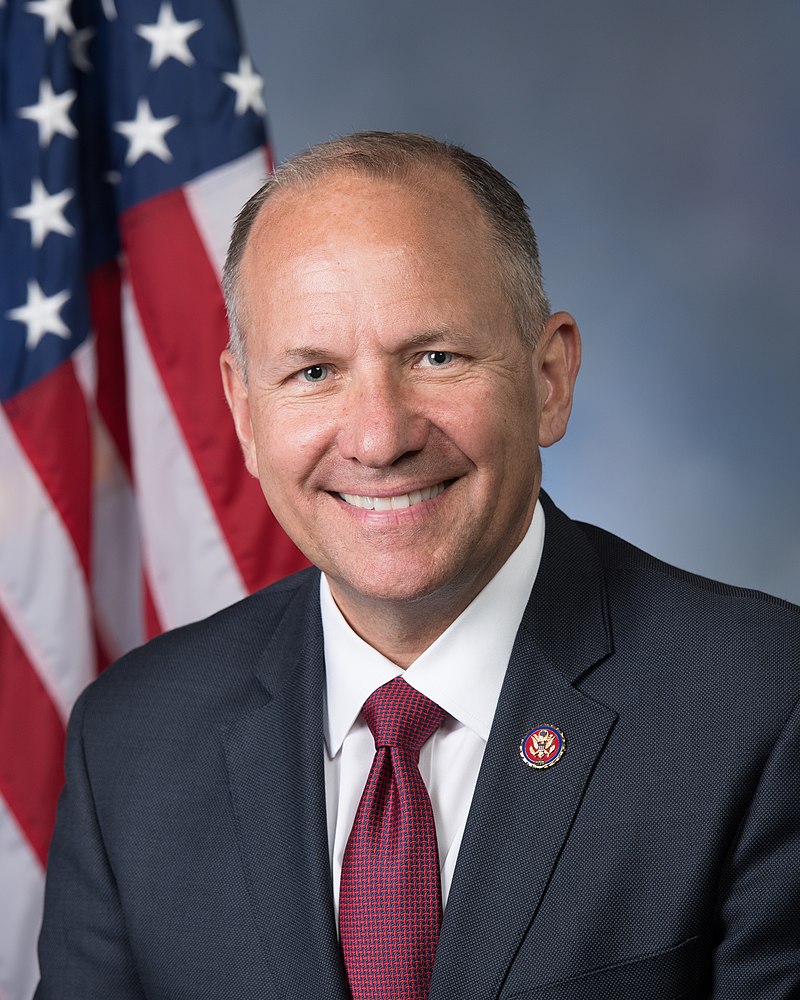
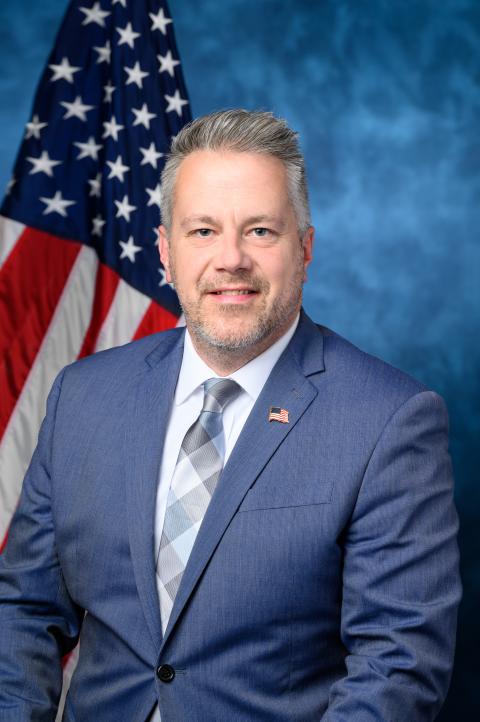
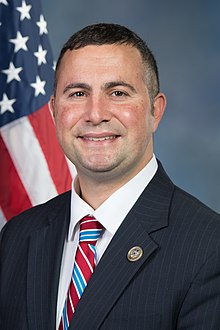
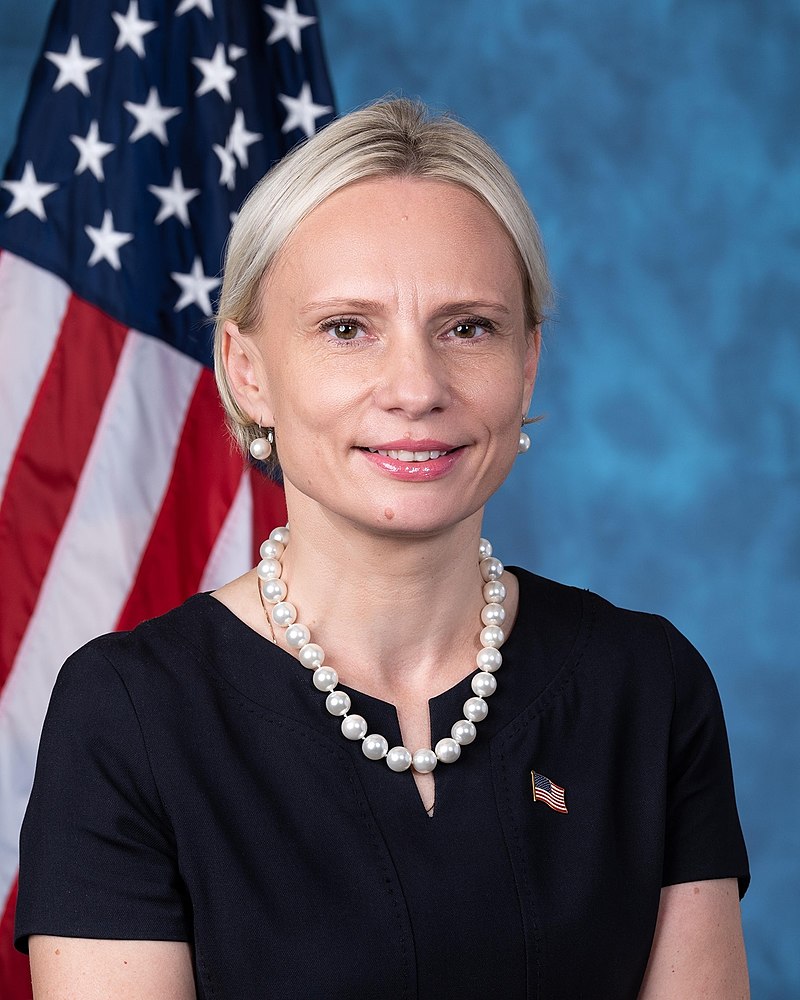
Yea (395)












K
Ken Calvert









J
Jason Crow








L
Lloyd Doggett



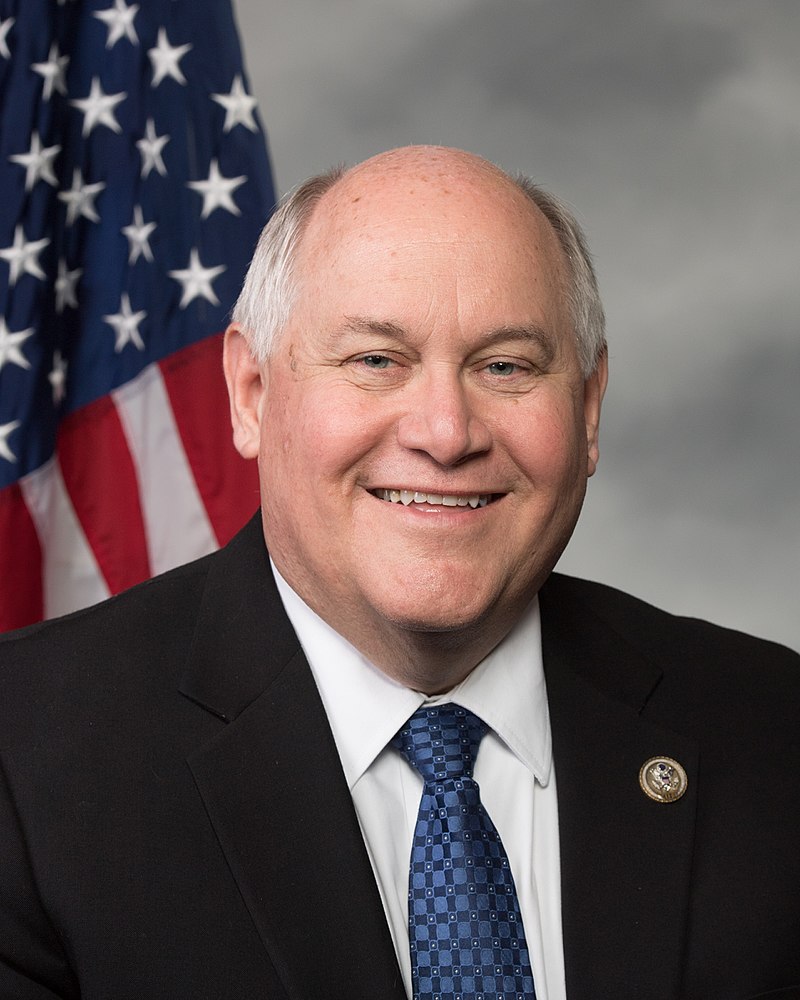
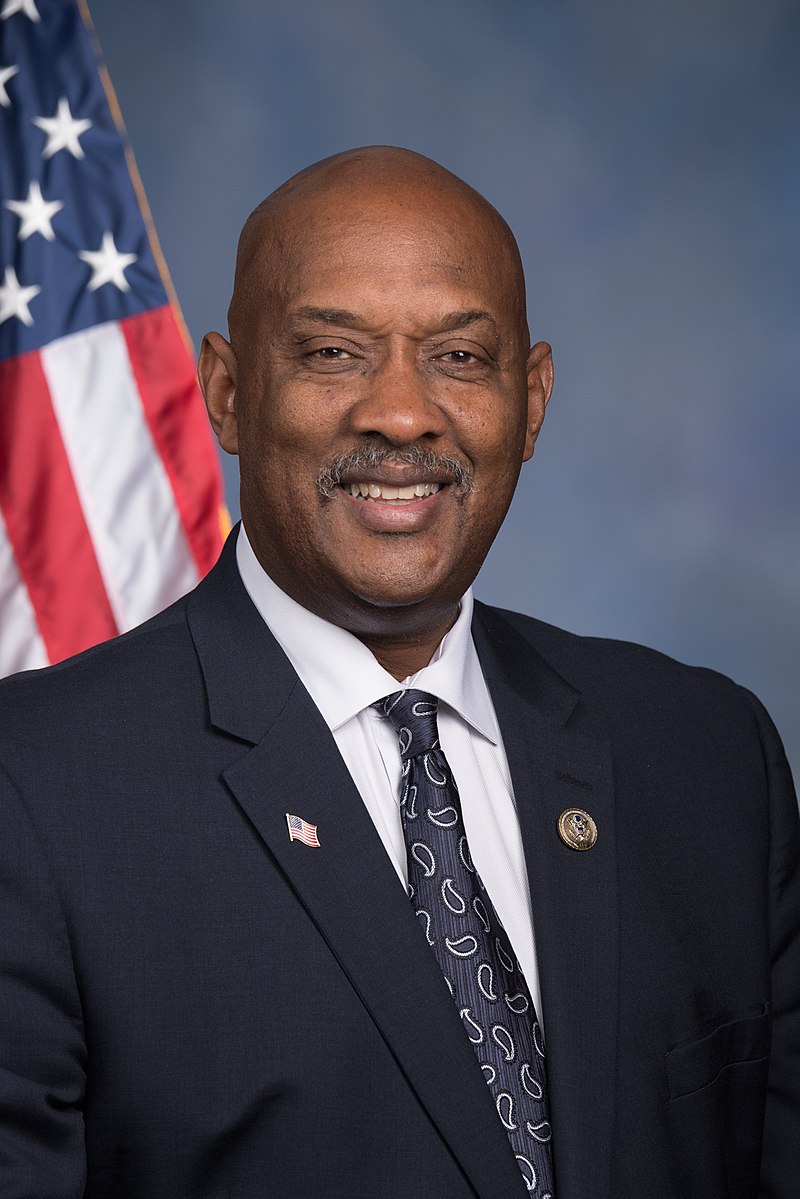


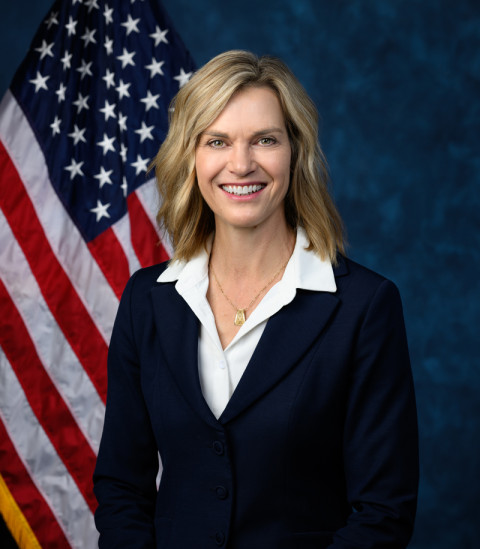





S
Scott Franklin


J
John Garamendi

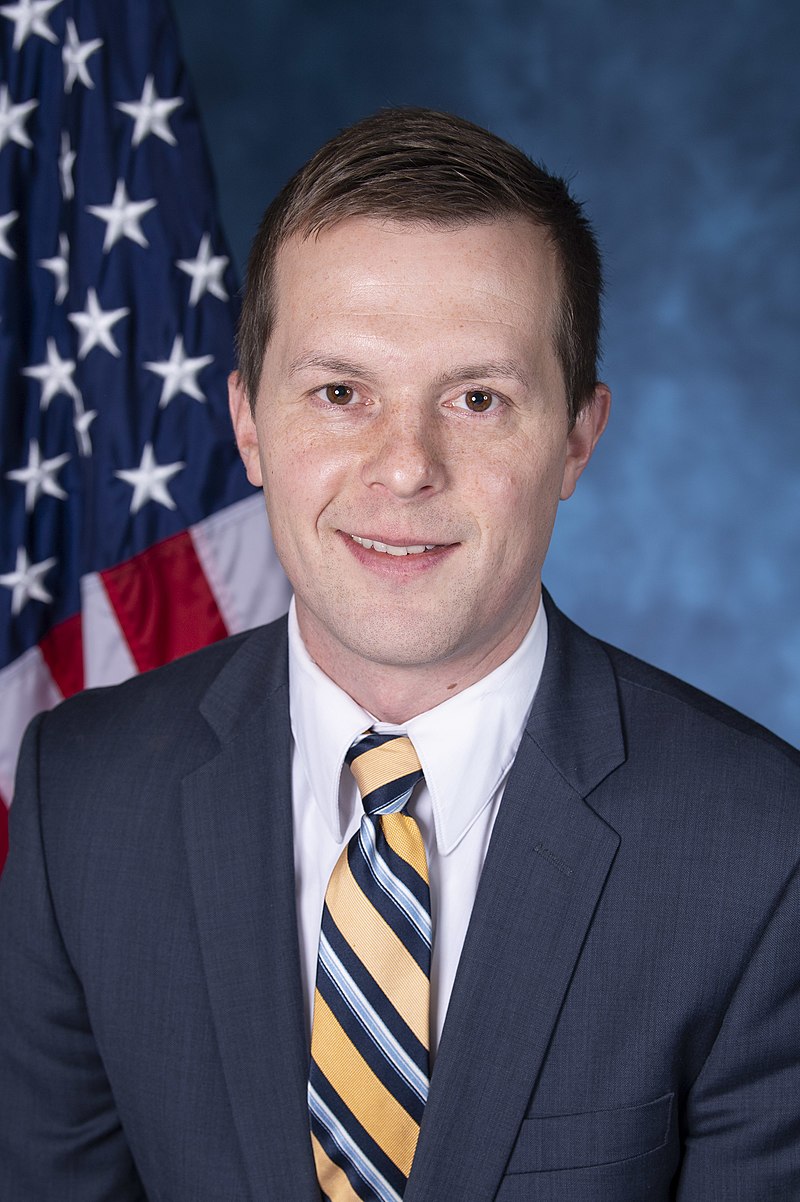

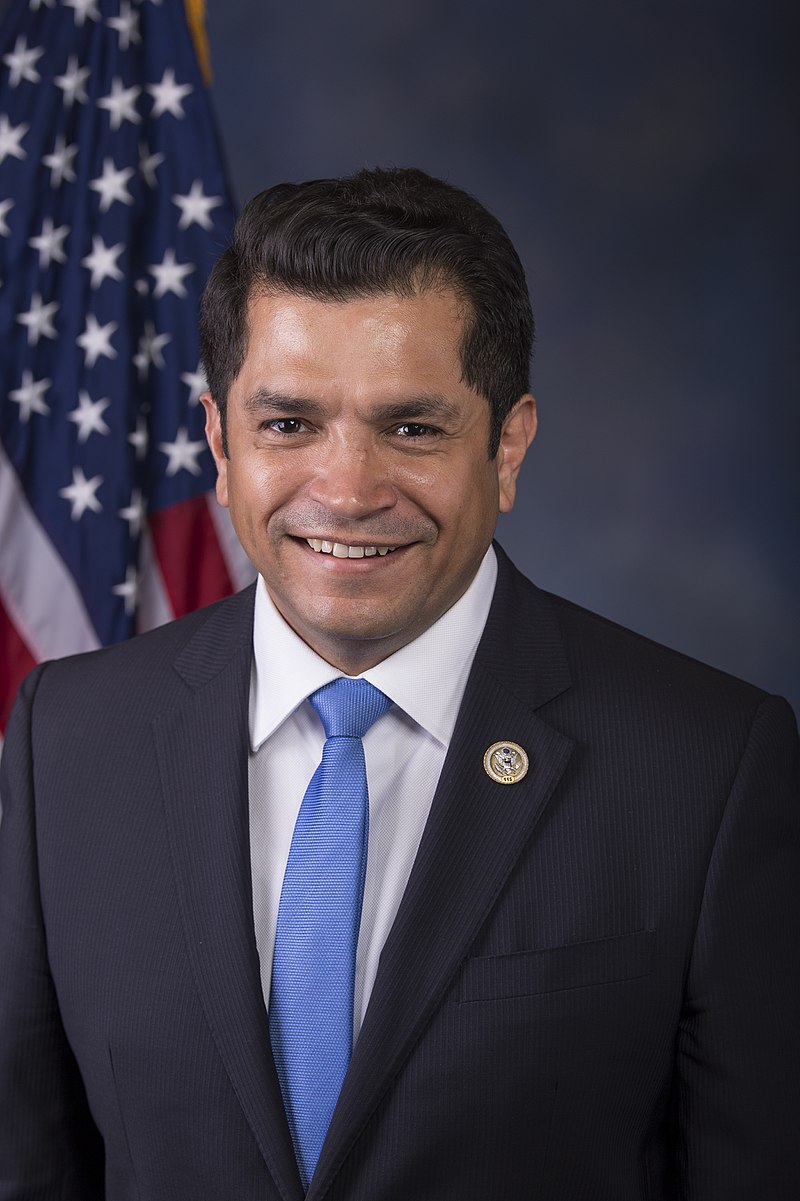

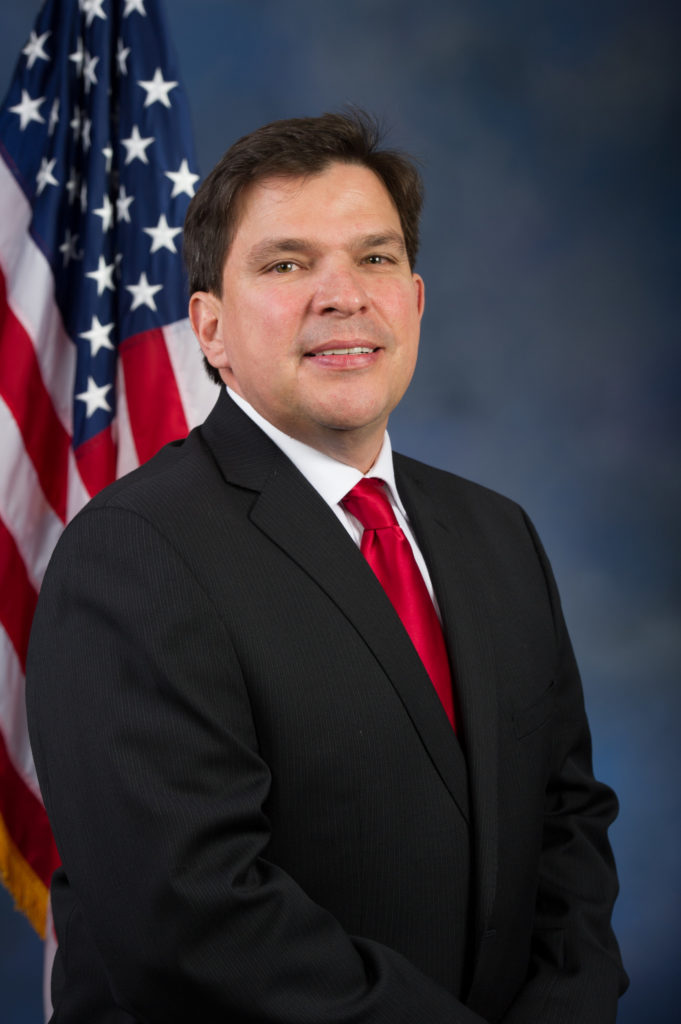























J
John Mannion
L
Lucy McBath
L
Lisa McClain

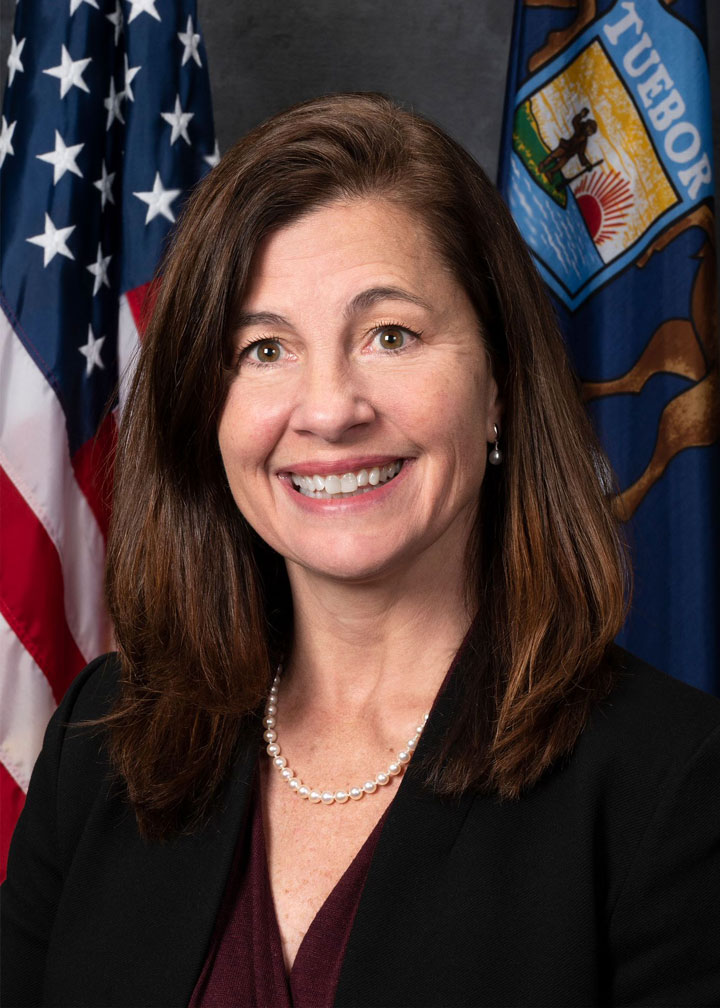

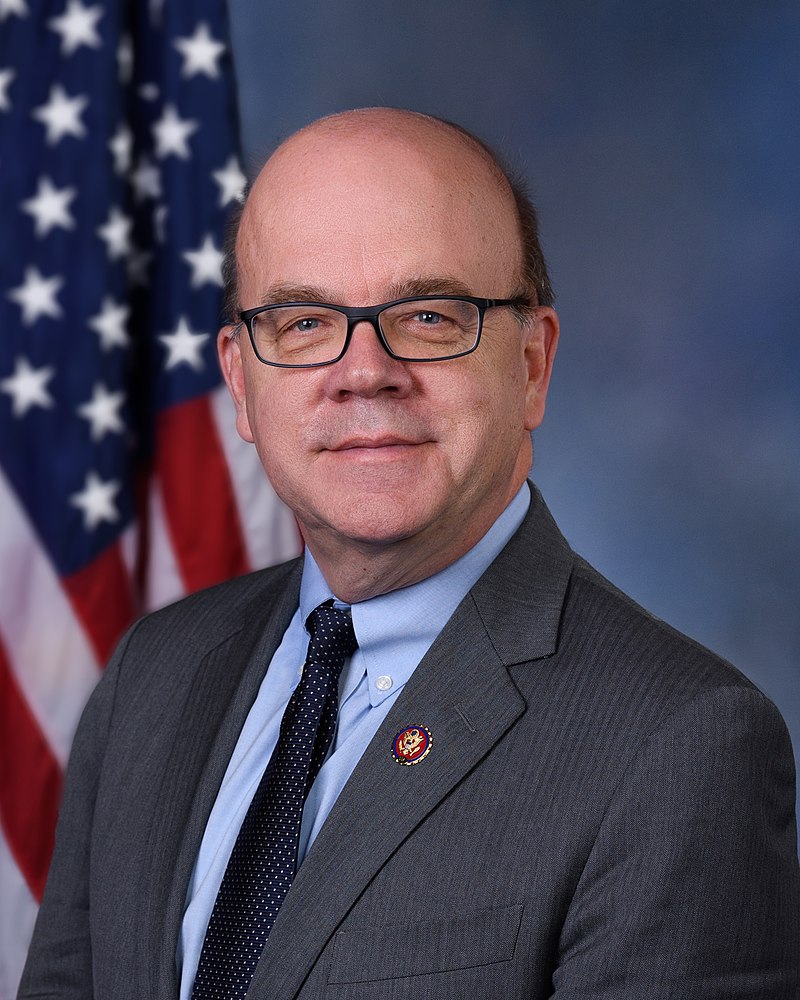
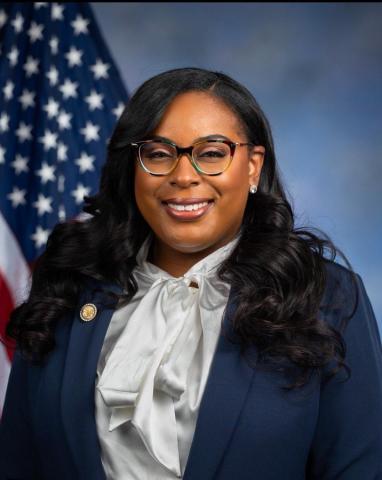
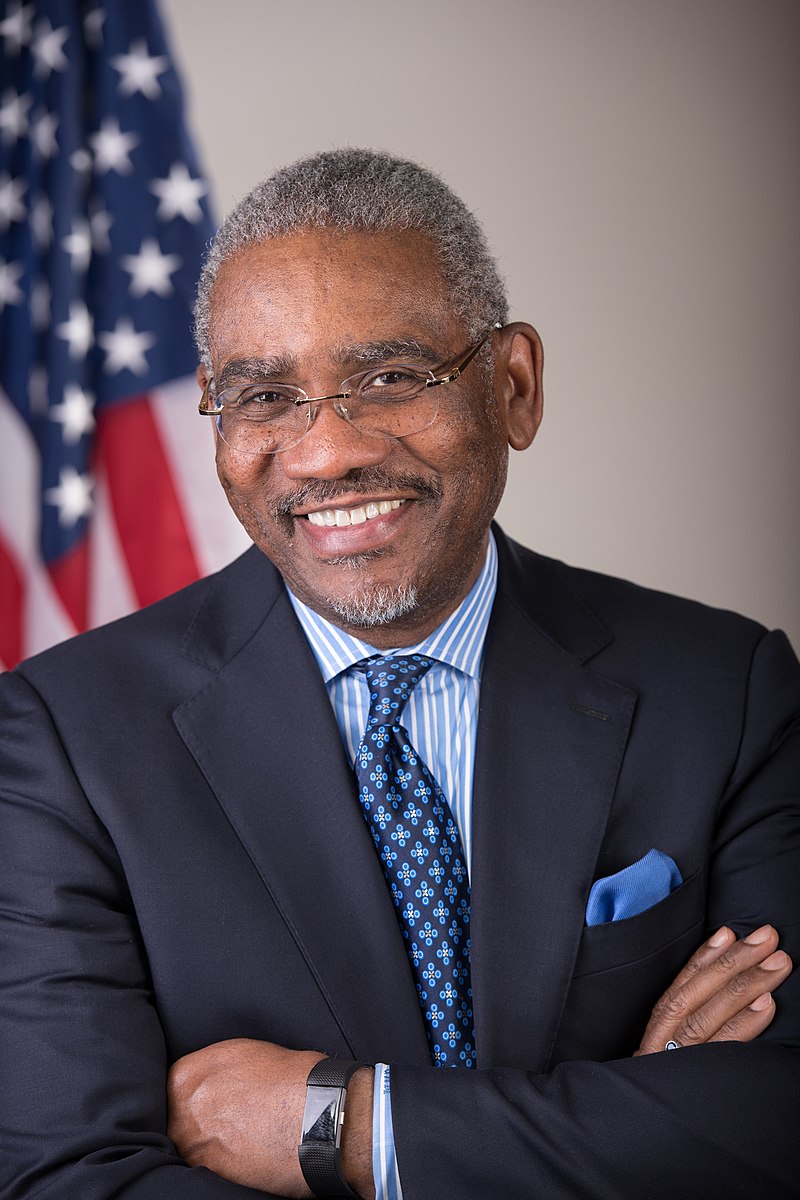

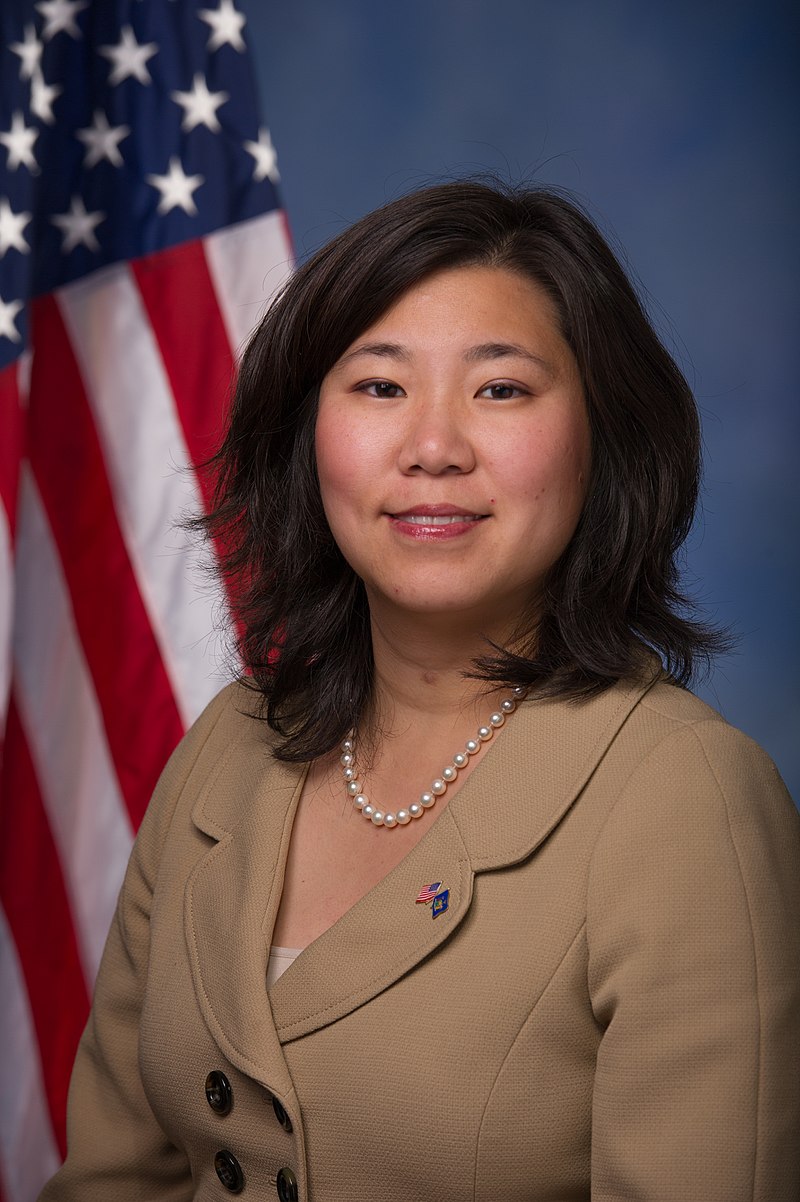

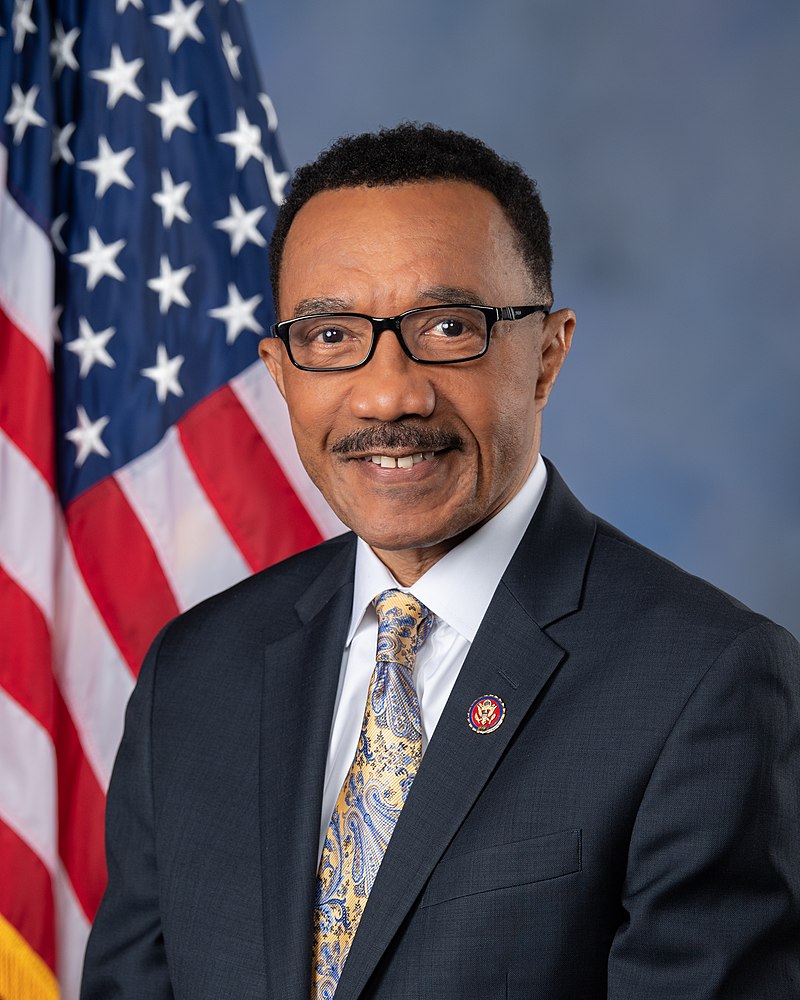











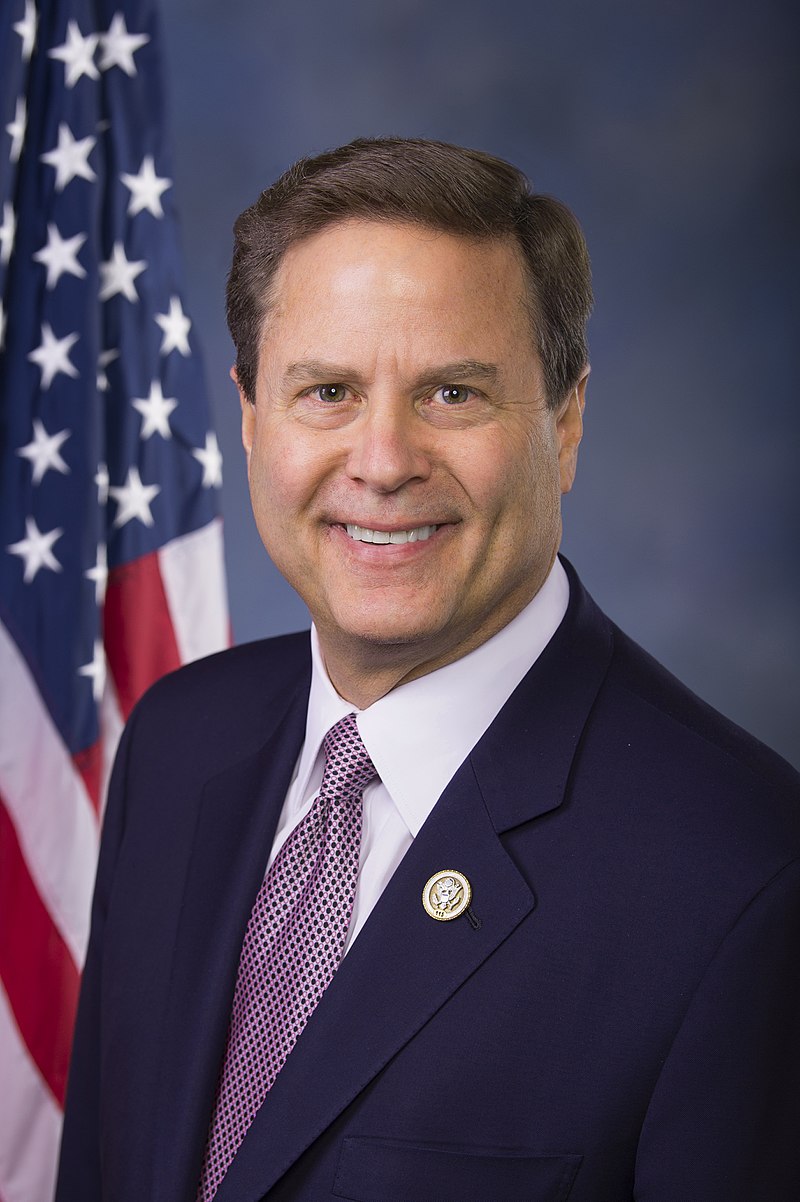
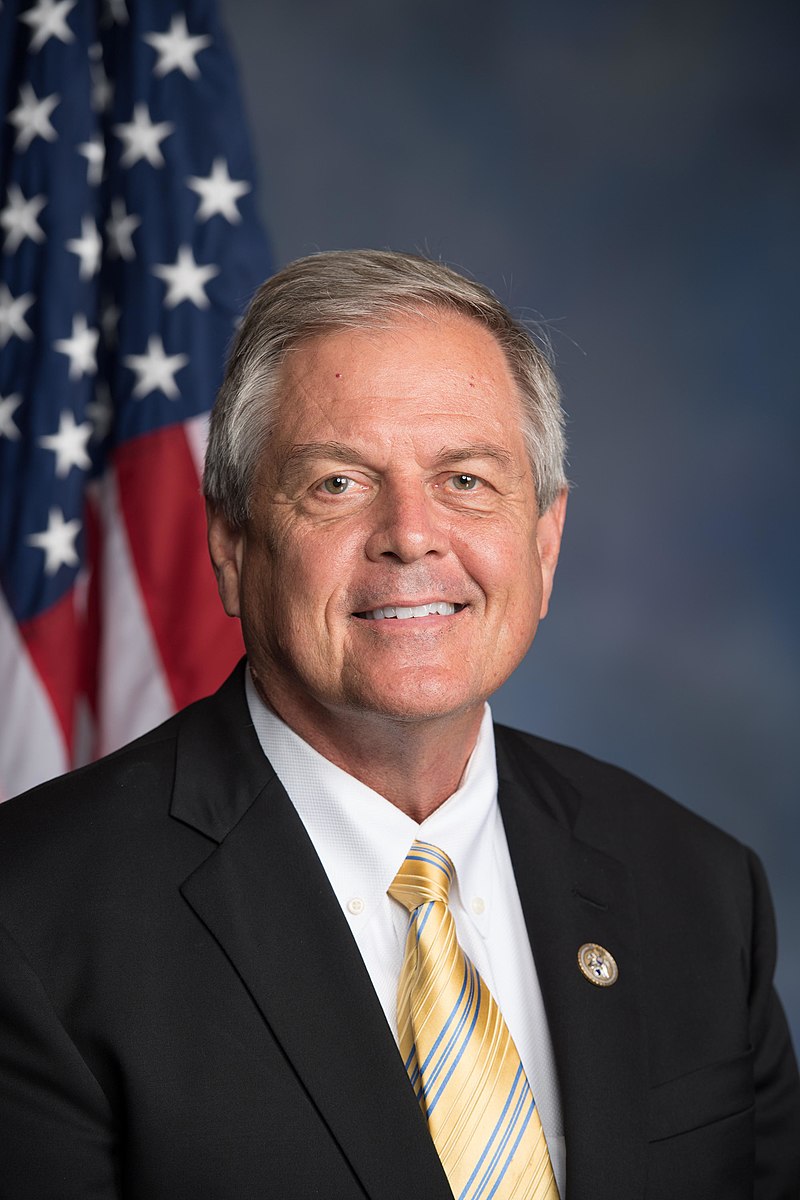







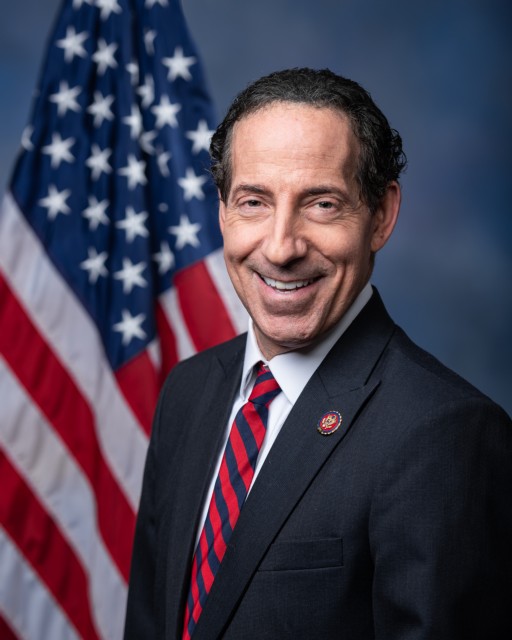
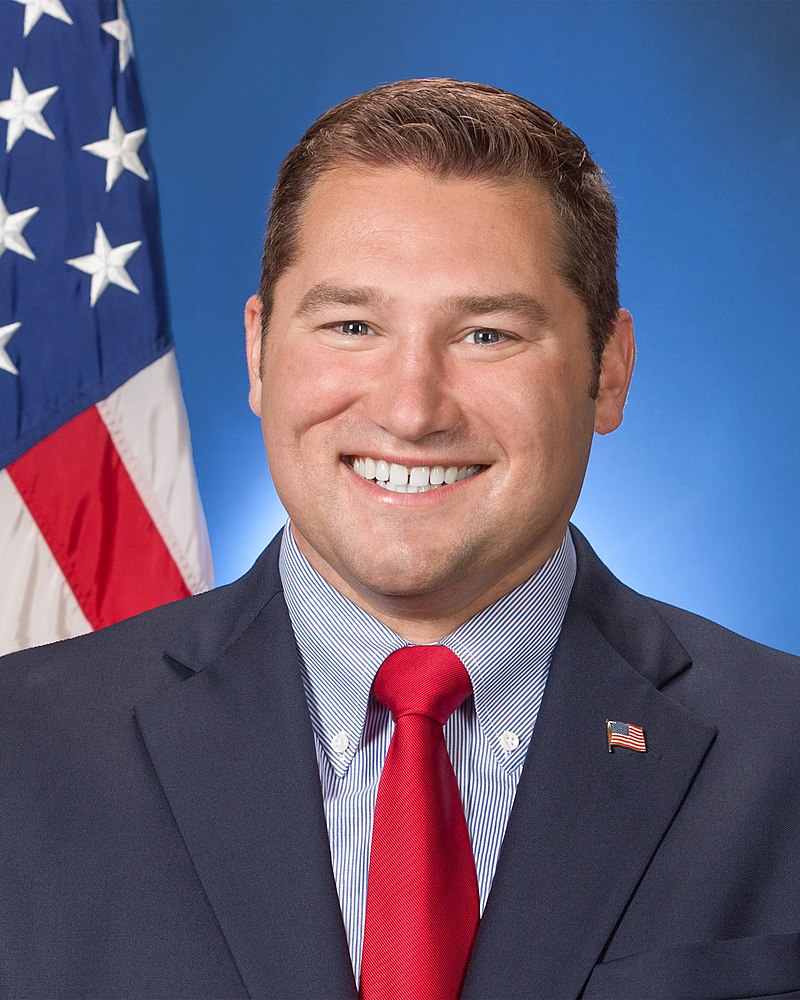

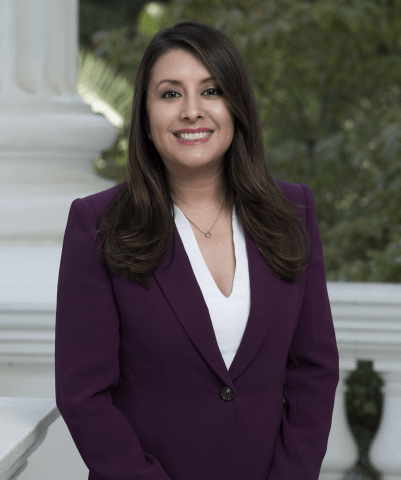
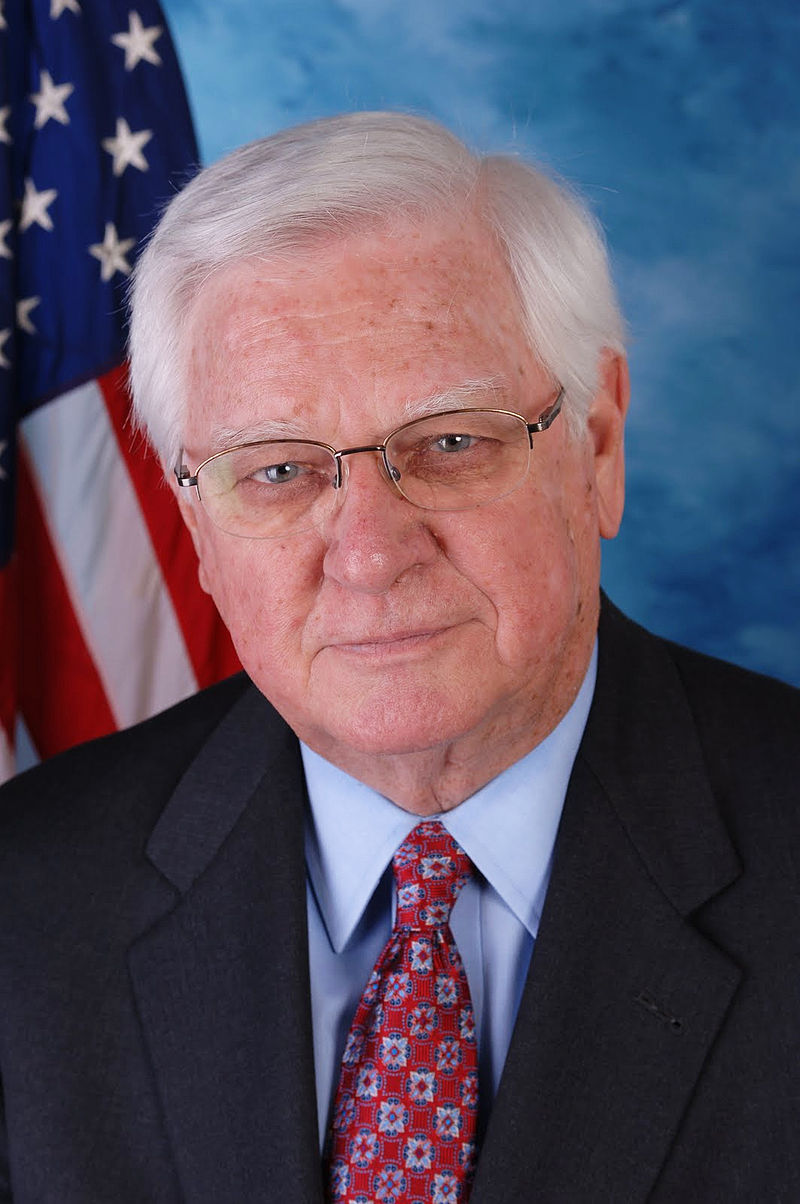

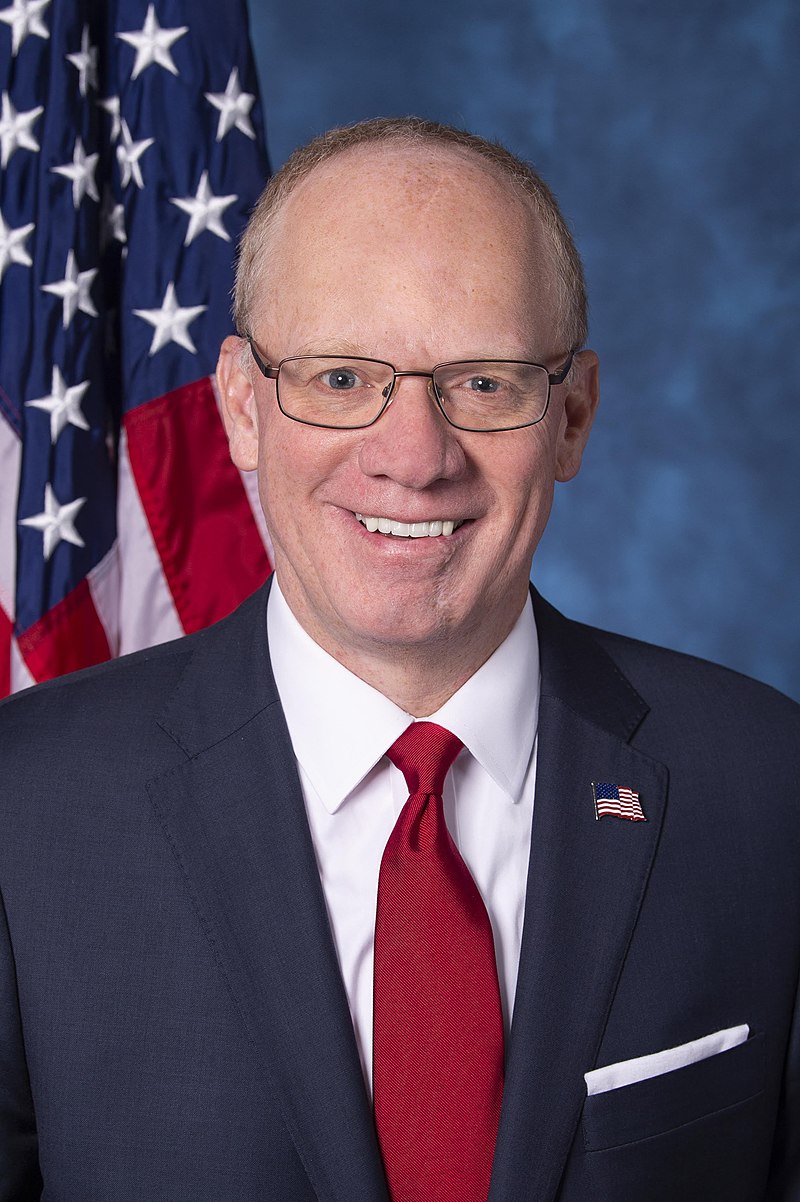
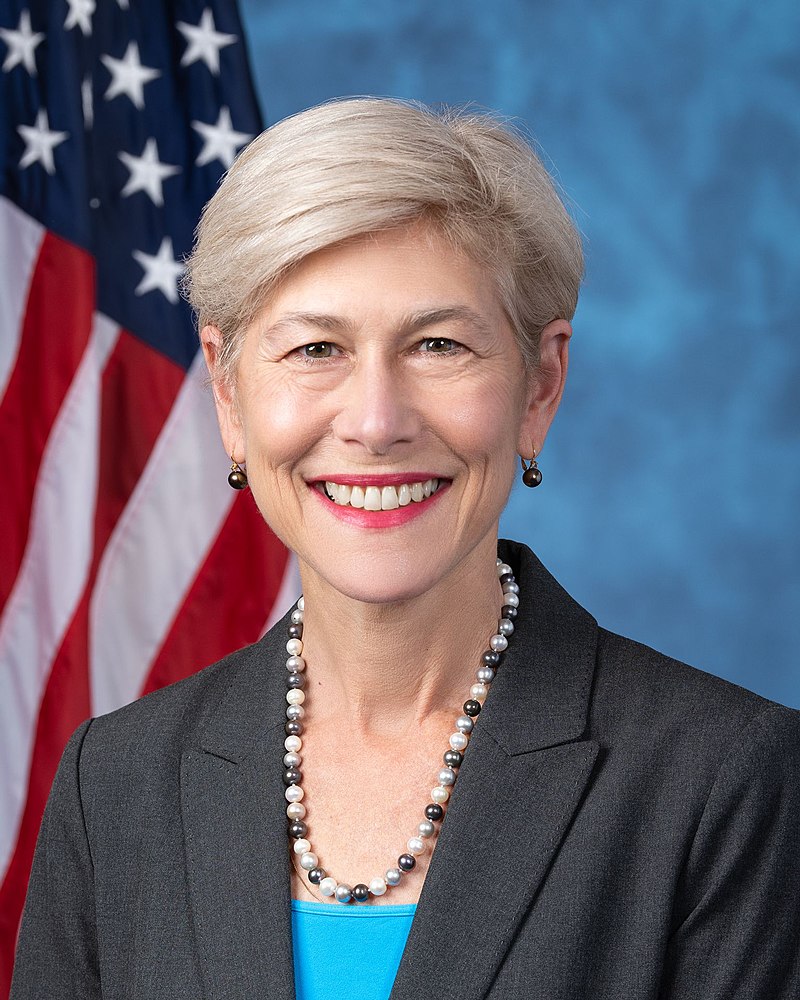
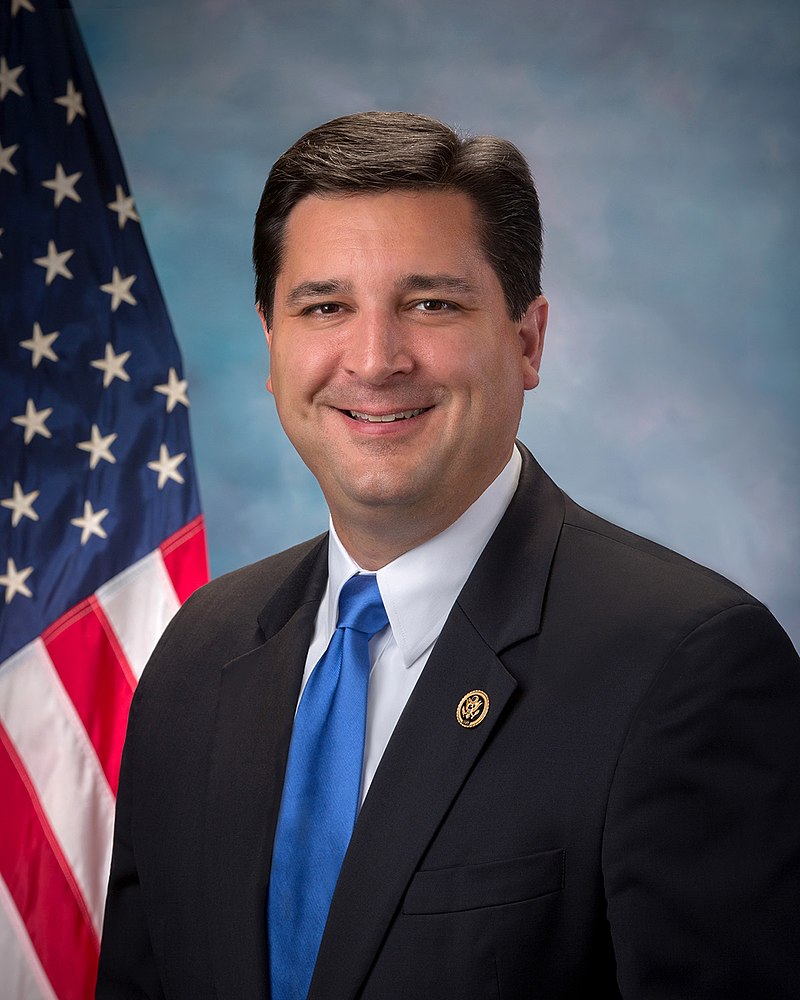
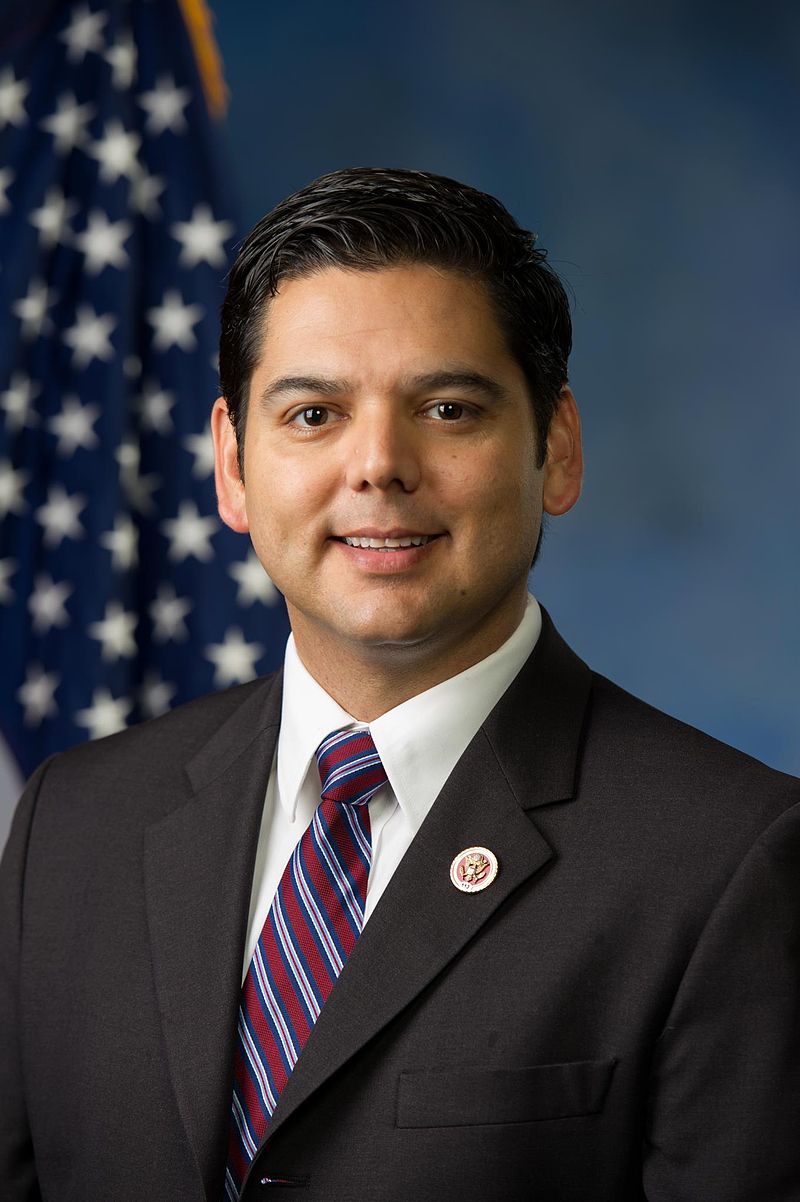

J
John Rutherford




D
David Schweikert
P
Pete Sessions














N
Nydia Velázquez
D
Debbie Wasserman Schultz




Nay (14)





Not Voting (22)





E
Eric Swalwell