
H.R.5763 — Main Street Parity Act
House Roll Call
H.R.5763
| Bill | H.R.5763 — Main Street Parity Act |
|---|---|
| Vote question | On Motion to Suspend the Rules and Pass |
| Vote type | 2/3 Yea-And-Nay |
| Result | Passed |
| Totals | Yea 383 / Nay 8 / Present 0 / Not Voting 40 |
| Party | Yea | Nay | Present | Not Voting |
|---|---|---|---|---|
| R | 188 | 6 | 0 | 24 |
| D | 195 | 2 | 0 | 16 |
| I | 0 | 0 | 0 | 0 |
Research Brief
On Motion to Suspend the Rules and Pass
Bill Analysis
HR 5763 – Main Street Parity Act (119th Congress)
HR 5763 amends the Internal Revenue Code to modify the federal income tax treatment of certain small and mid‑sized (“Main Street”) businesses so their tax rules more closely parallel those available to larger or differently structured firms. It is a revenue (tax) bill; no new discretionary appropriations or grant programs are created. Instead, it changes tax liabilities and compliance rules.
Core provisions
- Entity‑level parity: Adjusts rules for pass‑through entities (e.g., S corporations, partnerships, LLCs taxed as partnerships) to reduce disparities with C corporations. This may include revised limits or thresholds for deductions, credits, or loss utilization that currently disadvantage smaller, non‑publicly traded firms.
- Deduction and credit alignment: Modifies eligibility or caps for key business deductions and credits—such as those for capital investment, start‑up or expansion costs, and possibly health or retirement benefits—so that smaller firms can access them on terms closer to those of larger enterprises.
- Compliance simplification: Streamlines certain filing, recordkeeping, or accounting requirements for qualifying “Main Street” businesses, potentially by raising thresholds for more complex methods or by expanding simplified accounting options (e.g., cash accounting, safe harbors).
Agencies and authorities
- Primary implementation is through the Department of the Treasury and the Internal Revenue Service (IRS), which must issue regulations, guidance, and updated forms.
- The bill operates by amending specific sections of the Internal Revenue Code; it does not create a new agency.
Beneficiaries and regulated parties
- Beneficiaries: Small and mid‑sized businesses that meet statutory definitions (likely based on gross receipts, number of employees, or ownership structure), their owners, and potentially their employees if benefit‑related provisions are expanded.
- Regulated: Taxpayers claiming the revised deductions/credits and tax professionals advising them; compliance is enforced through standard IRS examination and enforcement mechanisms.
Timelines
- Most changes would take effect for taxable years beginning after a specified date (typically the calendar year following enactment).
- Treasury/IRS would face deadlines—commonly 6–18 months post‑enactment—to issue implementing regulations and guidance.
Yea (383)


















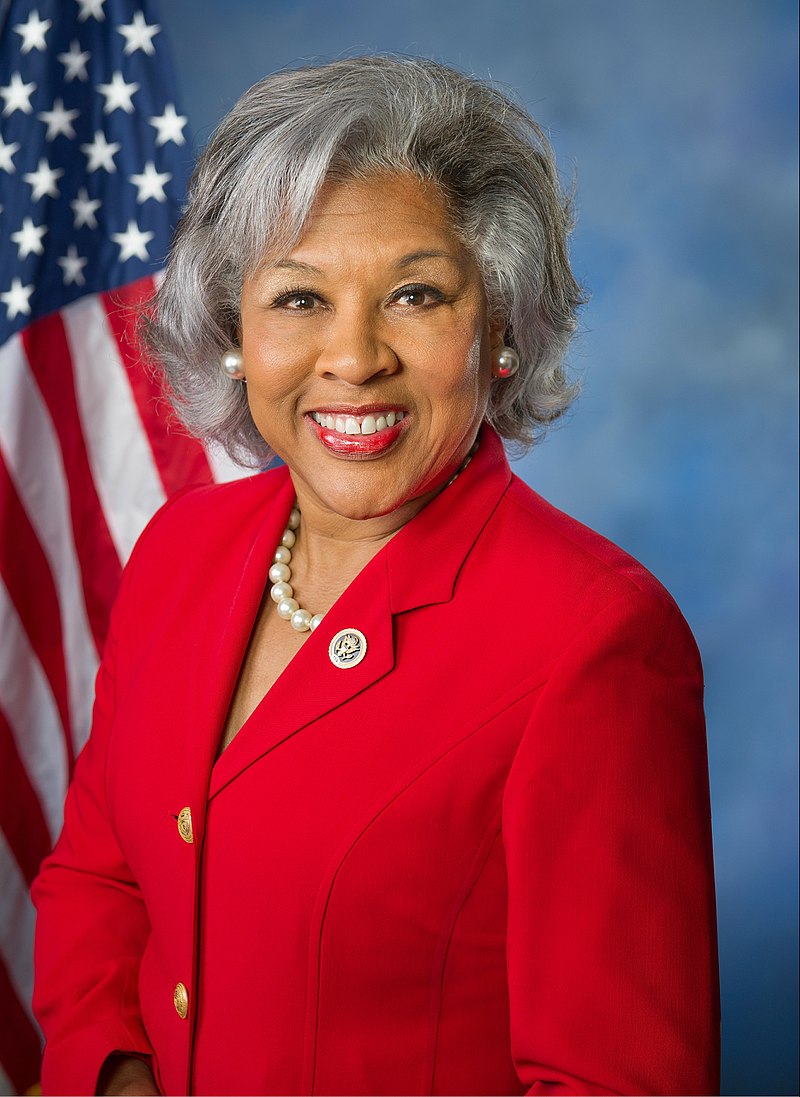























K
Ken Calvert































J
Jason Crow














L
Lloyd Doggett




























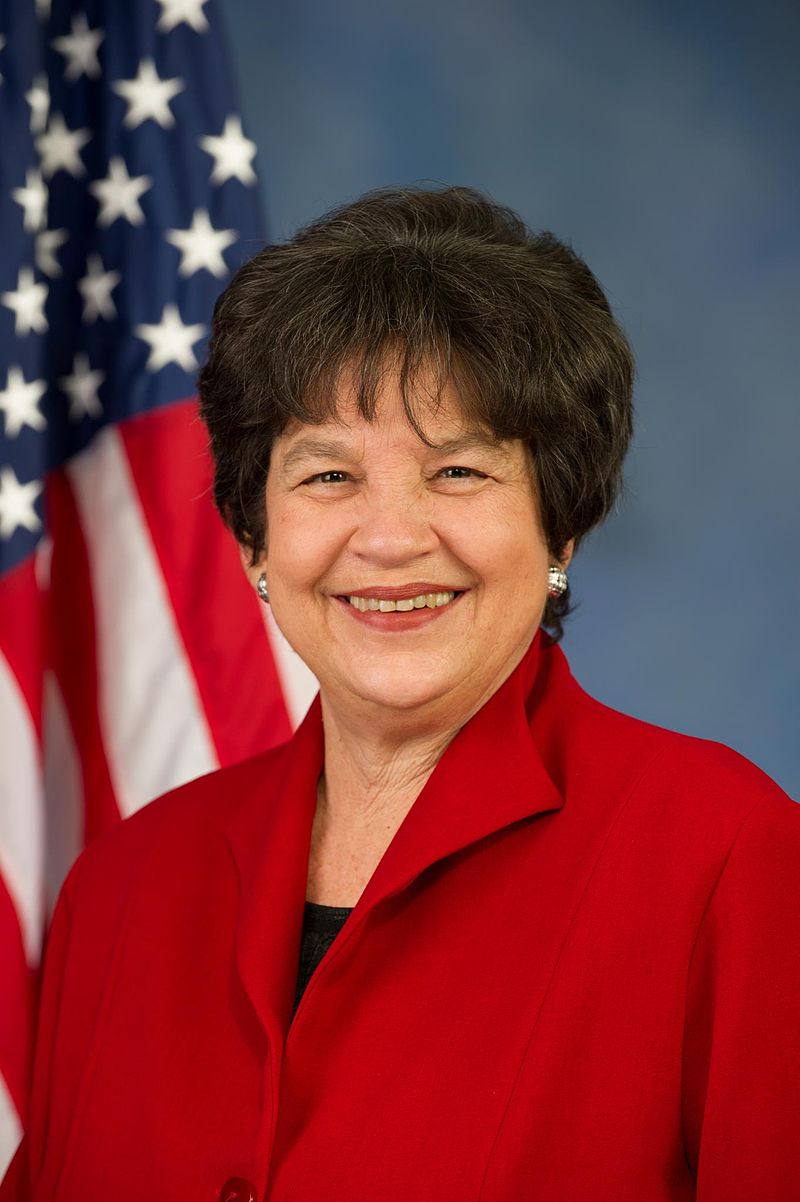
S
Scott Franklin




J
John Garamendi































































































J
John Mannion


L
Lucy McBath

L
Lisa McClain










































































J
John Rutherford










D
David Schweikert



P
Pete Sessions





























R
Rashida Tlaib
















N
Nydia Velázquez
















Nay (8)








Not Voting (40)


































E
Eric Swalwell


D
Debbie Wasserman Schultz