H.R.7006 — Financial Services and General Government and National Security, Department of State, and Related Programs Appropriations Act, 2026
House Roll Call
H.R.7006
| Bill | H.R.7006 — Financial Services and General Government and National Security, Department of State, and Related Programs Appropriations Act, 2026 |
|---|---|
| Vote question | On Agreeing to the Amendment |
| Vote type | Recorded Vote |
| Result | Failed |
| Totals | Yea 127 / Nay 291 / Present 0 / Not Voting 18 |
| Party | Yea | Nay | Present | Not Voting |
|---|---|---|---|---|
| R | 127 | 81 | 0 | 12 |
| D | 0 | 210 | 0 | 6 |
| I | 0 | 0 | 0 | 0 |
Research Brief
On Agreeing to the Amendment
Bill Analysis
HR 7006 is the FY2026 appropriations bill for:
(1) Financial Services and General Government (FSGG), and
(2) National Security, Department of State, and Related Programs (a restructured State/Foreign Operations and related security accounts).
Because detailed line items are not yet codified in public law, the bill’s structure and authorities follow standard appropriations practice:
Scope and Coverage
- FSGG Title(s) typically fund: Department of the Treasury (including IRS), Executive Office of the President, Judiciary (courts’ operations), District of Columbia, Small Business Administration, Securities and Exchange Commission, Federal Trade Commission, Federal Communications Commission, Consumer Product Safety Commission, Office of Personnel Management, General Services Administration, and related independent agencies and government-wide activities (e.g., federal employee pay, information technology, and procurement).
- National Security, State, and Related Programs Title(s) cover: Department of State operations and embassy security; U.S. Agency for Global Media; international organizations and peacekeeping; foreign assistance and security assistance accounts (often including Foreign Military Financing, International Military Education and Training, and related programs); and other national security–relevant international programs.
Funding and Authorities
- Provides one-year discretionary budget authority for FY2026 (generally Oct. 1, 2025–Sept. 30, 2026), with some multi‑year or no‑year funds for capital projects, embassy construction, and certain grant/loan programs.
- Includes detailed account-level appropriations, obligation and expenditure deadlines, transfer and reprogramming authorities (subject to notification to appropriations committees), and limitations on use of funds (e.g., travel, conferences, public diplomacy, IT systems, or enforcement priorities).
- May set or modify caps on administrative expenses for credit programs, inspector general offices, and revolving funds.
Beneficiaries and Regulated Parties
- Beneficiaries: Federal agencies funded under FSGG and State/national security titles; federal employees and contractors; small businesses (via SBA programs); U.S. courts; foreign partners receiving security or diplomatic support; and U.S. citizens indirectly through tax administration, financial regulation, and consular services.
- Regulated/Constrained: Executive branch agencies whose activities are conditioned by riders on spending, reporting, and policy implementation; in some cases, private-sector entities indirectly via funded regulators (e.g., SEC, FTC, FCC).
Timelines
- Intended to be enacted before FY2026 begins (Oct. 1, 2025).
- Contains reporting deadlines (often 30–180 days after enactment) and expenditure/obligation windows tied to each account’s period of availability.
Yea (127)




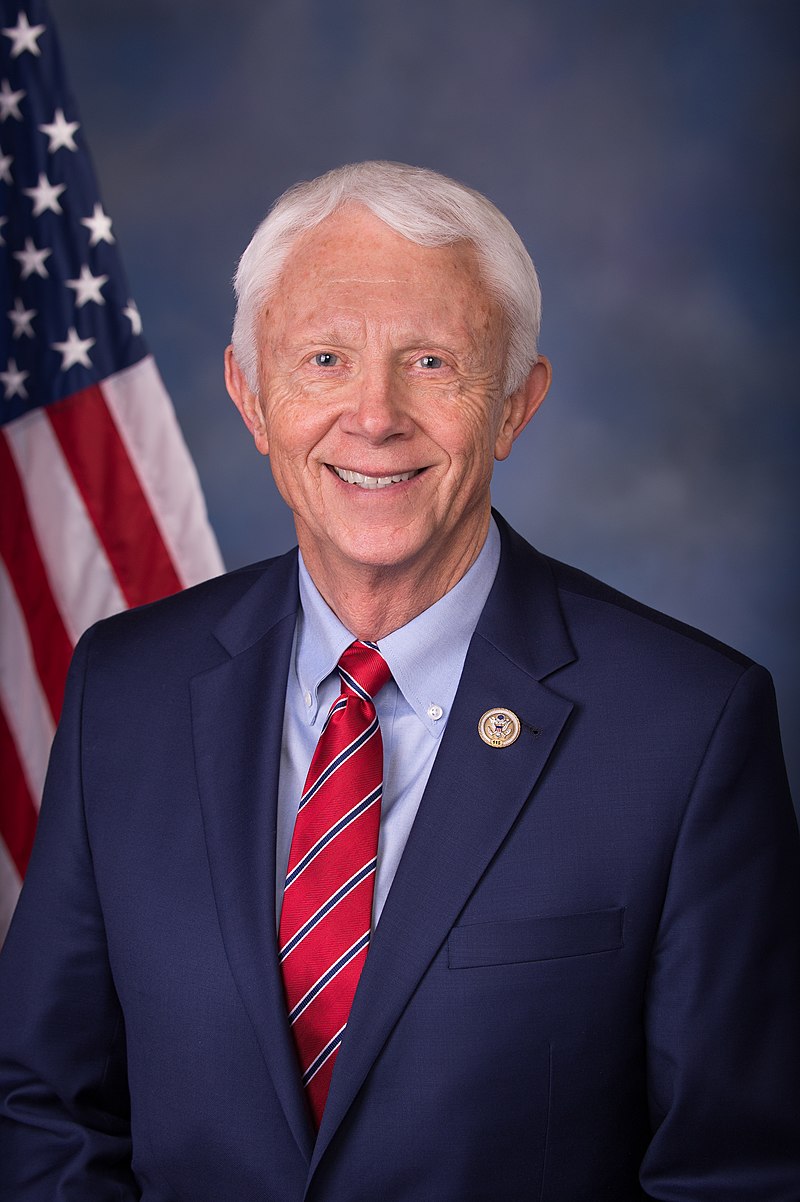
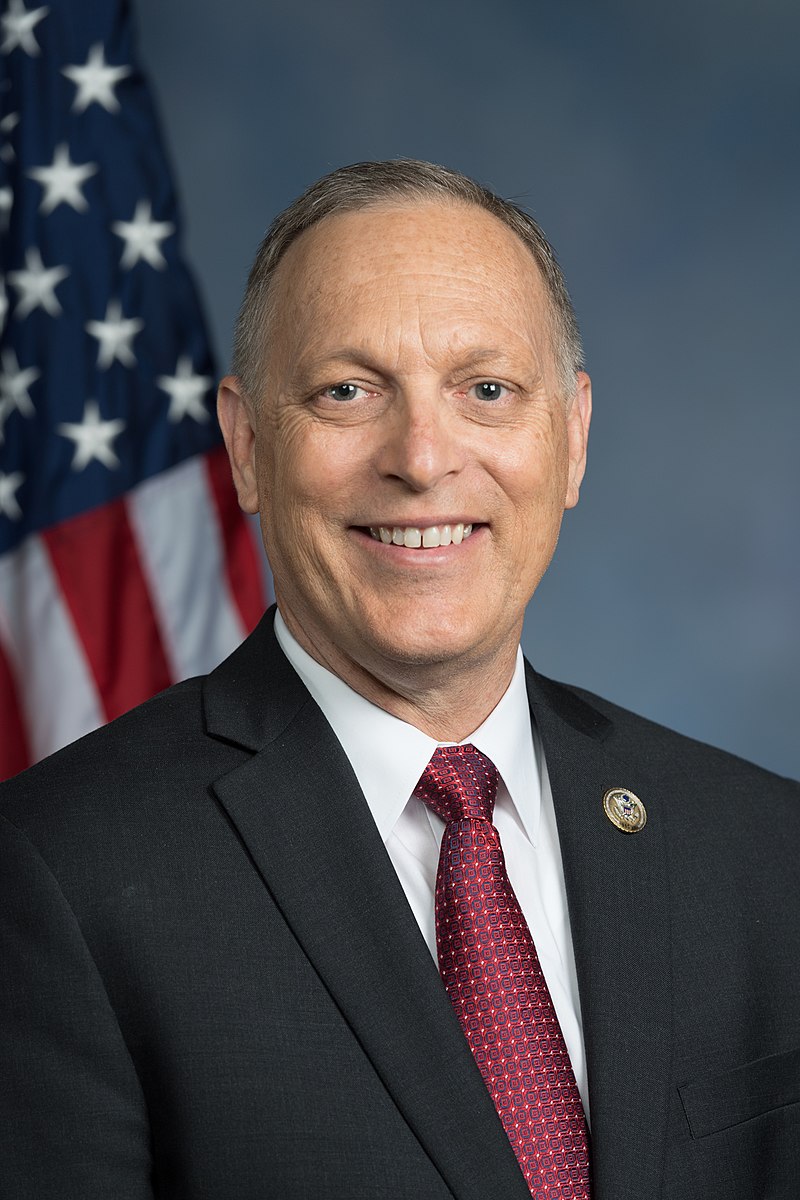
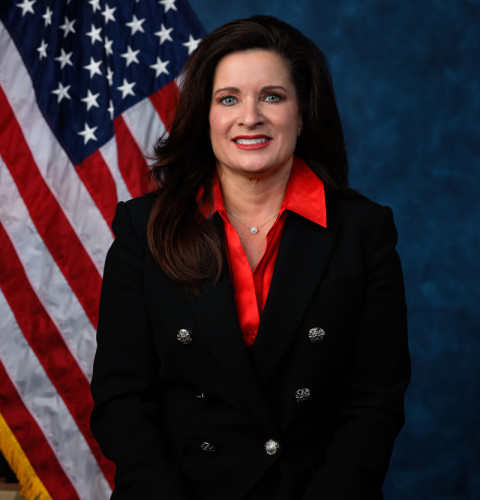
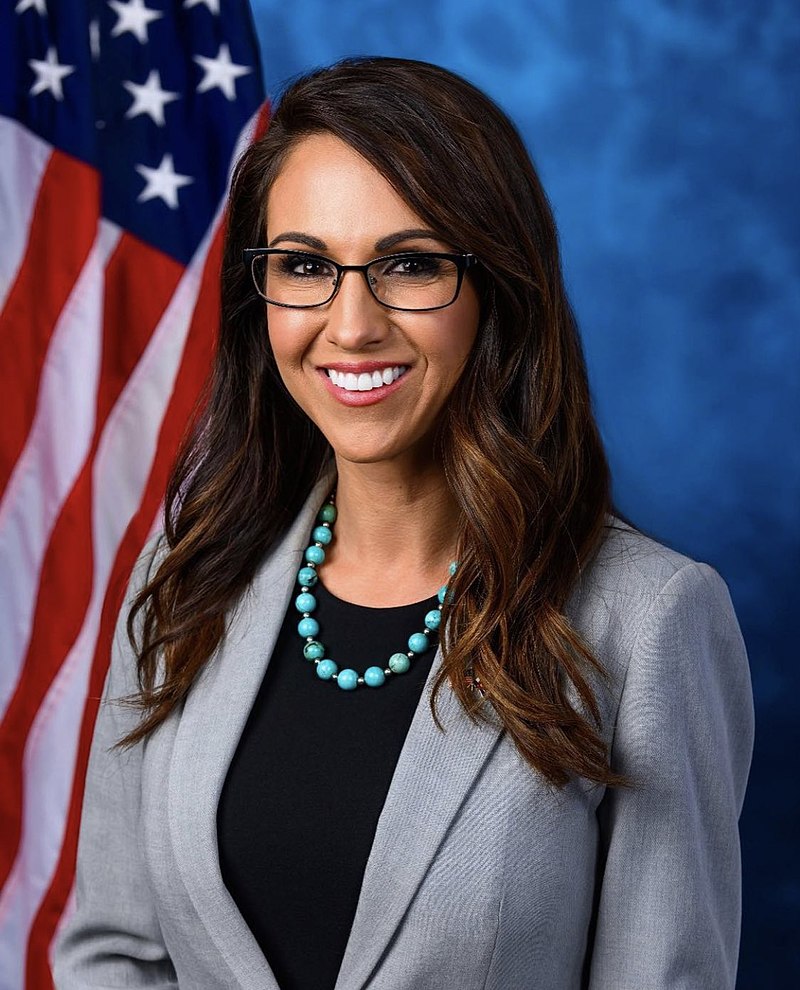



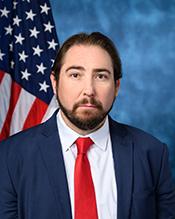
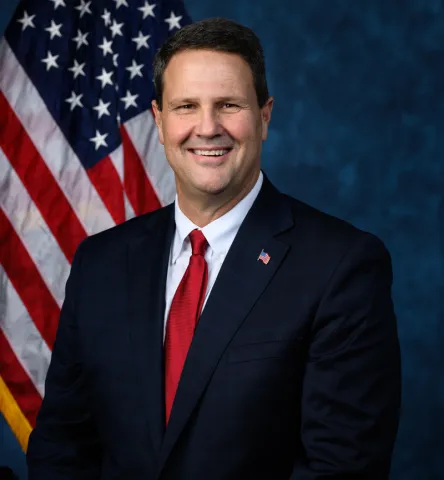
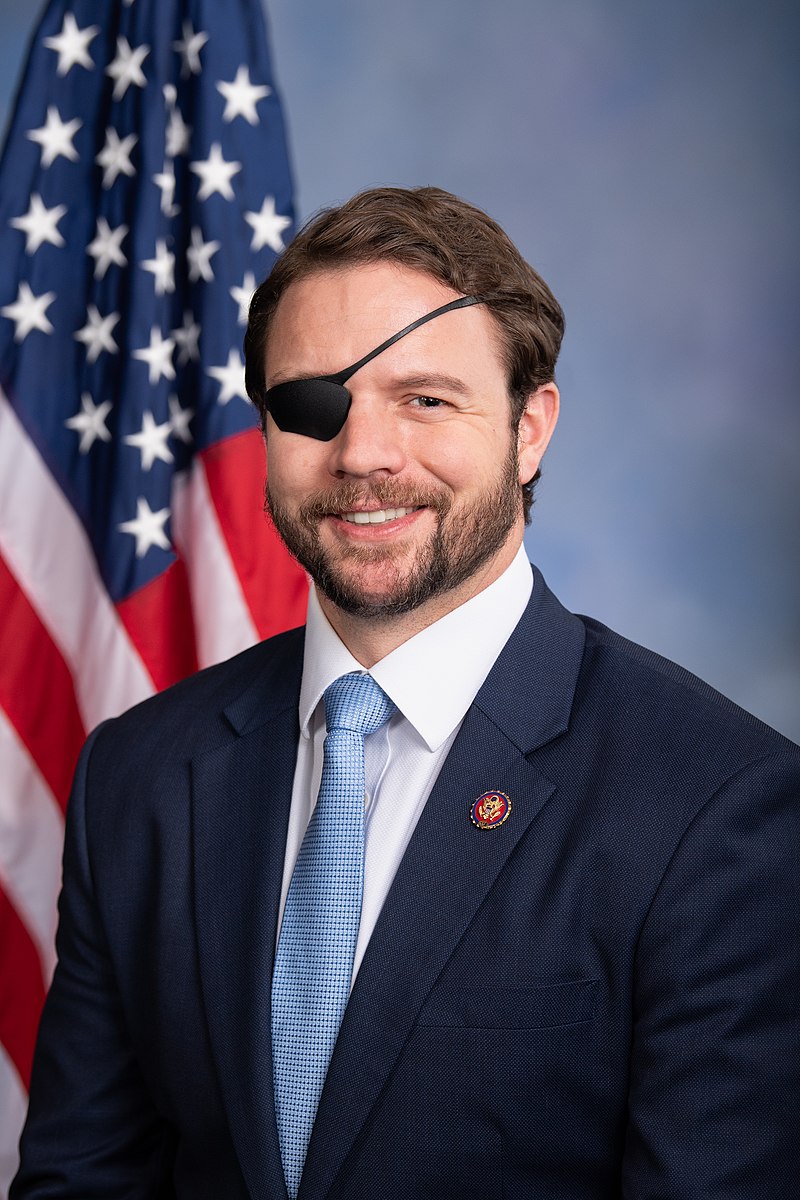
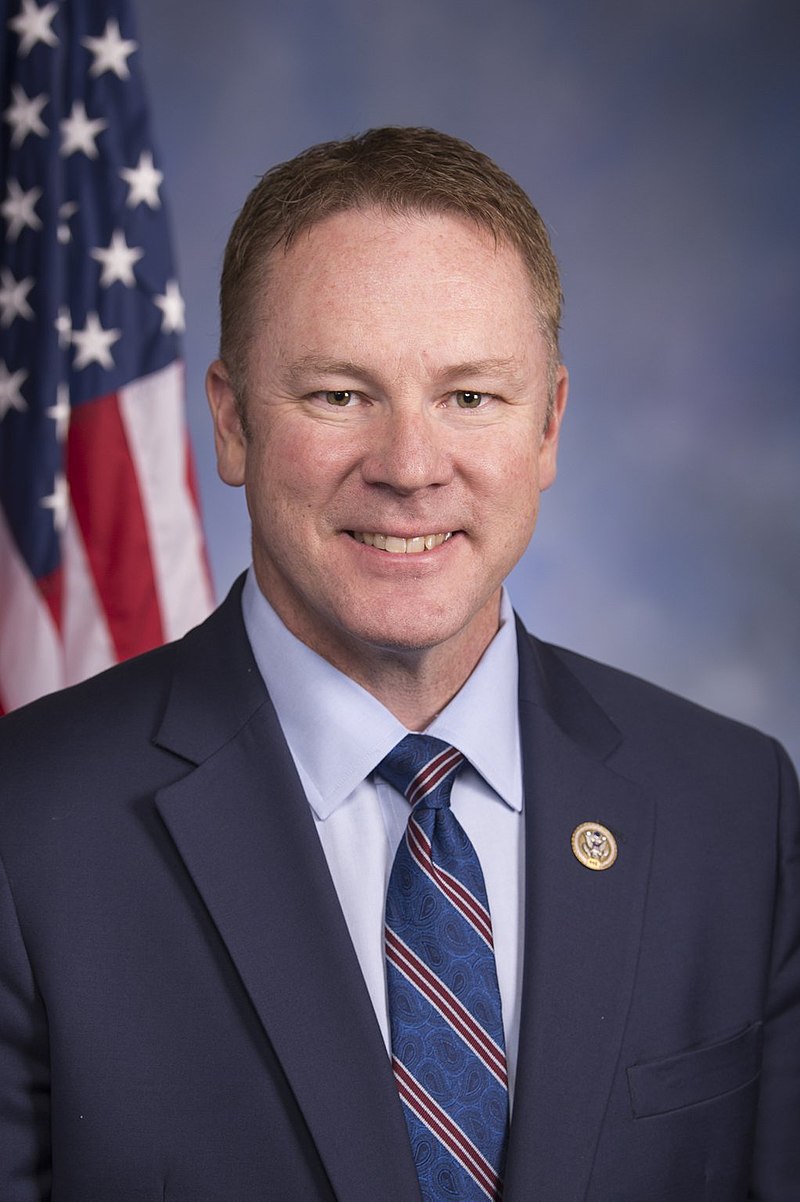
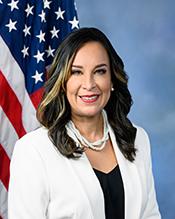
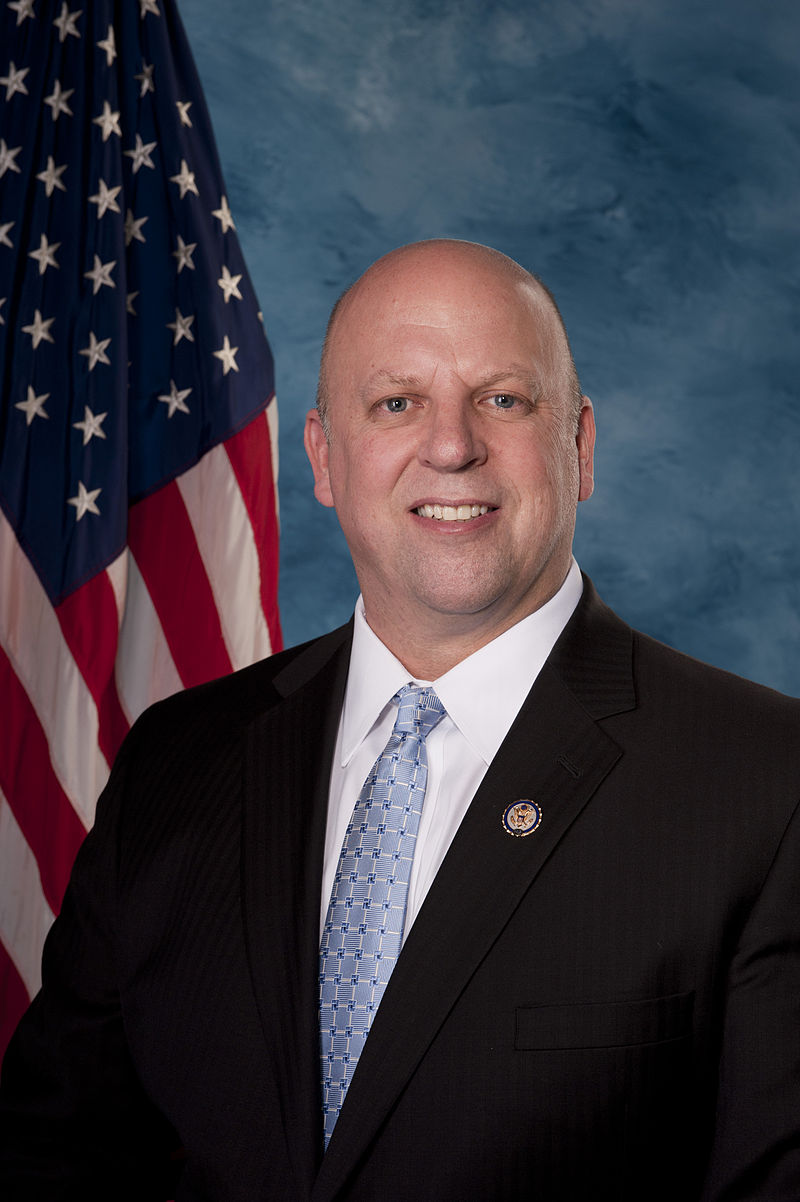
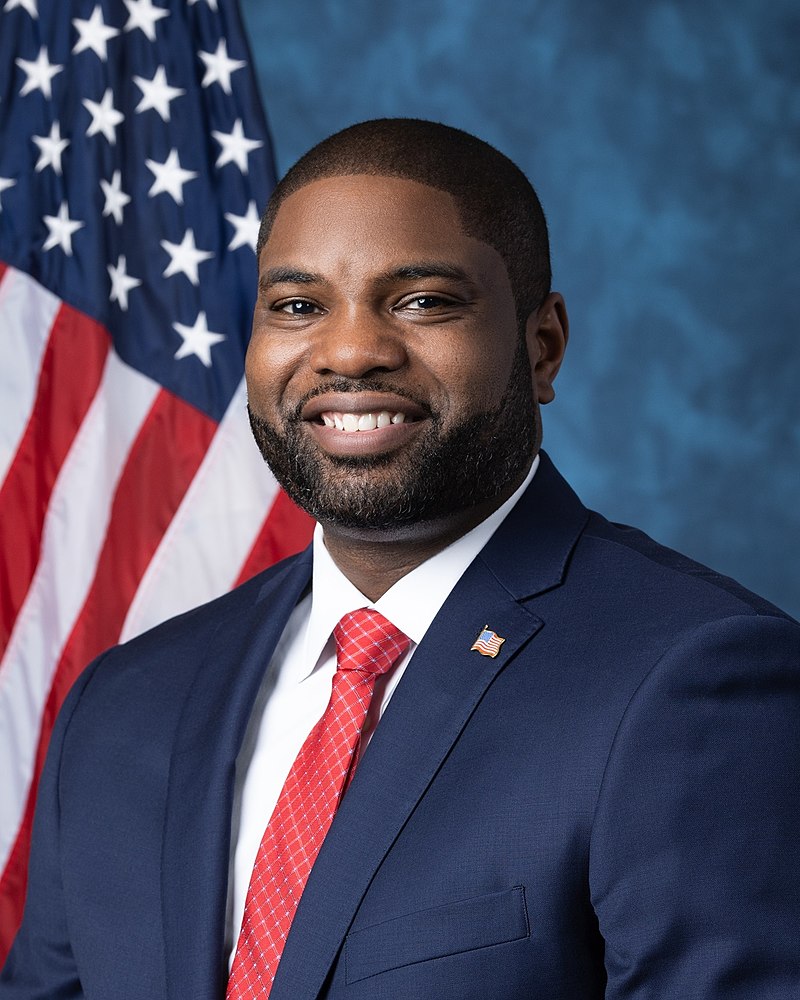

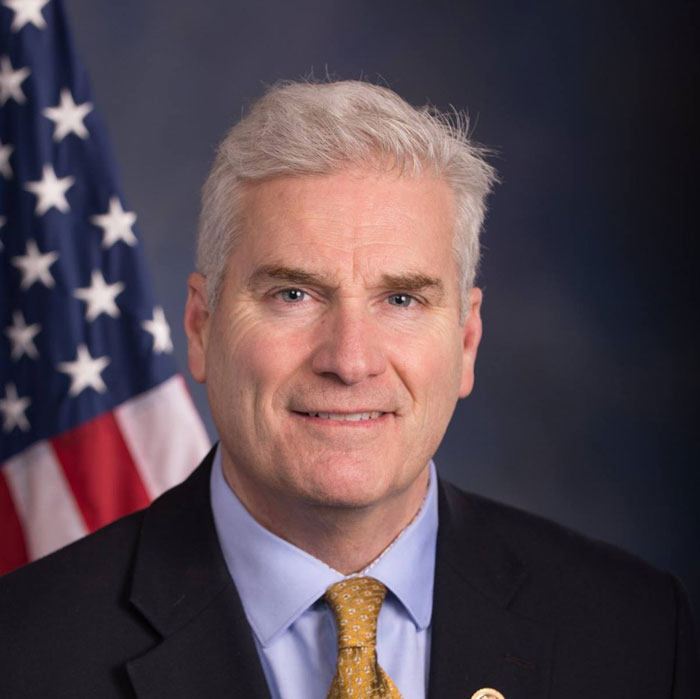
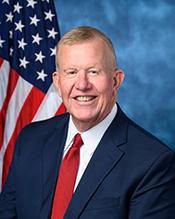

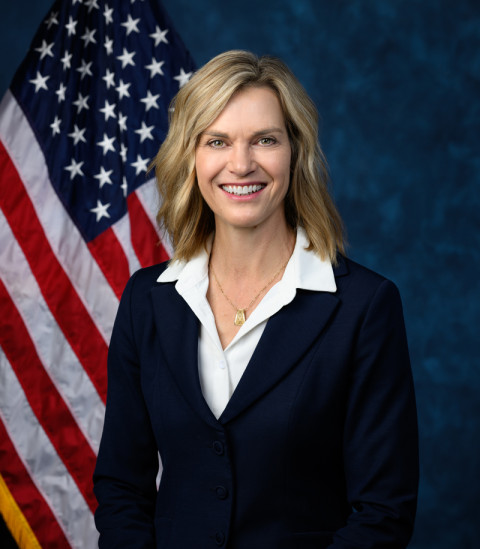

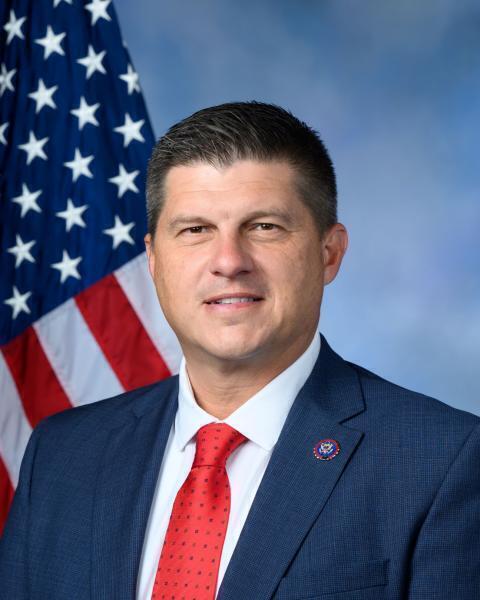
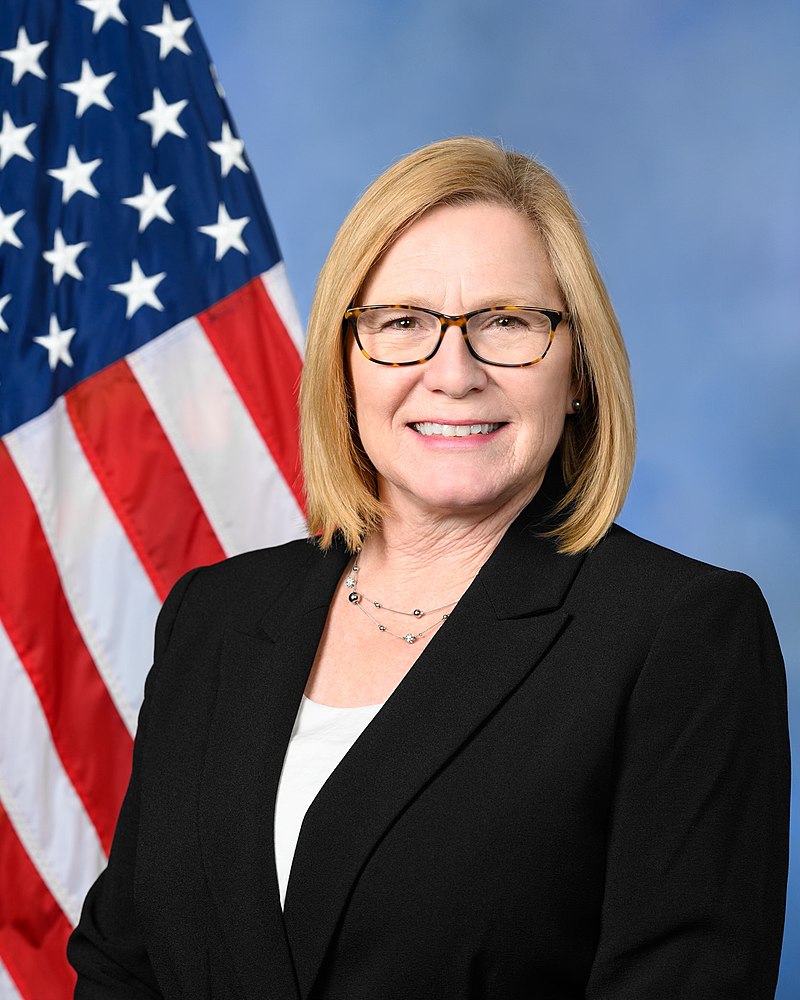




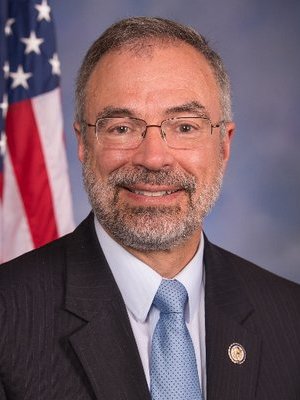


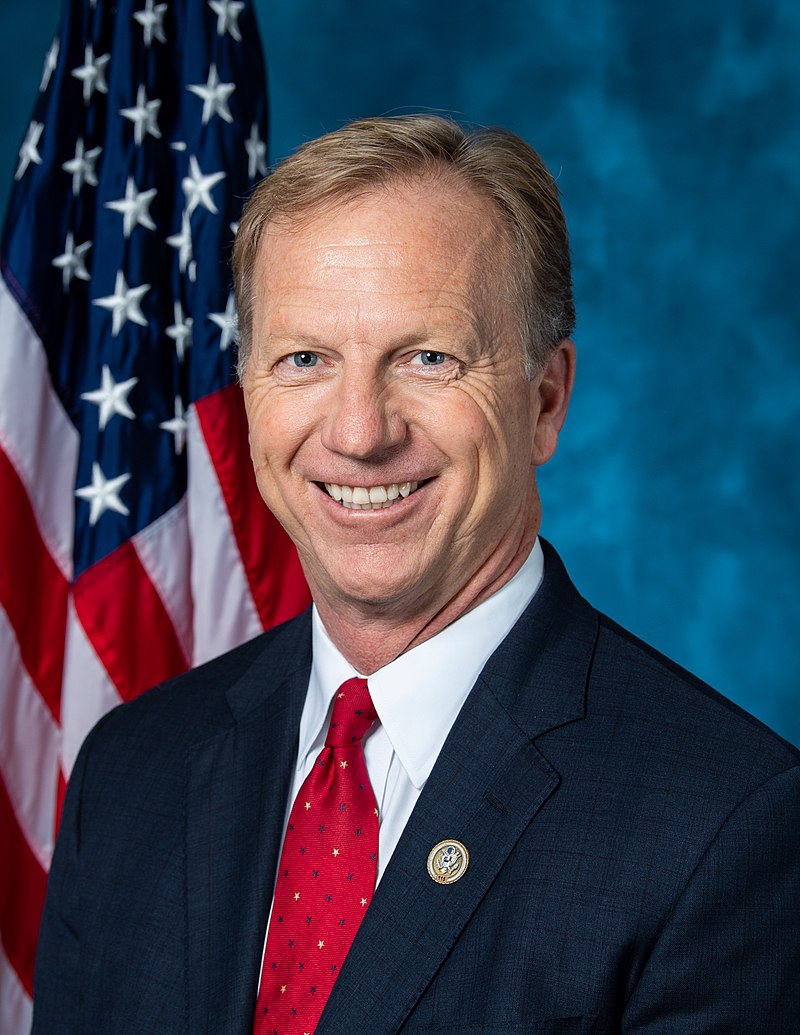
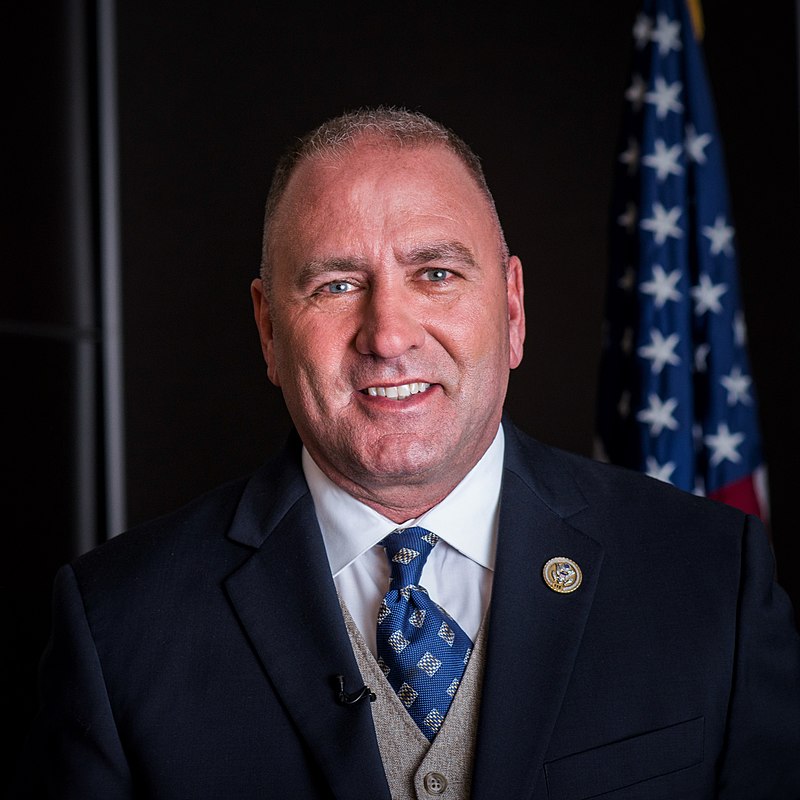
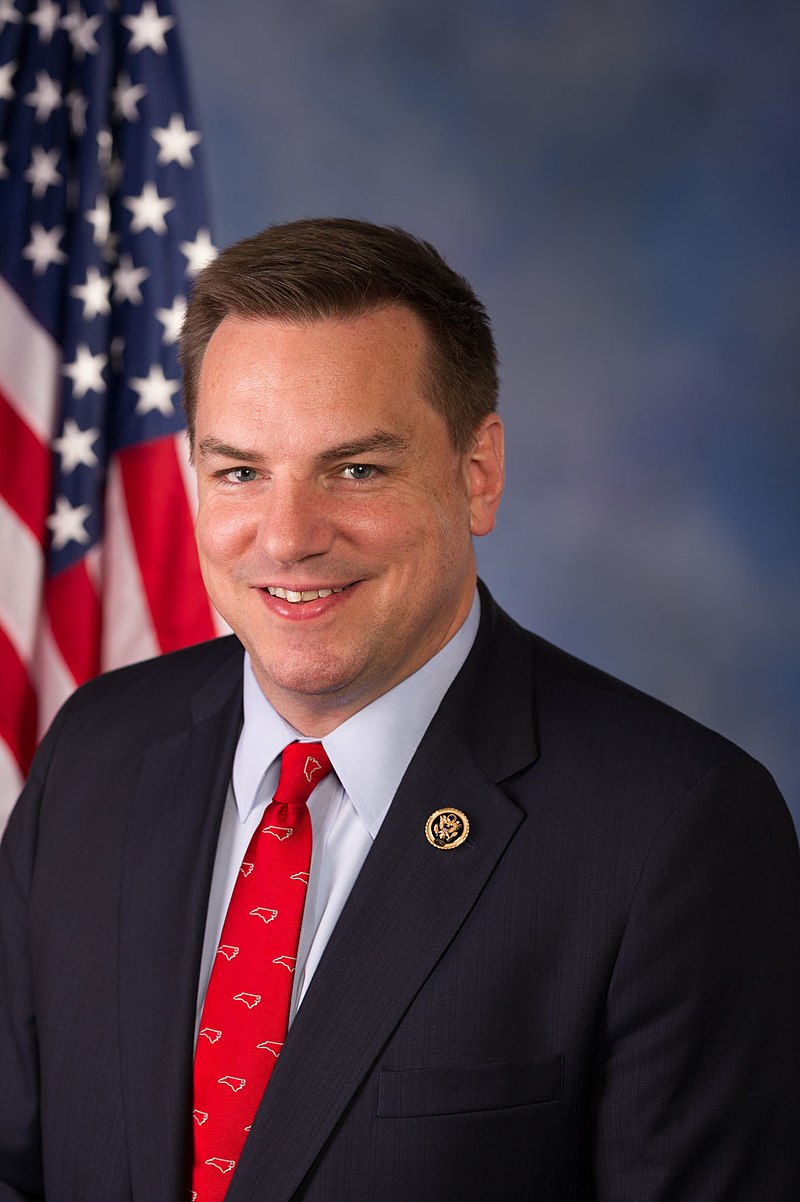


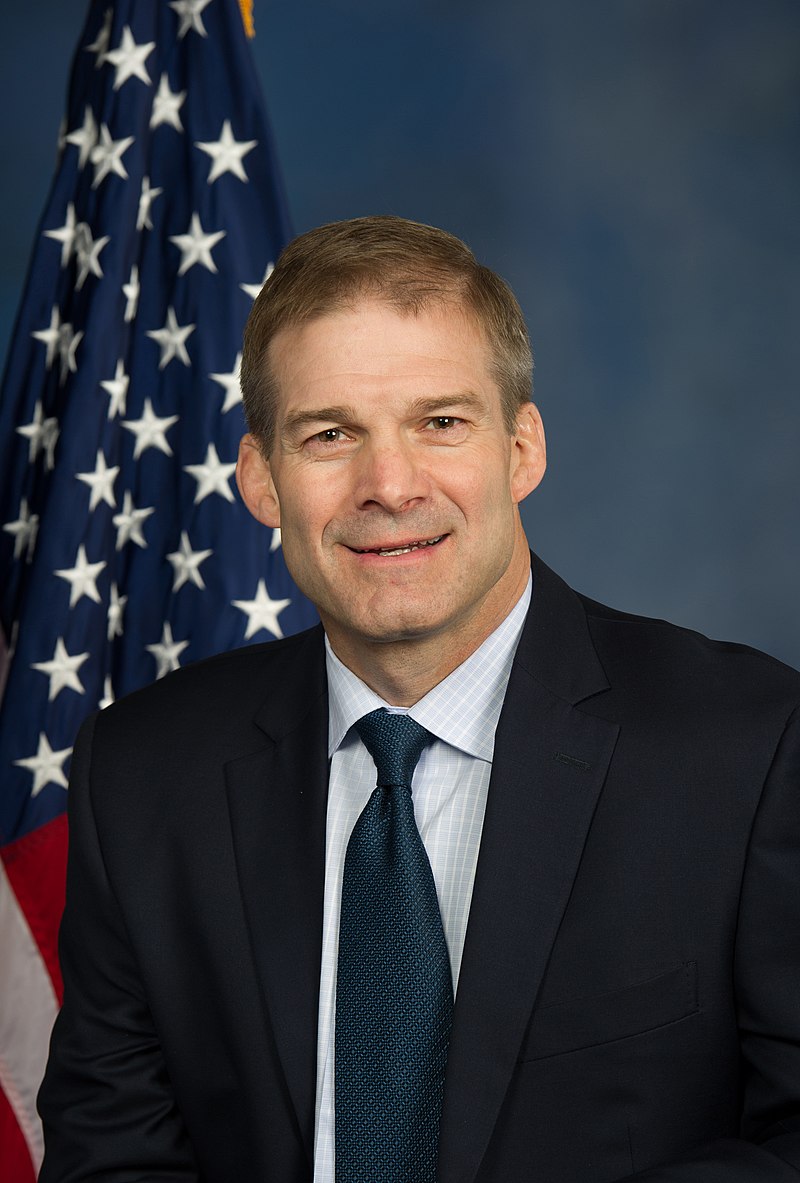
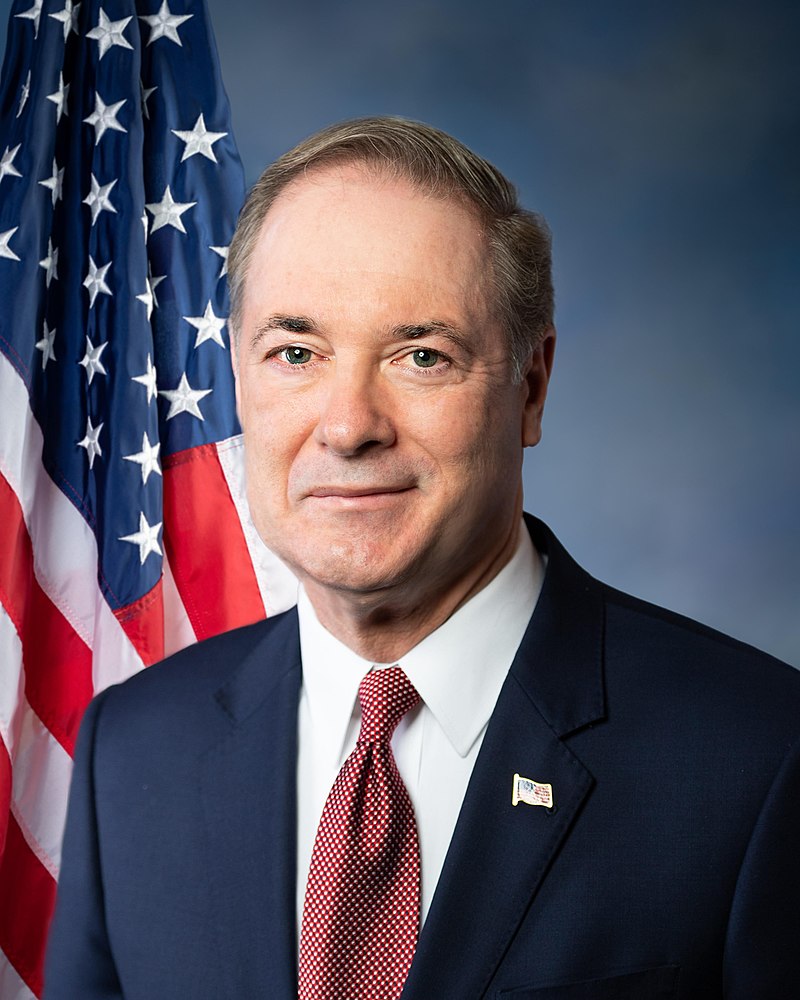
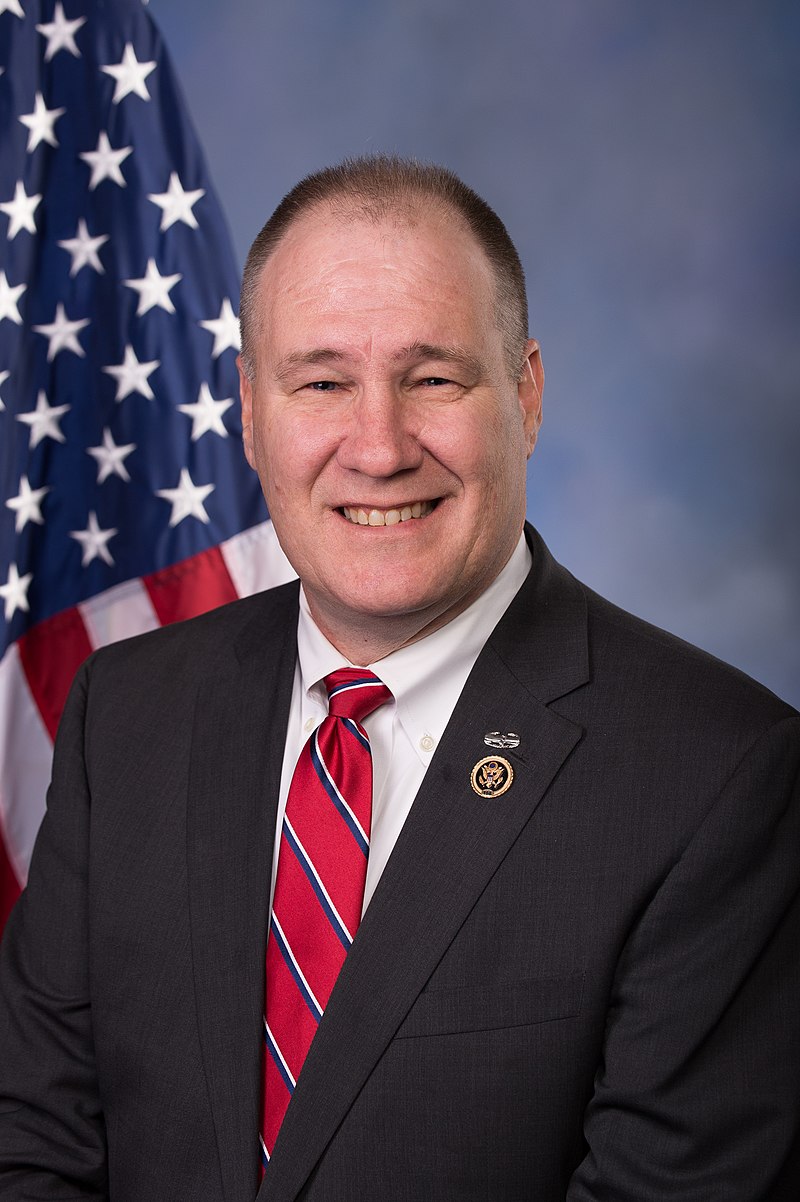

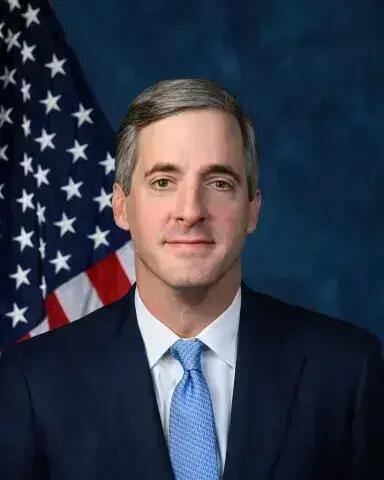
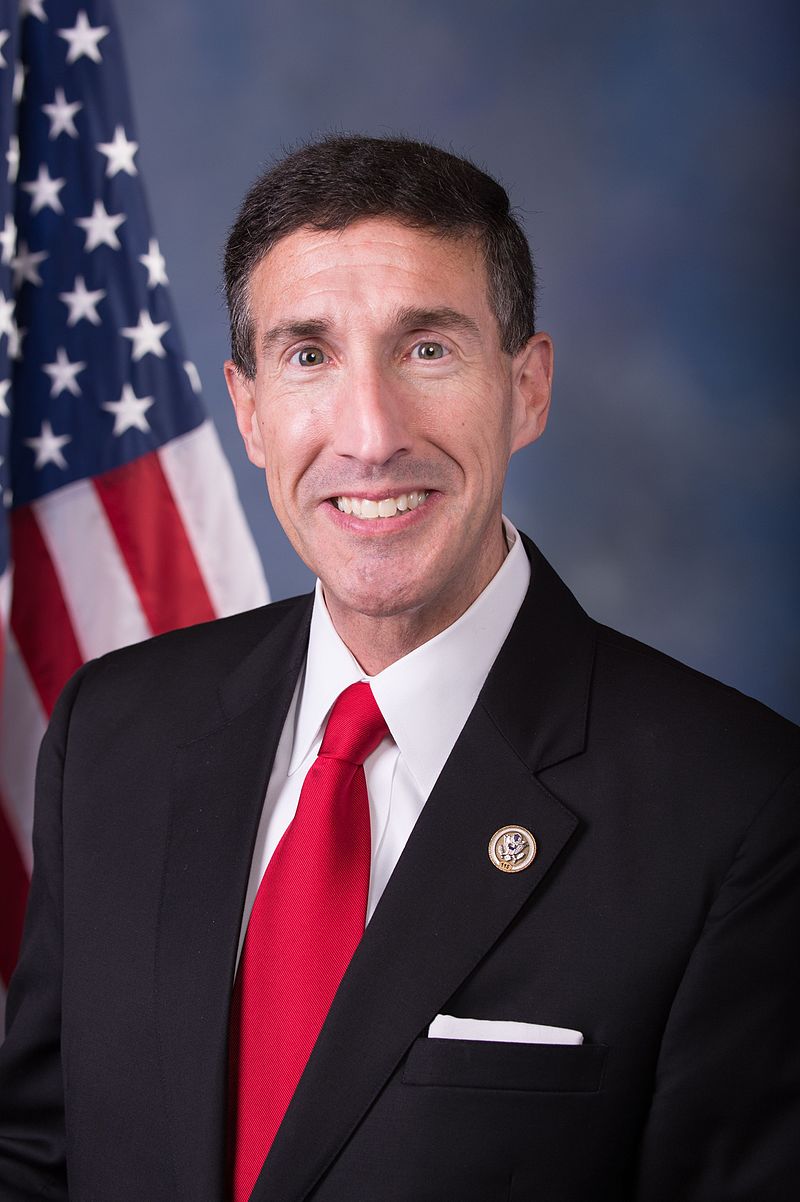


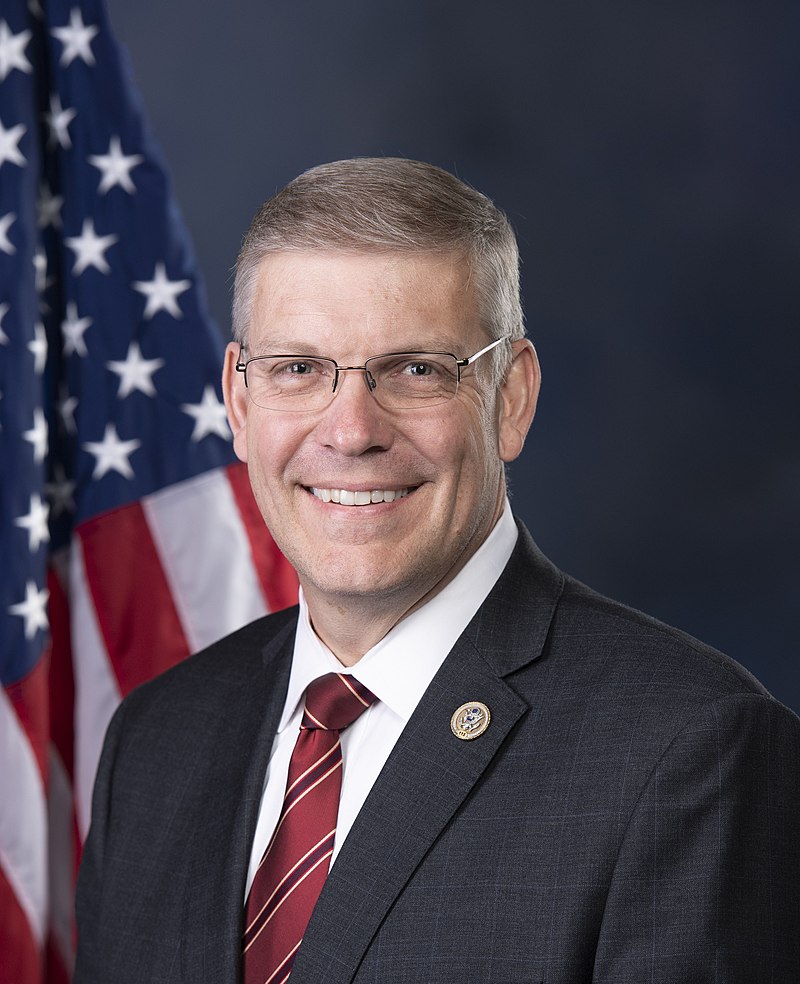

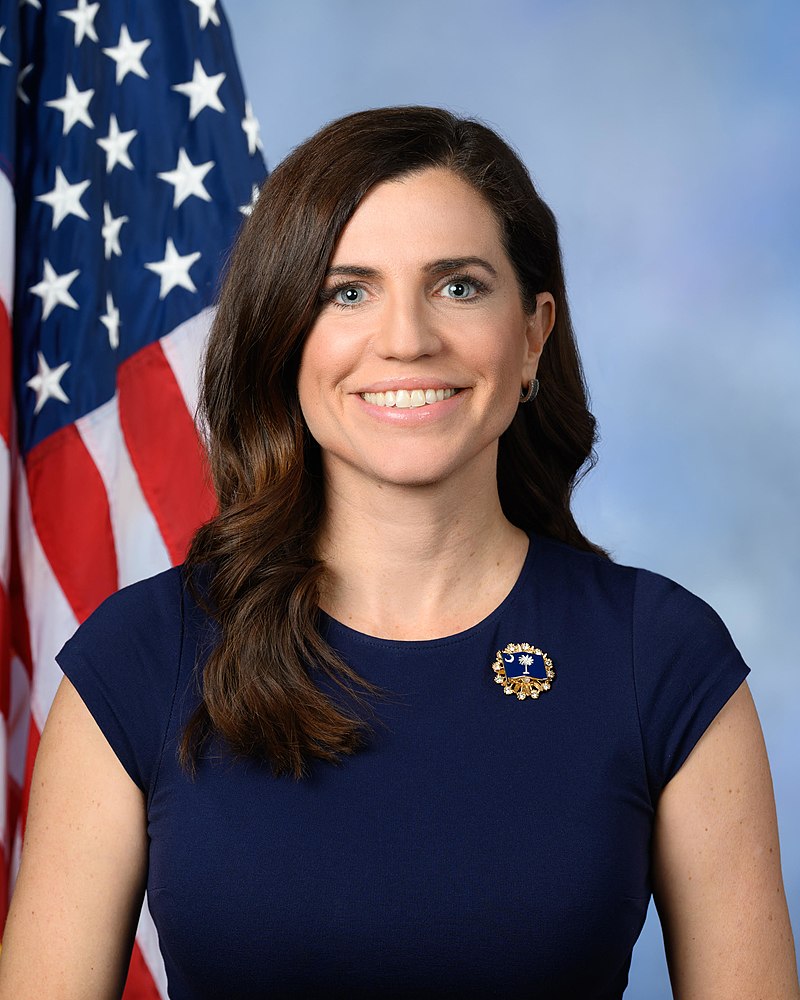
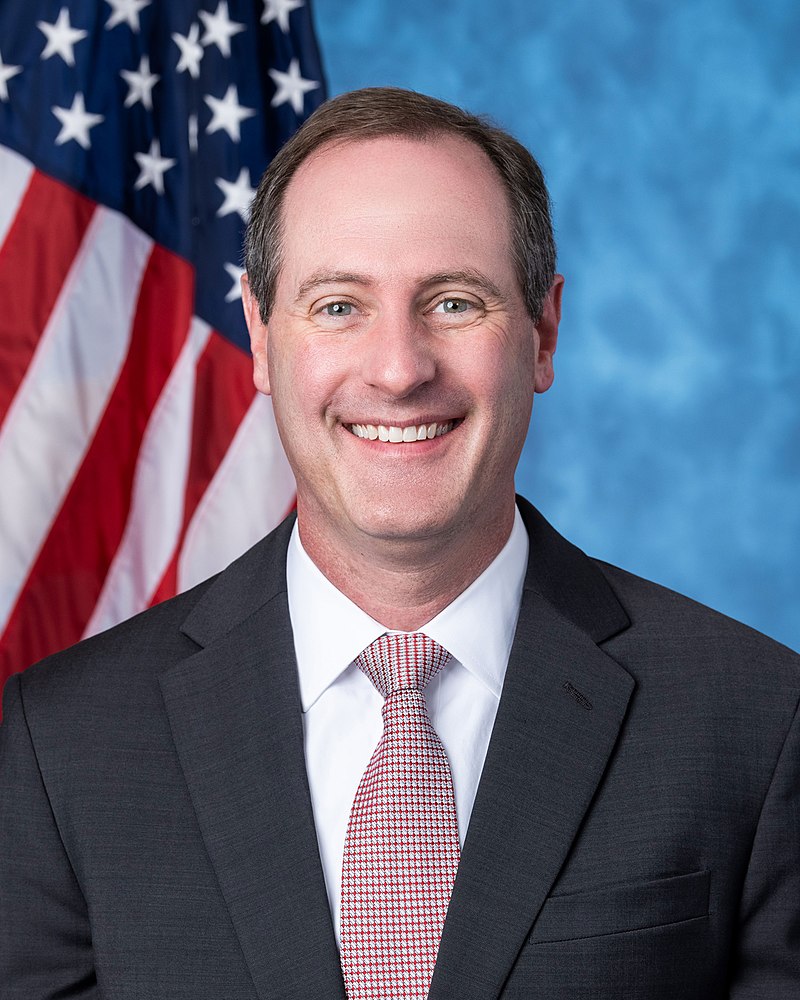

L
Lisa McClain

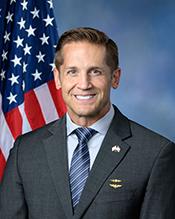


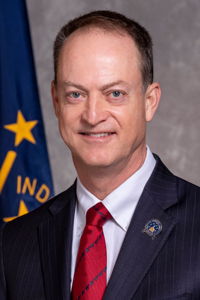

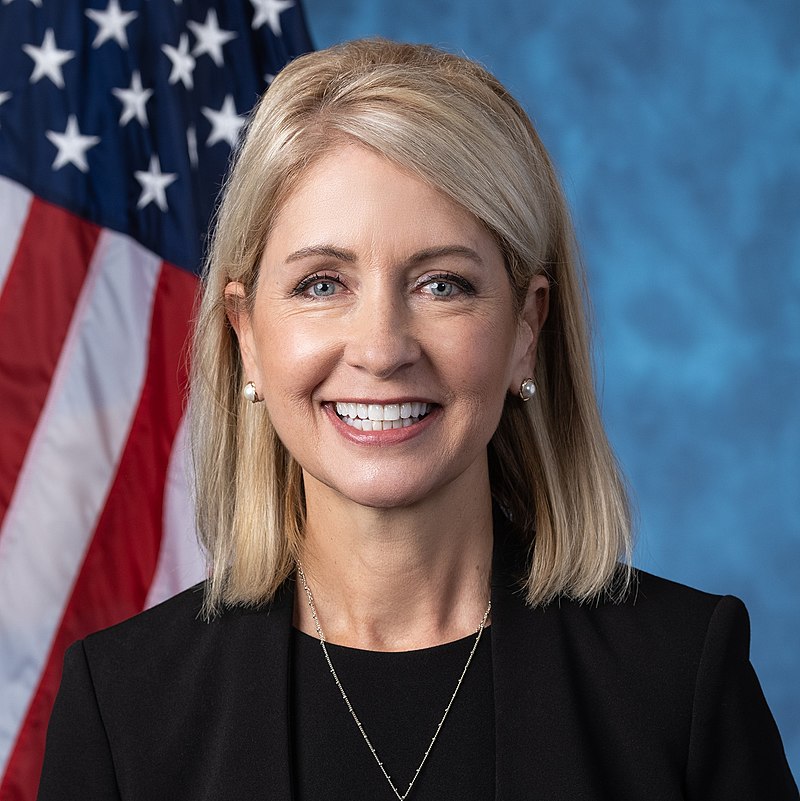

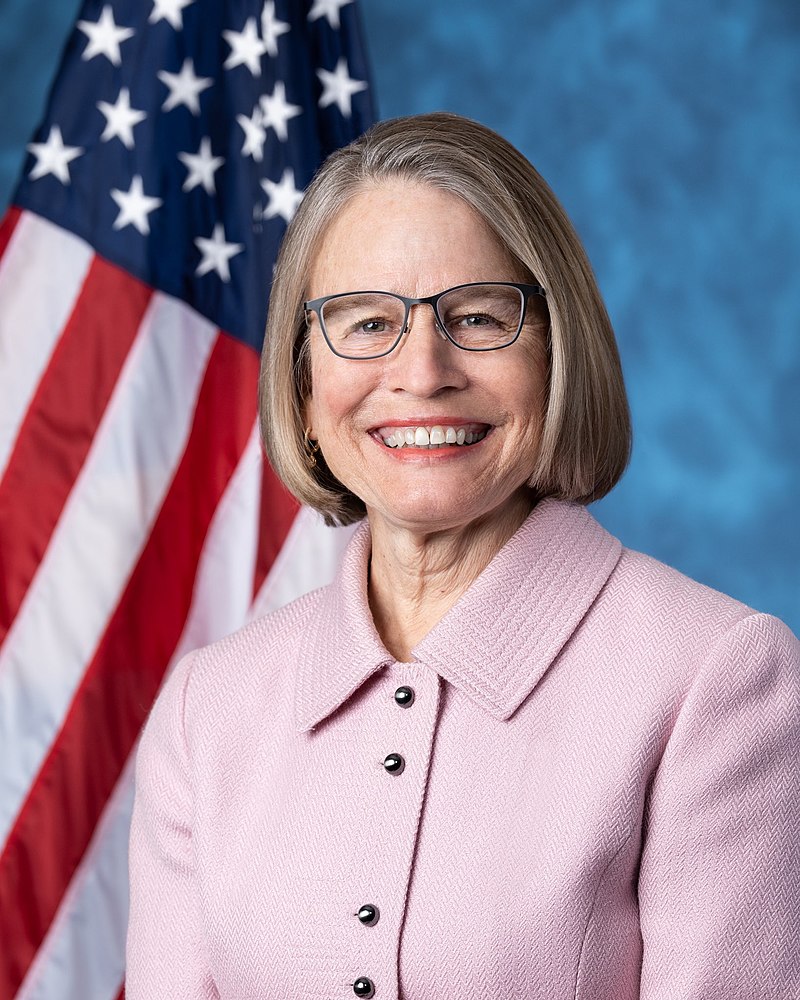



D
David Schweikert
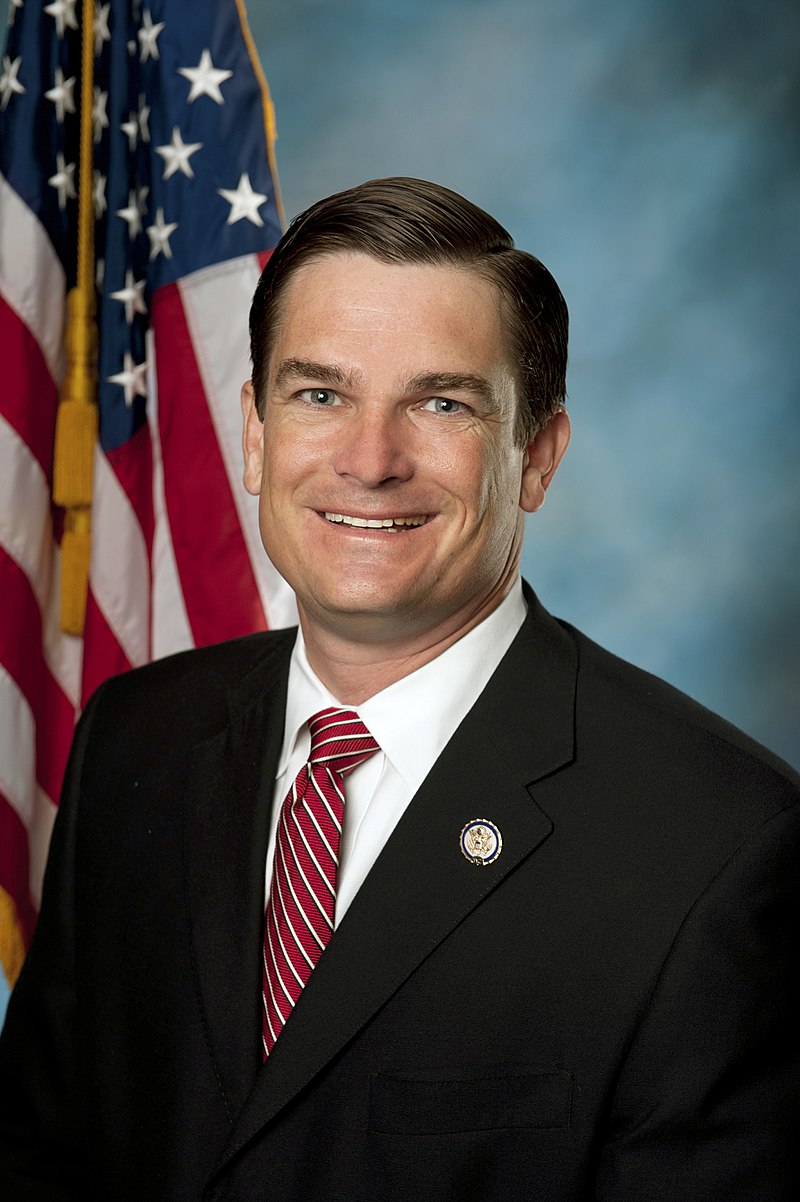

P
Pete Sessions

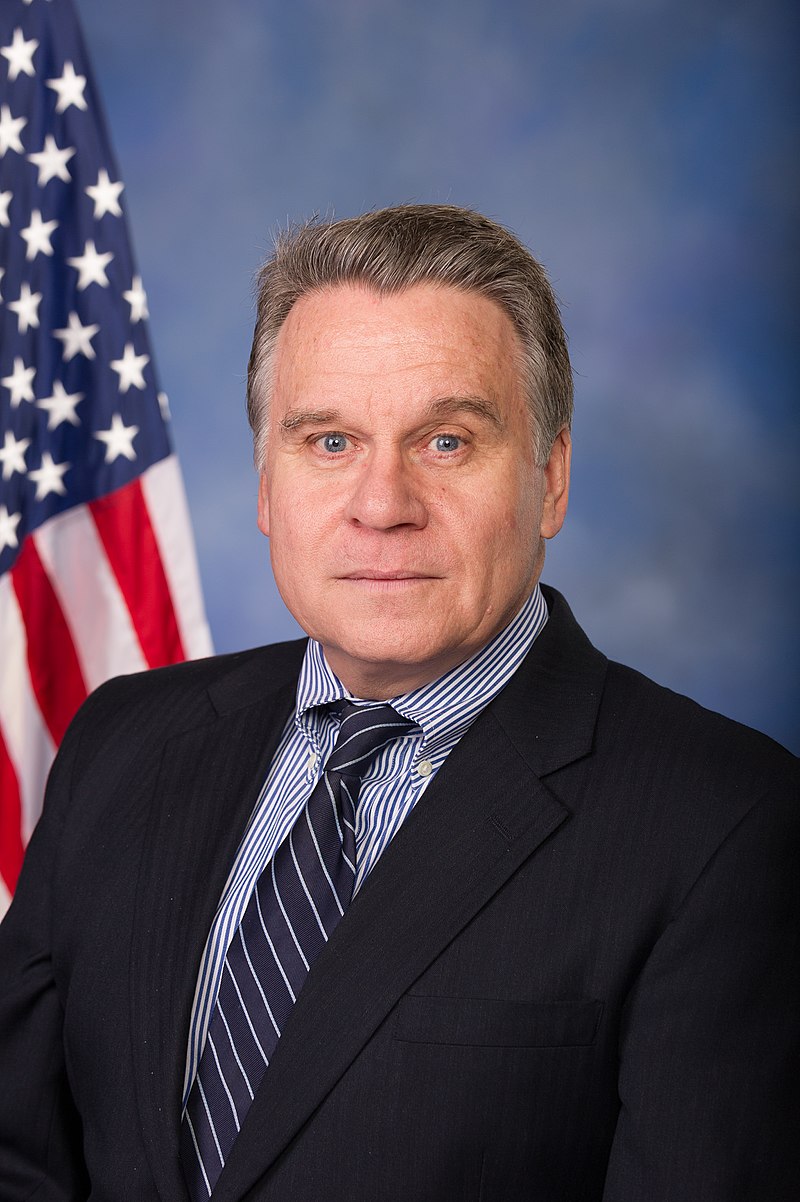
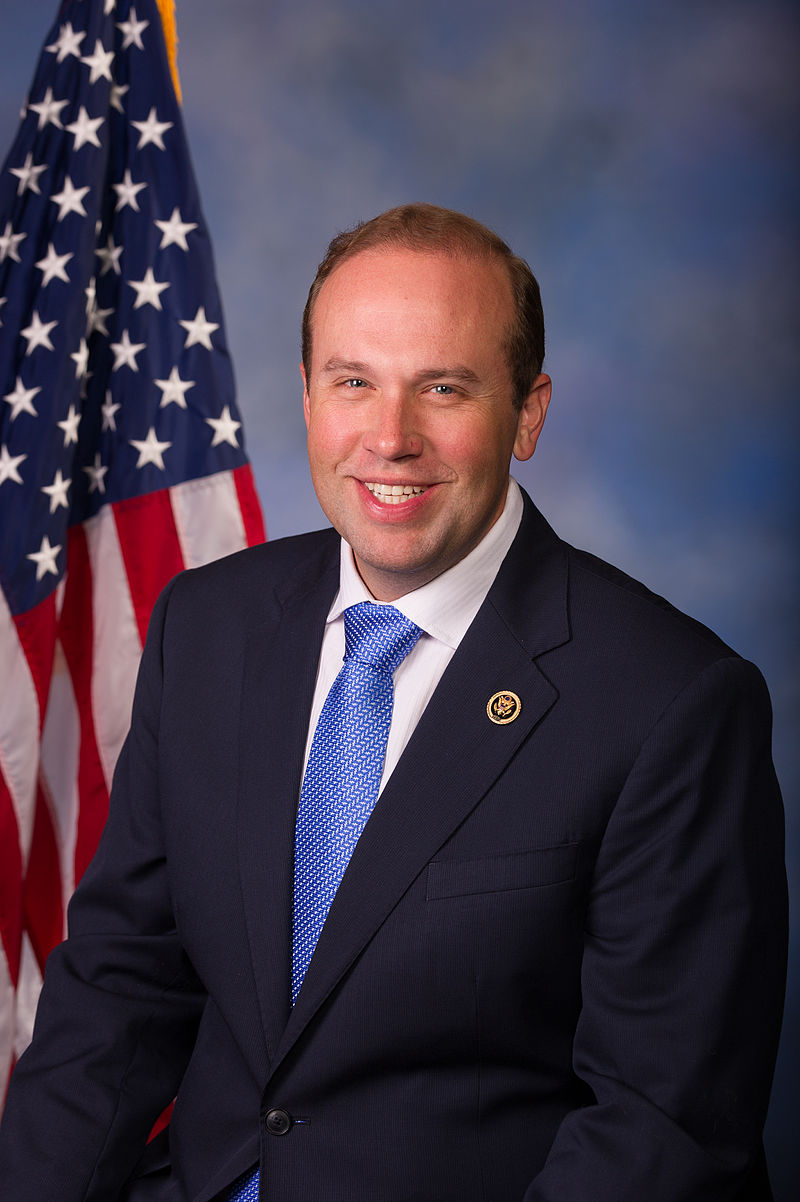
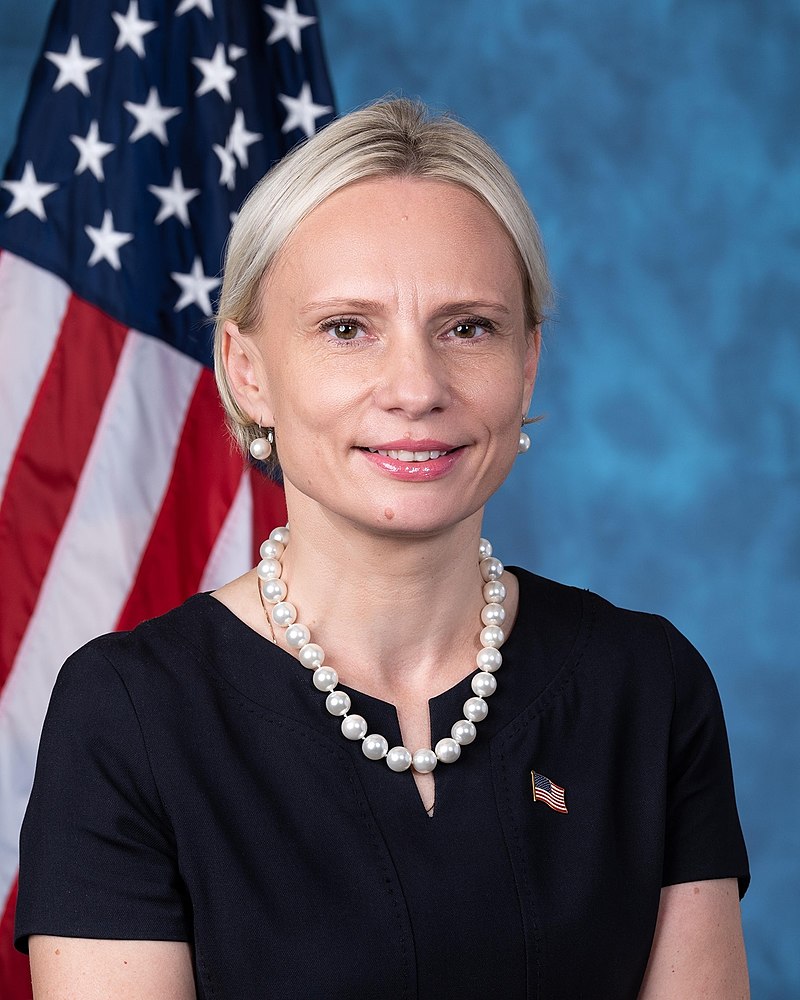
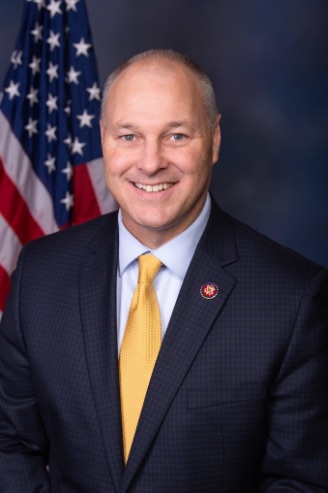
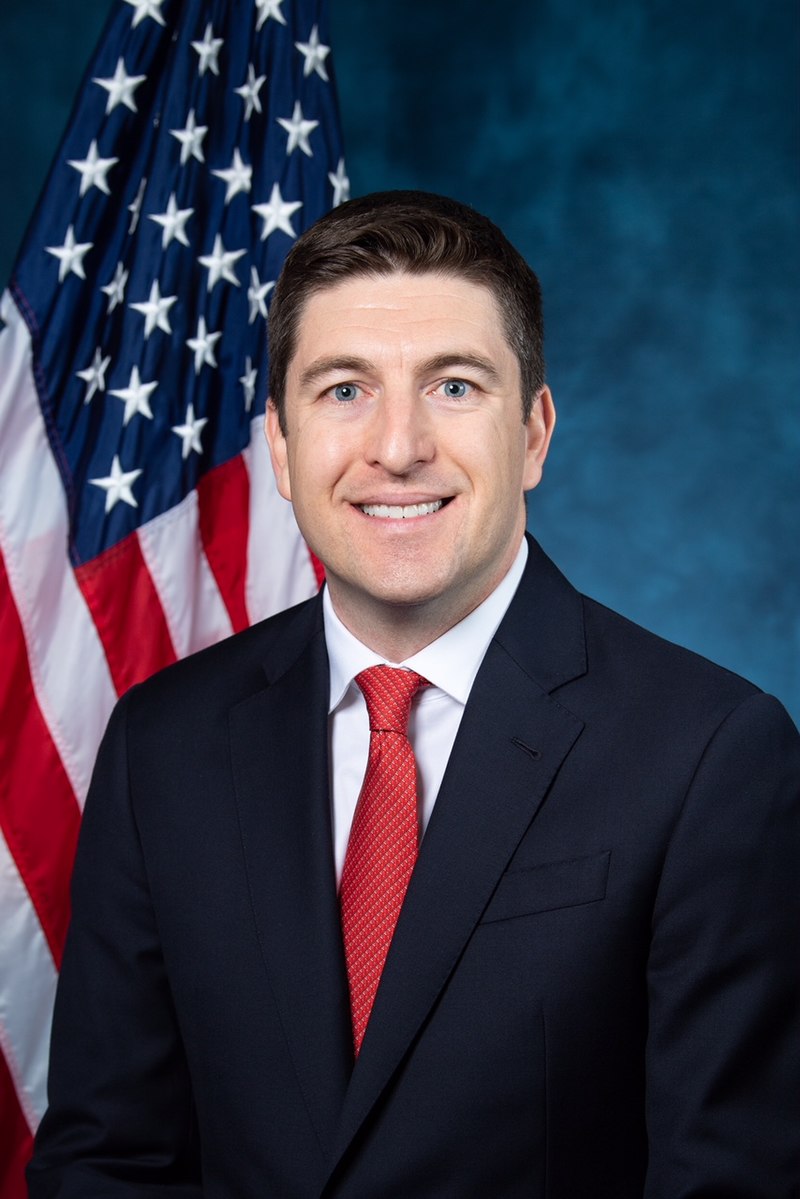


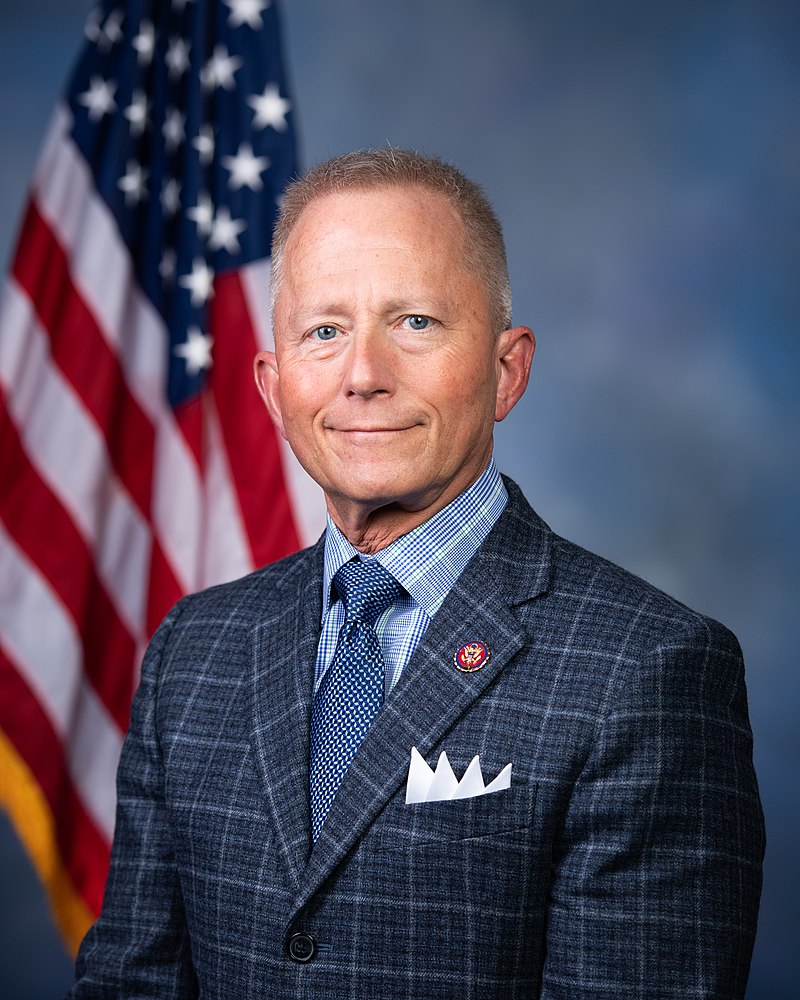
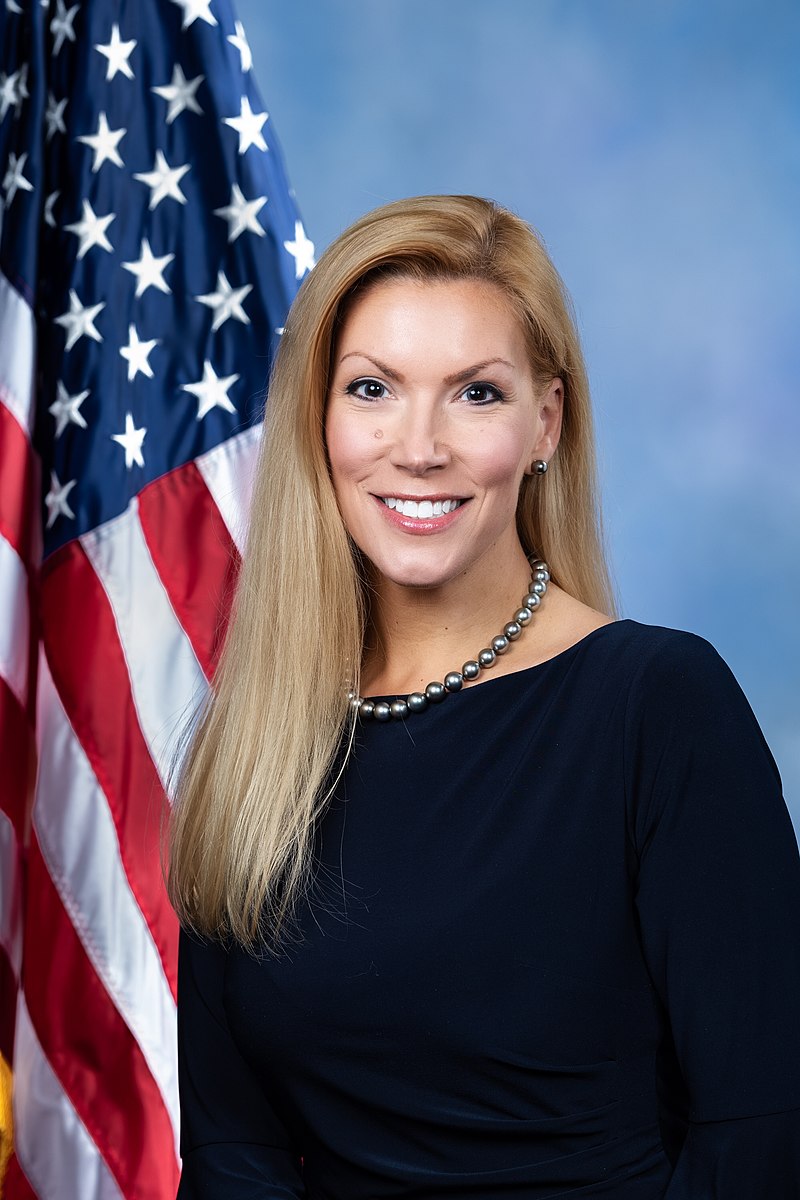



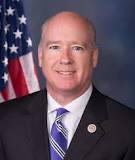
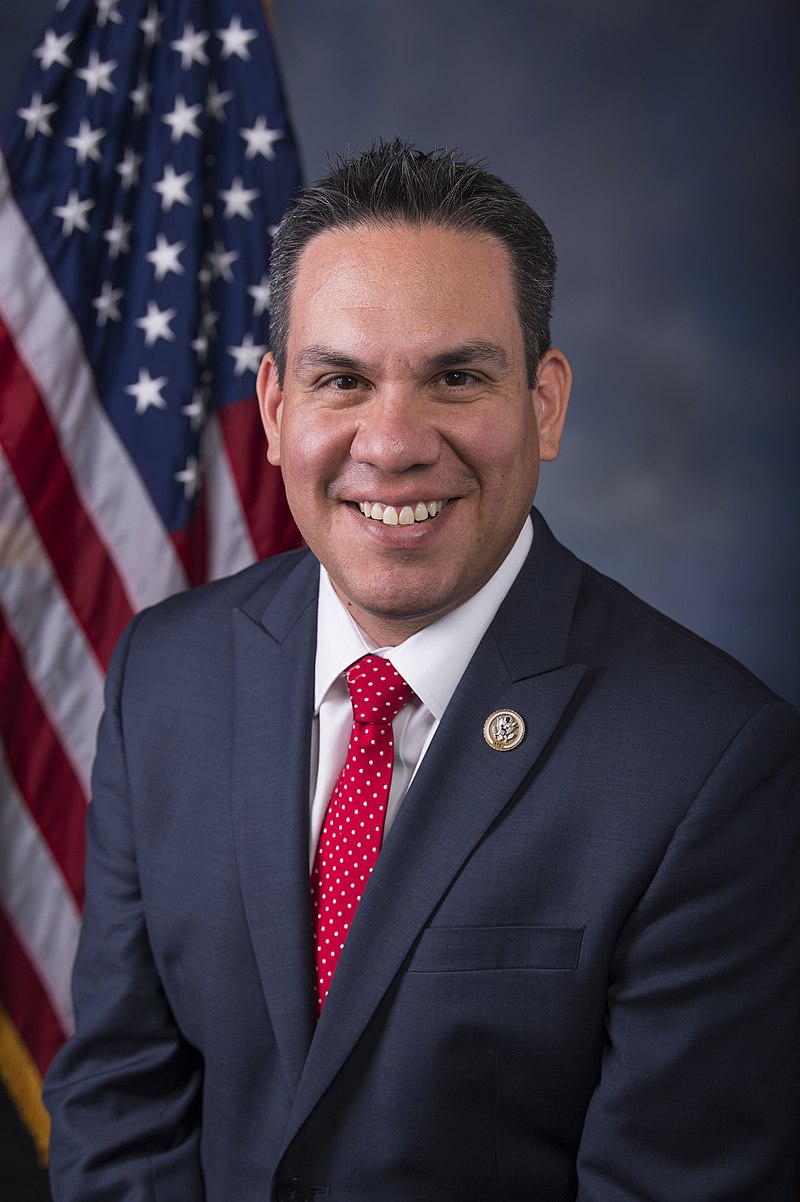
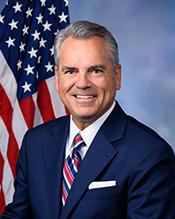
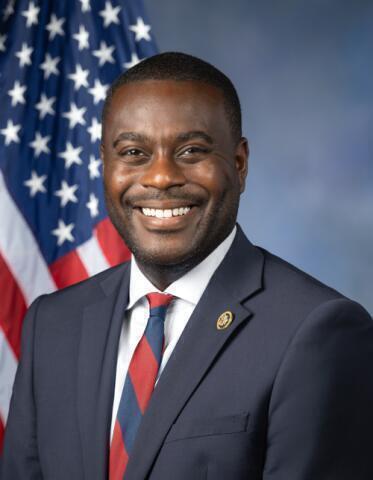
Nay (291)








K
Ken Calvert










J
Jason Crow








L
Lloyd Doggett







S
Scott Franklin

J
John Garamendi














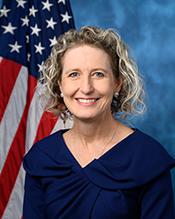
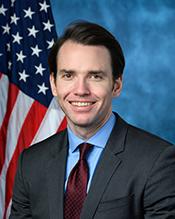
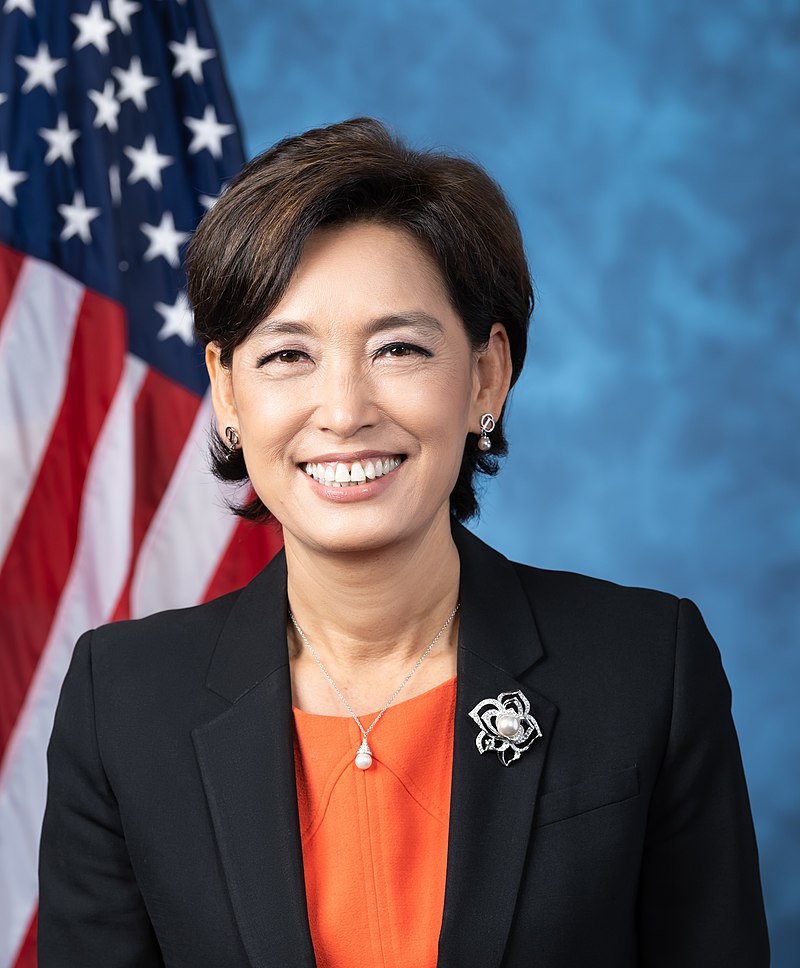
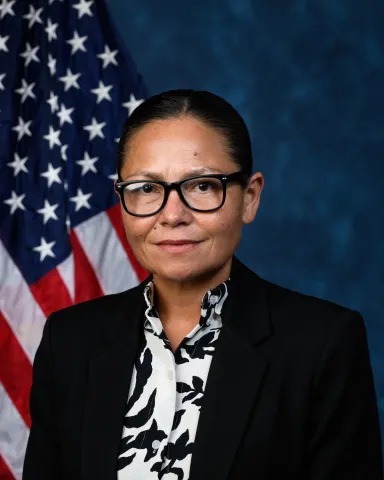





J
John Mannion
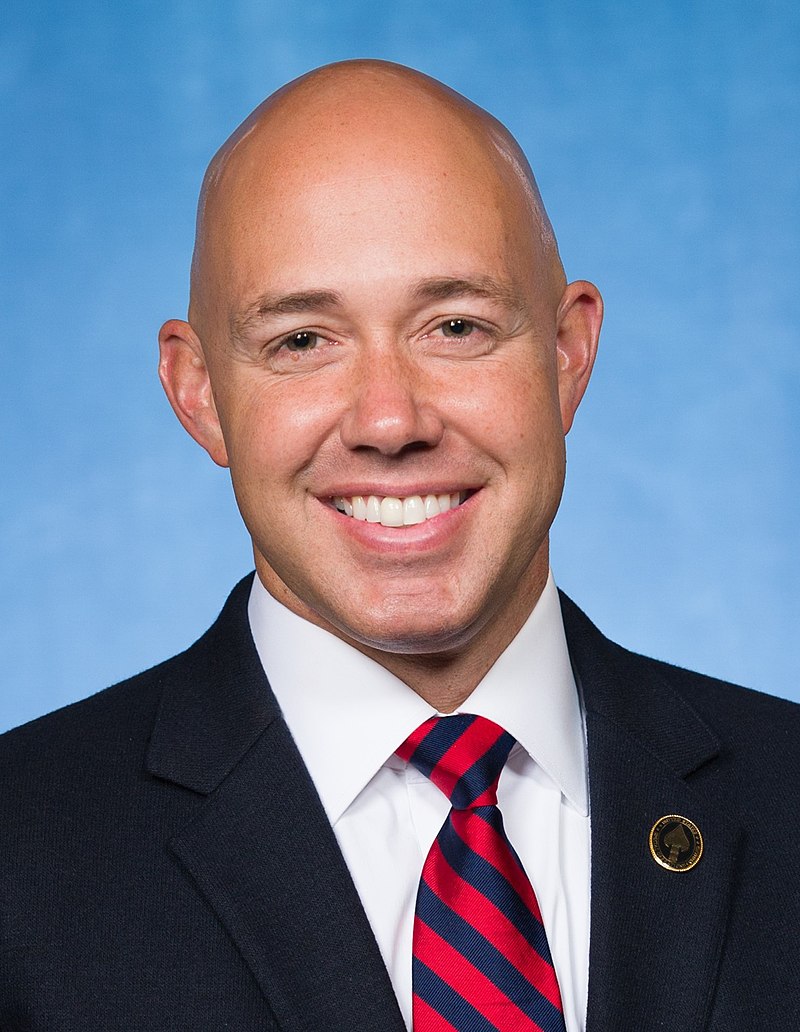
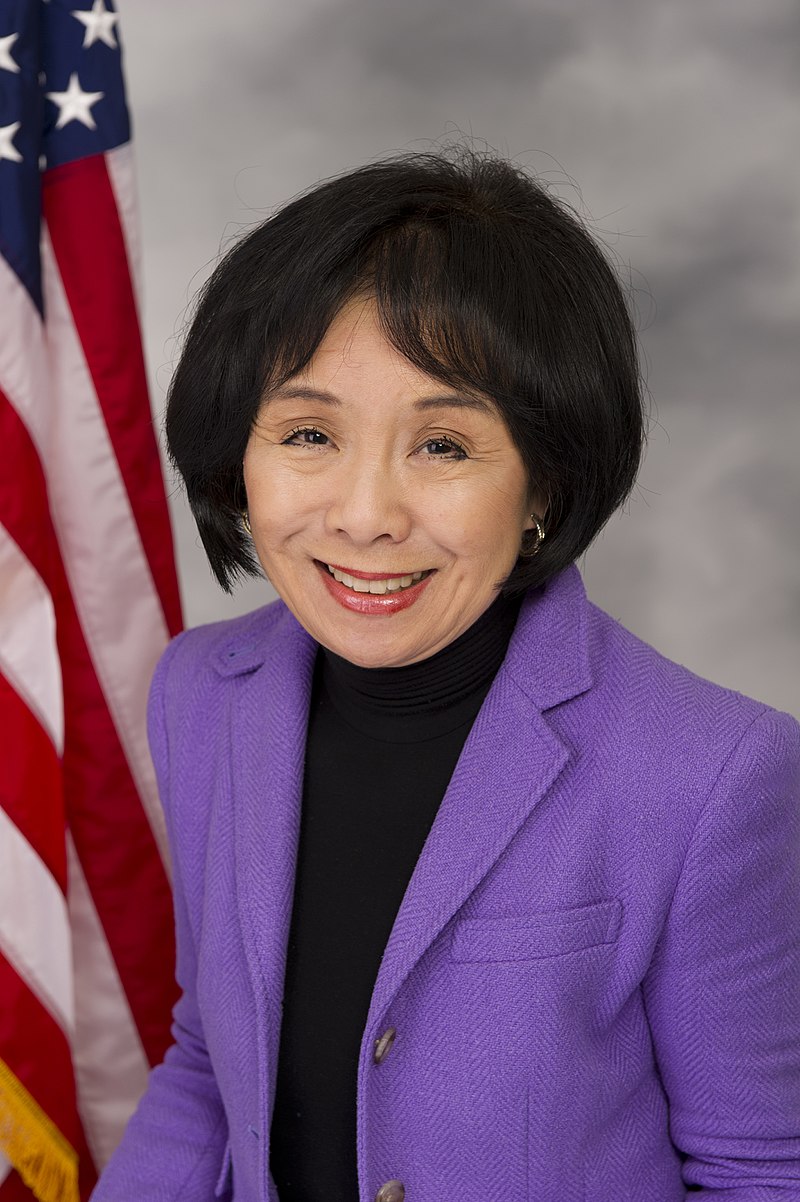
L
Lucy McBath

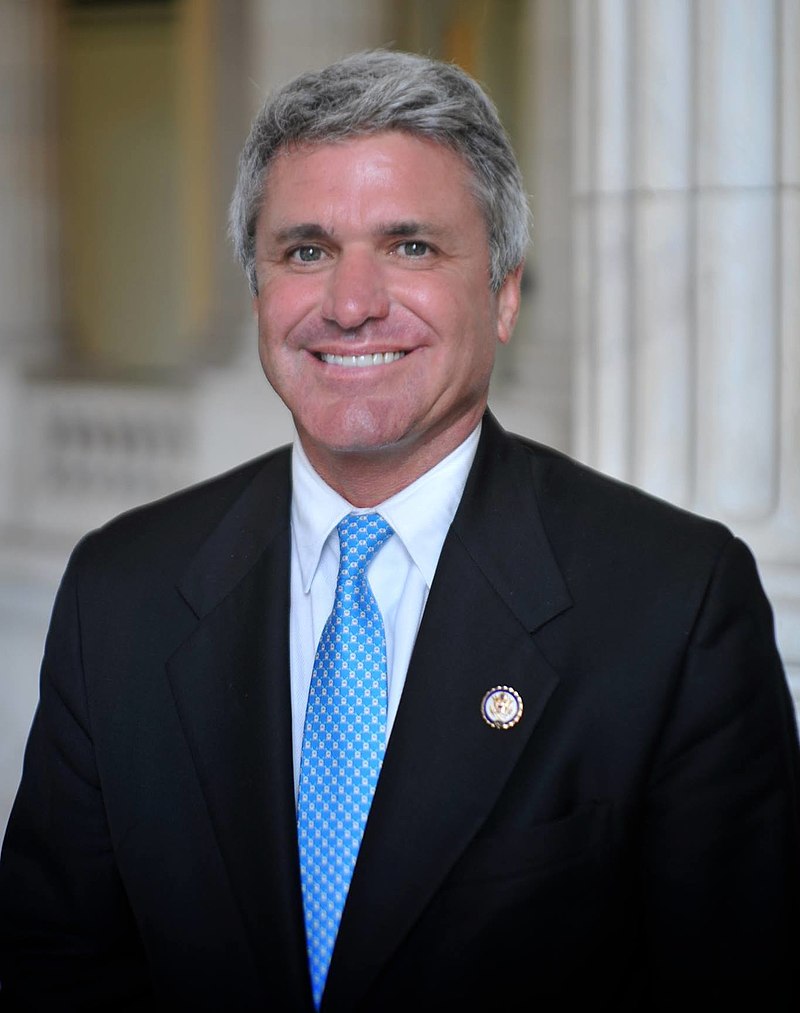
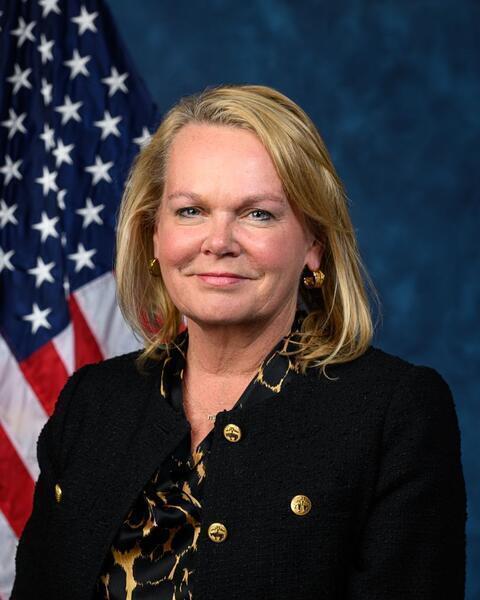






















J
John Rutherford










R
Rashida Tlaib




N
Nydia Velázquez
D
Debbie Wasserman Schultz