H.R.4593 — SHOWER Act
House Roll Call
H.R.4593
| Bill | H.R.4593 — SHOWER Act |
|---|---|
| Vote question | On Passage |
| Vote type | Yea-and-Nay |
| Result | Passed |
| Totals | Yea 226 / Nay 197 / Present 0 / Not Voting 8 |
| Party | Yea | Nay | Present | Not Voting |
|---|---|---|---|---|
| R | 215 | 0 | 0 | 3 |
| D | 11 | 197 | 0 | 5 |
| I | 0 | 0 | 0 | 0 |
Research Brief
On Passage
Bill Analysis
HR 4593 (119th Congress) – SHOWER Act
Short title: “Stop Harmful and Outrageous Waste of Energy Resources Act of 2025”
HR 4593 nullifies an existing Department of Energy (DOE) efficiency rule for residential showerheads and restores a stricter, long‑standing federal definition and performance standard.
Core provisions
- Restores prior definition of “showerhead”: Reinstates the pre‑2020 federal definition under the Energy Policy and Conservation Act (EPCA), under which the 2.5 gallons‑per‑minute (gpm) maximum water flow applies to the entire showerhead unit, not per individual nozzle or “body spray.”
- Nullifies 2020 DOE rule: Explicitly revokes the Trump‑era DOE regulation that allowed manufacturers to classify multi‑nozzle fixtures such that each nozzle could meet 2.5 gpm separately, effectively permitting much higher total flow.
- Reaffirms EPCA authority and standards: Maintains DOE’s authority to set and enforce energy and water conservation standards for covered plumbing products, but directs that showerhead standards must be applied consistent with the reinstated definition.
Agencies and programs affected
- Department of Energy, Office of Energy Efficiency and Renewable Energy: Must treat the 2020 showerhead rule as having no force or effect, update any guidance, and enforce the prior standard.
- No new programs or grant authorities are created; the bill strictly modifies regulatory definitions and enforcement parameters under existing EPCA authorities.
Who is regulated / who benefits
- Regulated: Manufacturers, importers, and distributors of residential showerheads and related multi‑nozzle fixtures, who must again design products so that the entire device does not exceed 2.5 gpm.
- Beneficiaries:
- Consumers and utilities through continued water and energy savings (lower hot‑water use).
- States and localities that rely on federal appliance and plumbing standards for conservation and infrastructure planning.
Funding and budget impact
- The bill does not authorize new appropriations. Implementation is absorbed within DOE’s existing regulatory and enforcement budget.
Timelines
- The nullification and restored definition take effect upon enactment.
- DOE must promptly conform its regulations and enforcement practices; no phased‑in compliance schedule is specified, so manufacturers are expected to comply under the reinstated standard as of the effective date, subject to DOE’s usual enforcement discretion.
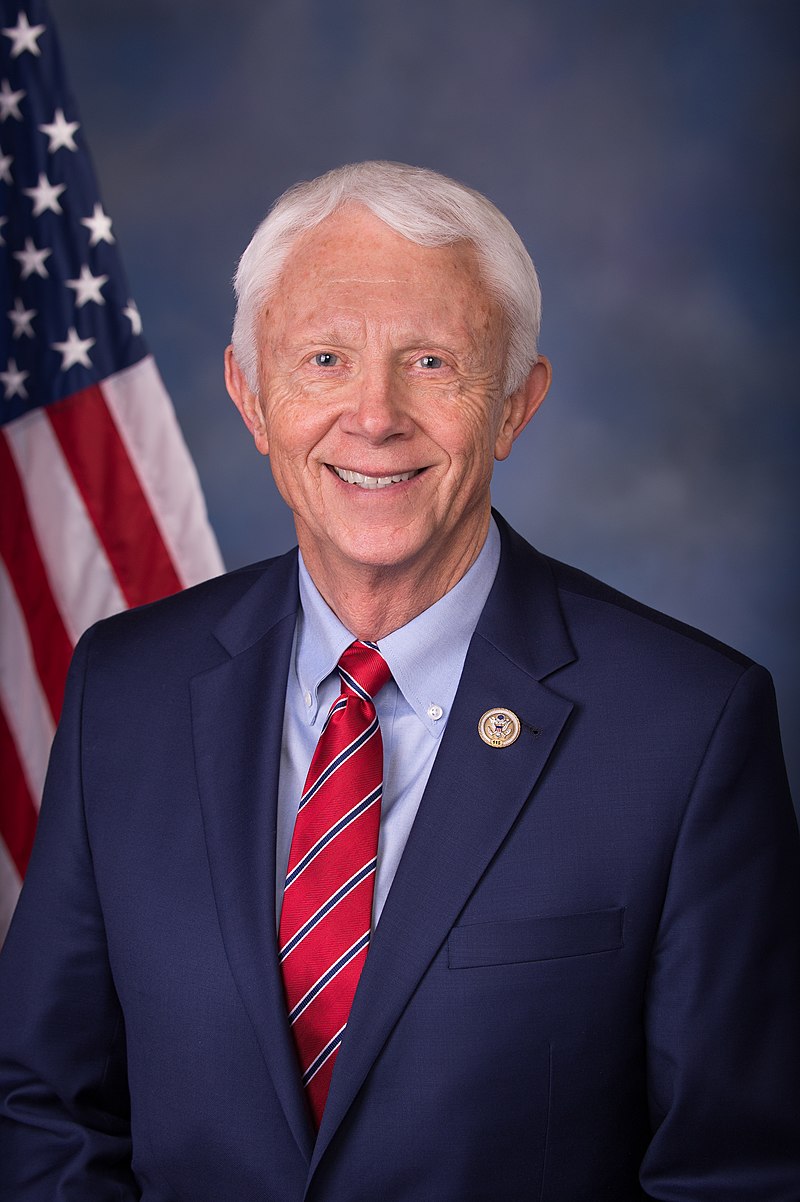
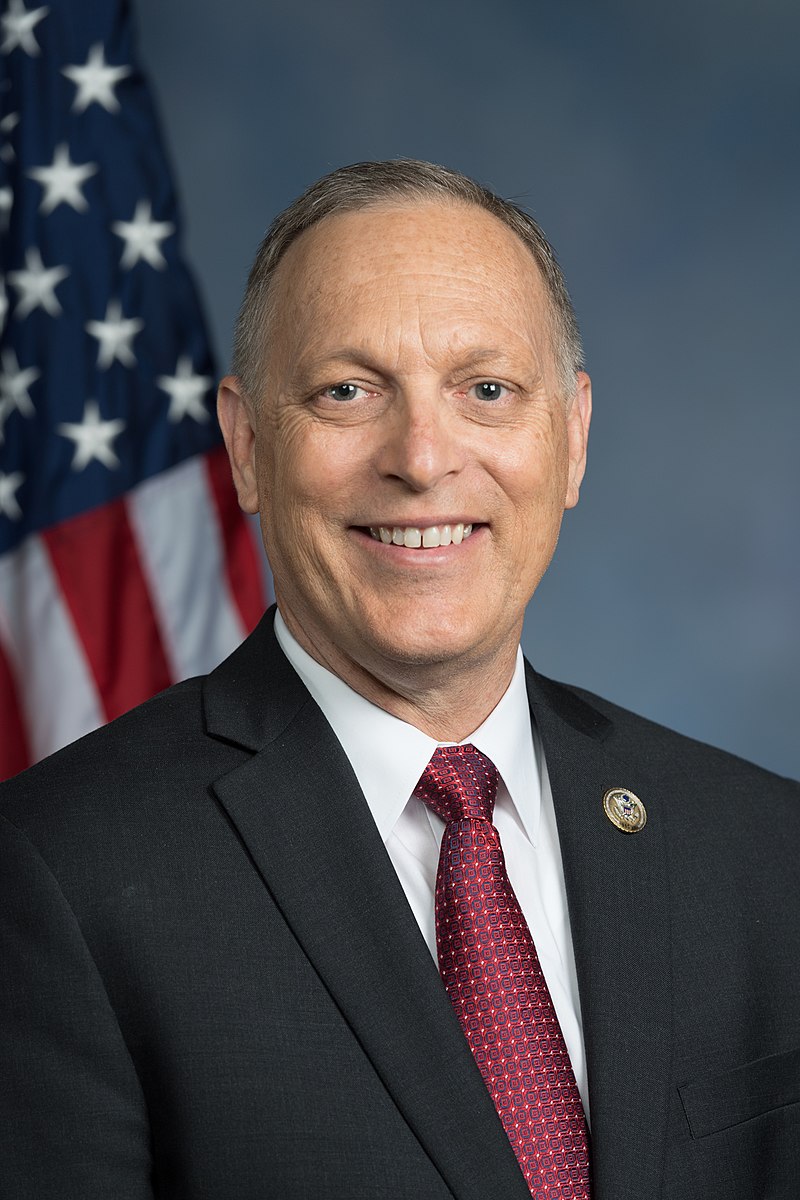
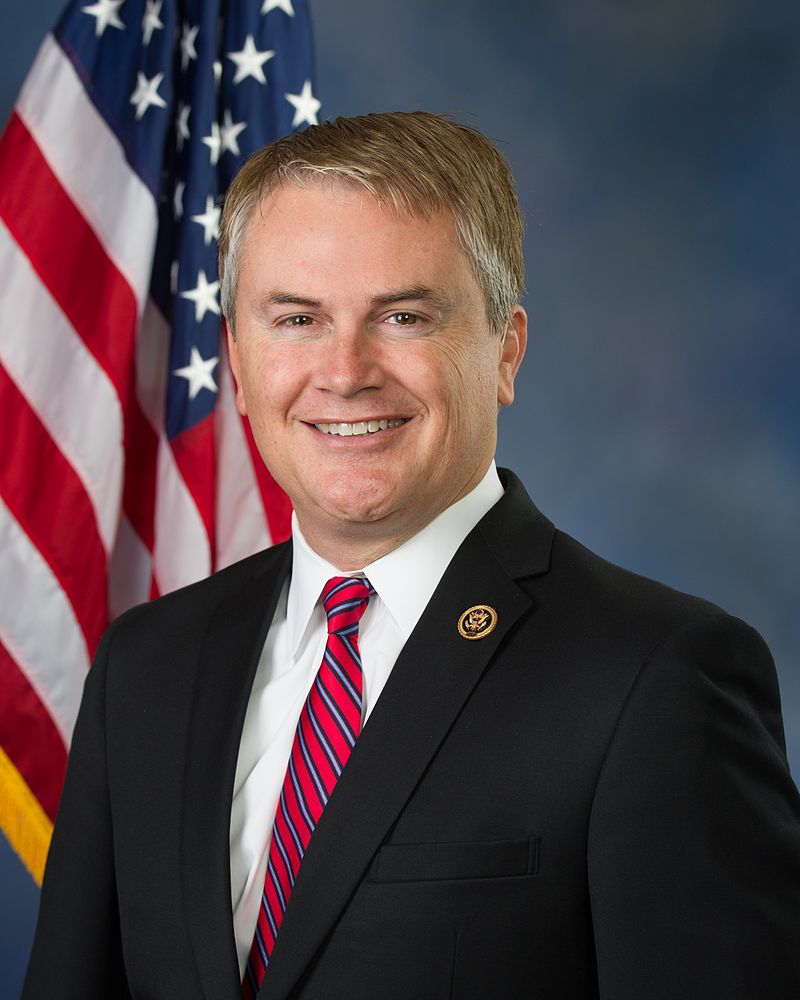
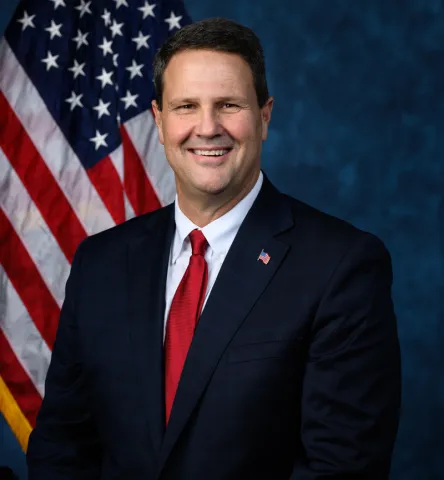
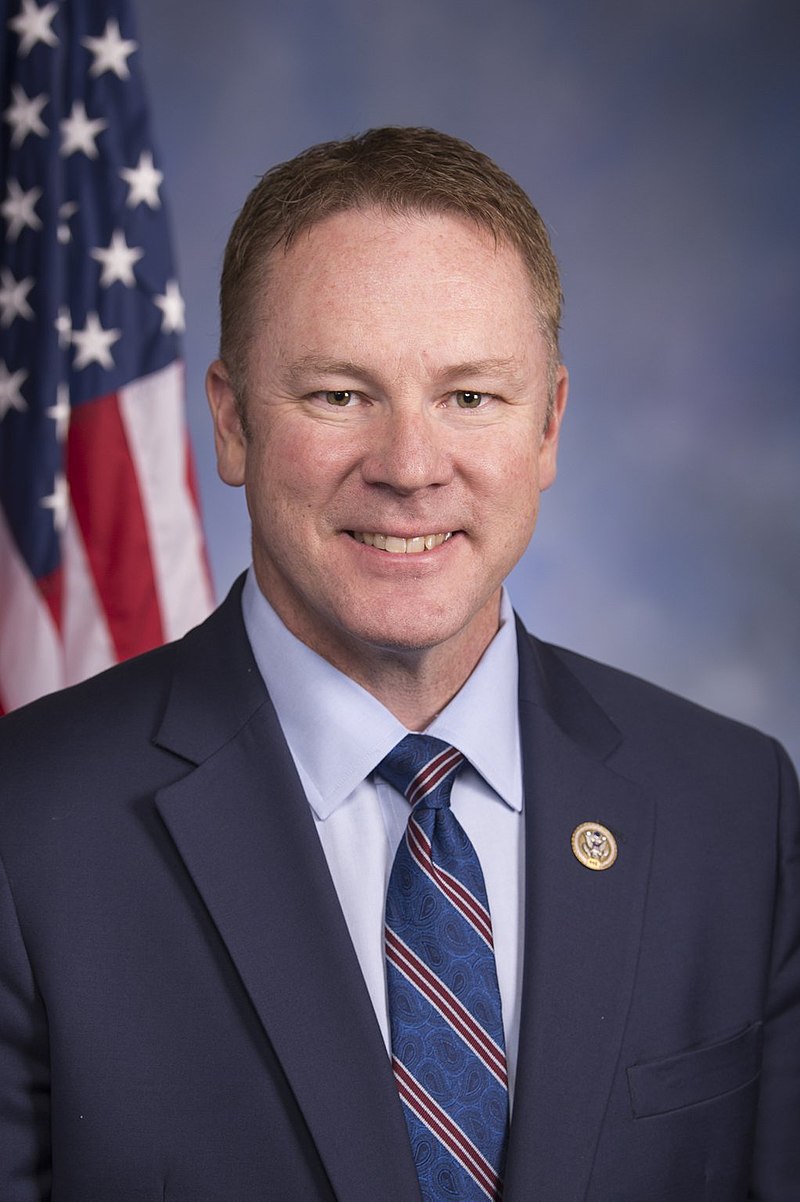
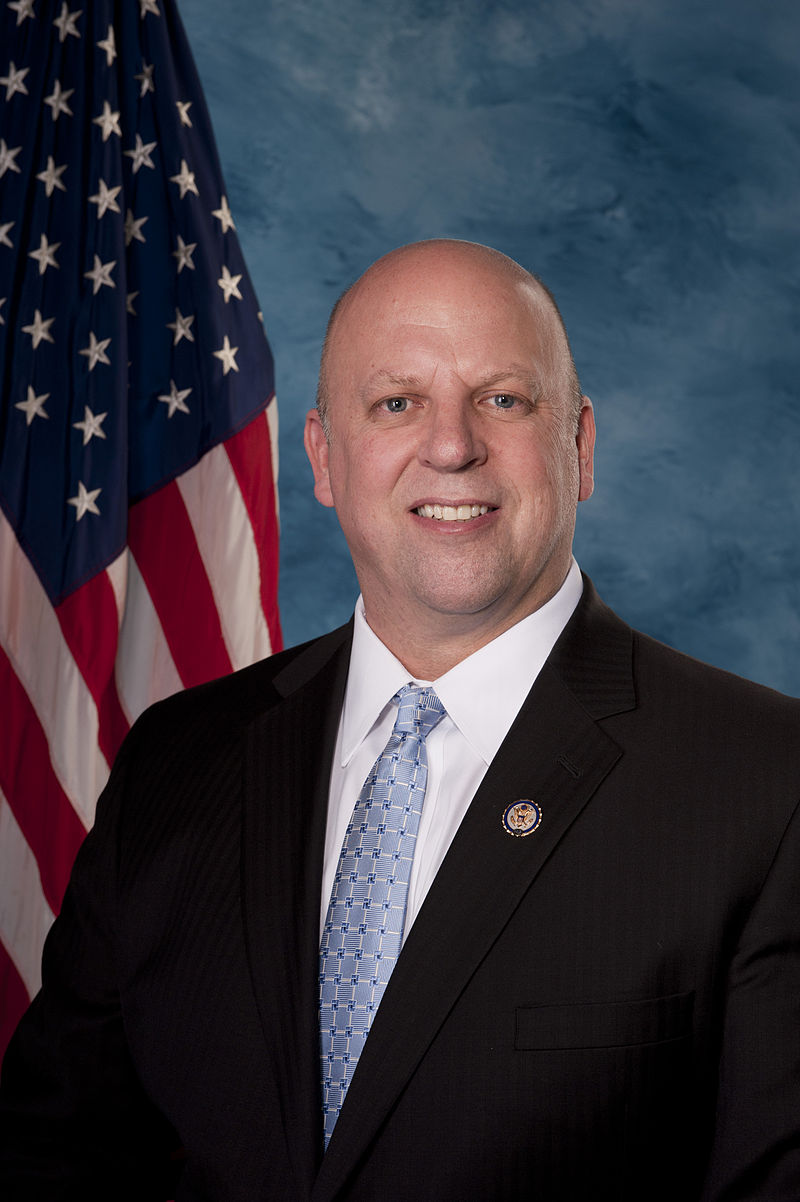
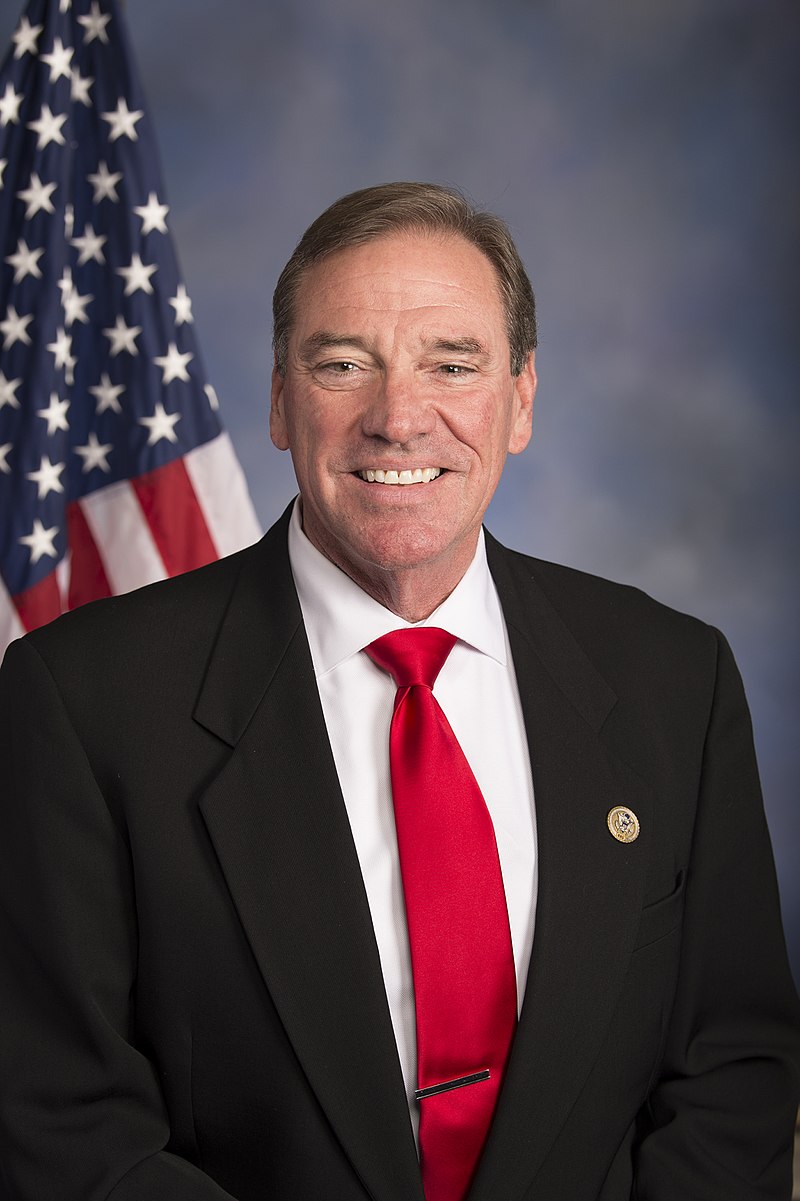
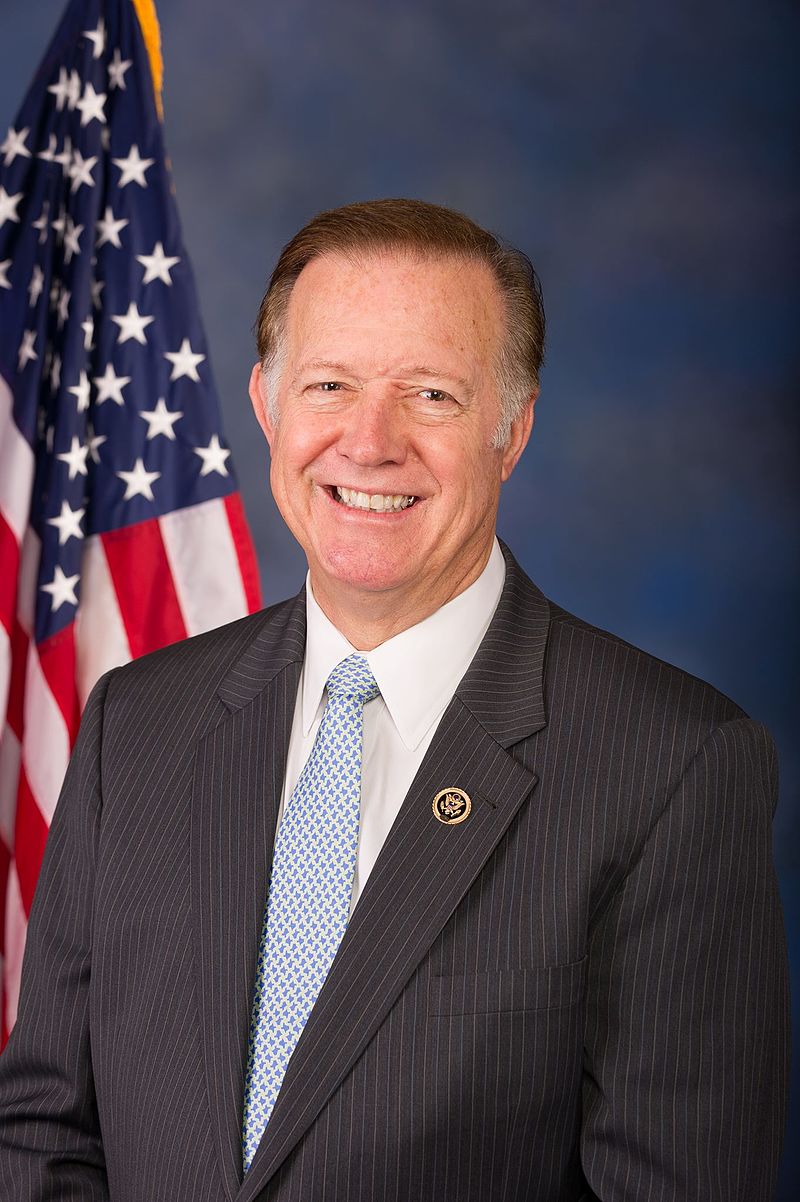
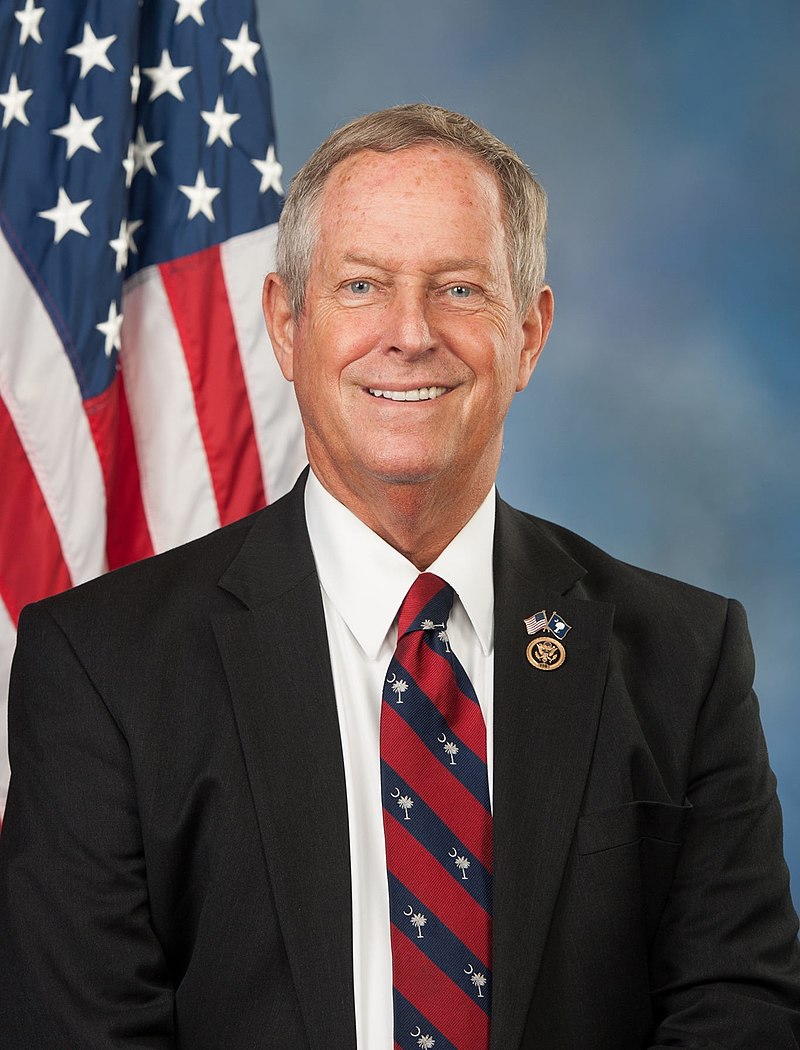
Yea (226)




















K
Ken Calvert































S
Scott Franklin






























































L
Lisa McClain


































J
John Rutherford



D
David Schweikert


P
Pete Sessions
























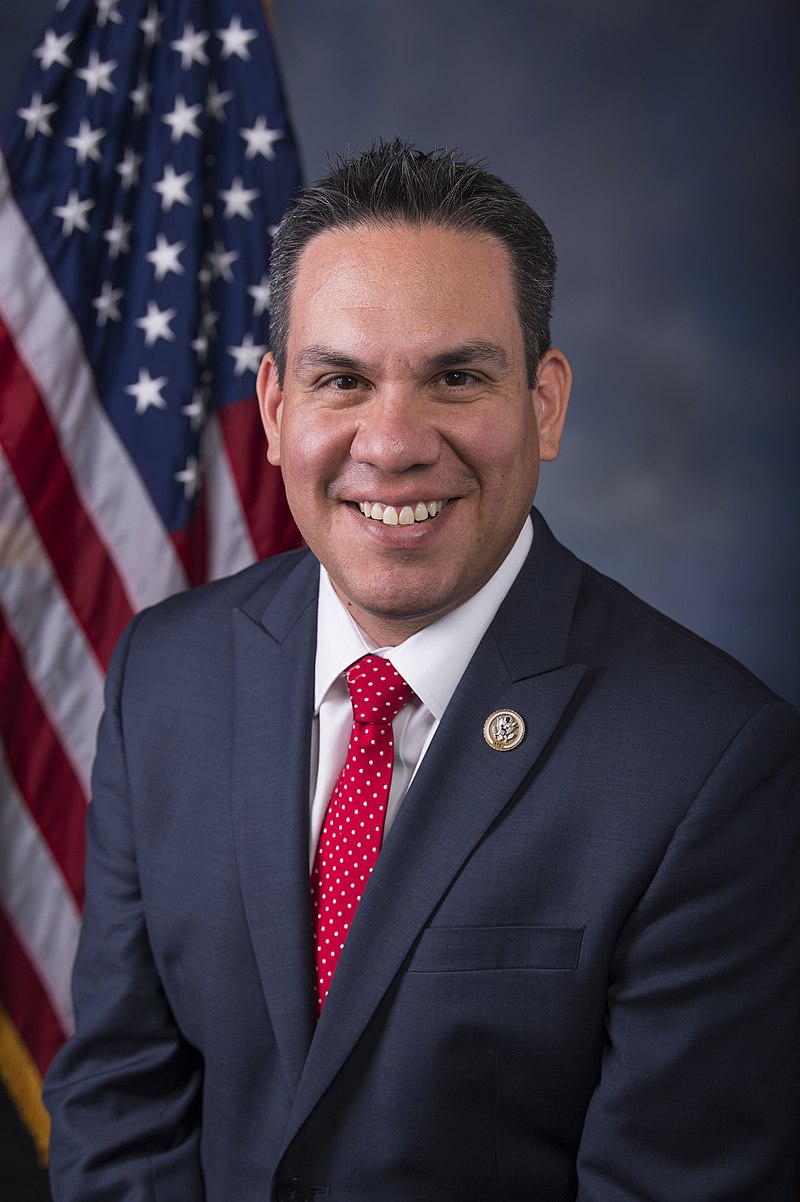
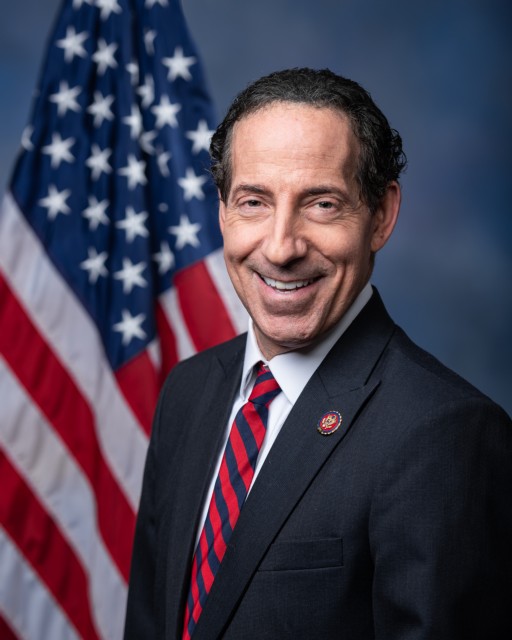
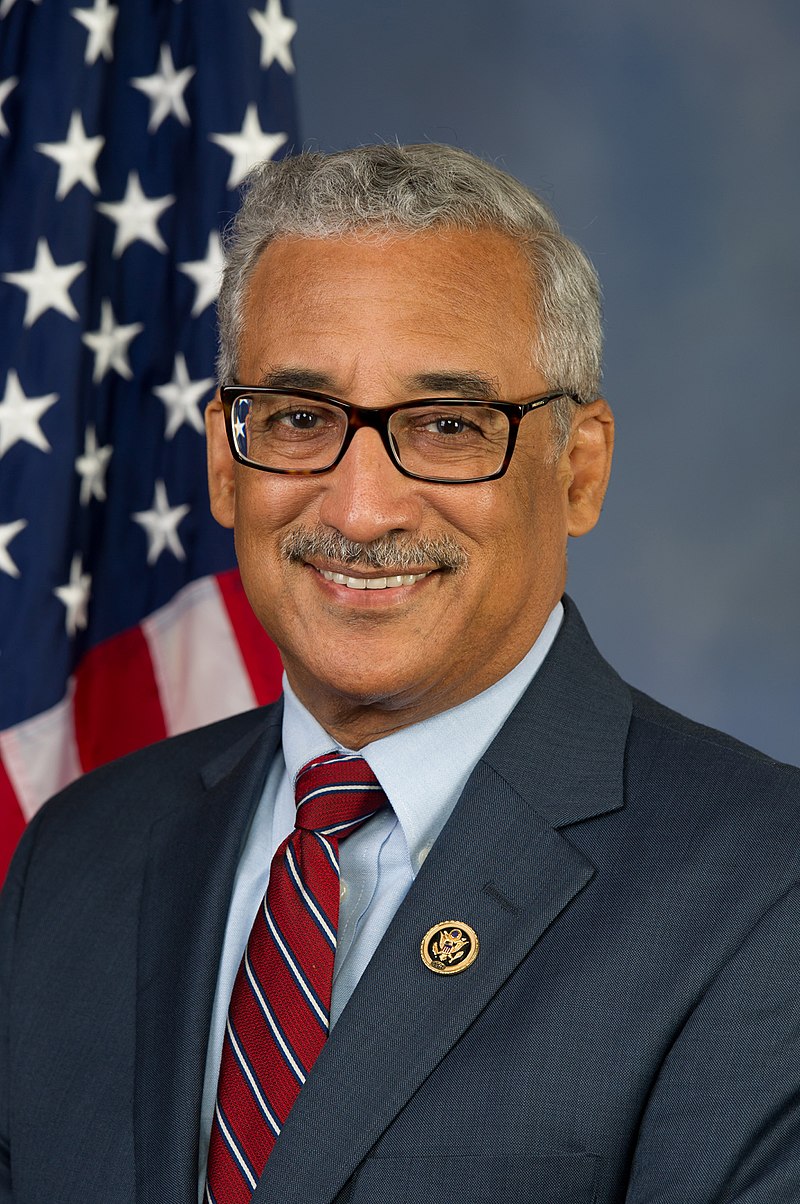
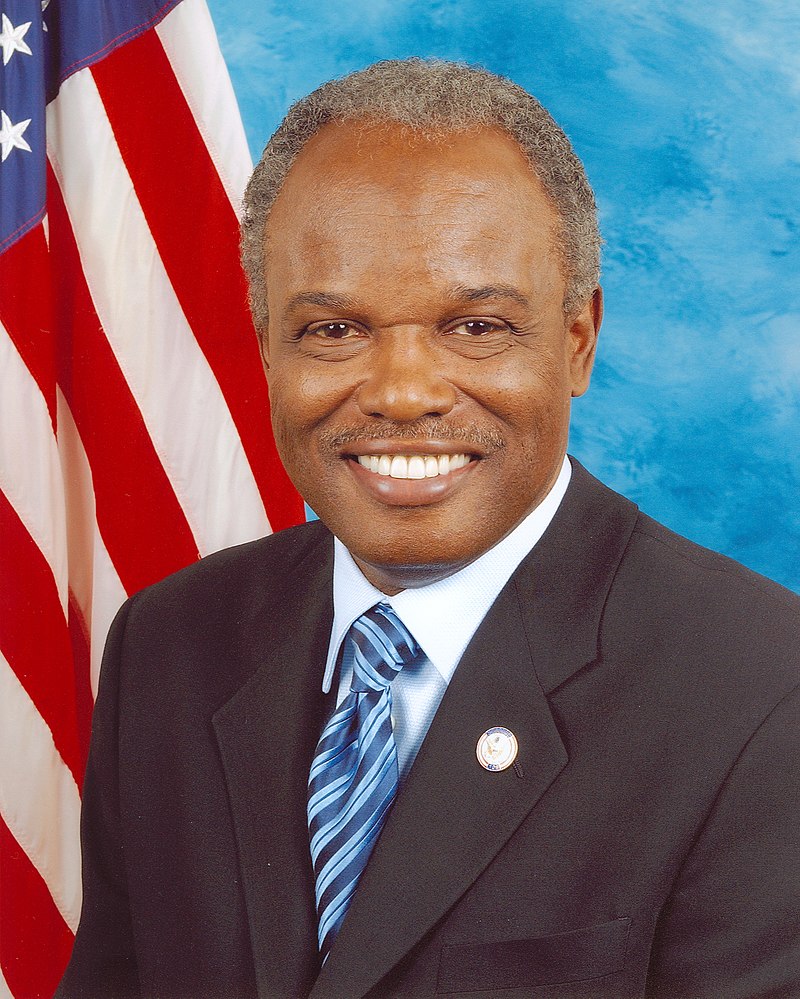
Nay (197)






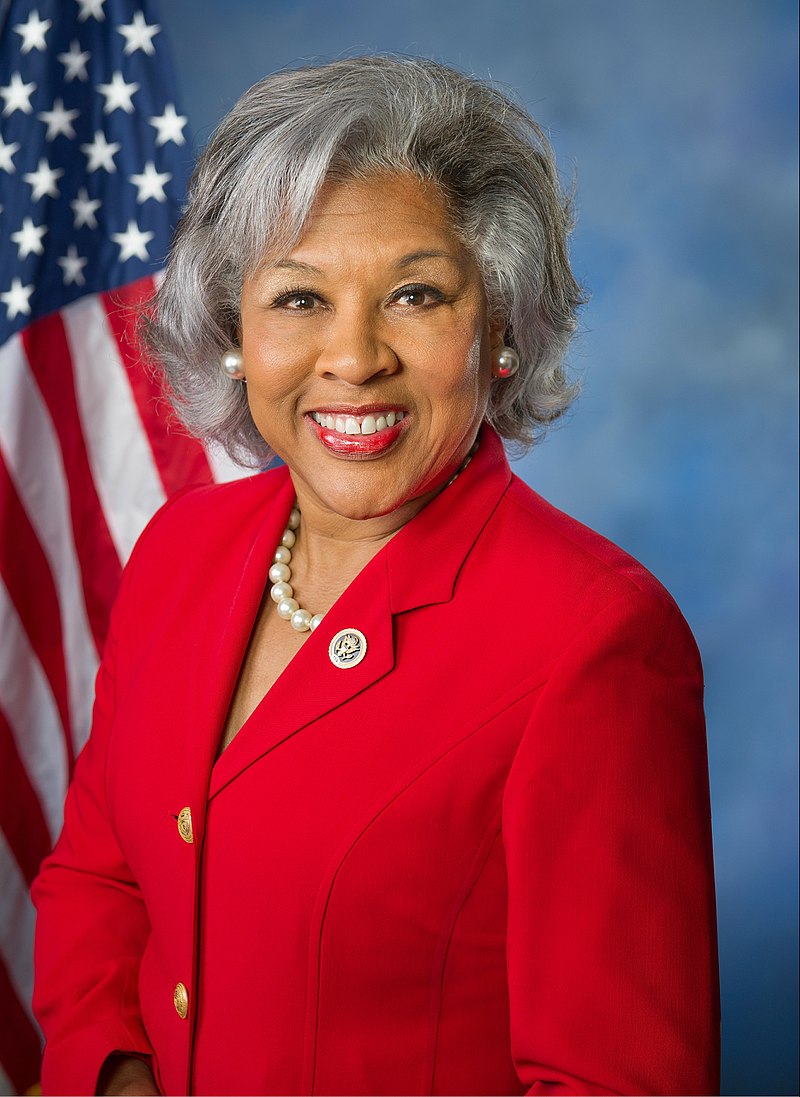


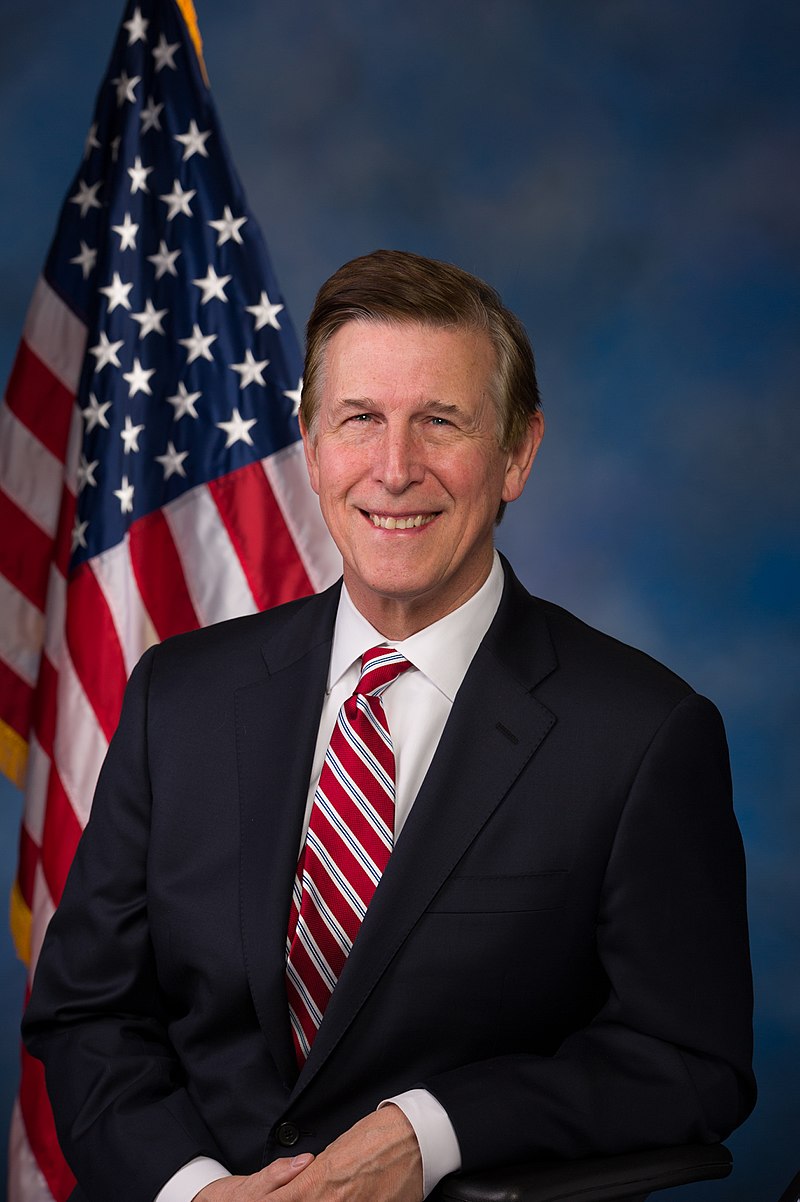


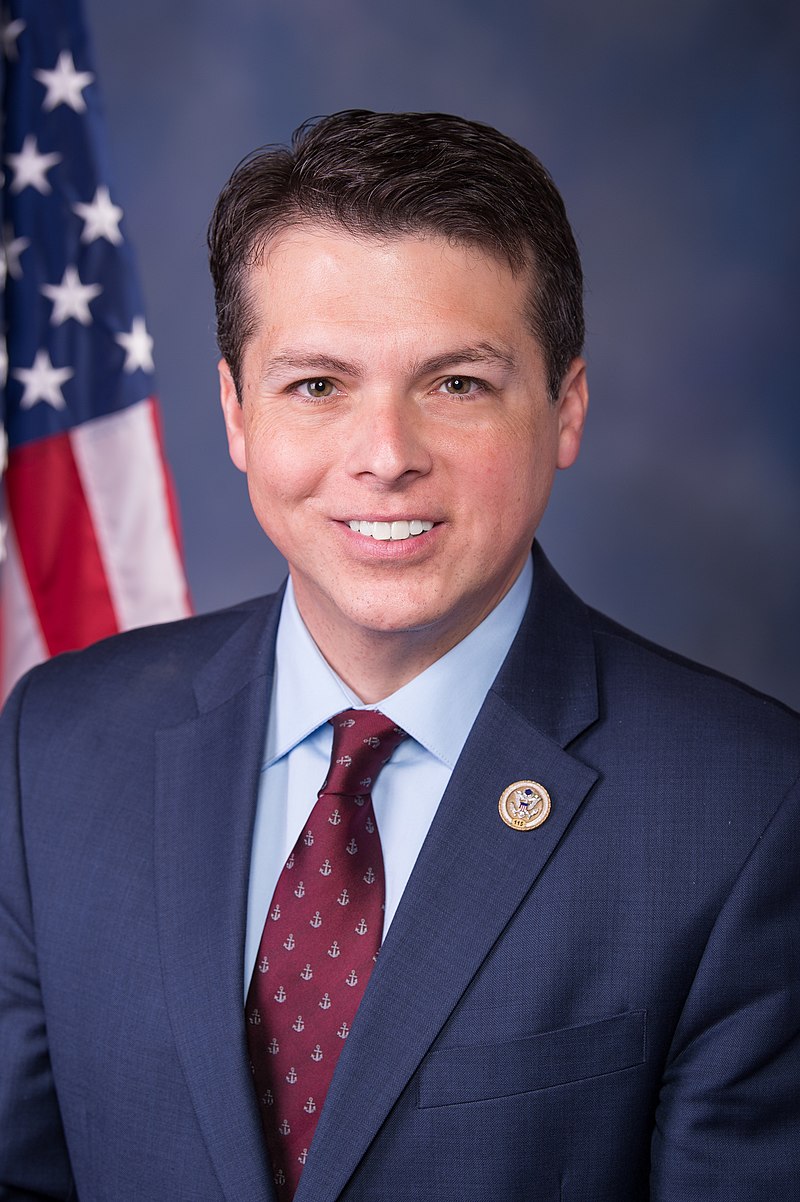

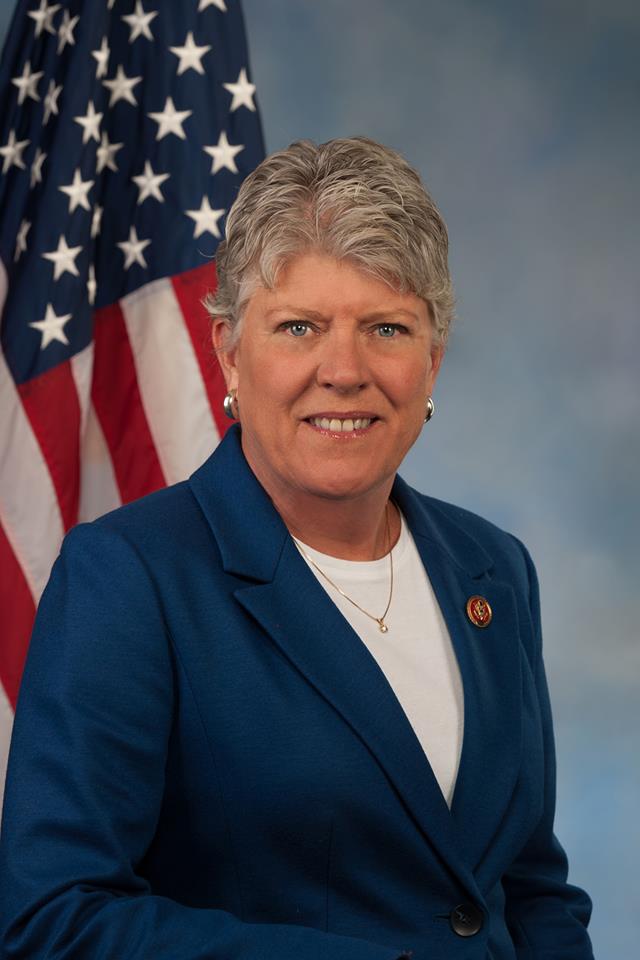




















J
Jason Crow









L
Lloyd Doggett









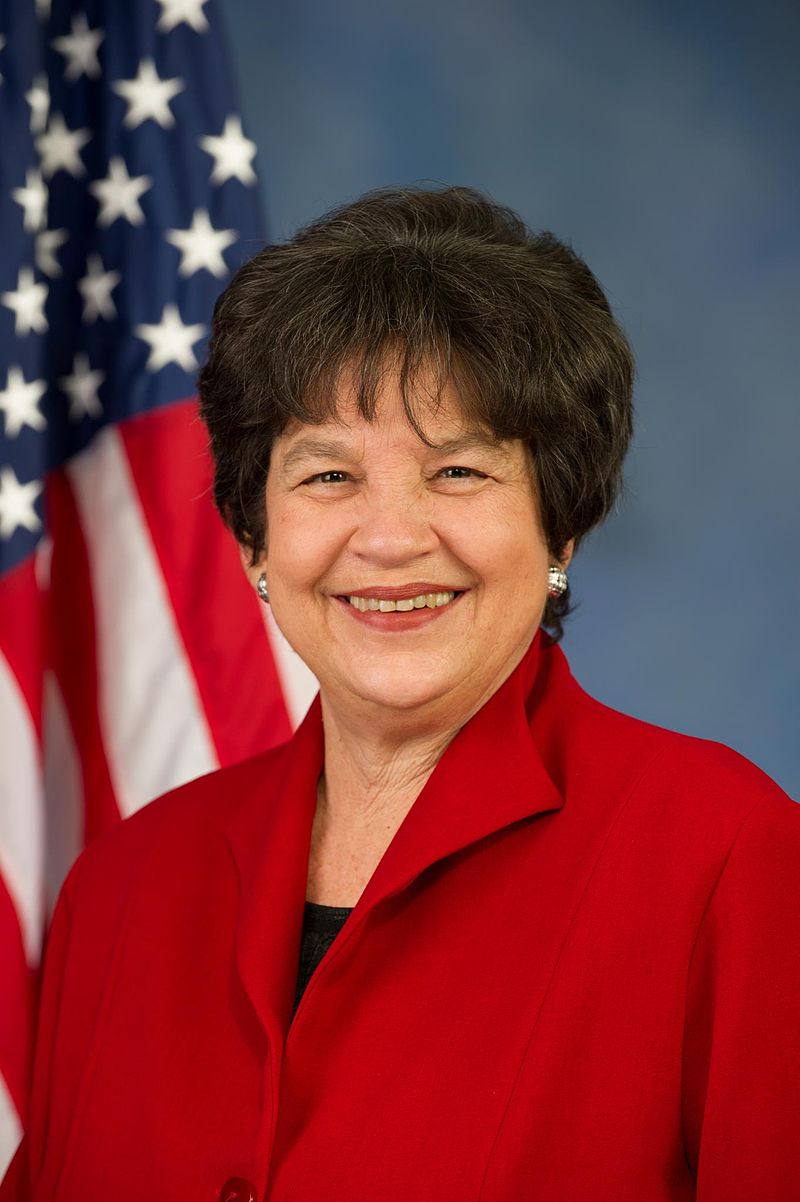


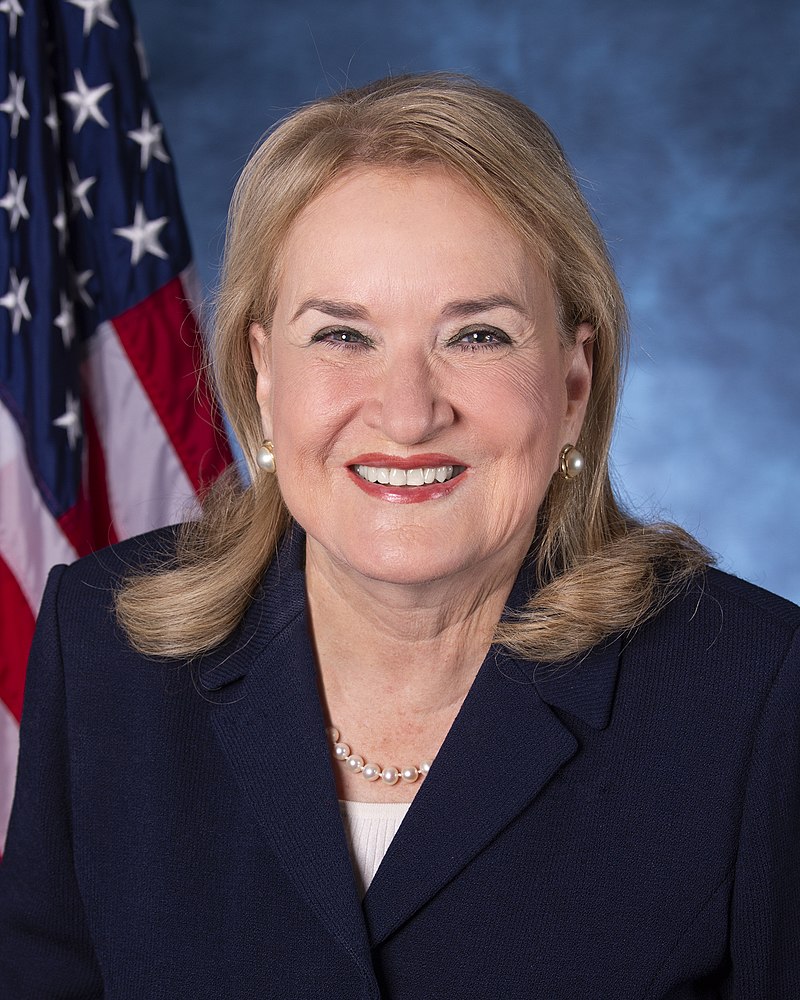
J
John Garamendi



















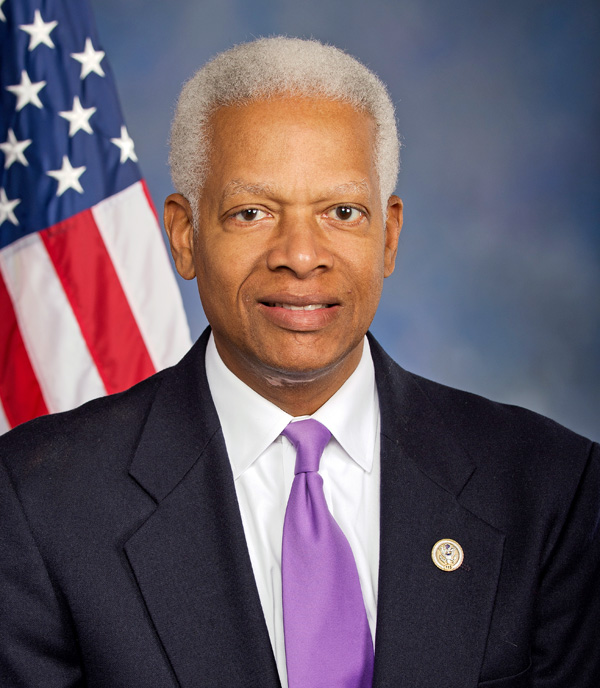





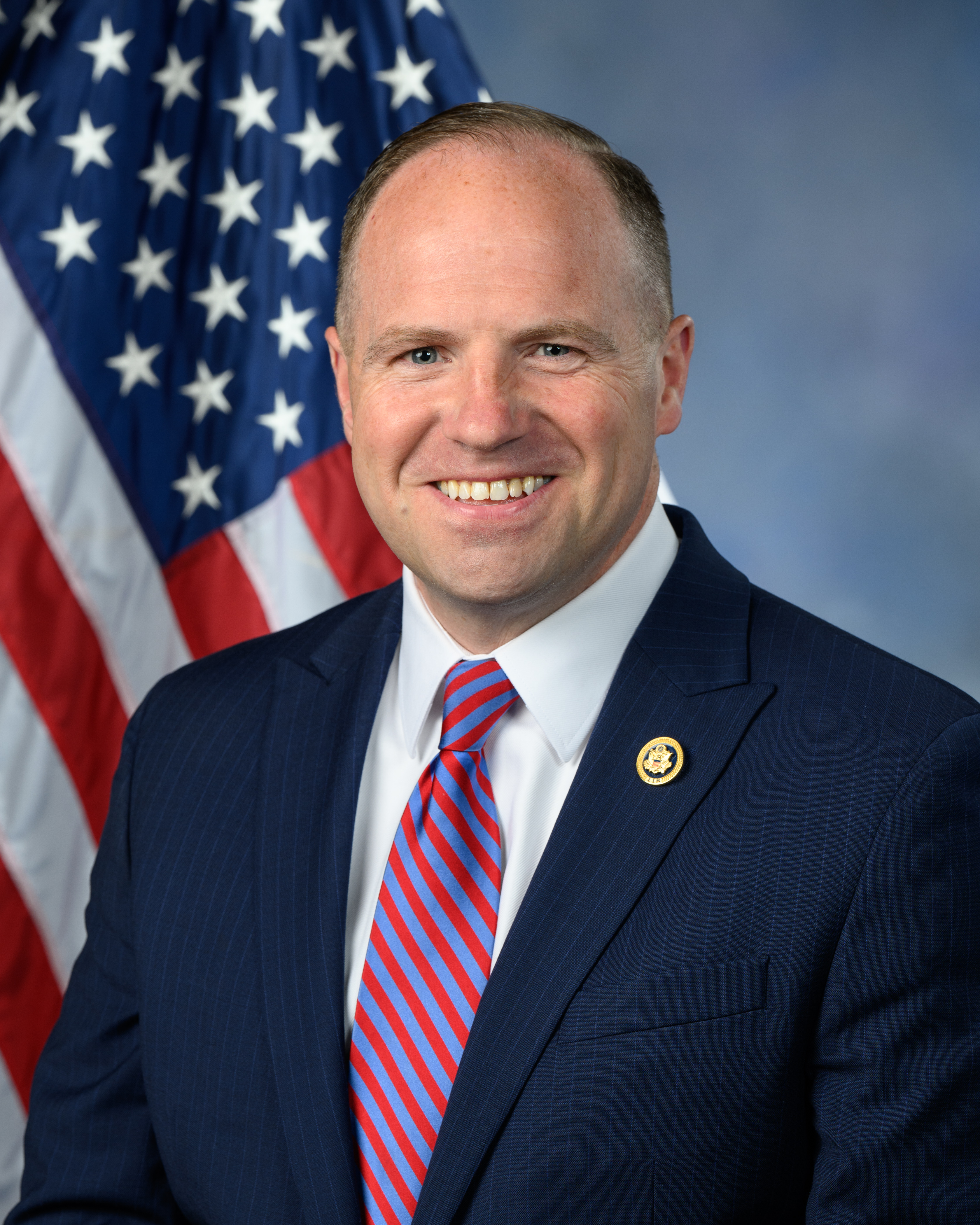











J
John Mannion

L
Lucy McBath




























































R
Rashida Tlaib






N
Nydia Velázquez


D
Debbie Wasserman Schultz