H.R.4593 — SHOWER Act
House Roll Call
H.R.4593
| Bill | H.R.4593 — SHOWER Act |
|---|---|
| Vote question | On Motion to Recommit |
| Vote type | Yea-and-Nay |
| Result | Failed |
| Totals | Yea 209 / Nay 215 / Present 0 / Not Voting 7 |
| Party | Yea | Nay | Present | Not Voting |
|---|---|---|---|---|
| R | 0 | 215 | 0 | 3 |
| D | 209 | 0 | 0 | 4 |
| I | 0 | 0 | 0 | 0 |
Research Brief
On Motion to Recommit
Bill Analysis
HR 4593 (119th Congress) – SHOWER Act
Short title: “Stop Harmful Outlays With Excessive Regulations Act of 2025”
HR 4593 is a regulatory reform bill that tightens congressional control over major federal regulations by expanding and hardening the Congressional Review Act (CRA) framework.
Core mechanism and scope
- Redefines “major rule” and creates/expands categories such as “significant,” “economically significant,” or similarly high-impact rules, generally tied to thresholds for annual economic impact, effects on prices, employment, innovation, or competitiveness.
- Requires agencies to submit covered rules to Congress and the Government Accountability Office (GAO) before they can take effect.
- Conditions the effectiveness of many high-impact rules on an affirmative act of Congress (e.g., joint resolution of approval), shifting from a default of “rule takes effect unless disapproved” toward “rule does not take effect unless approved” for certain categories.
- Extends CRA-style review to additional agency actions beyond traditional notice-and-comment rules, potentially including guidance documents, policy statements, or interpretive rules that have substantial economic or policy effects.
Agencies and programs affected
- Applies government-wide to executive agencies and, in some cases, independent regulatory agencies.
- Affects rulemaking across sectors: environmental (EPA), labor (DOL), financial (SEC, CFPB), health (HHS), transportation (DOT), energy (DOE, FERC), and others, by subjecting their major regulatory actions to heightened congressional oversight and delay.
Beneficiaries and regulated parties
- Regulated industries and entities (businesses, utilities, financial institutions, employers, etc.) benefit from additional procedural checks that can slow, block, or overturn costly or expansive regulations.
- Federal agencies face added procedural burdens, extended timelines, and increased risk that major rules will be nullified or never take effect.
- Congress gains stronger leverage over regulatory policy without having to amend underlying statutes for each rule.
Timelines and implementation
- Applies prospectively to rules finalized after enactment, with specific effective-date delays (e.g., 60 legislative days or more) for covered rules pending congressional review.
- Establishes or modifies deadlines for congressional consideration of approval/disapproval resolutions and for GAO review.
- Contains no large new spending authority; costs are primarily administrative (agency compliance, GAO review, congressional workload).
Yea (209)









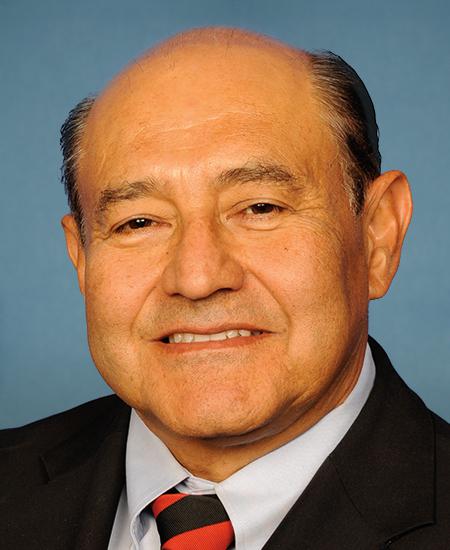
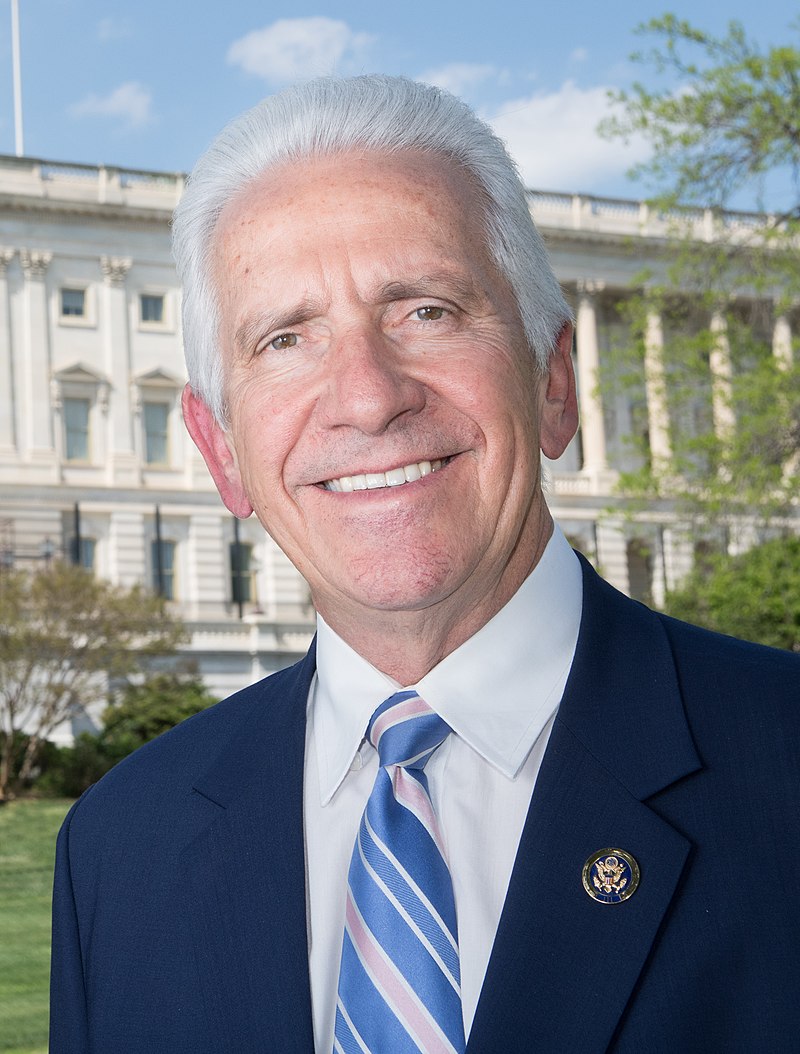
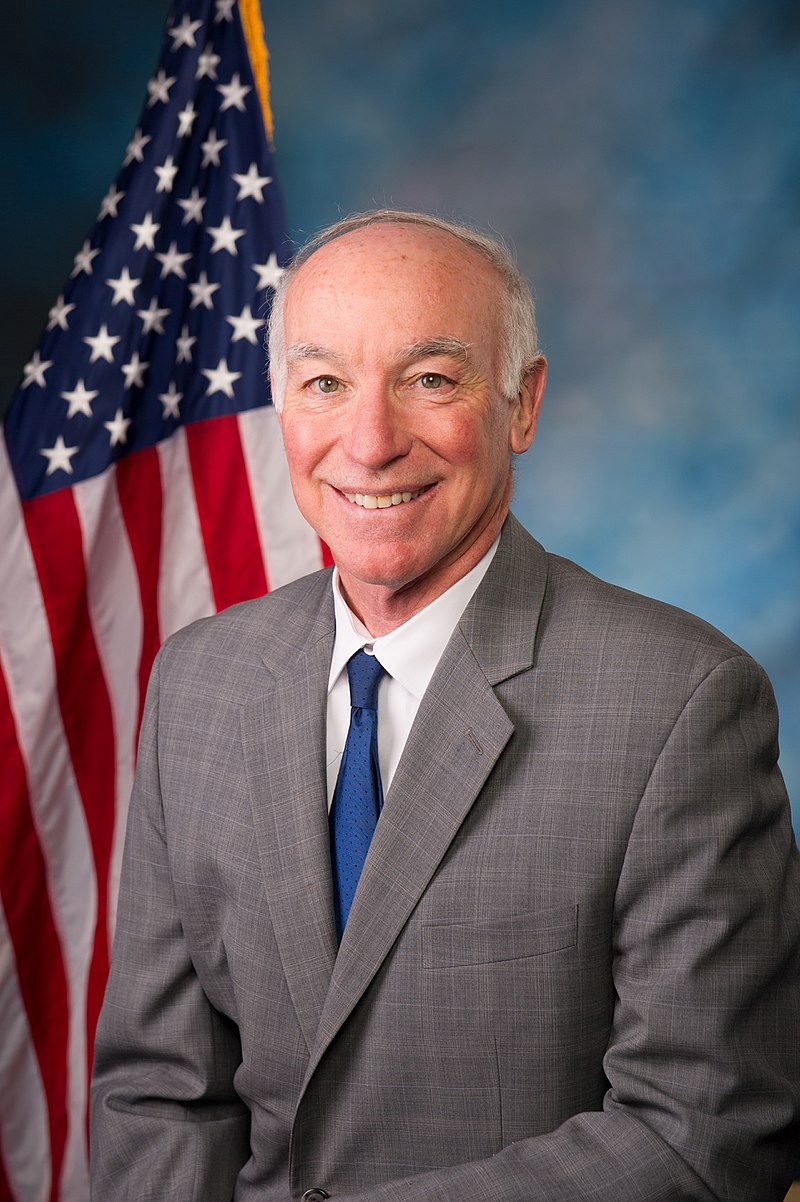


J
Jason Crow


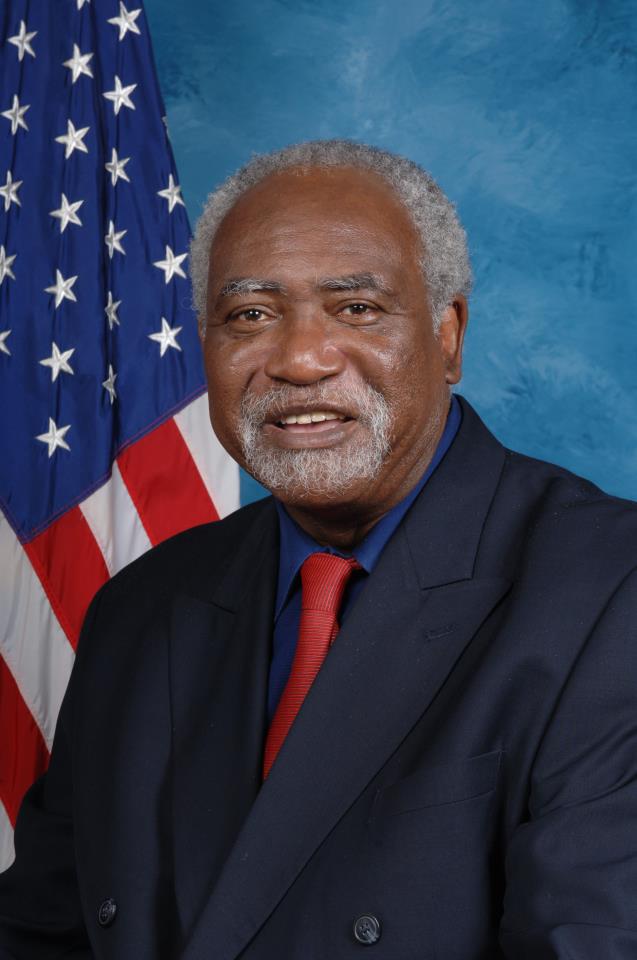






L
Lloyd Doggett

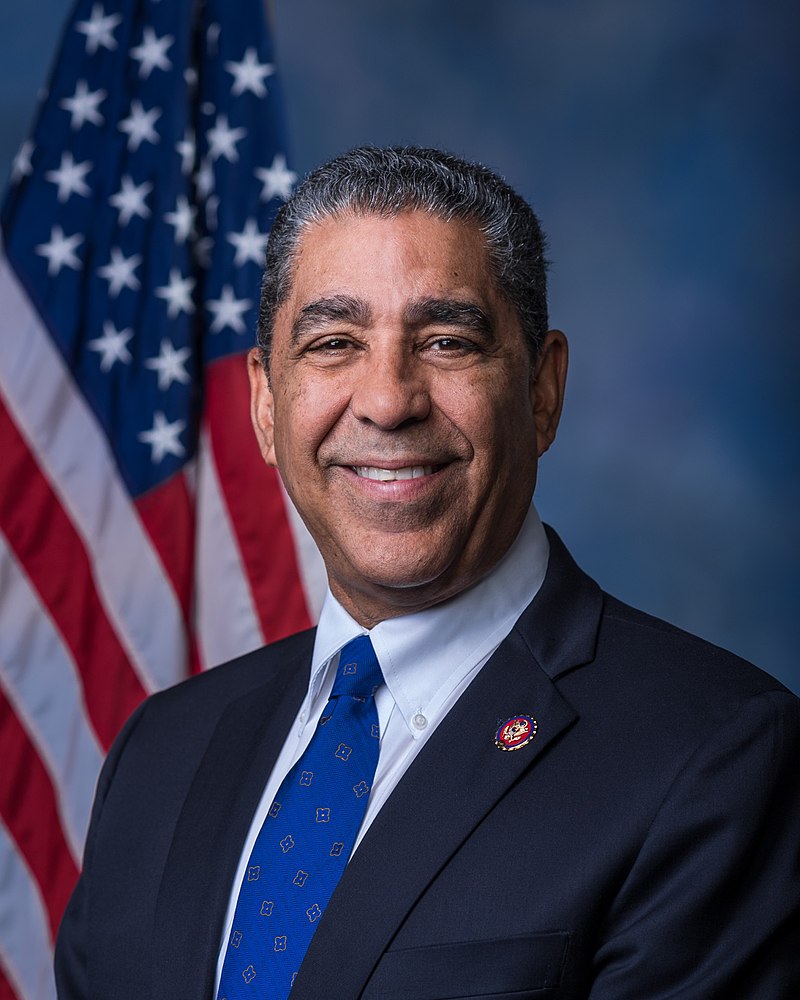
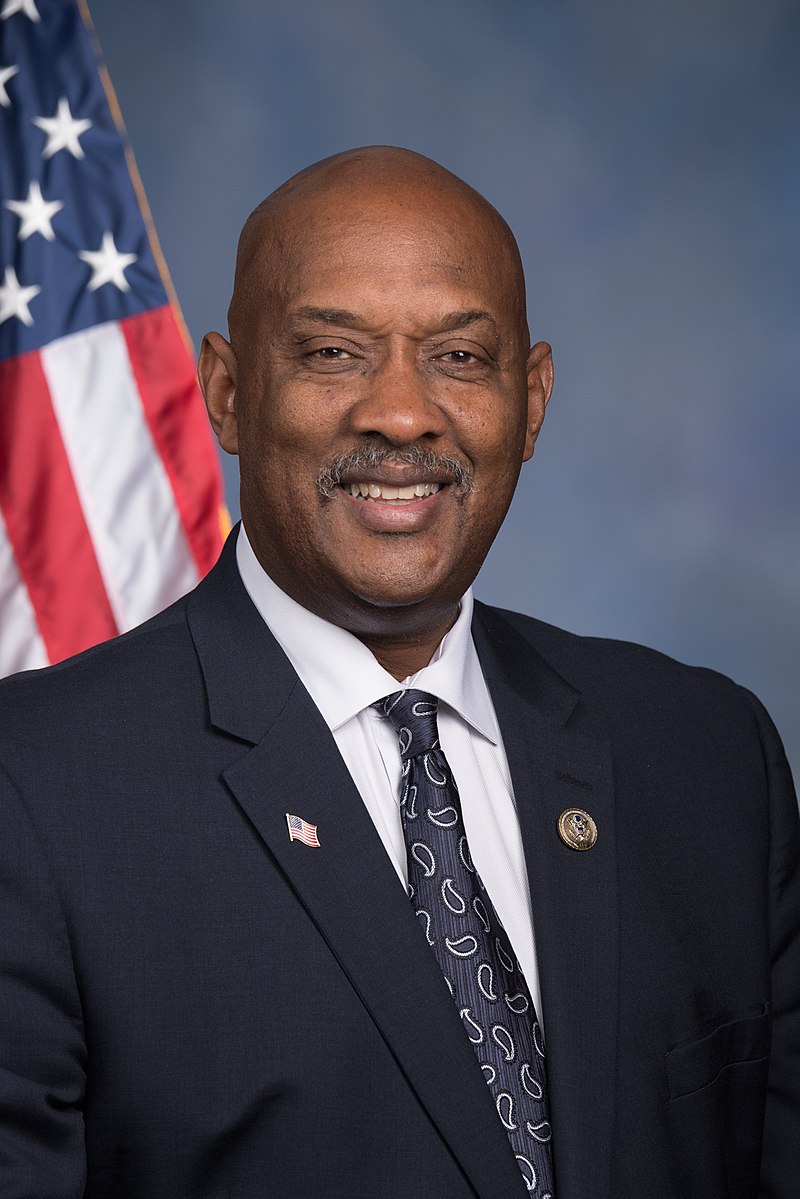




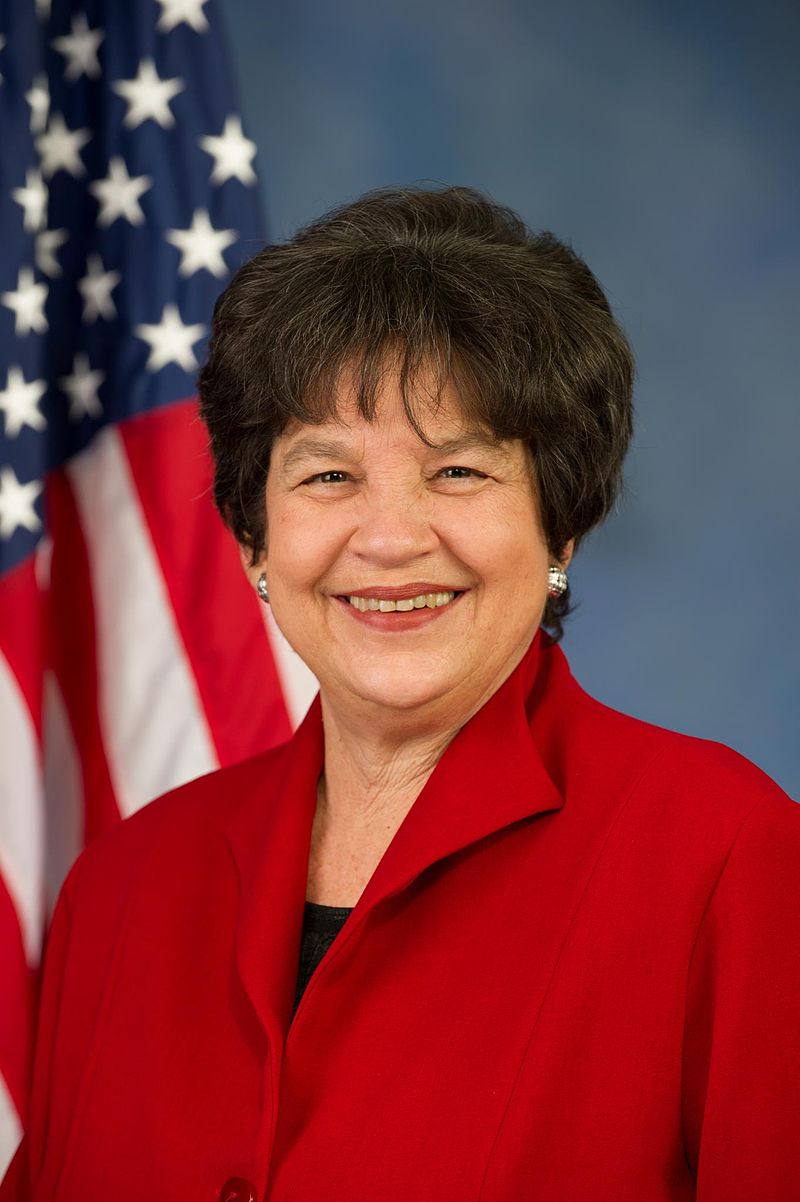


J
John Garamendi













J
John Mannion

L
Lucy McBath

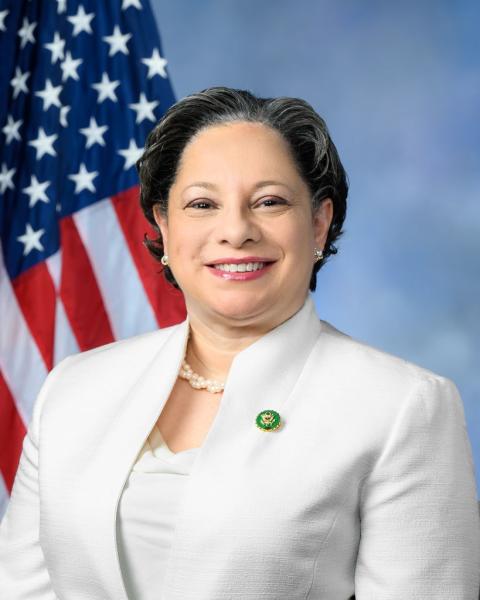
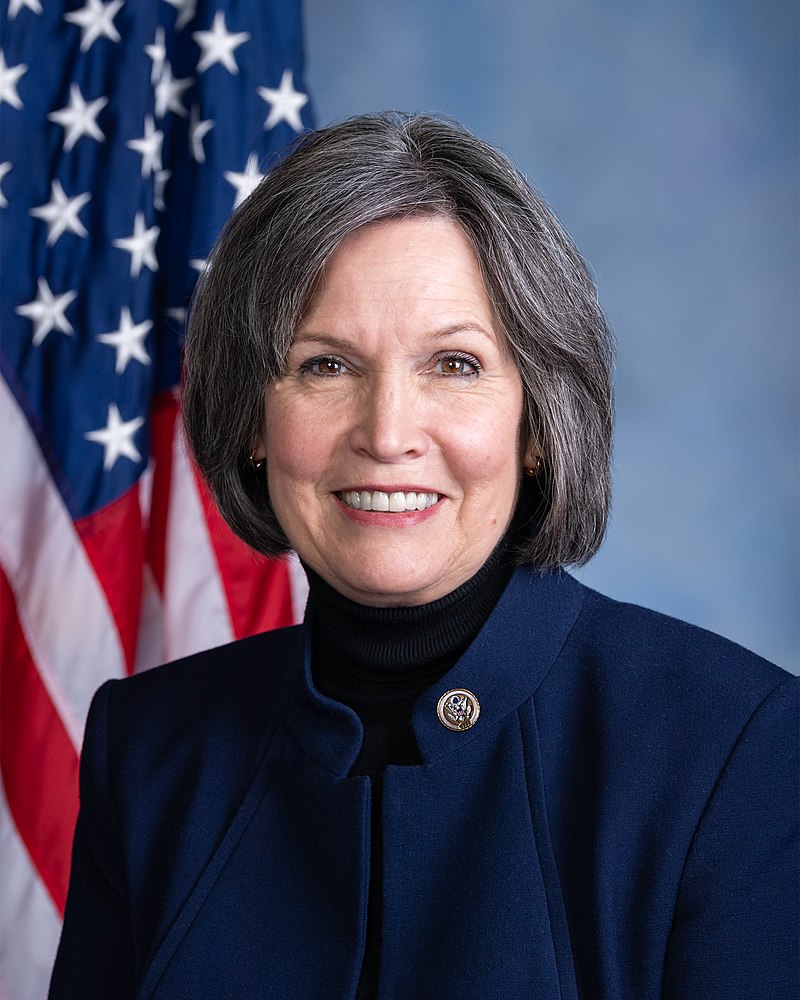

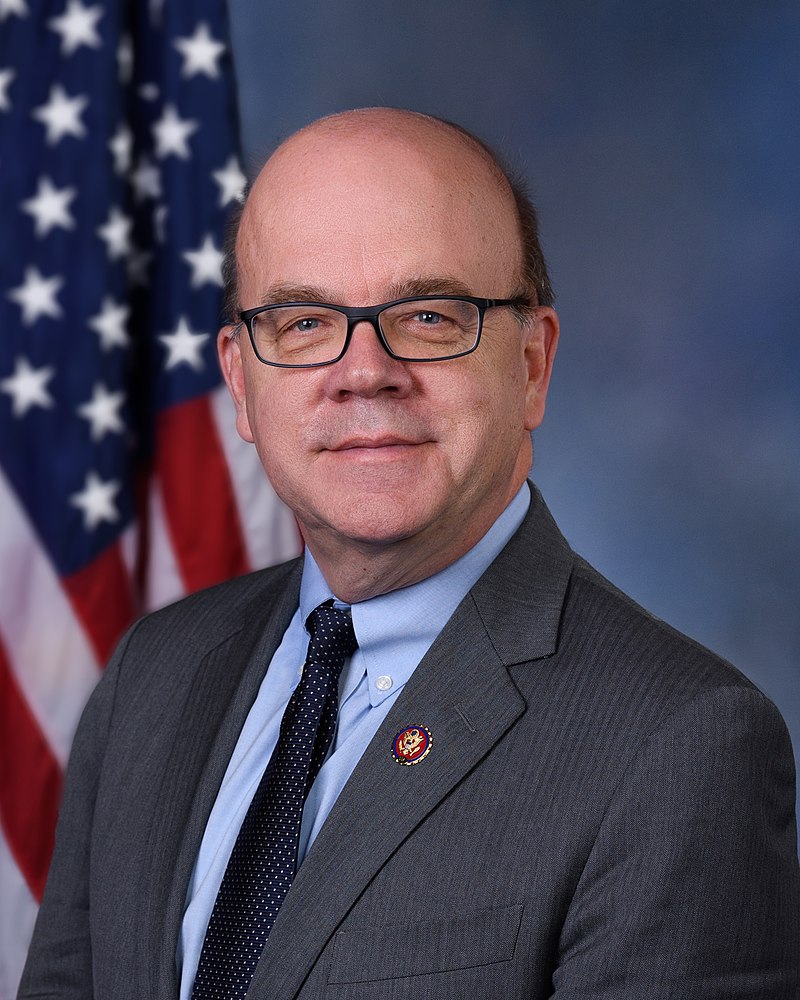
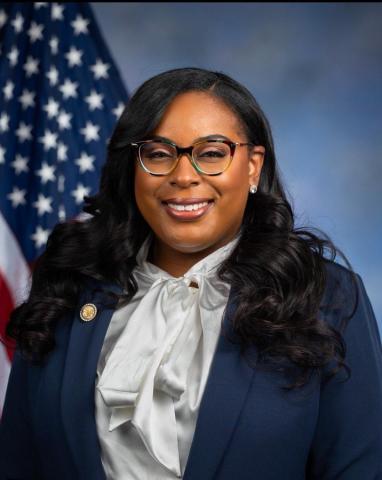


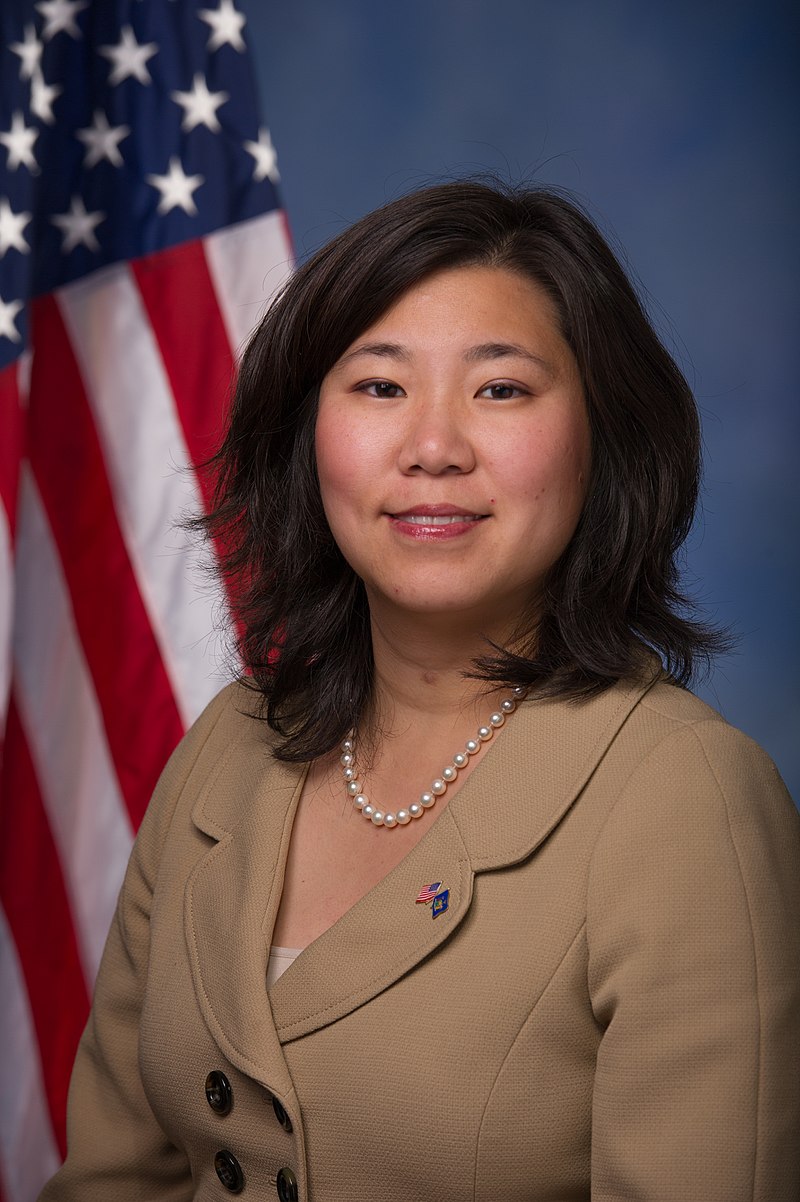
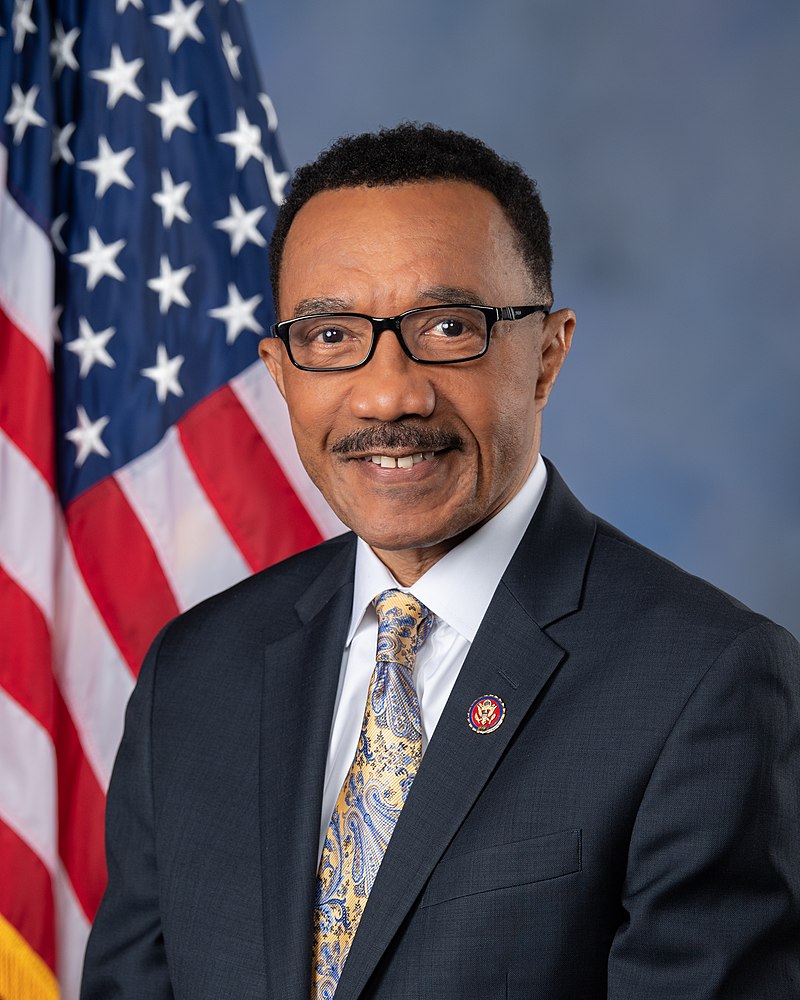
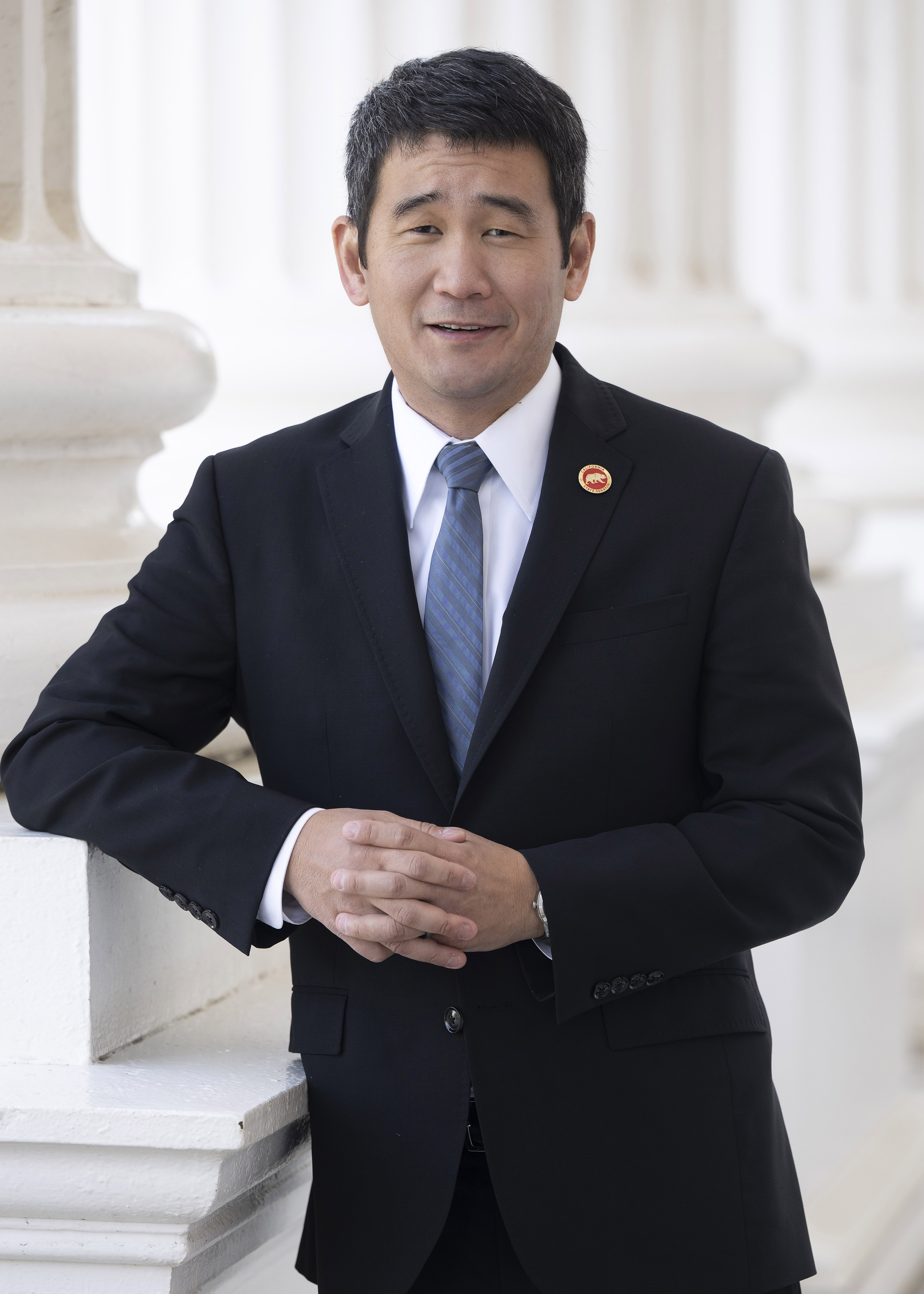



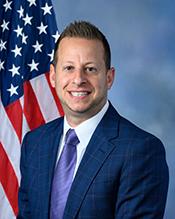
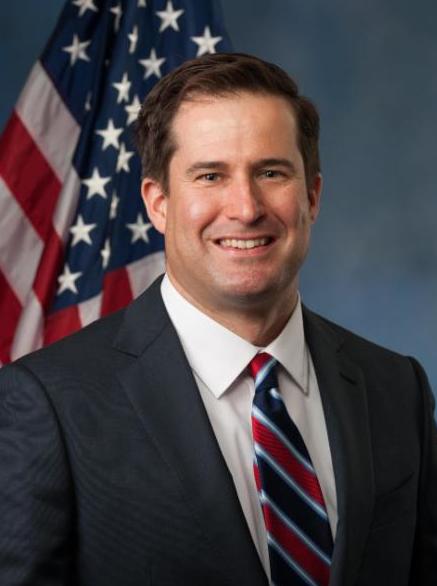


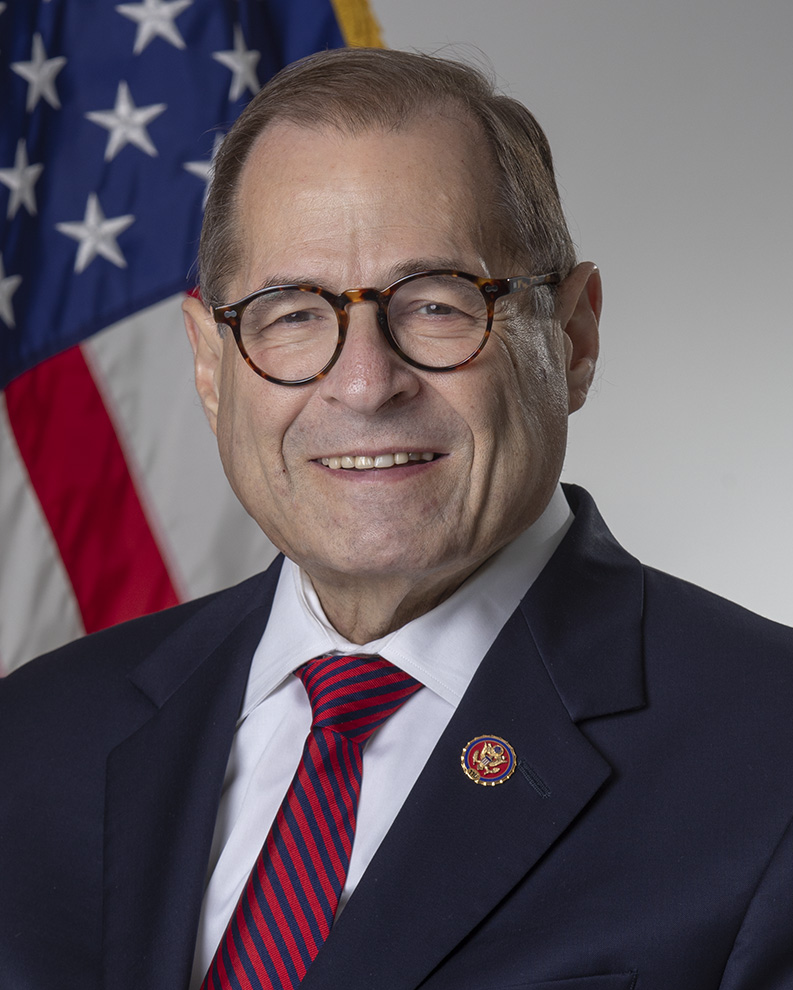

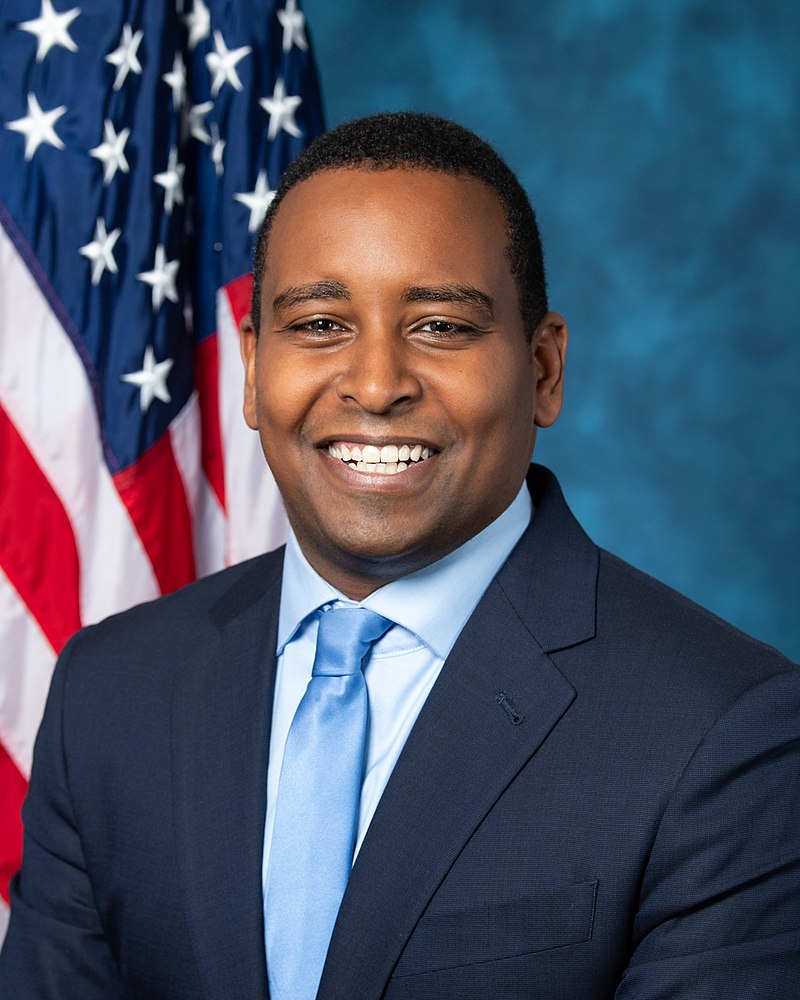










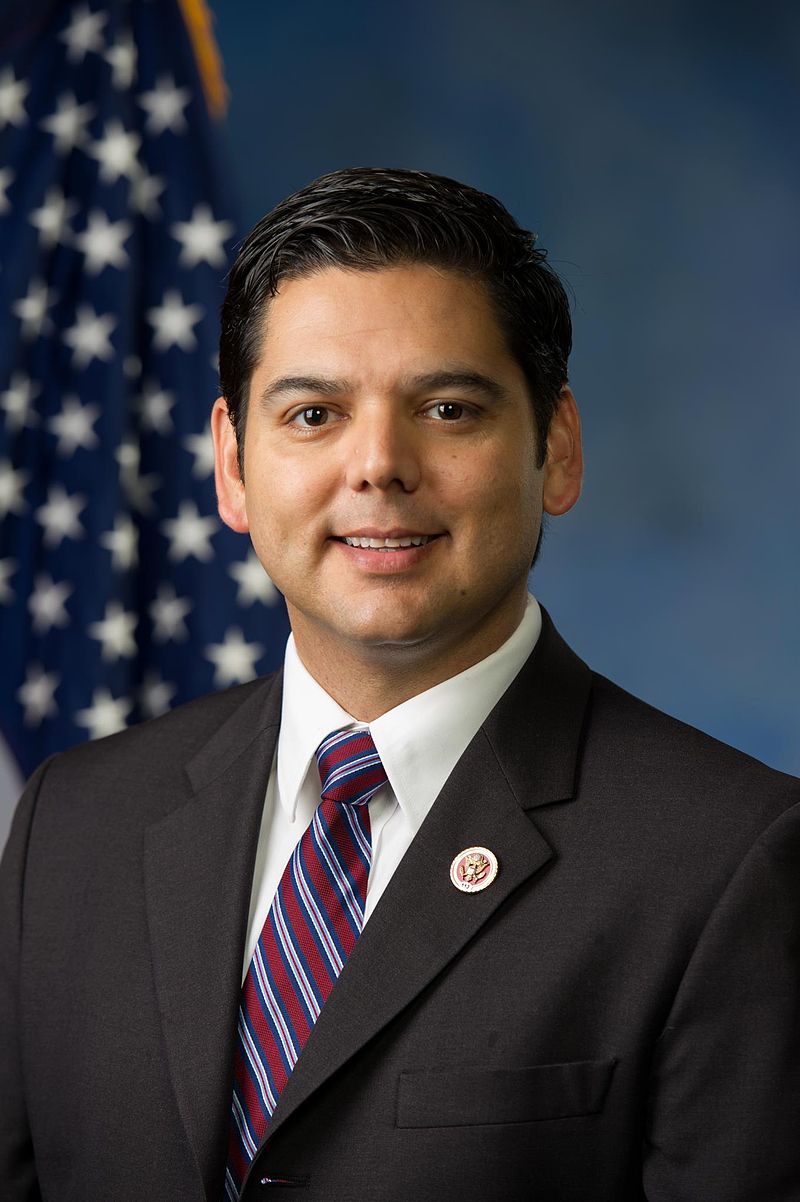


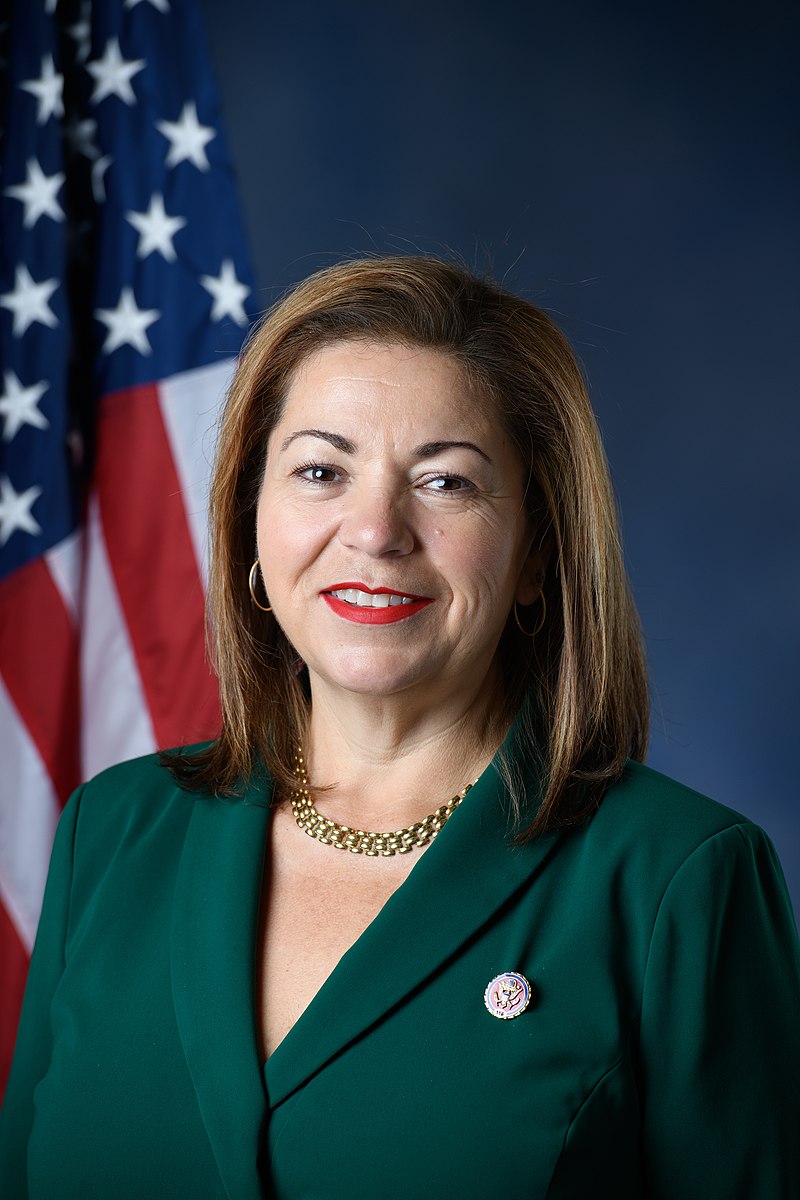
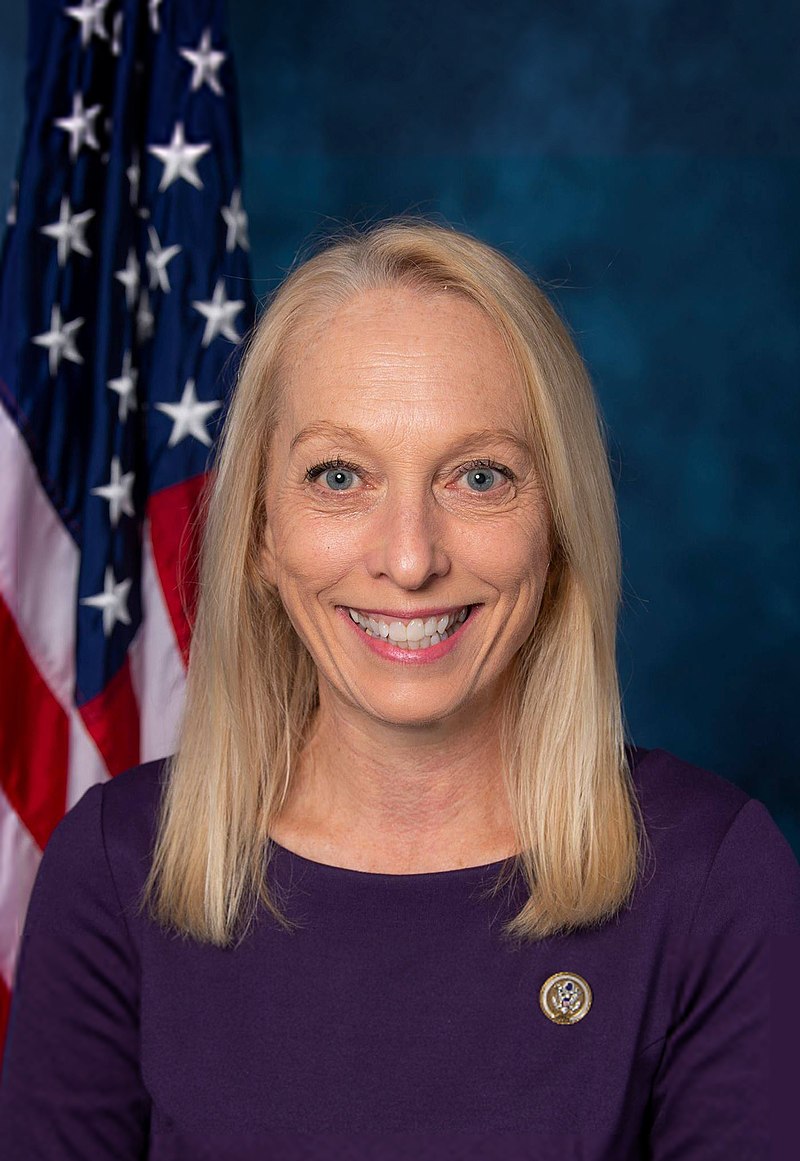

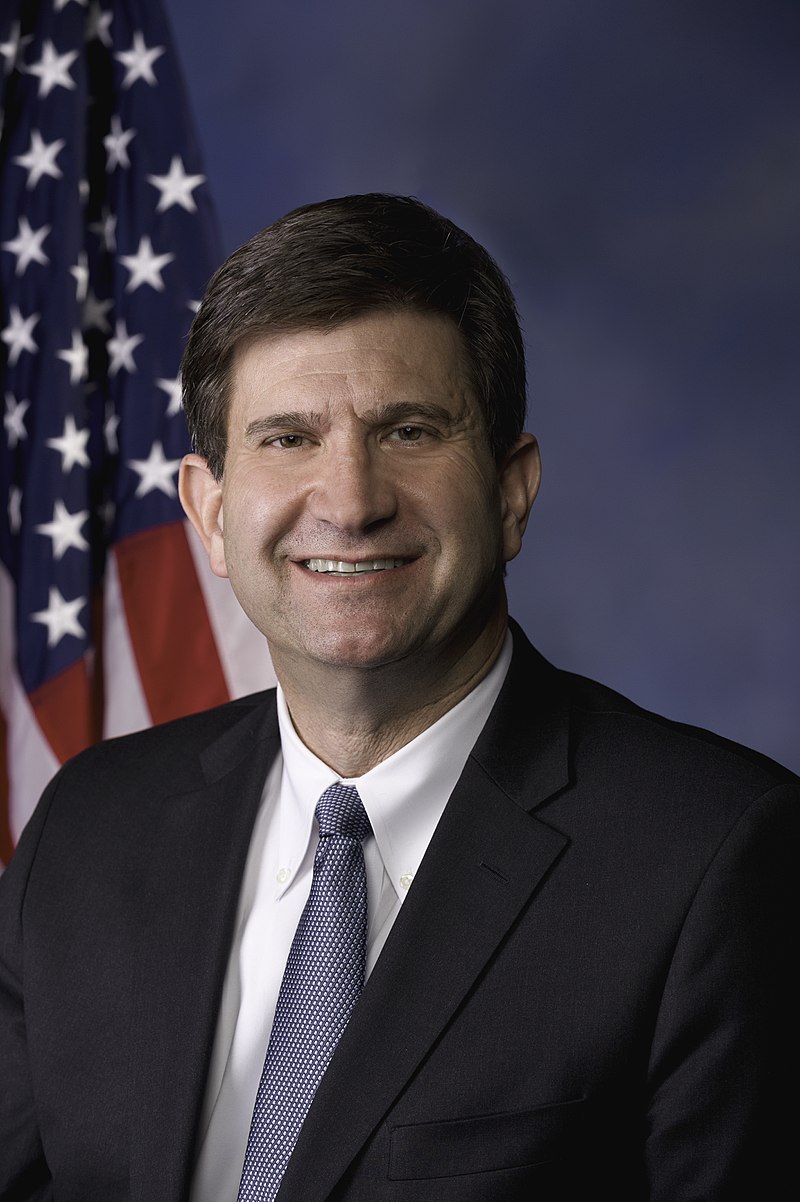




R
Rashida Tlaib




N
Nydia Velázquez

D
Debbie Wasserman Schultz

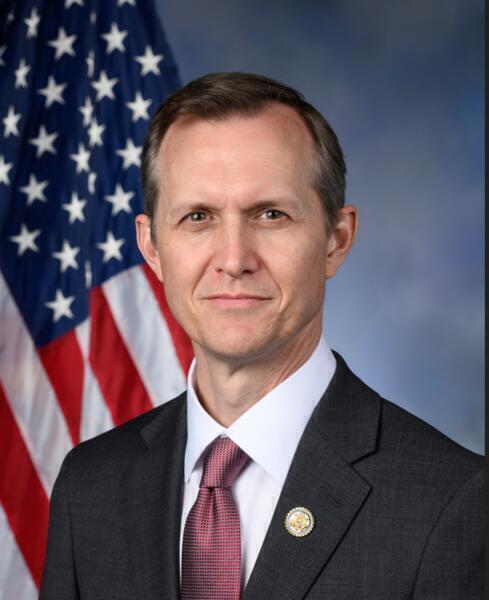

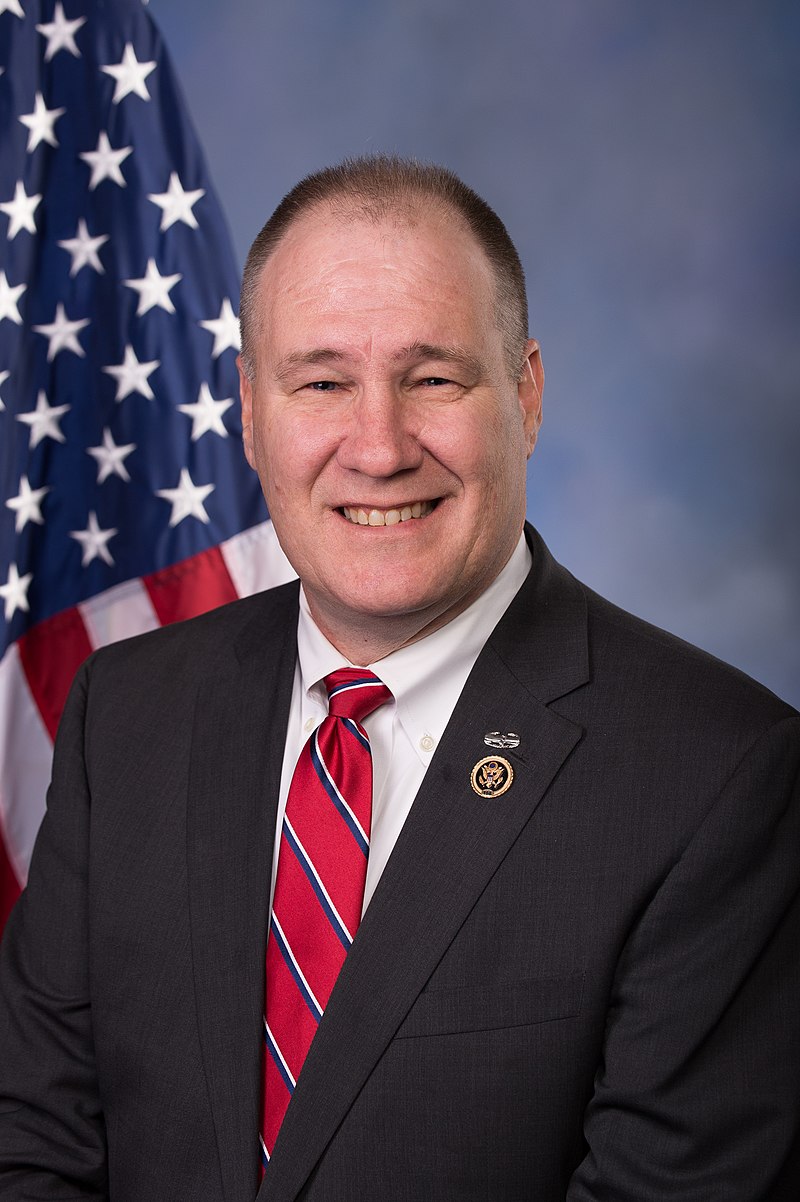
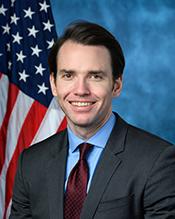
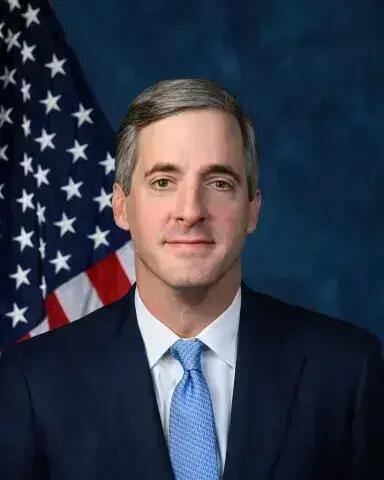
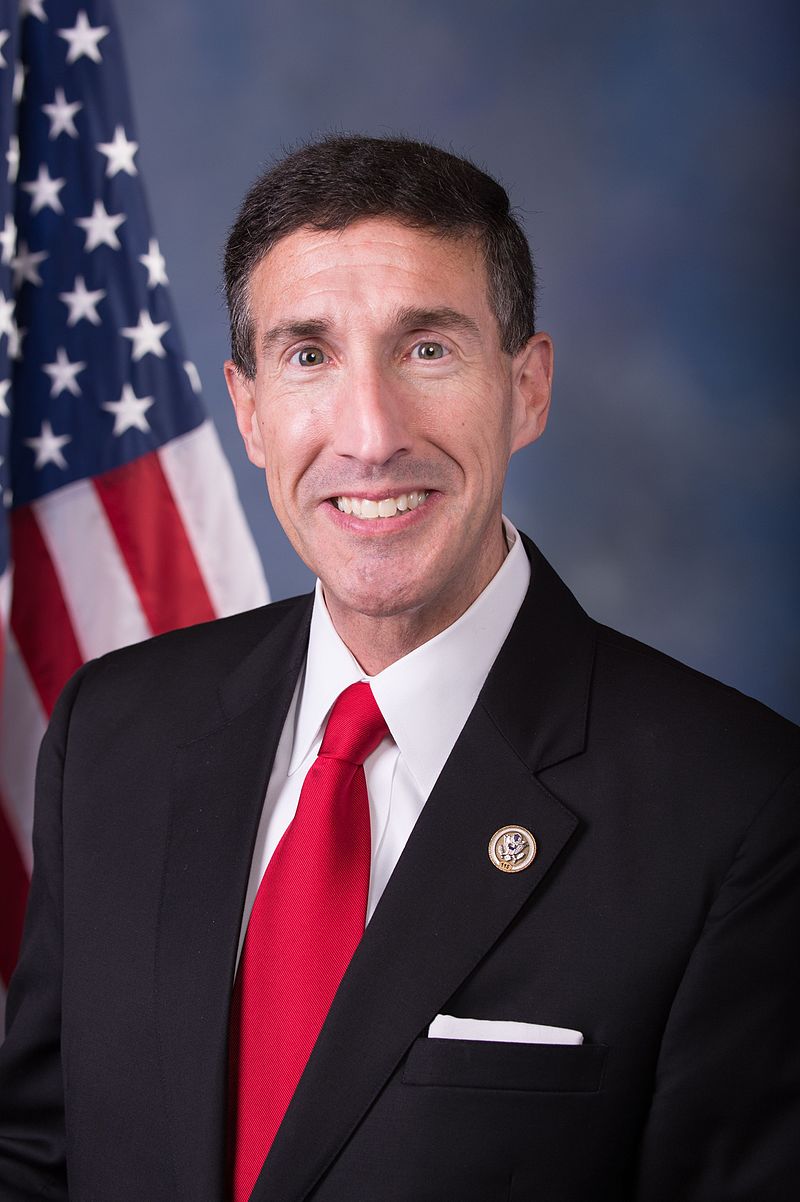
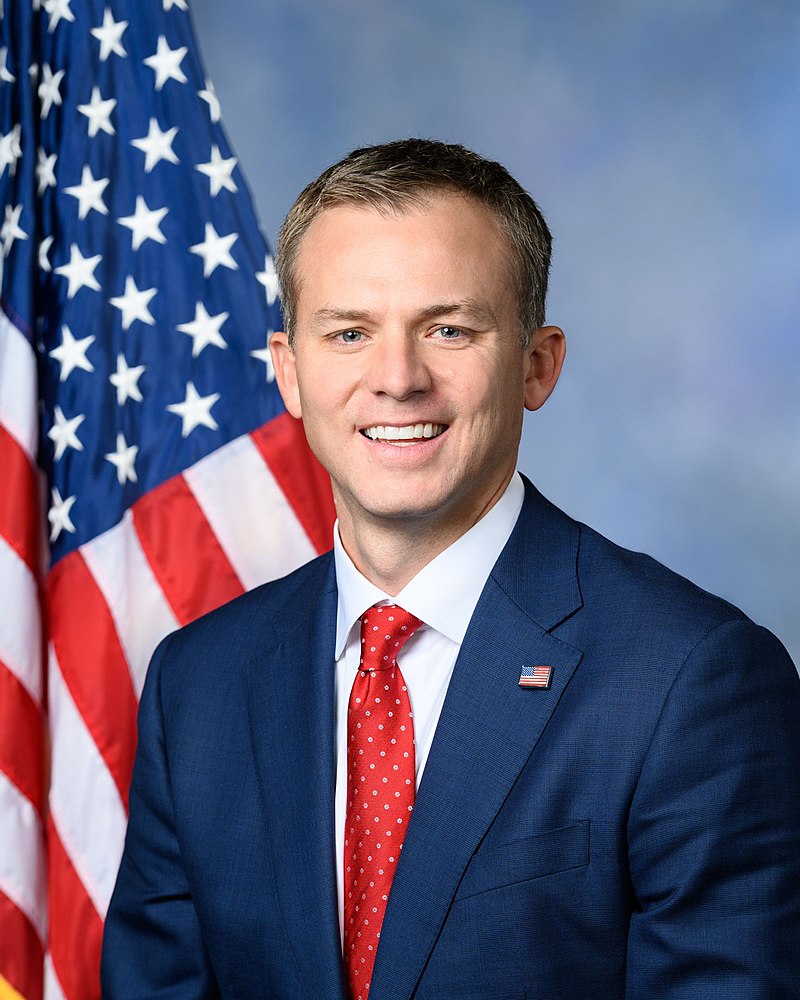
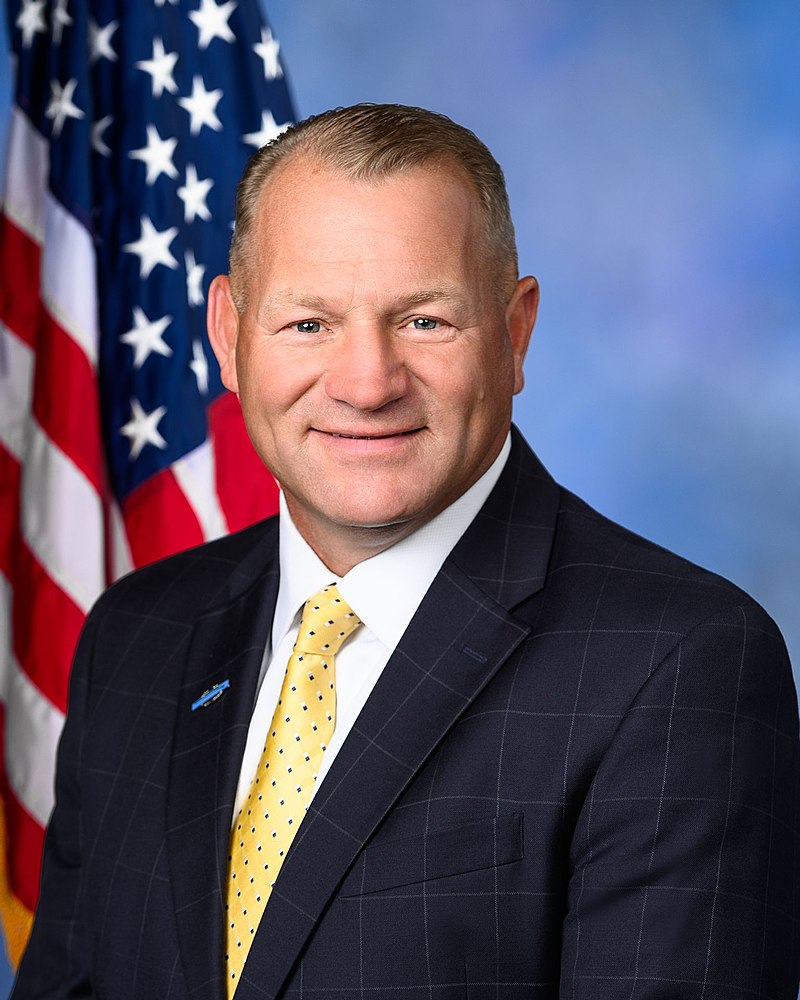
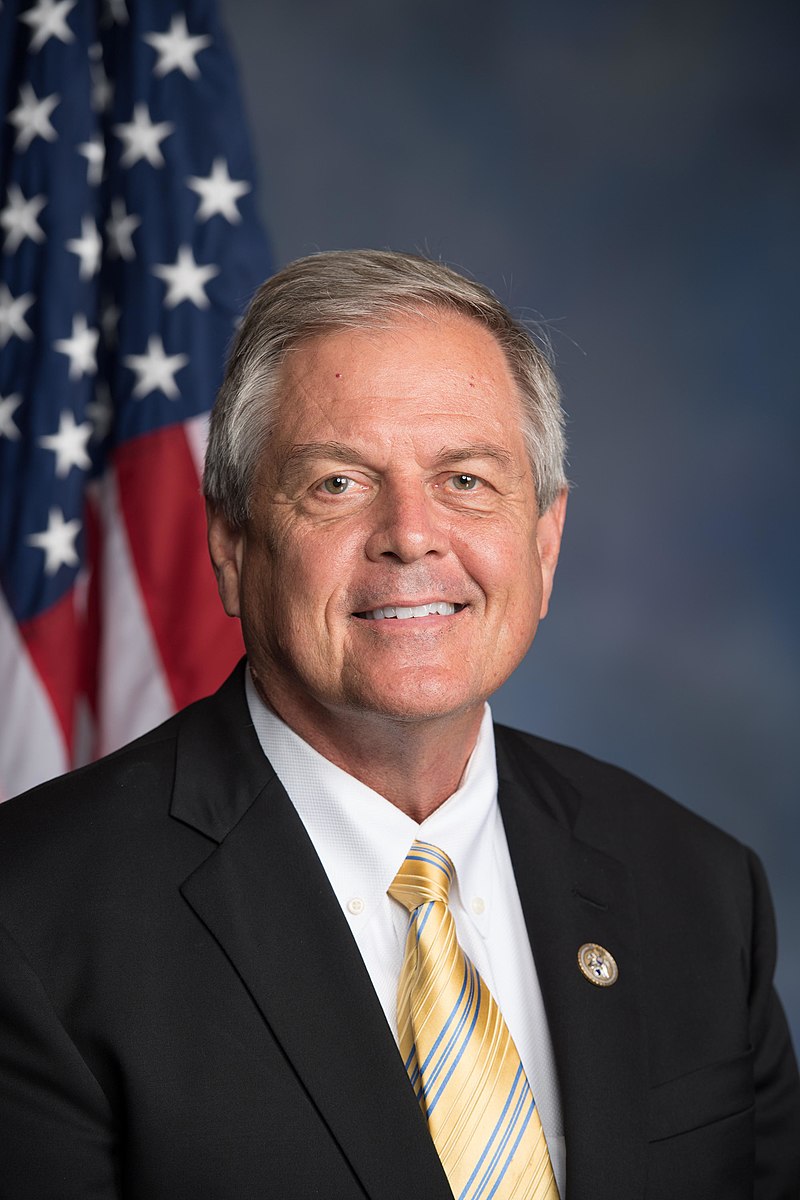
Nay (215)
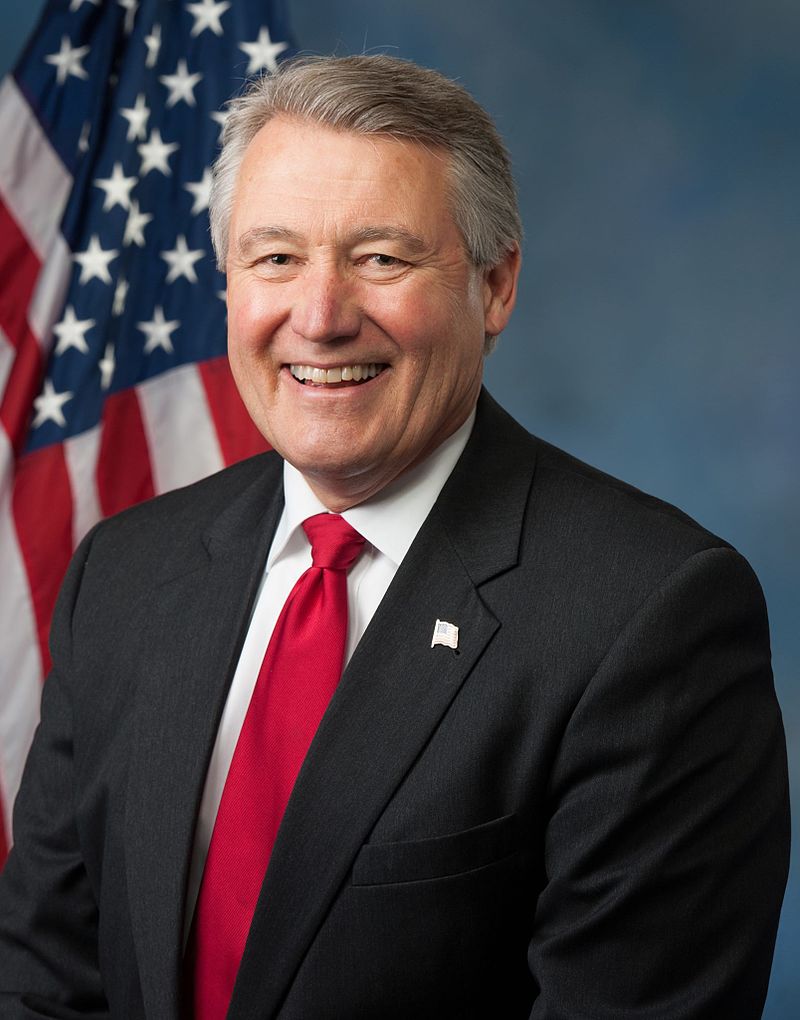


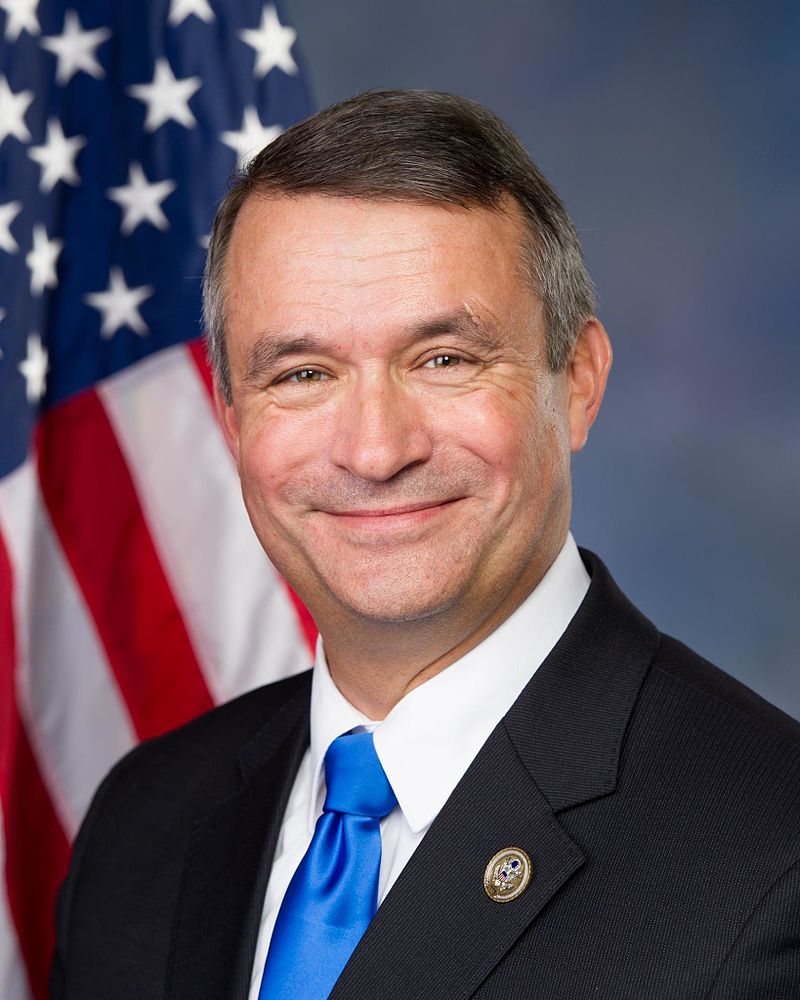

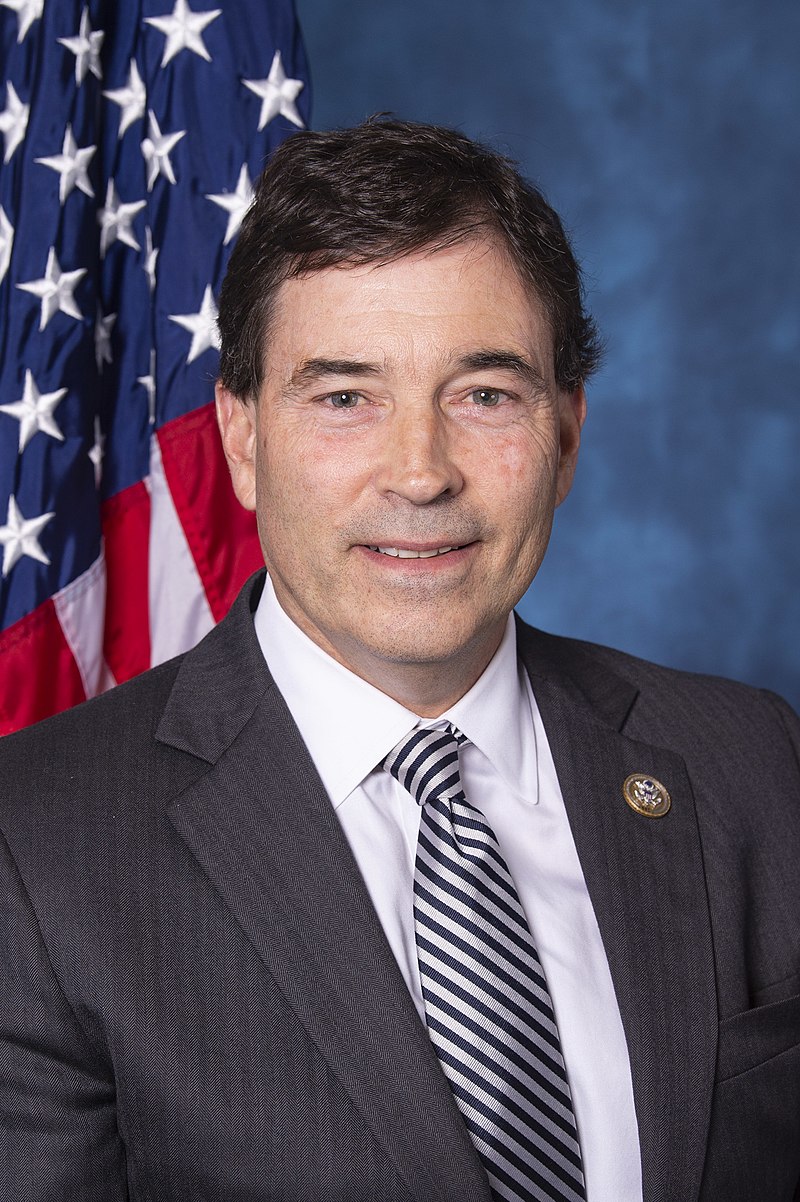

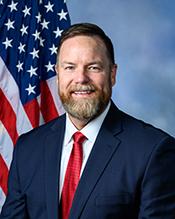

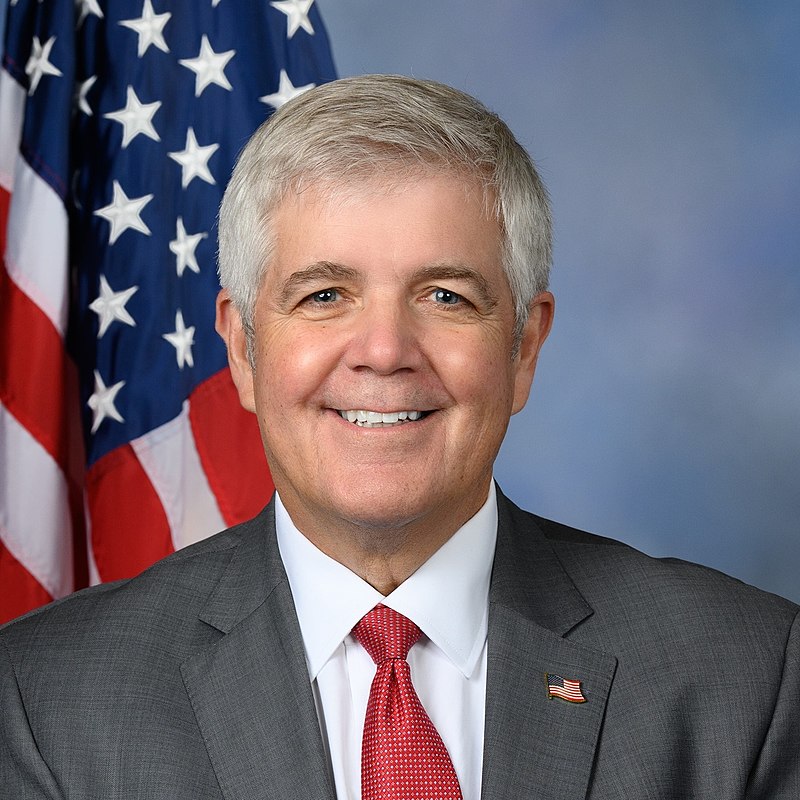
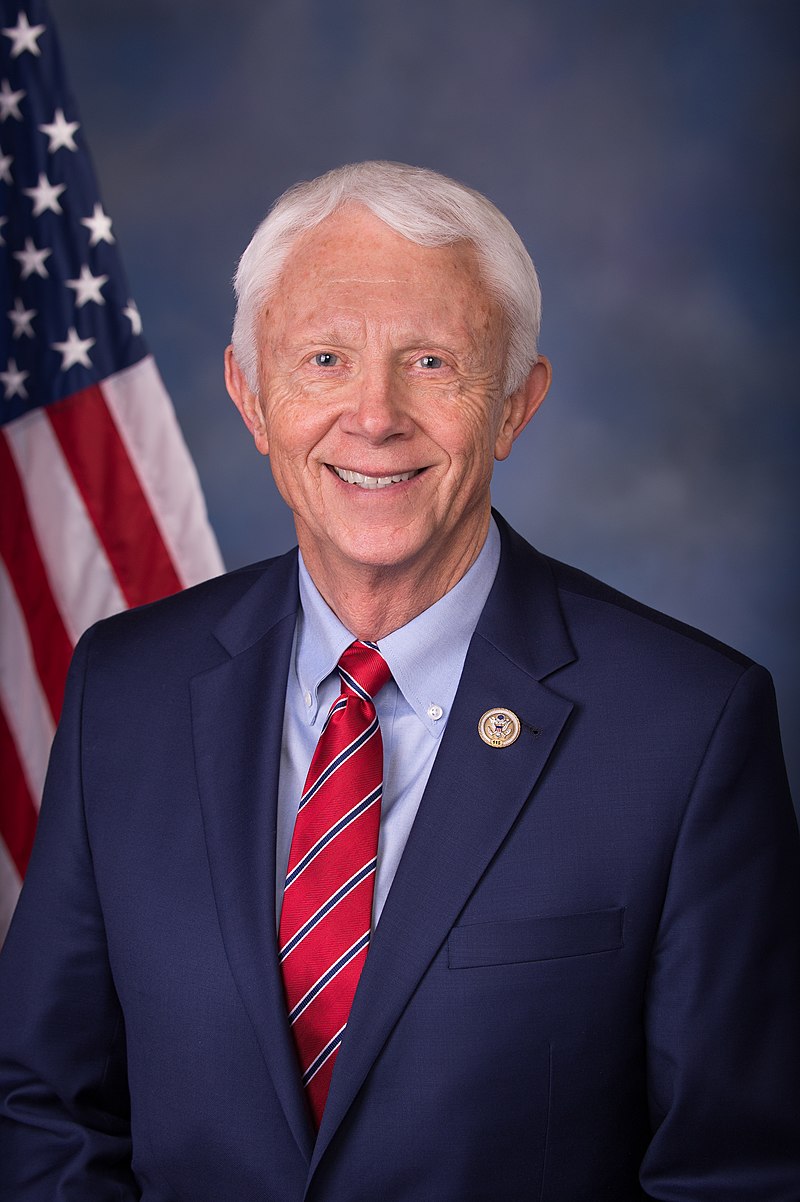
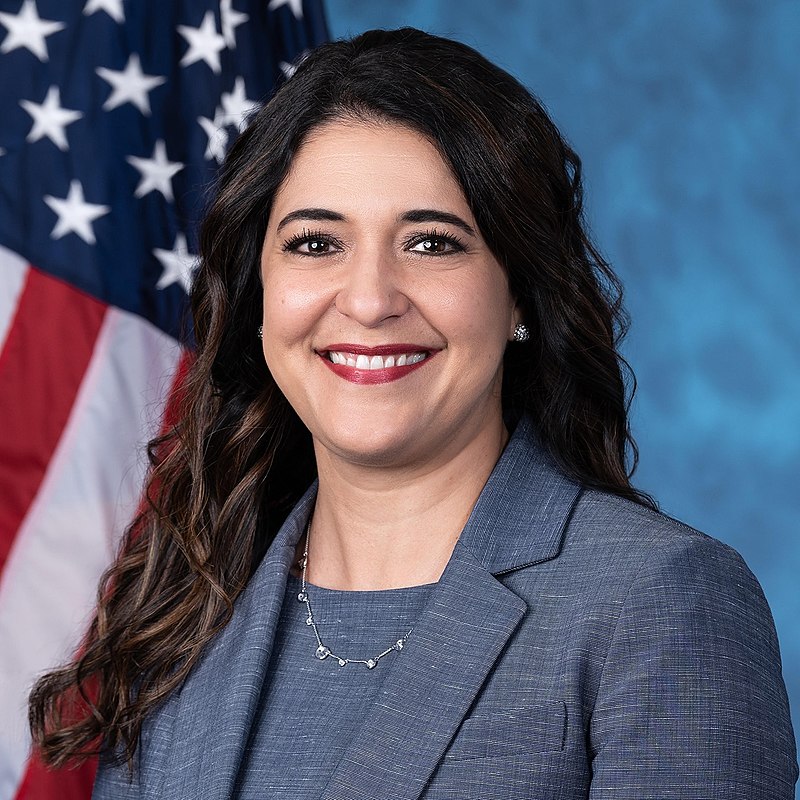
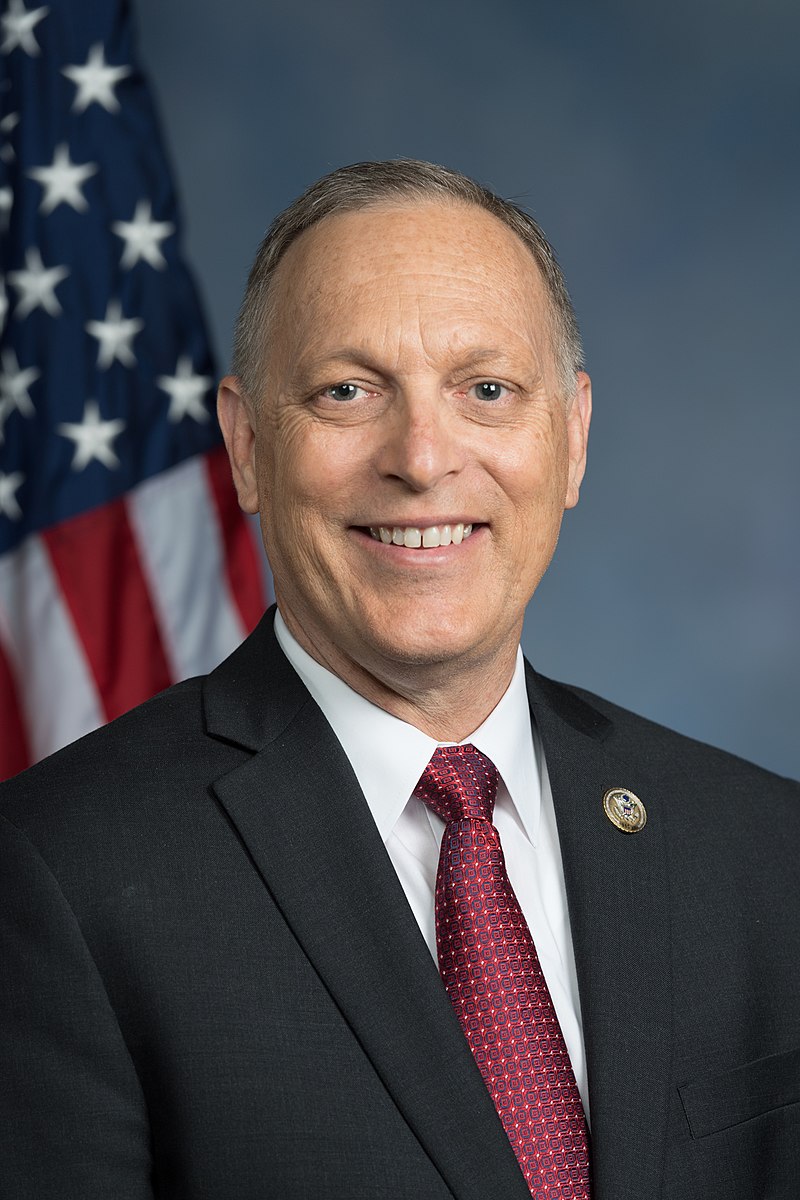
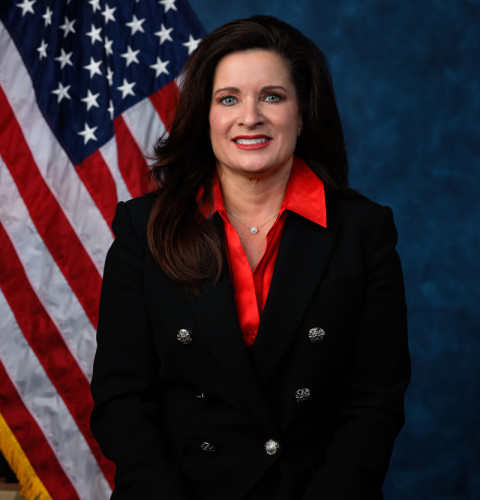
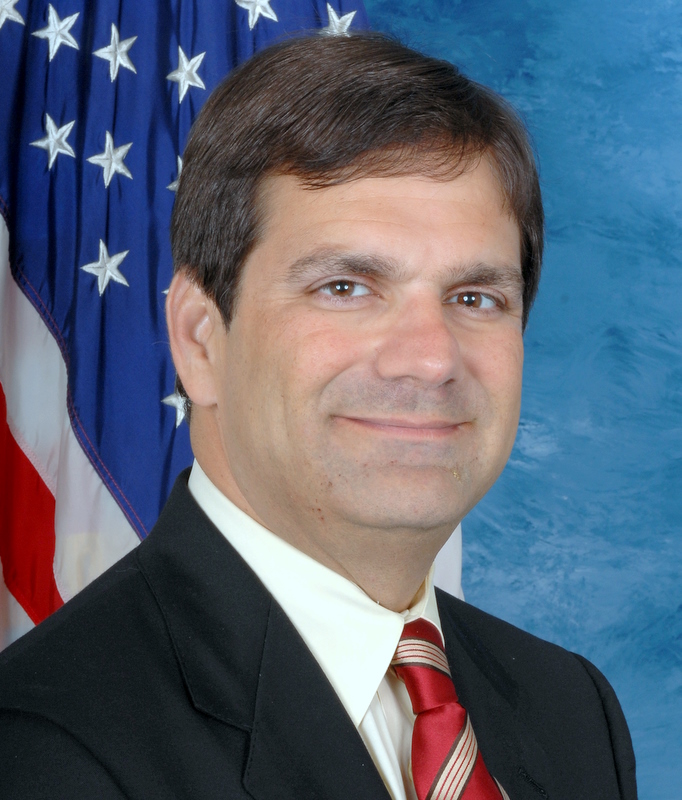
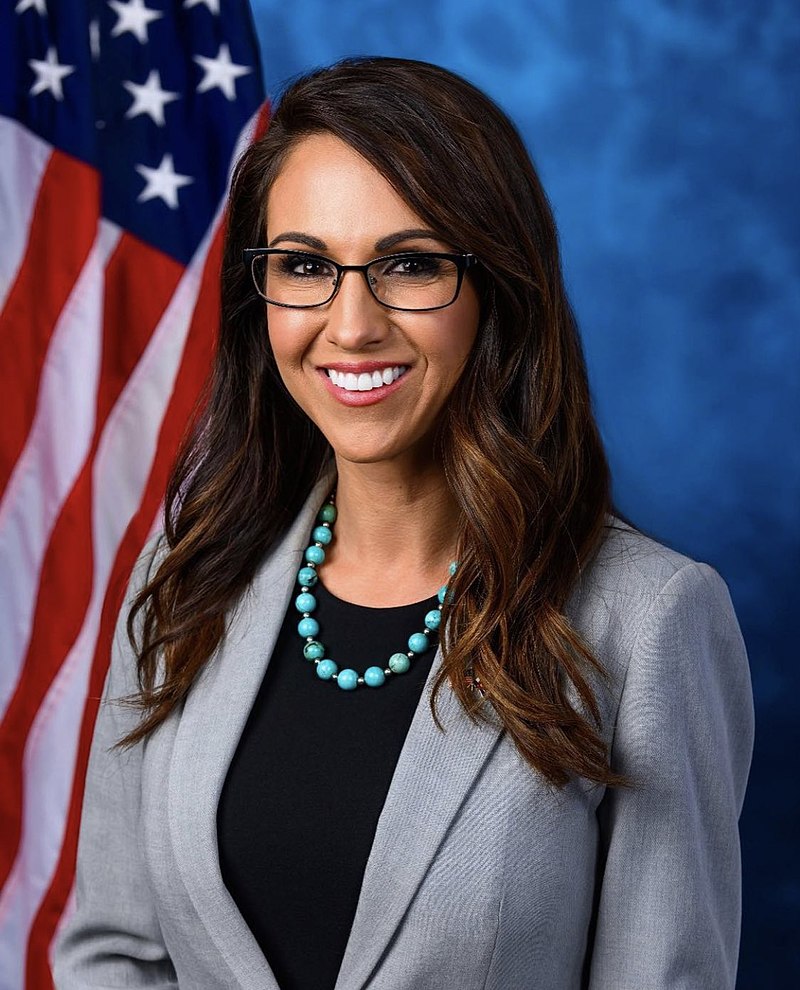
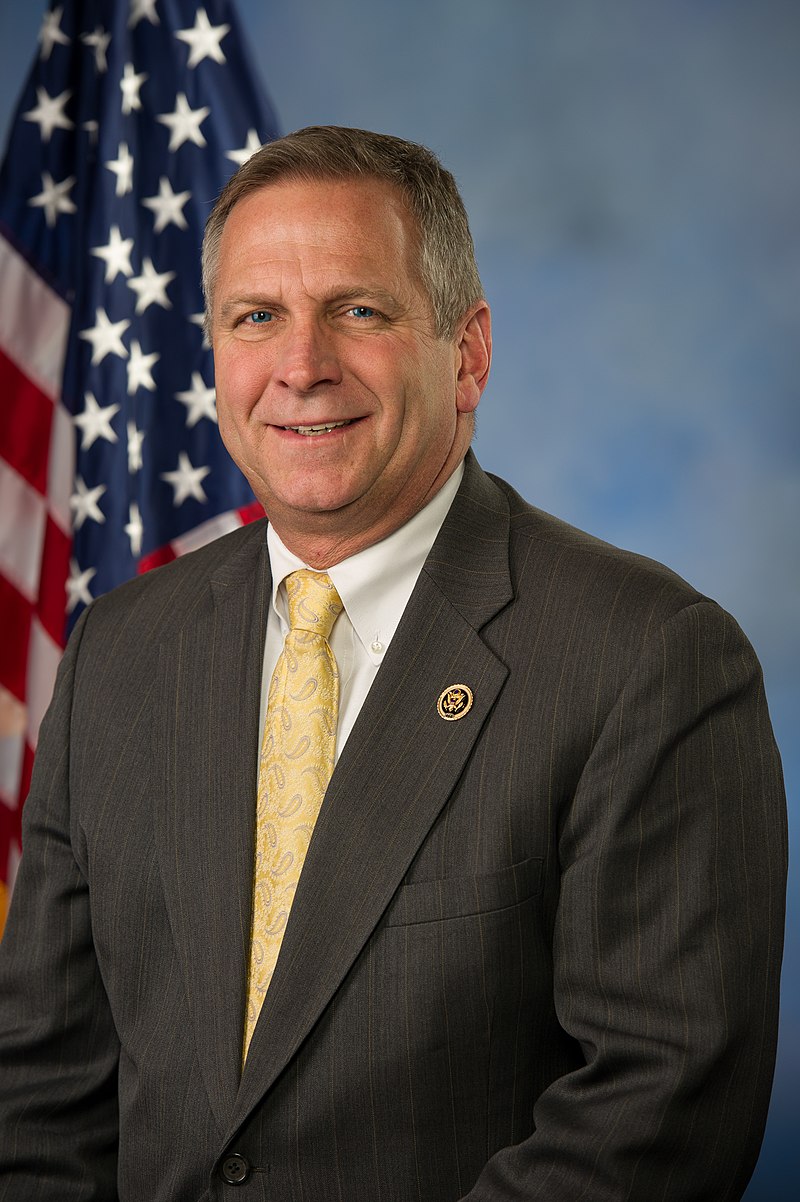
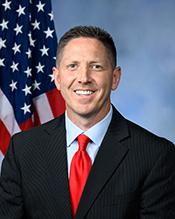

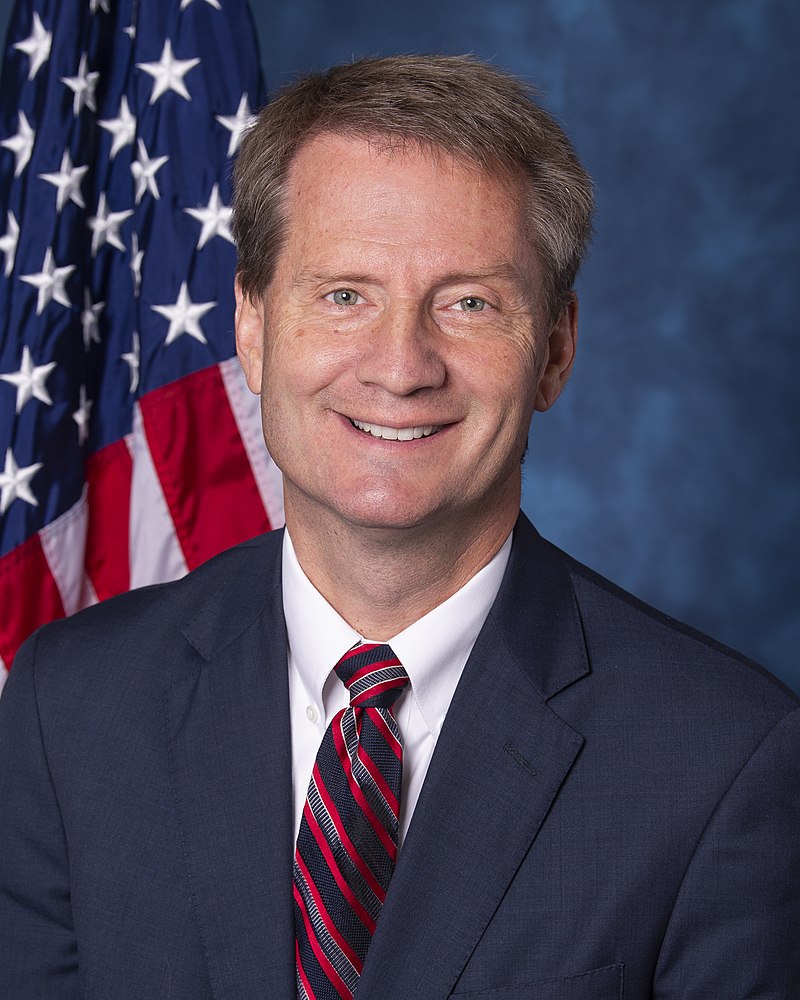
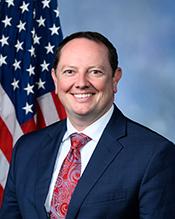
K
Ken Calvert



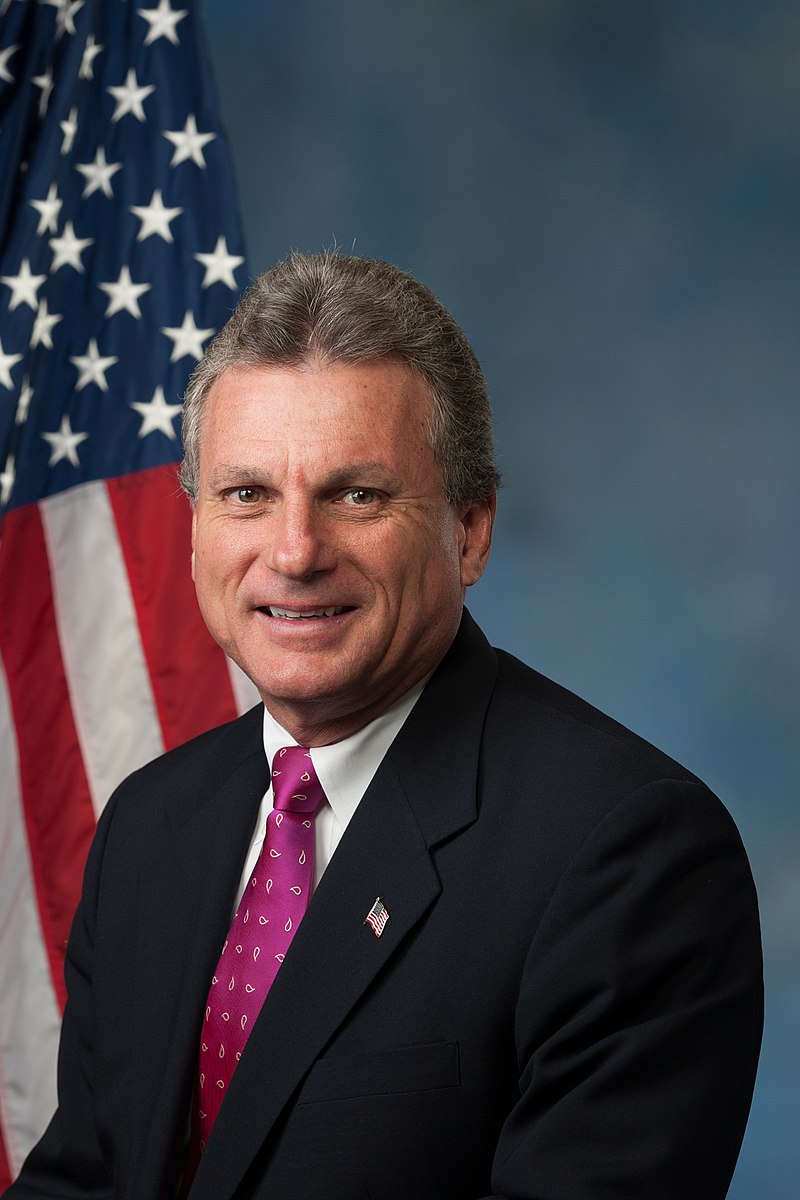
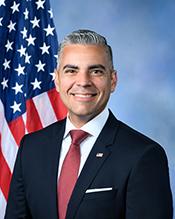

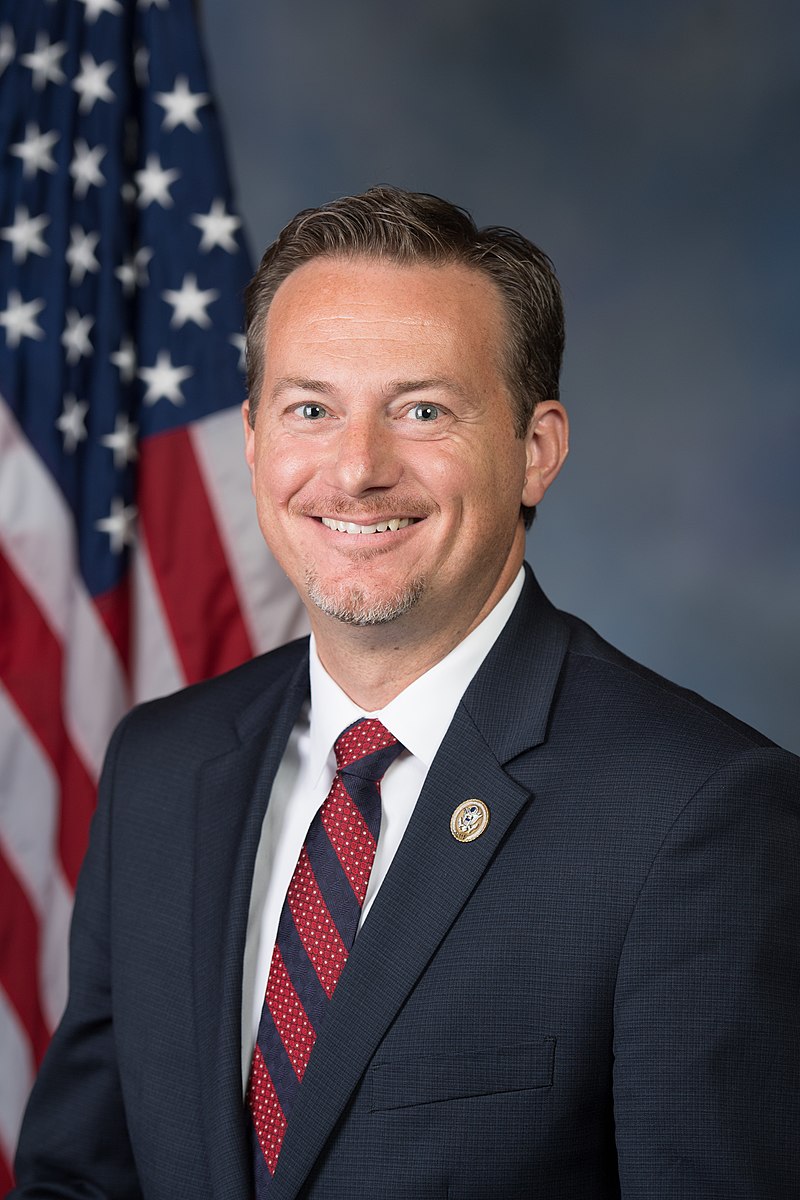













S
Scott Franklin












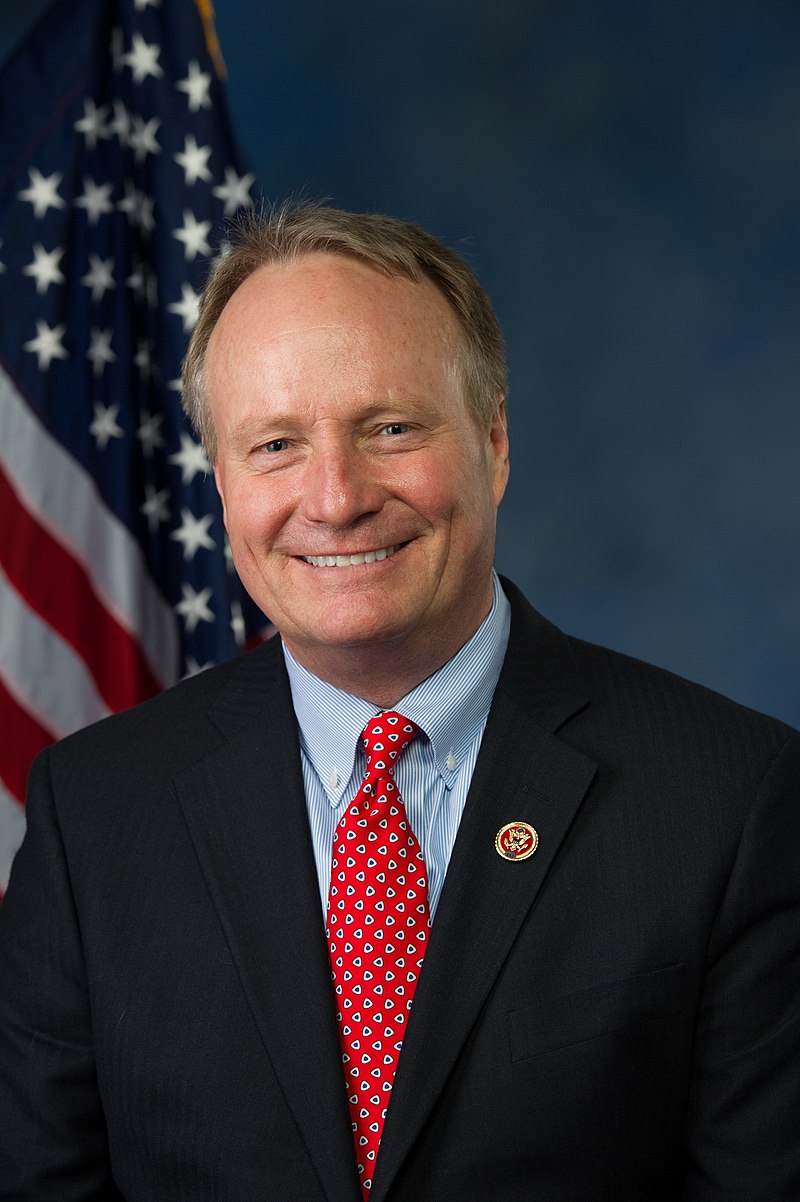
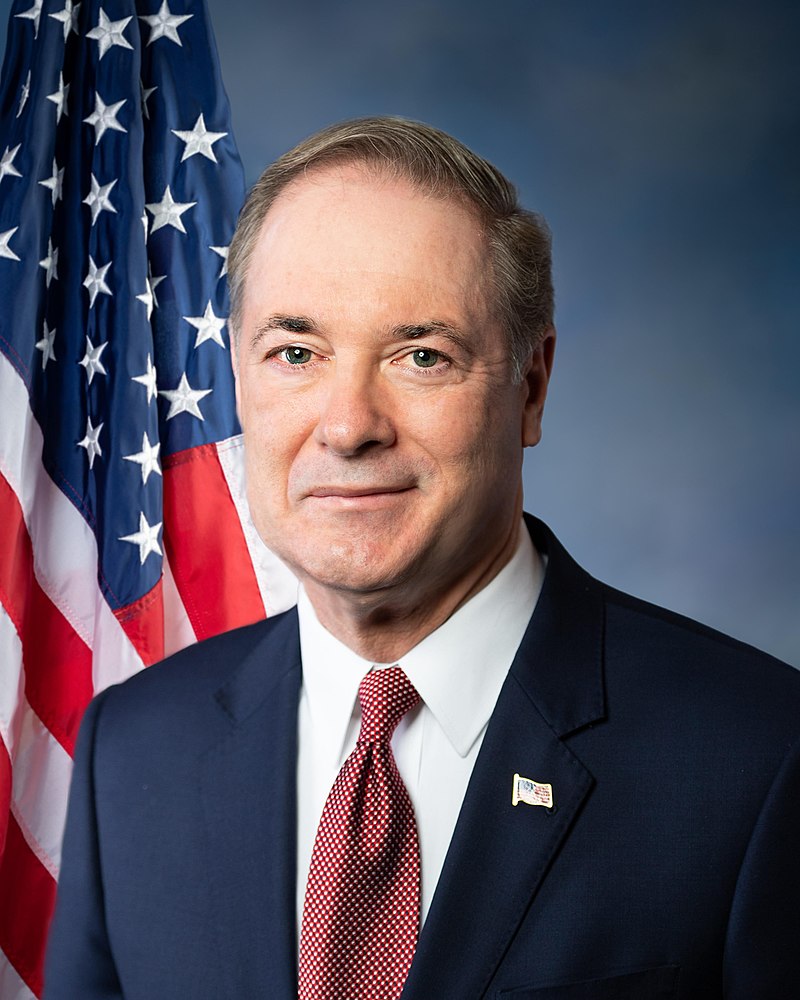
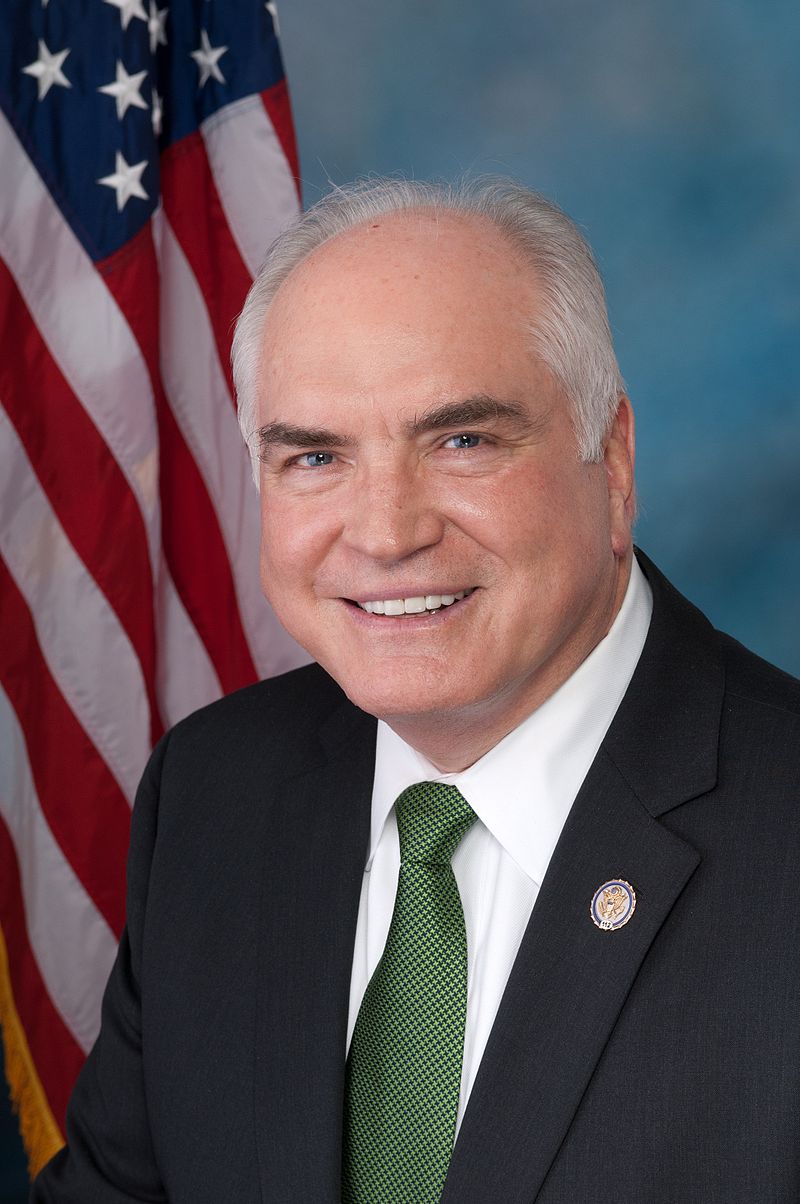










L
Lisa McClain














J
John Rutherford


D
David Schweikert

P
Pete Sessions