H.R.2270 — Empowering Employer Child and Elder Care Solutions Act
House Roll Call
H.R.2270
| Bill | H.R.2270 — Empowering Employer Child and Elder Care Solutions Act |
|---|---|
| Vote question | On Motion to Recommit |
| Vote type | Yea-and-Nay |
| Result | Failed |
| Totals | Yea 209 / Nay 213 / Present 0 / Not Voting 9 |
| Party | Yea | Nay | Present | Not Voting |
|---|---|---|---|---|
| R | 0 | 213 | 0 | 5 |
| D | 209 | 0 | 0 | 4 |
| I | 0 | 0 | 0 | 0 |
Research Brief
On Motion to Recommit
Bill Analysis
H.R. 2270 – Empowering Employer Child and Elder Care Solutions Act (119th Congress)
H.R. 2270 is a tax-focused bill designed to expand and modernize employer-supported dependent care, including both child care and elder care. It primarily amends the Internal Revenue Code to increase incentives for employers to provide or subsidize care services for employees’ dependents.
Core provisions (inferred from title and typical structure of similar bills):
- Expands the existing employer-provided dependent care tax credit under IRC §45F (or a similar provision) by:
- Raising the maximum credit amount and/or percentage of qualified expenses employers can claim for providing on-site or near-site child care facilities, contracting with third-party providers, or subsidizing care costs.
- Explicitly including elder care and possibly other dependent care (e.g., disabled adult dependents) as eligible services, not just child care.
- Broadens the definition of “qualified dependent care services” to cover:
- Center-based and home-based child care.
- Adult day care, in-home elder care, and respite care arrangements that enable employees to work.
- May authorize or direct Treasury/IRS to:
- Issue guidance clarifying eligible arrangements (e.g., vouchers, contracts with networks of providers, backup care programs).
- Simplify compliance and documentation requirements for employers.
Funding and budget impact:
- Operates through tax expenditures rather than direct appropriations: it reduces federal revenue by increasing allowable tax credits/deductions.
- No new stand-alone agency is created; implementation and oversight rest with the Department of the Treasury/IRS.
Affected entities:
- Employers: Gain enhanced tax incentives to establish or expand dependent care benefits programs.
- Employees: Benefit indirectly through increased availability and affordability of employer-supported child and elder care.
- Care providers: Potentially see increased demand via employer contracts or voucher systems.
Timelines:
- Provisions would generally apply to taxable years beginning after a specified date (often the calendar year following enactment).
- IRS would be given a defined period (commonly 6–12 months) to issue implementing regulations and guidance.
Current status:
- Floor consideration has begun in the House, but further proceedings on H.R. 2270 have been postponed under House Rule XIX; it has not yet passed either chamber.
Yea (209)




























J
Jason Crow












L
Lloyd Doggett










J
John Garamendi









































J
John Mannion

L
Lucy McBath





























































R
Rashida Tlaib








N
Nydia Velázquez


D
Debbie Wasserman Schultz



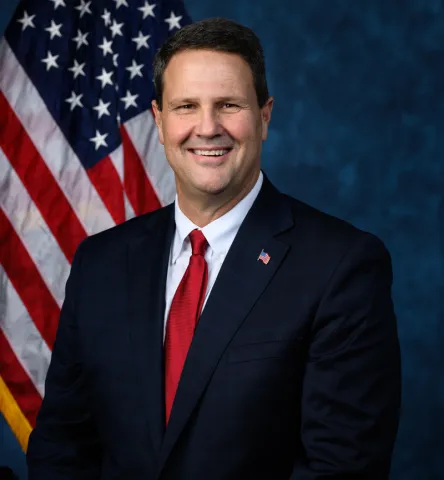
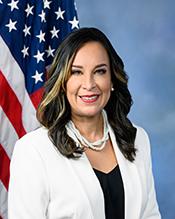
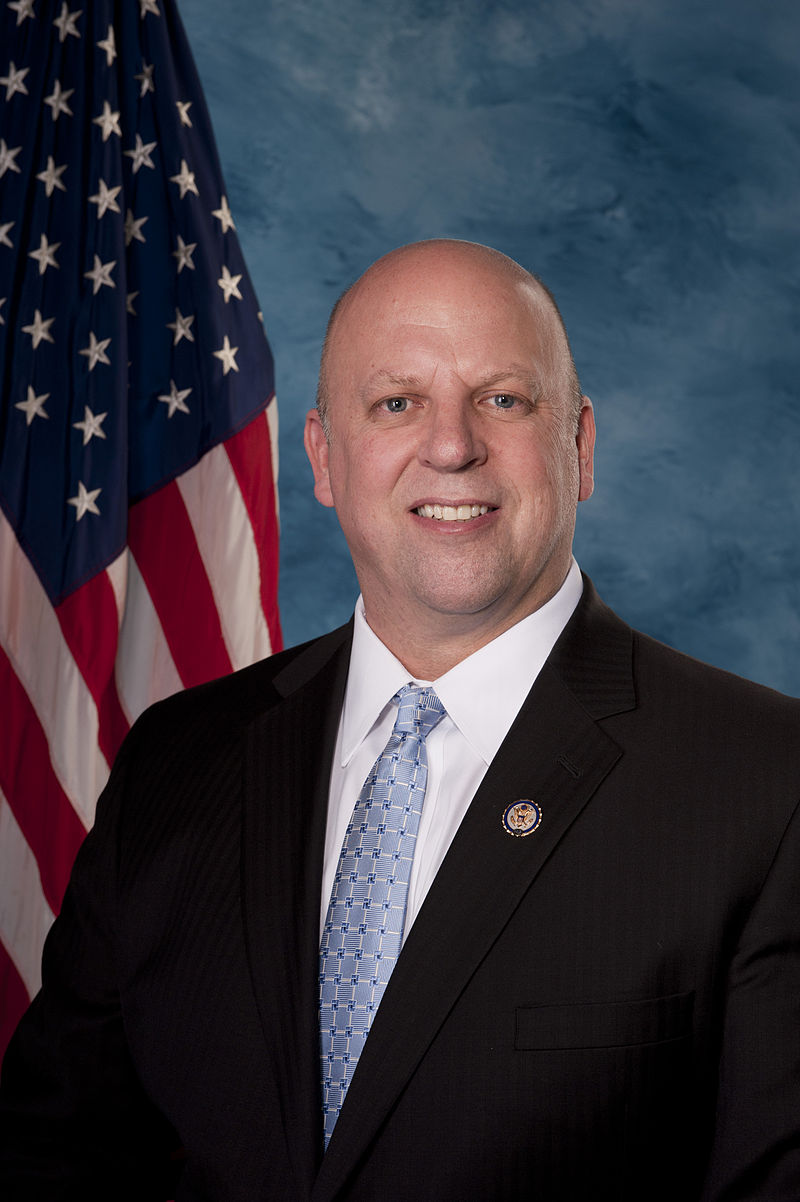
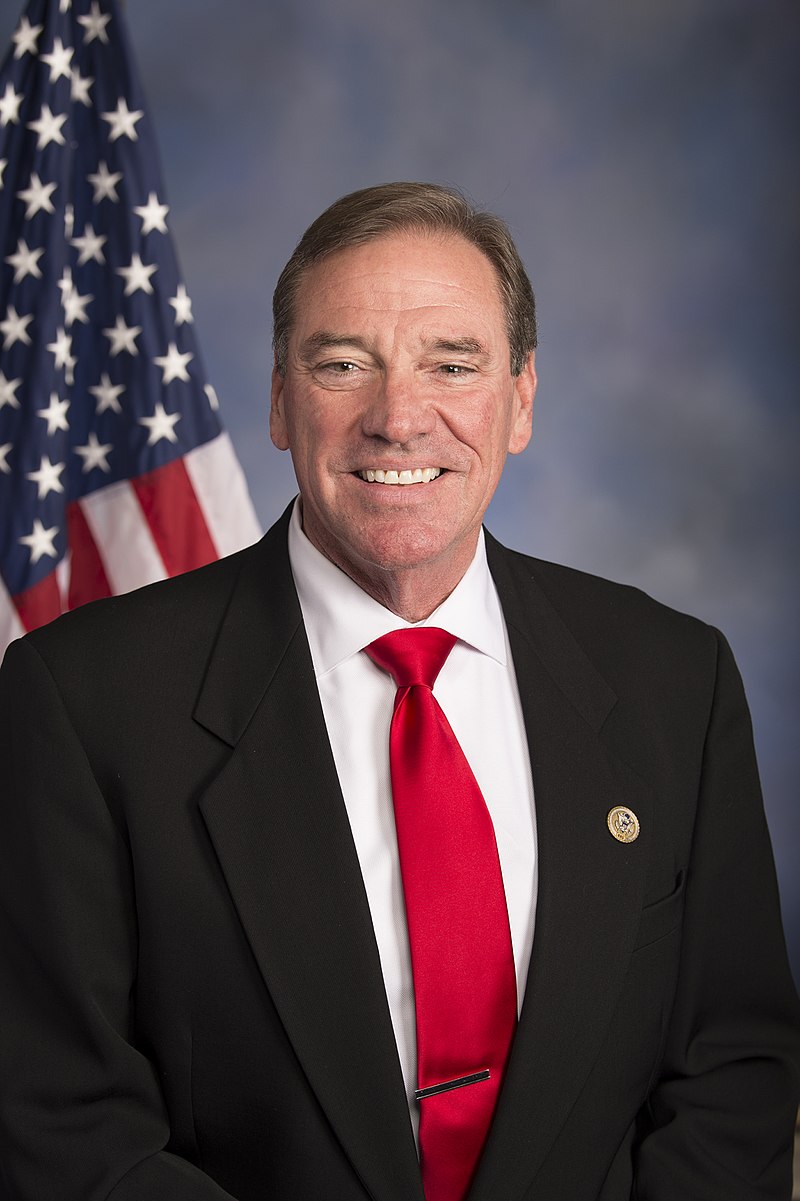
Nay (213)























K
Ken Calvert

































S
Scott Franklin





































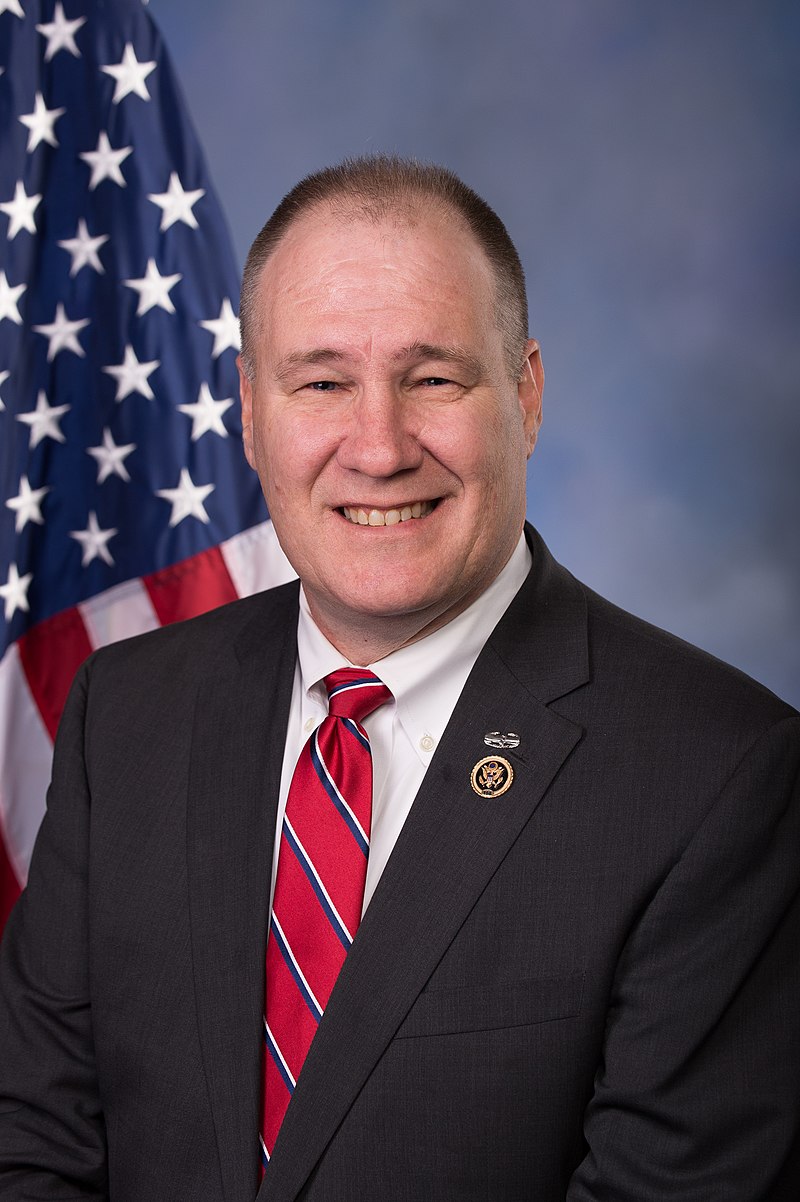





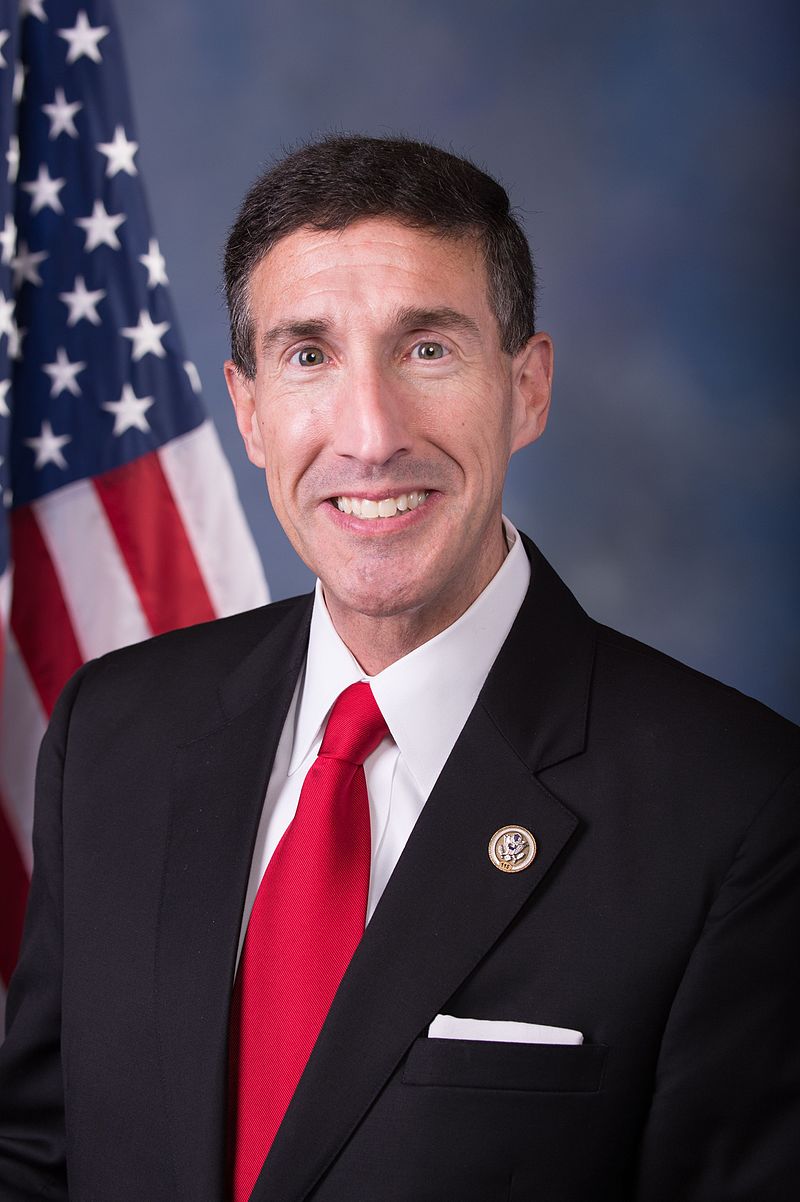














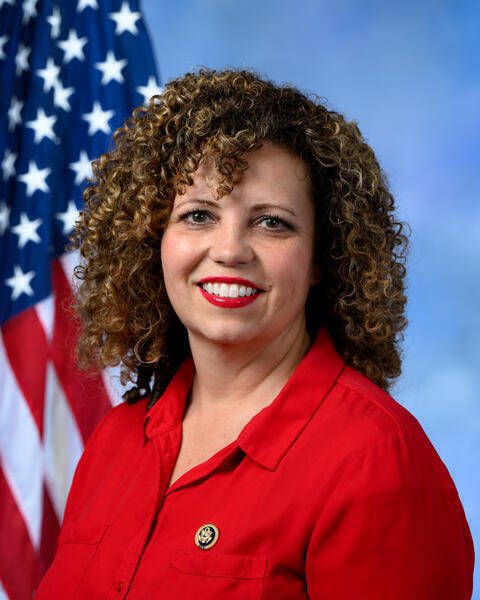


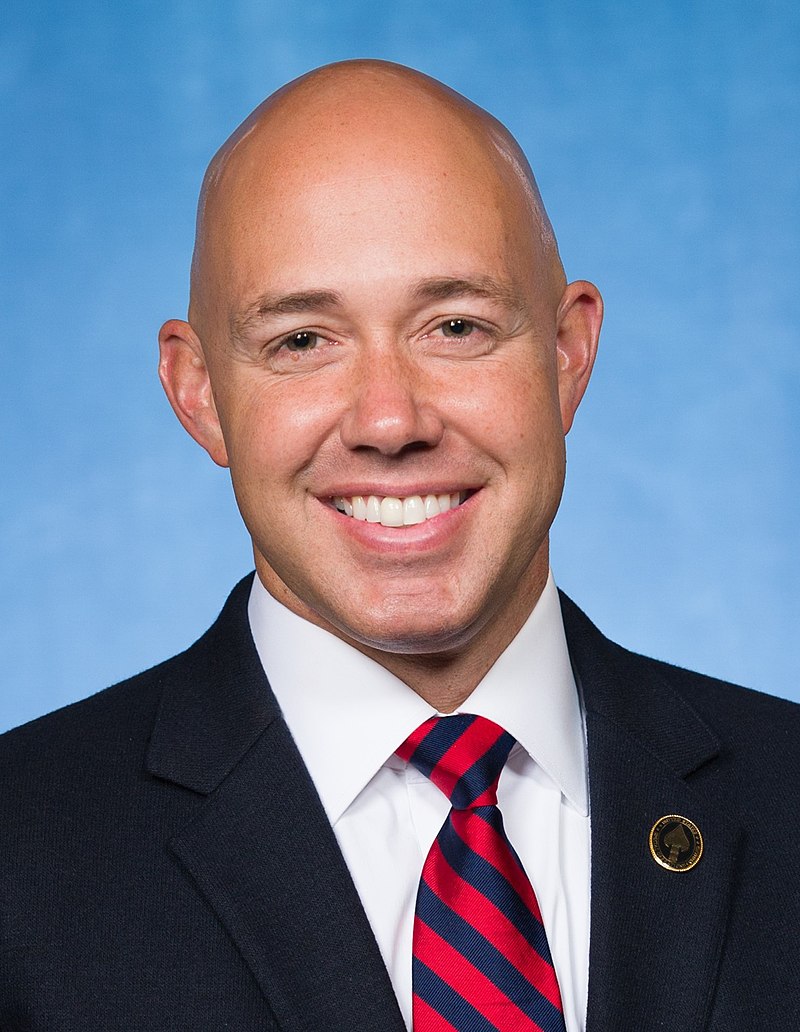

L
Lisa McClain




































J
John Rutherford



D
David Schweikert


P
Pete Sessions