H.R.2262 — Flexibility for Workers Education Act
House Roll Call
H.R.2262
| Bill | H.R.2262 — Flexibility for Workers Education Act |
|---|---|
| Vote question | On Passage |
| Vote type | Yea-and-Nay |
| Result | Failed |
| Totals | Yea 209 / Nay 215 / Present 0 / Not Voting 7 |
| Party | Yea | Nay | Present | Not Voting |
|---|---|---|---|---|
| R | 209 | 6 | 0 | 3 |
| D | 0 | 209 | 0 | 4 |
| I | 0 | 0 | 0 | 0 |
Research Brief
On Passage
Bill Analysis
HR 2262 – Flexibility for Workers Education Act (119th Congress)
HR 2262 amends federal higher education and tax-related provisions to expand how workers can use education benefits and aid for short-term, flexible learning aligned with employment.
Substance and authorities:
- Expands eligible education and training programs under Title IV of the Higher Education Act (HEA) to include certain short-term, non-degree, credential, and skills-based programs, including those offered online, in hybrid formats, or in modular “stackable” units.
- Authorizes the Secretary of Education to approve nontraditional providers (e.g., workforce training organizations, industry associations, employer-based programs) if they meet quality, outcomes, and financial responsibility standards, often in partnership with accredited institutions.
- Allows federal student aid (e.g., Pell Grants, possibly loans) to be used for approved short-term and flexible programs that meet minimum hour, duration, and labor-market relevance criteria.
- Clarifies or expands the treatment of employer-provided education assistance under the Internal Revenue Code, maintaining or increasing the tax-free cap for tuition assistance and explicitly covering short-term credentials, upskilling, and reskilling programs tied to in-demand occupations.
- Directs the Department of Education, in consultation with the Department of Labor, to develop outcome metrics (completion, employment, earnings) and to collect and publish data on these newly eligible programs.
Programs/agencies affected:
- Department of Education (Office of Postsecondary Education; Federal Student Aid) gains new approval, oversight, and reporting responsibilities.
- Department of Labor participates in defining in-demand occupations and relevant credentials.
- IRS is affected through clarified or expanded tax treatment of employer education benefits.
Beneficiaries and regulated parties:
- Workers, especially mid-career and low-income adults, gain access to federal aid and tax-advantaged employer benefits for short, flexible training.
- Employers can more easily offer tax-favored education benefits aligned with workforce needs.
- Nontraditional education providers become subject to new federal eligibility and accountability standards.
Timelines:
- The bill generally phases in new eligibility and oversight requirements over several years, with rulemaking and guidance required within roughly 12–24 months of enactment, followed by periodic reporting and evaluation deadlines.
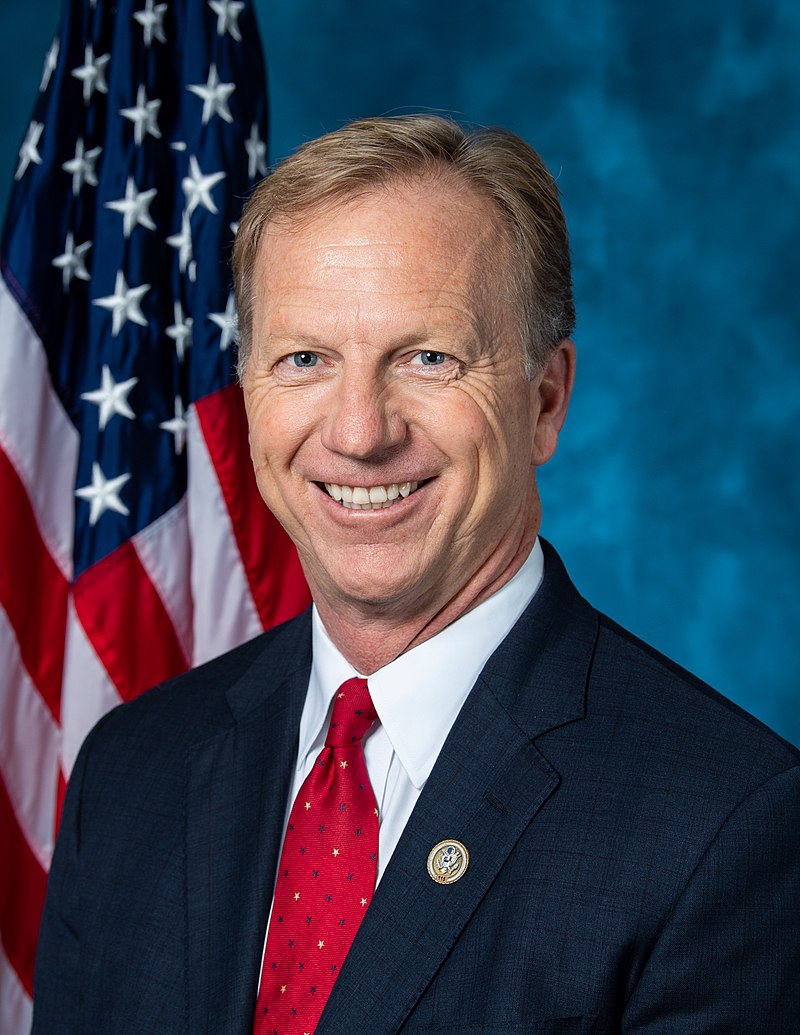
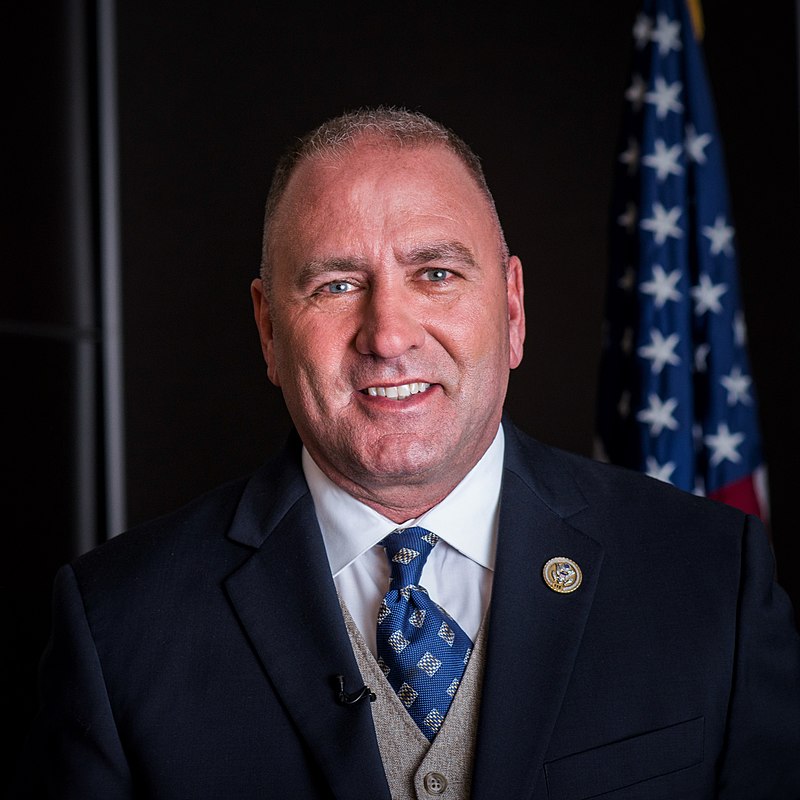
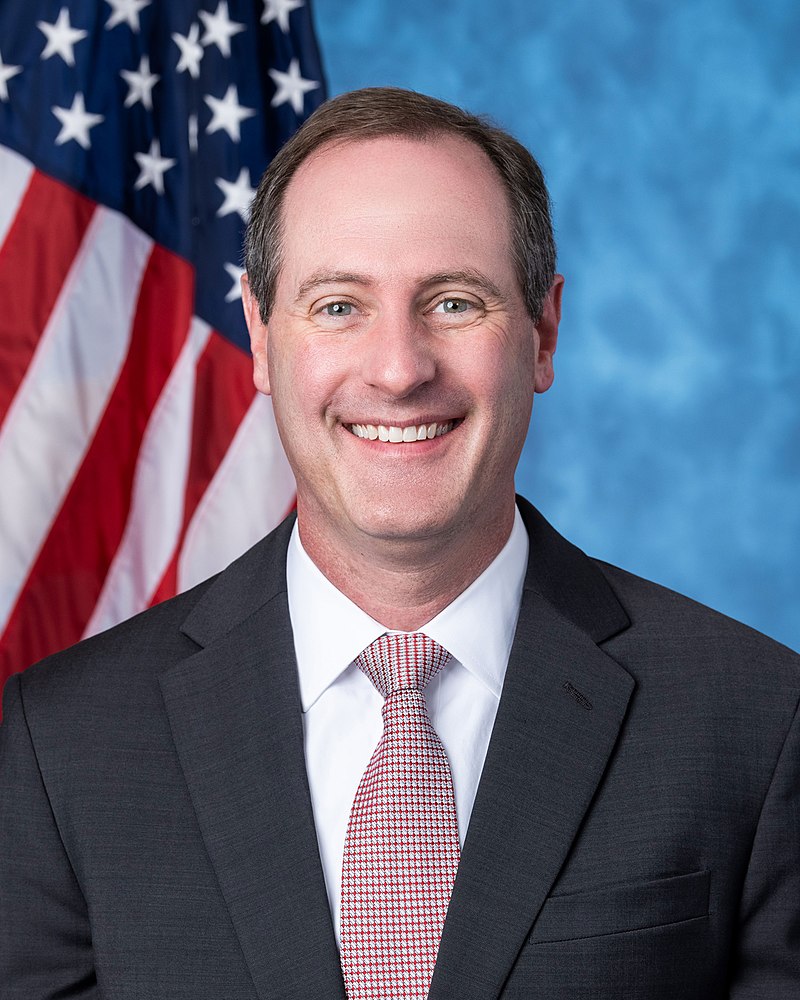
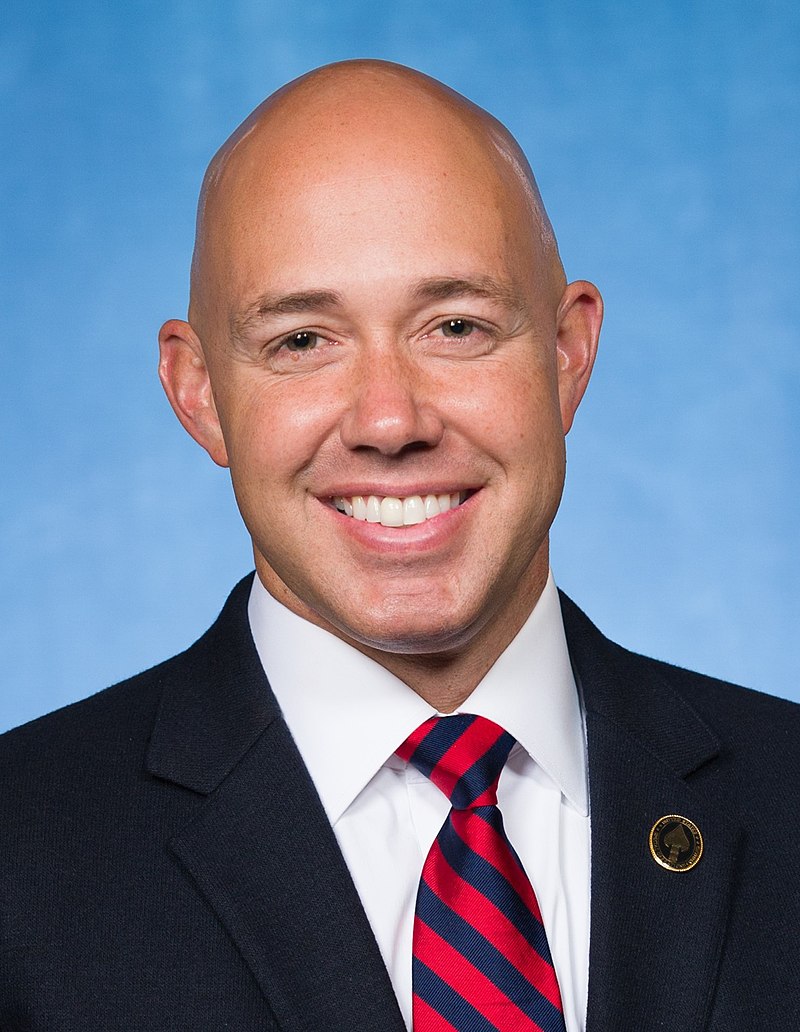
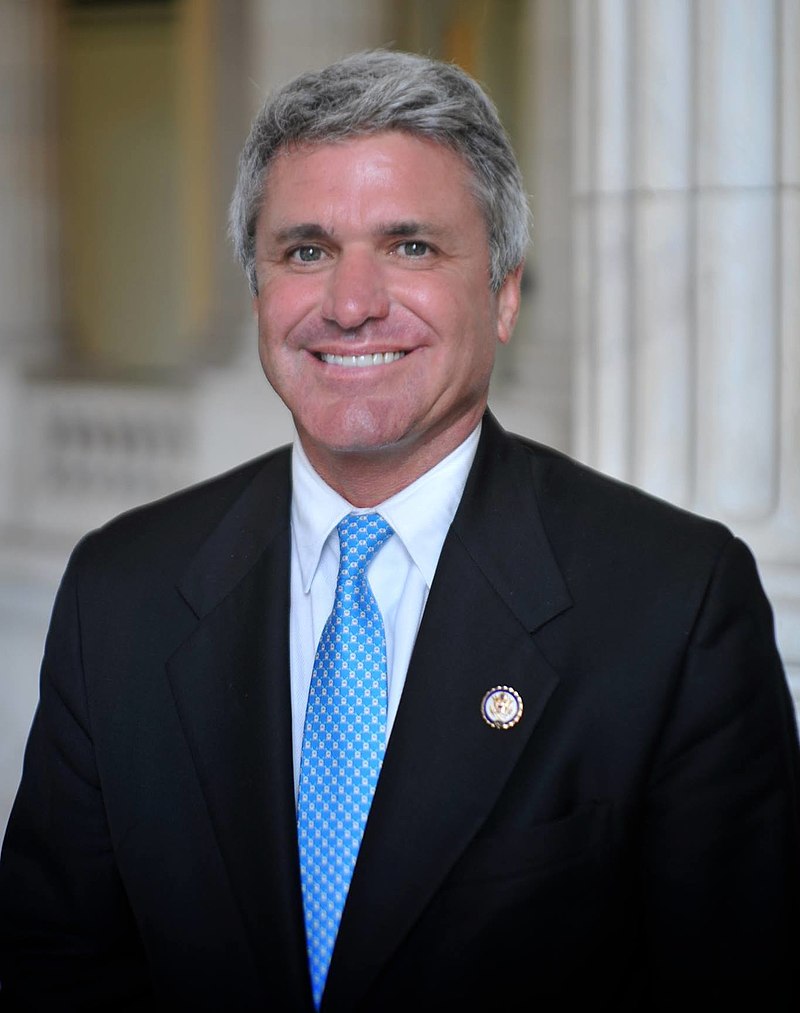
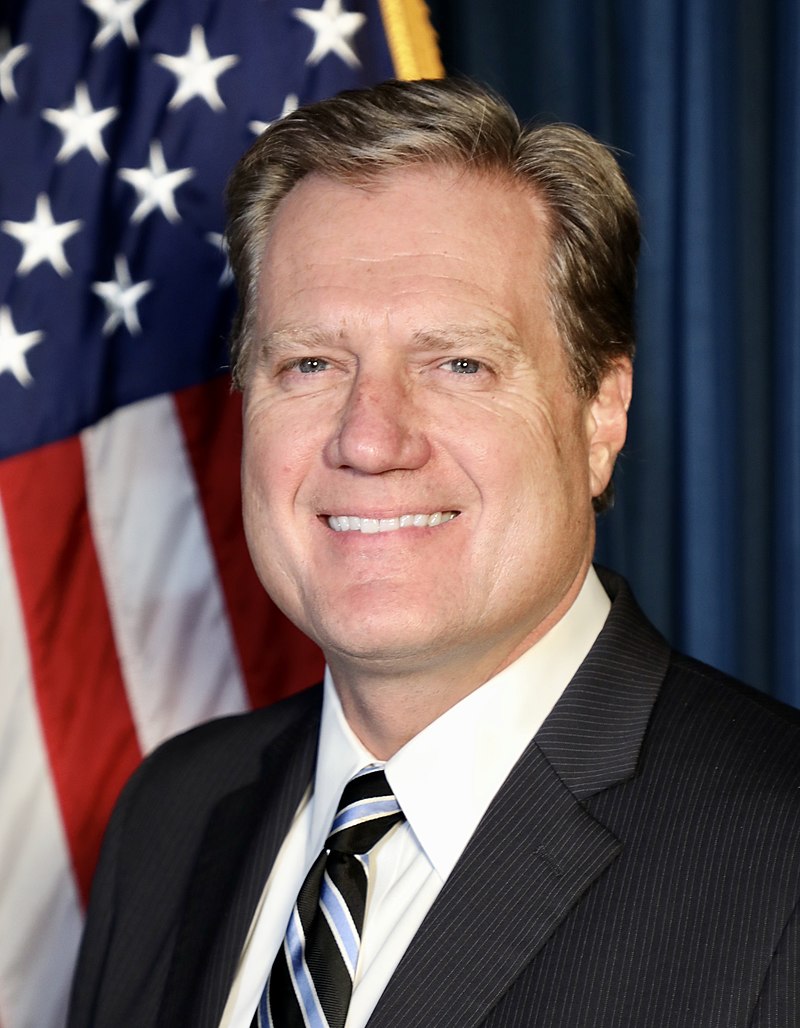
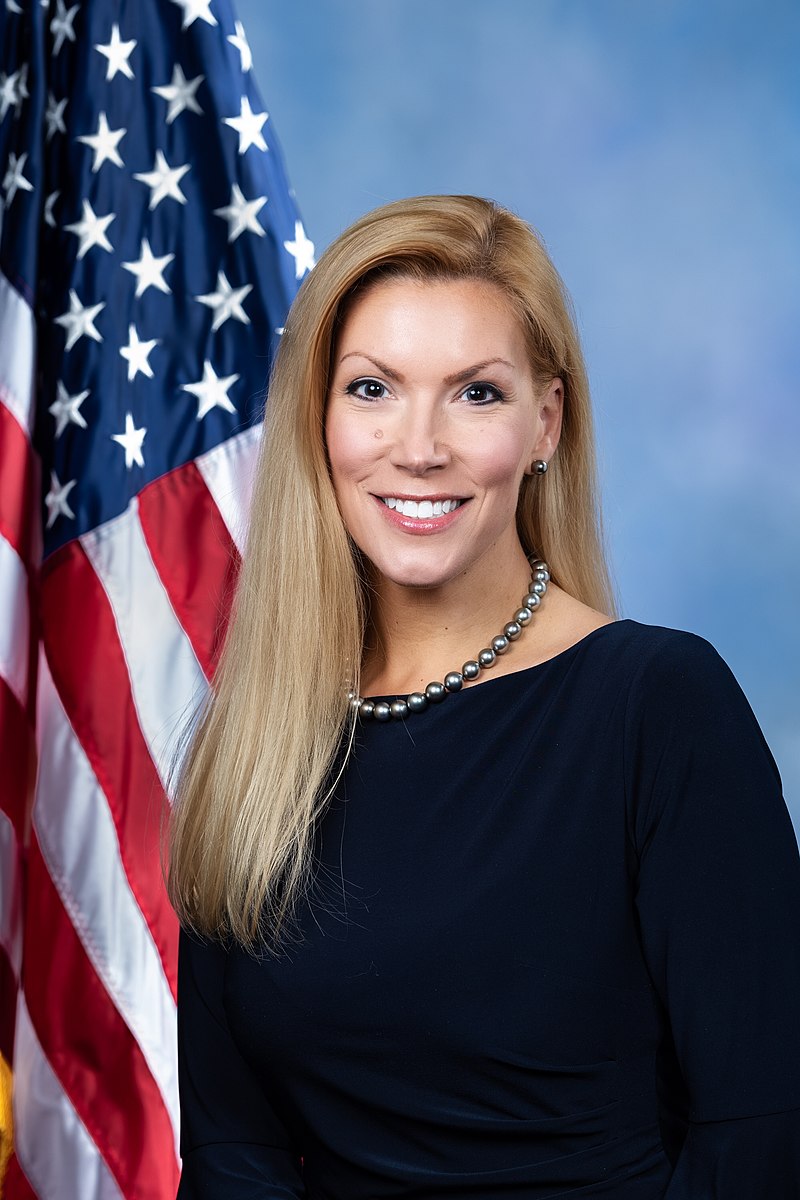
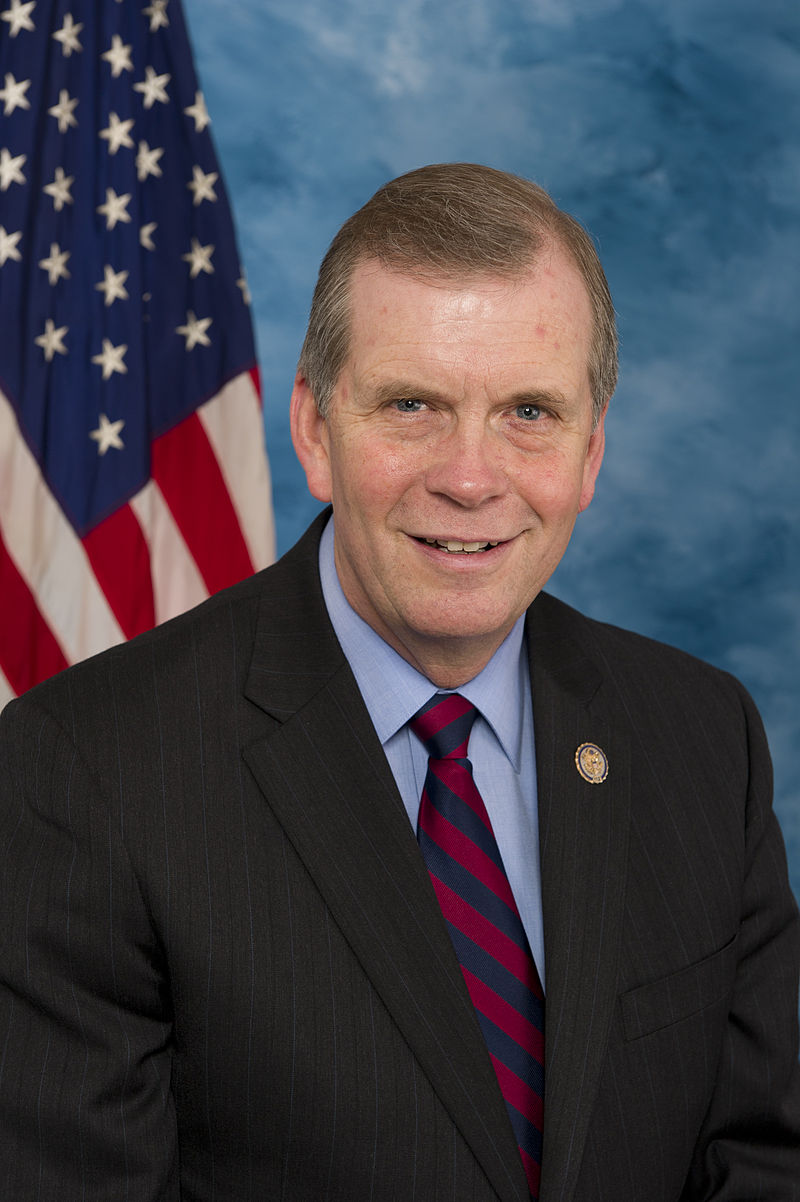
Yea (209)





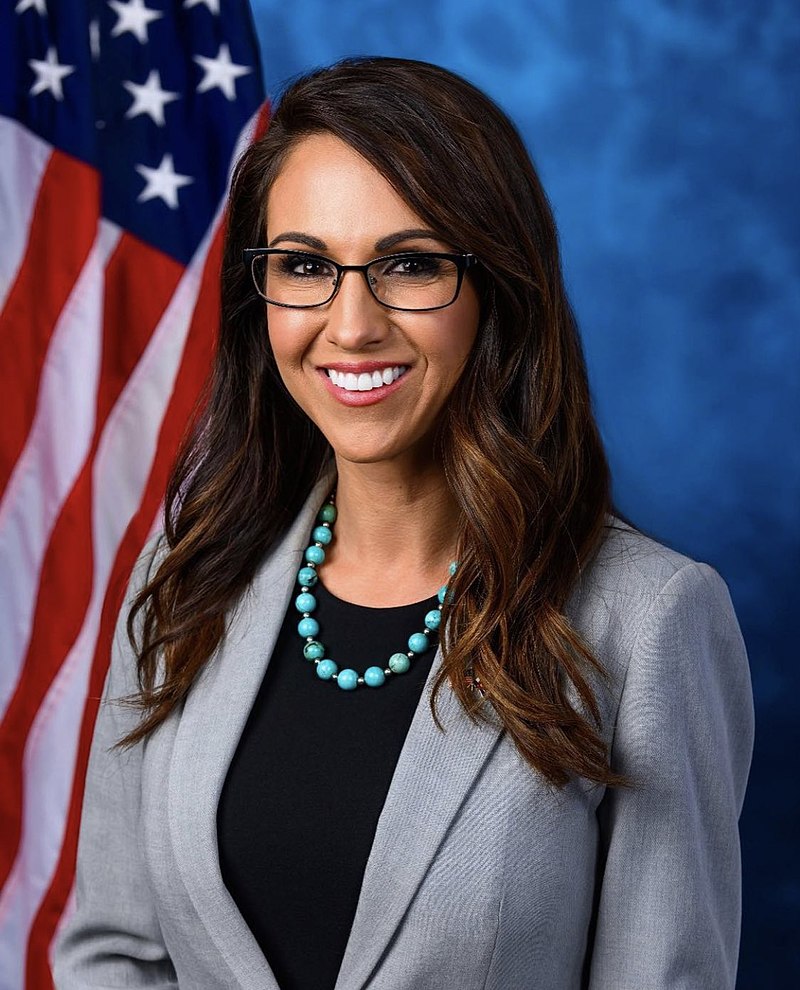
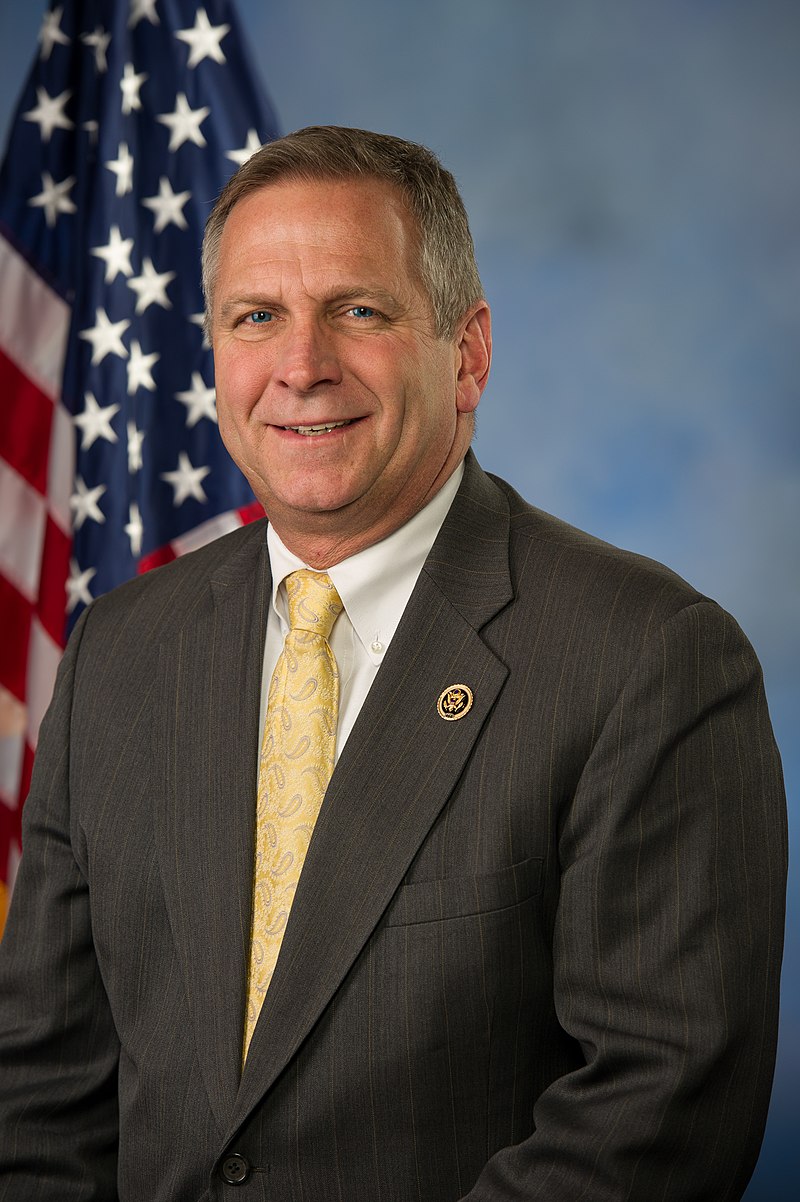

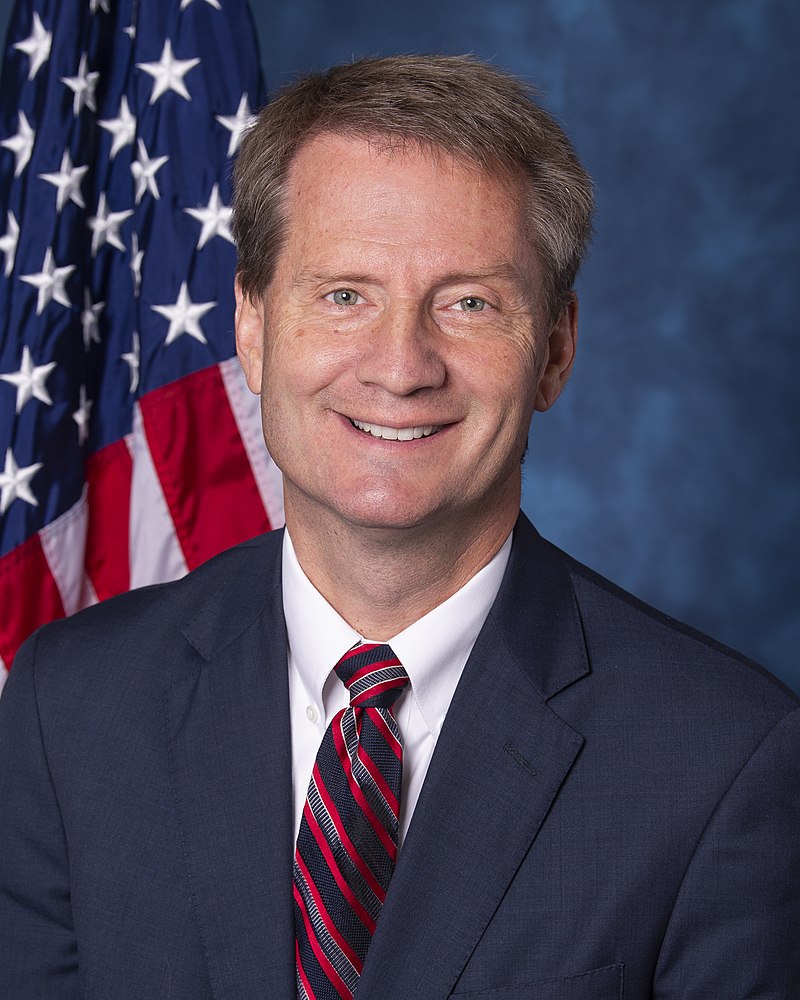
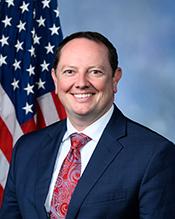
K
Ken Calvert



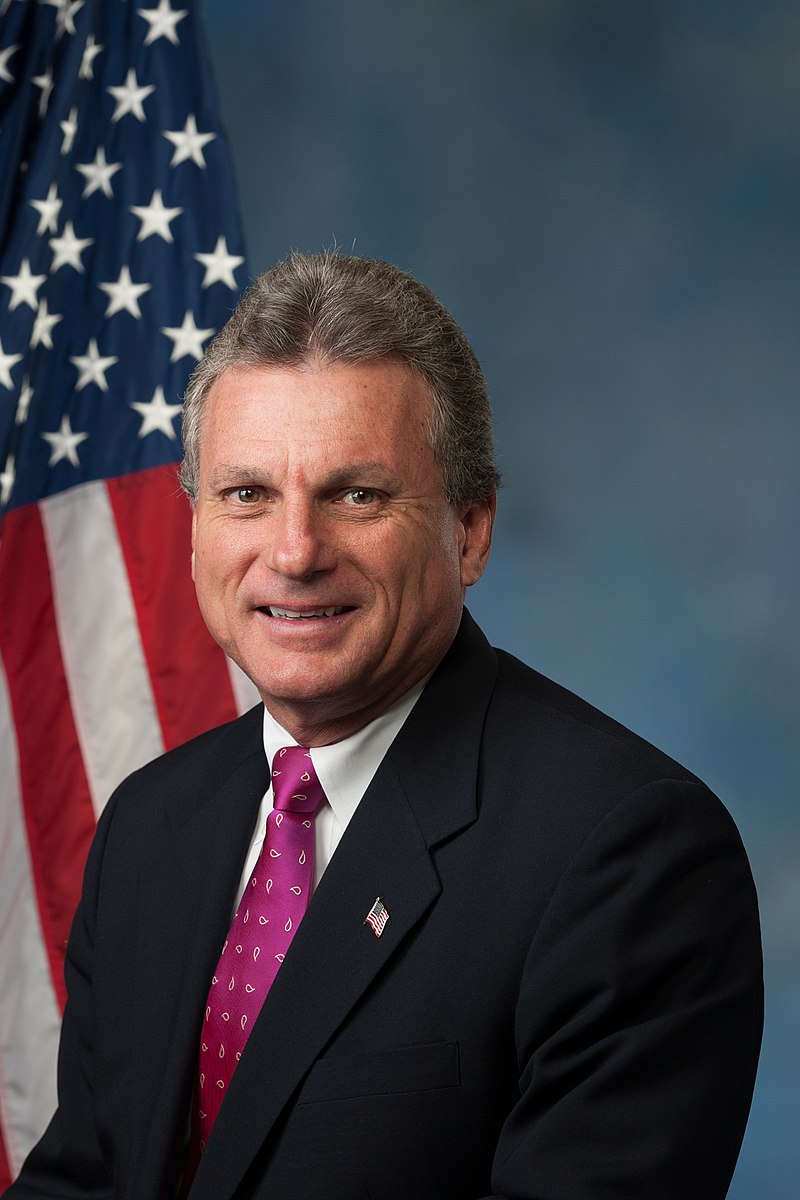
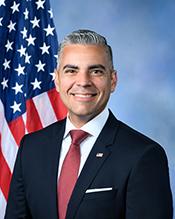

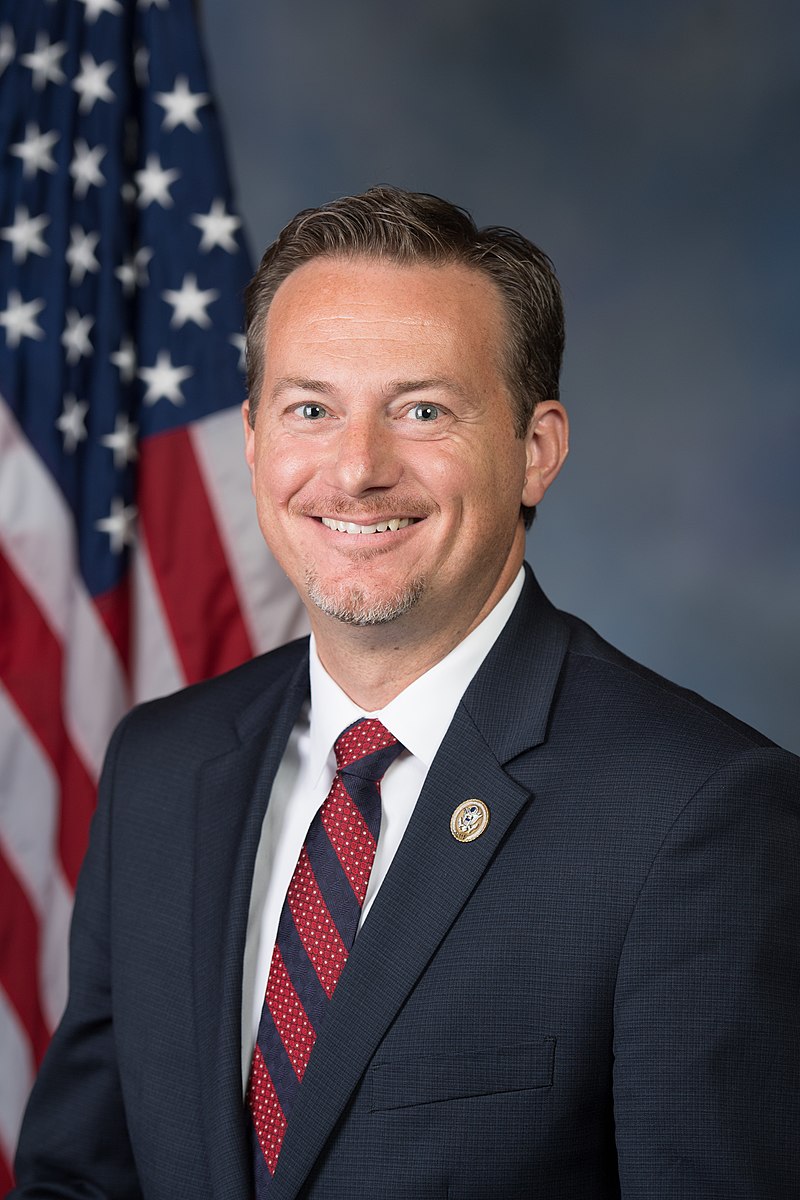













S
Scott Franklin













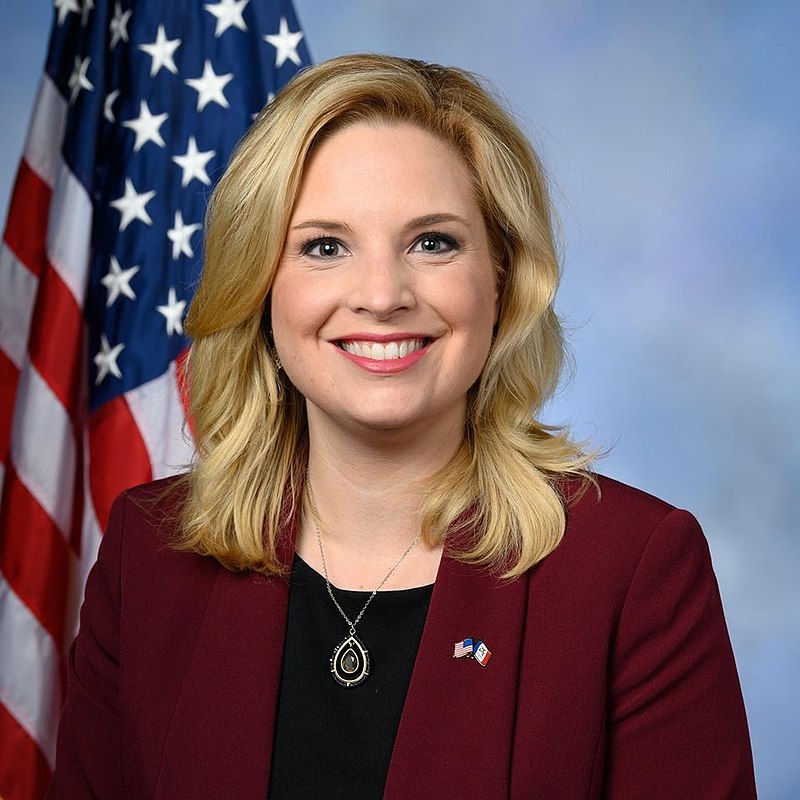
















L
Lisa McClain
















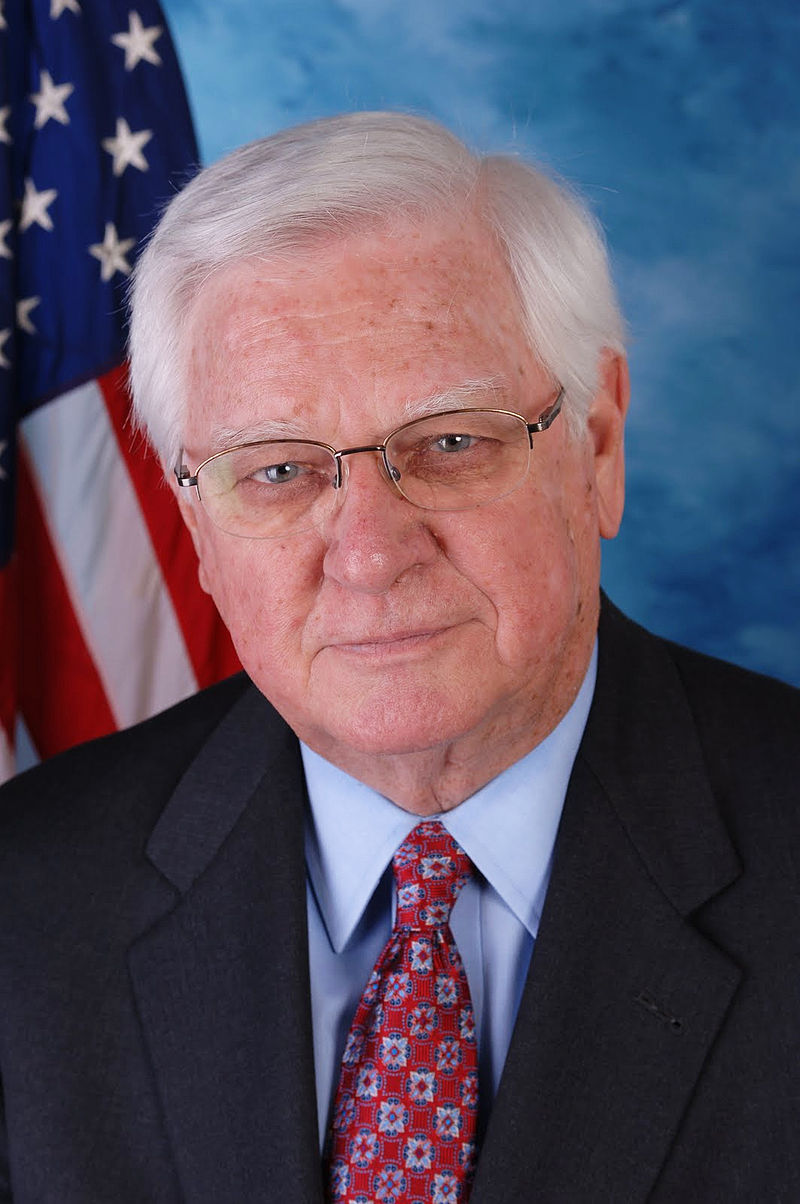
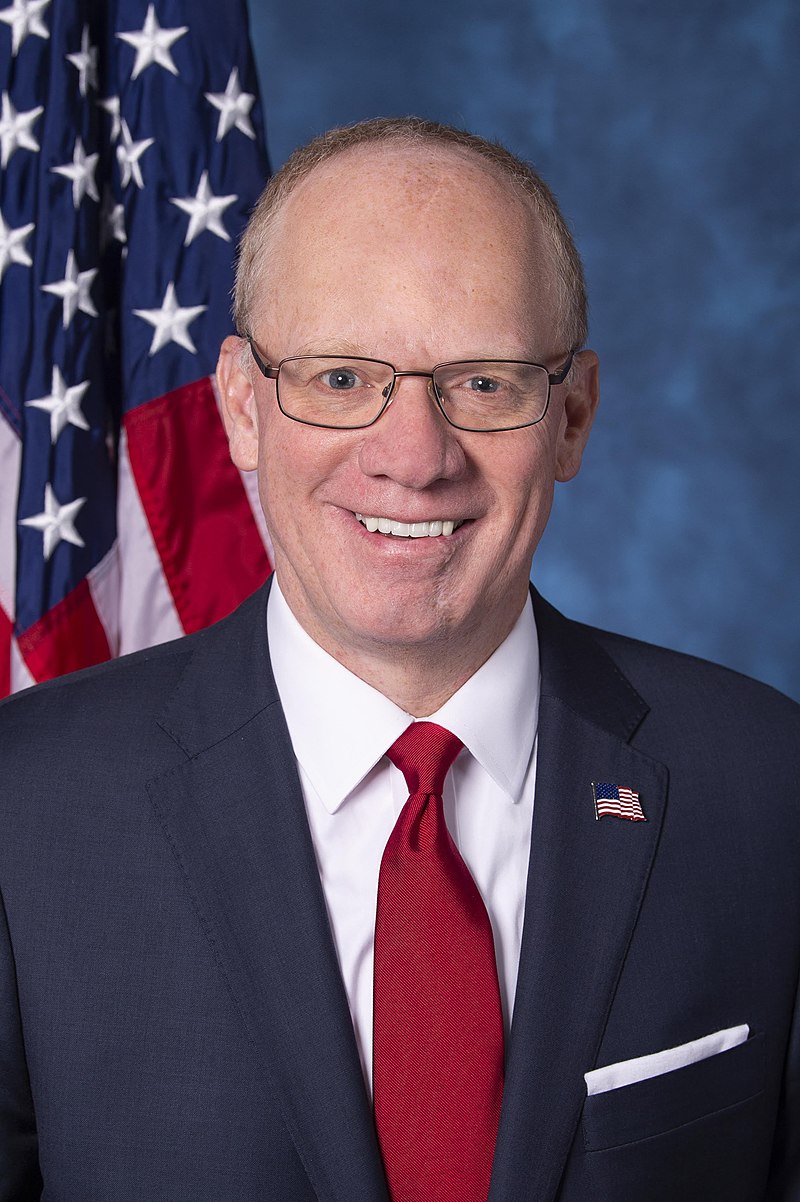
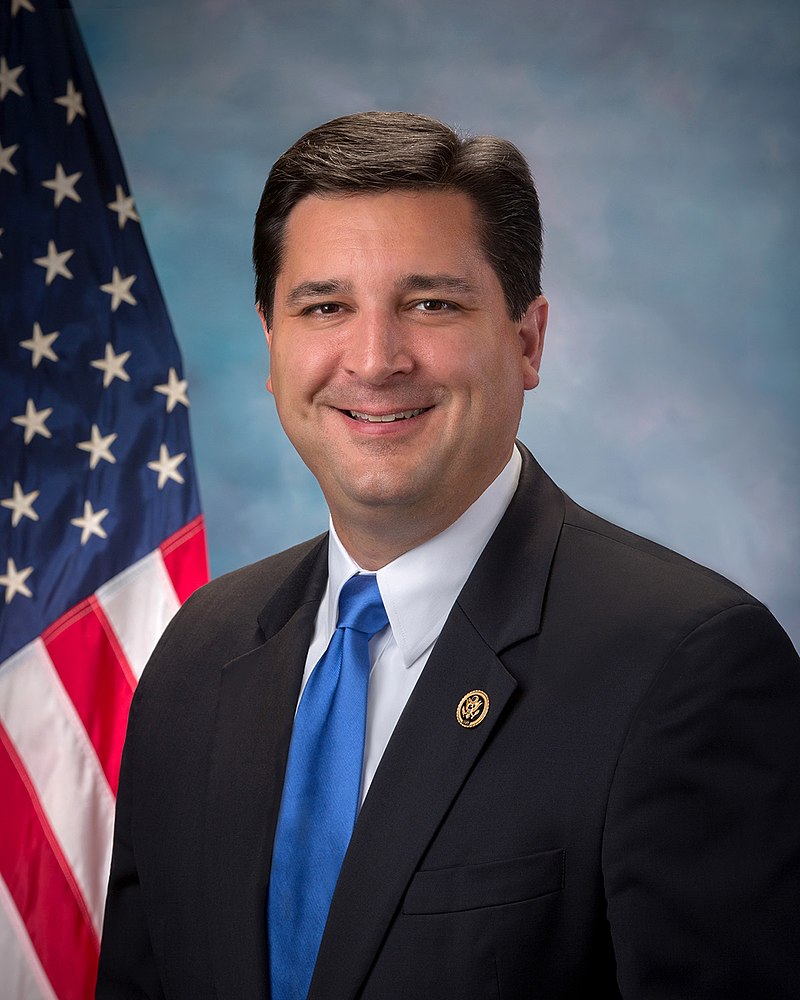

J
John Rutherford


D
David Schweikert

P
Pete Sessions














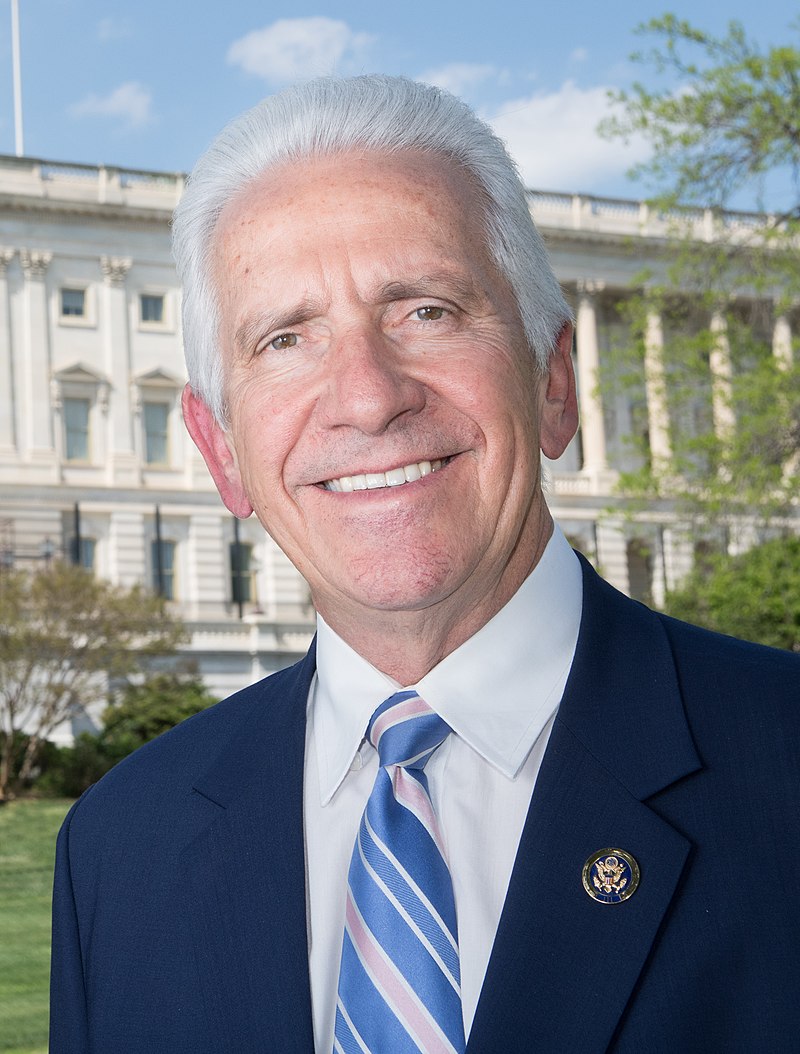
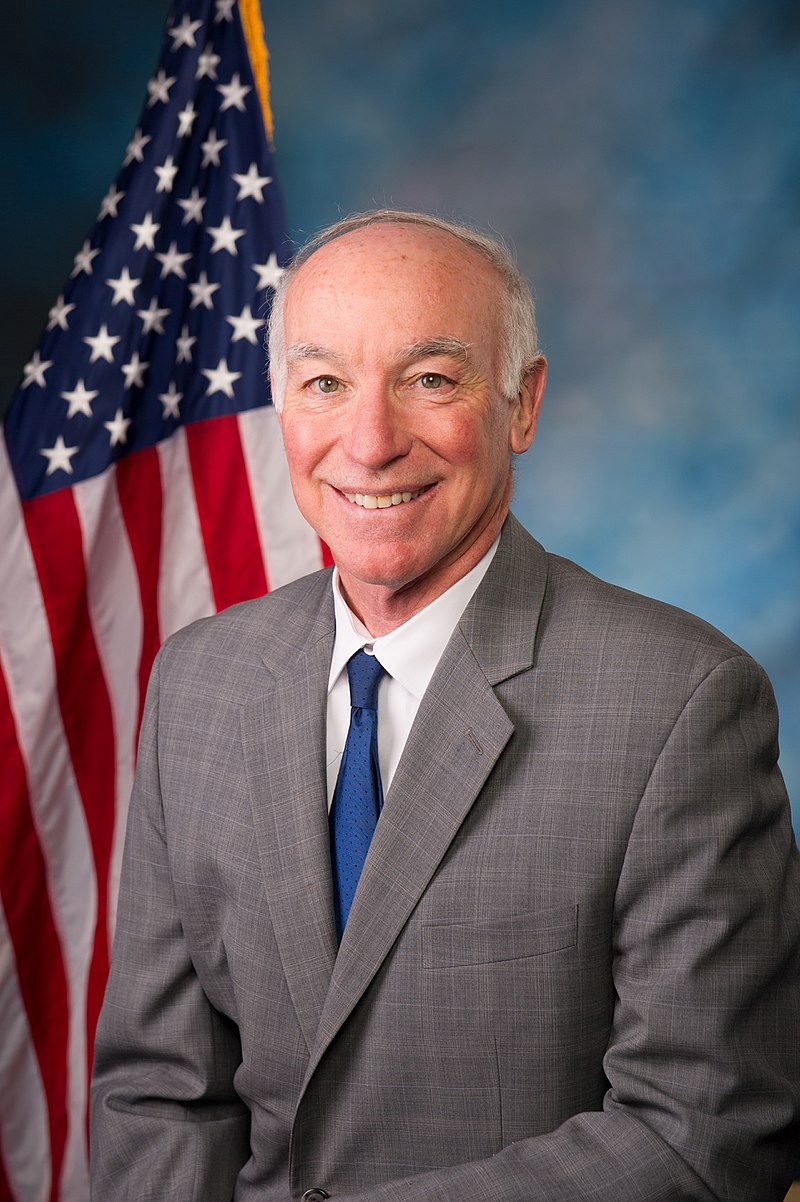
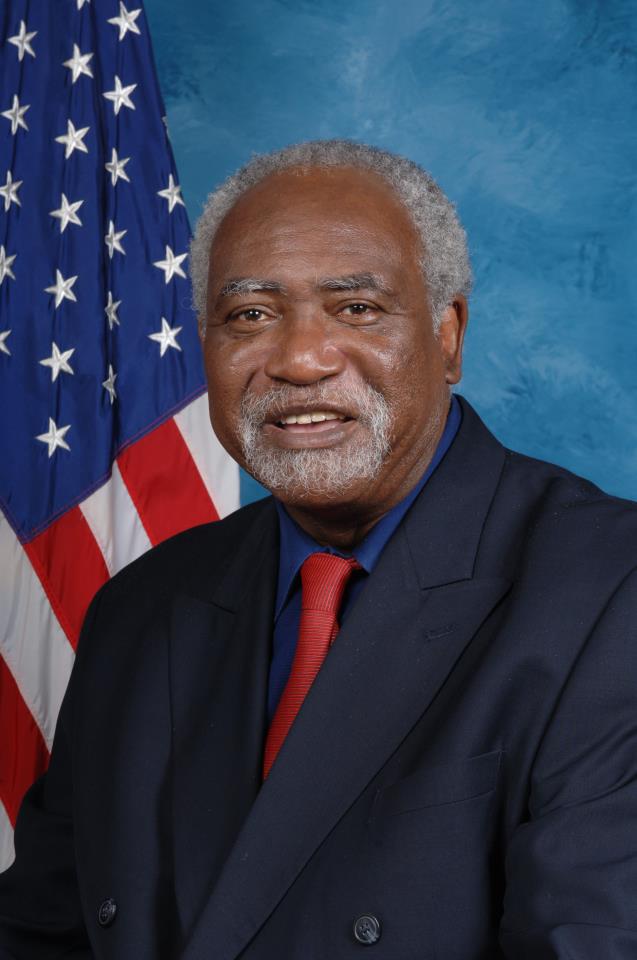
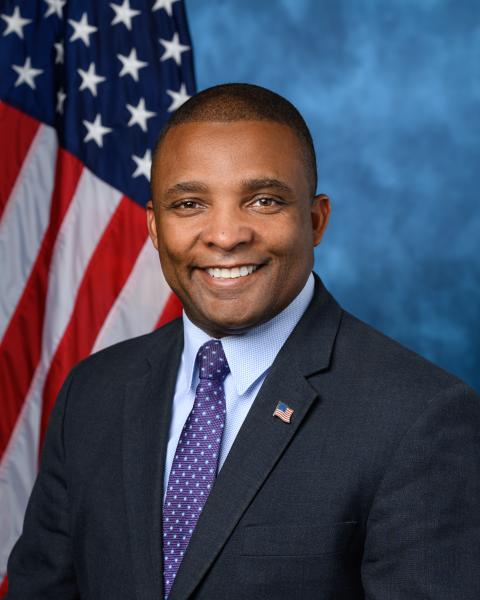
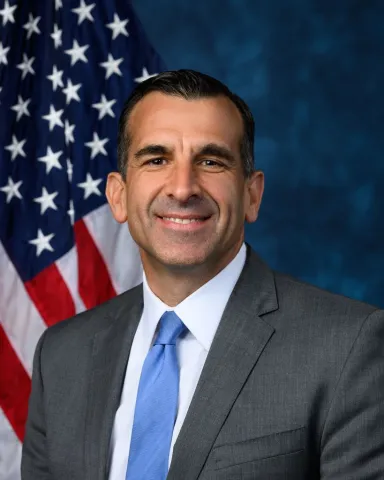
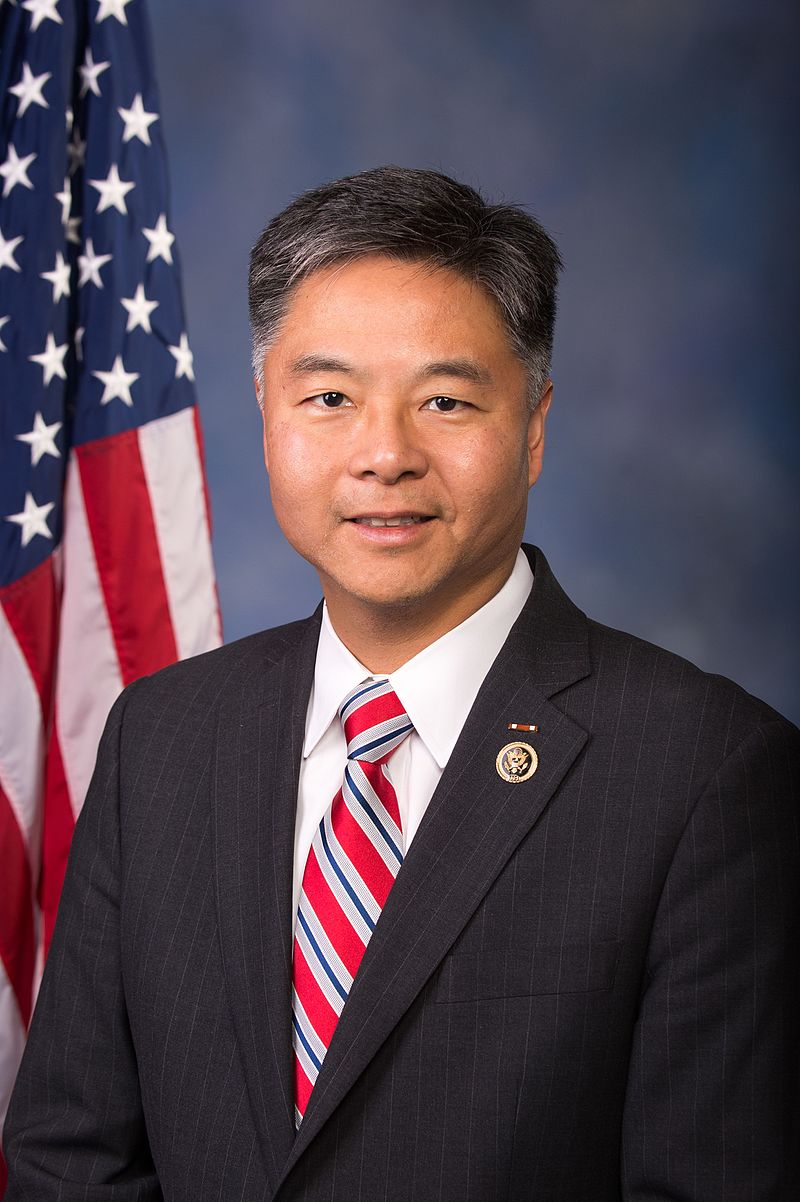
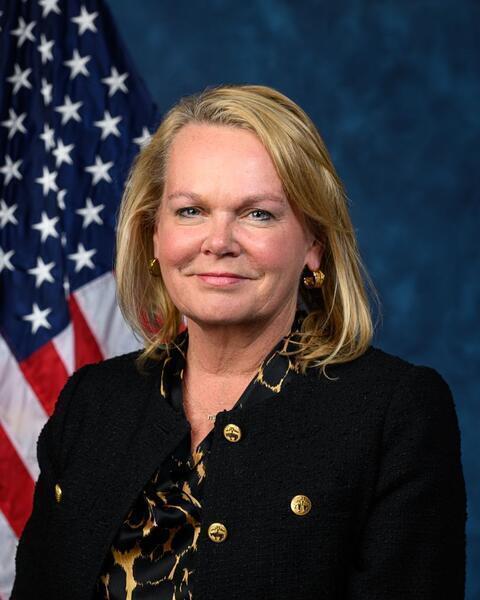
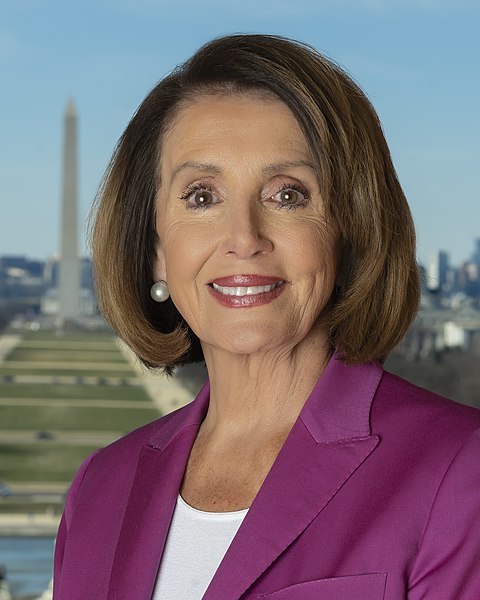
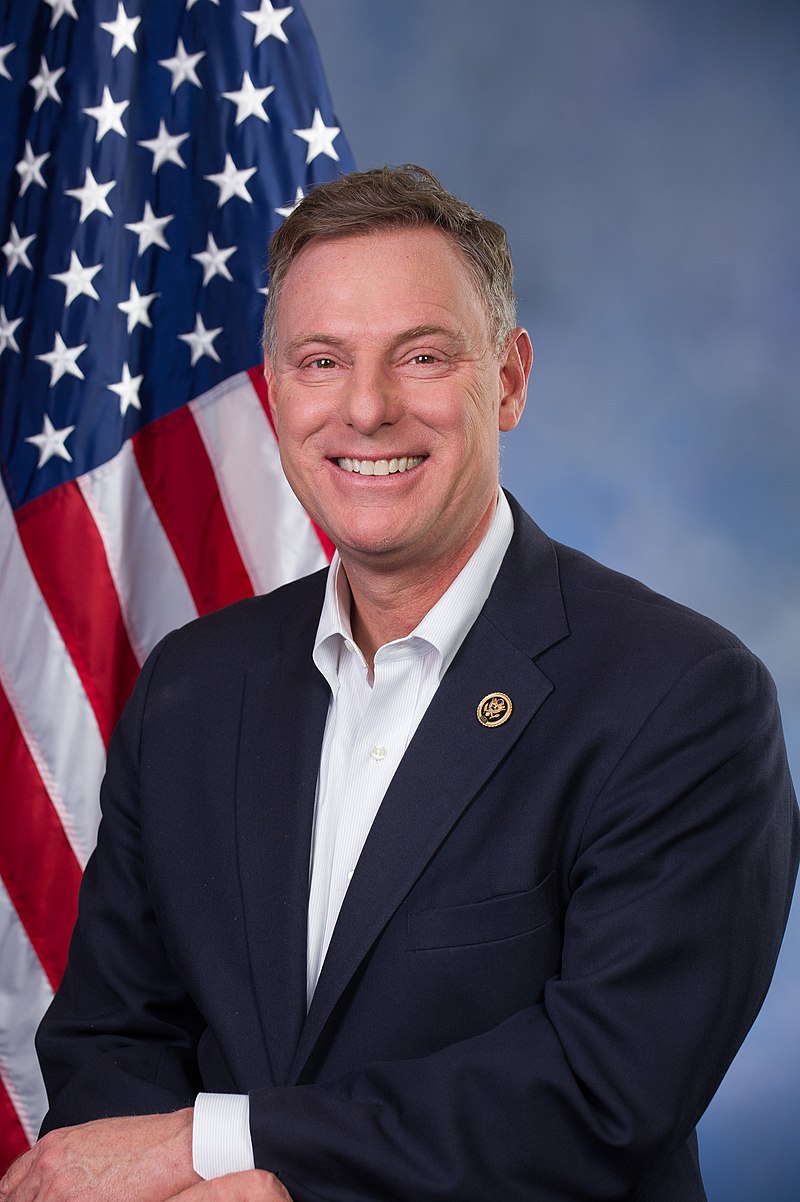
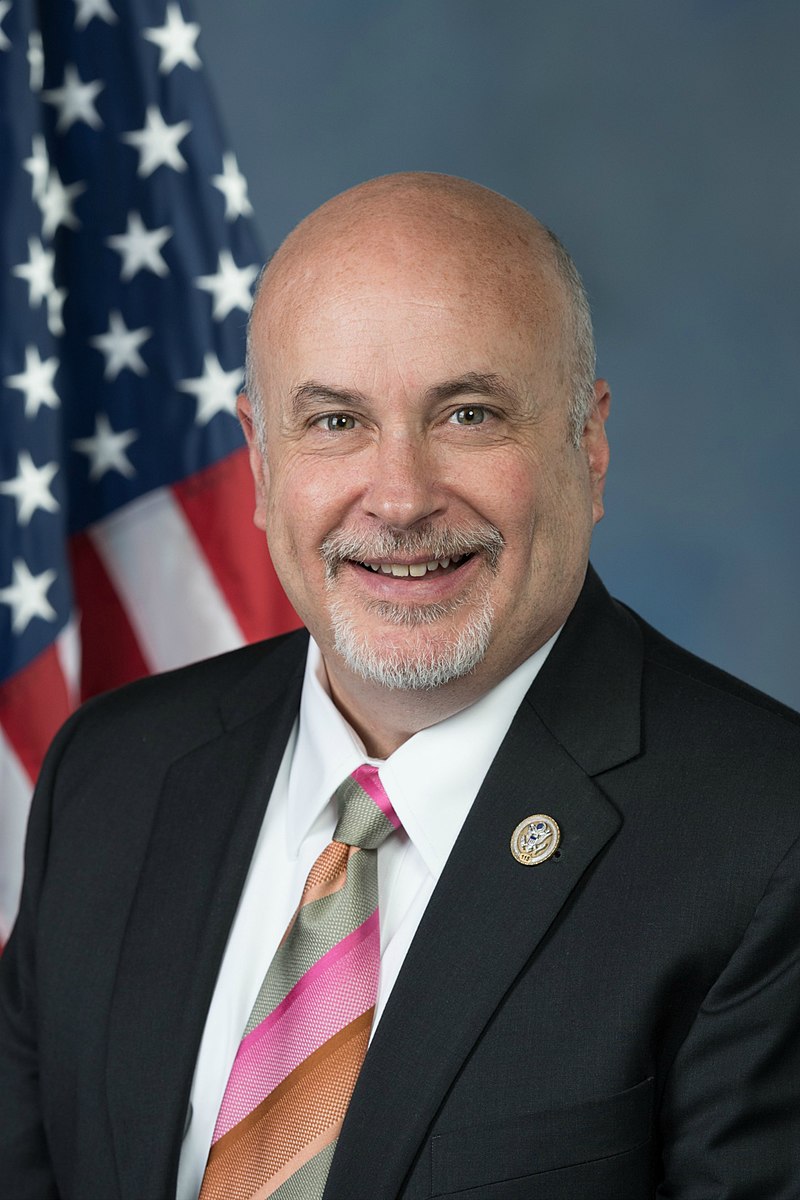
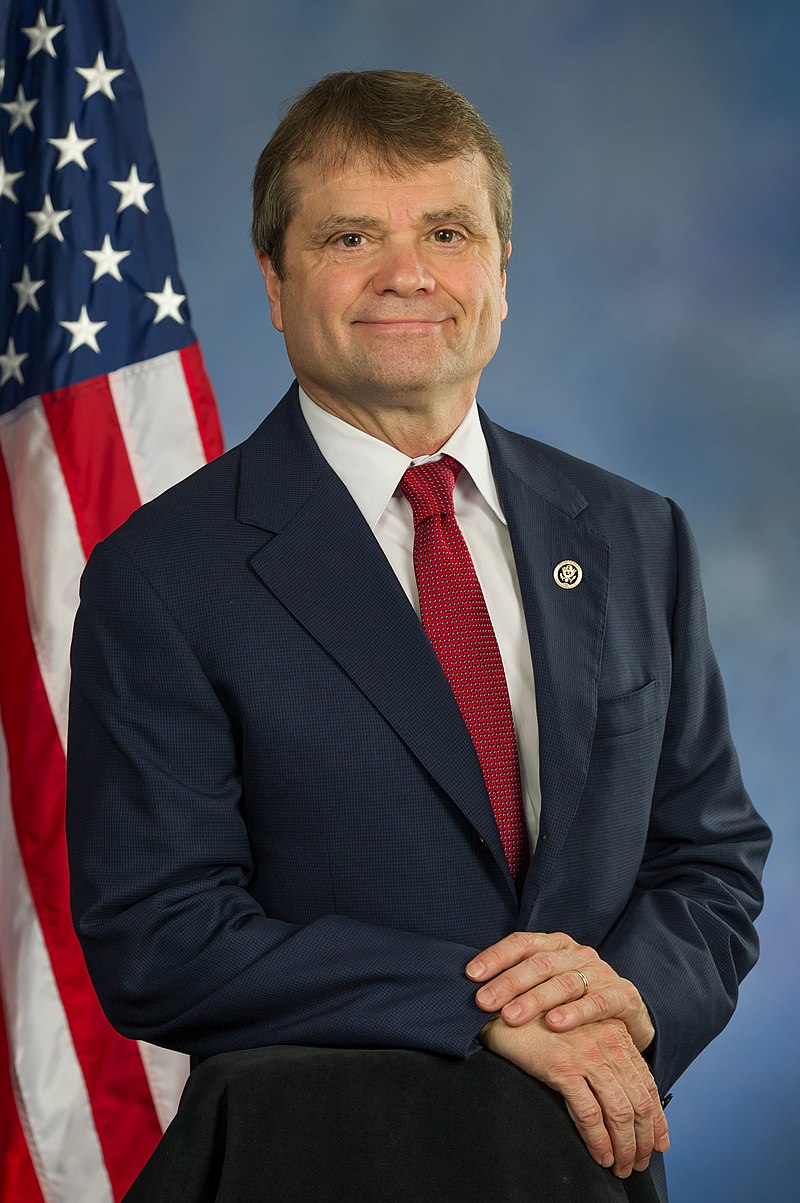
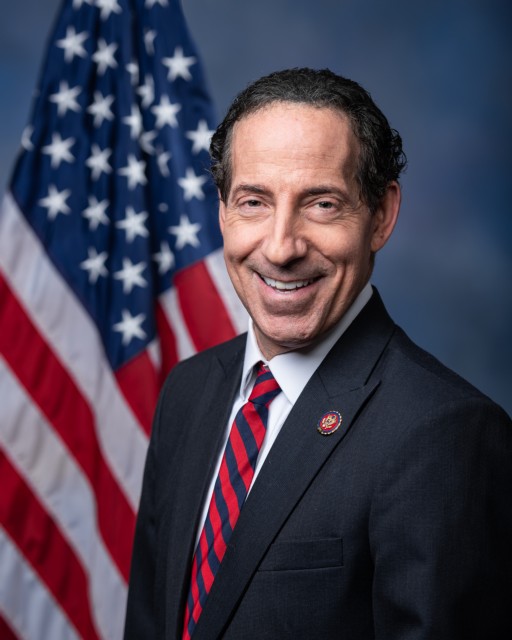
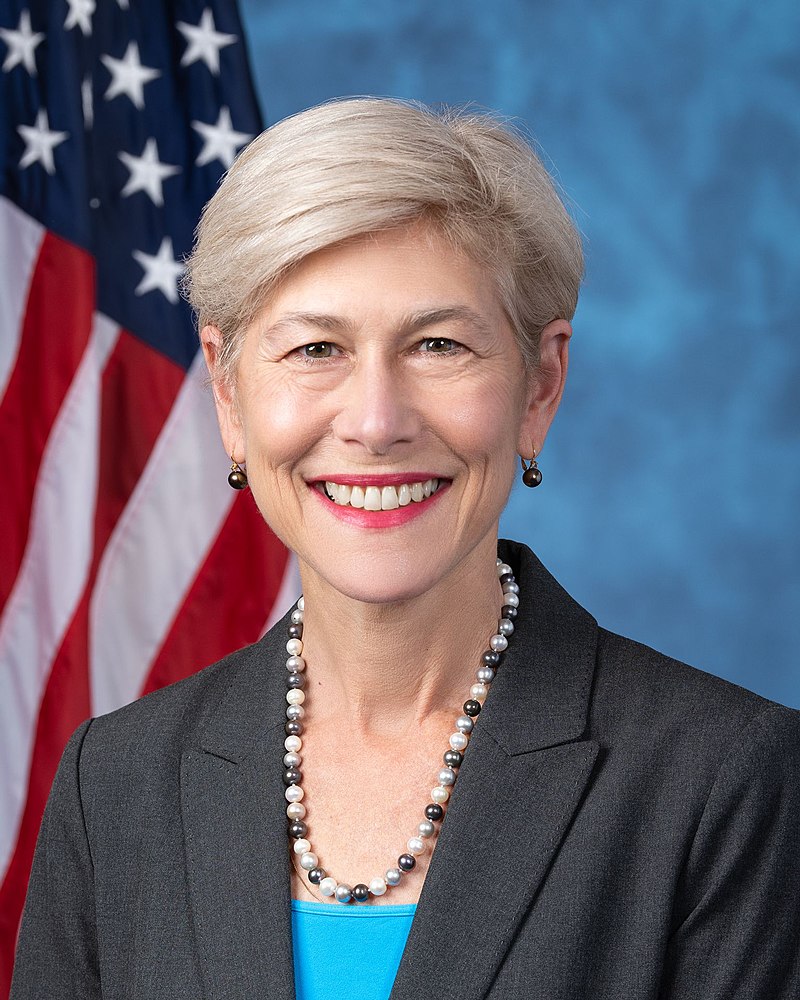
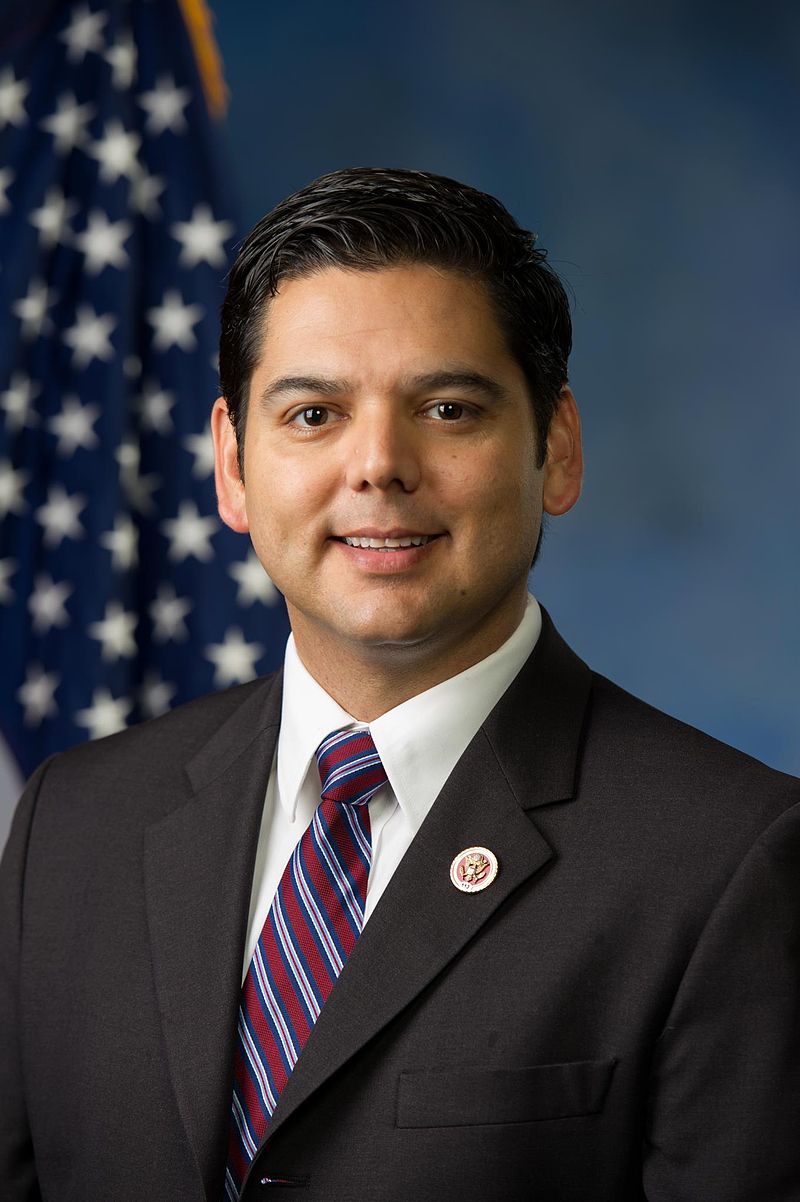
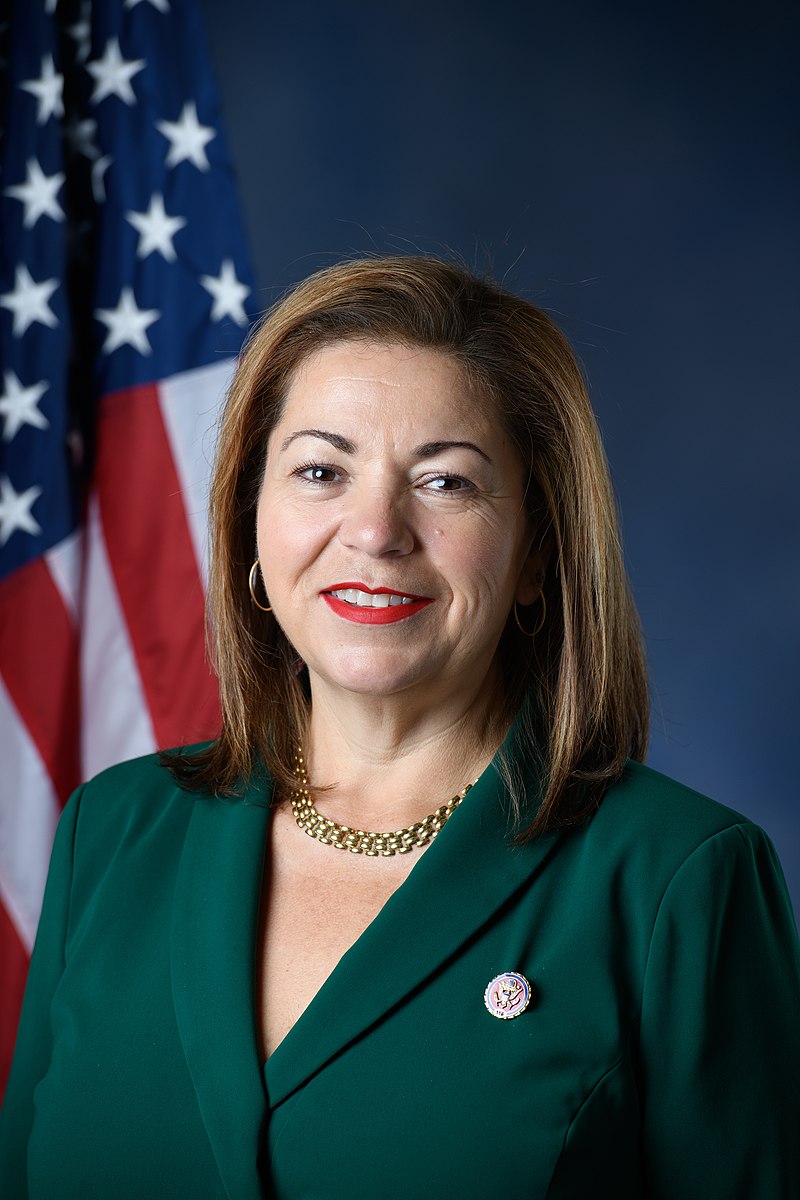
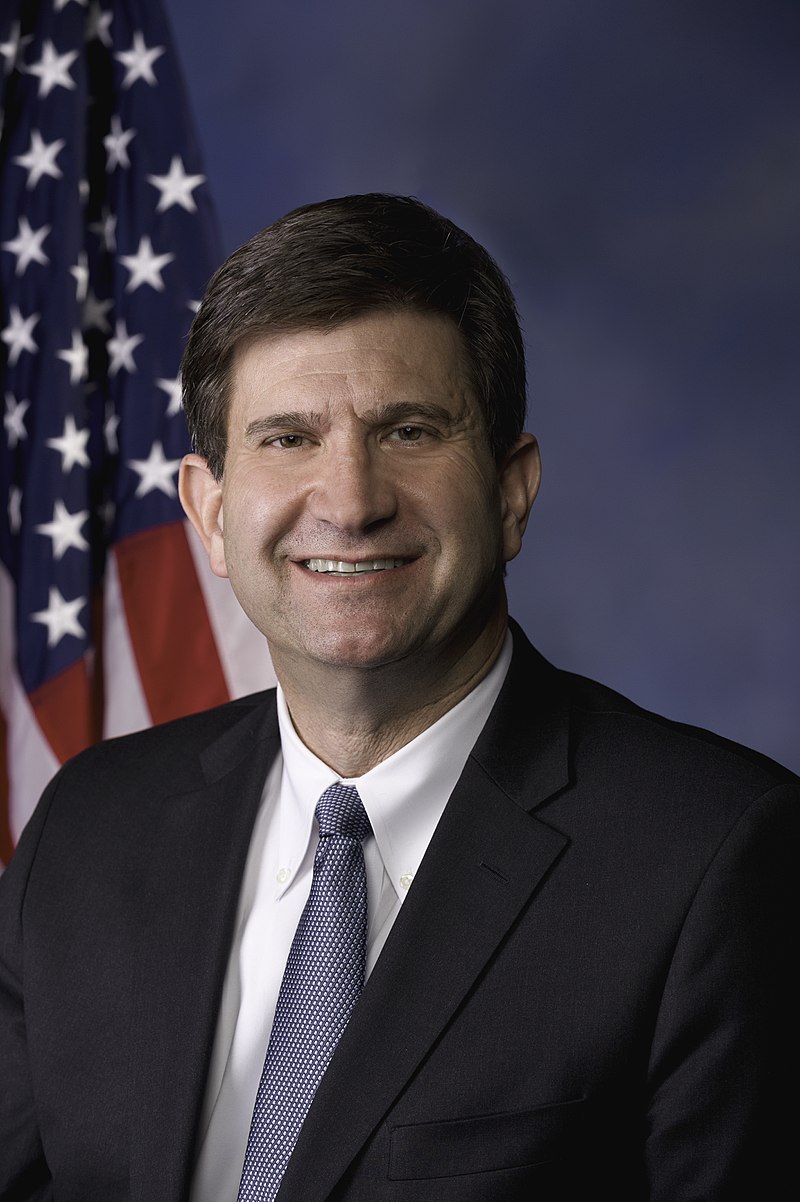
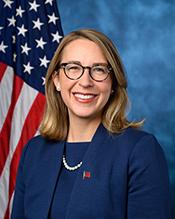
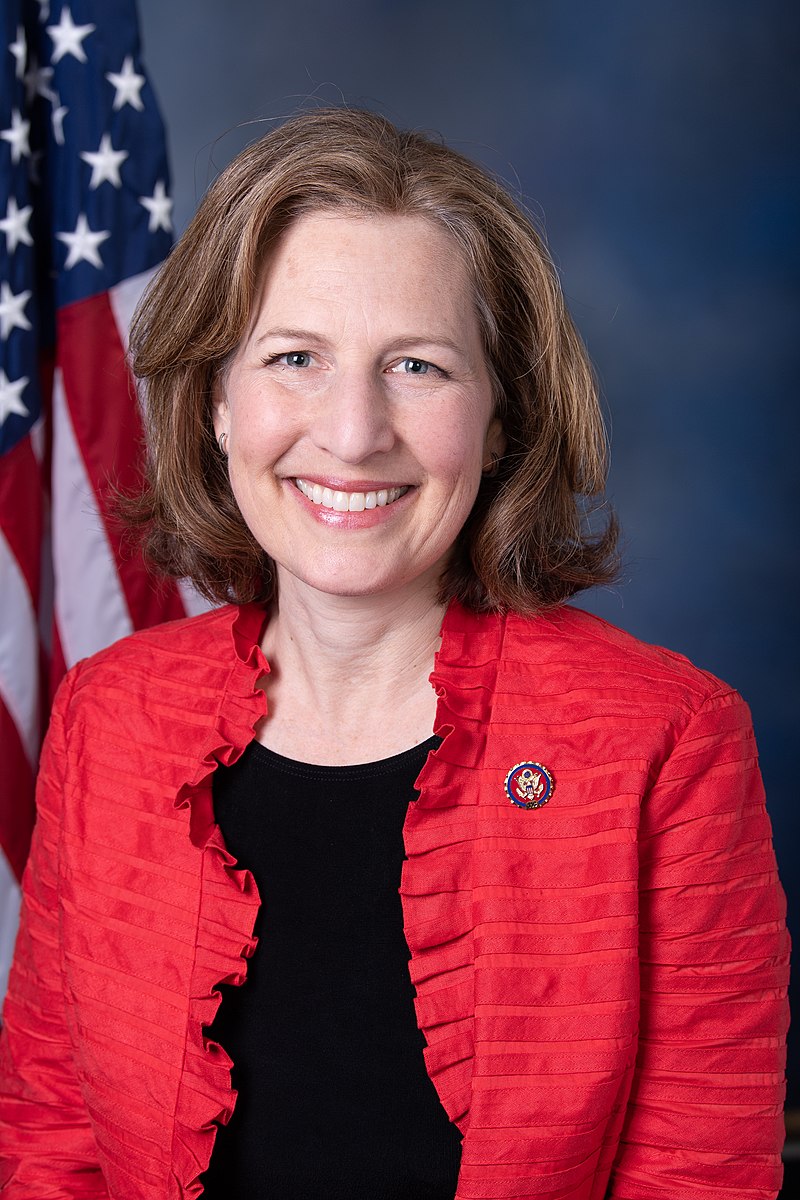
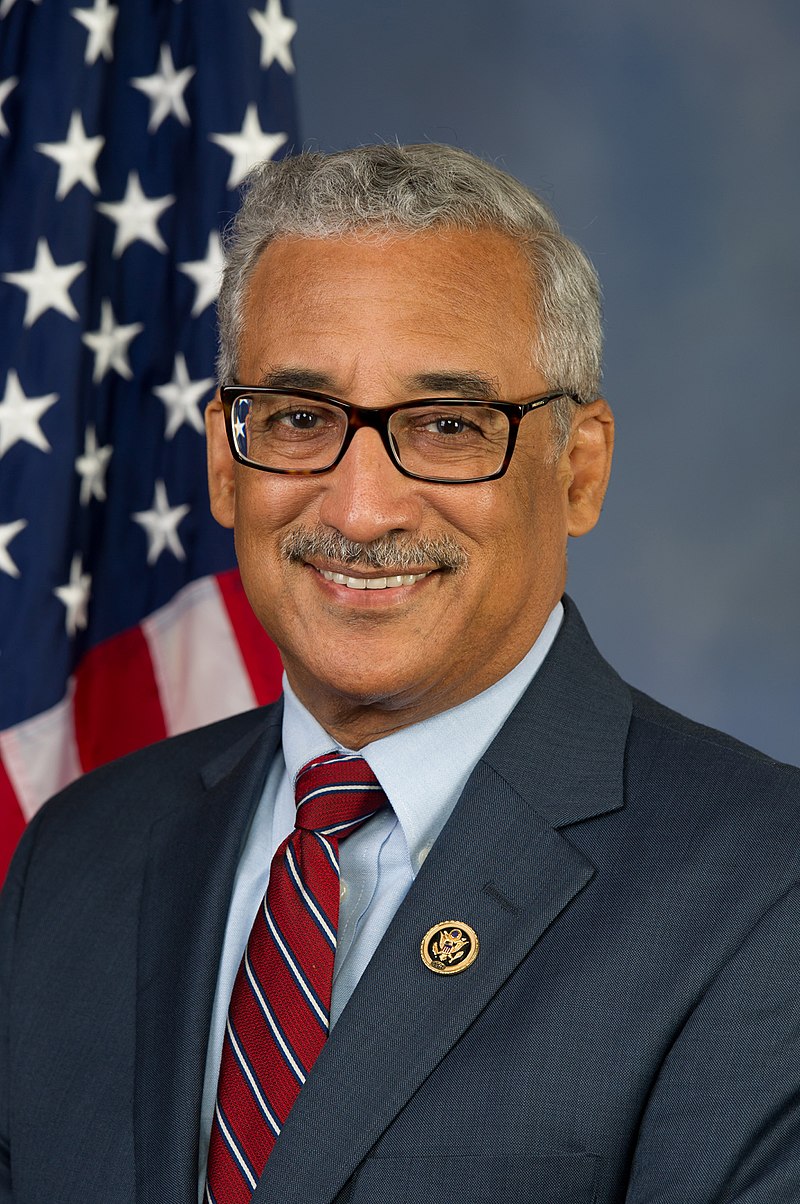
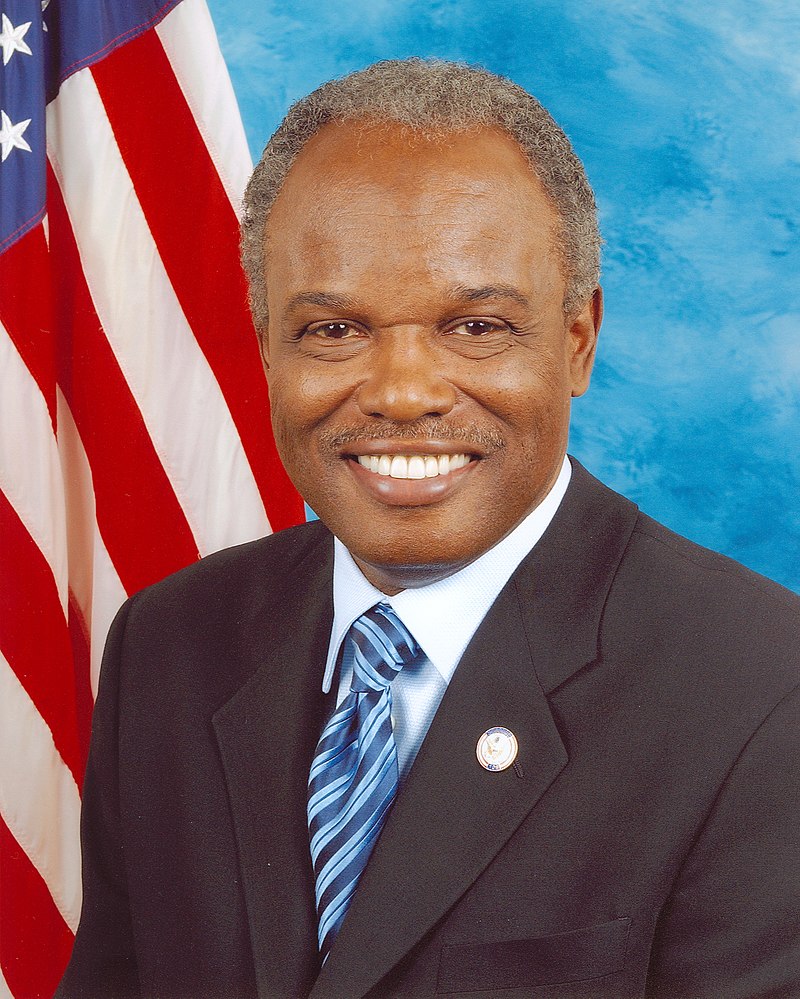
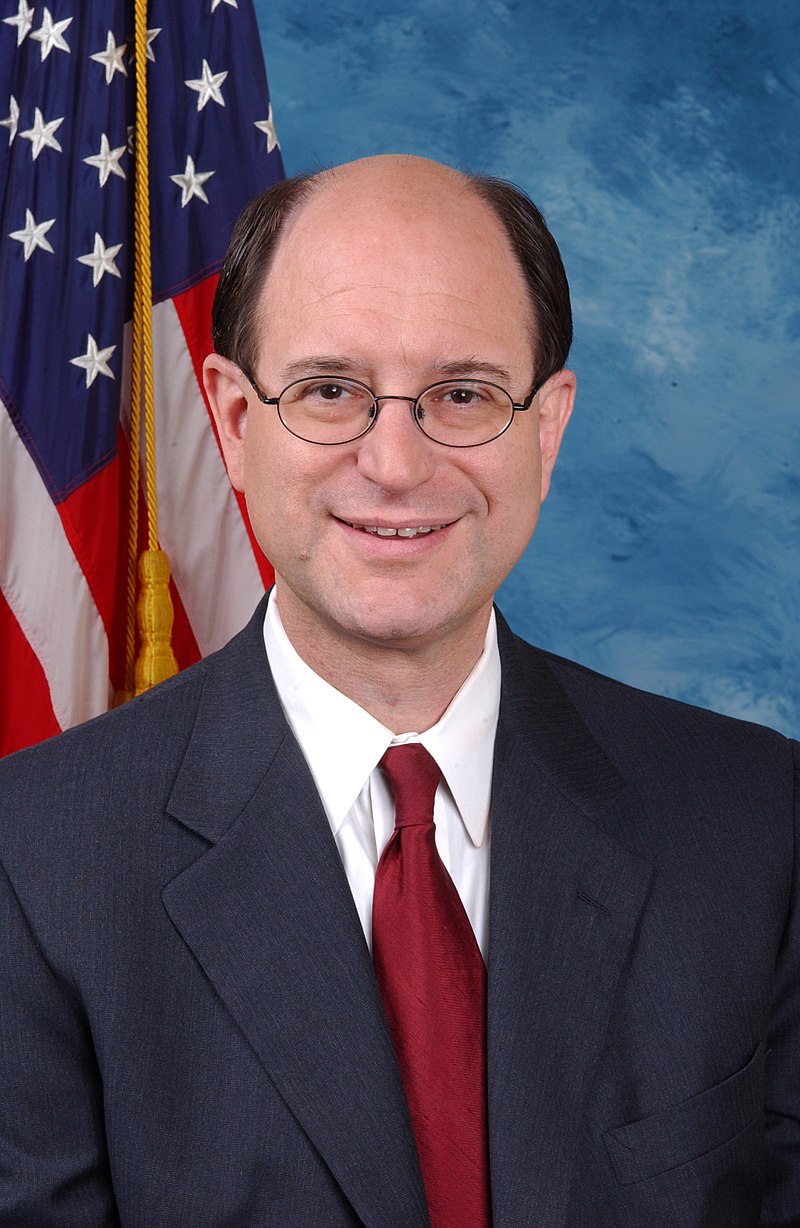
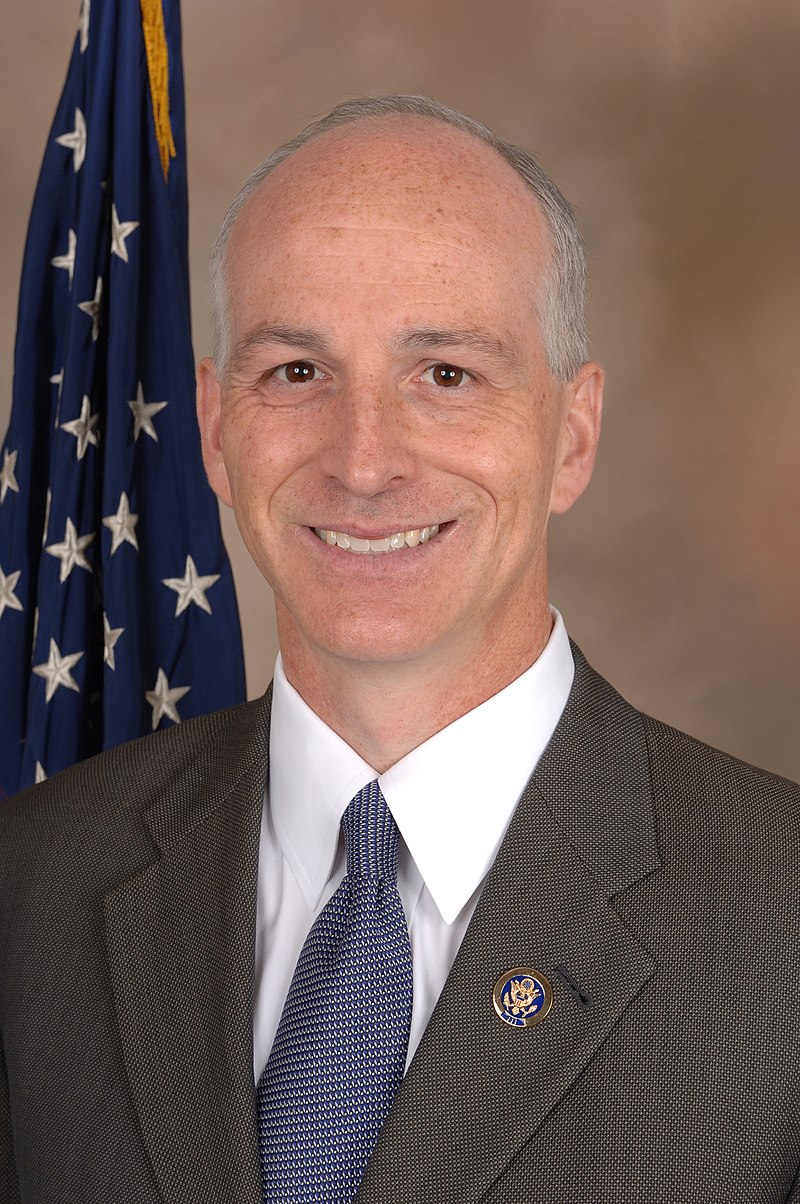
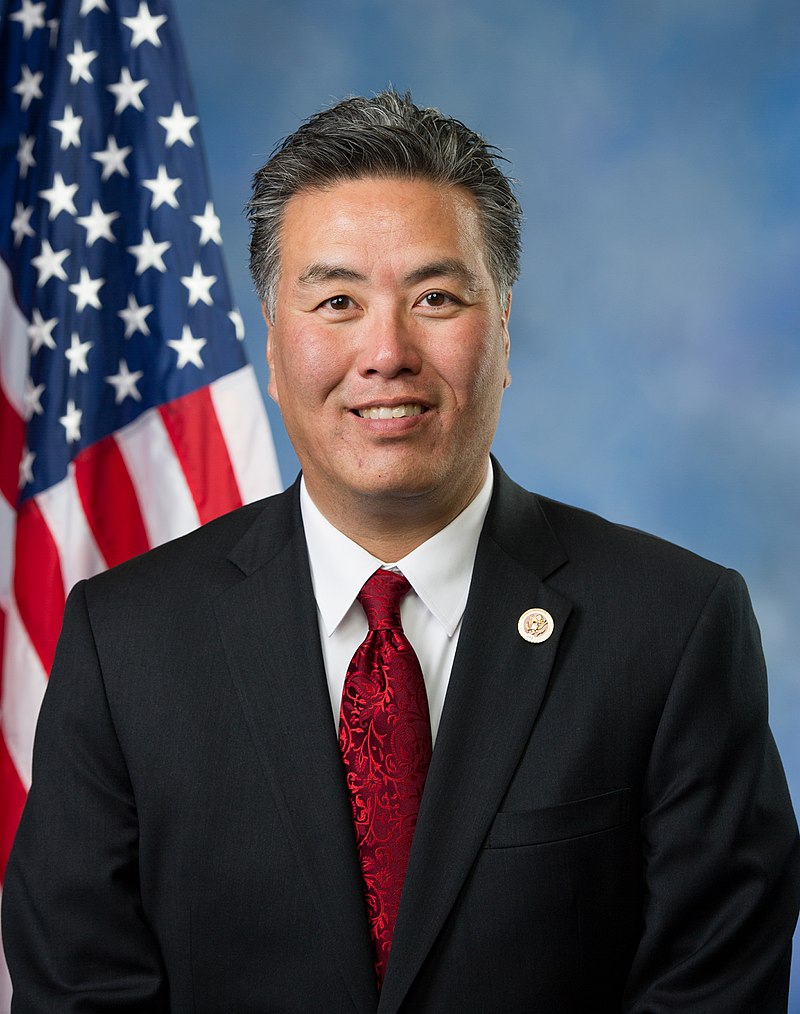
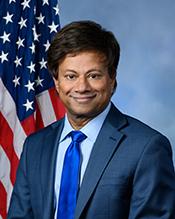
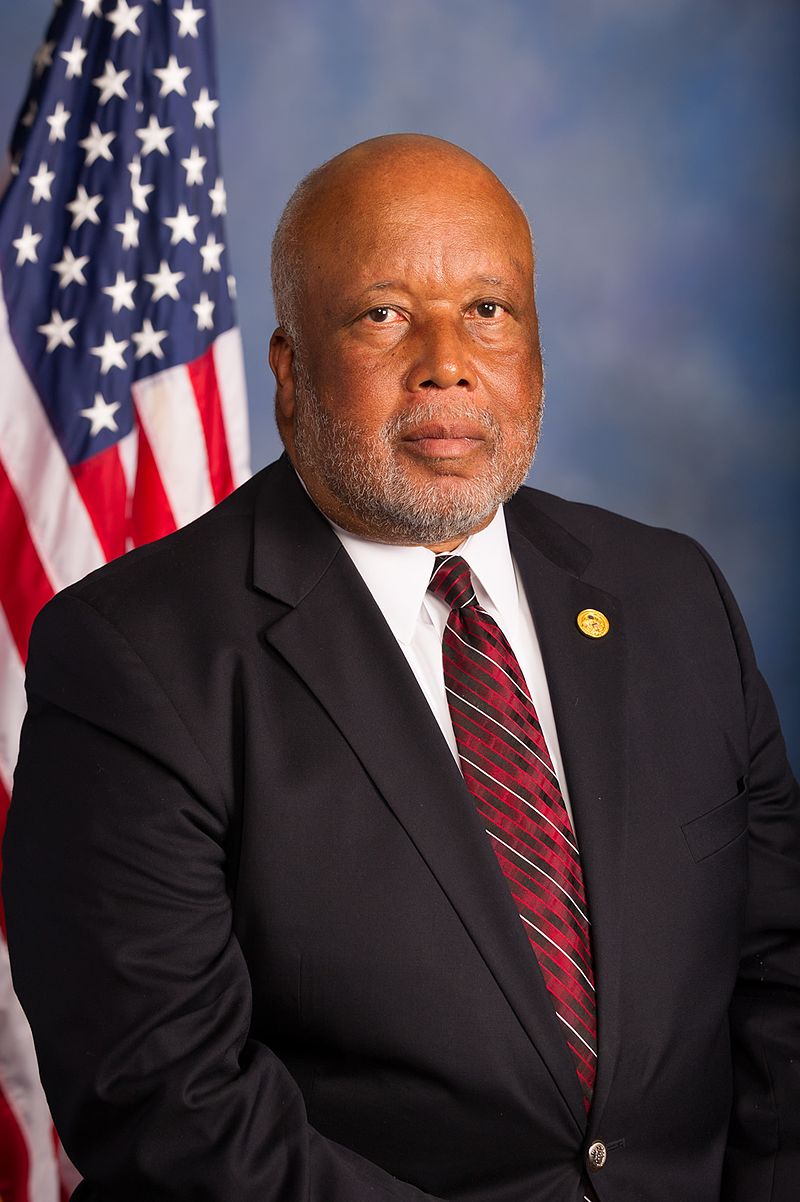
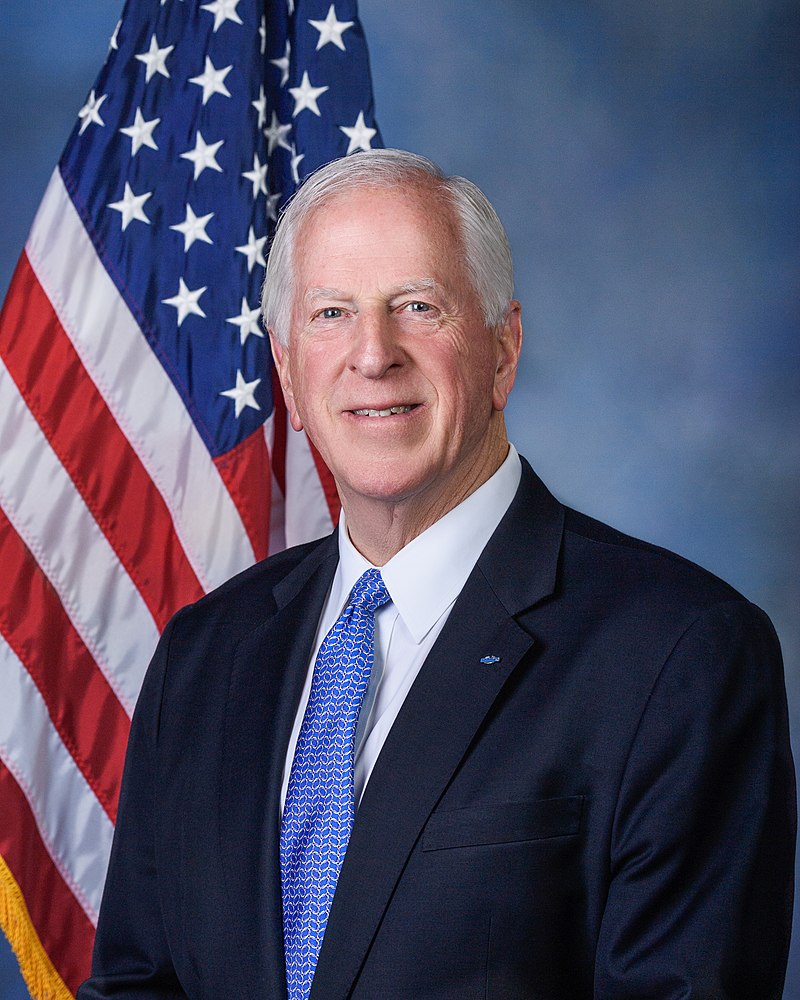
Nay (215)
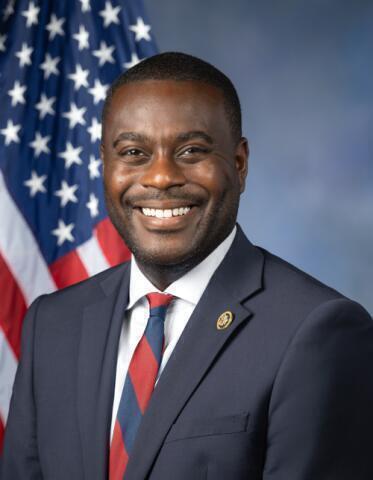
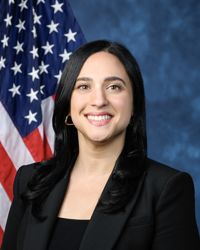



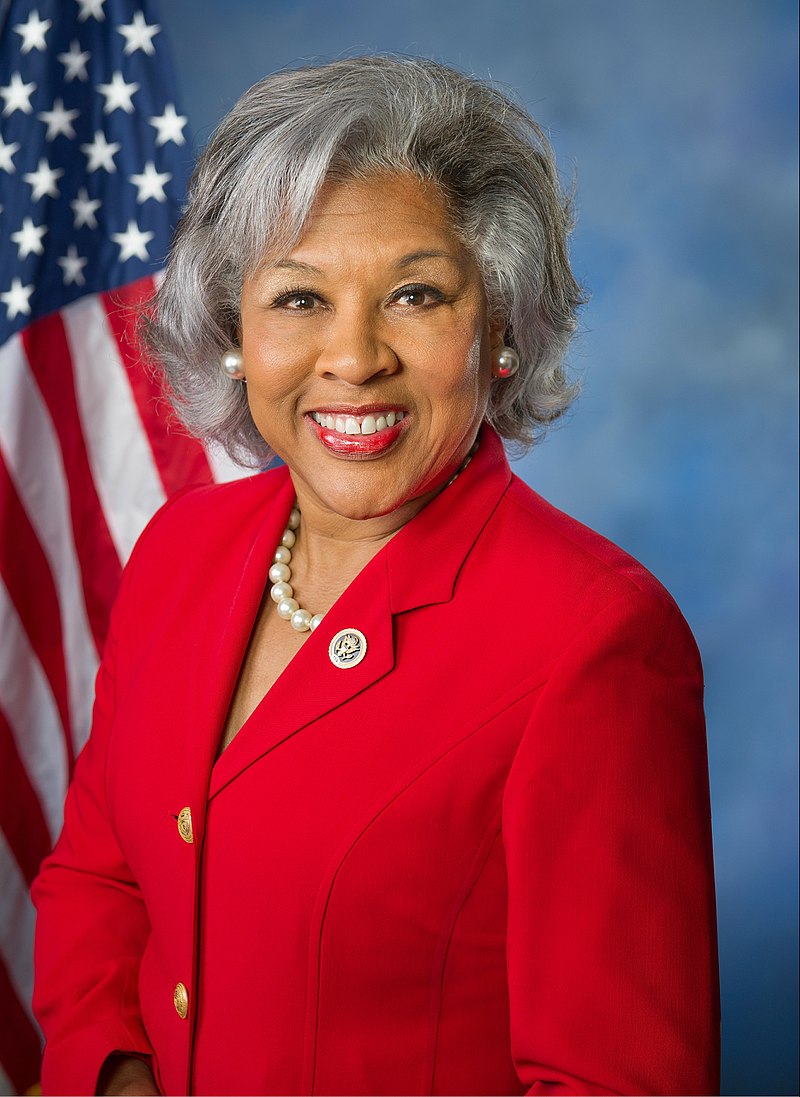


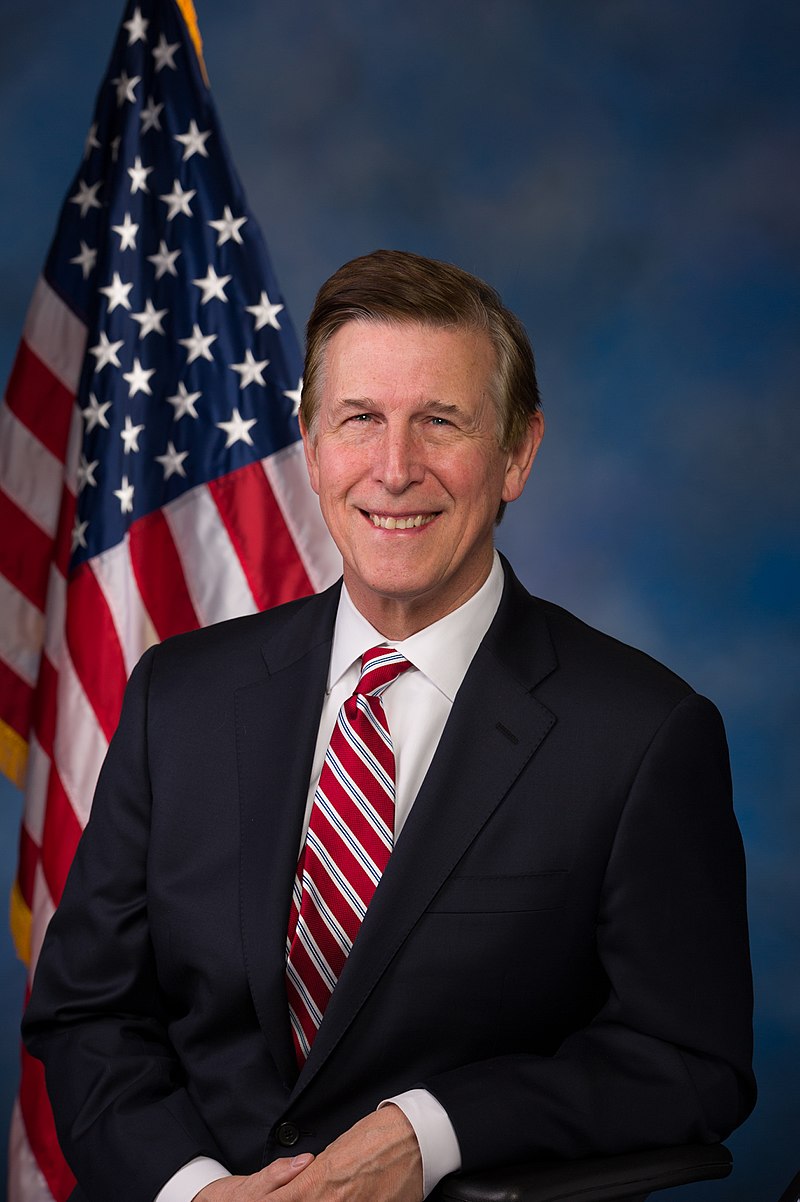

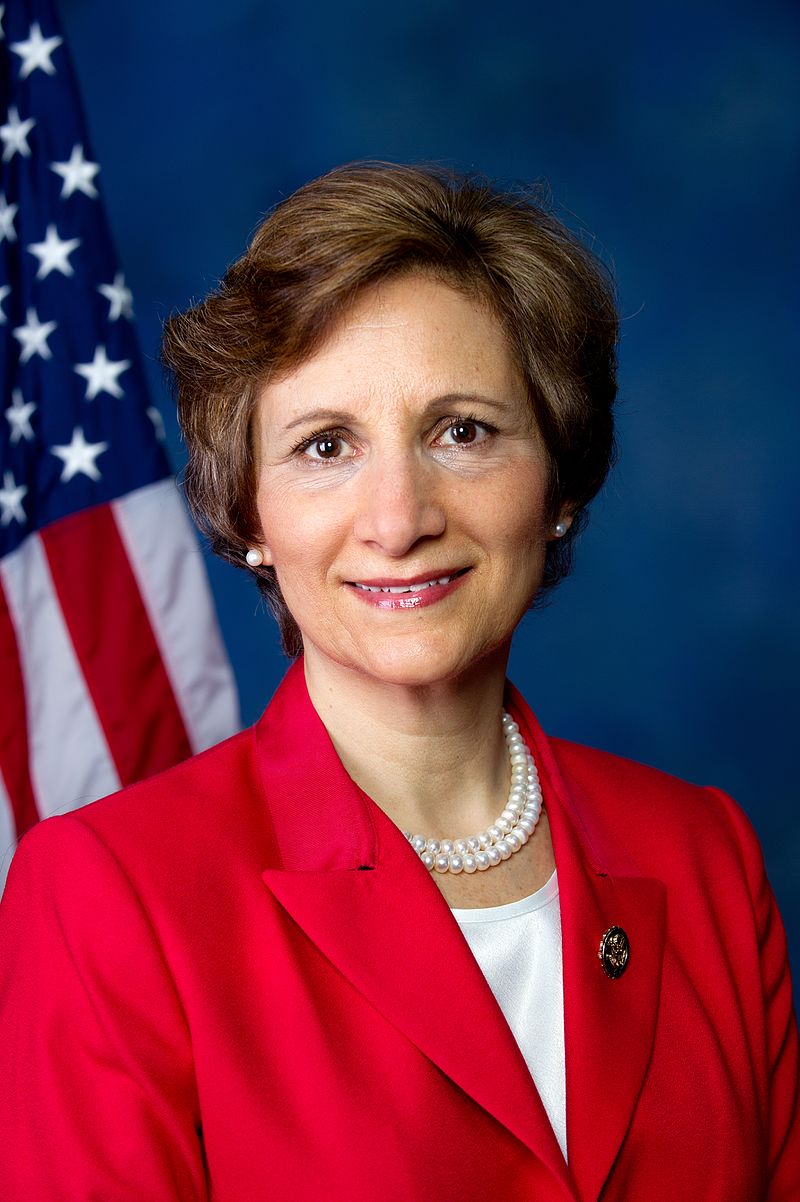
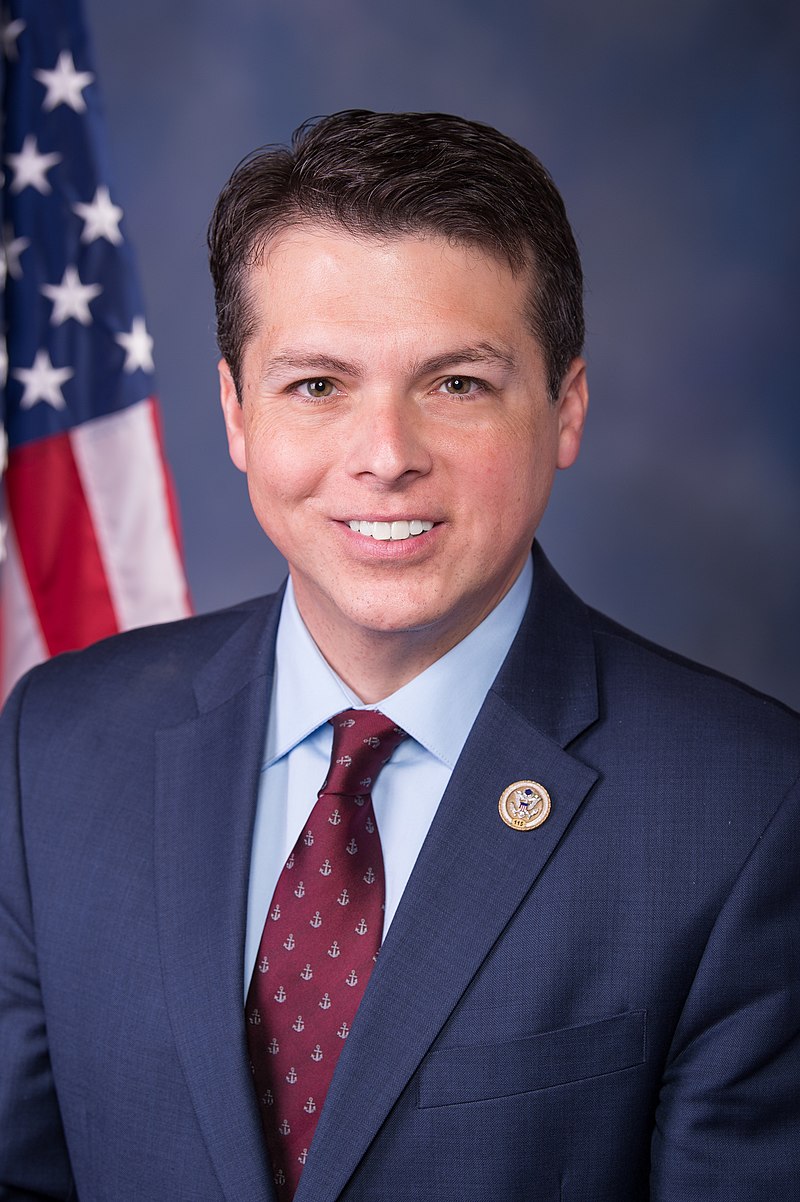


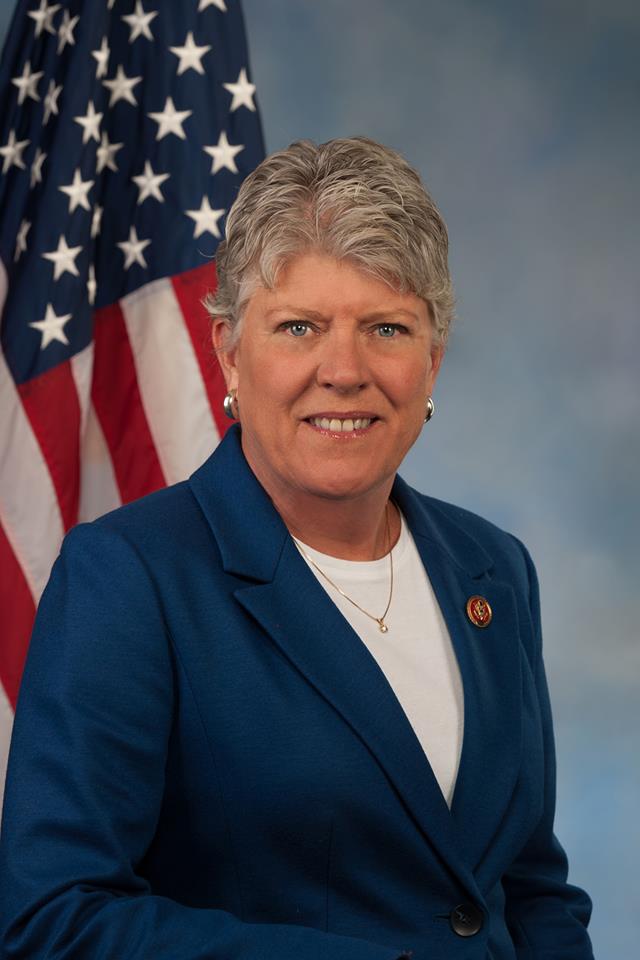


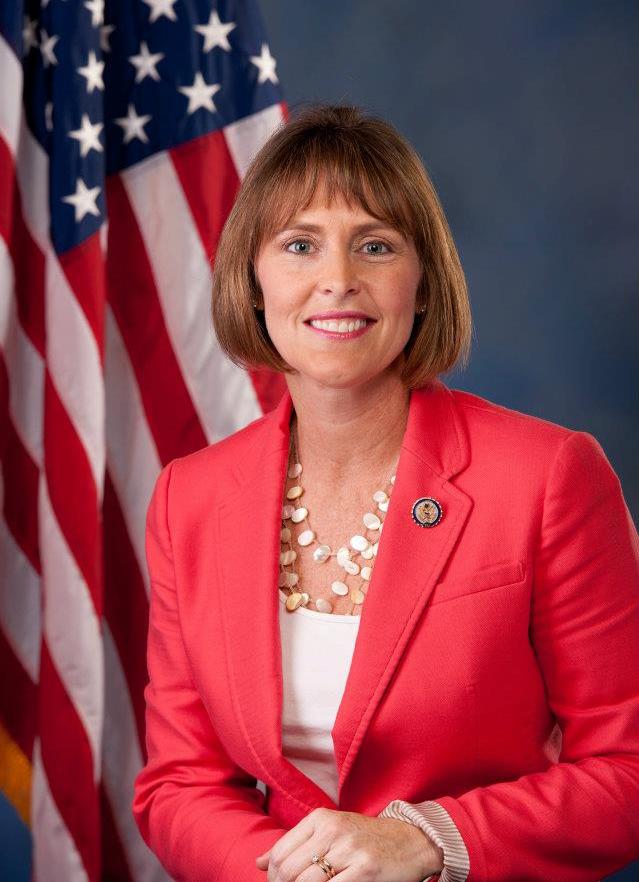
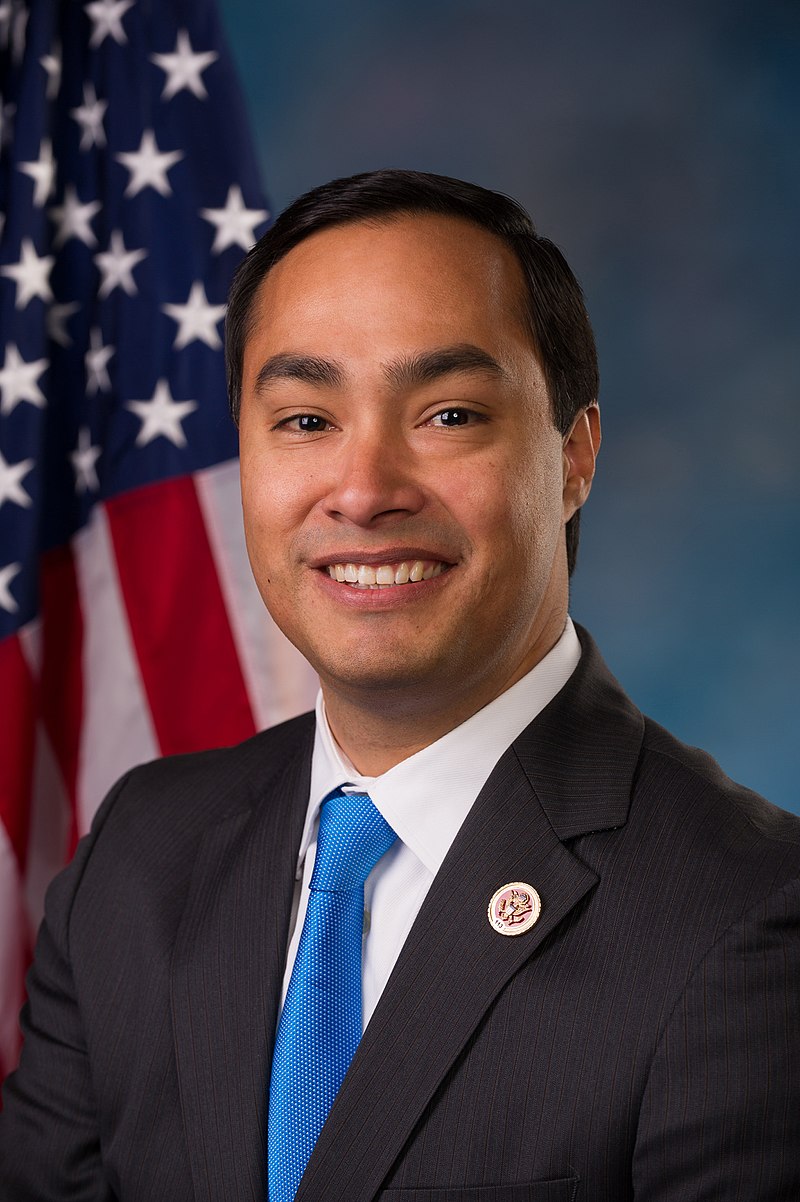

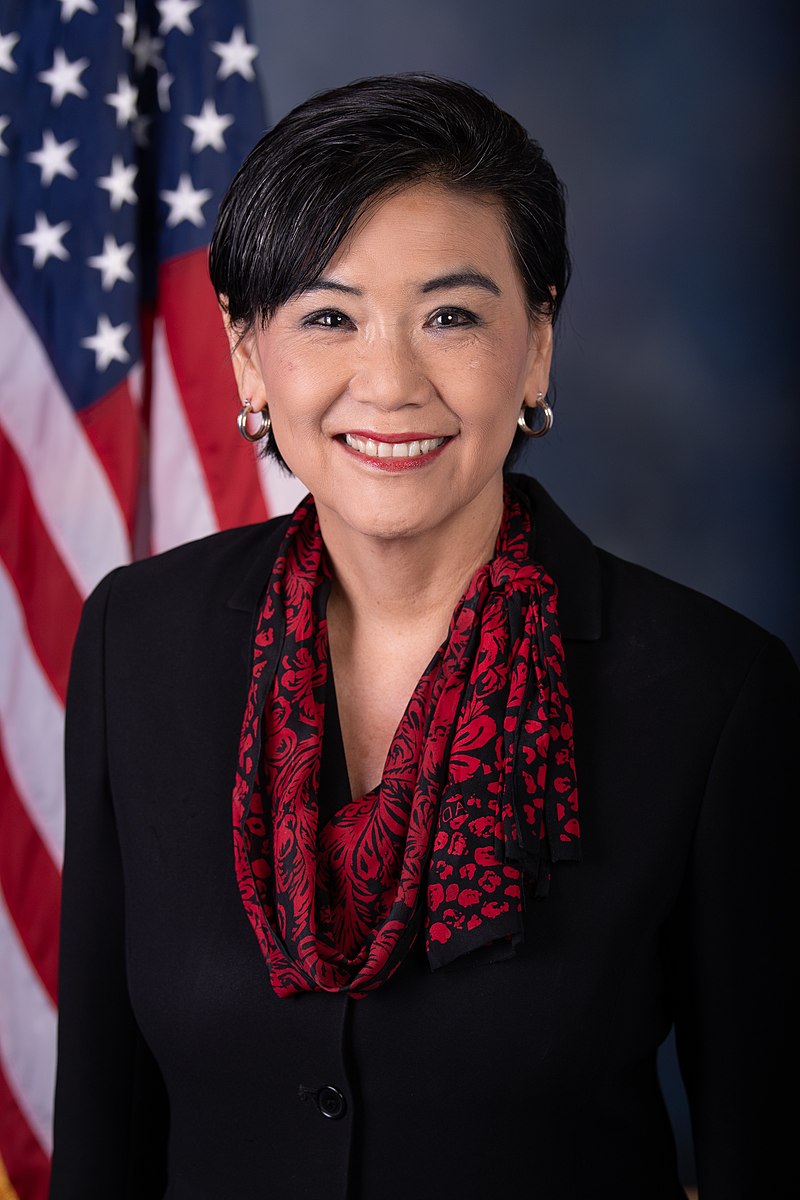


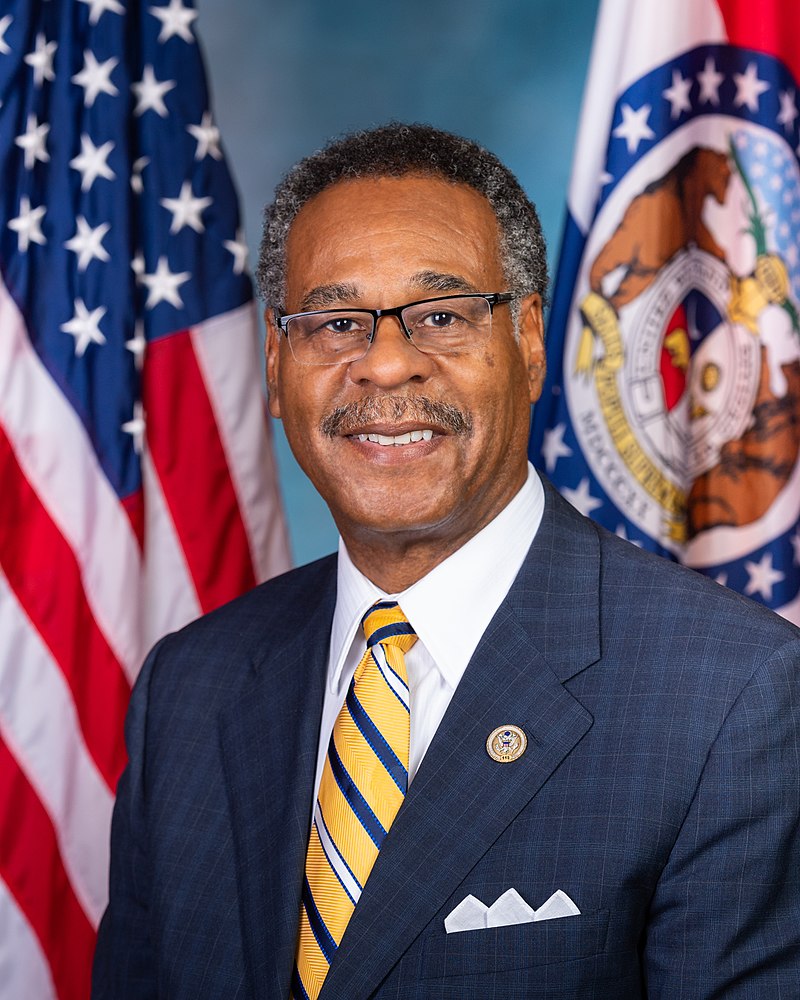
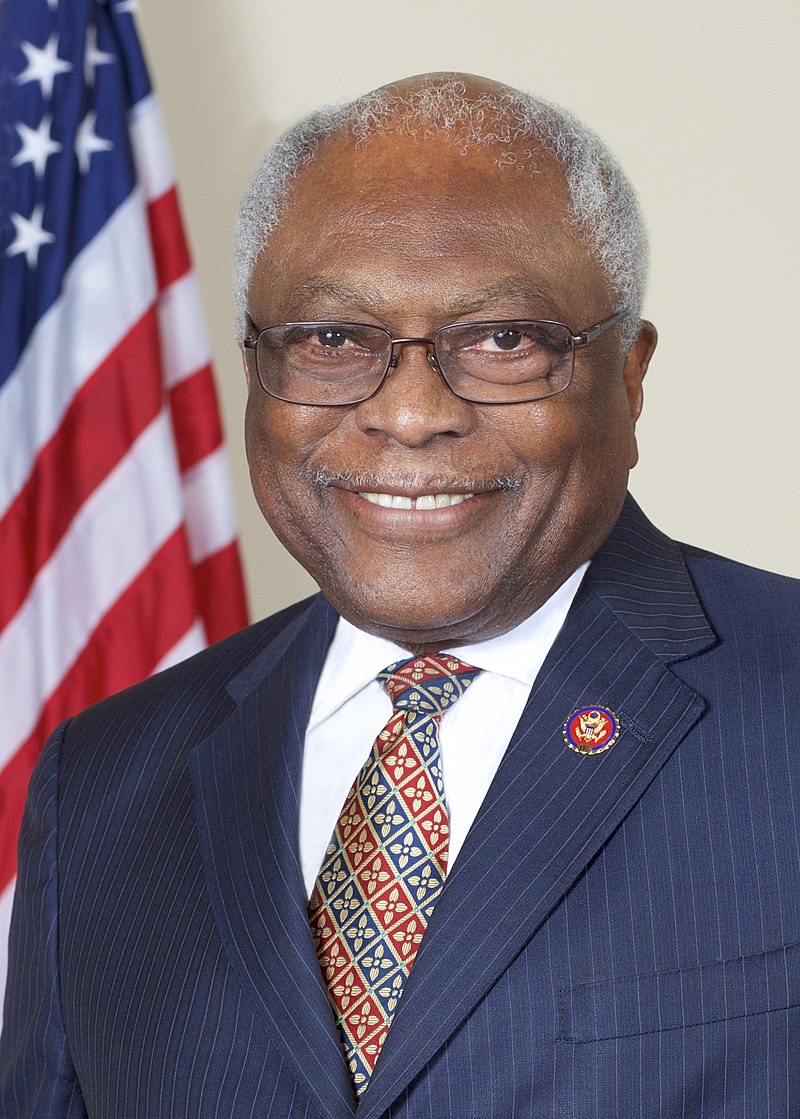

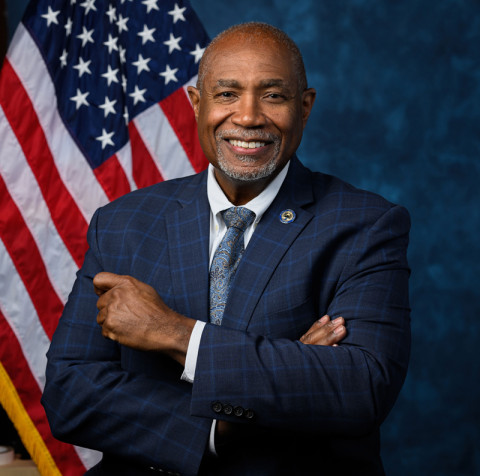
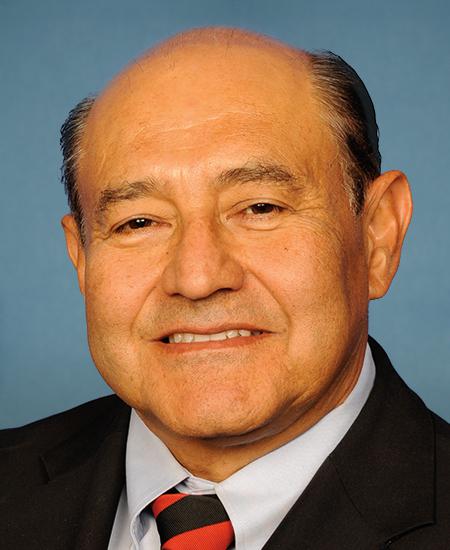


J
Jason Crow







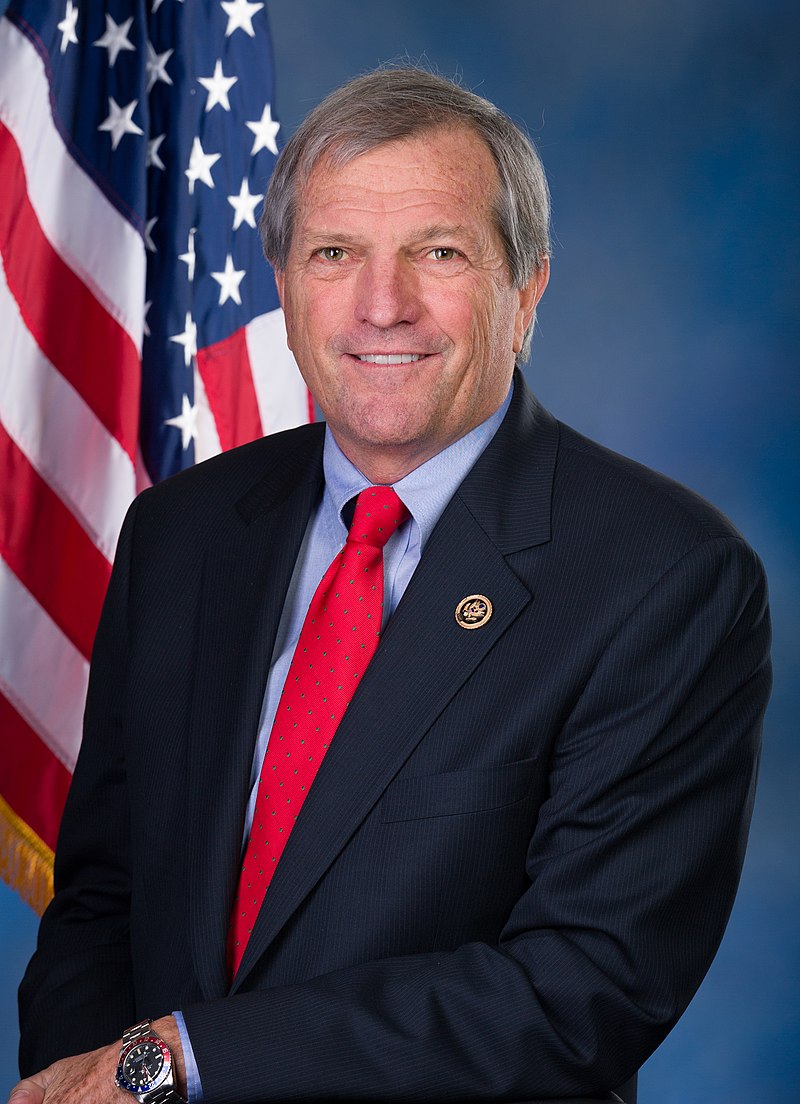


L
Lloyd Doggett

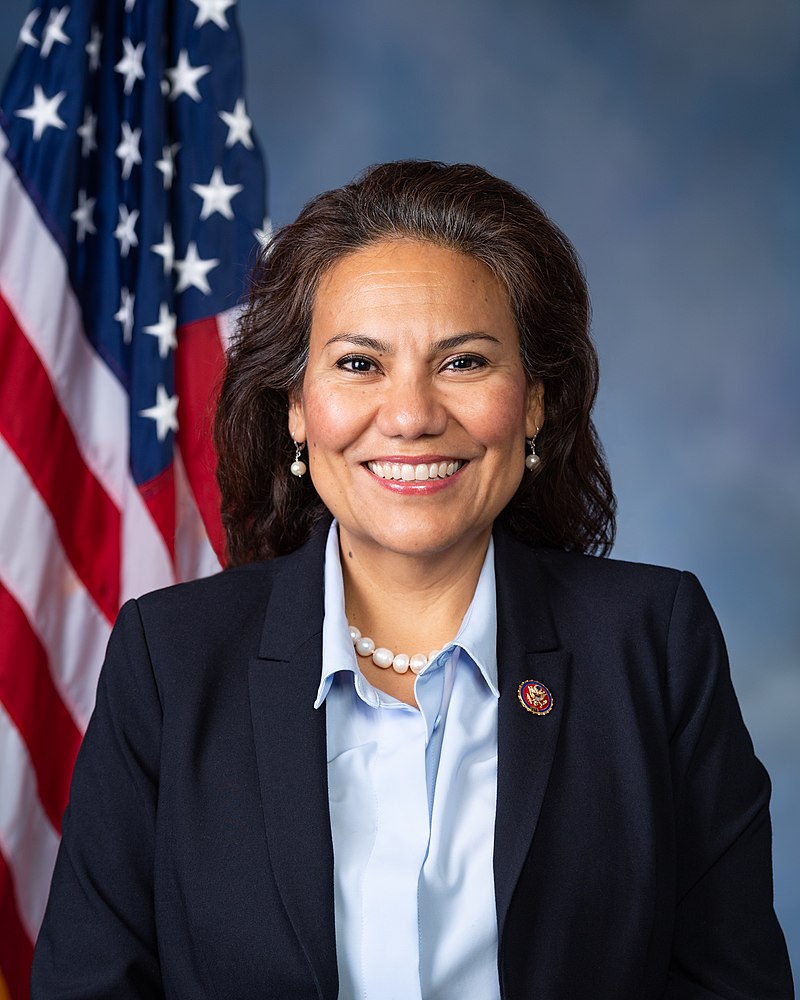
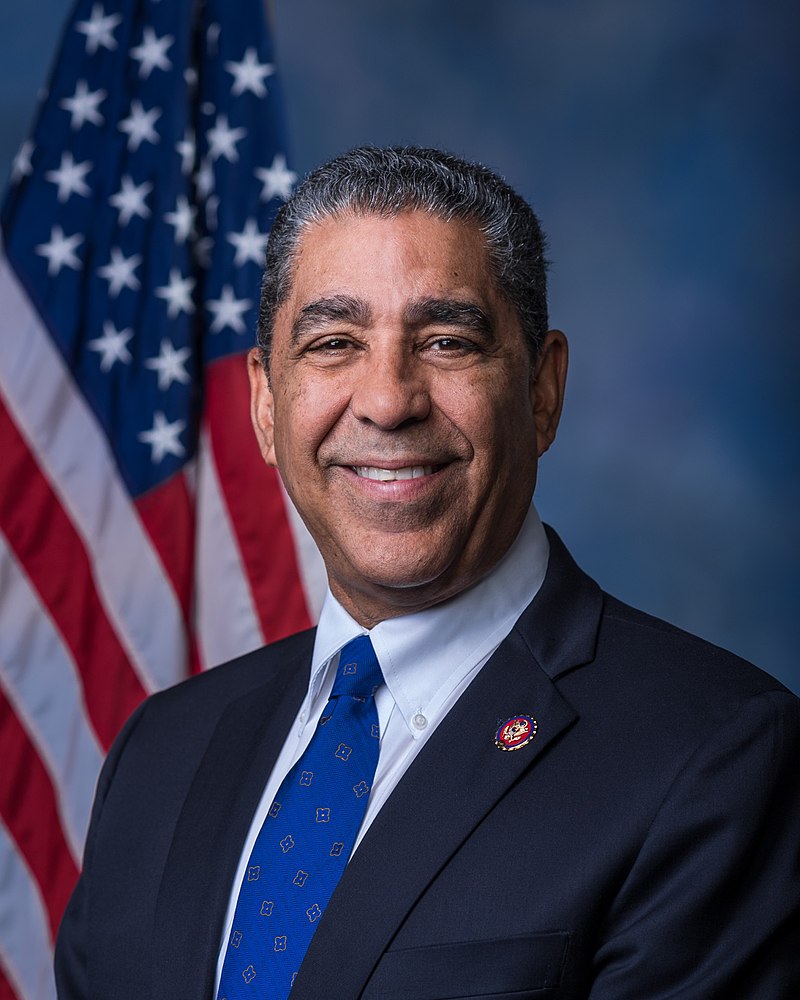
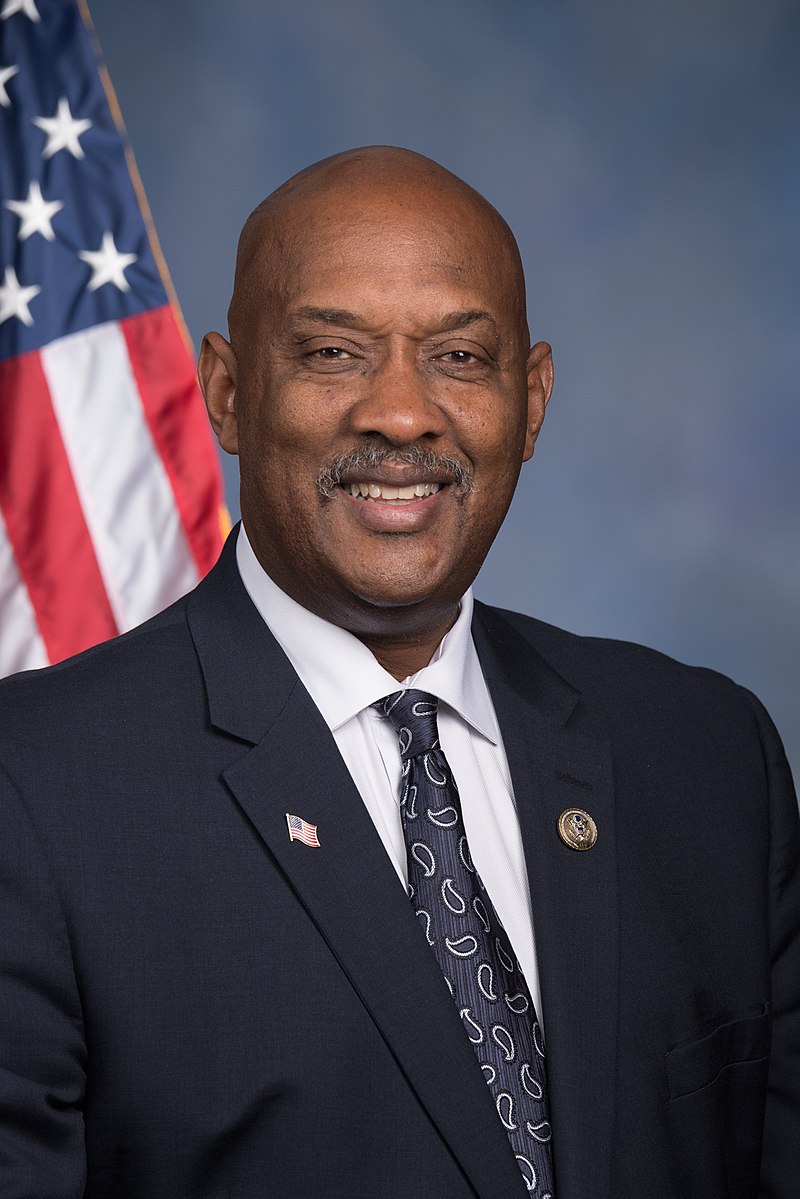





J
John Garamendi

















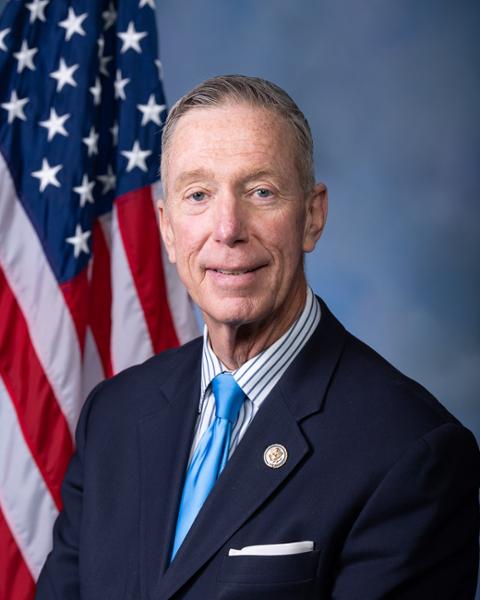

J
John Mannion

L
Lucy McBath

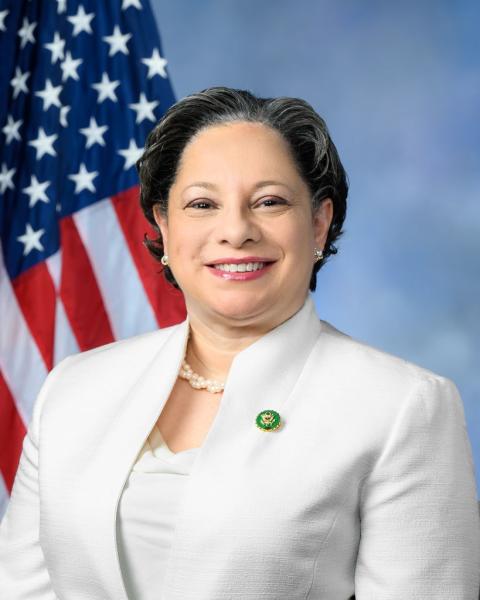
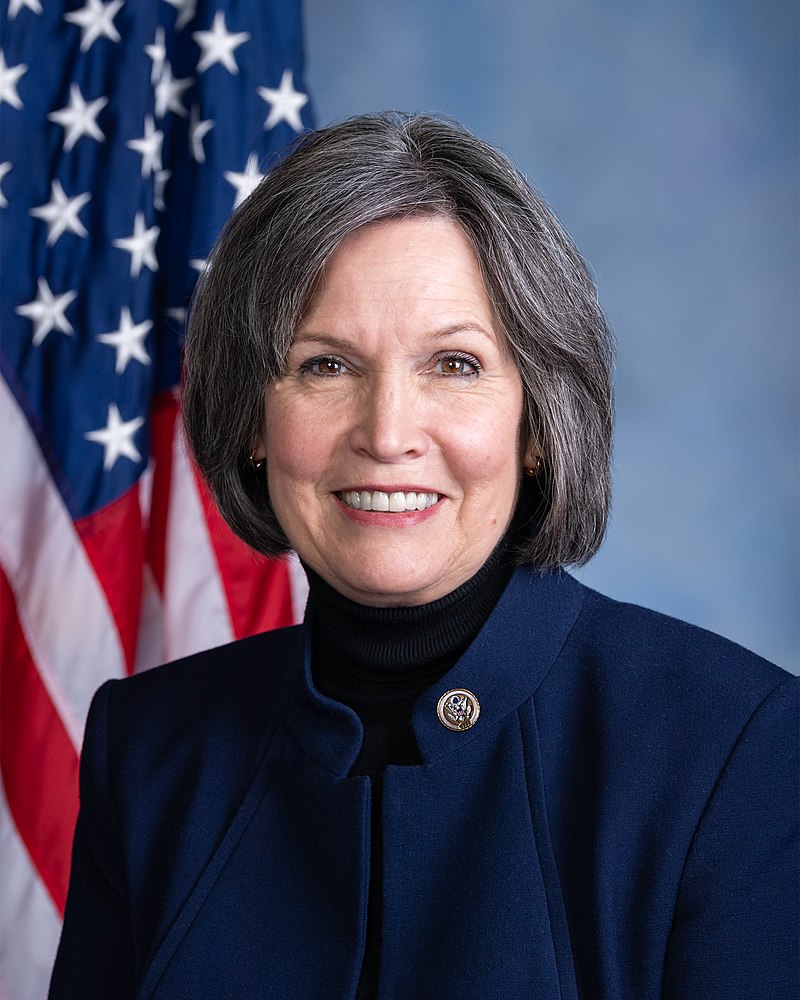


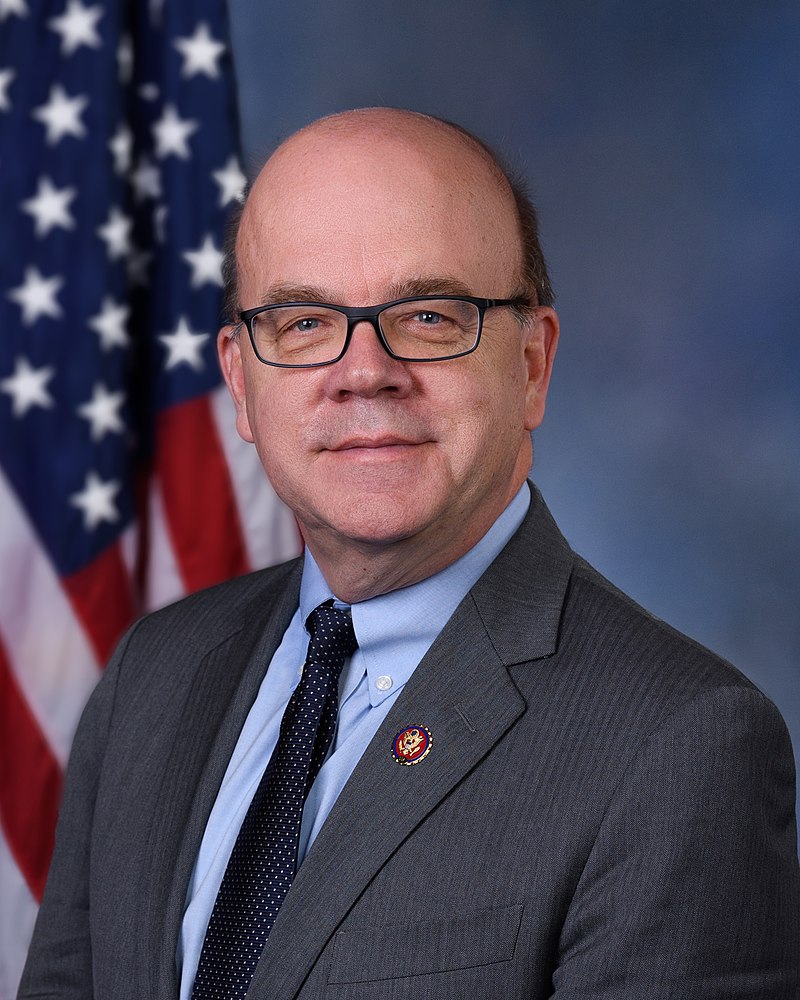
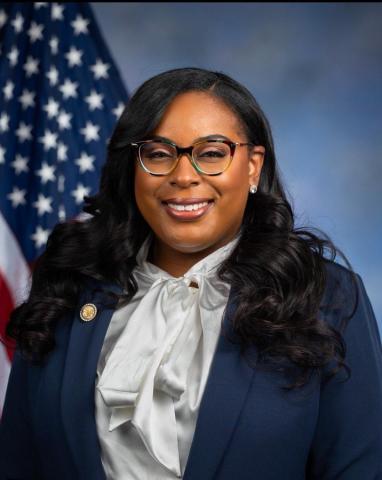

































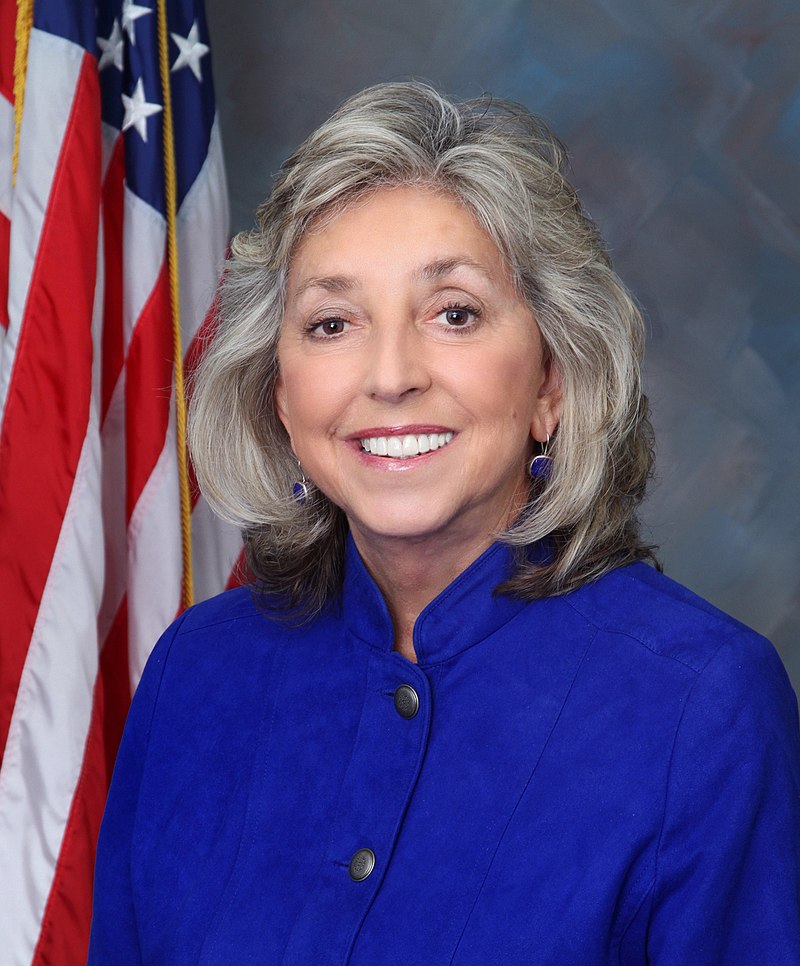
R
Rashida Tlaib

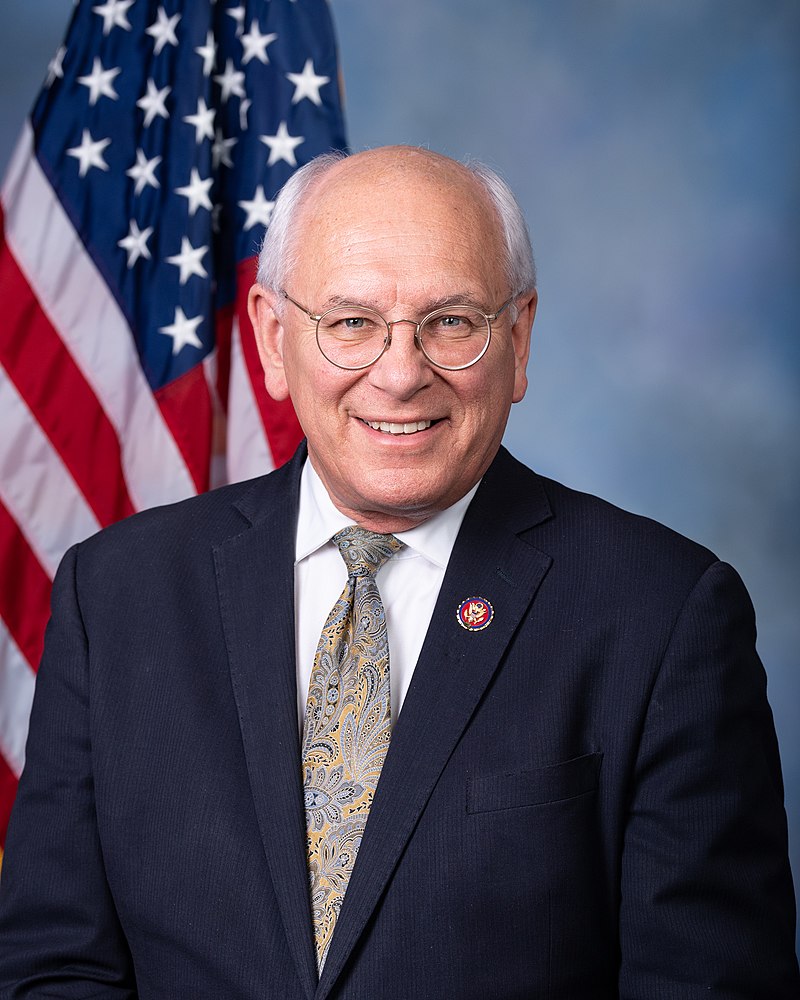

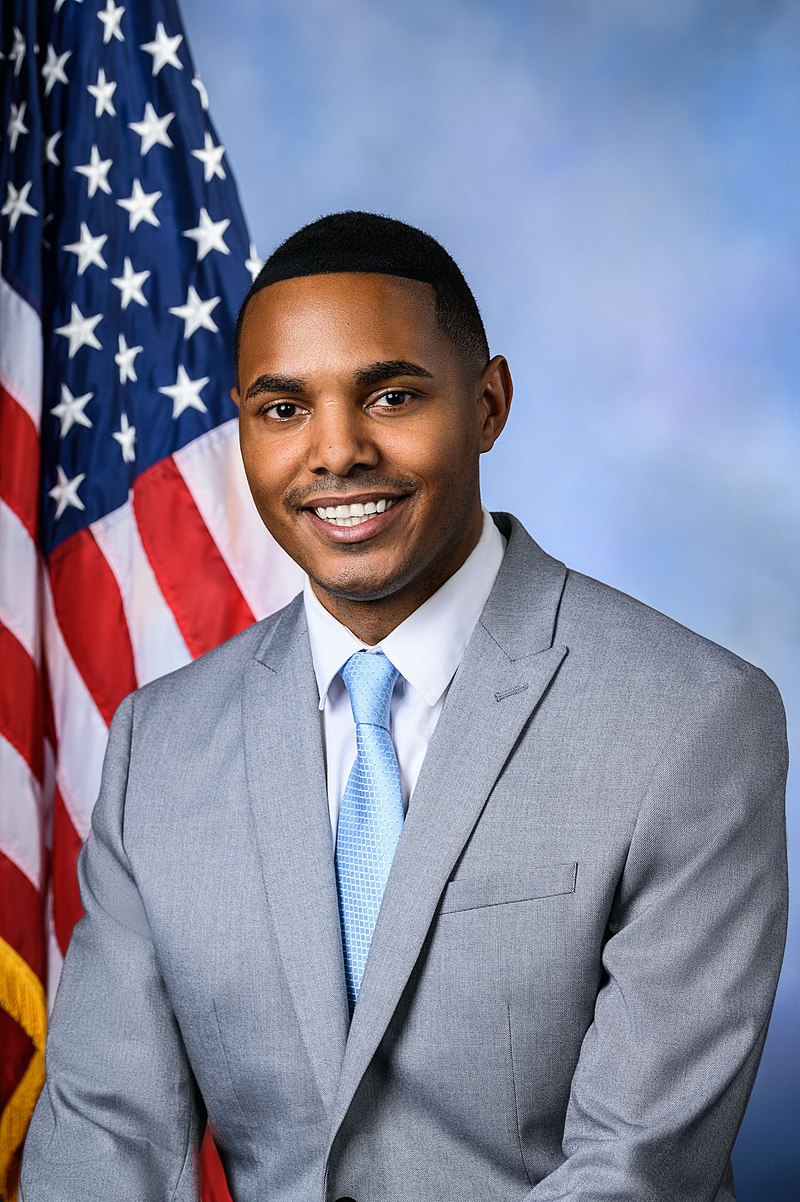
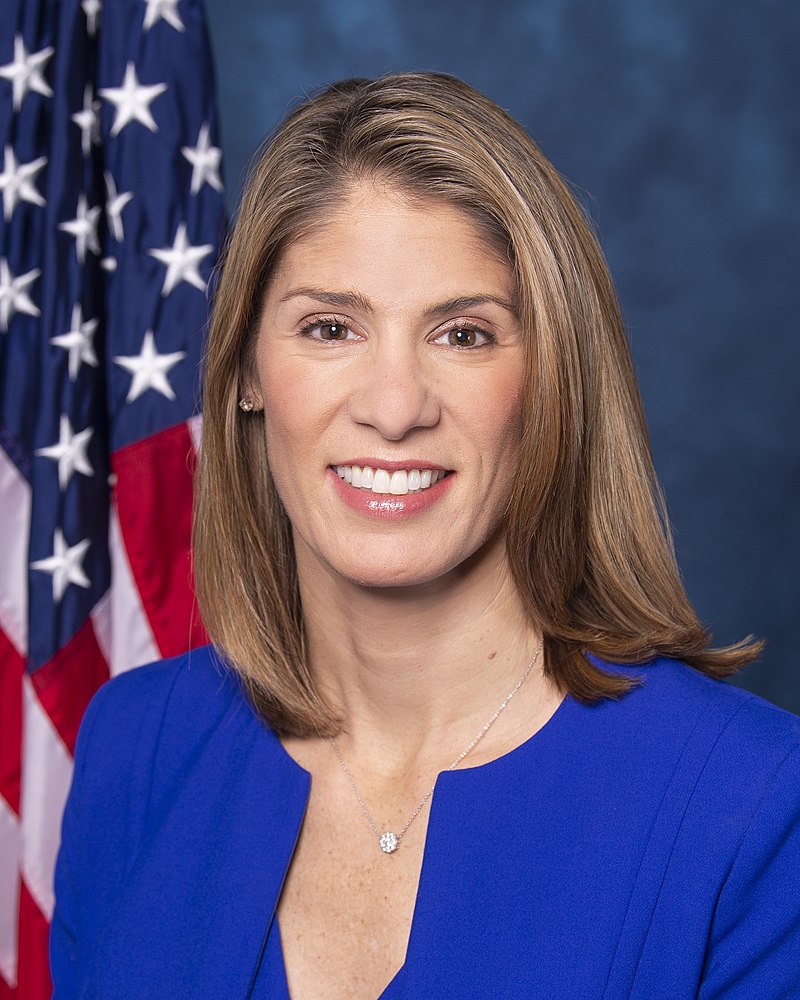



N
Nydia Velázquez


D
Debbie Wasserman Schultz