H.R.2262 — Flexibility for Workers Education Act
House Roll Call
H.R.2262
| Bill | H.R.2262 — Flexibility for Workers Education Act |
|---|---|
| Vote question | On Motion to Recommit |
| Vote type | Yea-and-Nay |
| Result | Failed |
| Totals | Yea 209 / Nay 213 / Present 0 / Not Voting 9 |
| Party | Yea | Nay | Present | Not Voting |
|---|---|---|---|---|
| R | 0 | 213 | 0 | 5 |
| D | 209 | 0 | 0 | 4 |
| I | 0 | 0 | 0 | 0 |
Research Brief
On Motion to Recommit
Bill Analysis
HR 2262 – Flexibility for Workers Education Act (119th Congress)
HR 2262 amends the Internal Revenue Code to expand and modernize tax-favored “529” education savings plans so they can be used more flexibly for workforce-oriented education and training.
Substantive changes and authorities:
- Broadens “qualified higher education expenses” to include a wider range of nondegree, skills-based, and short-term training programs, including certain credentialing, licensing, and industry-recognized certification programs.
- Authorizes use of 529 funds for specified workforce development expenses such as tuition, fees, books, and required equipment for eligible nontraditional programs, subject to federal standards for program quality and/or accreditation.
- May clarify or expand eligibility for expenses related to career and technical education (CTE), apprenticeships, and similar work-based learning, aligning with existing Department of Labor and Department of Education program definitions where referenced.
- Retains the basic tax treatment of 529 plans (tax-free growth and tax-free withdrawals for qualified expenses) but enlarges the category of what counts as “qualified,” thereby indirectly increasing the tax expenditure associated with these plans.
Agencies and programs affected:
- Treasury Department/IRS: tasked with implementing the revised definitions, issuing guidance, and updating forms and instructions for taxpayers and plan administrators.
- State-sponsored 529 plan administrators: must adjust plan documents, disclosures, and administrative systems to accommodate new eligible expense categories.
- Indirect coordination implications for the Departments of Education and Labor where statutory cross-references to eligible programs or recognized credentials are used.
Beneficiaries and regulated parties:
- Primary beneficiaries: workers, jobseekers, and families using 529 plans to finance upskilling, reskilling, or career changes through short-term or nondegree programs.
- Regulated/impacted entities: 529 plan providers, educational and training institutions, and credentialing bodies whose programs may newly qualify for 529 funding.
Timelines:
- Provisions generally take effect for distributions made after a specified date (typically tax years beginning after enactment), with IRS directed to issue implementing guidance within set timeframes following enactment.
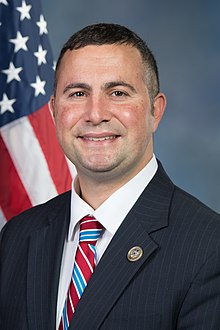
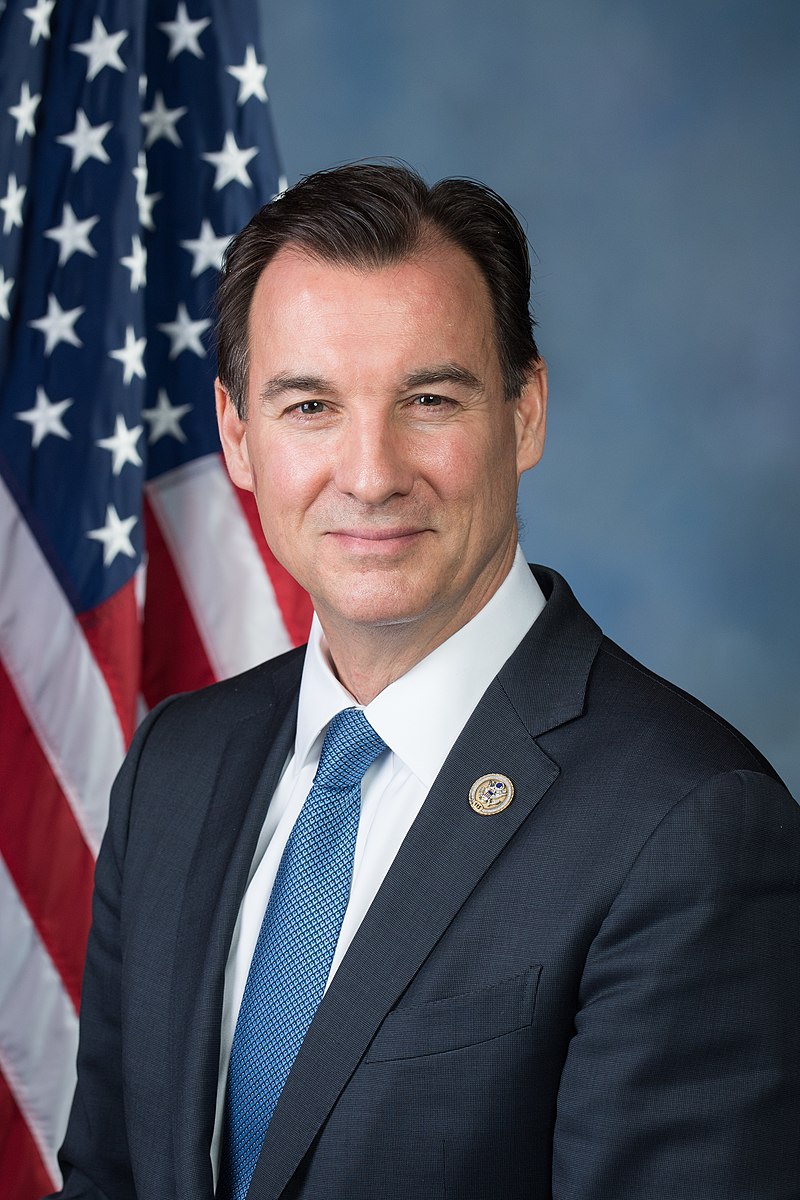
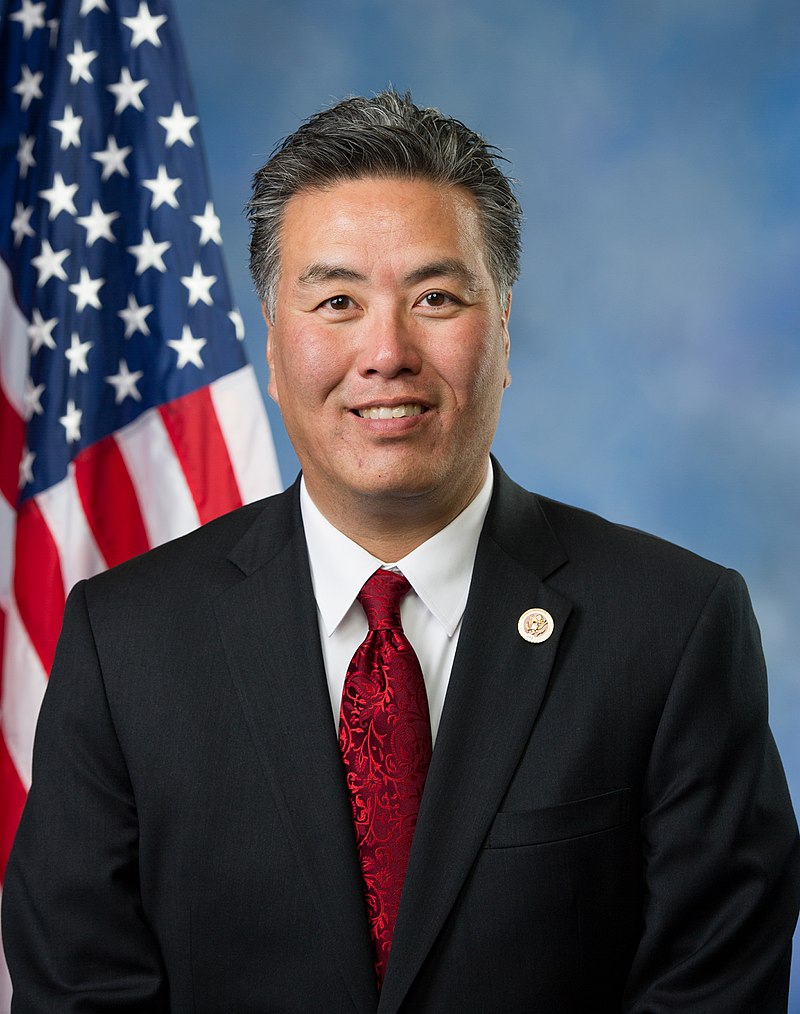
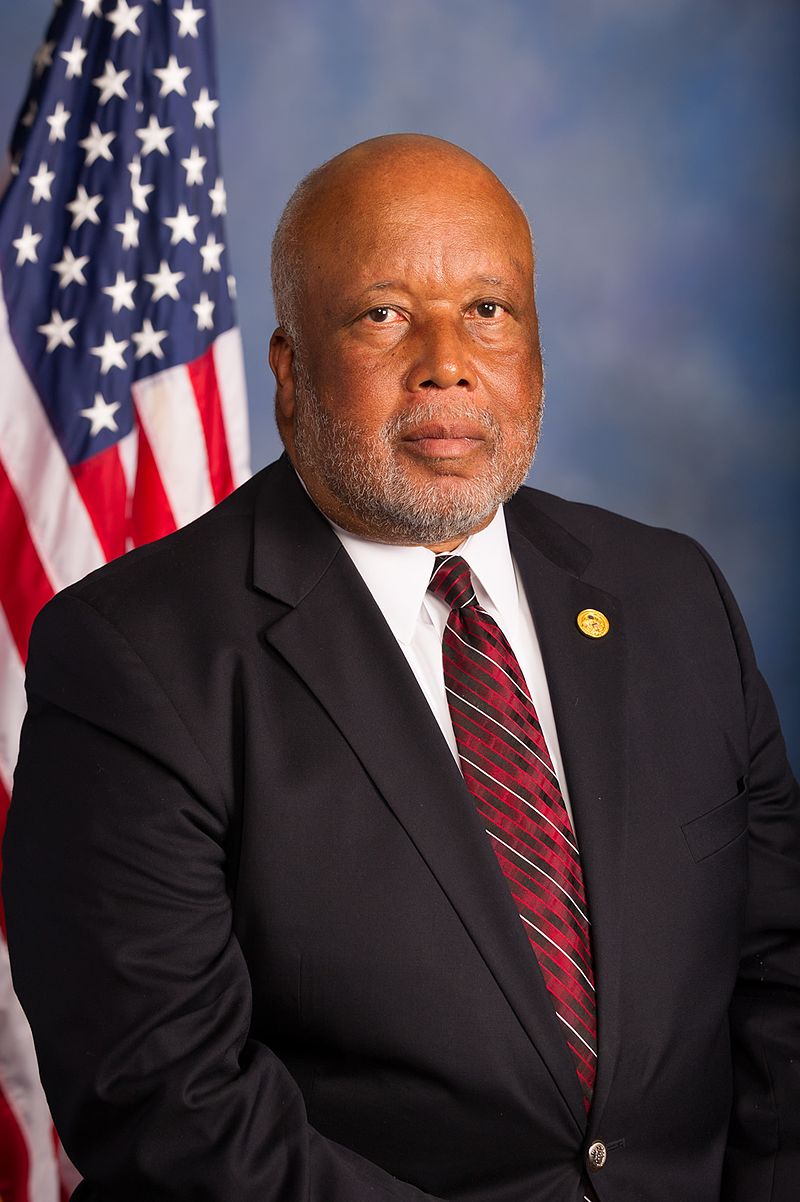
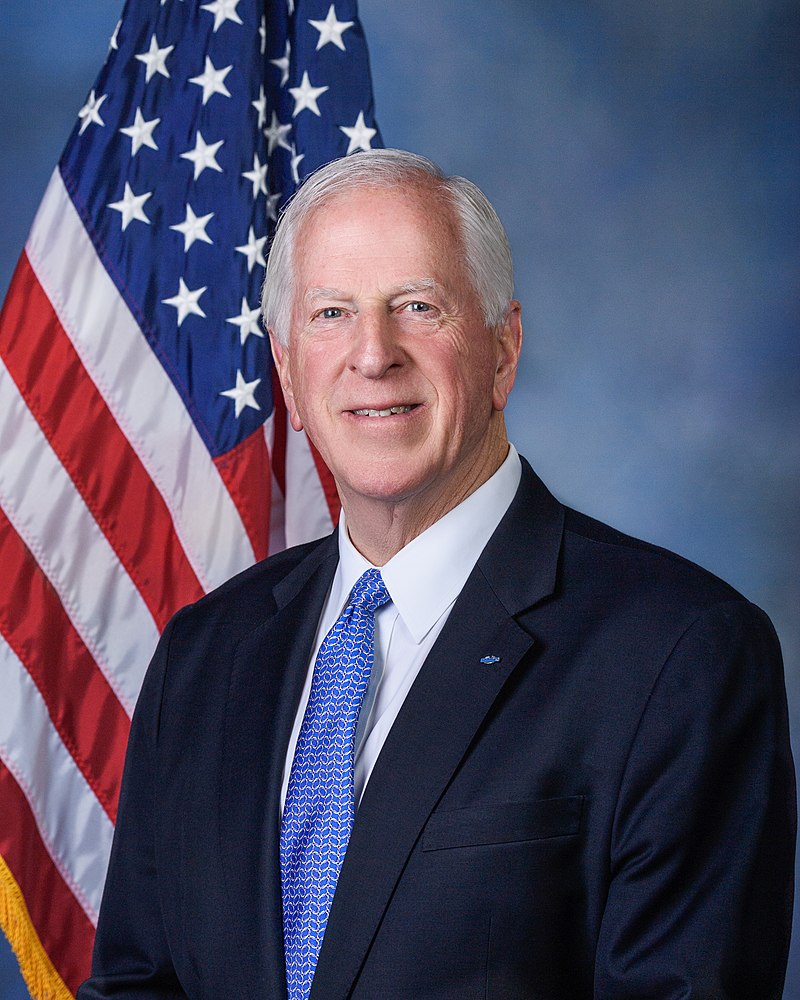
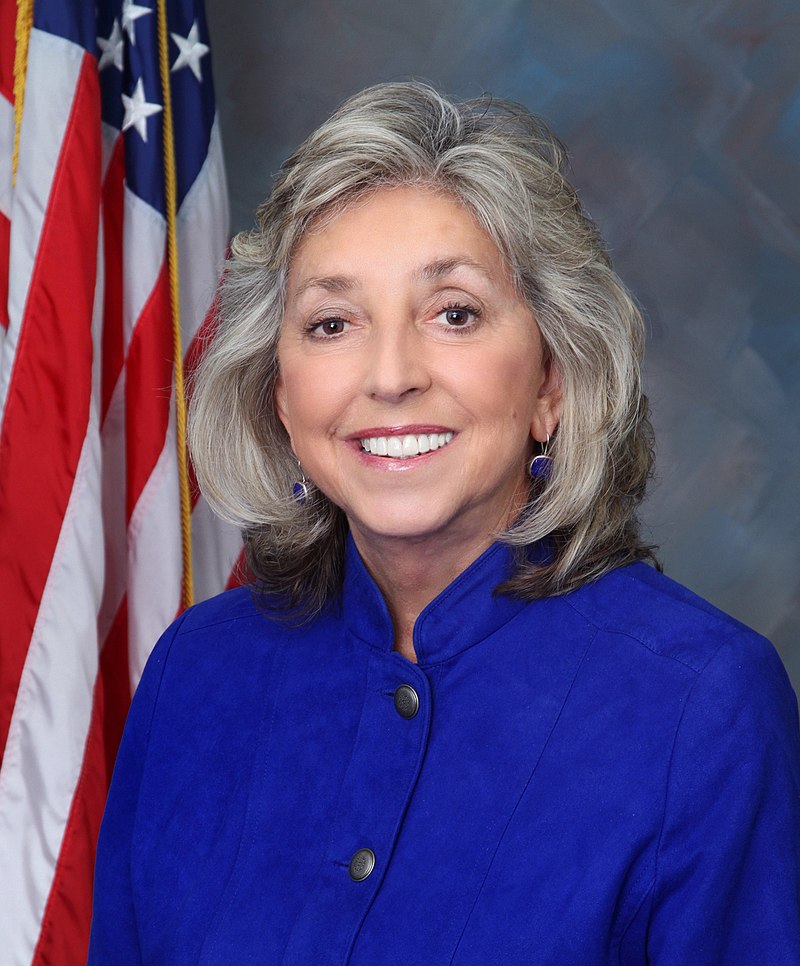
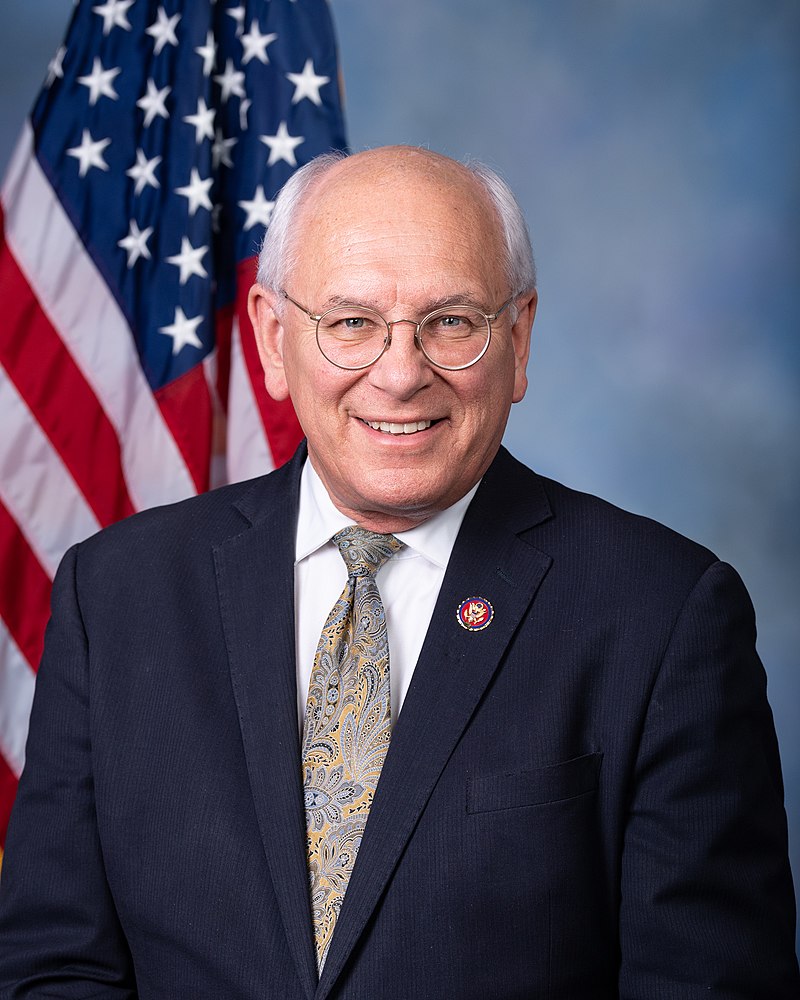
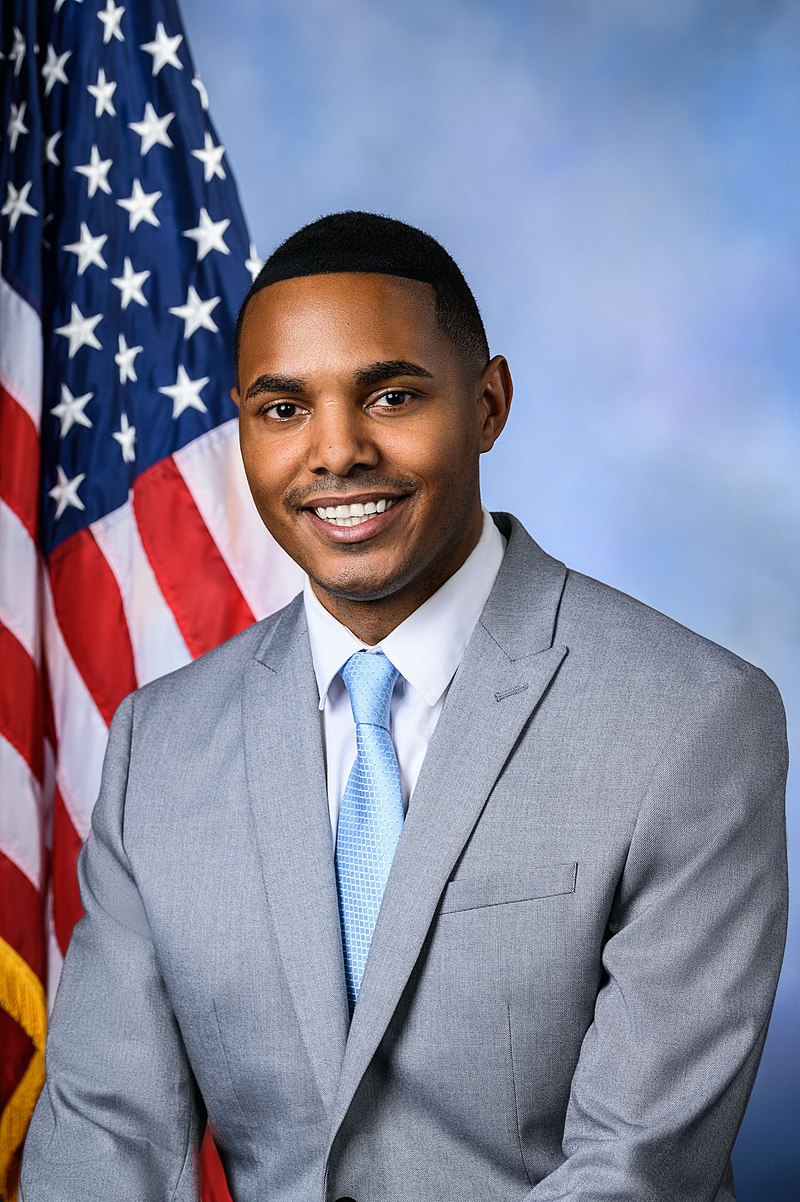
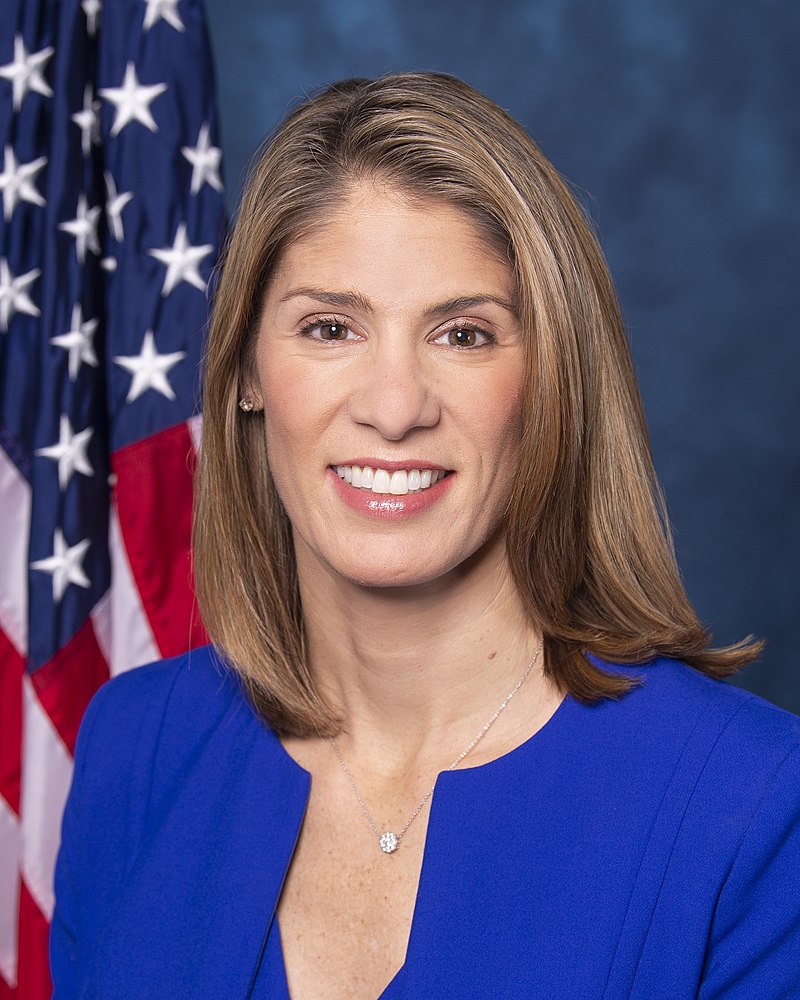
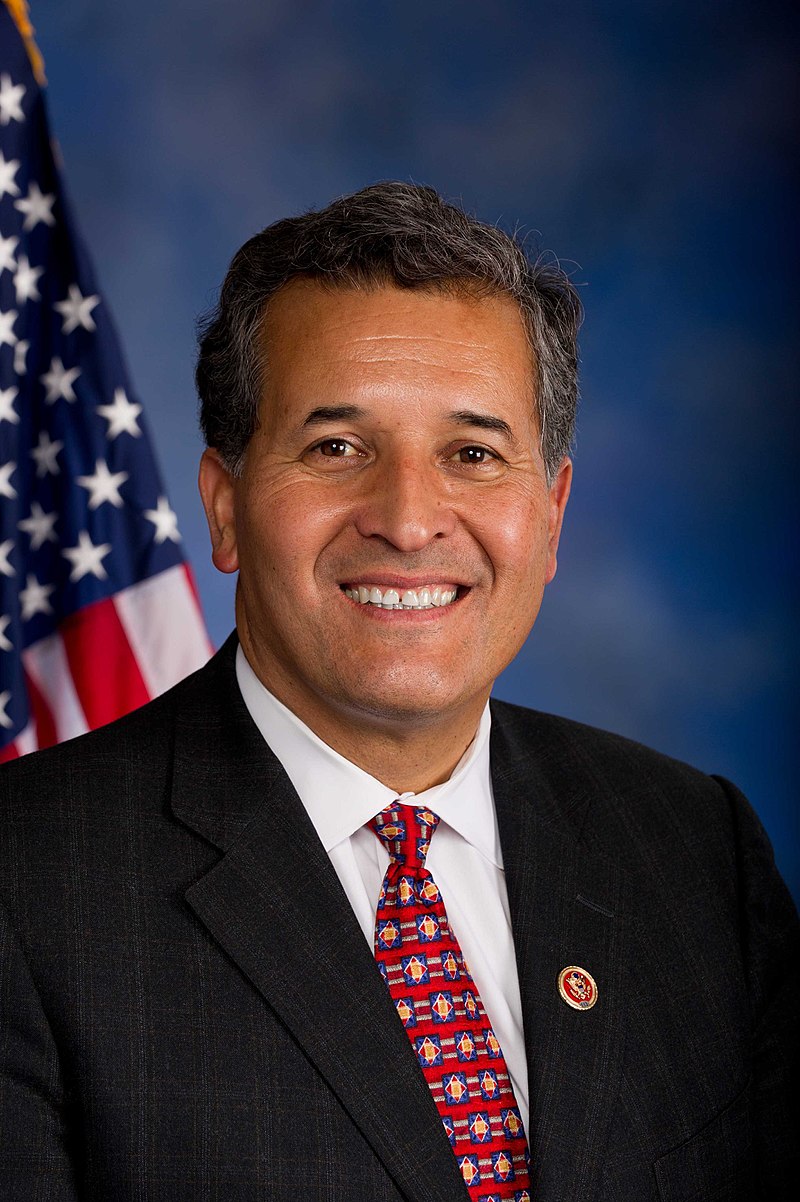
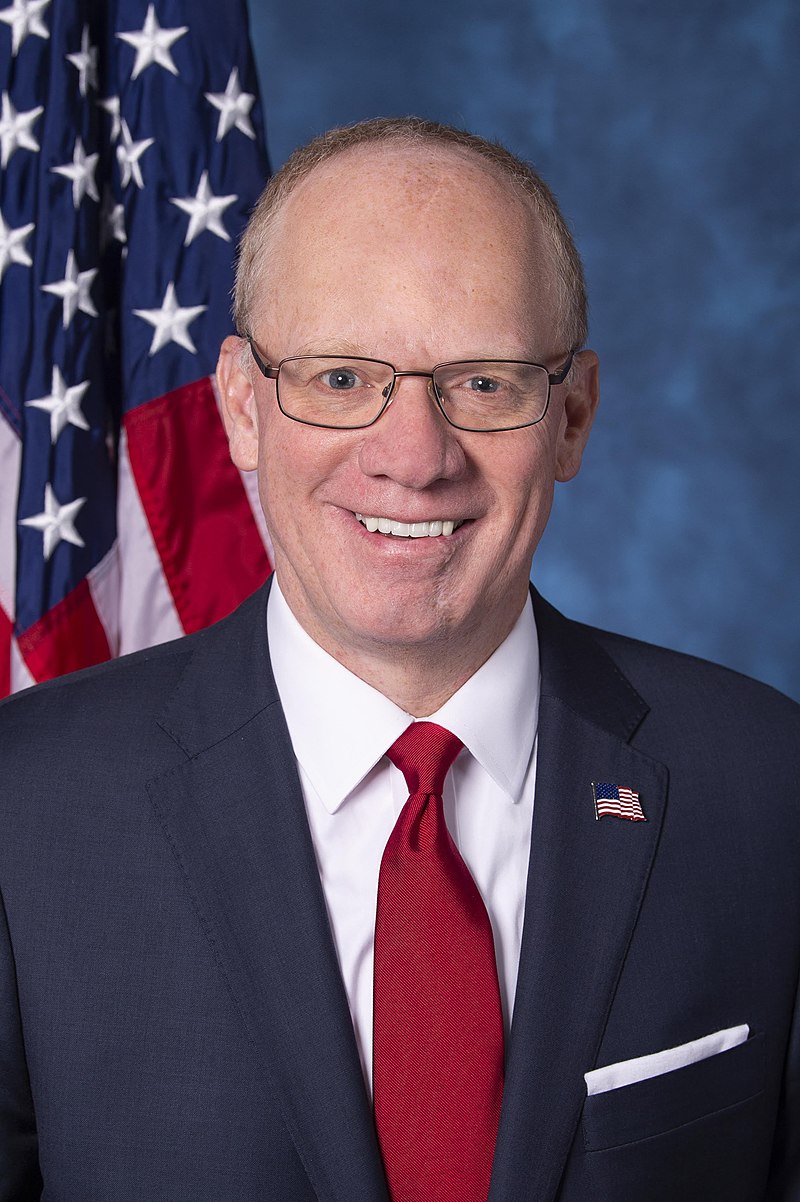
Yea (209)
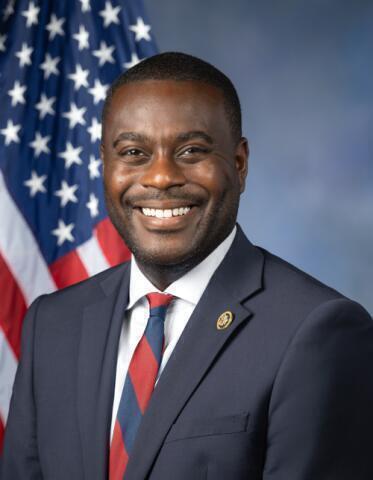
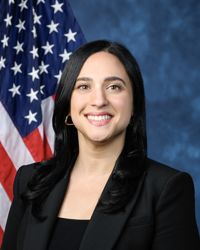


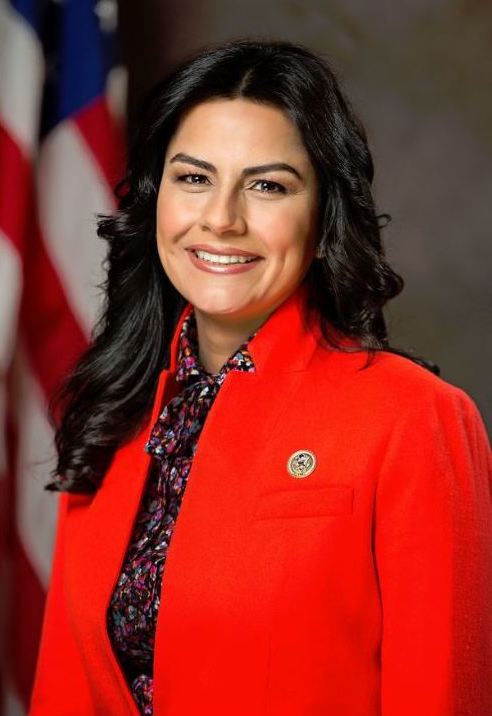
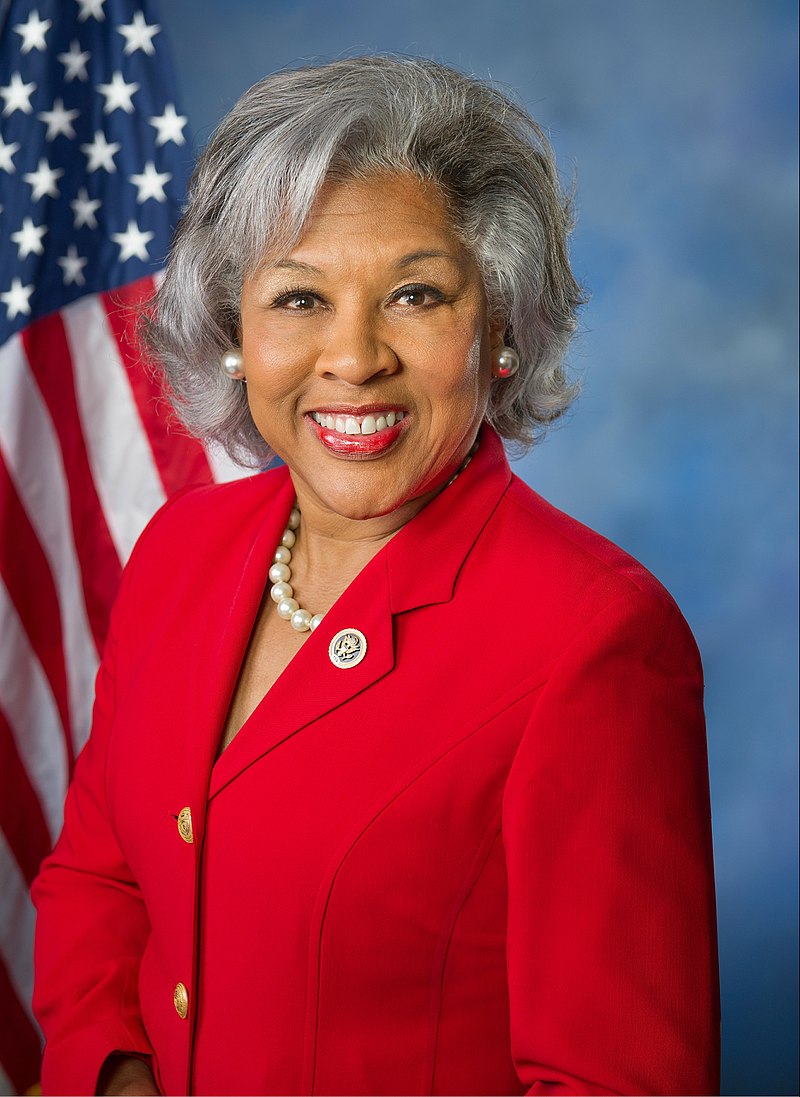






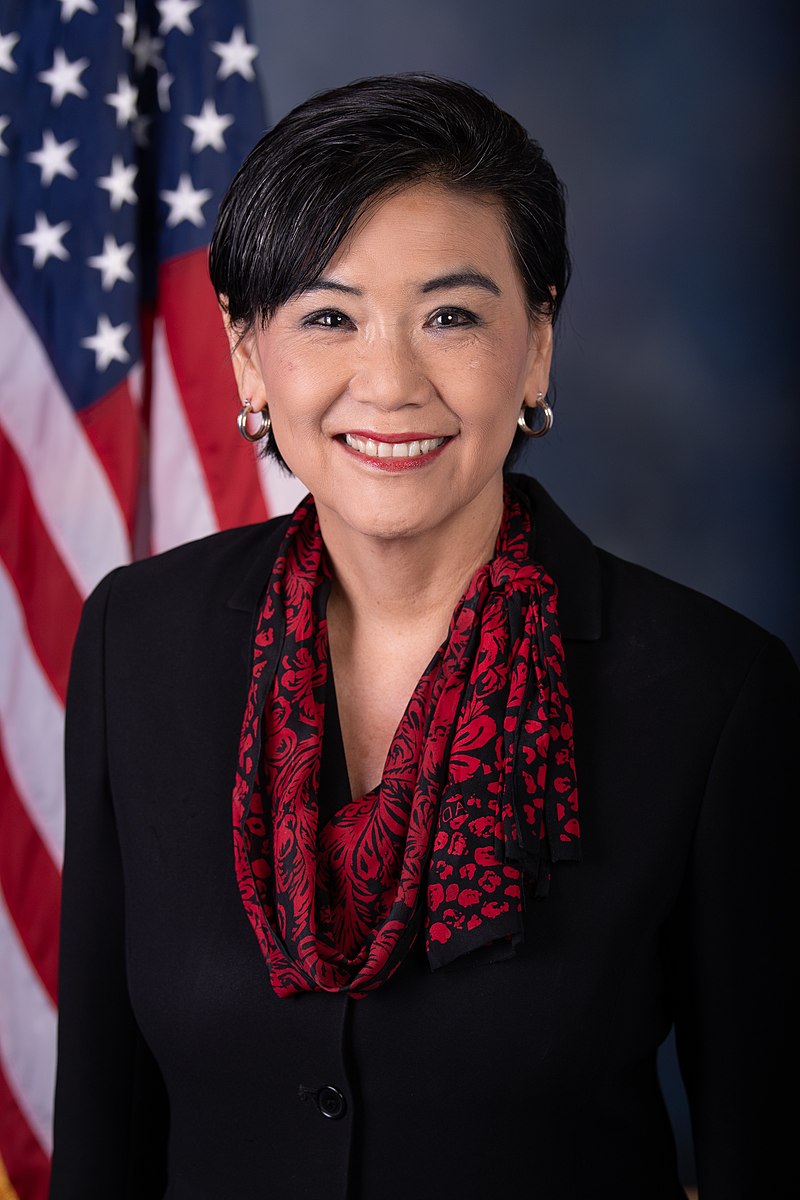
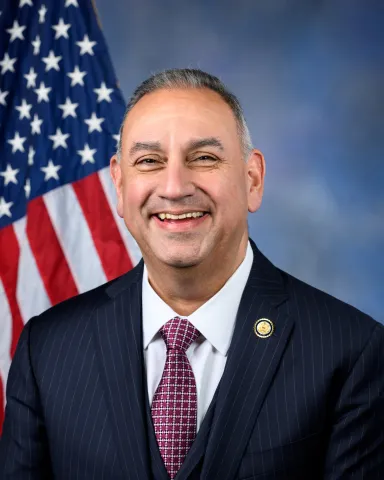


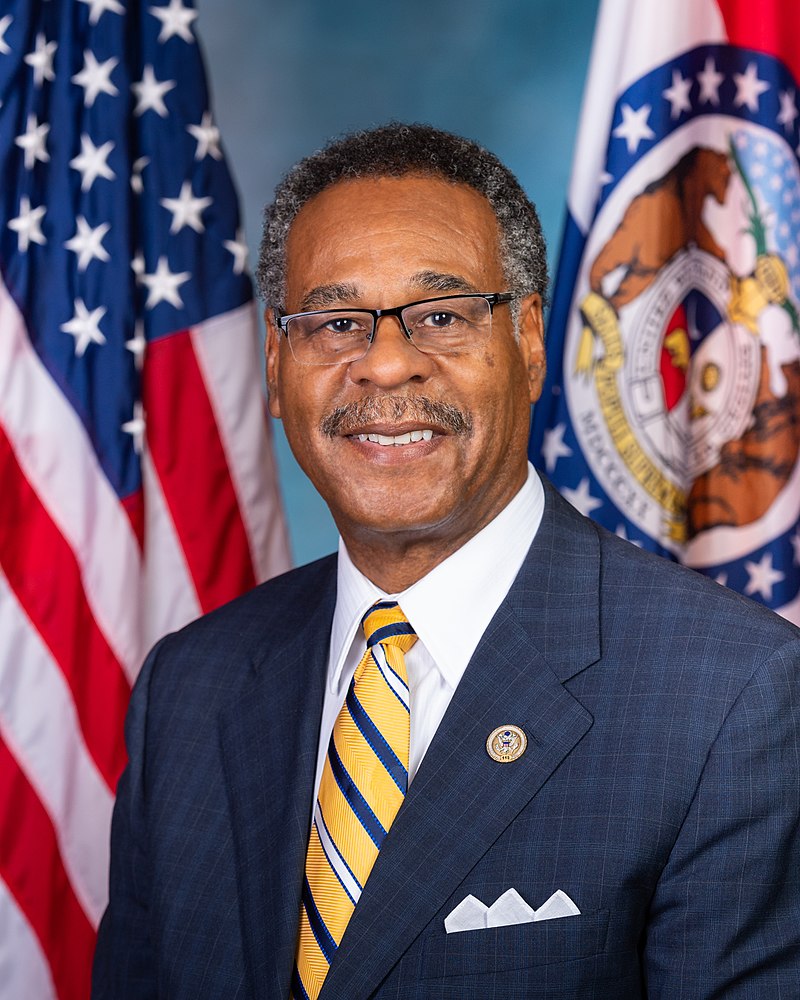
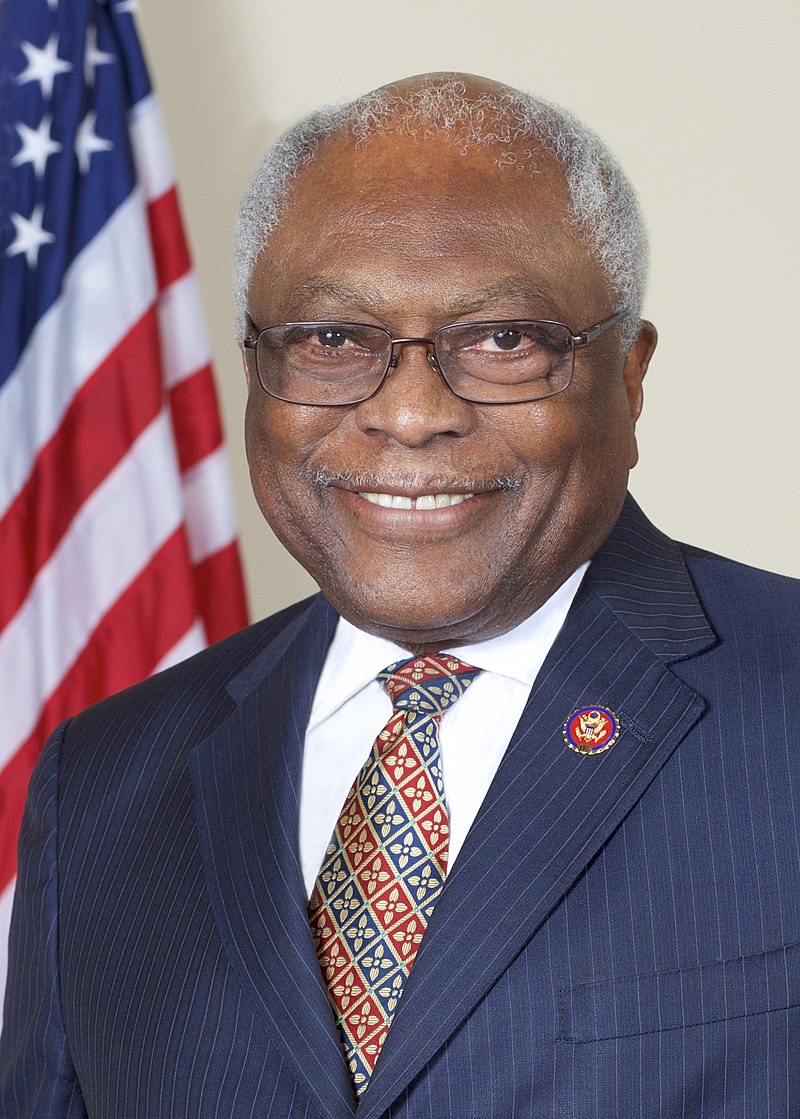

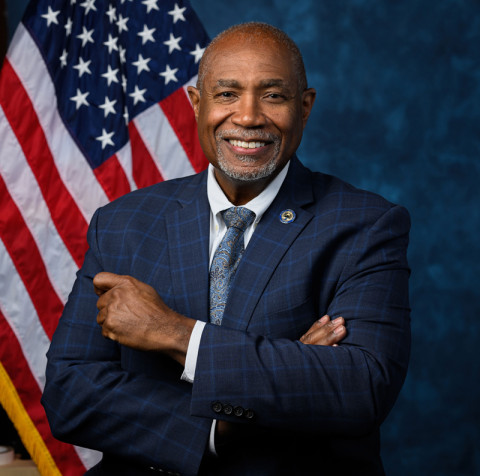
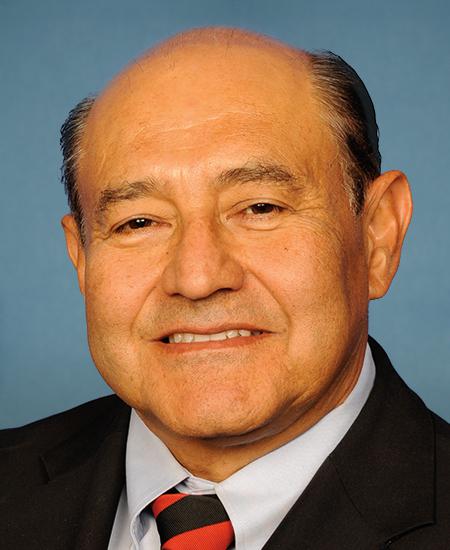
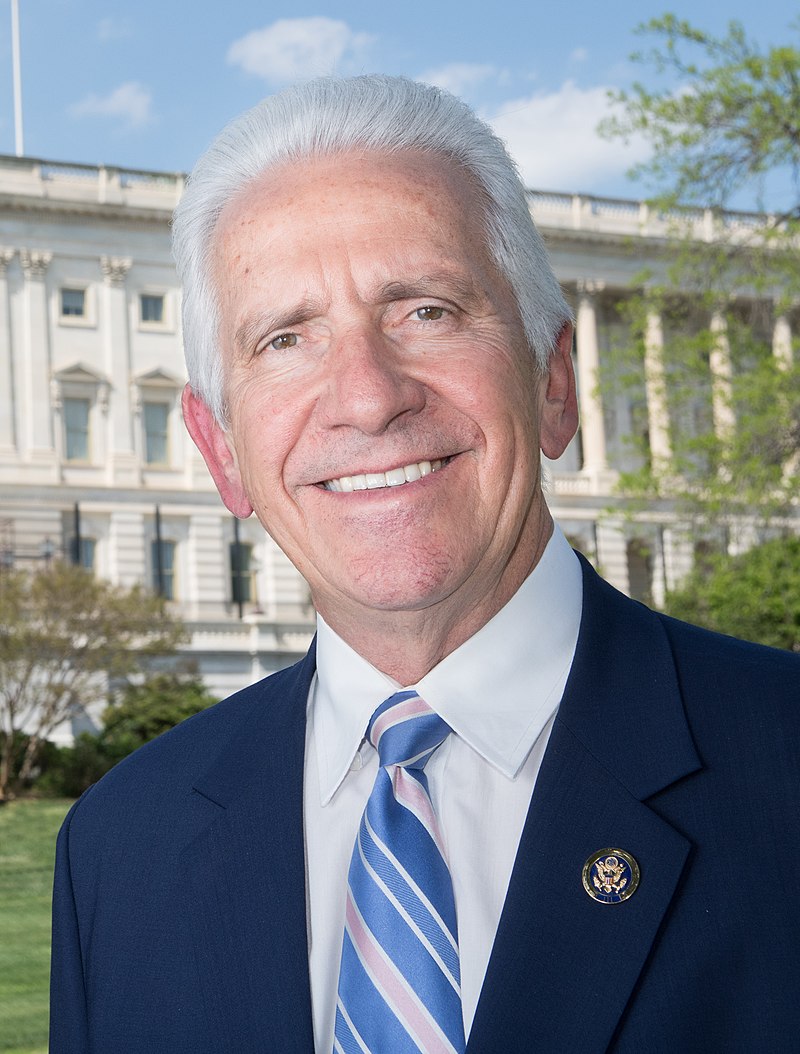
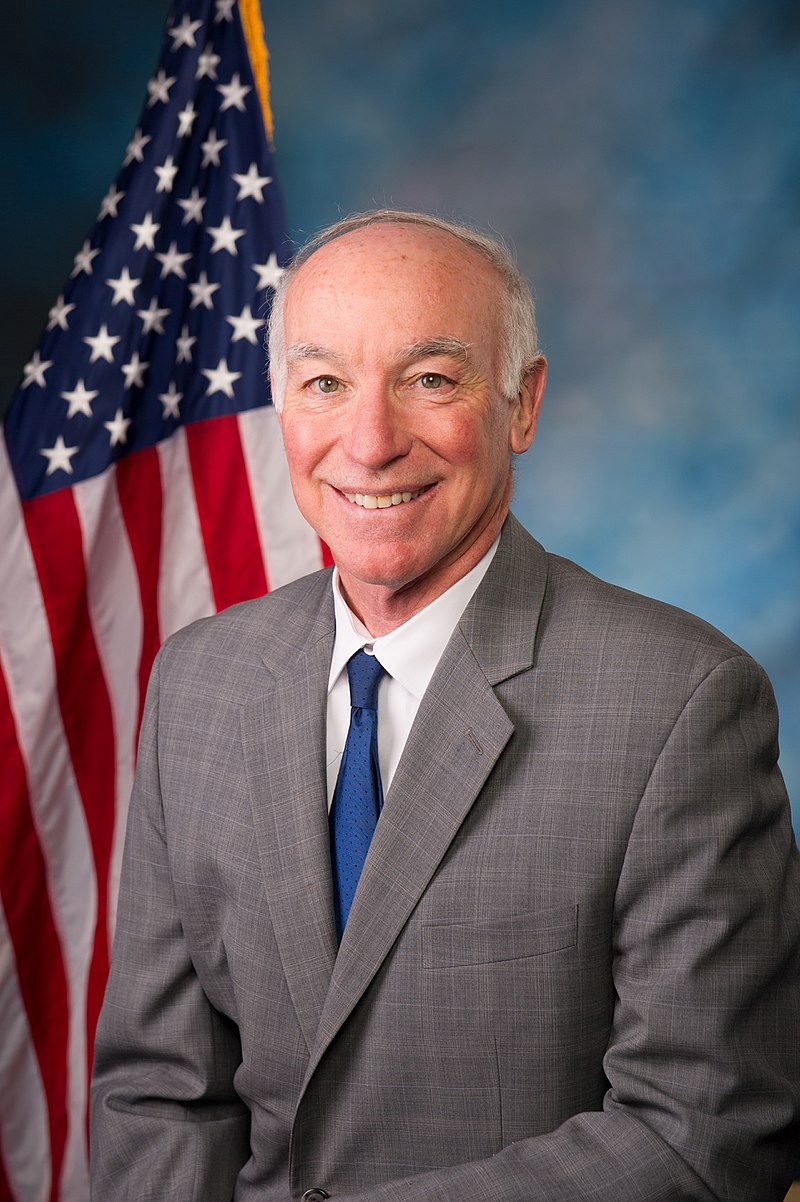


J
Jason Crow









L
Lloyd Doggett





J
John Garamendi
















J
John Mannion

L
Lucy McBath



































R
Rashida Tlaib




N
Nydia Velázquez

D
Debbie Wasserman Schultz


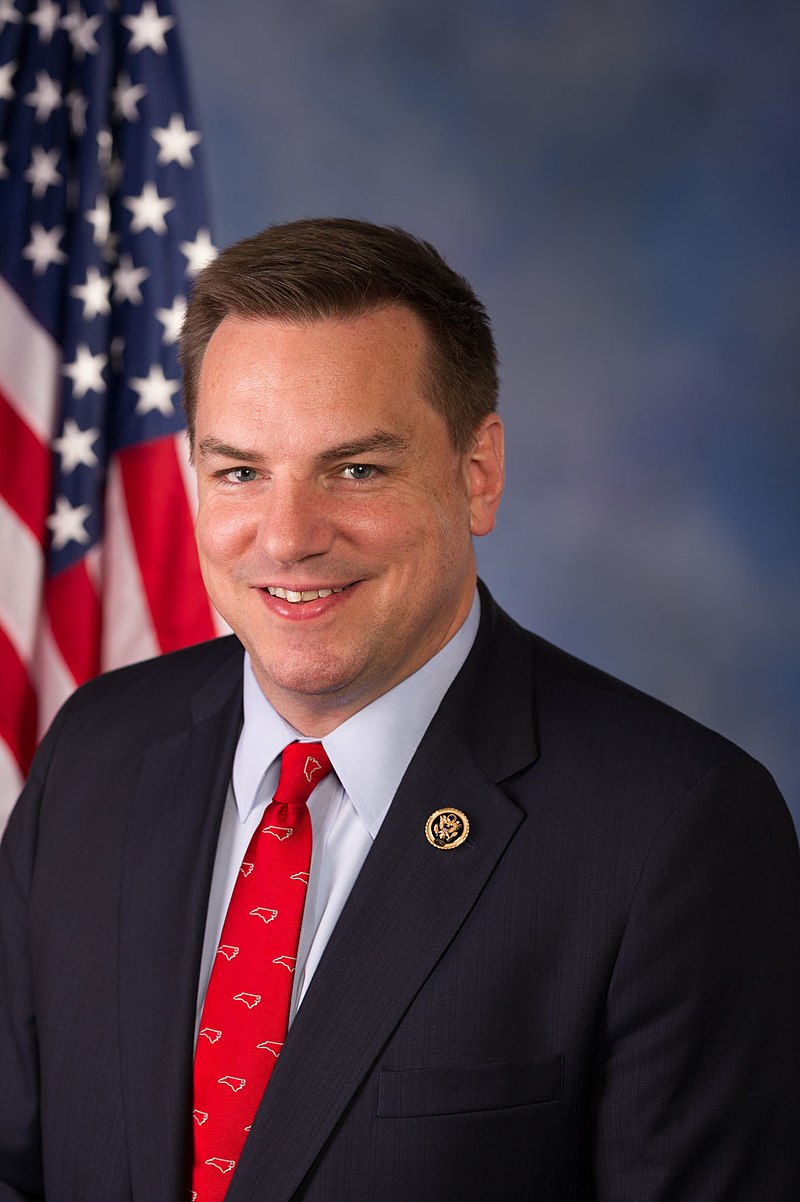
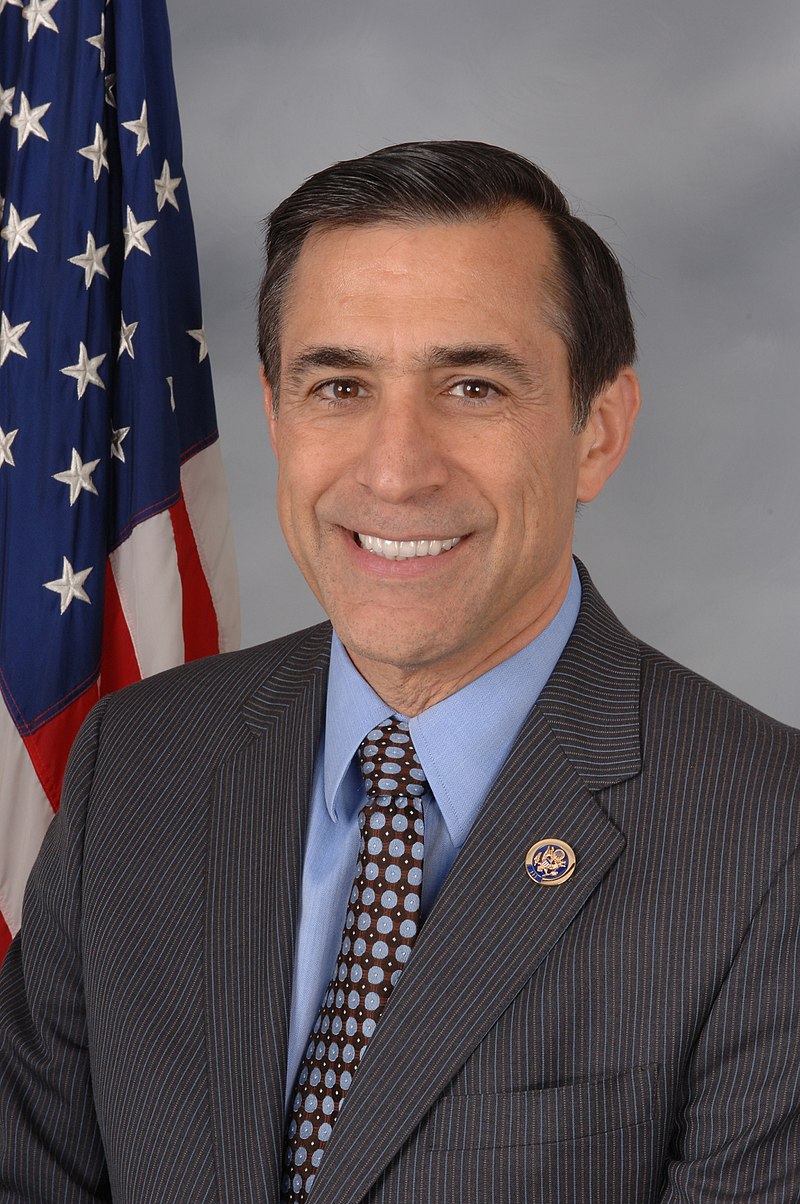
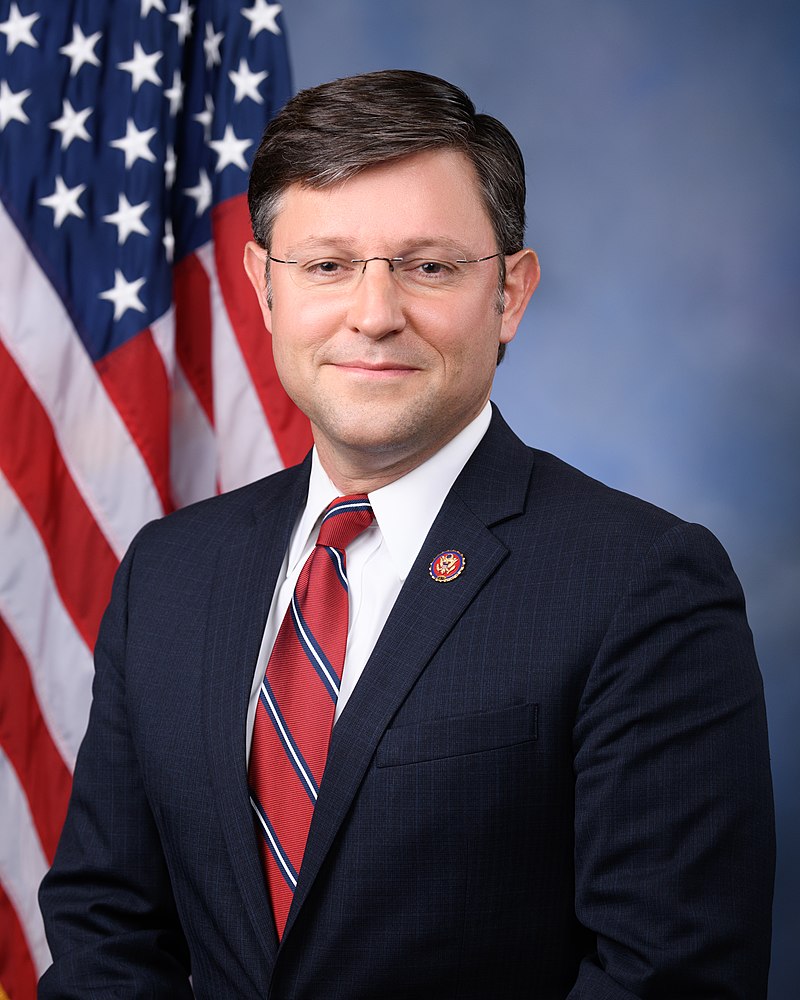
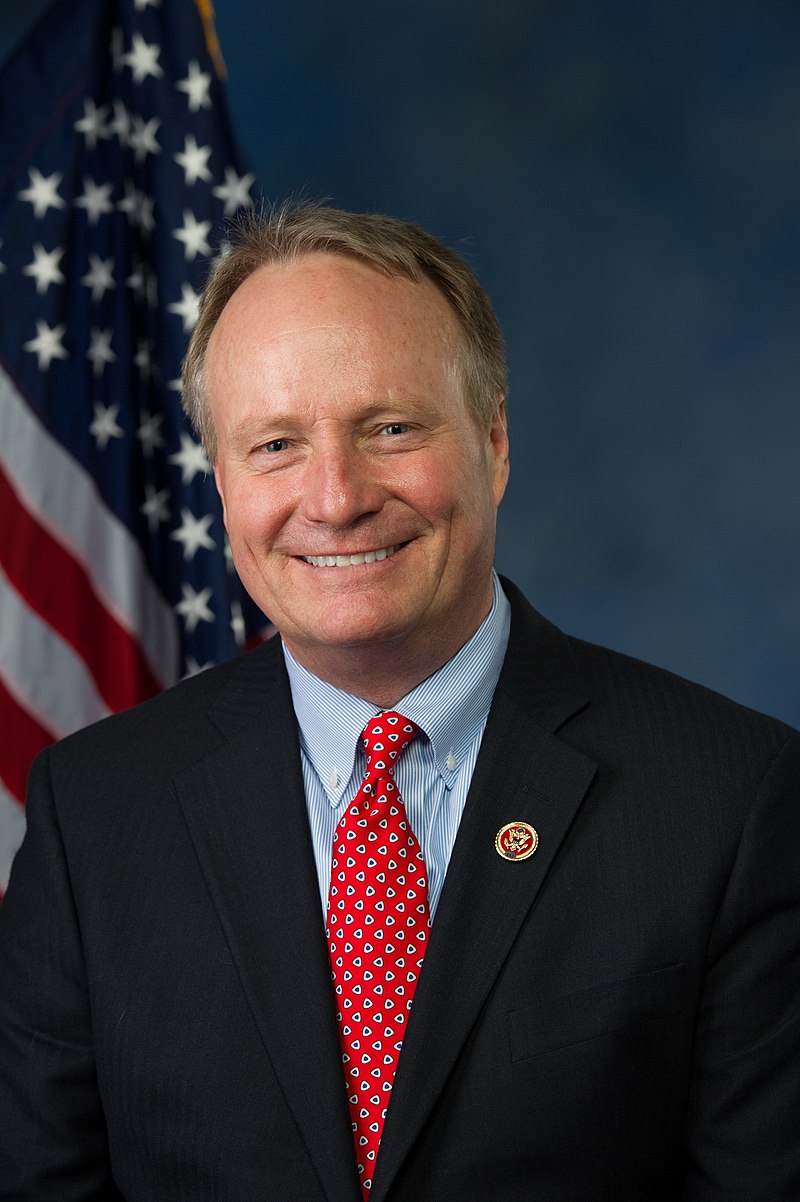
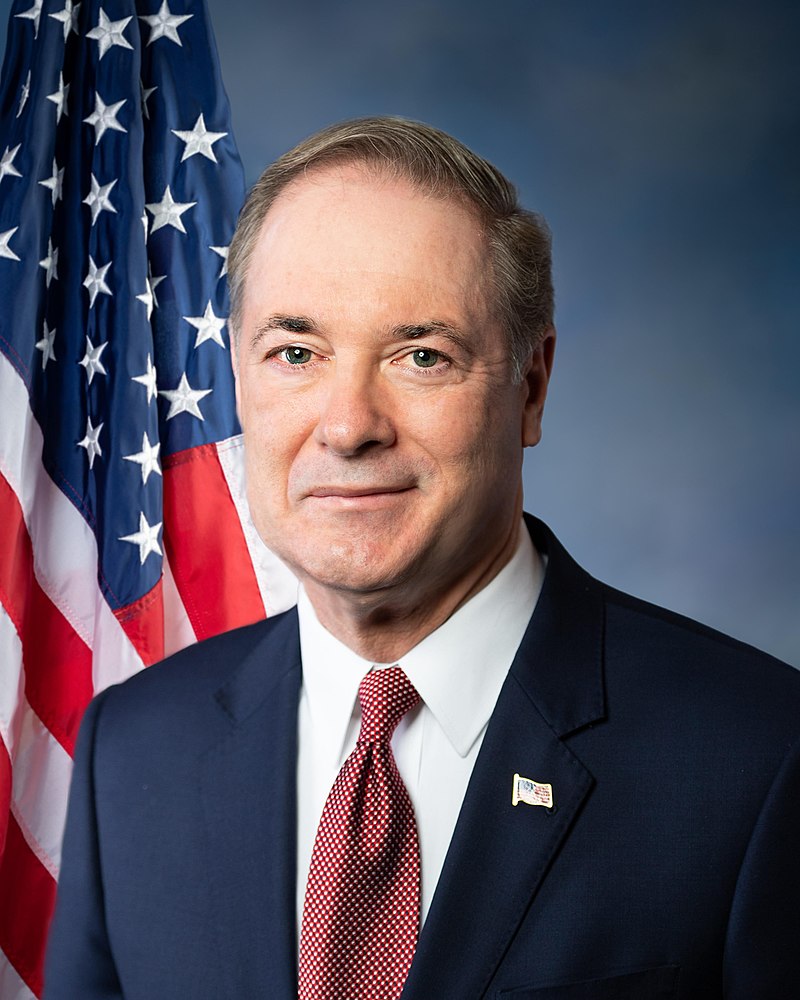
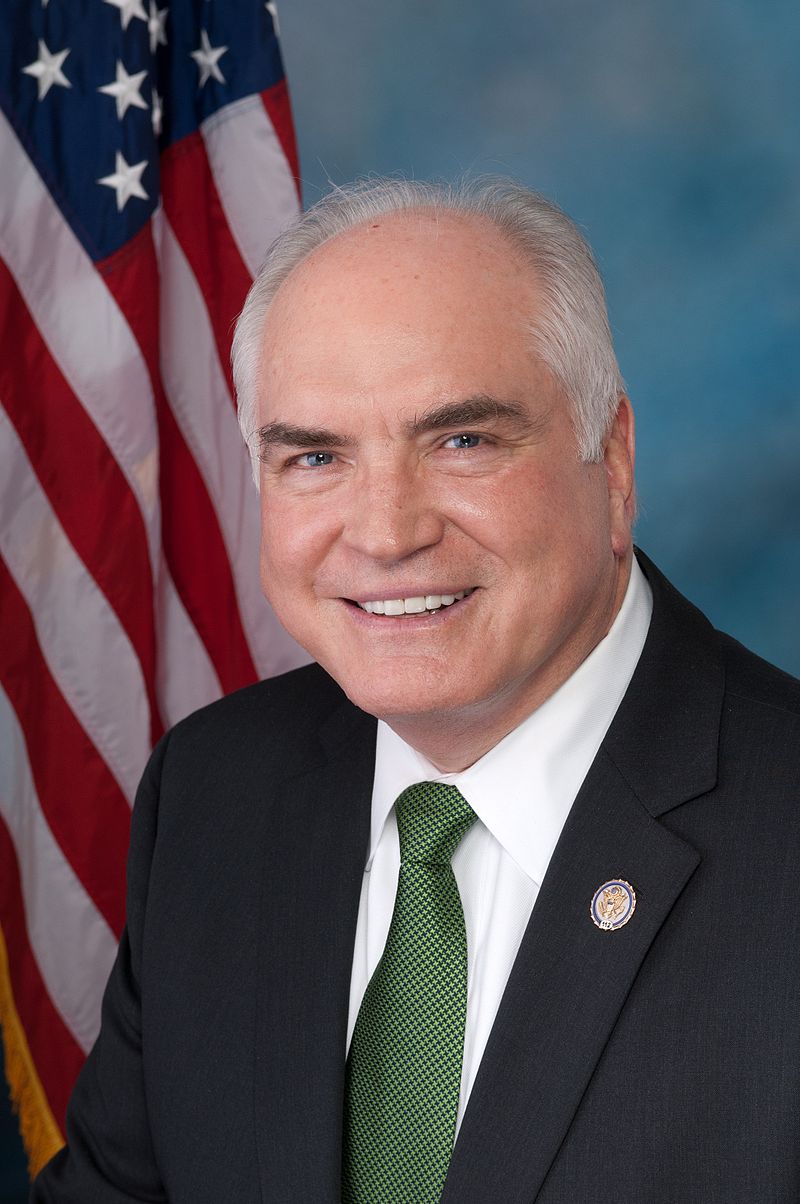
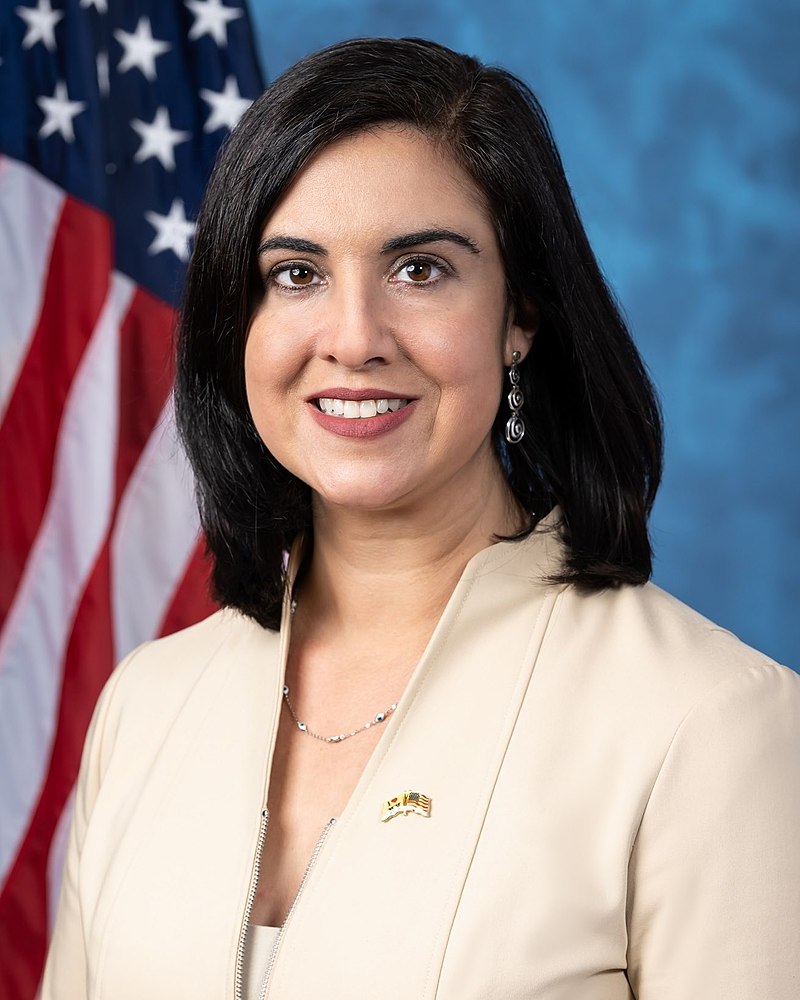
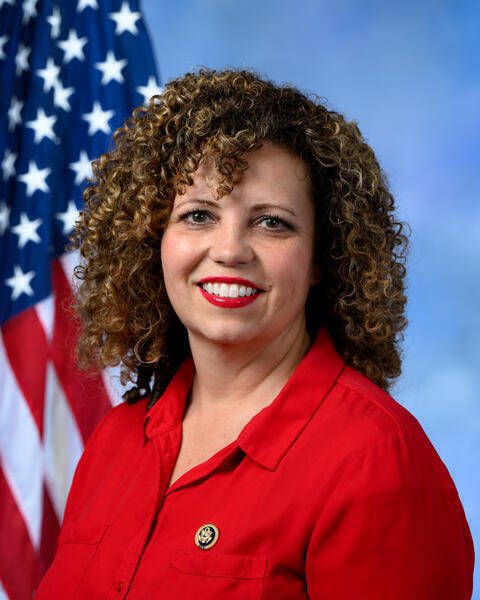
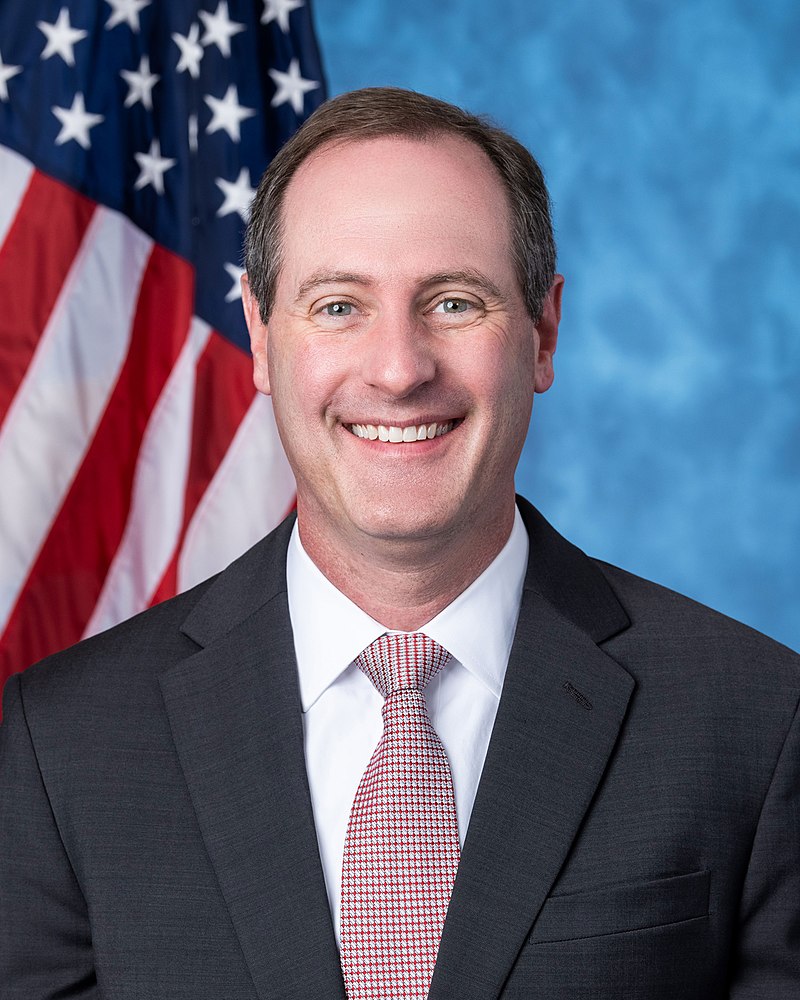
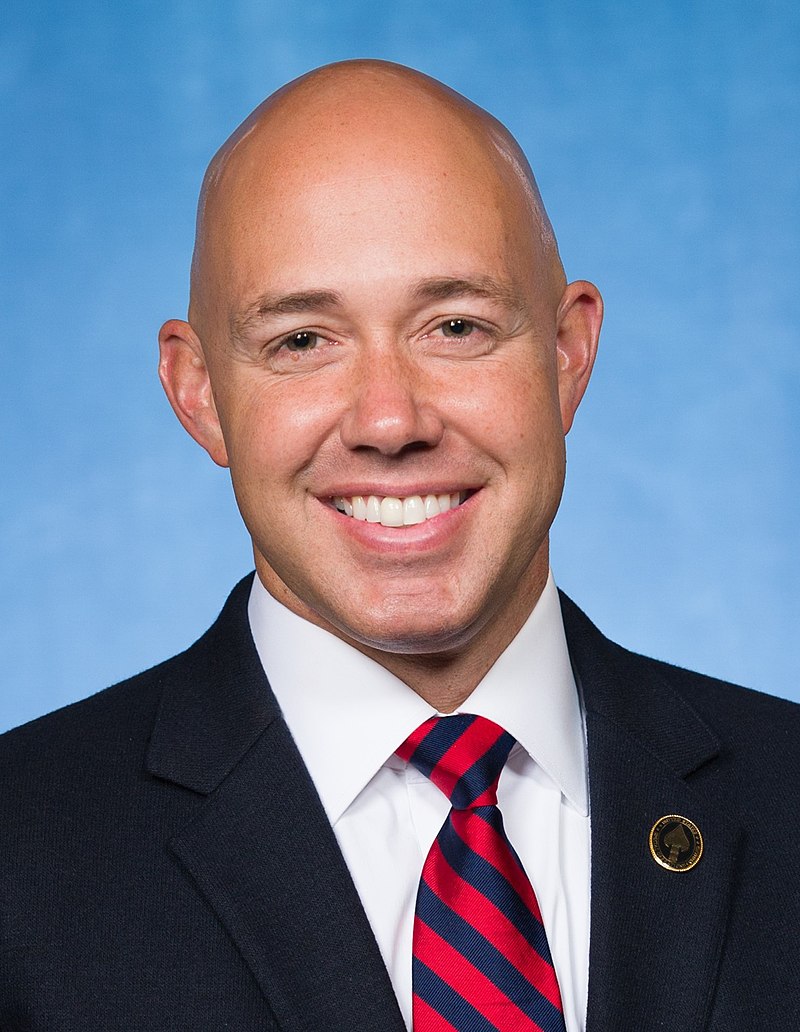
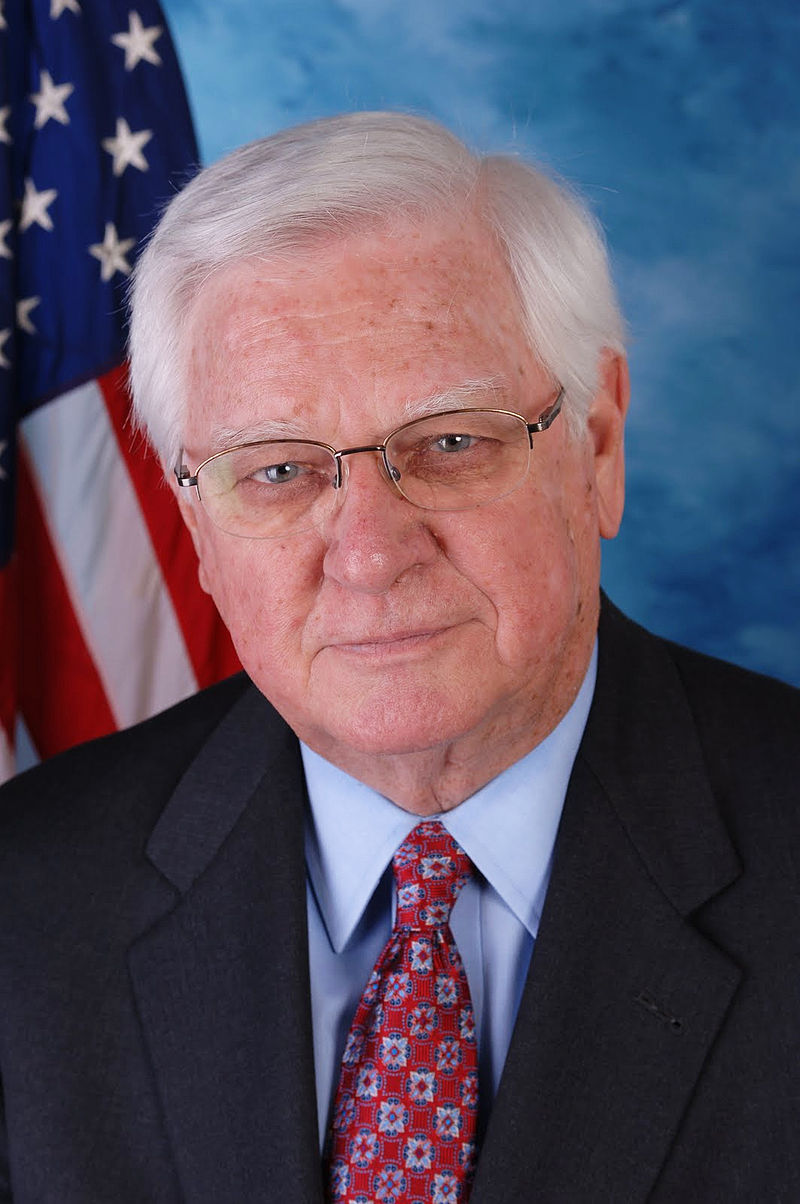
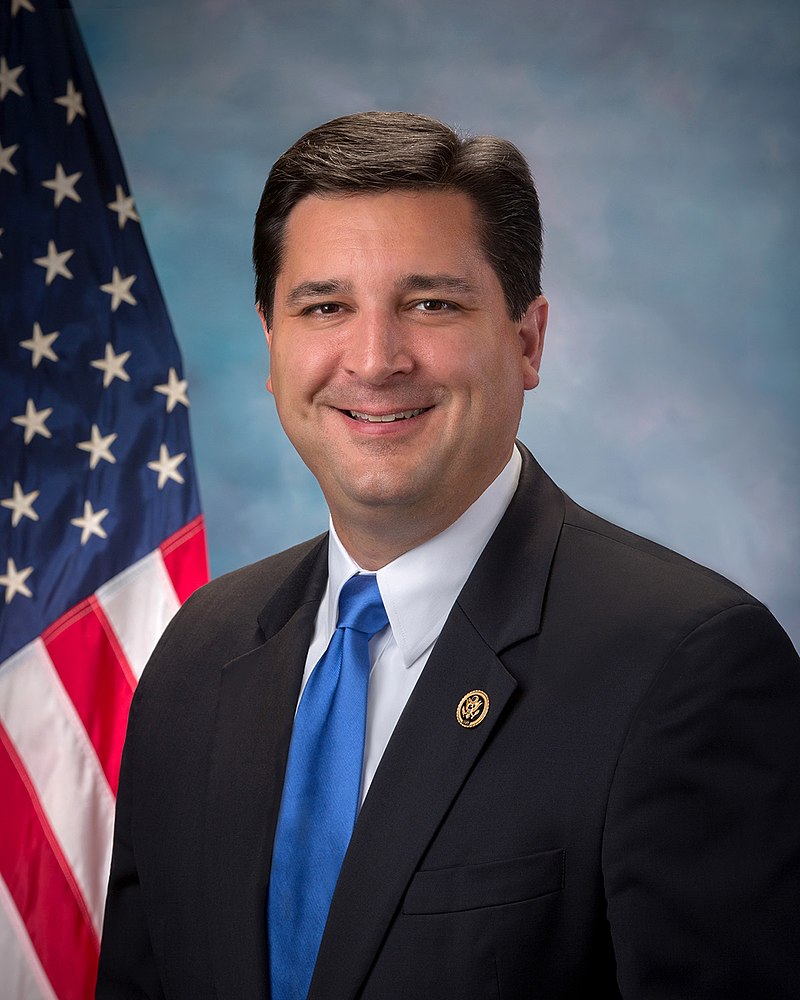
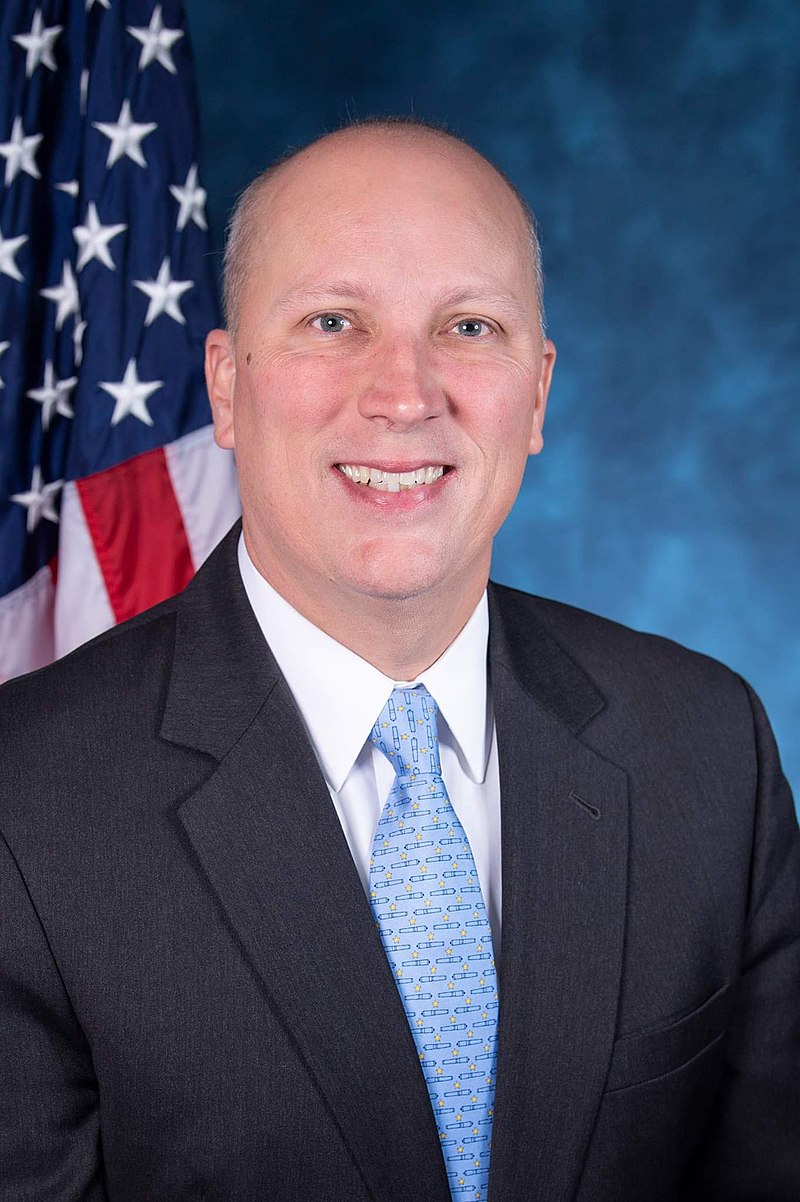
Nay (213)



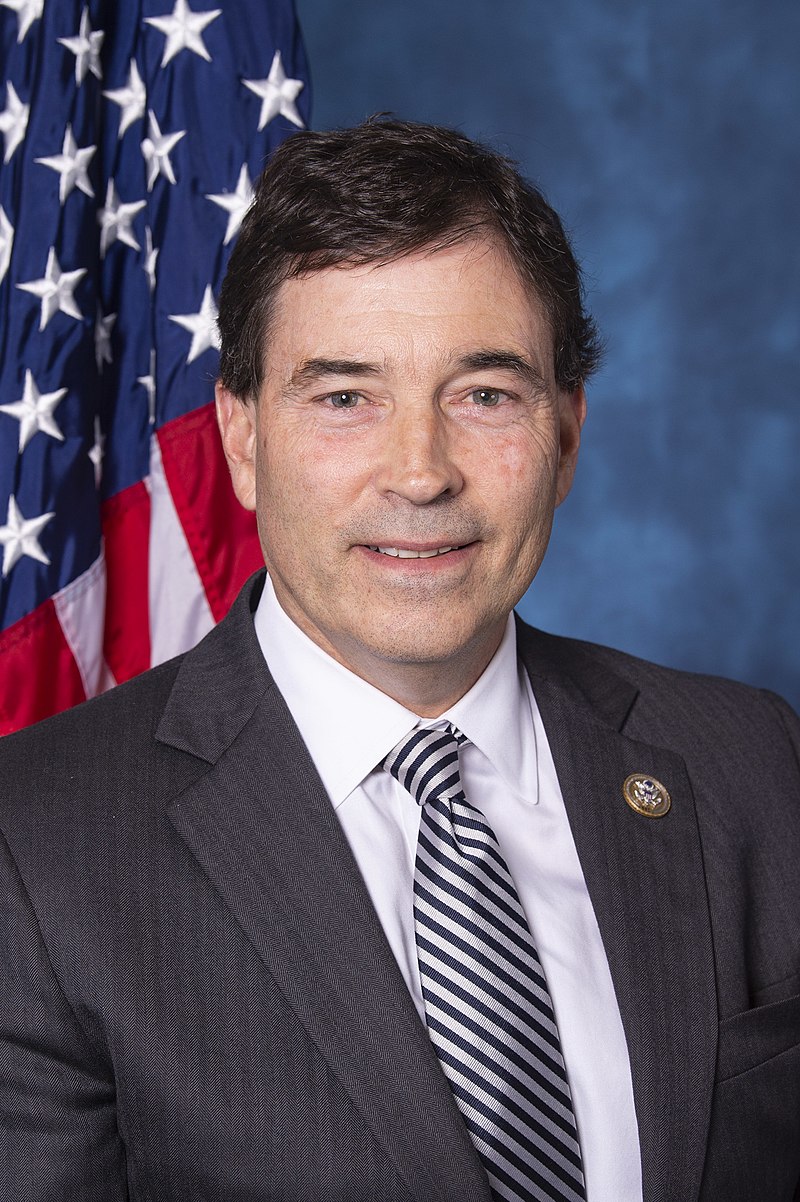

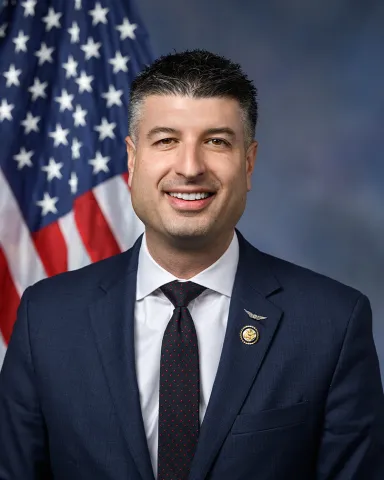

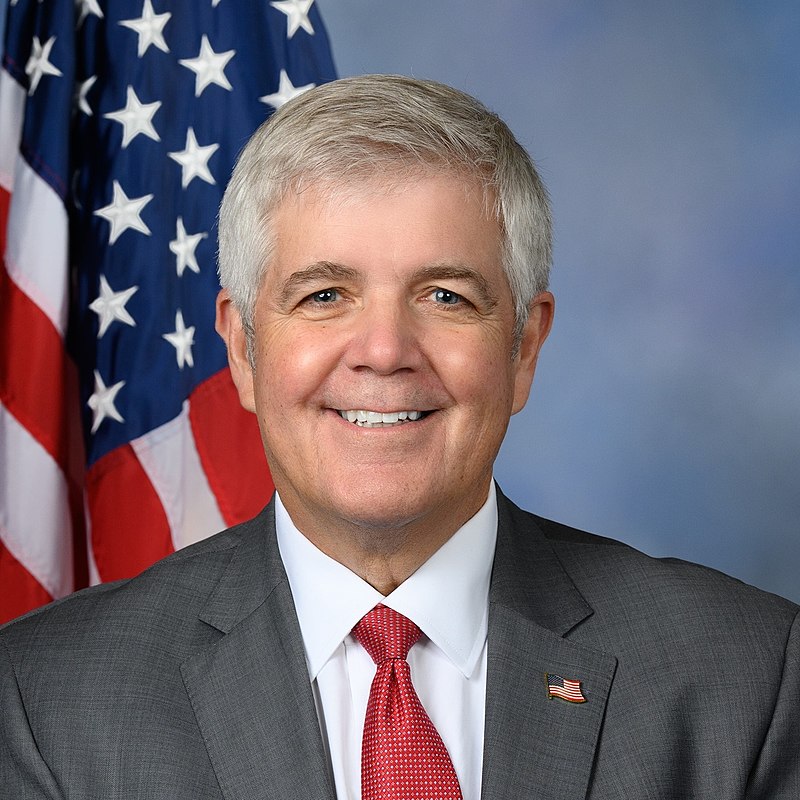
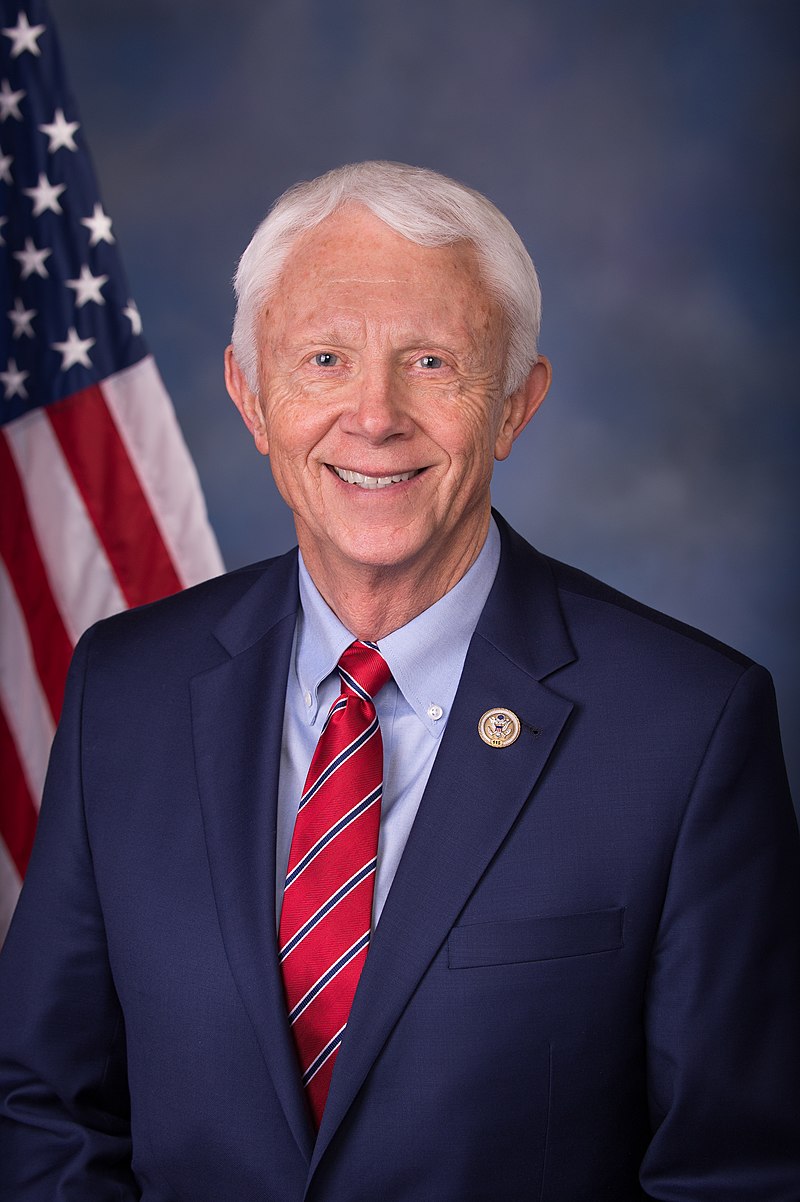
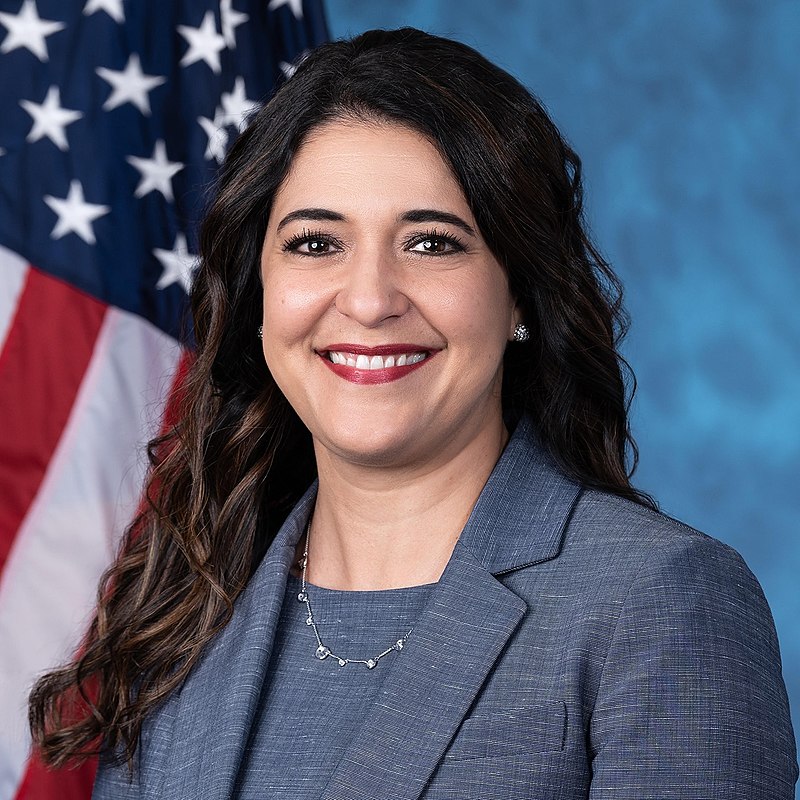
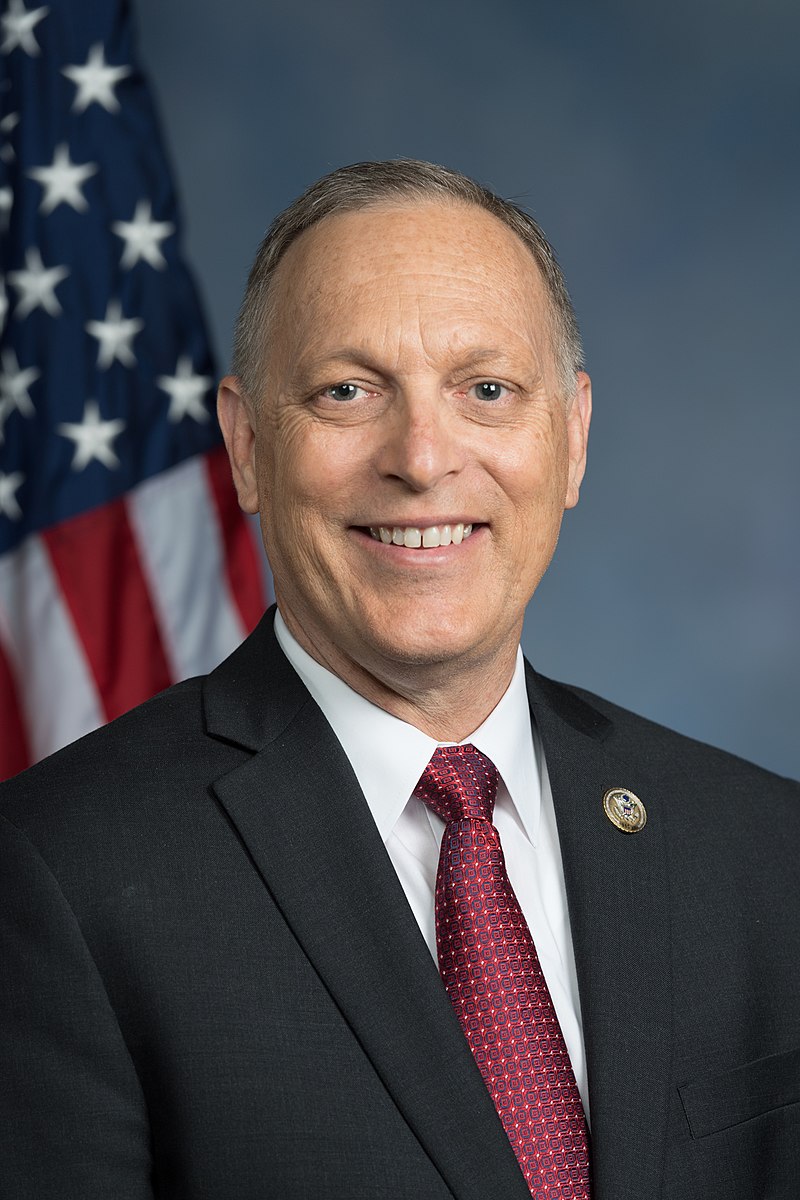
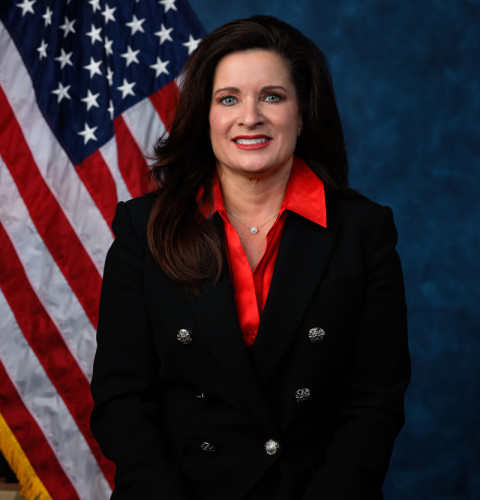


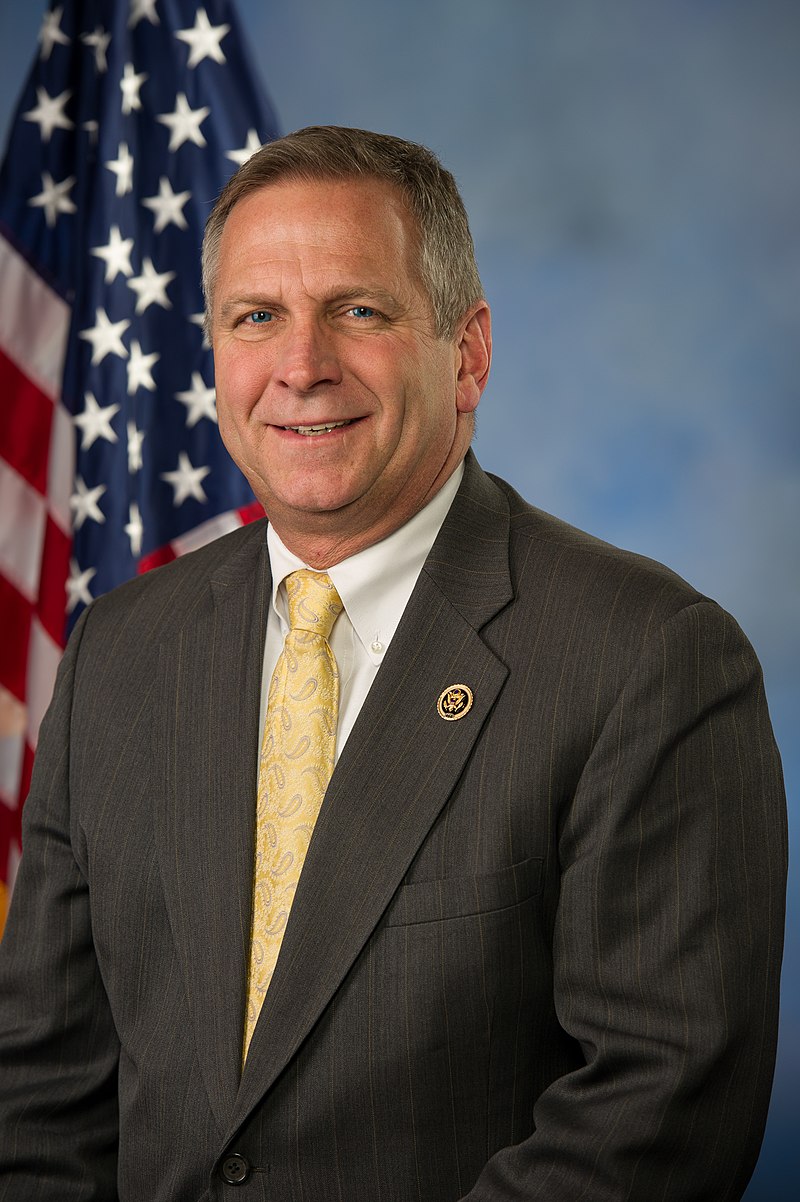


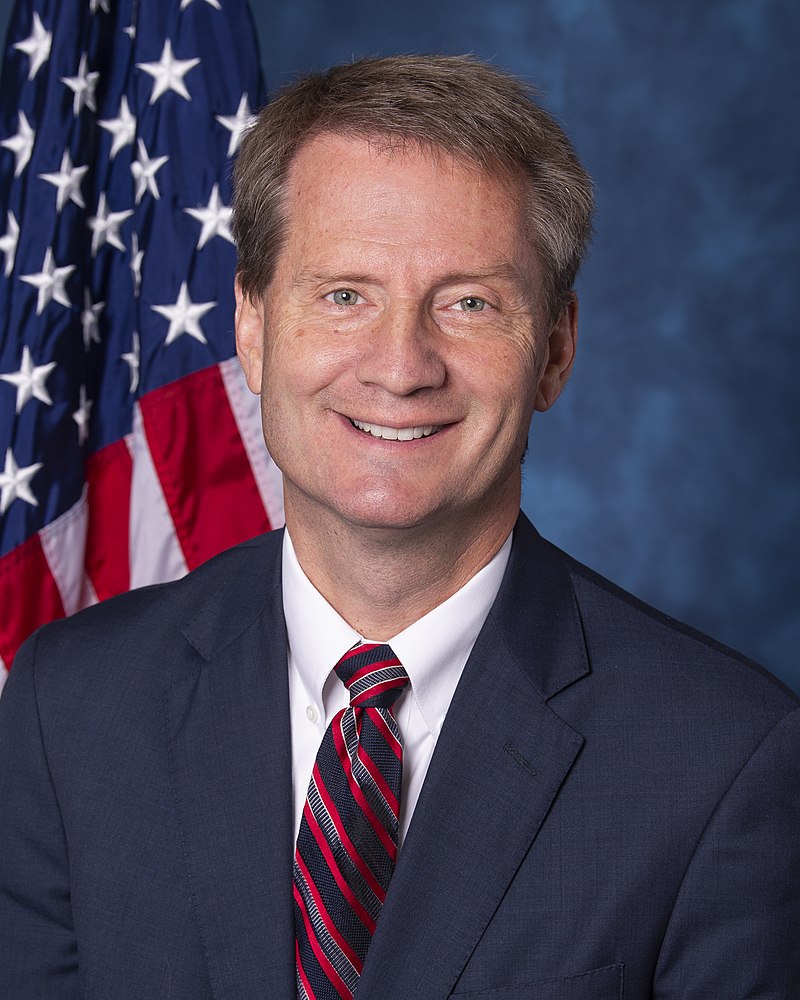
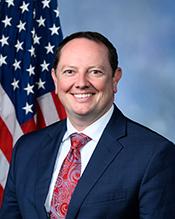
K
Ken Calvert



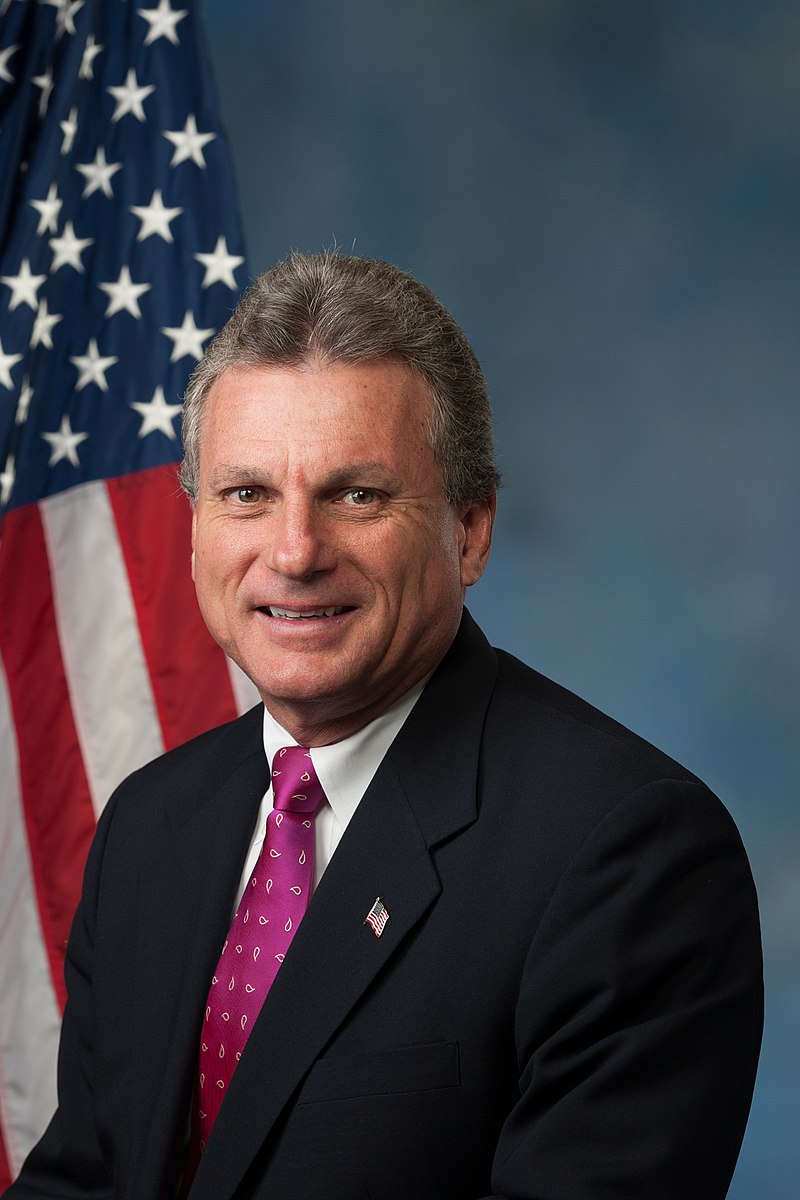
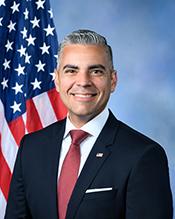

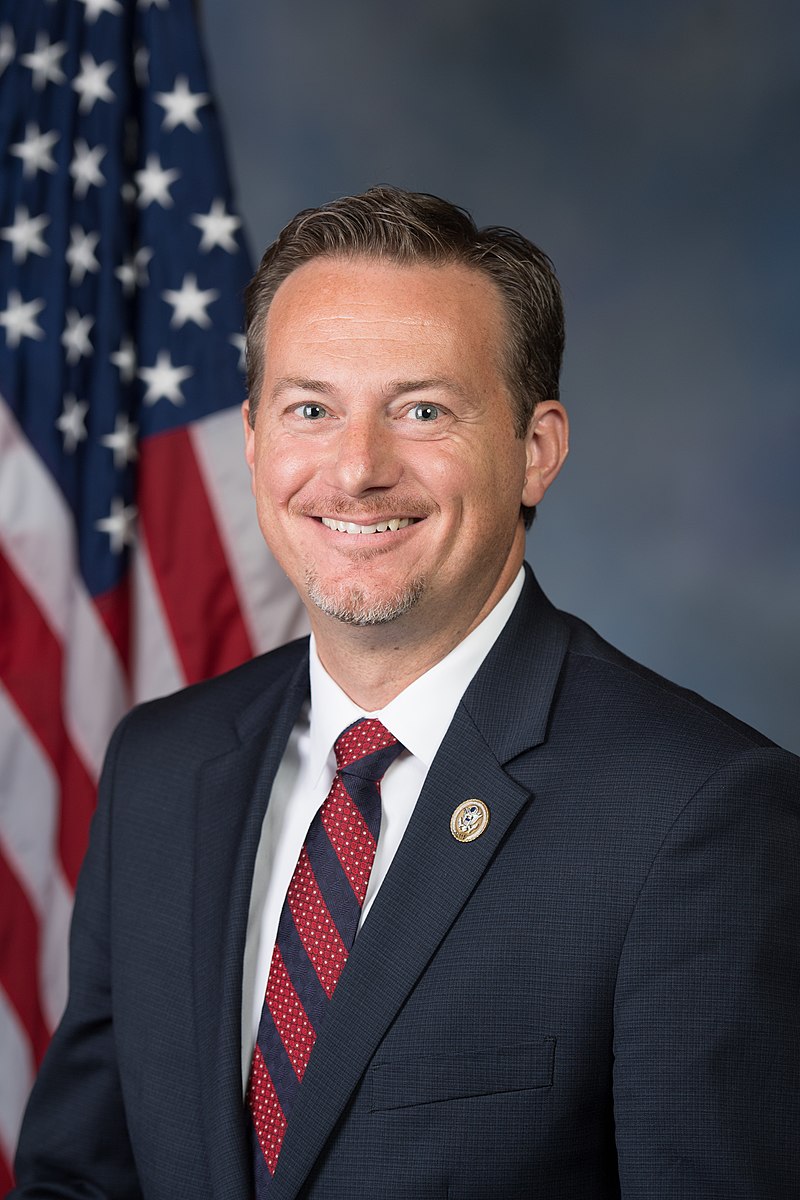














S
Scott Franklin































L
Lisa McClain




















J
John Rutherford


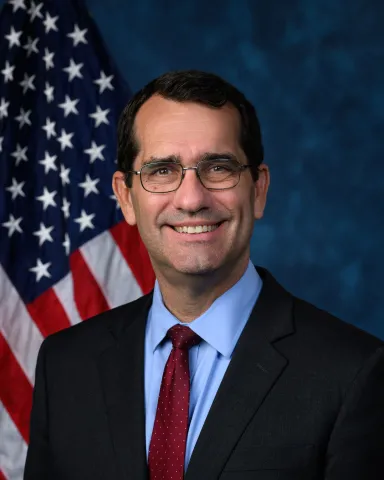
D
David Schweikert
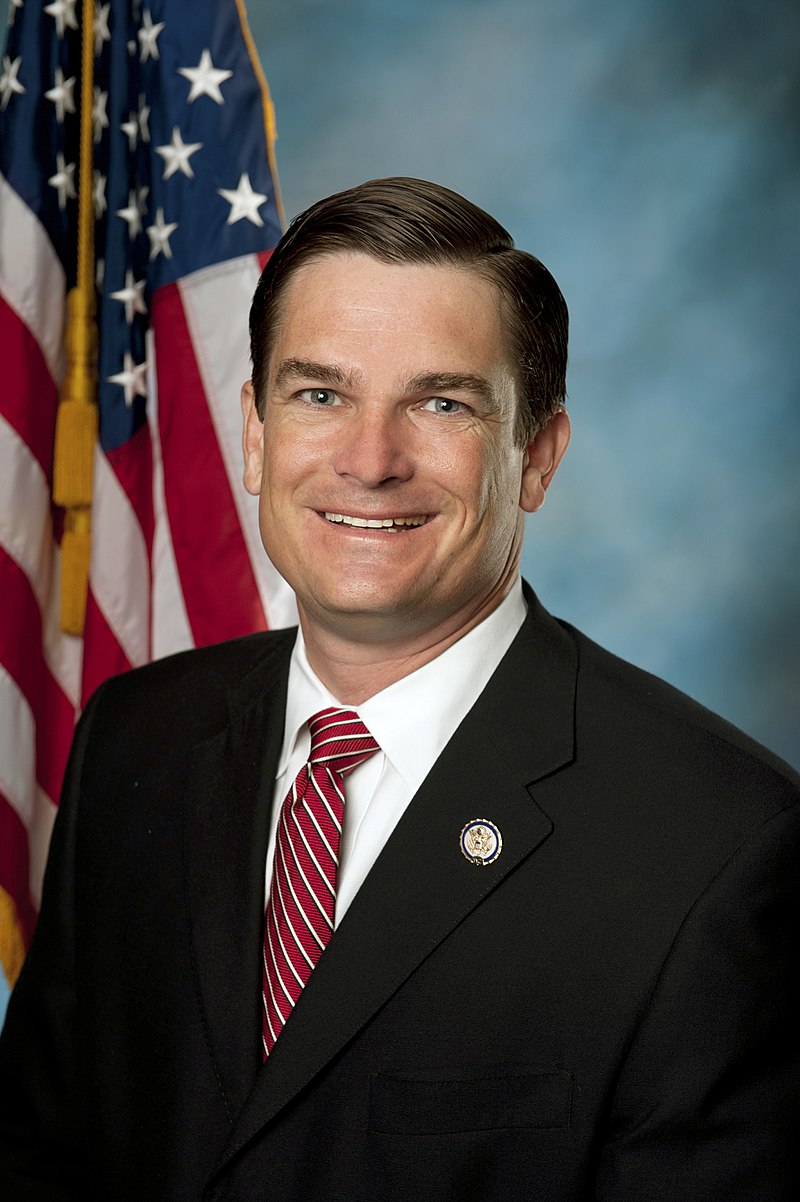

P
Pete Sessions