H.R.6500 — AGOA Extension Act
House Roll Call
H.R.6500
| Bill | H.R.6500 — AGOA Extension Act |
|---|---|
| Vote question | On Motion to Suspend the Rules and Pass, as Amended |
| Vote type | 2/3 Yea-And-Nay |
| Result | Passed |
| Totals | Yea 340 / Nay 54 / Present 0 / Not Voting 37 |
| Party | Yea | Nay | Present | Not Voting |
|---|---|---|---|---|
| R | 149 | 43 | 0 | 26 |
| D | 191 | 11 | 0 | 11 |
| I | 0 | 0 | 0 | 0 |
Research Brief
On Motion to Suspend the Rules and Pass, as Amended
Bill Analysis
HR 6500 – AGOA Extension Act (119th Congress)
HR 6500 reauthorizes and modifies the African Growth and Opportunity Act (AGOA), the main U.S. trade preference program for sub‑Saharan Africa.
Core provisions
- Extends AGOA’s duty‑free and quota‑free access for eligible sub‑Saharan African countries for an additional 16 years, through September 30, 2041 (with a final liquidation date of December 31, 2041).
- Maintains the current list of eligible countries and the statutory eligibility criteria (e.g., market-based economy, rule of law, worker rights, and progress toward eliminating barriers to U.S. trade and investment).
- Continues the President’s authority to designate, review, suspend, or terminate country eligibility based on annual reviews and out‑of‑cycle reviews.
- Extends and preserves the “third‑country fabric” provision for apparel, allowing least-developed AGOA beneficiaries to use yarns and fabrics from any country and still qualify for duty‑free treatment through 2041.
Programs, agencies, and authorities
- Keeps in force the AGOA trade preference program under the Trade Act of 1974, as amended.
- Continues U.S. Trade Representative (USTR) leadership on eligibility reviews and reporting, in coordination with the Departments of State, Commerce, and Labor.
- Requires ongoing reporting to Congress on AGOA utilization, eligibility decisions, and the program’s economic impact on beneficiary countries and U.S. stakeholders.
Beneficiaries and regulated parties
- Primary beneficiaries: qualifying sub‑Saharan African countries and their exporters, especially in textiles, apparel, and light manufacturing.
- Indirect beneficiaries: U.S. importers, retailers, and consumers who gain from duty‑free sourcing; U.S. firms investing in AGOA countries.
- Regulated/affected: U.S. customs authorities (implementation of preferences), and AGOA-eligible governments, which must maintain compliance with statutory criteria to retain benefits.
Timelines and transition
- Avoids a near‑term “cliff” expiration by providing long-term certainty for trade and investment decisions.
- Ensures continuity of existing AGOA benefits without major structural redesign, focusing on stability rather than expansion or contraction of the program.
Yea (340)






























K
Ken Calvert























J
Jason Crow





































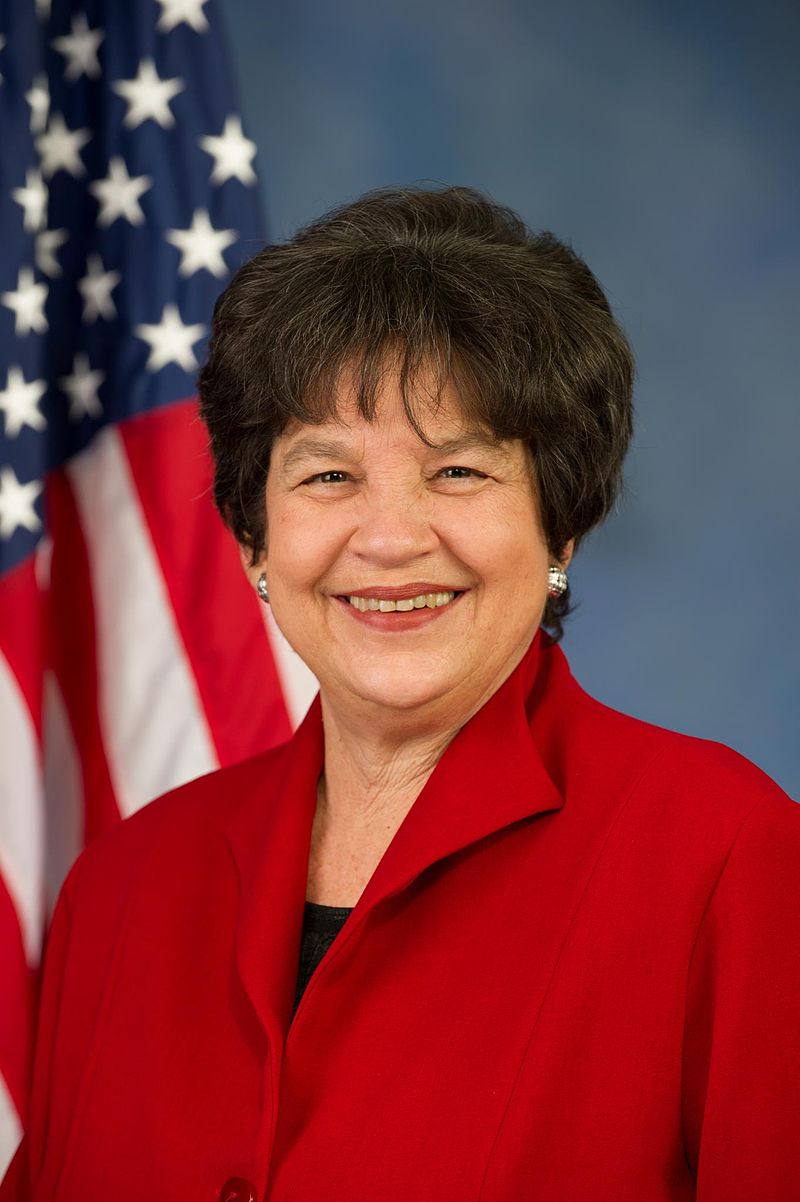
S
Scott Franklin


J
John Garamendi

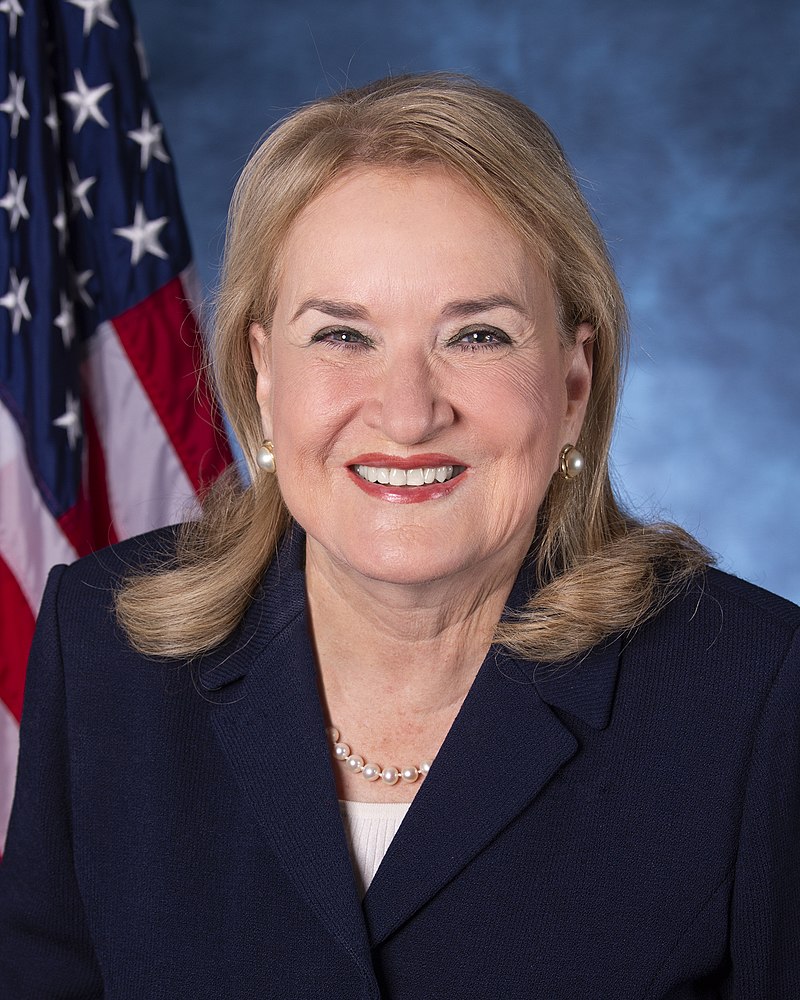





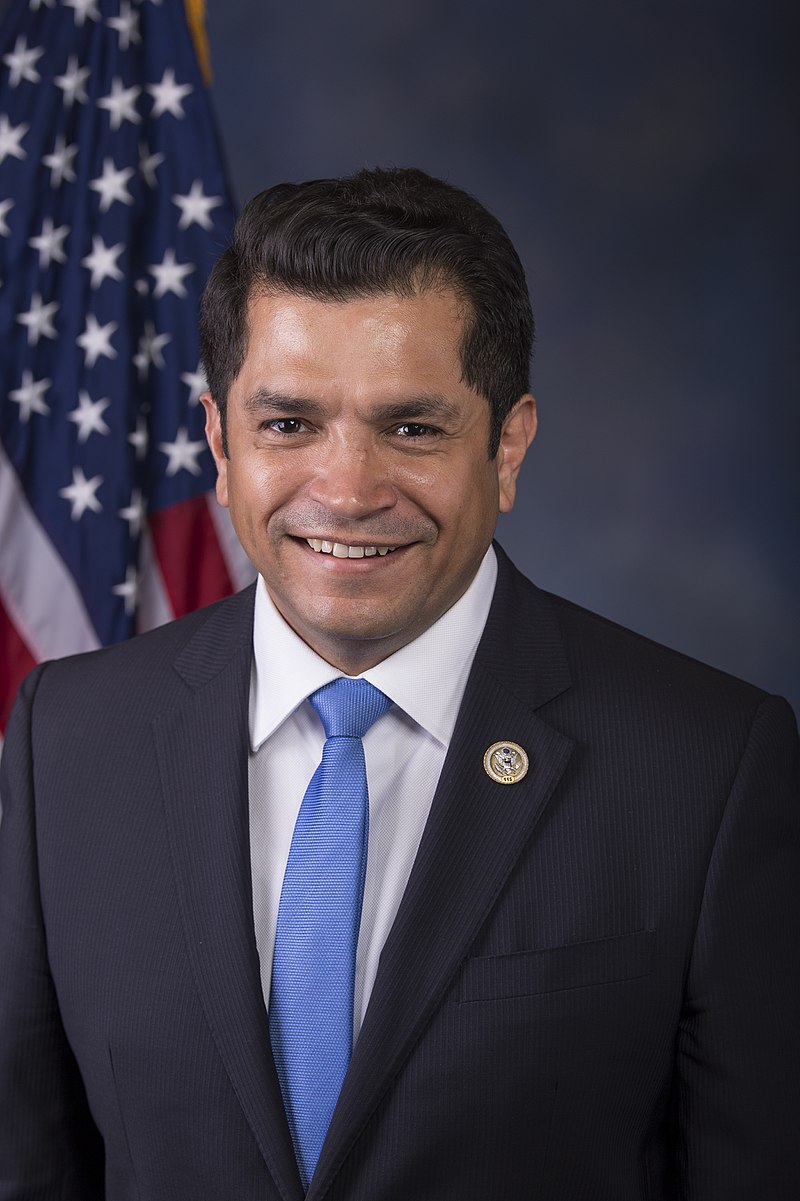
































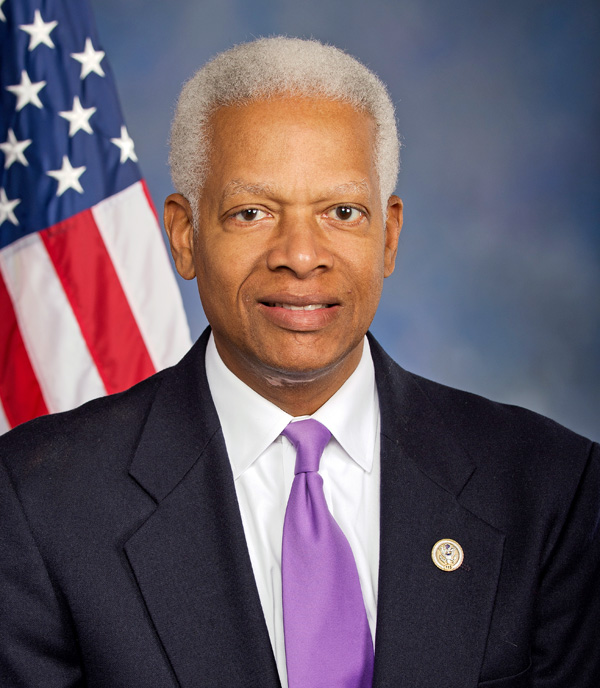





































J
John Mannion


L
Lucy McBath

L
Lisa McClain



























































J
John Rutherford










D
David Schweikert

P
Pete Sessions








































D
Debbie Wasserman Schultz








Nay (54)












L
Lloyd Doggett




































R
Rashida Tlaib
N
Nydia Velázquez

Not Voting (37)



























E
Eric Swalwell