H.R.5103 — Make the District of Columbia Safe and Beautiful Act of 2025
House Roll Call
H.R.5103
| Bill | H.R.5103 — Make the District of Columbia Safe and Beautiful Act of 2025 |
|---|---|
| Vote question | On Passage |
| Vote type | Yea-and-Nay |
| Result | Passed |
| Totals | Yea 218 / Nay 206 / Present 0 / Not Voting 8 |
| Party | Yea | Nay | Present | Not Voting |
|---|---|---|---|---|
| R | 212 | 0 | 0 | 5 |
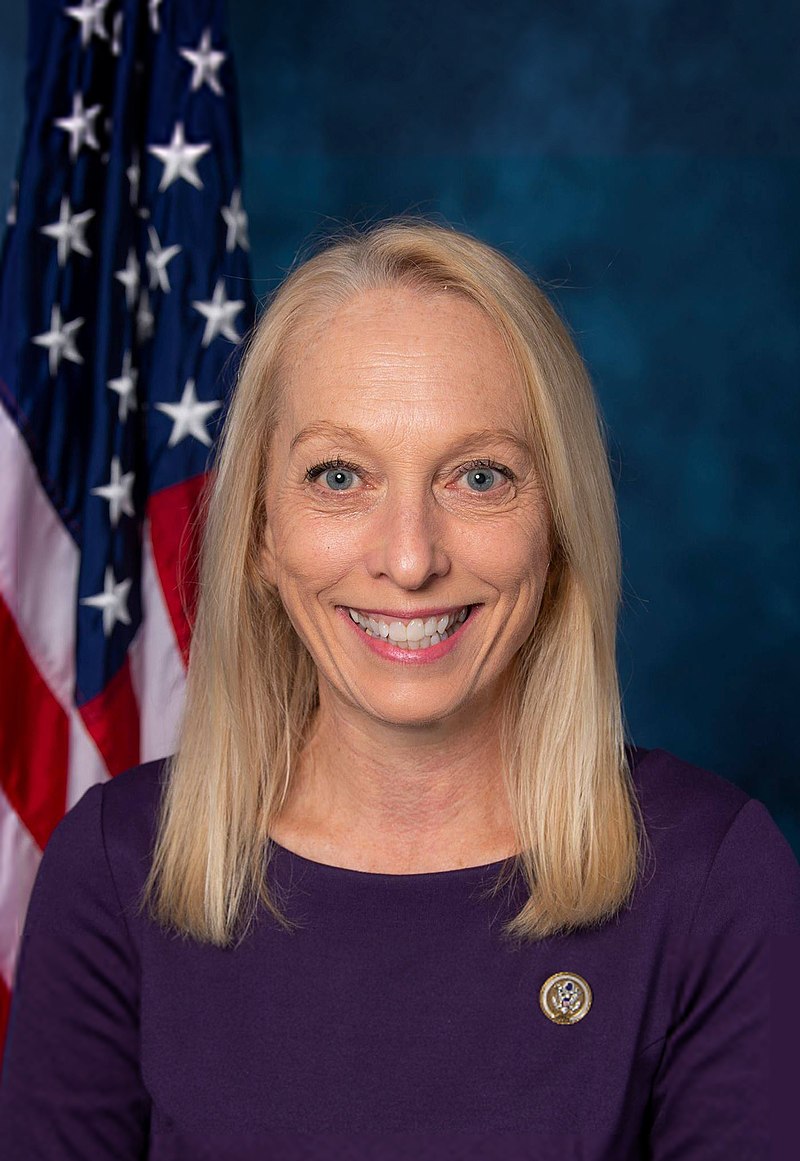
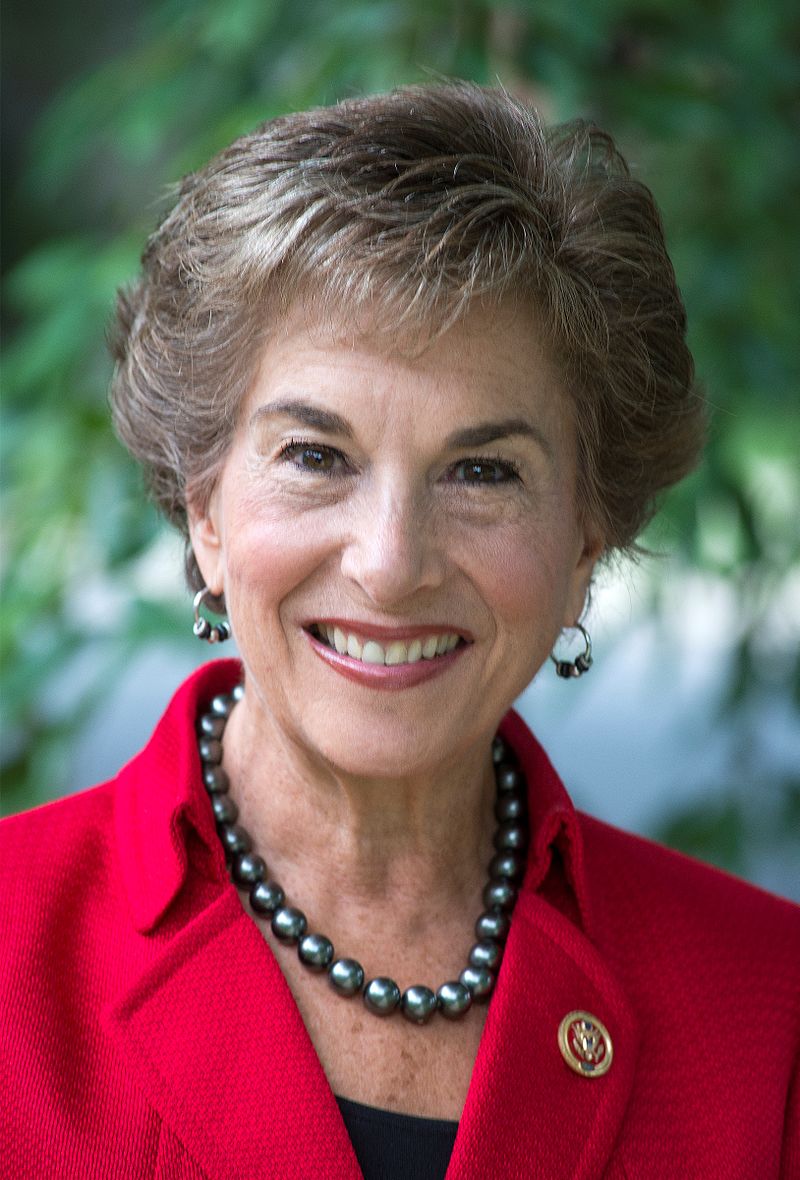
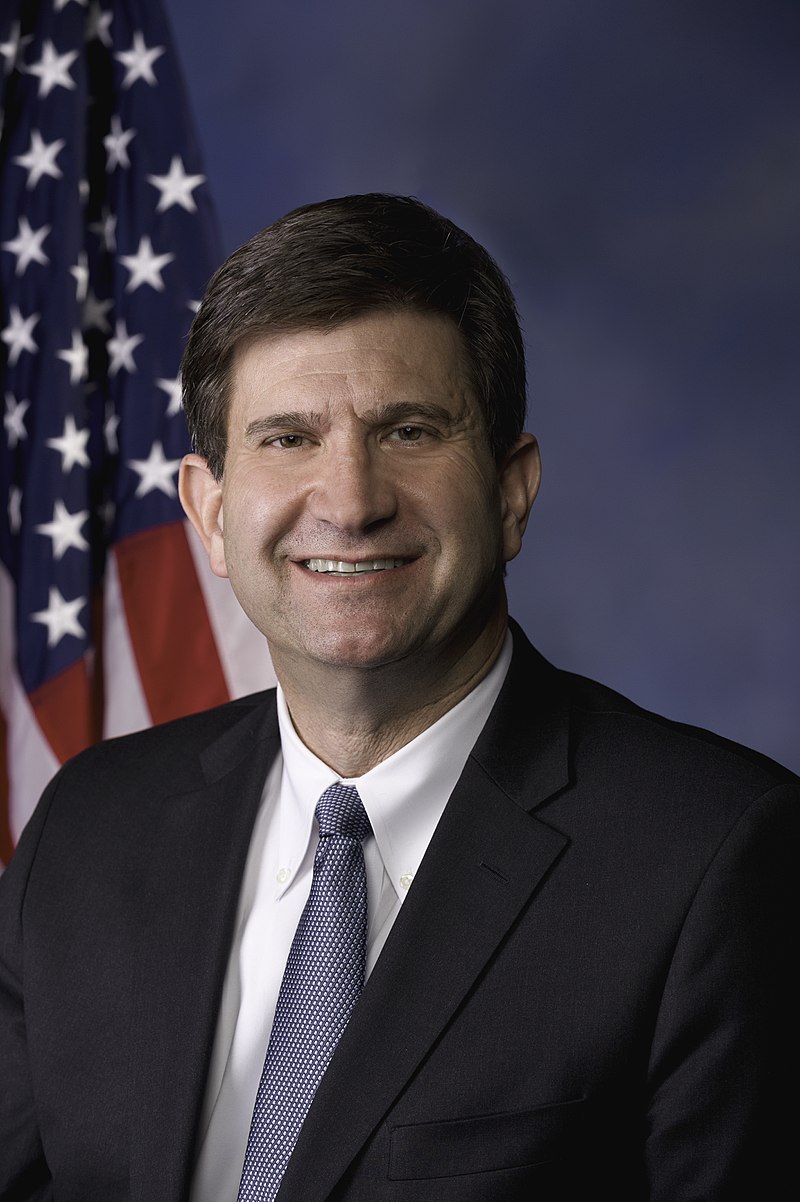
| D | 5 | 206 | 0 | 3 |
| I | 1 | 0 | 0 | 0 |
Research Brief
On Passage
Bill Analysis
The Make the District of Columbia Safe and Beautiful Act of 2025 (H.R. 5103, 119th Congress) is a comprehensive public safety, public space, and quality-of-life bill focused on the District of Columbia. It amends the D.C. Home Rule framework and various federal statutes governing the capital to expand federal support, clarify local authority, and condition certain federal funds on performance and compliance.
Substantively, the bill:
- Authorizes new and expanded federal grants to the District government for crime reduction, environmental cleanup, and public space improvements, including street and park lighting, graffiti removal, abandoned vehicle abatement, and rehabilitation of blighted properties.
- Directs the Department of Justice (DOJ) and Department of Transportation (DOT), in coordination with the National Park Service (NPS) and General Services Administration (GSA), to support D.C. in enhancing safety and aesthetics around federal buildings, monuments, and key transportation corridors.
- Conditions portions of federal public safety and community development funds on D.C. meeting specified benchmarks related to violent crime reduction, cleanliness metrics, and code enforcement, with annual reporting to Congress.
- Clarifies and, in some cases, expands D.C.’s authority to enforce local nuisance, sanitation, and public order laws on or adjacent to certain federal properties, subject to interagency agreements.
- Establishes pilot programs for targeted enforcement and environmental design interventions in high-crime or highly visible areas, with required evaluations and public reporting.
Agencies affected include the D.C. government (Metropolitan Police Department, Department of Public Works, Department of Transportation, and planning/housing agencies), DOJ, DOT, NPS, GSA, and potentially HUD for community development funding linkages.
Beneficiaries include D.C. residents, commuters, tourists, and federal workers through improved safety and urban environment. Regulated or more directly impacted parties include property owners with code violations, businesses and landlords in designated improvement zones, and federal agencies managing property in D.C.
Key timelines typically include: near-term planning and interagency coordination within months of enactment; multi-year grant authorizations (often 3–5 years); and annual performance reporting to Congress, with potential adjustments to funding formulas based on outcomes.
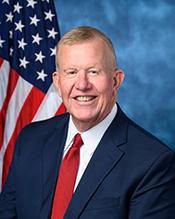
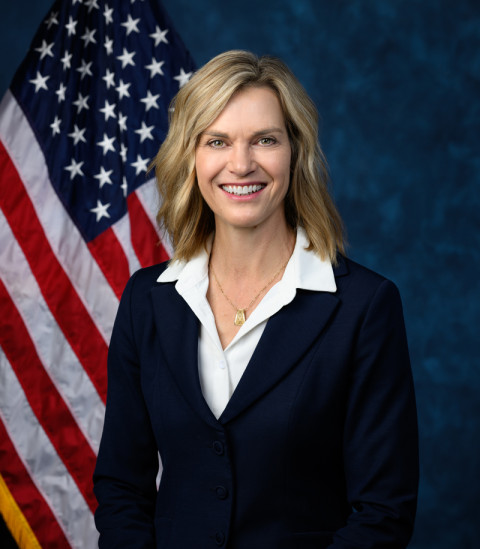
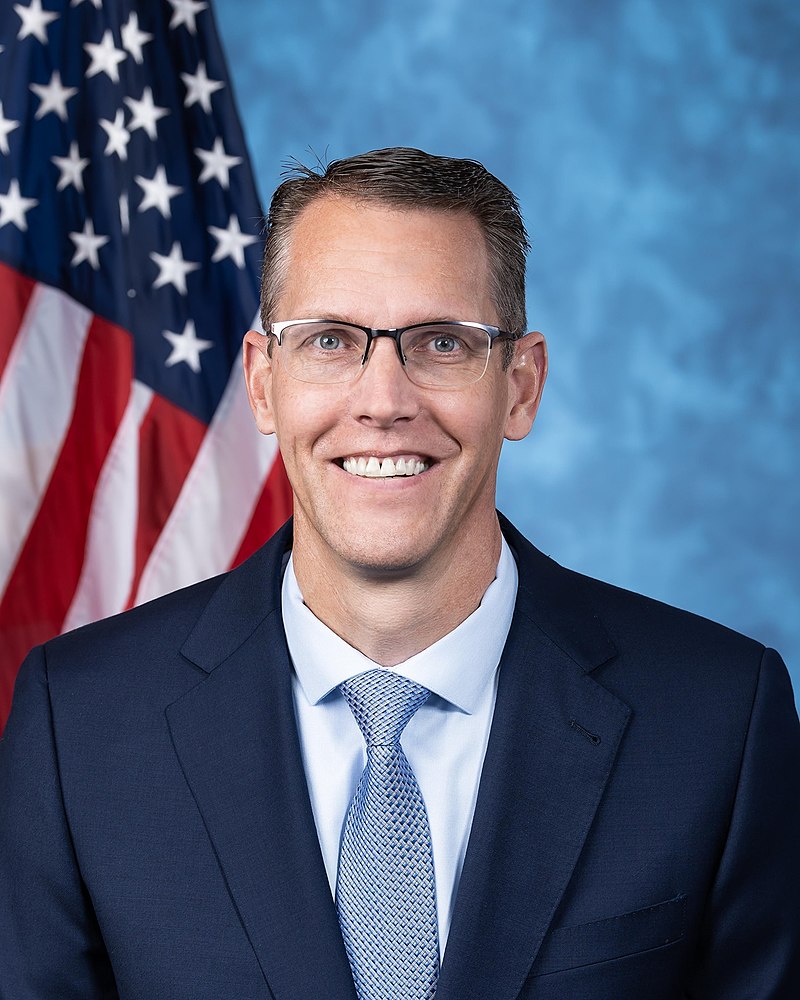
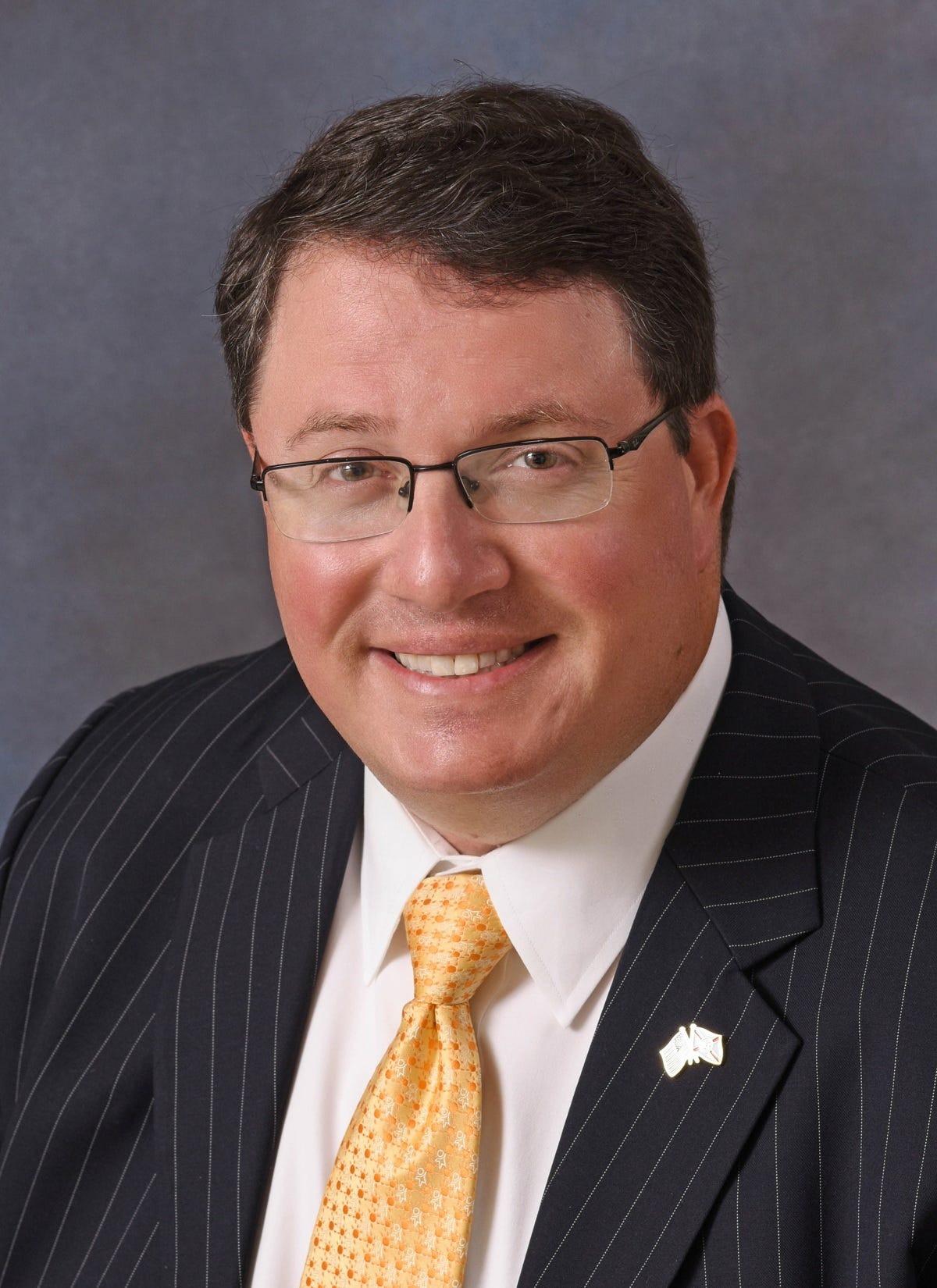
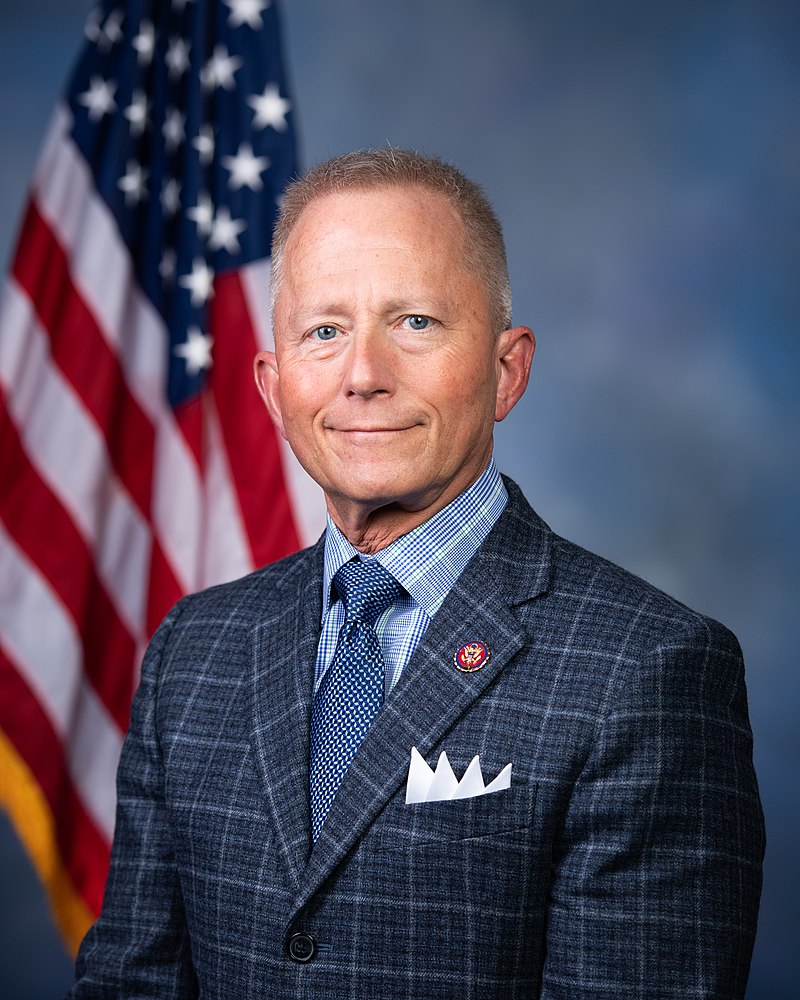
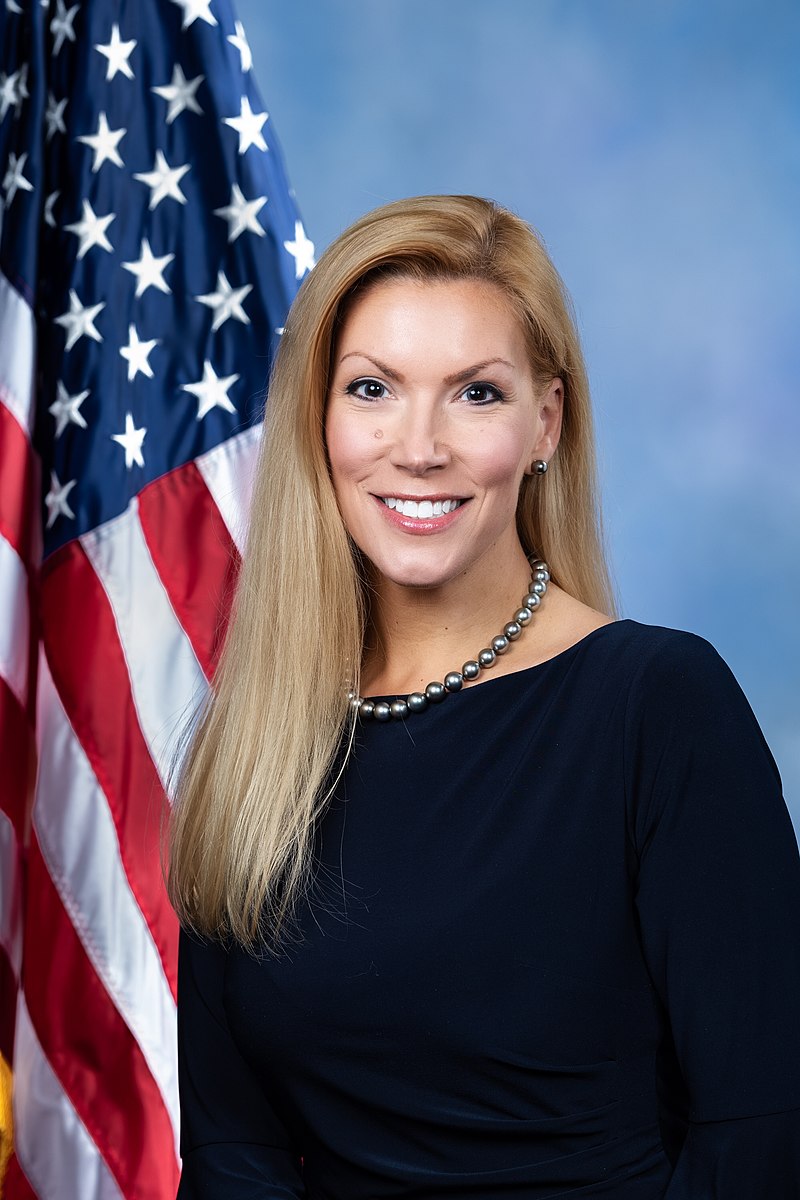
Yea (218)
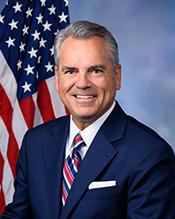
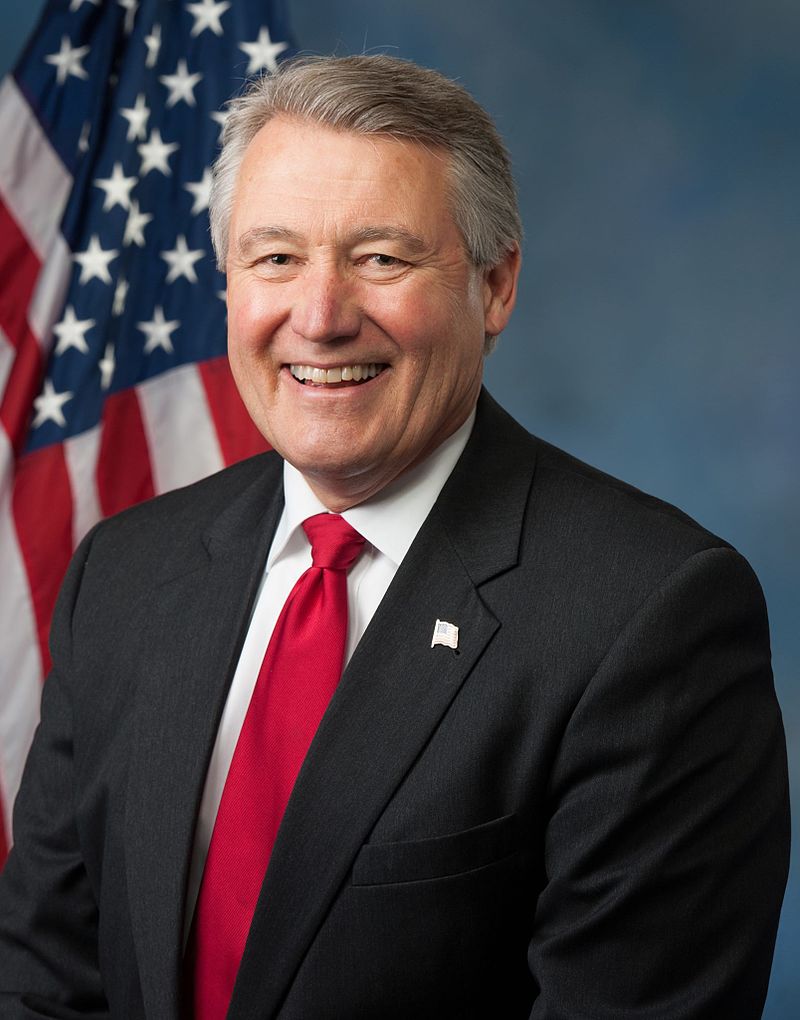


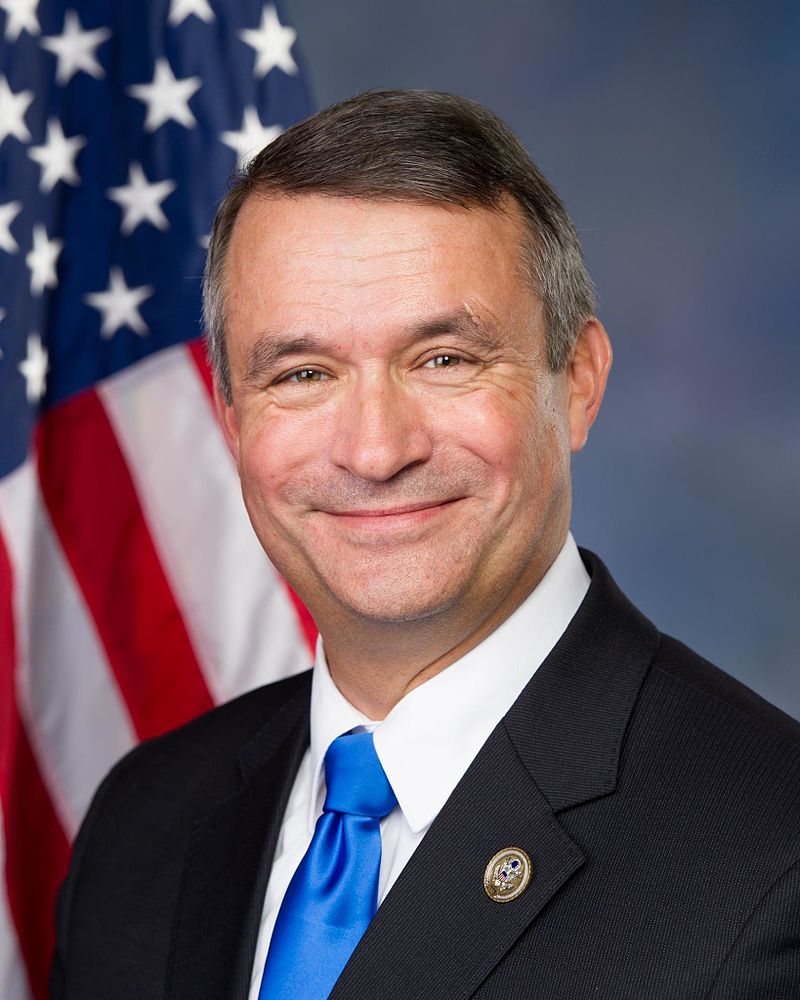

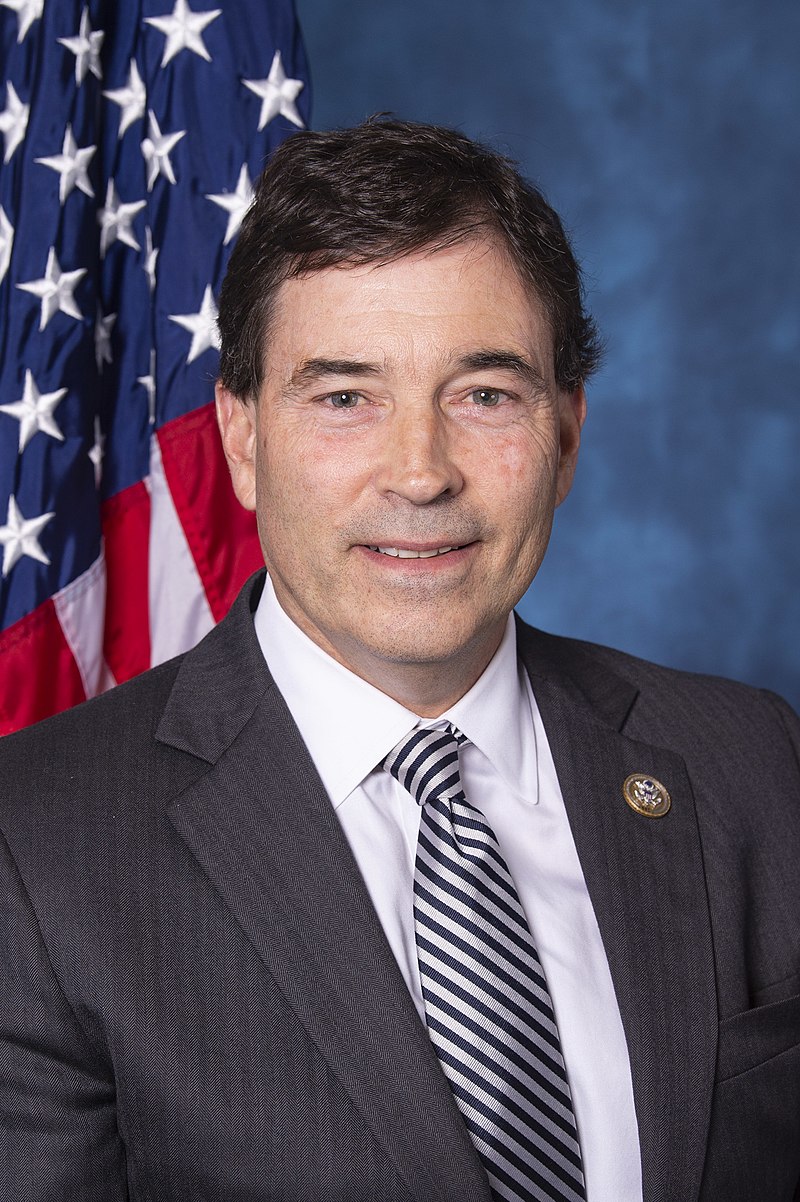


K
Ken Calvert






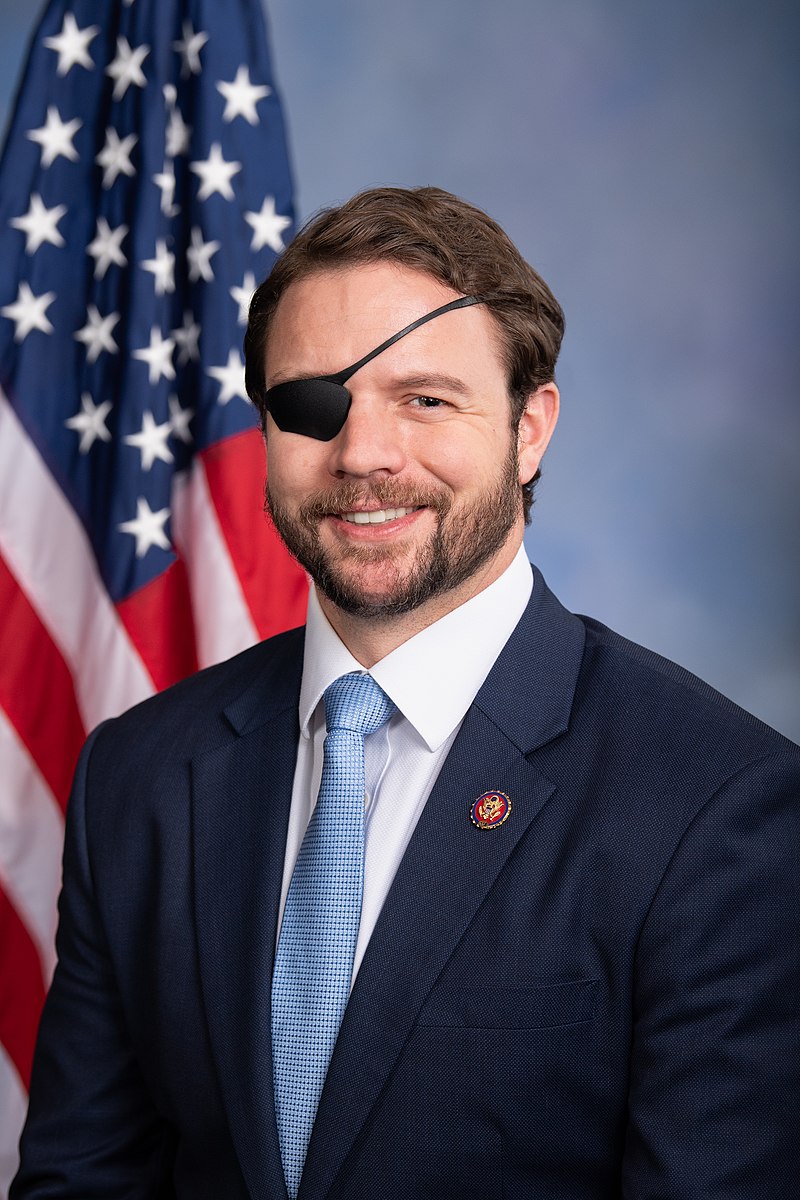

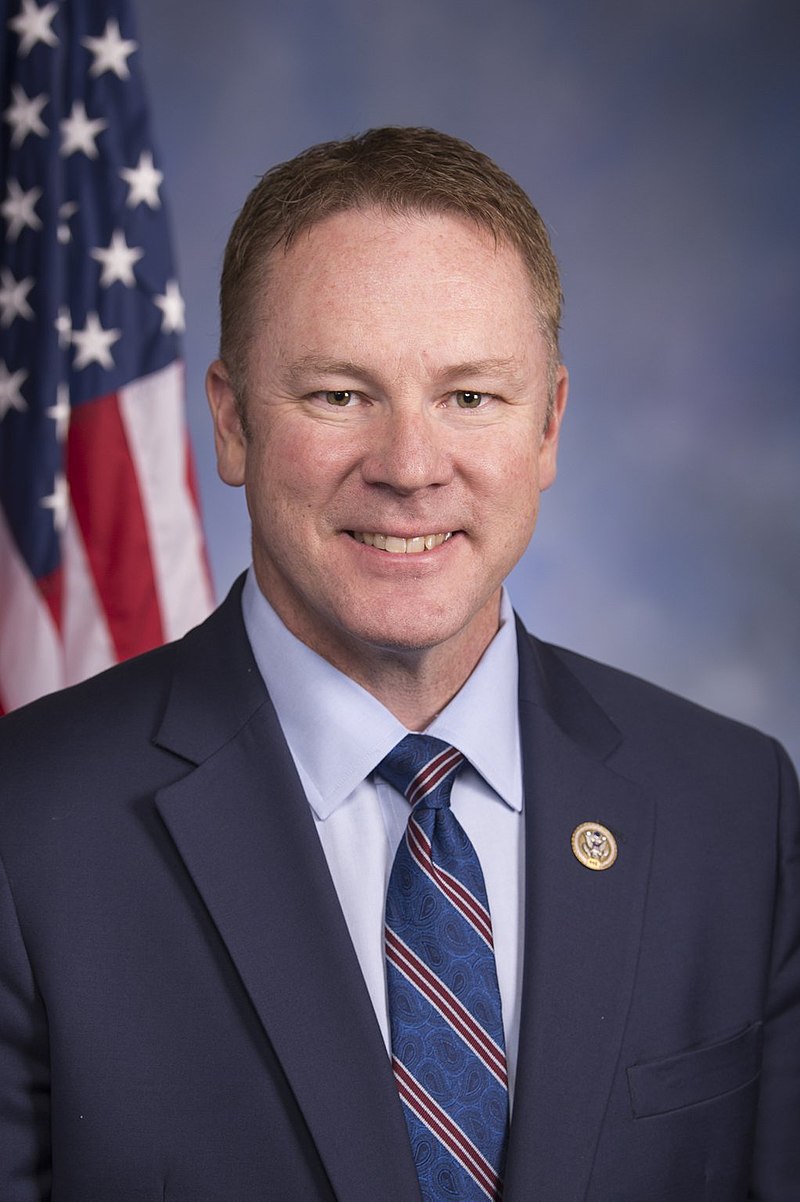
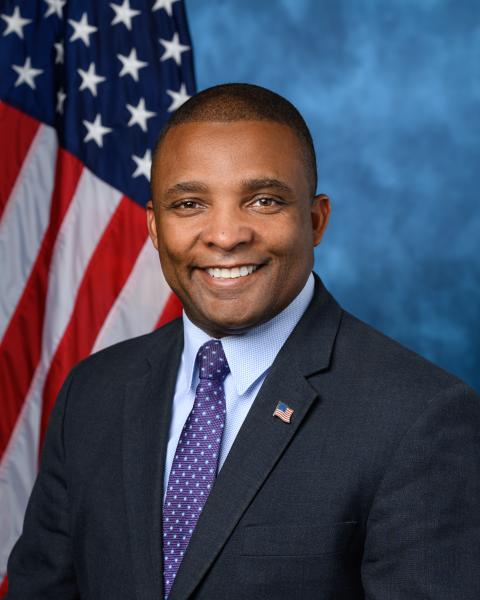



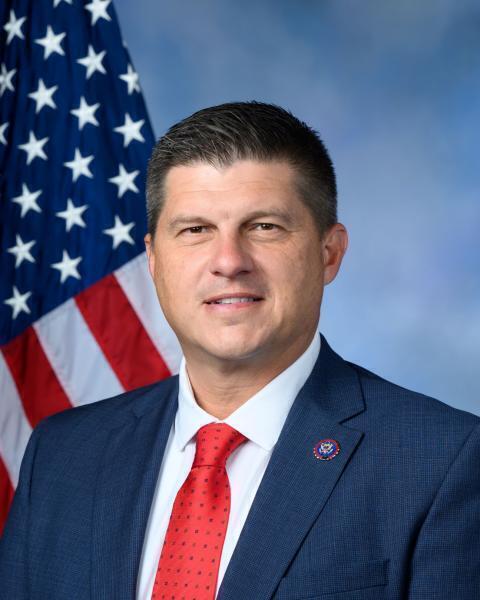
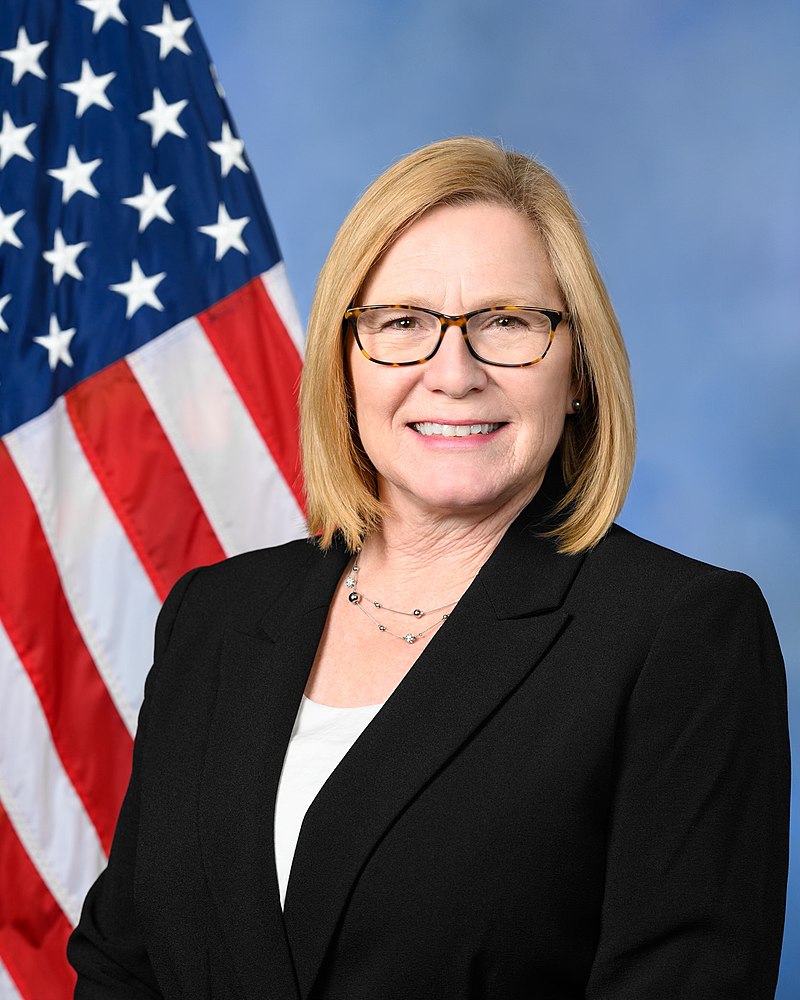
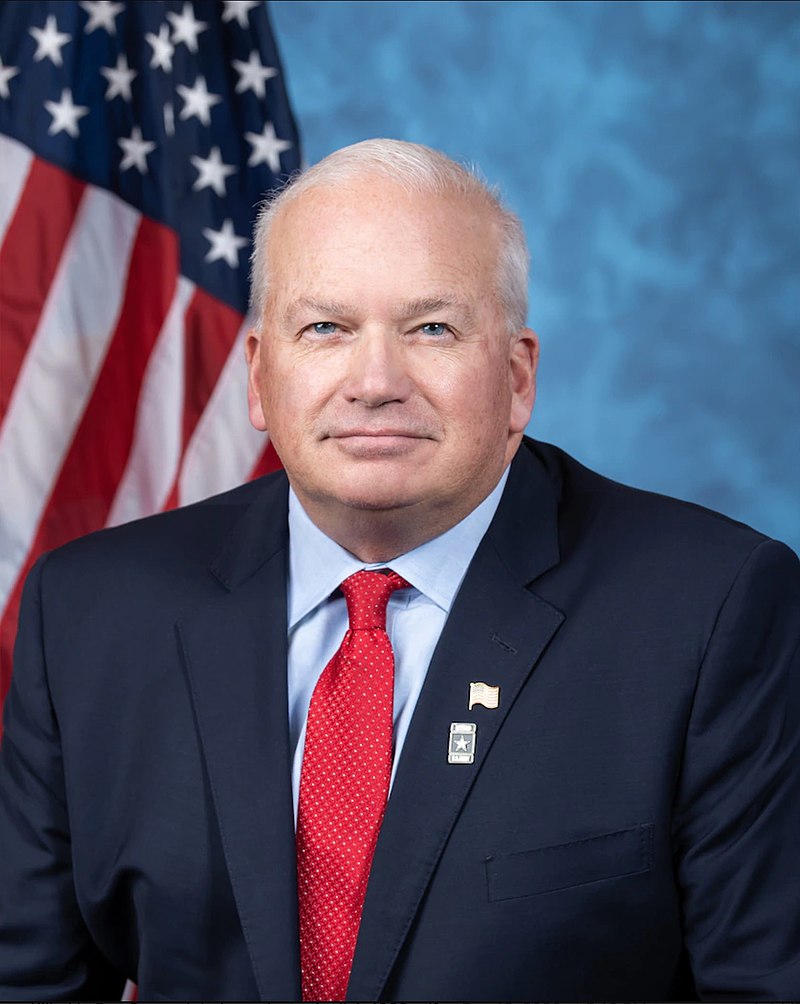

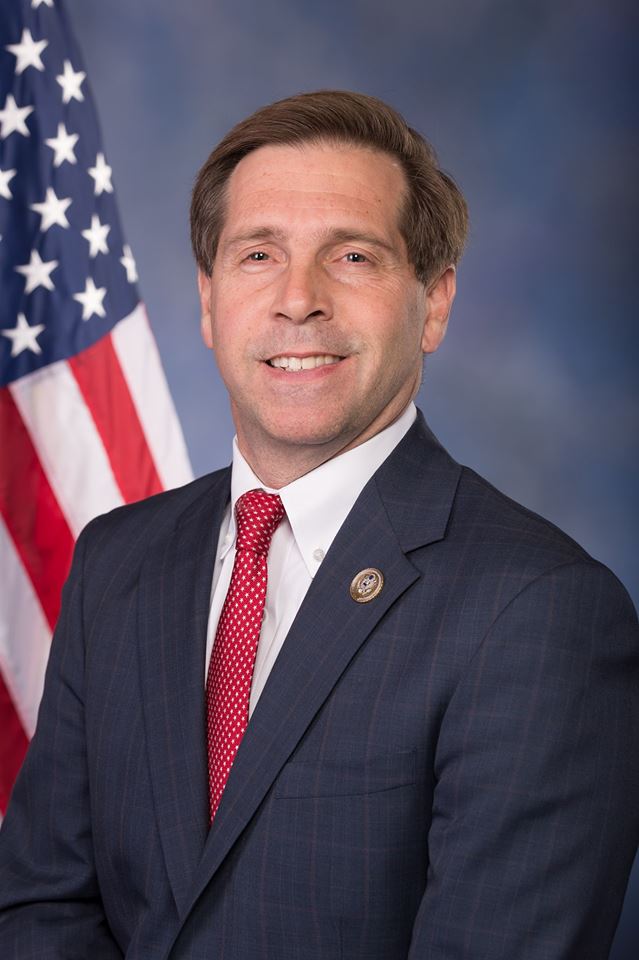
S
Scott Franklin





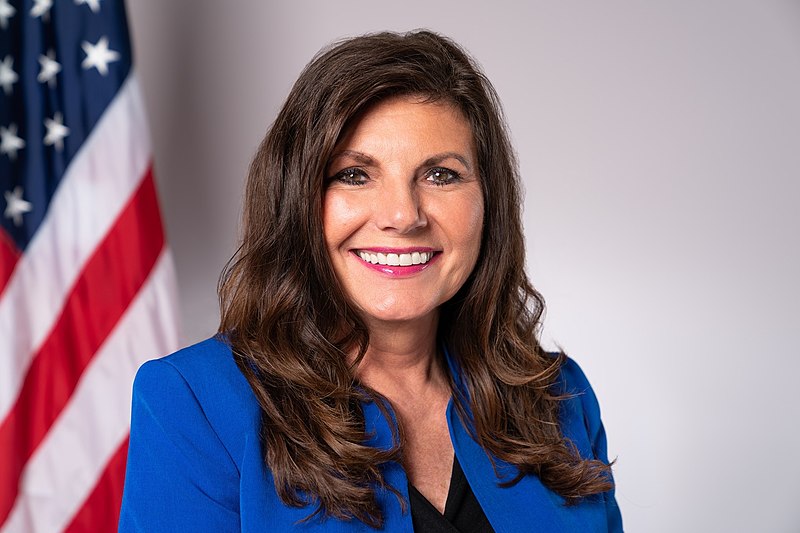
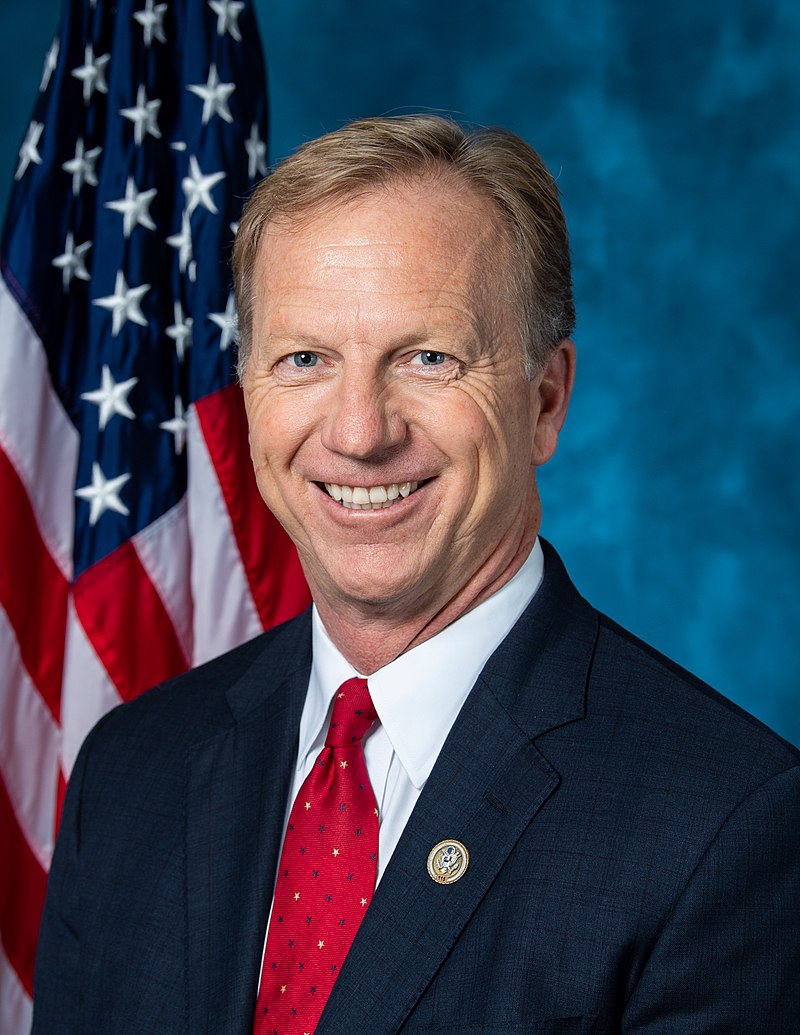
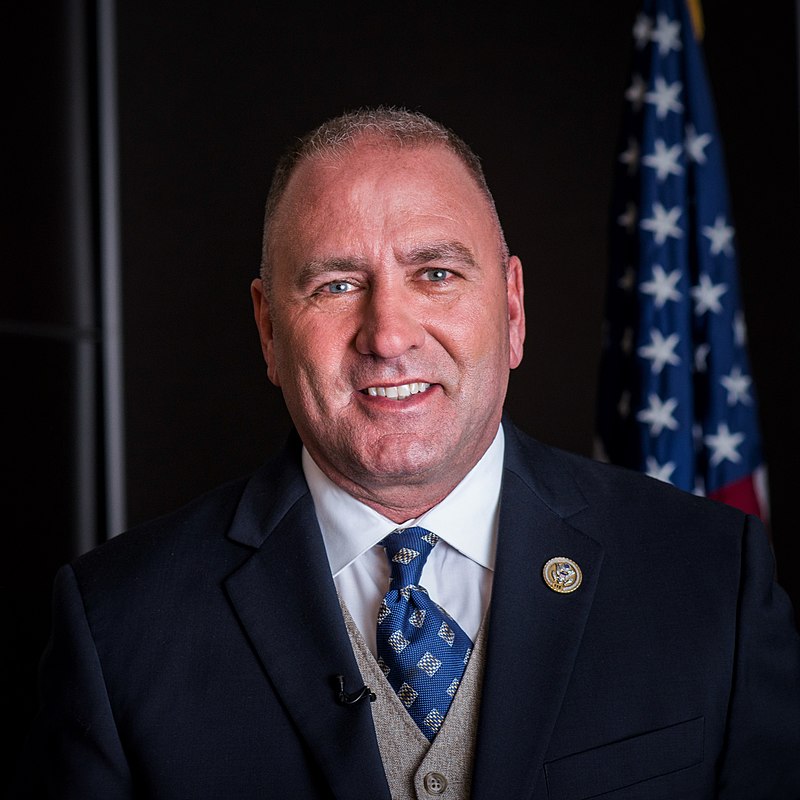
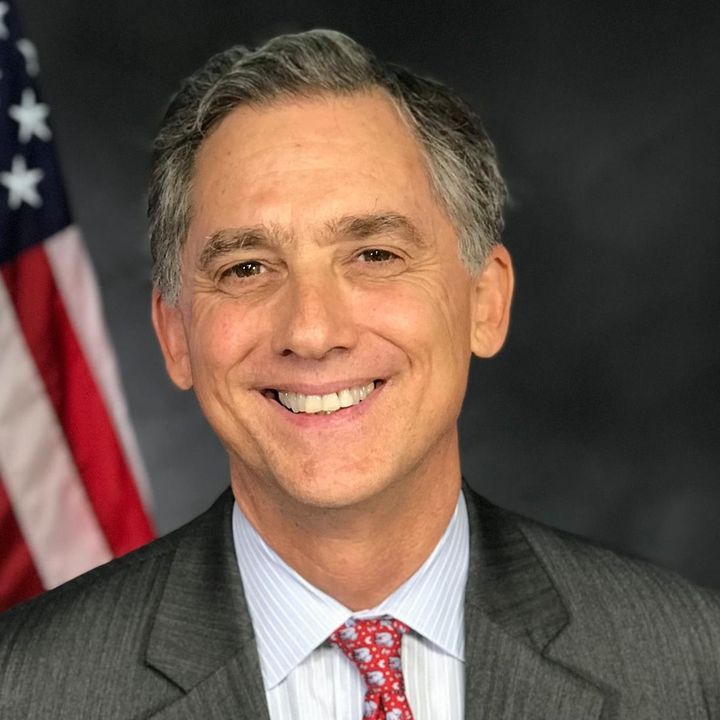


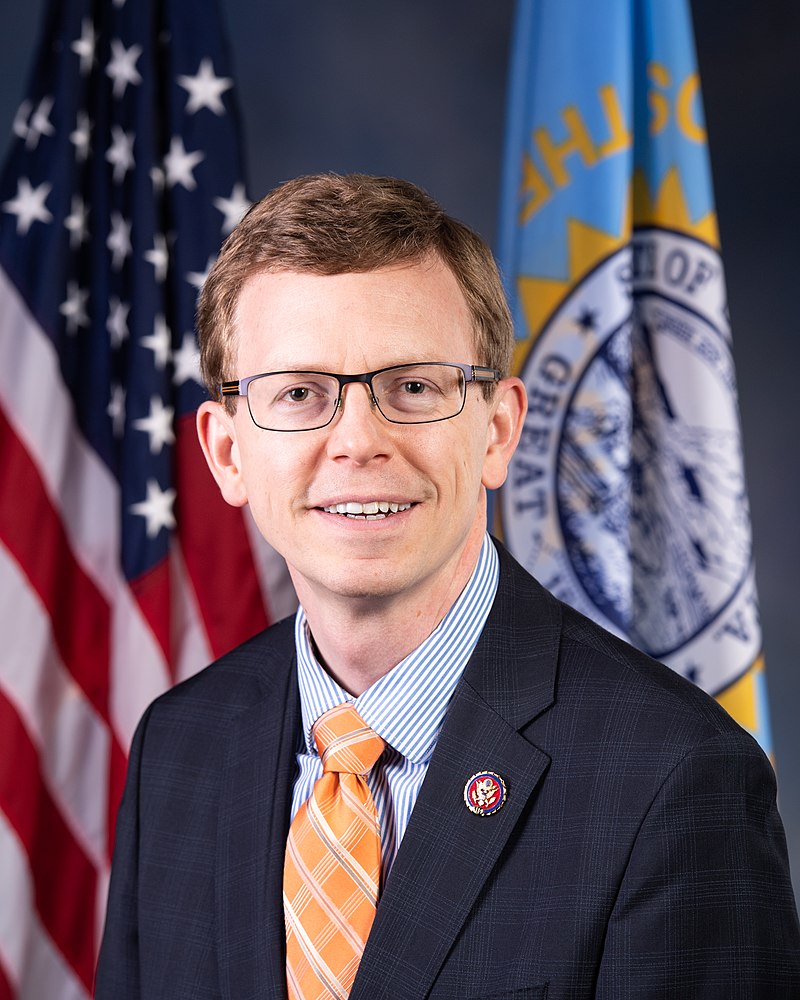
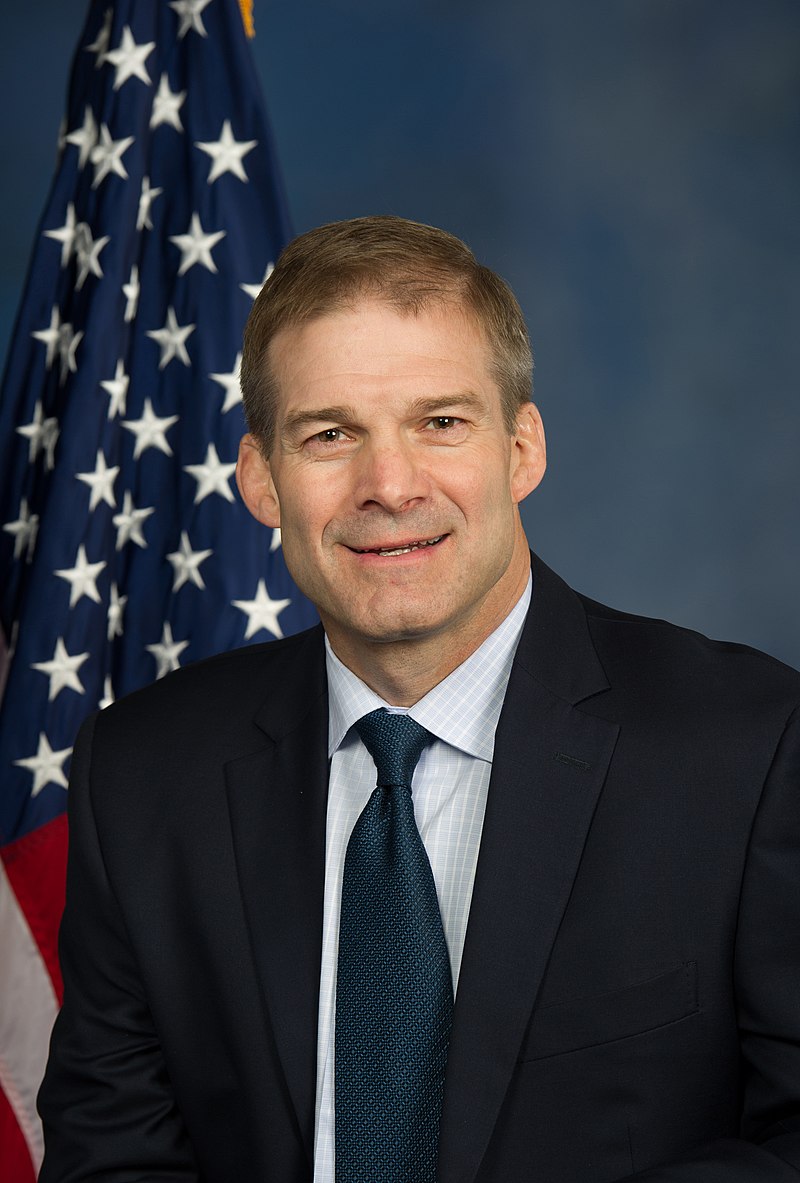
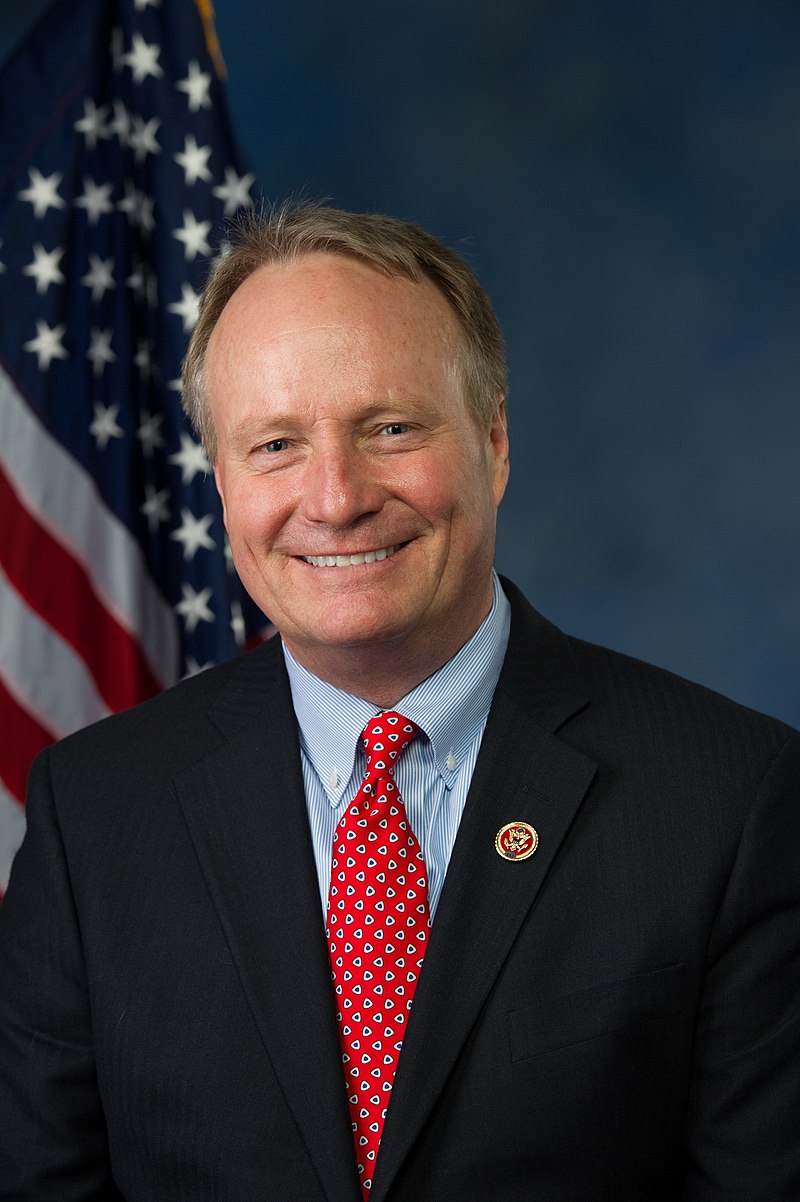
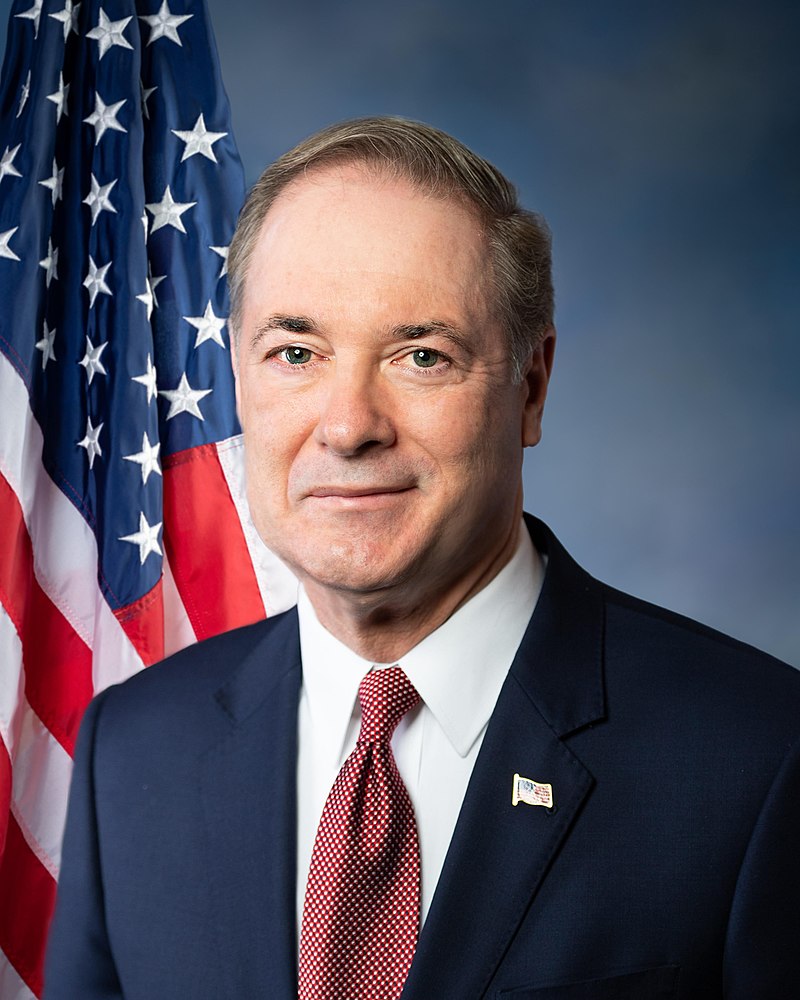





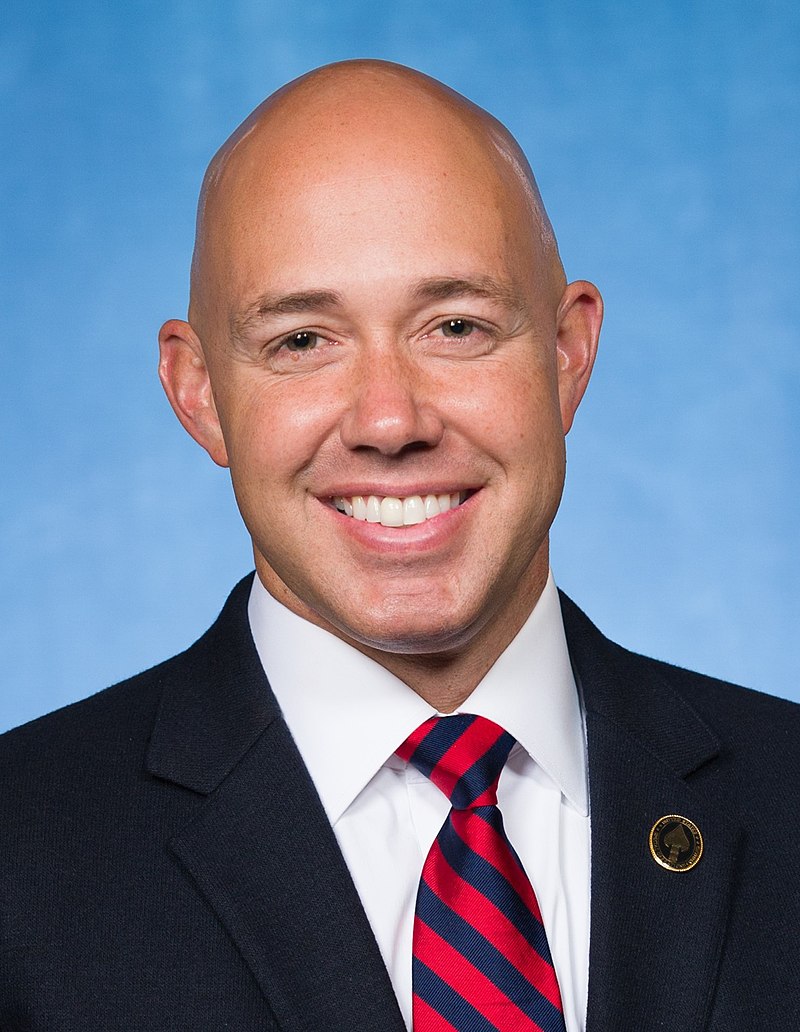
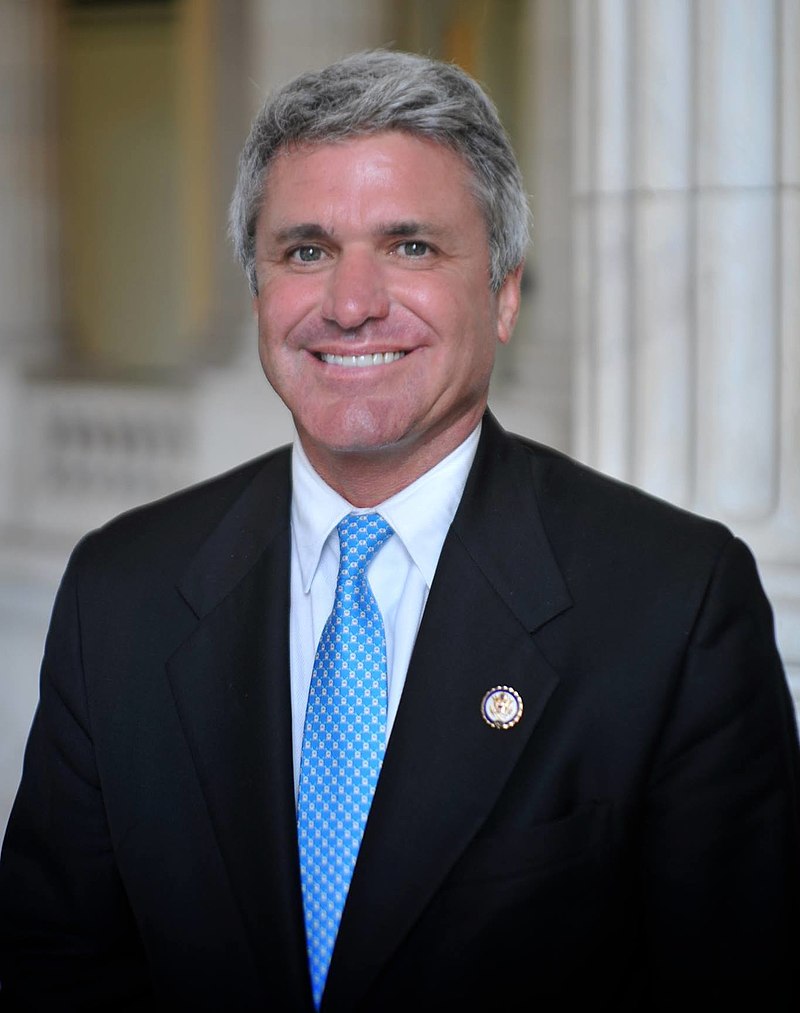
L
Lisa McClain

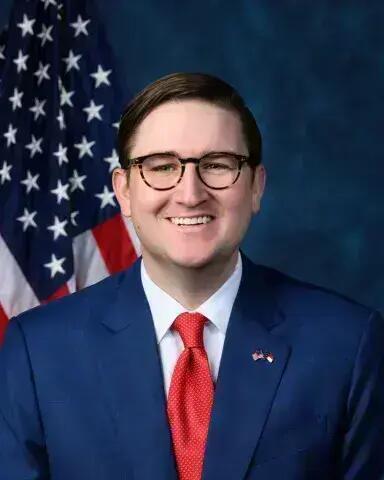



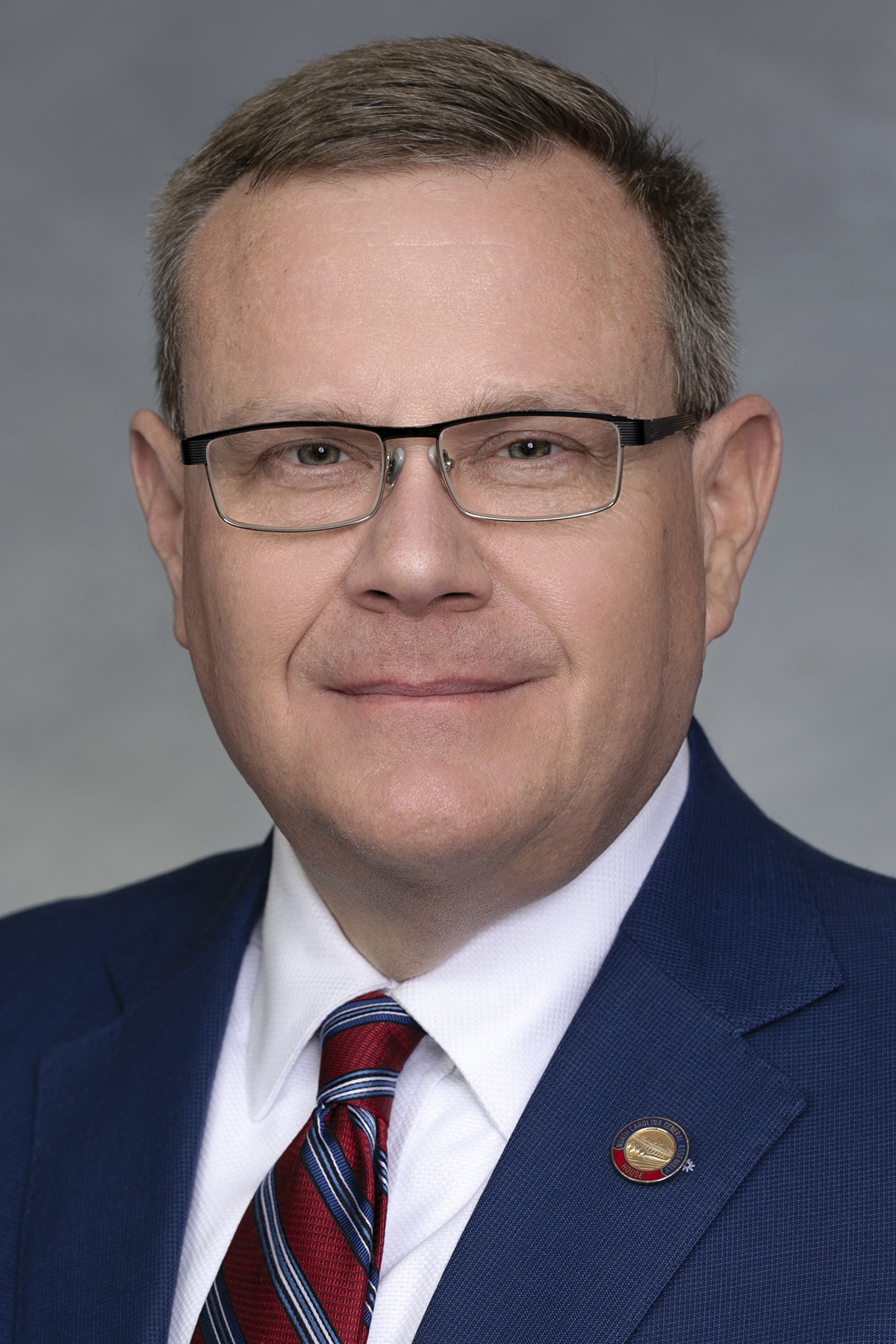

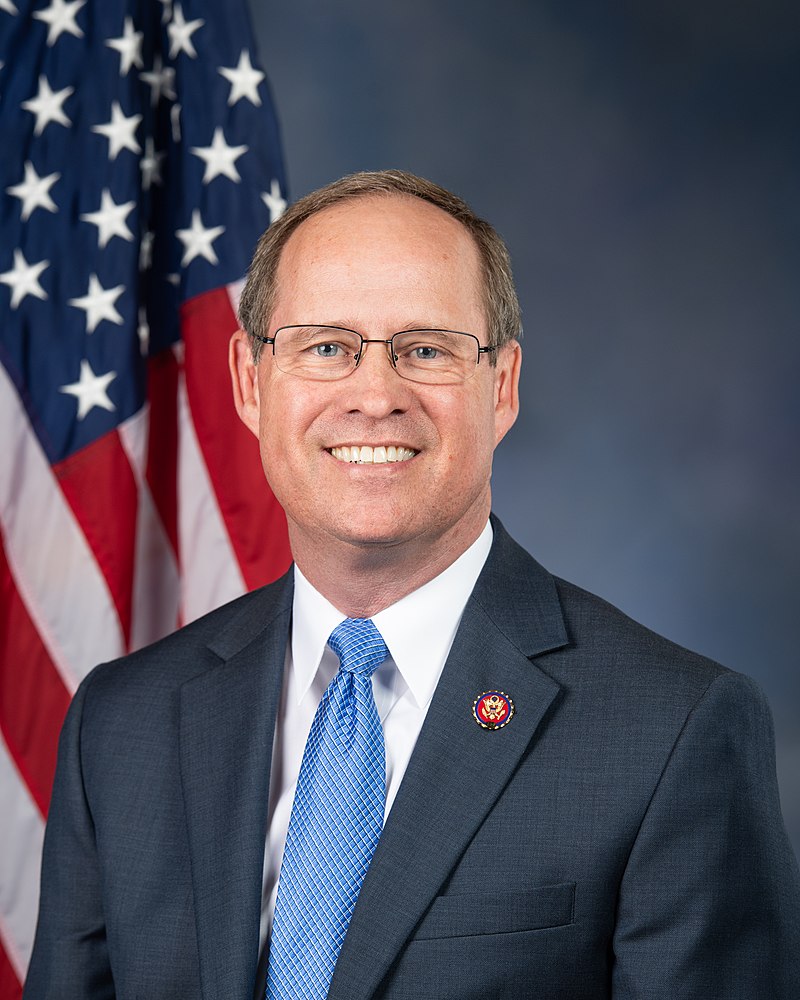
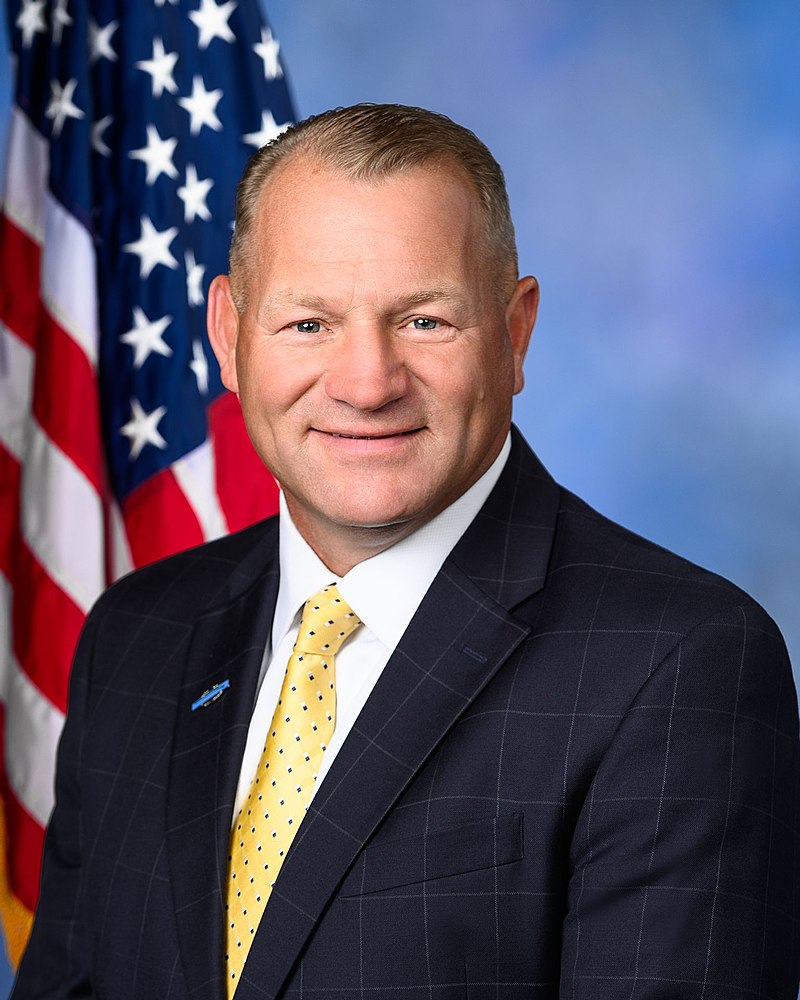

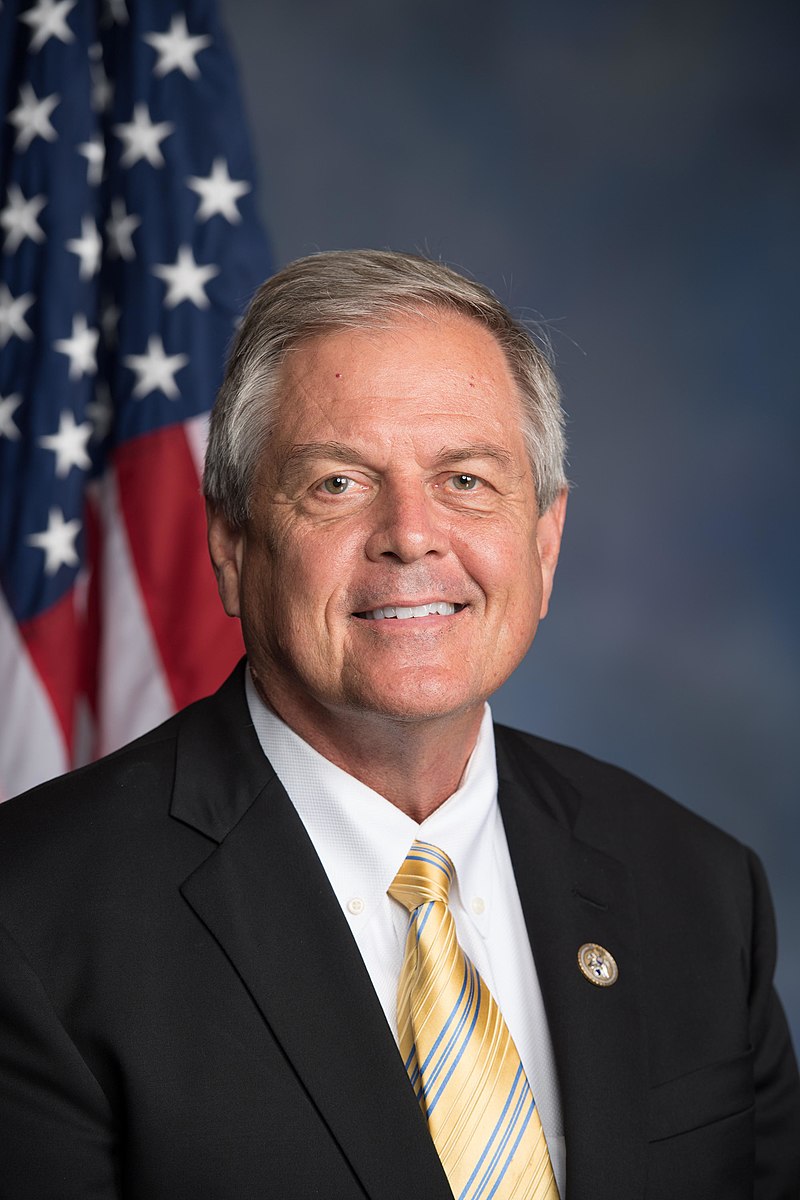




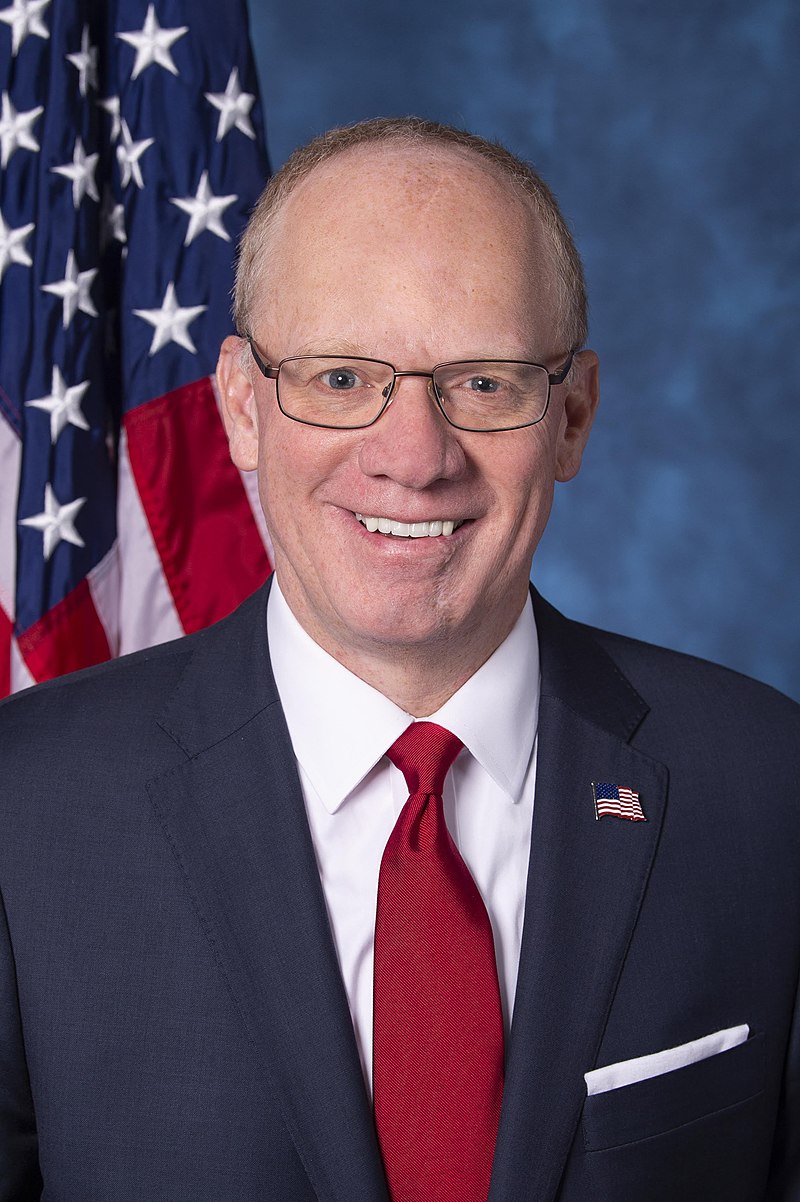
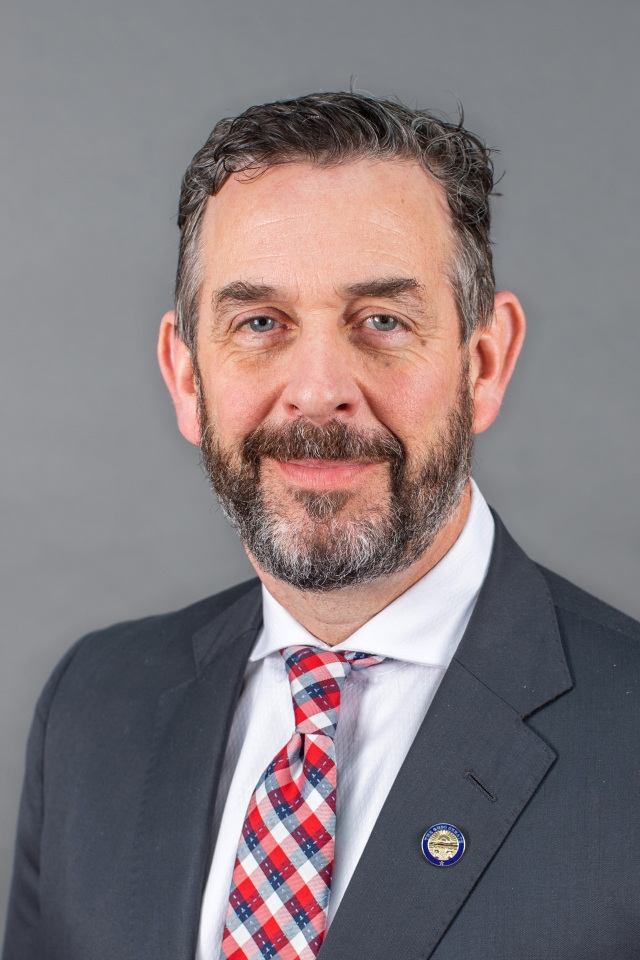
J
John Rutherford

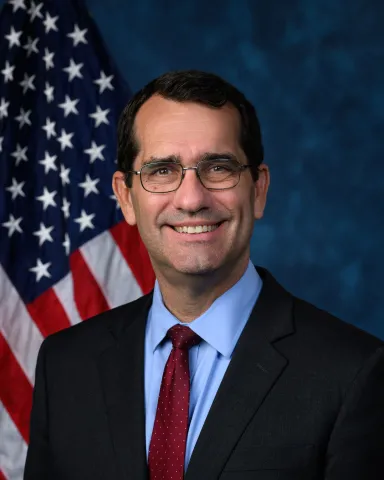
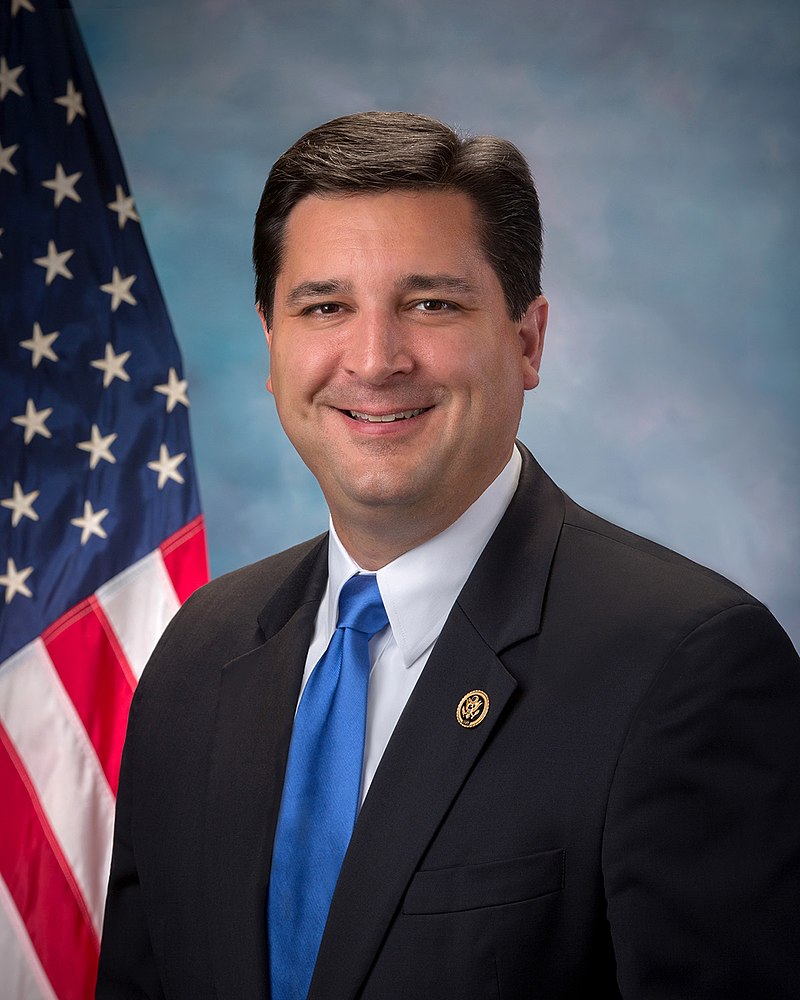
D
David Schweikert
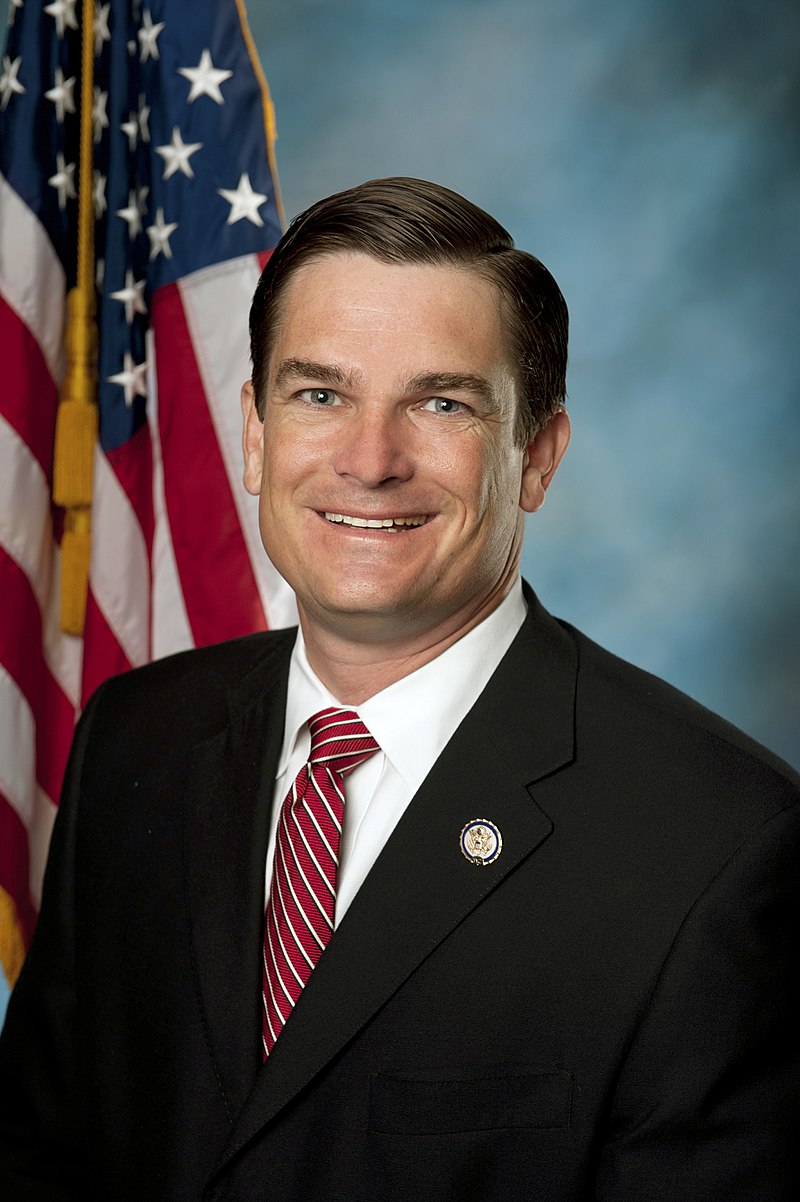

P
Pete Sessions
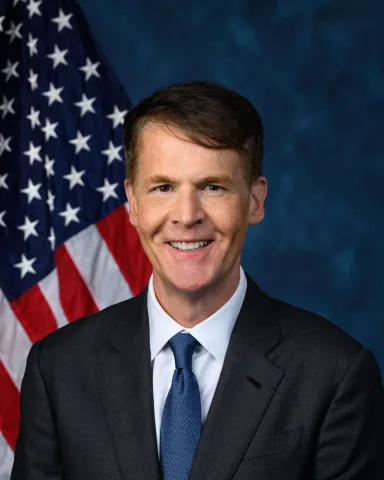








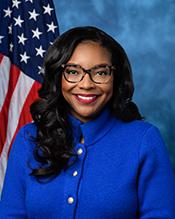
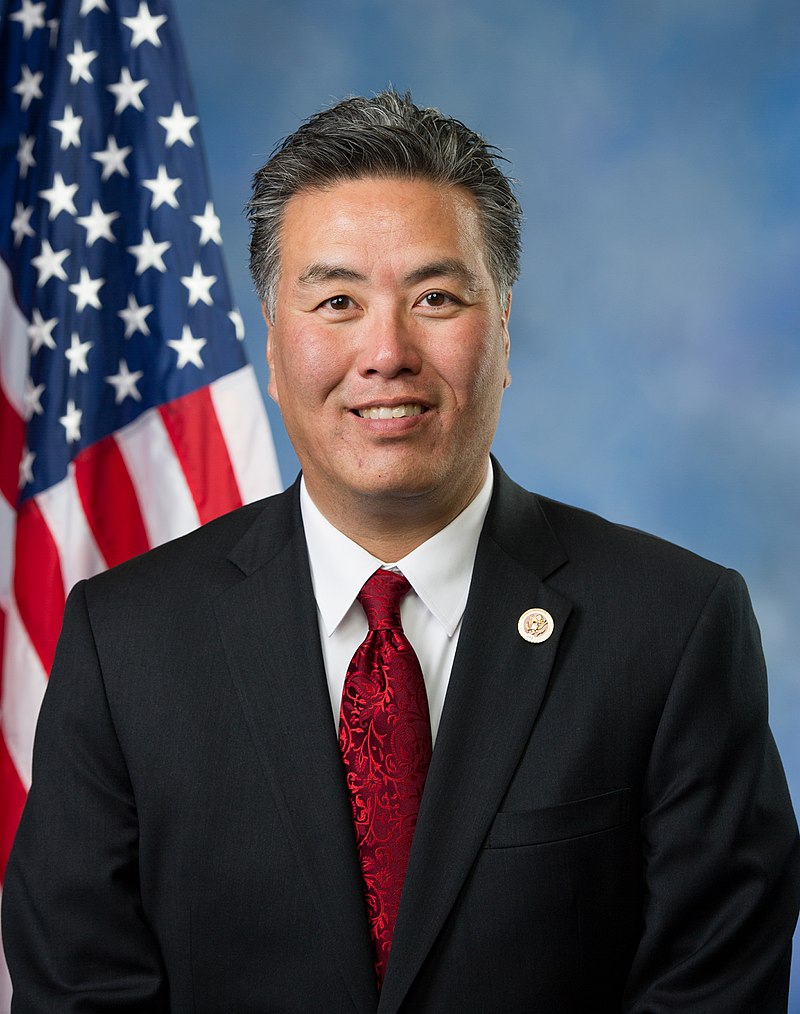
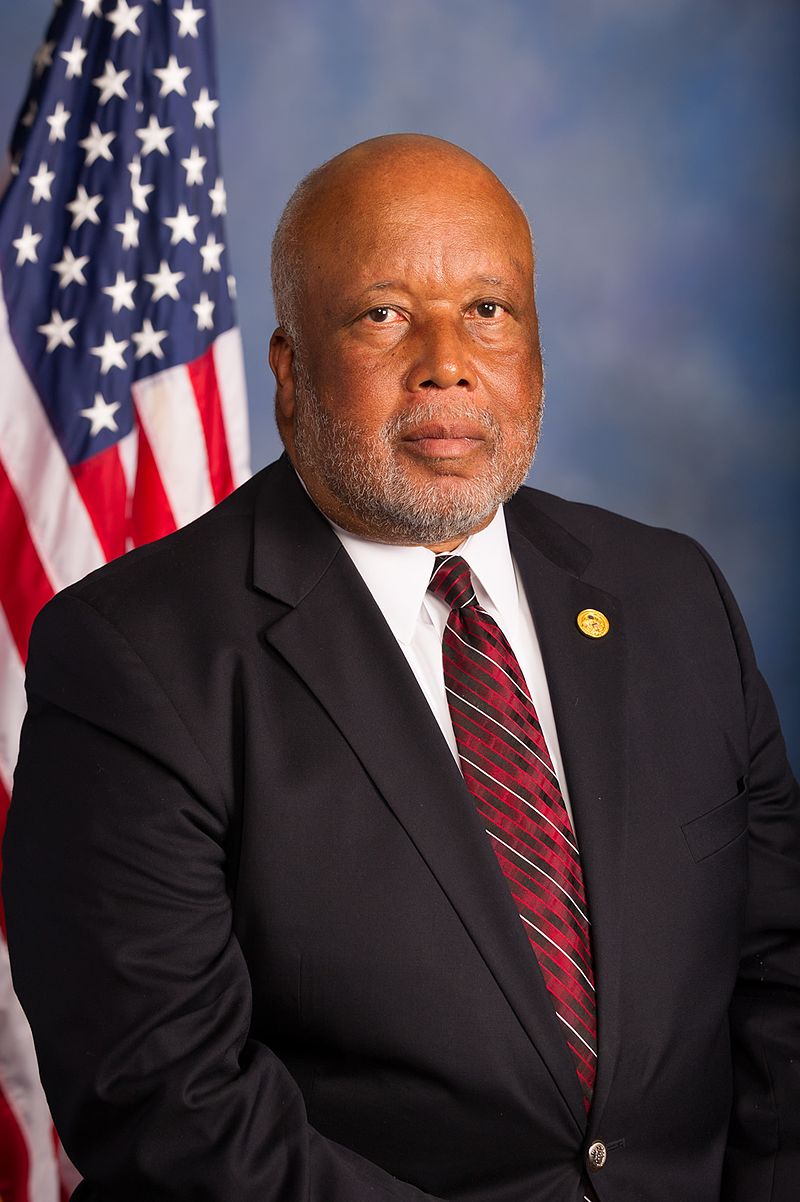
Nay (206)









J
Jason Crow




L
Lloyd Doggett


J
John Garamendi










J
John Mannion
L
Lucy McBath
C
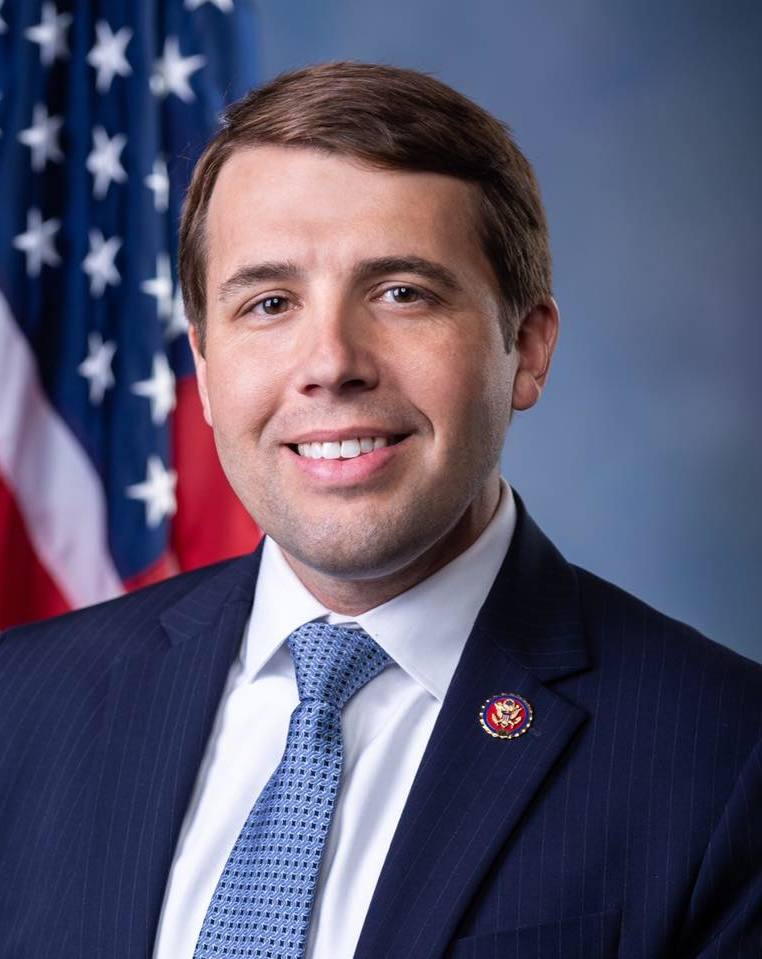
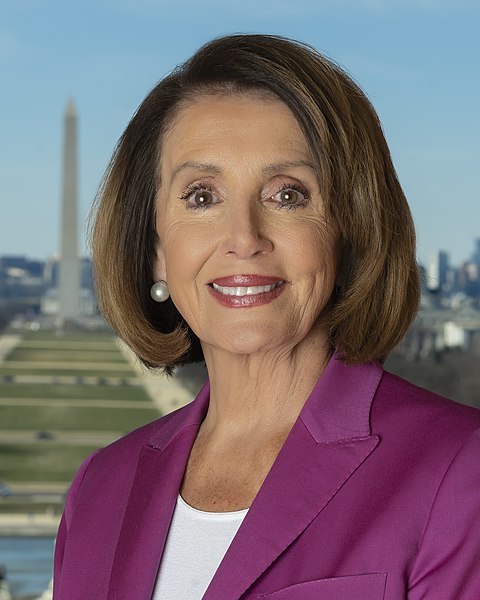
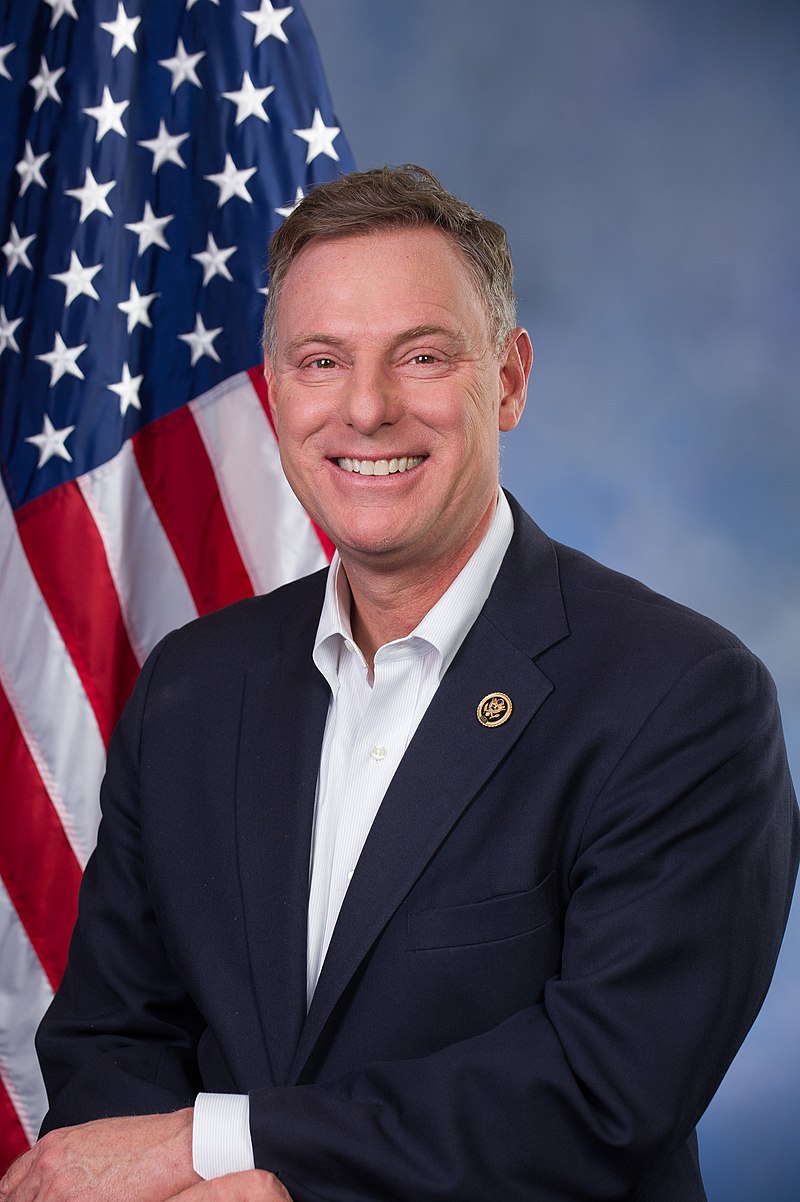
Christian Menefee














R
Rashida Tlaib



N
Nydia Velázquez
D
Debbie Wasserman Schultz