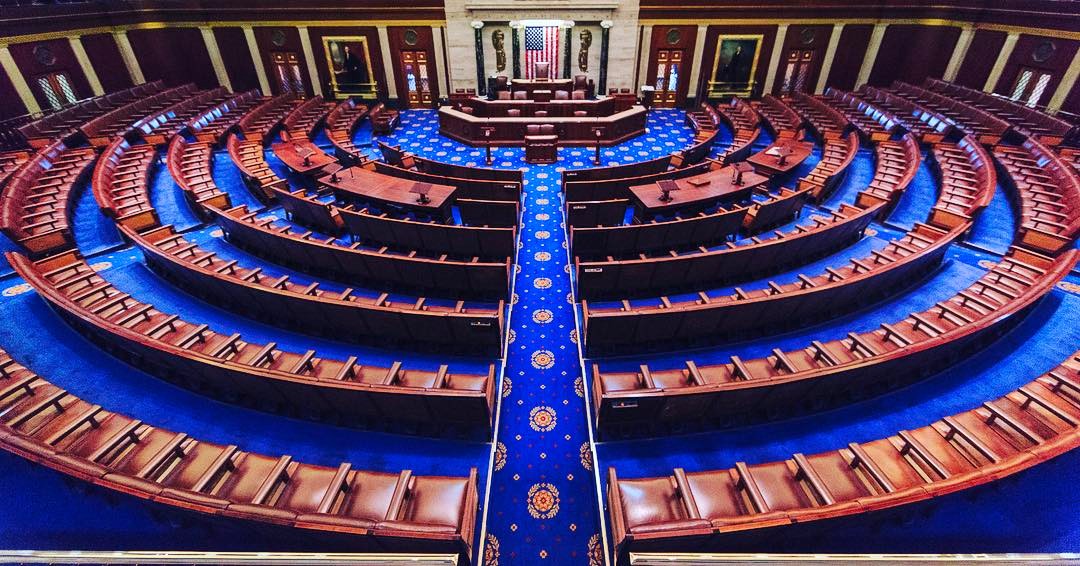

H.R.3668 — Improving Interagency Coordination for Pipeline Reviews Act
House Roll Call
H.R.3668
| Bill | H.R.3668 — Improving Interagency Coordination for Pipeline Reviews Act |
|---|---|
| Vote question | On Passage |
| Vote type | Yea-and-Nay |
| Result | Passed |
| Totals | Yea 213 / Nay 184 / Present 0 / Not Voting 36 |
| Party | Yea | Nay | Present | Not Voting |
|---|---|---|---|---|
| R | 206 | 2 | 0 | 12 |
| D | 7 | 182 | 0 | 24 |
| I | 0 | 0 | 0 | 0 |
Research Brief
On Passage
Bill Analysis
Bill Summary: HR 3668 - Improving Interagency Coordination for Pipeline Reviews Act
The Improving Interagency Coordination for Pipeline Reviews Act (HR 3668) aims to streamline the federal review process for pipeline projects by enhancing coordination among various federal agencies. The bill addresses the challenges posed by overlapping jurisdictions and regulatory requirements that can delay the approval of pipeline construction and operation.
Key Provisions:
- Interagency Coordination: The bill mandates the establishment of a formal framework for interagency collaboration, specifically focusing on the National Environmental Policy Act (NEPA) review process. It seeks to ensure that agencies involved in pipeline reviews, including the Department of Transportation (DOT), the Environmental Protection Agency (EPA), and the Federal Energy Regulatory Commission (FERC), work together more effectively.
- Timelines for Review: HR 3668 proposes specific timelines for the completion of environmental reviews and permits, aiming to expedite the process while maintaining environmental safeguards. This includes setting deadlines for agency responses and requiring agencies to provide clear justification for any delays.
- Public Participation: The bill emphasizes the importance of public engagement in the review process, ensuring that stakeholders have opportunities to provide input on pipeline projects.
Funding and Authorities: While the bill itself does not allocate specific funding, it empowers federal agencies to reallocate existing resources to enhance interagency coordination efforts. The bill also reinforces the authorities of agencies involved in pipeline regulation.
Beneficiaries and Regulation: The primary beneficiaries of this legislation include pipeline operators and energy companies seeking to develop new infrastructure. Additionally, the bill aims to benefit the public by facilitating more efficient energy delivery while ensuring that environmental standards are upheld.
Key Timelines: Following its introduction, HR 3668 was received in the Senate, where it was read twice and referred to the Committee on Commerce, Science, and Transportation for further consideration. The timeline for subsequent hearings and potential amendments is yet to be determined as the legislative process unfolds.
Yea (213)


































































































































































































Nay (184)





























































































































































Not Voting (36)





























E
Eric Swalwell