H.R.1917 — Great Lakes Mass Marking Program Act of 2025
House Roll Call
H.R.1917
| Bill | H.R.1917 — Great Lakes Mass Marking Program Act of 2025 |
|---|---|
| Vote question | On Motion to Suspend the Rules and Pass, as Amended |
| Vote type | 2/3 Yea-And-Nay |
| Result | Passed |
| Totals | Yea 360 / Nay 57 / Present 0 / Not Voting 13 |
| Party | Yea | Nay | Present | Not Voting |
|---|---|---|---|---|
| R | 153 | 57 | 0 | 8 |
| D | 207 | 0 | 0 | 5 |
| I | 0 | 0 | 0 | 0 |
Research Brief
On Motion to Suspend the Rules and Pass, as Amended
Bill Analysis
Bill Summary: HR 1917 - Great Lakes Mass Marking Program Act of 2025
The Great Lakes Mass Marking Program Act of 2025 (HR 1917) aims to enhance the management and conservation of fish populations within the Great Lakes ecosystem through the implementation of a comprehensive mass marking program. The bill mandates the establishment of a standardized system for marking fish species, particularly those that are important for recreational and commercial fishing, such as salmon and trout.
Funding and Authorities:
The bill authorizes the appropriation of necessary funds to support the development and execution of the mass marking program. The U.S. Fish and Wildlife Service (USFWS) and the National Oceanic and Atmospheric Administration (NOAA) are designated as the primary federal agencies responsible for overseeing the program’s implementation. The bill encourages collaboration with state and tribal agencies to ensure effective local engagement and compliance.
Programs and Agencies Affected:
The legislation directly impacts the USFWS and NOAA, as well as state wildlife agencies and tribal authorities involved in fishery management. It also influences research institutions and conservation organizations that focus on aquatic ecosystems.
Beneficiaries and Regulation:
The primary beneficiaries of the program include recreational and commercial fishers, who will gain improved access to sustainable fish populations. Additionally, the program is designed to benefit conservationists and researchers by providing critical data on fish populations, migration patterns, and overall ecosystem health.
Key Timelines:
Following its introduction, HR 1917 has been received in the Senate, read twice, and referred to the Committee on Environment and Public Works for further consideration. The bill’s progress will be monitored as it moves through the legislative process, with potential for amendments and discussions in committee sessions.
In summary, HR 1917 seeks to bolster fishery management in the Great Lakes through a systematic mass marking initiative, fostering sustainable fishing practices and enhancing ecological research.
Yea (360)


















K
Ken Calvert
















J
Jason Crow











L
Lloyd Doggett














J
John Garamendi



























































J
John Mannion
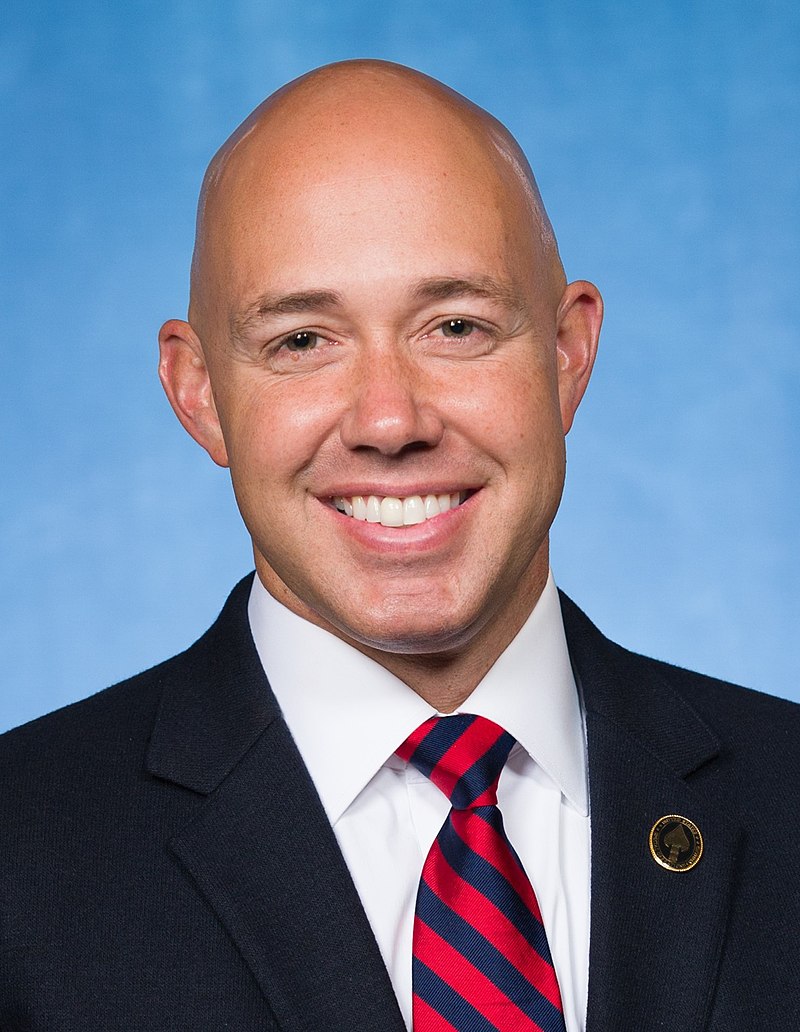

L
Lucy McBath

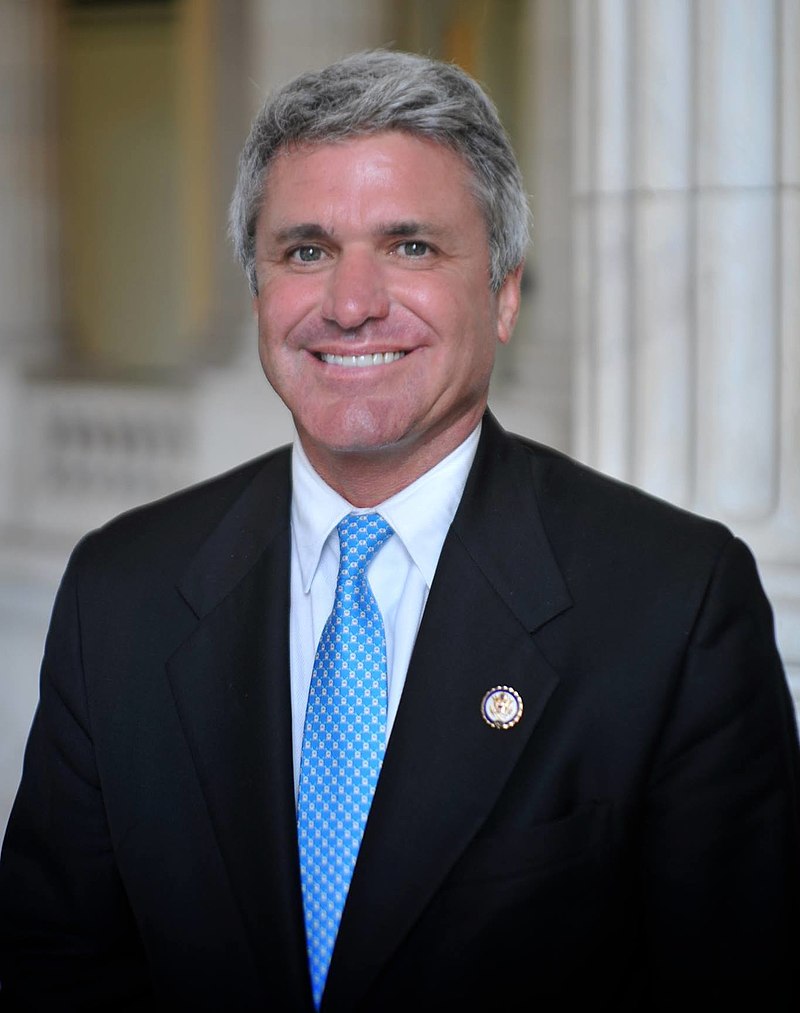
L
Lisa McClain
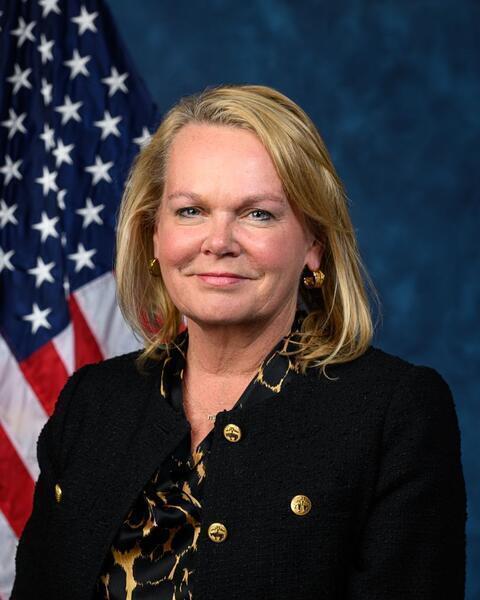
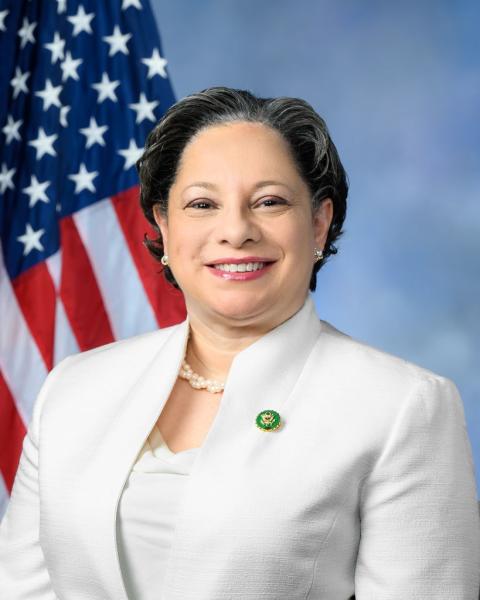















































J
John Rutherford







D
David Schweikert
P
Pete Sessions



















R
Rashida Tlaib








N
Nydia Velázquez


D
Debbie Wasserman Schultz








Nay (57)
















S
Scott Franklin