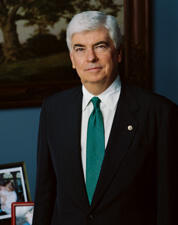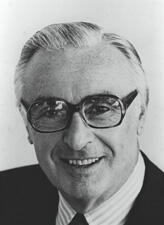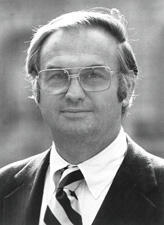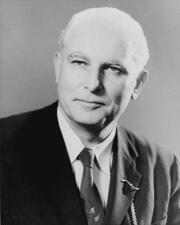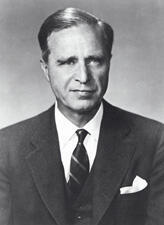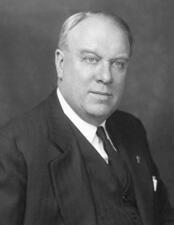
Raymond Earl Baldwin served as a Senator from Connecticut in the United States Congress from 1946 to 1949. A member of the Republican Party, Raymond Earl Baldwin contributed to the legislative process during 2 terms in office.
Raymond Earl Baldwin’s service in Congress occurred during a significant period in American history. As a member of the Senate, Raymond Earl Baldwin participated in the democratic process and represented the interests of constituents.
Raymond Earl Baldwin (August 31, 1893 – October 4, 1986) was an American politician who served as a United States senator from Connecticut and also as the 72nd and 74th Governor of Connecticut. A conservative Republican, he was elected governor of Connecticut in 1938 during a Republican landslide promising a balanced budget, government aid to private business, and lower taxes. He sharply cut the state budget, producing a million dollars surplus. He was defeated for reelection in 1940, but was elected governor again in 1942 and 1944. He supervised a complex system of civil defense and statewide services on the homefront during the war. He planned an elaborate program to deal with the postwar reconversion of Connecticut’s many warplane and munitions plants. He was elected to the Senate in the Republican landslide of 1946. As a spokesman for the small businesses of America, he compiled a conservative record in favor of less regulation, except for more regulation of labor unions through the Taft–Hartley Act. As chairman of a subcommittee of the Armed Services committee, Baldwin engaged in a long-running dispute with Wisconsin Senator Joseph McCarthy. McCarthy alleged that Baldwin was whitewashing an episode in which Army prosecutors in 1944 gained the death penalty for German soldiers accused of massacring Americans at the Malmedy Massacre. Exhausted by the highly publicized controversy, Baldwin resigned from the Senate in December 1949 to become a state judge.
Congressional Record