United States Senator Directory

Perry Smith

Perry Smith served as a senator for Connecticut (1837-1843).

  • Democratic
  • Connecticut
  • Former
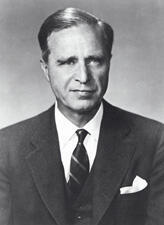
Portrait of Perry Smith Connecticut
Role Senator

Current assignment referenced in the congressional directory.

State Connecticut

Representing constituents across the Connecticut delegation.

Service period 1837-1843

Years of public service formally recorded.

Font size

Biography

Perry Smith was the name of several notable American figures active in politics, criminal history, professional sports, the judiciary and railroad industry, and military service from the late eighteenth century through the late twentieth century. The earliest of these, Perry Smith (politician), was born in 1783 and became an American congressman from Connecticut, serving during the formative decades of the United States. His career reflected the early republic’s emerging party system and the growing influence of New England in national affairs. Over the course of his public life, he participated in the legislative work of Congress at a time when issues such as territorial expansion, economic development, and the balance of power between the federal government and the states were central concerns. He remained a figure in Connecticut and national politics until his death in 1852.

Another prominent nineteenth-century figure bearing the name was Perry H. Smith, born in 1828. He became known as a judge, politician, and railroad executive during a period of rapid industrialization and westward expansion in the United States. Trained in the law, he served in judicial capacities and held political office, contributing to the legal and legislative frameworks that governed the growth of new communities and commercial enterprises. As a railroad executive, he was involved in the development and management of rail lines that were critical to transportation, commerce, and settlement in the mid-nineteenth century. His combined legal, political, and business roles made him a significant participant in the economic transformation of the era. Perry H. Smith continued his work in these fields until his death in 1885.

In the twentieth century, the name Perry Edward Smith became widely known in a very different context. Born in 1928, he gained notoriety as one of the two murderers depicted in Truman Capote’s nonfiction book “In Cold Blood.” Smith, along with his accomplice, was convicted of the 1959 murders of the Clutter family in Holcomb, Kansas, a crime that drew national attention for its brutality and apparent lack of motive. Capote’s detailed account of the investigation, trial, and execution of the perpetrators helped inaugurate the true-crime literary genre and made Perry Edward Smith a central figure in discussions of criminal psychology, capital punishment, and the ethics of literary reportage. Smith was executed in 1965, and his life and crimes have continued to be examined in legal, literary, and cultural studies.

A different Perry Smith emerged in the realm of professional athletics. Perry Smith, born in 1951, became an American football player who served as a defensive back in the National Football League (NFL). Coming of age during the expansion and popularization of professional football in the United States, he played in the defensive secondary, a position requiring speed, agility, and the ability to read opposing offenses. His career in the NFL placed him among the ranks of athletes who contributed to the league’s growing prominence in American sports culture in the 1970s and 1980s, and his play reflected the increasingly specialized and strategic nature of professional football during that period.

Military service and public commentary were the domains of Perry M. Smith, born in 1934. He rose through the ranks of the United States Air Force to become a major general, building a career that spanned the Cold War and involved command, staff, and policy responsibilities. His experience included work in strategic planning and operations at a time when air power and nuclear deterrence were central to U.S. defense policy. After retiring from active duty, he became widely known as a military analyst for CNN, where he provided expert commentary on defense issues, military operations, and international crises. In this role, he helped interpret complex military developments for a broad television audience, bridging the gap between professional military expertise and public understanding.

Another military figure sharing the name was Perry G. Smith Sr., who served as an adjutant general in Alabama. As adjutant general, he held the senior leadership position over the state’s National Guard forces, responsible for overseeing training, readiness, administration, and coordination with both state and federal authorities. His tenure reflected the modern National Guard’s dual role in supporting overseas deployments and responding to domestic emergencies, including natural disasters and civil contingencies. Through this position, Perry G. Smith Sr. played a key part in the organization, discipline, and operational effectiveness of Alabama’s military forces, contributing to both state security and the broader missions of the United States armed forces.

Congressional Record

Loading recent votes…

More Senators from Connecticut