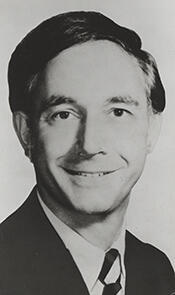
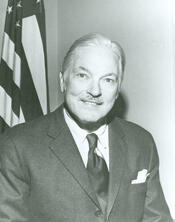
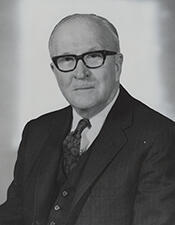
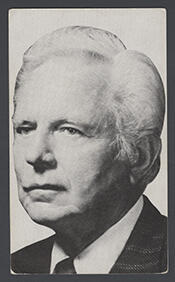
John Sloane was the name of several American public figures and businessmen active in the late eighteenth, nineteenth, and twentieth centuries, most notably John Sloane of Ohio, a U.S. Representative and later Treasurer of the United States; John L. Sloane, mayor of Missoula, Montana; and John Eyre Sloane, an American industrialist. Although they were active in different regions and eras, each played a role in the political or industrial development of the United States.
John Sloane, the Ohio politician, was born in 1779 and became a prominent public servant in the early national period. Emerging in the generation that followed the American Revolution, he entered public life as Ohio was transitioning from frontier territory to an organized state within the Union. He was elected as a U.S. Representative from Ohio, serving in the House of Representatives during a formative era in federal politics when issues of westward expansion, internal improvements, and the balance of power between the states and the federal government were central concerns. His service in Congress reflected the growing political influence of the Old Northwest and the increasing importance of Ohio in national affairs.
Following his tenure in the House of Representatives, John Sloane continued his federal service in a key executive-branch financial role. He was appointed Treasurer of the United States, a position that placed him at the center of the federal government’s fiscal operations. As Treasurer, he was responsible for overseeing the receipt, custody, and disbursement of public funds at a time when the nation’s financial system was still evolving and questions of banking, currency, and public credit were politically charged. His combined legislative and executive experience made him a significant figure in the early financial administration of the United States. John Sloane died in 1856, having spent much of his life in public service.
Another notable figure bearing the same surname was Jonathan Sloane, born in 1785, who also served as a U.S. Representative from Ohio. Although distinct from John Sloane, Jonathan Sloane’s career similarly reflected the political maturation of Ohio in the early nineteenth century. Serving in Congress during the same broad historical period, he participated in the legislative debates that shaped the young republic. Jonathan Sloane died in 1854, leaving a record of service that, together with that of John Sloane, underscored Ohio’s growing role in the national legislature.
John L. Sloane, born in 1847, was a municipal leader in the American West and served as mayor of Missoula, Montana. Coming of age after the Civil War, he was active during the period when Montana was transitioning from a frontier territory toward more established civic and economic structures. As mayor of Missoula, he presided over local governance in a community that was developing as a regional center of trade, transportation, and resource-based industry. His administration contributed to the institutional and civic growth of Missoula in the late nineteenth century. John L. Sloane died in 1897, having played a role in the consolidation of municipal government in the northern Rocky Mountain region.
In the realm of industry and technology, John Eyre Sloane, born in 1886, was an American industrialist whose career unfolded during the rapid expansion of modern manufacturing and, particularly, the early aviation era. Active in the first half of the twentieth century, he was associated with the emerging field of aeronautics and industrial production at a time when powered flight was transforming transportation, commerce, and warfare. As an industrialist, he participated in the broader shift of the United States toward large-scale, technology-driven industry. John Eyre Sloane died in 1970, his life spanning from the age of early experimental flight into the modern jet and space age.
Taken together, the careers of John Sloane of Ohio, Jonathan Sloane, John L. Sloane, and John Eyre Sloane illustrate the diverse ways in which individuals bearing the Sloane name contributed to American public life and economic development—from early federal governance and financial administration, to western municipal leadership, to twentieth-century industrial and technological growth.
Congressional Record