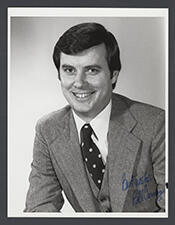
John Russell was a member of the Republican Party who represented New York in the United States House of Representatives, serving two terms in Congress. As a United States Representative from New York, he contributed to the legislative process during a significant period in American history, participating in the democratic process and representing the interests of his constituents. His congressional service placed him among the notable figures named John Russell who have held public office in the United States, including other legislators and officeholders at both the federal and state levels.
Little is recorded in the available sources about John Russell’s early life, including his exact date and place of birth, family background, or formative influences. However, his later political career as a Republican representative from New York indicates that he emerged from a milieu in which public affairs and party organization were sufficiently developed to support his election to national office. His rise to Congress suggests that he would have been engaged in local or state political activity, professional work, or community leadership that brought him to the attention of party leaders and voters in his district.
Details of John Russell’s formal education are not preserved in the surviving summaries, but his eventual service in the House of Representatives implies that he possessed the level of education and practical experience typical of nineteenth- or early twentieth-century Republican officeholders from New York. Many such figures combined legal training, business or commercial experience, and prior service in local government or party committees. Russell’s ability to navigate the legislative process and represent his constituents in Congress indicates that he was conversant with the political issues of his time and capable of effective participation in national debates.
John Russell’s career reached its peak with his election as a Republican to the United States House of Representatives from New York, where he served two terms. During his tenure in Congress, he took part in the broader legislative work of the House, contributing to the development, consideration, and passage of federal laws. His service occurred during a significant period in American history, when questions of economic development, governance, and the evolving role of the federal government were central to national politics. As a Republican representative, he would have aligned himself with the principles and priorities of his party as they were understood in his era, while also addressing the particular needs and concerns of his New York constituency.
Within Congress, Russell’s responsibilities included attending sessions of the House, participating in committee work, and voting on legislation affecting both his district and the nation. Representing New York, a state with substantial economic, commercial, and demographic importance, he would have been involved in issues of trade, infrastructure, finance, and the regulation of emerging industries, as well as questions of federal-state relations and the rights and welfare of his constituents. His two-term service suggests that his performance in office was sufficiently valued by voters to warrant reelection, reflecting a measure of confidence in his judgment and advocacy.
After completing his two terms in the House of Representatives, John Russell concluded his congressional service and returned to private life or other forms of public engagement. The extant record does not specify his subsequent occupations, public roles, or the precise date and circumstances of his death. Nonetheless, his tenure as a Republican member of Congress from New York situates him within the broader tradition of American legislators who have shaped national policy through their participation in the federal lawmaking process. His career stands as part of the long historical line of individuals named John Russell who have held public office and contributed to political life in the United States and other English-speaking countries.
Congressional Record