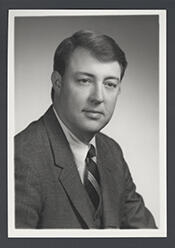
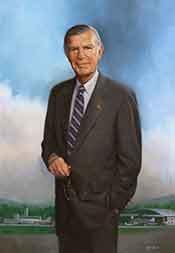
John Reilly (full name John Reilly; sometimes recorded as John Reilly of Pennsylvania) was an American politician who served as a member of the Democratic Party representing Pennsylvania in the United States House of Representatives. His single term in Congress placed him within a significant period in American history, during which he contributed to the legislative process and represented the interests of his constituents at the federal level.
Born in 1836, John Reilly was a native of Pennsylvania, a state that played a central role in the political, economic, and industrial development of the United States in the nineteenth century. Growing up in this environment, he would have been shaped by the rapid expansion of transportation networks, the growth of industry, and the increasingly intense national debates over issues such as states’ rights, economic policy, and, in the decades before the Civil War, the expansion of slavery. These formative experiences in a politically engaged and economically dynamic state helped prepare him for a career in public life.
Reilly’s early education and professional training took place in Pennsylvania, where he established himself before entering national politics. Like many politicians of his era, he likely combined legal, business, or local governmental experience with active participation in Democratic Party affairs at the county or state level. Through this involvement, he built the reputation and connections necessary to secure election to Congress, reflecting both his personal standing and the strength of the Democratic Party in his district at the time.
John Reilly was elected as a Democrat to the United States House of Representatives from Pennsylvania, serving one term in office. His tenure in Congress occurred during a consequential era in American history, when the nation was grappling with reconstruction, industrialization, regional tensions, and evolving questions of federal versus state authority. As a Democratic representative, he took part in the deliberations of the House, contributed to the legislative process, and participated in the democratic governance of the country. In this capacity, he represented the interests of his Pennsylvania constituents, addressing issues that would have included economic development, infrastructure, and the broader national policies that affected his district.
During his time in Congress, Reilly’s role as a legislator involved voting on bills, serving on committees as assigned, and engaging in debate over the pressing issues of his day. Although he served only a single term, his participation in the national legislature placed him among the ranks of those who helped shape federal policy during a transformative period. His service reflected both the priorities of the Democratic Party and the specific needs and concerns of the people of Pennsylvania whom he was elected to represent.
After completing his one term in the House of Representatives, John Reilly returned to private life in Pennsylvania. Like many former members of Congress in the nineteenth century, he likely resumed professional pursuits in law, business, or local public service, continuing to be involved in civic affairs even after leaving national office. His post-congressional life unfolded against the backdrop of a rapidly changing United States, as Pennsylvania continued to grow as an industrial and political center.
John Reilly died in 1904, closing a life that spanned from the antebellum period through the Civil War era and into the dawn of the twentieth century. His career as a Democratic representative from Pennsylvania, though limited to a single term, placed him within the broader narrative of American political history, in which he contributed to the legislative work of Congress and to the representation of his constituents during a significant period in the nation’s development.
Congressional Record