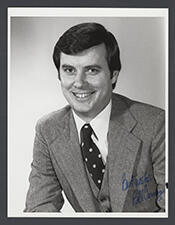
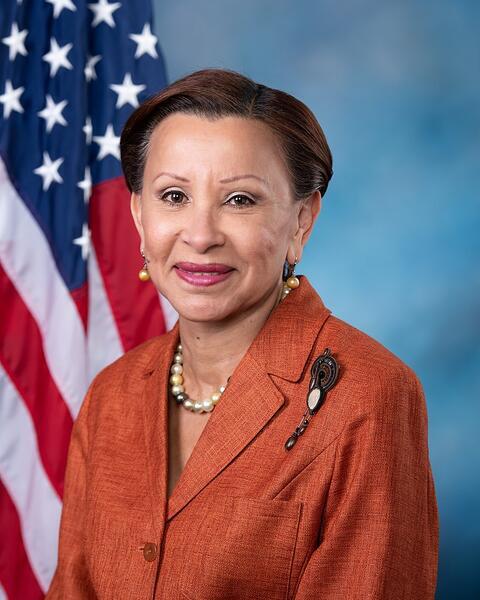
John Palmer, a member of the Democratic Party representing New York, served two terms in the United States House of Representatives during a significant period in American history, contributing to the legislative process and representing the interests of his constituents. He is most closely identified with John Palmer (1785–1840), a U.S. congressman from New York whose congressional service reflected the political realignments and regional concerns of the early nineteenth century. His tenure in Congress placed him among a generation of New York legislators who helped shape national policy as the young republic expanded and its party system evolved.
Born in 1785, John Palmer came of age in the post-Revolutionary era, when New York was emerging as a major political and commercial center of the United States. Although detailed records of his early life and family background are limited, his later public career suggests that he benefited from the educational and civic opportunities available in the state during this formative period. Growing up in the years following the ratification of the Constitution, he would have been exposed to vigorous debates over federal and state authority, economic development, and the role of political parties, all of which influenced the generation that entered public life in the early 1800s.
Palmer’s education likely followed the pattern common to aspiring professionals and public men of his time in New York, combining formal schooling with practical training. Many contemporaries who went on to Congress read law or engaged in mercantile or agricultural pursuits before entering politics, and Palmer’s subsequent service in the House of Representatives indicates that he achieved a level of learning and public standing sufficient to command the confidence of voters in his district. By the time he emerged as a candidate for national office, he had established himself within the Democratic Party, which in New York was a central vehicle for organizing political support and articulating positions on national issues.
As a Democratic Party representative from New York, Palmer was elected to serve two terms in the United States Congress, where he participated in the democratic process at a time when the nation was grappling with questions of territorial growth, economic policy, and the balance of power between free and slave states. His service in Congress occurred during a significant period in American history, when New York’s delegation played an important role in debates over internal improvements, trade, and the evolving party system. In this capacity, Palmer contributed to the legislative process, working within the committee structure and on the House floor to represent the interests of his constituents and his state. His alignment with the Democratic Party placed him within a political tradition that emphasized popular participation, skepticism of concentrated financial power, and support for westward expansion, themes that resonated strongly in New York politics of the era.
During his two terms, Palmer’s work as a congressman would have required sustained engagement with both local and national concerns. Representing New York, he was expected to address issues affecting commerce, agriculture, and transportation in a state that was rapidly growing in population and economic importance. His participation in congressional deliberations contributed to the broader legislative record of the period, as members from different regions negotiated over tariffs, banking policy, and federal support for infrastructure. While the detailed roll-call record of his votes is incomplete, his service is part of the collective effort by New York Democrats to shape national policy in line with the priorities of their constituents.
After completing his service in Congress, Palmer returned to private life in New York. Like many former members of the House in the early nineteenth century, he likely resumed professional or business pursuits while maintaining connections to local political affairs and civic life. His experience in national office would have given him a continuing voice in public discussions within his community, even after he no longer held elective office. John Palmer died in 1840, closing a career that linked his name to the formative decades of the United States Congress and to the Democratic Party’s development in New York. His life and service exemplify the role of early New York representatives who helped guide the legislative course of the nation during a transformative era.
Congressional Record