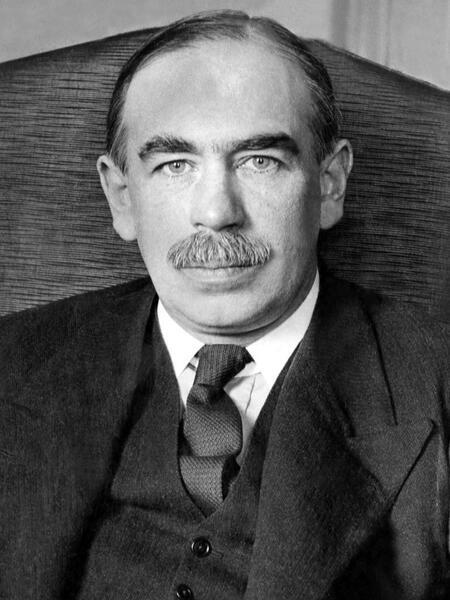
John Maynard (1786–1850) was an American lawyer, judge, and politician who served as a member of the Whig Party representing New York in the United States House of Representatives. As a Whig congressman, he contributed to the legislative process during two terms in office, participating in the democratic process and representing the interests of his constituents during a significant period in American history. His career in public life also included important judicial and state-level positions that reflected his prominence in New York’s legal and political circles.
Maynard was born in 1786 in New York State, in the years immediately following the American Revolution, a time when the new nation’s political and legal institutions were still taking shape. Little is recorded in standard references about his early family background, but his subsequent professional path suggests that he came of age in an environment that valued education, public service, and the law. Growing up in New York, he would have been exposed to the rapid growth of the state and the evolving debates over federal power, commerce, and internal improvements that would later define his political generation.
In preparation for a legal career, Maynard pursued the study of law in New York, following the customary practice of reading law under established attorneys rather than attending a formal law school, which was still uncommon in the early nineteenth century. After completing his legal studies and meeting the requirements for admission to the bar, he commenced practice as an attorney in New York. His legal work, conducted in a period of expanding commercial activity and increasing complexity in state and federal law, helped establish his reputation and provided the foundation for his later roles in public office.
Maynard’s growing stature as a lawyer led to his involvement in state politics and public affairs. Like many attorneys of his era, he moved naturally between legal practice and public service, participating in the civic life of his community and state. His alignment with the Whig Party placed him within a political movement that advocated for congressional supremacy over the presidency, support for internal improvements, and a generally nationalist economic program. This affiliation reflected his belief in an active legislative role in shaping the nation’s economic and institutional development.
As a member of the Whig Party representing New York, John Maynard was elected to the United States House of Representatives, where he served two terms in Congress as a U.S. Representative from New York. His service in Congress occurred during a significant period in American history, when issues such as the balance of power between the federal government and the states, the expansion of the nation’s infrastructure, and the evolving party system were at the forefront of national debate. In this context, he contributed to the legislative process, participating in the democratic governance of the country and representing the interests of his New York constituents in the national legislature.
In addition to his congressional service, Maynard’s legal expertise led to further responsibilities in the judiciary and in state government. Over the course of his career, he held judicial positions in New York, applying his legal training to the interpretation and administration of the law. These roles underscored his standing as a respected figure in the state’s legal community and complemented his legislative experience, giving him a broad perspective on both the making and the application of law.
John Maynard remained active in public life until the later years of his career, when advancing age and the natural course of events brought his long period of service to a close. He died in 1850, marking the end of a career that spanned the formative decades of the early American republic. Through his work as a lawyer, judge, and Whig U.S. Representative from New York, he participated in the development of both his state’s institutions and the broader national political system during a transformative era in United States history.
Congressional Record