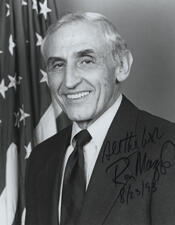
John Lloyd Dorsey Jr. (August 10, 1891 – March 22, 1960) was a Democratic Representative from the Commonwealth of Kentucky who served briefly in the United States House of Representatives during the early 1930s. He was born in Henderson, Henderson County, Kentucky, on August 10, 1891, into a community that would remain his lifelong home and the center of his professional and political activities. Raised in Henderson, he attended the local public schools before pursuing higher education within the state.
Dorsey continued his studies at Bethel College in Russellville, Kentucky, reflecting an early commitment to academic preparation for a professional career. He subsequently enrolled at Centre College in Danville, Kentucky, one of the state’s leading liberal arts institutions, from which he graduated in 1912. Remaining at Centre College to study law, he completed the legal training necessary for admission to the bar. In 1913 he was admitted to the bar of Kentucky and immediately commenced the practice of law in his native city of Henderson, establishing himself as a young attorney in private practice.
During World War I, Dorsey entered military service, reflecting the broader national mobilization of the period. In 1918 he served as a private in Headquarters Company, One Hundred and Fifty-ninth Depot Brigade, a stateside training and replacement unit of the United States Army responsible for processing and preparing soldiers for overseas duty. His service, though not in a combat role, placed him within the national war effort and added military experience to his legal and civic background.
Following the war, Dorsey became increasingly active in Democratic Party politics in Kentucky. From 1920 to 1924 he served as an executive Democratic committeeman, a position that involved organizational and leadership responsibilities within the party at the local or regional level. His growing prominence in civic affairs led to his selection as city attorney of Henderson, an office he first held in 1926. In that capacity he acted as the chief legal adviser to the municipal government, representing the city in legal matters and helping to shape local policy through his counsel. He returned to the same post in 1930, underscoring the confidence placed in his legal judgment and public service.
Dorsey’s congressional career arose from a midterm vacancy rather than a regular election cycle. When Representative David H. Kincheloe resigned from the United States House of Representatives, Dorsey was elected as a Democrat to the Seventy-first Congress to fill the vacancy. He took his seat on November 4, 1930, and served until March 3, 1931, representing his Kentucky district during the closing months of that Congress, a period marked nationally by the onset of the Great Depression. He chose not to be a candidate for election to the Seventy-second Congress in 1930, thereby limiting his service in the House to the completion of Kincheloe’s unexpired term.
After leaving Congress, Dorsey resumed the full-time practice of law in Henderson. His legal expertise and established reputation led to his reappointment as city attorney of Henderson in 1936 and 1937, once again placing him at the center of municipal legal affairs during a period of New Deal–era changes in local and federal relations. Beyond these formal offices, he continued to be identified with the legal and civic life of his hometown, maintaining an active law practice for the remainder of his career.
Dorsey continued in the practice of law until his death in Henderson, Kentucky, on March 22, 1960. His life and career remained closely tied to the city and county of his birth, where he had served as attorney, party official, soldier, and briefly as a member of the national legislature. He was interred in Fernwood Cemetery in Henderson, Kentucky, closing a lifetime of professional and public service rooted in his native community.
Congressional Record