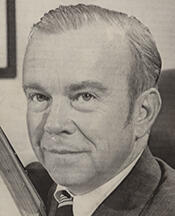
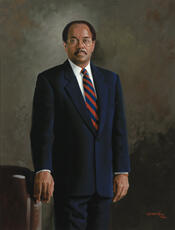
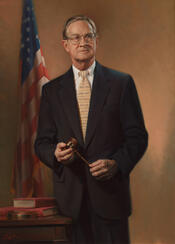
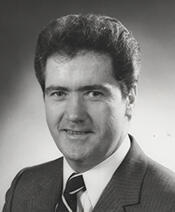
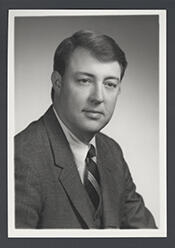
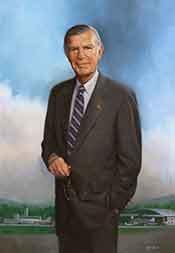
John Davis was a member of the Democratic Party who represented Pennsylvania in the United States House of Representatives, serving one term in Congress. As a Democratic representative from Pennsylvania, he contributed to the legislative process during a significant period in American history, participating in the democratic process and representing the interests of his constituents. His service in Congress occurred at a time when the nation was grappling with important political, economic, and social questions, and he took part in the formal deliberations that shaped federal policy.
Details of John Davis’s early life, including his exact date and place of birth, family background, and formative influences, are not fully documented in the surviving record. However, like many Pennsylvania Democrats who rose to national office in the nineteenth century, he likely emerged from a regional context shaped by the state’s growing industrial base, its transportation networks, and its diverse population. This environment produced a political culture in which questions of internal improvements, tariffs, banking, and the balance between federal and state authority were central, and it was within this milieu that Davis’s political views and party loyalties would have been formed.
Information about Davis’s formal education is also limited, but his election to Congress as a Democratic representative from Pennsylvania indicates that he attained the level of learning, professional experience, and public standing typical of congressional members of his era. Many of his contemporaries in the Pennsylvania delegation had backgrounds in law, business, agriculture, or local public office, and Davis’s ability to secure a seat in the House suggests that he was conversant with the legal and constitutional issues of the day and capable of engaging in the complex legislative work required of a national lawmaker.
Before his election to the House of Representatives, John Davis would have needed to establish himself within Pennsylvania’s Democratic Party organization, which was often built around county and district-level networks of activists, local officials, and party leaders. His emergence as a successful candidate for Congress implies prior involvement in public affairs, whether through local office, party work, or community leadership. In this capacity, he would have become known to voters in his district as a representative of Democratic principles, including support for popular participation in government and responsiveness to the concerns of ordinary citizens.
John Davis’s congressional service as a Democratic representative from Pennsylvania, though limited to a single term, placed him at the center of the federal legislative process. During his tenure in the House of Representatives, he took part in debates, committee work, and roll-call votes that affected both his state and the nation. As a member of the Democratic Party, he aligned himself with his party’s positions on the major issues before Congress, while also attending to the specific needs and interests of his Pennsylvania constituents. His role in Congress exemplified the representative function envisioned by the Constitution, linking local concerns to national policy through the institution of the House.
After completing his one term in Congress, John Davis left the national legislature and returned to private life or other forms of public service, as was common for many single-term representatives of his period. Although the details of his later life, including any subsequent professional pursuits or public roles, are not fully preserved in the historical record, his time in the House of Representatives stands as the most clearly documented phase of his career. Through that service, he contributed to the ongoing work of American self-government during a consequential era, and he remains recorded in the nation’s political history as a Democratic member of Congress from Pennsylvania who took part in the legislative deliberations of his time.
Congressional Record