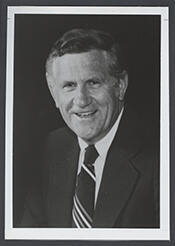
John Chilton Burch (February 1, 1826 – August 31, 1885) was an American lawyer and Democratic politician from California who served one term as a United States Congressman from 1859 to 1861. His congressional service occurred during a significant period in American history, on the eve of the Civil War, when he participated in the democratic process and represented the interests of his California constituents in the 36th Congress.
Burch was born on February 1, 1826, in Boone County, Missouri. He received his early education at the Bonne Femme Academy, a local institution in Boone County, and later attended Kemper College in Missouri. Following his formal schooling, he studied law in Jefferson City, Missouri, preparing for a professional career in the legal field. After completing his legal studies, he was admitted to the bar and commenced the practice of law in Missouri.
In addition to his private legal practice, Burch held several early public positions in Missouri. He served as deputy clerk of Cole County, where Jefferson City is located, gaining experience in county administration and court procedures. He also held the post of Assistant Adjutant General of Missouri, a position that involved responsibilities related to the organization and administration of the state militia, further broadening his experience in public service and governmental affairs.
In 1850, during the California Gold Rush, Burch moved west to California. Like many who migrated during that period, he initially worked in the mines, which he did until 1851. He soon transitioned back into public service and the law, and with the organization of new local governments in the rapidly growing state, he was elected clerk of the newly organized Trinity County. In 1853 he was appointed district attorney of Trinity County, solidifying his reputation as a capable lawyer and public official in northern California.
Burch’s political career advanced at the state level before he entered national office. In 1856 he was elected to the California State Assembly, where he participated in shaping legislation for the young state. He subsequently served in the California State Senate, holding that office until 1859. His legislative experience in both houses of the state legislature helped establish him as a prominent Democratic figure in California politics and prepared him for service in the federal government.
In 1859, Burch was elected as a Democrat to the 36th Congress, representing California in the United States House of Representatives from 1859 to 1861. As a member of the Democratic Party, he contributed to the legislative process during his single term in office. His tenure coincided with mounting sectional tensions and debates over slavery, secession, and the future of the Union, placing him among the lawmakers who grappled with the issues that would soon lead to the Civil War. During this period, he participated in the democratic process at the national level and worked to represent the interests of his California constituents in the House of Representatives.
After serving one term in Congress, Burch did not seek immediate further federal office and instead resumed the practice of law in San Francisco, California. His legal expertise and legislative experience led to his appointment as a code commissioner for the state, a role in which he served for four years. In this capacity, he was involved in the systematic organization and revision of California’s laws. Although he was recognized for his legal abilities and was considered for higher judicial office, he declined to be a candidate for Judge of the Supreme Court of California.
John Chilton Burch died on August 31, 1885, in San Francisco, California. He was interred in the Sacramento Historic City Cemetery in Sacramento, California. His career spanned the formative decades of both Missouri and California state development and included significant service at the county, state, and national levels of government.
Congressional Record