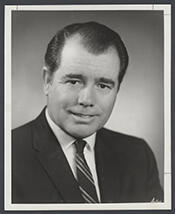
James McCleery (December 2, 1837 – November 5, 1871) was an Ohio-born lawyer, Union Army officer during the American Civil War, and Republican member of the United States House of Representatives from Louisiana. His brief but notable congressional service occurred during the Reconstruction era, a significant period in American history, during which he participated in the democratic process and represented the interests of his Louisiana constituents.
McCleery was born in Mecca Township, Trumbull County, Ohio, on December 2, 1837. He grew up in northeastern Ohio and pursued higher education at Oberlin College, attending in 1859 and 1860. His time at Oberlin, an institution known for its early commitment to abolitionism and coeducation, preceded his entry into military service and helped shape the intellectual foundation for his later legal and political career.
With the outbreak of the American Civil War, McCleery entered the Union Army in 1861. He received a commission as second lieutenant of Company A, 41st Ohio Volunteer Infantry, and quickly became engaged in front-line service. In 1862 he was severely wounded at the Battle of Shiloh, one of the war’s bloodiest engagements, and as a result of his injuries he lost his right arm. Despite this grave wound, he continued his military career and was promoted through the ranks, attaining the rank of major in 1865. His service reflected both personal sacrifice and professional advancement during a critical national conflict.
After the war, McCleery continued his military service in the Regular Army. In 1866 he entered the Regular Army as a captain in the 45th U.S. Infantry. Over the course of his postwar service, he received brevets in recognition of his performance, including the brevet of major in the regular establishment and the brevet rank of brigadier general of Volunteers. His military career concluded when he retired from the Army on December 15, 1870.
Following his retirement, McCleery settled in St. Mary Parish, Louisiana, where he purchased a plantation and entered the practice of law, establishing himself as a lawyer in the postwar South. During Reconstruction he became connected with the Freedmen’s Bureau, working not only in Louisiana but also in North Carolina, thereby participating in federal efforts to assist formerly enslaved people and to reorganize Southern society and institutions after the Civil War. He later moved to Shreveport, Louisiana, where he was appointed superintendent of public education for the fourth division, contributing to the rebuilding and administration of public education in the state.
McCleery’s legal and administrative work in Louisiana led to his entry into elective office. A member of the Republican Party, he was elected from Louisiana’s 4th congressional district to the Forty-second Congress. He took his seat in the U.S. House of Representatives on March 4, 1871, and served one term in office. His tenure in Congress coincided with a pivotal phase of Reconstruction, during which he participated in the legislative process and represented the interests of his Louisiana constituents as the federal government grappled with issues of civil rights, readmission of former Confederate states, and the political integration of newly enfranchised citizens.
McCleery’s congressional service was cut short by his untimely death. While on a visit to New York City, he died on November 5, 1871. He was interred in the Christian Church Cemetery in Cortland, Trumbull County, Ohio, returning in death to his native region. His tombstone in the Cortland Christian Church cemetery records both his birth and death dates and his wartime service, bearing the inscription: “JAMES MCCLEERY / BREVET / BRIG GEN / 41 OHIO INF / Born December 2, 1837 / Died November 5, 1871.”
Congressional Record